
HOT PRODUCTS
Electric motor base | What is aluminum die-cast? Focus on Electric Motor Base
What is Aluminum Die-Cast? Focus on Electric Motor Base
Table of Contents
- 1. Introduction: What is Aluminum Die-Cast?
- 2. Aluminum Die-Cast Electric Motor Base: Core Definition
- 3. Key Roles of Aluminum Die-Cast Electric Motor Base
- 4. Key Focus Points of Aluminum Die-Cast Electric Motor Base Manufacturing
- 5. Benefits of Aluminum Die-Cast Electric Motor Base (vs. Other Materials)
- Expert Opinion on Aluminum Die-Cast Electric Motor Base
- FAQs: Common Questions About Aluminum Die-Cast Electric Motor Base
- Conclusion
1. Introduction: What is Aluminum Die-Cast?
Aluminum die-casting is a high-efficiency, high-precisionmetal forming process that involves injecting molten aluminum alloy into a pre-designed steel mold (die) at high pressure and high speed, then allowing the molten metal to cool and solidify under pressure to form a desired component. Unlike traditional casting methods (such as sand casting or gravity casting), aluminum die-casting is characterized by its high pressure (usually 10-150 MPa) and high filling speed (up to 0.5-50 m/s), making it ideal for mass-producing complex, precise, and lightweight parts.
This process has been widely applied in industries like automotive, aerospace, electronic communications, and industrial machinery, thanks to its ability to create parts with excellent dimensional accuracy, surface quality, and mechanical performance. Among all aluminum die-cast components, the electric motor base stands out as one of the most critical applications—serving as the foundation of electric motors and directly affecting their stability, efficiency, and lifespan.
2. Aluminum Die-Cast Electric Motor Base: Core Definition
An aluminum die-cast electric motor base is a structural component manufactured through the aluminum die-casting process, designed to support, fix, and protect the internal components of an electric motor (such as stators, rotors, and bearings). It is typically made of high-performance aluminum alloys (common types include ADC12, A356, and AlSi7Mg) that are optimized for die-casting, ensuring a perfect balance of strength, lightweight, and corrosion resistance.
Unlike motor bases made of iron or steel, aluminum die-cast motor bases leverage the unique advantages of the die-casting process and aluminum itself, making them the preferred choice for modern electric motors—especially in scenarios requiring weight reduction, efficient heat dissipation, and high precision, such as electric vehicles, industrial pumps, and household appliances.
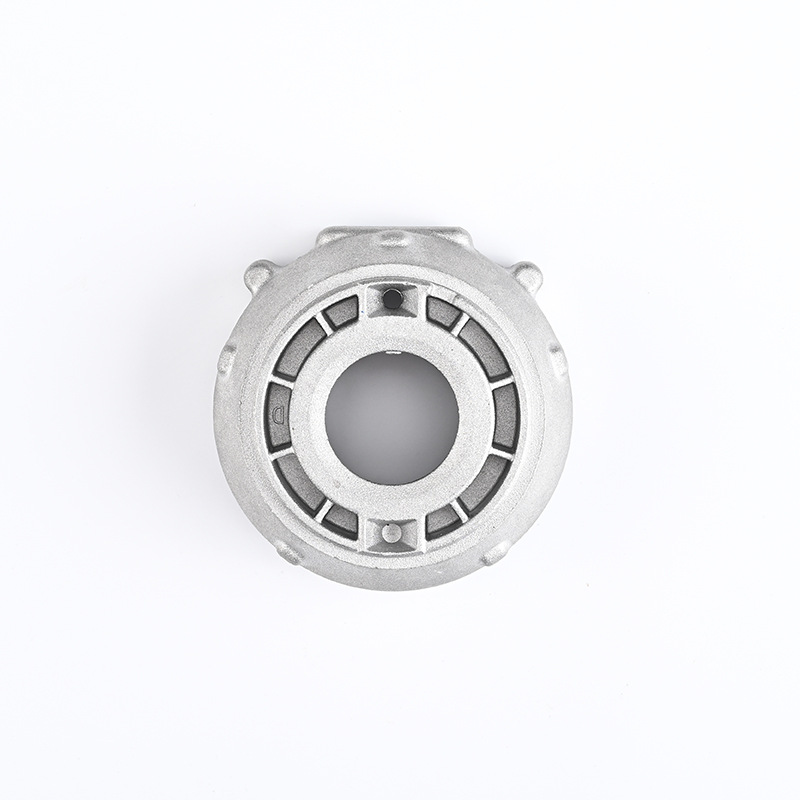
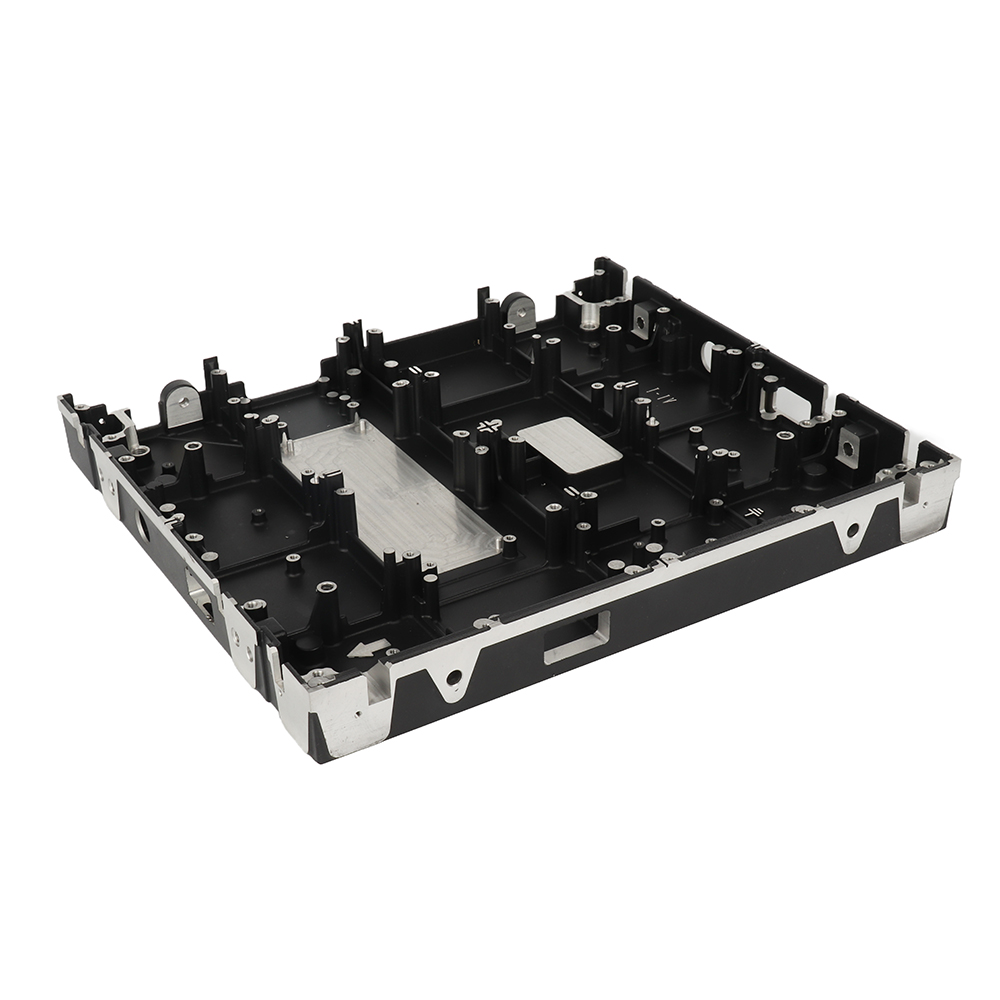
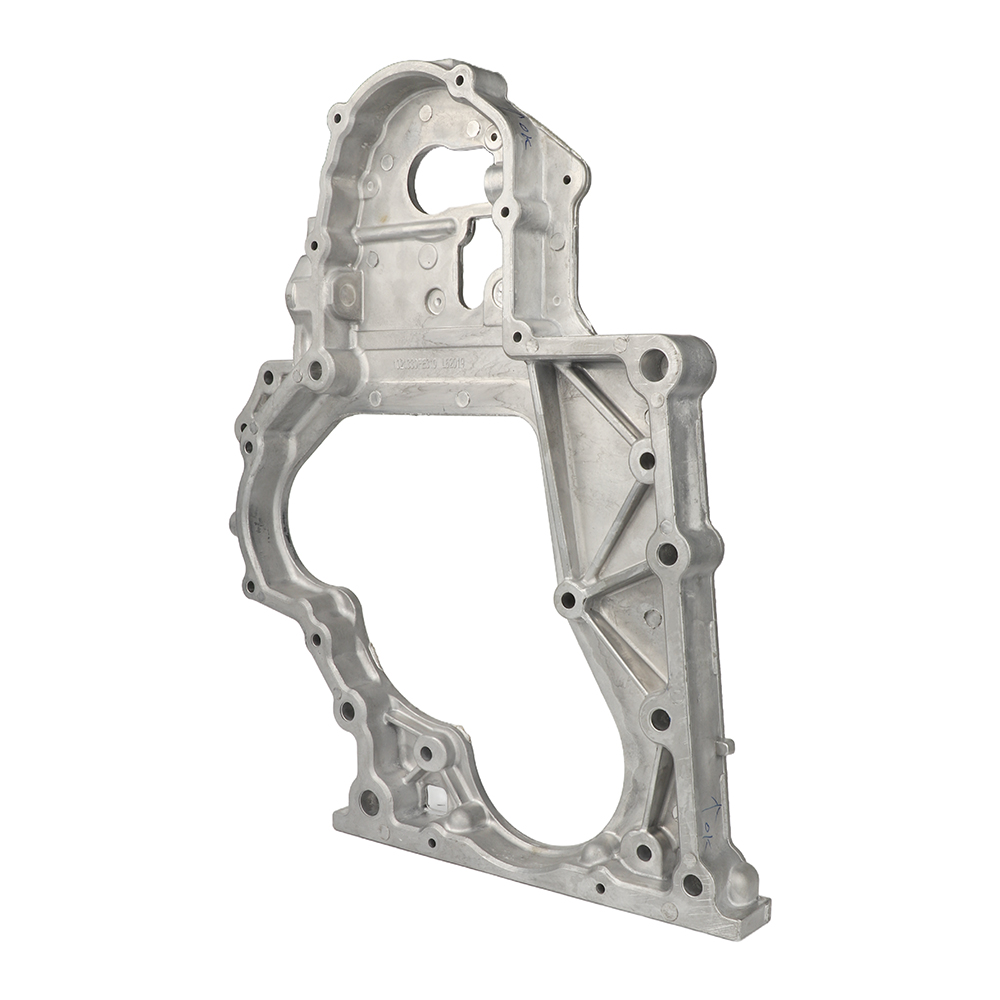
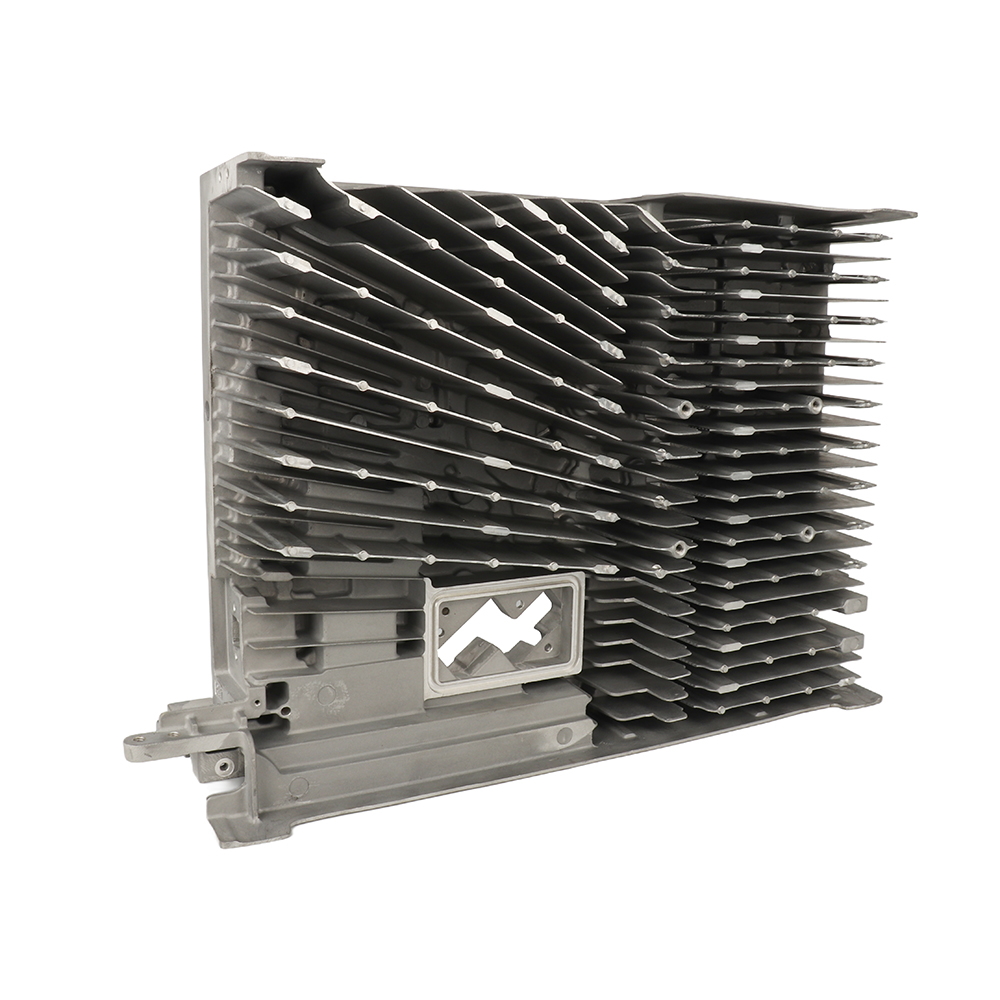
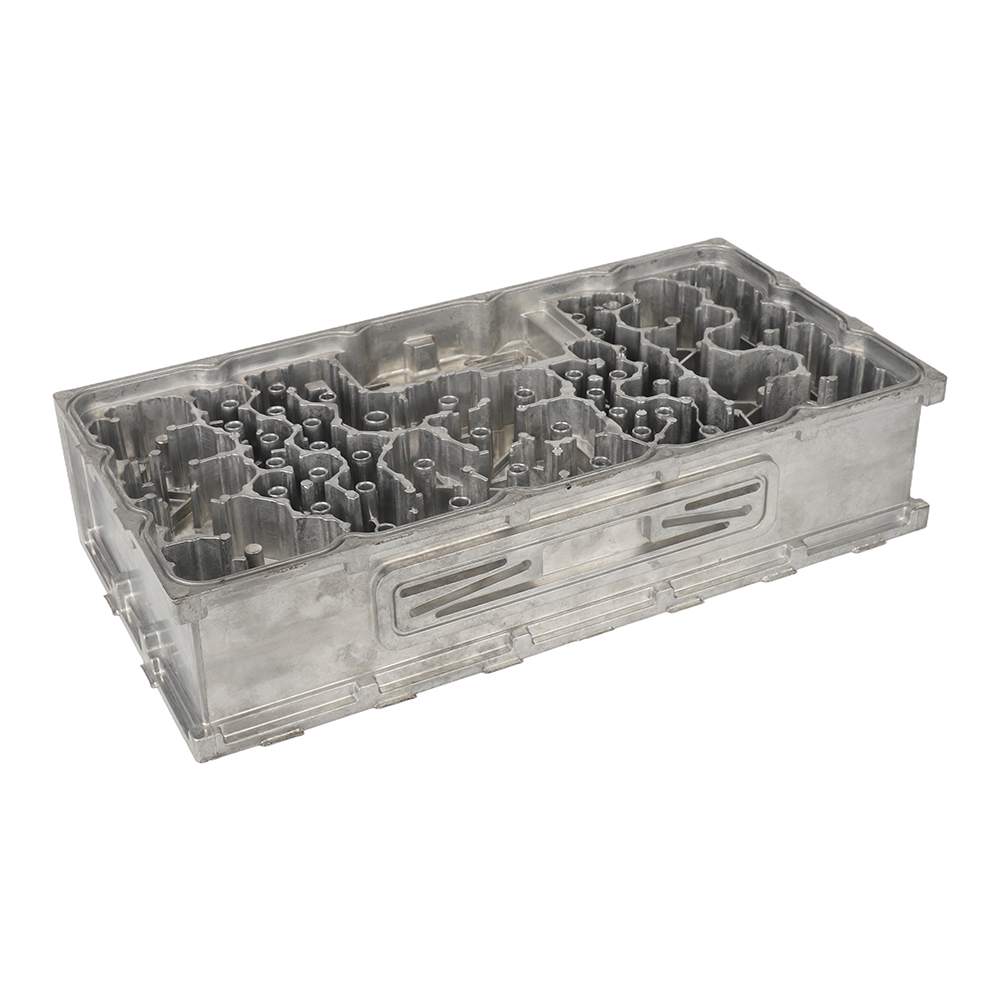
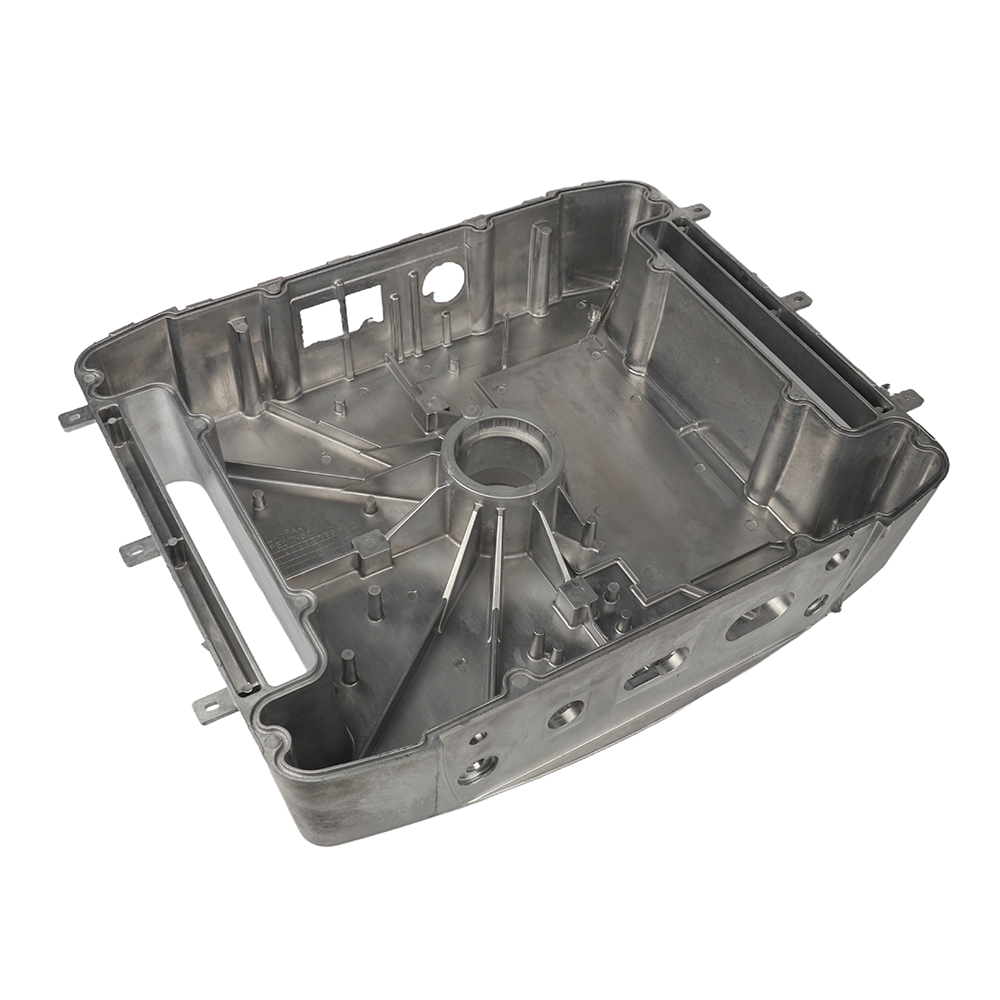
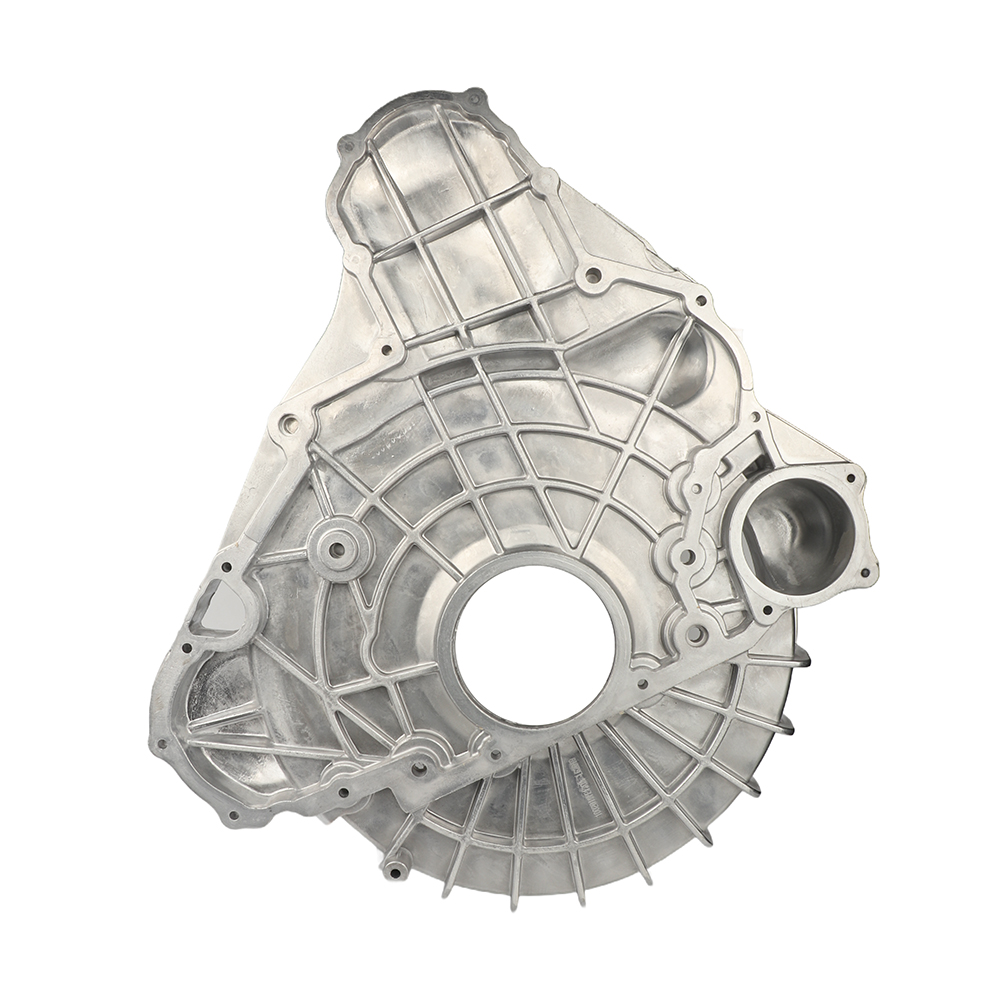
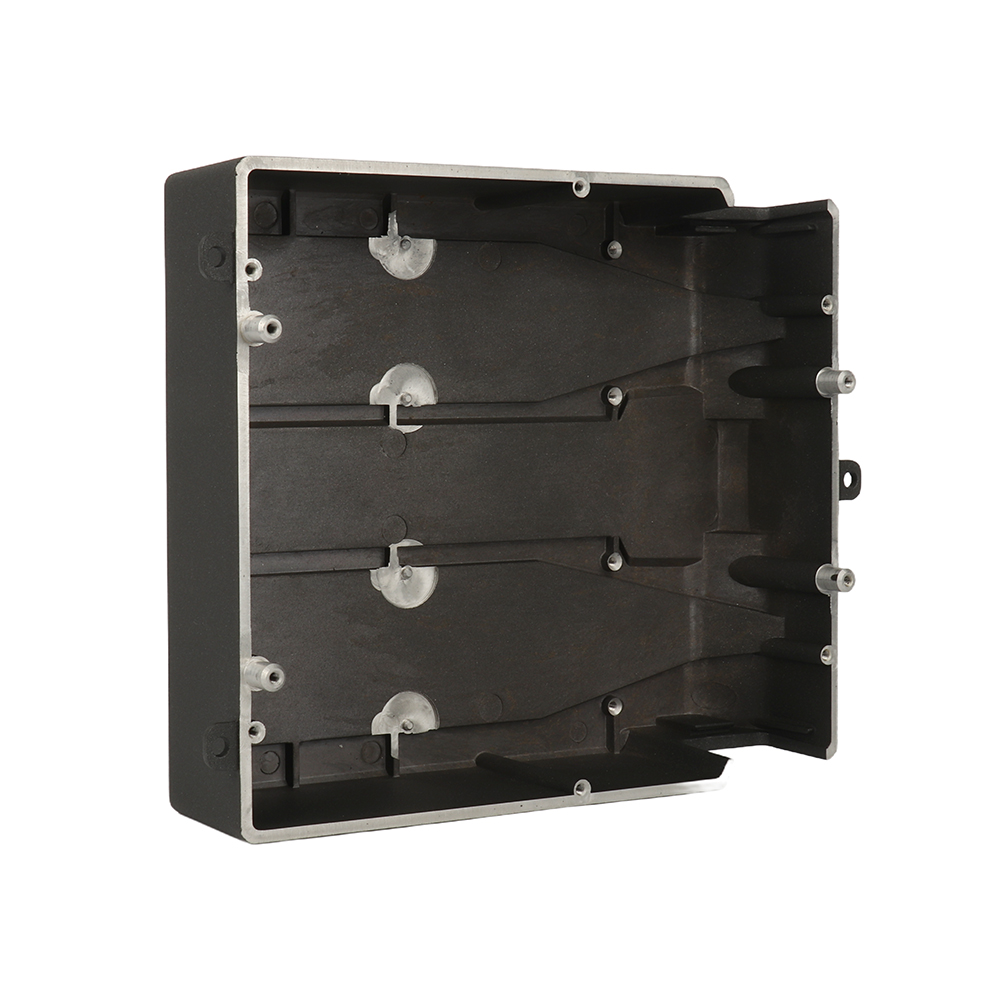
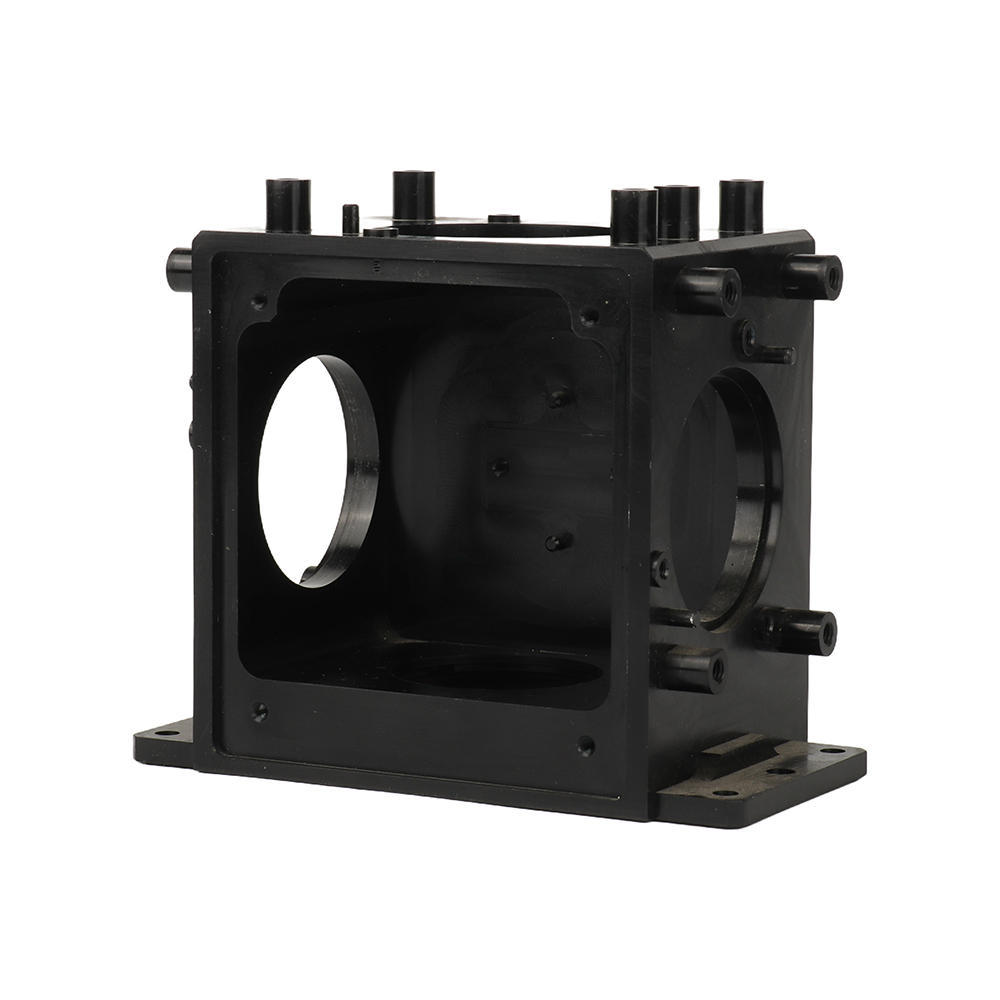
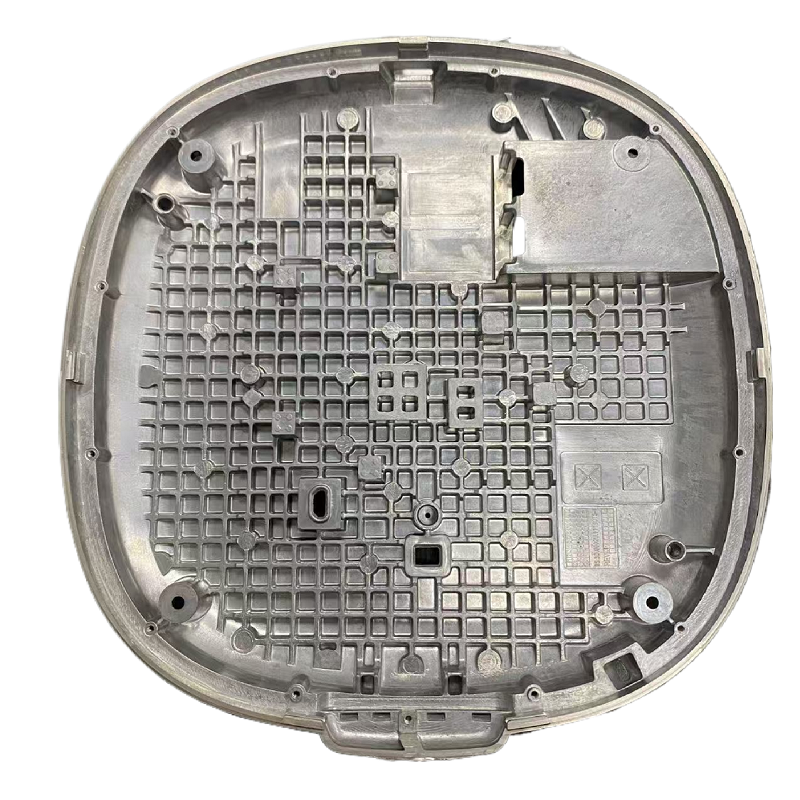
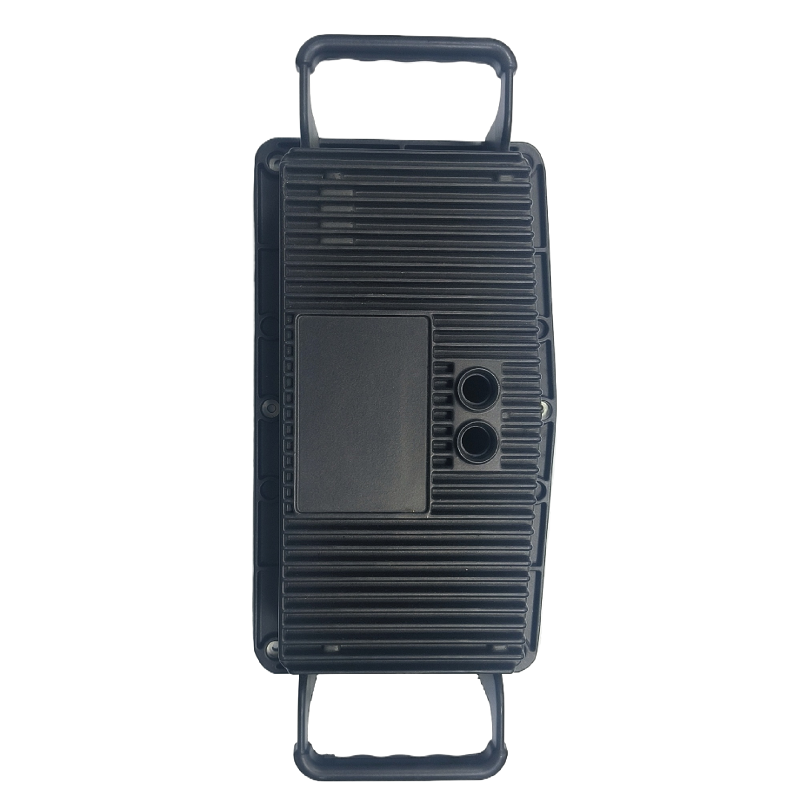
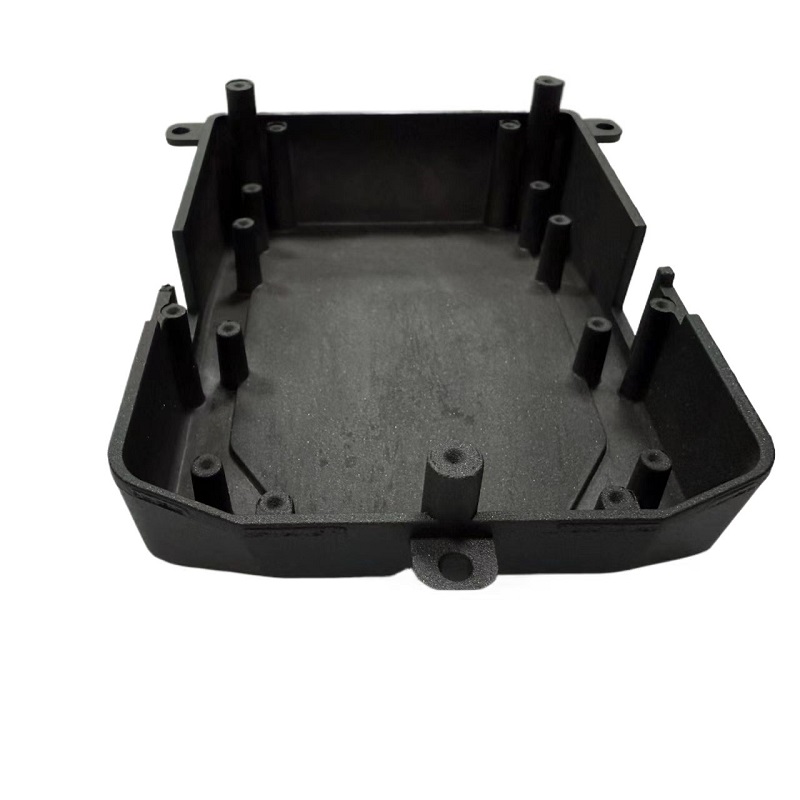
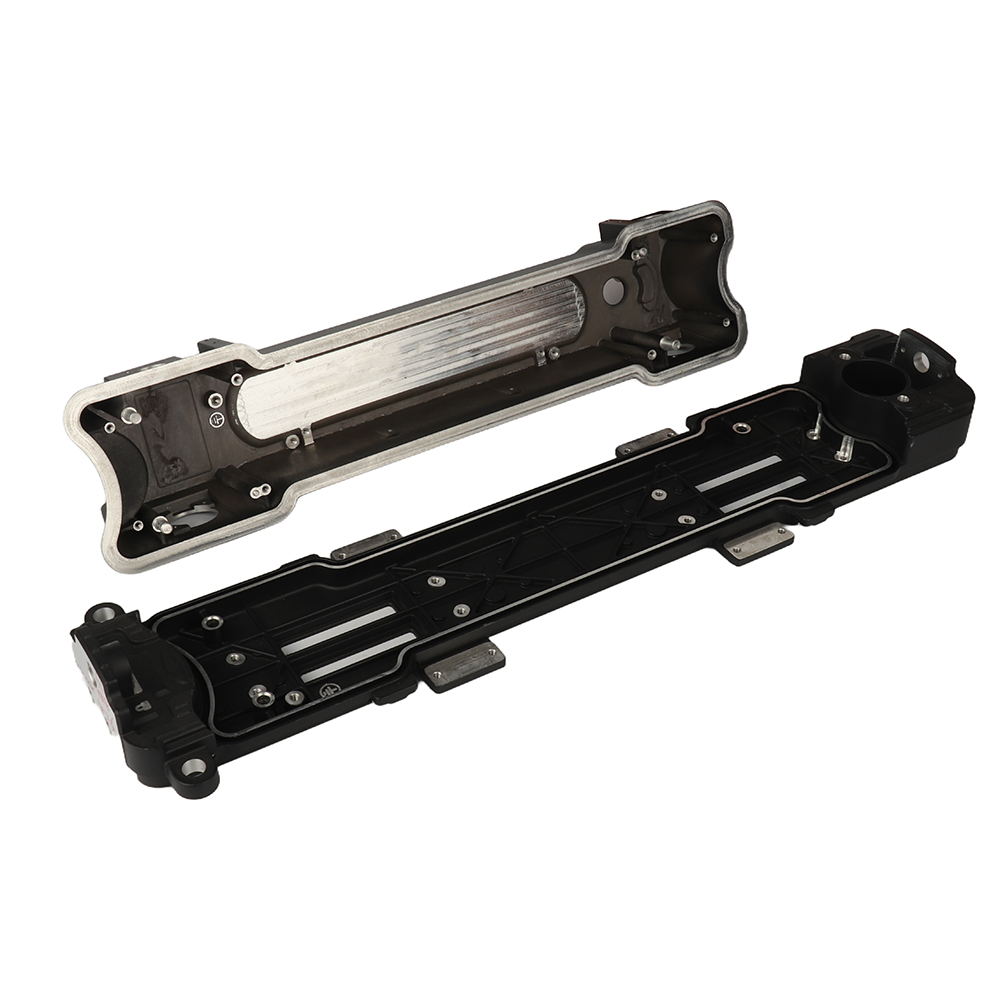
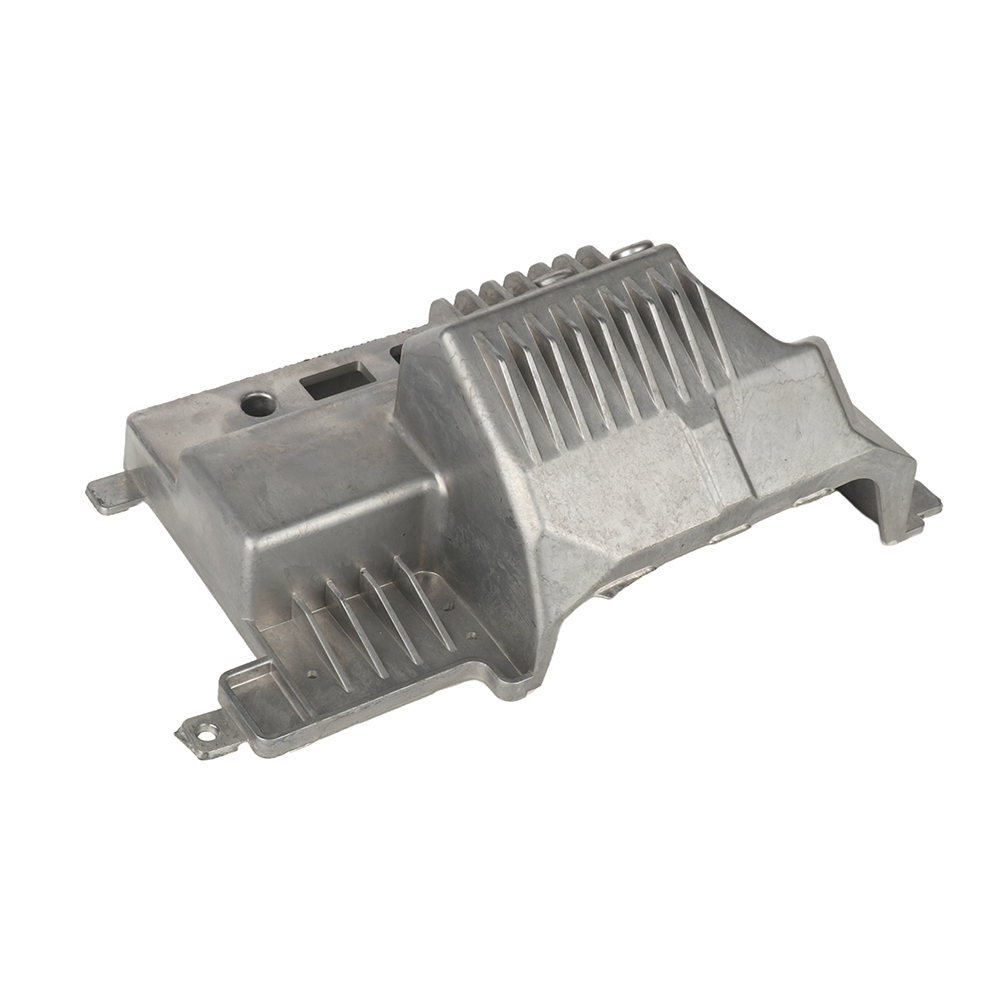
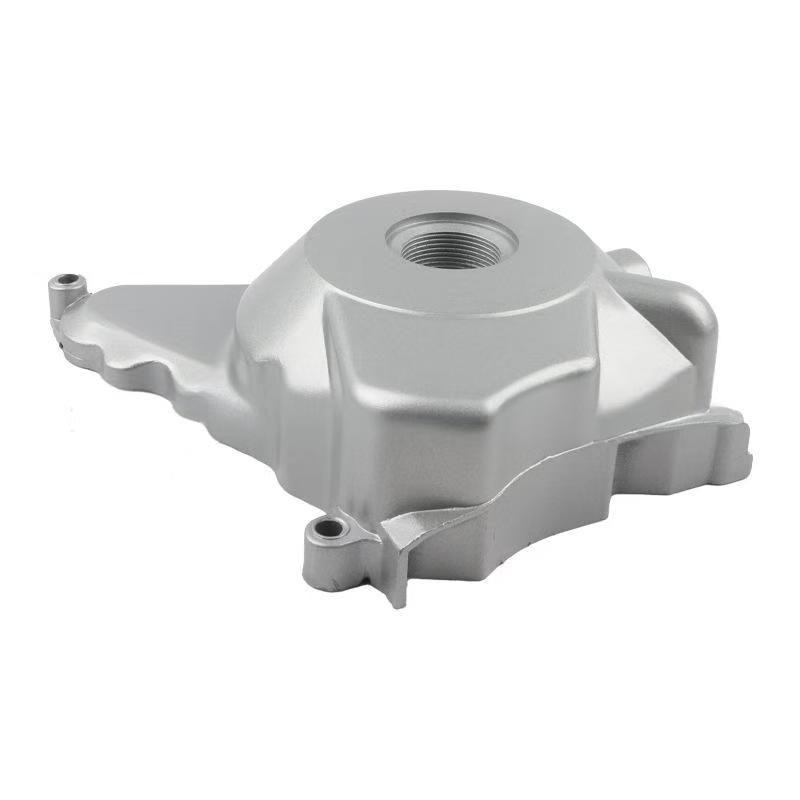
Aluminum Die-Cast Electric Motor Base (Customized for Industrial Motors, Featuring Precision Machining and Corrosion-Resistant Surface Treatment)
3. Key Roles of Aluminum Die-Cast Electric Motor Base
The electric motor base is more than just a "support frame"—it plays multiple vital roles in ensuring the normal operation and long service life of electric motors. Below are its core functions:
3.1 Structural Support and Fixation
The primary role of the aluminum die-cast motor base is to provide a stable, rigid platform for the motor’s internal components. It fixes the stator, rotor, and bearings in precise positions, preventing displacement or vibration during operation. The high dimensional accuracy of aluminum die-casting ensures that the air gap between the stator and rotor remains consistent—any deviation would reduce motor efficiency, increase noise, and even lead to motor failure.
3.2 Heat Dissipation
Electric motors generate a significant amount of heat during operation, and excessive heat can damage internal windings and reduce performance. Aluminum has excellent thermal conductivity (about three times that of iron), and the aluminum die-cast motor base acts as a natural heat sink—quickly transferring heat from the motor’s core to the surrounding environment. For high-power motors, die-cast bases can even be integrated with cooling channels during the casting process to further enhance heat dissipation efficiency.
3.3 Protection Against External Damage
The aluminum die-cast motor base forms a protective shell that shields the motor’s internal components from dust, moisture, impact, and chemical corrosion. Aluminum naturally forms a dense oxide film on its surface, which enhances its corrosion resistance—making the motor base suitable for harsh outdoor or industrial environments (such as marine or chemical plants) without frequent maintenance.
3.4 Vibration Damping
Aluminum die-cast components have excellent structural integrity and uniform density, which helps absorb and reduce vibration generated by the motor during operation. Reduced vibration not only improves the motor’s stability but also minimizes noise pollution and extends the service life of both the motor and its surrounding equipment.
4. Key Focus Points of Aluminum Die-Cast Electric Motor Base Manufacturing
To ensure the performance and reliability of aluminum die-cast electric motor bases, manufacturers must focus on the following key aspects during production:
4.1 Material Selection
Choosing the right aluminum alloy is critical. Common alloys for motor bases include ADC12 (excellent castability and corrosion resistance), A356 (high strength and thermal conductivity), and AlSi7Mg (ideal for high-performance applications). The alloy must be selected based on the motor’s power, operating environment, and weight requirements.
4.2 Dimensional Precision
Electric motor bases require tight dimensional tolerances (typically CT4-6) to ensure proper alignment of internal components. The aluminum die-casting process enables high precision, with surface roughness as low as Ra 3.2-25, reducing the need for post-production machining and ensuring a perfect fit with other motor parts.
4.3 Surface Treatment
To enhance corrosion resistance and aesthetics, aluminum die-cast motor bases often undergo surface treatments such as anodizing, powder coating, or painting. These treatments not only protect the base from moisture and chemicals but also improve its durability in harsh environments.
4.4 Mold Design and Manufacturing
The mold (die) is the core of the die-casting process. A well-designed mold must withstand high pressure and temperature, with proper cooling channels and venting systems to ensure uniform solidification and reduce defects (such as porosity or shrinkage). High-quality molds also ensure consistent production of motor bases with stable performance.
5. Benefits of Aluminum Die-Cast Electric Motor Base (vs. Other Materials)
Compared to motor bases made of iron, steel, or plastic, aluminum die-cast electric motor bases offer numerous advantages that make them the preferred choice for modern applications:
5.1 Lightweight Design
Aluminum has a density of only 2.7 g/cm³, about one-third that of iron or steel. This makes aluminum die-cast motor bases 20-40% lighter than comparable iron bases, reducing the overall weight of the motor and making it easier to install, transport, and integrate into lightweight equipment (such as electric vehicles or portable machinery). For electric vehicles, lighter motor bases directly improve energy efficiency and extend battery life.
5.2 Superior Heat Dissipation
As mentioned earlier, aluminum’s high thermal conductivity ensures efficient heat transfer, preventing motor overheating and extending its service life. This is particularly important for high-power motors or motors operating in high-temperature environments, where iron bases would retain heat and reduce performance.
5.3 High Strength and Durability
Through alloy proportioning and heat treatment (such as T5 or T6), aluminum die-cast motor bases can achieve high strength and hardness, comparable to some steel components. They are resistant to impact, wear, and deformation, ensuring long-term reliability even in harsh operating conditions.
5.4 Cost-Effective Mass Production
Aluminum die-casting is a highly automated process with short production cycles (single mold cycle as short as a few seconds to tens of seconds), making it ideal for mass production. While the initial mold investment is high, the per-unit cost is significantly reduced in large-scale production, and the need for post-processing is minimized—lowering overall manufacturing costs compared to iron casting or machining from solid aluminum.
5.5 Excellent Corrosion Resistance
Aluminum’s natural oxide film and optional surface treatments make aluminum die-cast motor bases highly resistant to moisture, salt, and chemical vapors. This eliminates the need for frequent rust-proof maintenance (unlike iron bases, which require painting or galvanizing) and extends the base’s service life in outdoor or corrosive environments.
5.6 Design Flexibility
The aluminum die-casting process allows for the integration of complex shapes, holes, and grooves in a single casting—eliminating the need for assembly of multiple parts. This not only reduces production time but also improves structural integrity and reduces the risk of assembly errors. Manufacturers can customize the motor base’s design to meet specific motor sizes and application requirements.
Expert Opinion on Aluminum Die-Cast Electric Motor Base
To gain deeper insights into the value of aluminum die-cast electric motor bases, we interviewed Dr. Michael Chen, a senior materials engineer with over 20 years of experience in aluminum die-casting and electric motor component design, who has worked with leading automotive and industrial motor manufacturers.
“The shift from iron to aluminum die-cast motor bases is a game-changer for the electric motor industry,” Dr. Chen explains. “Modern motors—especially those used in electric vehicles and industrial automation—demand lightweight, high-precision, and efficient components. Aluminum die-casting delivers on all three fronts: it reduces weight by 30-40% compared to iron, ensures the tight tolerances needed for motor efficiency, and provides superior heat dissipation that directly extends motor lifespan.”
He adds, “Another key advantage is design integration. With aluminum die-casting, we can integrate cooling channels, mounting brackets, and wiring holes into a single component, which simplifies assembly and reduces the risk of failure. For manufacturers, this translates to lower production costs and faster time-to-market. In the next 5-10 years, I expect nearly all mid-to-high-end electric motors to use aluminum die-cast bases, as the industry continues to prioritize efficiency and sustainability.”
FAQs: Common Questions About Aluminum Die-Cast Electric Motor Base
Below are answers to the most frequently asked questions about aluminum die-cast electric motor bases, based on industry experience and expert insights:
Q1: What is the difference between aluminum die-cast motor bases and iron motor bases?
The main differences lie in weight, heat dissipation, corrosion resistance, and cost. Aluminum die-cast bases are 20-40% lighter, have better heat dissipation (three times that of iron), and superior corrosion resistance. Iron bases are heavier but offer slightly higher impact resistance, making them suitable for heavy-duty applications. However, aluminum die-cast bases are more cost-effective for mass production and better suited for modern lightweight, high-efficiency motors.
Q2: What aluminum alloys are commonly used for die-cast electric motor bases?
The most common alloys are ADC12 (excellent castability and corrosion resistance, ideal for general-purpose motors), A356 (high strength and thermal conductivity, suitable for high-power motors), and AlSi7Mg (high performance, used in automotive and aerospace applications). The choice depends on the motor’s power, operating environment, and weight requirements.
Q3: Can aluminum die-cast motor bases withstand high temperatures?
Yes. Aluminum die-cast alloys can withstand operating temperatures of up to 150-200°C, which is sufficient for most electric motors. For high-temperature applications (such as industrial motors operating in extreme environments), heat treatment (like T6) can further enhance the base’s heat resistance. Additionally, integrated cooling channels can be added to improve heat dissipation efficiency.
Q4: Are aluminum die-cast motor bases expensive to produce?
While the initial investment in die-casting molds is higher than that of iron casting, aluminum die-cast motor bases are more cost-effective for mass production. The automated process reduces labor costs, and the high precision minimizes post-processing needs. In large-scale production, the per-unit cost of aluminum die-cast bases is often lower than that of iron bases or machined aluminum bases.
Q5: How long do aluminum die-cast electric motor bases last?
With proper surface treatment (anodizing, powder coating) and maintenance, aluminum die-cast motor bases can last 10-15 years or more—even in harsh environments. Their corrosion resistance and durability make them longer-lasting than iron bases, which are prone to rust and require frequent maintenance.
Q6: Can aluminum die-cast motor bases be customized?
Yes. The aluminum die-casting process offers high design flexibility, allowing manufacturers to customize the size, shape, and features (such as cooling channels, mounting holes, and brackets) of the motor base to meet specific motor requirements. Customization is often available for both small and large production volumes, with minimal additional cost for mold adjustments.
Conclusion
Aluminum die-casting is a versatile, efficient manufacturing process that has revolutionized the production of electric motor components—especially the electric motor base. As the foundation of electric motors, aluminum die-cast motor bases offer unparalleled advantages: lightweight design, superior heat dissipation, high strength, corrosion resistance, and cost-effective mass production.
From structural support and heat dissipation to protection and vibration damping, the aluminum die-cast electric motor base plays a critical role in ensuring motor performance and longevity. With expert insights confirming its growing importance in the electric motor industry, it is clear that aluminum die-cast motor bases will continue to be the preferred choice for modern motors—driving efficiency, sustainability, and innovation in industries ranging from automotive to industrial automation.
Housing casting | What is a housing casting? A Complete Guide for Beginners
What is aluminum die casting | A Complete Guide to Its Process, Benefits & Applications
Related Article


