
HOT PRODUCTS
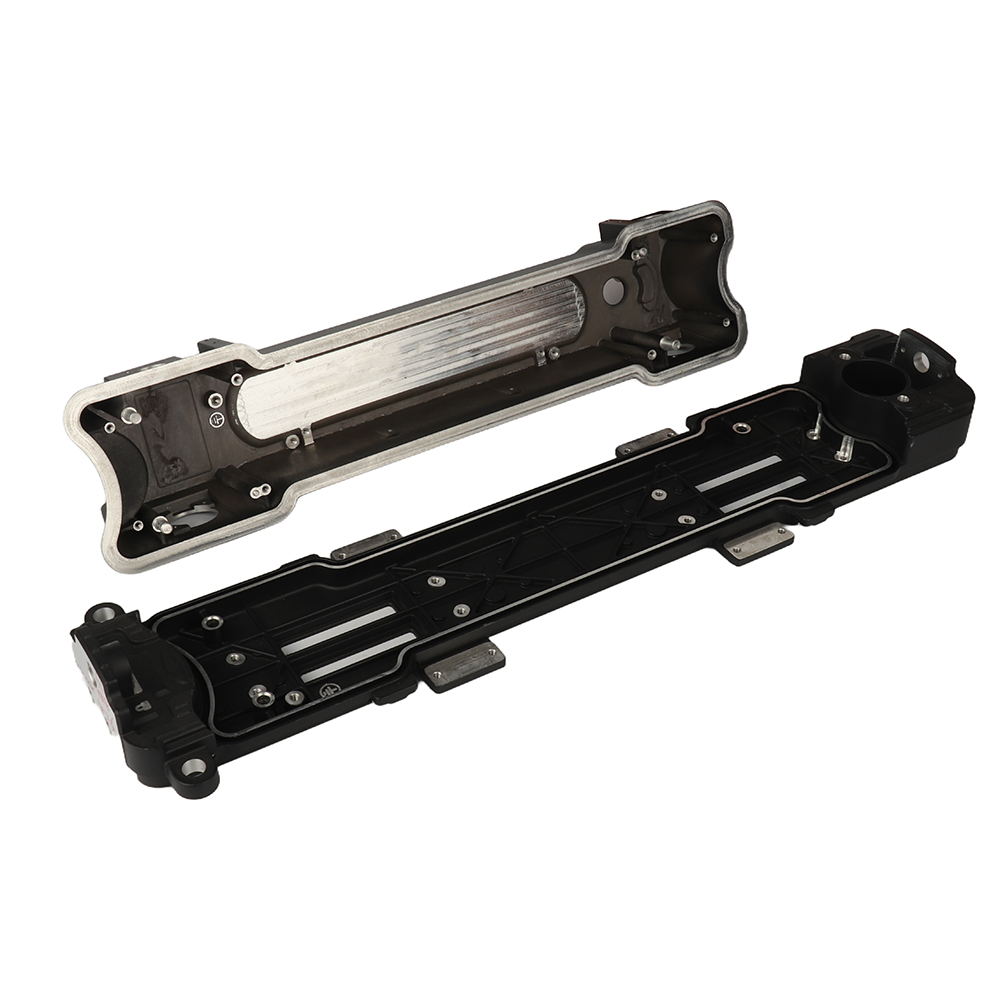
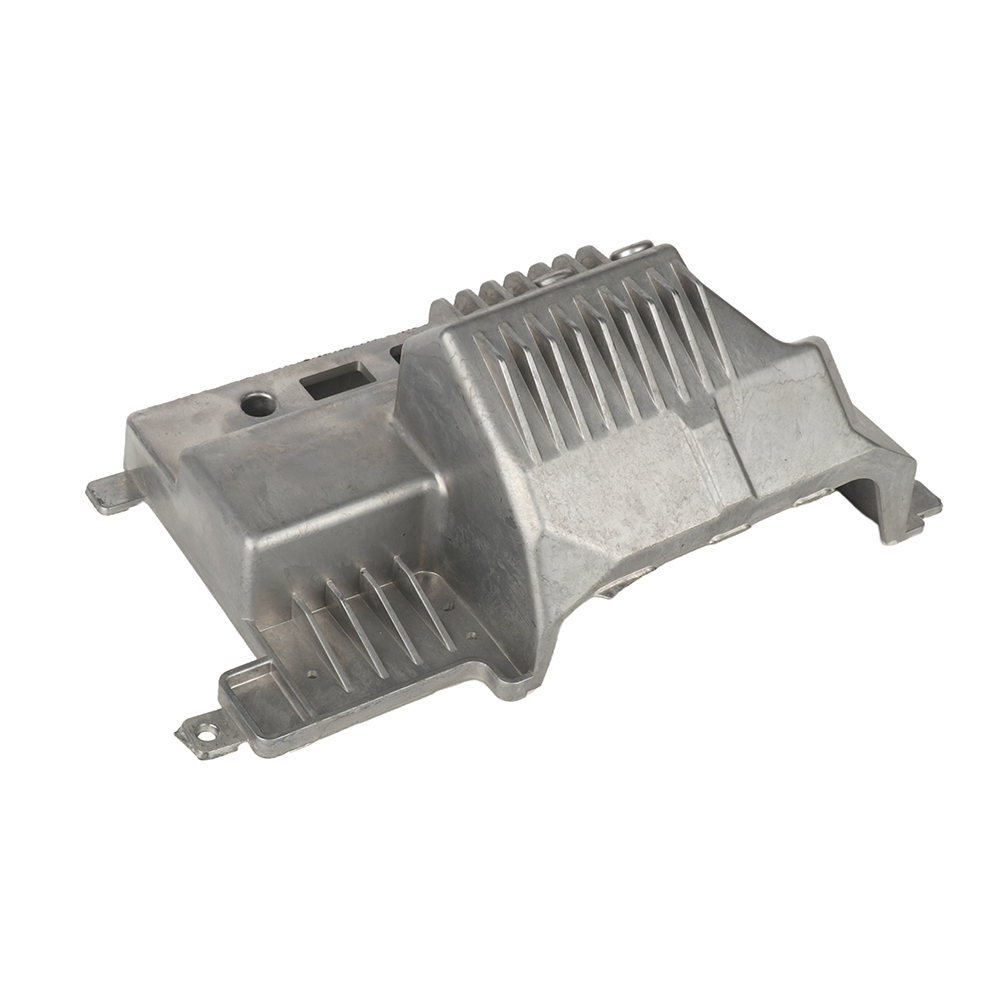
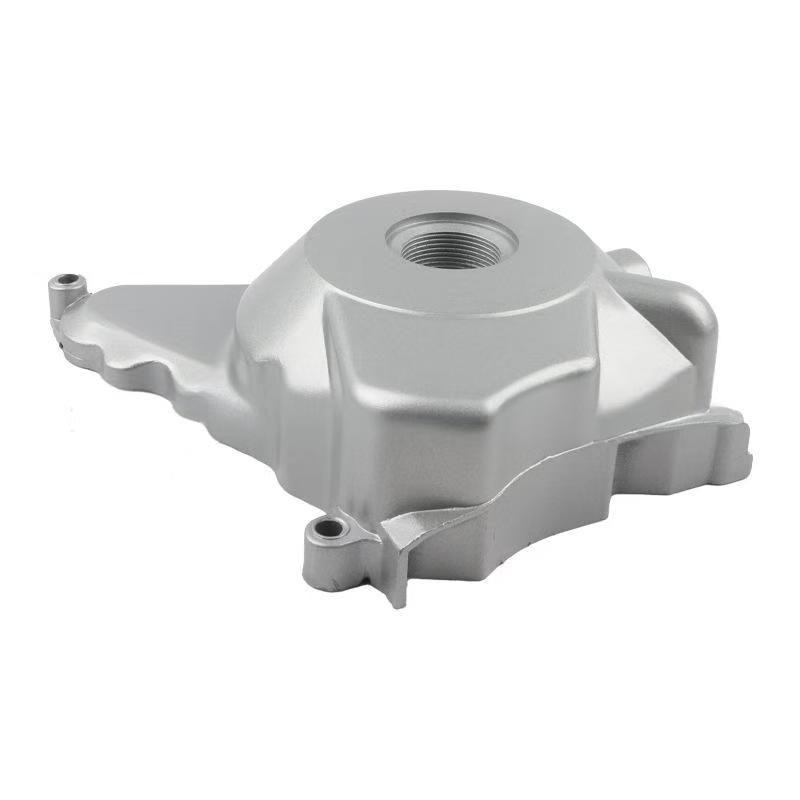
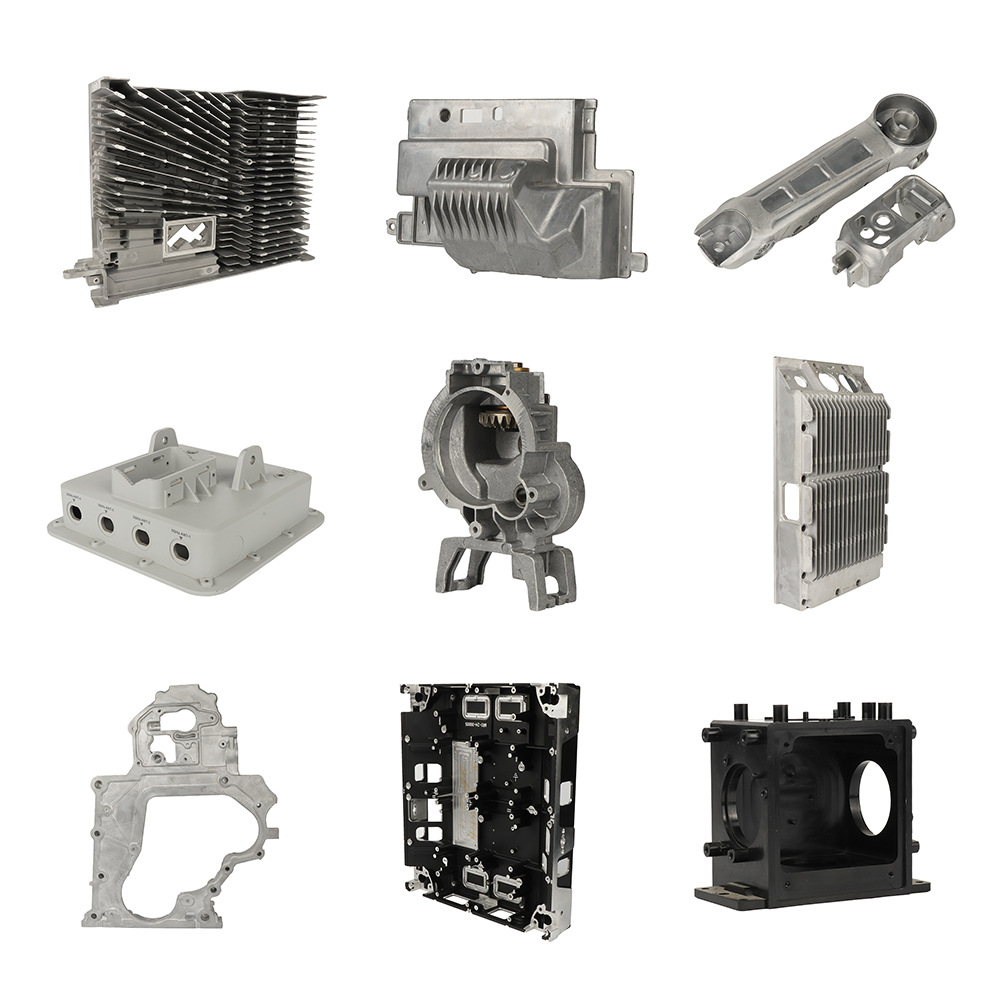
What is aluminum die casting | A Complete Guide to Its Process, Benefits & Applications
What is Aluminum Die Casting? A Complete Guide to Its Process, Benefits & Applications
Table of Contents
- Introduction: Why Aluminum Die Casting Is Essential in Modern Manufacturing
- Core Definition: What is Aluminum Die Casting? (Key Focus)
- How Aluminum Die Casting Works (Simplified Process)
- General Aluminum Die Casting Parameters Table
- Aluminum Die Casting Material Comparison (Pros & Cons)
- Top Benefits of Aluminum Die Casting (Critical Highlight)
- Expert Insights: The Value of Aluminum Die Casting in Industry
- FAQs: Common Questions About Aluminum Die Casting
- Conclusion: Why Aluminum Die Casting Is the Preferred Choice
Introduction: Why Aluminum Die Casting Is Essential in Modern Manufacturing
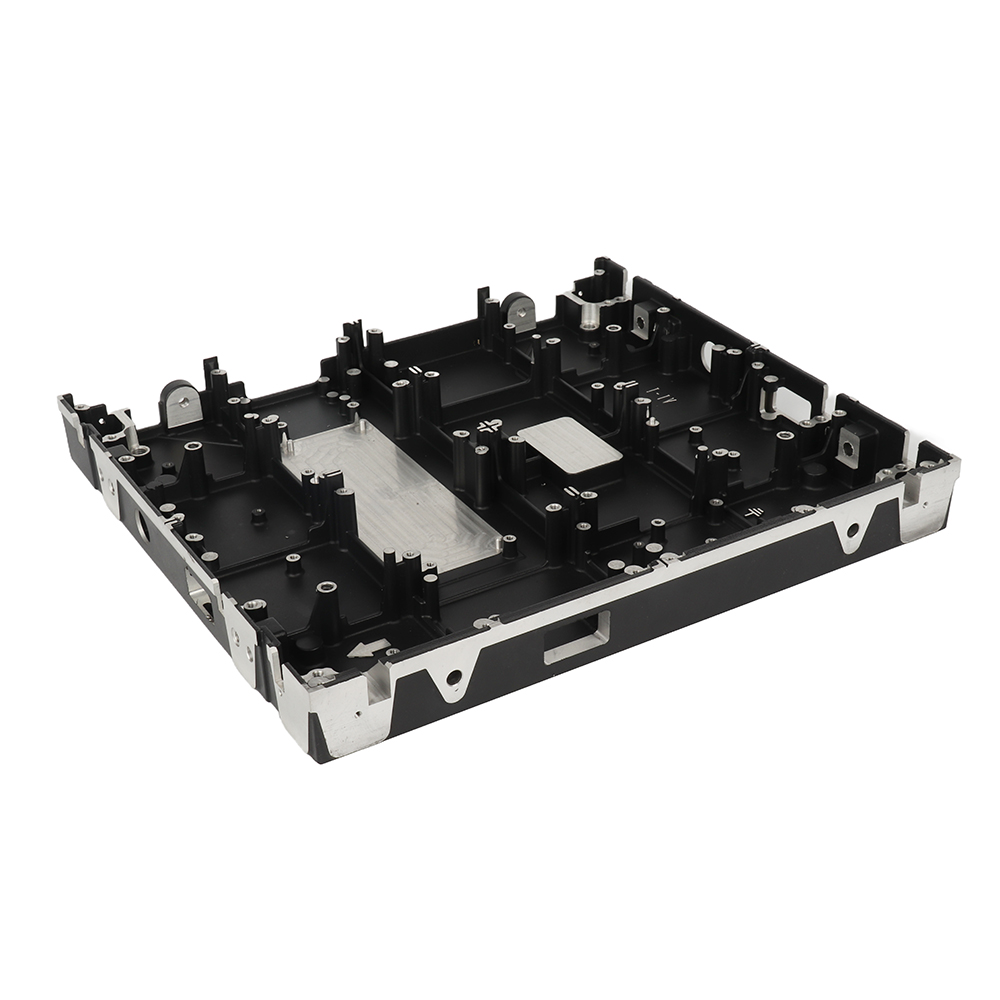
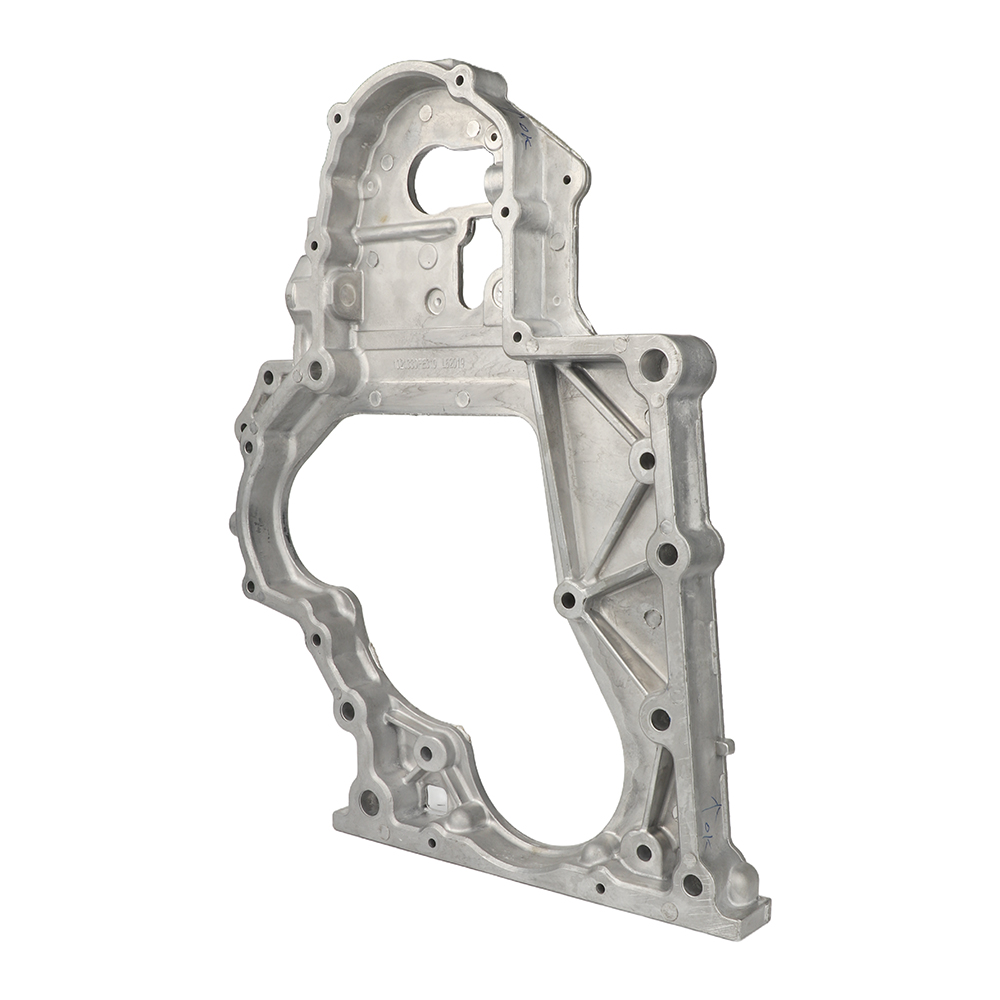
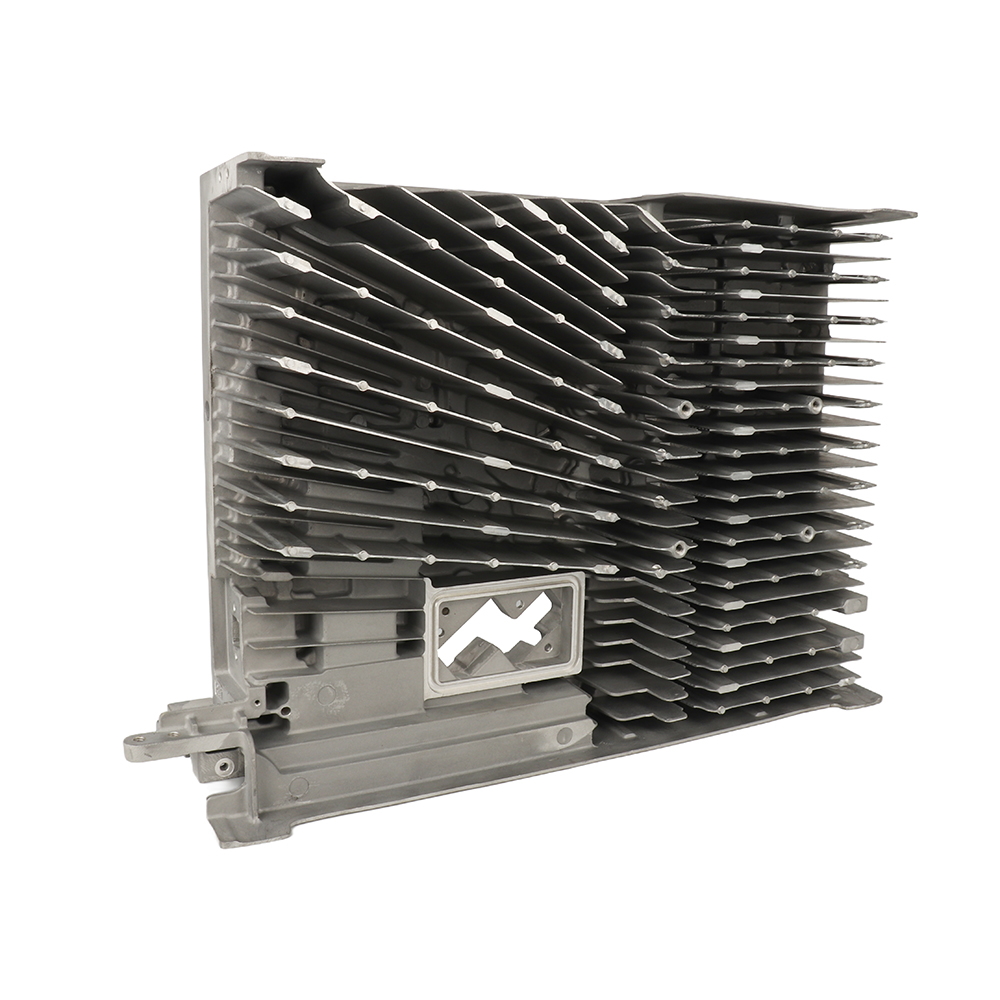
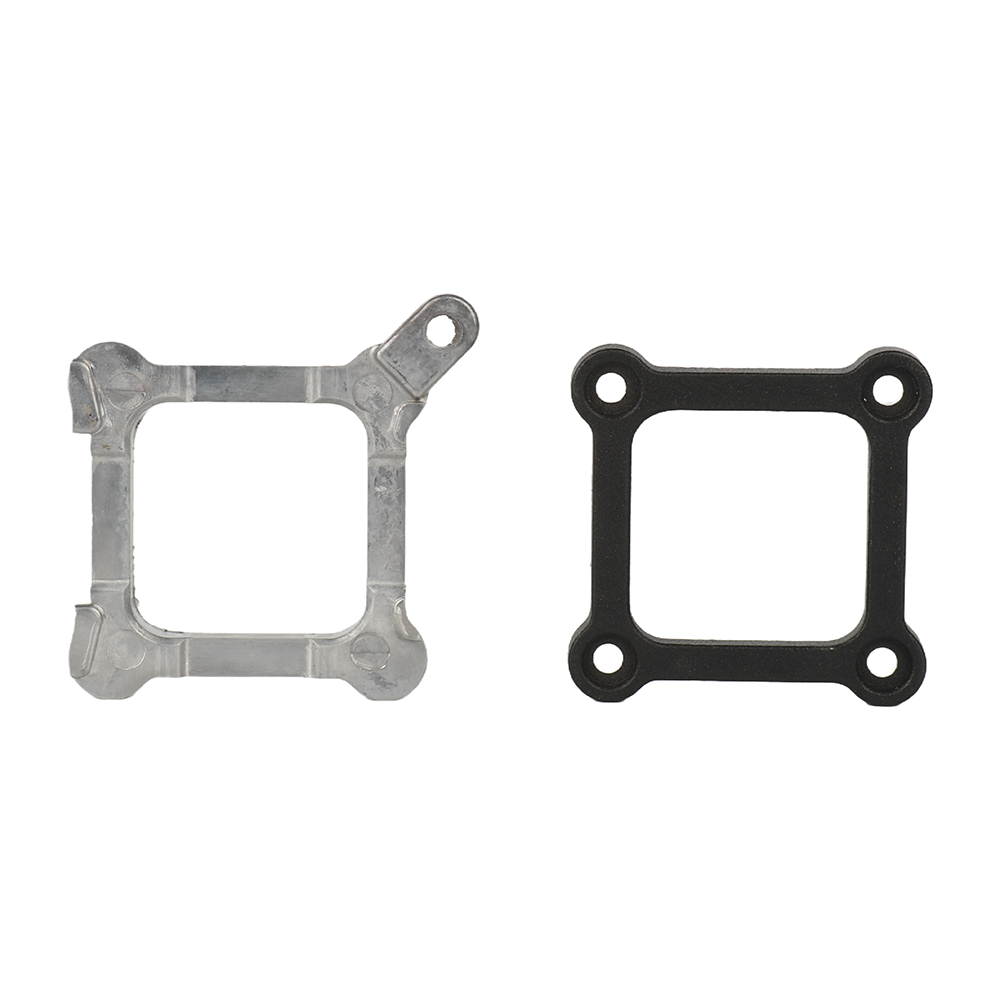
In the world of manufacturing, Aluminum Die Casting is a cornerstone process that bridges precision, efficiency, and affordability—making it a top choice for producing high-volume, complex metal components. From automotive parts and electronics enclosures to industrial machinery and consumer goods, Aluminum Die Casting delivers consistent quality, tight tolerances, and lightweight performance that other manufacturing methods struggle to match. Many professionals and businesses wonder: what is Aluminum Die Casting, and why is it so widely used? This guide answers that core question, breaks down its process, provides key parameters, compares common materials, highlights its unmatched benefits, and addresses industry FAQs—with expert insights to help you fully understand its value in modern production.
Core Definition: What is Aluminum Die Casting? (Key Focus)
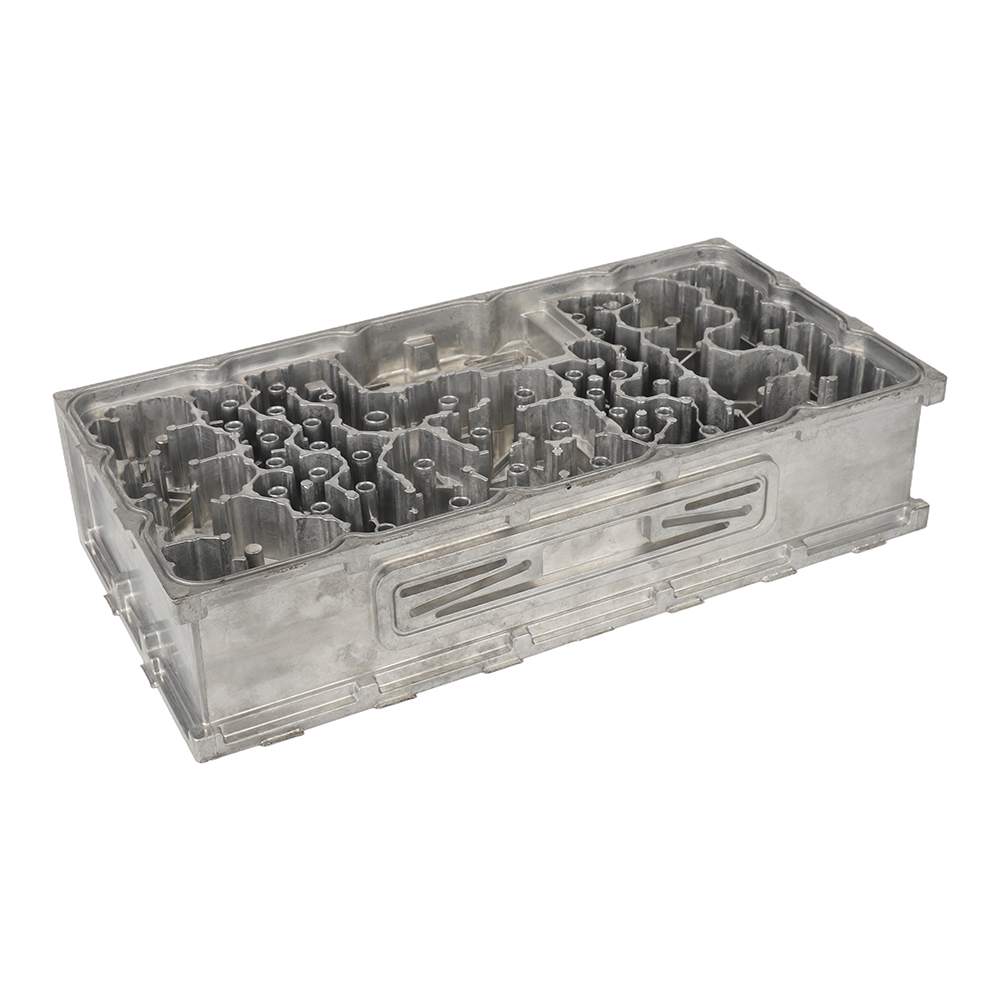
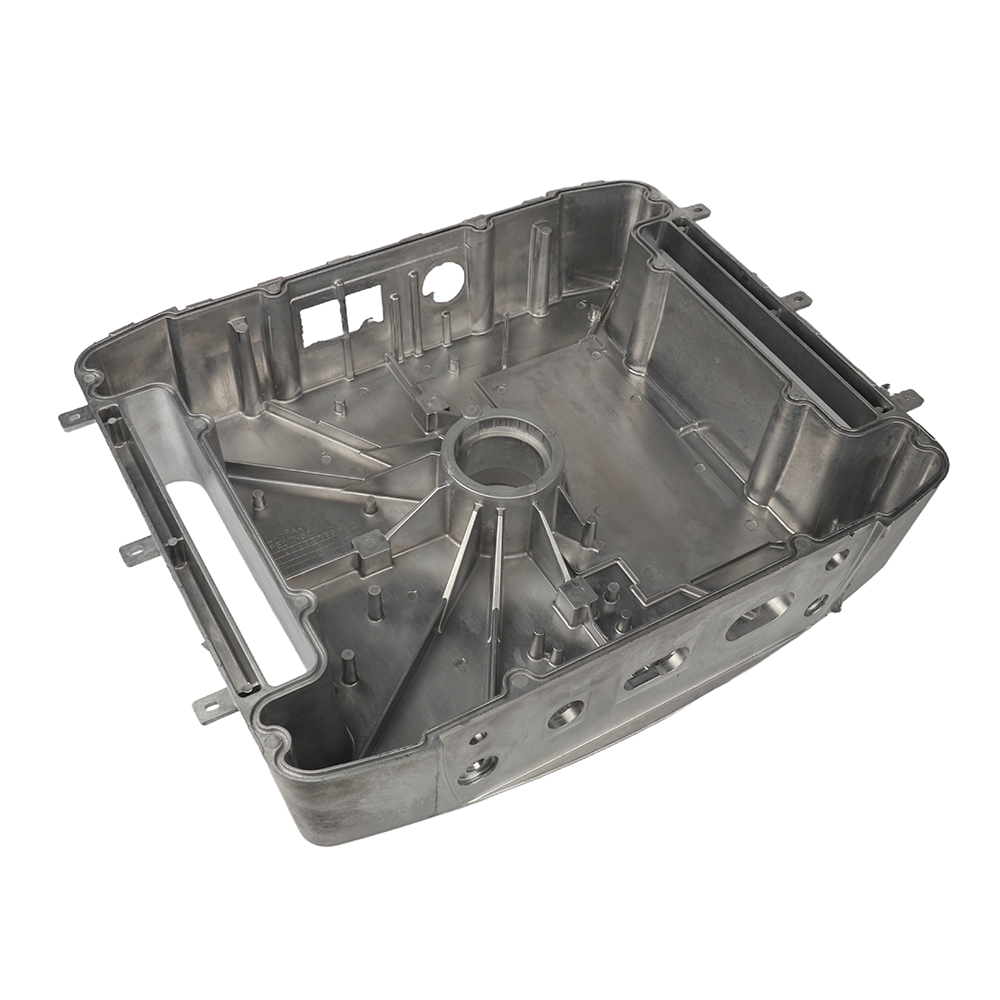
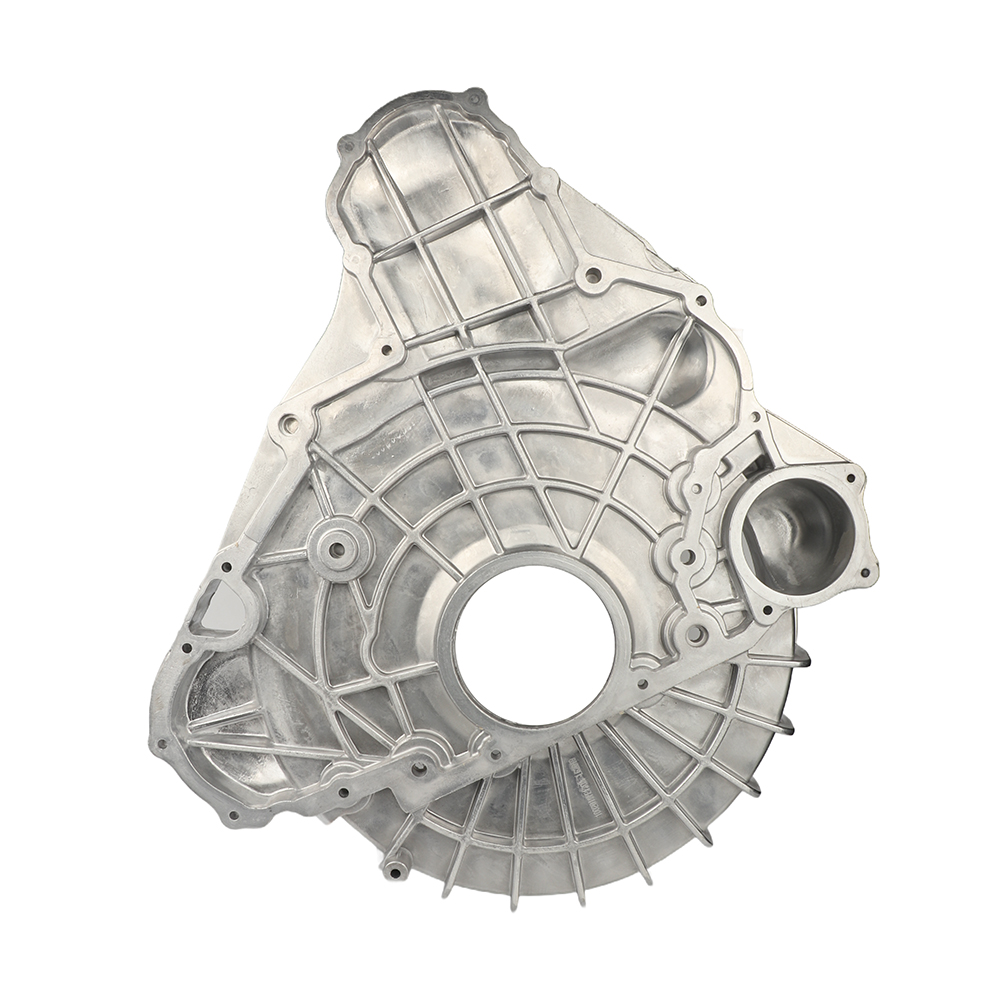
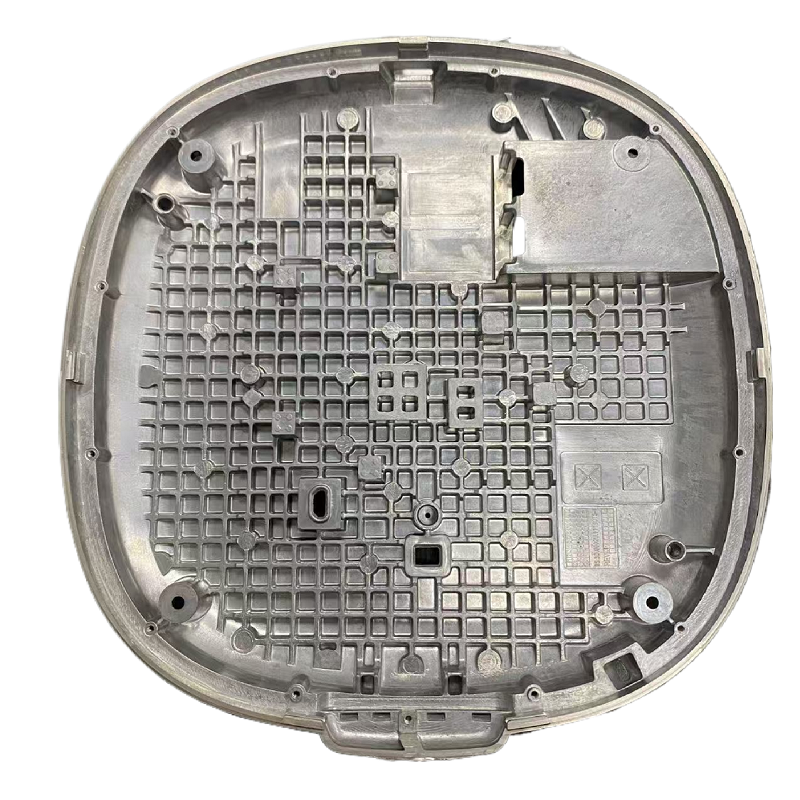
Aluminum Die Casting is a metal casting process that involves melting pure aluminum or aluminum alloys and injecting the molten metal into a precision-machined mold (called a die) under high pressure. The molten aluminum cools and solidifies quickly within the die, taking on the exact shape of the mold cavity—resulting in complex, dimensionally accurate components with a smooth surface finish.
Unlike other casting methods (such as sand casting or investment casting), Aluminum Die Casting is designed for high-volume production, offering repeatability, consistency, and cost-effectiveness for large batches. It leverages aluminum’s inherent advantages—lightweight, corrosion resistance, and excellent thermal/electrical conductivity—while the die casting process adds precision and efficiency. At its core, Aluminum Die Casting is the process of turning molten aluminum into functional, high-quality components for nearly every industry.
How Aluminum Die Casting Works (Simplified Process)
The Aluminum Die Casting process is straightforward but requires precision equipment and careful control to ensure consistent results. Below is a simplified breakdown of the key steps:
1. Die Preparation
A two-part steel die (consisting of a fixed half and a movable half) is precision machined to match the exact shape of the desired component. The die is preheated to a specific temperature (typically 150-250°C) to prevent the molten aluminum from cooling too quickly and ensure proper filling of the cavity. A release agent is also applied to the die surface to prevent the solidified aluminum from sticking to the mold.
2. Melting & Pouring
Pure aluminum or an aluminum alloy is melted in a furnace at temperatures between 650-700°C (1200-1290°F) until it reaches a liquid state. The molten aluminum is then transferred to a shot sleeve, where it is ready to be injected into the die.
3. Injection & Pressure Application
A hydraulic or mechanical plunger injects the molten aluminum into the die cavity at high pressure (ranging from 10-100 MPa). This high pressure ensures the molten metal fills every detail of the die, including small features, thin walls, and complex geometries—resulting in a component that matches the die’s precision.
4. Cooling & Solidification
The molten aluminum cools rapidly within the die (typically in 10-60 seconds, depending on the component size and thickness). The die’s cooling system accelerates this process, ensuring the aluminum solidifies into the desired shape while maintaining dimensional accuracy.
5. Ejection & Finishing
Once the aluminum has fully solidified, the movable half of the die opens, and ejector pins push the finished component out of the mold. The component may undergo minor finishing processes (such as trimming excess material, deburring, or surface treatment) to meet final quality standards.
General Aluminum Die Casting Parameters Table
Below is a table of general parameters for standard Aluminum Die Casting processes, applicable to most common aluminum alloys and component types. These parameters may vary slightly based on the alloy, component size, and desired finish:
| Parameter | Standard Range | Description |
|---|---|---|
| Melting Temperature | 650-700°C (1200-1290°F) | Temperature required to melt aluminum alloys for die casting |
| Die Temperature | 150-250°C (302-482°F) | Preheated die temperature to ensure proper filling and surface finish |
| Injection Pressure | 10-100 MPa (1450-14500 psi) | Pressure applied to inject molten aluminum into the die cavity |
| Injection Speed | 0.5-5 m/s | Speed at which molten aluminum is injected into the die |
| Cooling Time | 10-60 Seconds | Time required for molten aluminum to solidify in the die |
| Wall Thickness | 0.8-10 mm | Minimum and maximum wall thickness for die cast aluminum components |
| Tolerance | ±0.05-0.2 mm | Dimensional tolerance for standard die cast components |
| Surface Finish | Ra 0.8-3.2 μm | Typical surface roughness for as-cast aluminum die components |
Aluminum Die Casting Material Comparison (Pros & Cons)
Aluminum Die Casting uses different aluminum alloys, each with unique properties tailored to specific applications. Below is a comparison of the most common aluminum die casting alloys, including their pros, cons, and typical uses—helping you choose the right material for your project:
1. ADC12 (Al-Si-Cu Alloy)
Pros
- Excellent castability, ideal for complex geometries and thin walls
- Good mechanical strength and hardness
- Cost-effective, widely available, and suitable for high-volume production
- Good machinability, easy to finish (e.g., drilling, tapping)
Cons
- Lower corrosion resistance compared to other alloys (not ideal for marine or harsh environments)
- Not suitable for high-temperature applications (loses strength above 150°C)
Typical Uses
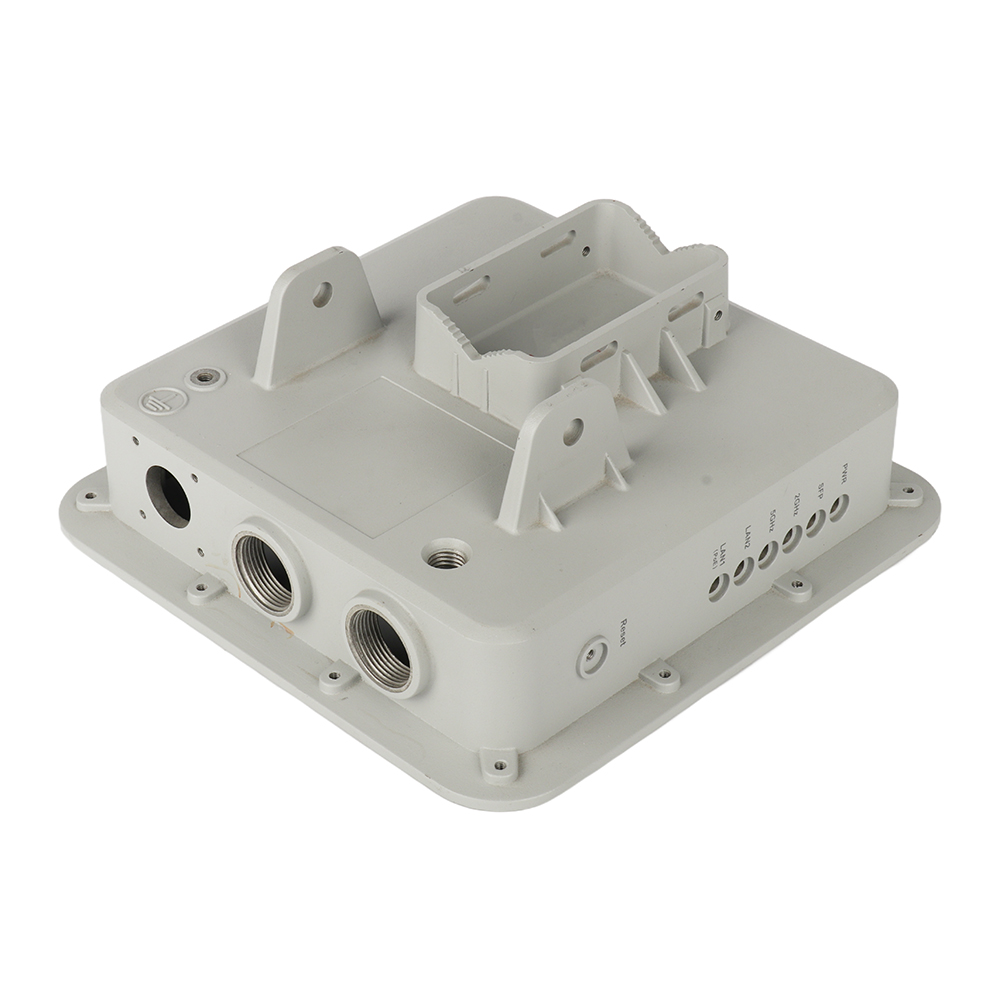
Electronics enclosures, automotive parts (e.g., brackets, housings), consumer goods, and small industrial components.
2. A380 (Al-Si-Cu Alloy)
Pros
- Superior castability, even for very complex and intricate components
- Excellent mechanical properties (high tensile strength and ductility)
- Good resistance to wear and impact
- Widely used in North America and Europe, with consistent quality
Cons
- Moderate corrosion resistance (requires surface treatment for harsh environments)
- Slightly more expensive than ADC12
Typical Uses
Automotive transmission cases, engine components, power tools, and heavy-duty industrial parts.
3. A360 (Al-Si-Mg Alloy)
Pros
- Excellent corrosion resistance, ideal for outdoor or marine applications
- Good castability and machinability
- Lightweight with good strength-to-weight ratio
- Resistant to stress corrosion cracking
Cons
- Lower tensile strength compared to ADC12 and A380
- Not suitable for high-load or high-temperature applications
Typical Uses
Marine components, outdoor equipment, hydraulic parts, and food processing machinery.
4. A413 (Al-Si Alloy)
Pros
- Exceptional castability, perfect for thin-walled and complex components
- Smooth surface finish (requires minimal post-processing)
- Good electrical conductivity, suitable for electrical components
Cons
- Low mechanical strength (not ideal for high-stress applications)
- Poor corrosion resistance without surface treatment
Typical Uses
Electrical enclosures, heat sinks, decorative components, and small precision parts.
Top Benefits of Aluminum Die Casting (Critical Highlight)
Aluminum Die Casting is the preferred manufacturing method for countless industries because it offers a unique combination of benefits that other processes (such as sand casting, forging, or machining) cannot match. Below are its core advantages, highlighted for clarity:
1. High Precision & Consistency
Aluminum Die Casting produces components with tight dimensional tolerances (±0.05-0.2 mm) and consistent quality across high-volume batches. The precision-machined die ensures every component is identical, reducing waste and eliminating the need for extensive post-processing. This consistency is critical for industries like automotive and electronics, where component fit and function are non-negotiable.
2. Cost-Effective for High-Volume Production
While the initial cost of die tooling is relatively high, Aluminum Die Casting becomes highly cost-effective for large production runs (10,000+ units). The fast cycle time (10-60 seconds per component) and minimal post-processing reduce labor and material costs, making it cheaper than other methods for high-volume manufacturing. For businesses, this translates to lower per-unit costs and higher profitability.
3. Lightweight & High Strength-to-Weight Ratio
Aluminum is naturally lightweight (density of ~2.7 g/cm³, 1/3 that of steel), and Aluminum Die Casting retains this advantage while adding strength through alloying. The resulting components are lightweight but durable, making them ideal for applications where weight reduction is critical—such as automotive, aerospace, and portable equipment. This strength-to-weight ratio also reduces energy consumption (e.g., in vehicles) and improves overall performance.
4. Complex Geometries & Thin Walls
Unlike other casting methods, Aluminum Die Casting can produce components with complex geometries, intricate details, and thin walls (as thin as 0.8 mm) that would be difficult or impossible to achieve with machining or forging. This flexibility allows designers to create more efficient, compact components—reducing size and weight while maintaining functionality.
5. Excellent Surface Finish
Aluminum Die Casting produces components with a smooth, uniform surface finish (Ra 0.8-3.2 μm) right out of the die. This eliminates the need for expensive surface treatments (such as polishing or grinding) for many applications, saving time and money. For components that require a decorative finish, the smooth surface also makes painting, plating, or anodizing easier and more effective.
6. Good Thermal & Electrical Conductivity
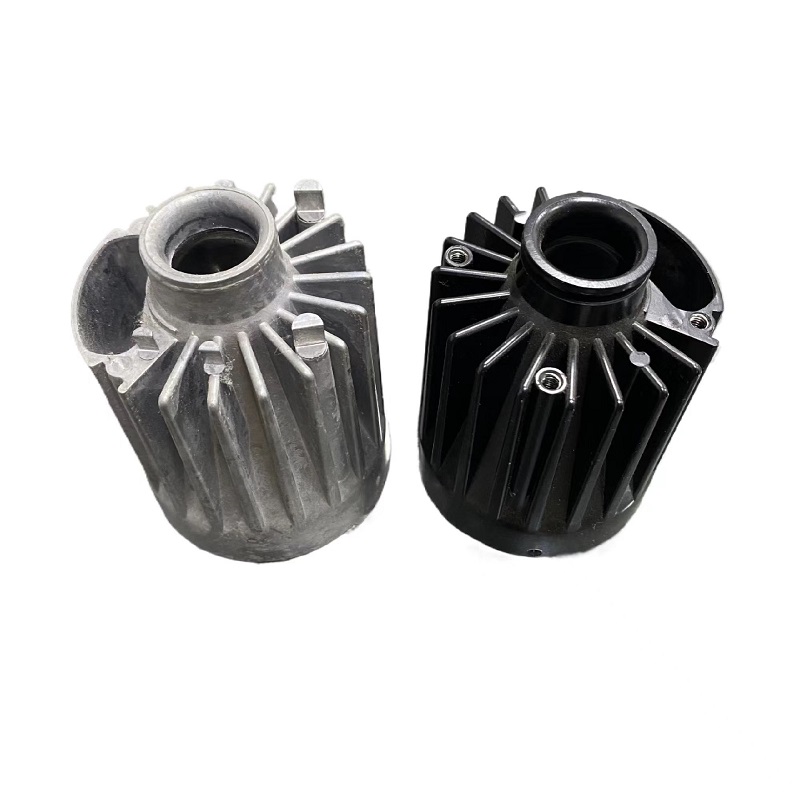
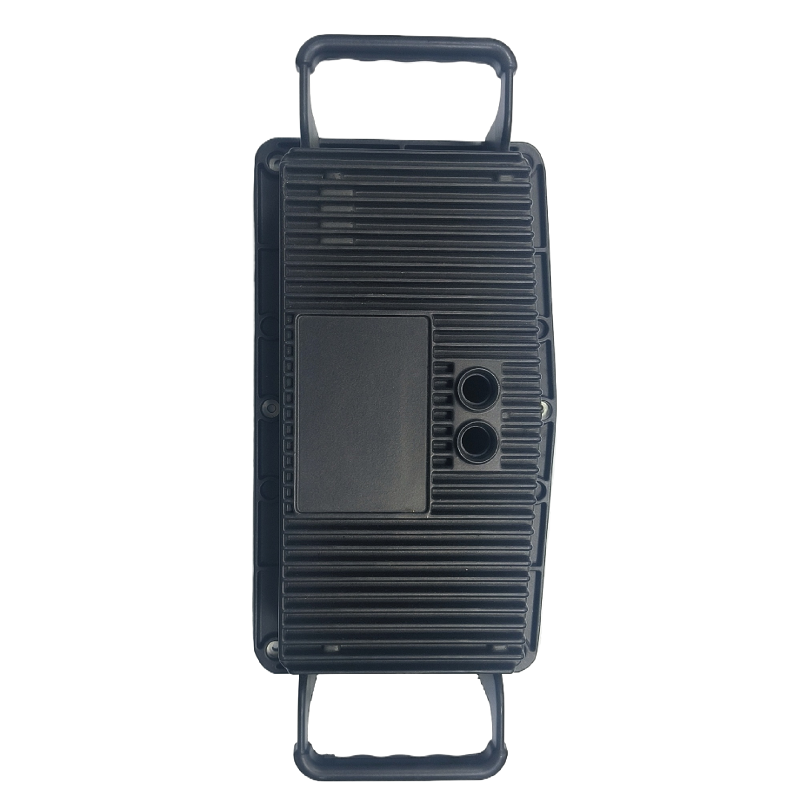
Aluminum has excellent thermal and electrical conductivity, and Aluminum Die Casting preserves these properties. This makes die cast aluminum components ideal for heat sinks, electrical enclosures, and other applications where heat dissipation or electrical conductivity is critical. For example, heat sinks in electronics rely on die cast aluminum to quickly dissipate heat and protect sensitive components.
7. Corrosion Resistance (With Proper Alloy Selection)
Many aluminum die casting alloys (such as A360) offer excellent corrosion resistance, especially when combined with surface treatments like anodizing or powder coating. This makes Aluminum Die Casting suitable for outdoor, marine, or harsh industrial environments—extending the lifespan of components and reducing maintenance costs.
8. Recyclability & Sustainability
Aluminum is 100% recyclable with no loss of quality, and Aluminum Die Casting supports sustainability by allowing scrap material to be melted and reused. Recycling aluminum requires only 5% of the energy needed to produce new aluminum, reducing carbon emissions and environmental impact. This makesAluminum Die Casting a sustainable choice for eco-conscious businesses.
Expert Insights: The Value of Aluminum Die Casting in Industry
To provide professional perspective, we consulted John Matthews, a senior manufacturing engineer with 22+ years of experience in die casting and metal fabrication, who has worked with leading automotive and electronics companies to optimize production processes. Here’s his expert take on Aluminum Die Casting:
“When clients ask me ‘what is Aluminum Die Casting,’ I tell them it’s the most efficient way to produce high-volume, precision aluminum components—period. The combination of speed, precision, and cost-effectiveness is unmatched. I’ve seen countless businesses switch from sand casting or machining to Aluminum Die Casting and cut their production costs by 30-40% while improving quality.
One of the biggest misconceptions is that Aluminum Die Casting is only for large companies. That’s not true—small and medium-sized businesses can also benefit, especially if they have high-volume needs. The key is choosing the right alloy: ADC12 is great for cost-sensitive, non-corrosive applications, while A360 is perfect for outdoor or marine use.
Another point I emphasize is the design flexibility. Aluminum Die Casting lets engineers create complex shapes that would be impossible with other methods—this means more efficient components, smaller footprints, and better performance. For example, in the automotive industry, die cast aluminum components have helped reduce vehicle weight, improving fuel efficiency without sacrificing strength.
The future of Aluminum Die Casting is bright, too. With advances in die technology and alloy development, we’re seeing even better precision, faster cycle times, and more sustainable processes. It’s not just a manufacturing method—it’s a strategic advantage for businesses looking to stay competitive in a fast-paced market.”
John adds: “Many businesses overlook the recyclability of Aluminum Die Casting, but it’s a huge benefit. Being able to reuse scrap material reduces waste and lowers material costs, which is a win-win for both the business and the environment. In today’s world, sustainability is more important than ever, and Aluminum Die Casting checks that box while delivering performance.”
FAQs: Common Questions About Aluminum Die Casting
Q1: What is Aluminum Die Casting, and how is it different from other casting methods?
A: Aluminum Die Casting is a metal casting process that injects molten aluminum into a precision steel die under high pressure to create complex, dimensionally accurate components. Unlike sand casting (which uses a disposable sand mold) or investment casting (which is slow and expensive), it is designed for high-volume production, offering faster cycle times, better precision, and a smoother surface finish.
Q2: What aluminum alloys are used in Aluminum Die Casting?
A: The most common alloys are ADC12 (cost-effective, good castability), A380 (high strength, complex geometries), A360 (excellent corrosion resistance), and A413 (thin walls, smooth finish). The choice depends on the application’s requirements for strength, corrosion resistance, and cost.
Q3: What is the minimum wall thickness for Aluminum Die Casting components?
A: The minimum wall thickness for standard Aluminum Die Casting is 0.8 mm, though this can vary based on the alloy and component size. Thinner walls require more precise control of the injection process to ensure proper filling.
Q4: Is Aluminum Die Casting suitable for high-temperature applications?
A: Most aluminum die casting alloys lose strength at temperatures above 150-200°C, so they are not ideal for high-temperature applications (e.g., engine exhaust components). However, specialized alloys (e.g., A390) can withstand higher temperatures (up to 300°C) for specific uses.
Q5: How long does a die last in Aluminum Die Casting?
A: The lifespan of a die depends on the alloy, component complexity, and maintenance. For standard aluminum alloys (e.g., ADC12, A380), a die can produce 100,000-500,000 components before needing replacement or reconditioning.
Q6: Can Aluminum Die Casting components be recycled?
A: Yes—aluminum is 100% recyclable, and scrap material from Aluminum Die Casting (e.g., excess material, defective components) can be melted and reused without losing quality. Recycling aluminum requires far less energy than producing new aluminum, making it a sustainable choice.
Q7: What surface treatments are available for Aluminum Die Casting components?
A: Common surface treatments include anodizing (improves corrosion resistance and appearance), powder coating (durable, decorative finish), plating (e.g., chrome, nickel for aesthetic or functional purposes), and painting (custom colors and protection).
Q8: Is Aluminum Die Casting cost-effective for small production runs?
A: Aluminum Die Casting is most cost-effective for high-volume production (10,000+ units) due to the initial cost of die tooling. For small production runs (less than 10,000 units), other methods (e.g., sand casting, 3D printing) may be more cost-effective. However, if the component requires high precision or complex geometry, Aluminum Die Casting may still be the best choice.
Conclusion: Why Aluminum Die Casting Is the Preferred Choice
Now you have a clear answer to the question: what is Aluminum Die Casting? It is a high-precision, cost-effective manufacturing process that turns molten aluminum into complex, durable components—leveraging aluminum’s inherent advantages and the efficiency of die casting to meet the needs of modern industries.
The benefits of Aluminum Die Casting are undeniable: high precision, cost-effectiveness for high-volume production, lightweight strength, design flexibility, and sustainability. Whether you’re producing automotive parts, electronics enclosures, or industrial components, Aluminum Die Casting delivers consistent quality and performance that other methods cannot match.
As John Matthews noted, Aluminum Die Casting is more than just a manufacturing process—it’s a strategic advantage for businesses looking to stay competitive. By choosing the right alloy, optimizing the die design, and leveraging its unique benefits, you can create high-quality components that meet your performance goals while reducing costs and environmental impact.
In short, Aluminum Die Casting is the backbone of modern manufacturing—powering innovation, efficiency, and sustainability across industries worldwide.
Electric motor base | What is aluminum die-cast? Focus on Electric Motor Base
Zinc alloy die casting | What is zinc alloy die casting? A Complete Guide
Related Article


