
HOT PRODUCTS
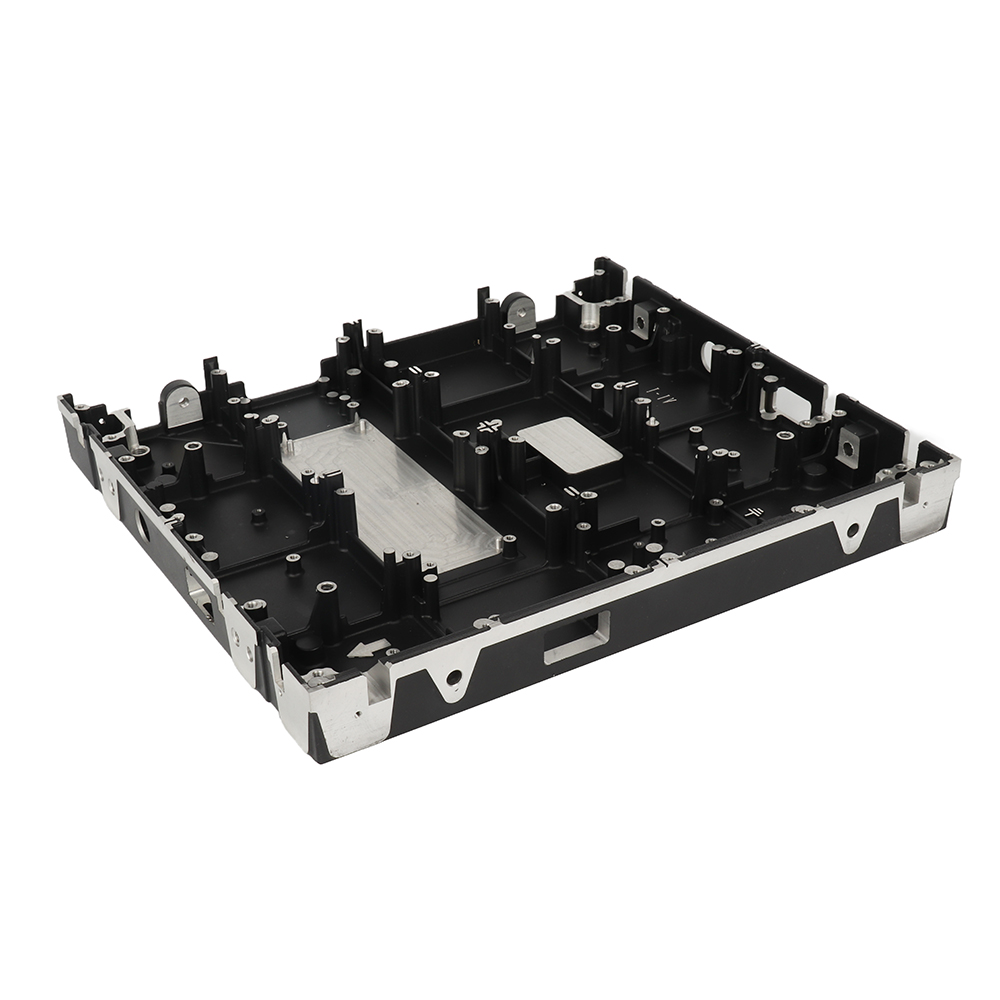
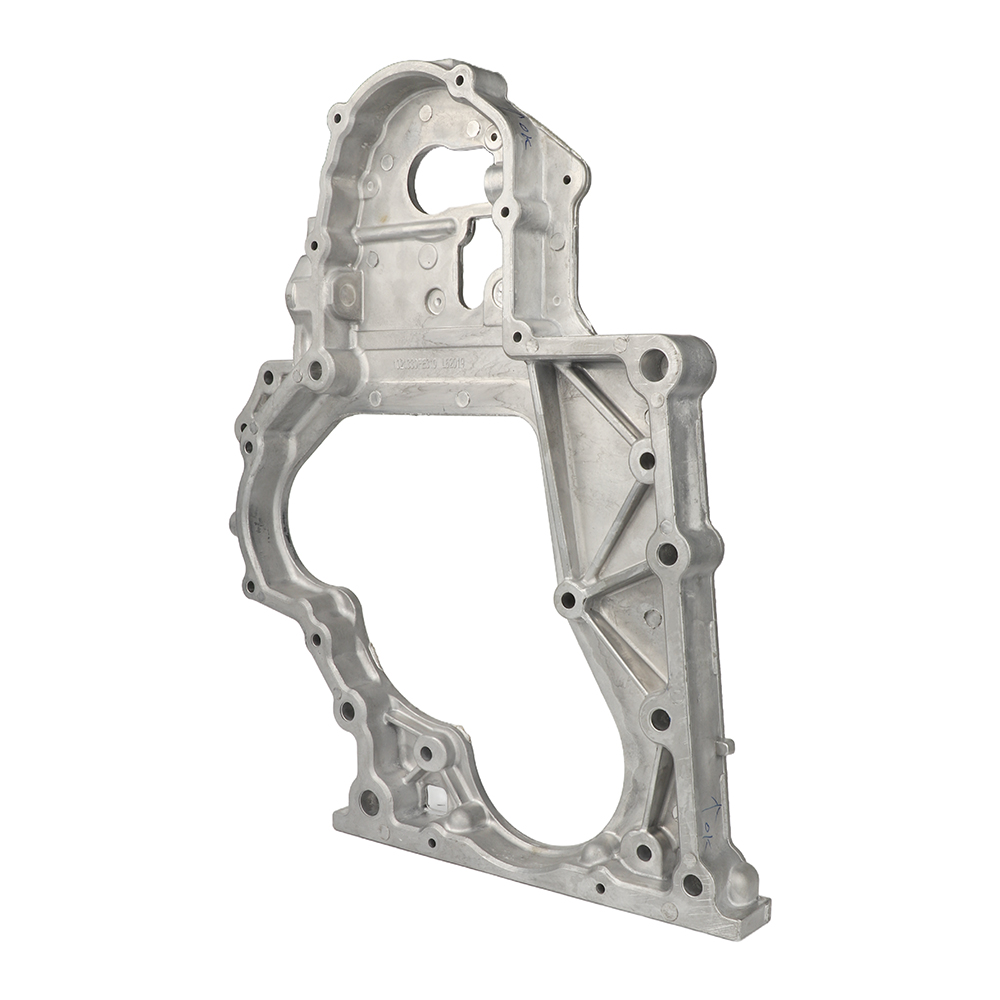
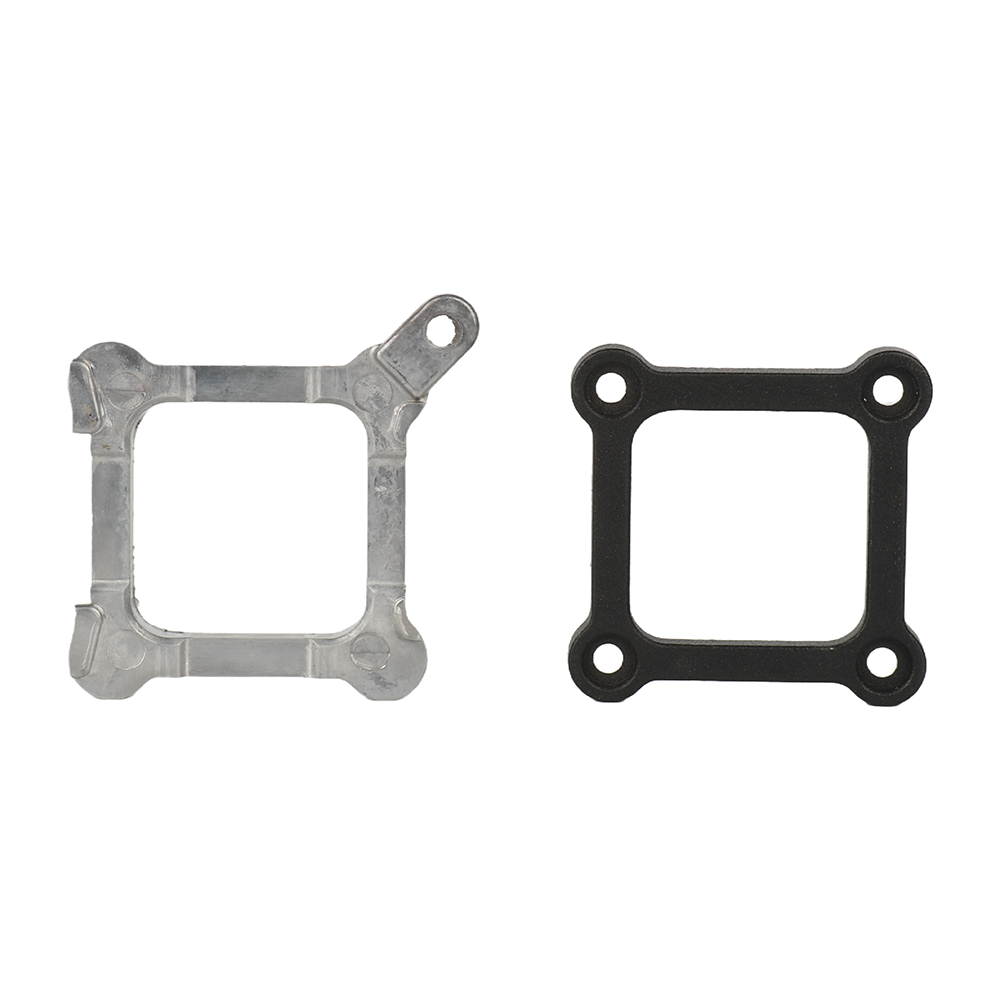
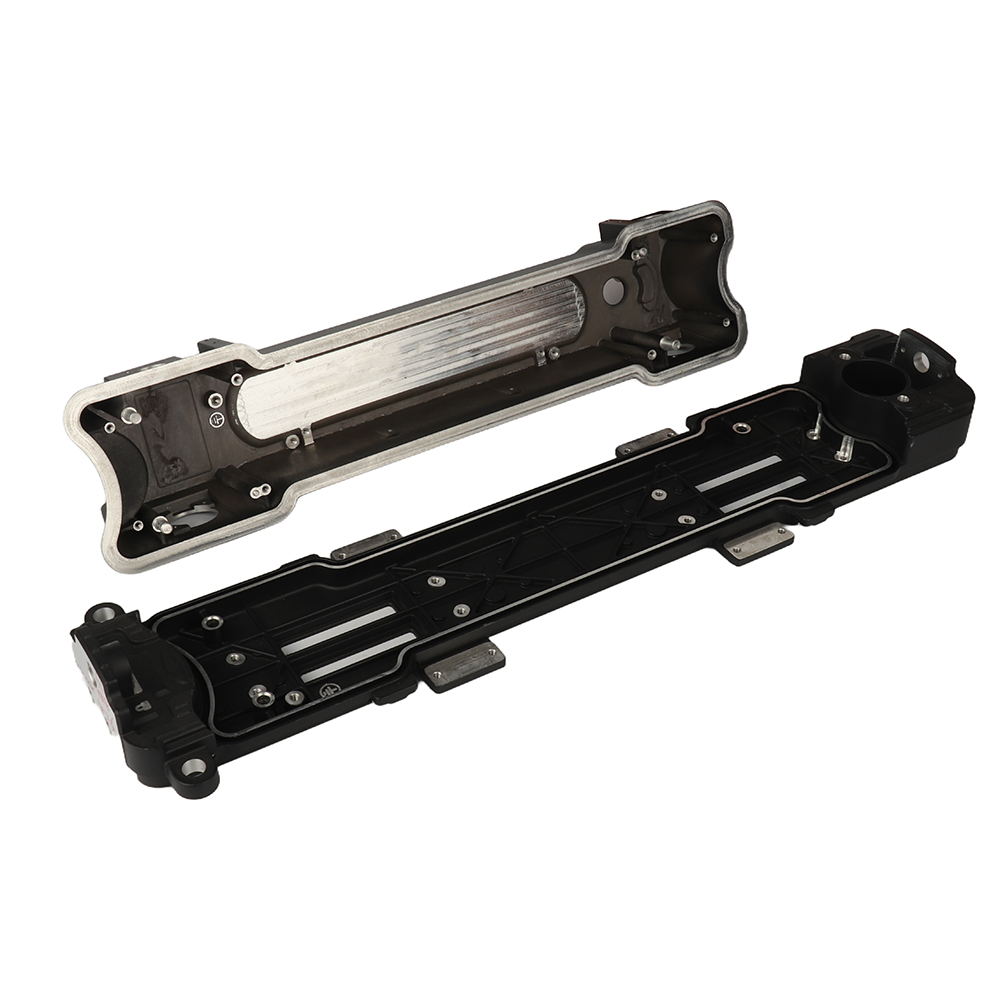
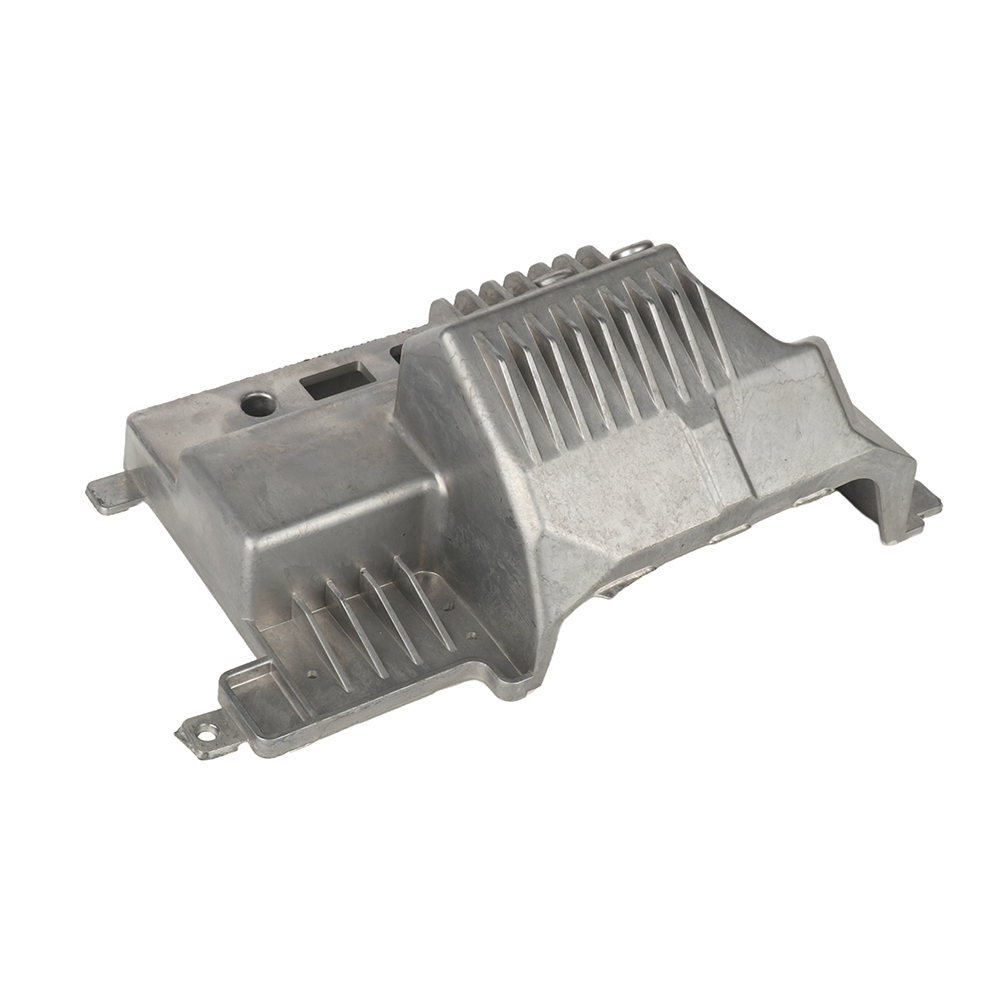
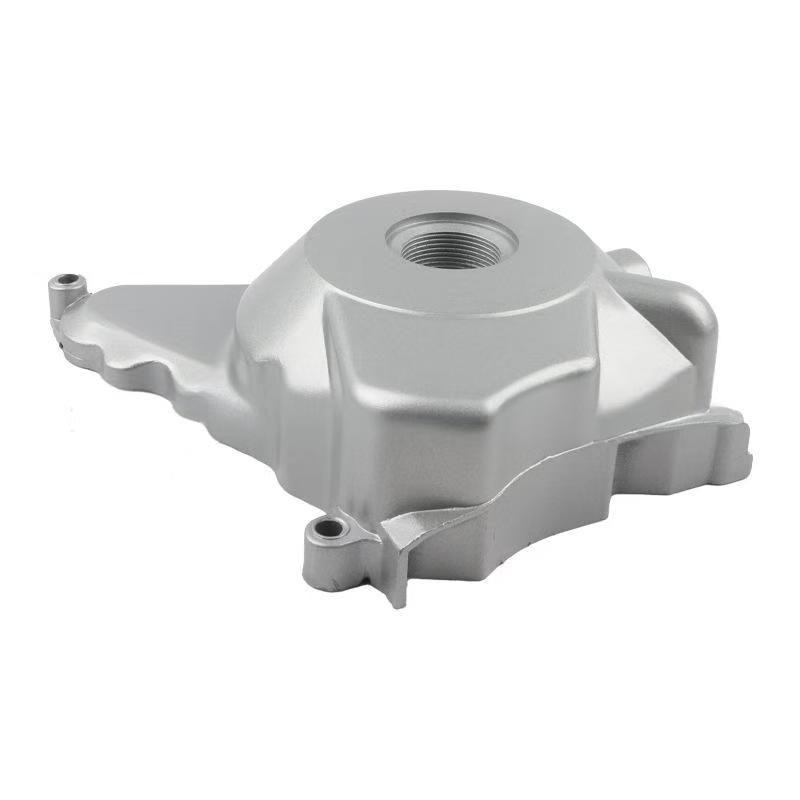
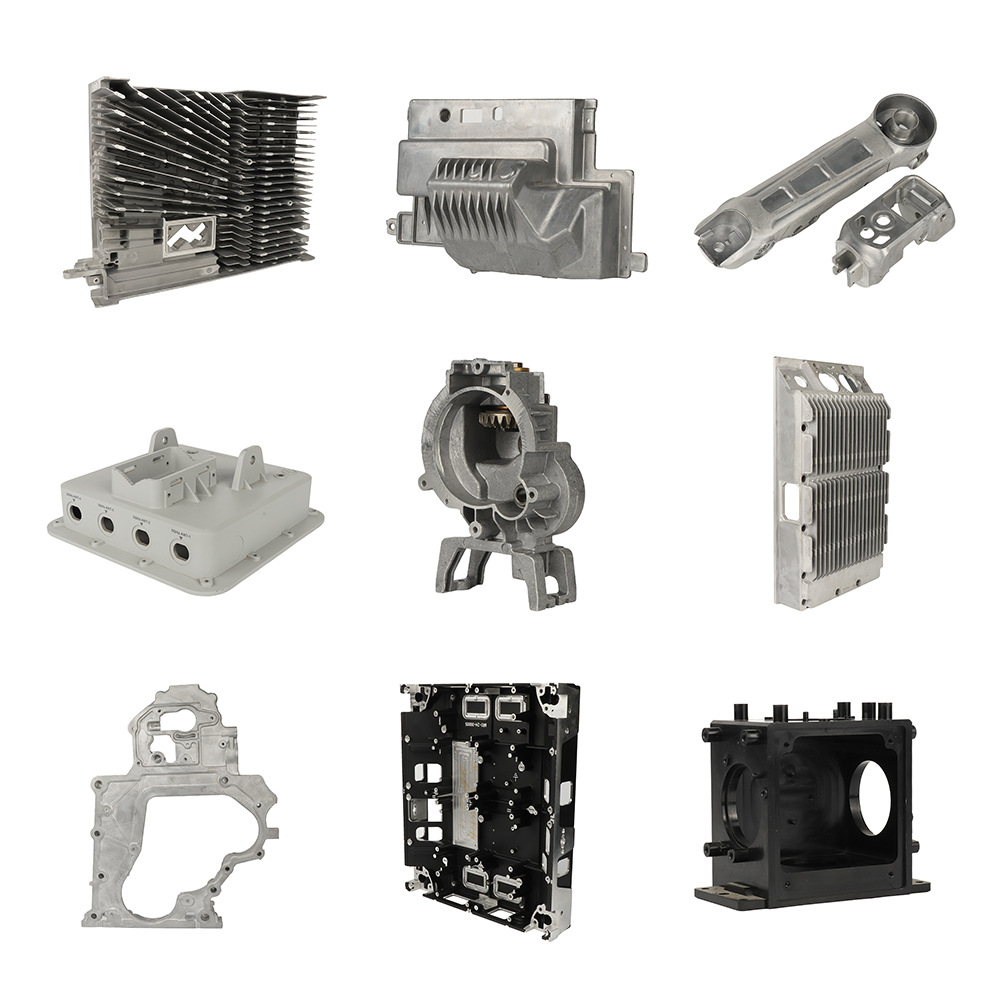
Power supply case | What is Aluminum Housing? Focus on Power Supply Case
What is Aluminum Housing? Focus on Power Supply Case
Table of Contents
- 1. What is Aluminum Housing? A Basic Overview
- 2. Aluminum Housing for Power Supply Case: Core Application
- 3. Aluminum Power Supply Case: Pros and Cons Comparison
- 4. Key Benefits of Aluminum Housing for Power Supply Case
- 5. Expert Opinions on Aluminum Power Supply Enclosures
- 6. FAQs About Aluminum Power Supply Case
- 7. Conclusion
1. What is Aluminum Housing? A Basic Overview
Aluminum housing refers to a protective enclosure made of aluminum or aluminum alloy, designed to shield electronic components, machinery parts, or equipment from external damage, environmental factors, and operational risks. Unlike other housing materials (such as plastic, steel, or stainless steel), aluminum housing stands out for its unique combination of lightweight, durability, and functional versatility, making it widely used in industries like electronics, automotive, aerospace, and telecommunications.
At its core, aluminum housing serves two primary purposes: protection and performance enhancement. It safeguards internal components from dust, moisture, impact, and electromagnetic interference (EMI), while also optimizing heat dissipation— a critical factor for high-performance electronic devices. Among all its applications, thepower supply case is one of the most common and important uses, as power supplies are the "heart" of electronic systems and require reliable enclosures to ensure stable operation.
2. Aluminum Housing for Power Supply Case: Core Application
2.1 What is a Power Supply Case?
A power supply case (also known as a power supply enclosure) is a specialized housing designed to contain and protect power supply units (PSUs)—the devices that convert electrical energy from a source into usable power for electronic equipment. From small consumer electronics to large industrial machinery, every PSU needs a robust enclosure to function safely and stably.
2.2 Why Aluminum is the Preferred Material for Power Supply Cases
Aluminum has become the preferred material for power supply cases, replacing traditional materials like plastic and steel in most high-demand scenarios. Its popularity stems from its ability to address the key pain points of power supply operation, such as heat buildup, corrosion, and weight issues. Aluminum power supply cases are widely used in industrial control systems, consumer electronics, solar energy storage, EV charging stations, and medical equipment, where reliability and performance are non-negotiable.
2.3 Common Types of Aluminum Power Supply Cases
Aluminum power supply cases are available in various types to meet different industry needs, each tailored to specific operating environments and PSU specifications:
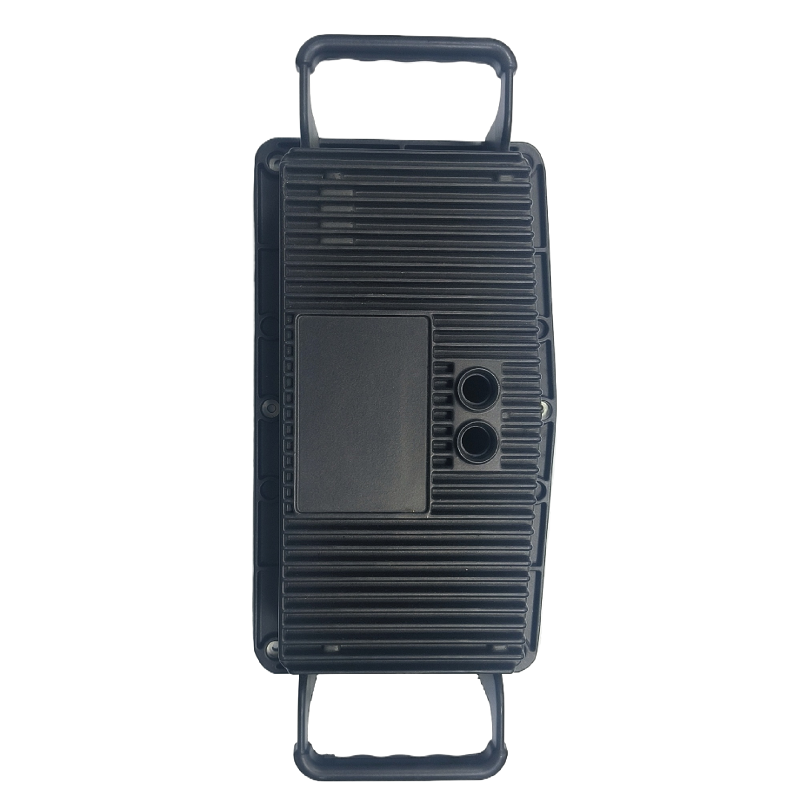
- Extruded Aluminum Enclosures: Ideal for heat-intensive PSUs, these enclosures are made by extruding aluminum alloy into uniform profiles, often integrated with heat dissipation fins to enhance thermal performance. They are commonly used in high-power industrial power supplies and server PSUs.
- Anodized Aluminum Enclosures: Treated with an anodizing process to form a protective oxide layer, these cases offer excellent corrosion resistance and durability, making them suitable for outdoor or harsh environments (e.g., outdoor solar inverters, marine power supplies).
- Custom Aluminum Enclosures: Tailored to specific PSU dimensions and features, these cases are designed for unique applications, such as medical power supplies or custom industrial equipment, and can be processed via stamping, bending, or CNC machining.
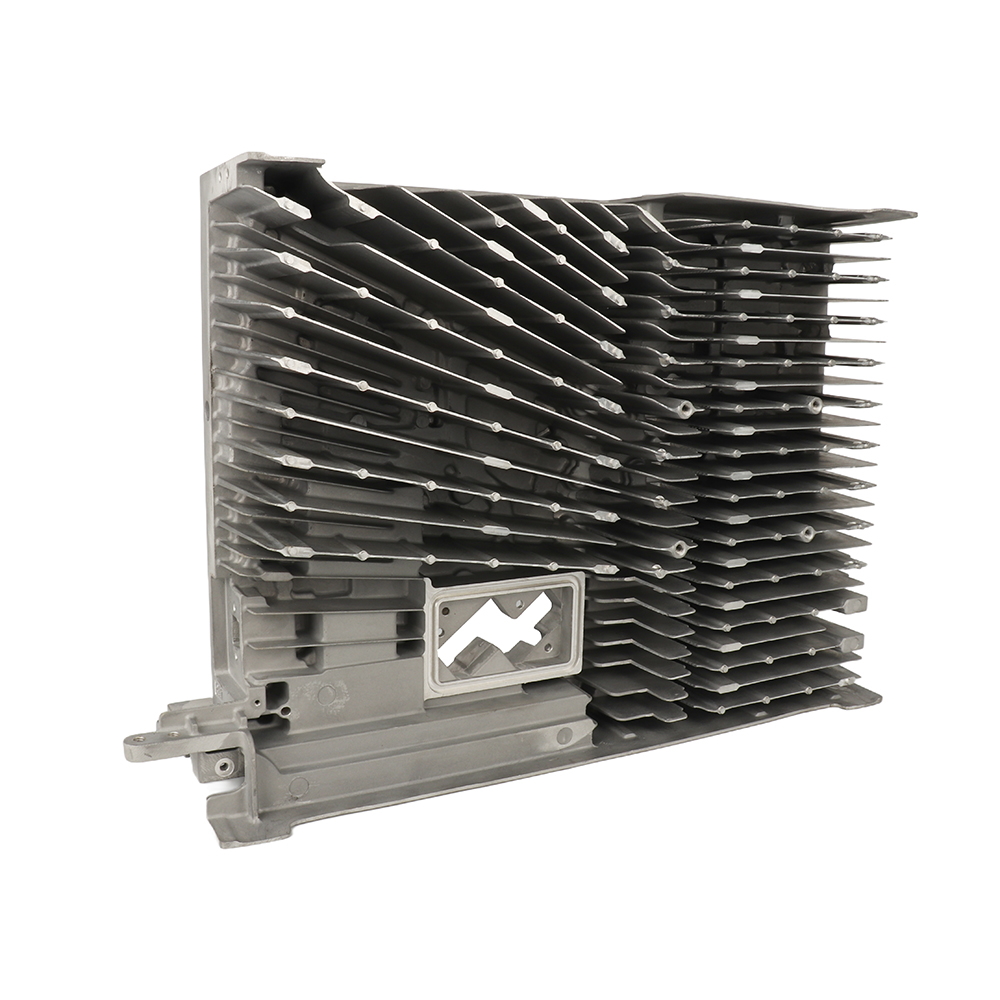
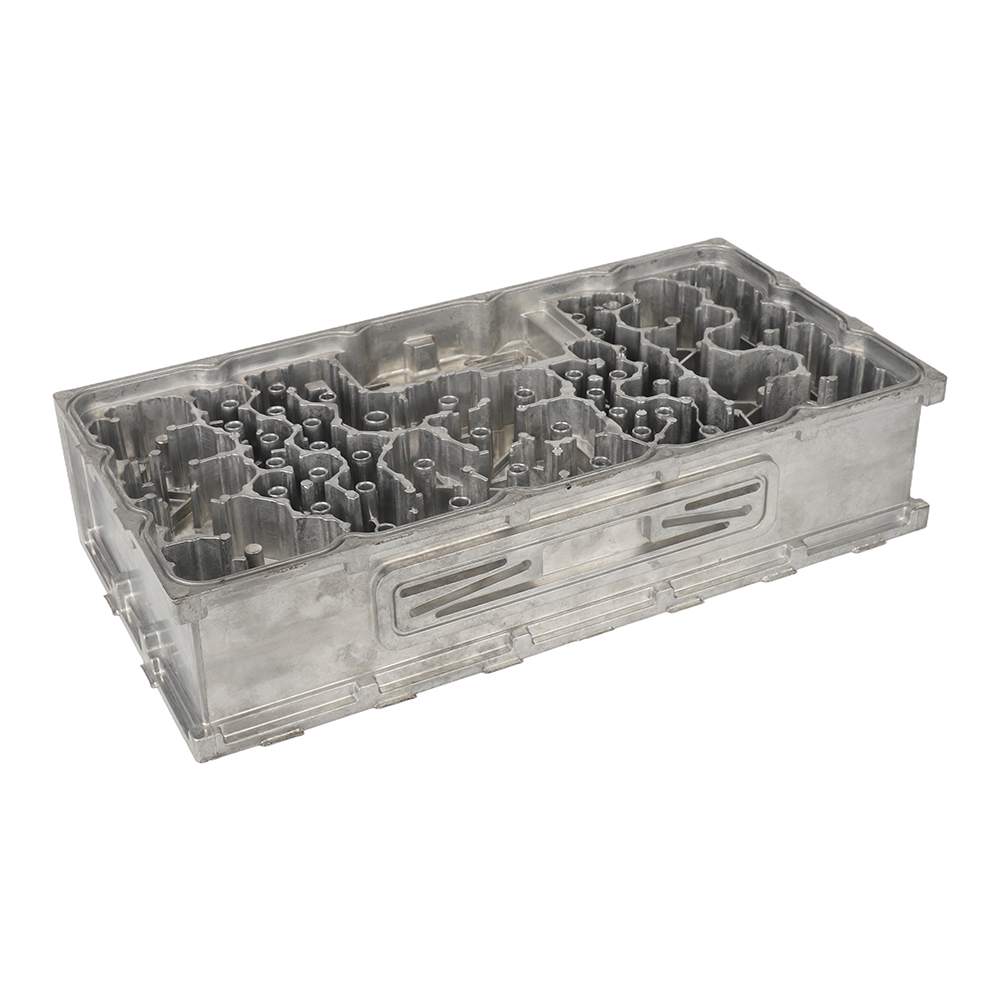
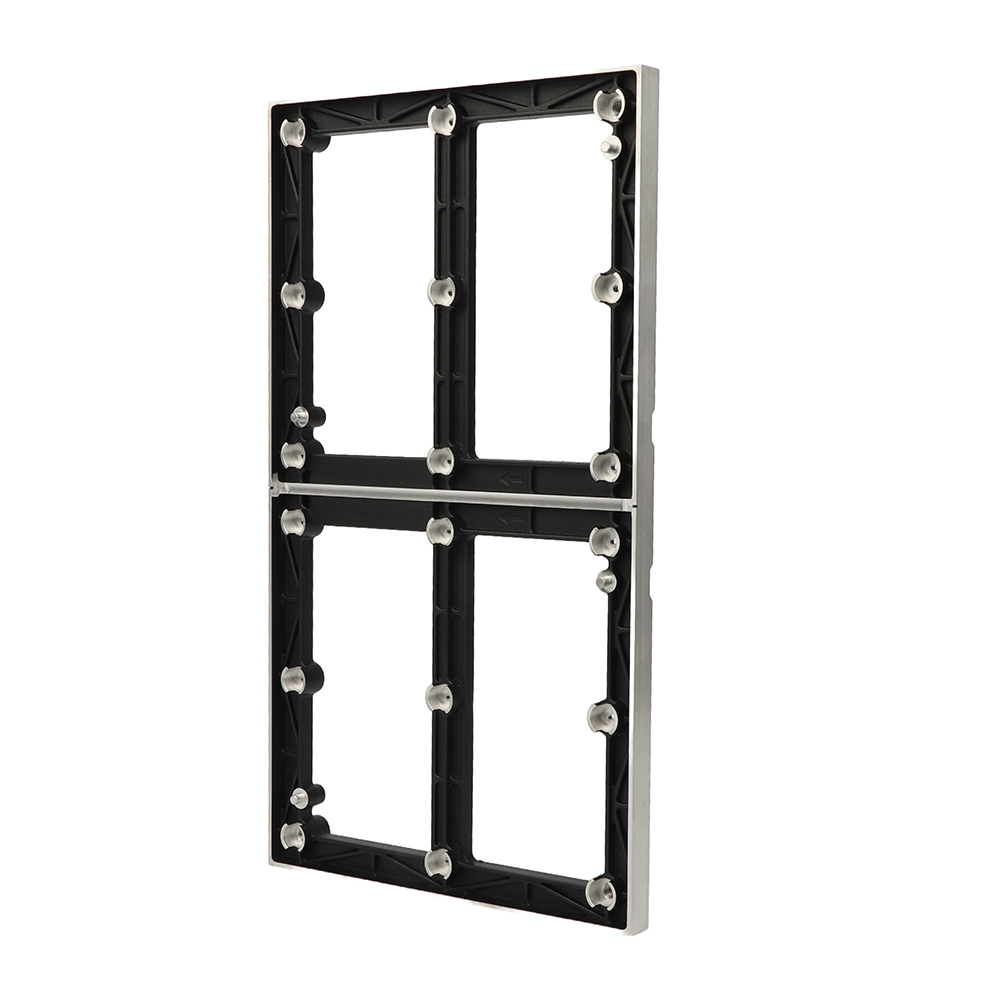
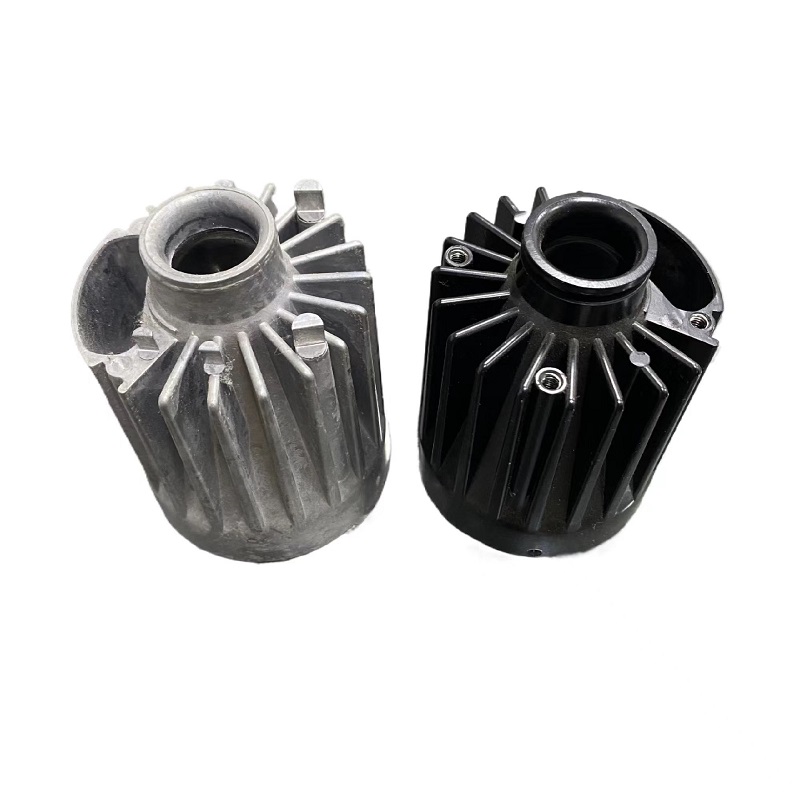
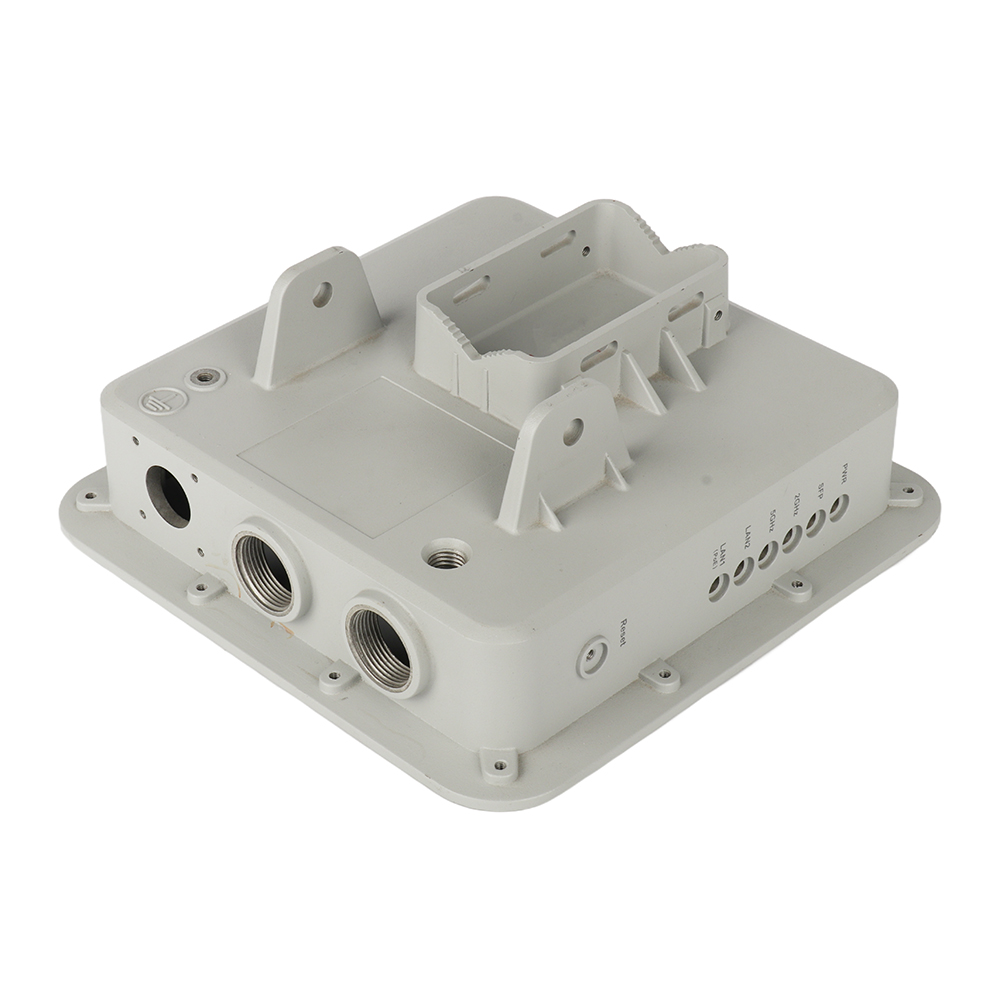
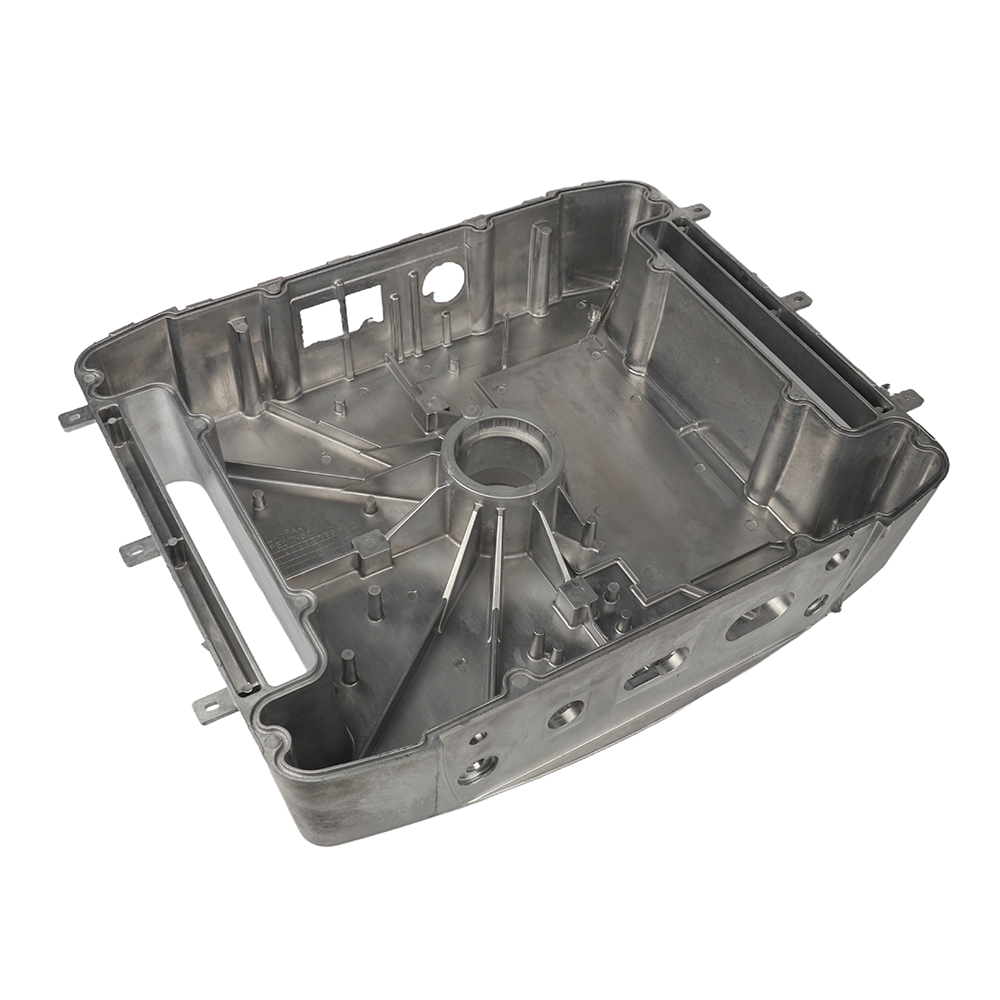
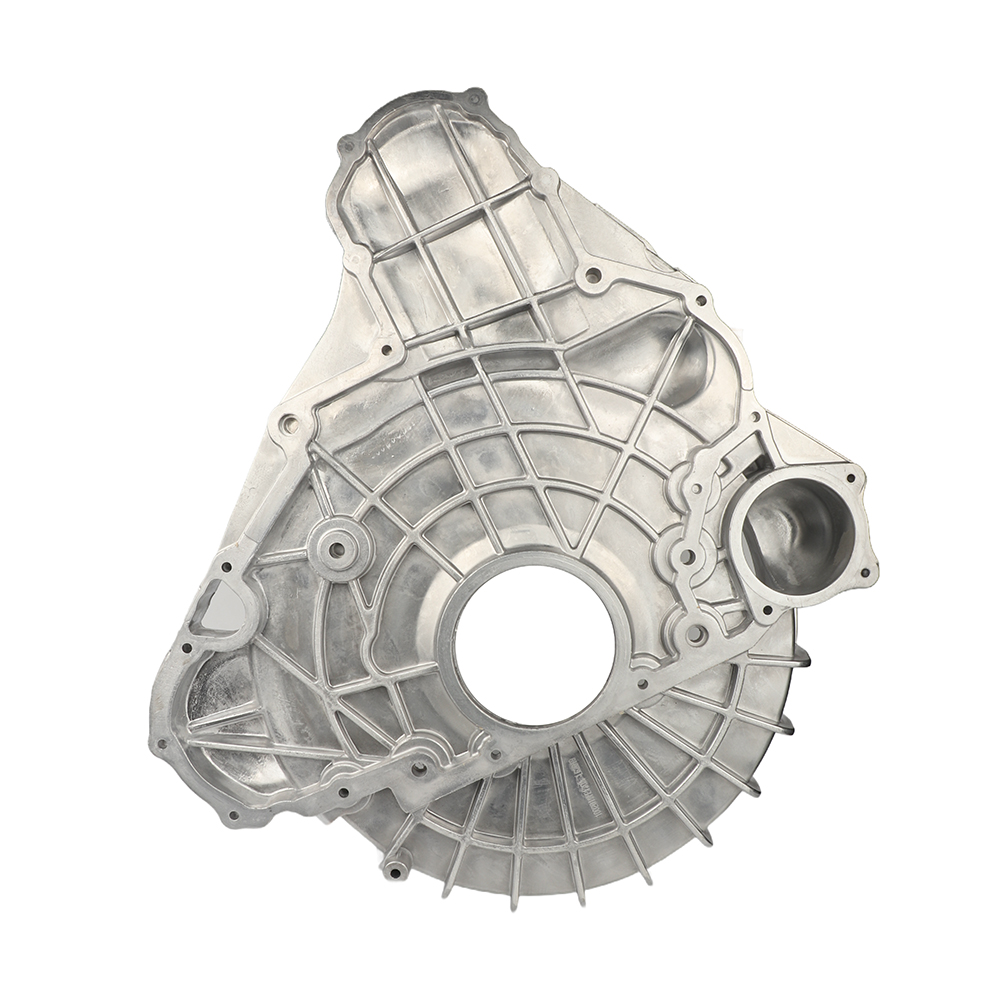
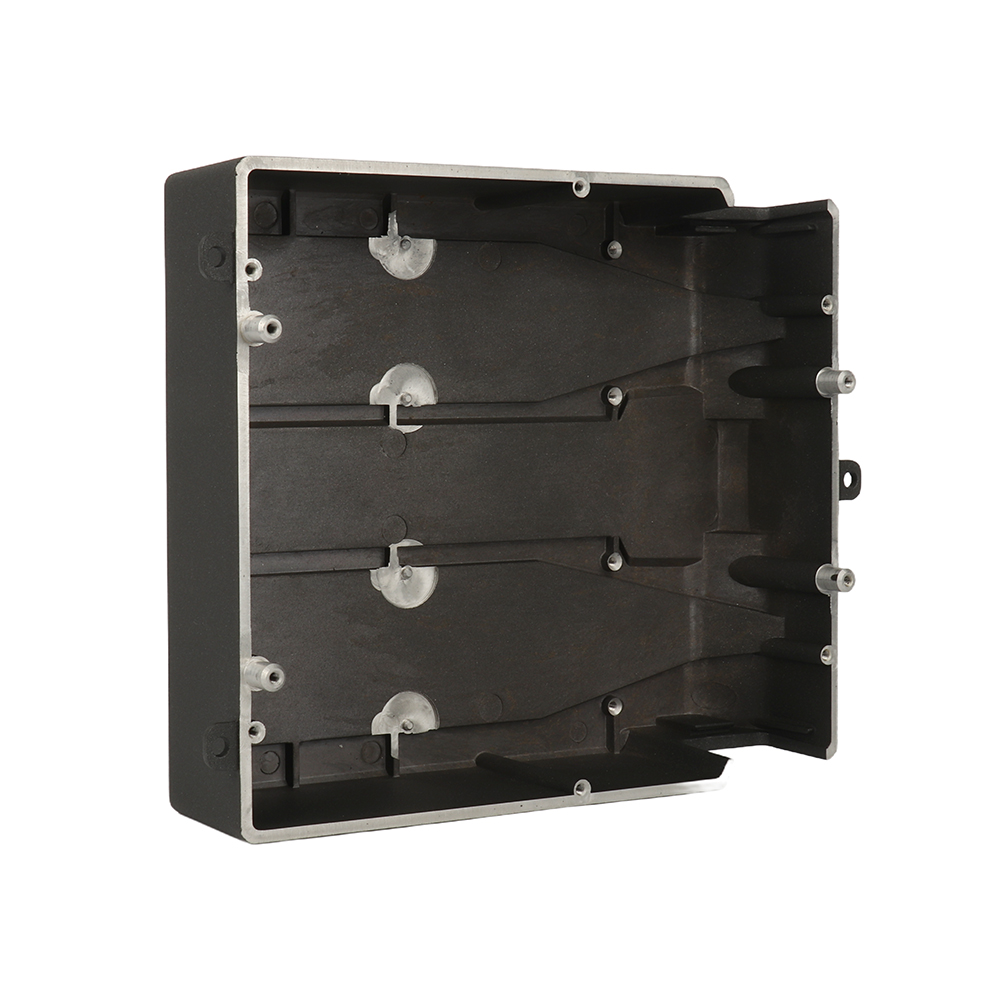
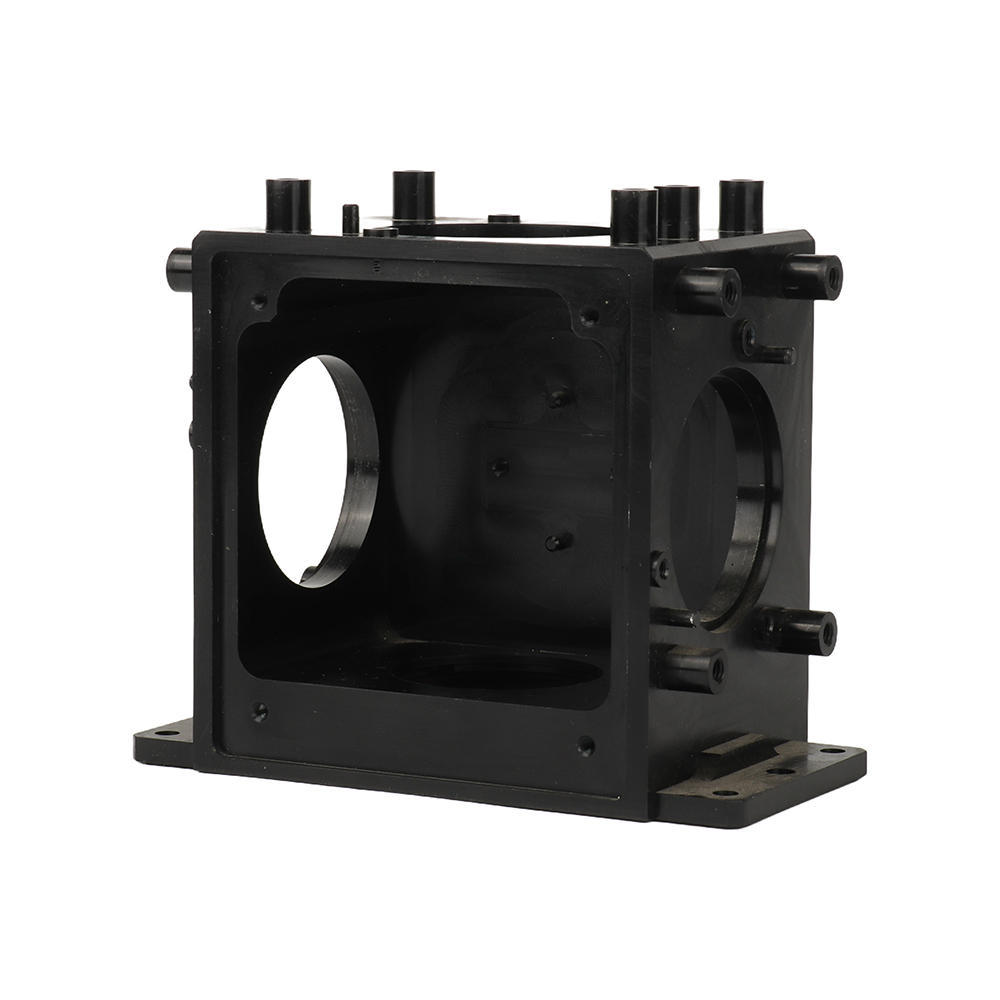
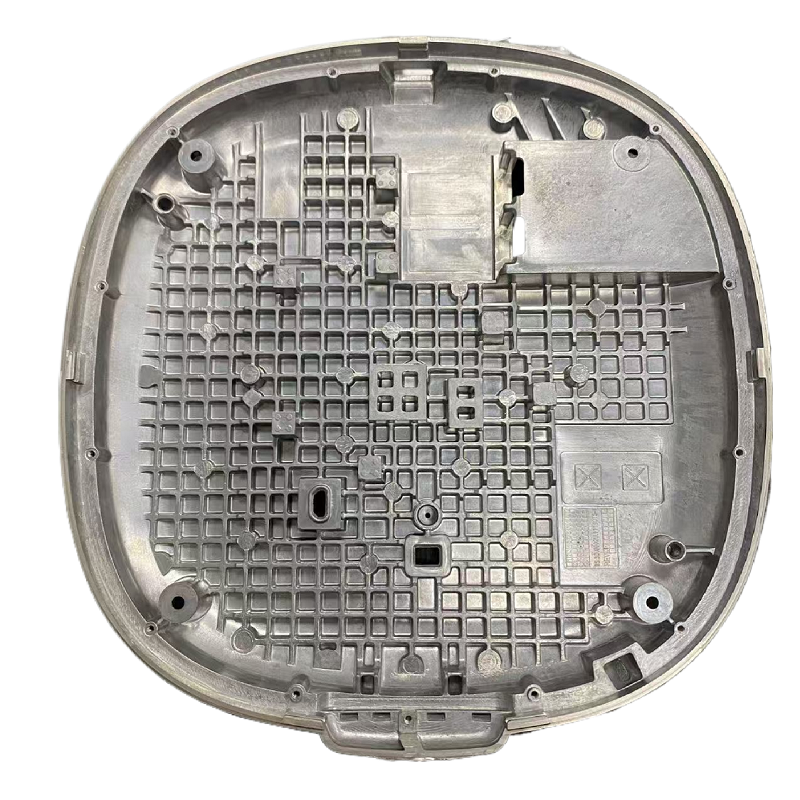
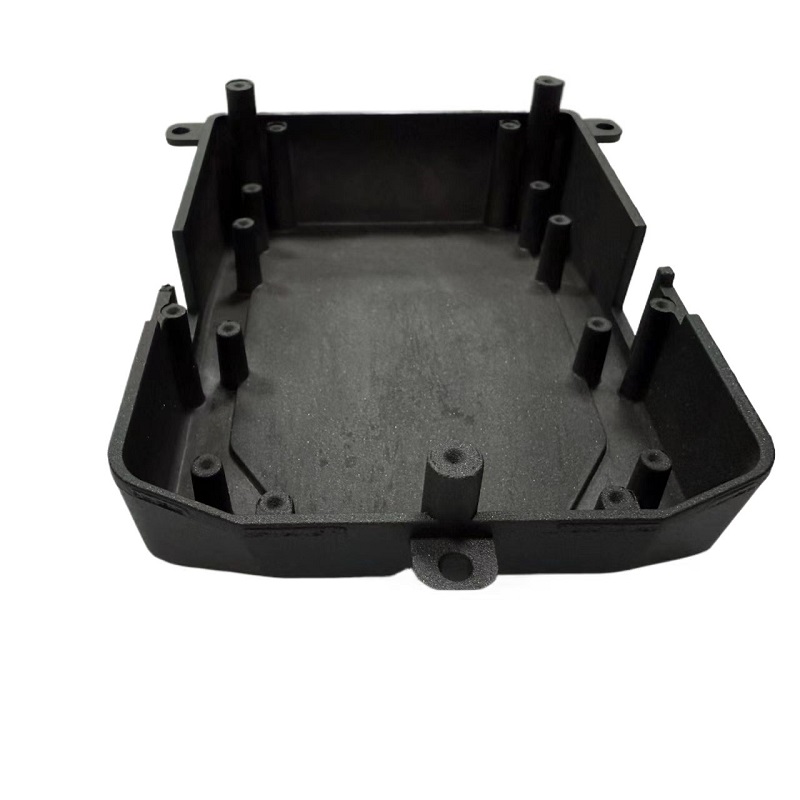
Below is a typical example of an aluminum power supply case, showcasing its sleek design, heat dissipation fins, and robust structure—key features that make it ideal for protecting PSUs:

A high-quality aluminum power supply case with heat dissipation fins, widely used in industrial and consumer electronics applications
3. Aluminum Power Supply Case: Pros and Cons Comparison
To better understand why aluminum is the top choice for power supply cases, it’s essential to compare its advantages and disadvantages, especially when pitted against traditional materials like plastic and steel. This comparison helps businesses and manufacturers make informed decisions based on their specific needs.
3.1 Pros of Aluminum Power Supply Cases
- Excellent Heat Dissipation: Aluminum has a high thermal conductivity (approximately 205 W/m·K), which is far superior to steel (50 W/m·K) and plastic (0.2 W/m·K). This allows it to quickly transfer heat generated by PSUs to the outside, preventing overheating and extending the lifespan of internal components.
- Lightweight but Durable: Aluminum is 30-40% lighter than equivalent steel enclosures, making it easier to install and transport, especially for large or wall-mounted power supplies. Despite its light weight, it maintains good structural rigidity and can withstand moderate impact and vibration.
- Strong Corrosion Resistance: Aluminum naturally forms a protective oxide layer on its surface, and additional treatments like anodizing can enhance this resistance, making it suitable for outdoor or harsh environments (e.g., salt spray, humidity).
- Good EMI Shielding: Aluminum acts as an effective Faraday cage, blocking electromagnetic interference (EMI) from external sources and preventing internal EMI from affecting other electronic devices—critical for sensitive power supply applications like medical equipment and industrial controls.
- Versatile Manufacturing: Aluminum can be easily processed via extrusion, stamping, bending, or CNC machining, allowing for custom designs to fit unique PSU sizes and shapes.
3.2 Cons of Aluminum Power Supply Cases
- Higher Cost Than Plastic: Aluminum is more expensive than plastic enclosures, which may be a consideration for low-budget consumer electronics with basic protection needs.
- Lower Impact Resistance Than Steel: While durable, aluminum is not as strong as steel and can be dented by heavy impacts. However, this can be mitigated by increasing the wall thickness or adding reinforcement structures.
- Requires Specialized Machining: Complex custom designs may require specialized tooling and machining processes, which can increase production costs for small-batch orders.
3.3 Comparison with Other Materials
| Material | Heat Dissipation | Weight | Corrosion Resistance | Cost |
|---|---|---|---|---|
| Aluminum | Excellent | Light | Excellent (with treatment) | Medium |
| Plastic | Poor | Lightest | Good (depends on type) | Low |
| Steel | Moderate | Heavy | Moderate (needs coating) | Medium-High |
4. Key Benefits of Aluminum Housing for Power Supply Case (Why It’s the Top Choice)
While the pros and cons provide a balanced view, the unique benefits of aluminum power supply cases make them the preferred choice for most high-performance and reliable applications. Here’s a deeper dive into why aluminum stands out:
4.1 Heat Dissipation: The Critical Advantage for PSUs
Power supplies generate heat during operation, and excessive heat is the "silent killer" of electronic components—reducing efficiency, shortening lifespan, and increasing safety risks. Aluminum’s superior thermal conductivity allows it to act as a natural heat sink, even without additional cooling fans. For example, a 60W LED power supply in a plastic case may reach core temperatures above 95℃, while an aluminum case can reduce this by 15-25℃, significantly extending component life. Extruded aluminum cases with integrated fins further enhance this performance, making them ideal for high-power industrial PSUs and solar inverters.
4.2 Cost-Effective in the Long Run
While aluminum cases have a higher upfront cost than plastic, they offer long-term cost savings. Their durability and corrosion resistance reduce maintenance and replacement costs, especially in harsh environments. Additionally, their lightweight design lowers shipping and installation costs, which is crucial for large-scale deployments like EV charging stations or industrial control systems.
4.3 Compliance with Industry Standards
Aluminum power supply cases easily meet international standards for protection (IP ratings), EMI shielding, and safety. For example, anodized aluminum cases can achieve IP65 or IP67 ratings, making them suitable for outdoor use (e.g., solar energy storage systems) where dust and water resistance are essential. They also comply with EMI/EMC requirements, which is mandatory for medical and industrial equipment.
4.4 Aesthetic and Brand Value
Aluminum cases have a sleek, modern appearance that enhances the overall look of electronic devices. They can be anodized in various colors (e.g., silver, black, gold) or laser-etched with brand logos, helping businesses differentiate their products in the market. This aesthetic appeal is particularly important for consumer electronics and medical devices, where design matters as much as performance.
5. Expert Opinions on Aluminum Power Supply Enclosures
Industry experts agree that aluminum is the optimal material for power supply cases, especially for high-demand applications. Below are insights from leading professionals in the field:
5.1 Expert 1: Sarah Chen, Senior Electrical Engineer at a Global Power Supply Manufacturer
"In power supply design, thermal management is non-negotiable. Aluminum enclosures solve the biggest pain point—heat buildup—without adding unnecessary weight. We’ve tested dozens of materials, and aluminum consistently outperforms plastic and steel in terms of heat dissipation and long-term reliability. For industrial and medical PSUs, where downtime is costly, aluminum’s durability and EMI shielding make it the only practical choice."
5.2 Expert 2: Michael Torres, Materials Science Specialist at an Electronics Research Lab
"Aluminum’s strength-to-weight ratio is unmatched for power supply enclosures. Unlike steel, it’s easy to machine into custom shapes, which is critical for modern, compact PSUs. The anodizing process further enhances its corrosion resistance, making it suitable for outdoor applications like solar inverters and EV charging stations. While plastic is cheaper upfront, it can’t match aluminum’s lifespan or performance in high-heat environments."
5.3 Expert 3: Lisa Wang, Product Manager for Industrial Enclosures
"Our customers—mostly industrial manufacturers—prioritize reliability and low maintenance. Aluminum power supply cases reduce their operational costs by minimizing replacement and repair needs. The material’s natural EMI shielding also eliminates the need for additional shielding components, simplifying design and reducing costs. For any application where performance and durability matter, aluminum is the clear winner."
6. FAQs About Aluminum Power Supply Case
Below are answers to the most common questions about aluminum power supply cases, based on industry trends and expert knowledge:
6.1 Q: Can aluminum power supply cases be used outdoors?
A: Yes! Anodized aluminum cases offer excellent corrosion resistance and can withstand outdoor conditions like humidity, salt spray, and UV radiation. Many outdoor applications (e.g., solar inverters, outdoor EV charging stations) use anodized aluminum cases with IP65 or IP67 ratings to ensure protection against dust and water.
6.2 Q: Are aluminum power supply cases more expensive than steel or plastic?
A: Aluminum cases are more expensive than plastic but often cheaper or comparable to steel cases. While the upfront cost is higher than plastic, the long-term cost savings (lower maintenance, longer lifespan, lower shipping costs) make them more cost-effective for most applications.
6.3 Q: How can I improve the impact resistance of aluminum power supply cases?
A: You can increase the wall thickness of the case, add reinforcement ribs, or choose a high-strength aluminum alloy (e.g., 6061 or 6063). These modifications enhance impact resistance without significantly increasing weight or cost.
6.4 Q: Can aluminum power supply cases be customized?
A: Yes! Aluminum is highly versatile and can be customized via extrusion, stamping, CNC machining, or bending to fit specific PSU dimensions, ports, and features. Customizations include adding heat dissipation fins, cutouts for ports, anodizing in custom colors, and laser-etched logos.
6.5 Q: Do aluminum power supply cases require special maintenance?
A: No, aluminum cases are low-maintenance. Anodized aluminum requires only occasional cleaning with a non-abrasive cloth to remove dust and debris. Avoid using harsh chemicals, as they can damage the anodized layer. For outdoor cases, periodic inspections for corrosion (rare with proper treatment) are recommended.
6.6 Q: Are aluminum power supply cases suitable for high-power PSUs?
A: Absolutely! Aluminum’s excellent heat dissipation makes it ideal for high-power PSUs (e.g., industrial power supplies, server PSUs, solar inverters). Extruded aluminum cases with integrated heat fins are specifically designed to handle the high heat generated by these devices, ensuring stable operation.
7. Conclusion
Aluminum housing is a versatile, reliable, and high-performance solution for protecting power supply units— the "heart" of electronic systems. While it has minor drawbacks (e.g., higher upfront cost than plastic), its superior heat dissipation, lightweight design, corrosion resistance, and EMI shielding make it the top choice for most industrial, consumer, and medical applications.
By comparing aluminum with other materials, understanding its key benefits, and considering expert opinions, it’s clear that aluminum power supply cases offer long-term value and performance that plastic and steel cannot match. Whether you’re designing a small consumer PSU or a large industrial power system, aluminum housing ensures your power supply operates safely, stably, and efficiently for years to come.
What is Aluminum Housing? Focus on Power Supply Case
Table of Contents
- 1. What is Aluminum Housing? A Basic Overview
- 2. Aluminum Housing for Power Supply Case: Core Application
- 3. Aluminum Power Supply Case: Pros and Cons Comparison
- 4. Key Benefits of Aluminum Housing for Power Supply Case
- 5. Expert Opinions on Aluminum Power Supply Enclosures
- 6. FAQs About Aluminum Power Supply Case
- 7. Conclusion
1. What is Aluminum Housing? A Basic Overview
Aluminum housing refers to a protective enclosure made of aluminum or aluminum alloy, designed to shield electronic components, machinery parts, or equipment from external damage, environmental factors, and operational risks. Unlike other housing materials (such as plastic, steel, or stainless steel), aluminum housing stands out for its unique combination of lightweight, durability, and functional versatility, making it widely used in industries like electronics, automotive, aerospace, and telecommunications.
At its core, aluminum housing serves two primary purposes: protection and performance enhancement. It safeguards internal components from dust, moisture, impact, and electromagnetic interference (EMI), while also optimizing heat dissipation— a critical factor for high-performance electronic devices. Among all its applications, thepower supply case is one of the most common and important uses, as power supplies are the "heart" of electronic systems and require reliable enclosures to ensure stable operation.
2. Aluminum Housing for Power Supply Case: Core Application
2.1 What is a Power Supply Case?
A power supply case (also known as a power supply enclosure) is a specialized housing designed to contain and protect power supply units (PSUs)—the devices that convert electrical energy from a source into usable power for electronic equipment. From small consumer electronics to large industrial machinery, every PSU needs a robust enclosure to function safely and stably.
2.2 Why Aluminum is the Preferred Material for Power Supply Cases
Aluminum has become the preferred material for power supply cases, replacing traditional materials like plastic and steel in most high-demand scenarios. Its popularity stems from its ability to address the key pain points of power supply operation, such as heat buildup, corrosion, and weight issues. Aluminum power supply cases are widely used in industrial control systems, consumer electronics, solar energy storage, EV charging stations, and medical equipment, where reliability and performance are non-negotiable.
2.3 Common Types of Aluminum Power Supply Cases
Aluminum power supply cases are available in various types to meet different industry needs, each tailored to specific operating environments and PSU specifications:
- Extruded Aluminum Enclosures: Ideal for heat-intensive PSUs, these enclosures are made by extruding aluminum alloy into uniform profiles, often integrated with heat dissipation fins to enhance thermal performance. They are commonly used in high-power industrial power supplies and server PSUs.
- Anodized Aluminum Enclosures: Treated with an anodizing process to form a protective oxide layer, these cases offer excellent corrosion resistance and durability, making them suitable for outdoor or harsh environments (e.g., outdoor solar inverters, marine power supplies).
- Custom Aluminum Enclosures: Tailored to specific PSU dimensions and features, these cases are designed for unique applications, such as medical power supplies or custom industrial equipment, and can be processed via stamping, bending, or CNC machining.
Below is a typical example of an aluminum power supply case, showcasing its sleek design, heat dissipation fins, and robust structure—key features that make it ideal for protecting PSUs:
3. Aluminum Power Supply Case: Pros and Cons Comparison
To better understand why aluminum is the top choice for power supply cases, it’s essential to compare its advantages and disadvantages, especially when pitted against traditional materials like plastic and steel. This comparison helps businesses and manufacturers make informed decisions based on their specific needs.
3.1 Pros of Aluminum Power Supply Cases
- Excellent Heat Dissipation: Aluminum has a high thermal conductivity (approximately 205 W/m·K), which is far superior to steel (50 W/m·K) and plastic (0.2 W/m·K). This allows it to quickly transfer heat generated by PSUs to the outside, preventing overheating and extending the lifespan of internal components.
- Lightweight but Durable: Aluminum is 30-40% lighter than equivalent steel enclosures, making it easier to install and transport, especially for large or wall-mounted power supplies. Despite its light weight, it maintains good structural rigidity and can withstand moderate impact and vibration.
- Strong Corrosion Resistance: Aluminum naturally forms a protective oxide layer on its surface, and additional treatments like anodizing can enhance this resistance, making it suitable for outdoor or harsh environments (e.g., salt spray, humidity).
- Good EMI Shielding: Aluminum acts as an effective Faraday cage, blocking electromagnetic interference (EMI) from external sources and preventing internal EMI from affecting other electronic devices—critical for sensitive power supply applications like medical equipment and industrial controls.
- Versatile Manufacturing: Aluminum can be easily processed via extrusion, stamping, bending, or CNC machining, allowing for custom designs to fit unique PSU sizes and shapes.
3.2 Cons of Aluminum Power Supply Cases
- Higher Cost Than Plastic: Aluminum is more expensive than plastic enclosures, which may be a consideration for low-budget consumer electronics with basic protection needs.
- Lower Impact Resistance Than Steel: While durable, aluminum is not as strong as steel and can be dented by heavy impacts. However, this can be mitigated by increasing the wall thickness or adding reinforcement structures.
- Requires Specialized Machining: Complex custom designs may require specialized tooling and machining processes, which can increase production costs for small-batch orders.
3.3 Comparison with Other Materials
| Material | Heat Dissipation | Weight | Corrosion Resistance | Cost |
|---|---|---|---|---|
| Aluminum | Excellent | Light | Excellent (with treatment) | Medium |
| Plastic | Poor | Lightest | Good (depends on type) | Low |
| Steel | Moderate | Heavy | Moderate (needs coating) | Medium-High |
4. Key Benefits of Aluminum Housing for Power Supply Case (Why It’s the Top Choice)
While the pros and cons provide a balanced view, the unique benefits of aluminum power supply cases make them the preferred choice for most high-performance and reliable applications. Here’s a deeper dive into why aluminum stands out:
4.1 Heat Dissipation: The Critical Advantage for PSUs
Power supplies generate heat during operation, and excessive heat is the "silent killer" of electronic components—reducing efficiency, shortening lifespan, and increasing safety risks. Aluminum’s superior thermal conductivity allows it to act as a natural heat sink, even without additional cooling fans. For example, a 60W LED power supply in a plastic case may reach core temperatures above 95℃, while an aluminum case can reduce this by 15-25℃, significantly extending component life. Extruded aluminum cases with integrated fins further enhance this performance, making them ideal for high-power industrial PSUs and solar inverters.
4.2 Cost-Effective in the Long Run
While aluminum cases have a higher upfront cost than plastic, they offer long-term cost savings. Their durability and corrosion resistance reduce maintenance and replacement costs, especially in harsh environments. Additionally, their lightweight design lowers shipping and installation costs, which is crucial for large-scale deployments like EV charging stations or industrial control systems.
4.3 Compliance with Industry Standards
Aluminum power supply cases easily meet international standards for protection (IP ratings), EMI shielding, and safety. For example, anodized aluminum cases can achieve IP65 or IP67 ratings, making them suitable for outdoor use (e.g., solar energy storage systems) where dust and water resistance are essential. They also comply with EMI/EMC requirements, which is mandatory for medical and industrial equipment.
4.4 Aesthetic and Brand Value
Aluminum cases have a sleek, modern appearance that enhances the overall look of electronic devices. They can be anodized in various colors (e.g., silver, black, gold) or laser-etched with brand logos, helping businesses differentiate their products in the market. This aesthetic appeal is particularly important for consumer electronics and medical devices, where design matters as much as performance.
5. Expert Opinions on Aluminum Power Supply Enclosures
Industry experts agree that aluminum is the optimal material for power supply cases, especially for high-demand applications. Below are insights from leading professionals in the field:
5.1 Expert 1: Sarah Chen, Senior Electrical Engineer at a Global Power Supply Manufacturer
"In power supply design, thermal management is non-negotiable. Aluminum enclosures solve the biggest pain point—heat buildup—without adding unnecessary weight. We’ve tested dozens of materials, and aluminum consistently outperforms plastic and steel in terms of heat dissipation and long-term reliability. For industrial and medical PSUs, where downtime is costly, aluminum’s durability and EMI shielding make it the only practical choice."
5.2 Expert 2: Michael Torres, Materials Science Specialist at an Electronics Research Lab
"Aluminum’s strength-to-weight ratio is unmatched for power supply enclosures. Unlike steel, it’s easy to machine into custom shapes, which is critical for modern, compact PSUs. The anodizing process further enhances its corrosion resistance, making it suitable for outdoor applications like solar inverters and EV charging stations. While plastic is cheaper upfront, it can’t match aluminum’s lifespan or performance in high-heat environments."
5.3 Expert 3: Lisa Wang, Product Manager for Industrial Enclosures
"Our customers—mostly industrial manufacturers—prioritize reliability and low maintenance. Aluminum power supply cases reduce their operational costs by minimizing replacement and repair needs. The material’s natural EMI shielding also eliminates the need for additional shielding components, simplifying design and reducing costs. For any application where performance and durability matter, aluminum is the clear winner."
6. FAQs About Aluminum Power Supply Case
Below are answers to the most common questions about aluminum power supply cases, based on industry trends and expert knowledge:
6.1 Q: Can aluminum power supply cases be used outdoors?
A: Yes! Anodized aluminum cases offer excellent corrosion resistance and can withstand outdoor conditions like humidity, salt spray, and UV radiation. Many outdoor applications (e.g., solar inverters, outdoor EV charging stations) use anodized aluminum cases with IP65 or IP67 ratings to ensure protection against dust and water.
6.2 Q: Are aluminum power supply cases more expensive than steel or plastic?
A: Aluminum cases are more expensive than plastic but often cheaper or comparable to steel cases. While the upfront cost is higher than plastic, the long-term cost savings (lower maintenance, longer lifespan, lower shipping costs) make them more cost-effective for most applications.
6.3 Q: How can I improve the impact resistance of aluminum power supply cases?
A: You can increase the wall thickness of the case, add reinforcement ribs, or choose a high-strength aluminum alloy (e.g., 6061 or 6063). These modifications enhance impact resistance without significantly increasing weight or cost.
6.4 Q: Can aluminum power supply cases be customized?
A: Yes! Aluminum is highly versatile and can be customized via extrusion, stamping, CNC machining, or bending to fit specific PSU dimensions, ports, and features. Customizations include adding heat dissipation fins, cutouts for ports, anodizing in custom colors, and laser-etched logos.
6.5 Q: Do aluminum power supply cases require special maintenance?
A: No, aluminum cases are low-maintenance. Anodized aluminum requires only occasional cleaning with a non-abrasive cloth to remove dust and debris. Avoid using harsh chemicals, as they can damage the anodized layer. For outdoor cases, periodic inspections for corrosion (rare with proper treatment) are recommended.
6.6 Q: Are aluminum power supply cases suitable for high-power PSUs?
A: Absolutely! Aluminum’s excellent heat dissipation makes it ideal for high-power PSUs (e.g., industrial power supplies, server PSUs, solar inverters). Extruded aluminum cases with integrated heat fins are specifically designed to handle the high heat generated by these devices, ensuring stable operation.
7. Conclusion
Aluminum housing is a versatile, reliable, and high-performance solution for protecting power supply units— the "heart" of electronic systems. While it has minor drawbacks (e.g., higher upfront cost than plastic), its superior heat dissipation, lightweight design, corrosion resistance, and EMI shielding make it the top choice for most industrial, consumer, and medical applications.
By comparing aluminum with other materials, understanding its key benefits, and considering expert opinions, it’s clear that aluminum power supply cases offer long-term value and performance that plastic and steel cannot match. Whether you’re designing a small consumer PSU or a large industrial power system, aluminum housing ensures your power supply operates safely, stably, and efficiently for years to come.
Die casting mould design | What is die casting mould design? A Comprehensive Guide
Casting | What is ADC12 die casting? A Comprehensive Guide
Related Article


