HOT PRODUCTS
RF cavity filter | What is an aluminium high pressure die casting? Focus on Cavity Filter Applications
What is an Aluminium High Pressure Die Casting? Focus on Cavity Filter Applications
Table of Contents
- 1. Introduction: What is Aluminium High Pressure Die Casting (HPDC)?
- 2. Core Connection: Aluminium HPDC & Cavity Filter
- 3. General Cavity Filter Parameters (Reference Table)
- 4. Key Focus of Aluminium HPDC Cavity Filters
- 5. Essential Functions of Aluminium HPDC Cavity Filters
- 6. Advantages of Aluminium HPDC for Cavity Filters
- 7. Expert Insights on Aluminium HPDC Cavity Filters
- 8. FAQ: Common Questions About Aluminium HPDC Cavity Filters
- 9. Conclusion
1. Introduction: What is Aluminium High Pressure Die Casting (HPDC)?
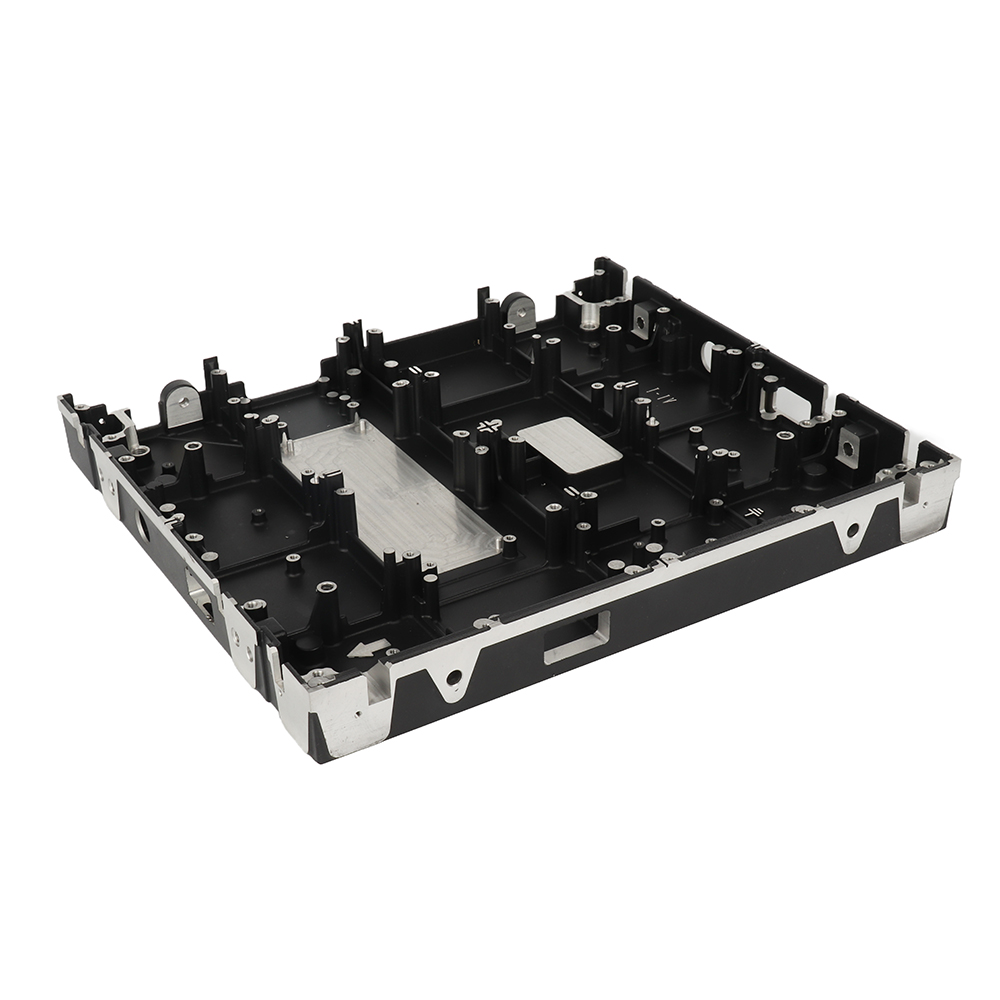
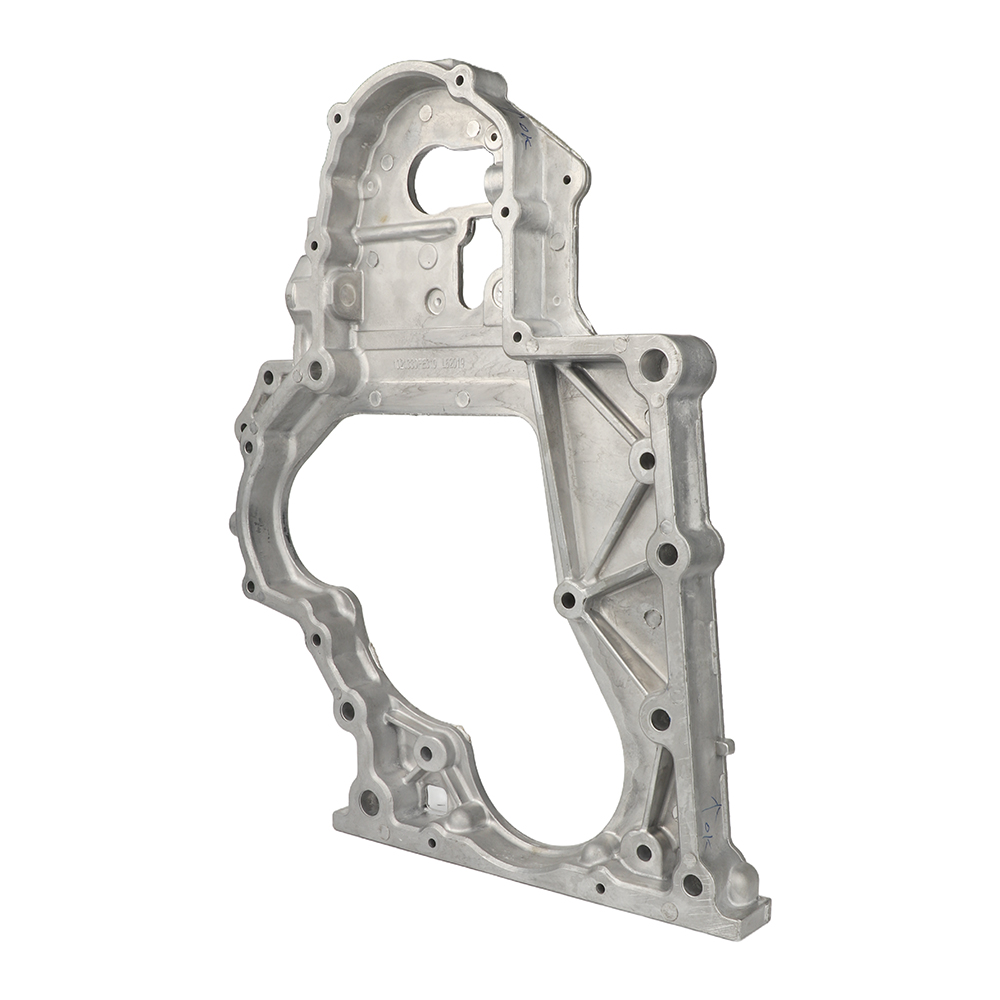
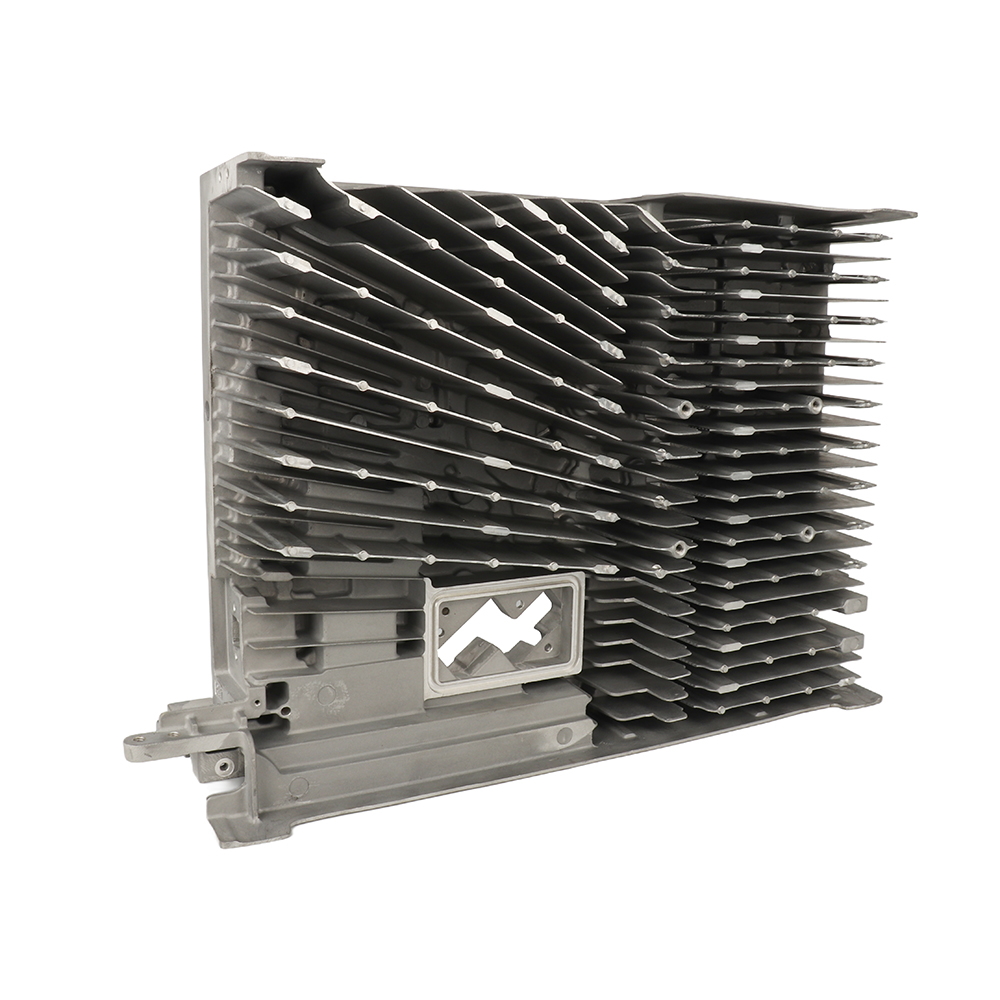
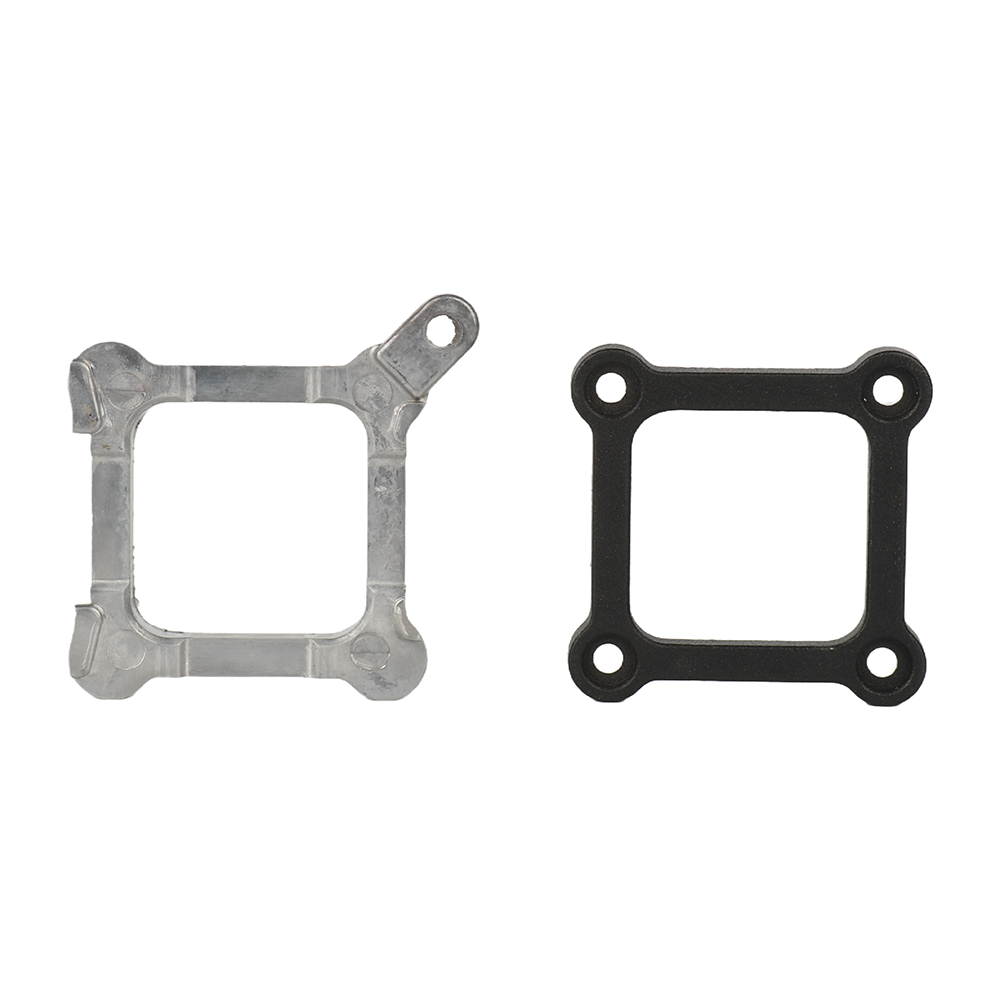
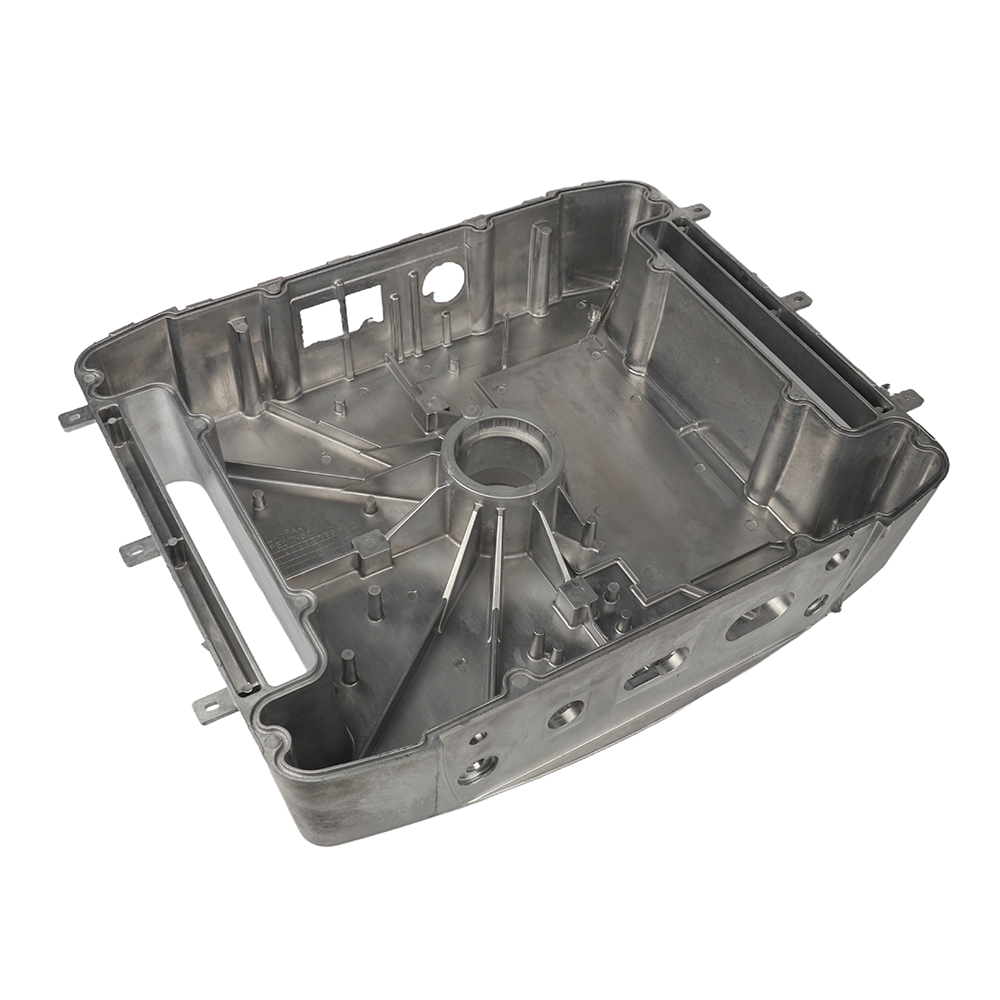
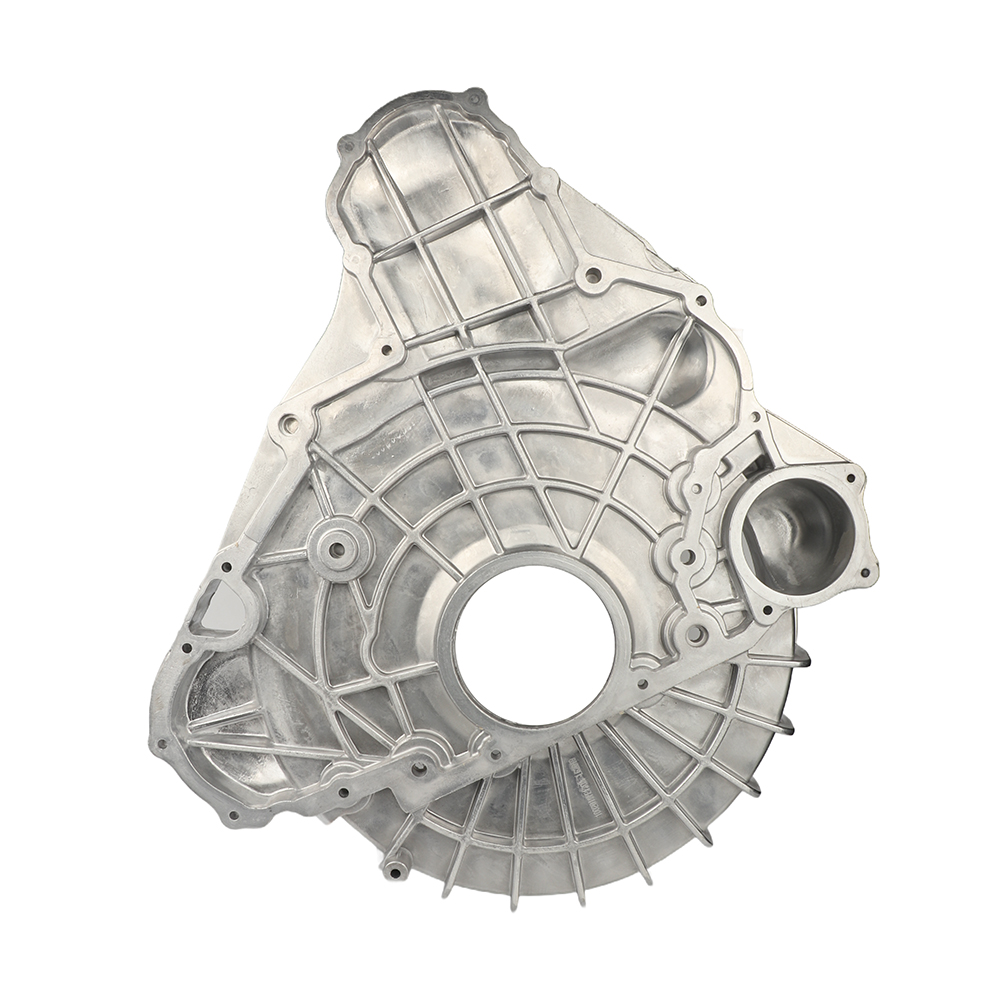
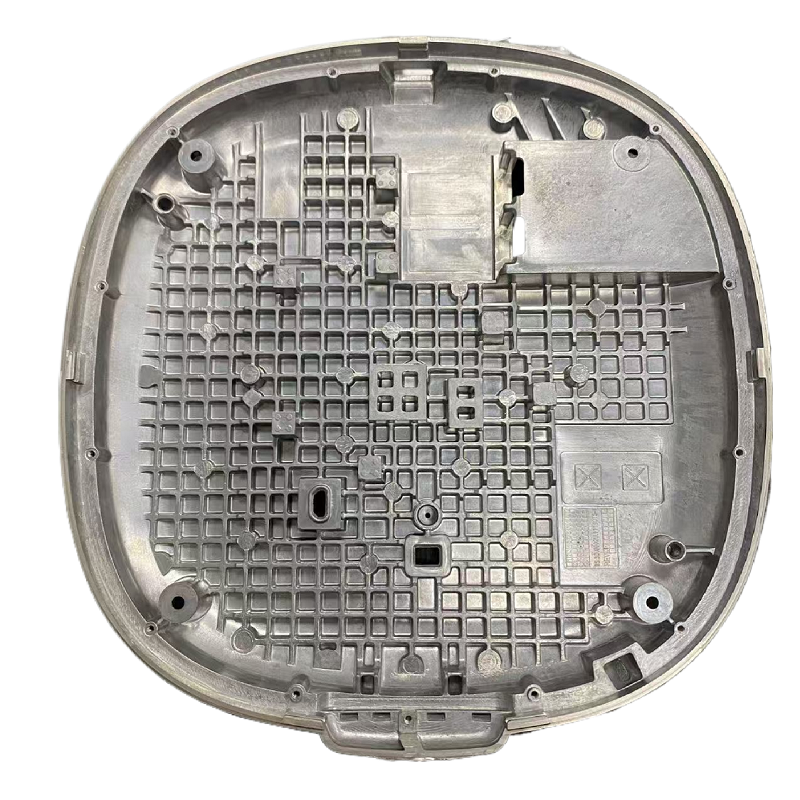
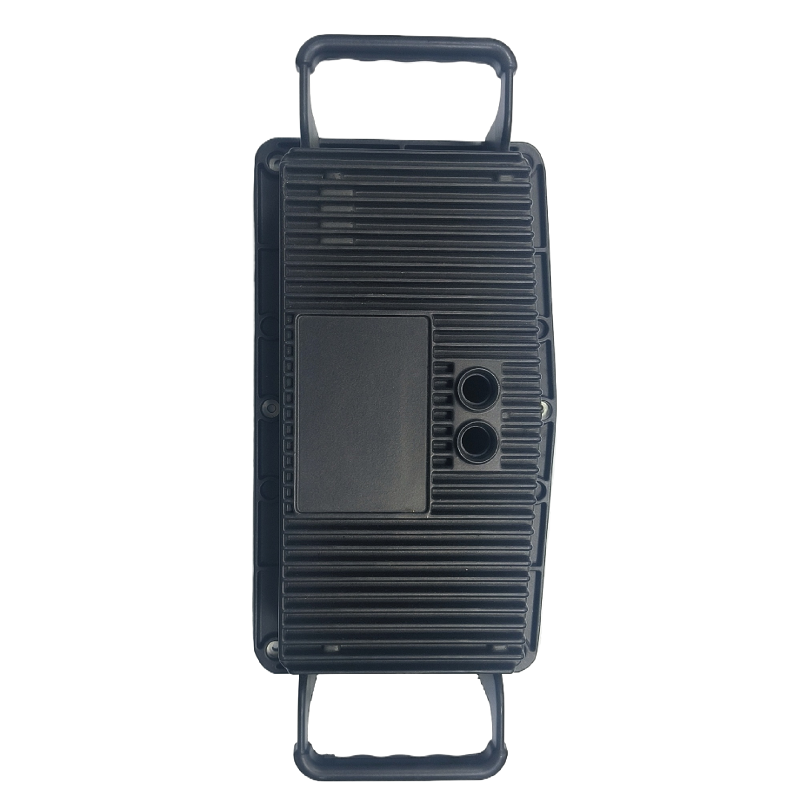
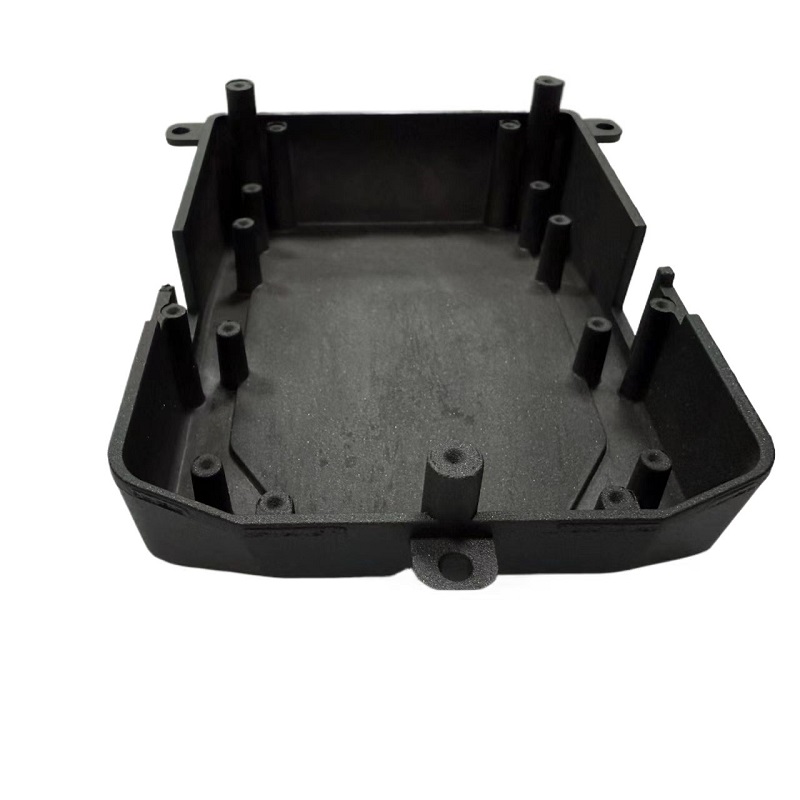
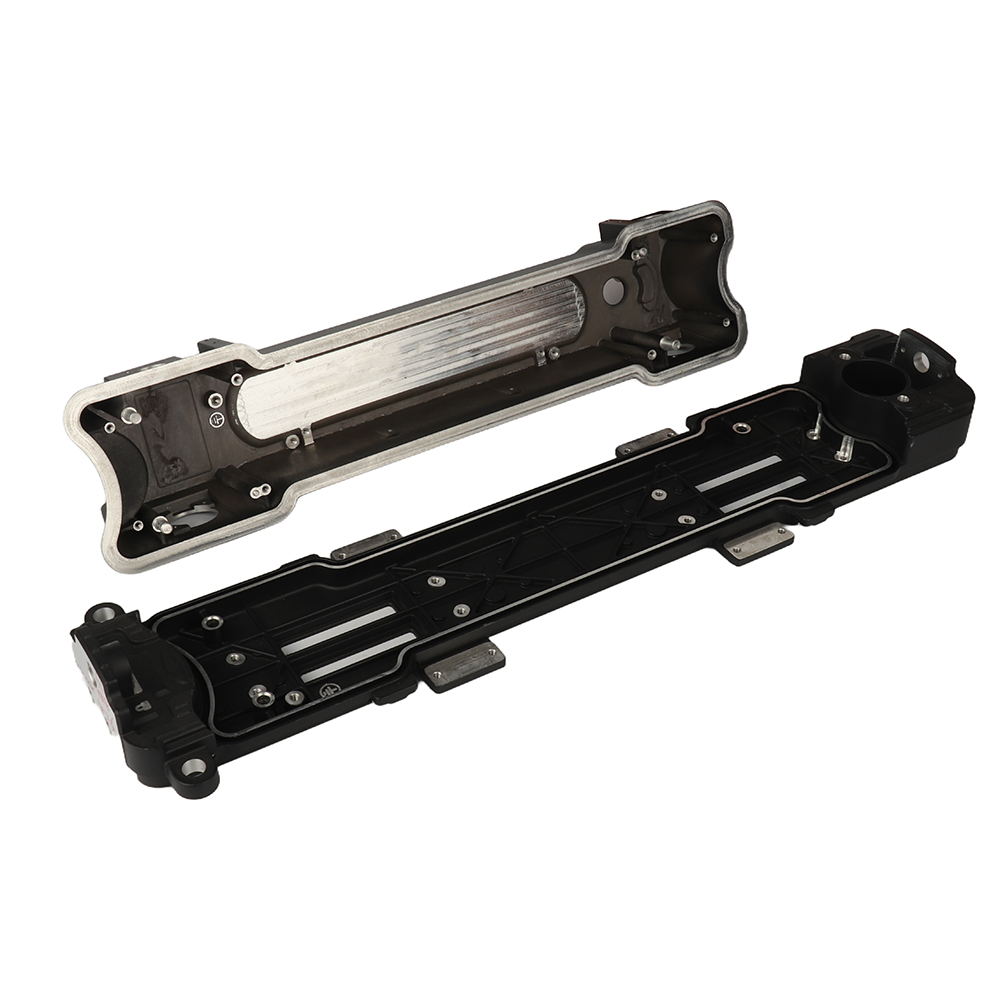
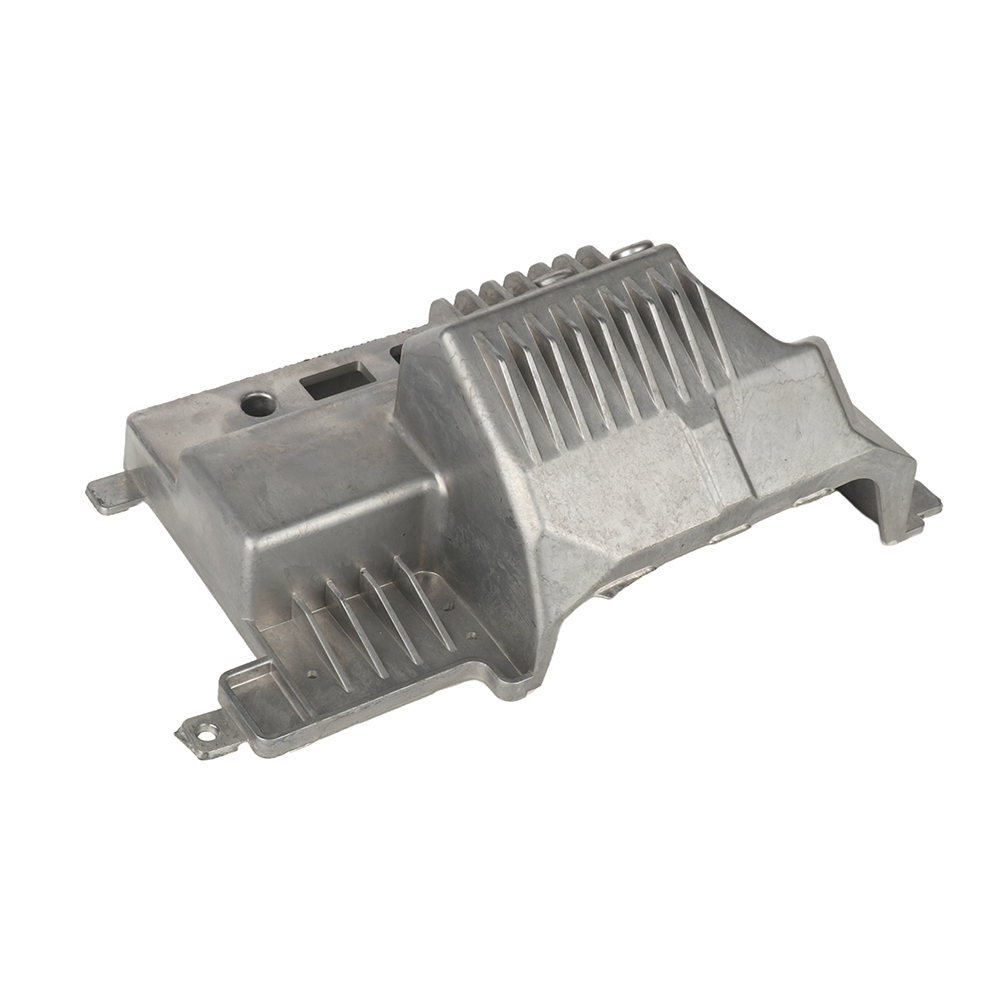
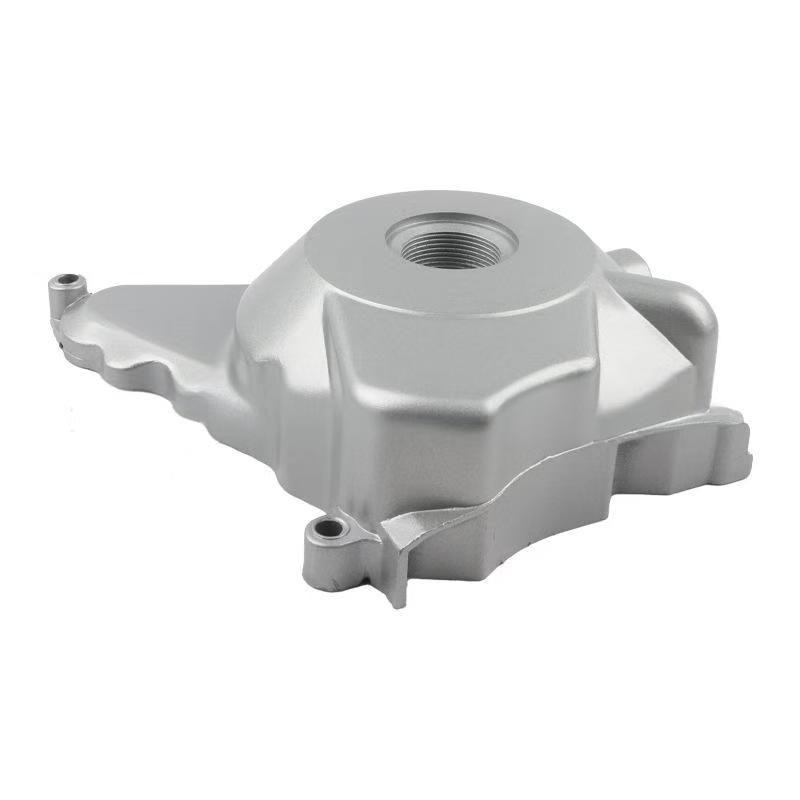
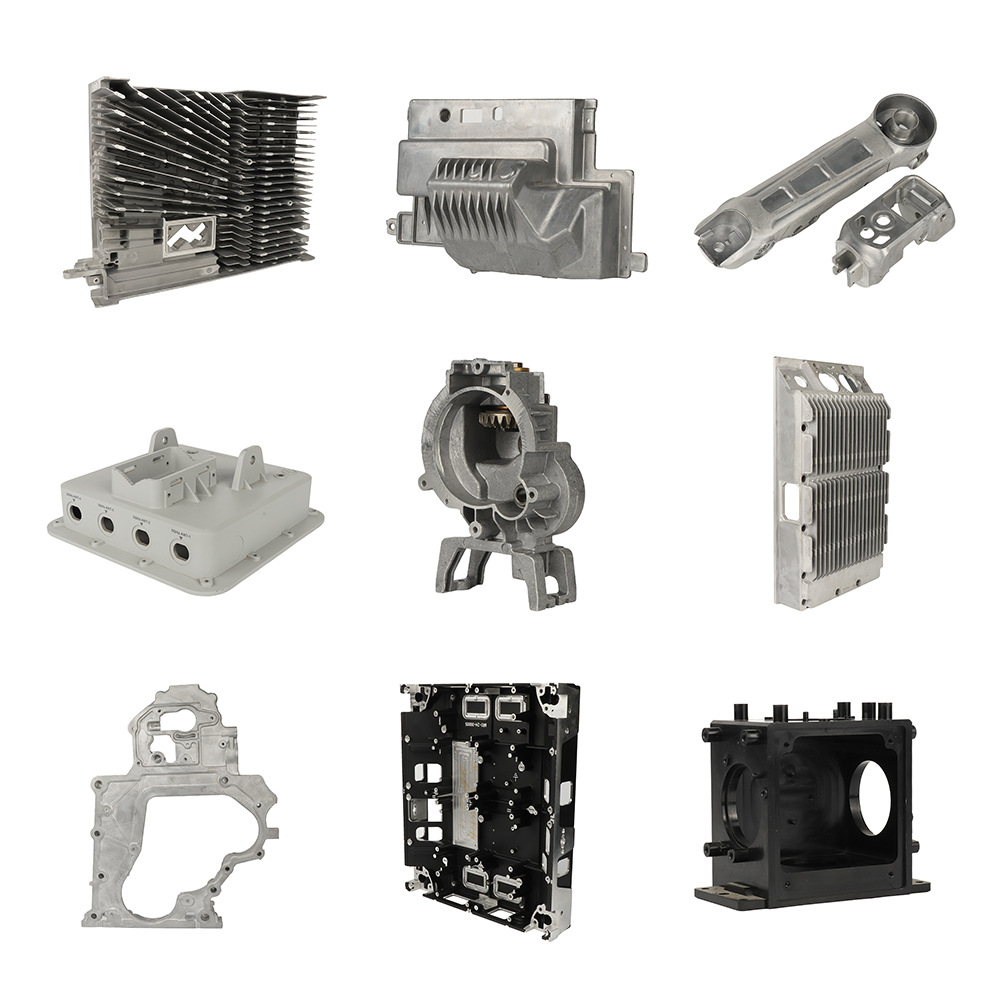
Aluminium High Pressure Die Casting (HPDC) is a precision manufacturing process that injects molten aluminium alloy into a closed, reusable mold (die) under high pressure (typically 10–150 MPa) and high speed. This process produces complex, high-precision aluminium components with consistent dimensions, smooth surface finishes, and excellent structural integrity—making it ideal for industries ranging from automotive and aerospace to electronics and telecommunications.
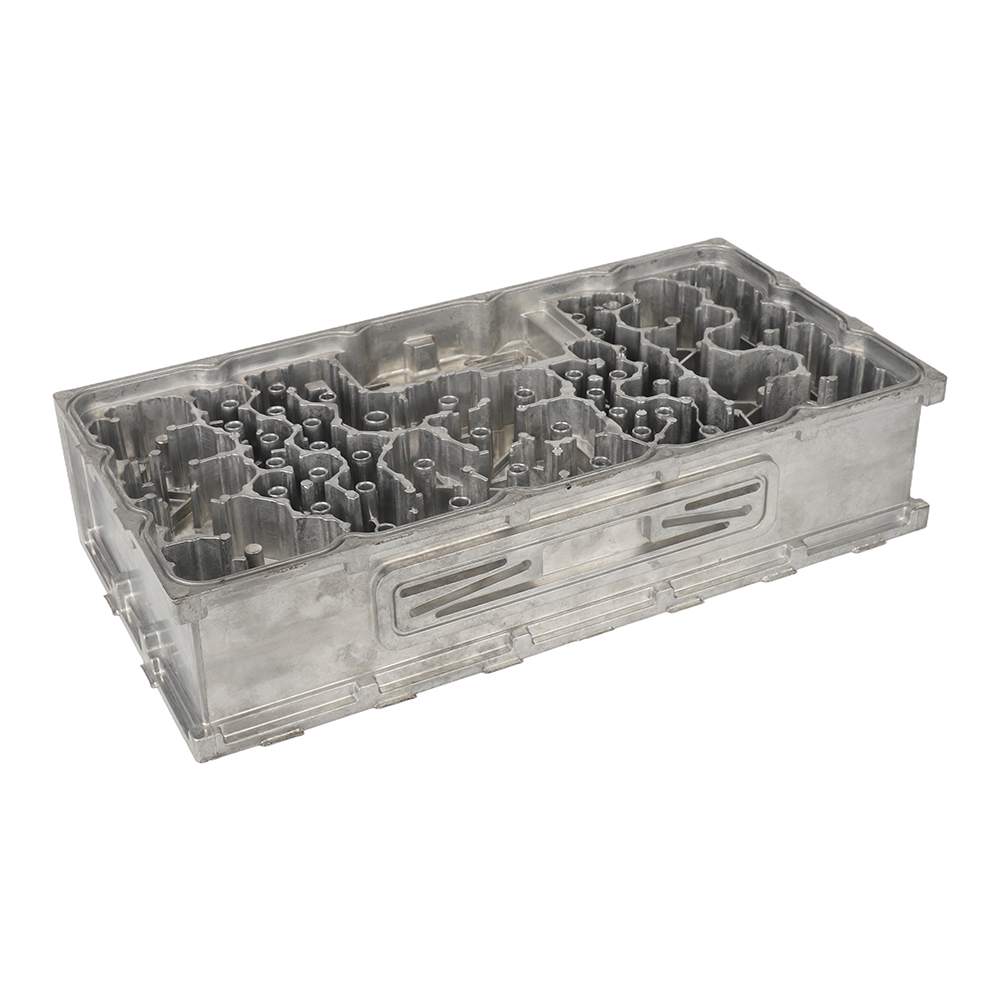
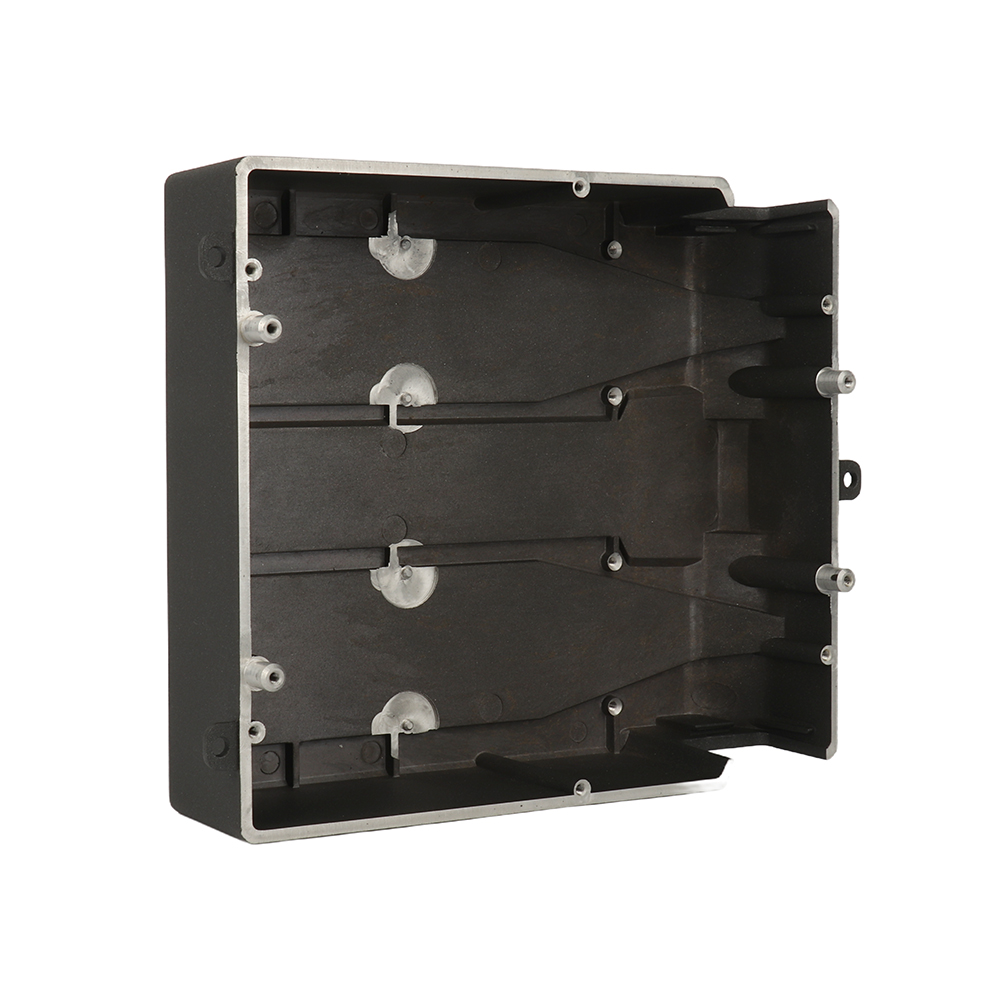
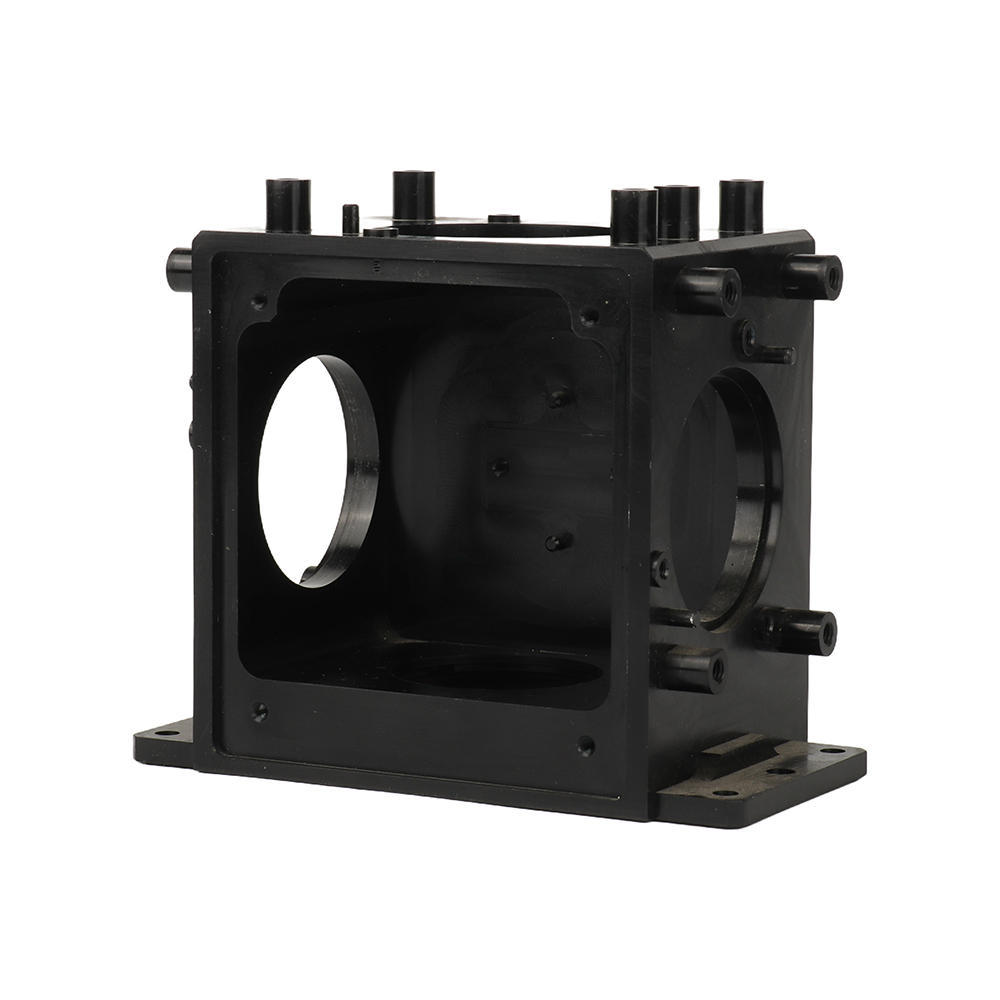
Among its many applications, aluminium HPDC plays a critical role in manufacturing cavity filters—essential components in communication systems that filter and isolate specific frequency bands, ensuring clear signal transmission. Unlike other manufacturing methods (e.g., sand casting, machining), aluminium HPDC delivers the precision, durability, and cost-efficiency required for cavity filters, which demand tight tolerances and reliable performance in harsh operating environments.
2. Core Connection: Aluminium HPDC & Cavity Filter
A cavity filter is a passive electronic component designed to allow specific frequency signals to pass through while blocking unwanted frequencies (e.g., interference, noise). It consists of hollow cavities (resonators) that resonate at target frequencies, and its performance depends heavily on the precision of its cavity structure, material conductivity, and structural stability.
Aluminium HPDC is the preferred manufacturing method for cavity filters for two key reasons: first, aluminium’s excellent electrical conductivity ensures minimal signal loss, critical for maintaining filter efficiency; second, HPDC’s ability to produce complex cavity shapes with tight tolerances (±0.05mm–±0.1mm) eliminates the need for extensive secondary processing, reducing production time and costs. For communication systems (e.g., 5G, radar, satellite), this combination of precision and performance is non-negotiable.
3. General Cavity Filter Parameters (Reference Table)
| Parameter Type | Specification Range | Description | Impact on Aluminium HPDC Design |
|---|---|---|---|
| Operating Frequency | 300 MHz ~ 6 GHz | Frequency range the filter can process | Determines cavity size and shape; higher frequencies require smaller, more precise cavities |
| Insertion Loss | ≤ 0.5 dB | Signal loss when passing through the filter | Requires high-precision HPDC to ensure smooth cavity surfaces and minimal conductivity loss |
| Attenuation | ≥ 40 dB (unwanted frequencies) | Ability to block unwanted signals | Influences cavity wall thickness and HPDC mold precision to prevent signal leakage |
| Cavity Size | 10mm × 10mm × 5mm ~ 100mm × 80mm × 40mm | Physical dimensions of the filter’s resonant cavities | Dictates HPDC mold design and casting precision to meet tight size tolerances |
| Operating Temperature | -40°C ~ +85°C | Temperature range for stable operation | Requires aluminium alloys (e.g., ADC12, A380) with high thermal stability |
| Protection Rating (IP) | IP54 ~ IP67 | Resistance to dust and moisture | Affects HPDC sealing design and surface treatment (e.g., anodizing) |
4. Key Focus of Aluminium HPDC Cavity Filters
The design and manufacturing of aluminium HPDC cavity filters focus on three core priorities, directly tied to filter performance and reliability:
4.1 Precision Cavity Geometry
Cavity filters rely on precision resonant cavities to isolate target frequencies. Even minor deviations in cavity size or shape (e.g., ±0.1mm) can shift resonant frequencies, reducing filter efficiency or causing signal interference. Aluminium HPDC achieves this precision through advanced mold design and tight process control, ensuring each cavity matches the exact specifications required for optimal signal performance.
4.2 High Electrical Conductivity
Signal loss in cavity filters is directly related to the material’s electrical conductivity. Aluminium alloys used in HPDC (e.g., ADC12, A380) have excellent conductivity (200–300 S/m), minimizing insertion loss and ensuring clear signal transmission. HPDC also produces smooth surface finishes (Ra ≤ 1.6μm), which further reduces signal reflection and loss.
4.3 Structural Stability & Durability
Cavity filters are often used in harsh environments (e.g., outdoor communication towers, automotive electronics), so they require high structural stability. Aluminium HPDC components are a single, seamless piece with no seams or joints, eliminating weak points. They also offer high tensile strength (200–300 MPa) and resistance to vibration, corrosion, and temperature fluctuations—critical for long-term reliability.
5. Essential Functions of Aluminium HPDC Cavity Filters
5.1 Signal Filtering & Isolation
The primary function of a cavity filter is to isolate target frequency bands from unwanted interference. The precision cavities produced by aluminium HPDC resonate at specific frequencies, allowing desired signals to pass through while blocking noise, cross-talk, and other interference. This is essential for 5G, radar, and satellite systems, where signal clarity is critical.
5.2 Signal Amplification Support
Cavity filters work with amplifiers to enhance signal strength without amplifying unwanted noise. The low insertion loss of aluminium HPDC cavity filters ensures that the amplified signal remains clear and strong, improving overall system performance.
5.3 Environmental Protection
Aluminium HPDC cavity filters are designed to withstand harsh environmental conditions. The seamless HPDC structure, combined with surface treatments (e.g., anodizing, powder coating), provides excellent protection against dust, moisture, and corrosion—extending the filter’s lifespan and reducing maintenance costs.
5.4 System Miniaturization
As communication systems become smaller (e.g., 5G base stations, portable devices), cavity filters must also miniaturize. Aluminium HPDC allows for complex, compact cavity designs with integrated features (e.g., mounting brackets, connectors), reducing the filter’s overall size while maintaining performance.
6. Advantages of Aluminium HPDC for Cavity Filters
6.1 Superior Precision & Consistency
Aluminium HPDC delivers tight tolerances (±0.05mm–±0.1mm) and consistent part-to-part dimensions, critical for cavity filters. This eliminates the need for extensive secondary machining, reducing production time and ensuring each filter performs identically—essential for large-scale communication system deployments.
6.2 Excellent Electrical & Thermal Performance
Aluminium’s high electrical conductivity minimizes signal loss, while its good thermal conductivity dissipates heat generated by signal processing. This prevents overheating and ensures stable filter performance, even in high-temperature environments (e.g., outdoor base stations).
6.3 Cost-Effective Mass Production
HPDC has short production cycles (seconds to minutes per part) and low material waste, making it ideal for mass-producing cavity filters. Aluminium is also abundant and cost-effective, especially when using recycled materials—reducing raw material costs by 30–40% compared to other metals.
6.4 Complex Design Capability
Aluminium HPDC can produce complex cavity shapes that are difficult or impossible to achieve with machining. This allows engineers to design more efficient, compact cavity filters tailored to specific application needs.
6.5 Lightweight & Durable
Aluminium is lightweight (2.7 g/cm³), reducing the overall weight of communication systems. HPDC aluminium components are durable, with high resistance to vibration and corrosion, ensuring long service life (10–15 years).
7. Expert Insights on Aluminium HPDC Cavity Filters
7.1 David Chen, Senior RF Engineer (22+ Years)
“Cavity filters are the backbone of modern communication systems, and their performance depends entirely on manufacturing precision. Aluminium HPDC is the only process that can deliver the tight tolerances and smooth surfaces we need for low insertion loss. It strikes the perfect balance: cost-effective, precise, and delivers the electrical performance we need for 5G and beyond.”
7.2 Sarah Lee, HPDC Manufacturing Specialist (17+ Years)
“The biggest challenge in cavity filter manufacturing is balancing precision and cost—and aluminium HPDC solves that. We produce complex cavity shapes in one step, reducing lead times by 50% compared to machining. As 5G networks expand, aluminium HPDC will remain the most efficient way to produce high-quality cavity filters at scale.”
8. FAQ: Common Questions About Aluminium HPDC Cavity Filters
Q1: What aluminium alloy is best for HPDC cavity filters?
A1: ADC12 and A380 are optimal. ADC12 offers excellent castability and conductivity; A380 provides superior thermal stability for high-temperature applications.
Q2: How does aluminium HPDC improve cavity filter performance compared to machining?
A2: HPDC produces smoother, more precise surfaces in one step, reducing signal loss and cost while eliminating seams that cause leakage.
Q3: Can aluminium HPDC cavity filters be customized?
A3: Yes, full customization for specific cavity sizes, shapes, and frequencies for 5G, radar, and satellite applications.
Q4: What is the typical lifespan?
A4: 10–15 years with surface treatment; 7–10 years in harsh outdoor environments.
Q5: Are they compliant with industry standards?
A5: Yes, meets IEEE, IP, and RoHS standards for global communication systems.
9. Conclusion
Aluminium High Pressure Die Casting (HPDC) is a precision manufacturing process that has revolutionized the production of cavity filters—critical components in modern communication systems. By combining aluminium’s excellent electrical and thermal properties with HPDC’s precision, cost-efficiency, and complex design capability, aluminium HPDC cavity filters deliver superior signal performance, durability, and reliability.
From precision cavity geometry and low signal loss to cost-effective mass production and environmental durability, aluminium HPDC addresses the key challenges of cavity filter manufacturing. As communication technologies (e.g., 5G, 6G, radar) continue to advance, the demand for high-performance, compact cavity filters will grow—and aluminium HPDC will remain the preferred manufacturing method.
Whether you’re a communication system manufacturer, an RF engineer, or simply interested in advanced manufacturing technologies, understanding the role of aluminium HPDC in cavity filter production is key to developing reliable, high-performance communication systems.
Power box | What is die casting for outdoor / indoor use? Focus on Power Box Die Casting
Power controller | What is a casting housing? Focus on Power Controller Applications
Related Article


