HOT PRODUCTS
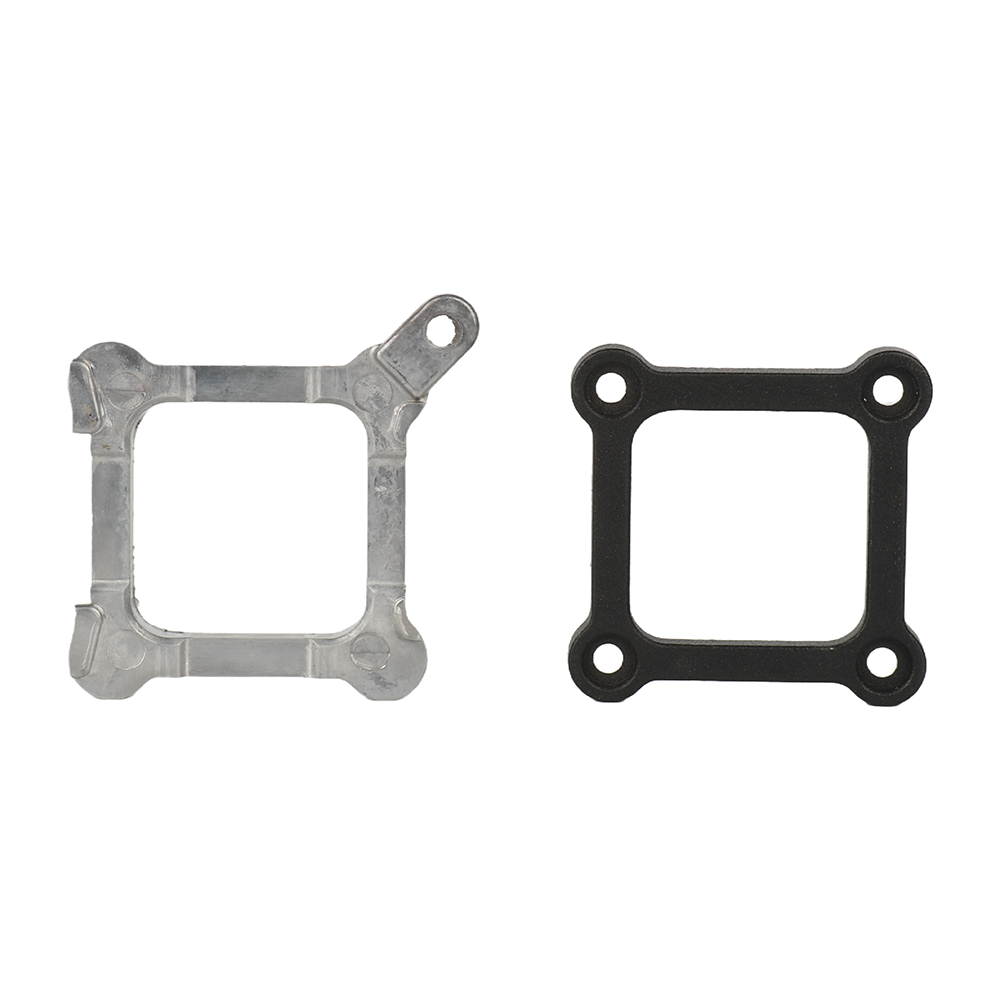
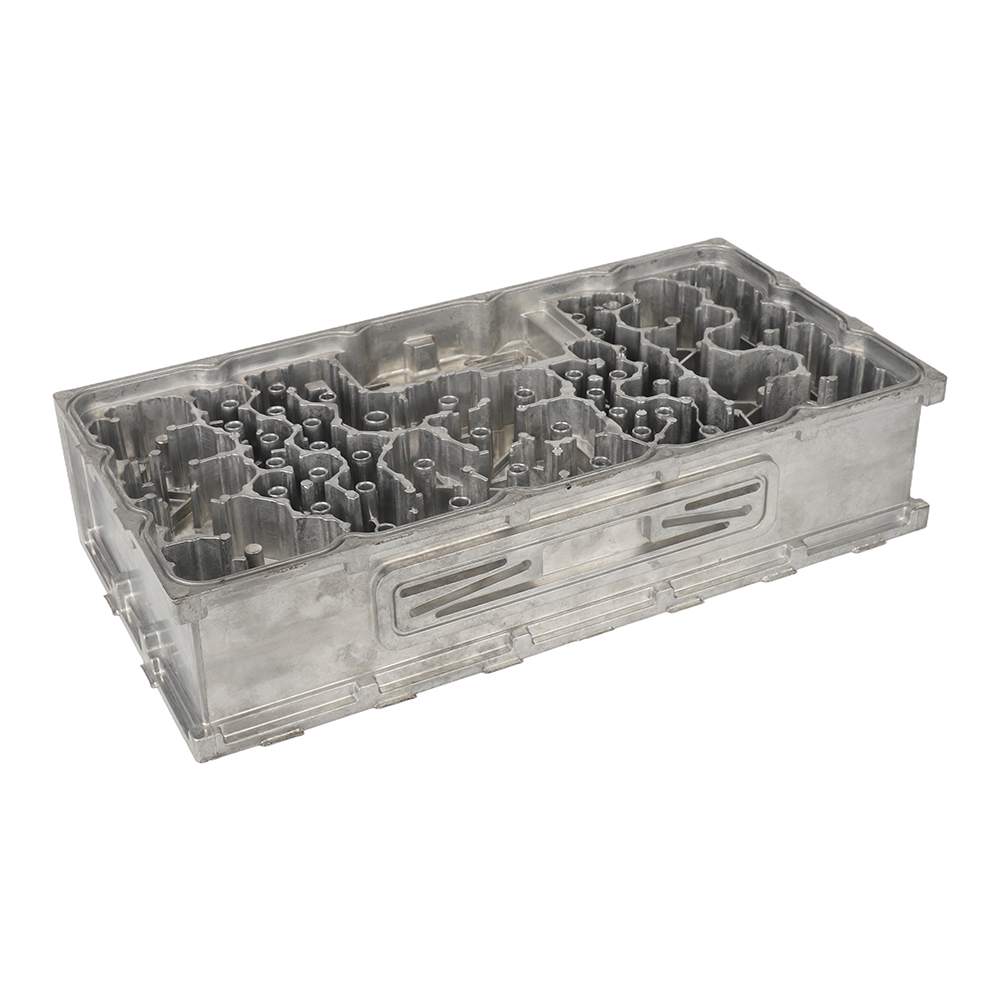
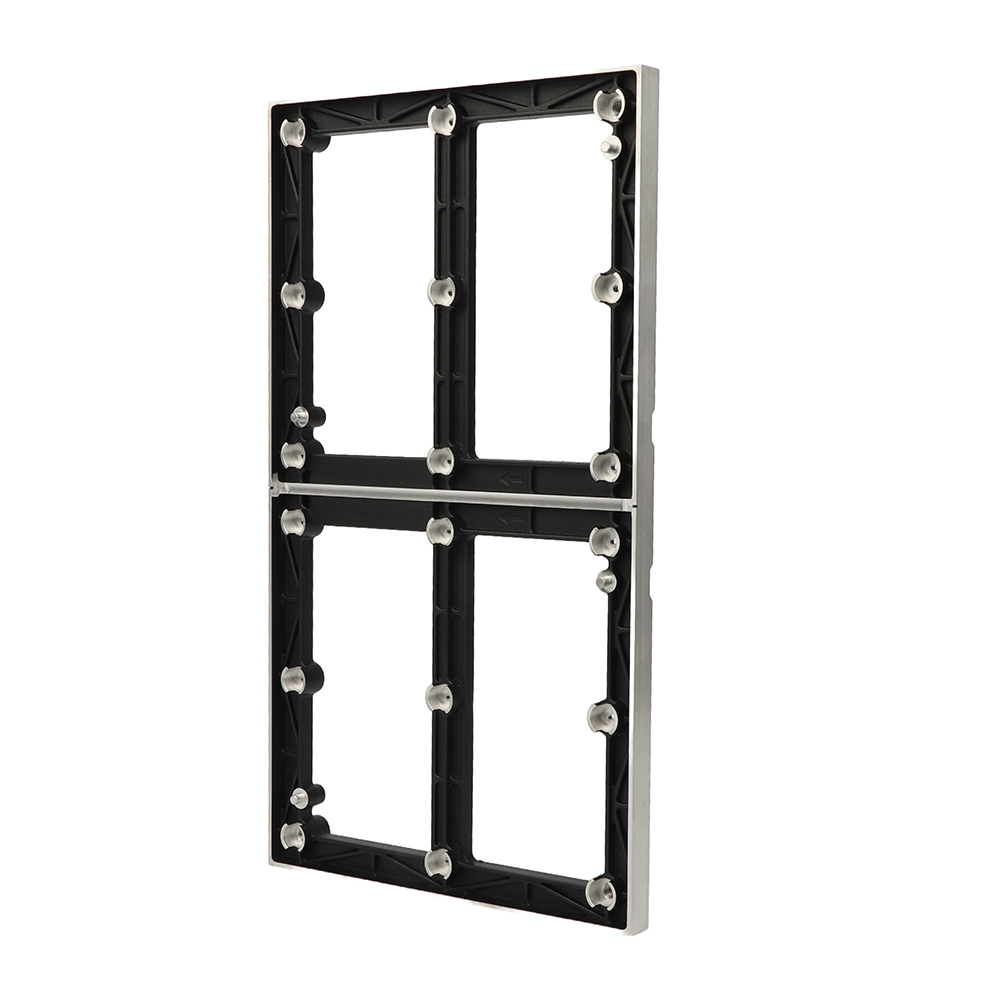
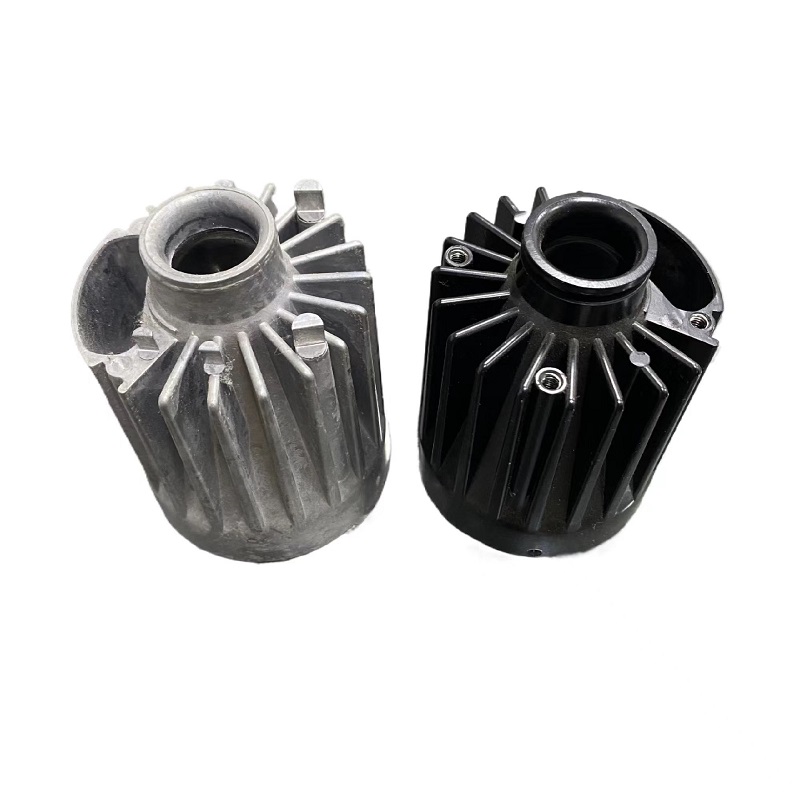
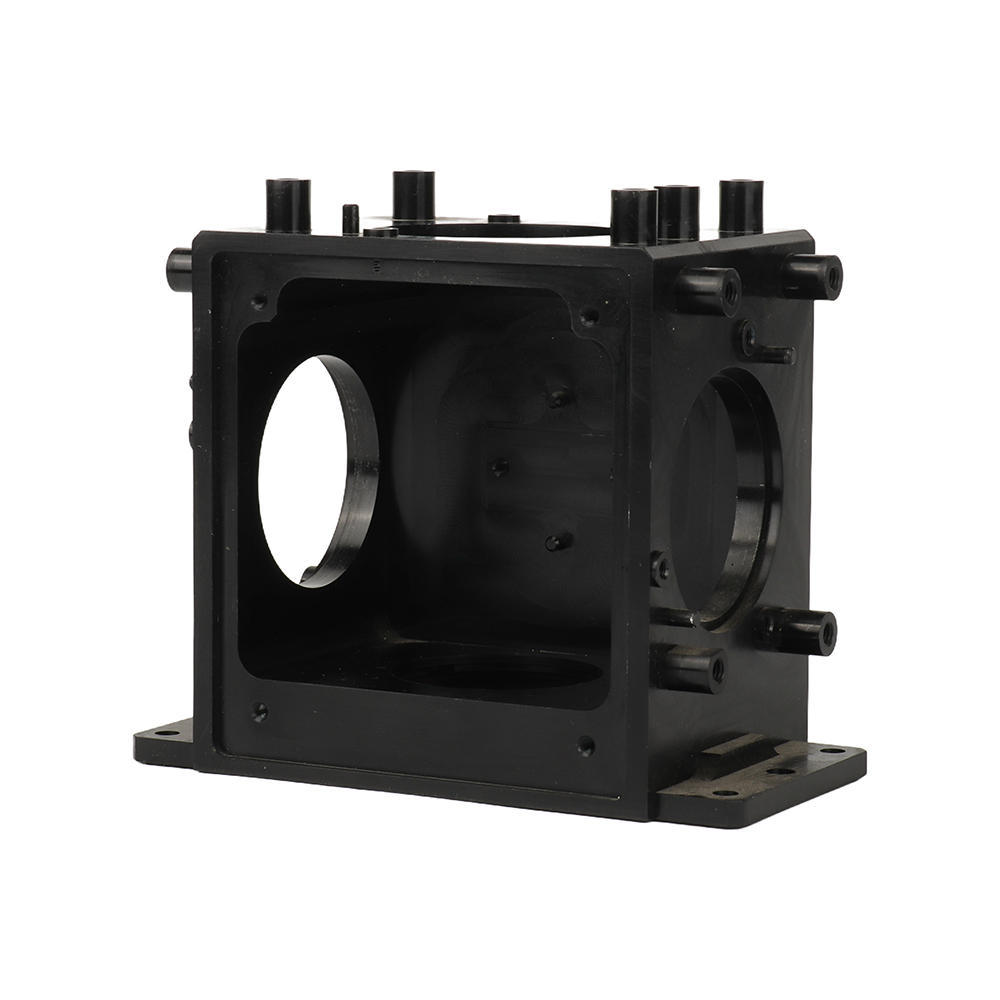
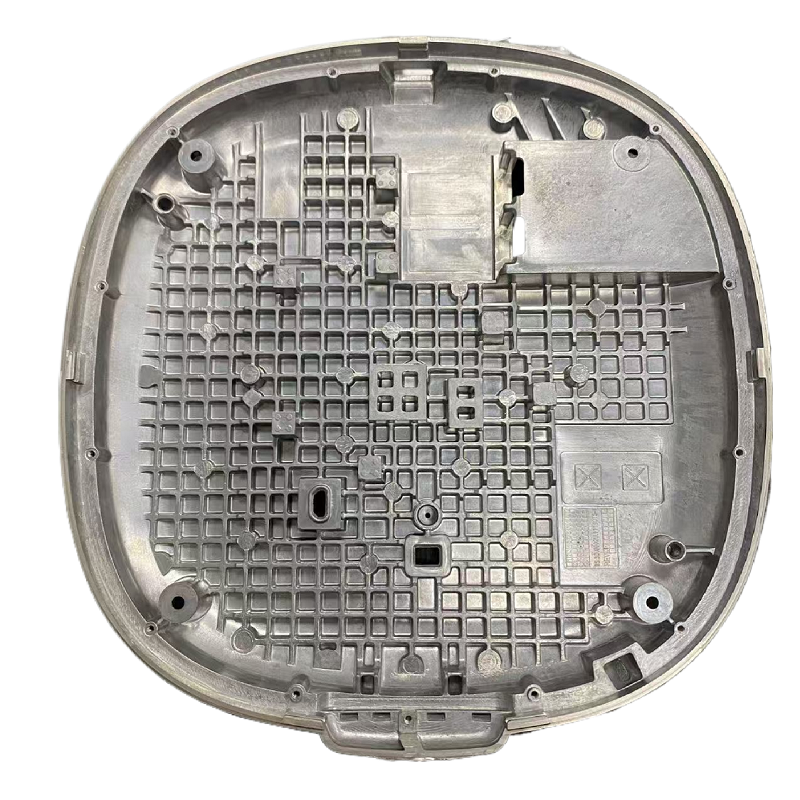
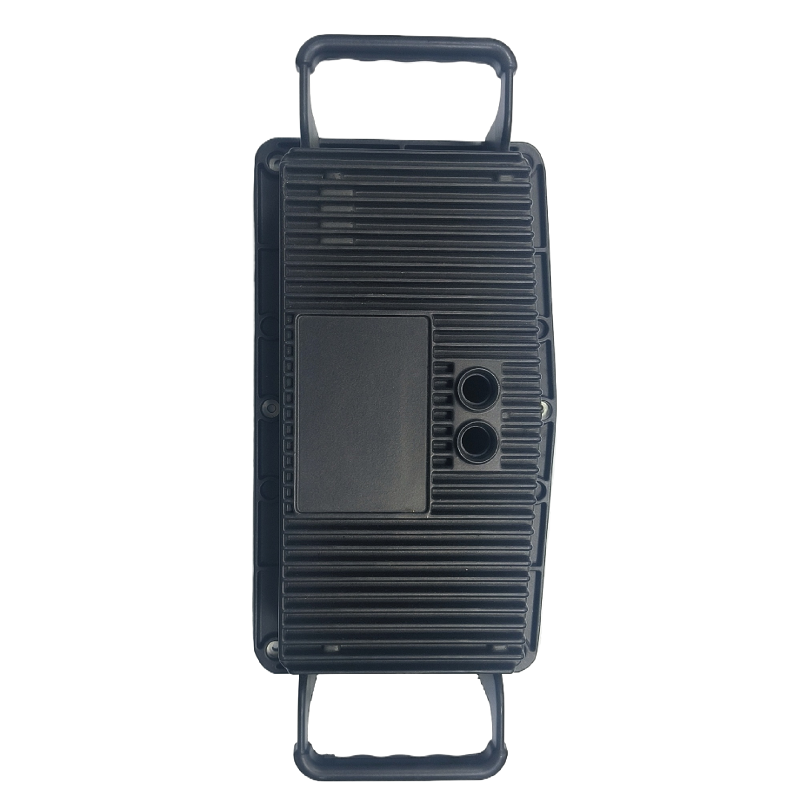
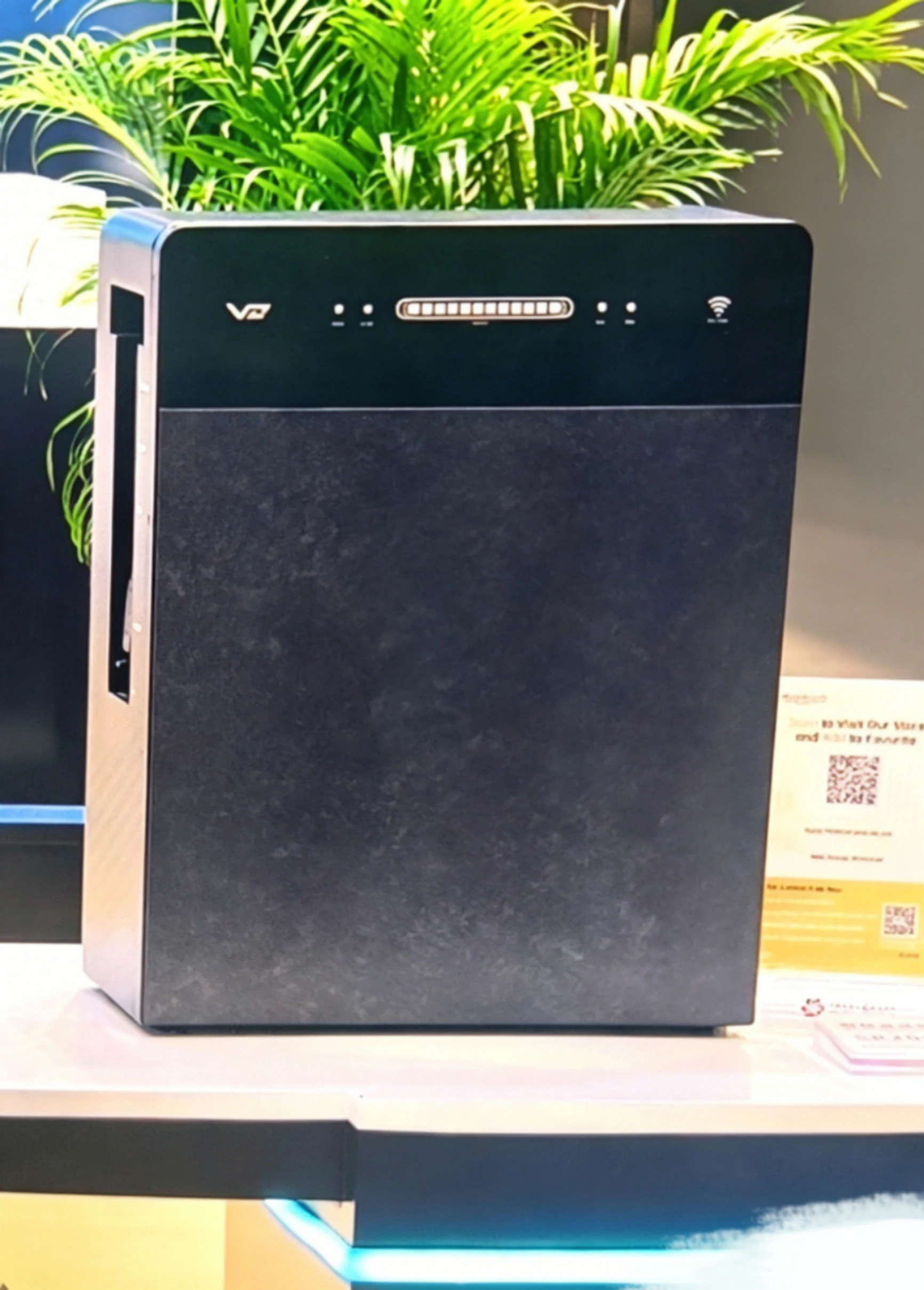
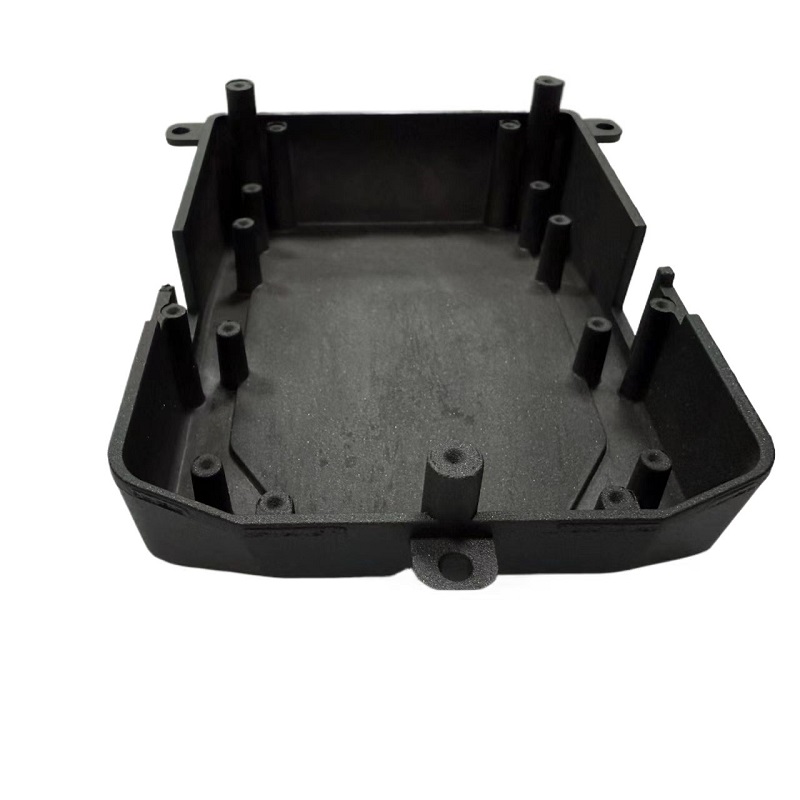
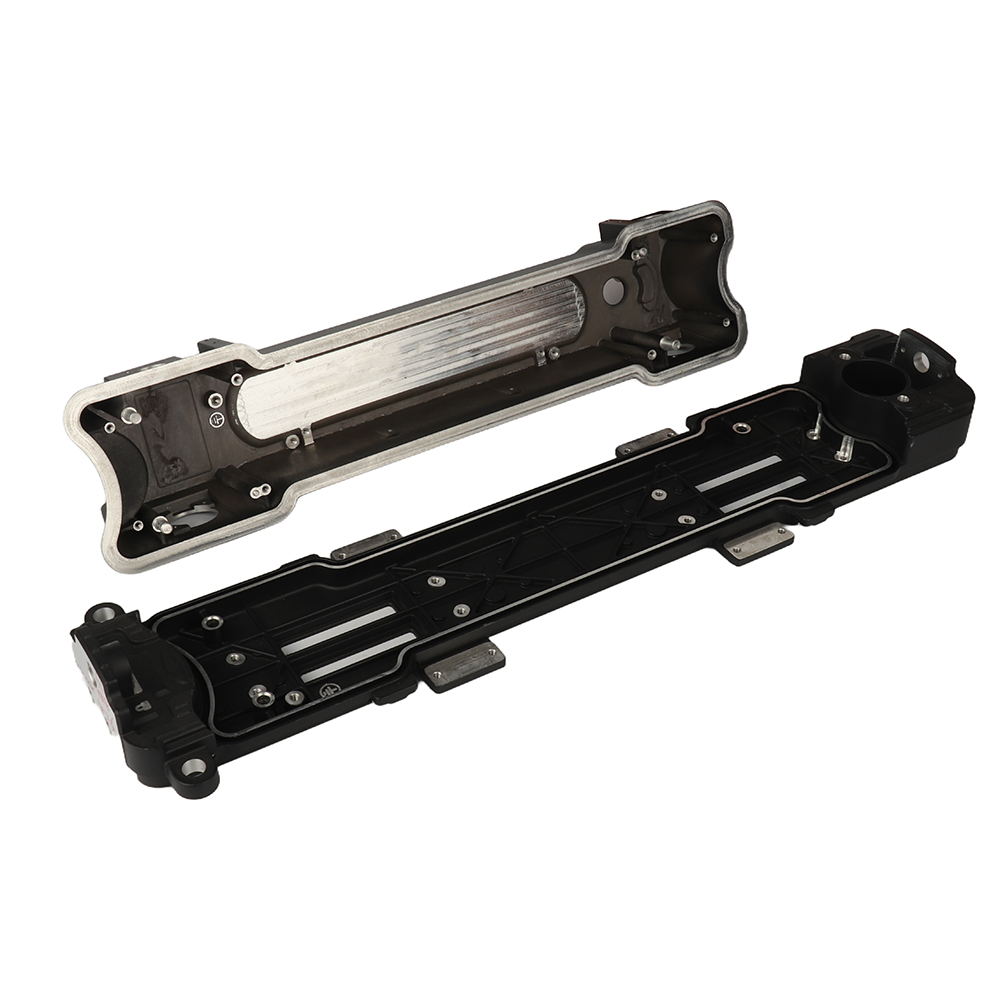
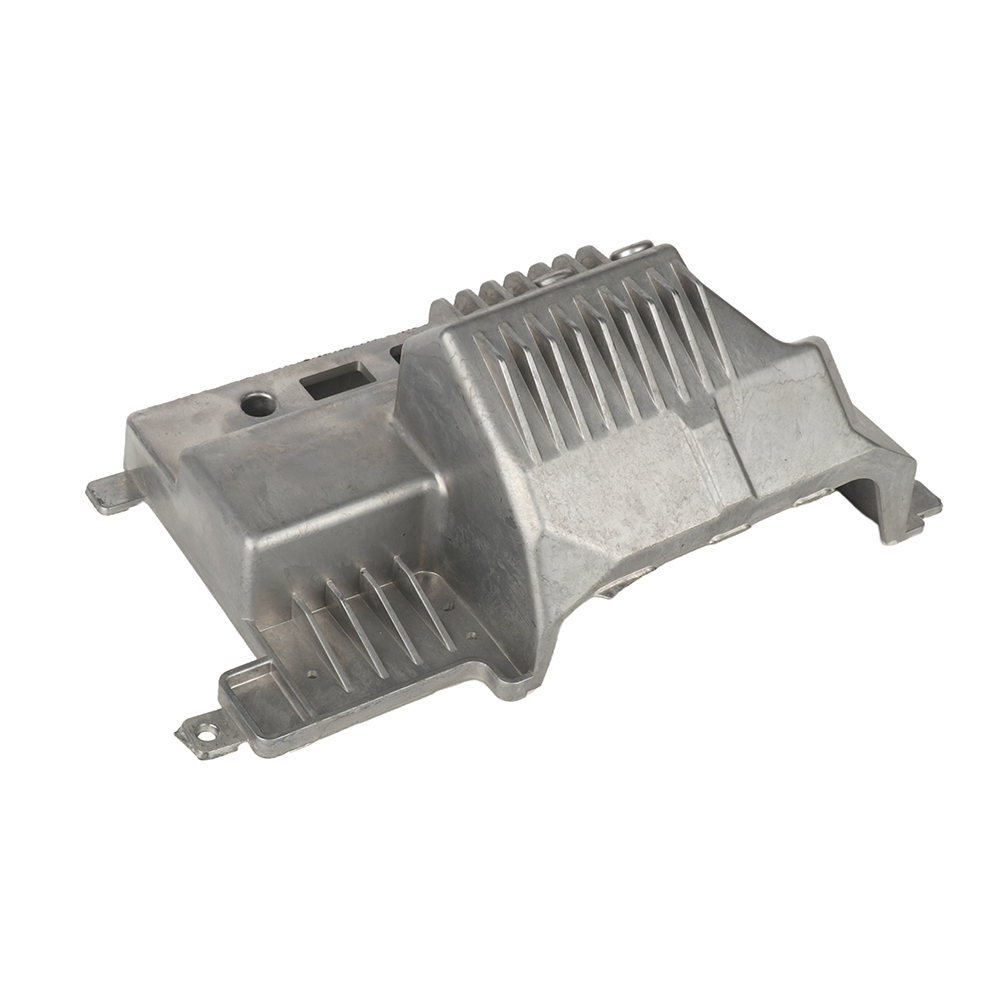
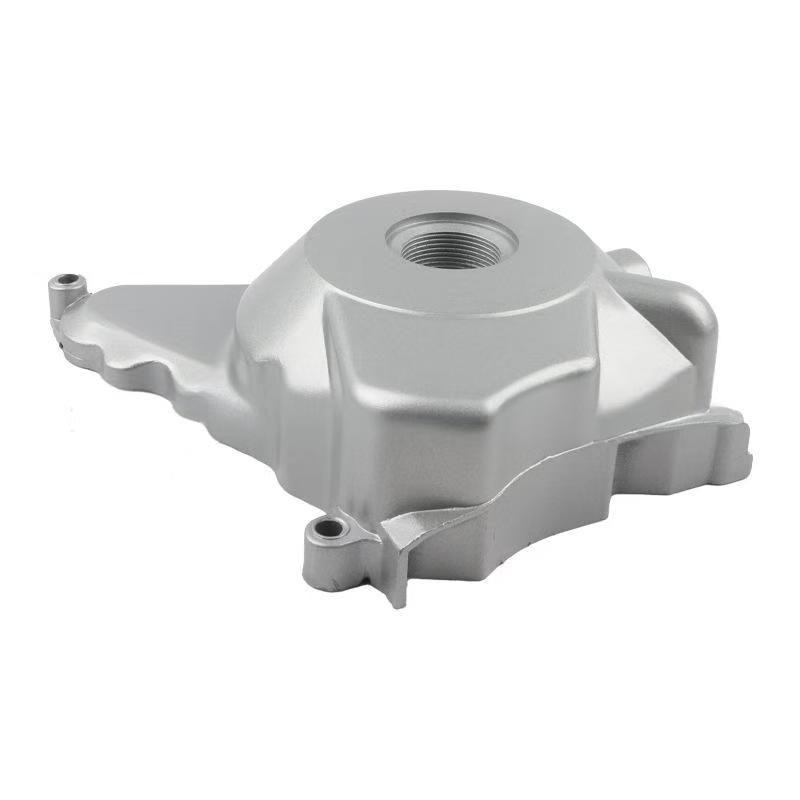
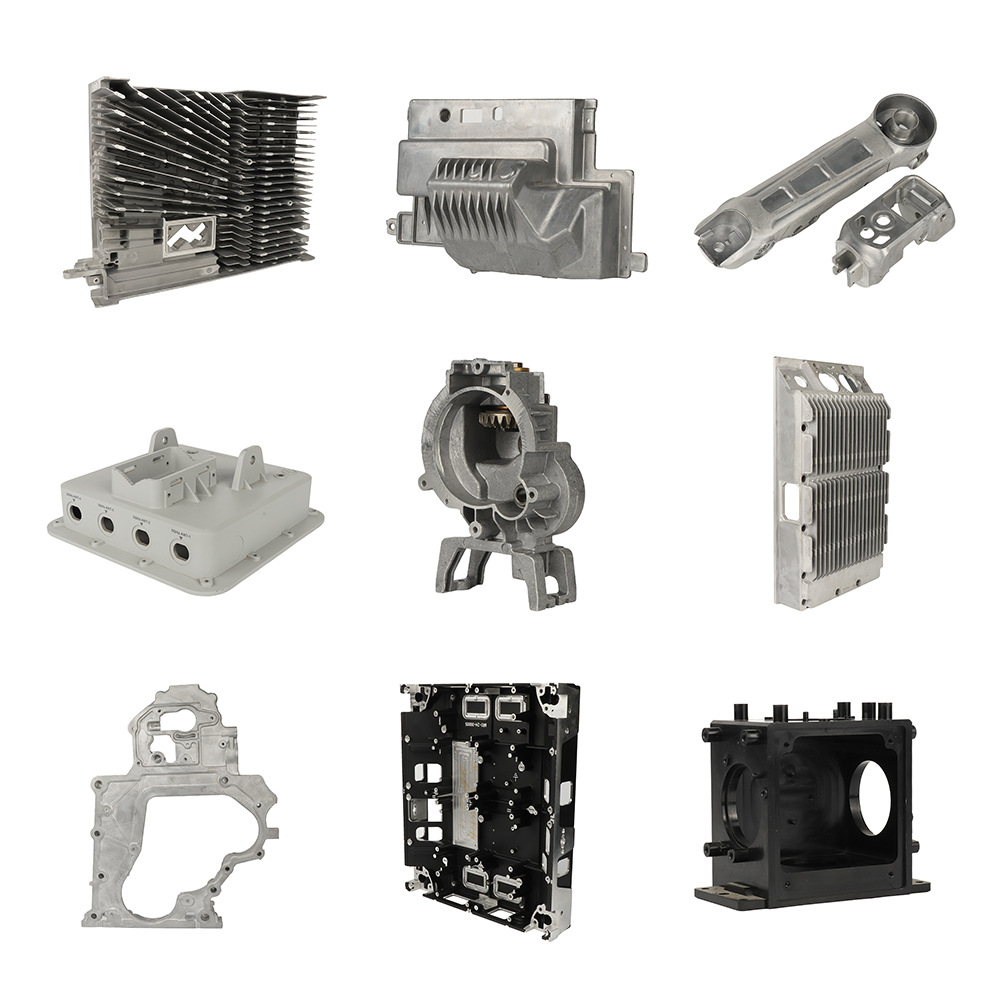
Communication equipment | What is an aluminum die-cast communication equipment enclosure? Key Benefits & Industry Insights
What is an Aluminum Die-Cast Communication Equipment Enclosure? Key Benefits & Industry Insights
Table of Contents
- 1. What is an Aluminum Die-Cast Communication Equipment Enclosure? Basic Definition
- 2. Core Functions of Aluminum Die-Cast Communication Equipment Enclosure (Why It Matters)
- 3. Key Advantages of Aluminum Die-Cast Communication Equipment Enclosure (Focus Point)
- 4. Disadvantages of Aluminum Die-Cast Communication Equipment Enclosure & Effective Mitigation
- 5. Comparison: Aluminum Die-Cast Enclosure vs. Other Communication Enclosure Types
- 6. Expert Opinions on Aluminum Die-Cast Communication Equipment Enclosure
- 7. FAQs About Aluminum Die-Cast Communication Equipment Enclosure
- 8. Conclusion
1. What is an Aluminum Die-Cast Communication Equipment Enclosure? Basic Definition
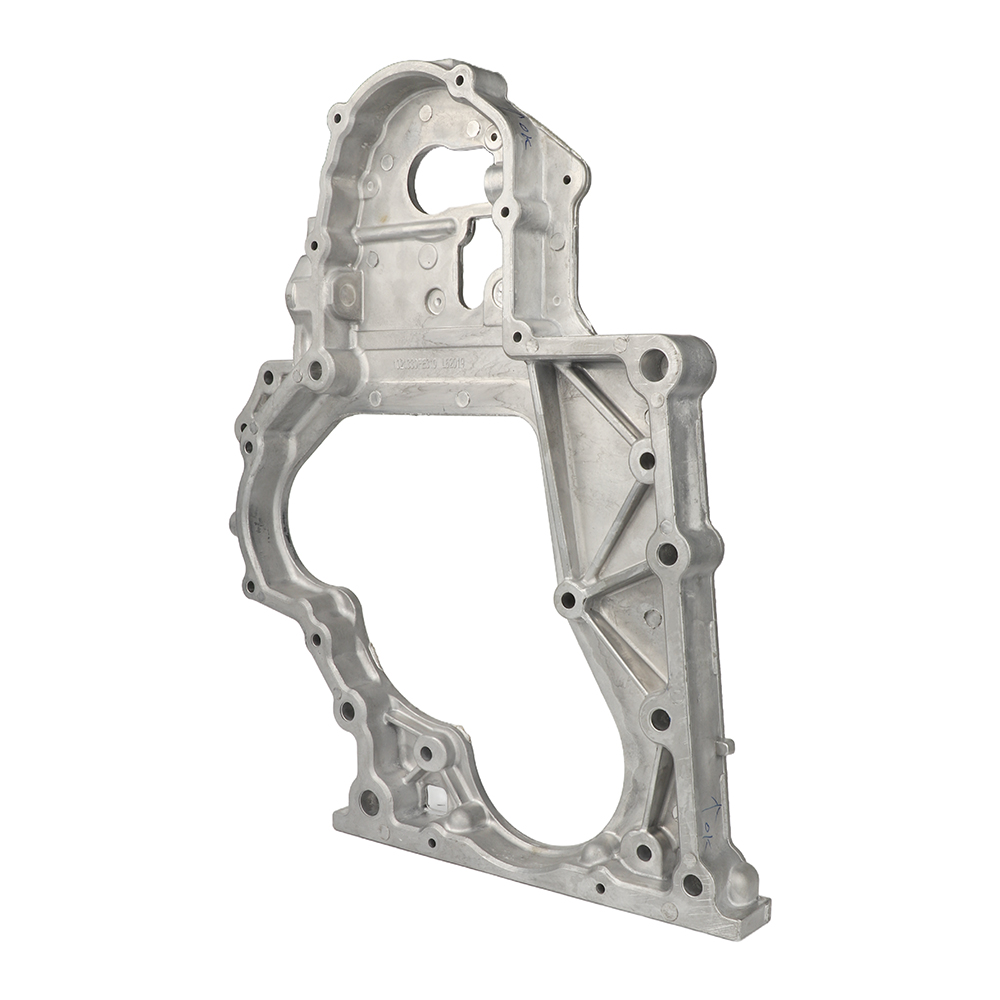
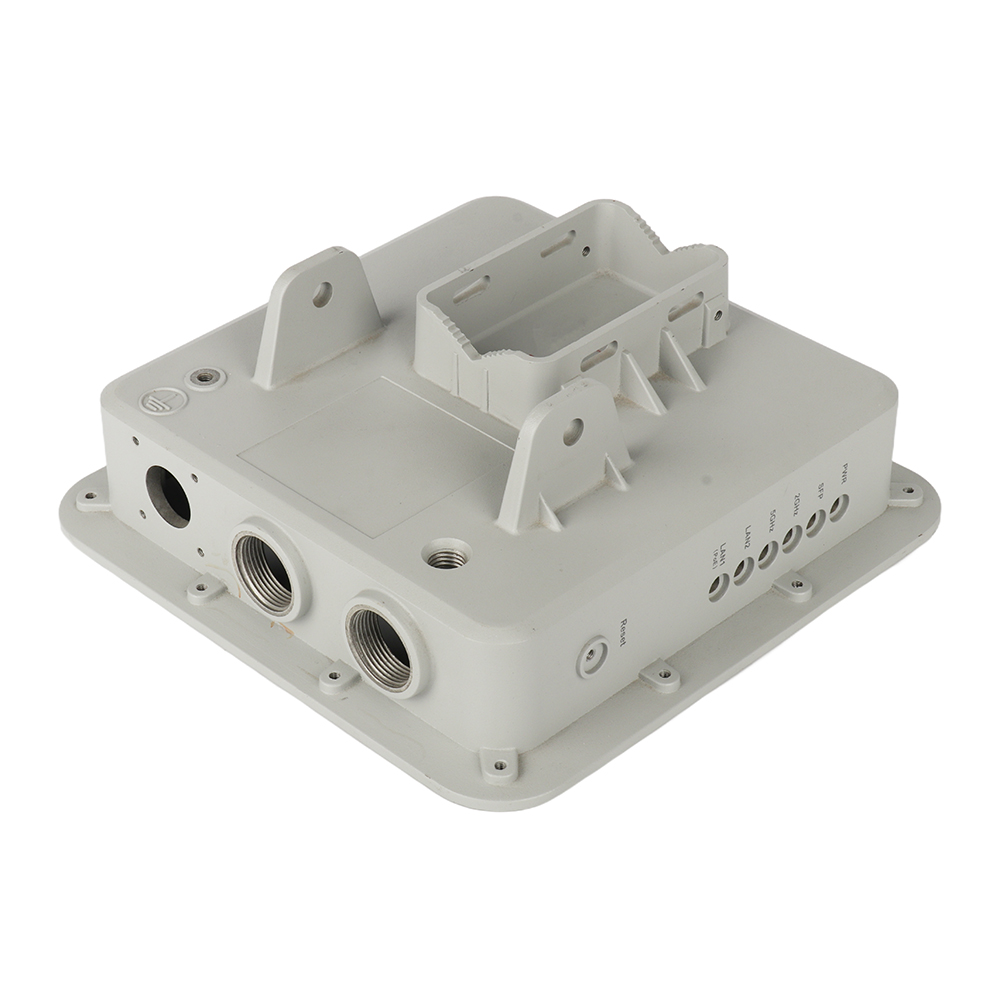
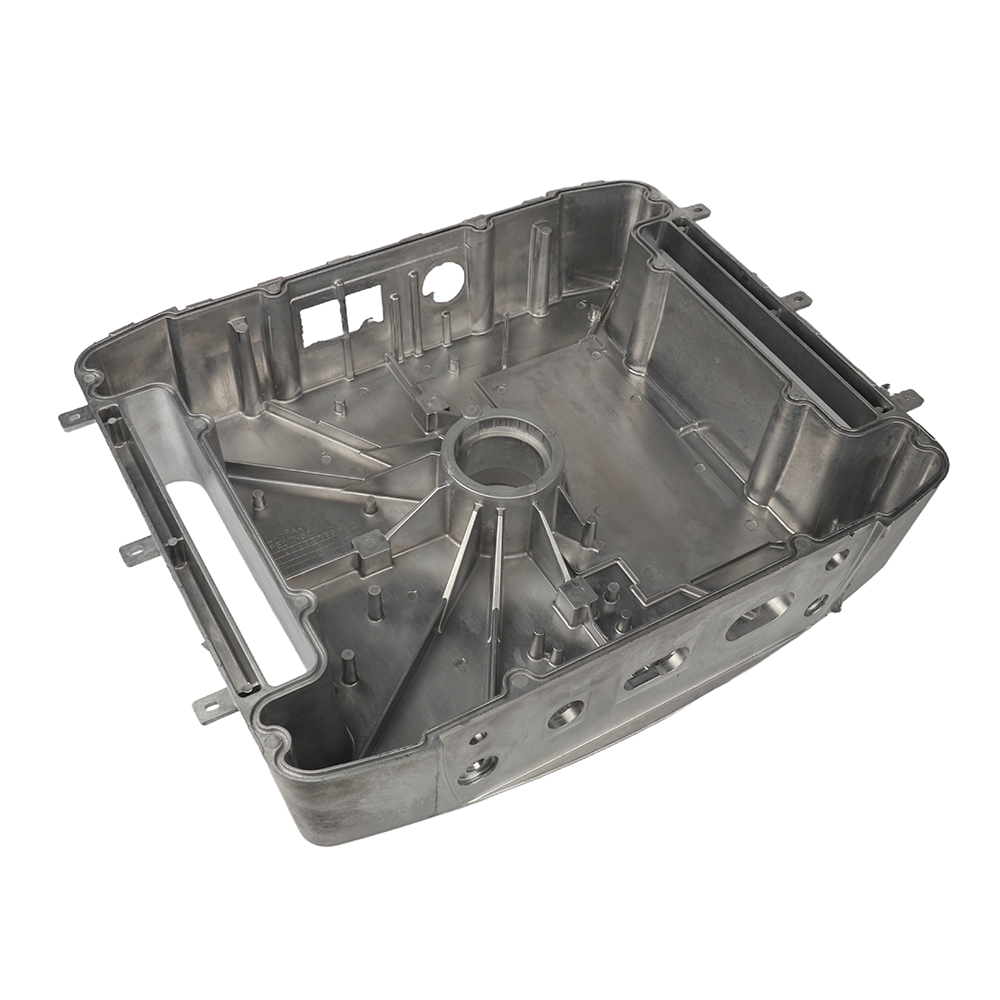
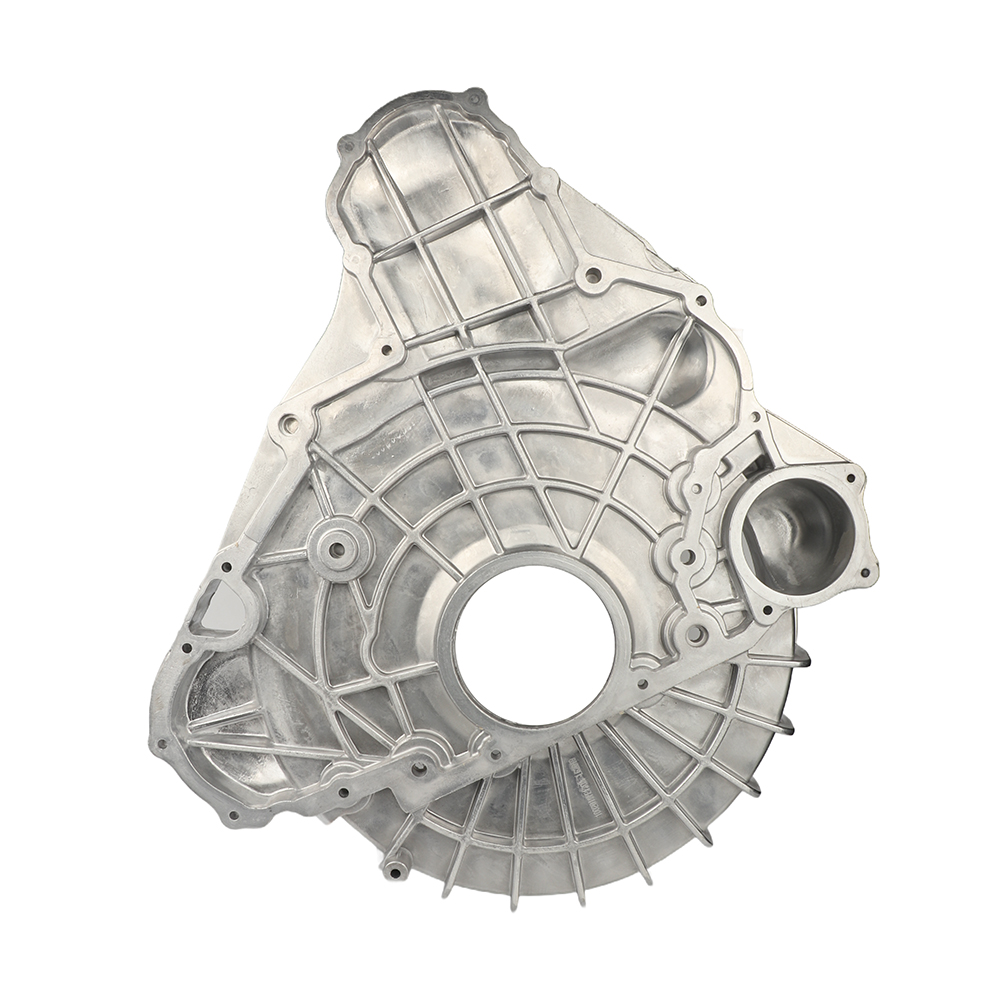
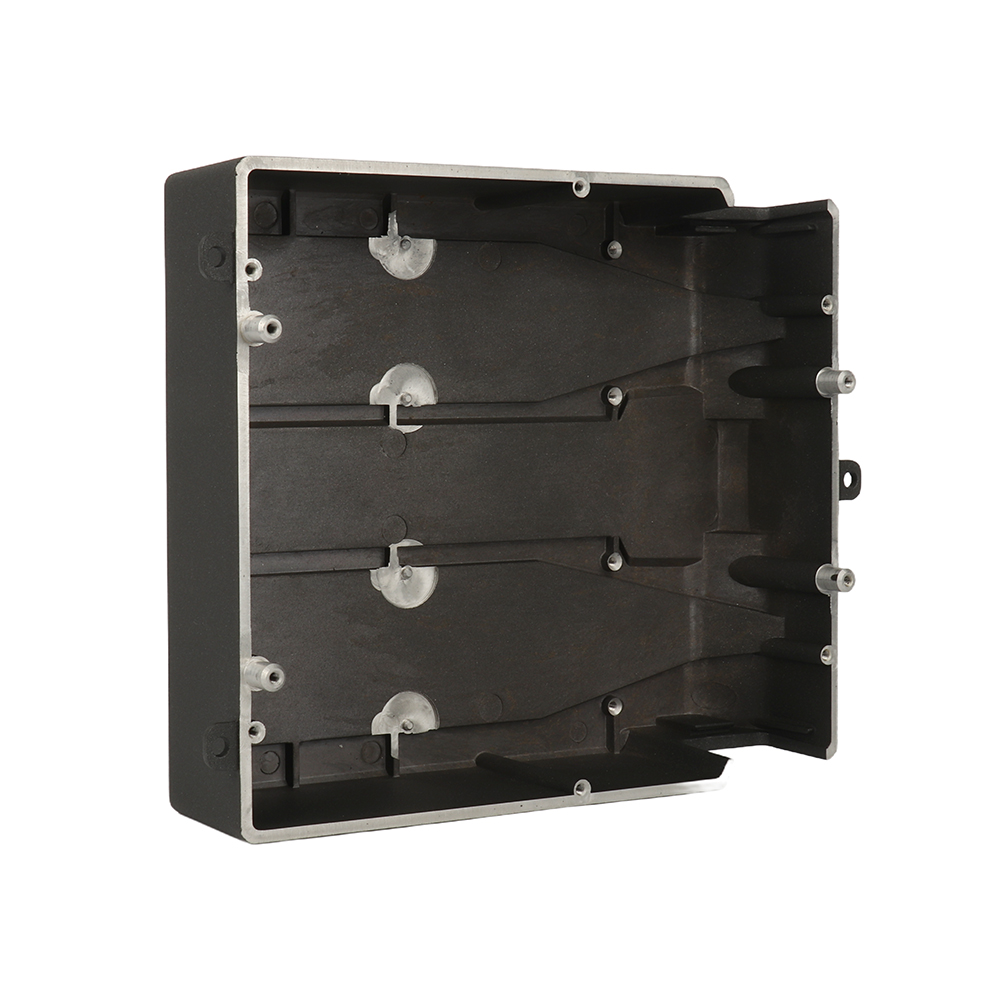
An aluminum die-cast communication equipment enclosure is a high-precision, integrated protective housing specifically engineered to encase and safeguard sensitive communication devices—including 5G modules, RF filters, routers, switches, and telecom base station components. It is manufactured via the aluminum die-casting process: molten aluminum alloy (most commonly ADC12, Al-Mg-Si alloys, or other high-strength, conductive aluminum materials) is injected into a precision mold under high pressure, forming a seamless, one-piece structure that meets the strict performance requirements of communication equipment.
Unlike traditional multi-piece welded or plastic enclosures, aluminum die-cast communication equipment enclosures leverage aluminum’s inherent properties—excellent electrical conductivity, thermal conductivity, and structural rigidity—to protect internal components while ensuring signal integrity. As the "protective shield" of communication equipment, it plays a decisive role in maintaining device stability, extending service life, and adapting to harsh operating environments (such as outdoor telecom base stations and industrial wireless setups). With the rapid advancement of 5G, IoT, and high-frequency communication technologies, the aluminum die-cast communication equipment enclosure has become an indispensable core component in the telecom industry.

2. Core Functions of Aluminum Die-Cast Communication Equipment Enclosure (Why It Matters)
The aluminum die-cast communication equipment enclosure is far more than a simple "container" for communication devices. It undertakes multiple critical functions directly related to device performance, reliability, and safety, especially in high-frequency and harsh-environment applications. Its core functions are divided into four key aspects:
2.1 EMI/RFI Shielding (Signal Integrity Protection)
The primary and most critical function of an aluminum die-cast communication equipment enclosure is to provide superior EMI (Electromagnetic Interference) and RFI (Radio Frequency Interference) shielding. Communication devices generate and transmit high-frequency signals, which can be disrupted by external electromagnetic noise or can themselves cause interference to nearby electronics. The aluminum die-cast structure—with its natural electrical conductivity—acts as a Faraday cage, attenuating electromagnetic signals and preventing leakage or intrusion. It typically achieves shielding effectiveness of 80–100 dB (depending on frequency and design), ensuring the stability and clarity of communication signals. Optional conductive silicone EMI gaskets further enhance shielding performance for high-precision applications.
2.2 Protection Against External Hazards
Communication equipment—especially outdoor devices like base stations and small cells—faces constant exposure to dust, moisture, physical impact, and extreme temperatures. Aluminum die-cast communication equipment enclosures are designed to meet strict IP (Ingress Protection) standards, commonly IP65 or higher, to prevent dust and water ingress that could damage internal components. The high-strength one-piece structure also absorbs and disperses impact energy, protecting sensitive electronics from physical damage during transportation, installation, or harsh outdoor conditions. They can operate reliably in temperatures ranging from -40°C to +120°C, adapting to diverse climatic environments.
2.3 Thermal Management Support
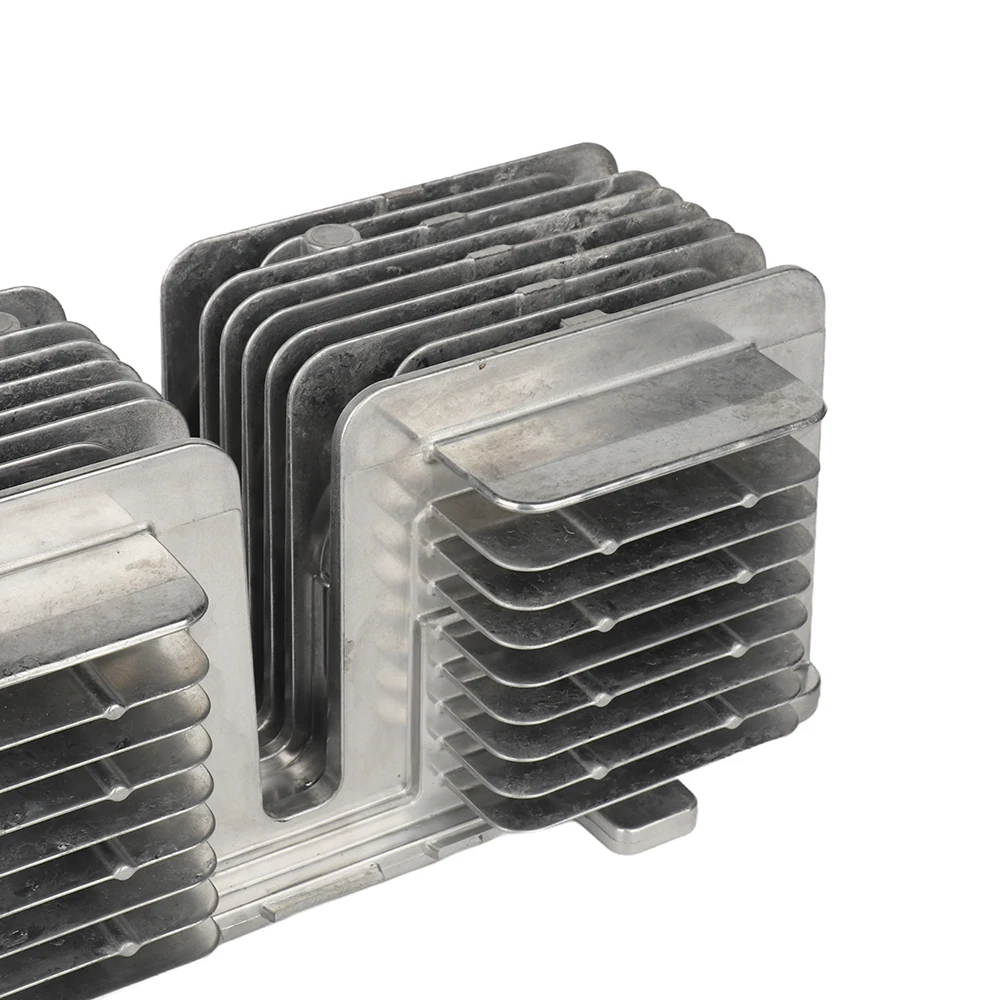
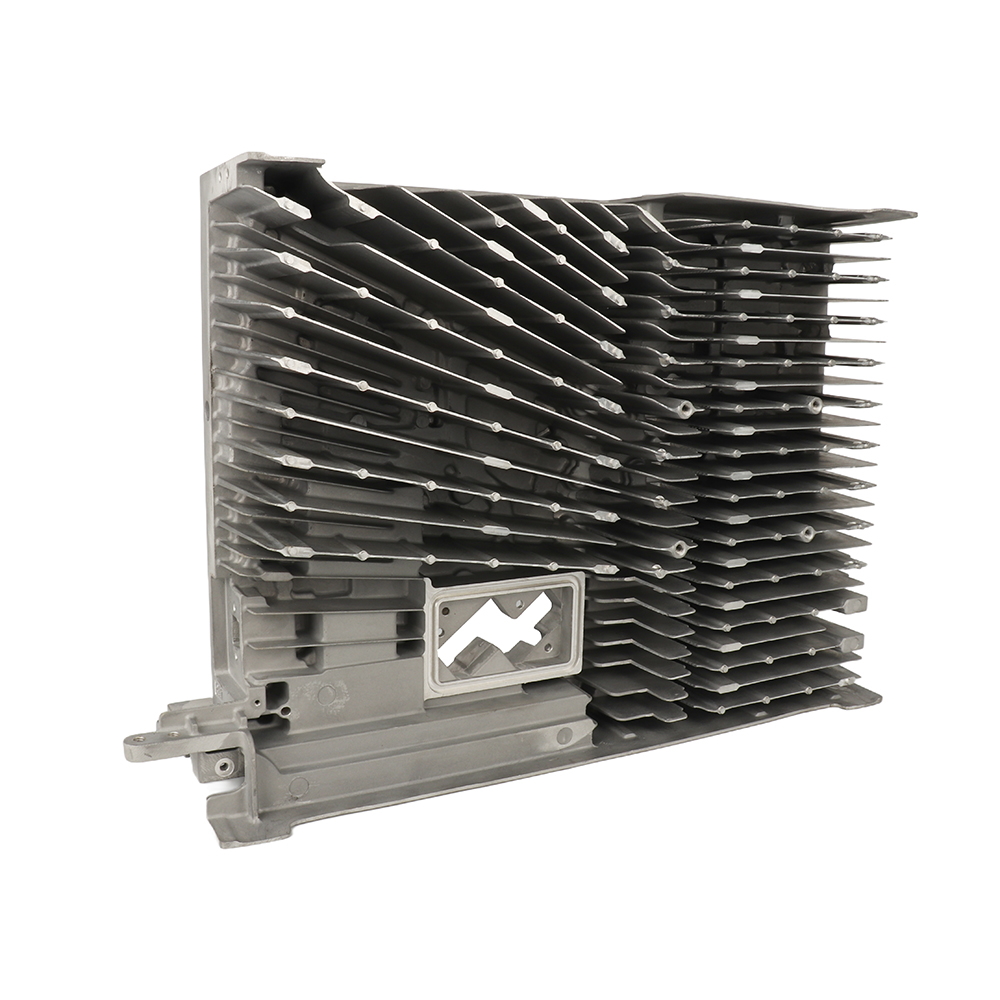
High-frequency communication devices (such as 5G modules and RF filters) generate significant heat during operation, which can degrade performance or shorten service life if not dissipated effectively. Aluminum die-cast communication equipment enclosures utilize aluminum’s excellent thermal conductivity (up to 235 W/m·K) to act as a built-in heat sink, quickly transferring heat from internal components to the external environment. Many enclosures are also designed with integrated cooling fins or heat-dissipating channels, eliminating the need for additional cooling systems and reducing overall device complexity and cost.
2.4 Structural Support & Installation Flexibility
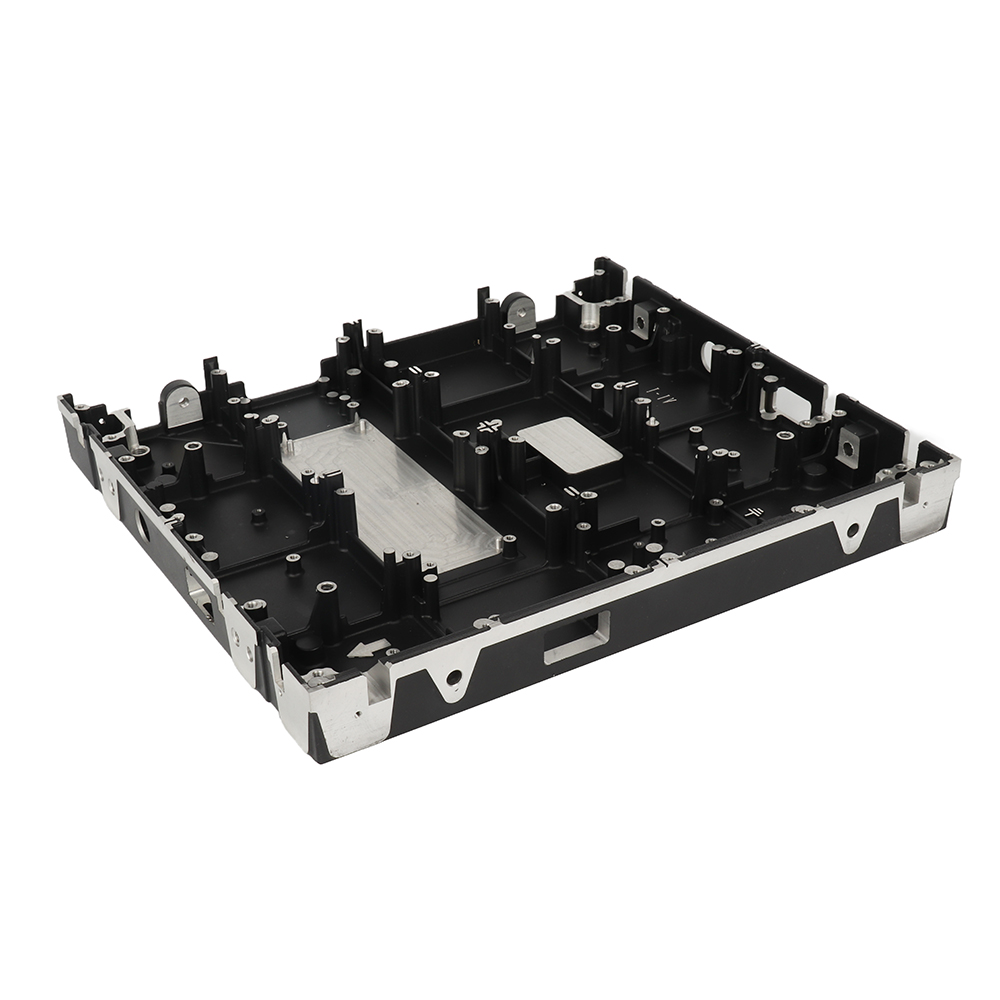
As a key component of communication systems, the aluminum die-cast communication equipment enclosure provides robust structural support for internal components, ensuring they remain securely positioned during operation. The one-piece die-casting process allows for integrated mounting bosses, internal ribs, and cable management features, simplifying installation and reducing the need for additional brackets. These enclosures can be customized into wall-mounted, floor-standing, or desktop designs, adapting to diverse installation scenarios—from indoor network closets to outdoor telecom towers.
3. Key Advantages of Aluminum Die-Cast Communication Equipment Enclosure (Focus Point)
Compared with traditional communication enclosures (such as plastic, stamped-welded steel, or extruded aluminum), aluminum die-cast communication equipment enclosures have distinct advantages that make them the preferred choice for mainstream telecom manufacturers. The key benefits are as follows:
3.1 Superior EMI/RFI Shielding Performance
Unlike plastic enclosures (which offer minimal shielding) or welded steel enclosures (which have shielding gaps at weld seams), aluminum die-cast communication equipment enclosures have a seamless, conductive structure that provides consistent, high-level EMI/RFI shielding. This is critical for 5G, microwave, and high-frequency communication devices, where signal integrity directly impacts performance. The aluminum material’s natural conductivity eliminates the need for additional shielding layers, reducing production costs and device weight.
3.2 Lightweight & Easy Installation
Aluminum alloy has a density of only 2.7 g/cm³—about 1/3 that of steel—making aluminum die-cast communication equipment enclosures significantly lighter than steel alternatives. This lightweight design simplifies transportation, reduces installation labor costs, and is especially beneficial for outdoor applications (such as telecom towers) where weight constraints are critical. Despite being lightweight, aluminum die-cast enclosures maintain high structural rigidity, ensuring long-term stability.
3.3 High Structural Strength & Durability
The one-piece die-casting process eliminates weld seams, which are common weak points in traditional enclosures. Aluminum die-cast communication equipment enclosures have uniform material distribution and high structural integrity, enabling them to withstand impact, vibration, and harsh environmental stressors. After surface treatments such as powder coating, chromate conversion, or anodizing, they also exhibit excellent corrosion resistance, resisting rust and degradation from moisture, humidity, and road salt—critical for outdoor use.
3.4 High Production Efficiency & Cost Savings
The aluminum die-casting process is highly automated, allowing for mass production of aluminum die-cast communication equipment enclosures in a single step. Compared with the traditional stamping-welding process (which requires multiple steps: stamping, welding, inspection, and shielding treatment), die-casting reduces production cycles, labor costs, and material waste. While the initial investment in molds and equipment is relatively high, the unit cost decreases significantly with large-scale production, making it cost-effective for high-volume telecom applications.
3.5 Design Flexibility & Customization
Aluminum die-casting allows for complex, precise designs that are difficult to achieve with other processes. Aluminum die-cast communication equipment enclosures can be customized with integrated cooling channels, mounting features, cable entry points, and unique shapes to fit specific communication devices—from small 5G modules to large base station components. This design flexibility ensures compatibility with diverse equipment and reduces the need for additional modifications or accessories.
3.6 Environmental Friendliness & Recyclability
Aluminum is a highly recyclable material, and the recycling energy consumption is only 5% of the energy required to produce new aluminum. Aluminum die-cast communication equipment enclosures can be completely recycled at the end of their service life, reducing environmental pollution and resource waste—aligning with the telecom industry’s sustainable development goals.
4. Disadvantages of Aluminum Die-Cast Communication Equipment Enclosure & Effective Mitigation
While aluminum die-cast communication equipment enclosures have numerous advantages, they also have minor limitations. However, with technological advancements, these disadvantages can be effectively mitigated:
4.1 High Initial Investment Cost
Disadvantage: The die-casting process requires high-precision molds and specialized equipment (such as high-pressure die-casting machines), resulting in a relatively high initial investment. This can be a burden for small and medium-sized enterprises (SMEs) with limited production volume.
Mitigation: For large-scale telecom manufacturers, the high initial investment is offset by long-term cost savings from mass production. SMEs can also reduce costs by sharing molds or partnering with die-casting service providers, avoiding the need to purchase expensive equipment.
4.2 Porosity Risks
Disadvantage: During the die-casting process, molten aluminum may trap air, leading to porosity in the enclosure. Porosity can slightly reduce structural strength and may affect sealing performance in extreme cases.
Mitigation: Adopting vacuum-assisted die-casting technology can reduce the porosity rate to less than 0.1%, ensuring structural integrity. Strict quality control—including mold flow analysis and post-processing inspections—also helps detect and eliminate defective products before they reach the market.
4.3 Limited Heat Resistance for Extreme High-Temperature Applications
Disadvantage: While aluminum die-cast enclosures perform well in most operating temperatures (-40°C to +120°C), they may not be suitable for extremely high-temperature environments (above 150°C) without additional heat insulation.
Mitigation: Adding a heat-insulating coating or integrating a heat shield into the enclosure design can extend its heat resistance, making it suitable for high-temperature industrial communication applications. Custom alloy formulations (such as heat-resistant aluminum alloys) can also enhance thermal stability.
5. Comparison: Aluminum Die-Cast Enclosure vs. Other Communication Enclosure Types
In the telecom industry, three main types of communication enclosures are widely used: aluminum die-cast enclosures, stamped-welded steel enclosures, and plastic enclosures. The following detailed comparison highlights the advantages of aluminum die-cast communication equipment enclosures:
5.1 Aluminum Die-Cast Enclosure vs. Stamped-Welded Steel Enclosure
| Comparison Index | Aluminum Die-Cast Communication Enclosure | Stamped-Welded Steel Enclosure |
|---|---|---|
| Weight | Light (2.7 g/cm³), easy to transport and install | Heavy (7.85 g/cm³), increases installation labor and transportation costs |
| EMI Shielding | Excellent (80–100 dB), seamless structure with no shielding gaps | Good, but weld seams create shielding gaps, requiring additional treatment |
| Production Efficiency | High, one-step molding, suitable for mass production | Low, multiple steps (stamping, welding, inspection, shielding) |
| Corrosion Resistance | Excellent, especially after surface treatment (powder coating, anodizing) | Poor, prone to rust without heavy anti-corrosion treatment |
| Cost (Mass Production) | Low, unit cost decreases with production scale | High, high labor and material costs, plus shielding treatment expenses |
5.2 Aluminum Die-Cast Enclosure vs. Plastic Enclosure
| Comparison Index | Aluminum Die-Cast Communication Enclosure | Plastic Enclosure |
|---|---|---|
| EMI Shielding | Excellent, inherent conductive properties | Poor, requires additional metal shielding layers (increases cost) |
| Structural Strength | High, impact-resistant and rigid | Low, prone to cracking or deformation under impact |
| Thermal Management | Excellent, high thermal conductivity for heat dissipation | Poor, requires additional cooling systems |
| Durability | Long service life (10–15 years), resistant to UV and harsh environments | Short service life (5–8 years), prone to UV degradation |
| Environmental Impact | Highly recyclable, eco-friendly | Non-recyclable (most plastics), causes environmental pollution |
The comparison clearly shows that aluminum die-cast communication equipment enclosures outperform steel and plastic alternatives in key areas—EMI shielding, weight, thermal management, durability, and cost-effectiveness—making them the optimal choice for modern communication systems.
6. Expert Opinions on Aluminum Die-Cast Communication Equipment Enclosure
Industry experts and professionals widely recognize the value of aluminum die-cast communication equipment enclosures, and their insights confirm its critical role in the telecom industry’s development:
6.1 David Chen, Senior Engineer at DSW Die Casting
"Aluminum die-casting combines excellent electrical conductivity, near-net-shape design freedom, and structural durability—attributes that are perfectly suited for modern communication enclosures. The aluminum die-cast communication equipment enclosure solves the core challenges of signal integrity and environmental protection for 5G and high-frequency devices. Its seamless structure eliminates shielding gaps, while its lightweight design reduces installation costs, making it a cornerstone of the telecom industry’s transition to faster, more reliable communication networks."
6.2 Sarah Miller, Telecom Equipment Design Expert at EMP Tech
"In communication systems, even minor electromagnetic interference can disrupt signal quality and lead to costly downtime. Aluminum die-cast communication equipment enclosures provide consistent, high-level EMI shielding that plastic or welded steel enclosures simply cannot match. As 5G and IoT technologies expand, the demand for enclosures that can handle high frequencies and harsh environments will only grow—and aluminum die-casting is the only process that can meet these demands efficiently and cost-effectively."
6.3 Mark Lee, Industry Analyst at IndustryARC™
"The global communication equipment enclosure market is projected to grow at a CAGR of 8.5% from 2025 to 2031, and aluminum die-cast enclosures will capture an increasing market share. Their superior shielding, lightweight design, and recyclability align with the telecom industry’s goals of performance, cost reduction, and sustainability. Over the next decade, aluminum die-cast communication equipment enclosures will become the standard for 5G base stations, small cells, and industrial communication devices."
7. FAQs About Aluminum Die-Cast Communication Equipment Enclosure
Below are the most common questions about aluminum die-cast communication equipment enclosures in the telecom industry, with professional answers to help you better understand this critical component:
Q1: What materials are used to make aluminum die-cast communication equipment enclosures?
A: The main material is aluminum alloy, most commonly ADC12 (AlSi12) and Al-Mg-Si alloys. These alloys offer a balance of high strength, electrical conductivity, thermal conductivity, and cost-effectiveness—critical for communication applications. In some high-precision scenarios, heat-resistant or high-strength aluminum alloys may be used, while magnesium alloys are occasionally used for ultra-lightweight designs (though they are less common due to higher costs).
Q2: What is the service life of an aluminum die-cast communication equipment enclosure?
A: Under normal use and proper maintenance, the service life of an aluminum die-cast communication equipment enclosure is 10–15 years. The aluminum alloy’s natural corrosion resistance, combined with surface treatments (such as powder coating or anodizing), protects it from harsh environmental factors (moisture, UV, road salt), ensuring long-term durability—even in outdoor applications.
Q3: Can aluminum die-cast communication enclosures be customized?
A: Yes. One of the key advantages of aluminum die-casting is its design flexibility. Aluminum die-cast communication equipment enclosures can be customized in size, shape, and features—including integrated cooling channels, mounting bosses, cable entry points, and EMI gaskets—to fit specific communication devices (e.g., 5G modules, RF filters, routers). Custom molds allow for precise adaptation to unique equipment requirements.
Q4: How to ensure the EMI shielding performance of aluminum die-cast communication enclosures?
A: EMI shielding performance is guaranteed by three factors: 1) The seamless one-piece structure of the die-cast enclosure, which eliminates shielding gaps found in welded enclosures; 2) The inherent electrical conductivity of aluminum alloy; 3) Optional enhancements such as conductive silicone gaskets and precision mating surfaces, which further reduce signal leakage. Most enclosures meet shielding effectiveness standards of 80–100 dB for high-frequency applications.
Q5: Are aluminum die-cast communication enclosures suitable for outdoor use?
A: Yes—they are specifically designed for outdoor use. Aluminum die-cast communication equipment enclosures meet IP65 or higher ingress protection standards, preventing dust and water ingress. They also have excellent corrosion resistance (after surface treatment) and can operate in extreme temperatures (-40°C to +120°C), making them ideal for outdoor telecom base stations, small cells, and industrial wireless equipment.
Q6: Are aluminum die-cast communication enclosures recyclable?
A: Yes. Aluminum is a highly recyclable material, and aluminum die-cast communication equipment enclosures can be completely recycled at the end of their service life. Recycled aluminum retains its original properties, and the recycling process consumes only 5% of the energy required to produce new aluminum—making it an eco-friendly choice for the telecom industry.
8. Conclusion
The aluminum die-cast communication equipment enclosure is a critical component of modern communication systems, integrating EMI/RFI shielding, environmental protection, thermal management, and structural support into a single, high-performance housing. Compared with traditional steel and plastic enclosures, it offers unparalleled advantages—superior signal integrity, lightweight design, durability, cost-effectiveness, and recyclability—that align with the telecom industry’s evolving needs, especially in the 5G and IoT eras.
While it has minor limitations (such as high initial investment and porosity risks), these can be effectively mitigated through technological advancements and large-scale production. As communication technologies continue to advance—with higher frequencies, smaller devices, and harsher operating environments—the aluminum die-cast communication equipment enclosure will play an increasingly important role, driving the industry toward faster, more reliable, and more sustainable communication networks.
For telecom manufacturers, engineers, and industry practitioners, understanding the features, advantages, and applications of aluminum die-cast communication equipment enclosures is crucial to developing high-performance communication systems and seizing market opportunities in the rapidly evolving telecom landscape.
Precision aluminum casting | What is ADC12 precision aluminum casting? Key Roles, Benefits & Expert Insights
Ev battery enclosure | What is die-cast EV battery enclosure? Key Benefits & Industry Insights
Related Article