
HOT PRODUCTS
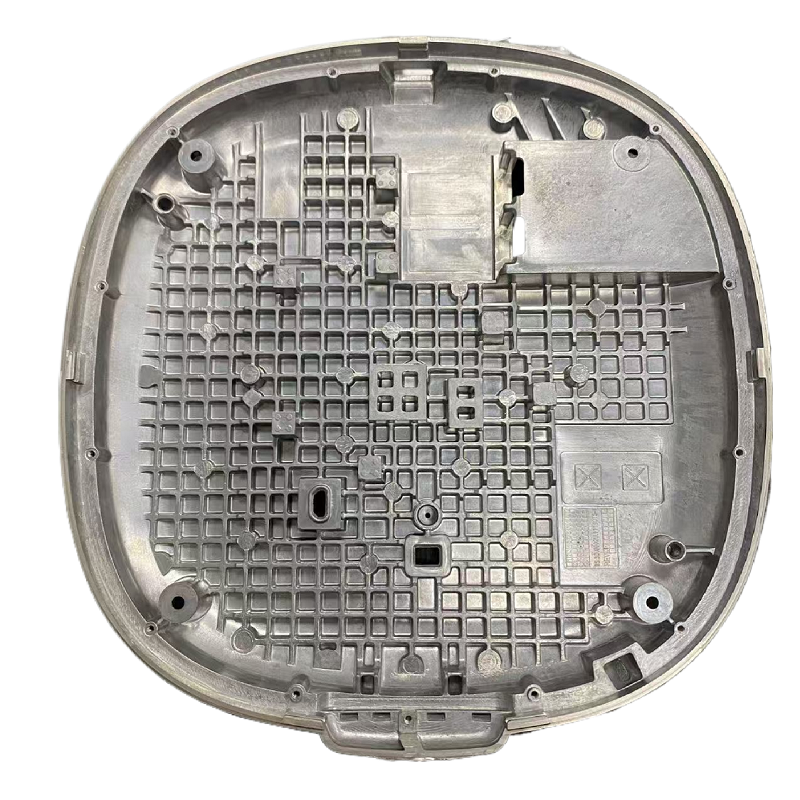
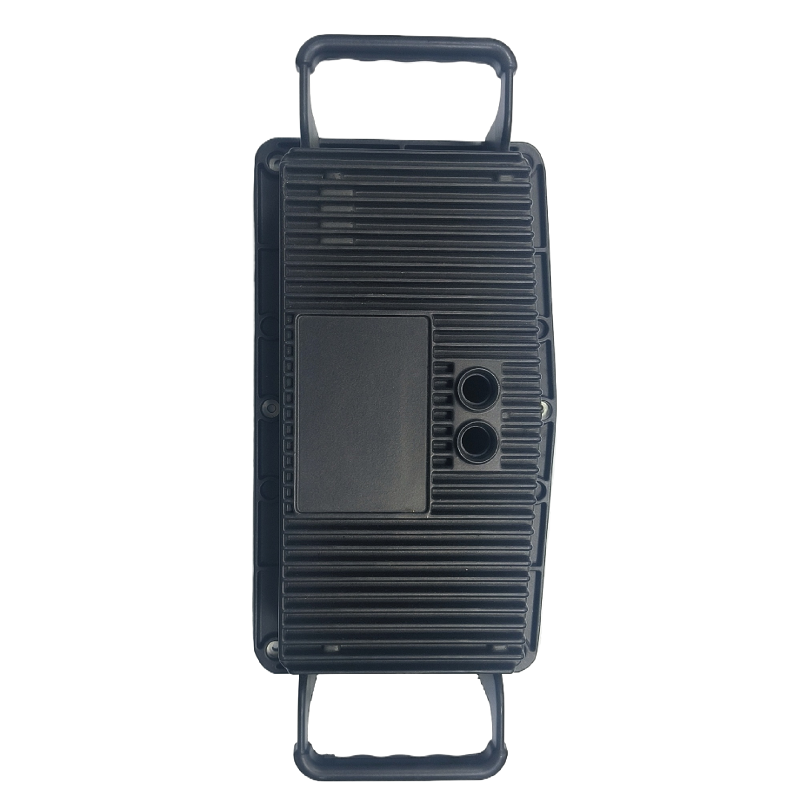
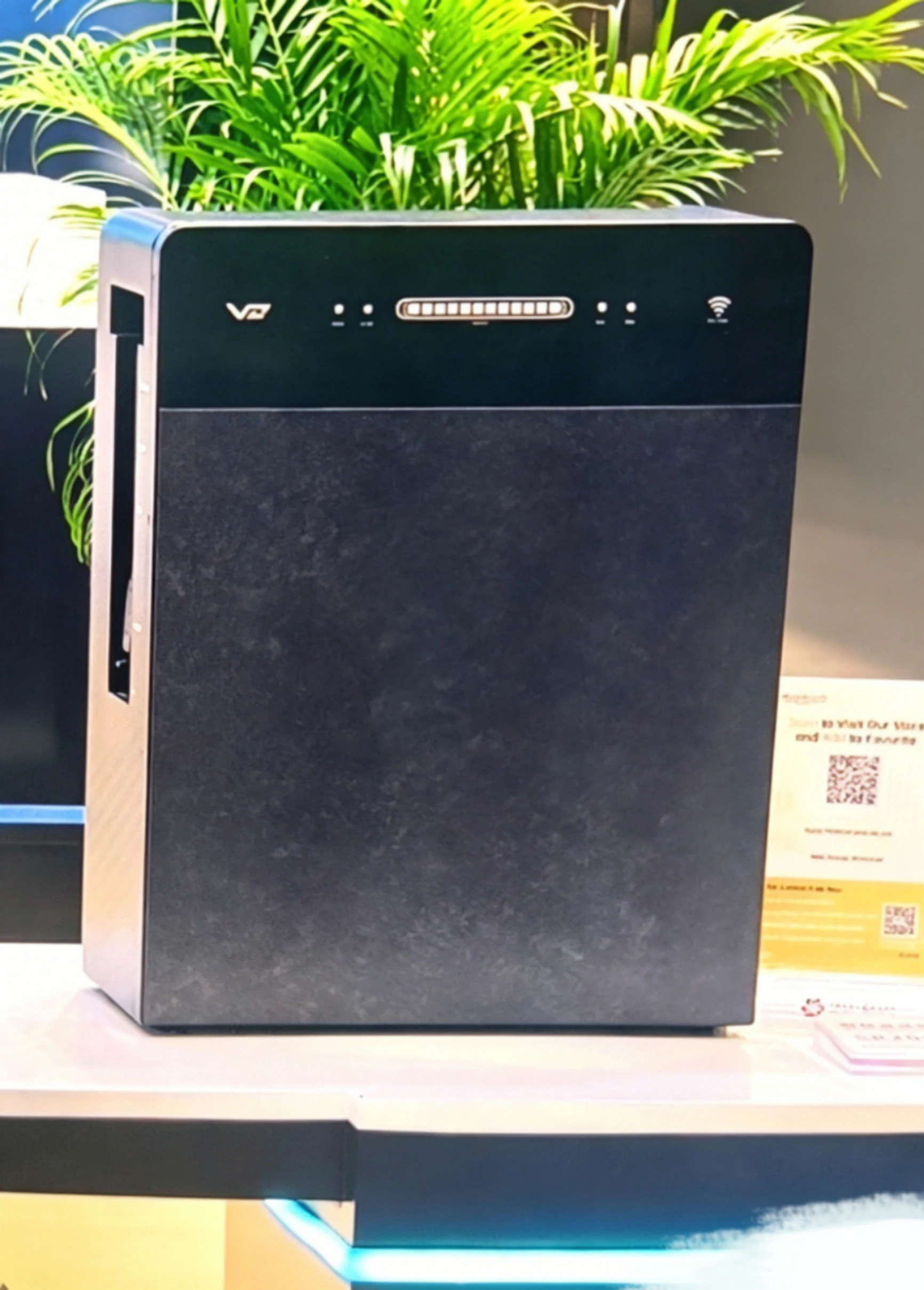
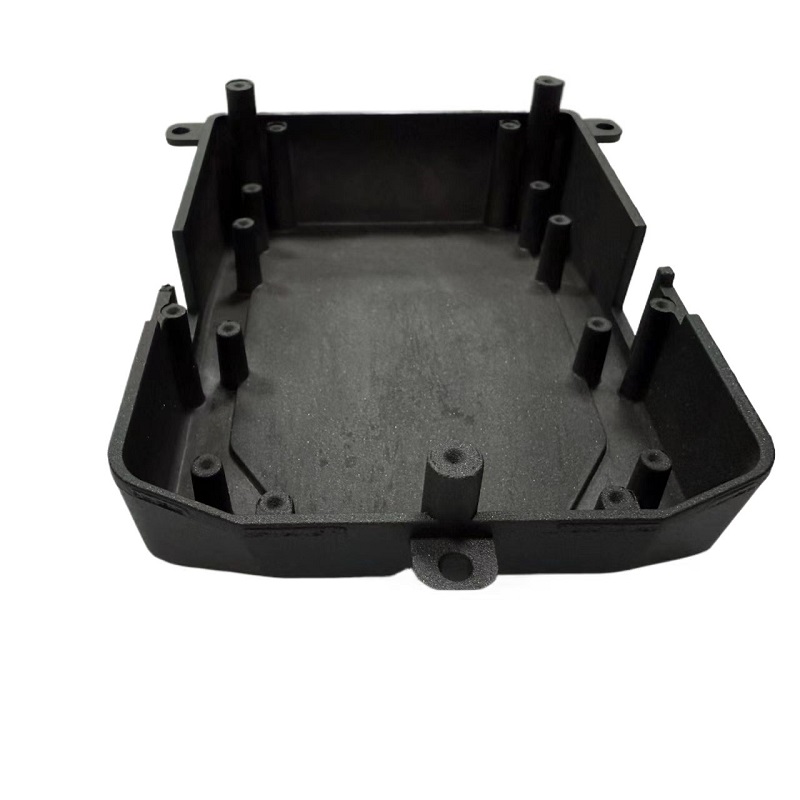
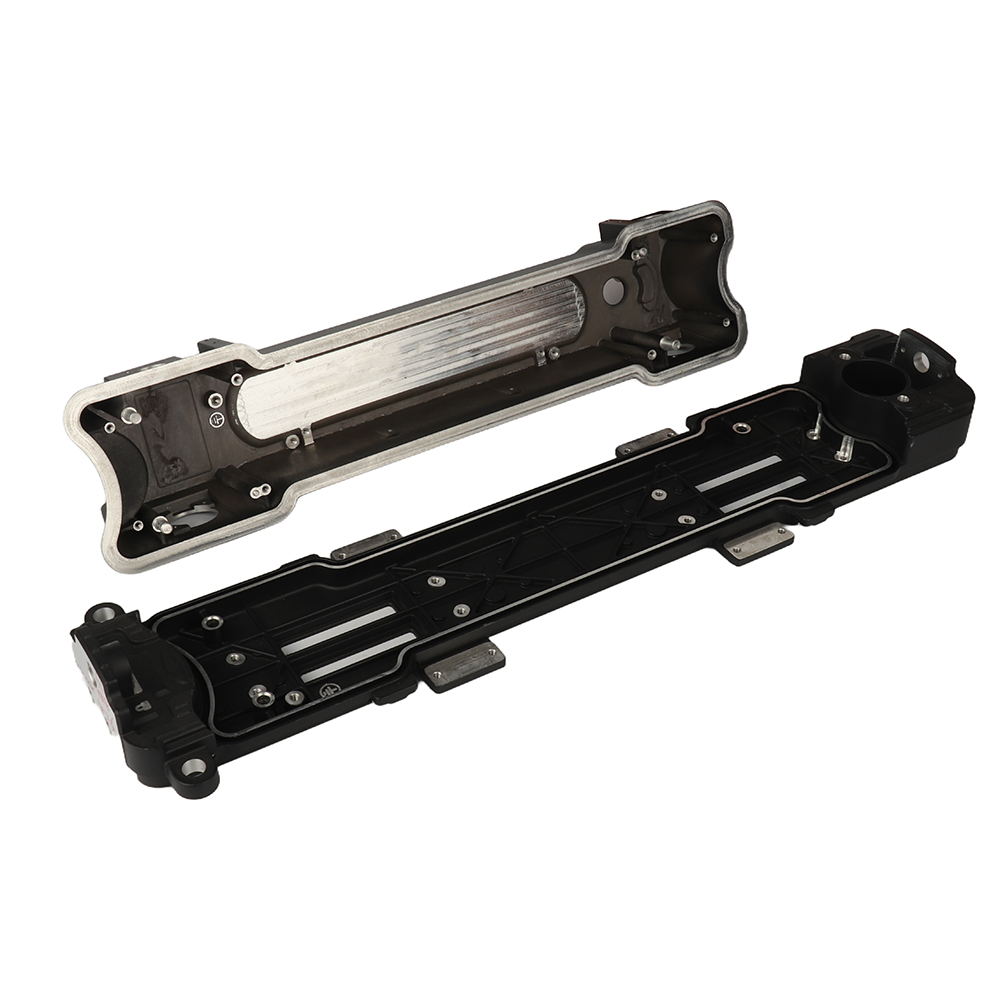
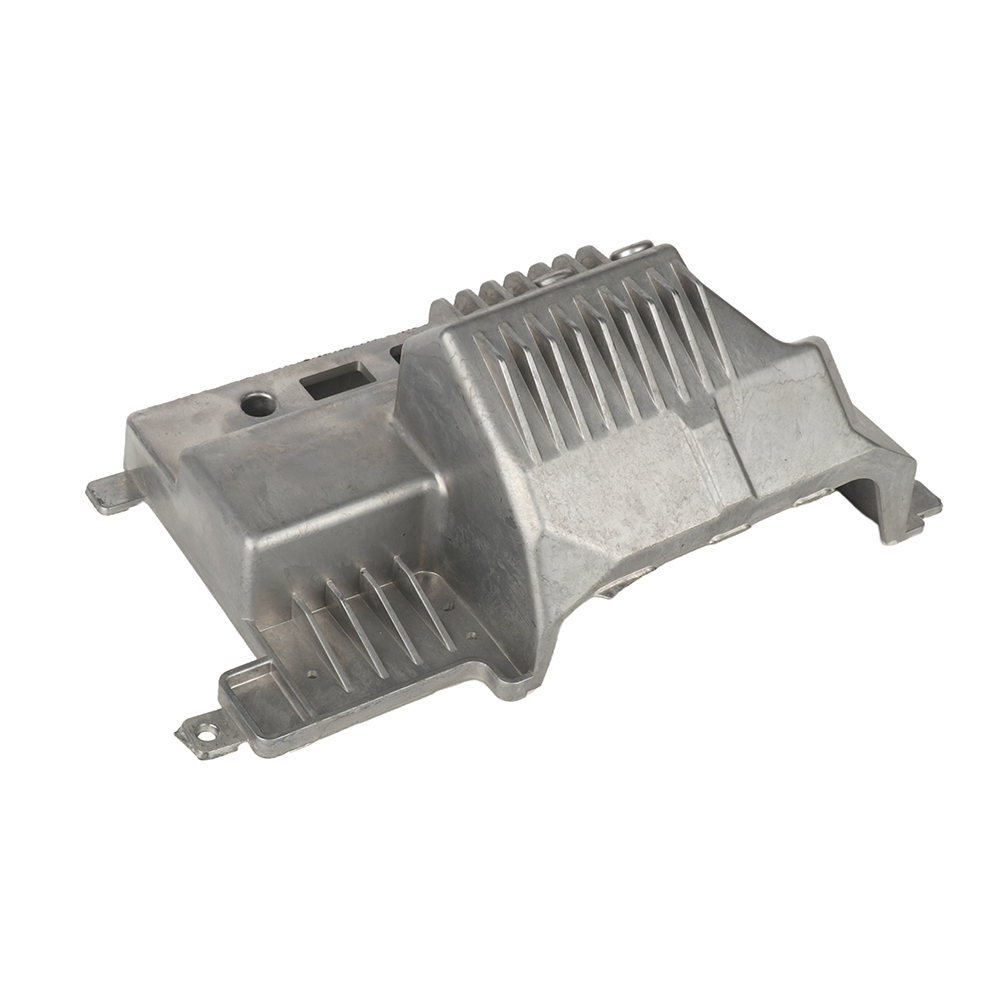
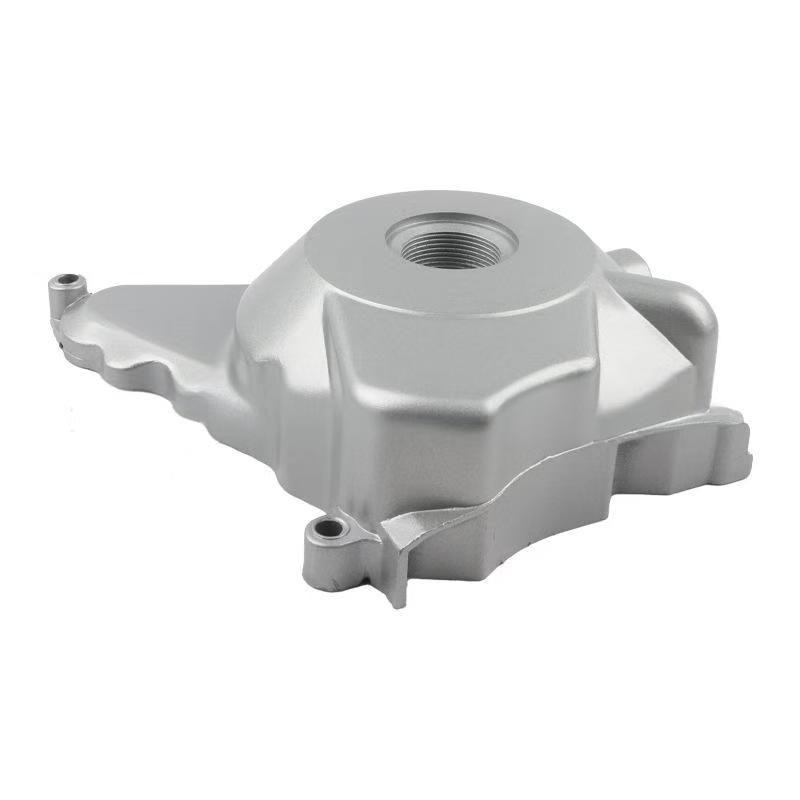
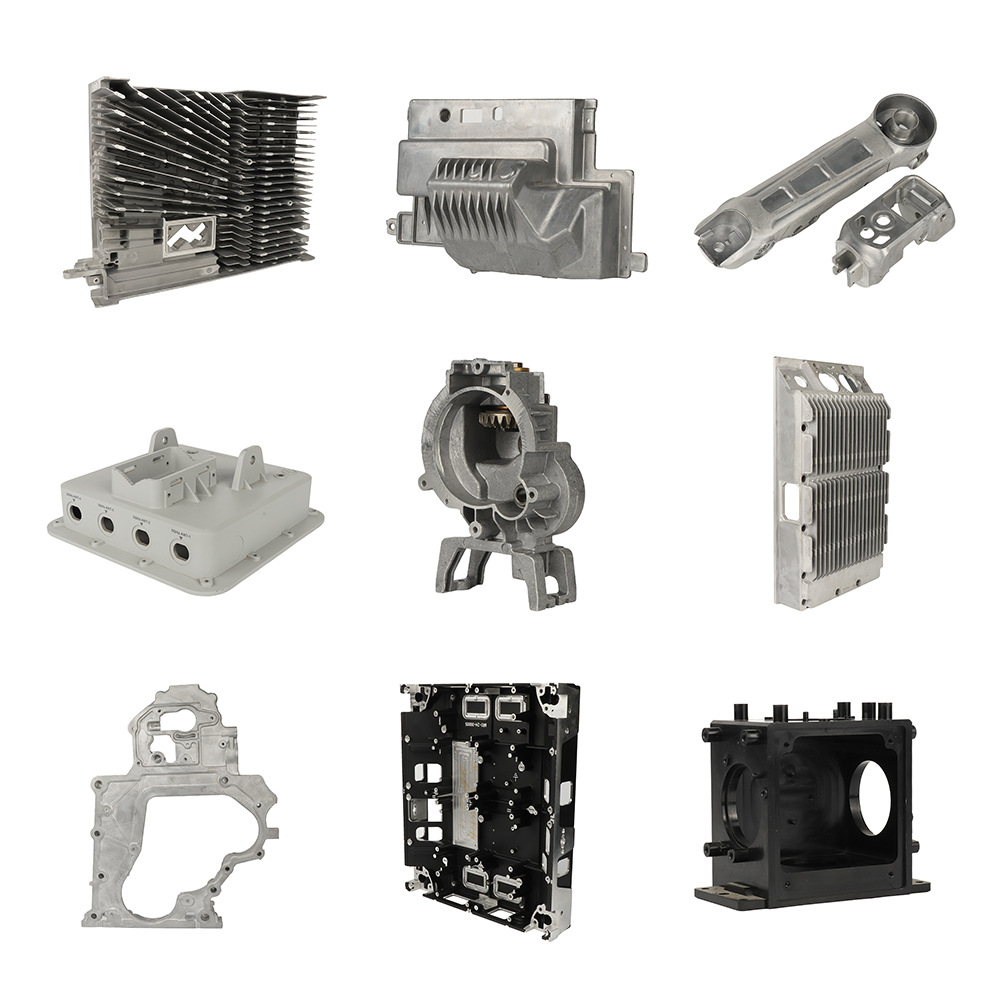
Aluminum part | What is an aluminum die-casting part | A Complete Guide
2026-04-01
What is an Aluminum Die-Casting Part? A Complete Guide
Table of Contents
- 1. Introduction: What is an Aluminum Die-Casting Part?
- 2. The Core Process: Die Casting & Machining Combination
- 3. Products Made by Die Casting and Machining
- 4. Key Roles and Focus Points of Aluminum Die-Casting Parts
- 5. Unmatched Advantages of Aluminum Die-Casting Parts
- 6. Expert Opinion on Aluminum Die-Casting Technology
- 7. Frequently Asked Questions (FAQs)
- 8. Conclusion
1. Introduction: What is an Aluminum Die-Casting Part?
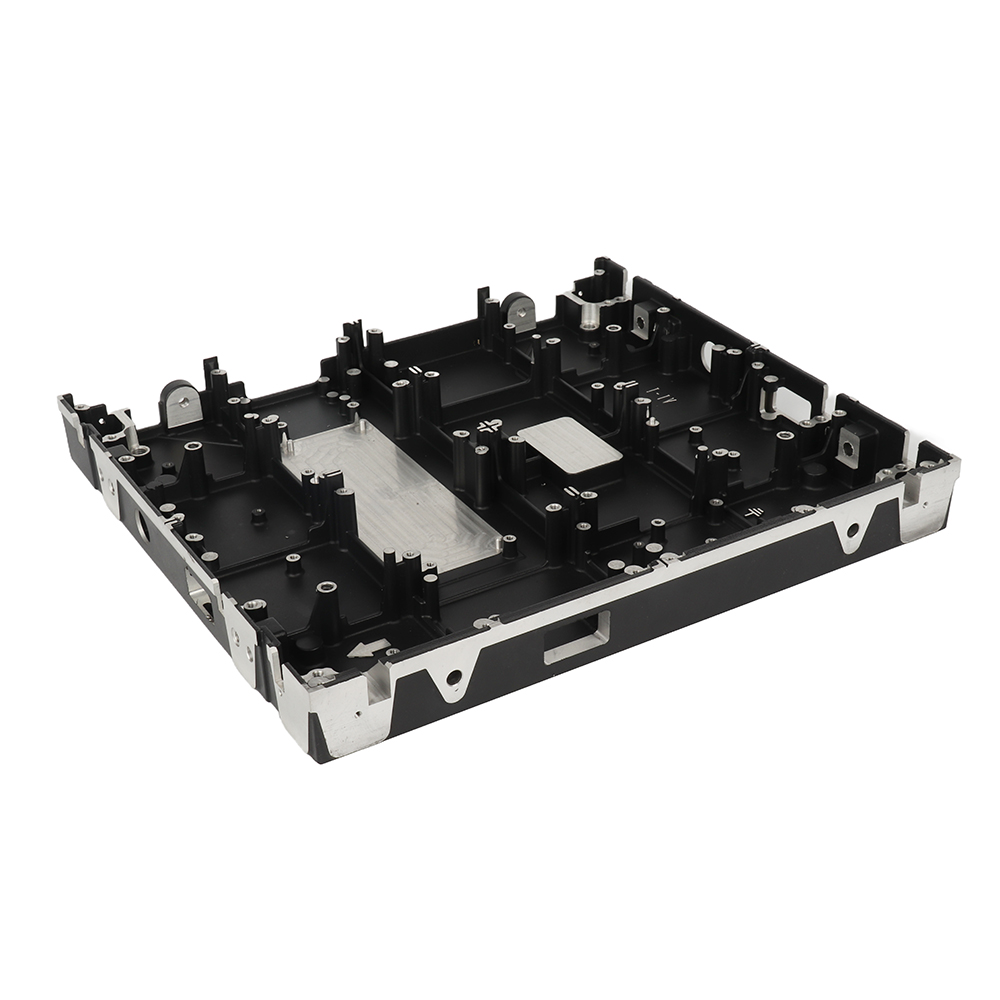
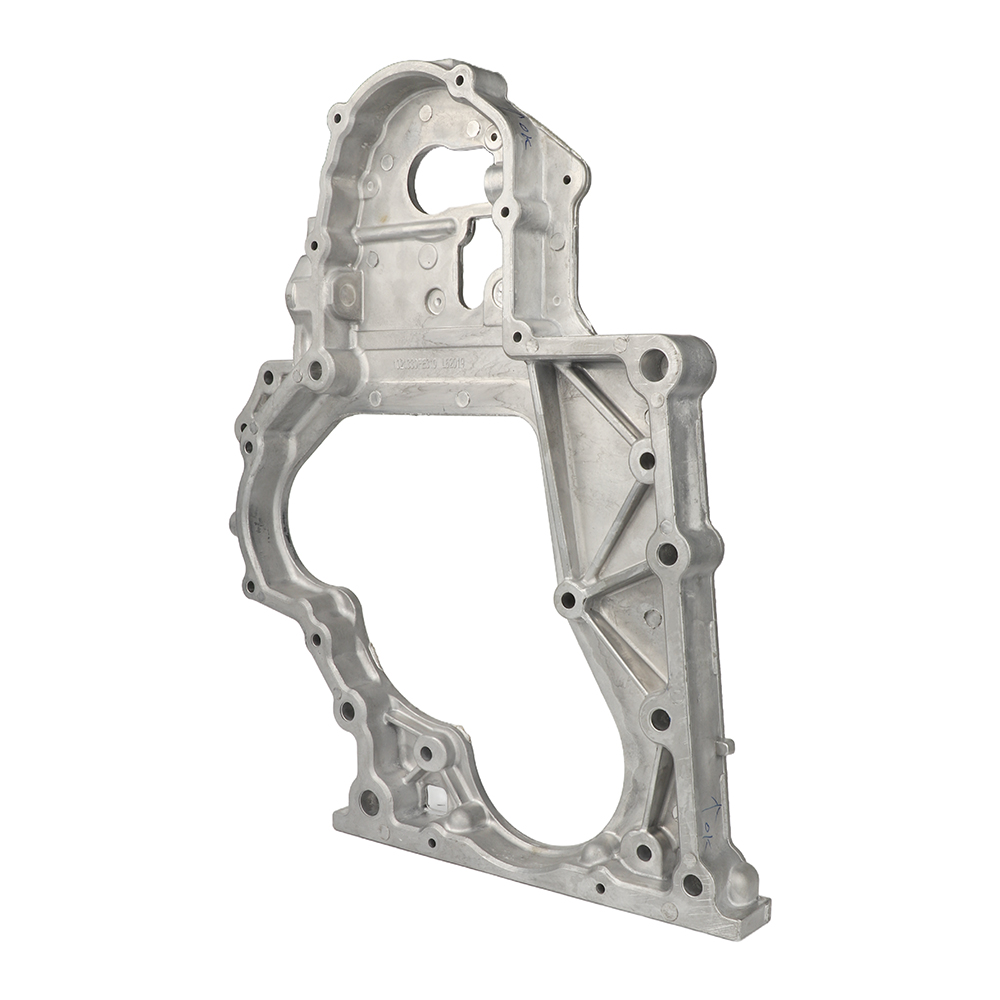
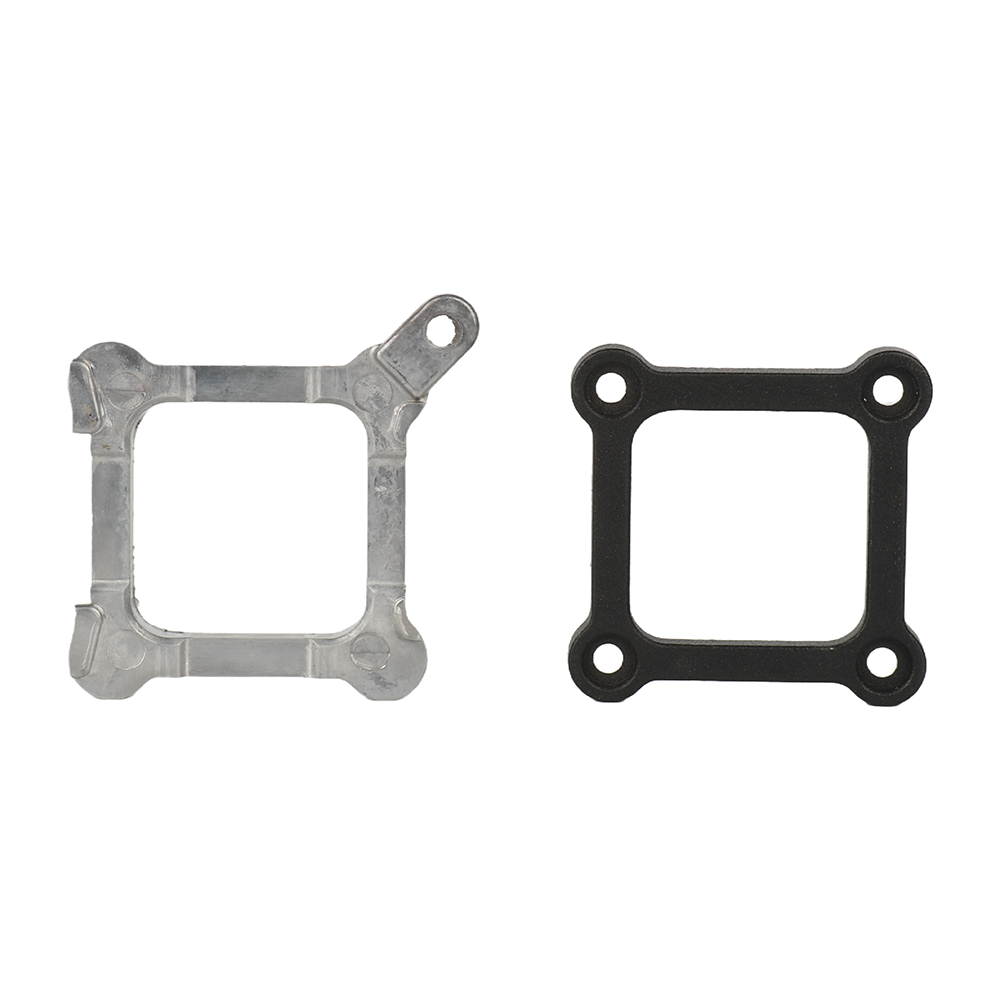
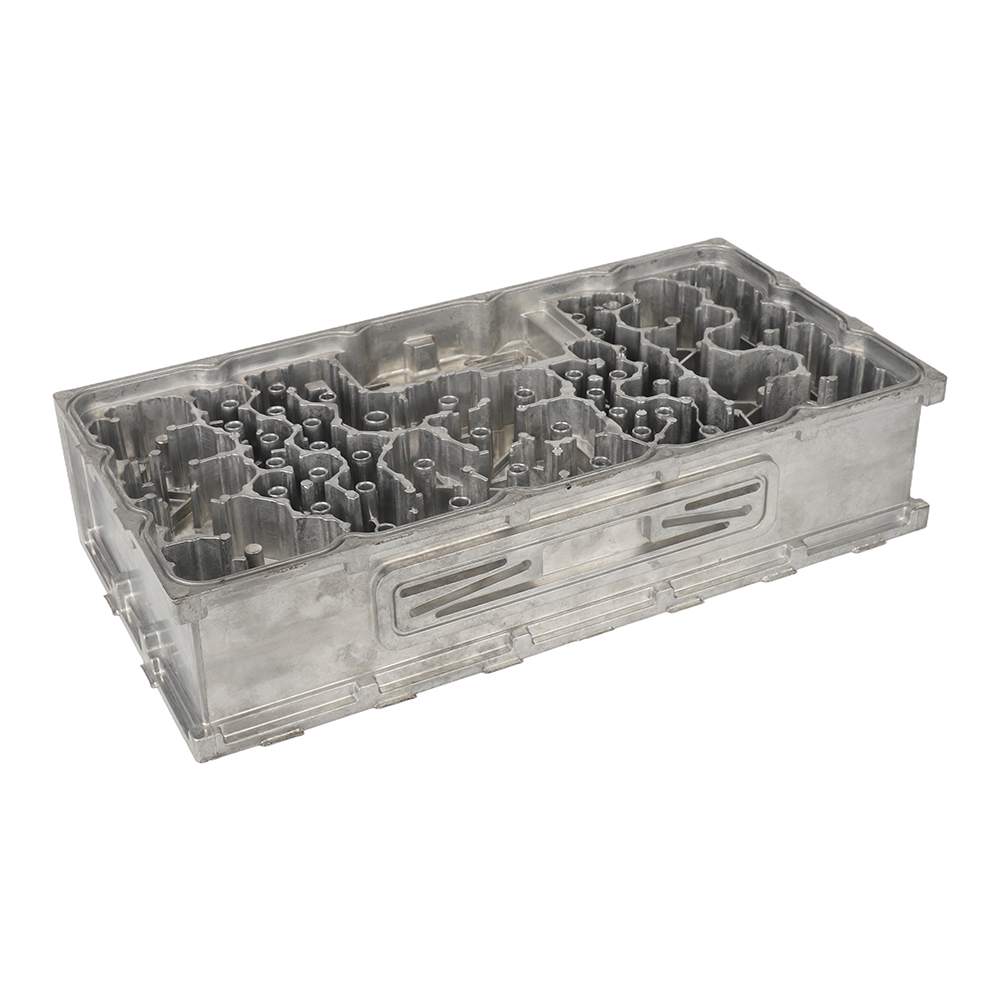
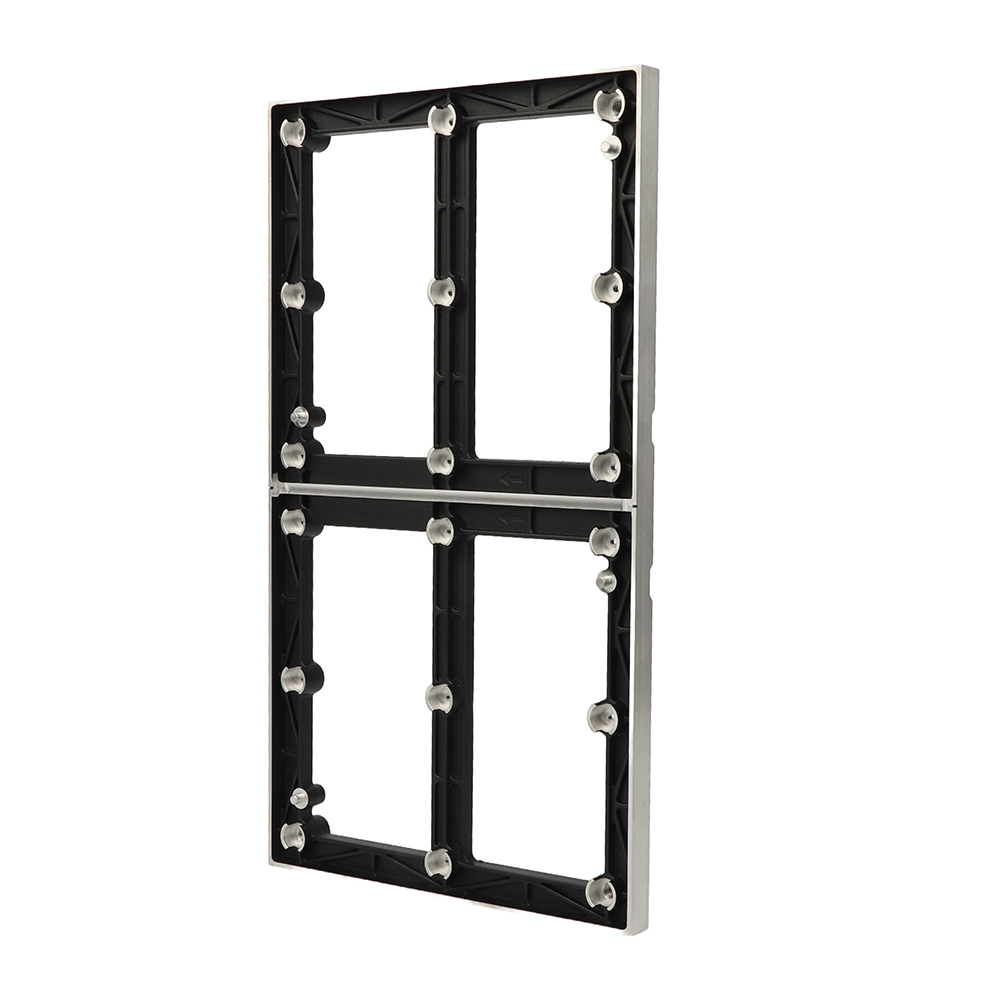
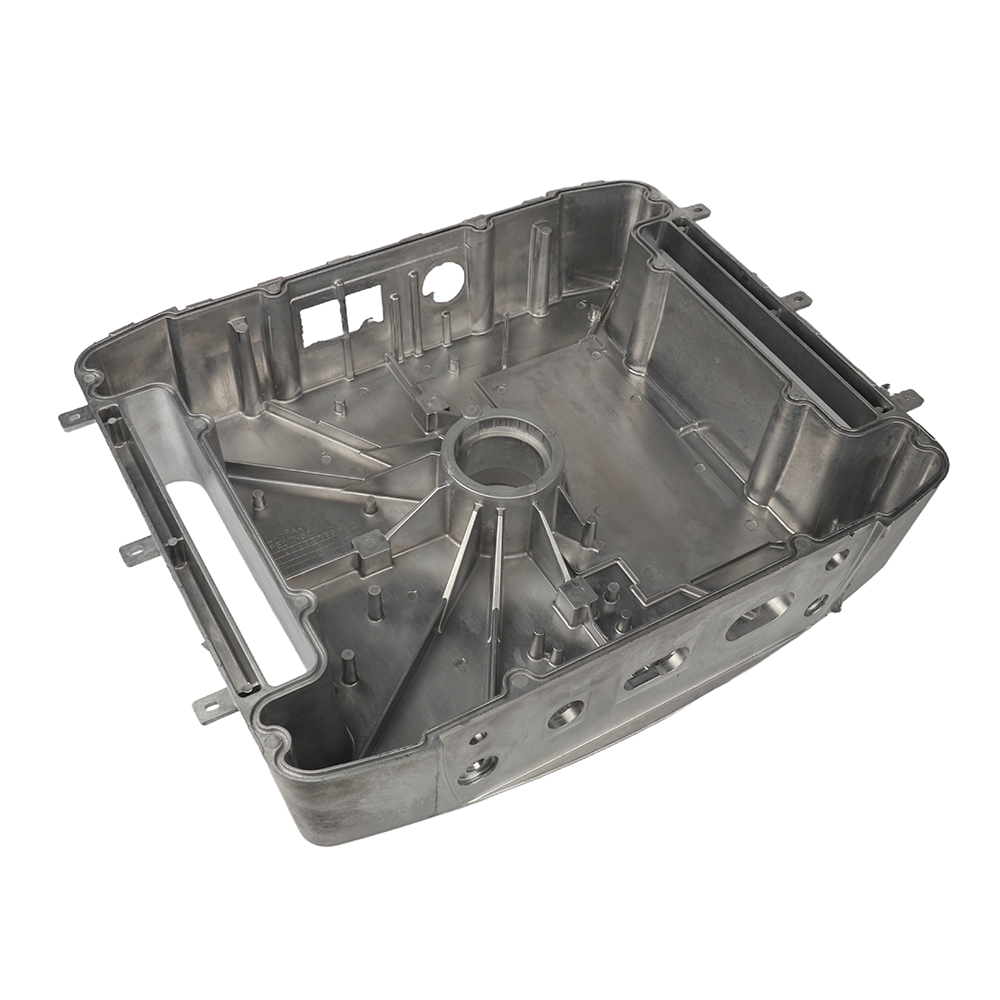
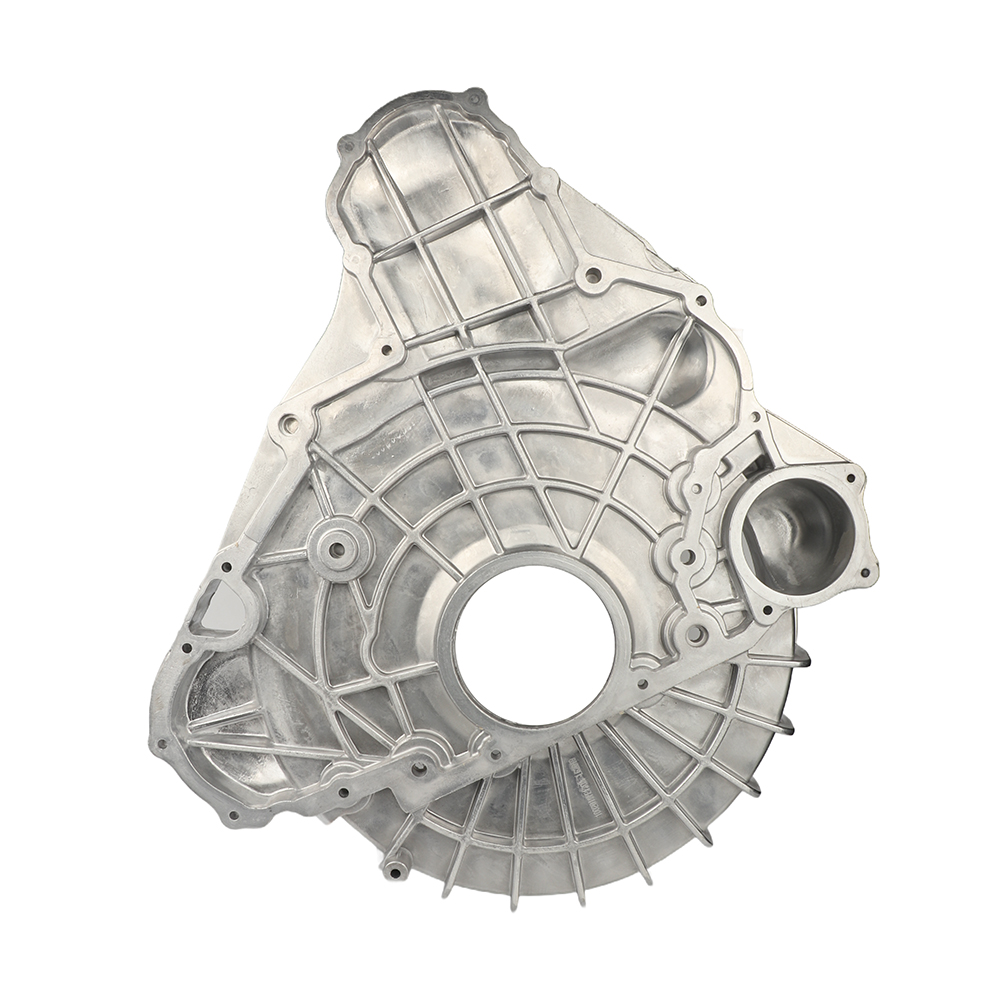
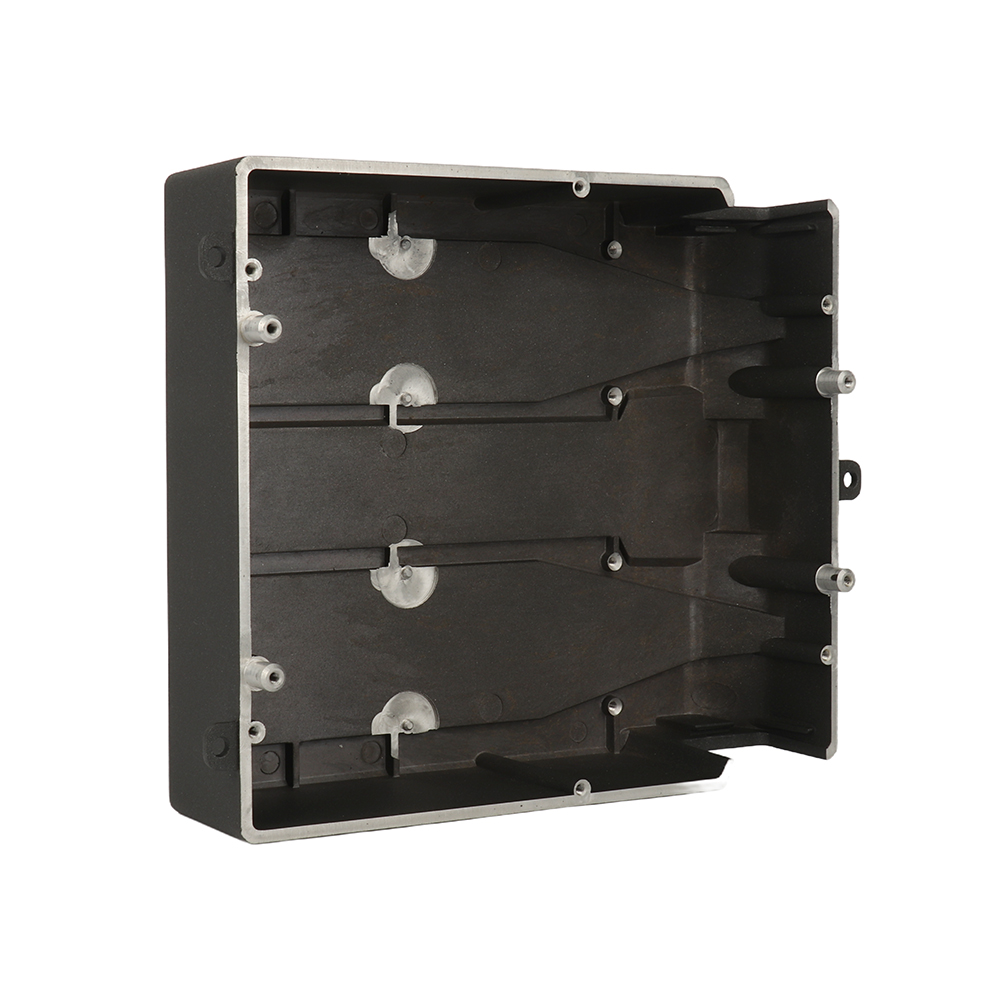
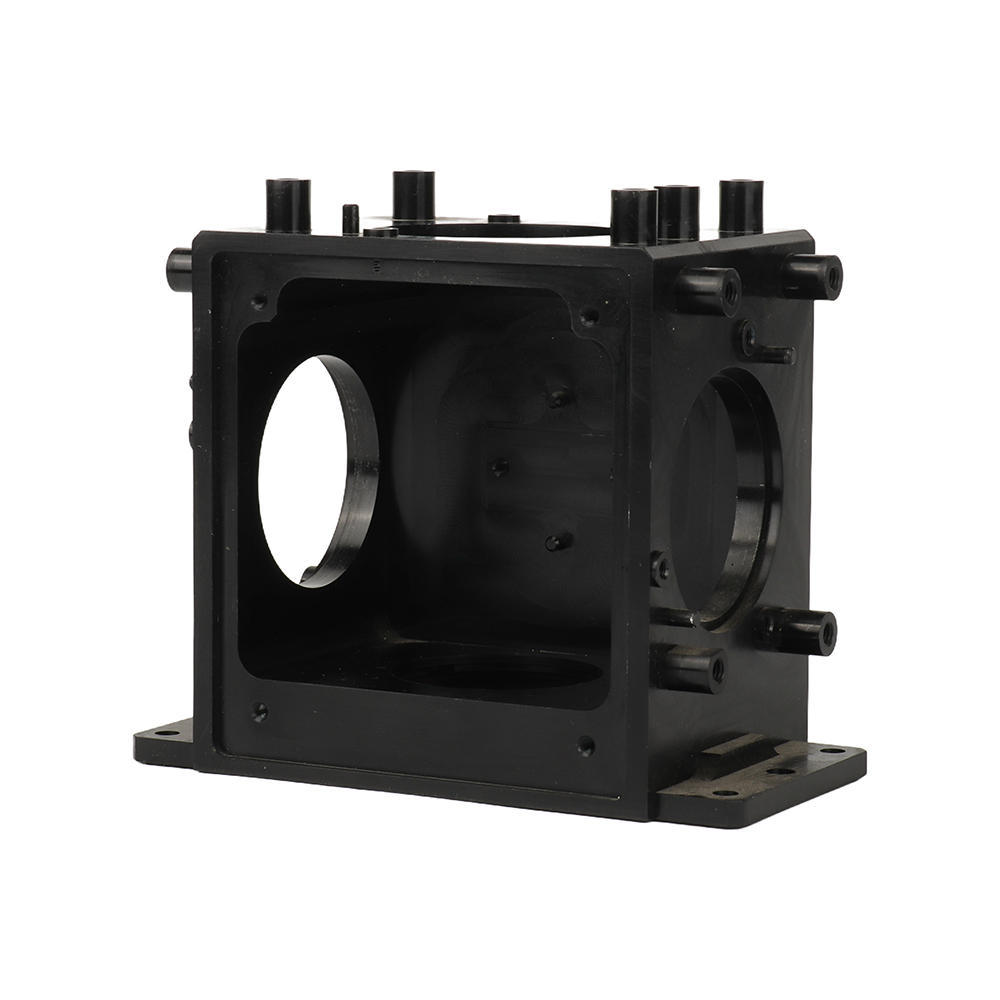
Aluminum die-casting parts are precision metal components produced by forcing molten aluminum alloy into a pre-designed steel mold (called a die) under high pressure—a process known as aluminum die casting. Unlike other casting methods, this technique creates complex, dimensionally accurate parts that often require additional CNC machining to meet strict industry standards. These parts are widely used across industries due to aluminum’s inherent properties and the efficiency of the die-casting process, making them a cornerstone of modern manufacturing.
2. The Core Process: Die Casting & Machining Combination
The production of high-quality aluminum die-casting parts relies on two key steps: die casting and machining. These processes work in tandem to balance efficiency, complexity, and precision—addressing the limitations of each process alone.
2.1 Aluminum Die Casting Process
Die casting begins with melting aluminum alloy (commonly A380, A383, or ADC12) into a liquid state. The molten aluminum is then injected into a steel die at high pressure (10–150 MPa) and high speed (filling speed up to 0.5–50 m/s), ensuring it fills every detail of the mold cavity. After cooling and solidification, the die opens, and the rough casting is ejected. This step excels at producing complex shapes with consistent dimensions in high volumes, with minimal material waste.
2.2 Machining for Precision
While die casting delivers near-net-shape parts, many applications require tighter tolerances (often within ±0.002 inches) or smooth surface finishes that die casting alone cannot achieve. This is where CNC machining comes in. Machining processes like milling, turning, and drilling refine critical features—such as holes, threads, or sealing faces—ensuring the part fits perfectly in its assembly. The combination of die casting (for efficiency and complexity) and machining (for precision) is what makes aluminum die-casting parts indispensable in high-demand industries.
3. Products Made by Die Casting and Machining
Aluminum die casting + machining is used to produce a wide range of parts across key industries. Below are the most common applications, highlighting how the two processes work together to create functional, reliable components:
3.1 Automotive Industry
The automotive sector is the largest consumer of aluminum die-casting parts, driven by the demand for lightweight components to improve fuel efficiency and reduce emissions. Key products include:
- Engine Components: Cylinder heads, pistons, valve rocker arms, and oil pans—die-cast for complex shapes and machined for precise fit and thermal conductivity.
- EV Components: Battery housings, powertrain parts, and motor end caps—die-cast for structural integrity and machined to meet strict electric vehicle safety standards.
- Chassis Parts: Gearbox casings, transmission brackets, and wheel hubs—die-cast for strength-to-weight ratio and machined for dimensional accuracy.
3.2 Electronics Industry
Electronics require lightweight, heat-dissipating parts with tight tolerances. Products include:
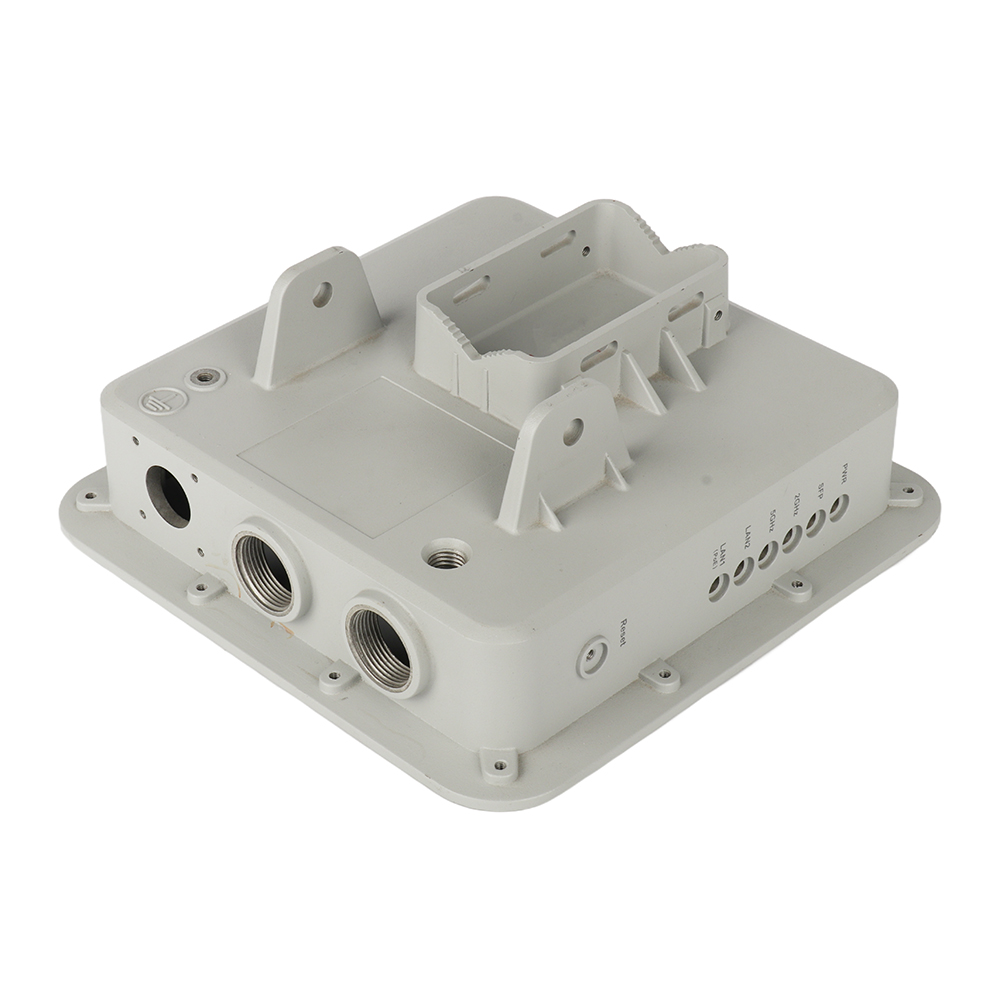
- Device Housings: Smartphone cases, laptop frames, and 5G communication boxes—die-cast for slim, complex designs and machined for smooth surfaces and port cutouts.
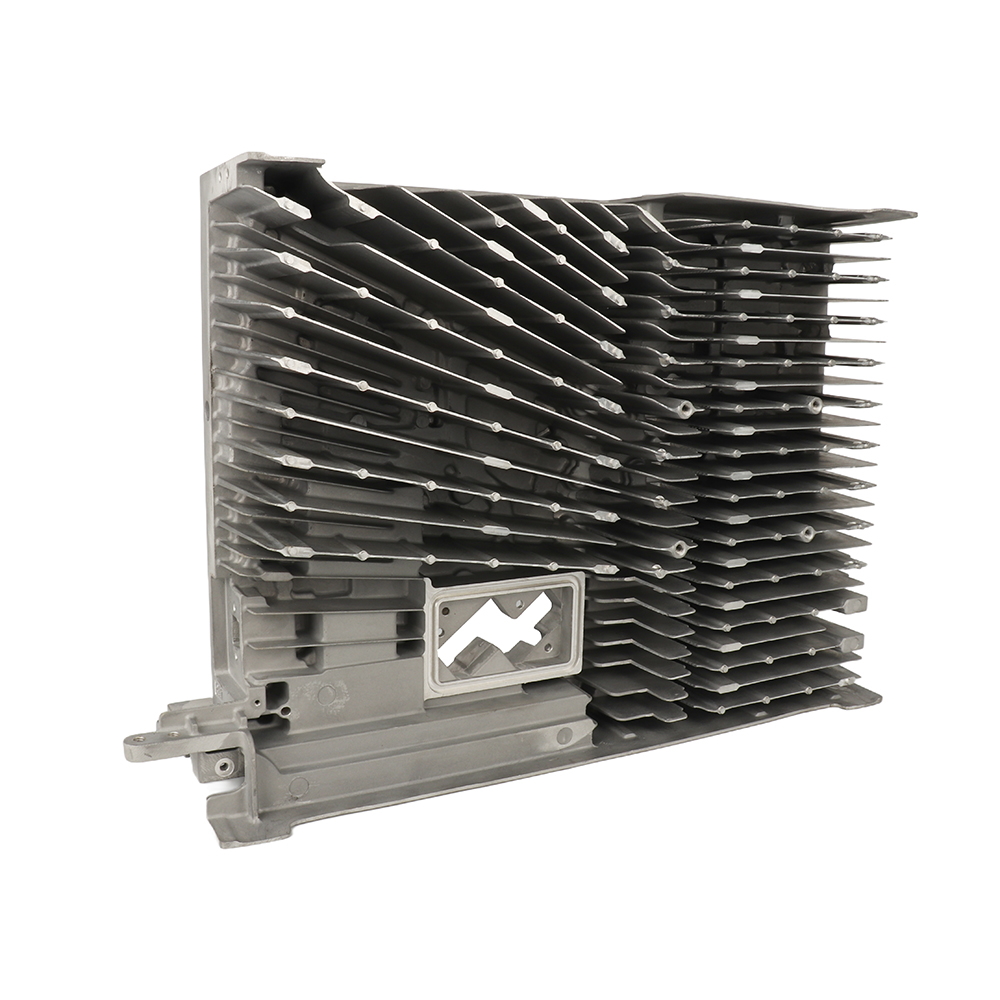
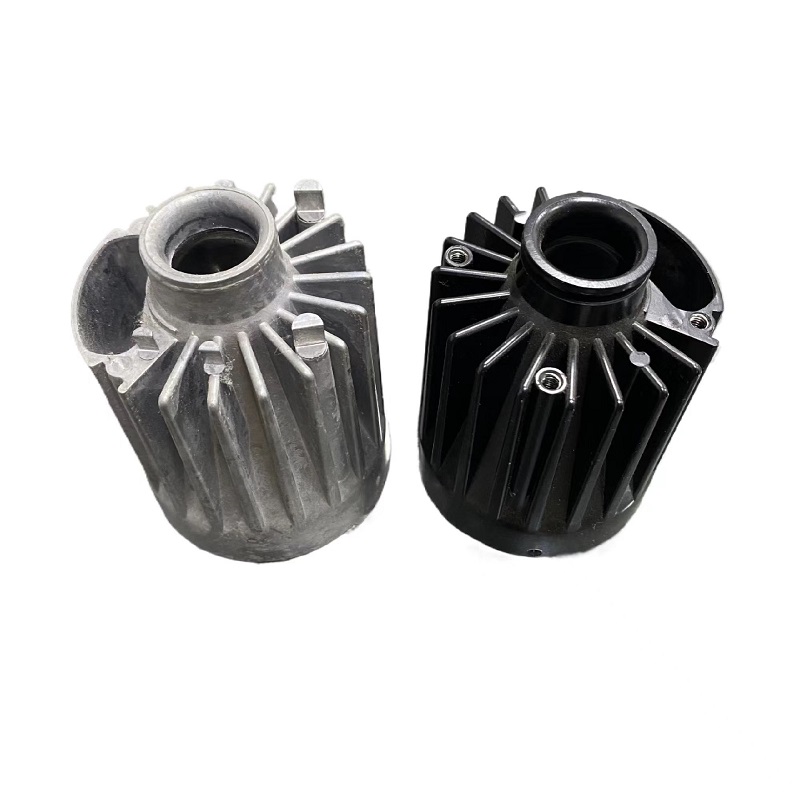
- Heat Sinks: Used in CPUs, LEDs, and power supplies—die-cast for thermal conductivity and machined to optimize heat dissipation efficiency.
- Connector Components: Precision pins and sockets—die-cast for consistency and machined to ensure reliable electrical contact.
3.3 Industrial Machinery
Industrial equipment demands durable, high-strength parts that can withstand harsh conditions. Key products include:
- Pump & Motor Housings: Die-cast for corrosion resistance and machined to seal tightly, preventing fluid or dust ingress.
- Valve Bodies & Manifolds: Die-cast to create complex fluid pathways and machined for precise flow control.
- Robotic Components: Arm joints and structural brackets—die-cast for lightweight rigidity and machined for precise movement.
3.4 Home Appliances
Everyday appliances rely on cost-effective, durable aluminum die-casting parts, such as:
- Cookware: Cast aluminum frying pans and pots—die-cast for even heat distribution and machined for non-stick coating compatibility.
- Appliance Frames: Washing machine drums, refrigerator compressor housings—die-cast for durability and machined for assembly fit.
4. Key Roles and Focus Points of Aluminum Die-Casting Parts
Aluminum die-casting parts play critical roles in their respective applications, with three core focus points that define their value:
4.1 Core Roles
- Structural Support: They provide rigid, lightweight support for assemblies (e.g., automotive chassis parts, robotic brackets) without adding excess weight.
- Functional Integration: They combine multiple features (e.g., holes, channels, threads) into a single part, reducing assembly time and costs.
- Performance Enhancement: Their thermal conductivity, corrosion resistance, and strength improve the overall performance and lifespan of the end product (e.g., heat sinks, engine parts).
4.2 Key Focus Points
- Precision: Machining ensures tight tolerances (IT 8–IT 12) and smooth surface finishes (Ra 1.6–6.3 μm), critical for parts that need to fit or function with other components.
- Durability: The die-casting process creates dense, homogeneous parts, while aluminum alloys (like A380) offer high strength and corrosion resistance, even in harsh environments.
- Cost-Efficiency: Die casting enables mass production with low unit costs, while machining adds precision only where needed—balancing quality and affordability.
5. Unmatched Advantages of Aluminum Die-Casting Parts
Aluminum die-casting parts outperform components made by other processes (e.g., sand casting, forging) due to their unique combination of aluminum’s properties and the die-casting + machining process. Key advantages include:
5.1 Exceptional Strength-to-Weight Ratio
Aluminum has a low density (2.7 g/cm³)—about 35% lighter than steel—yet die casting and alloy selection (e.g., A380, A360) create parts with high strength. This makes them ideal for weight-sensitive applications (automotive, aerospace) where reducing weight does not compromise performance.
5.2 High Precision and Complexity
Die casting can produce parts with intricate shapes, thin walls, and internal channels that are difficult or impossible to achieve with machining alone. Machining then refines critical features, ensuring the part meets exact specifications—perfect for complex components like engine blocks or electronic housings.
5.3 Cost-Effective Mass Production
Die casting molds (made of H13 tool steel) can last up to 100,000 cycles or more, making mass production economical. The process has fast cycle times (seconds to minutes per part), and material utilization rates of 80–95%, reducing waste. Machining is only used for critical features, minimizing additional costs.
5.4 Superior Thermal and Electrical Conductivity
Aluminum’s natural thermal conductivity makes die-casting parts ideal for heat-dissipating applications (heat sinks, engine parts). It also has good electrical conductivity, suitable for electronic components and connectors.
5.5 Corrosion Resistance
Aluminum forms a protective oxide layer on its surface, and alloys like A383 offer enhanced corrosion resistance. This makes die-casting parts durable in harsh environments (e.g., outdoor machinery, marine applications) without additional coatings (though coatings can further improve longevity).
5.6 Versatility
They can be customized to fit almost any application, from tiny electronic components to large automotive parts. Additionally, they accept various surface finishes (anodizing, painting, polishing) to meet aesthetic or functional needs.
6. Expert Opinion on Aluminum Die-Casting Technology
Industry experts recognize the value of aluminum die casting + machining as a transformative manufacturing solution. Here’s what leading professionals have to say:
6.1 Steve Yang, Senior Engineer at GC Precision Mould Co., Ltd.
“Aluminum die casting combined with CNC machining is the gold standard for modern manufacturing. The die casting process delivers efficiency and complexity, while machining ensures the precision that critical applications demand. We’re seeing growing demand in EVs and electronics, where lightweight, high-precision parts are non-negotiable—this combination is the only way to meet those needs at scale.”
6.2 VMR Industry Analyst, Verified Market Research®
“The global aluminum die casting market is expanding rapidly, driven by the EV boom and demand for lightweighting. What makes die-casting parts so valuable is their ability to balance strength, precision, and cost—thanks to the synergy of die casting and machining. As automation and alloy innovation advance, this process will become even more critical for industries looking to optimize performance and sustainability.”
6.3 Engineering Team at Yongzhu Casting
“Many manufacturers choose die casting over machining alone because it reduces material waste and production time—especially for complex parts. Machining complements die casting perfectly: it adds the final precision without sacrificing the efficiency of mass production. This hybrid approach is why aluminum die-casting parts are the top choice for high-volume, high-performance applications.”
7. Frequently Asked Questions (FAQs)
Below are answers to the most common questions about aluminum die-casting parts, covering process, applications, and performance:
7.1 What is the difference between aluminum die casting and other casting processes?
Unlike sand casting or gravity casting (which rely on natural gravity to fill molds), aluminum die casting uses high pressure to inject molten aluminum into steel dies. This results in higher precision, better surface quality, and faster production times—though die casting has higher initial mold costs. Machining further enhances precision, making it superior for complex, high-tolerance parts.
7.2 Do all aluminum die-casting parts require machining?
No—some simple parts (e.g., basic housings) may meet specifications with die casting alone. However, most critical applications (automotive, electronics) require machining to refine features like holes, threads, or sealing surfaces, ensuring tight tolerances and perfect fit. Machining is only used where necessary to balance cost and precision.
7.3 What aluminum alloys are most commonly used for die casting?
The most popular alloys are A380, A383 (ADC12), and A360. A380 is ideal for general-purpose applications due to its corrosion resistance, thermal conductivity, and dimensional stability. A383 (ADC12) is preferred for intricate parts with precise filling requirements. A360 offers high strength at elevated temperatures, suitable for engine parts and oil pans.
7.4 Are aluminum die-casting parts durable enough for harsh environments?
Yes—aluminum die-casting parts are highly durable. The die-casting process creates dense, homogeneous parts, and aluminum alloys have natural corrosion resistance. For extremely harsh environments (e.g., marine, chemical), additional coatings (anodizing, powder coating) can further enhance durability. They also withstand high temperatures and vibration, making them suitable for industrial machinery and automotive applications.
7.5 What is the typical lead time for aluminum die-casting parts?
Lead time depends on mold development and production volume. Mold fabrication takes 4–8 weeks (for standard molds), while mass production can produce thousands of parts per day. Machining adds 1–3 days per batch, depending on the complexity of the parts. For small batches, lead times are shorter, while large-scale production requires more time for mold preparation.
7.6 What are the limitations of aluminum die-casting parts?
The main limitations are high initial mold costs (making small-batch production less economical) and wall thickness restrictions (typically 0.5–5 mm; thicker parts are prone to porosity). Additionally, some die-cast parts have internal pores, which can make welding difficult without special processes.
8. Conclusion
Aluminum die-casting parts are precision components that combine the efficiency of die casting with the precision of machining, delivering unmatched value across industries. From automotive EV parts to electronic heat sinks, these parts play a critical role in enhancing performance, reducing weight, and lowering costs. Their exceptional strength-to-weight ratio, precision, and versatility make them indispensable in modern manufacturing.
As experts note, the synergy of die casting and machining is the key to their success—enabling mass production of complex parts without compromising on quality. Whether you’re in automotive, electronics, or industrial machinery, aluminum die-casting parts offer a reliable, cost-effective solution for your component needs.
End motor plate |What is die cast aluminum? Focus on End Motor Plate
Aluminum frame structure | What is high-pressure die casting | Focus on Aluminum Frame Structure
Related Article

Residential energy storage systems have become increasingly popular as homeowners pursue energy independence, solar self-consumption and backup power for grid outages.
Energy storage enclosure | What Are the Benefits of Die-Cast Home Energy Storage Enclosures?

A custom LED display frame is the core structural carrier for LED screen modules, widely manufactured with ADC12 aluminum alloy via high-pressure die casting.
LED display frame | What Are the Benefits of Custom LED Display Frames?

