
HOT PRODUCTS
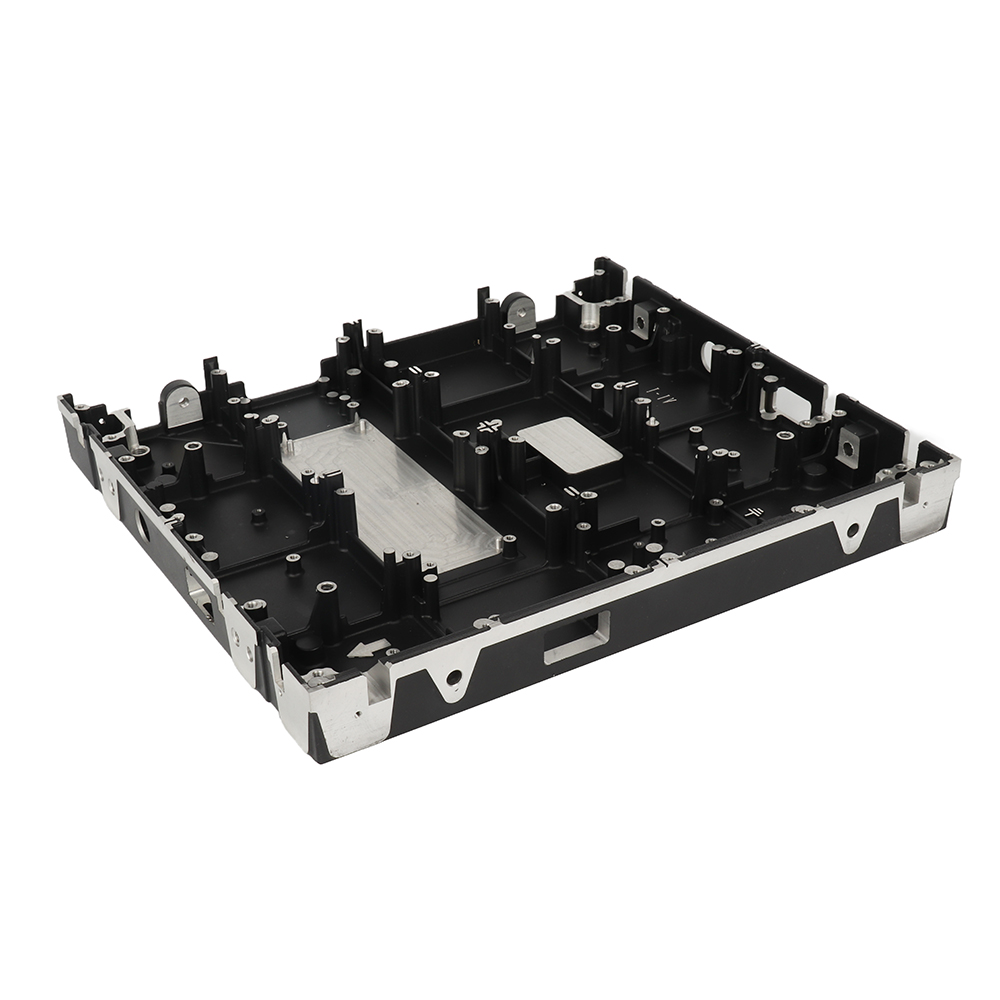
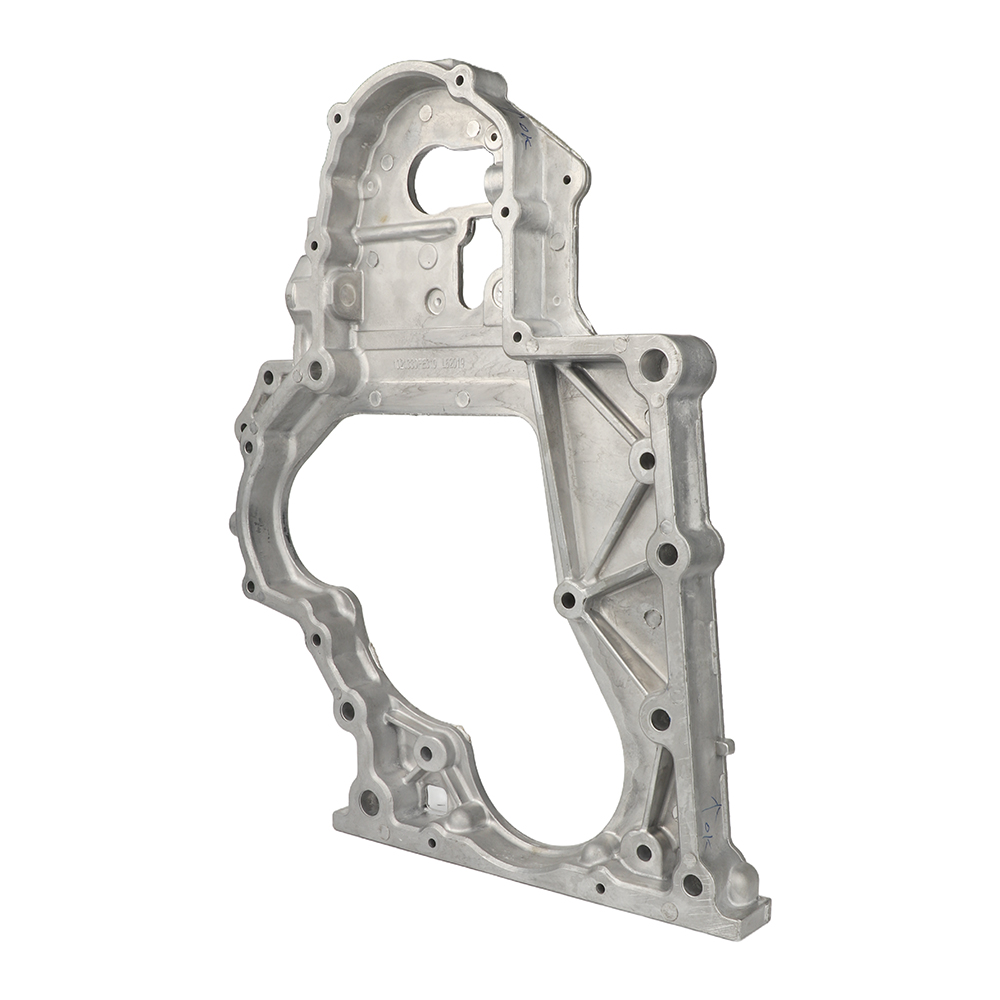
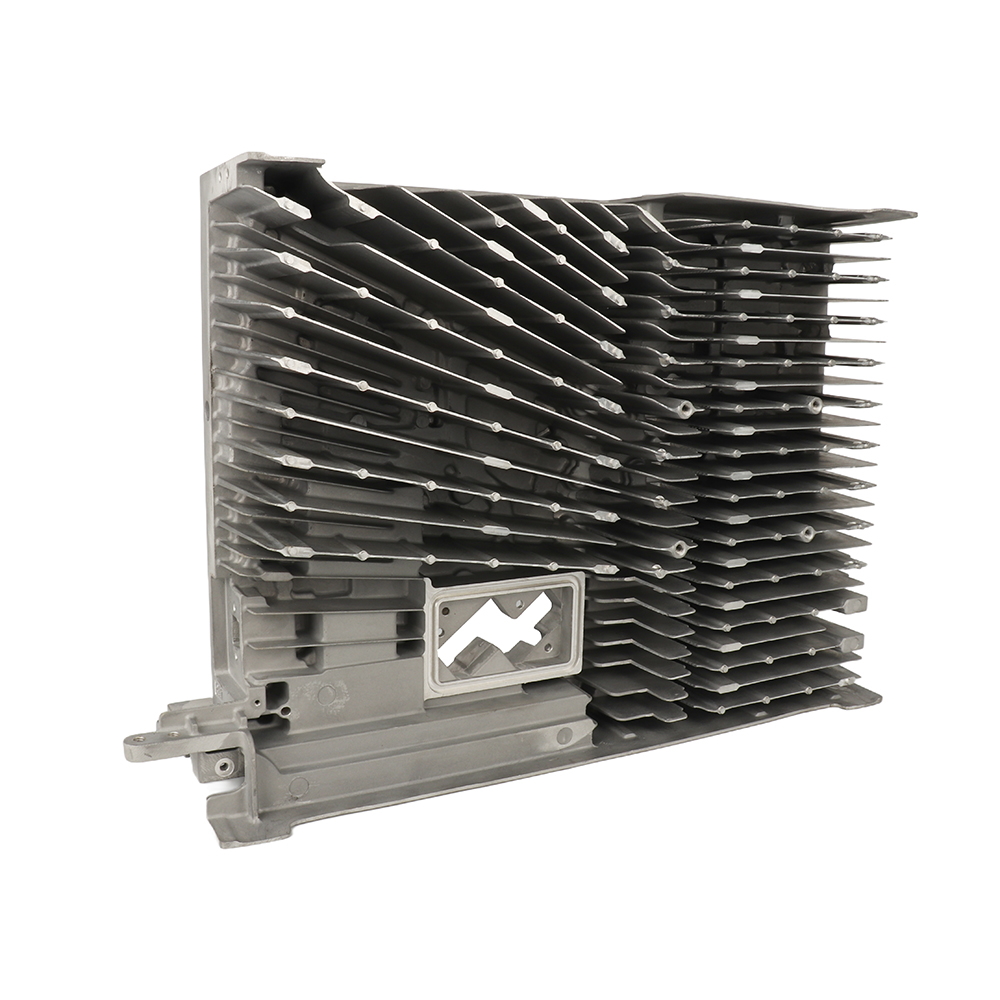
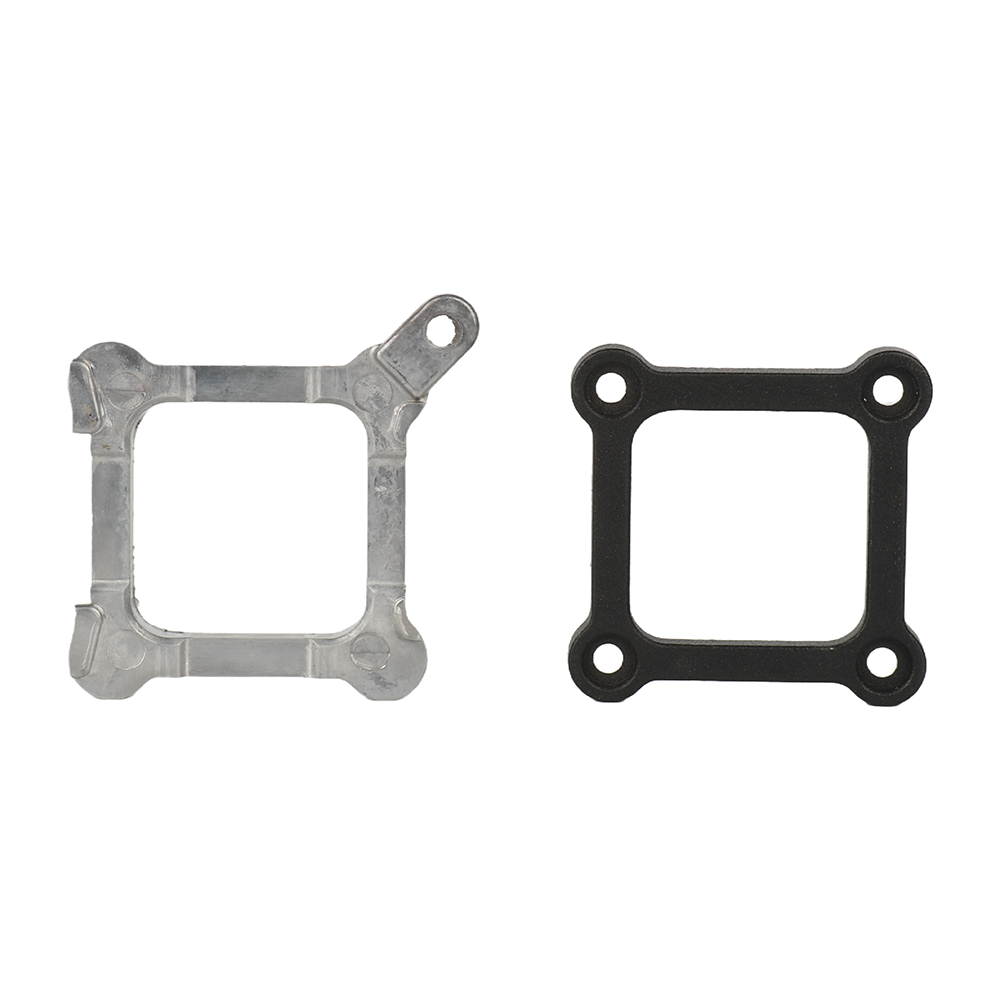
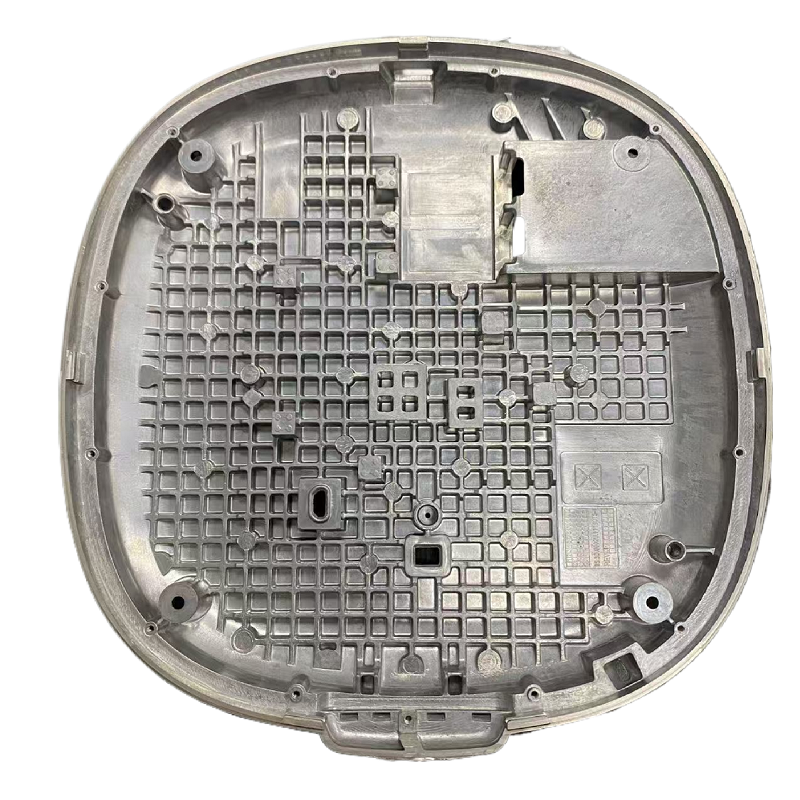
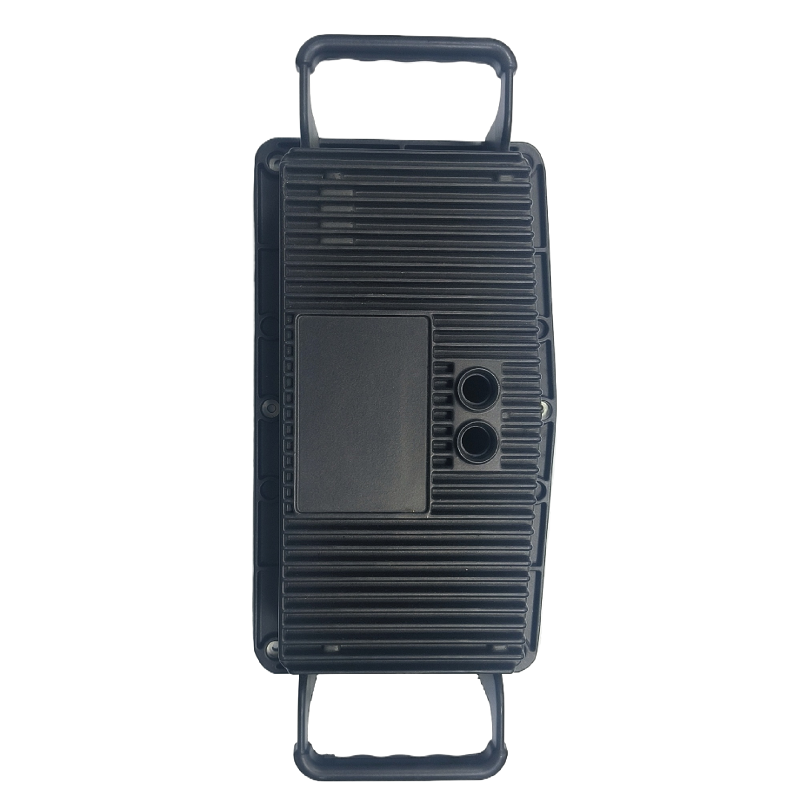
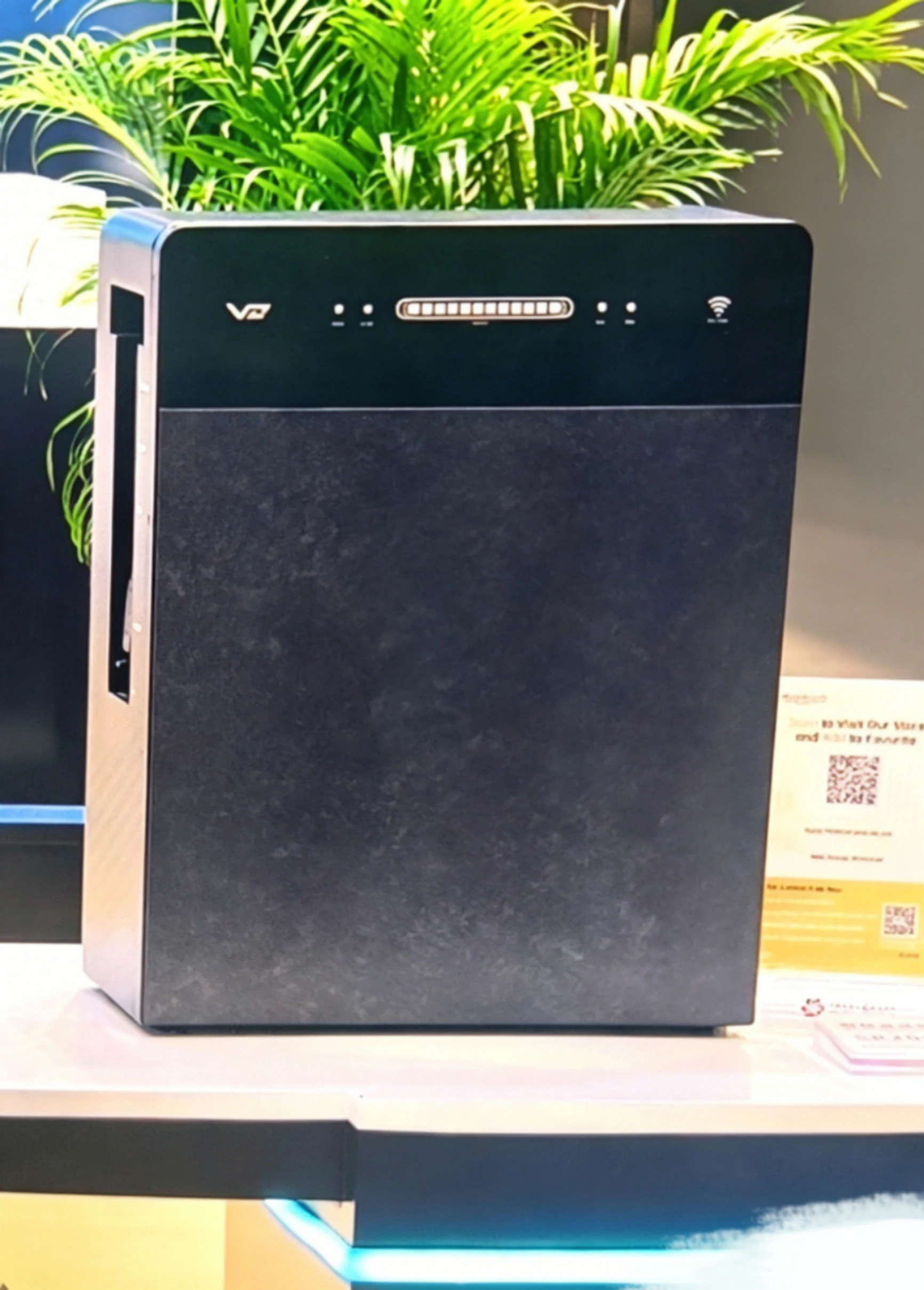
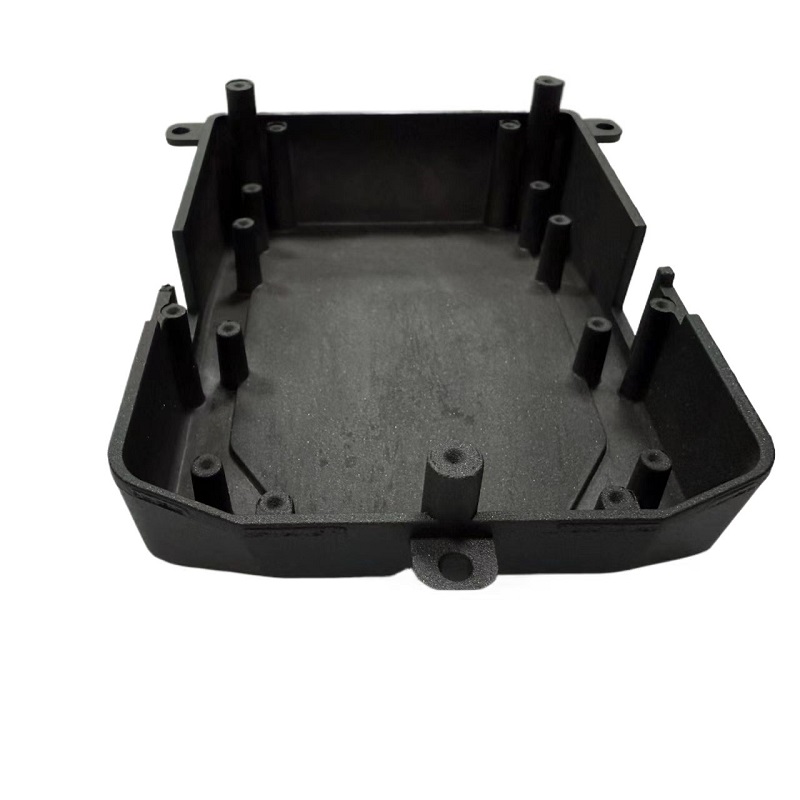
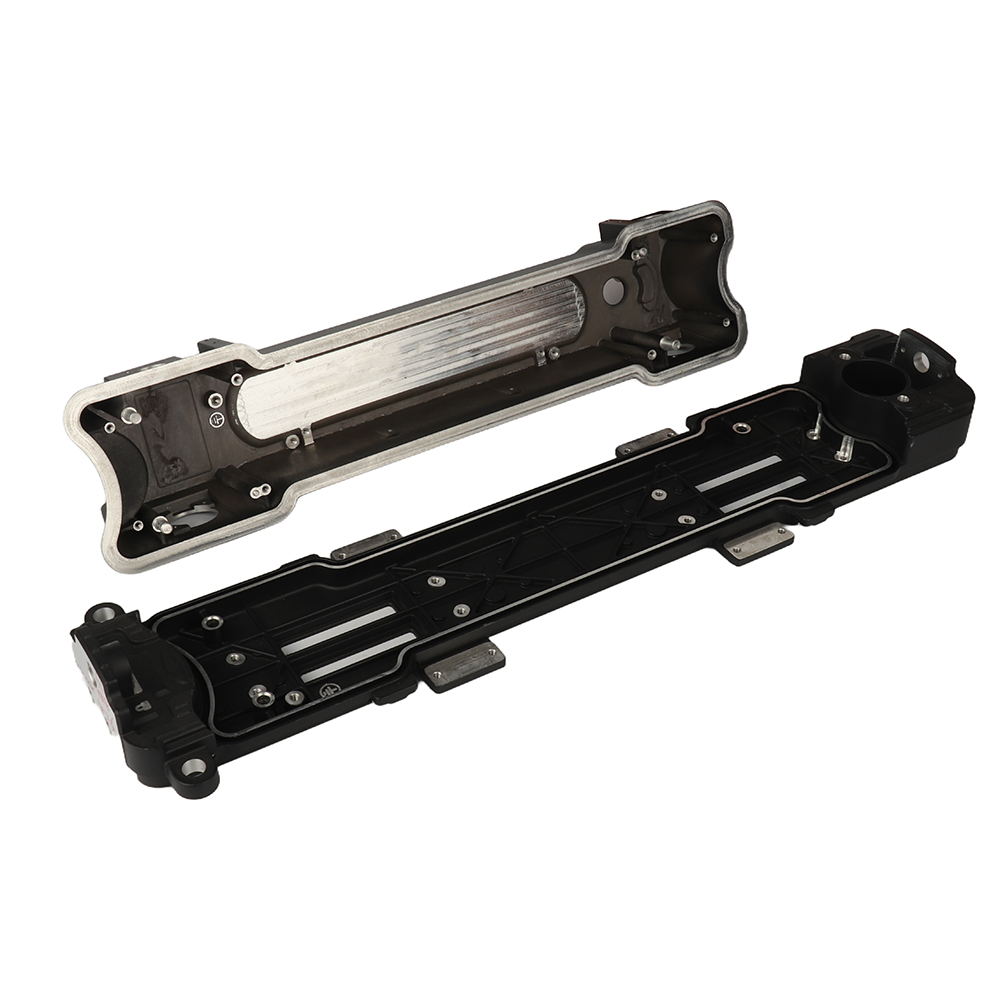
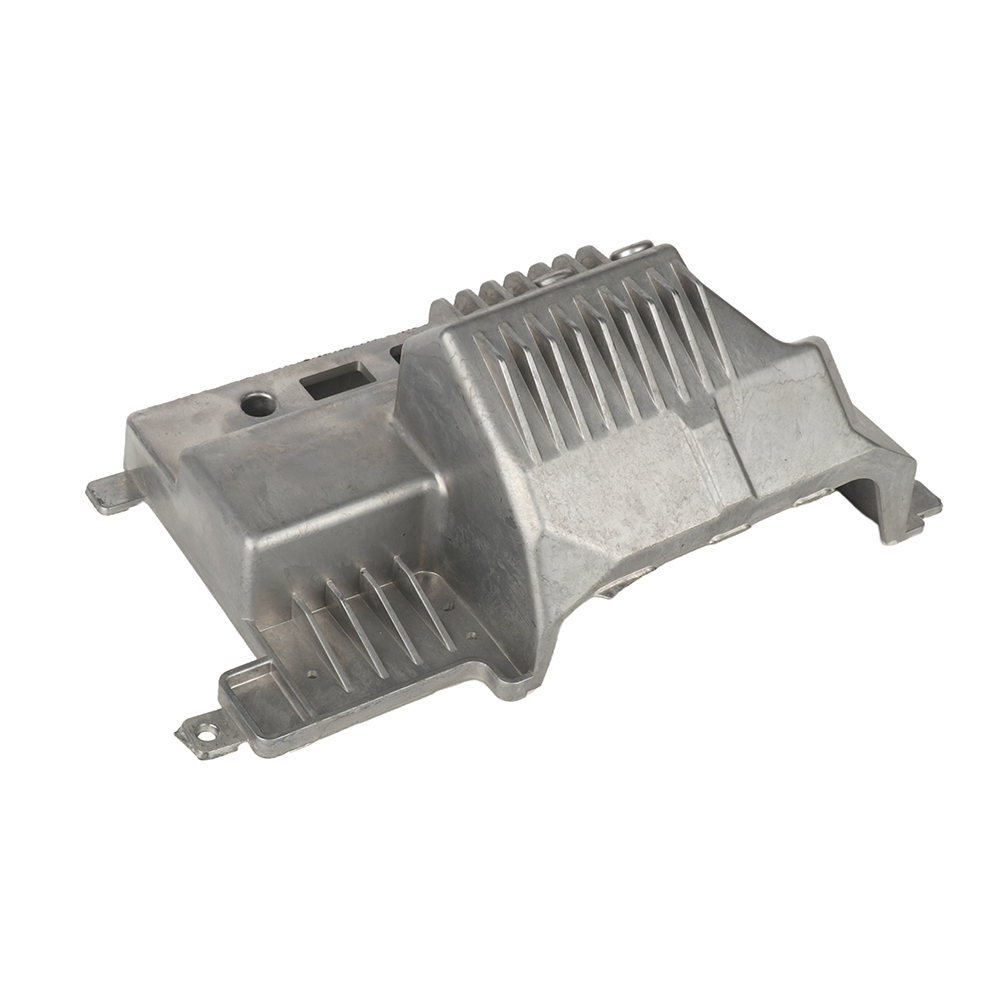
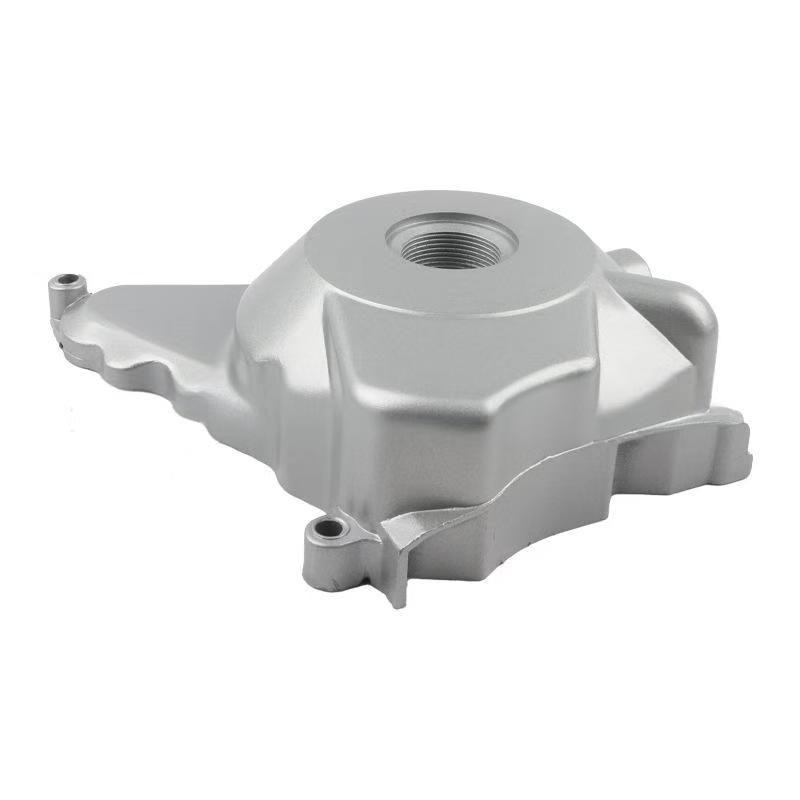
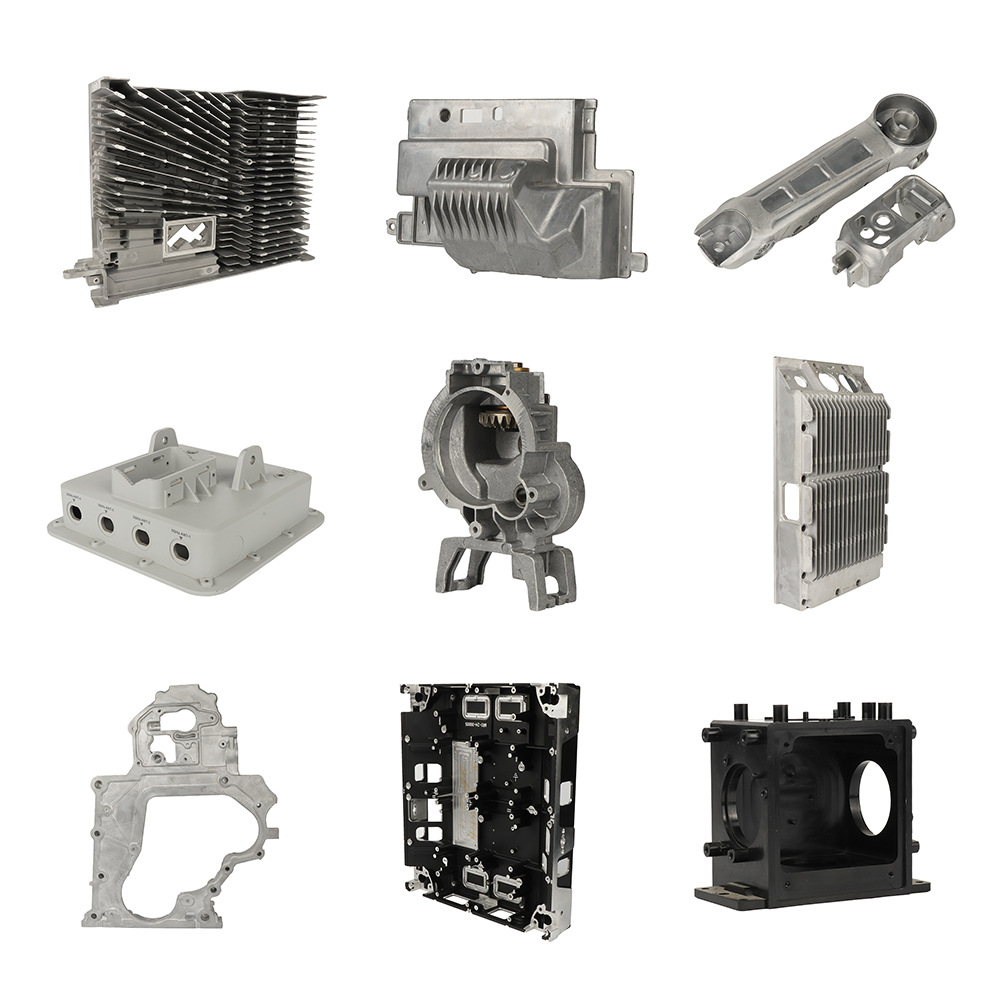
Polishing anodised aluminium | What is an aluminum electronic enclosure? Focus on Polishing Anodised Aluminium Excellence
2026-04-29
What is an Aluminum Electronic Enclosure? Focus on Polishing Anodised Aluminium Excellence
Table of Contents
- 1. Introduction: What is an Aluminum Electronic Enclosure?
- 2. Core Definition & Key Features of Aluminum Electronic Enclosures
- 3. Polishing Anodised Aluminium: Core Focus of High-Quality Electronic Enclosures
- 4. Key Roles of Polishing Anodised Aluminium Electronic Enclosures
- 5. Unique Benefits of Polishing Anodised Aluminium Electronic Enclosures
- 6. Industrial & Commercial Applications of Aluminum Electronic Enclosures
- 7. Xinghang Precision Hardware: Trusted Supplier of Polishing Anodised Aluminium Enclosures
- 8. Expert Insights on Aluminum Electronic Enclosures & Polishing Anodised Aluminium
- 9. FAQs About Aluminum Electronic Enclosures & Polishing Anodised Aluminium
- 10. Conclusion: Industry Trends & How to Choose a Quality Hardware Supplier
1. Introduction: What is an Aluminum Electronic Enclosure?
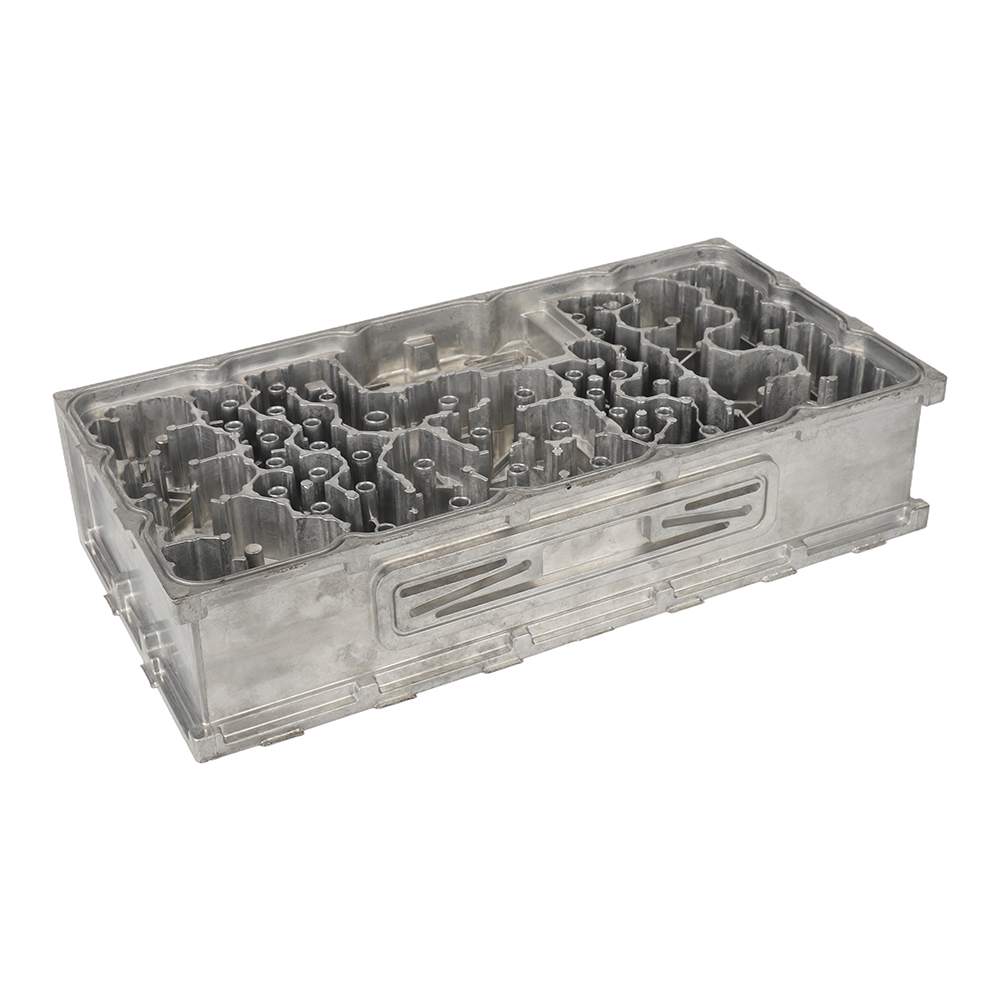
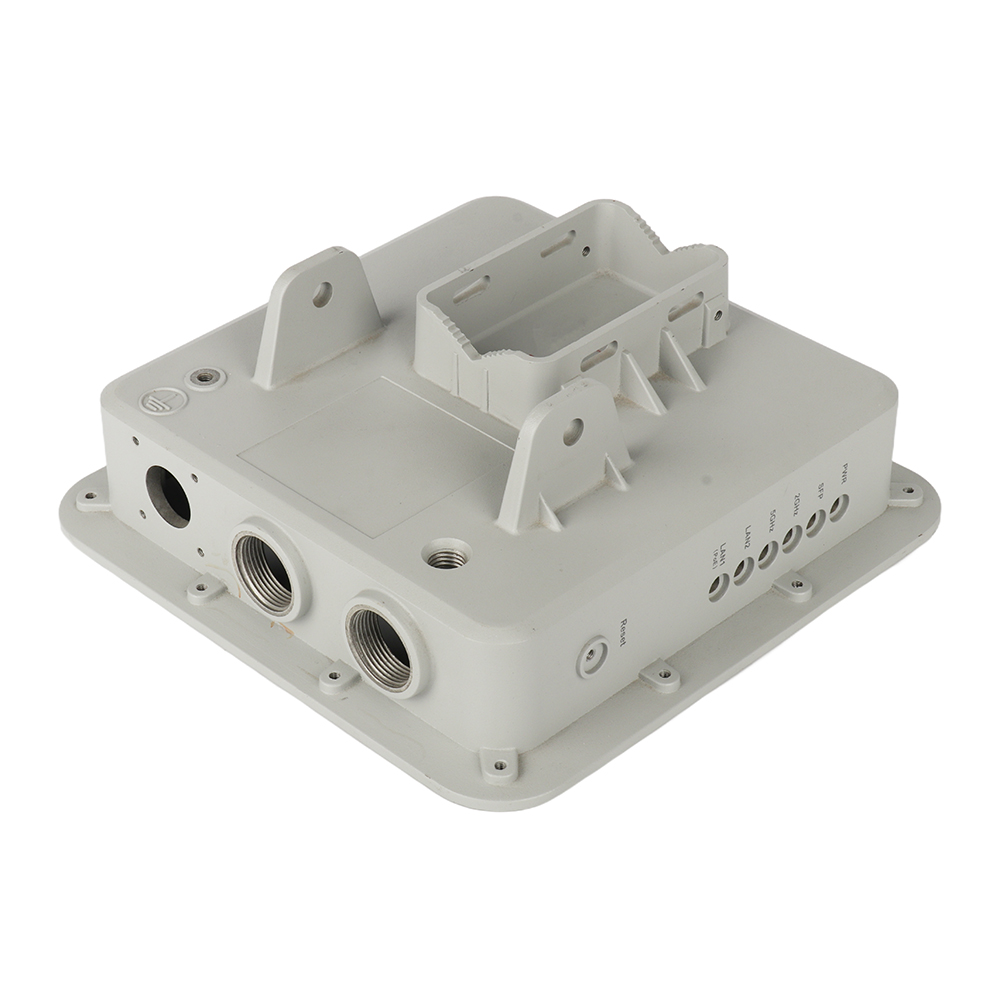
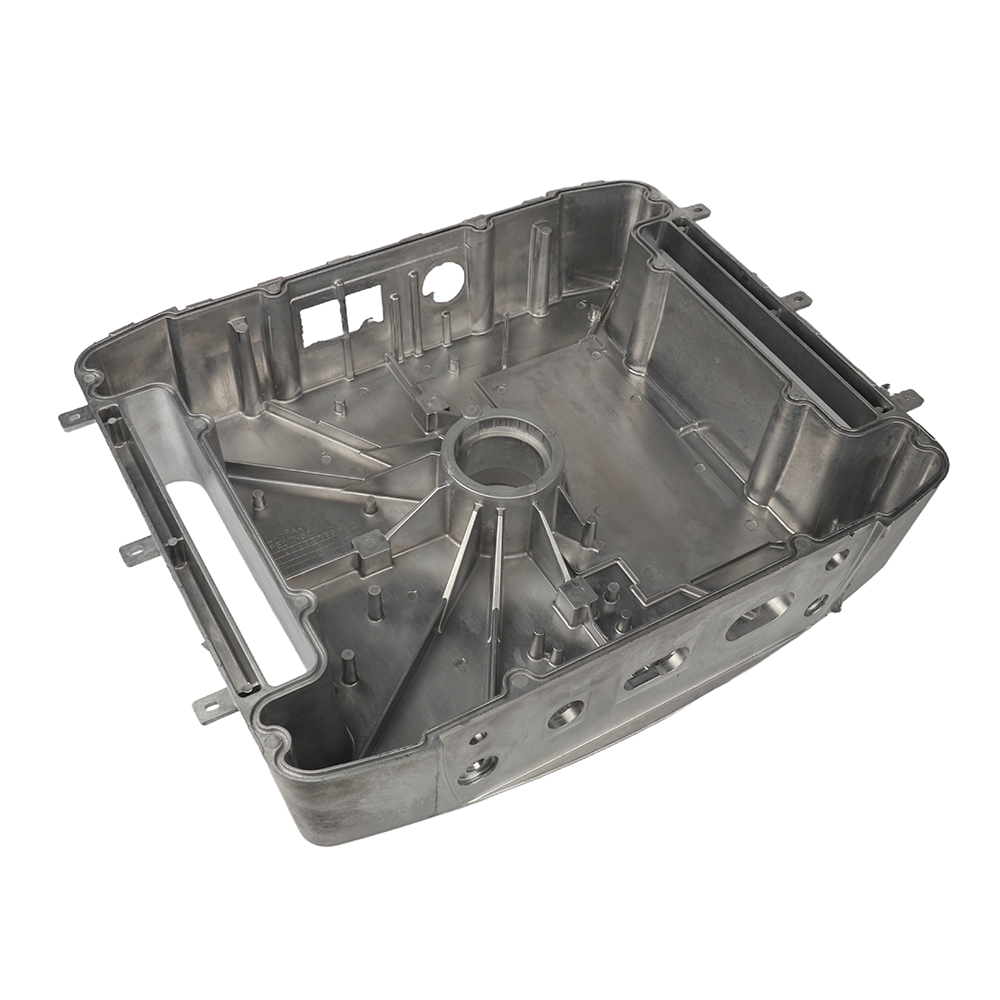
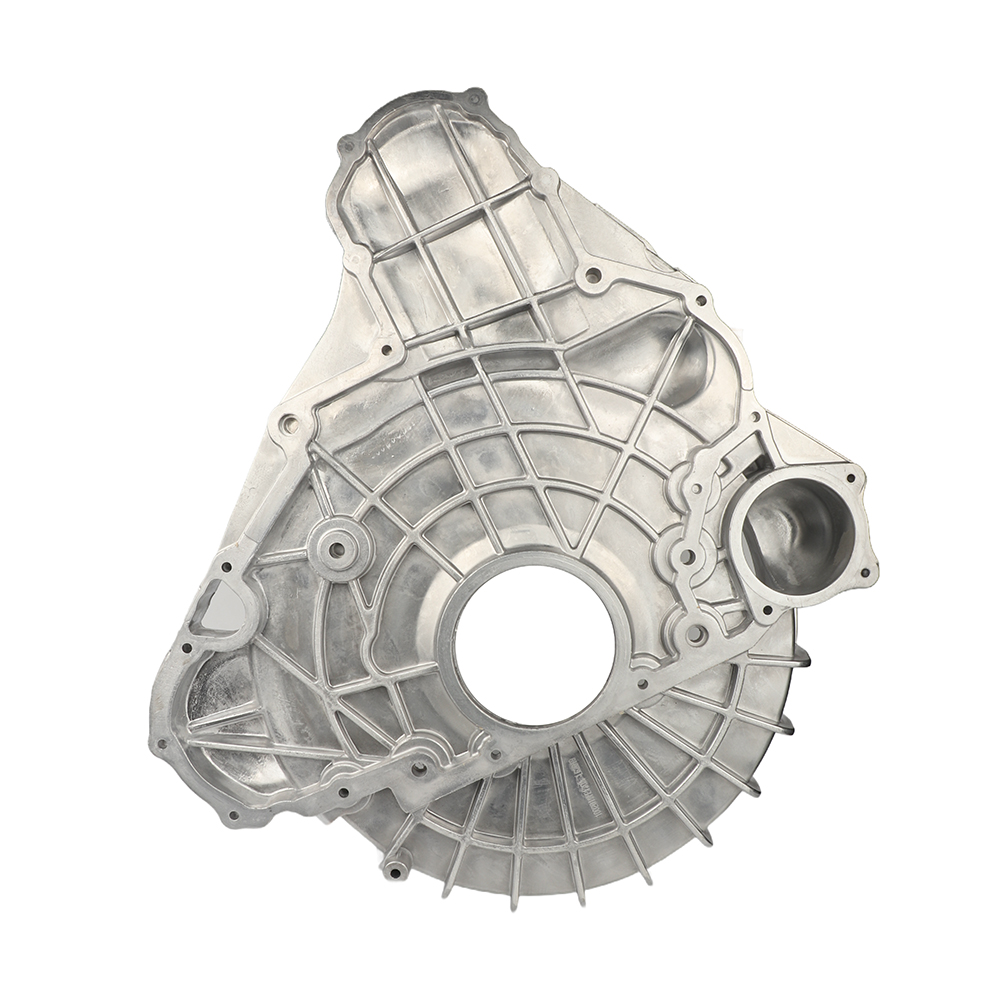
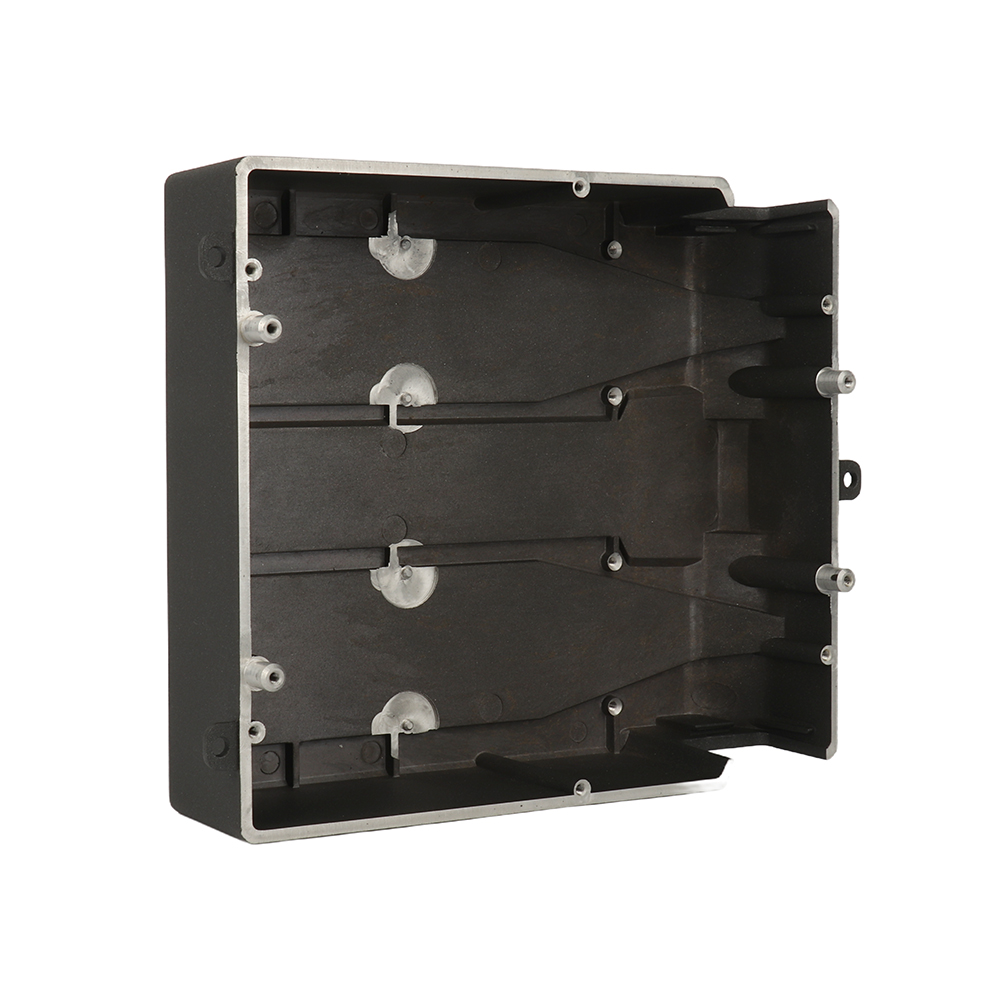
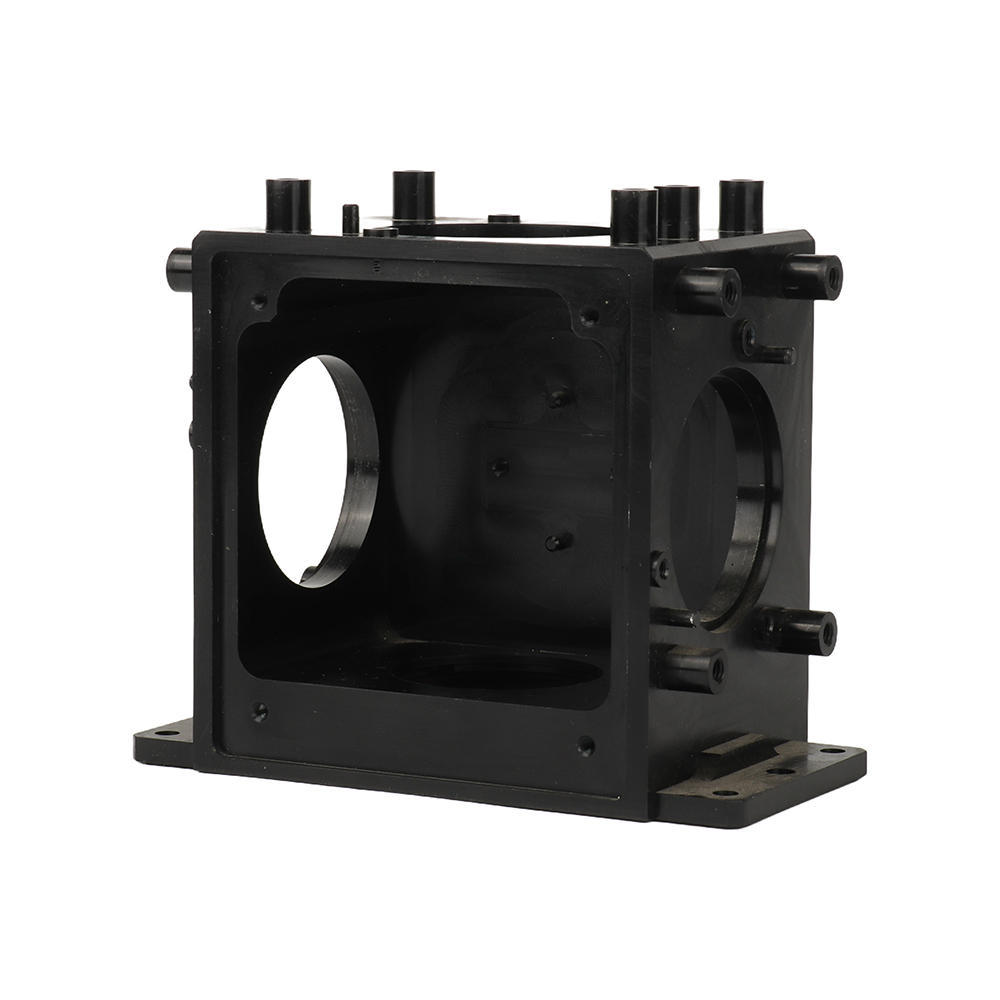
In the fast-evolving electronics industry,aluminum electronic enclosures serve as the first line of protection for sensitive electronic components, combining functionality, durability, and aesthetics. An aluminum electronic enclosure is a precision-manufactured housing designed to encapsulate, protect, and organize electronic parts—from circuit boards and sensors to control modules—across industrial and commercial settings.
What sets high-quality aluminum electronic enclosures apart is the polishing anodised aluminium finish—a specialized surface treatment that enhances both performance and appearance. Unlike generic enclosures, those with a polishing anodised aluminium finish offer superior corrosion resistance, a sleek, professional look, and long-lasting durability—making them the top choice for demanding electronic applications. This blog explores the definition, roles, benefits of aluminum electronic enclosures, focuses on the value of polishing anodised aluminium, and guides you in selecting a trusted supplier.
2. Core Definition & Key Features of Aluminum Electronic Enclosures
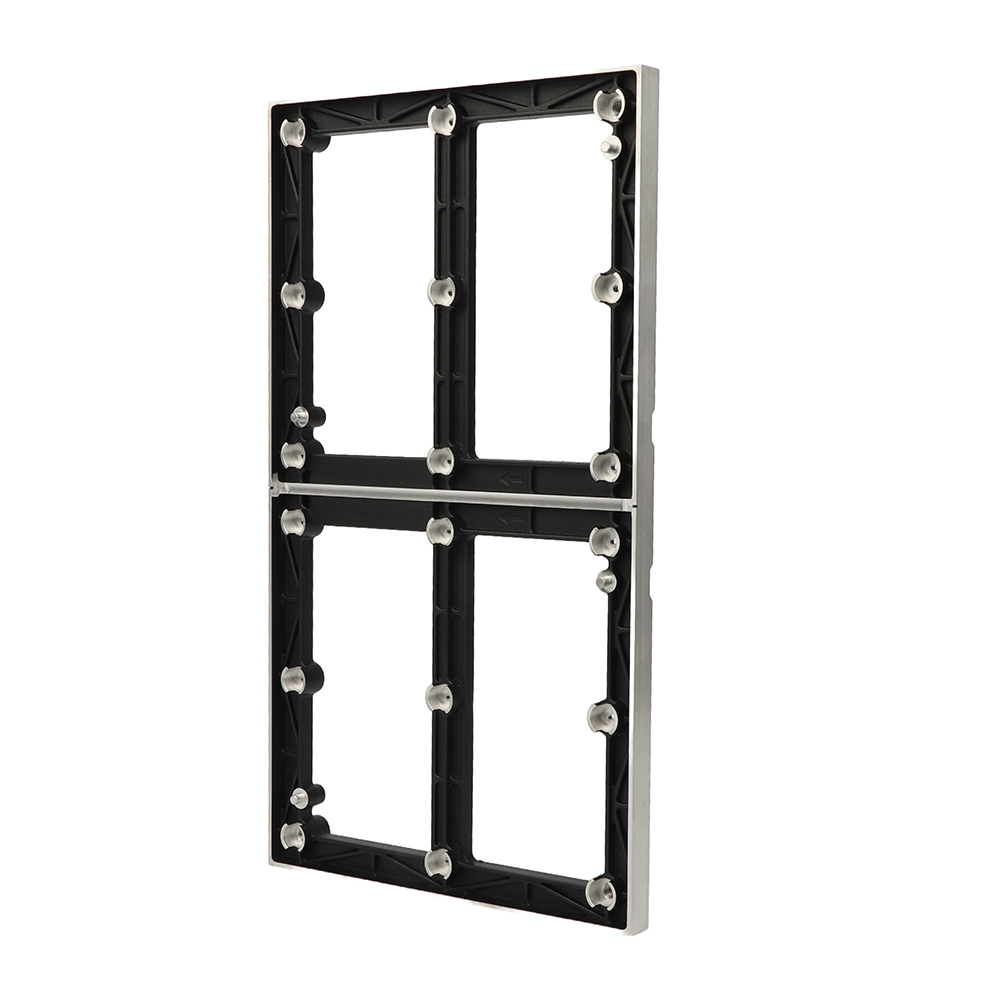
An aluminum electronic enclosure is a custom-designed housing made from high-grade aluminum alloys, engineered to protect electronic components from external hazards while ensuring optimal performance. These enclosures are typically produced via precision manufacturing processes (including die-casting and machining) and finished with specialized treatments—most notably polishing anodised aluminium—to meet the rigorous demands of electronic applications.
Key features of premium aluminum electronic enclosures (with polishing anodised aluminium finish) include:
-
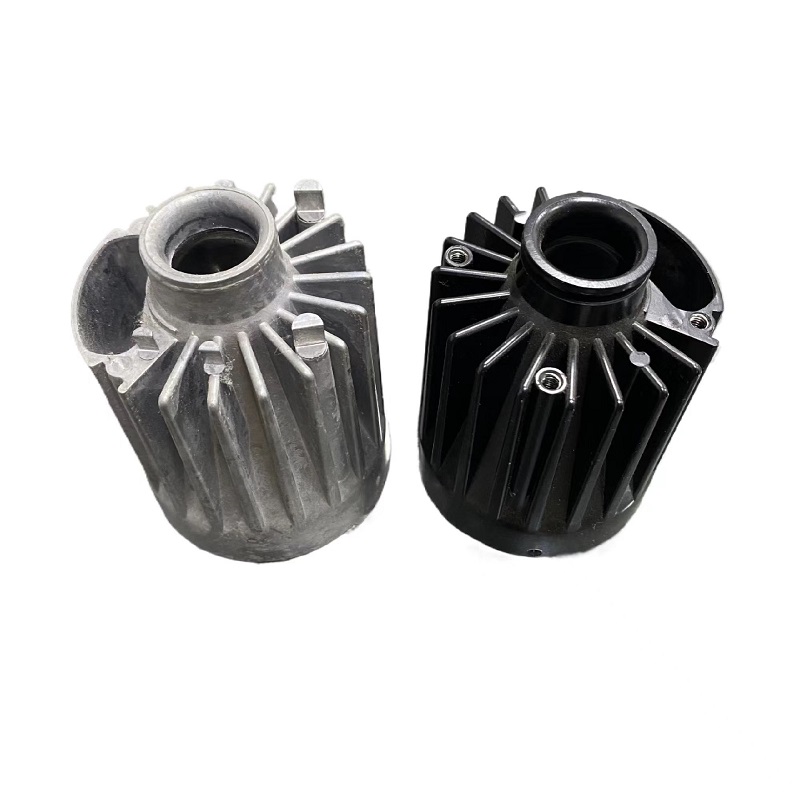
Polishing Anodised Aluminium Finish: A two-step process combining mechanical polishing and anodization, creating a smooth, scratch-resistant, and corrosion-proof surface.
-
Durability: High-grade aluminum alloys and anodized coating resist wear, impact, and environmental damage, ensuring long service life.
-
Sleek Design: Polished anodised finish delivers a modern, professional appearance, suitable for both industrial and commercial electronic devices.
-
Customizability: Available in various sizes, shapes, and configurations to fit specific electronic component dimensions and installation needs.
-
Protective Properties: Shields internal electronics from dust, moisture, electromagnetic interference (EMI), and physical impact.

3. Polishing Anodised Aluminium: Core Focus of High-Quality Electronic Enclosures
Polishing anodised aluminium is the cornerstone of premium aluminum electronic enclosures, combining two critical processes to deliver unmatched performance and aesthetics. This finish is not just a cosmetic enhancement—it is a functional treatment that elevates the enclosure’s overall quality and suitability for electronic applications.
3.1 What is Polishing Anodised Aluminium?
Polishing anodised aluminium involves two sequential steps: first, mechanical polishing to create a smooth, reflective surface on the aluminum substrate; second, anodization—an electrolytic process that forms a thin, hard oxide layer on the polished surface. This oxide layer (typically 10–25μm, depending on the application grade) is integral to the enclosure’s performance, while the polishing ensures a sleek, uniform appearance.
The anodization process can be tailored to different thickness levels (AA10 to AA25 grades), with the minimum local film thickness never falling below 80% of the average thickness—ensuring consistent corrosion resistance across the entire enclosure surface. The polished surface prior to anodization enhances the oxide layer’s adhesion and uniformity, creating a finish that is both durable and visually appealing.
3.2 Why Polishing Anodised Aluminium is Critical for Electronic Enclosures
For aluminum electronic enclosures, polishing anodised aluminium is not an optional upgrade—it is a necessity for meeting the demands of electronic equipment. Unlike standard painted or unprocessed aluminum, polishing anodised aluminium addresses the core challenges of electronic enclosures: protecting sensitive components, ensuring longevity, and maintaining a professional appearance.
This finish also aligns with the versatility of aluminum enclosures, which are available in two main types—die-cast and extruded—each benefiting from polishing anodisation. Die-cast aluminum enclosures (ideal for rugged industrial use) gain enhanced corrosion resistance, while extruded aluminum enclosures (flexible for custom designs) retain their sleek look without compromising durability.
4. Key Roles of Polishing Anodised Aluminium Electronic Enclosures
Aluminum electronic enclosures with polishing anodised aluminium finish play four critical roles in the electronic equipment field, ensuring the reliability and performance of internal components:
4.1 Component Protection
The primary role of an aluminum electronic enclosure is to protect sensitive electronic components (e.g., circuit boards, sensors, wiring) from external threats. The polishing anodised aluminium finish adds a robust barrier against dust, moisture, chemicals, and physical impact—preventing damage that could cause equipment failure. The anodized oxide layer also resists corrosion, making the enclosure suitable for harsh industrial environments or commercial settings with varying humidity levels.
4.2 EMI Shielding
Electronic equipment often generates electromagnetic interference (EMI), which can disrupt the performance of nearby devices. Aluminum is a natural EMI shield, and the polishing anodised aluminium finish enhances this property—containing EMI within the enclosure and preventing external EMI from interfering with internal components. This is critical for precision electronic equipment used in industrial control systems, medical devices, and commercial electronics.
4.3 Heat Dissipation
Electronic components generate heat during operation, and excess heat can reduce performance or damage parts. Aluminum is an excellent thermal conductor, and the polishing anodised aluminium finish does not compromise this property—allowing heat to dissipate quickly from the enclosure, maintaining stable operating temperatures for internal components. This is especially important for high-performance electronic devices that run continuously, such as industrial control panels and commercial IoT devices.
4.4 Aesthetic & Brand Enhancement
The sleek, reflective surface of polishing anodised aluminium gives electronic enclosures a professional, high-end appearance—enhancing the overall aesthetic of the electronic device. For commercial products, this polished finish elevates brand perception, while for industrial equipment, it provides a clean, durable surface that resists scratches and fading over time. Unlike unprocessed aluminum, which can dull or corrode, the anodised polished finish retains its sleek look for years.
5. Unique Benefits of Polishing Anodised Aluminium Electronic Enclosures
Compared to electronic enclosures made from other materials (e.g., plastic, steel) or with standard finishes, aluminum electronic enclosures with polishing anodised aluminium offer distinct advantages that make them the preferred choice for industrial and commercial applications:
-
Superior Corrosion Resistance: The anodized oxide layer (a key part of polishing anodised aluminium) creates a barrier that resists rust, moisture, and chemical damage—far outperforming steel or plastic enclosures. This makes them suitable for outdoor or harsh industrial environments, where exposure to elements could damage other materials.
-
Exceptional Durability: Polishing anodised aluminium is scratch-resistant, impact-resistant, and resistant to wear—ensuring the enclosure maintains its integrity even in high-traffic or rugged settings. The combination of high-grade aluminum and anodized finish extends the enclosure’s service life to 10–15 years with proper maintenance, outlasting plastic enclosures by 5–7 years.
-
Sleek, Low-Maintenance Aesthetics: The polished anodised finish delivers a smooth, reflective surface that is easy to clean and does not fade or peel over time. Unlike painted enclosures, it does not chip, and fingerprints or smudges can be easily wiped away—maintaining a professional appearance with minimal upkeep.
-
Lightweight & Easy to Install: Aluminum is significantly lighter than steel, making polishing anodised aluminium enclosures easy to transport and install. This is critical for commercial electronics (e.g., display units) and industrial equipment that requires frequent repositioning.
-
Customization Flexibility: Polishing anodised aluminium can be tailored to different colors (e.g., black, silver, gold) and finishes (matte or high-gloss), allowing businesses to match the enclosure to their brand or application needs. Additionally, aluminum enclosures can be custom-sized and shaped to fit unique electronic components—whether die-cast for rugged use or extruded for flexible designs.
-
Cost-Effective Long-Term Value: While the initial cost of polishing anodised aluminium enclosures may be slightly higher than plastic alternatives, their durability and low maintenance reduce long-term costs (e.g., replacement, repairs). For large-scale orders, the cost is further optimized, making them a cost-effective choice for businesses.
-
Thermal Efficiency: As aluminum is a superior thermal conductor, polishing anodised aluminium enclosures dissipate heat more efficiently than plastic or steel enclosures—protecting electronic components from overheating and extending their lifespan. This is a key advantage for heat-sensitive equipment, such as medical devices or industrial control systems.
6. Industrial & Commercial Applications of Aluminum Electronic Enclosures
Aluminum electronic enclosures with polishing anodised aluminium finish are versatile, suitable for a wide range of electronic applications across industrial and commercial sectors—thanks to their durability, protection, and aesthetics. Key applications include:
6.1 Industrial Applications
-
Industrial Control Systems: Enclosures for PLCs, control panels, and sensor modules—protecting components from dust, moisture, and EMI in manufacturing plants and processing facilities.
-
Automotive Electronics: Housings for on-board electronic systems (e.g., navigation, engine control units)—benefiting from the lightweight and corrosion-resistant properties of polishing anodised aluminium.
-
Renewable Energy Equipment: Enclosures for solar inverters, wind turbine control systems, and battery storage units—withstanding outdoor environmental conditions.
-
Industrial IoT Devices: Housings for smart sensors and connectivity modules—ensuring reliable performance in harsh industrial settings.
6.2 Commercial Applications
-
Consumer Electronics: Enclosures for audio equipment, display units, and smart home devices—featuring the sleek, professional look of polishing anodised aluminium.
-
Medical Equipment: Housings for diagnostic devices, portable medical tools, and monitoring equipment—benefiting from the corrosion resistance and easy-to-clean surface of polished anodised aluminium.
-
Telecommunications: Enclosures for routers, modems, and communication towers—protecting components from environmental damage and EMI.
-
Retail & Display: Enclosures for point-of-sale (POS) systems, digital signage, and kiosks—combining aesthetics with durability for high-traffic commercial settings.
7. Xinghang Precision Hardware: Trusted Supplier of Polishing Anodised Aluminium Enclosures
As a leading precision hardware manufacturer, Xinghang Precision Hardware specializes in producing high-quality aluminum electronic enclosures with polishing anodised aluminium finish—tailored for industrial and commercial electronic applications. Our premium aluminum electronic enclosure embodies our commitment to quality, durability, and aesthetics, with the following product details:
7.1 Product Overview
| Product Details | Specifications |
| Product Name | Aluminum Electronic Enclosure |
| Finish | Polishing & Anodised Aluminium |
| Place of Origin | Guangdong, China |
| Brand Name | XingHang |
| Key Features | Durable, corrosion-resistant, sleek design, EMI shielding, heat dissipation |
| Certification | ISO9001/TS16949/RoHS/ISO14001 |
| Application | Industrial & Commercial Electronic Equipment |
| Manufacturing Process | Precision machining + polishing + anodization + quality inspection |
7.2 Our Advantages as a Polishing Anodised Aluminium Enclosure Supplier
-
Expertise in Polishing Anodised Aluminium: We specialize in the polishing and anodization process, ensuring consistent, high-quality finishes with controlled oxide layer thickness (compliant with AA10-AA25 grades) for every enclosure. Our team uses advanced polishing equipment and strict anodization controls to achieve a sleek, durable surface.
-
Integrated Production Capabilities: We integrate R&D design, mold manufacturing, precision machining, polishing, anodization, and quality control into a one-stop service—ensuring full control over every step of production, from raw aluminum to the final polished anodised enclosure.
-
Customization Expertise: Our R&D team tailors aluminum electronic enclosures to your specific needs—adjusting size, shape, color (custom anodised colors), and features (e.g., mounting points, ventilation holes) to fit your electronic components, whether die-cast for rugged use or extruded for flexible designs.
-
Strict Quality Control: Backed by ISO9001/TS16949/RoHS/ISO14001 certifications, we implement 100% inspection throughout production—checking for surface smoothness, oxide layer thickness, dimensional accuracy, and corrosion resistance—to ensure zero defective products reach our customers.
-
Advanced Equipment: Equipped with high-precision machining tools, automated polishing machines, and professional anodization lines, we ensure efficiency, consistency, and high-quality results for every order—whether small-batch or large-scale.
-
Timely Delivery & After-Sales Service: We offer a fast lead time of 7–15 days (faster than the industry average) and dedicated after-sales support—assisting with installation, maintenance, and custom design adjustments for your polishing anodised aluminium enclosures.
8. Expert Insights on Aluminum Electronic Enclosures & Polishing Anodised Aluminium
To gain deeper insights into the value of aluminum electronic enclosures and the importance of polishing anodised aluminium, we interviewed Dr. Michael Carter, a senior electronic materials engineer with over 18 years of experience in electronic component packaging and surface treatment technologies, and a consultant for leading electronics manufacturers.
“Aluminum electronic enclosures are the unsung heroes of modern electronics—they protect sensitive components, ensure performance, and shape the user experience,” says Dr. Carter. “The polishing anodised aluminium finish is what elevates a good enclosure to a great one: it combines the natural benefits of aluminum (lightweight, thermal conductivity, EMI shielding) with a protective, aesthetically pleasing surface that stands up to harsh environments. Unlike painted or unprocessed aluminum, polishing anodised aluminium creates a finish that is both functional and visually appealing—critical for both industrial and commercial applications.”
Dr. Carter also emphasized: “The electronic enclosure industry is moving toward durability, customization, and sustainability—and polishing anodised aluminium aligns with all three. Aluminum is 100% recyclable, and the anodization process is environmentally friendly, making these enclosures a sustainable choice. Suppliers like Xinghang, which specialize in polishing anodised aluminium and offer custom solutions, are well-positioned to meet the growing demand for high-quality electronic enclosures. The key advantage of polishing anodised aluminium is its ability to balance protection, aesthetics, and longevity—something that no other finish can match for electronic applications.”
He added: “When selecting an aluminum enclosure, the anodized finish’s quality is non-negotiable. A properly polished and anodised surface—with consistent oxide layer thickness—ensures corrosion resistance and durability, which are critical for electronic components that often operate in demanding environments. Xinghang’s focus on this process sets them apart as a trusted supplier.”
9. FAQs About Aluminum Electronic Enclosures & Polishing Anodised Aluminium
Q1: What is the difference between polishing anodised aluminium and standard anodised aluminium?
A: Standard anodised aluminium has a matte or slightly rough surface, while polishing anodised aluminium involves a pre-polishing step to create a smooth, reflective surface before anodization. This not only enhances the aesthetic appeal but also improves the oxide layer’s uniformity and adhesion—resulting in better corrosion resistance and a more durable finish. The polished surface also makes the enclosure easier to clean and less prone to fingerprint buildup.
Q2: Are polishing anodised aluminium enclosures corrosion-resistant?
A: Yes—polishing anodised aluminium enclosures are highly corrosion-resistant. The anodization process forms a hard, non-porous oxide layer (10–25μm thick) on the polished aluminum surface, which acts as a barrier against moisture, rust, and chemicals. This makes them suitable for outdoor, industrial, and high-humidity commercial environments. The oxide layer’s thickness is controlled to meet AA10-AA25 grades, ensuring consistent corrosion resistance across the entire enclosure.
Q3: Can polishing anodised aluminium enclosures be customized?
A: Absolutely. At Xinghang Precision Hardware, we offer full customization for polishing anodised aluminium enclosures—including size, shape, color (e.g., black, silver, gold, custom matches), mounting points, ventilation holes, and EMI shielding features. We can also tailor the anodization thickness to meet your specific environmental needs, and offer both die-cast and extruded designs to fit different application requirements.
Q4: What is the service life of a polishing anodised aluminium electronic enclosure?
A: With proper maintenance, polishing anodised aluminium enclosures can last 10–15 years, depending on the operating environment. Indoor commercial enclosures typically last 12–15 years, while outdoor or harsh industrial enclosures (with thicker anodized layers) last 10–12 years—significantly longer than plastic enclosures (5–8 years) and standard steel enclosures (8–10 years).
Q5: Why choose aluminum electronic enclosures over plastic or steel?
A: Aluminum electronic enclosures (especially with polishing anodised aluminium finish) offer a better balance of weight, durability, thermal conductivity, and aesthetics than plastic or steel. They are lighter than steel, more durable than plastic, dissipate heat better than both, and the polished anodised finish provides a professional look. Additionally, aluminum is recyclable, making it a more sustainable choice—aligning with global green manufacturing trends.
Q6: How does polishing anodised aluminium enhance EMI shielding?
A: Aluminum is a natural EMI shield, and the polishing anodised aluminium finish does not compromise this property. The anodized oxide layer is non-conductive, but the underlying aluminum substrate remains conductive—effectively containing EMI within the enclosure and blocking external EMI from interfering with internal components. The smooth polished surface also ensures consistent contact between the enclosure and other conductive components, enhancing shielding performance.
Q7: What quality certifications should a polishing anodised aluminium enclosure supplier have?
A: A reliable supplier should hold ISO9001 (quality management), TS16949 (automotive industry quality), RoHS (environmental compliance), and ISO14001 (environmental management) certifications—like Xinghang Precision Hardware. These certifications ensure the enclosure meets global quality, safety, and environmental standards, including consistent anodization quality and material compliance.
Q8: How long does it take to produce custom polishing anodised aluminium enclosures?
A: The lead time depends on the complexity of the custom design. For simple customizations (e.g., size adjustments, standard colors), lead time is 7–10 days. For complex designs (e.g., custom shapes, special anodized colors, unique features), lead time is 10–15 days—faster than the industry average of 15–20 days. We also offer expedited production for urgent orders.
10. Conclusion: Industry Trends & How to Choose a Quality Hardware Supplier
10.1 Trends in the Aluminum Electronic Enclosure Industry
The aluminum electronic enclosure industry is experiencing steady growth, driven by key trends shaping the electronics sector:
-
Growing Demand for Durability & Protection: As electronic equipment becomes more advanced and used in harsher environments (industrial, outdoor), the need for durable, corrosion-resistant enclosures (like those with polishing anodised aluminium finish) is increasing.
-
Customization as a Core Requirement: Businesses are seeking tailored enclosures to fit unique electronic components, with custom sizes, shapes, and finishes—making flexibility a key competitive advantage for suppliers.
-
Sustainability & Eco-Friendliness: With global focus on green manufacturing, aluminum enclosures (100% recyclable) and environmentally friendly surface treatments (like anodization) are becoming the preferred choice over plastic alternatives.
-
Integration of Advanced Features: Enclosures are now required to include EMI shielding, heat dissipation, and smart mounting features—driving demand for suppliers with expertise in integrated production and surface treatment (e.g., polishing anodisation).
-
Rise of Industrial & Commercial IoT: The growth of IoT devices in industrial and commercial settings is boosting demand for compact, durable enclosures that can protect sensitive connectivity components while maintaining sleek aesthetics.
10.2 How to Choose a Quality Hardware Supplier for Aluminum Electronic Enclosures
Selecting the right supplier for your polishing anodised aluminium electronic enclosures is critical to ensuring product quality, reliability, and cost-effectiveness. Key factors to consider include:
-
Expertise in Polishing Anodised Aluminium: Choose a supplier with specialized experience in the polishing and anodization process, ensuring consistent, high-quality finishes with controlled oxide layer thickness. This includes knowledge of AA10-AA25 anodization grades and quality control for polished surfaces.
-
Integrated Production Capabilities: Look for a supplier with one-stop services (R&D, machining, polishing, anodization, quality control) to ensure full control over the production process and consistent quality—avoiding delays or quality issues from third-party vendors.
-
Relevant Certifications: Ensure the supplier holds ISO9001/TS16949/RoHS/ISO14001 certifications, guaranteeing compliance with global quality and environmental standards.
-
Customization Capabilities: Verify the supplier can tailor enclosures to your specific needs—including size, shape, color, and features—to fit your electronic components, whether die-cast or extruded.
-
Quality Control Processes: Choose a supplier with strict quality inspection (100% inspection) to ensure surface smoothness, corrosion resistance, dimensional accuracy, and oxide layer consistency—minimizing defects and ensuring reliability.
-
Timely Delivery & After-Sales Service: A reliable supplier should offer fast lead times and dedicated after-sales support—assisting with installation, maintenance, and design adjustments.
10.3 Choose Xinghang Precision Hardware: Your Trusted Partner for Polishing Anodised Aluminium Enclosures
For businesses seeking high-quality aluminum electronic enclosures with polishing anodised aluminium finish, Xinghang Precision Hardware is your ideal supplier. We embody all the key qualities of a trusted partner: specialized expertise in polishing and anodization, integrated production capabilities, strict quality control, ISO certifications, and strong customization expertise. Our enclosures are precision-engineered to protect your electronic components, enhance your product’s aesthetics, and withstand the demands of industrial and commercial applications.
We are committed to delivering superior products and services, with timely delivery, competitive pricing, and reliable after-sales support. Whether you need standard polishing anodised aluminium enclosures or fully customized solutions (die-cast or extruded), we have the experience and capability to exceed your expectations.
To discuss your aluminum electronic enclosure requirements or request a quote, contact us today:
Mobile/WeChat: +86 18819502691
Email: liqine@xinghangcn.com
Email: liqine@xinghangcn.com
Shock absorber arm | What are the functions of new energy vehicle shock absorber arm parts?
Motor mounting bracket | What are zinc alloy die-cast parts? Focus on Motor Mounting Bracket Excellence
Related Article

Residential energy storage systems have become increasingly popular as homeowners pursue energy independence, solar self-consumption and backup power for grid outages.
Energy storage enclosure | What Are the Benefits of Die-Cast Home Energy Storage Enclosures?

A custom LED display frame is the core structural carrier for LED screen modules, widely manufactured with ADC12 aluminum alloy via high-pressure die casting.
LED display frame | What Are the Benefits of Custom LED Display Frames?

