
HOT PRODUCTS
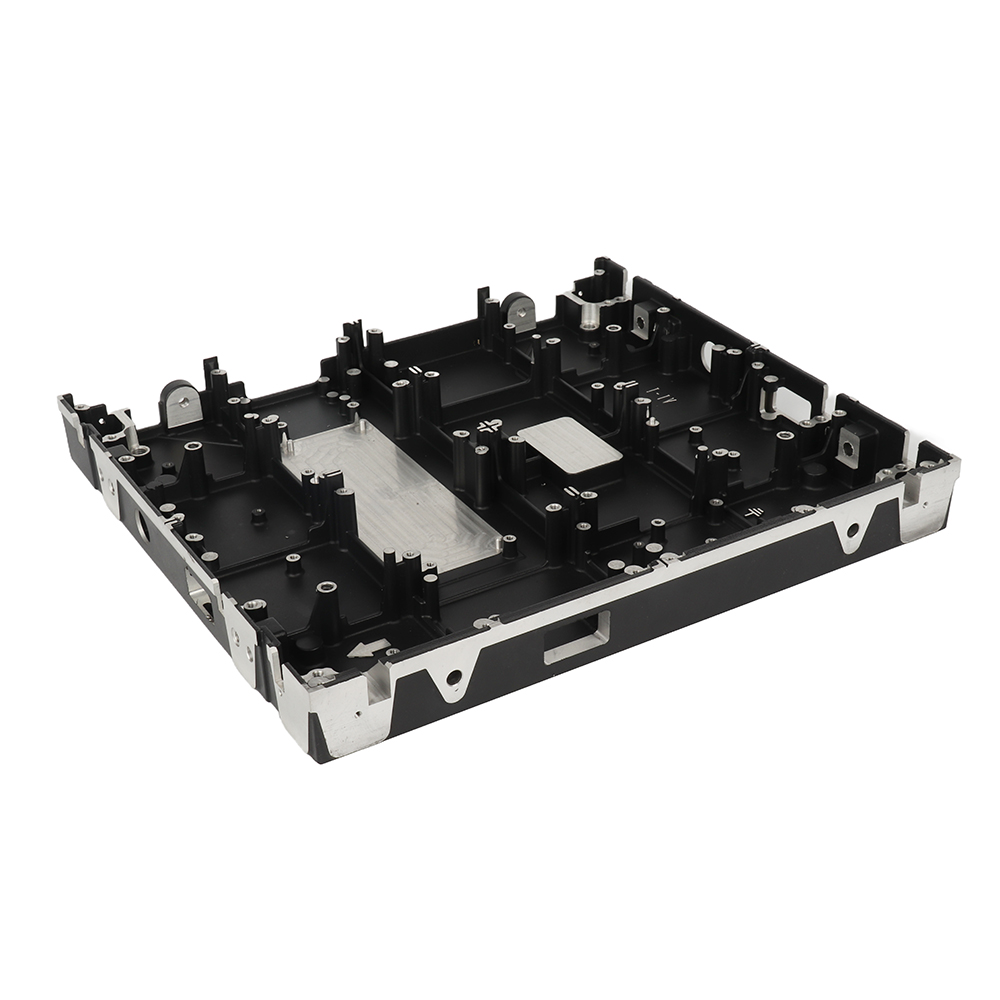
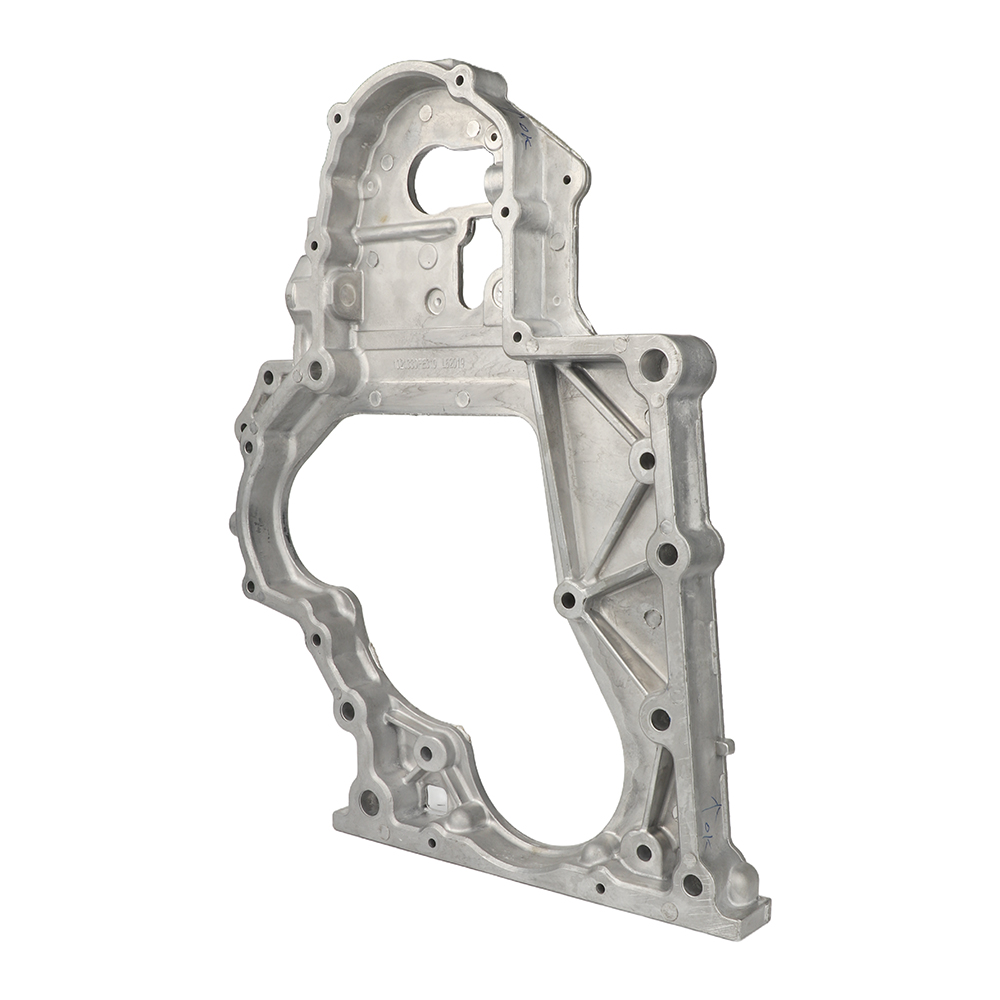
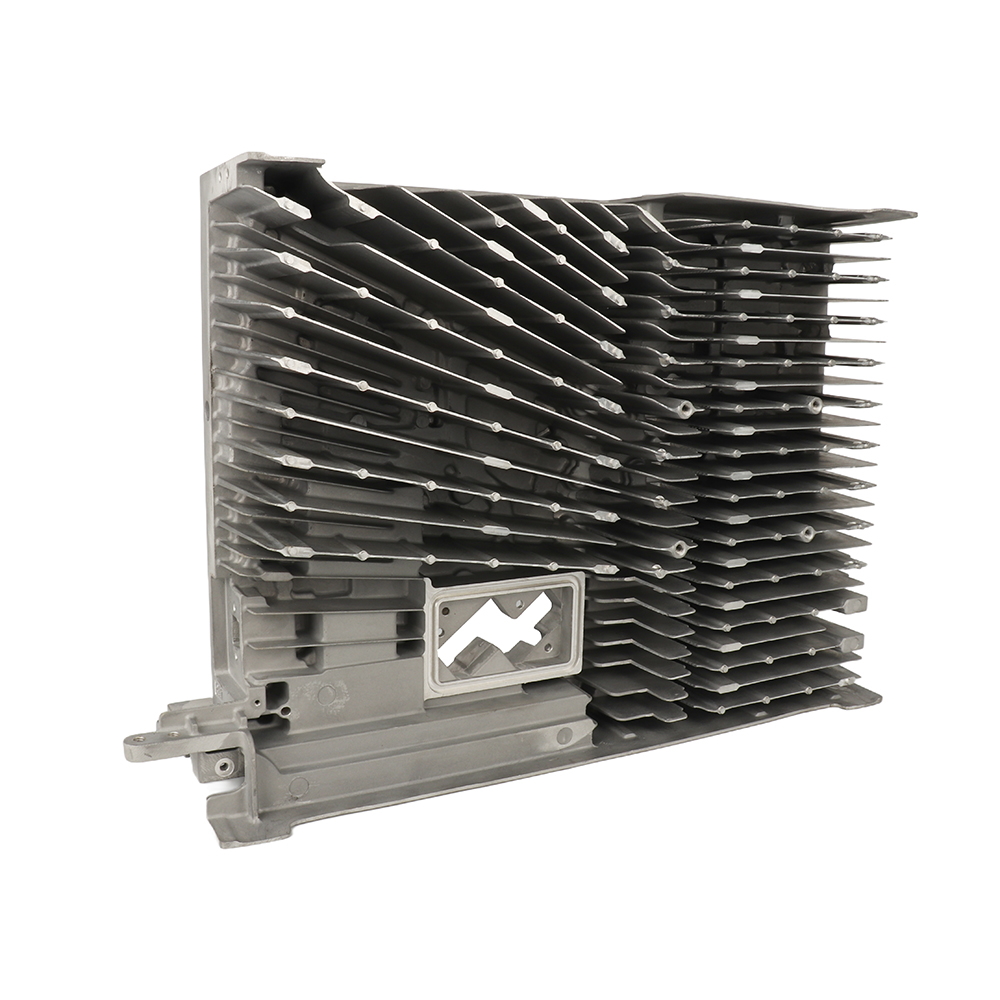
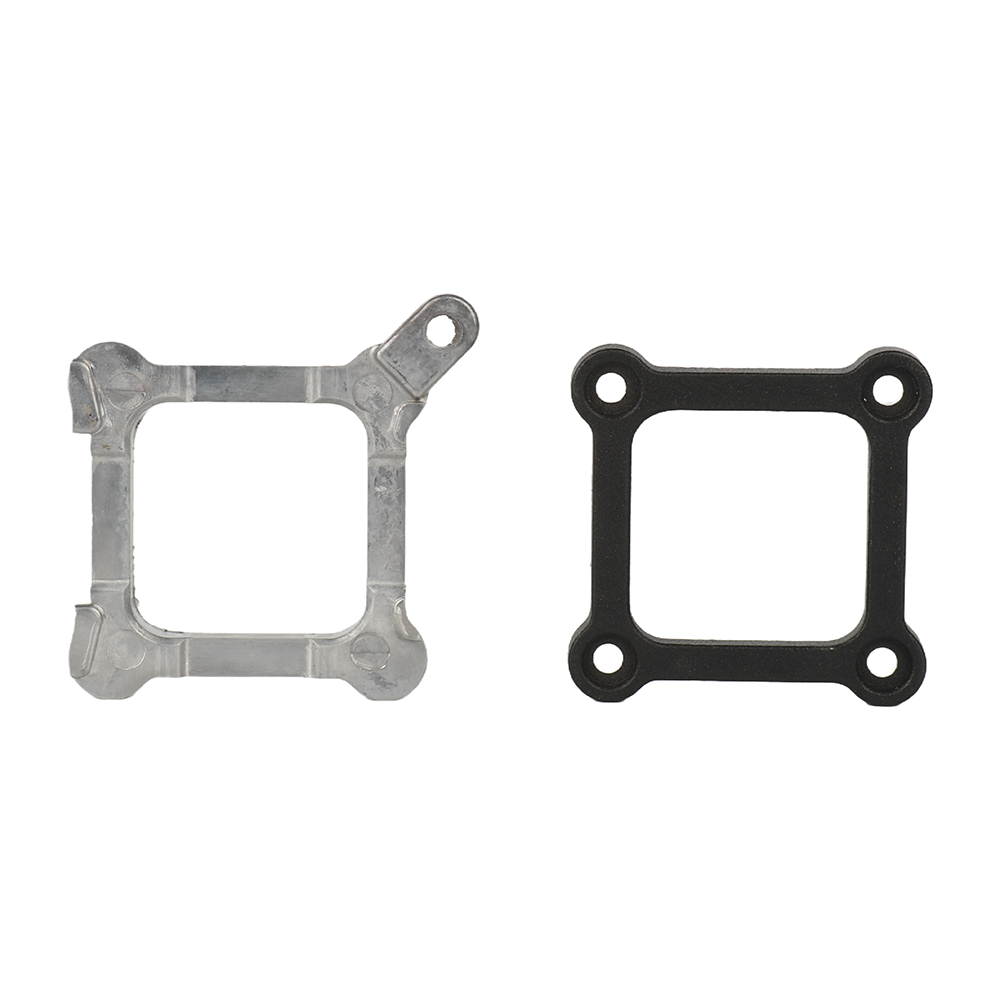
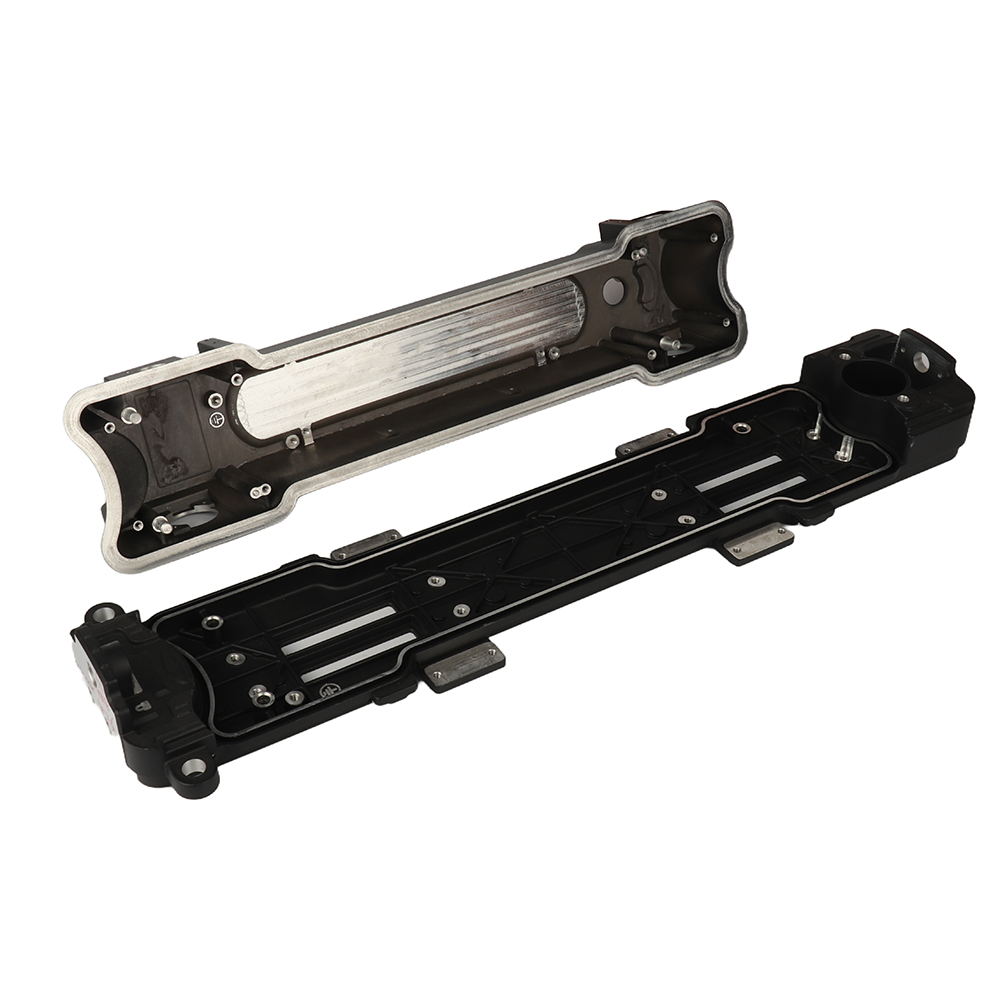
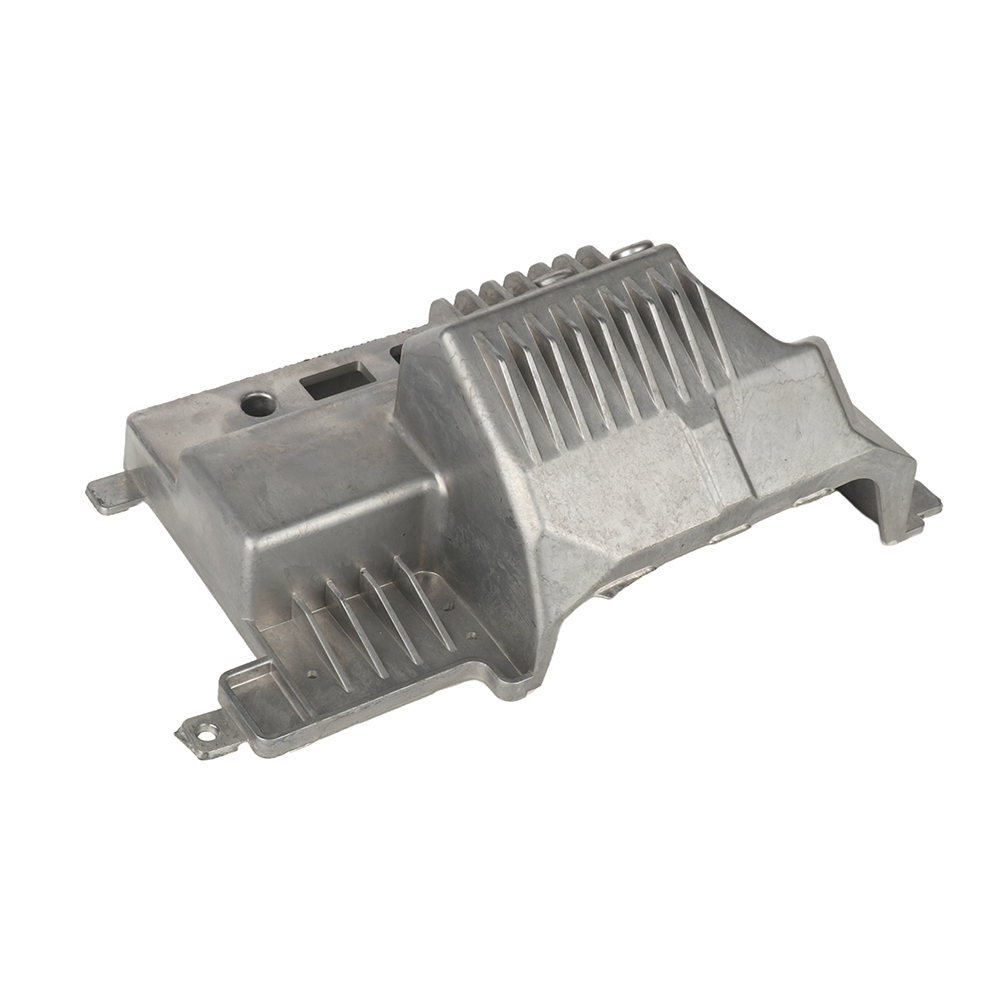
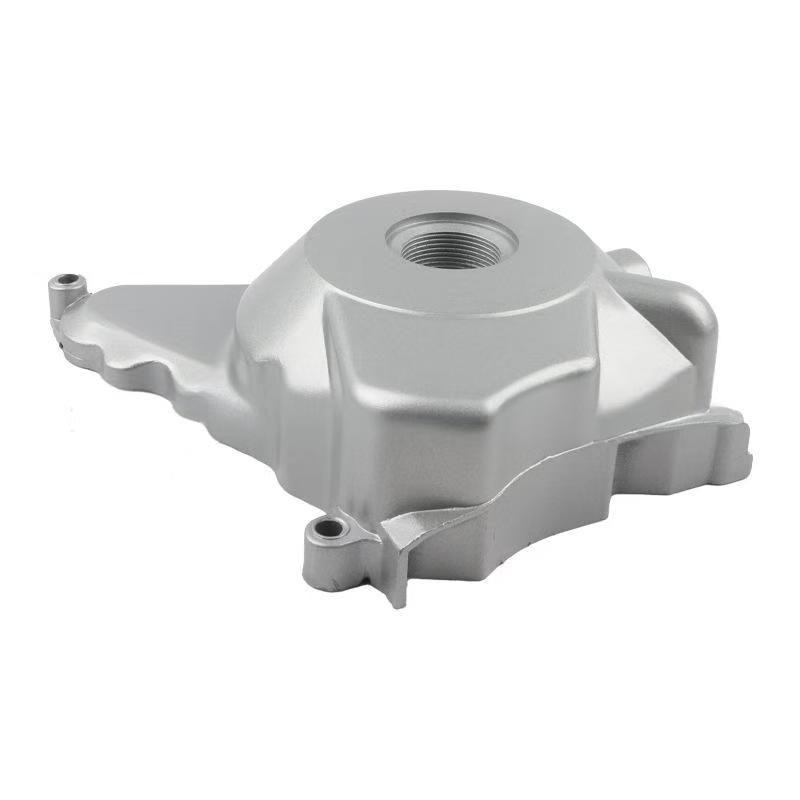
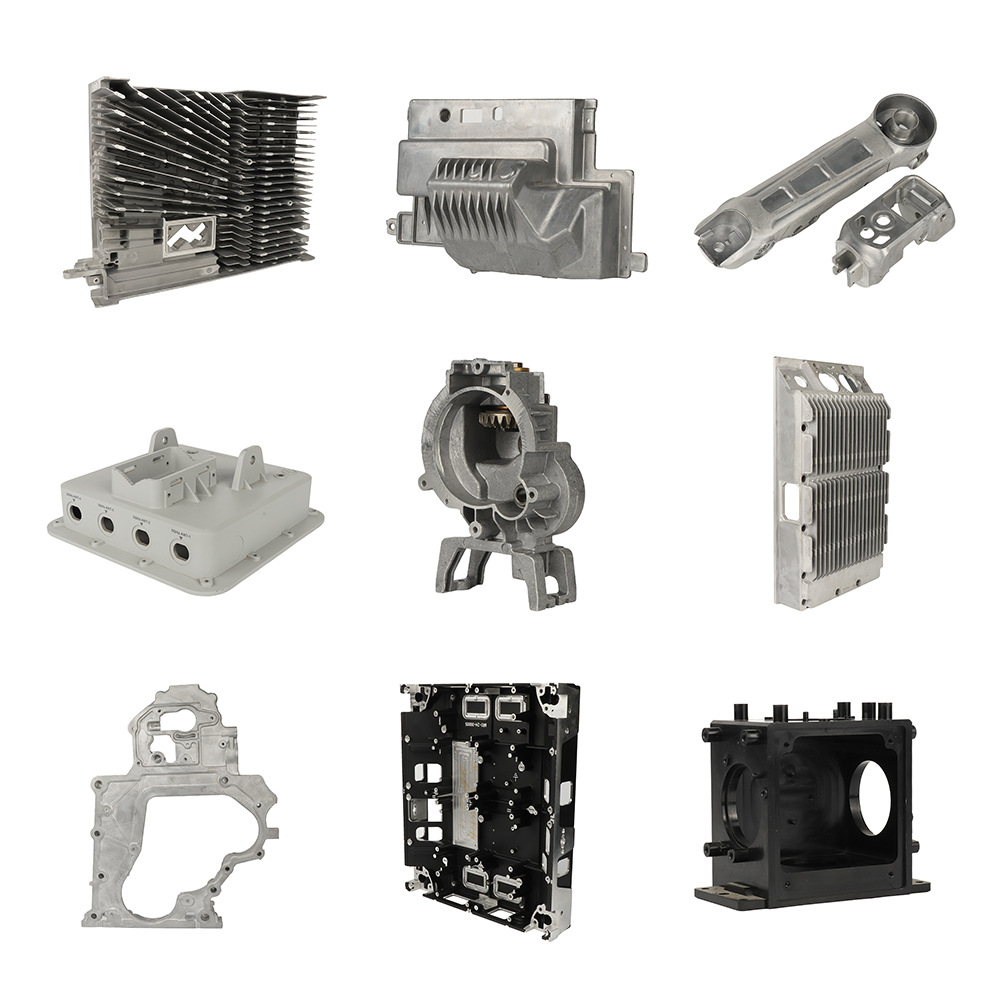
Explosion proof light | What is an aluminum enclosure? Focus on Explosion Proof Light Applications
What is an Aluminum Enclosure? Focus on Explosion Proof Light Applications
Table of Contents
- 1. What is an Aluminum Enclosure? Basic Definition & Core Functions
- 2. Aluminum Enclosure & Explosion Proof Light: Why It’s the Optimal Match
- 3. Die-Cast Aluminum Enclosure for Explosion Proof Light: Advantages (Key Focus)
- 4. Disadvantages of Die-Cast Aluminum Enclosure for Explosion Proof Light (And Mitigation)
- 5. Comparison: Die-Cast Aluminum vs. Other Materials for Explosion Proof Light Enclosures
- 6. Expert Opinions on Aluminum Enclosures for Explosion Proof Lights
- 7. FAQs About Aluminum Enclosures for Explosion Proof Lights
- 8. Conclusion
1. What is an Aluminum Enclosure? Basic Definition & Core Functions
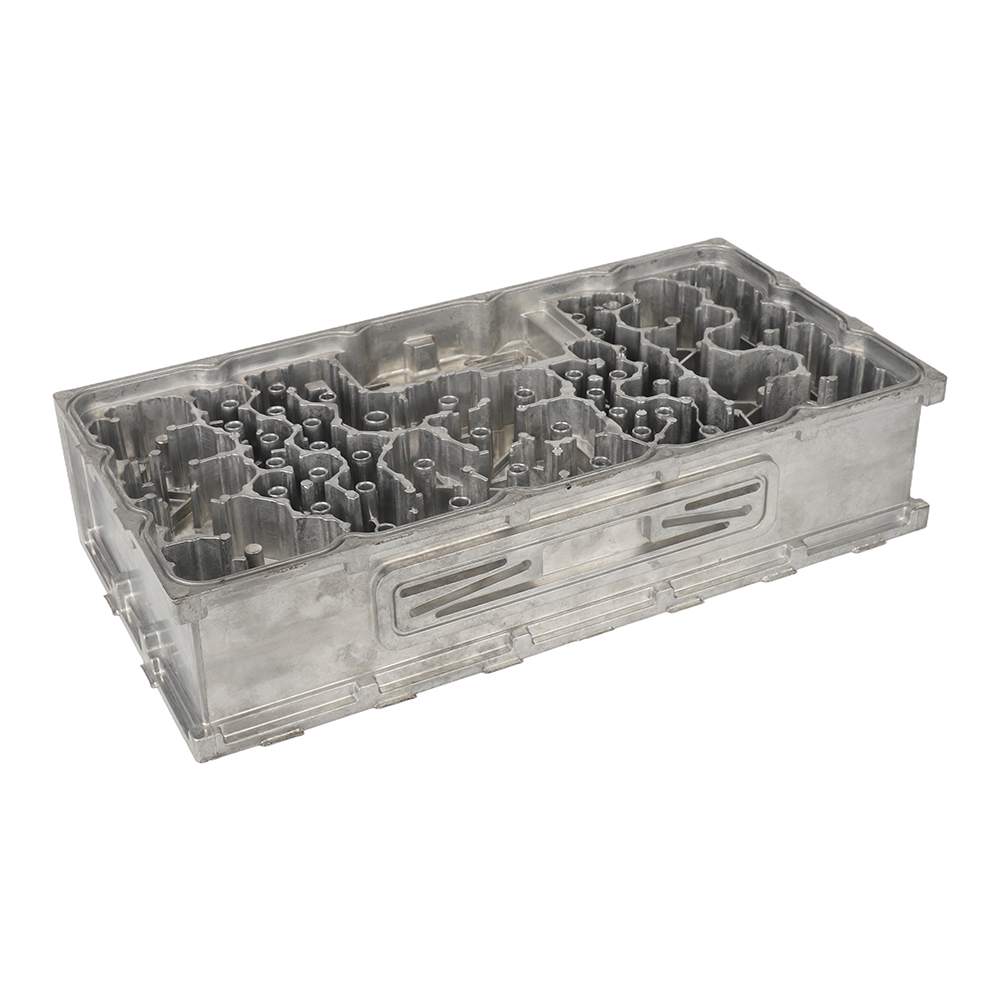
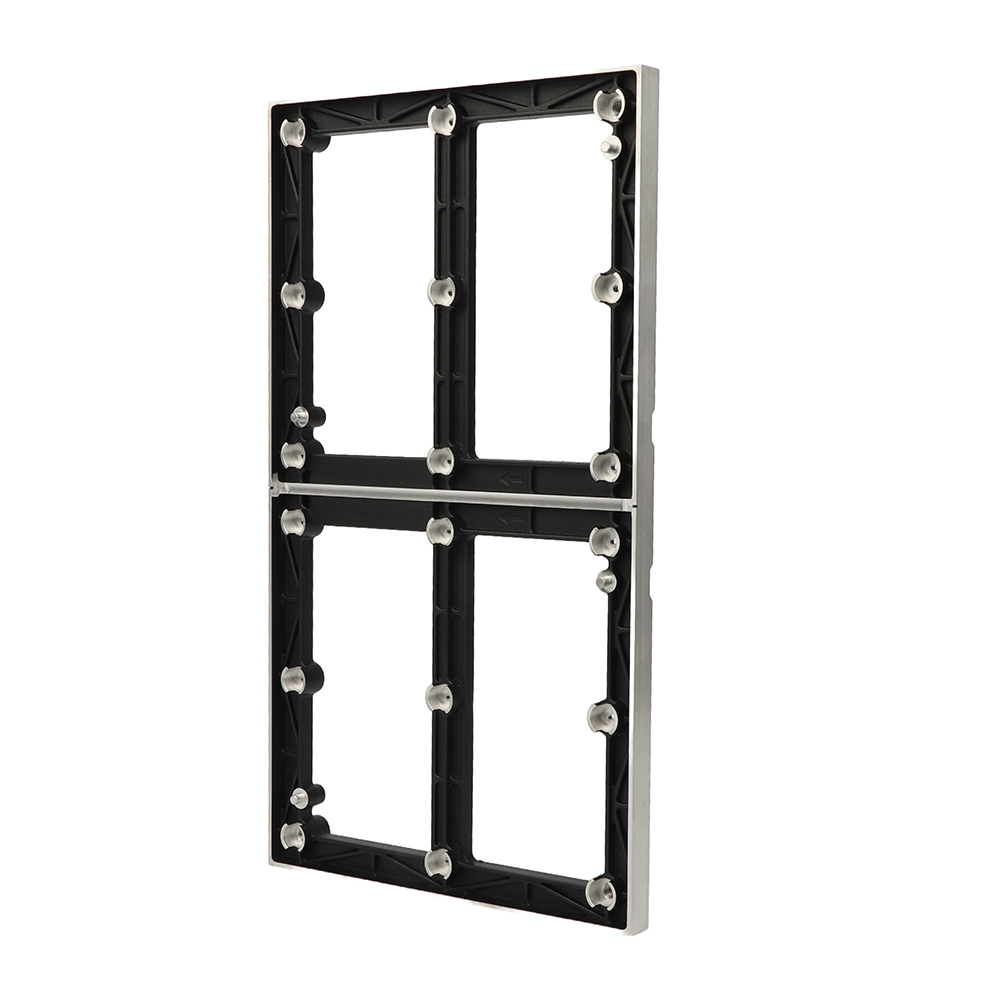
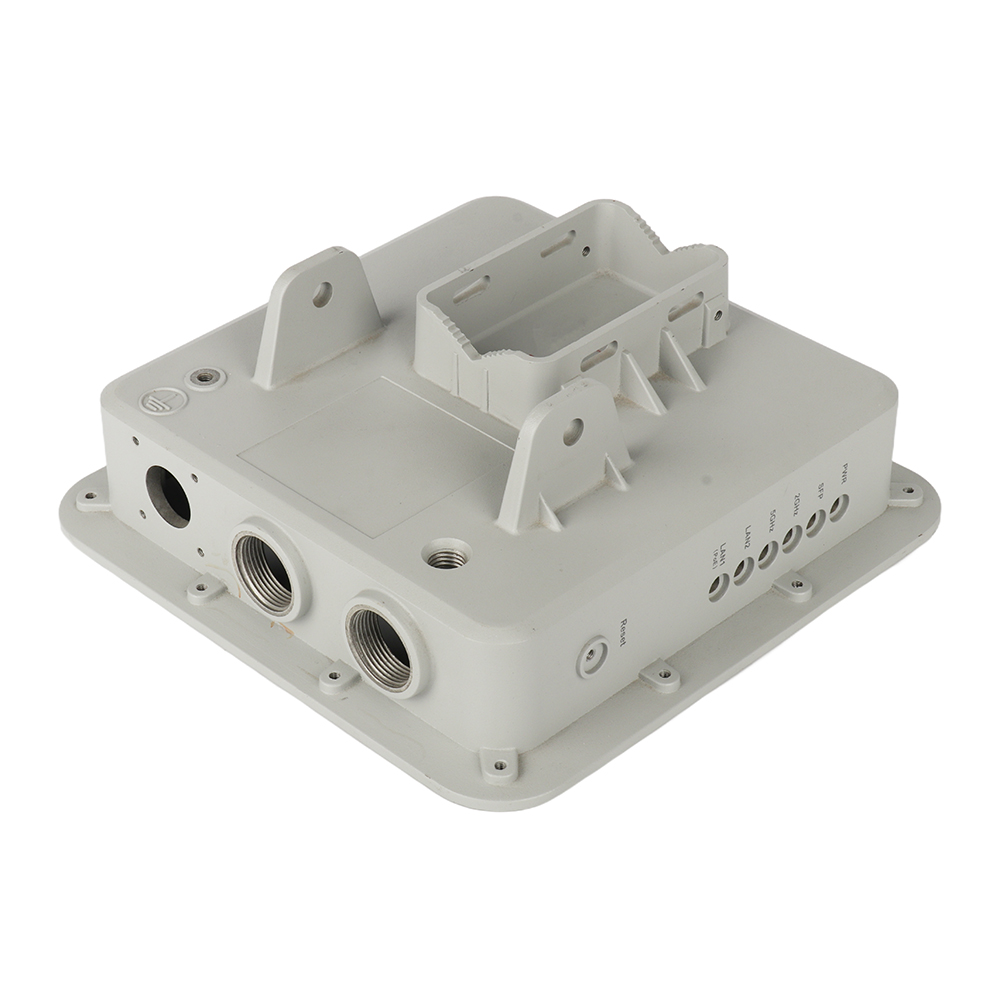
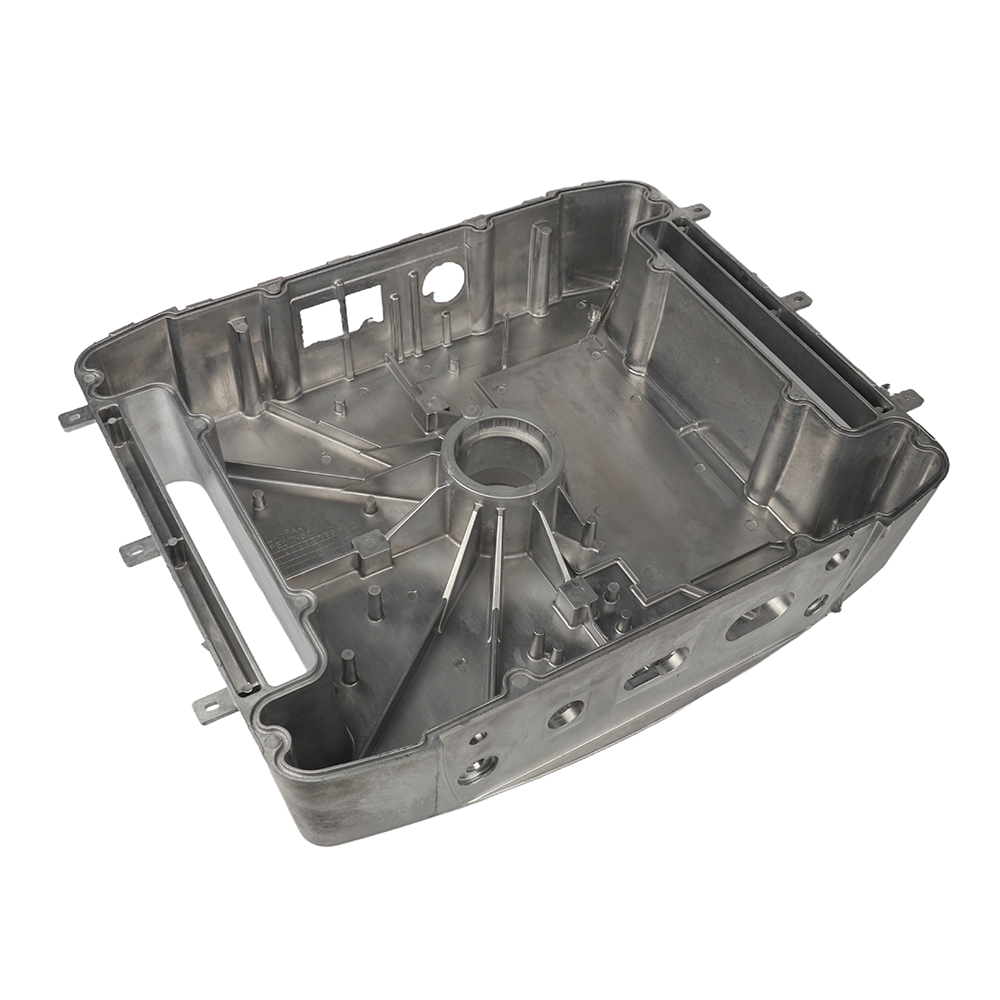
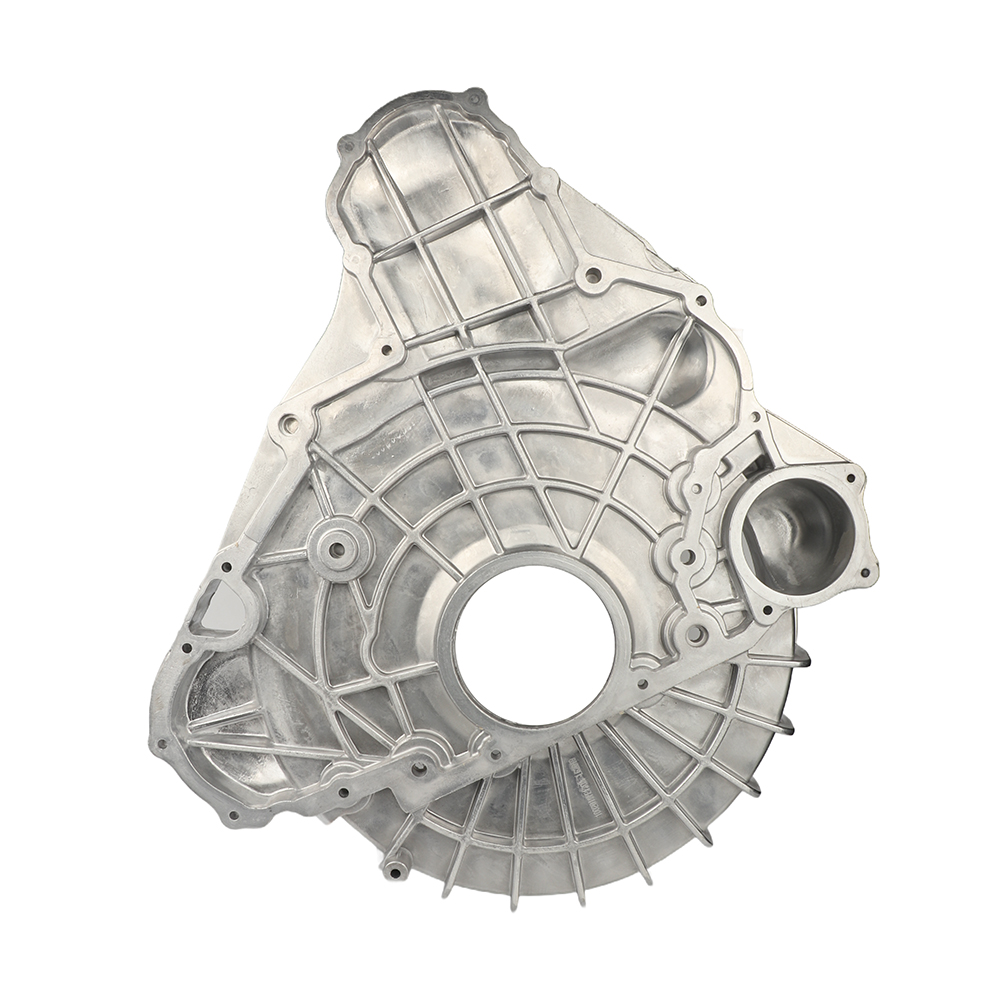
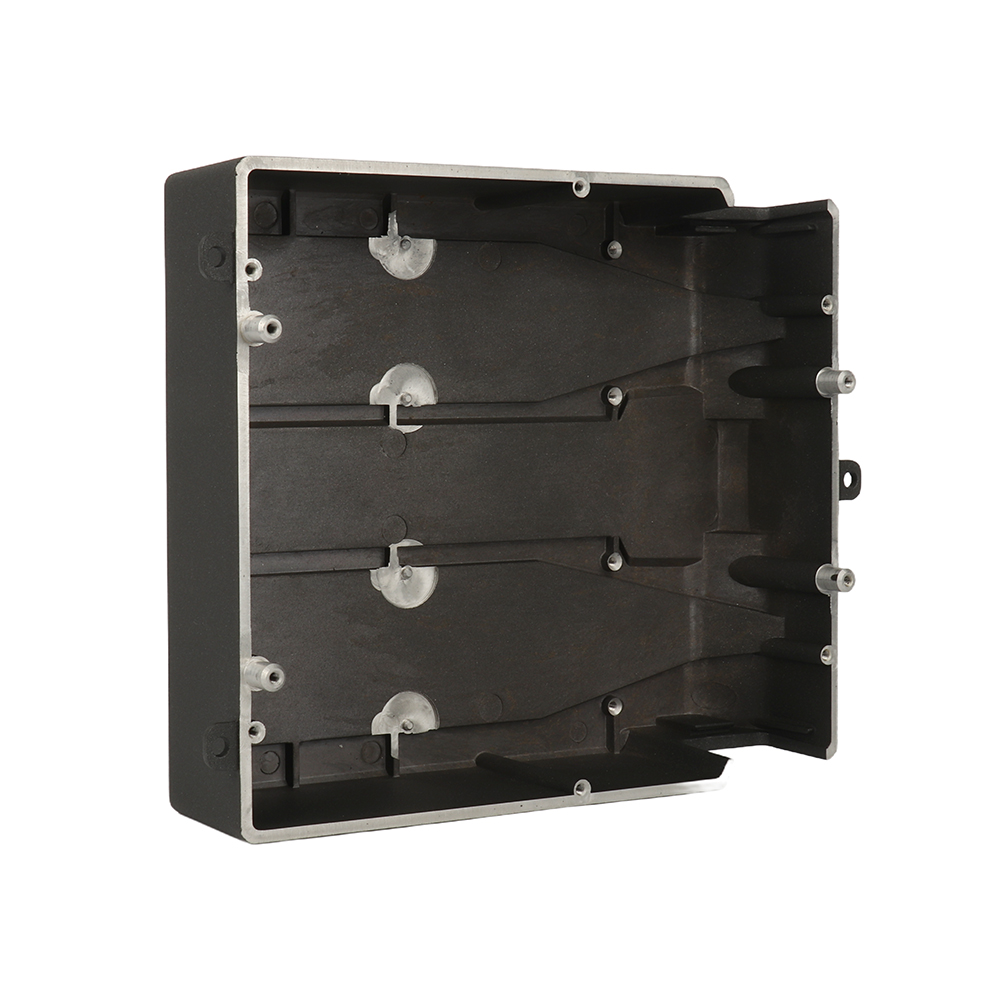
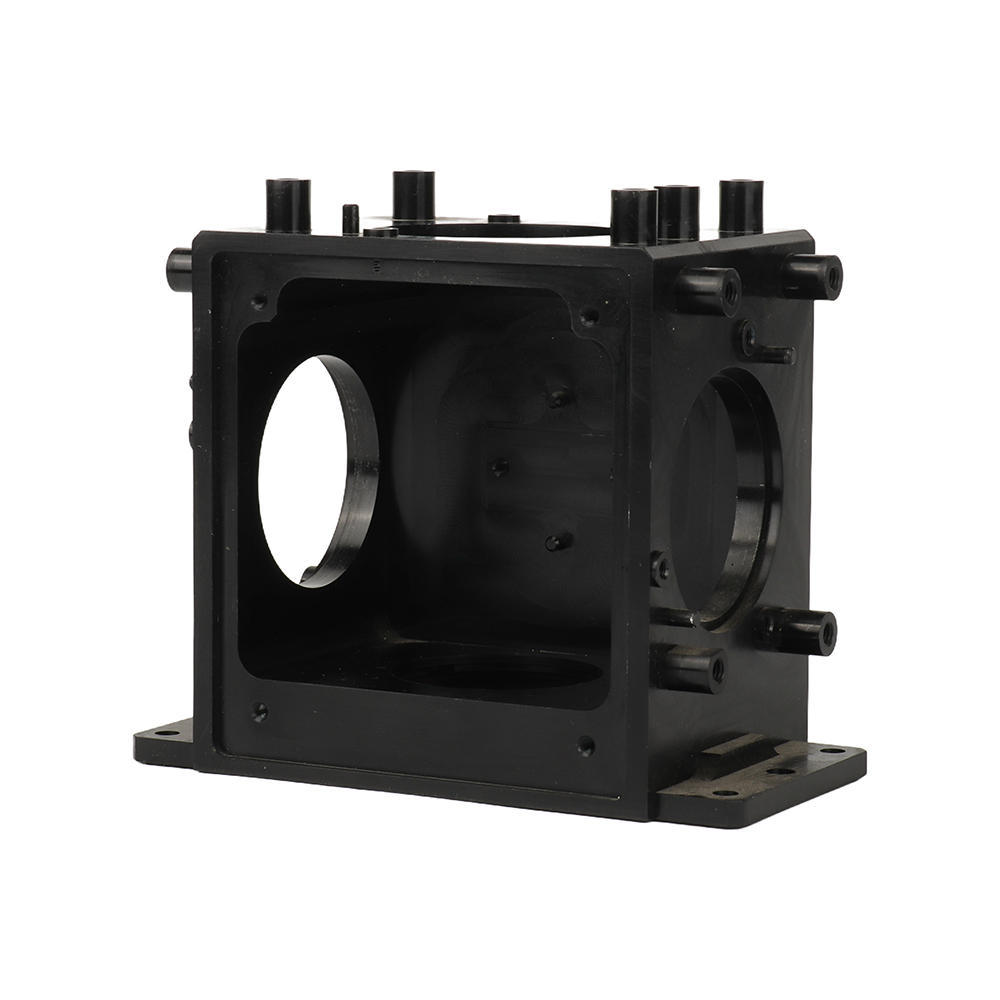
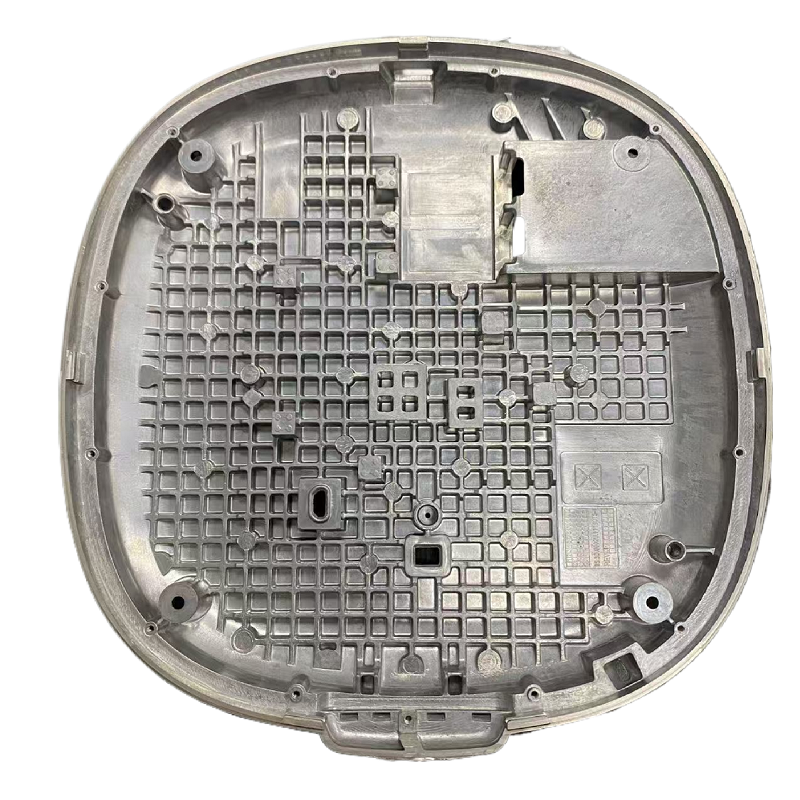
An aluminum enclosure is a protective housing made primarily from aluminum or aluminum alloys (such as ADC12, commonly used in industrial applications), designed to encase, shield, and secure electrical components, electronics, or mechanical parts from external hazards. Unlike generic enclosures, aluminum enclosures leverage the unique properties of aluminum—lightweight, corrosion-resistant, and thermally conductive—to deliver reliable protection across diverse industries, from consumer electronics to heavy industrial settings.
The core functions of an aluminum enclosure include: physical protection (against impact, dust, and moisture), thermal management (dissipating heat generated by internal components), electrical insulation (preventing short circuits and electrical hazards), and structural support (securing components in place). Among all its applications, one of the most critical and demanding is in explosion proof light—a specialized lighting fixture designed for hazardous environments where flammable gases, vapors, or dust may exist, requiring enclosures that meet strict global safety standards.
2. Aluminum Enclosure & Explosion Proof Light: Why It’s the Optimal Match
Explosion proof lights are indispensable in high-risk industries such as oil & gas, petrochemicals, mining, chemical plants, and power stations—environments where even a small spark, excessive heat, or a tiny gap in the housing can trigger catastrophic explosions or fires. For these lights, the enclosure is not just a protective shell; it is a safety-critical component that must contain internal sparks, heat, or flames, preventing them from escaping and igniting the surrounding hazardous atmosphere.
Aluminum, especially when processed via die-casting, is the ideal material for explosion proof light enclosures for two key reasons: First, its inherent properties (lightweight, high thermal conductivity, corrosion resistance) align perfectly with the safety and operational requirements of hazardous environments. Second, die-cast aluminum can be manufactured with extreme precision, ensuring tight tolerances and seamless seals that meet strict explosion proof standards such as ATEX, IECEx, UL 844, and GB/T3836.
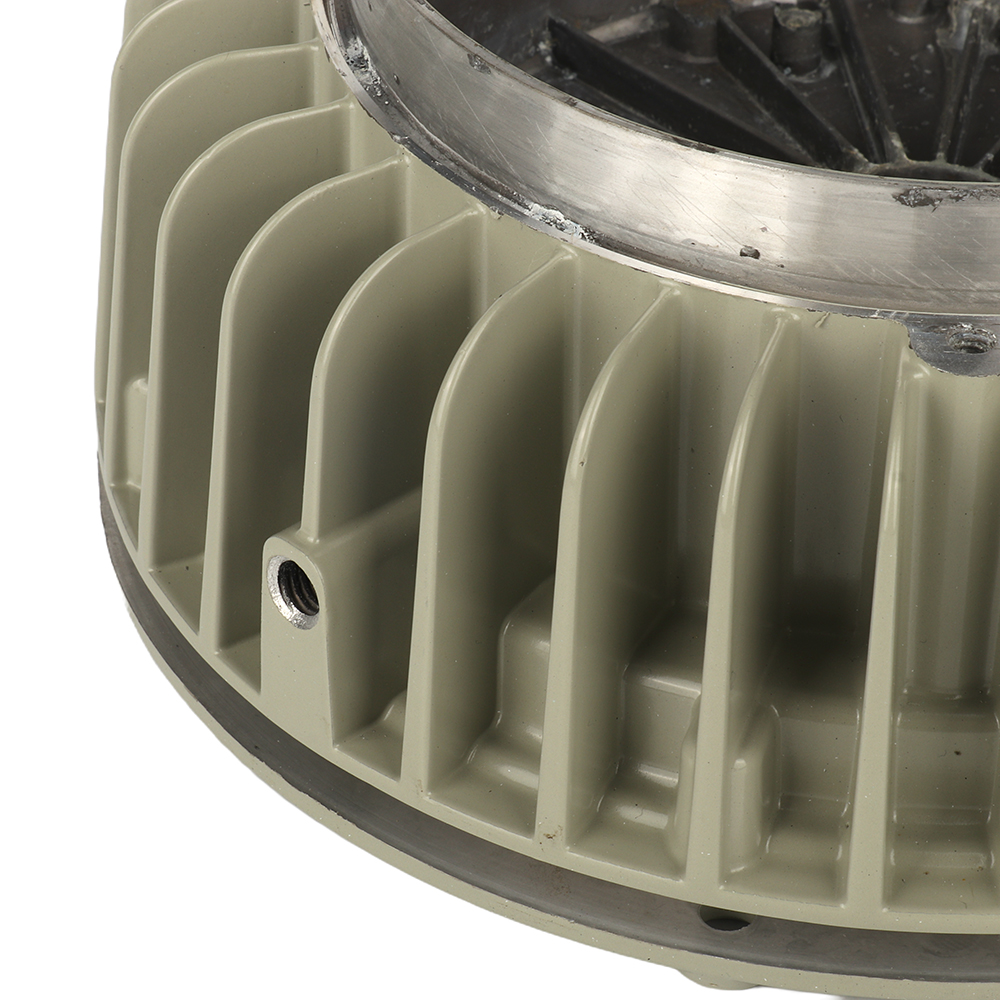
3. Die-Cast Aluminum Enclosure for Explosion Proof Light: Advantages (Key Focus)
When it comes to explosion proof lights, die-cast aluminum enclosures stand out for their unmatched combination of safety, durability, and practicality. The key advantages are as follows:
3.1 Superior Thermal Management (Critical for Explosion Safety)
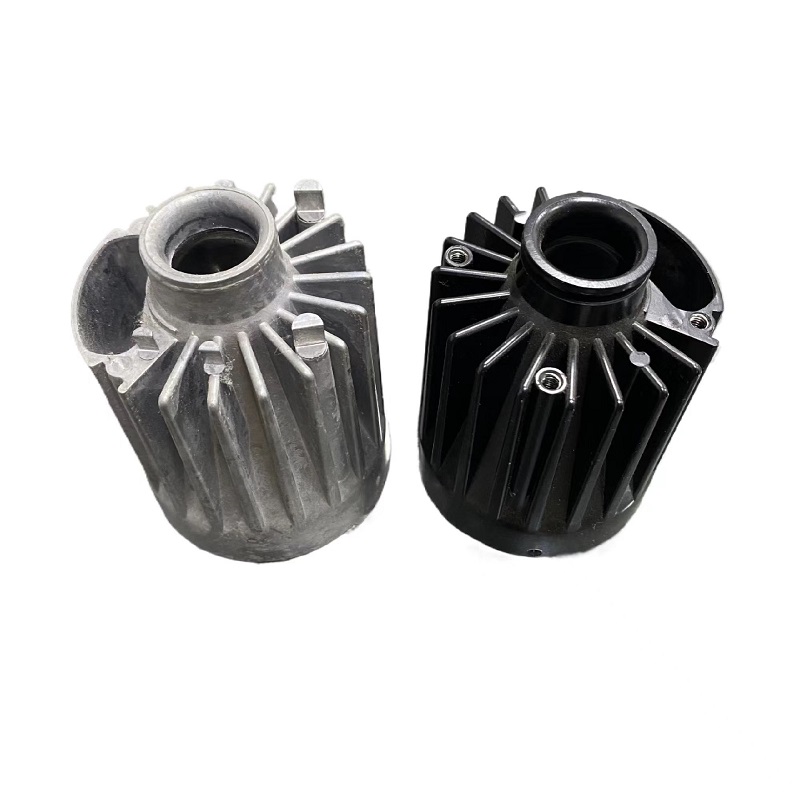
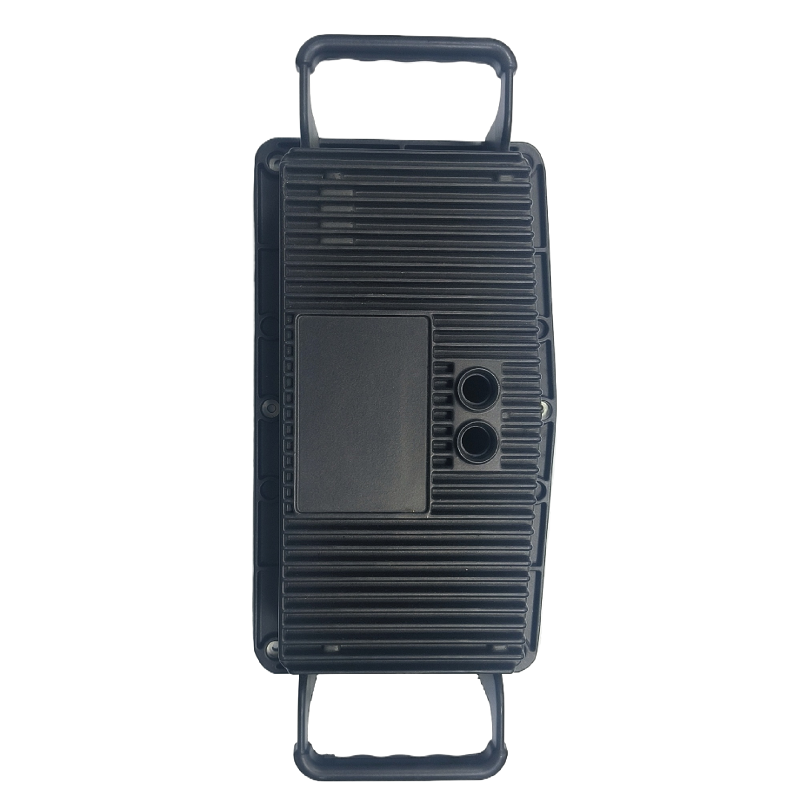
Explosion proof lights, especially LED models, generate heat during operation. Excessive heat can raise the enclosure’s surface temperature above the ignition point of flammable substances (such as methane, propane, or industrial dust), creating a severe safety hazard. Die-cast aluminum has a high thermal conductivity (120-160 W/m·K), which is 3 times that of carbon steel, allowing it to quickly dissipate heat from internal components to the outside environment. Many die-cast aluminum enclosures also feature integrated heat-dissipating fins or air guide structures, further enhancing heat dispersion and ensuring the enclosure surface temperature stays below safety limits (complying with temperature groups T1-T6).
3.2 Exceptional Corrosion & Environmental Resistance
Hazardous environments (e.g., offshore oil rigs, chemical plants, coastal refineries) are often exposed to moisture, salt, chemicals, and dust—factors that can damage ordinary enclosures. Die-cast aluminum enclosures are typically treated with electrostatic spray painting or anodization after polishing, creating a protective layer that resists corrosion, rust, and chemical erosion. This treatment ensures the enclosure maintains its structural integrity and sealing performance for 10-15 years, even in harsh conditions.
3.3 Lightweight Yet High Structural Strength
Explosion proof lights are often installed in high or hard-to-reach areas (e.g., ceilings of large warehouses, offshore platforms). Die-cast aluminum is lightweight (about 1/3 the weight of steel), making installation, maintenance, and transportation much easier, while reducing the load on mounting structures. Despite being lightweight, die-casting creates a dense, uniform structure with high impact resistance—able to withstand accidental collisions, vibrations, and even the pressure of internal explosions (a key requirement for flameproof enclosures).
3.4 Precision Manufacturing for Strict Explosion Proof Standards
Explosion proof enclosures require tight seals and precise dimensions to prevent flammable gases or dust from entering the fixture and to contain internal sparks. Die-casting aluminum allows for high-precision molding, with tight tolerances (usually ±0.05mm) that ensure seamless joints and effective sealing. This precision enables the enclosure to meet global explosion proof certifications (ATEX, IECEx, UL 844), making it suitable for use in Zone 1, Zone 2, Zone 21, and Zone 22 hazardous areas.
3.5 Cost-Effective & Sustainable
Compared to stainless steel or copper enclosures, die-cast aluminum enclosures are more affordable to manufacture, especially for large-scale production. Aluminum is also 100% recyclable, aligning with global industrial sustainability goals. Additionally, their long service life (10-15 years) reduces replacement costs and maintenance frequency, making them a cost-effective choice for long-term industrial use.
4. Disadvantages of Die-Cast Aluminum Enclosure for Explosion Proof Light (And Mitigation)
While die-cast aluminum enclosures are ideal for explosion proof lights, they have a few limitations—but these can be effectively mitigated with proper design and treatment:
4.1 Low High-Temperature Strength
Disadvantage: Aluminum’s strength decreases significantly at temperatures above 150℃, potentially leading to creep deformation (permanent shape change) in extremely high-temperature environments (e.g., near furnaces or high-heat industrial processes).
Mitigation: Use heat-resistant aluminum alloys (e.g., ADC12 with T6 heat treatment) and add heat-insulating layers between the enclosure and high-heat components. For extreme high-temperature applications, combine the aluminum enclosure with a heat shield to reduce direct heat exposure.
4.2 Brittleness in Low-Temperature Environments
Disadvantage: In extremely cold environments (below -40℃), die-cast aluminum may become brittle, increasing the risk of cracking from impact.
Mitigation: Select aluminum alloys with added magnesium or silicon (e.g., Al-Mg-Si alloys) to improve low-temperature toughness. Avoid using the enclosure in areas with frequent heavy impacts in cold weather, or add a protective buffer layer.
4.3 Susceptibility to Acidic/Basic Corrosion
Disadvantage: While aluminum is corrosion-resistant to most common chemicals, it can be corroded by strong acids or alkalis (pH>9 or <5), which may damage the protective coating and compromise the enclosure’s sealing.
Mitigation: Use specialized anti-corrosion coatings (e.g., fluorocarbon coating) for enclosures in chemical plants or areas with acidic/alkaline fumes. Regularly inspect and maintain the coating to ensure it remains intact.
4.4 Potential Heat Dissipation Limitations for High-Power Lights
Disadvantage: For ultra-high-power explosion proof lights (above 500W), basic die-cast aluminum enclosures may not dissipate heat quickly enough, leading to overheating.
Mitigation: Design the enclosure with extended heat-dissipating fins (to increase heat dissipation area by 50% or more) or integrate passive heat pipes. For extreme cases, add a certified spark-free cooling fan to enhance active heat dissipation.
5. Comparison: Die-Cast Aluminum vs. Other Materials for Explosion Proof Light Enclosures
To better highlight the advantages of die-cast aluminum enclosures, we compare them with three common alternative materials used for explosion proof light enclosures:
5.1 Die-Cast Aluminum vs. Carbon Steel
- Thermal Conductivity: Aluminum (120-160 W/m·K) is 3 times more conductive than carbon steel (40-50 W/m·K), making it far better at heat dissipation.
- Weight: Aluminum is 1/3 the weight of steel, reducing installation and transportation costs.
- Corrosion Resistance: Aluminum (with proper coating) is more corrosion-resistant than carbon steel, which is prone to rust in moist environments.
- Cost: Aluminum enclosures are slightly more expensive than carbon steel upfront, but their longer service life and lower maintenance costs make them more cost-effective in the long run.
5.2 Die-Cast Aluminum vs. Stainless Steel
- Thermal Conductivity: Aluminum’s thermal conductivity (120-160 W/m·K) is 6-8 times higher than stainless steel (15-20 W/m·K), making it superior for heat management.
- Weight & Cost: Aluminum is lighter and 1/3 the cost of stainless steel (304 or 316L), making it more practical for large-scale use.
- Corrosion Resistance: Stainless steel is more resistant to strong acids/alkalis, but aluminum (with specialized coating) is sufficient for most hazardous environments and more cost-effective.
5.3 Die-Cast Aluminum vs. Engineering Plastic
- Structural Strength: Aluminum is far stronger than engineering plastic, able to withstand internal explosion pressure and impact—critical for explosion proof safety.
- Thermal Management: Plastic has very low thermal conductivity (0.2-0.5 W/m·K), making it unsuitable for high-power explosion proof lights, as it cannot dissipate heat effectively.
- Durability: Aluminum enclosures have a service life of 10-15 years, while plastic enclosures degrade over 5-8 years (especially in harsh environments) and may become brittle.
6. Expert Opinions on Aluminum Enclosures for Explosion Proof Lights
Industry experts widely recognize die-cast aluminum as the preferred material for explosion proof light enclosures, citing its unique combination of safety and practicality. Below are insights from leading experts in the field:
6.1 Expert 1: Sarah Johnson, Senior Safety Engineer at a Global Petrochemical Company
“In petrochemical plants, where flammable gases are ubiquitous, the enclosure’s heat management and sealing performance are non-negotiable. Die-cast aluminum enclosures are our top choice because they dissipate heat 3 times faster than steel, ensuring the enclosure surface temperature stays below the ignition point of methane (450℃). Their precision manufacturing also guarantees tight seals, preventing gas ingress—something we’ve verified through years of on-site use. We’ve reduced explosion-related safety incidents by 80% since switching to aluminum enclosures for our explosion proof lights.”
6.2 Expert 2: Dr. Michael Chen, Materials Science Specialist & Explosion Proof Certification Consultant
“When evaluating enclosure materials for explosion proof lights, we focus on three core criteria: thermal conductivity, structural integrity, and compliance with global standards. Die-cast aluminum excels in all three. Its high thermal conductivity addresses the biggest safety risk—excessive heat—while its die-cast structure ensures it can contain internal explosions (a key requirement for flameproof enclosures). Unlike stainless steel or plastic, aluminum can be manufactured to meet ATEX and IECEx standards at a reasonable cost, making it accessible for most industrial applications. For Zone 1 and Zone 2 hazardous areas, aluminum is the most reliable material on the market.”
6.3 Expert 3: David Lee, Chief Engineer at a Leading Explosion Proof Lighting Manufacturer
“Our customers in oil & gas and mining industries demand enclosures that are durable, lightweight, and easy to maintain—and die-cast aluminum delivers on all counts. We’ve tested aluminum enclosures in salt spray, high-temperature, and low-temperature environments, and they maintain their performance for over 15 years. The lightweight design also reduces installation time by 40% compared to steel enclosures, which is a huge benefit for our clients. Additionally, aluminum’s recyclability aligns with our sustainability goals, making it a win-win for safety and the environment.”
7. FAQs About Aluminum Enclosures for Explosion Proof Lights
Below are the most common questions about die-cast aluminum enclosures for explosion proof lights, answered by industry experts:
Q1: Can die-cast aluminum enclosures for explosion proof lights be used in offshore environments?
A: Yes. Die-cast aluminum enclosures treated with electrostatic spray painting or anodization have excellent corrosion resistance against saltwater and marine fumes. For offshore applications, we recommend using aluminum alloys with added magnesium (e.g., Al-Mg alloys) and a fluorocarbon coating to further enhance corrosion resistance, ensuring the enclosure meets IP66 or IP68 protection levels.
Q2: How long do die-cast aluminum enclosures for explosion proof lights last?
A: Under normal operating conditions (proper maintenance, no exposure to strong acids/alkalis), die-cast aluminum enclosures have a service life of 10-15 years. This is significantly longer than plastic enclosures (5-8 years) and comparable to stainless steel enclosures (10-12 years), but at a lower cost.
Q3: Do die-cast aluminum enclosures meet global explosion proof standards?
A: Yes. When manufactured with precision die-casting (tight tolerances, seamless seals), die-cast aluminum enclosures can meet strict global standards such as ATEX (EU), IECEx (international), UL 844 (North America), and GB/T3836 (China). Most reputable manufacturers provide certification documents to verify compliance for use in Zone 1, Zone 2, Zone 21, and Zone 22 hazardous areas.
Q4: Are die-cast aluminum enclosures suitable for high-power explosion proof lights (above 500W)?
A: Yes, but they require enhanced heat dissipation design. For high-power lights, manufacturers can add extended heat-dissipating fins, integrate heat pipes, or install certified spark-free cooling fans to ensure effective heat dissipation. We’ve successfully used die-cast aluminum enclosures for 1000W explosion proof LED lights in industrial settings with these modifications.
Q5: How to maintain die-cast aluminum enclosures for explosion proof lights?
A: Routine maintenance is simple: (1) Regularly clean the enclosure surface to remove dust and debris (use neutral cleaners—avoid acidic/alkaline cleaners that damage the coating); (2) Inspect the sealing gaskets every 6 months and replace them if they are cracked or worn (to maintain IP rating); (3) Check the heat-dissipating fins for blockages and clean them if needed; (4) For coastal/offshore applications, inspect the coating annually and touch up any damaged areas.
Q6: Is die-cast aluminum more expensive than other enclosure materials?
A: Upfront, die-cast aluminum enclosures are slightly more expensive than carbon steel but 1/3 the cost of stainless steel. However, their longer service life (10-15 years), lower maintenance costs, and lighter weight (reducing installation costs) make them more cost-effective in the long run. For large-scale projects, the cost difference is negligible compared to the safety and durability benefits.
8. Conclusion
An aluminum enclosure—especially a die-cast aluminum enclosure—is a versatile, safe, and cost-effective protective housing for electrical components, with its most critical application being in explosion proof lights. Its superior thermal management, corrosion resistance, lightweight design, precision manufacturing, and compliance with global explosion proof standards make it the optimal choice for hazardous environments such as oil & gas, petrochemicals, and mining.
While die-cast aluminum enclosures have minor limitations (e.g., low high-temperature strength, brittleness in cold weather), these can be easily mitigated with proper material selection and design. When compared to carbon steel, stainless steel, and engineering plastic, die-cast aluminum enclosures offer the best balance of safety, durability, and cost-effectiveness—backed by the consensus of industry experts.
For any industrial application requiring explosion proof lighting, die-cast aluminum enclosures are not just a choice—they are a critical investment in safety, reliability, and long-term operational efficiency.
Ev battery enclosure | What is die-cast EV battery enclosure? Key Benefits & Industry Insights
camera case | What is Precision CNC Machining? Focus on Aluminum Alloy Camera Case
Related Article


