
HOT PRODUCTS
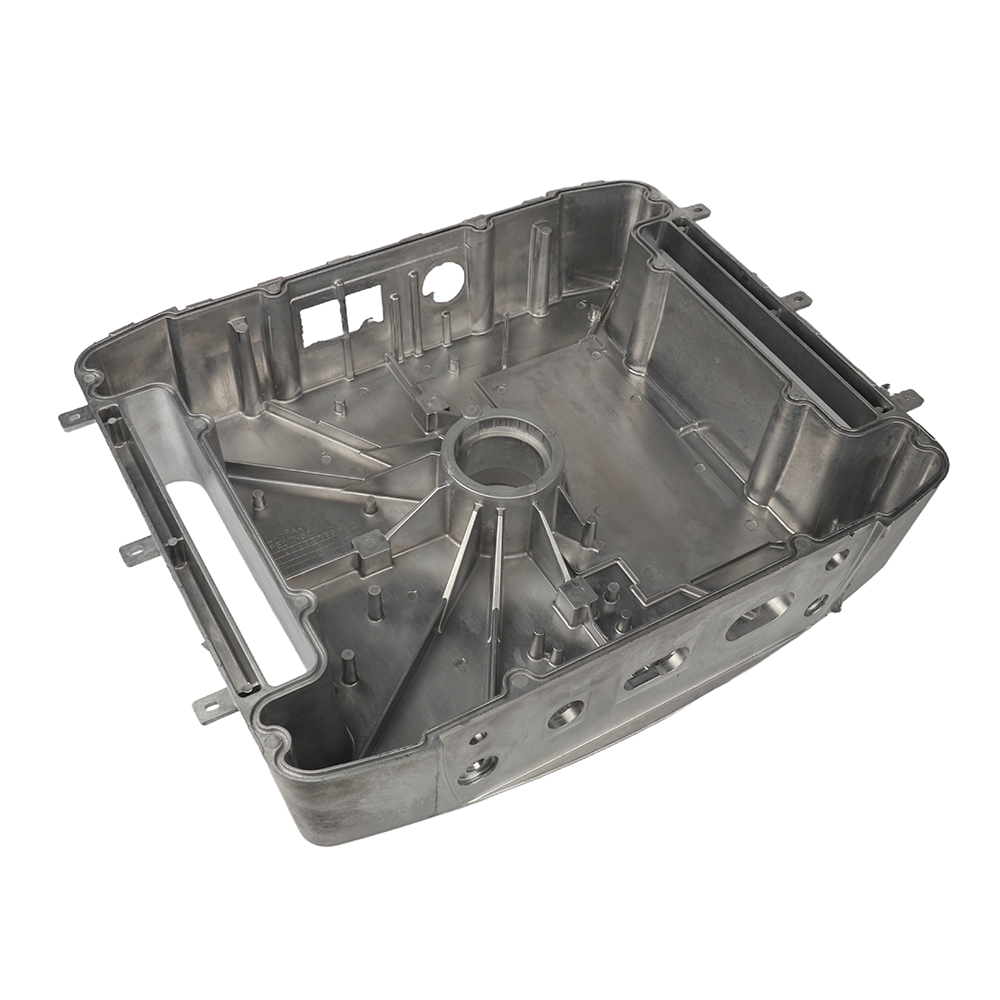
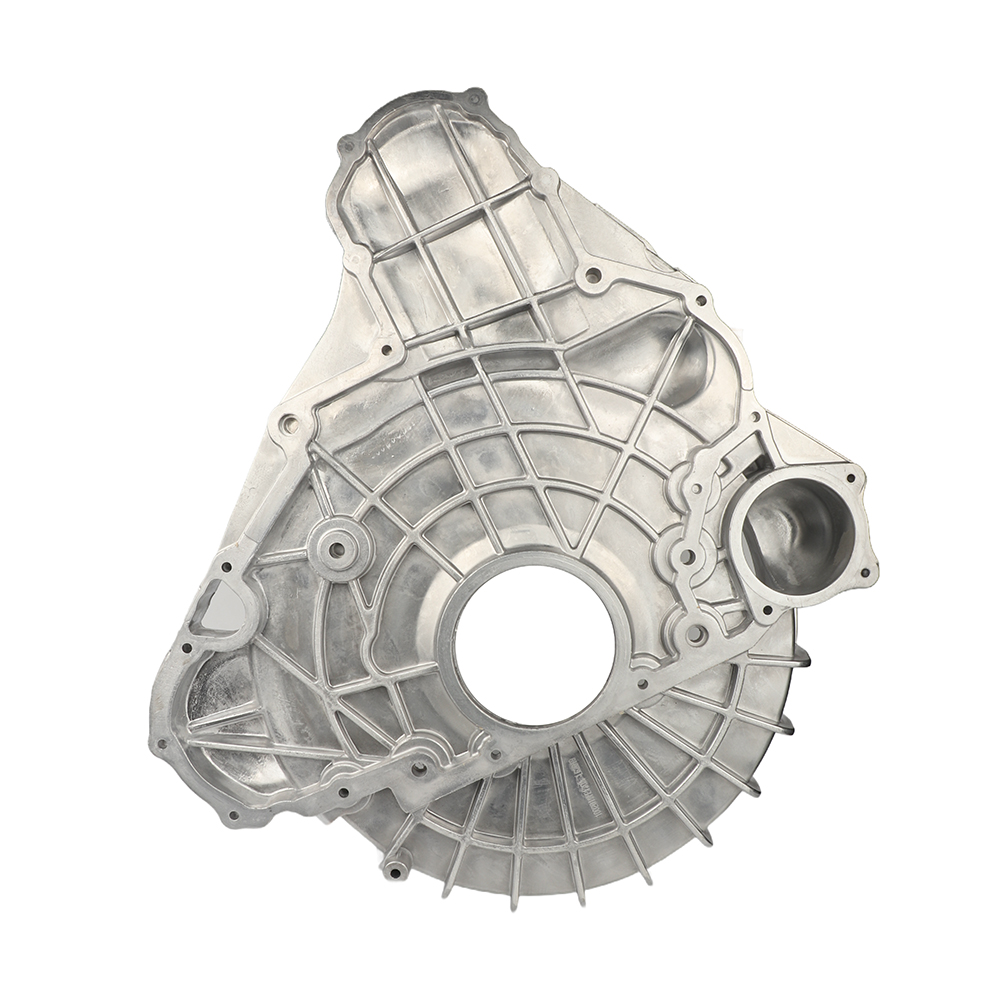
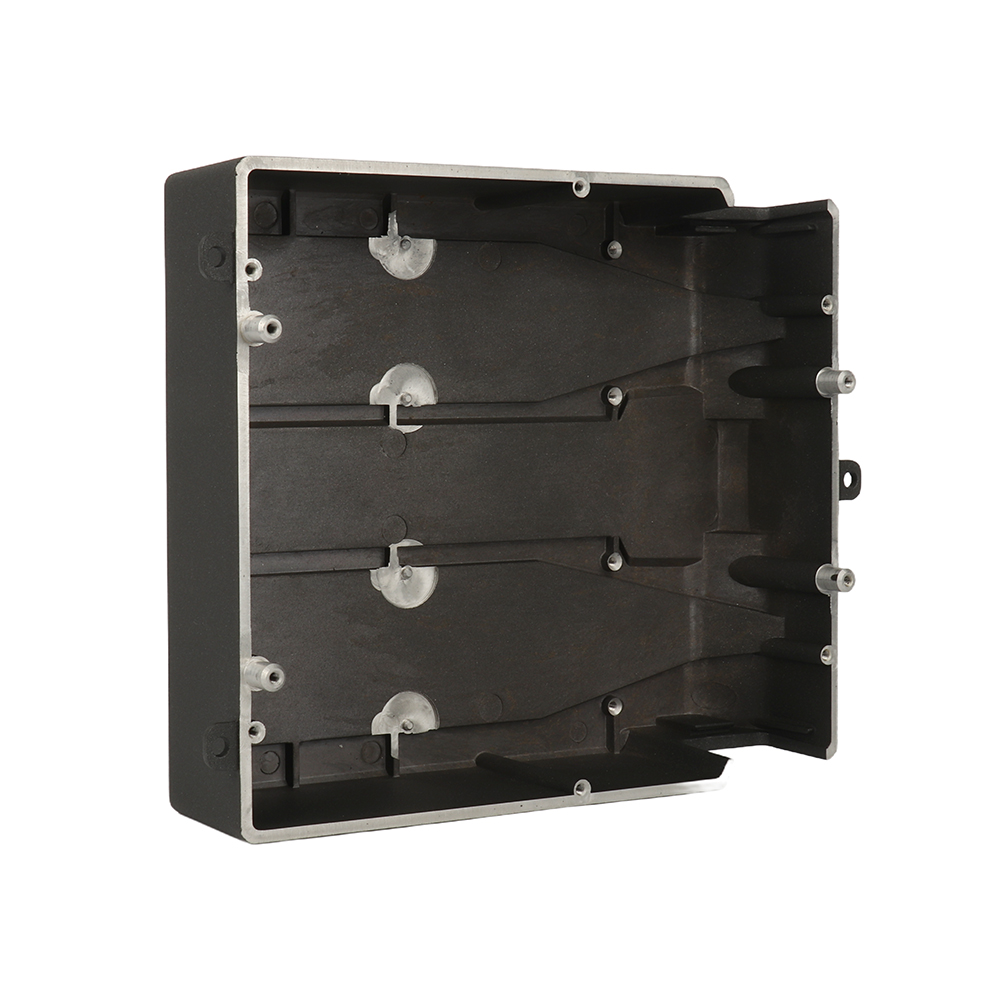
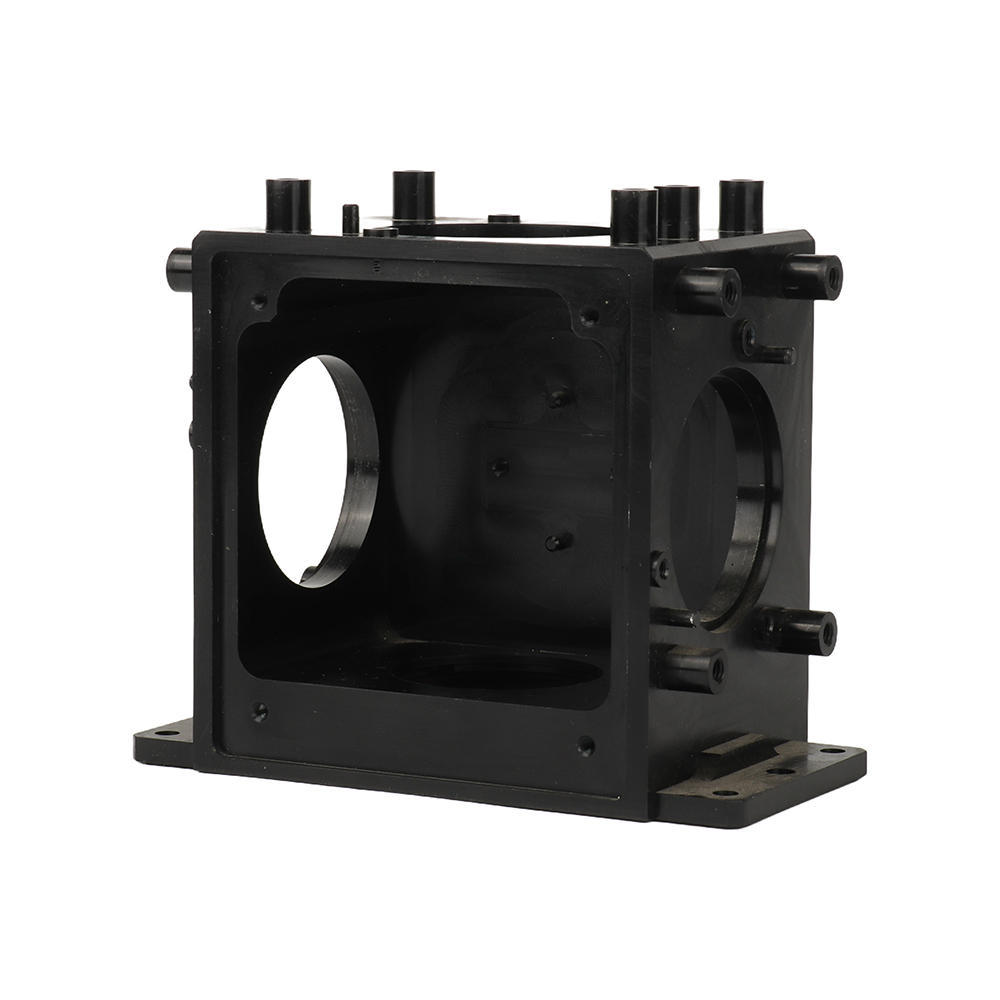
Intermediate beam | What is an aluminum middle beam used for display screens?
What is an Aluminum Middle Beam Used for Display Screens?
Table of Contents
- 1. Introduction: Definition of Aluminum Middle Beam for Display Screens
- 2. Core Roles & Key Functions of Aluminum Middle Beam in Displays
- 3. Key Benefits of Using Aluminum Middle Beam for Display Screens
- 4. Expert Opinions on Aluminum Middle Beam Applications
- 5. Industry FAQs About Aluminum Middle Beam for Displays
- 6. Conclusion
1. Introduction: Definition of Aluminum Middle Beam for Display Screens
In the rapidly developing display technology industry—covering indoor LCD monitors, large outdoor LED billboards, high-end smart TVs, and commercial digital signage—every component determines the product’s performance, durability, and aesthetic appeal. Among these essential components, the aluminum middle beam for display screens is a hidden cornerstone, specifically engineered to meet the unique operational needs of display systems. Unlike ordinary metal beams, it integrates aluminum’s inherent advantages to solve core pain points such as screen weight bearing, heat accumulation, and long-term stability.
Simply put, a aluminum middle beam for display screens is a customized aluminum profile (usually made of 6063 or 6061-T6 aluminum alloy) installed horizontally or vertically in the middle of a display’s frame. It acts as the “backbone” of the display, connecting the front panel, rear casing, and internal electronic components, while directly affecting the display’s service life and user experience. From small home monitors to large-scale seamless LED video walls, this component is indispensable—often overlooked but critical to the overall functionality of modern displays. Its design is tailored to the specific size and weight of the display, ensuring optimal performance in various scenarios, from home use to large commercial installations.

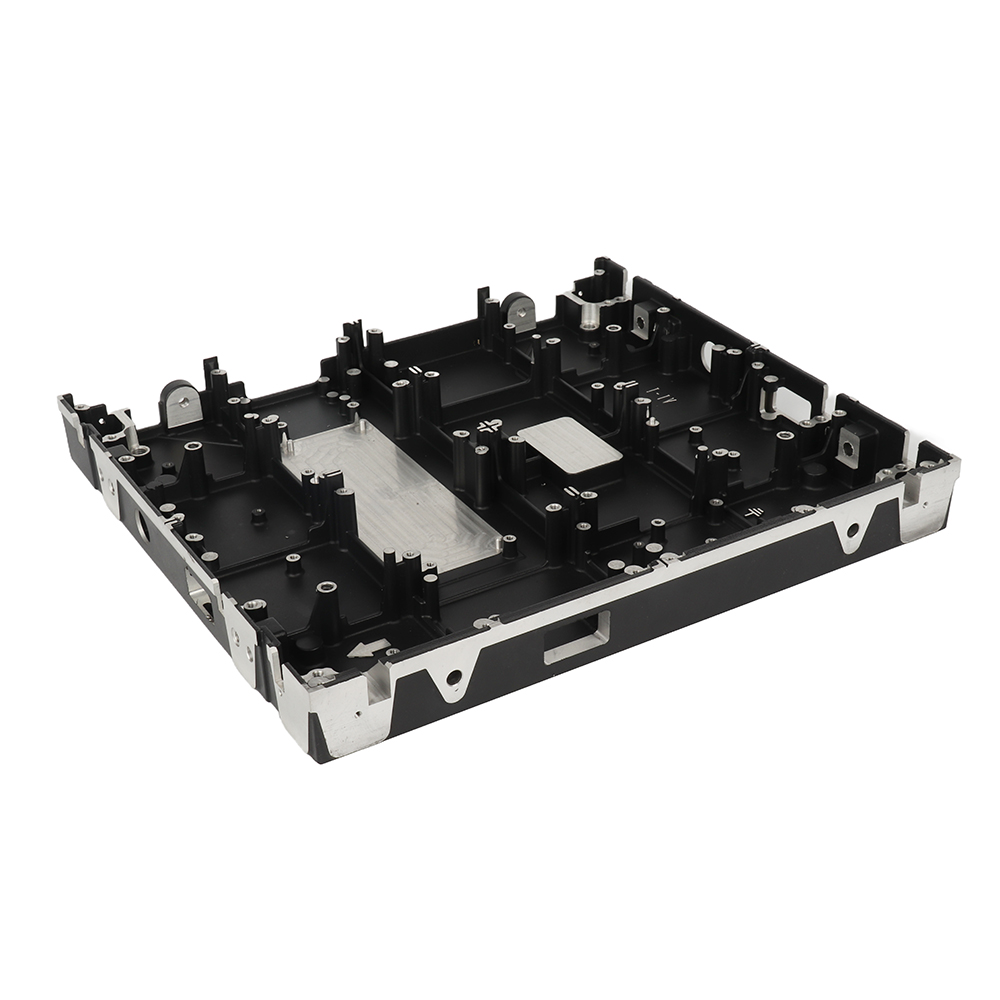
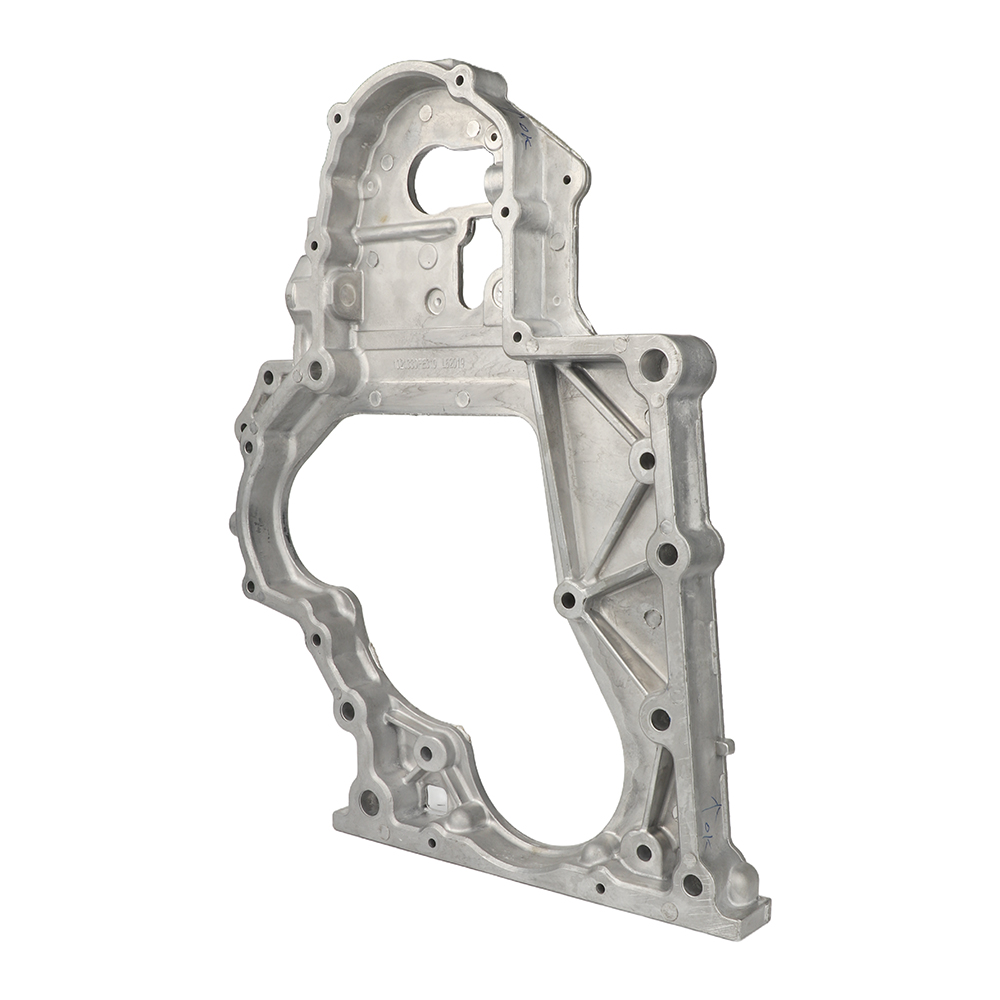
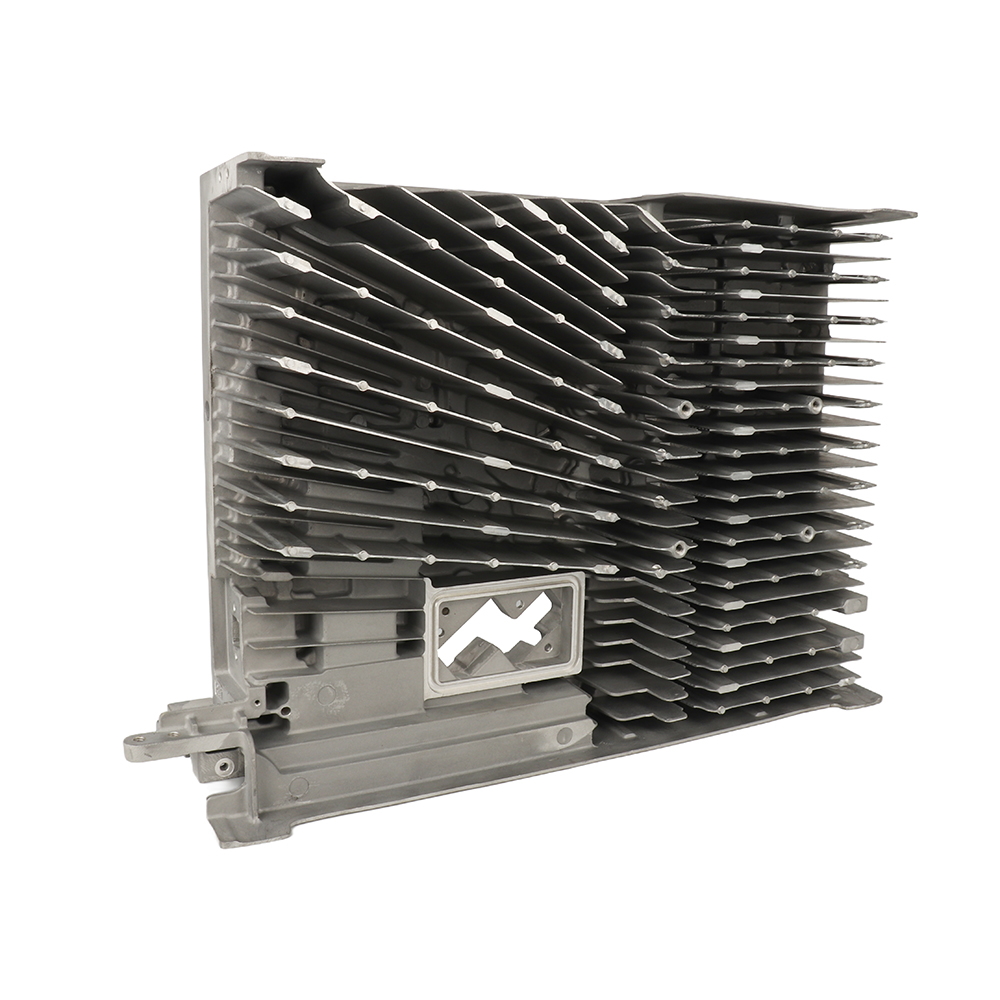
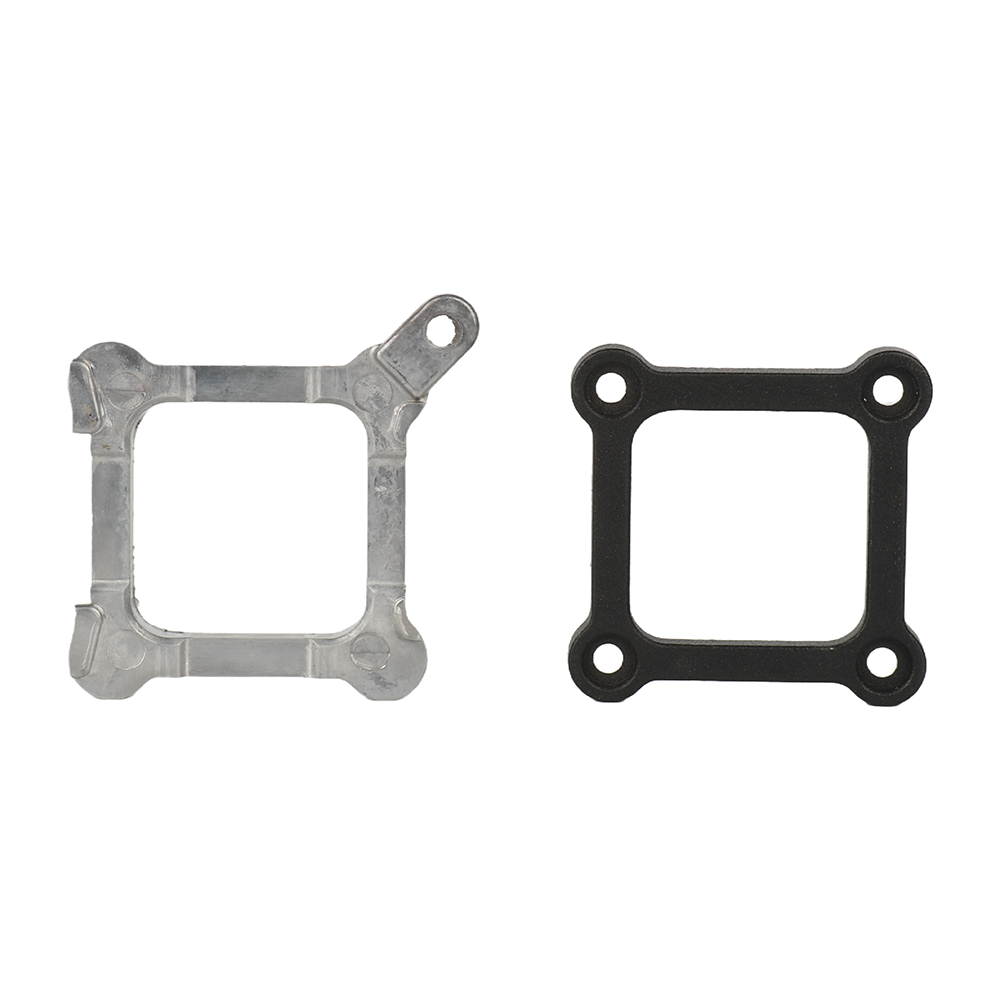
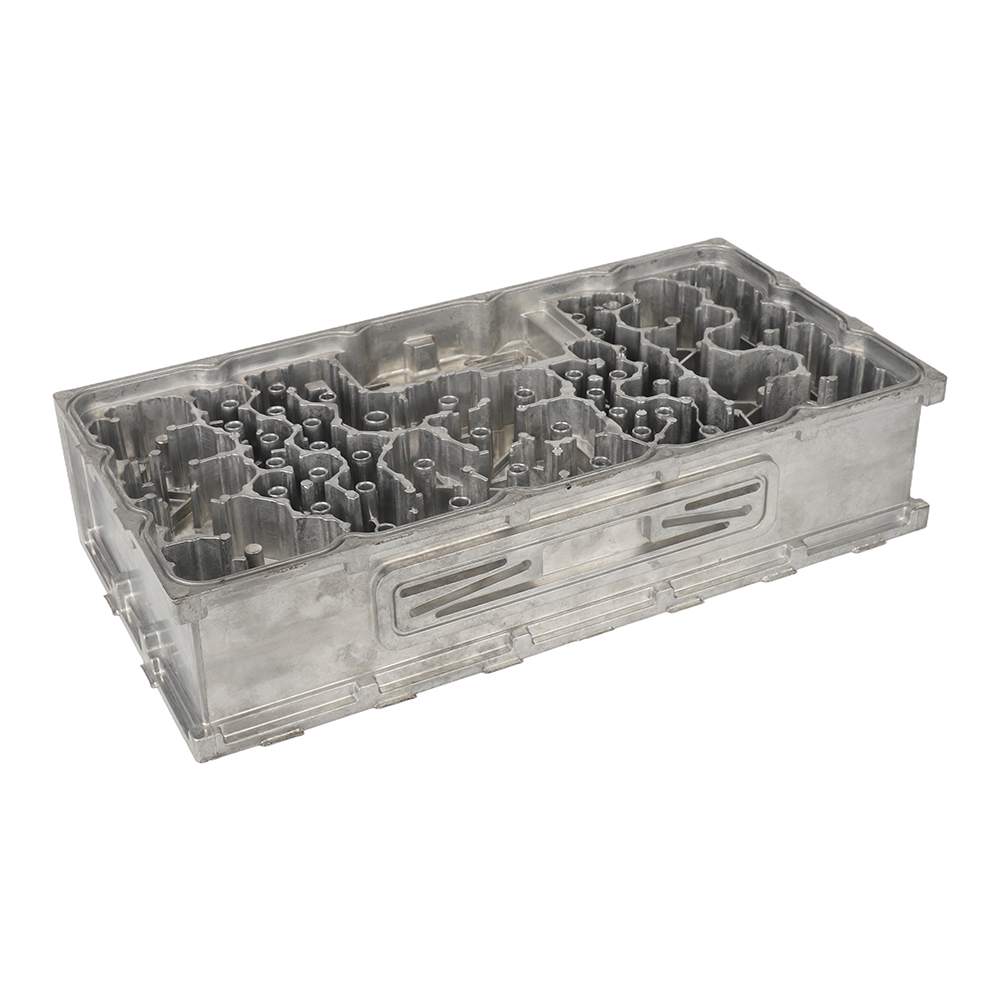
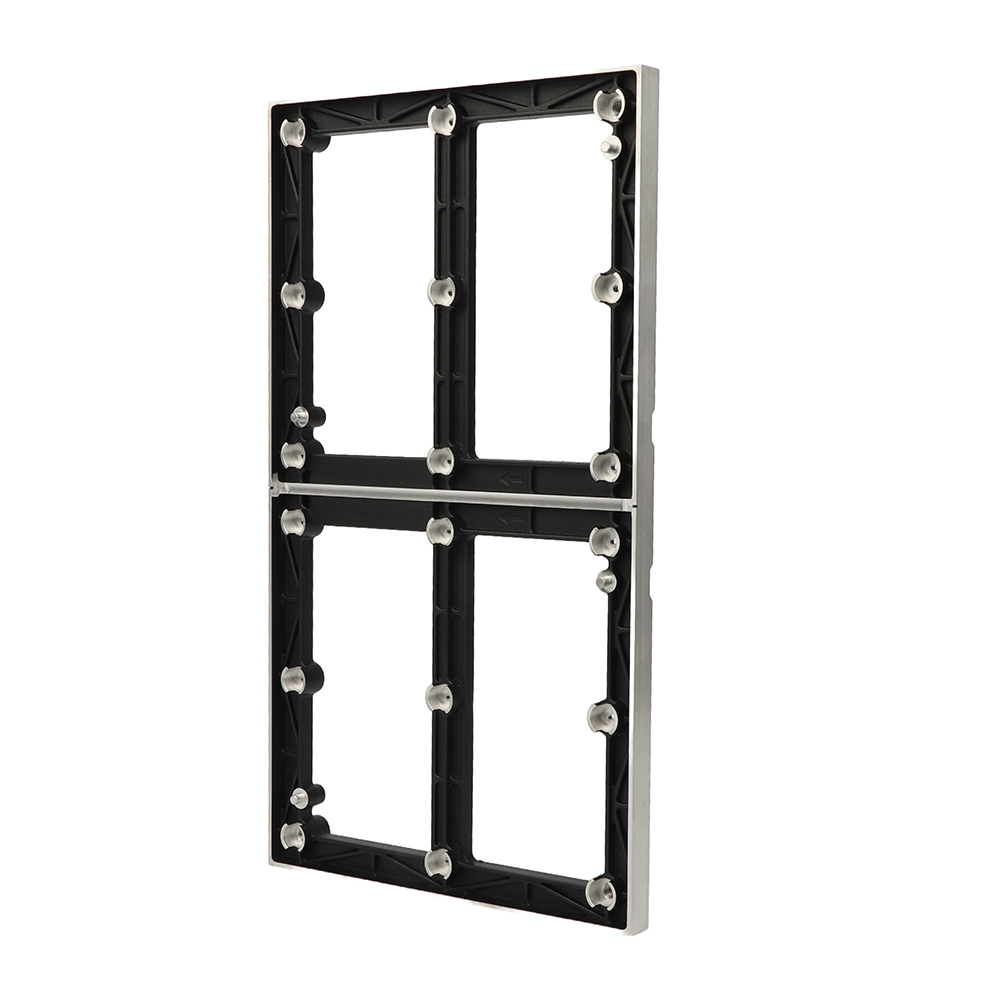
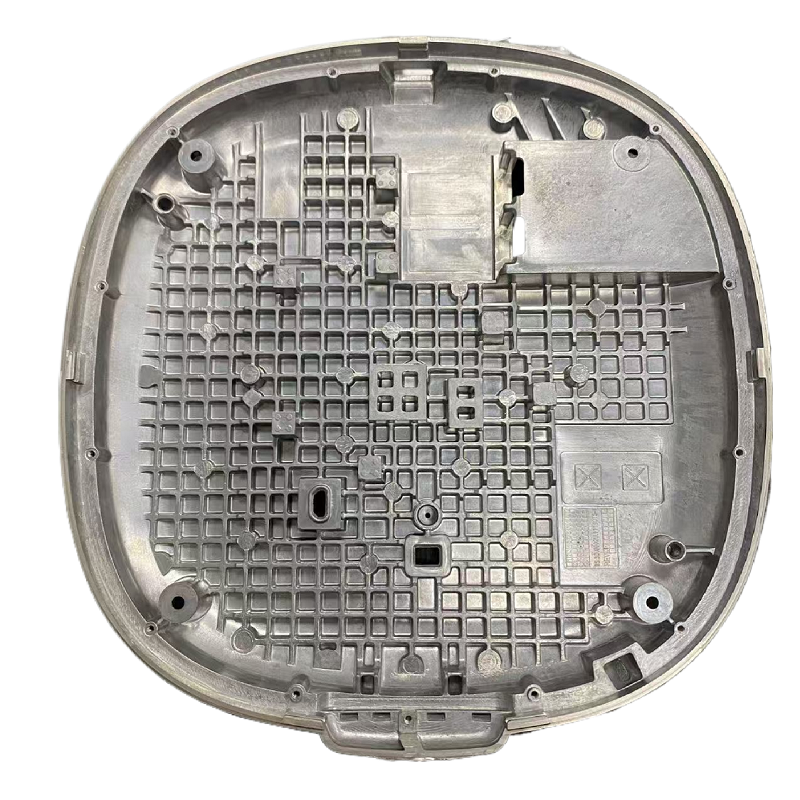
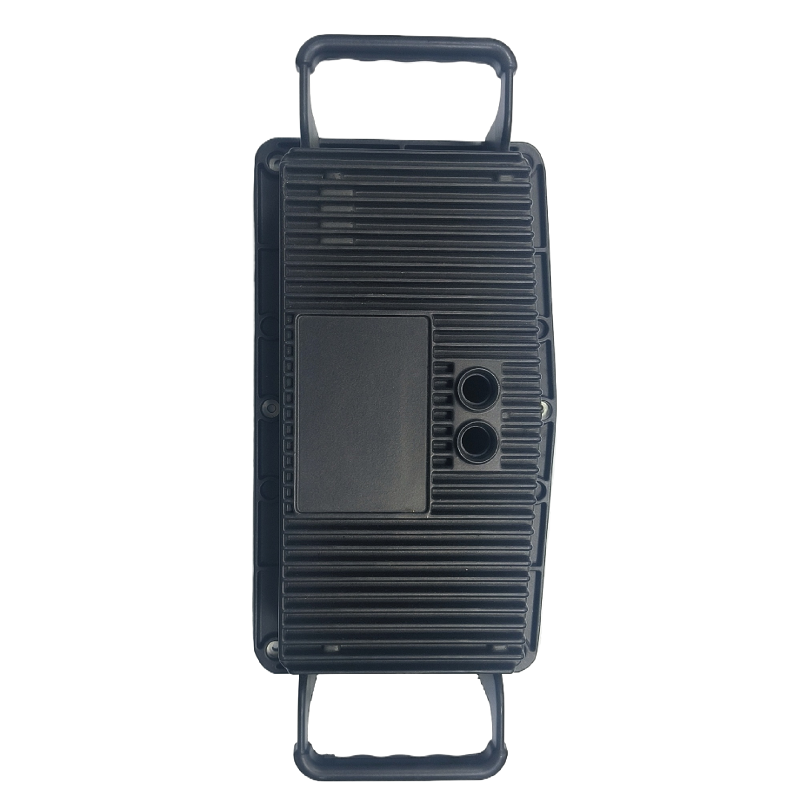
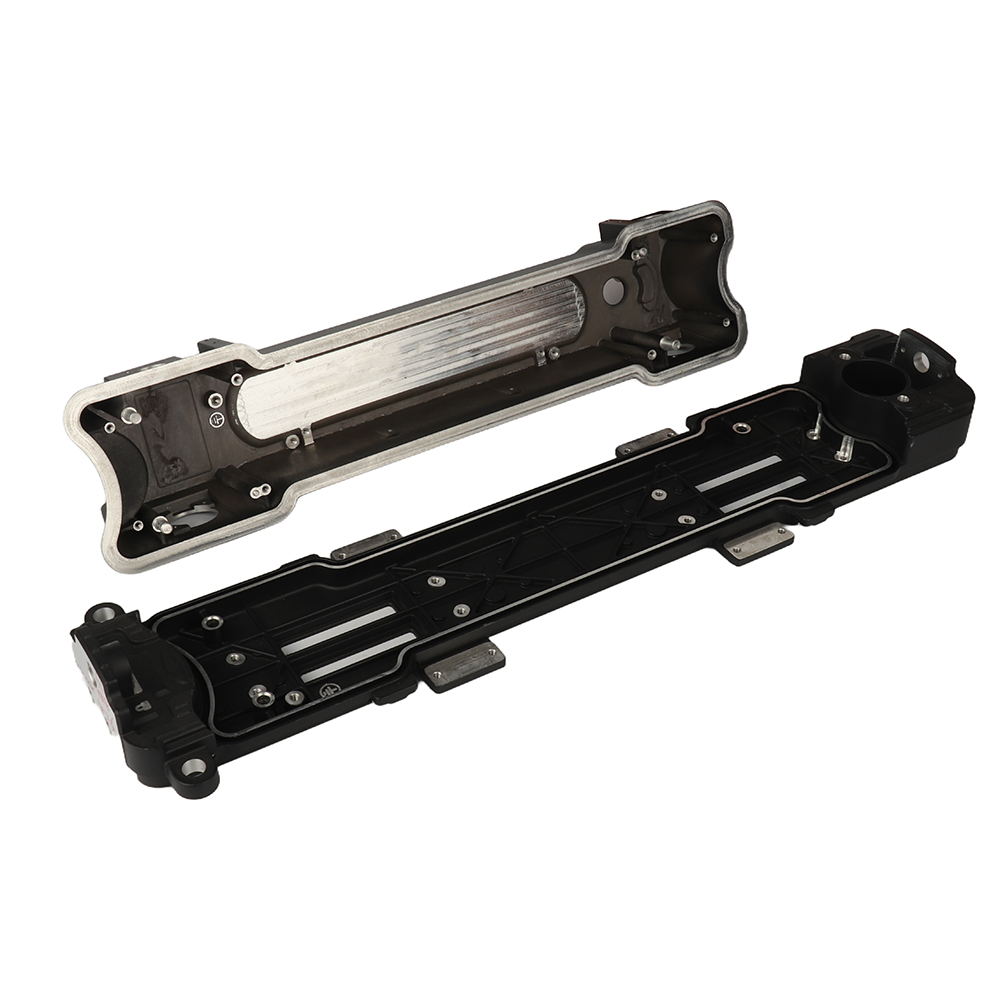
A high-quality aluminum middle beam designed for display screens, showing its sleek profile and structural design
2. Core Roles & Key Functions of Aluminum Middle Beam in Displays
The aluminum middle beam for display screens is not a decorative component; it undertakes multiple core functions that directly determine the display’s stability, safety, and performance. Below are its key roles in display systems:
2.1 Structural Support & Weight Bearing
As the “backbone” of the display, the aluminum middle beam bears the main weight of the screen panel (especially for large-size LED/LCD displays) and distributes the load evenly to the entire frame. For large seamless LED video walls or ultra-wide commercial displays, the middle beam prevents screen sagging, warping, or cracking caused by uneven weight distribution—issues that could lead to irreversible damage to the display panel and internal circuits. High-quality aluminum profiles, such as 40×80L I-type slot 8 profiles, offer excellent bending resistance, making them ideal for long horizontal spans in large displays.
2.2 Heat Dissipation Assistance
Displays generate heat during operation, especially high-brightness outdoor LED billboards and high-resolution smart TVs. Excessive heat accumulation can reduce the service life of internal components (such as LEDs and drivers) and cause display glitches. Aluminum is an excellent thermal conductor, and the aluminum middle beam acts as an auxiliary heat dissipation component, absorbing heat from the internal circuits and transferring it to the frame and the surrounding environment. Tests show that displays equipped with aluminum middle beams have an internal temperature 10℃ lower than those using plastic or other metal beams, significantly improving component stability.
2.3 Component Connection & Alignment
The aluminum middle beam serves as a connection hub, linking the front screen panel, rear casing, control board, and other internal components into a unified whole. It ensures precise alignment of each part, avoiding gaps or misalignment that could affect the display’s appearance and functionality. For ultra-narrow bezel displays and seamless video walls, the middle beam’s high precision (achieved through advanced extrusion and processing technologies) ensures that adjacent screen modules fit tightly, eliminating visual gaps and delivering a smooth viewing experience. This alignment function is also critical for modular displays, allowing easy assembly and disassembly for maintenance.
2.4 Shock & Vibration Resistance
Displays (especially outdoor and commercial ones) may be exposed to external shocks, vibrations, or environmental disturbances. The aluminum middle beam enhances the display’s overall structural rigidity, reducing the impact of external forces on internal components. Its ductile and sturdy properties absorb and disperse vibration energy, protecting the fragile screen panel and electronic parts from damage. This is particularly important for displays used in public spaces, transportation hubs, or outdoor environments, where stability under harsh conditions is essential.
3. Key Benefits of Using Aluminum Middle Beam for Display Screens
Choosing aluminum middle beam for display screens brings multiple advantages compared to other materials (such as steel, plastic, or wood), making it the preferred choice for most display manufacturers. Here are the core benefits:
3.1 Lightweight yet High Strength
Aluminum has a lower density than steel, so the aluminum middle beam is lightweight, reducing the overall weight of the display. This not only makes transportation and installation easier (especially for large-scale displays) but also reduces the load on the installation surface (such as walls and ceilings). Despite being lightweight, aluminum alloys (after heat treatment and extrusion) have high strength and rigidity, comparable to steel, ensuring reliable weight bearing and structural stability. For example, 6061-T6 aluminum alloy, commonly used in display beams, offers excellent compressive strength, making it suitable for heavy-duty display applications.
3.2 Excellent Corrosion Resistance & Durability
Aluminum naturally forms a dense oxide film on its surface, which can be further enhanced through anodization or other surface treatments. This makes the aluminum middle beam highly resistant to corrosion, moisture, and oxidation—critical for outdoor displays exposed to rain, sunlight, and extreme temperatures. Unlike steel (which is prone to rust) or plastic (which ages and becomes brittle over time), aluminum middle beams have a long service life (up to 10 years or more) and require little maintenance. The anodized surface also provides a wear-resistant finish, ensuring the beam retains its appearance even after long-term use.
3.3 Cost-Effective & Easy to Process
Aluminum is abundant in resources and easy to extrude, cut, bend, and punch, allowing manufacturers to customize the aluminum middle beam according to the display’s size, shape, and functional needs. The processing cost is lower than that of steel (which requires anti-rust treatment) or high-end engineering plastics. Additionally, the lightweight nature of aluminum reduces transportation and installation costs, while its long service life lowers the total cost of ownership for display products. For manufacturers, using aluminum profiles also allows for standardized production, reducing mold costs and improving production efficiency.
3.4 Aesthetically Pleasing & Versatile
The aluminum middle beam has a sleek, metallic appearance that enhances the display’s overall aesthetic appeal. It can be treated with various surface finishes (such as anodization, polishing, or spraying) to match different display styles—from modern minimalist smart TVs to high-end commercial digital signage. The smooth surface and precise dimensions of aluminum profiles also ensure a neat, professional look, avoiding the roughness or deformation associated with other materials. For ultra-thin displays, aluminum middle beams can be designed to be slim yet strong, contributing to the display’s sleek design.
4. Expert Opinions on Aluminum Middle Beam Applications
Industry experts recognize the critical role of aluminum middle beam for display screens in improving product quality and performance. Below are insights from three leading experts in display technology and material engineering:
4.1 Sarah Johnson, Senior Display Engineer at a Global LED Display Manufacturer
“In large-scale LED video wall projects, the aluminum middle beam is the key to ensuring seamless splicing and long-term stability. We have tested various materials—steel is too heavy, plastic lacks strength, and wood is prone to deformation. Aluminum middle beams balance lightweight, strength, and heat dissipation, allowing us to build larger, more reliable video walls. For example, in a 50-square-meter outdoor LED billboard project, using aluminum middle beams reduced the overall weight by 30% compared to steel, while improving heat dissipation efficiency by 25%, significantly extending the display’s service life.”
4.2 Dr. Michael Chen, Material Science Expert & Professor at a Top Engineering University
“Aluminum’s inherent properties—excellent thermal conductivity, corrosion resistance, and processability—make it the optimal material for display middle beams. The aluminum middle beam not only supports the screen but also solves the core pain point of heat accumulation in high-brightness displays. Through precise extrusion and surface treatment, aluminum profiles can achieve micron-level precision, ensuring tight alignment of display modules. This is particularly important for ultra-narrow bezel displays, where even a small gap can affect the viewing experience. Aluminum’s recyclability also aligns with the industry’s trend toward green manufacturing.”
4.3 David Lee, Senior Product Designer at a Leading Smart TV Brand
“For modern smart TVs, consumers pursue slimness, lightness, and aesthetics—all of which the aluminum middle beam helps achieve. We use customized aluminum profiles to design ultra-thin middle beams that bear the weight of the screen while maintaining the TV’s slim profile. The anodized surface of the aluminum beam also matches the TV’s metallic frame, enhancing the product’s high-end feel. Compared to plastic middle beams, aluminum ones are more durable and less likely to yellow or deform over time, which improves customer satisfaction and brand reputation. In our latest ultra-thin TV series, the aluminum middle beam reduced the TV’s weight by 15% and improved structural stability by 40%.”
5. Industry FAQs About Aluminum Middle Beam for Displays
Below are the most common questions about aluminum middle beam for display screens, answered by industry professionals to help you better understand its applications and value:
Q1: What is the difference between aluminum middle beam and steel middle beam for displays?
A: The main differences lie in weight, corrosion resistance, and processing flexibility. Aluminum middle beams are 30-50% lighter than steel ones, making transportation and installation easier. They also have better corrosion resistance (no rusting) and are easier to customize through extrusion and bending. Steel beams are stronger in absolute terms but are heavier, prone to rust, and require additional anti-rust treatment, increasing costs. For most display applications (especially indoor and outdoor commercial displays), aluminum middle beams are more cost-effective and practical.
Q2: Can aluminum middle beams be used for outdoor displays?
A: Yes, aluminum middle beams are ideal for outdoor displays. After anodization or anti-corrosion spraying, they can resist rain, sunlight, high and low temperatures, and humidity—effectively preventing corrosion and deformation. Many outdoor LED billboards, outdoor digital signage, and outdoor projection screens use aluminum middle beams to ensure long-term stability in harsh environmental conditions. The typical thickness of outdoor aluminum beams is 2.0mm or more, providing enhanced durability.
Q3: How to choose the right aluminum middle beam for different display sizes?
A: The choice depends on the display’s size, weight, and application scenario. For small displays (such as home monitors and small digital signage), a thin aluminum profile (1-2mm thick) is sufficient. For medium-sized displays (such as 55-85 inch smart TVs), a 2-3mm thick profile with reinforced structure is recommended. For large-scale displays (such as LED video walls and large outdoor billboards), thickened aluminum profiles (3mm or more) or special reinforced designs (such as 40×80L I-type profiles) are needed to ensure sufficient weight bearing and stability. Manufacturers usually provide customized solutions based on the display’s specific parameters.
Q4: Do aluminum middle beams require maintenance?
A: Generally, aluminum middle beams require minimal maintenance. Their anodized or sprayed surface is wear-resistant and corrosion-resistant, so regular cleaning with a dry cloth to remove dust is sufficient. For outdoor displays, occasional cleaning with water (avoiding harsh cleaning agents) can help maintain the surface finish. Unlike steel beams, they do not require regular anti-rust treatment, reducing maintenance costs and effort.
Q5: Is the aluminum middle beam recyclable?
A: Yes, aluminum is 100% recyclable without losing its properties. Recycled aluminum can be reprocessed into new aluminum profiles, reducing resource waste and environmental impact. This aligns with the global trend of green and sustainable manufacturing, making aluminum middle beams a more environmentally friendly choice compared to non-recyclable materials such as plastic or wood composites.
6. Conclusion
The aluminum middle beam for display screens is an indispensable core component in modern display systems, undertaking critical roles such as structural support, heat dissipation, component alignment, and shock resistance. Its unique advantages—lightweight yet high strength, excellent corrosion resistance, cost-effectiveness, and aesthetic appeal—make it the preferred choice for display manufacturers across various sectors, from home electronics to commercial and outdoor displays.
As display technology continues to evolve—toward larger sizes, slimmer designs, and higher brightness—the importance of aluminum middle beams will only grow. Industry experts agree that aluminum’s versatility and performance make it irreplaceable in display design, and its recyclability aligns with the future of green manufacturing. Whether you are a display manufacturer, installer, or end user, understanding the value of aluminum middle beams helps you make more informed decisions and ensure the quality, stability, and longevity of display products.
Manufacturing capability | What is your die-casting manufacturing capability? Comprehensive Overview & FAQs
Die cast aluminum part | What are LED module back plate & rear housing? Focus on Die Casting Aluminum Types
Related Article


