
HOT PRODUCTS
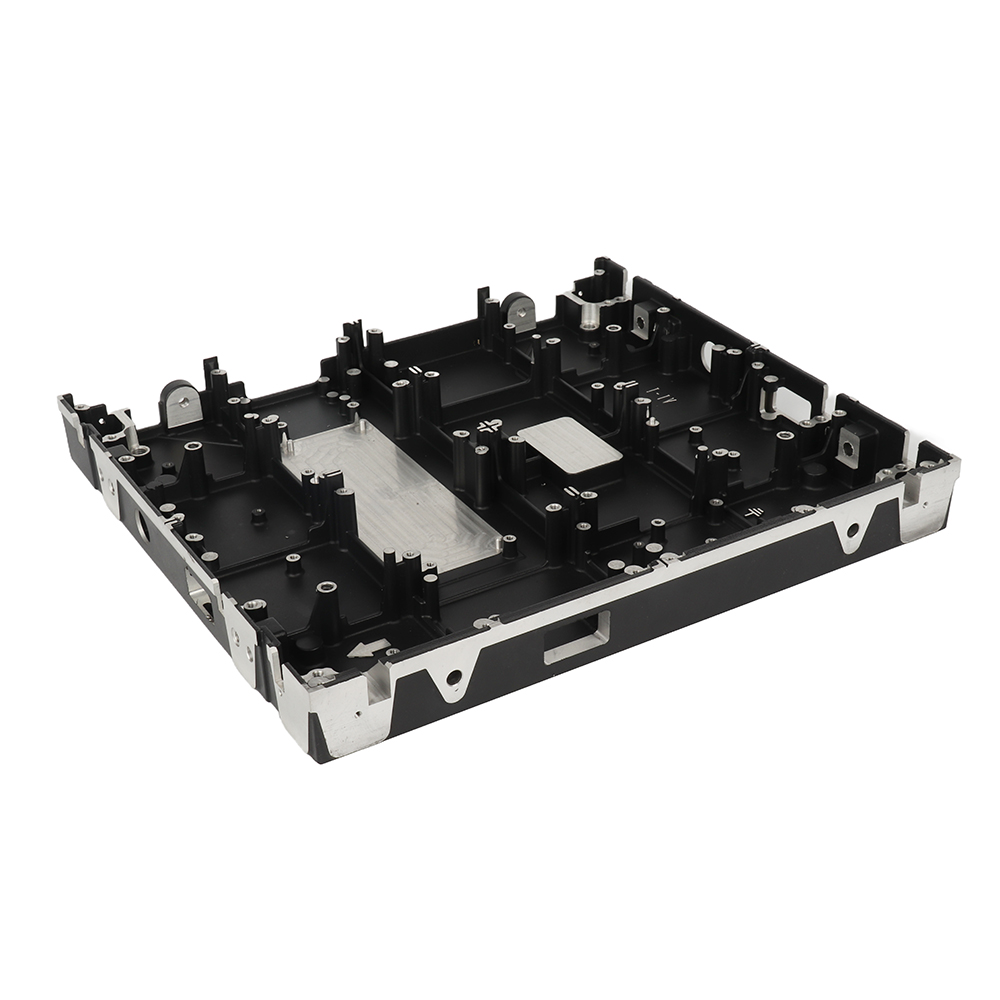
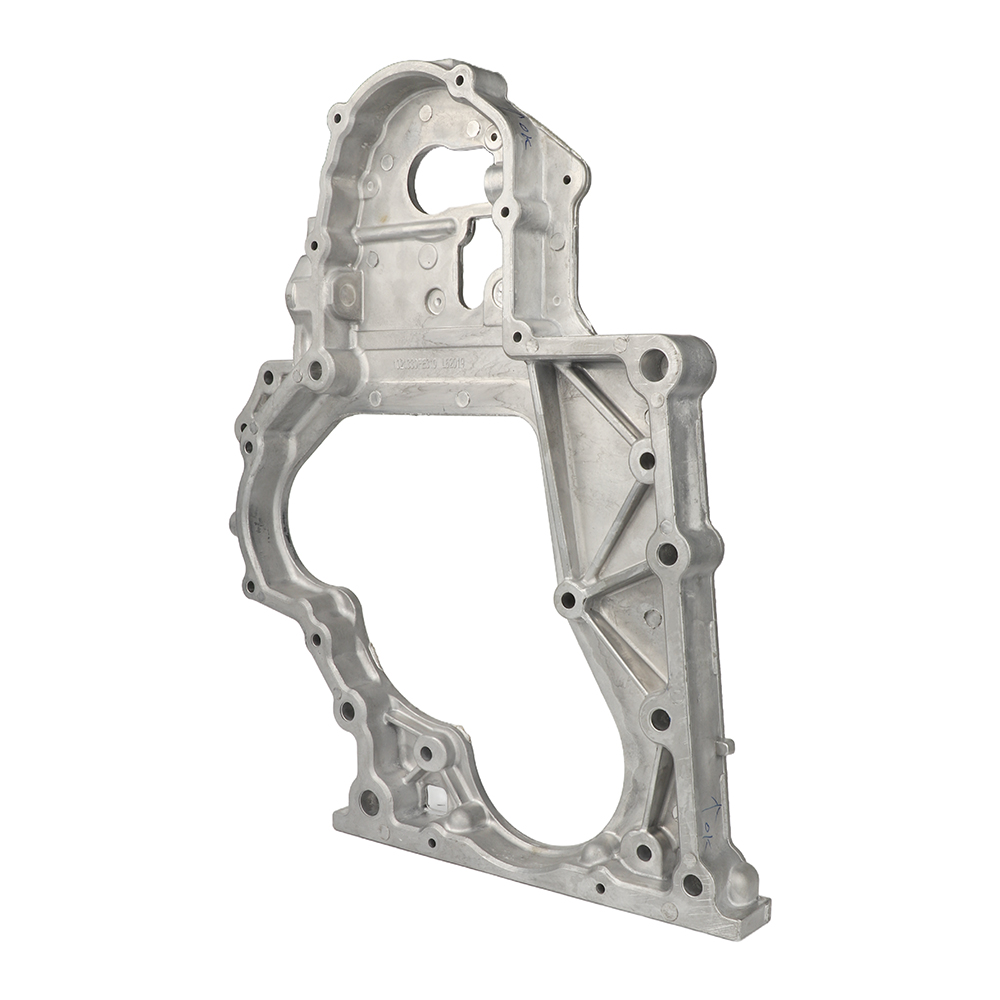
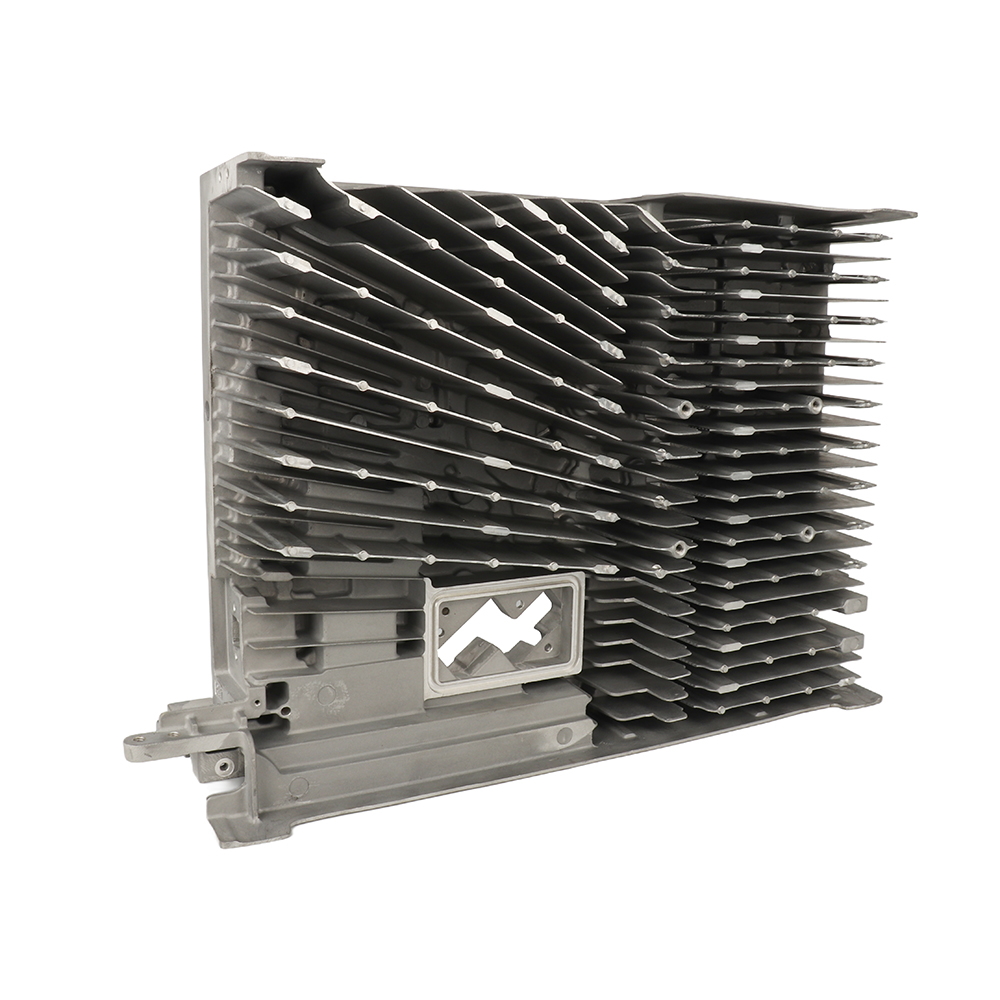
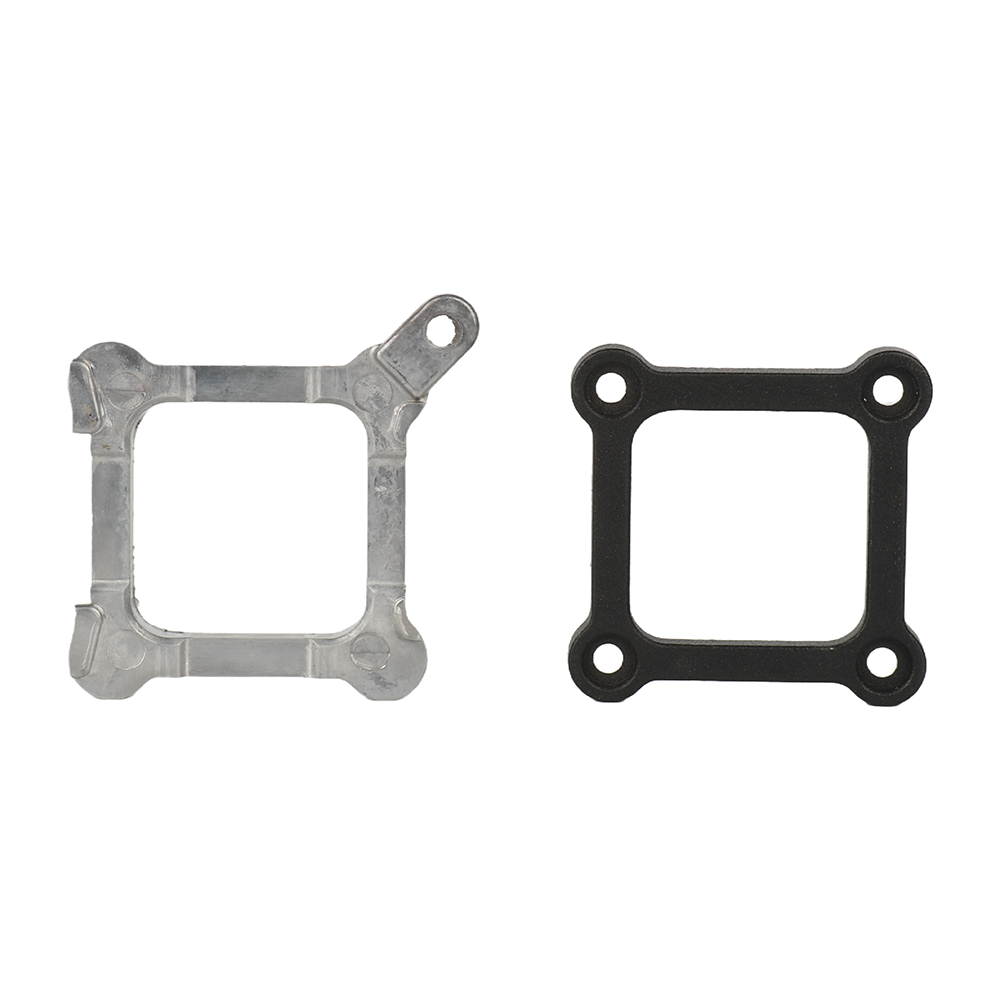
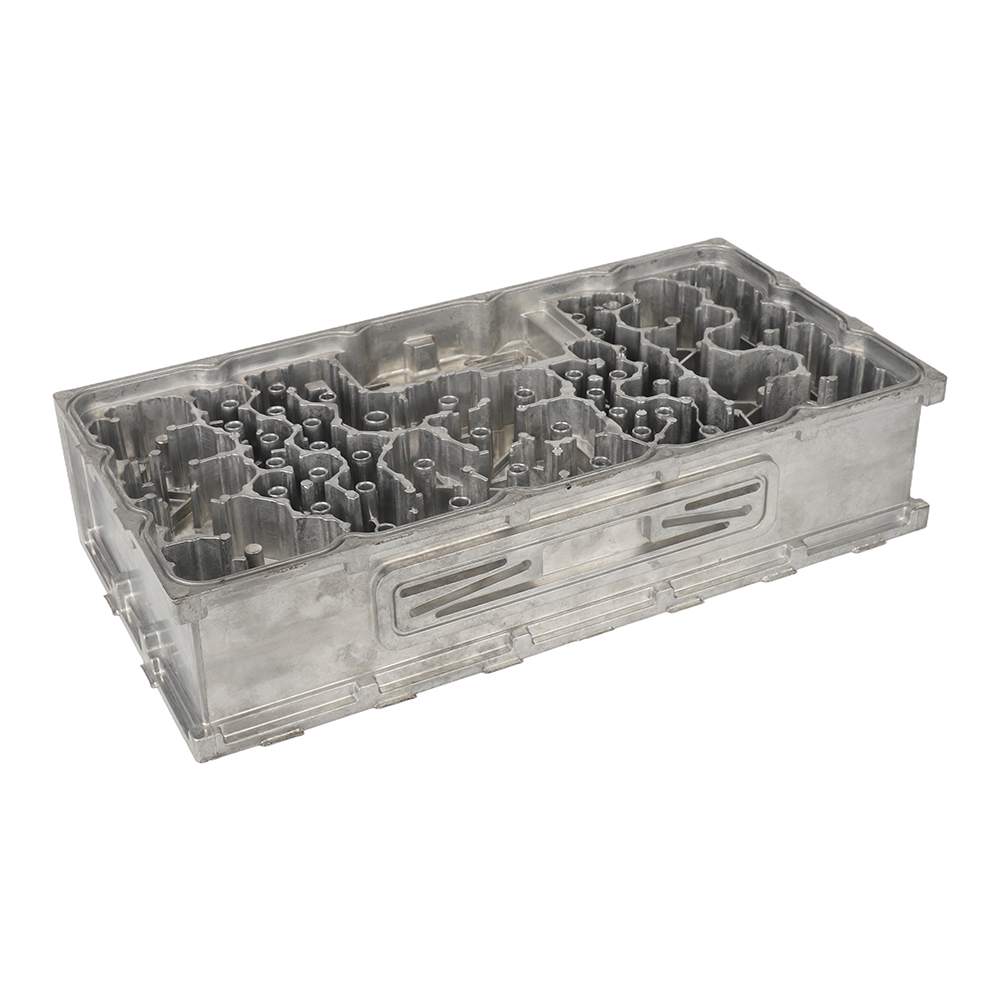
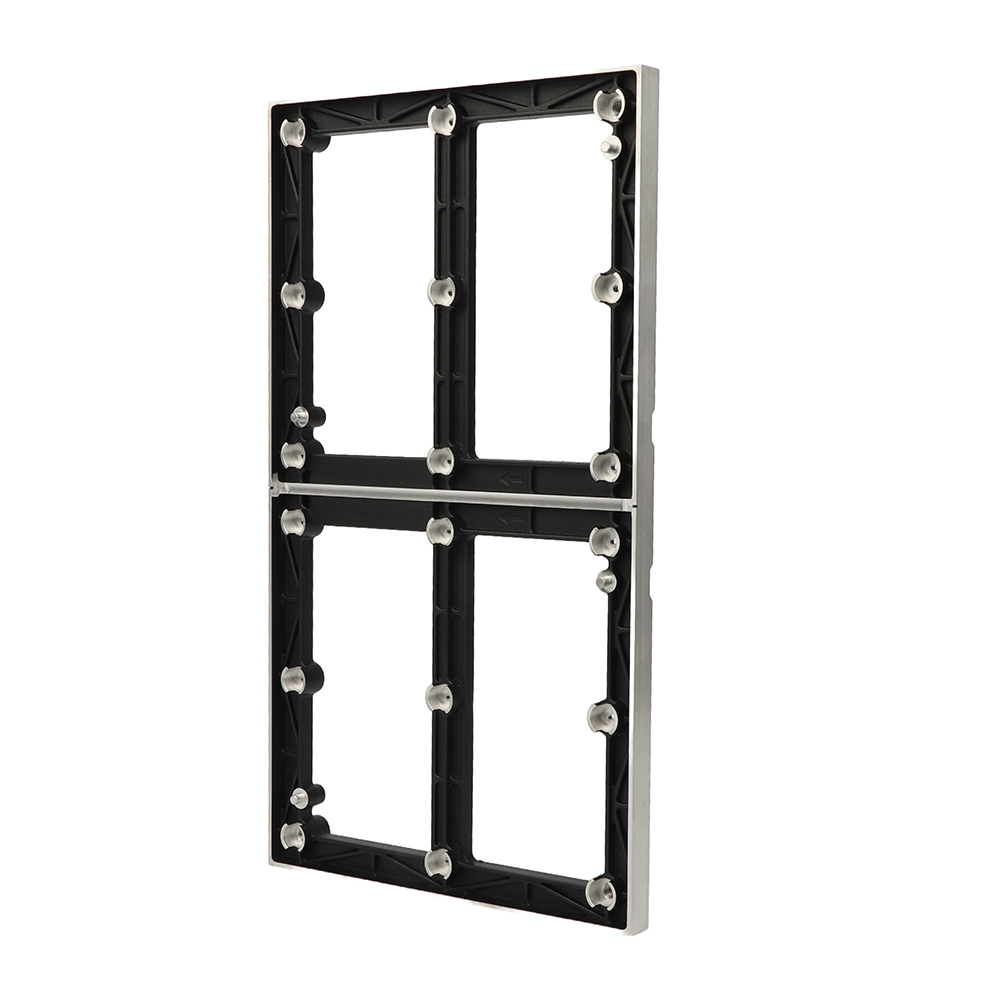
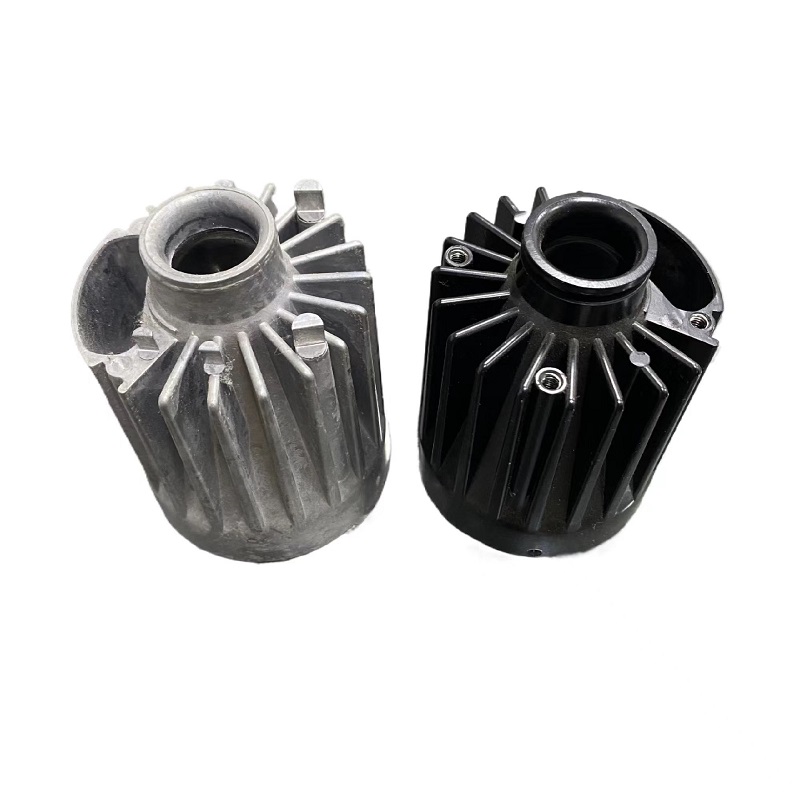
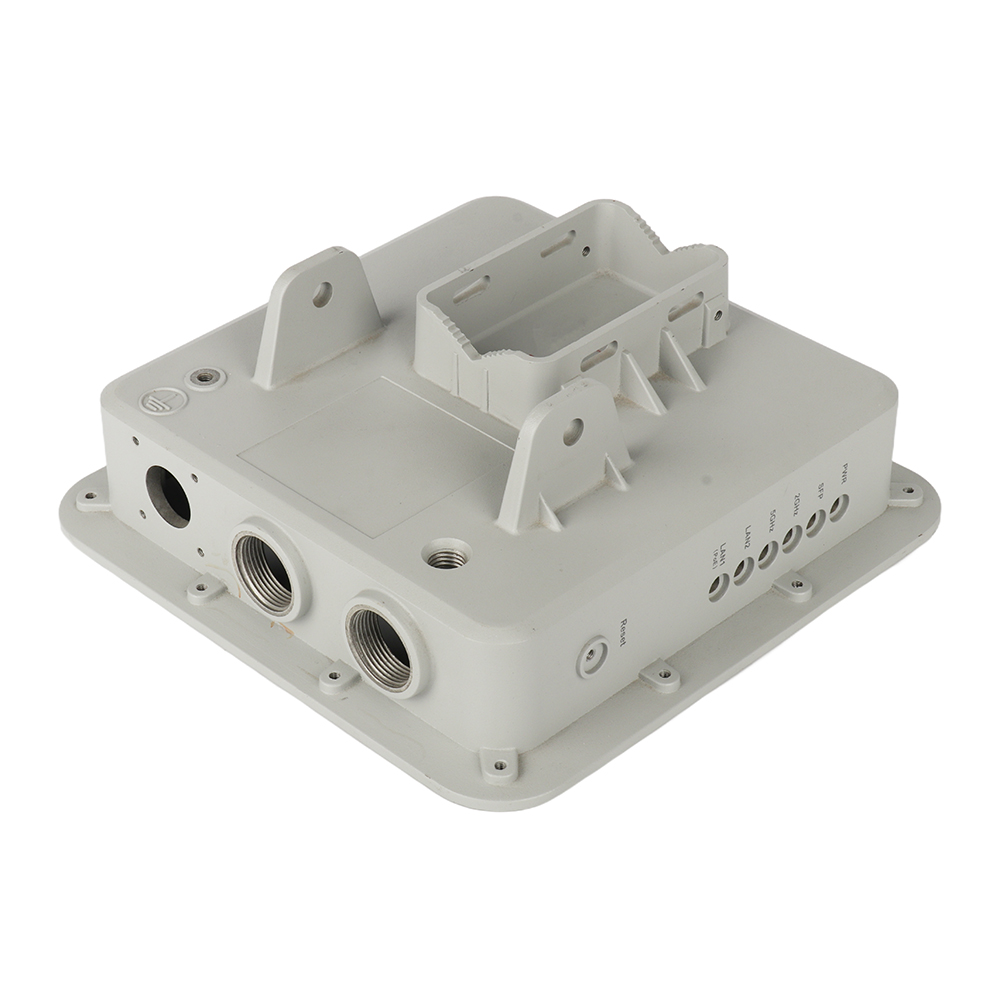
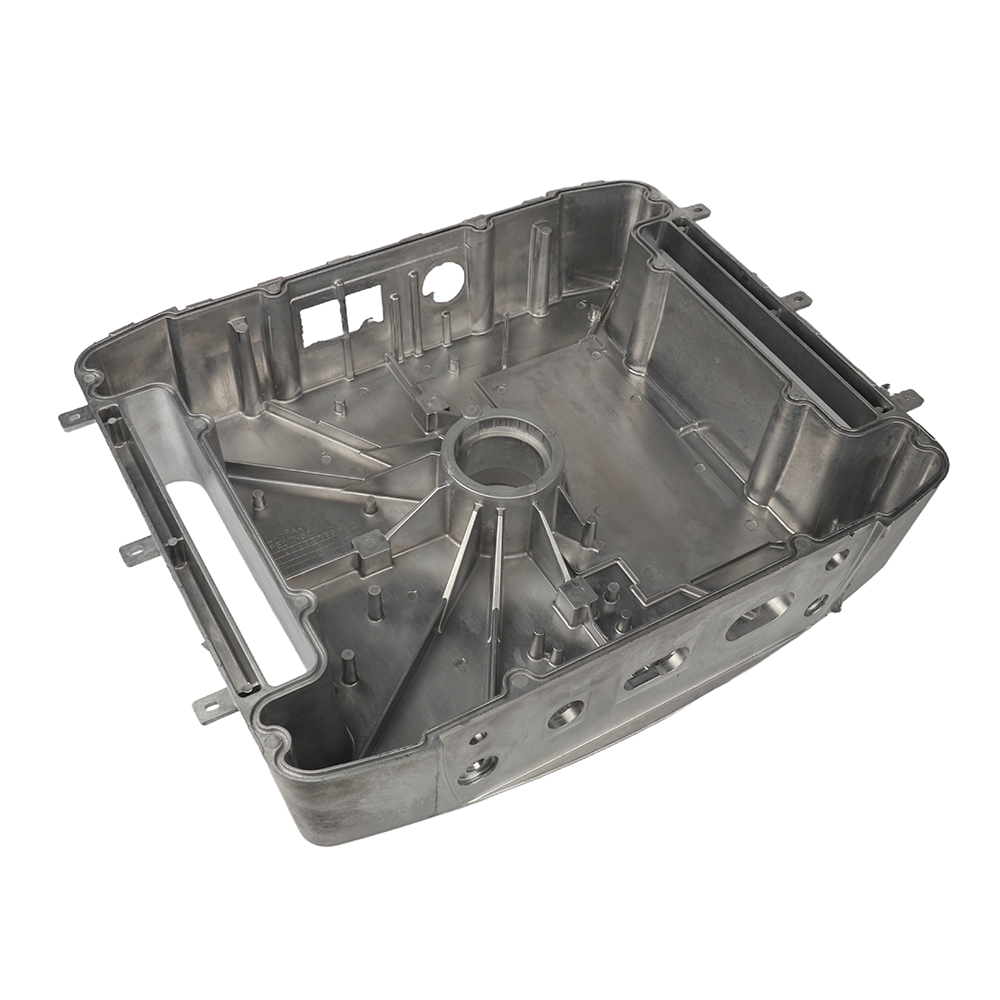
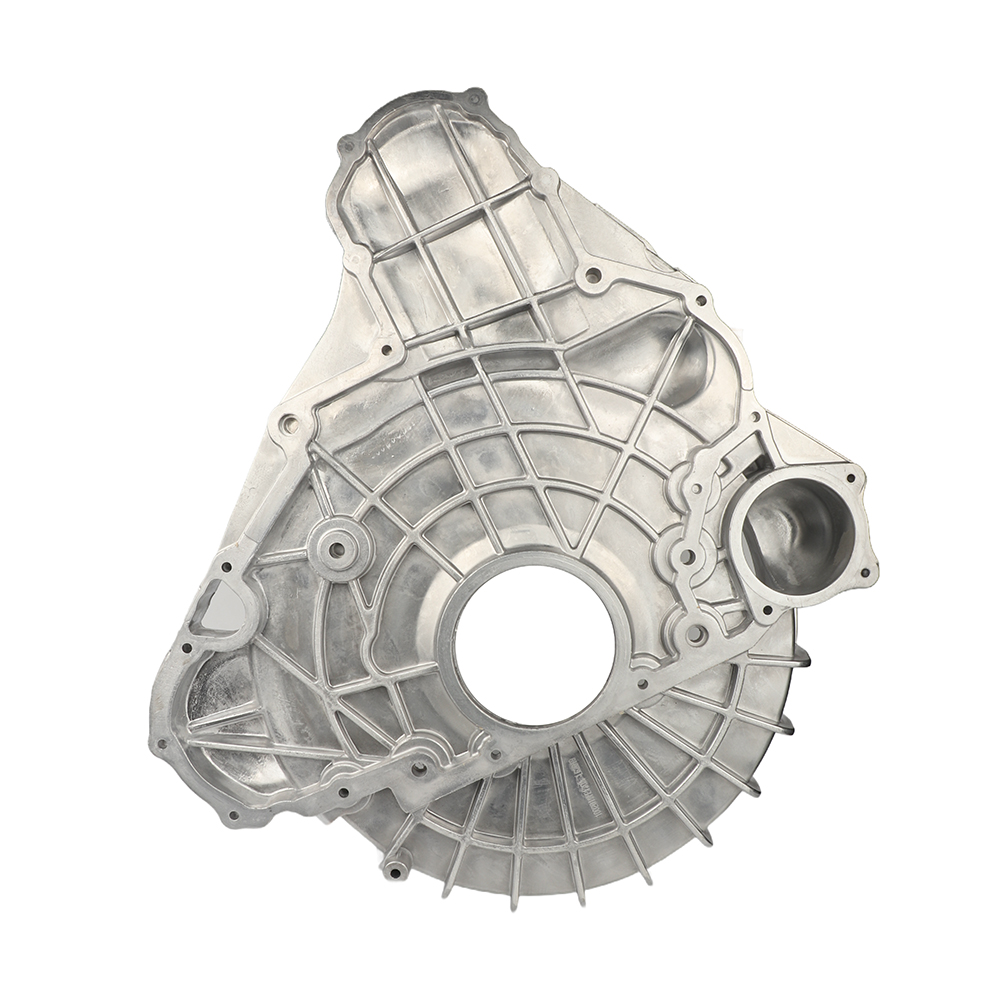
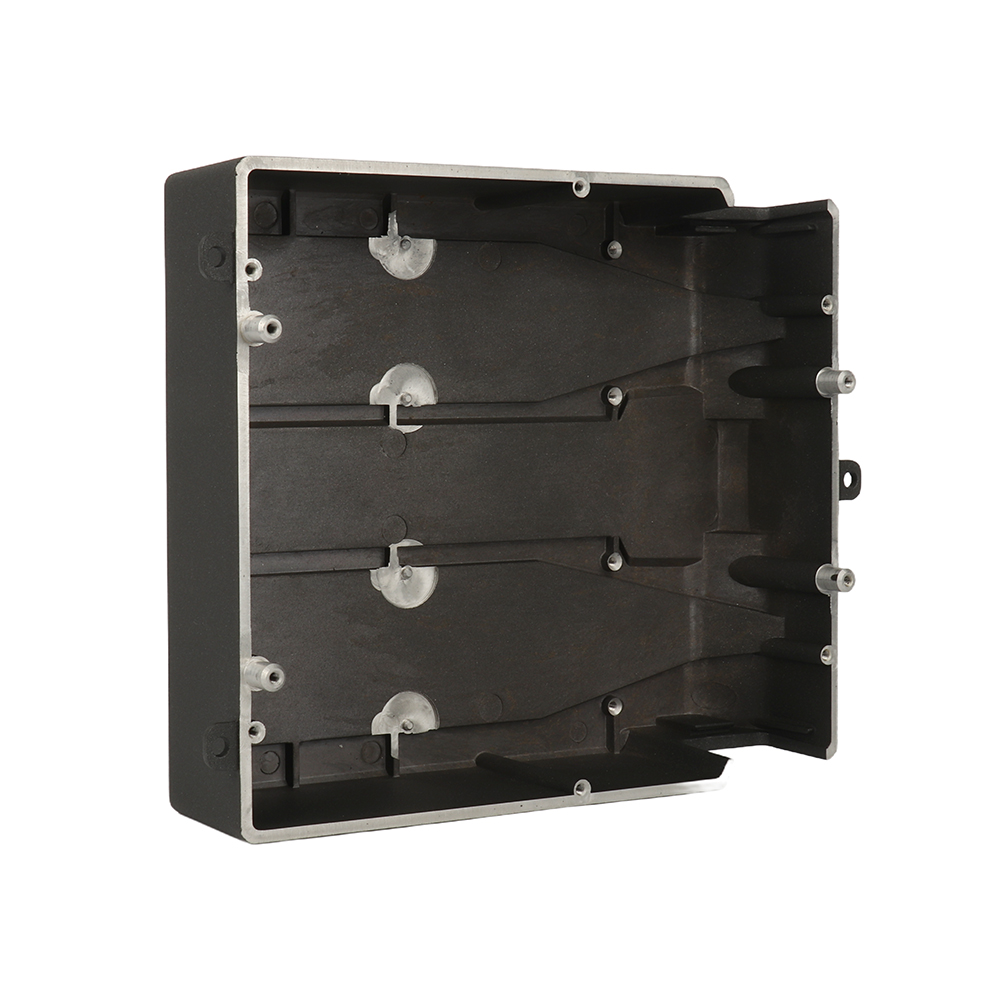
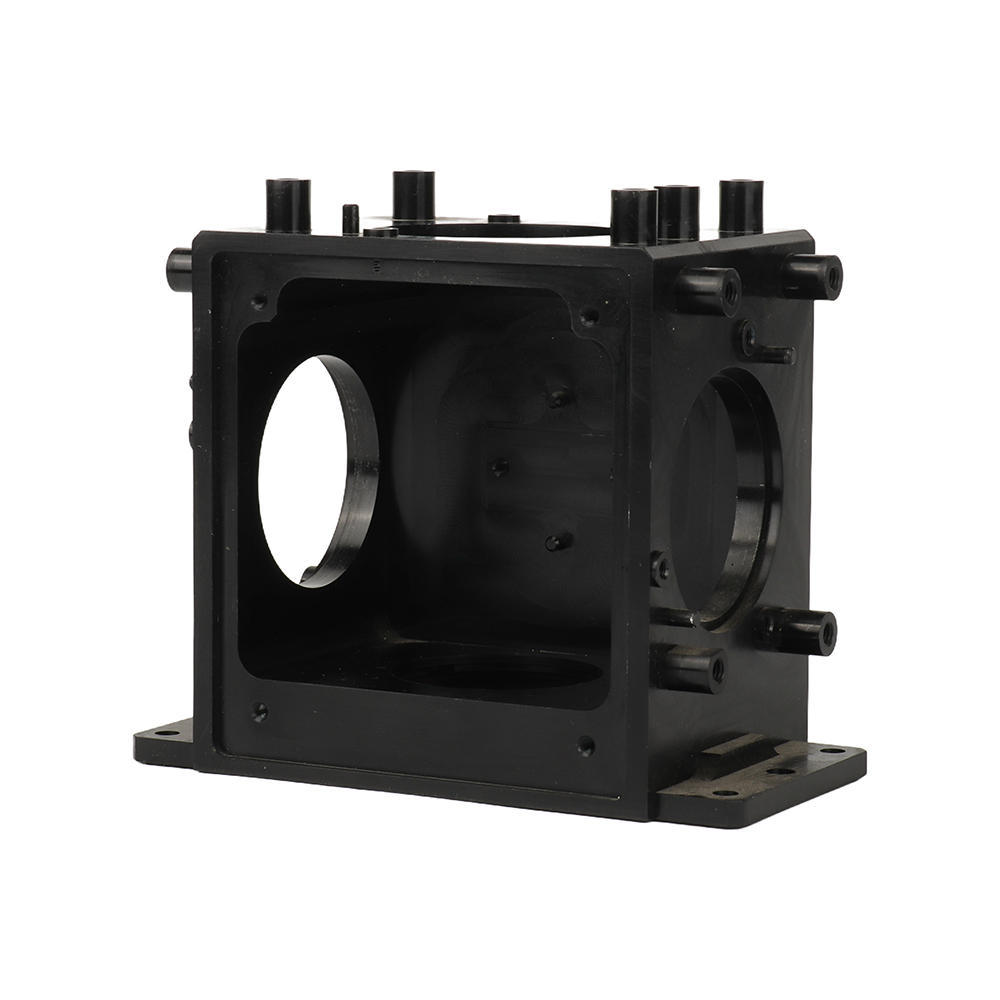
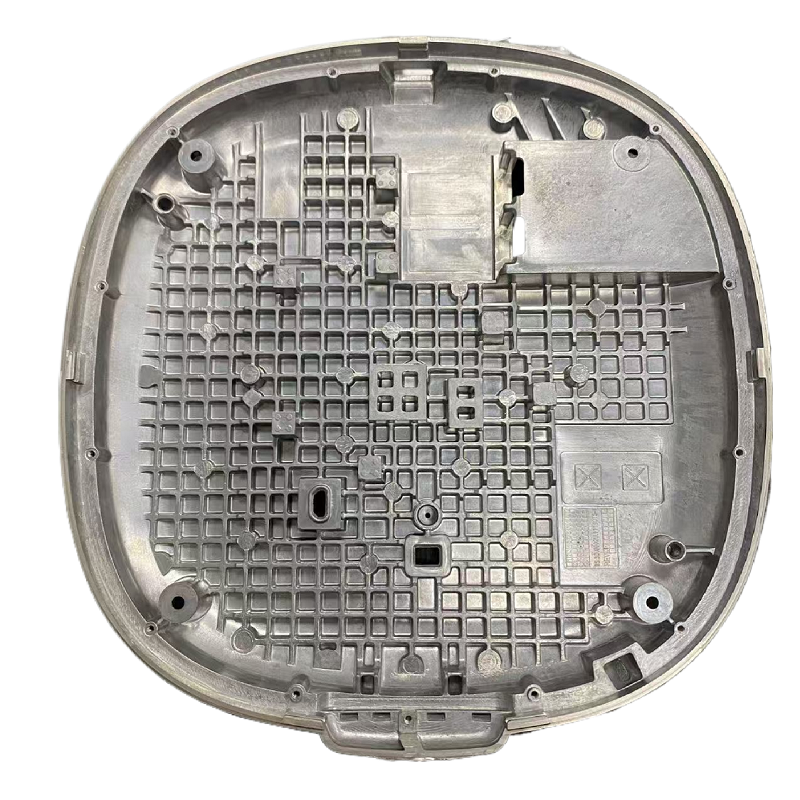
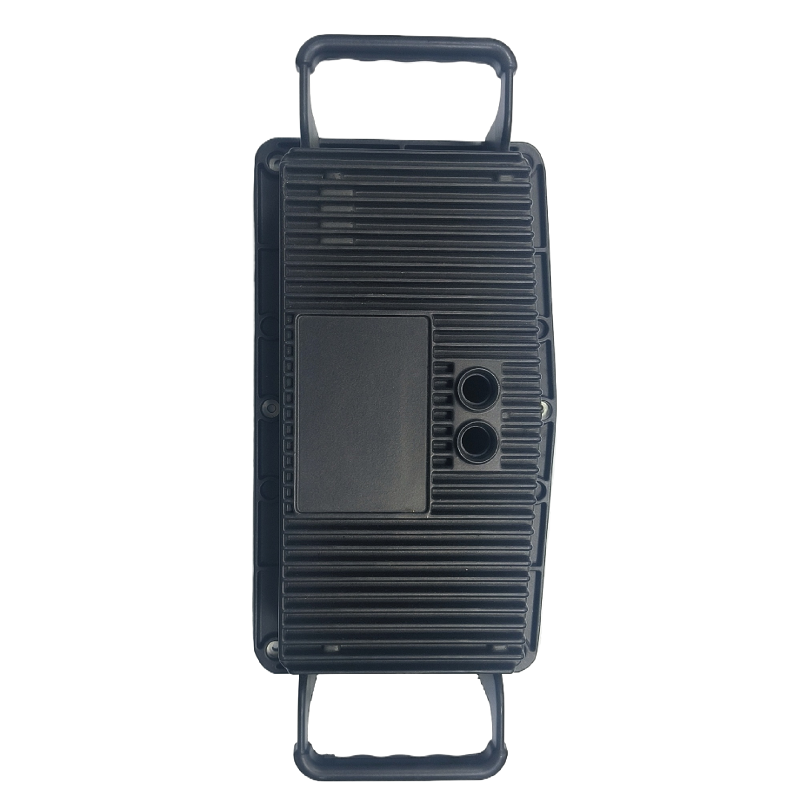
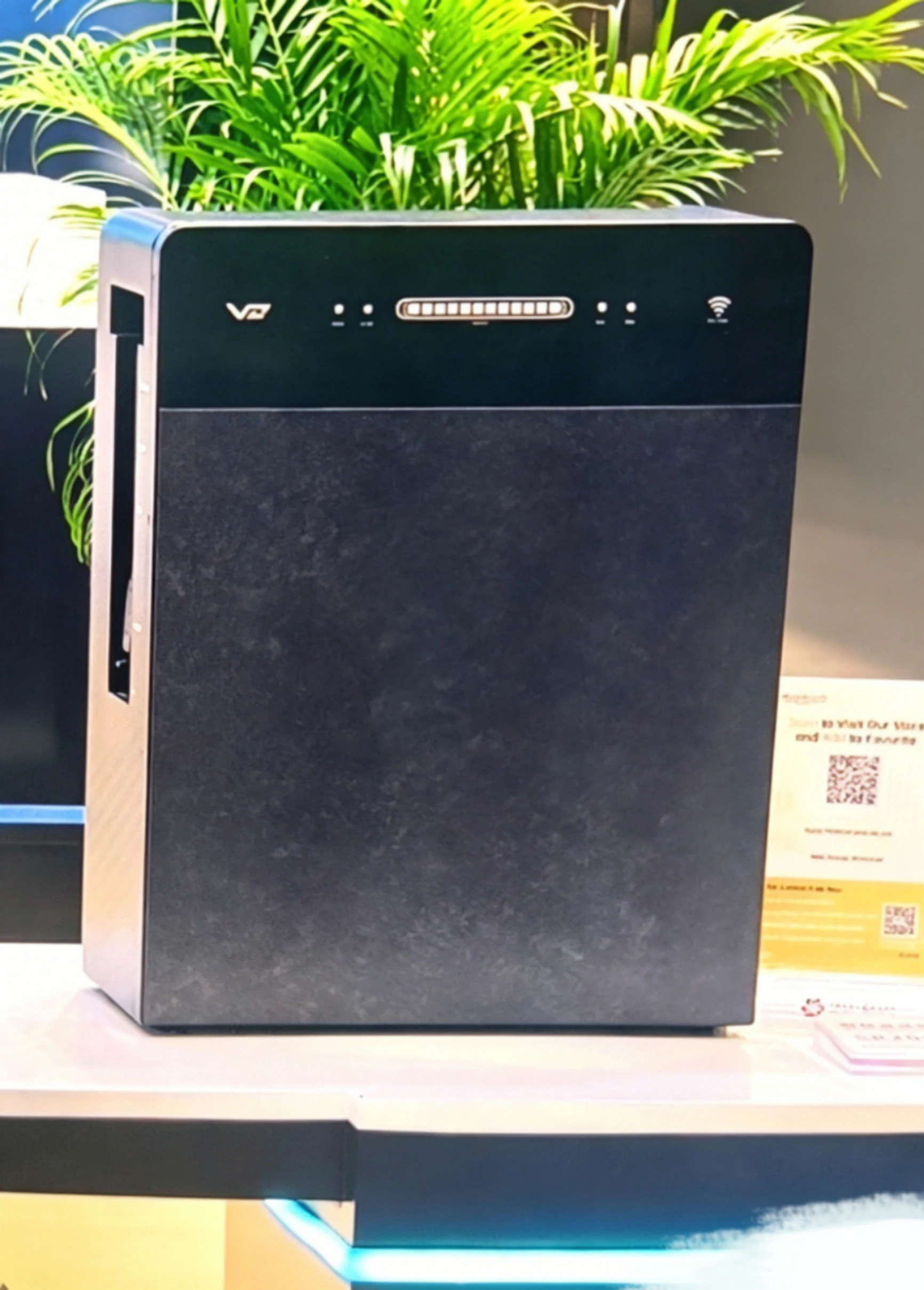
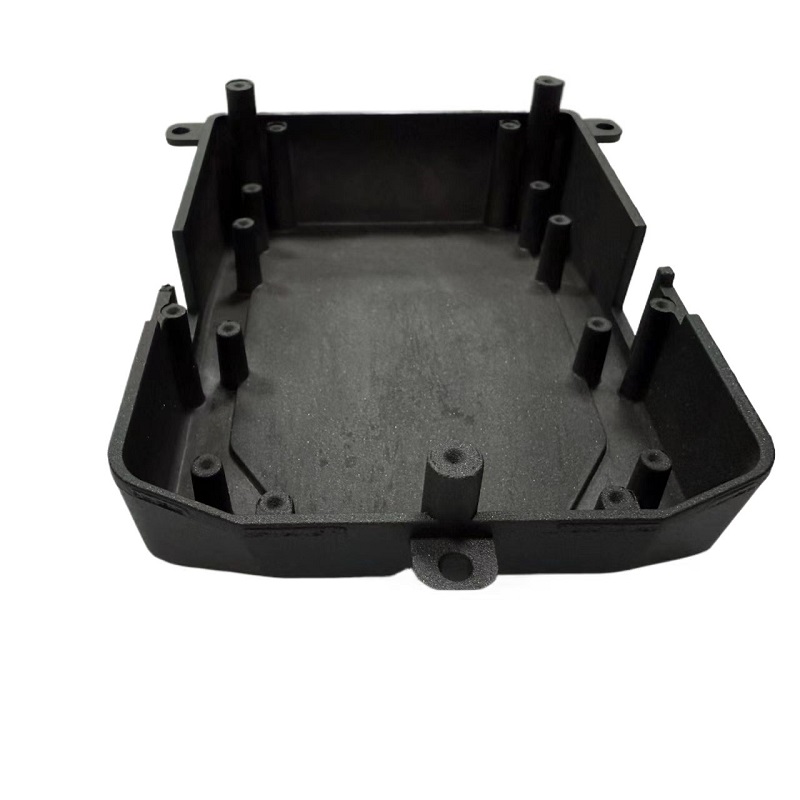
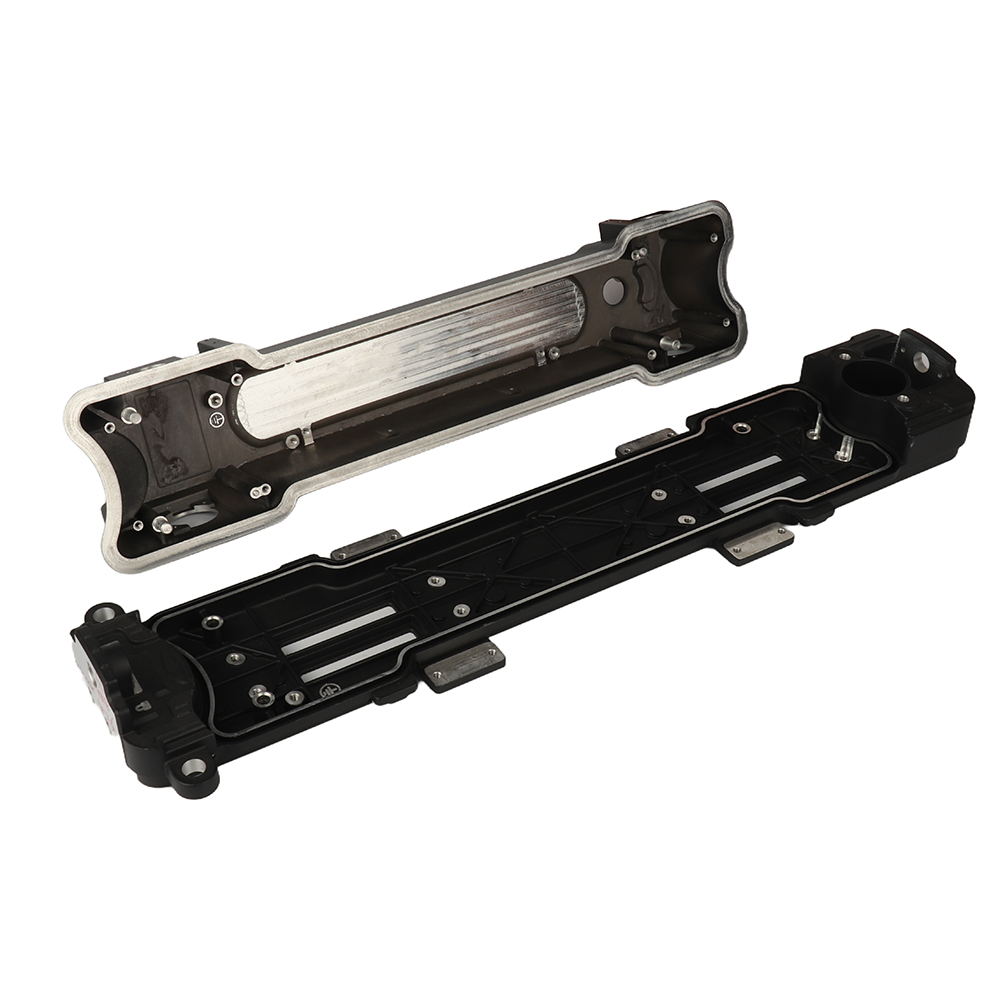
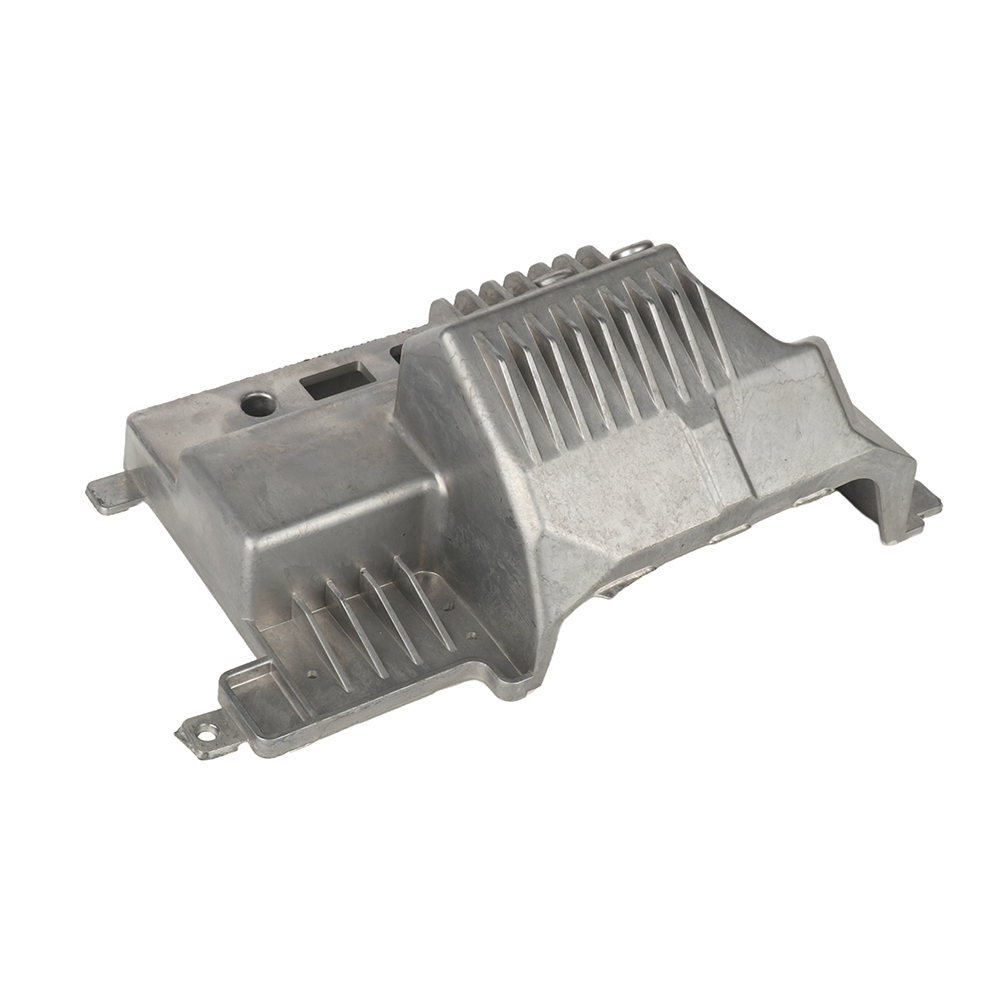
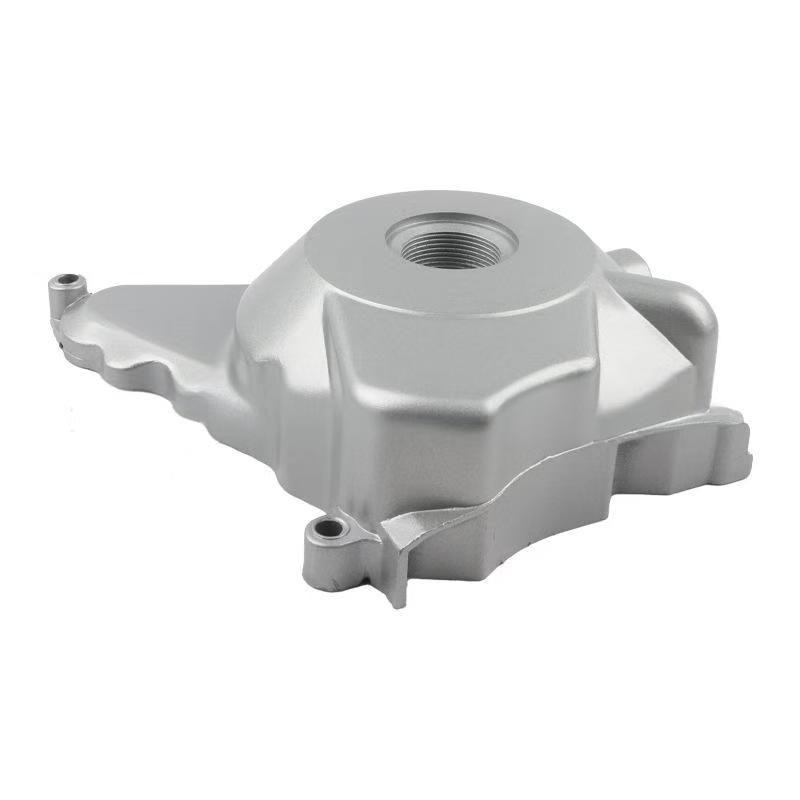
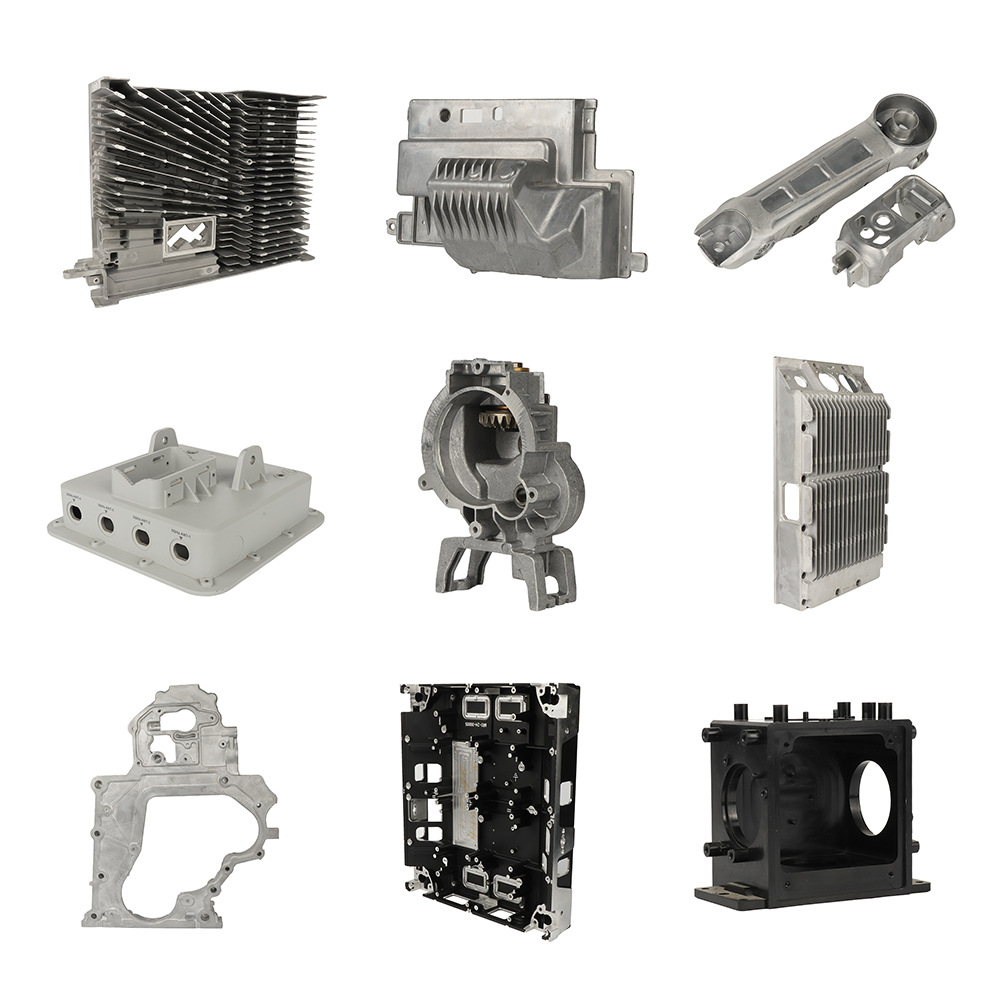
Led display cabinet | What is an aluminum-zinc connecting plate? Key Role in LED Display Cabinets
What is an Aluminum-Zinc Connecting Plate? Key Role in LED Display Cabinets
Table of Contents
- 1. Introduction: What is an Aluminum-Zinc Connecting Plate?
- 2. Core Characteristics of Aluminum-Zinc Connecting Plates
- 3. The Indispensable Link: Aluminum-Zinc Connecting Plates & LED Display Cabinets
- 4. Key Functions of Aluminum-Zinc Connecting Plates in LED Display Cabinets
- 5. Unmatched Advantages of Aluminum-Zinc Connecting Plates for LED Display Cabinets
- 6. Expert Opinion: Why Aluminum-Zinc is the Best Choice for LED Cabinets
- 7. FAQ: Common Questions About Aluminum-Zinc Connecting Plates in LED Industry
- 8. Conclusion
1. Introduction: What is an Aluminum-Zinc Connecting Plate?
In the realm of industrial manufacturing and electronic equipment, connecting plates serve as the "hidden backbone" that ensures structural stability and functional integrity. Among various types of connecting plates, the aluminum-zinc connecting plate stands out for its unique combination of strength, corrosion resistance, and versatility—especially in applications like LED display cabinets. But what exactly is an aluminum-zinc connecting plate, and why is it the preferred choice for LED display cabinet assembly? This blog will break down its definition, core features, and critical role in LED display cabinets, while highlighting its unmatched benefits and addressing common industry questions.

LED display cabinets connected by precision connecting plates, showing seamless splicing and stable installation
2. Core Characteristics of Aluminum-Zinc Connecting Plates
An aluminum-zinc connecting plate is a hybrid metal component crafted by blending aluminum and zinc—two metals that complement each other to deliver superior performance over pure aluminum or zinc alone. Unlike single-metal connecting plates, it leverages the synergy of both materials to achieve a balanced set of properties, making it ideal for demanding applications like LED display cabinets. Here are its core characteristics:
2.1 Material Composition
Typically composed of 5% to 50% aluminum content (depending on application needs) mixed with zinc, and often supplemented with trace elements like silicon. This alloy ratio is carefully calibrated to enhance corrosion resistance, strength, and formability—key requirements for LED display cabinet components that need to withstand long-term use.
2.2 Key Physical & Mechanical Traits
- Lightweight yet Durable: Lighter than pure zinc (density 5.0-6.0 g/cm³ vs. zinc’s 7.14 g/cm³) while offering higher tensile strength than both parent metals, making it easy to handle during LED cabinet assembly without compromising structural stability.
- Exceptional Corrosion Resistance: Forms a dense, adherent oxide layer that protects against moisture, humidity, and atmospheric wear—critical for LED cabinets used outdoors or in humid environments.
- Excellent Heat Dissipation: Inherits aluminum’s superior thermal conductivity, which helps dissipate heat generated by LED modules, preventing overheating and extending the lifespan of the LED display cabinet.
- Easy Processability: Can be stamped, cut, and welded easily, allowing for custom designs to fit different LED display cabinet sizes and configurations.
3. The Indispensable Link: Aluminum-Zinc Connecting Plates & LED Display Cabinets
LED display cabinets are the structural foundation of LED screens—whether used for outdoor billboards, indoor video walls, stage backdrops, or rental events. These cabinets house LED modules, power supplies, and control systems, and their stability directly impacts the display’s performance, lifespan, and safety. The aluminum-zinc connecting plate is a critical component in LED display cabinet assembly, acting as the bridge that connects different parts of the cabinet (such as panels, frames, and modules) into a cohesive, stable unit.
Unlike traditional steel or pure aluminum connecting plates, aluminum-zinc connecting plates are specifically engineered to meet the unique demands of LED display cabinets—including lightweight design, corrosion resistance, and precise alignment.
4. Key Functions of Aluminum-Zinc Connecting Plates in LED Display Cabinets
The aluminum-zinc connecting plate is not just a "fastener"—it plays multiple critical roles in ensuring the optimal performance of LED display cabinets. Here are its core functions:
4.1 Structural Reinforcement & Stability
LED display cabinets often need to be assembled into large-scale screens (e.g., stadium displays, outdoor billboards) or moved frequently (rental cabinets). Aluminum-zinc connecting plates reinforce the cabinet’s structure, preventing deformation, loosening, or damage caused by weight, vibration, or transportation. They distribute pressure evenly across the cabinet, ensuring that the entire structure remains stable even in harsh conditions.
4.2 Precise Alignment of LED Modules
For LED displays to deliver clear, seamless visuals, LED modules must be aligned perfectly—even a small misalignment can cause image distortion. Aluminum-zinc connecting plates have high dimensional accuracy, ensuring that each LED module is mounted in the correct position, eliminating gaps or misalignment between modules. This precision is especially critical for high-resolution LED screens where image clarity is paramount.
4.3 Heat Dissipation Assistance
LED modules generate heat during operation, and excessive heat can reduce their lifespan and performance. Aluminum-zinc connecting plates, with their excellent thermal conductivity, act as heat conductors, transferring heat from the LED modules to the cabinet’s cooling system (e.g., heat sinks). This helps maintain a stable operating temperature, protecting the LED components and extending the overall lifespan of the LED display cabinet.
4.4 Corrosion Protection for Longevity
Outdoor LED display cabinets are exposed to rain, humidity, UV radiation, and even saltwater (in coastal areas), which can cause rust and corrosion. Aluminum-zinc connecting plates’ corrosion-resistant coating (a blend of aluminum and zinc) forms a protective barrier, preventing rust and degradation. This ensures that the cabinet remains structurally sound for years, reducing maintenance costs and downtime.
5. Unmatched Advantages of Aluminum-Zinc Connecting Plates for LED Display Cabinets
When compared to other connecting plate materials (such as pure aluminum, steel, or galvanized steel), aluminum-zinc connecting plates offer distinct advantages that make them the ideal choice for LED display cabinets:
5.1 Superior Corrosion Resistance vs. Pure Aluminum & Steel
Pure aluminum is prone to corrosion in harsh environments, while steel and galvanized steel are heavy and can rust over time. Aluminum-zinc connecting plates combine the corrosion resistance of zinc with the durability of aluminum, outperforming both in most environments—including coastal and industrial settings. They can withstand temperatures up to 315°C and have a service life of up to 25 years, making them ideal for long-term LED cabinet use.
5.2 Lightweight Design Reduces Installation & Transportation Costs
LED display cabinets (especially large-scale or rental ones) need to be transported and installed efficiently. Aluminum-zinc connecting plates are lighter than steel and galvanized steel, reducing the overall weight of the cabinet. This makes transportation easier, lowers labor costs during installation, and reduces the load on mounting structures (e.g., walls, brackets).
5.3 Cost-Effective in the Long Run
While aluminum-zinc connecting plates may have a slightly higher initial cost than pure aluminum or steel, their long lifespan and low maintenance requirements make them more cost-effective over time. They eliminate the need for frequent replacements or anti-corrosion treatments, reducing downtime and maintenance costs for LED display cabinet operators.
5.4 Versatility for Custom LED Cabinet Designs
LED display cabinets come in various sizes and configurations (e.g., flat, curved, rental, fixed). Aluminum-zinc connecting plates are highly customizable—they can be cut, stamped, and welded into different shapes and sizes to fit any cabinet design. This versatility makes them suitable for all types of LED display cabinets, from small indoor video walls to large outdoor billboards.
6. Expert Opinion: Why Aluminum-Zinc is the Best Choice for LED Cabinets
To further validate the importance of aluminum-zinc connecting plates in LED display cabinets, we reached out to Mark Williams, a senior mechanical engineer with 15 years of experience in LED display hardware design and manufacturing, and the lead designer at a leading global LED display company.
"In LED display cabinet design, the connecting plate is often overlooked, but it’s one of the most critical components. We switched to aluminum-zinc connecting plates five years ago, and the difference in performance and durability has been remarkable. Unlike steel, they’re lightweight enough to reduce cabinet weight without sacrificing strength—critical for rental cabinets that need to be moved frequently. Unlike pure aluminum, they resist corrosion even in outdoor and humid environments, which extends the cabinet’s lifespan by 30-40% compared to traditional materials. For LED displays, where stability and longevity directly impact customer satisfaction, aluminum-zinc connecting plates are not just a choice—they’re a necessity. Their ability to balance strength, corrosion resistance, and heat dissipation makes them the optimal solution for modern LED display cabinets."
Mark also added that aluminum-zinc connecting plates have become the industry standard for high-quality LED display cabinets, especially for outdoor and rental applications, due to their unmatched performance-to-cost ratio.
7. FAQ: Common Questions About Aluminum-Zinc Connecting Plates in LED Industry
We’ve compiled the most common questions about aluminum-zinc connecting plates and their use in LED display cabinets, based on industry feedback and customer inquiries:
7.1 Q: Can aluminum-zinc connecting plates be used for both indoor and outdoor LED display cabinets?
A: Yes! Aluminum-zinc connecting plates are suitable for both indoor and outdoor use. Their corrosion resistance and heat dissipation properties make them ideal for outdoor cabinets (exposed to weather), while their lightweight design and precision alignment make them perfect for indoor video walls. They can withstand operating temperatures from -20°C to +50°C, covering most indoor and outdoor environments.
7.2 Q: How long do aluminum-zinc connecting plates last in LED display cabinets?
A: Under normal operating conditions, aluminum-zinc connecting plates have a service life of 15-25 years. This is significantly longer than pure aluminum (10-15 years) and steel (5-10 years) connecting plates. The exact lifespan depends on the environment—outdoor cabinets in coastal areas may have a slightly shorter lifespan, but they still outperform other materials.
7.3 Q: Are aluminum-zinc connecting plates more expensive than other materials?
A: Initially, aluminum-zinc connecting plates may cost 10-15% more than pure aluminum or steel plates. However, their long lifespan, low maintenance requirements, and reduced replacement costs make them more cost-effective in the long run. For example, a steel connecting plate may need to be replaced every 5 years, while an aluminum-zinc plate can last 20+ years—saving money on replacements and labor.
7.4 Q: Can aluminum-zinc connecting plates be customized for unique LED cabinet designs?
A: Absolutely. Aluminum-zinc is highly malleable and can be stamped, cut, welded, and drilled into custom shapes and sizes. This makes it easy to adapt to unique LED cabinet designs, including curved cabinets, irregular sizes, and rental cabinets that require quick assembly and disassembly.
7.5 Q: Do aluminum-zinc connecting plates affect the heat dissipation of LED display cabinets?
A: No—they enhance it! Aluminum-zinc connecting plates have excellent thermal conductivity, similar to pure aluminum. They act as heat conductors, transferring heat from LED modules to the cabinet’s cooling system, which helps prevent overheating and extends the lifespan of LED components. This is a key advantage over steel connecting plates, which have poor thermal conductivity.
8. Conclusion
The aluminum-zinc connecting plate is a critical component in LED display cabinets, serving as the backbone that ensures structural stability, precise alignment, heat dissipation, and corrosion resistance. Its unique blend of aluminum and zinc delivers a balanced set of properties—lightweight, durable, corrosion-resistant, and customizable—that make it superior to other connecting plate materials. Whether for indoor video walls, outdoor billboards, or rental LED cabinets, aluminum-zinc connecting plates play a vital role in enhancing the performance, lifespan, and cost-effectiveness of LED display systems.
As industry expert Mark Williams noted, aluminum-zinc connecting plates are no longer an optional upgrade—they’re a necessity for modern LED display cabinets. Their ability to withstand harsh environments, reduce maintenance costs, and support custom designs makes them the ideal choice for LED display manufacturers and operators alike.
Alu heatsink | What is die cast metal? A Focus on Die Cast Aluminum Heatsinks
Pressure die casting | what is pressure die casting? A Complete Guide for Manufacturers
Related Article


