
HOT PRODUCTS
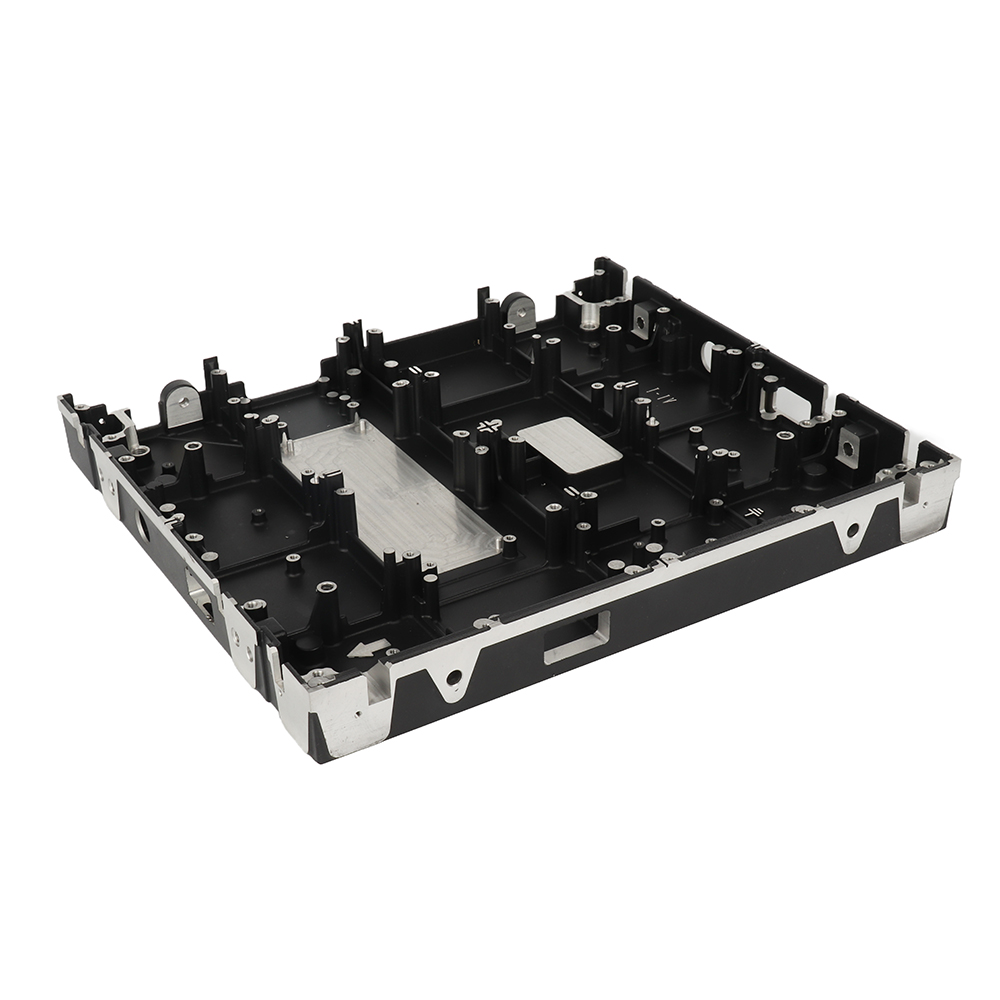
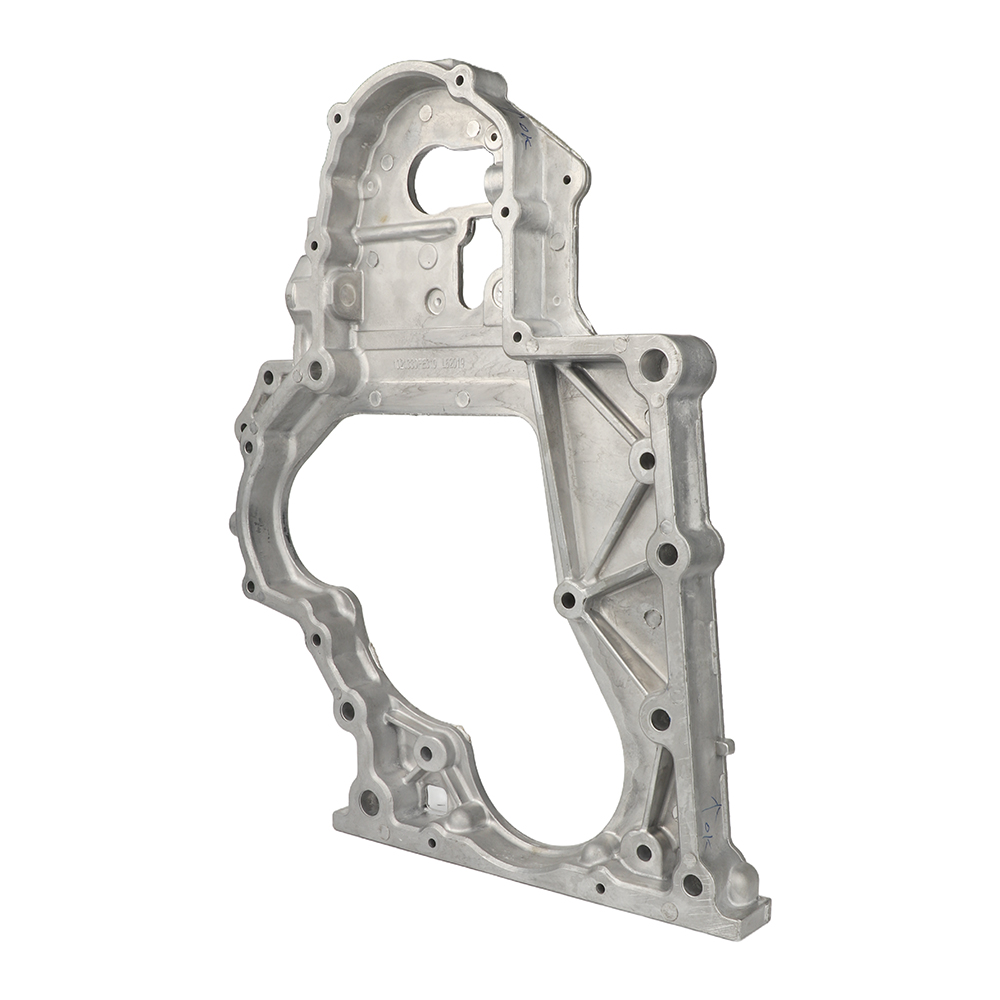
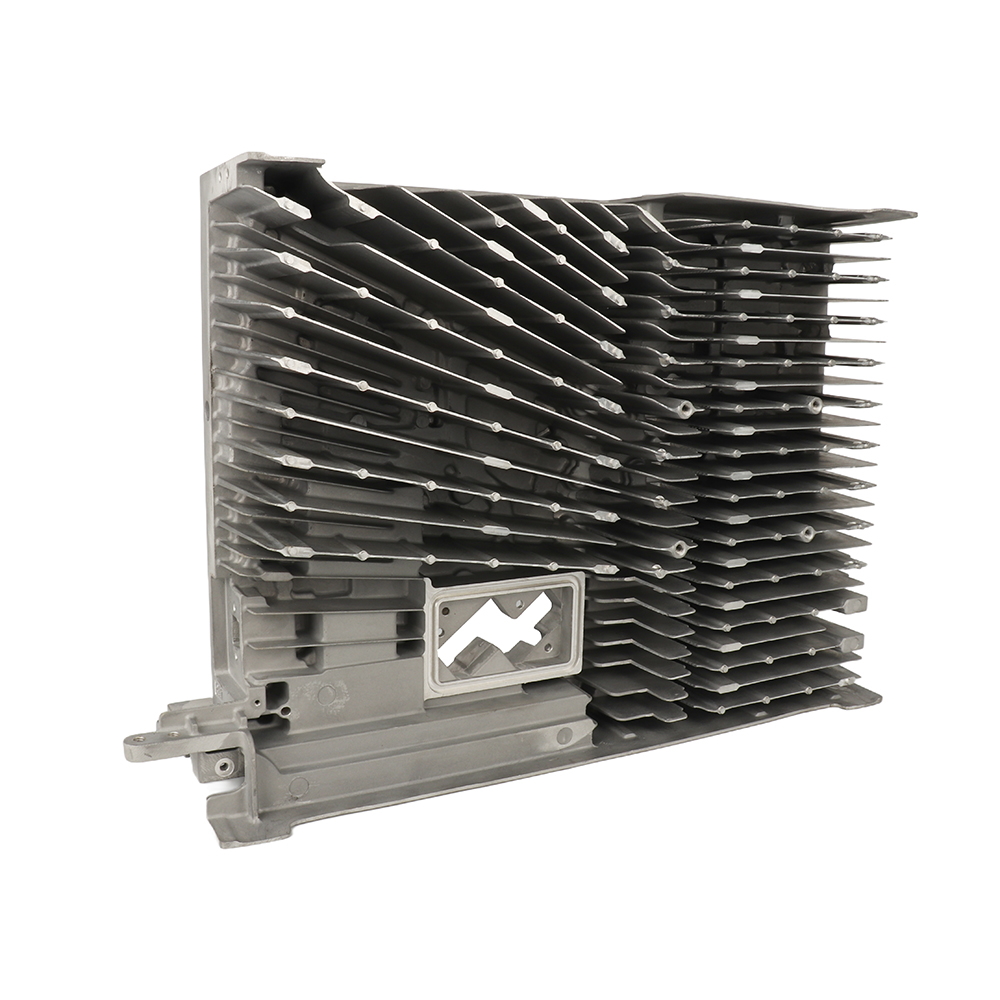
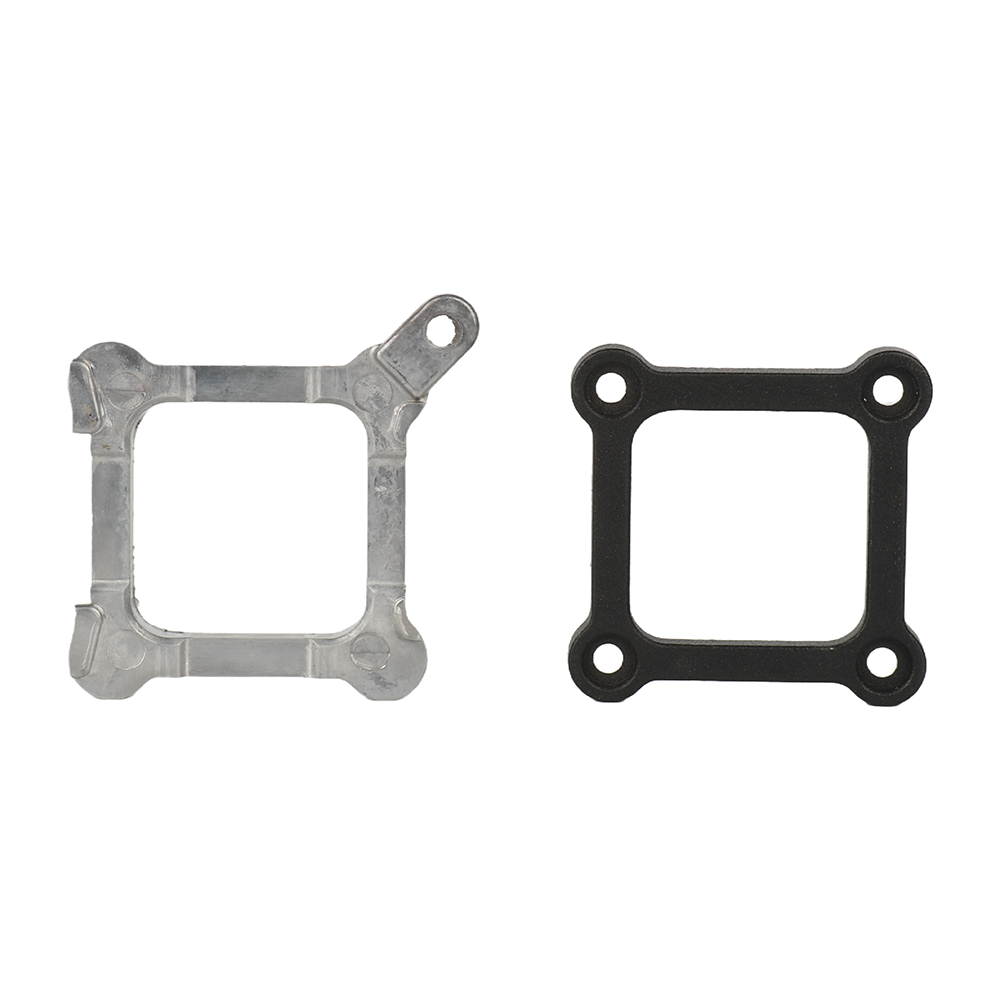
Plastic cover | Module cover | What is an LED display module rear cover?
What is an LED display module rear cover? Key Functions, Benefits and Expert Insights
Table of Contents
- 1. Introduction: What is an LED Display Module Rear Cover?
- 2. Key Components of the Module Cover
- 3. Core Functions of the Module Cover
- 4. Key Benefits of Using a High-Quality Module Cover
- 5. Expert Opinions on Module Cover
- 6. FAQs About LED Display Module Cover
- 7. Conclusion
1. Introduction: What is an LED Display Module Rear Cover?
An LED display module rear cover (also referred to as LED module cover or simply Module Cover) is a vital protective and functional component mounted on the back of LED display modules—the building blocks of large LED screens used in outdoor billboards, indoor video walls, stage backdrops, and commercial signage. While often overlooked compared to the LED chips or display panels, the Module Cover is far from a secondary part; it plays a critical role in safeguarding the module’s internal components, ensuring stable performance, and extending the overall lifespan of the LED display system.
LED display modules consist of multiple sensitive electronic components (LED chips, circuit boards, connectors, and wiring) that are vulnerable to external damage, environmental factors, and mechanical stress. The Module Cover acts as a robust protective shield, wrapping the back of the module to seal and secure these sensitive parts. It is typically made of durable materials like aluminum alloy, ABS plastic, or die-cast metal, tailored to meet the specific needs of indoor or outdoor applications. Below is a detailed overview of the Module Cover, its components, core functions, unmatched benefits, expert perspectives, and answers to common industry questions.
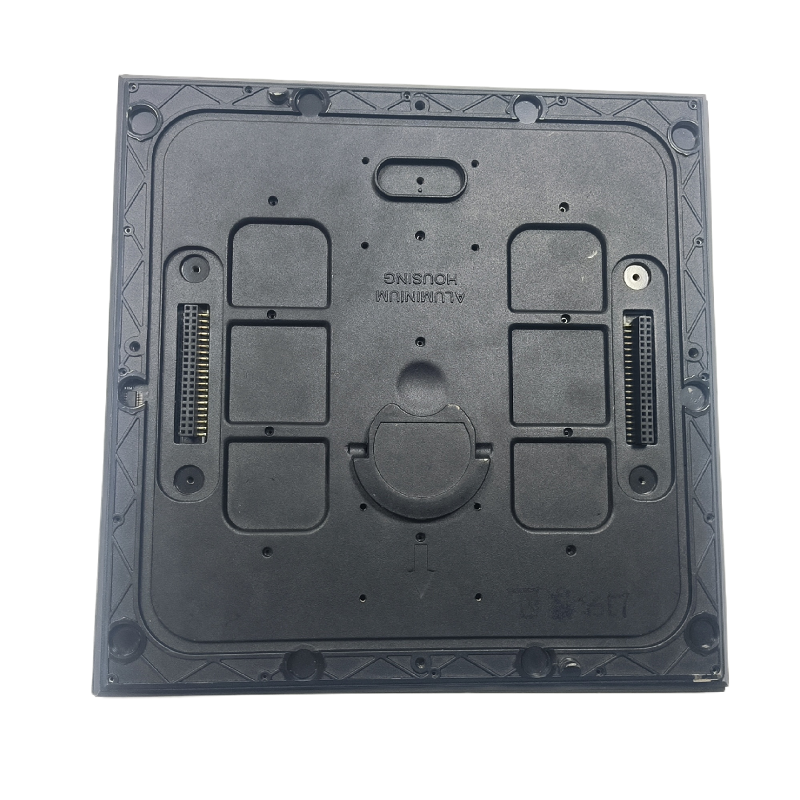
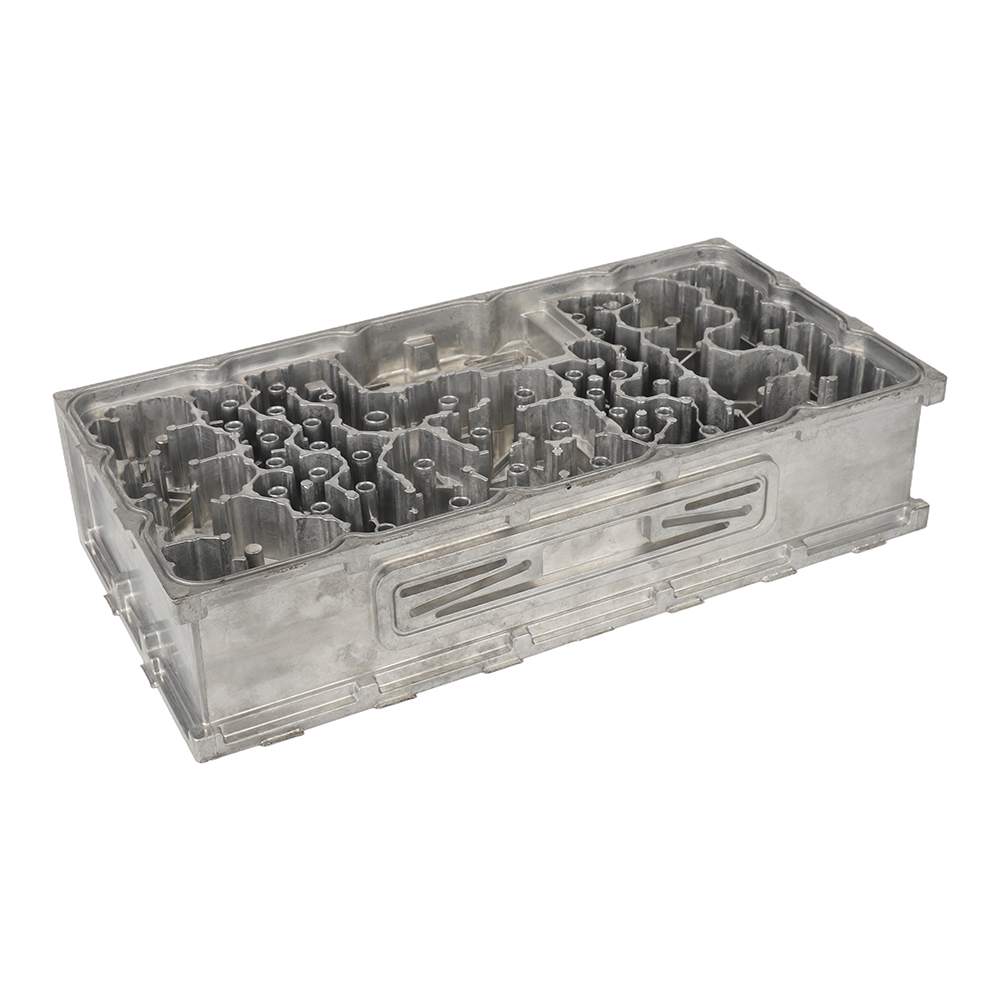
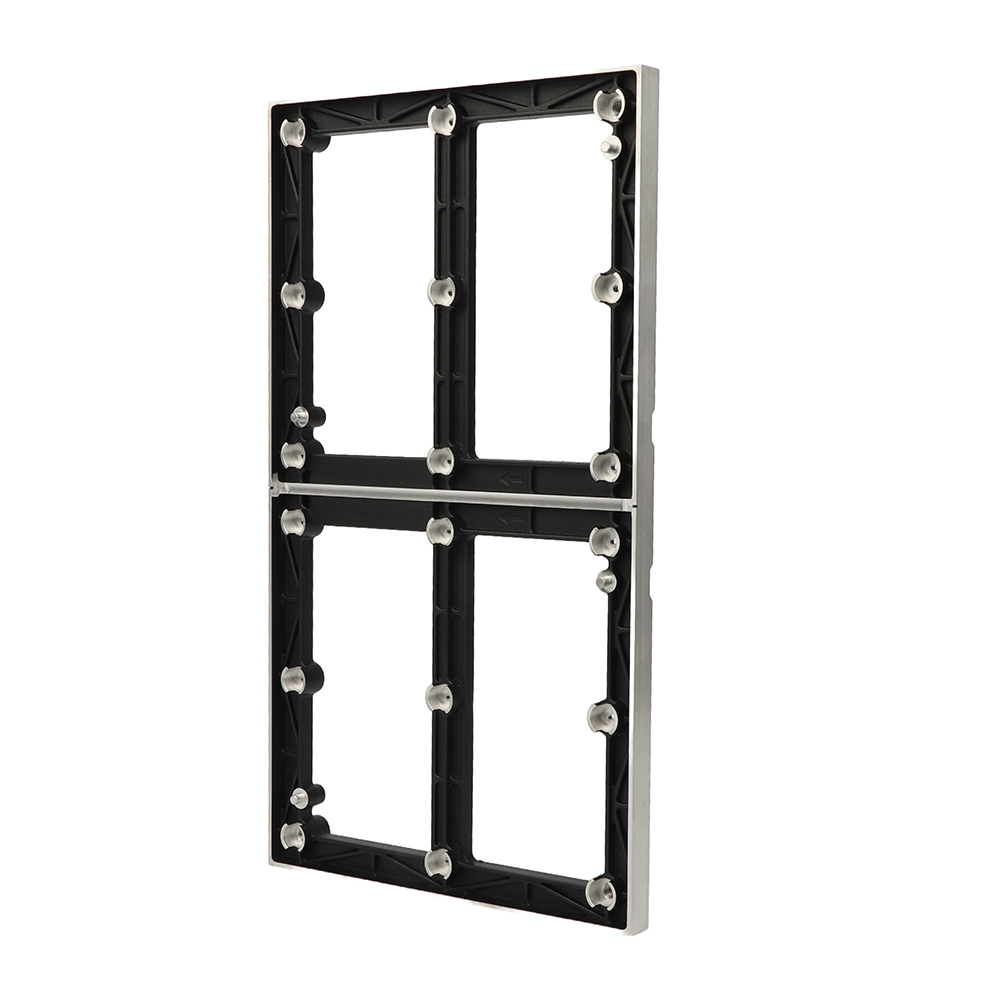
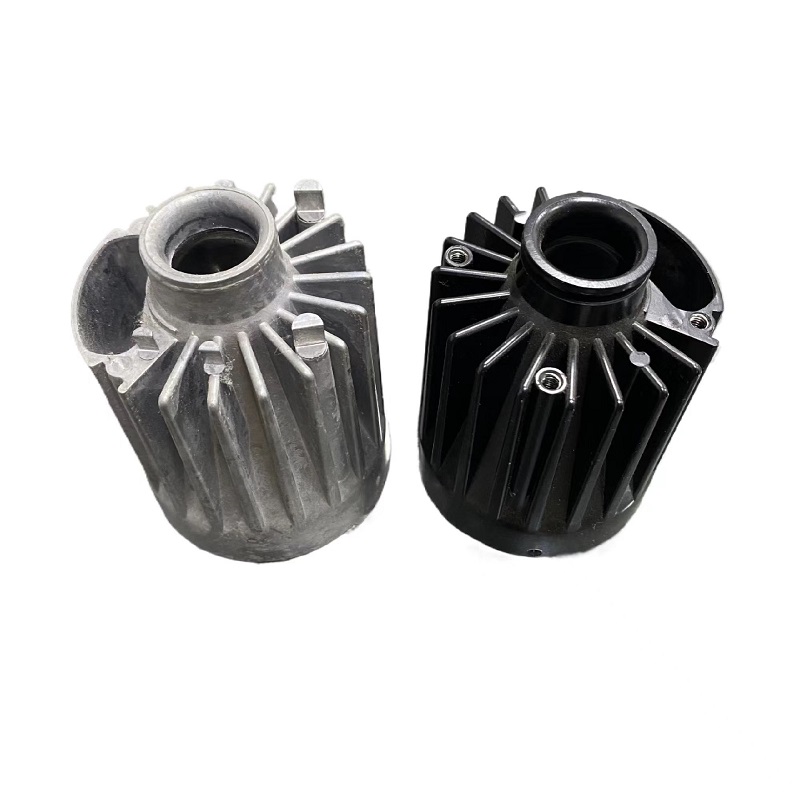
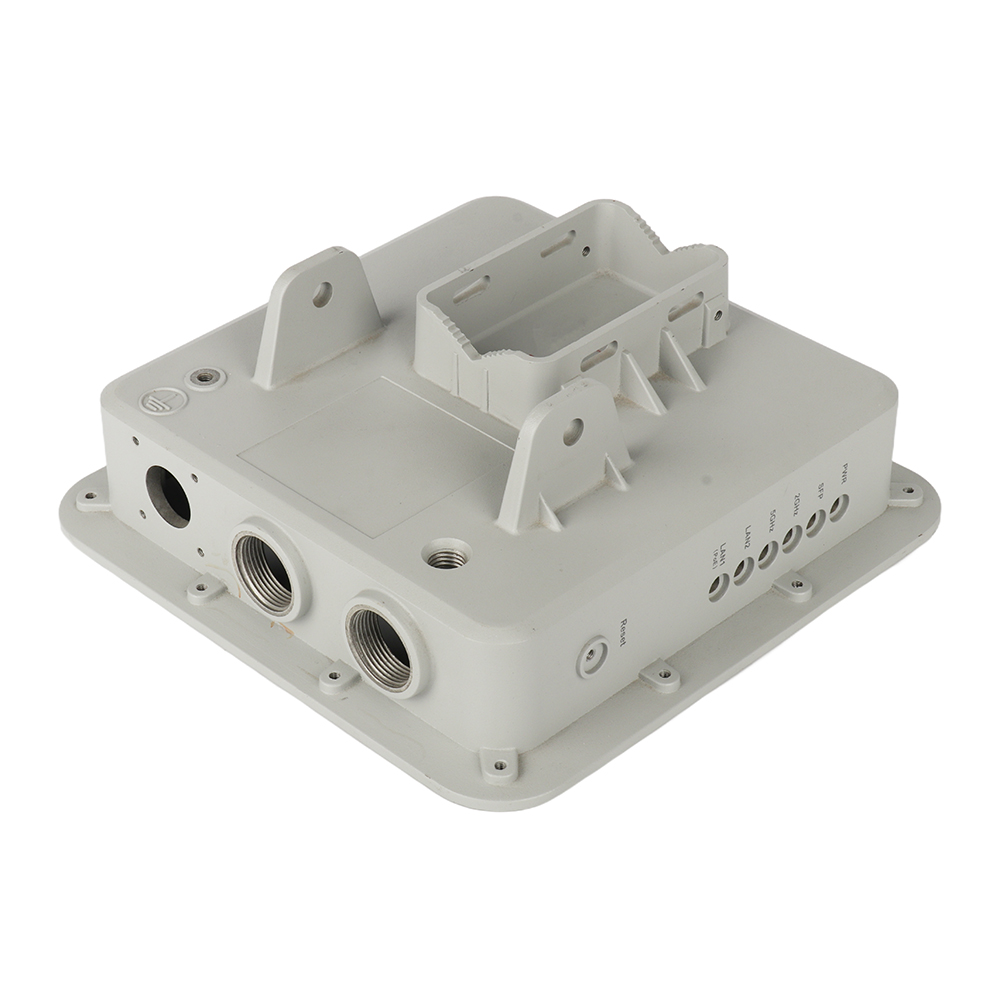
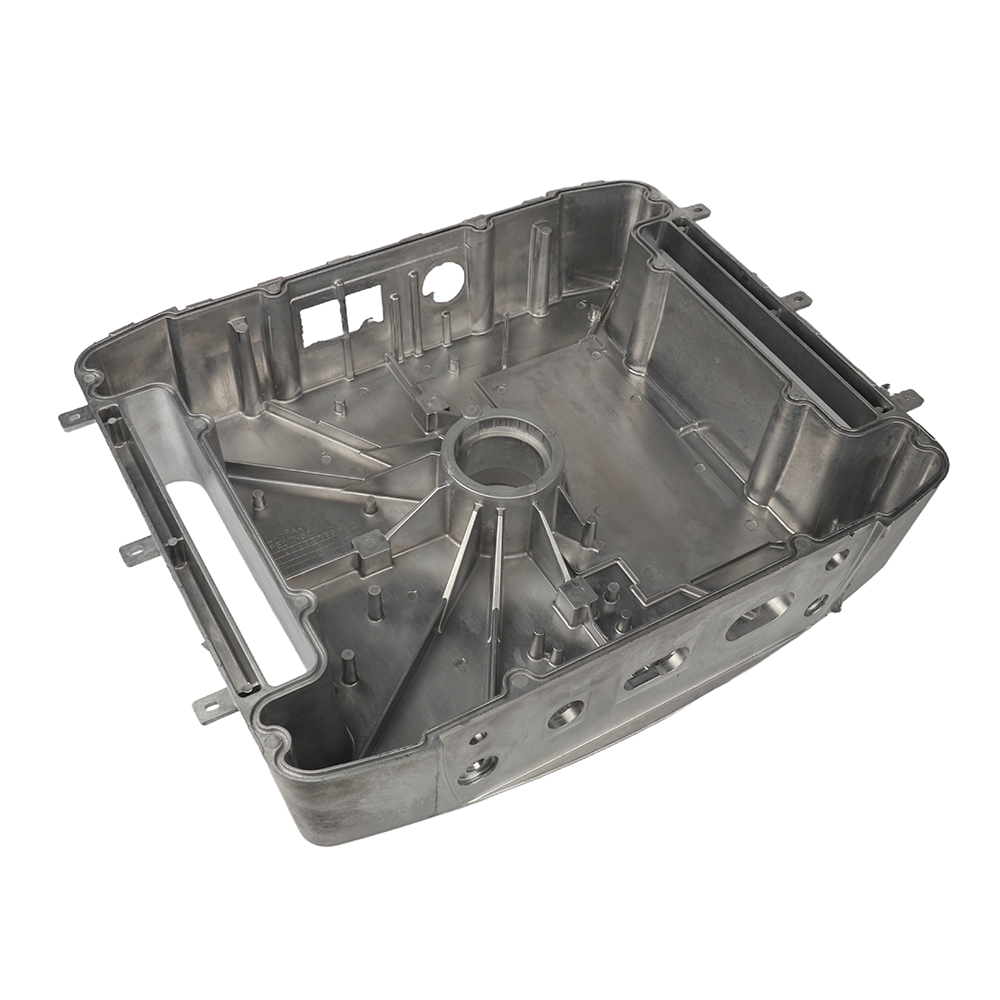
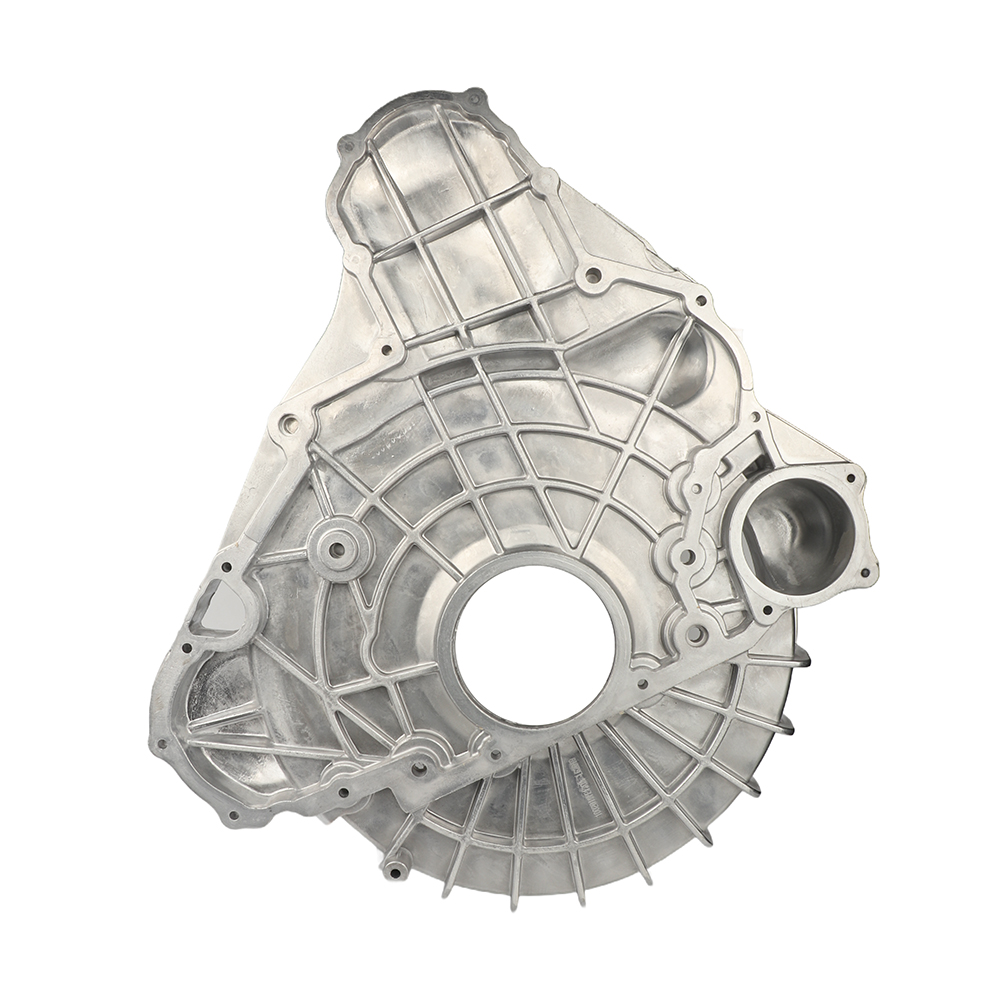
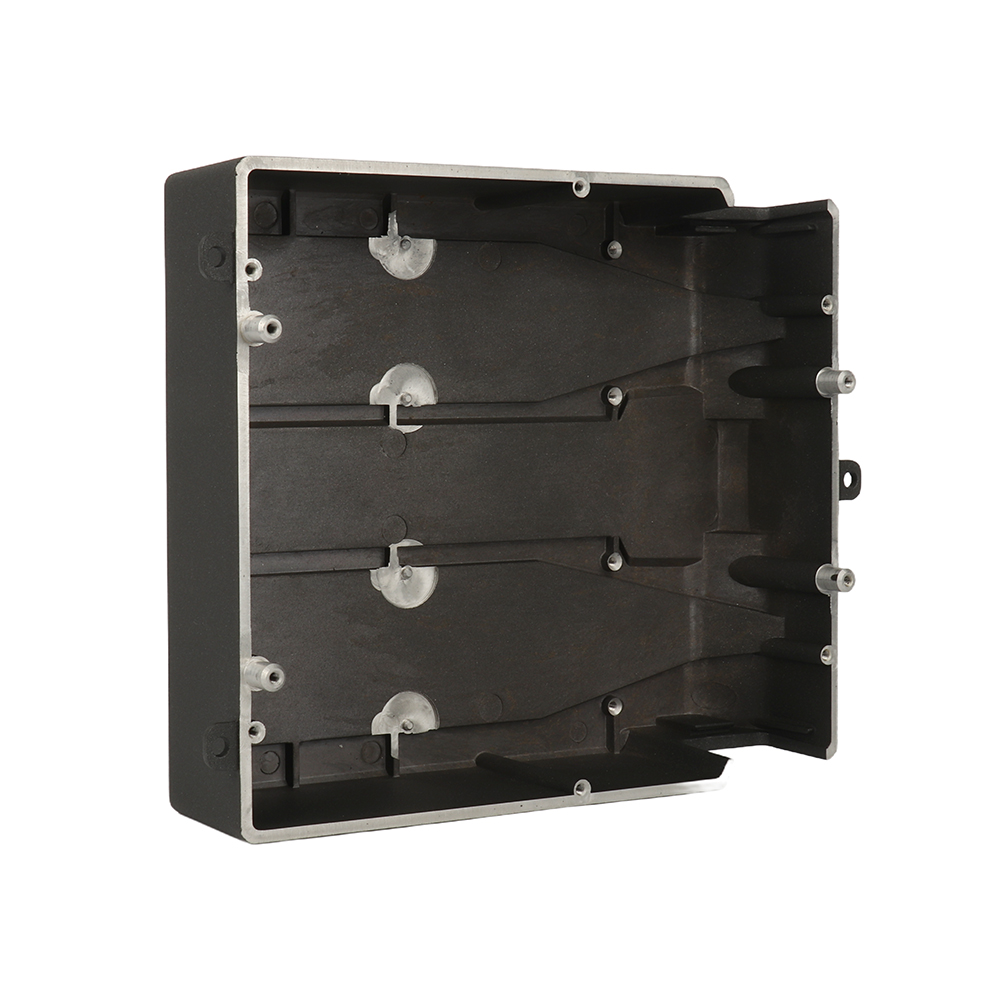
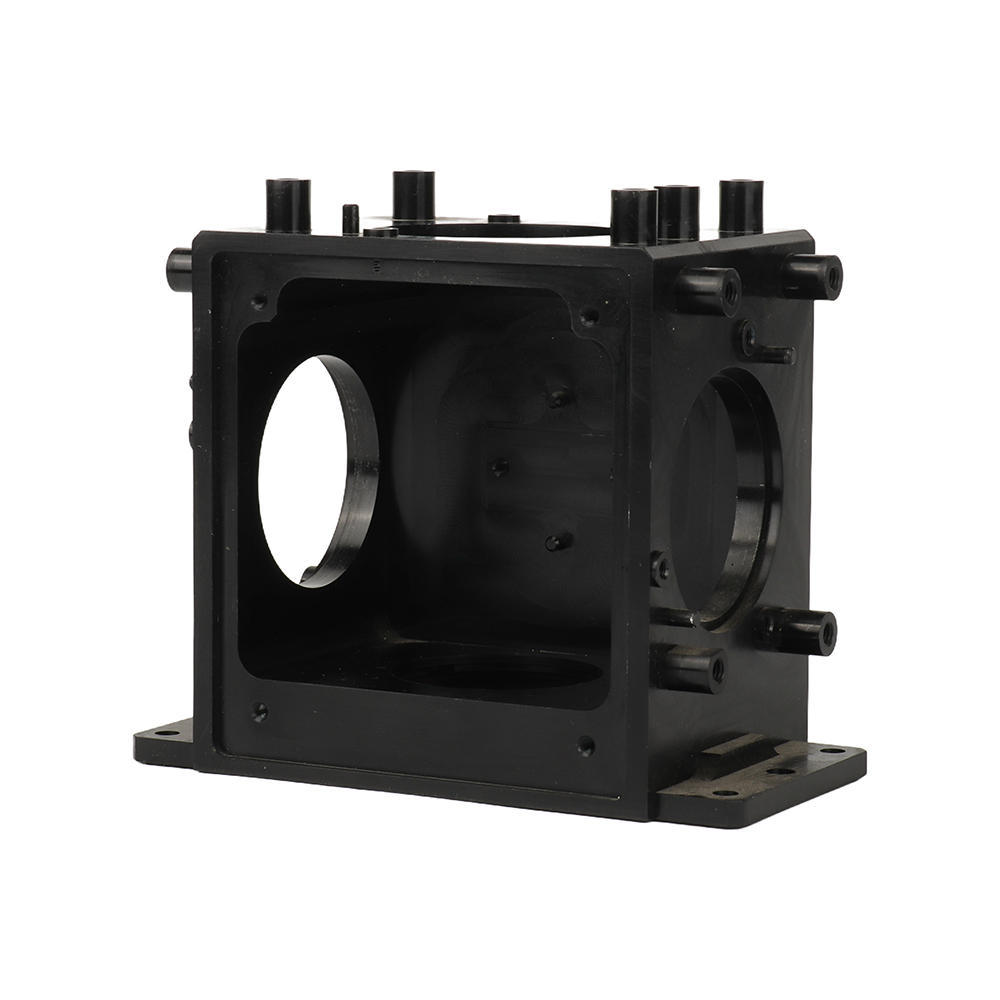
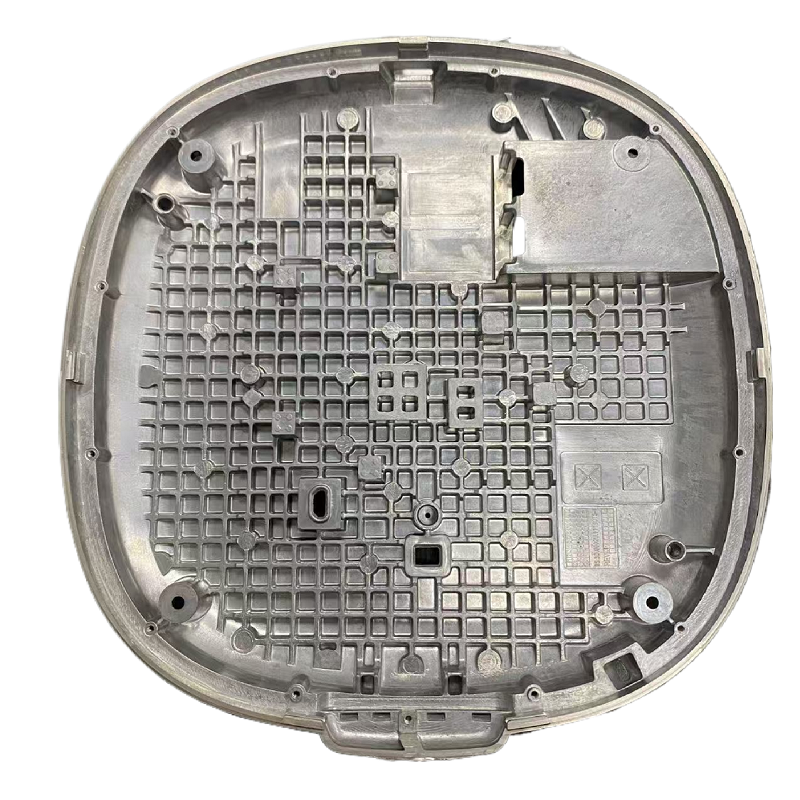
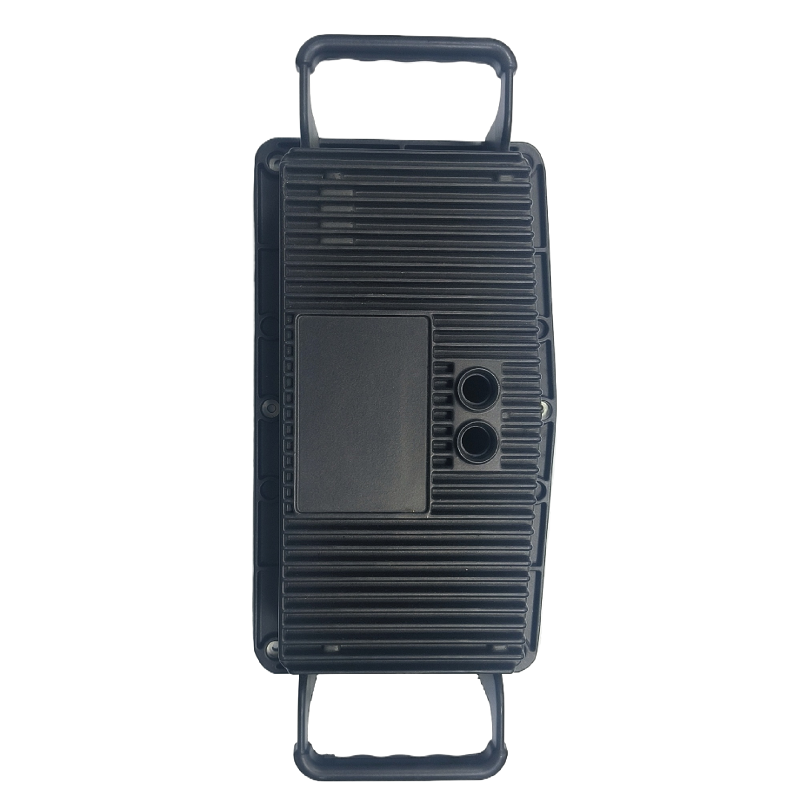
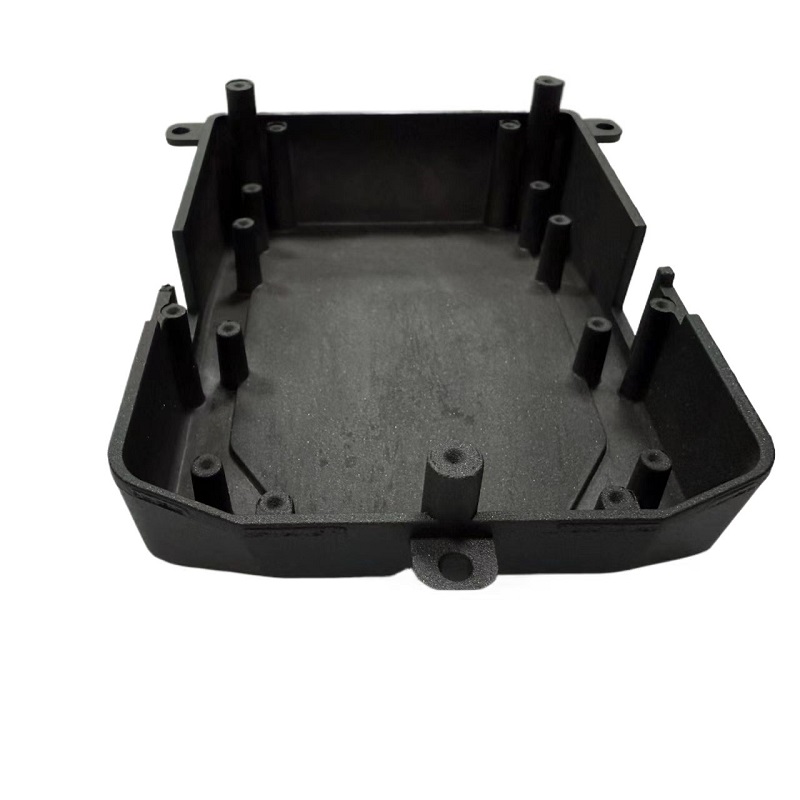
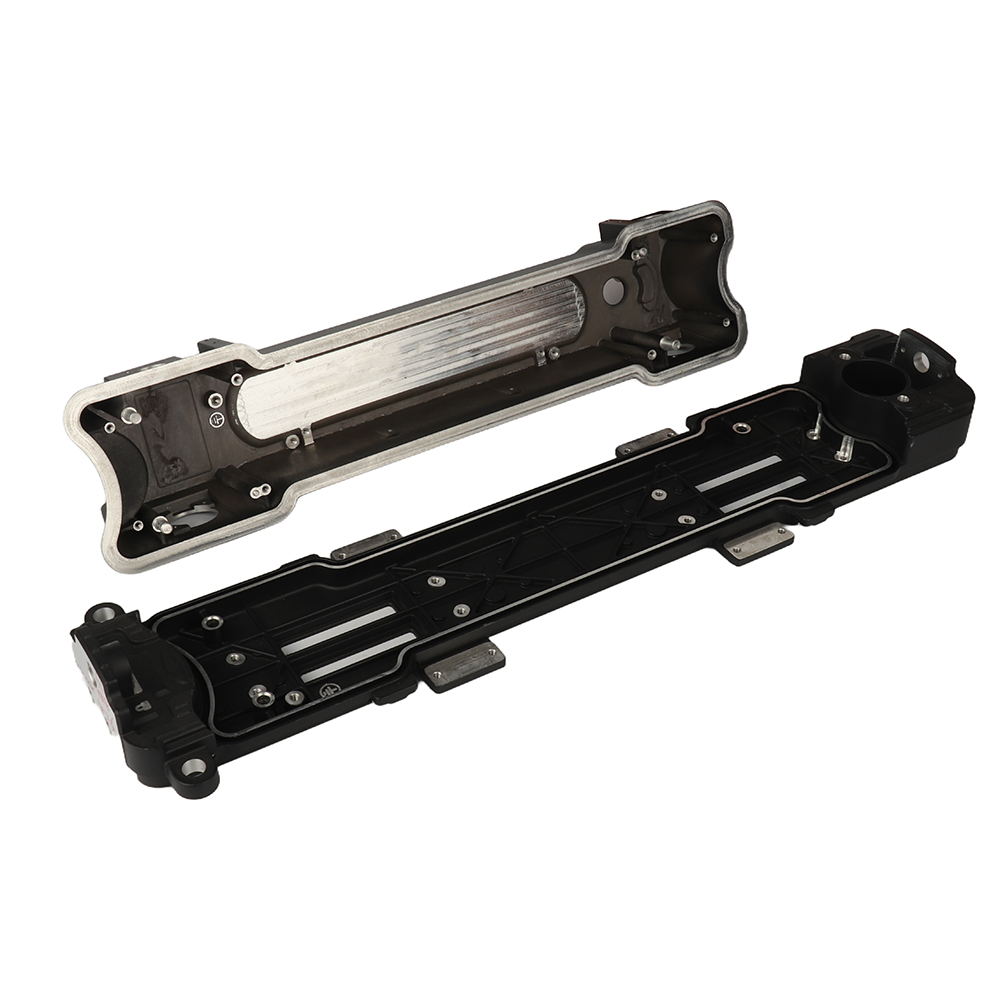
A high-quality LED display module rear cover, showing its protective structure and integrated design for wiring and heat dissipation
2. Key Components of the Module Cover
A high-quality Module Cover is not a single-piece structure but a combination of well-designed components that work together to deliver protection and functionality. Each component is engineered to enhance the performance and durability of the Module Cover, ensuring it meets the demands of different application scenarios:
2.1 Main Cover Panel
The core component of the Module Cover, the main panel is the outermost layer that directly resists external impacts, dust, and moisture. It is usually made of die-cast aluminum or high-grade ABS plastic—materials chosen for their durability, corrosion resistance, and heat dissipation capabilities. For outdoor applications, the main panel is often reinforced to withstand extreme weather conditions such as heavy rain, strong winds, and high temperatures.
2.2 Sealing Gasket
A critical component for waterproof and dustproof performance, the sealing gasket is installed between the Module Cover and the LED module body. It creates an airtight and watertight seal, preventing water, dust, and other contaminants from entering the module’s internal structure. High-quality gaskets are made of elastic materials like silicone, which maintain their sealing performance even after long-term use and temperature changes.
2.3 Mounting Brackets & Fasteners
Mounting brackets and fasteners are integrated into the Module Cover to ensure secure installation on LED modules and display cabinets. They are designed to be easy to assemble and disassemble, facilitating maintenance while ensuring the Module Cover remains firmly attached even in high-vibration environments. Some advanced Module Cover designs also include magnetic positioning columns or easy-to-open fasteners to simplify installation and maintenance.
2.4 Heat Dissipation Structures
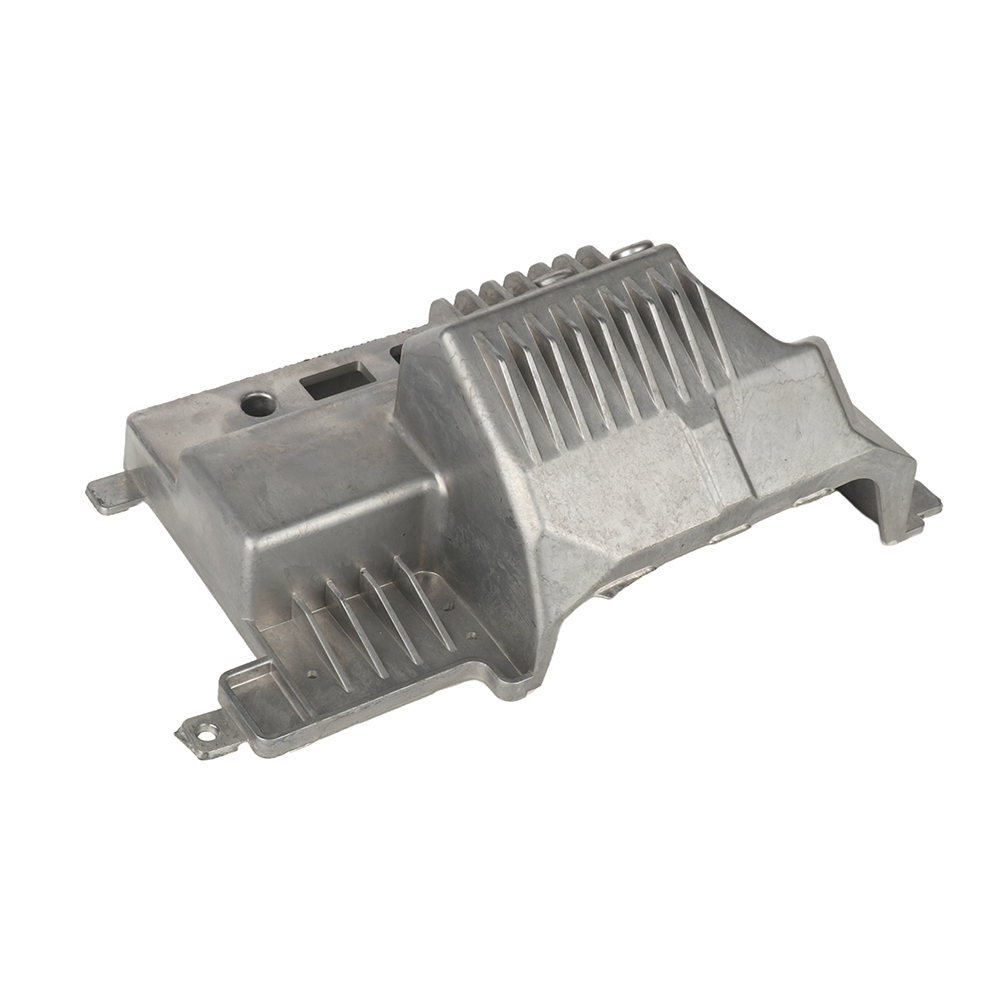
For high-power LED modules, the Module Cover is equipped with heat dissipation ribs or channels. These structures help transfer heat generated by the module’s internal components to the outside, preventing overheating and ensuring stable performance. Die-cast aluminum Module Covers are particularly effective in heat dissipation, as aluminum is an excellent thermal conductor.
2.5 Wiring Holes & Cable Management
The Module Cover is designed with pre-drilled wiring holes and cable management slots to organize and protect the module’s connecting wires. These holes are equipped with rubber sleeves or waterproof plugs to prevent moisture and dust from entering through the gaps, while the cable management slots keep wires neat and avoid damage from friction or external pressure.
3. Core Functions of the Module Cover
The Module Cover is more than just a protective shell; it serves multiple core functions that are essential for the reliable operation of LED display modules. These functions directly impact the performance, lifespan, and maintenance efficiency of the entire LED display system:
3.1 Protection Against External Contaminants
The primary function of the Module Cover is to protect the module’s internal electronic components from external contaminants such as dust, water, and debris. For outdoor LED displays, this is particularly critical—rain, snow, dust, and even insects can damage the circuit board and LED chips, leading to malfunctions or complete failure. The Module Cover, together with the sealing gasket, creates a protective barrier that meets IP65 or higher waterproof and dustproof standards, ensuring the module operates reliably in harsh environments.
3.2 Mechanical Protection
LED display modules are often installed in high-traffic areas or outdoor locations where they may be subject to accidental impacts, scratches, or mechanical stress. The Module Cover acts as a buffer, absorbing impact force and preventing direct damage to the internal components. This is especially important for modules used in stage backdrops, outdoor billboards, and transportation hubs, where the risk of mechanical damage is high.
3.3 Heat Dissipation Assistance
LED modules generate heat during operation, and excessive heat can reduce the lifespan of LED chips and cause performance degradation (such as dimming or color distortion). The Module Cover contributes to heat dissipation by acting as a heat sink—transferring heat from the internal components to the surrounding environment. This function is enhanced by heat dissipation ribs and the use of thermally conductive materials like die-cast aluminum, ensuring the module operates within a safe temperature range.
3.4 Cable Protection & Management
The Module Cover organizes and protects the module’s connecting wires, preventing them from being exposed, tangled, or damaged. Wiring holes and cable management slots keep wires in place, reducing the risk of short circuits caused by wire friction or accidental pulling. This not only ensures the module’s stable operation but also simplifies maintenance, as technicians can easily access and inspect the wires without disassembling the entire module.
3.5 Structural Reinforcement
The Module Cover reinforces the overall structure of the LED module, making it more rigid and resistant to deformation. This is particularly important for large LED video walls, where multiple modules are tiled together—structural stability ensures the modules remain aligned, preventing gaps or misalignment that can affect the display effect. Some Module Cover designs also include reinforcing ribs to further enhance structural strength.
4. Key Benefits of Using a High-Quality Module Cover
Investing in a high-quality Module Cover brings significant benefits to LED display systems, from extending lifespan to reducing maintenance costs. These benefits make the Module Cover a cost-effective investment that pays off in the long run:
4.1 Extended LED Module Lifespan
By protecting internal components from damage, moisture, and overheating, a high-quality Module Cover significantly extends the lifespan of LED modules. Without proper protection, modules may fail prematurely due to water damage, dust accumulation, or overheating—leading to costly replacements. A durable Module Cover can extend the module’s lifespan by 30% or more, reducing the total cost of ownership of the LED display system.
4.2 Reduced Maintenance Costs
A reliable Module Cover minimizes the need for frequent maintenance and repairs. By preventing water and dust damage, it reduces the risk of component failure, meaning fewer service calls and lower maintenance costs. Additionally, the Module Cover’s easy-to-assemble design simplifies maintenance tasks—technicians can quickly access the module’s internal components without damaging the cover, saving time and labor costs.
4.3 Improved Display Stability & Performance
The Module Cover ensures the LED module operates in a stable environment, free from external interference. By preventing overheating and protecting the circuit board, it maintains consistent brightness, color accuracy, and refresh rate—ensuring the display delivers high-quality visuals at all times. This is particularly important for commercial signage and stage backdrops, where display quality directly impacts brand image and audience experience.
4.4 Enhanced Environmental Adaptability
High-quality Module Covers are designed to withstand a wide range of environmental conditions, from extreme temperatures (-20°C to 65°C) to heavy rain and strong winds. This makes LED modules suitable for both indoor and outdoor applications, expanding their versatility. For example, outdoor Module Covers with IP65 waterproof ratings can withstand heavy rain and dust, while indoor covers are designed to be lightweight and aesthetically pleasing.
4.5 Cost-Effective Long-Term Investment
While high-quality Module Covers may have a higher initial cost, they offer long-term cost savings by reducing replacement and maintenance costs. For large LED display systems, the cost of replacing a single module can be significant—investing in a durable Module Cover is far more cost-effective than dealing with frequent failures and replacements. Additionally, some Module Cover designs are compatible with multiple module models, further reducing costs by improving versatility.
4.6 Simplified Installation & Front Maintenance
Many modern Module Covers are designed for front maintenance, allowing technicians to access and replace modules from the front of the display without the need for rear access scaffolding. This simplifies installation and maintenance, especially for displays mounted on walls or ceilings where rear access is difficult. Features like magnetic screws and easy-to-open fasteners further streamline the process, reducing labor costs and downtime.
5. Expert Opinions on Module Cover
Industry experts recognize the critical role of the Module Cover in ensuring the reliability and longevity of LED display systems. Below are insights from leading professionals in the LED display industry:
5.1 Expert Opinion 1: Sarah Chen, Senior LED Engineer at LLR LED
“Many businesses overlook the Module Cover when investing in LED displays, focusing instead on LED chips and panels. However, the Module Cover is the first line of defense against environmental damage—without a high-quality cover, even the best LED chips will fail prematurely. Our patented Module Cover design includes a unique water retaining edge and louvered protection system that ensures complete waterproofing, while the integrated heat dissipation structure keeps modules running cool. We’ve seen that displays equipped with our Module Cover have a 40% lower failure rate compared to those with low-quality covers.”
5.2 Expert Opinion 2: Michael Johnson, LED Display Maintenance Specialist
“In my experience, 60% of LED module failures are caused by water or dust damage—issues that could be easily prevented with a high-quality Module Cover. Low-quality covers often have poor sealing, leading to moisture buildup inside the module and corrosion of the circuit board. A well-designed Module Cover with a silicone gasket and waterproof wiring holes can eliminate these issues, reducing maintenance calls by half. Additionally, covers with heat dissipation ribs are essential for high-power modules, as they prevent overheating and extend the lifespan of LED chips.”
5.3 Expert Opinion 3: David Li, R&D Director at Colorlight LED Display
“The Module Cover is no longer just a protective component—it’s a key part of the LED display’s overall performance. Modern Module Cover designs integrate front maintenance features, heat dissipation, and cable management, making them more functional than ever before. Our outdoor Module Covers are rated IP65, ensuring protection against harsh weather, while the magnetic screw design allows for tool-free module removal. This not only improves maintenance efficiency but also reduces downtime, which is critical for commercial displays that operate 24/7.”
6. FAQs About LED Display Module Cover
Below are answers to the most common questions about LED display Module Covers, addressing key concerns from businesses and technicians:
Q1: What materials are used for Module Covers, and which is best?
A: The most common materials for Module Covers are die-cast aluminum, ABS plastic, and aluminum alloy. Die-cast aluminum is the best choice for outdoor applications, as it offers excellent durability, heat dissipation, and corrosion resistance. ABS plastic is lightweight and cost-effective, making it suitable for indoor applications. Aluminum alloy balances durability and weight, making it a versatile option for both indoor and outdoor use. The choice depends on the application environment, budget, and performance requirements.
Q2: How do I choose the right Module Cover for my LED display?
A: When choosing a Module Cover, consider the following factors: 1) Application environment (indoor vs. outdoor—outdoor covers need IP65+ waterproof/dustproof ratings); 2) Heat dissipation needs (high-power modules require covers with heat dissipation ribs); 3) Maintenance requirements (front maintenance covers are ideal for hard-to-reach displays); 4) Durability (choose materials that can withstand the local weather conditions); 5) Compatibility (ensure the cover fits your LED module model).
Q3: Can a Module Cover improve the heat dissipation of LED modules?
A: Yes! A high-quality Module Cover with heat dissipation ribs or made of thermally conductive materials (like die-cast aluminum) acts as a heat sink, transferring heat from the module’s internal components to the surrounding environment. This helps prevent overheating, which can damage LED chips and reduce performance. For high-power modules, a heat-dissipating Module Cover is essential for stable operation.
Q4: How often should I replace the Module Cover?
A: A high-quality Module Cover can last 5–8 years with proper maintenance. However, you should inspect the cover regularly for signs of damage (cracks, loose gaskets, or corrosion). If the cover is damaged or the sealing gasket is worn, replace it immediately to prevent water or dust from entering the module. For outdoor displays exposed to harsh weather, it’s recommended to inspect the cover every 6 months.
Q5: Are all Module Covers compatible with all LED modules?
A: No, Module Covers are designed to fit specific LED module models and sizes. It’s important to choose a cover that matches your module’s dimensions, mounting points, and wiring layout. Some manufacturers offer universal Module Covers that fit multiple models, but it’s always best to check compatibility with your module’s specifications before purchasing.
Q6: Does a Module Cover affect the weight of the LED module?
A: Yes, but the impact depends on the material. ABS plastic covers are lightweight (adding 0.2–0.5kg per module), while die-cast aluminum covers are heavier (adding 0.5–1kg per module). However, the added weight is negligible compared to the benefits of protection and heat dissipation. For most applications, the weight increase does not affect installation or structural integrity.
7. Conclusion
The LED display module rear cover—or Module Cover—is a critical yet often overlooked component of LED display systems. It serves as the first line of defense against external damage, moisture, and dust, while also contributing to heat dissipation, cable management, and structural reinforcement. Investing in a high-quality Module Cover extends the lifespan of LED modules, reduces maintenance costs, improves display stability, and enhances environmental adaptability.
As industry experts emphasize, the Module Cover is not just a protective shell—it’s a key investment that impacts the overall performance and cost-effectiveness of LED displays. Whether for indoor video walls, outdoor billboards, or stage backdrops, choosing the right Module Cover is essential for ensuring reliable, long-lasting operation.
By understanding the core functions, key components, and benefits of the Module Cover, businesses can make informed decisions when investing in LED display systems, ensuring they get the most value from their investment for years to come.
Die casting manufacturing process | What are aluminum, magnesium and zinc die castings? A Complete Guide to Die Casting Manufacturing
Alu heatsink | What is die cast metal? A Focus on Die Cast Aluminum Heatsinks
Related Article


