
HOT PRODUCTS
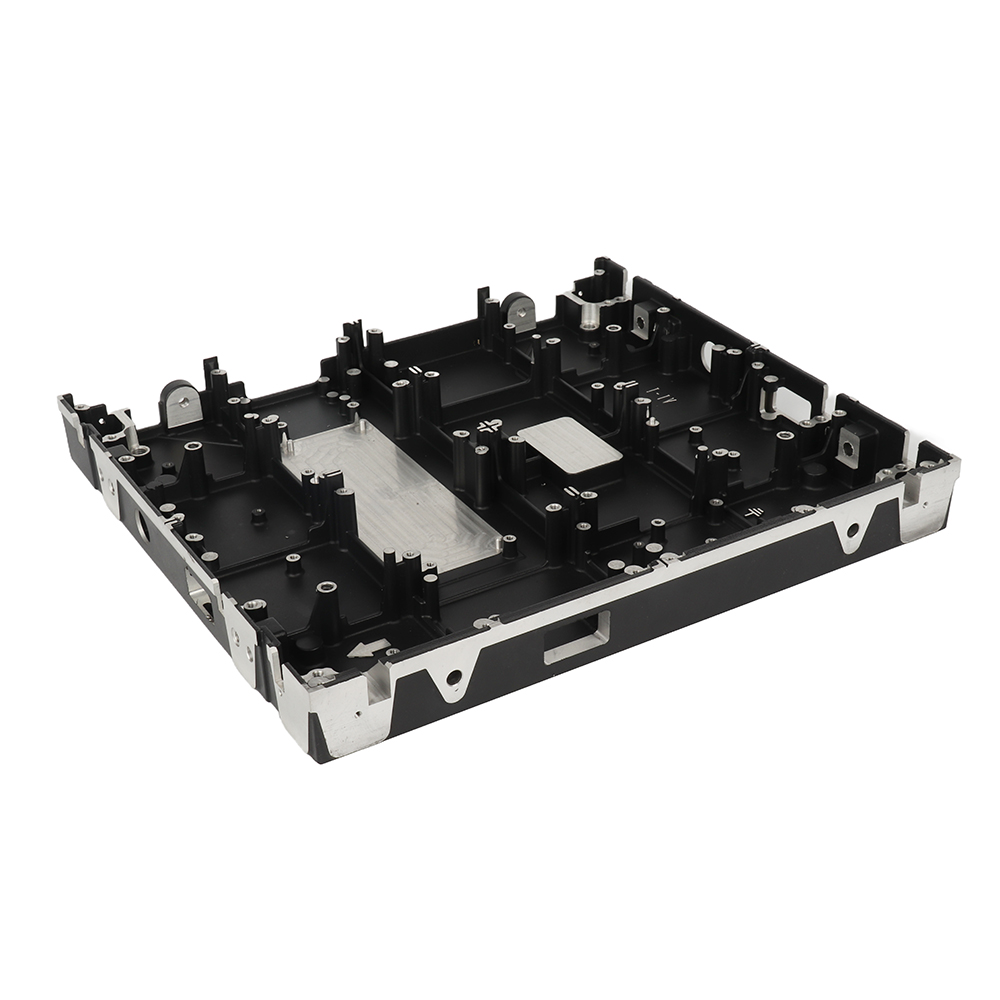
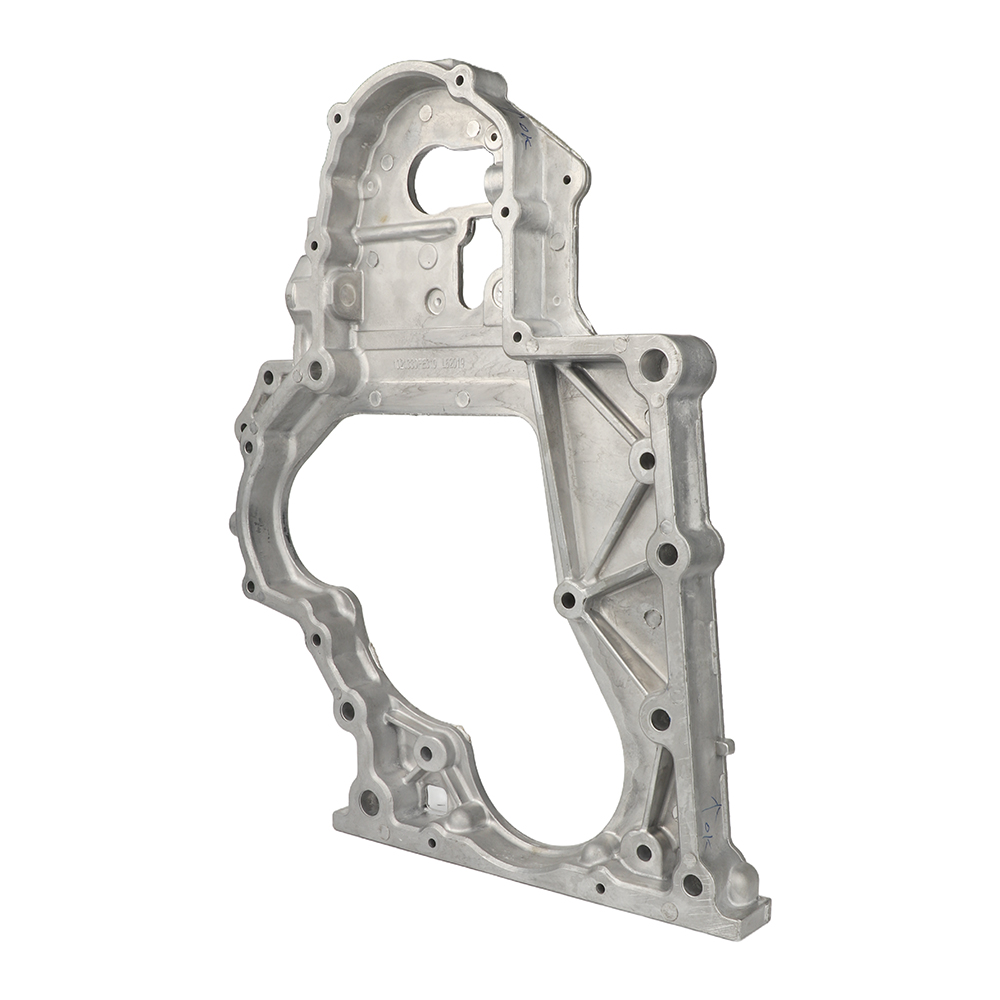
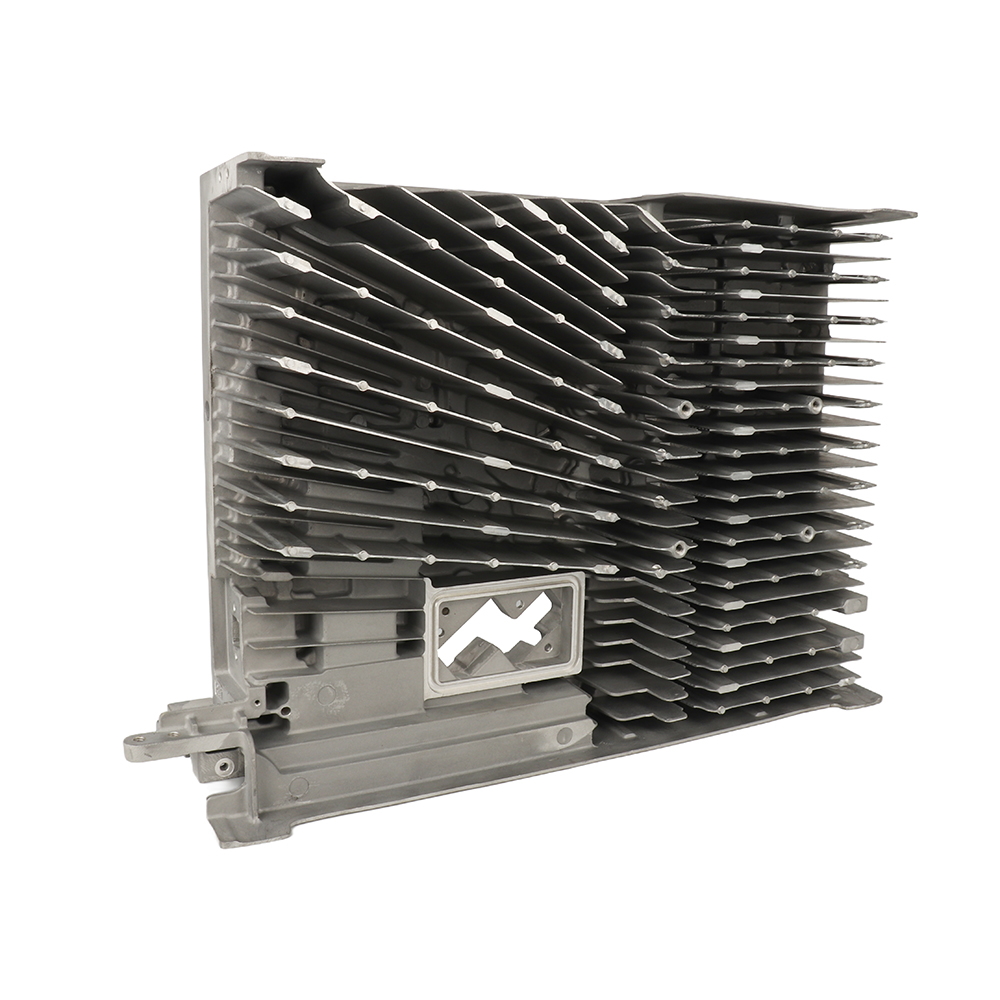
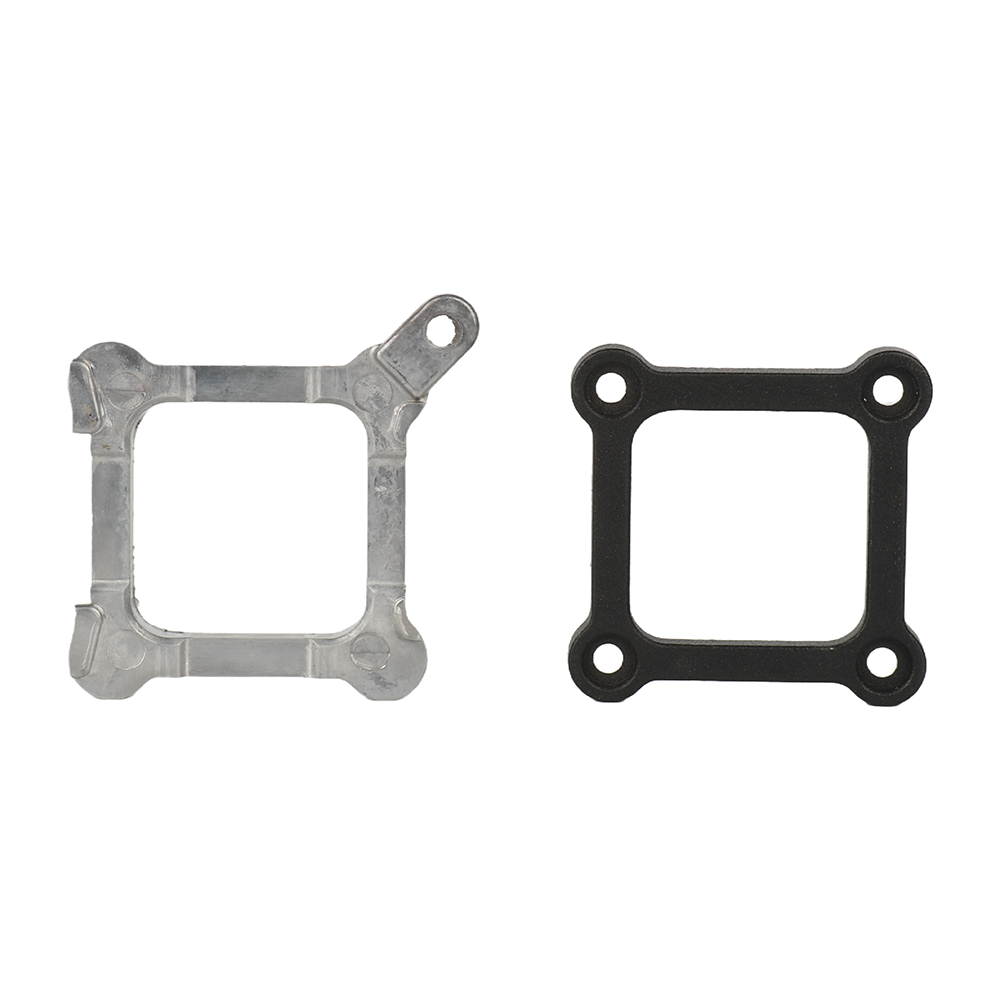
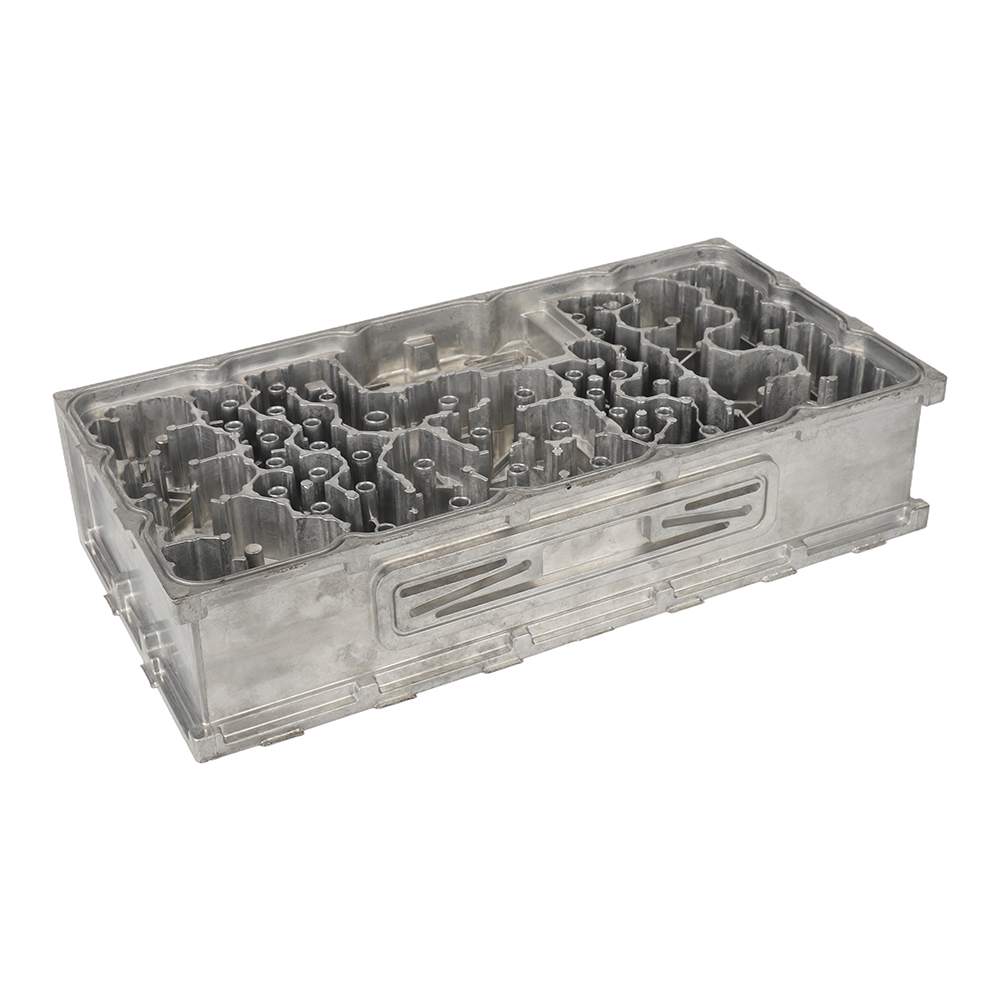
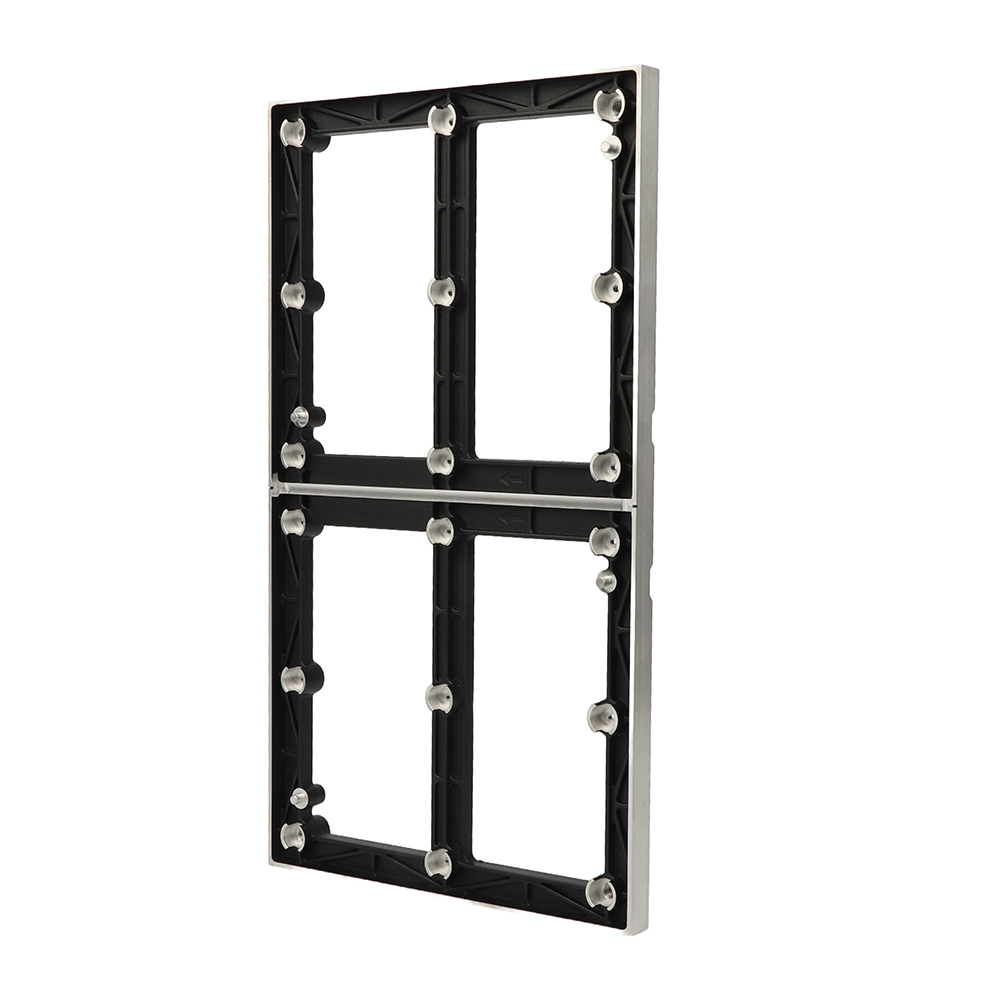
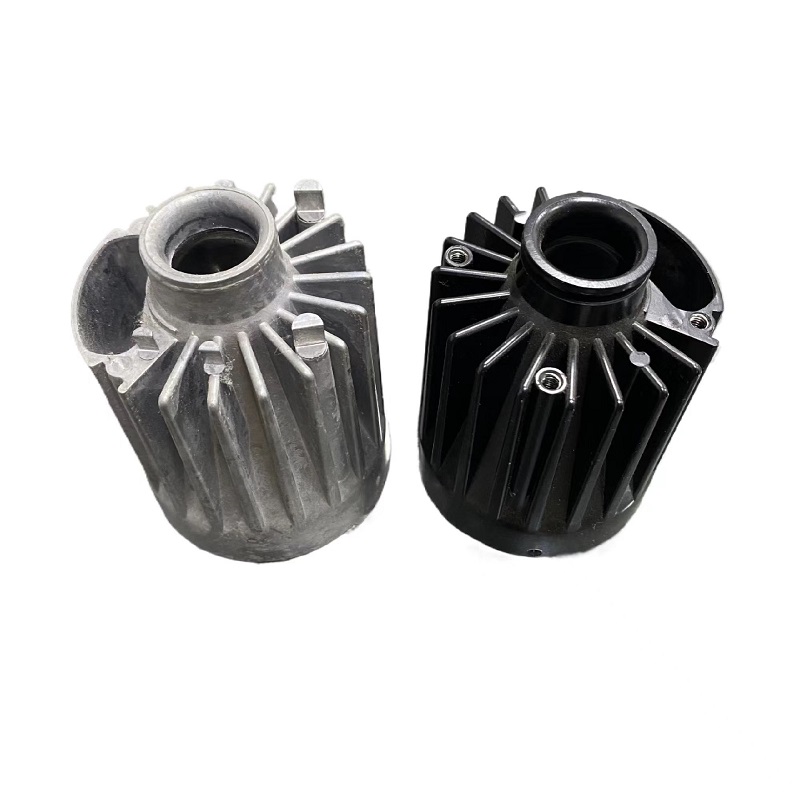
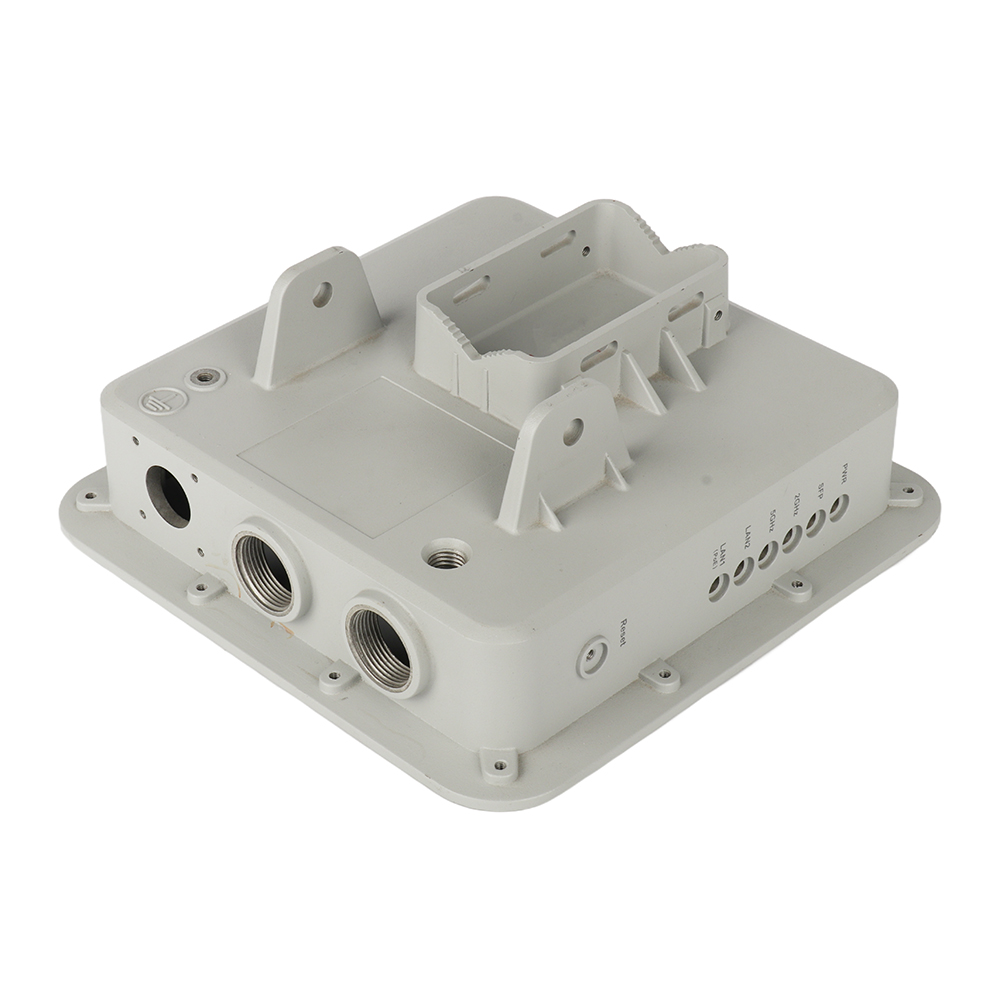
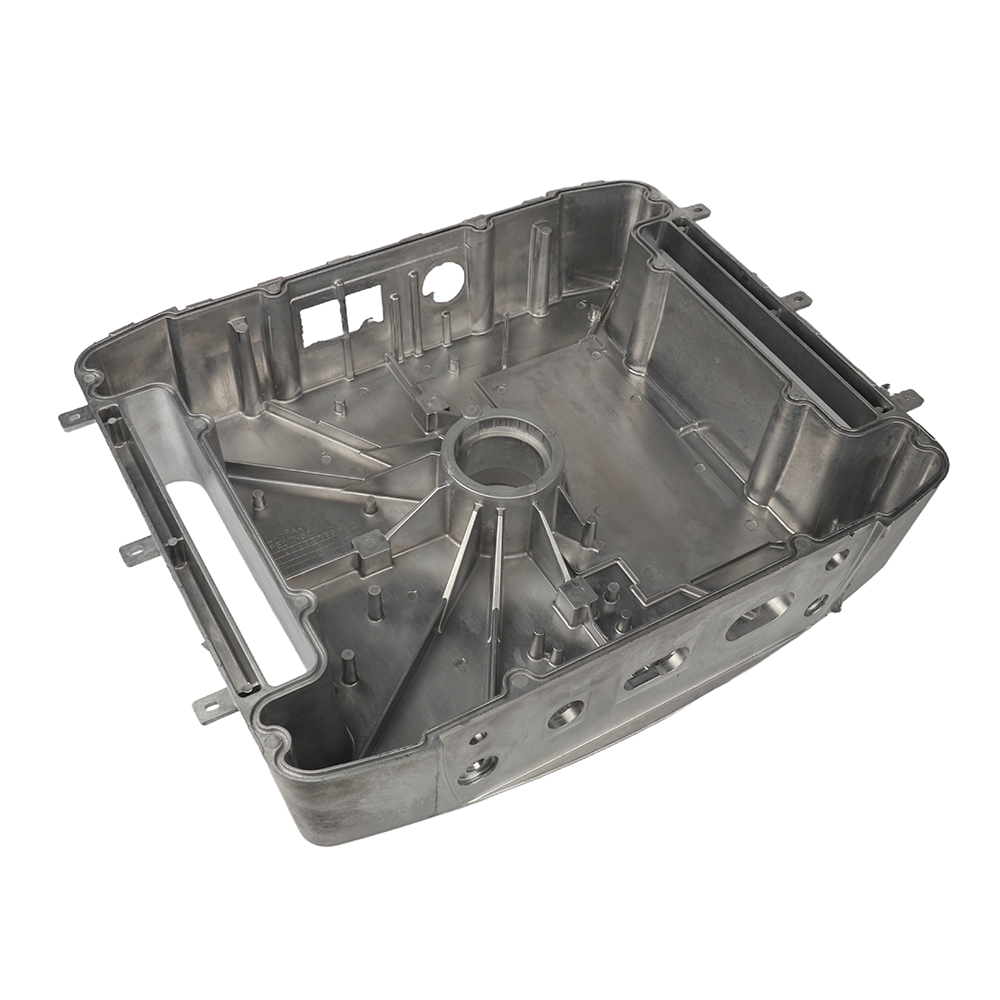
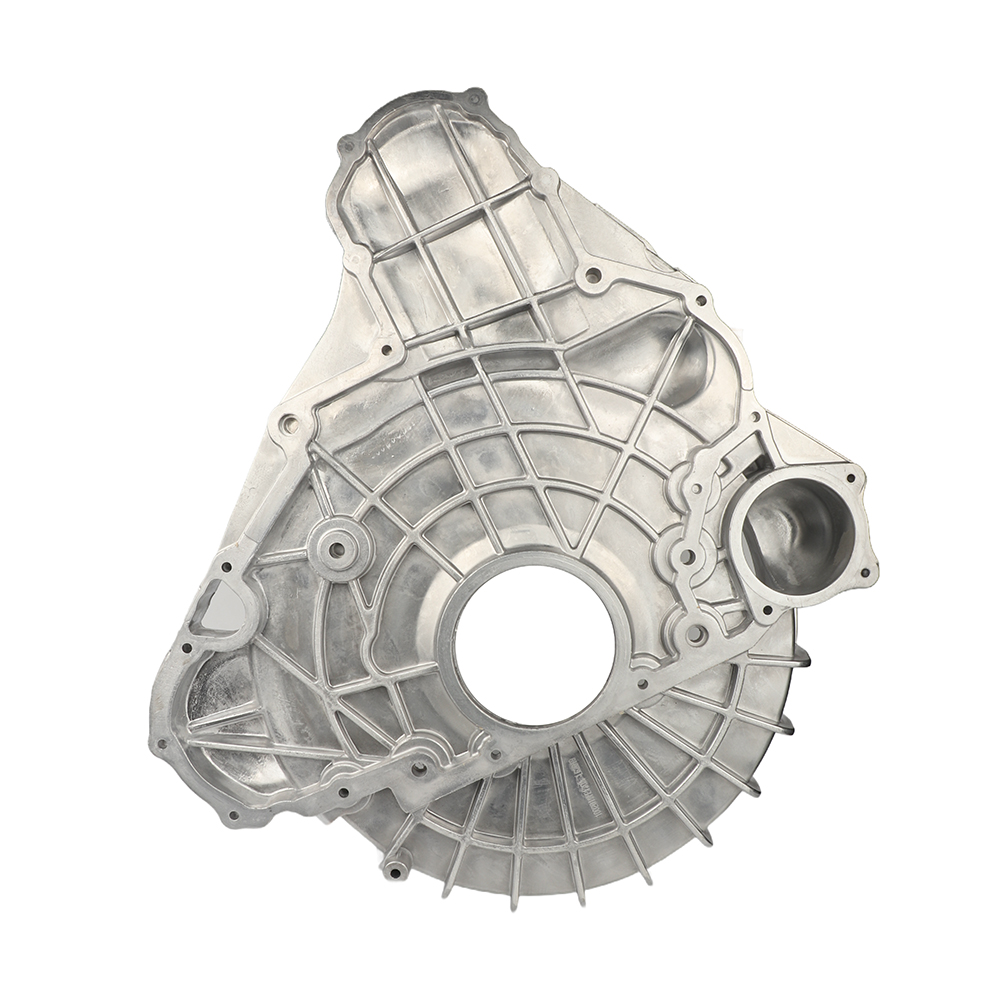
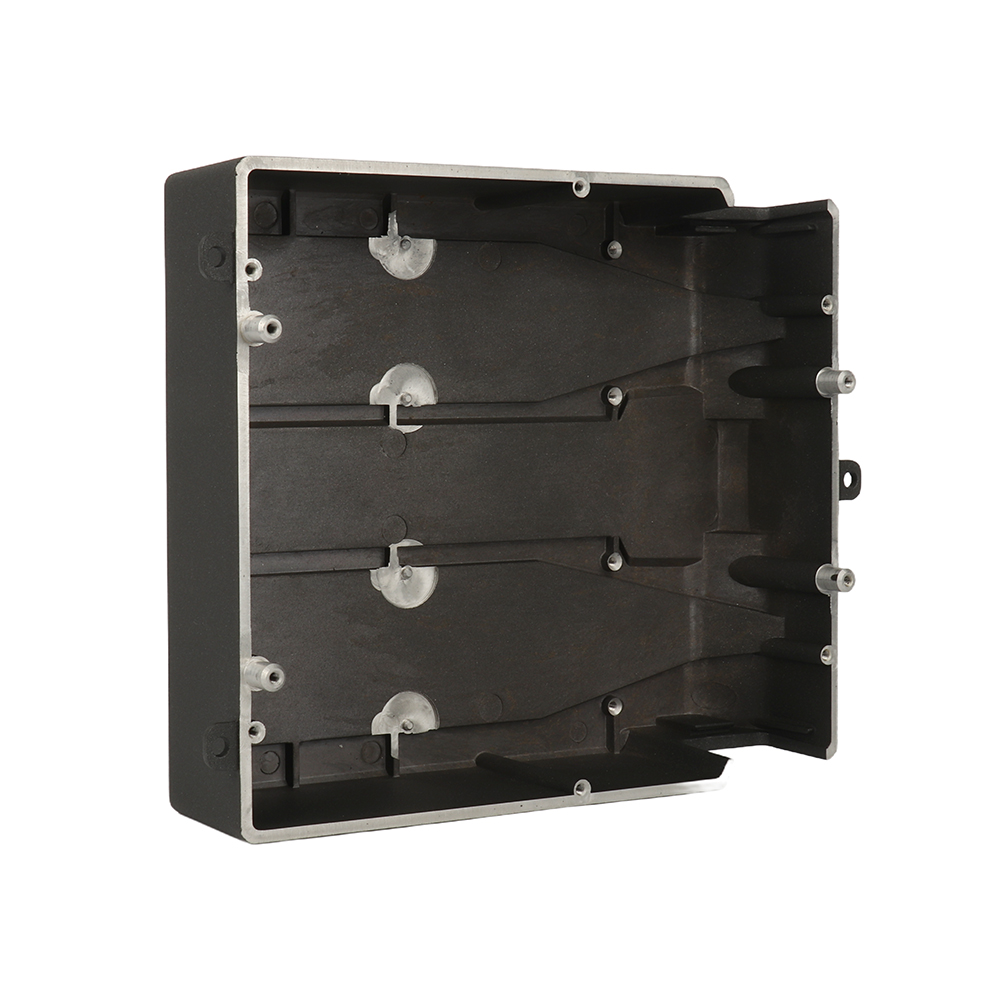
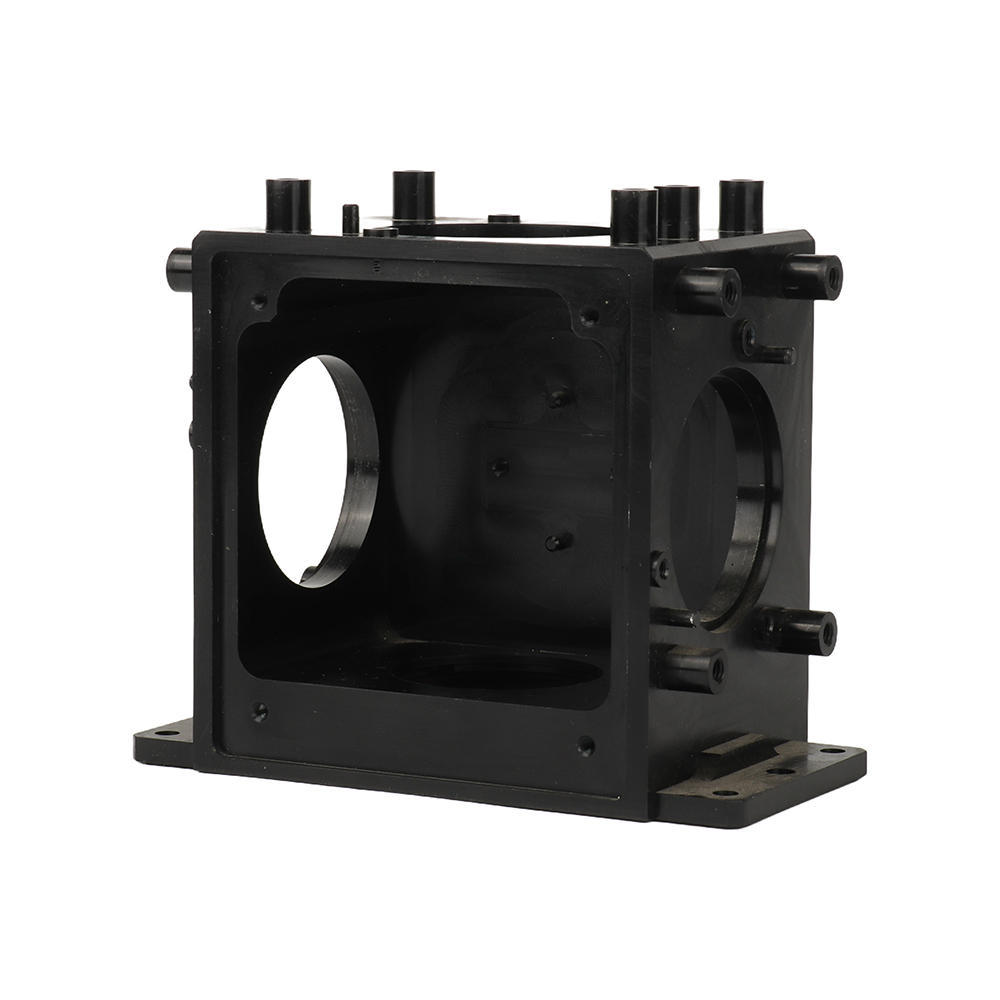
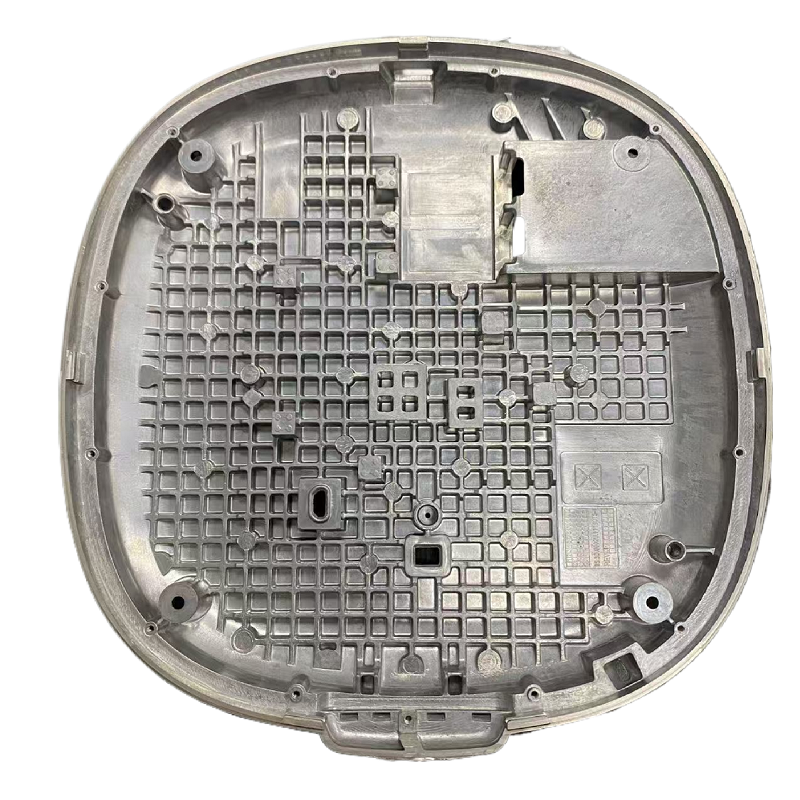
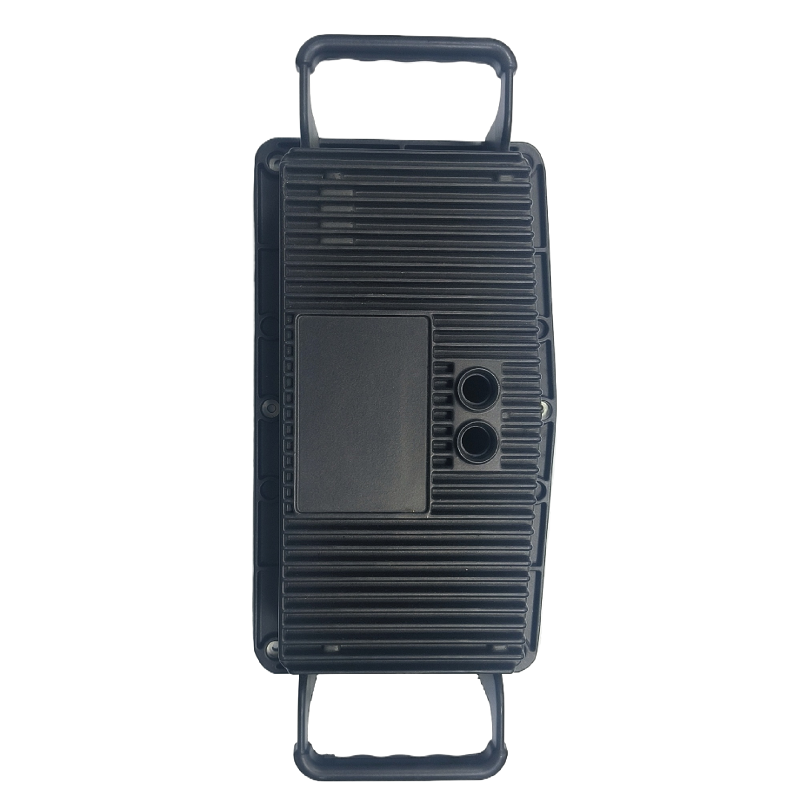
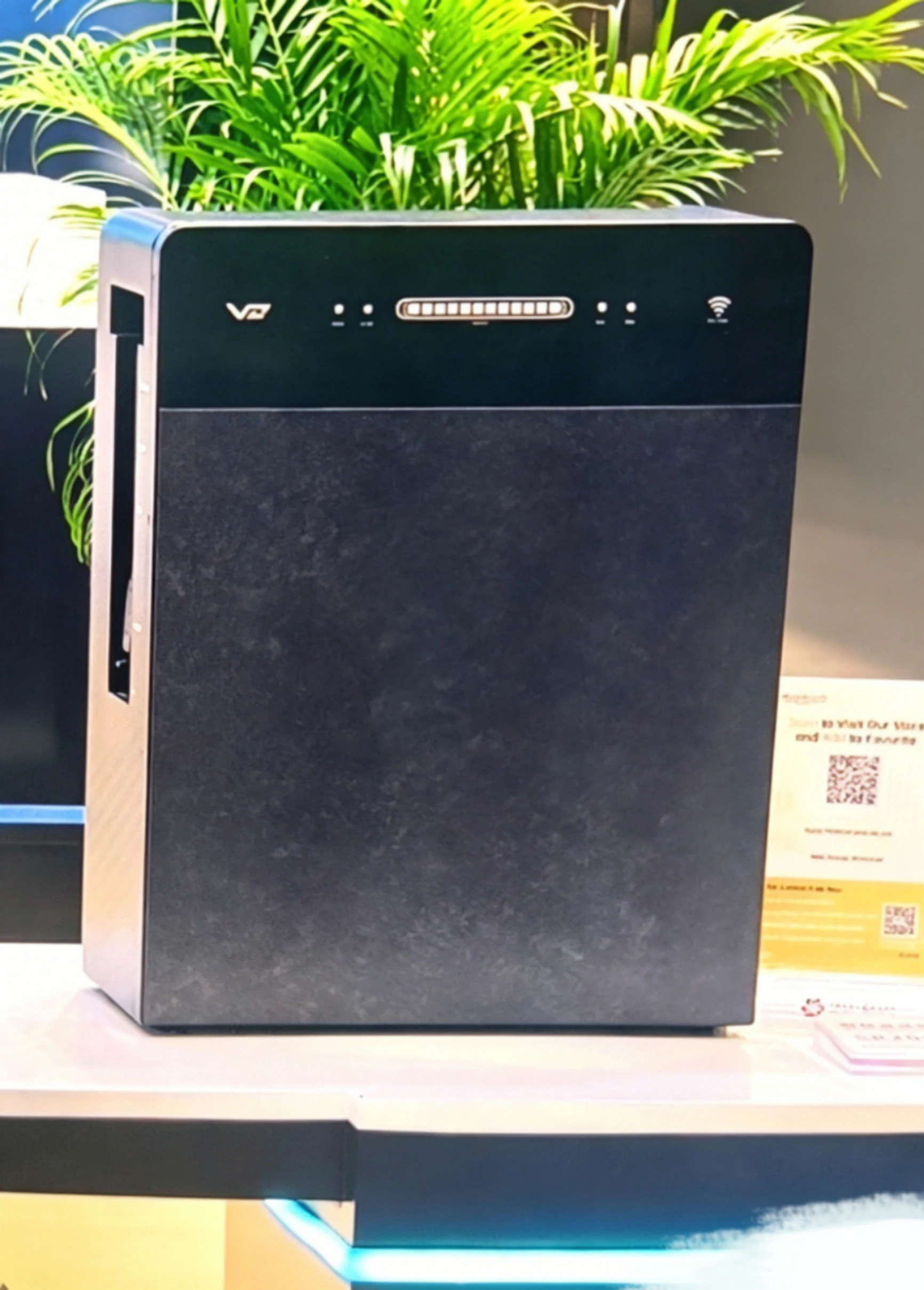
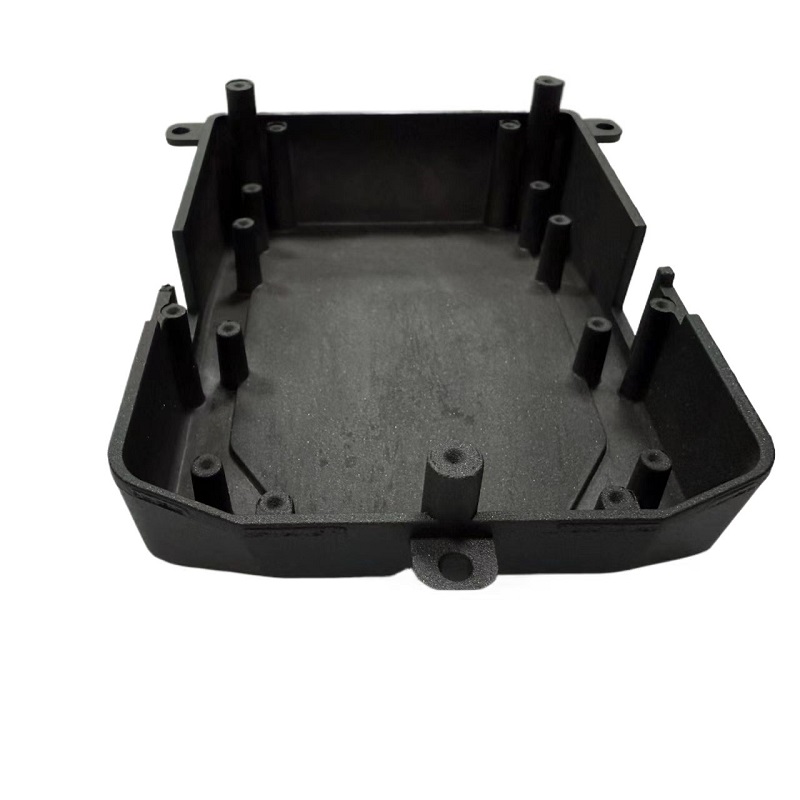
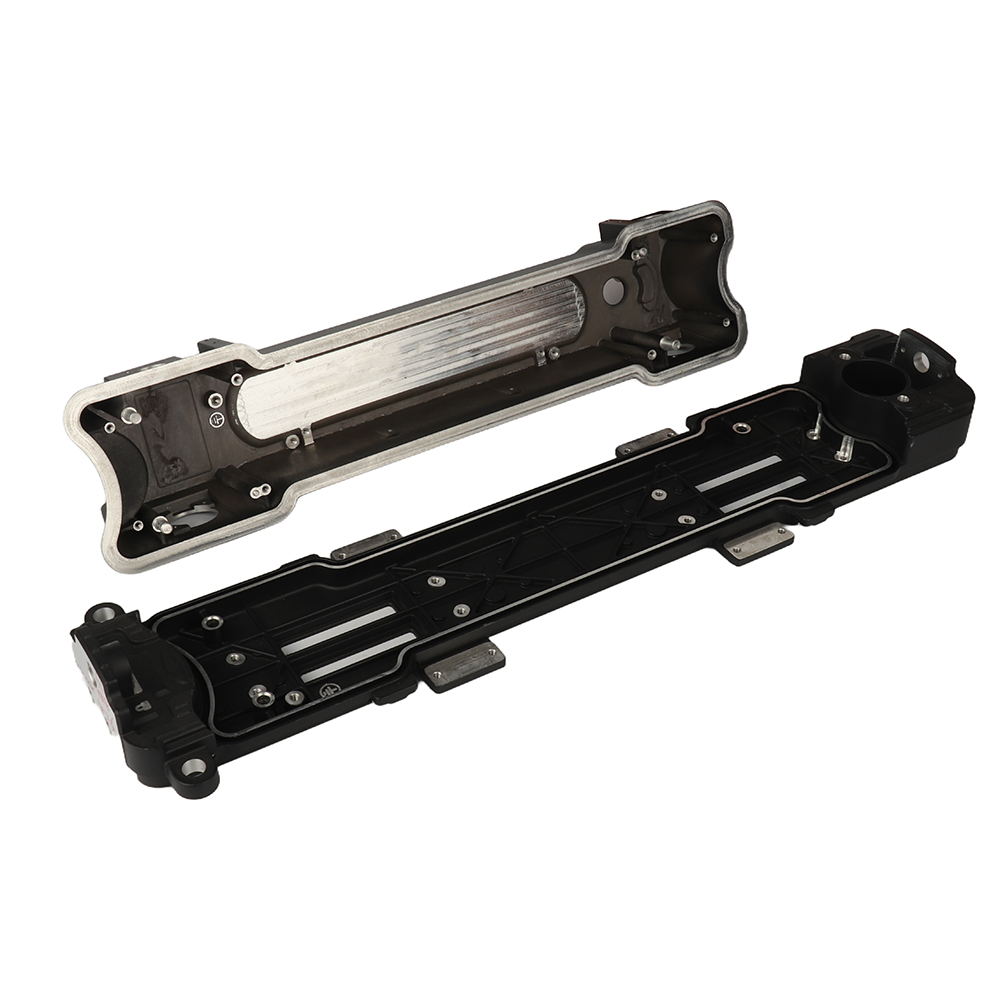
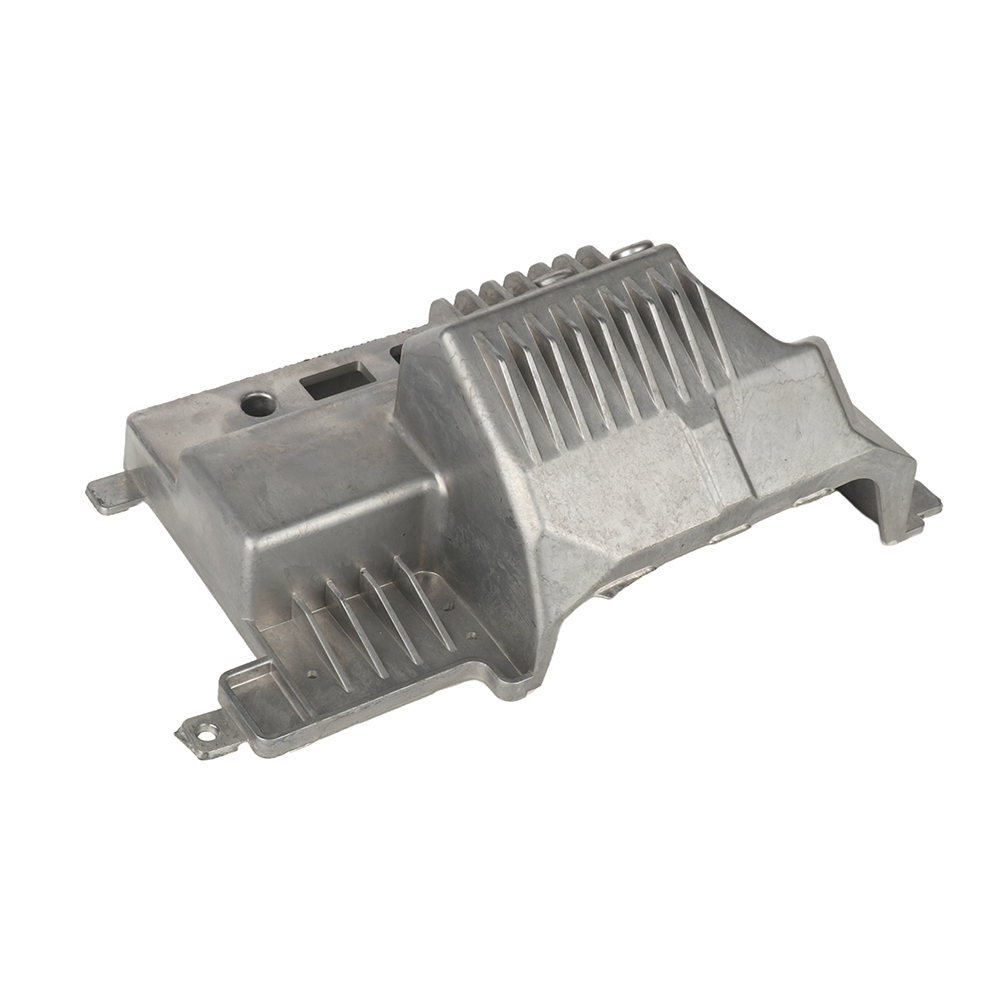
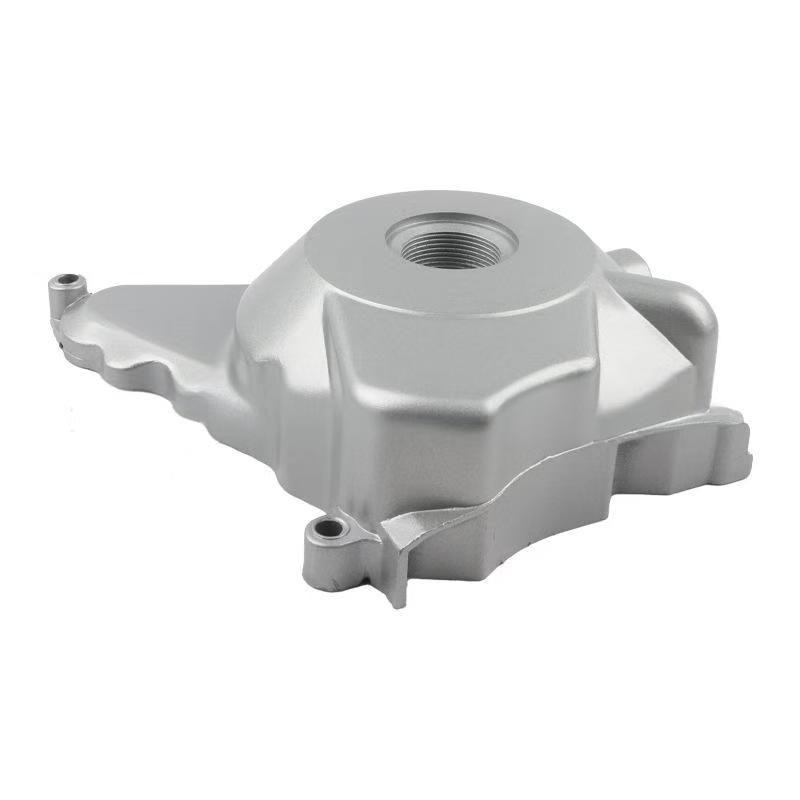
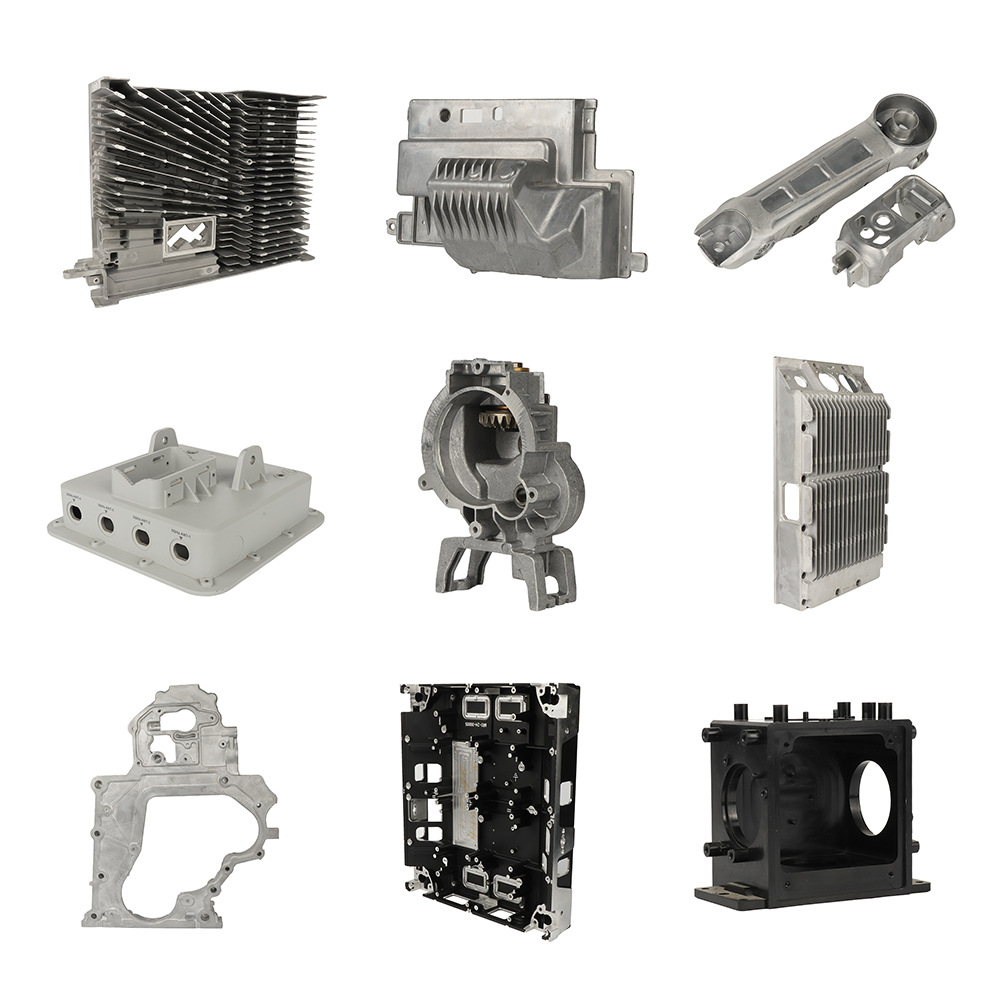
Display case with led | What is Anodized Aluminum Die Castings?Focus on LED Display Empty Cabinet
What is Anodized Aluminum Die Castings? Focus on LED Display Empty Cabinet
Table of Contents
- 1. Introduction to Anodized Aluminum Die Castings
- 2. Key Basics: Anodized Aluminum Die Castings vs. Traditional Die Castings
- 3. LED Display Empty Cabinet: Core Application of Anodized Aluminum Die Castings
- 3.1 What is an LED Display Empty Cabinet?
- 3.2 Key Features of Anodized Aluminum Die Casting LED Display Empty Cabinet
- 3.3 Core Functions of LED Display Empty Cabinet
- 3.4 Unmatched Advantages of Anodized Aluminum Die Casting LED Display Empty Cabinet
- 4. Expert Opinion on Anodized Aluminum Die Casting LED Display Empty Cabinet
- 5. FAQs About Anodized Aluminum Die Castings & LED Display Empty Cabinet
- 6. Conclusion
1. Introduction to Anodized Aluminum Die Castings
Anodized aluminum die castings are a combination of two advanced manufacturing processes: aluminum die casting and anodization. This synergy creates components that are lightweight, durable, corrosion-resistant, and aesthetically versatile—making them indispensable in industries ranging from automotive to electronics, and most notably, in the production of LED display empty cabinets.
Aluminum die casting involves melting aluminum alloy and injecting it into a precision mold under high pressure, producing complex, dimensionally accurate parts with minimal waste. Anodization, on the other hand, is an electrochemical process that forms a protective oxide layer on the aluminum surface, enhancing its natural properties and allowing for custom coloration without compromising performance. Together, these processes create components that outperform traditional materials in both function and longevity, especially in applications requiring high precision and reliability like LED display empty cabinets.
2. Key Basics: Anodized Aluminum Die Castings vs. Traditional Die Castings
To understand why anodized aluminum die castings are the top choice for LED display empty cabinets, it’s critical to distinguish them from traditional die castings (e.g., steel, non-anodized aluminum, or iron). The table below summarizes the core differences, with a focus on factors relevant to LED display applications:
- Corrosion Resistance: Traditional die castings (especially steel and iron) are prone to rust and degradation when exposed to moisture, salt, or chemicals—critical flaws for outdoor LED displays. Anodized aluminum forms a porous oxide layer that acts as a barrier, preventing corrosion even in harsh outdoor environments like coastal areas or high-humidity regions.
- Weight-to-Strength Ratio: Aluminum is 30-40% lighter than steel, yet anodization enhances its hardness—creating parts that are lightweight but rigid enough to support heavy LED modules, power supplies, and cooling systems. This lightweight feature reduces installation costs and structural load, a key advantage for large-scale LED video walls.
- Aesthetic Flexibility: Anodization allows for a range of colors (matte, glossy, metallic) that bond directly to the aluminum surface, avoiding chipping or fading—unlike paint or plating used on traditional castings, which often peel off after long-term use. This makes LED display empty cabinets more visually consistent and professional.
- Low Maintenance: Anodized surfaces are smooth, easy to clean, and require no frequent repainting or touch-ups. In contrast, traditional die castings need regular maintenance to prevent rust and maintain appearance, increasing long-term operational costs.
3. LED Display Empty Cabinet: Core Application of Anodized Aluminum Die Castings
Among all applications of anodized aluminum die castings, LED display empty cabinets stand out as one of the most critical. These cabinets serve as the foundational structure (or "backbone") for LED displays—whether for indoor billboards, outdoor video walls, rental stages, or commercial signage. Their design directly impacts the performance, durability, and installation efficiency of LED displays, making anodized aluminum die castings the ideal material choice. Below, we break down their definition, features, functions, and unmatched advantages.

Anodized Aluminum Die Casting LED Display Empty Cabinet
3.1 What is an LED Display Empty Cabinet?
An LED display empty cabinet (also called LED display cabinet shell) is a hollow, modular structure made primarily of anodized aluminum die castings. It is designed to house core LED display components: LED modules, power supplies, control cards, and cooling systems. Unlike fully assembled LED cabinets, empty cabinets are shipped without internal components, allowing manufacturers and installers to customize them based on specific display requirements—such as pixel pitch, size, indoor/outdoor use, and installation environment.
The use of anodized aluminum die castings in these cabinets is not accidental—it directly addresses the unique challenges of LED display installations, from weight constraints for high-rise mounting to corrosion resistance for outdoor use, and precision for seamless splicing. Without a high-quality empty cabinet, even the best LED modules cannot deliver stable, long-lasting performance.
3.2 Key Features of Anodized Aluminum Die Casting LED Display Empty Cabinet
Thanks to the advantages of anodized aluminum die castings, LED display empty cabinets boast distinct features that make them superior to cabinets made from other materials:
- High Precision: Anodized aluminum die castings are produced with tight tolerances (often within 0.1mm), ensuring that multiple cabinets can be spliced seamlessly—eliminating unsightly gaps between modules and delivering a smooth, uniform display effect. This is critical for high-resolution LED walls in corporate lobbies, control rooms, and broadcast studios.
- Modular Design: Most anodized aluminum die casting LED empty cabinets are modular, meaning they can be easily combined to form large-scale displays of any size or shape (including curved surfaces). This modularity also simplifies transportation, installation, and maintenance.
- Excellent Heat Dissipation: Aluminum is an excellent thermal conductor, and anodization further enhances heat transfer efficiency. LED modules generate significant heat during operation, and the anodized aluminum cabinet acts as a natural heat sink—reducing the need for additional cooling systems, lowering energy consumption, and extending the lifespan of internal components.
- Weather Resistance: The anodized oxide layer provides strong protection against rain, dust, UV radiation, and temperature fluctuations, making these cabinets suitable for both indoor and outdoor use. Outdoor models can achieve IP65 or higher protection ratings, ensuring stable operation in harsh environments.
3.3 Core Functions of LED Display Empty Cabinet
The LED display empty cabinet is more than just a "shell"—it plays four core functions that are essential to the overall performance of the LED display system:
- Structural Support: It provides a stable, rigid framework to hold LED modules, power supplies, and other components securely. This prevents component damage from vibration during transportation or installation, and ensures the display remains stable over long-term use.
- Component Protection: It acts as a protective barrier, shielding internal components from physical damage, dust, moisture, and other external factors. This is especially important for outdoor LED displays, which are exposed to harsh weather conditions.
- Heat Dissipation: As mentioned earlier, the anodized aluminum cabinet dissipates heat generated by LED modules and power supplies, preventing overheating and ensuring consistent performance. Overheating can cause LED modules to dim, flicker, or fail prematurely—making heat dissipation a critical function.
- Installation & Maintenance Convenience: The modular design and lightweight nature of anodized aluminum empty cabinets make them easy to transport, lift, and install. Many models feature front or back maintenance designs, allowing technicians to access internal components without disassembling the entire display—saving time and labor costs.
3.4 Unmatched Advantages of Anodized Aluminum Die Casting LED Display Empty Cabinet
Compared to LED display empty cabinets made from traditional materials (steel, non-anodized aluminum, or plastic), those made from anodized aluminum die castings offer unparalleled advantages, especially for commercial and industrial applications:
- Lightweight & Easy to Install: 30-40% lighter than steel cabinets, anodized aluminum empty cabinets reduce the load on mounting structures (such as walls or ceilings) and require fewer workers for installation—lowering labor and structural reinforcement costs. This is a game-changer for high-rise outdoor LED displays or large indoor video walls.
- Longer Lifespan: The corrosion resistance, wear resistance, and heat dissipation capabilities of anodized aluminum extend the cabinet’s lifespan to 10-15 years, compared to 5-8 years for traditional steel cabinets. This reduces the need for frequent replacement, lowering long-term investment costs.
- Seamless Splicing: The high precision of anodized aluminum die castings ensures that multiple cabinets can be spliced with minimal gaps (less than 0.5mm), creating a seamless display effect that is critical for high-resolution applications like control rooms, stadiums, and retail displays.
- Cost-Effective in the Long Run: While the initial cost of anodized aluminum die casting cabinets may be slightly higher than traditional cabinets, their low maintenance requirements, long lifespan, and energy-saving heat dissipation make them more cost-effective over time.
- Versatility: They are suitable for all types of LED displays, including indoor fixed displays (corporate lobbies, showrooms), outdoor fixed displays (billboards, building facades), and rental displays (concerts, exhibitions). Their modular design also allows for easy customization to fit different pixel pitches and sizes.
4. Expert Opinion on Anodized Aluminum Die Casting LED Display Empty Cabinet
Industry experts widely recognize the value of anodized aluminum die castings in LED display empty cabinets. We reached out to two leading professionals to share their insights:
"In the LED display industry, the empty cabinet is often the 'forgotten hero'—but it’s the foundation of a reliable display system. Anodized aluminum die castings solve three of the biggest pain points we face: weight, corrosion, and precision. For outdoor LED walls, in particular, corrosion resistance is non-negotiable, and anodization provides that protection without adding extra weight. We’ve seen projects where anodized aluminum cabinets last 15+ years with minimal maintenance, while traditional steel cabinets need replacement after just 5-6 years." — Mark Wilson, Senior Engineer at DS Visual, a leading LED display solution provider.
"As LED displays become larger and more high-resolution, the demand for precision and stability increases. Anodized aluminum die castings offer the tight tolerances we need for seamless splicing—something traditional materials can’t match. Additionally, their heat dissipation capabilities reduce the risk of component failure, which is critical for 24/7 operation in commercial and industrial settings. For our clients, choosing anodized aluminum empty cabinets isn’t just a choice—it’s an investment in long-term performance and reliability." — Sarah Chen, Product Manager at UnifyLED, a global LED display manufacturer.
5. FAQs About Anodized Aluminum Die Castings & LED Display Empty Cabinet
We’ve compiled the most common questions from industry professionals and customers to clarify key points about anodized aluminum die castings and their application in LED display empty cabinets:
Q1: Can anodized aluminum die casting LED empty cabinets be used outdoors?
A: Yes! The anodized oxide layer provides excellent corrosion resistance, and most outdoor models are designed with IP65 or higher protection ratings (dust-tight and water-resistant). They can withstand rain, UV radiation, and temperature fluctuations, making them ideal for outdoor billboards, building facades, and stadium displays.
Q2: How does the weight of anodized aluminum empty cabinets compare to steel cabinets?
A: Anodized aluminum empty cabinets are 30-40% lighter than steel cabinets of the same size. For example, a standard 500x500mm outdoor cabinet weighs approximately 8-10kg (aluminum) vs. 12-15kg (steel). This lightweight feature reduces installation costs and structural load requirements.
Q3: What is the lifespan of anodized aluminum die casting LED empty cabinets?
A: Under normal use and maintenance, anodized aluminum die casting LED empty cabinets have a lifespan of 10-15 years. This is significantly longer than steel cabinets (5-8 years) due to their corrosion resistance and wear resistance.
Q4: Can the color of anodized aluminum empty cabinets be customized?
A: Yes! Anodization allows for a wide range of custom colors, including matte black, silver, gray, and even metallic finishes. The color bonds directly to the aluminum surface, so it won’t chip, fade, or peel—unlike painted cabinets.
Q5: Are anodized aluminum die casting empty cabinets more expensive than traditional cabinets?
A: The initial cost is slightly higher, but they are more cost-effective in the long run. Their low maintenance requirements, long lifespan, and energy-saving heat dissipation reduce operational and replacement costs over time. For high-value projects, the investment is well worth it.
Q6: What maintenance is required for anodized aluminum LED empty cabinets?
A: Minimal maintenance is needed. Simply clean the surface with a soft cloth and mild detergent periodically to remove dust and dirt. Unlike steel cabinets, they do not require repainting or anti-rust treatments.
6. Conclusion
Anodized aluminum die castings are a game-changing manufacturing solution, and their most impactful application is in LED display empty cabinets. By combining the precision and efficiency of aluminum die casting with the protection and versatility of anodization, these cabinets deliver unmatched performance, durability, and cost-effectiveness.
From their core functions of structural support and heat dissipation to their unmatched advantages of lightweight design, seamless splicing, and long lifespan, anodized aluminum die casting LED empty cabinets are the foundation of reliable, high-quality LED display systems—whether for indoor or outdoor use, fixed or rental applications. As industry experts note, choosing anodized aluminum is not just a material choice, but an investment in long-term performance and peace of mind.
For anyone in the LED display industry—whether a manufacturer, installer, or end user—understanding the value of anodized aluminum die castings in empty cabinets is key to creating display systems that stand the test of time.
For power supply | What are die-cast aluminum enclosures? Focus on Die-Cast Aluminum Enclosures for Power Supply
Motor starter enclosure | What is custom aluminum die casting? Focus on Motor Starter Enclosure
Related Article


