
HOT PRODUCTS
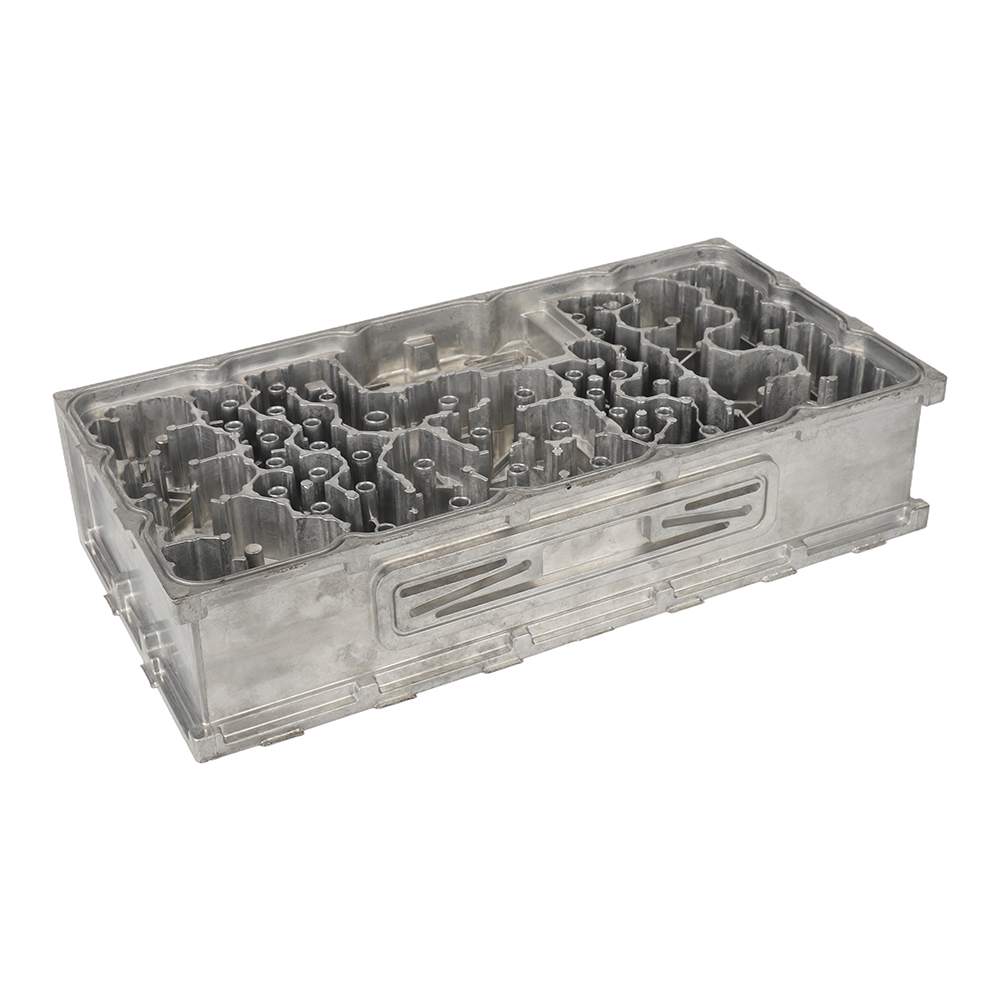
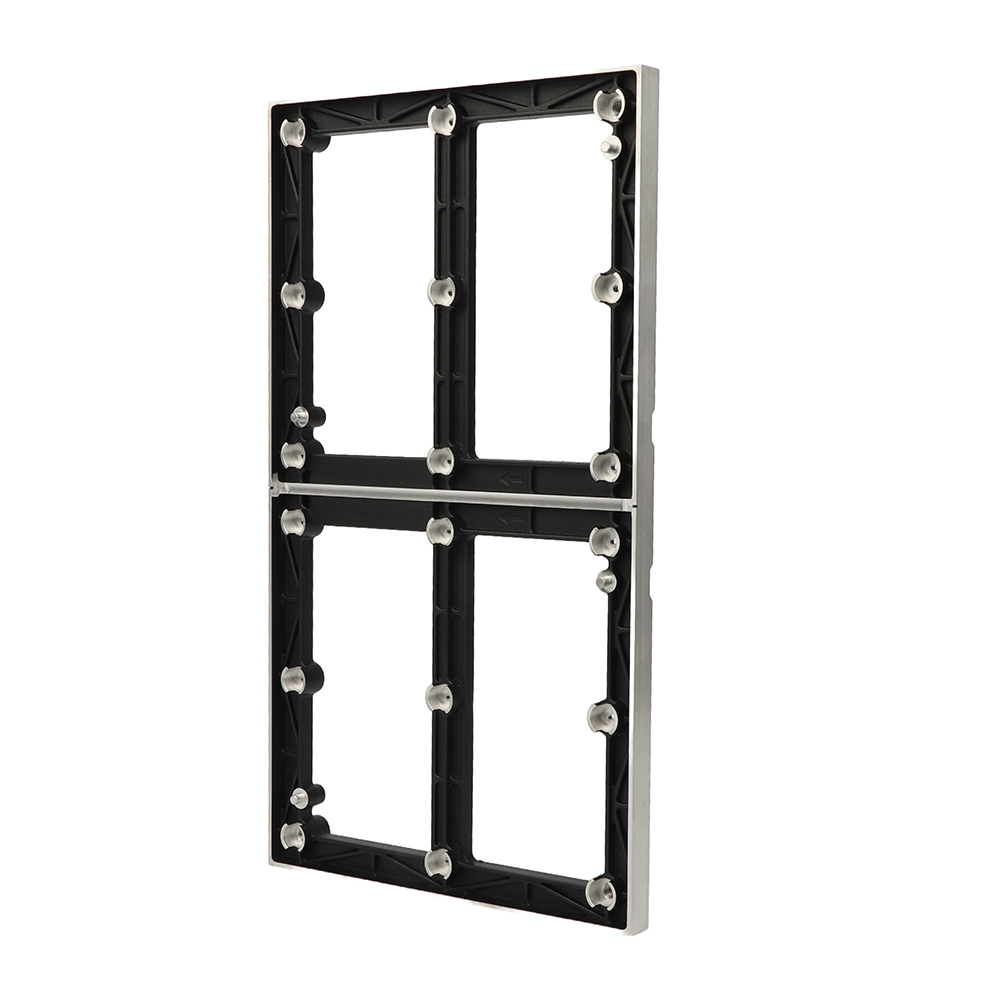
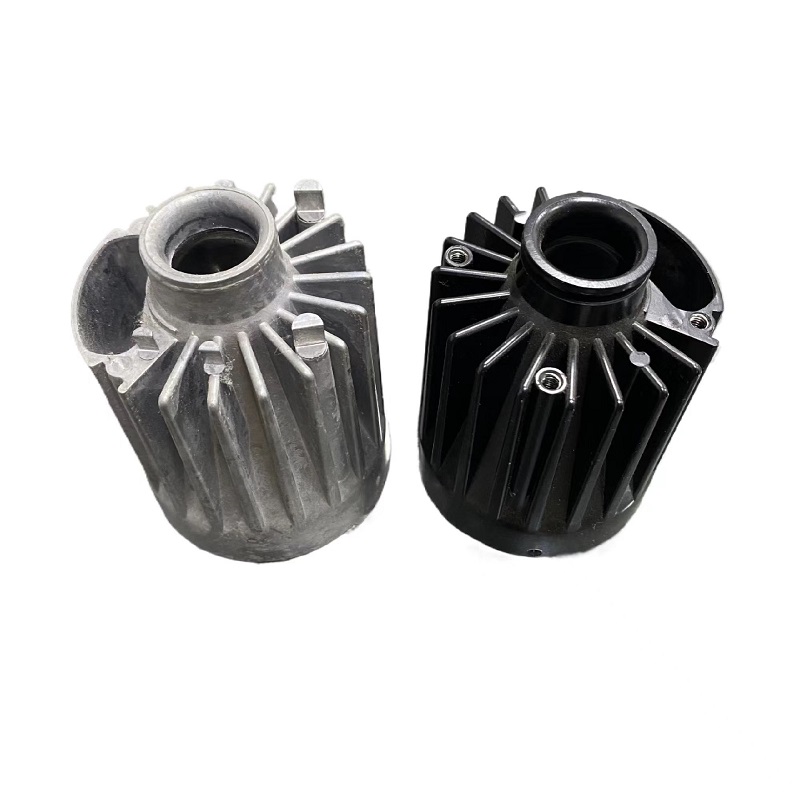
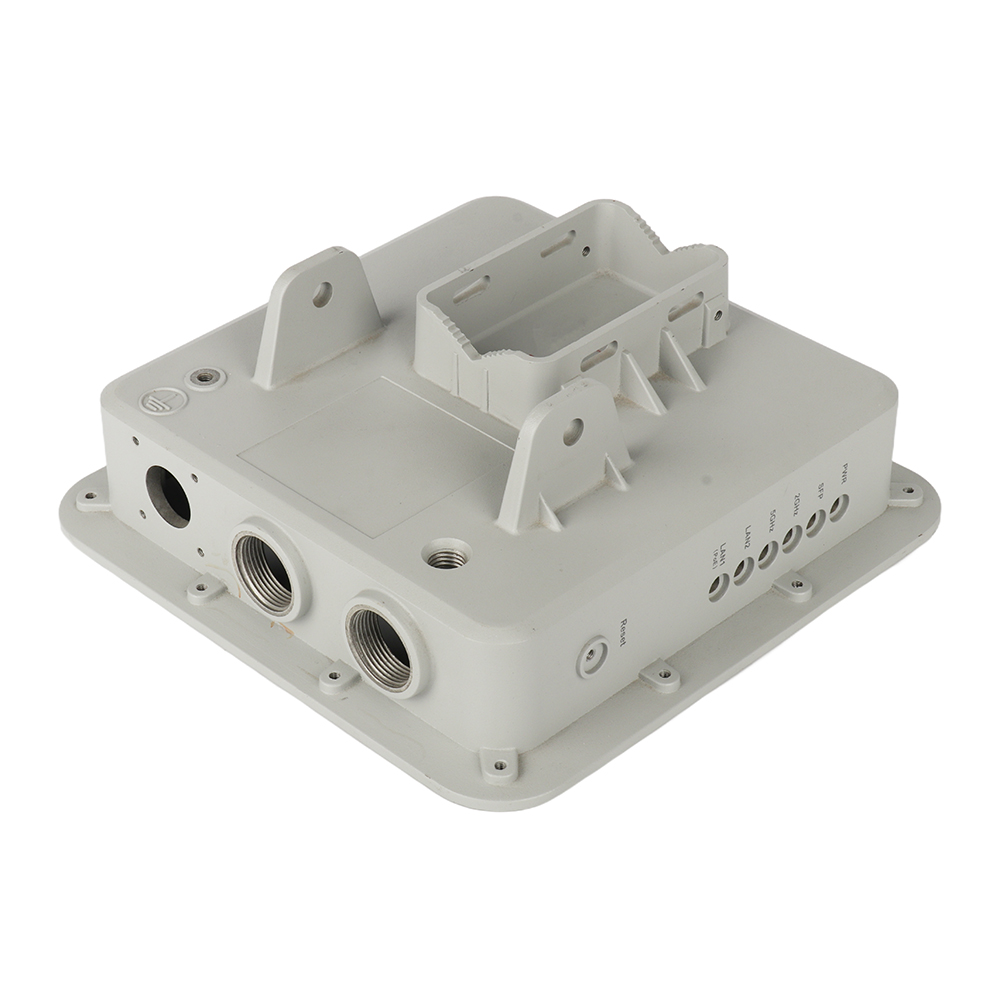
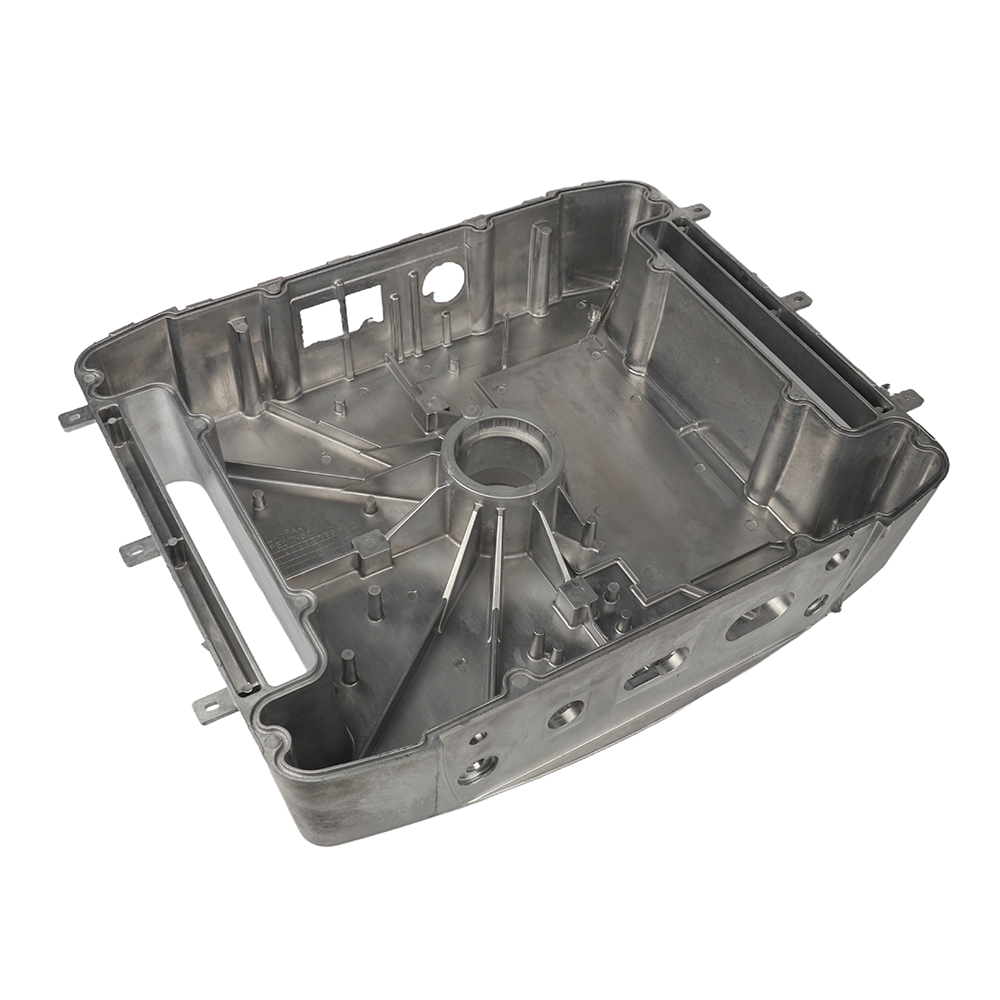
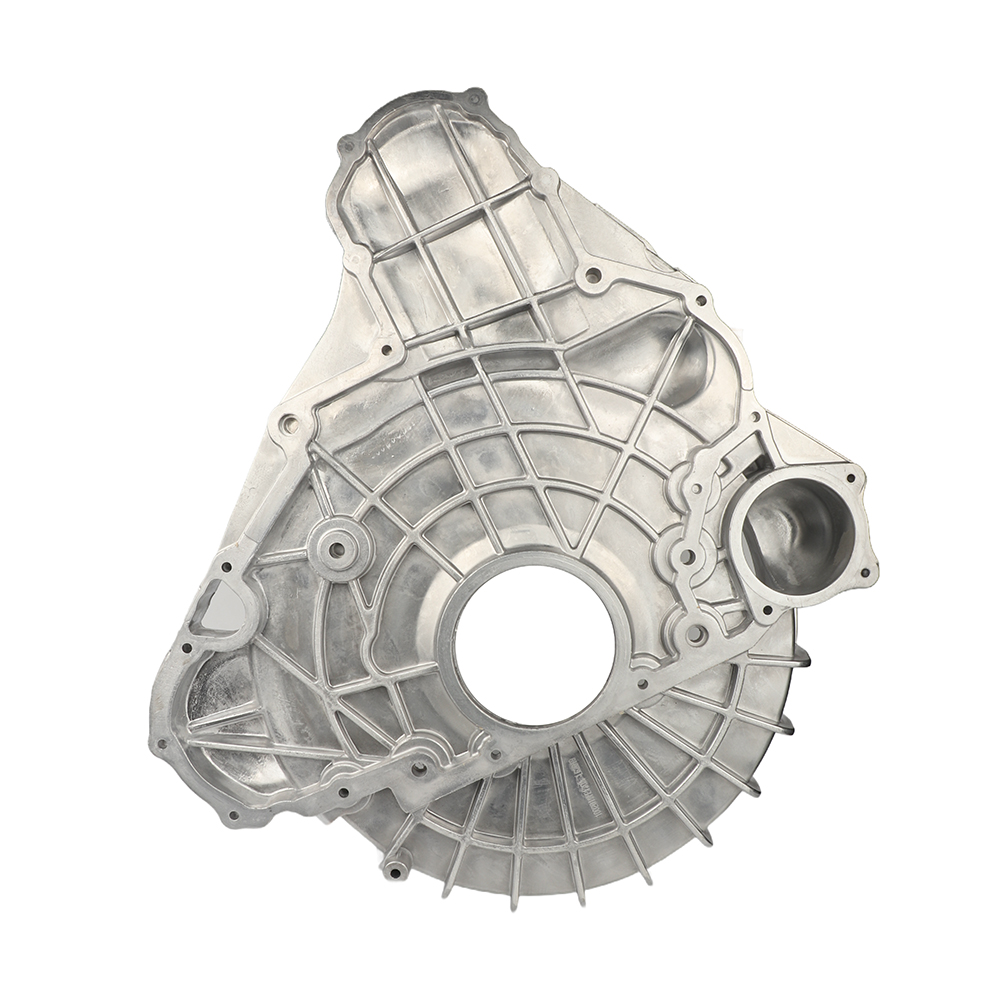
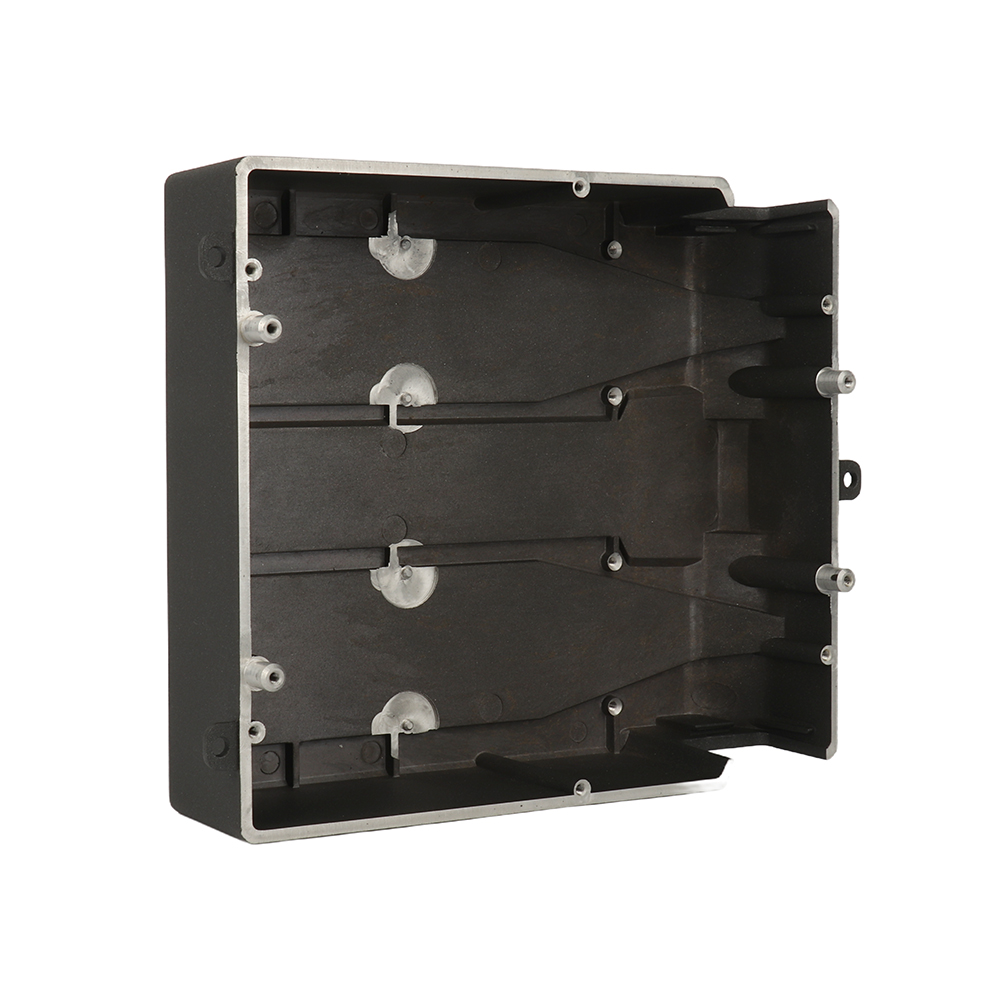
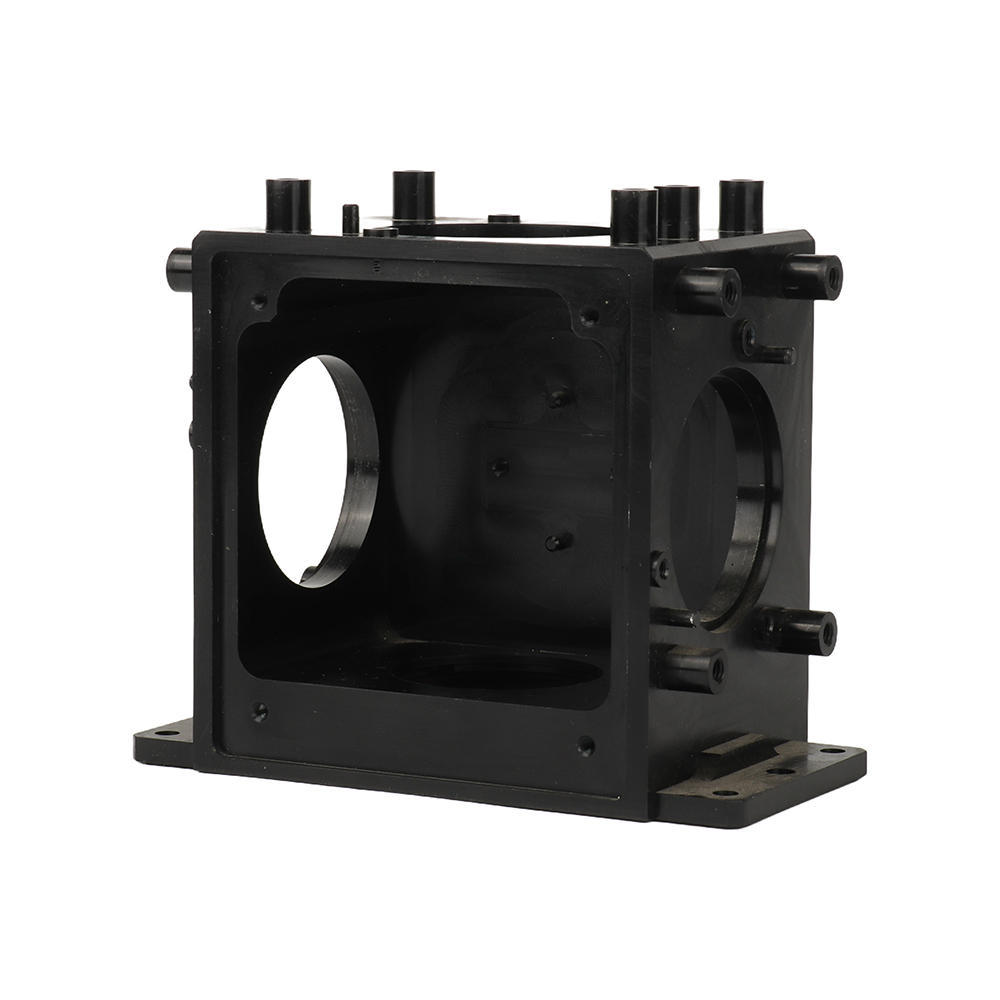
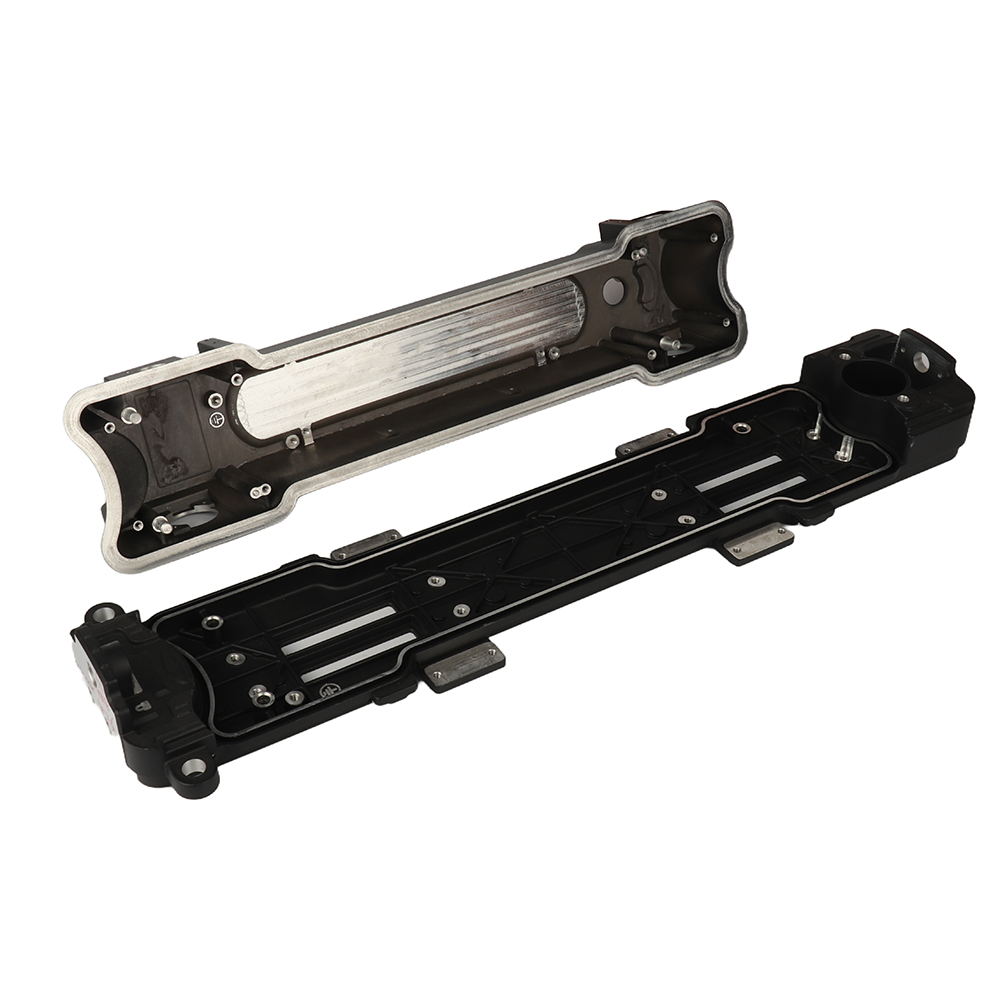
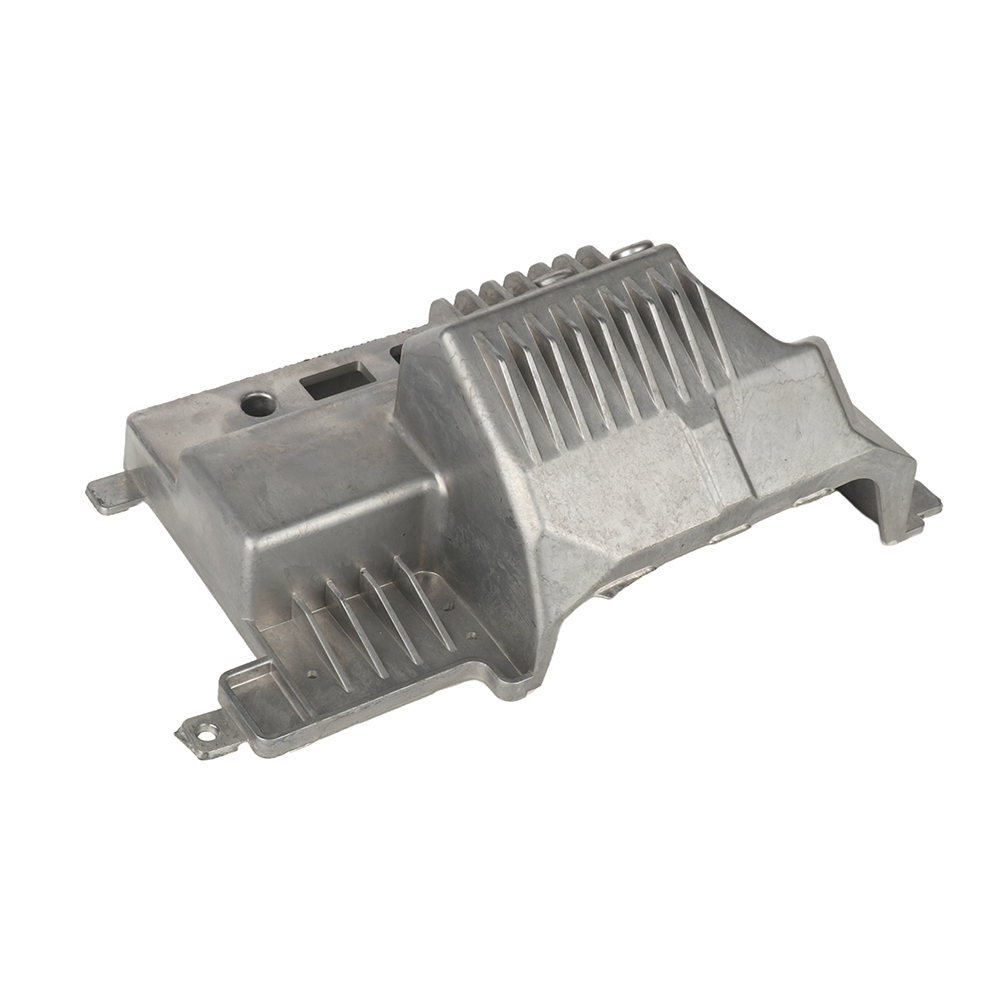
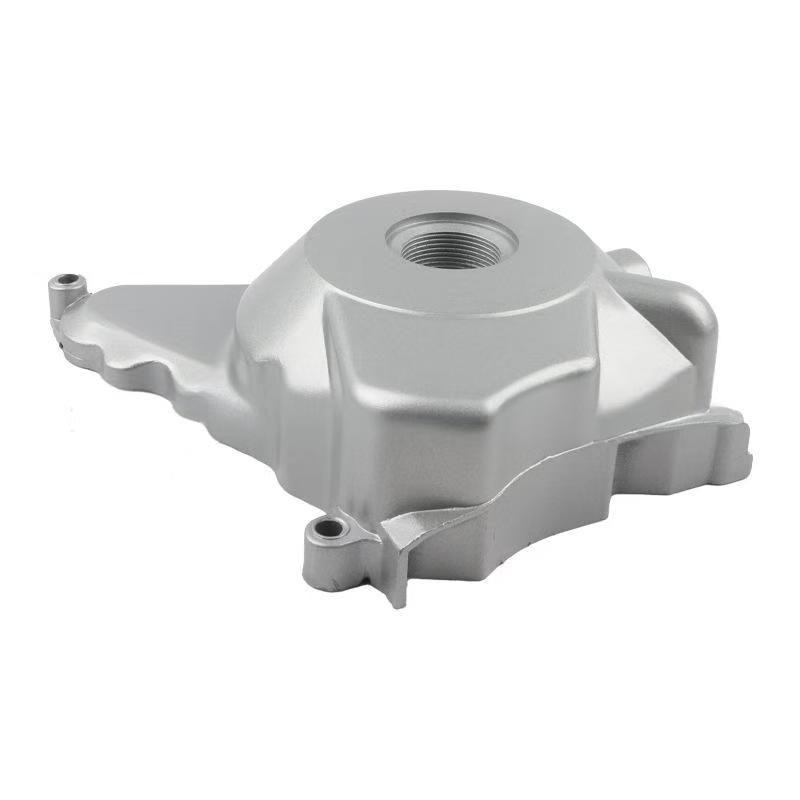
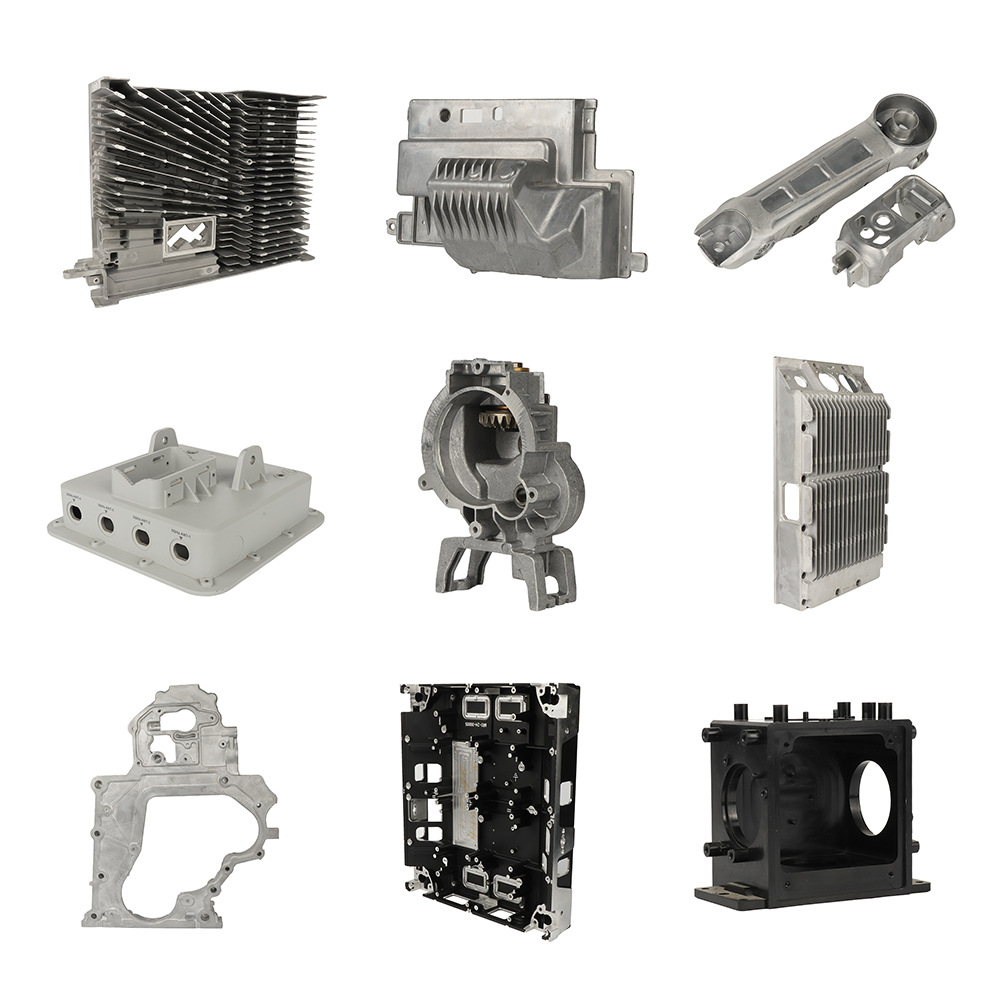
Brushed finish | What is brushed finish for die casting prat? Comprehensive Guide
2026-06-13
What is Brushed Finish for Die Cast Parts? Comprehensive Guide
Table of Contents
- 1. Definition & Classification of Die Cast Part Brushed Finish
- 2. Core Base Material: ADC12 Aluminum Alloy for Die Casting Brushing
- 3. Standard Technical Parameters of ADC12 Die Cast Brushed Finish
- 4. Key Process Points & Core Functions of Aluminum Die Cast Brushing
- 5. Unique Competitive Advantages of ADC12 Die Cast Brushed Surface
- 6. Industry Expert Viewpoints on Die Cast Surface Brushing
- 7. 2026 Industry Trends & Standards for Selecting Qualified Hardware Suppliers
- 8. FAQs About ADC12 Die Cast Brushed Finish
- 9. Cooperate With Xinghang Precision Hardware – Bulk Discount & Contact Details
- 10. Industry Summary & Future Development Outlook
1. Definition & Classification of Die Cast Part Brushed Finish
1.1 Official Definition of Surface Brushed Finish
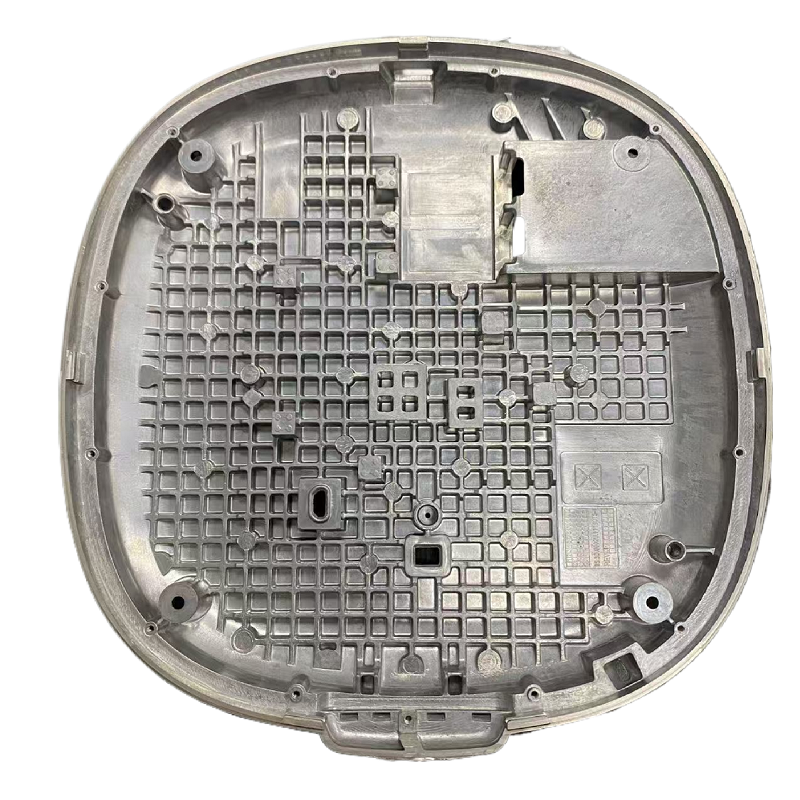
Surface brushed finish refers to a directional surface post-treatment process that uses abrasive belts, wire brushes or roller brushing equipment to create continuous uniform linear textures on raw die casting surfaces. Unlike sandblasting and polishing, brushing does not remove thick material layers; it only micro-removes surface burrs, oxide layers and die casting flow lines while retaining original metal metallic luster. For ADC12 aluminum die castings, this process is classified as mechanical dry brushing and wet anti-oxidation brushing, the two mainstream processes used in industrial mass production.
1.2 Two Main Brushed Texture Classifications
1.2.1 Straight Linear Brushing
Continuous Fine Grain Texture
Straight linear brushing is the most widely adopted type, featuring parallel uniform linear textures with no offset. It is prioritized for electronic enclosures, automotive internal structural covers, with a texture spacing of 0.1mm-0.3mm. It effectively covers tiny die casting shrinkage pores invisible to naked eyes.
1.2.2 Random Cloud Brushing
Non-directional Matte Texture
Random cloud brushing produces disordered short line textures without fixed directions. It is suitable for outdoor aesthetic structural parts, which can weaken surface scratch visibility and improve overall texture layering. However, it has stricter requirements on ADC12 raw casting surface flatness.

2. Core Base Material: ADC12 Aluminum Alloy for Die Casting Brushing
2.1 Why ADC12 Is the Optimal Alloy for Die Cast Brushing
ADC12 high-silicon aluminum alloy compliant with JIS H5302 industrial standard accounts for 78% of brushed aluminum die casting raw materials in the hardware industry. Its silicon content ranging from 9.6%-12% improves molten aluminum fluidity during high-pressure die casting, reducing surface cold shut and flow lines. Compared with A380 aluminum alloy, ADC12 has lower surface hardness (40-60 HB), which avoids abrasive belt clogging and uneven texture during brushing, cutting post-processing rework rate by 32%.
2.2 Pre-brushing Defect Limits for ADC12 Die Castings
Before brushed treatment, qualified ADC12 die castings must meet strict defect thresholds: surface shrinkage pore diameter ≤0.05mm, no penetrating cracks, residual die casting release agent coverage ≤3%. Excessive release agent will cause partial texture fading after brushing, forming irregular blank areas on finished surfaces.
3. Standard Technical Parameters of ADC12 Die Cast Brushed Finish
All parameters below are verified by Xinghang Precision Hardware’s mass production data, covering conventional and customized brushed specifications for ADC12 die cast parts:
| Parameter Item | Conventional Brushed Specification | Ultra-fine Custom Brushed Specification |
|---|---|---|
| Abrasive Belt Grit | 240# - 400# | 600# - 1200# |
| Surface Roughness (Ra) | 1.2μm - 2.0μm | 0.4μm - 1.0μm |
| Single-side Material Removal Depth | 0.03mm - 0.08mm | 0.01mm - 0.03mm |
| Texture Line Spacing | 0.2mm ± 0.05mm | 0.1mm ± 0.02mm |
| Matching Post-treatment | Clear passivation, natural anodizing | Matte hard anodizing, anti-fingerprint coating |
| Neutral Salt Spray Resistance | 48 hours without corrosion | 96 hours without corrosion |
| Batch Texture Consistency Tolerance | ±5% color deviation | ±2% color deviation |
4. Key Process Points & Core Functions of Aluminum Die Cast Brushing
4.1 Three Critical Brushing Process Pain Points
4.1.1 Edge Burnt Deformation Prevention
Thermal Stress Control
Processing Speed Matching
ADC12 aluminum has high thermal conductivity. High-speed dry brushing will cause local surface temperature exceeding 120℃, leading to edge burnt and dark texture. The core solution is controlling linear brushing speed at 8-12m/s and adding circulating cooling liquid for wet brushing, which eliminates thermal deformation of thin-wall die cast parts with wall thickness below 1.5mm.
4.1.2 Texture Direction Offset Correction
Manual brushing usually causes 3°-8° texture offset, resulting in unqualified aesthetic consistency. Automated roller brushing with fixture positioning can limit offset within ≤0.5°, meeting high-end 3C and medical part aesthetic standards.
4.2 Four Core Functions of Brushed Surface Treatment
4.2.1 Cover Inherent Die Casting Surface Defects
ADC12 die castings inevitably have tiny flow lines, mold parting lines and micro-pores. Micro-brushing removes 0.03mm surface metal layer to cover these invisible defects without changing overall part dimensional tolerance, avoiding high-cost full polishing.
4.2.2 Improve Surface Anti-scratch Performance
Directional brushed textures disperse external friction stress. Compared with raw die casting surfaces, brushed surfaces reduce visible scratch visibility by 65% in daily assembly and transportation friction, lowering after-sales appearance complaint rates.
4.2.3 Enhance Subsequent Coating Adhesion
Uniform micro-grooves formed by brushing increase surface contact area. The adhesion force of anodizing and anti-fingerprint coatings on brushed ADC12 surfaces increases by 40%, preventing coating peeling in high-temperature and humid environments.
4.2.4 Optimize Heat Dissipation Efficiency
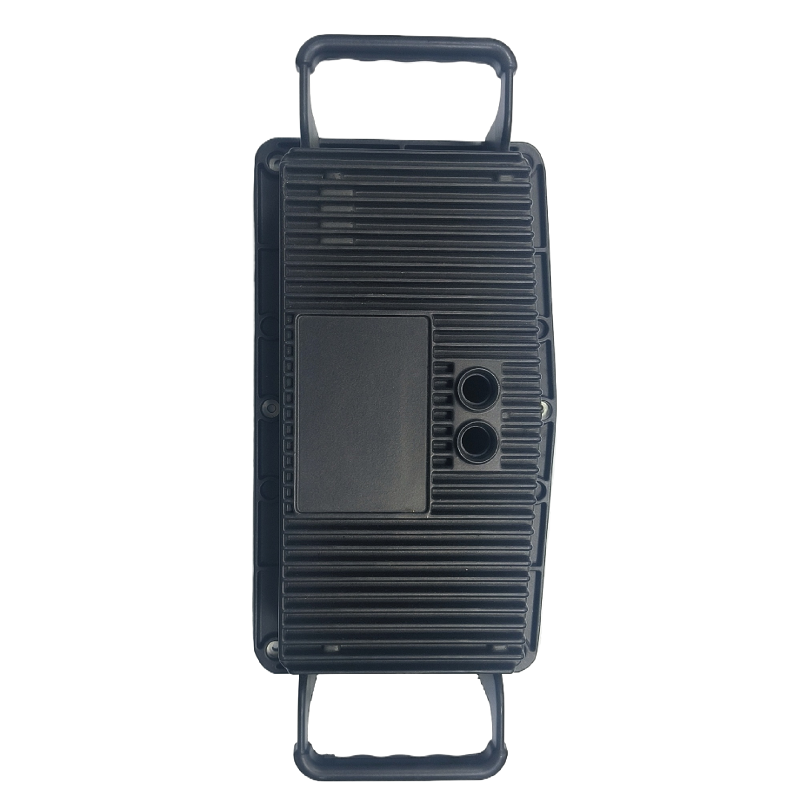
Directional brushed textures expand surface heat dissipation area by 12%-18%. For power supply enclosure die cast parts, this improves passive natural heat dissipation performance without additional heat sink structures.
5. Unique Competitive Advantages of ADC12 Die Cast Brushed Surface
5.1 Cost Advantage Over Mirror Polishing
Brushed finish omits fine mirror polishing steps. For mass orders, the single-piece processing cost is 35%-45% lower than mirror polishing, with 2x faster production cycle. It balances aesthetic demand and procurement cost for mid-to-high-end industrial parts.
5.2 Better Environmental Adaptability Than Sandblasting
Sandblasting forms disordered concave surfaces that easily accumulate dust and moisture, accelerating ADC12 surface oxidation. Brushed linear textures drain moisture naturally, and matched passivation treatment extends outdoor service life by 2.5 times compared with sandblasted parts.
5.3 Stable Batch Dimensional Consistency
Different from chemical surface treatment, mechanical brushing produces negligible dimensional change. The overall dimensional tolerance fluctuation of die cast parts is controlled within ±0.01mm, which will not affect later assembly with sealing gaskets and fasteners.
6. Industry Expert Viewpoints on Die Cast Surface Brushing
Ms. Elena Ward, a senior surface treatment engineer with 19 years of experience in aluminum die casting post-processing from European Hardware Manufacturing Association, released industry research conclusions in the 2026 Global Precision Die Casting Summit: “Brushed finish will replace ordinary sandblasting as the mainstream surface process for ADC12 die cast structural parts within three years”.
She pointed out that traditional sandblasting faces two bottlenecks: heavy dust pollution and poor coating adhesion. Meanwhile, downstream customers of new energy vehicles and smart home devices increasingly prioritize metal original texture. Wet environmental-friendly brushed technology solves dust pollution problems and meets EU RoHS green manufacturing requirements.
Supporting market data: From 2026 to 2030, the annual compound growth rate of ADC12 brushed die casting part demand will reach 15.2%, far exceeding the 4.3% growth rate of sandblasted die cast parts.
7. 2026 Industry Trends & Standards for Selecting Qualified Hardware Suppliers
7.1 2026 Latest Brushed Die Casting Industry Trends
7.1.1 Environmental-friendly Wet Brushing Popularization
Global carbon emission regulations ban high-dust dry brushing. Wet closed-cycle brushing with sewage recovery systems has become mandatory for export-oriented suppliers, complying with ISO 14001 environmental certification.
7.1.2 Integrated Die Casting + Brushing One-stop Service
Decentralized outsourcing of die casting and surface brushing leads to batch texture inconsistency. Downstream buyers prefer full-chain suppliers covering mold making, high-pressure die casting, automated brushing and quality inspection to shorten delivery lead time by 20%.
7.1.3 Customized Multi-directional Composite Brushing
Single linear brushing can no longer meet aesthetic demands. Composite processes combining local fine brushing and overall matte brushing are widely used in consumer electronic appearance parts, becoming a differentiated competitive direction.
7.2 Core Standards for Supplier Selection
7.2.1 Automated Brushing Fixture Capacity
Suppliers relying on manual brushing cannot guarantee batch consistency. Qualified vendors must own multi-axis automated brushing equipment and customized positioning fixtures for irregular die cast parts.
7.2.2 Complete Post-brushing Anti-oxidation System
Bare brushed ADC12 surfaces oxidize within 72 hours in humid air. Suppliers must support synchronous passivation or anti-fingerprint coating within 2 hours after brushing to avoid surface discoloration.
7.2.3 Traceable Quality Inspection Reports
Qualified suppliers need to provide Ra roughness testing reports, salt spray test reports and texture batch comparison samples for each shipment, meeting cross-border customs quality review requirements.
8. FAQs About ADC12 Die Cast Brushed Finish
Q1: Can brushed finish be processed on ADC12 die cast parts with holes and grooves?
Yes. We adopt shielding fixture protection for inner holes and deep grooves before brushing to avoid abrasive wire burrs falling into assembly holes. For groove width ≥0.8mm, targeted local brushing can be realized without damaging inner surface structures.
Q2: Will brushed treatment affect die cast part assembly tolerance?
No. Our standardized brushing material removal depth is controlled below 0.08mm, and all assembly matching surfaces will be shielded in advance. The assembly tolerance fluctuation is within ±0.005mm, which has zero impact on tight-fit assembly.
Q3: What is the difference between brushed and anodized brushed finish?
Pure brushed finish only provides texture and temporary anti-oxidation, with 1-3 months indoor anti-corrosion life. Anodized brushed finish adds 5-10μm oxide film, extending anti-corrosion life to 3-5 years, suitable for outdoor equipment parts.
Q4: How to solve uneven brushed texture on large-size ADC12 die castings?
Uneven texture is mainly caused by uneven fixture stress. We use floating pressure roller brushing equipment to balance surface pressure, which completely solves texture shade difference for parts within 500mm * 500mm.
9. Cooperate With Xinghang Precision Hardware – Bulk Discount & Contact Details
9.1 Our Core Service Strengths
Xinghang Precision Hardware is a full-chain ADC12 aluminum die casting and surface brushed finish manufacturer. We own 12 sets of closed-cycle wet automated brushing production lines, covering die casting molding, CNC trimming, directional brushing, passivation and anodizing integrated services. All products pass ISO 9001 quality certification and EU RoHS environmental testing, serving new energy, industrial automation and 3C electronic global buyers for 8 years.
9.2 Hierarchical Bulk Discount Policy
We launch transparent tiered bulk discounts for long-term cooperative clients: The larger the order quantity, the lower the unit processing price. Detailed rules: Orders over 5,000 pieces enjoy 8% unit price discount; orders over 20,000 pieces enjoy 15% discount plus free fixture customization; long-term annual framework orders enjoy priority delivery, free third-party quality testing and unlimited after-sales texture rework within 90 days.
9.3 Official Global Contact Information
Free sample testing and customized brushed texture solution consultation are available for all global clients.
Phone / Whatsapp / WeChat: +86 18819502691
Official Email: liqine@xinghangcn.com
10. Industry Summary & Future Development Outlook
ADC12 die cast surface brushed finish is a cost-effective, environmental-friendly and multi-functional surface post-treatment technology. It solves multiple pain points of raw die casting surface defects, poor scratch resistance and low coating adhesion, and balances aesthetic appearance and mass production cost. Compared with sandblasting and mirror polishing, it has irreplaceable advantages in cross-border industrial hardware procurement.
In the future, the industry will keep evolving toward low-carbon wet brushing, intelligent automated production and personalized composite texture customization. For downstream procurement enterprises, abandoning small-scale manual processing suppliers and choosing full-chain qualified manufacturers is the core way to control quality and delivery risks. Meanwhile, taking advantage of tiered bulk discount policies can effectively reduce long-term comprehensive procurement costs.
As a compliant full-chain precision hardware supplier, Xinghang Precision Hardware strictly controls every brushed process parameter. We provide stable batch quality, flexible customized solutions and considerate cross-border after-sales support. We sincerely invite global buyers to establish long-term win-win cooperative partnerships.
Mold development | What is Die Casting Mold Development?
Surface finishing process | How is the surface finishing of aluminum alloy processed?
Related Article

Residential energy storage systems have become increasingly popular as homeowners pursue energy independence, solar self-consumption and backup power for grid outages.
Energy storage enclosure | What Are the Benefits of Die-Cast Home Energy Storage Enclosures?

A custom LED display frame is the core structural carrier for LED screen modules, widely manufactured with ADC12 aluminum alloy via high-pressure die casting.
LED display frame | What Are the Benefits of Custom LED Display Frames?

