
HOT PRODUCTS
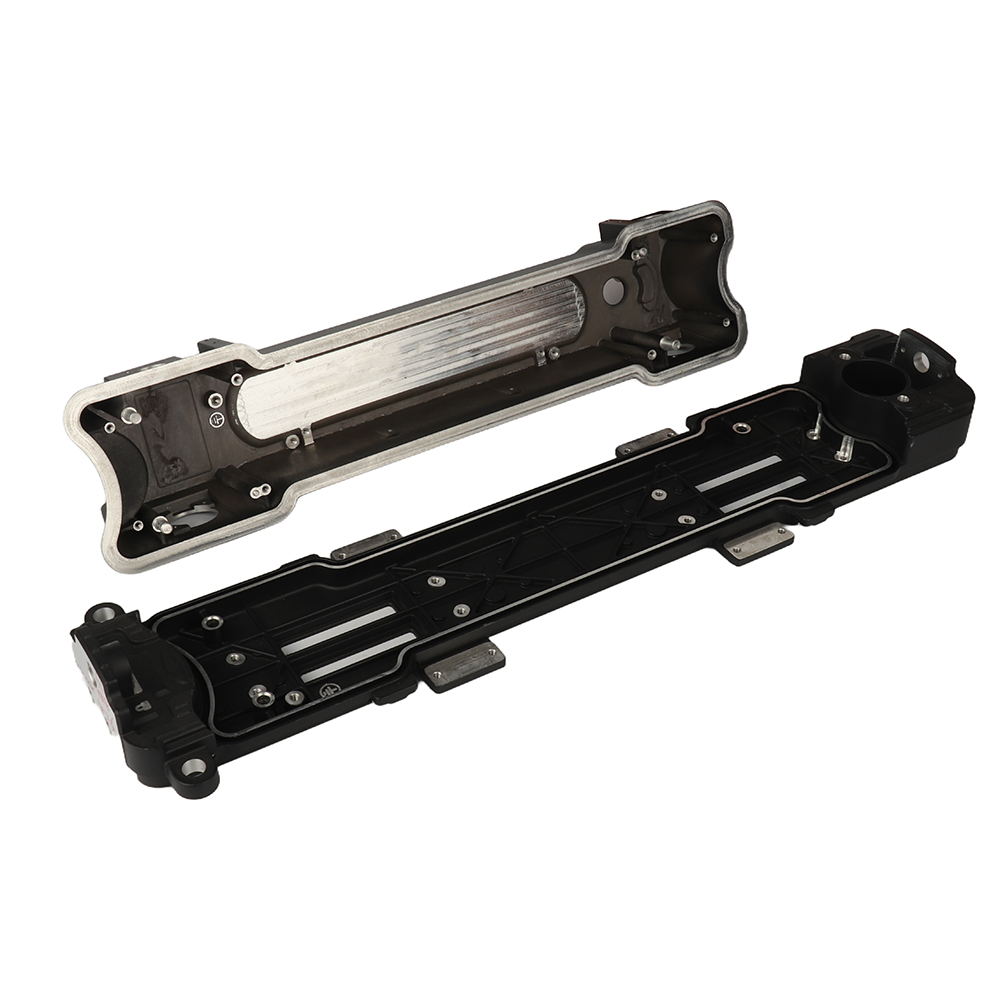
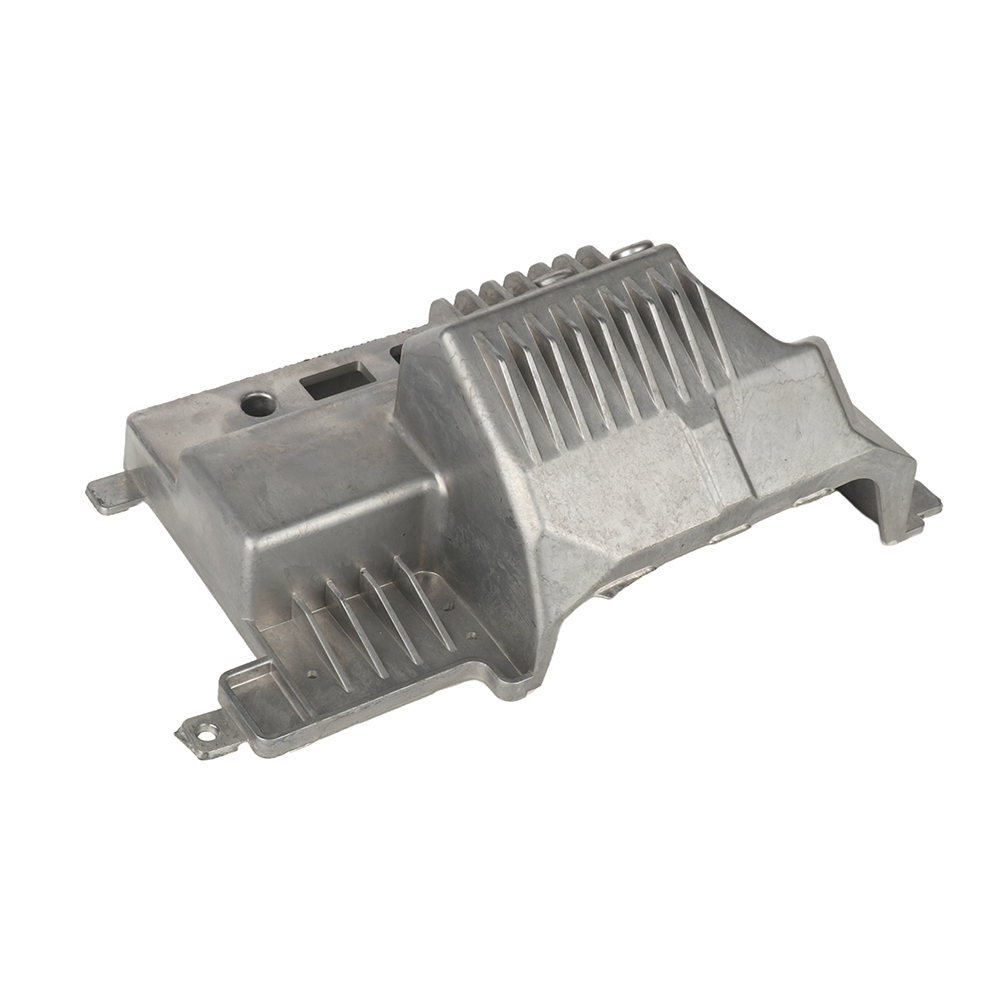
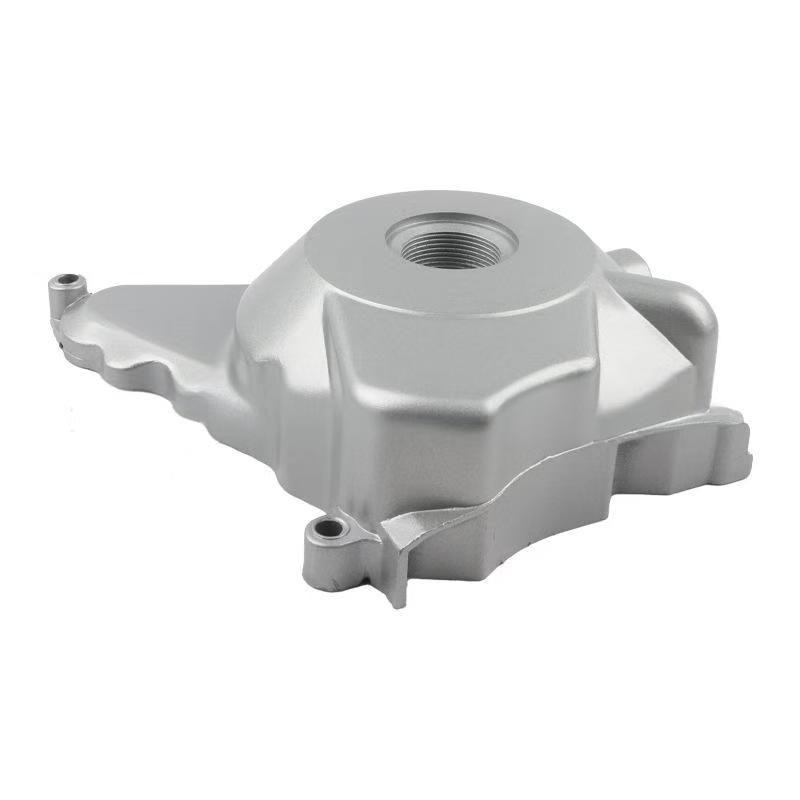
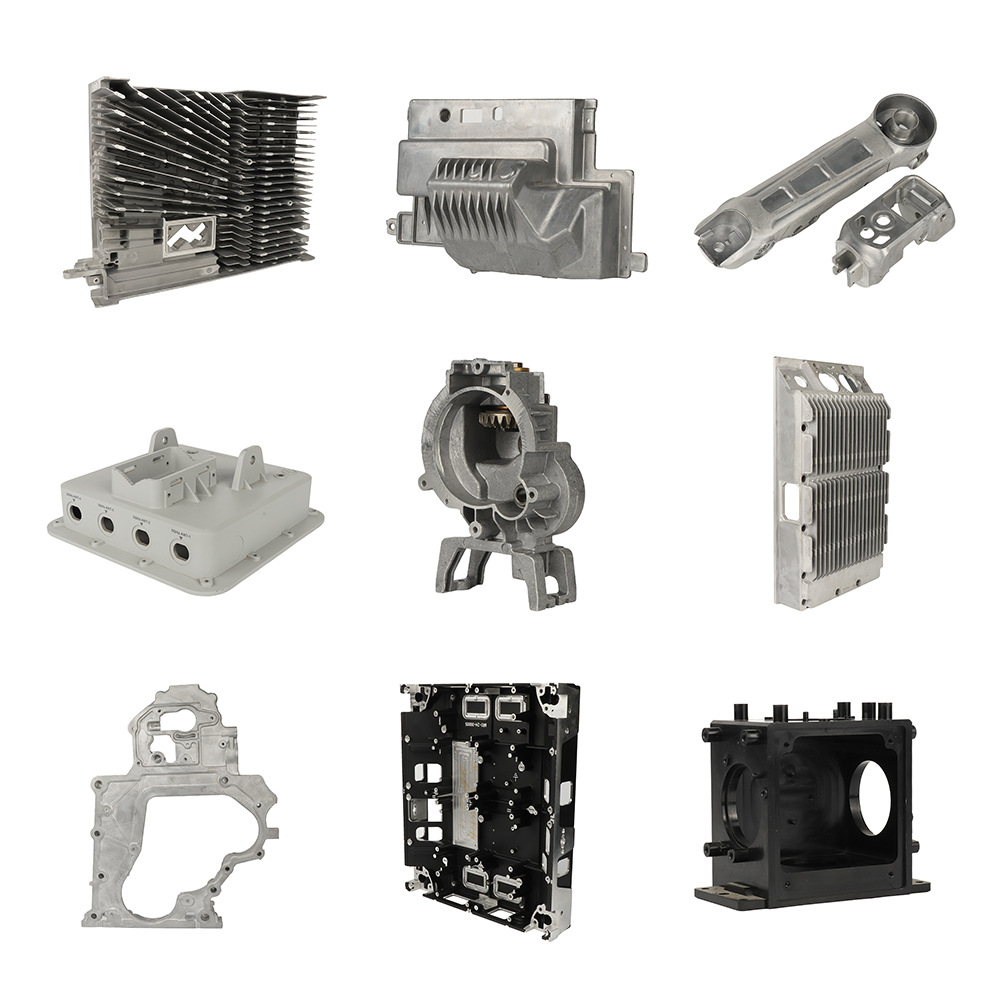
Electronic housings | What is cold chamber die casting? A Focus on Electronic Housings
What is Cold Chamber Die Casting? A Focus on Electronic Housings
Table of Contents
- Introduction: What is Cold Chamber Die Casting?
- Cold Chamber Die Casting Process: Step-by-Step Overview
- Cold Chamber Die Casting for Electronic Housings: Why It’s Ideal
- Pros and Cons of Cold Chamber Die Casting (vs. Hot Chamber Die Casting)
- Key Benefits of Cold Chamber Die Casting for Electronic Housings (Highlighted)
- Expert Insights on Cold Chamber Die Casting for Electronic Components
- Frequently Asked Questions (FAQs) About Cold Chamber Die Casting Electronic Housings
- Conclusion
1. Introduction: What is Cold Chamber Die Casting?
Cold chamber die casting is a high-pressure metal casting process designed to produce precision, high-integrity components using alloys with high melting points—such as aluminum, copper, and magnesium alloys—that would damage the injection mechanism of hot chamber die casting machines. Unlike hot chamber die casting (where the injection system is immersed in molten metal), cold chamber die casting separates the melting furnace from the injection chamber: molten metal is ladled into a cooled “cold chamber” before being injected into a steel mold (die) under extreme pressure (typically 100–200 MPa) to form complex, dimensionally accurate parts.
While cold chamber die casting is used across automotive, aerospace, and industrial sectors, its precision, material versatility, and ability to create seamless, durable enclosures make it the top choice for electronic housings. Electronic housings require tight tolerances, smooth surfaces, and structural integrity to protect sensitive internal components (e.g., circuit boards, sensors, and connectors) from external damage, moisture, and electromagnetic interference (EMI)—all of which cold chamber die casting delivers consistently. This blog dives deep into cold chamber die casting, with a specific focus on its application in electronic housings, benefits, comparisons, expert perspectives, and industry FAQs.
2. Cold Chamber Die Casting Process: Step-by-Step Overview
The cold chamber die casting process is streamlined for precision and compatibility with high-melting-point alloys, making it ideal for electronic housings that demand uniformity and reliability. Below is a detailed breakdown of the core steps, tailored to how they apply to electronic housing production:
2.1 Mold Design & Preparation
The first step is designing a custom steel mold (die) that matches the exact specifications of the electronic housing—including intricate details like mounting holes, cable openings, and internal ribs for structural support. For electronic housings, molds are precision-machined to achieve tight tolerances (±0.02–±0.05 mm) and smooth internal surfaces, which eliminate the need for extensive post-processing and ensure a perfect fit for internal components. Molds may also include features to integrate EMI shielding or heat dissipation channels, critical for electronic device performance. Unlike hot chamber molds, cold chamber molds do not require constant exposure to molten metal, extending their lifespan and reducing maintenance costs.
2.2 Alloy Melting & Transfer
For electronic housings, the most commonly used alloys arealuminum alloys (e.g., ADC12, A380) and magnesium alloys (e.g., AZ91D)—selected for their lightweight properties, excellent machinability, and ability to form complex shapes. These alloys are melted in a separate furnace (at temperatures ranging from 650–900°C, depending on the alloy) and then ladled or transferred via automated systems into the cold chamber (a cylindrical sleeve cooled to prevent alloy sticking). This separation of melting and injection prevents contamination and ensures consistent alloy temperature, critical for producing defect-free electronic housings.
2.3 High-Pressure Injection
A hydraulic plunger forces the molten alloy from the cold chamber into the mold cavity at high pressure and speed (up to 15 m/s). This high pressure ensures the molten metal fills every detail of the mold—including tiny openings and thin walls (as thin as 1.0 mm for electronic housings)—without defects like porosity, cold shuts, or shrinkage. For electronic housings, this step is critical: any porosity or inconsistency could compromise the housing’s ability to protect internal components from moisture or EMI.
2.4 Cooling & Demolding
The mold is equipped with cooling channels that rapidly cool the molten alloy, solidifying it into the shape of the electronic housing within seconds to minutes (depending on size). Cold chamber die casting’s separated cooling system ensures uniform solidification, reducing warpage and maintaining dimensional accuracy—key for electronic housings that must fit precisely with other components. Once solidified, the mold opens, and the housing is ejected gently to avoid damaging delicate features.
2.5 Post-Processing (Minimal for Electronic Housings)
Thanks to the precision of the cold chamber process, electronic housings require minimal post-processing. Common steps include deburring (removing small metal burrs from mold seams), CNC machining (refining critical dimensions for component fit), and surface treatments (e.g., anodizing, powder coating, or EMI shielding coatings) to enhance corrosion resistance and performance. Unlike other casting methods, cold chamber die casting reduces post-processing time by up to 40%, lowering production costs for electronic manufacturers.

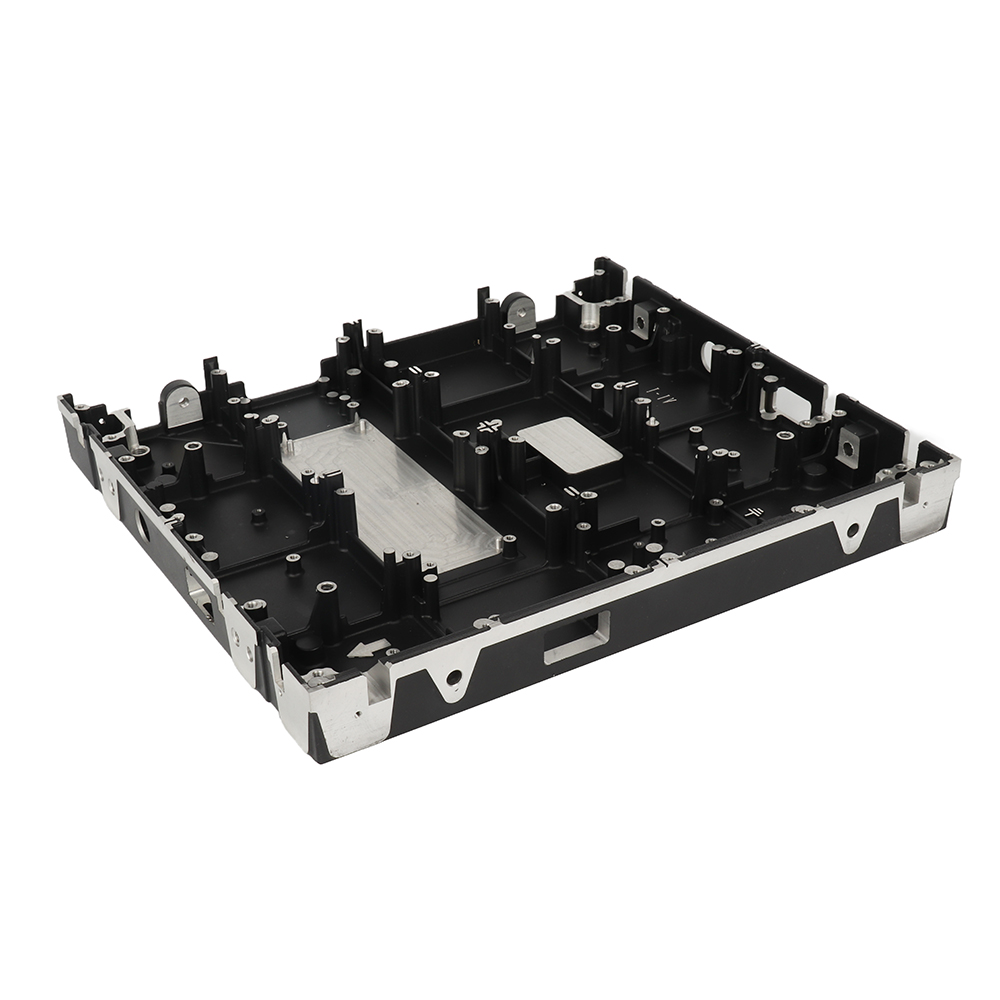
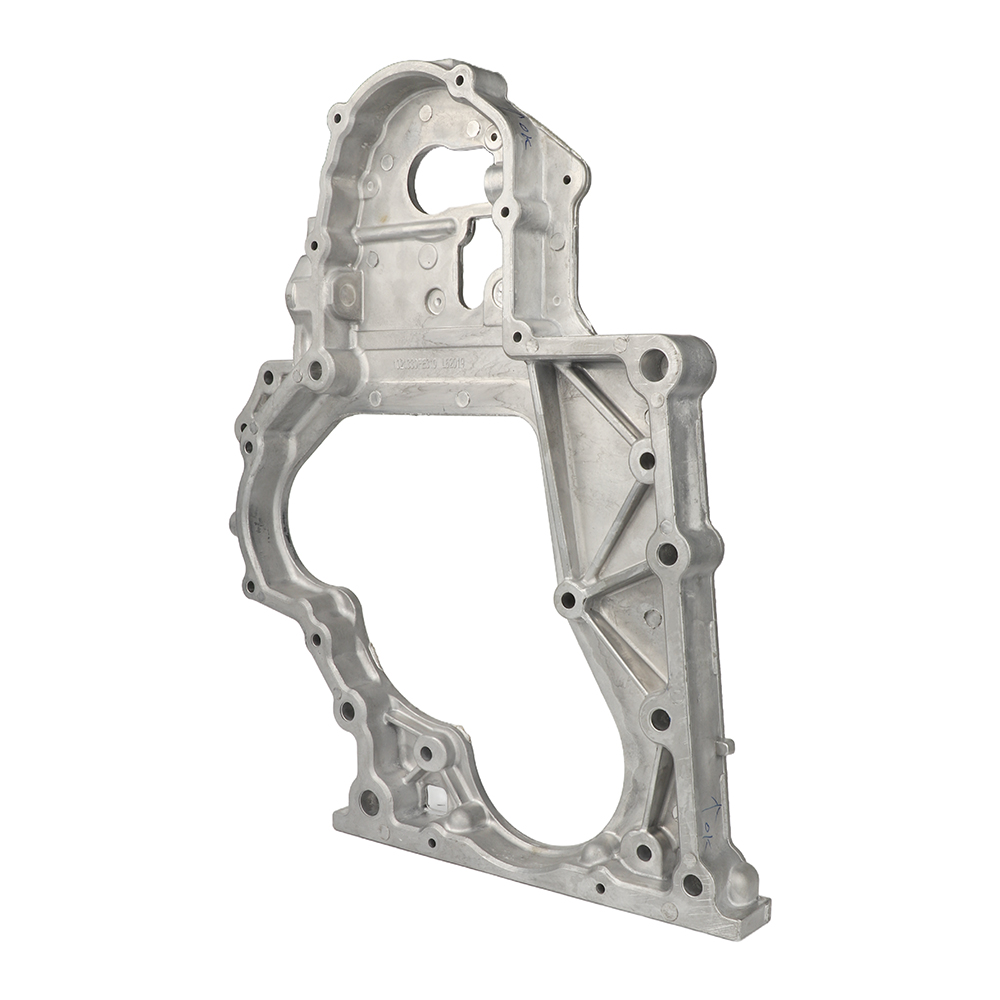
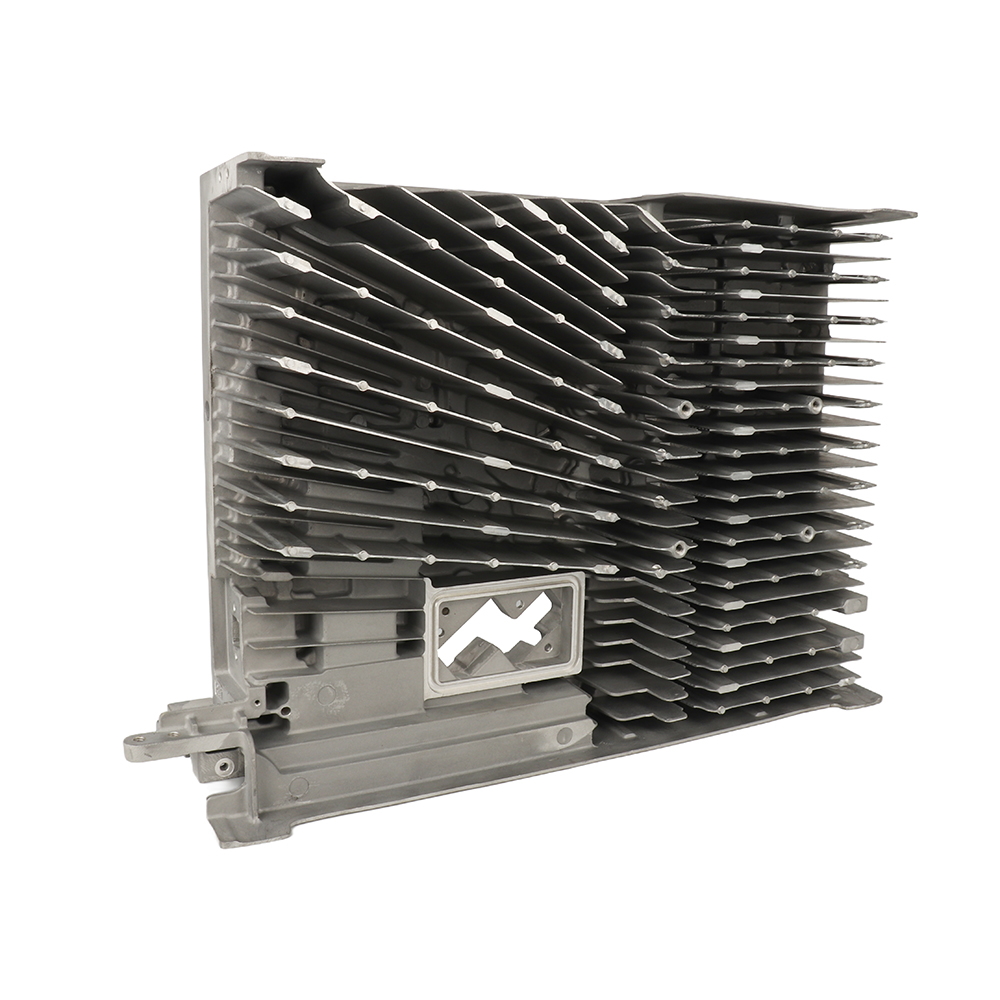
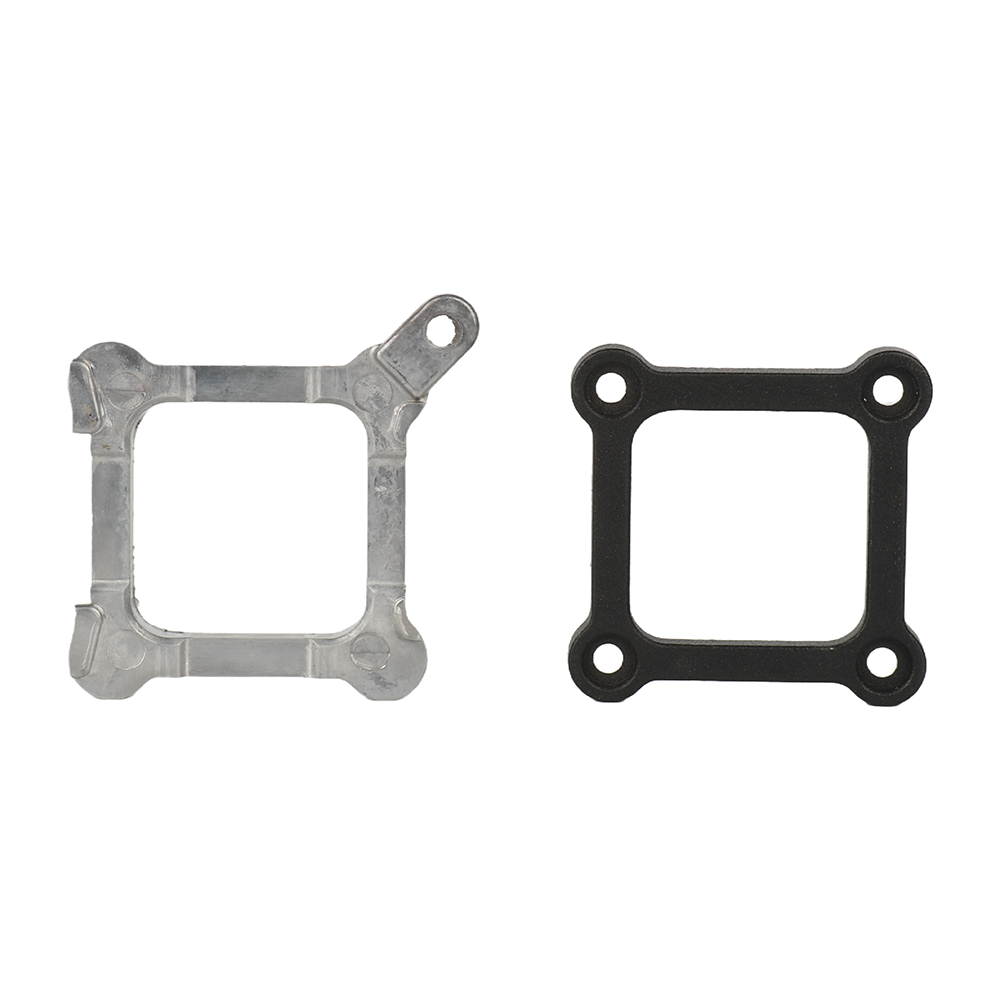
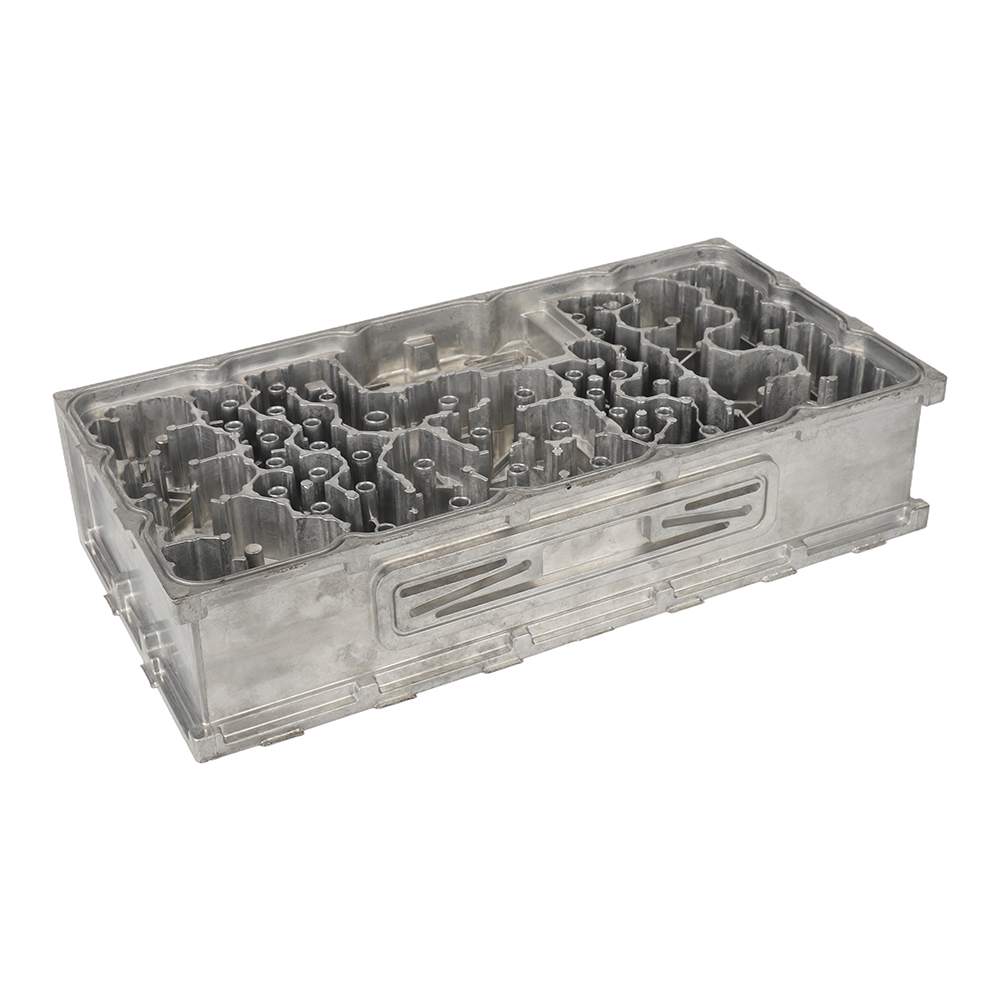
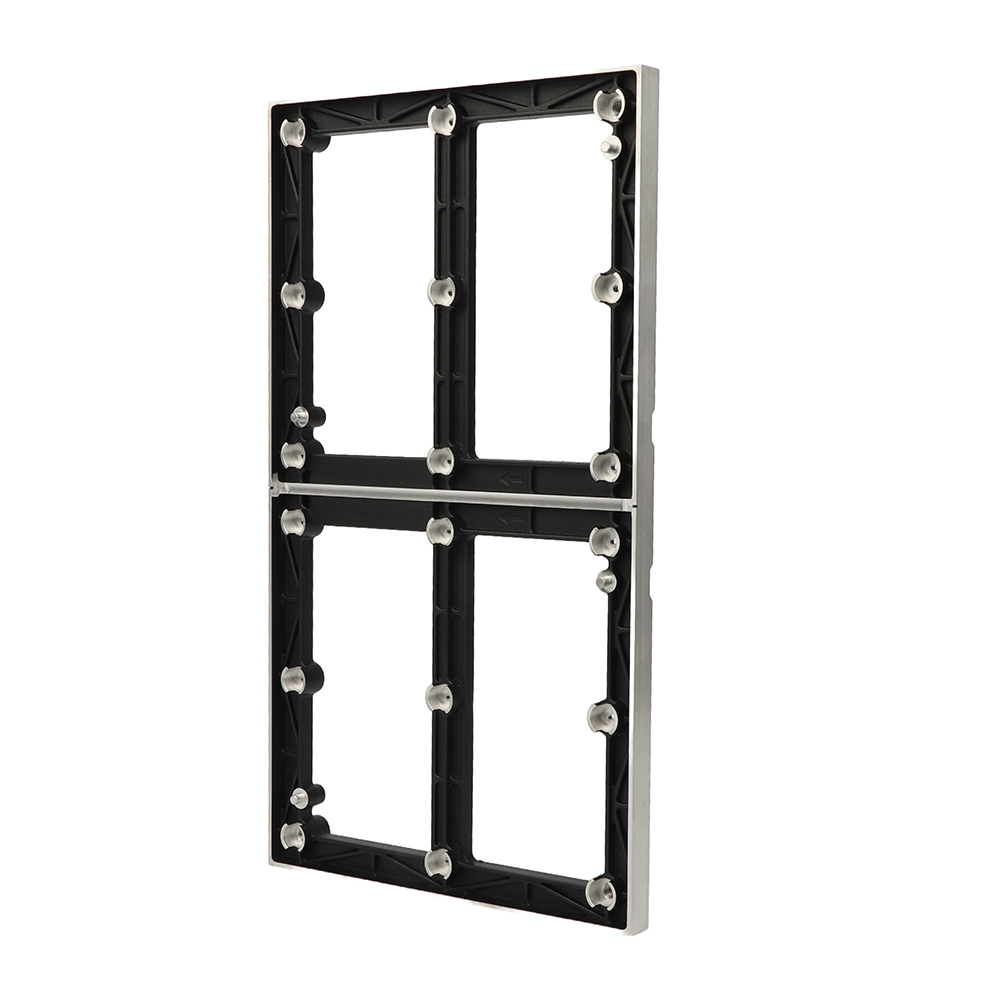
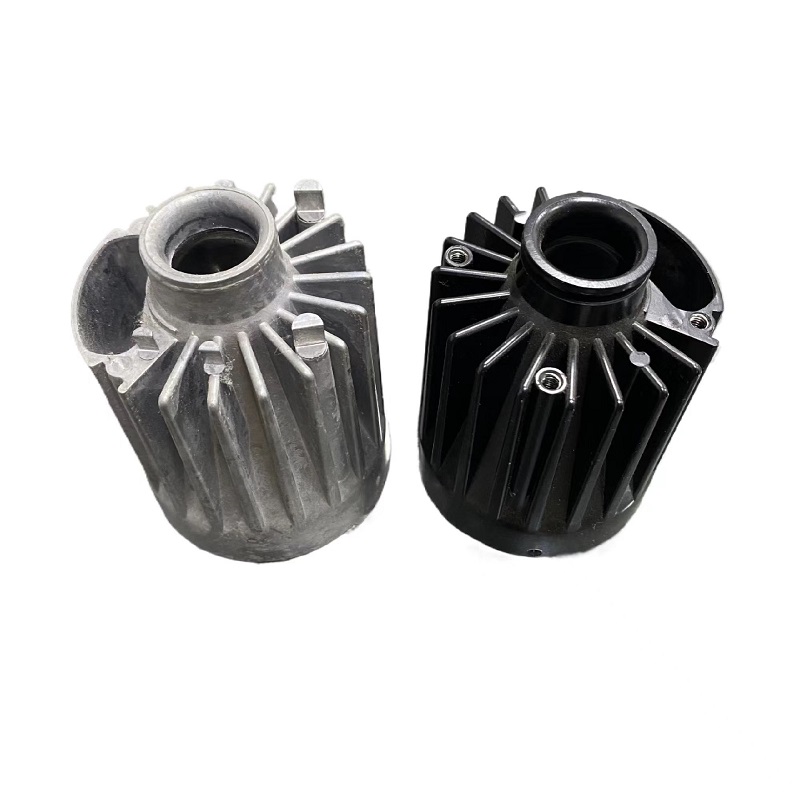
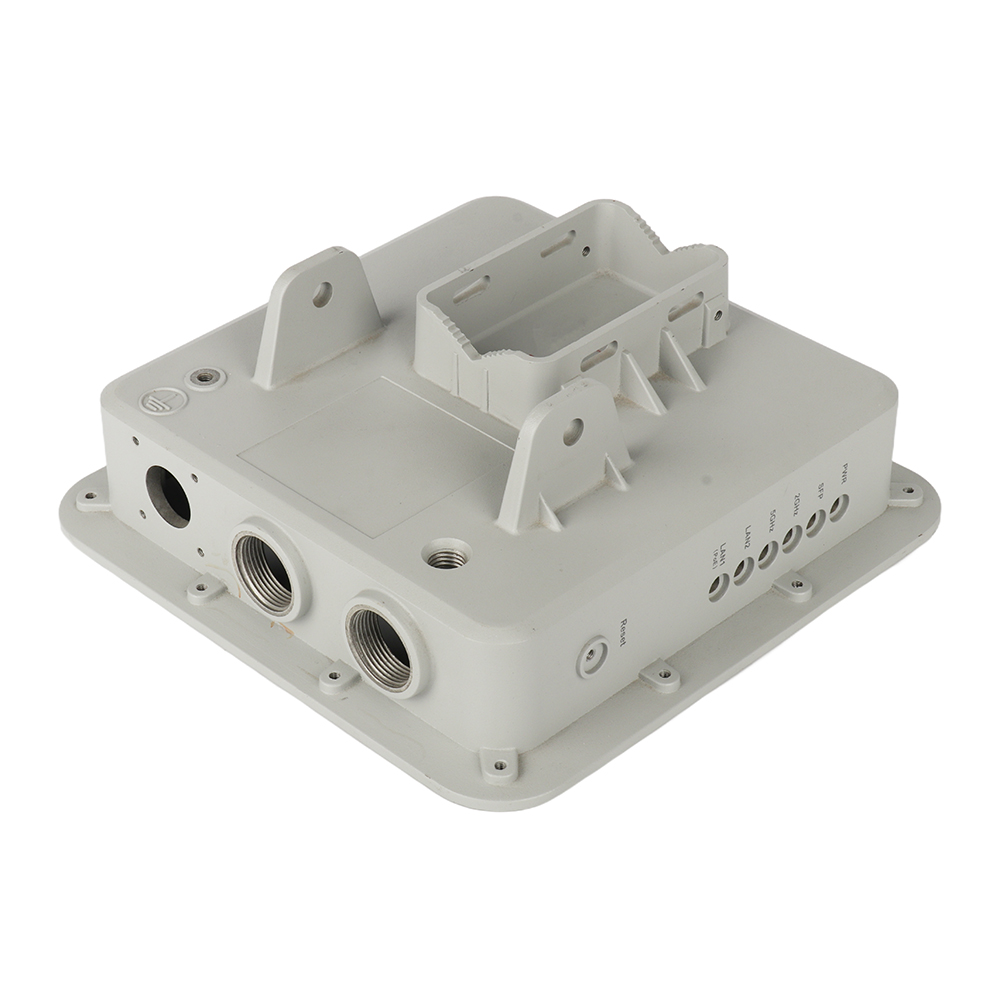
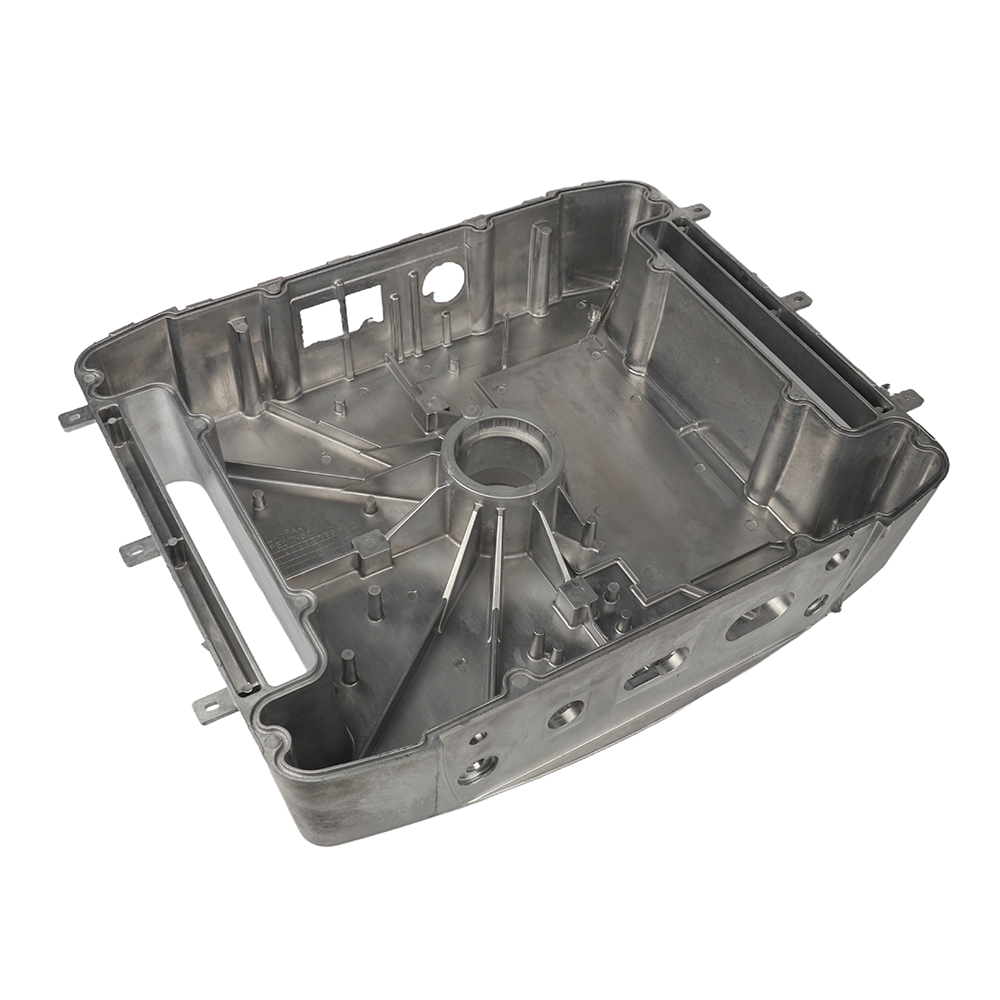
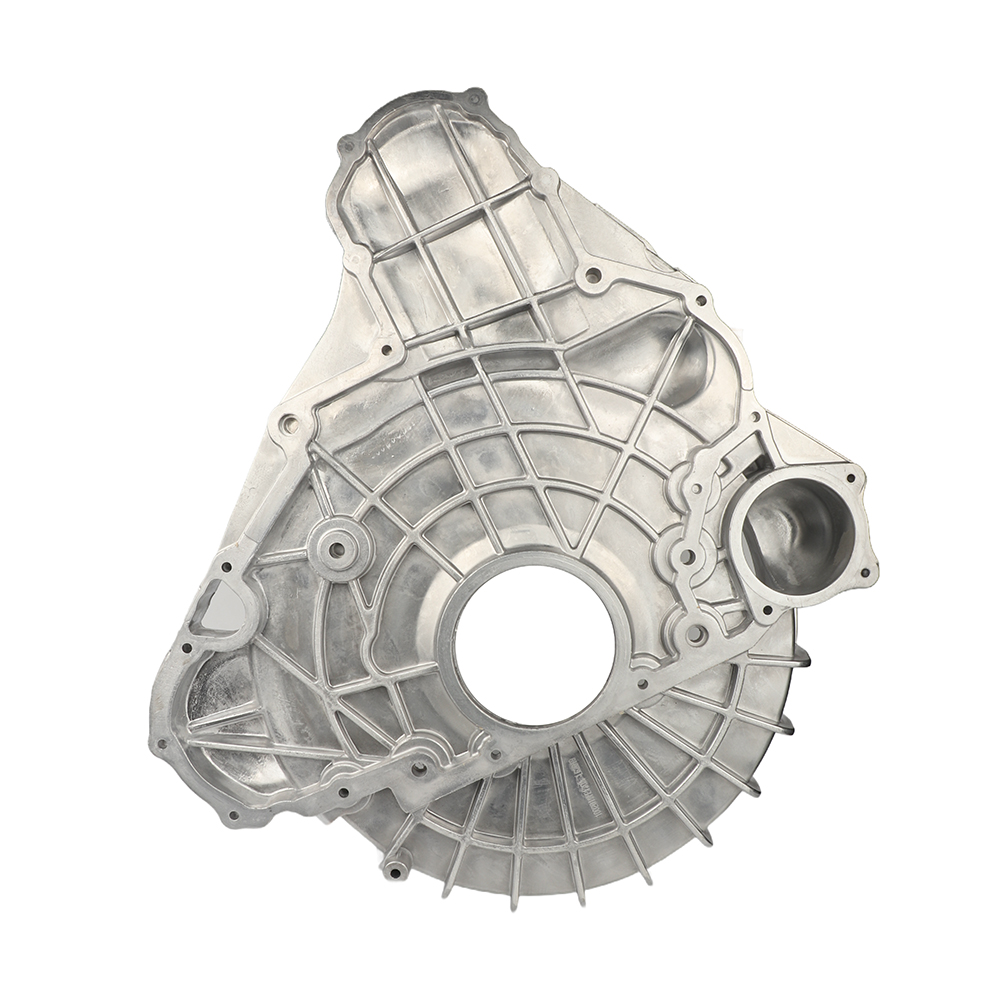
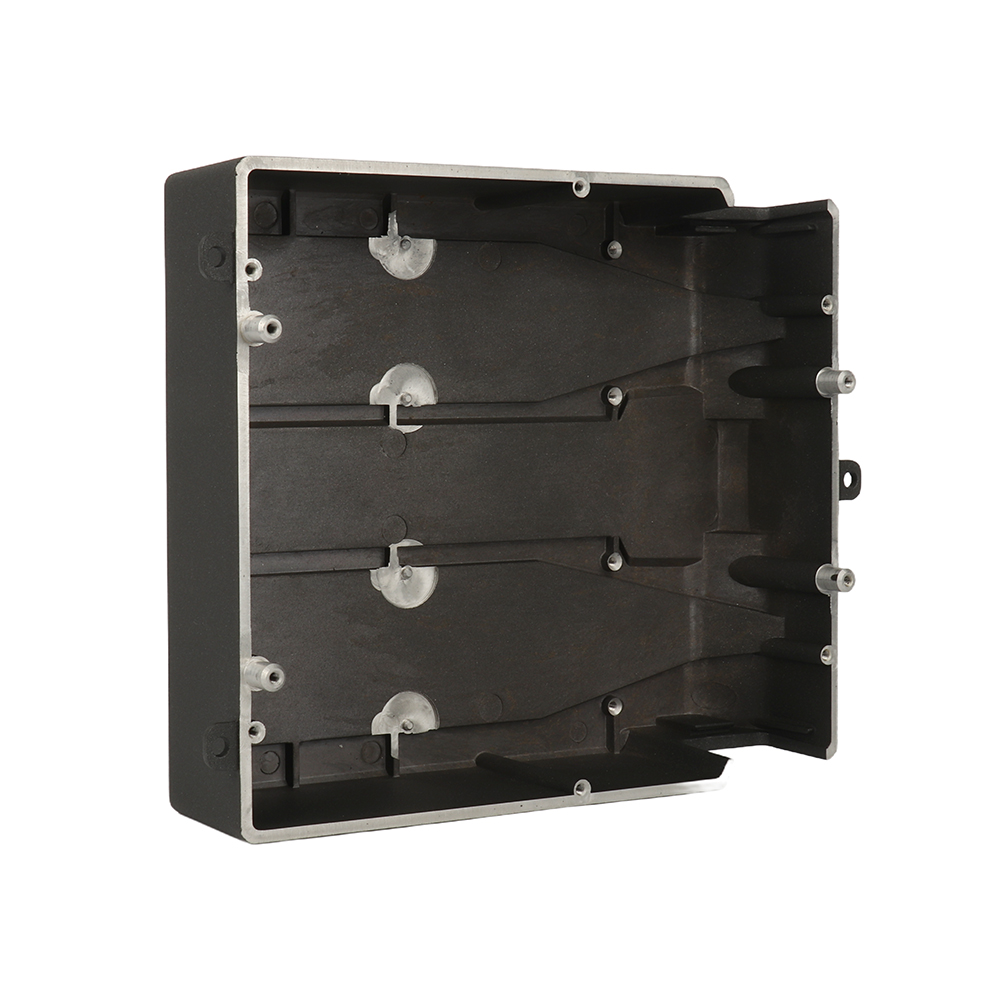
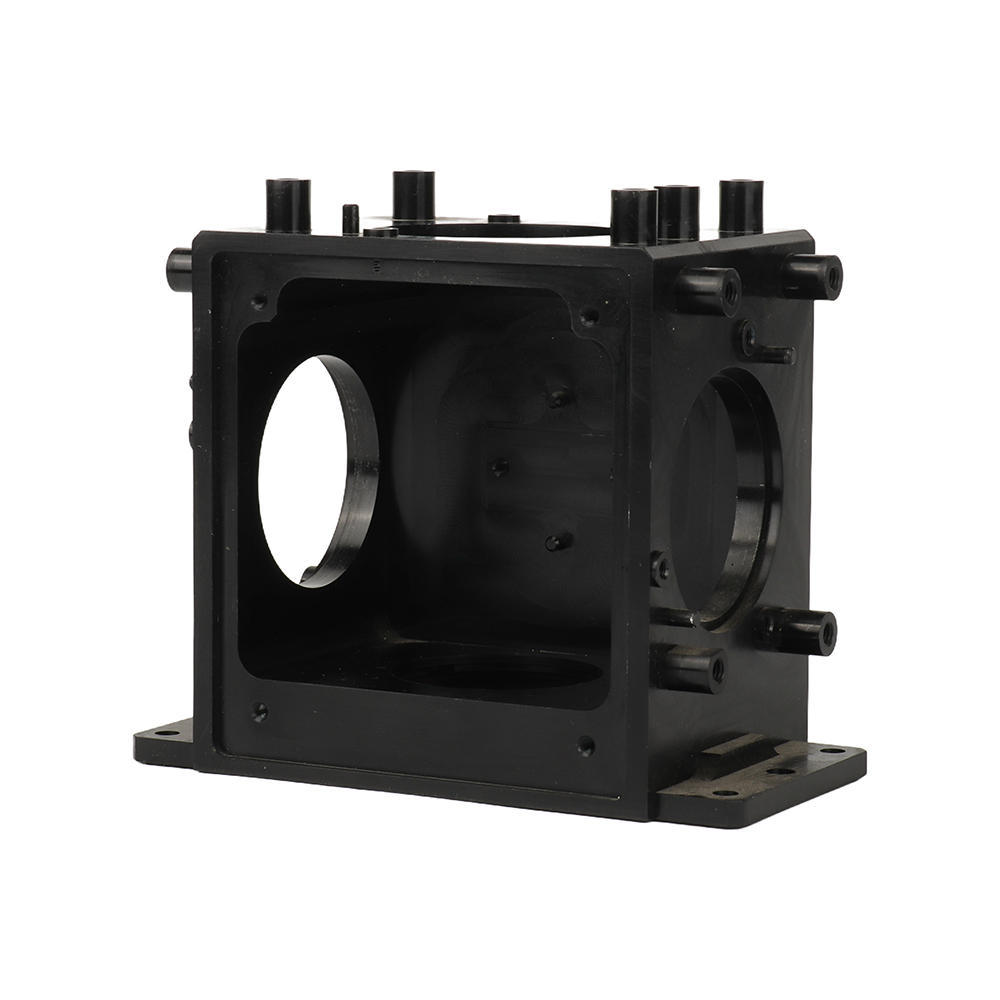
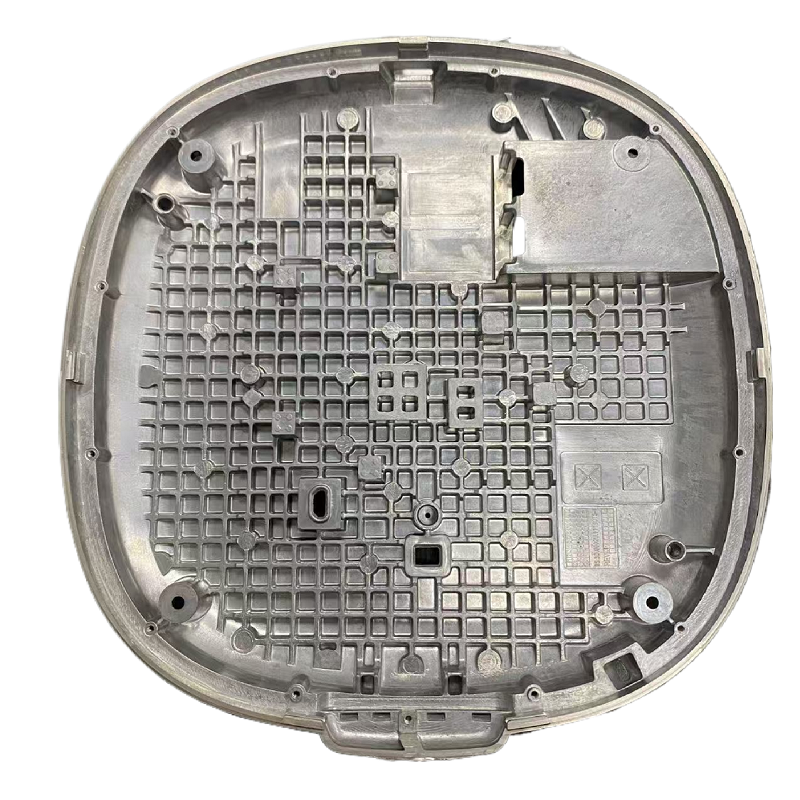
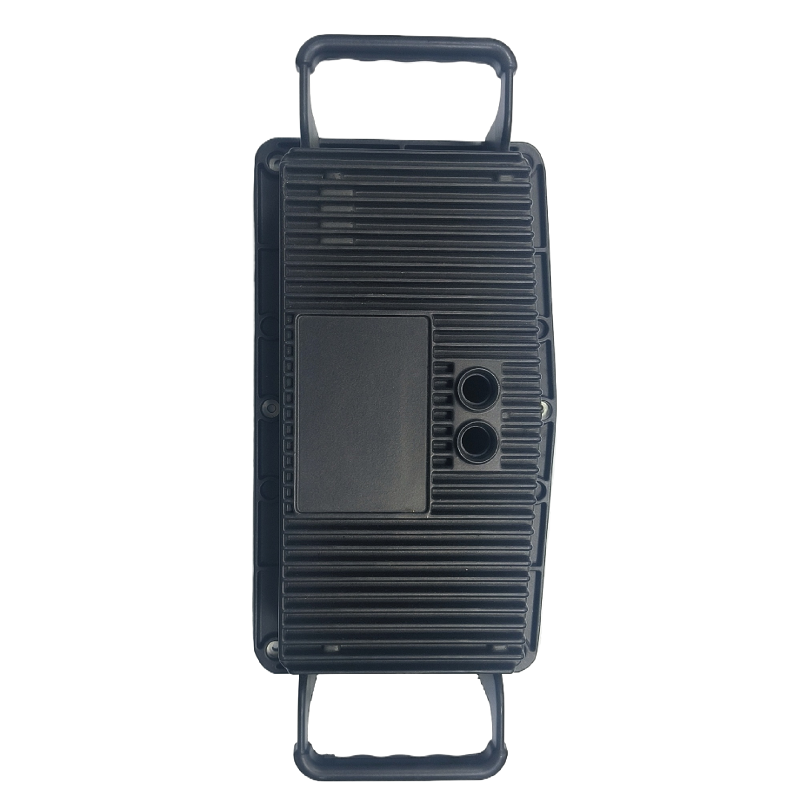
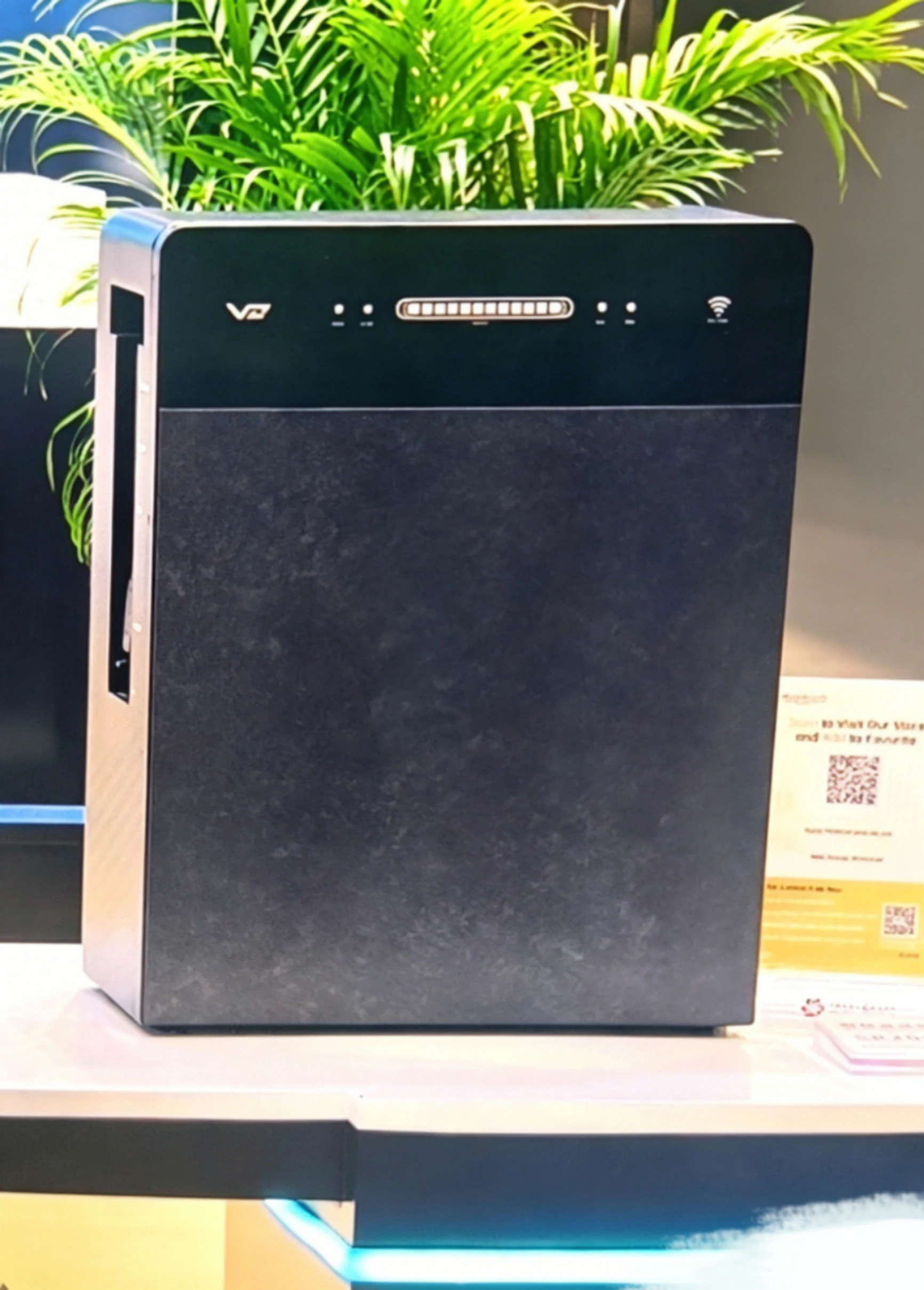
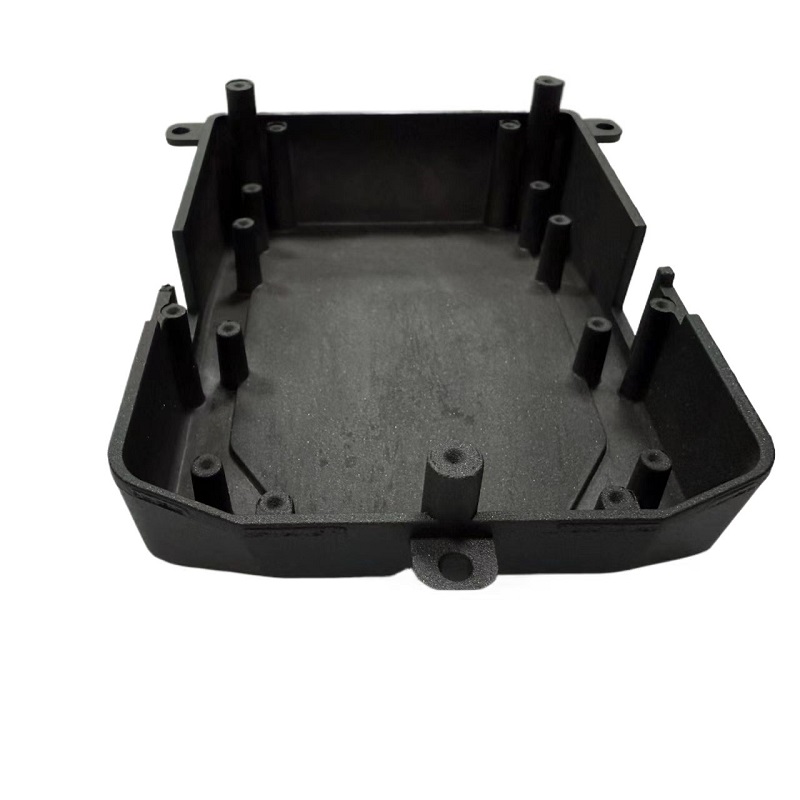
Precision cold chamber die-cast electronic housings for consumer electronics and industrial devices.
3. Cold Chamber Die Casting for Electronic Housings: Why It’s Ideal
Electronic housings are critical components that protect sensitive electronics, ensure structural stability, and often contribute to the device’s overall aesthetics. Cold chamber die casting is uniquely suited for this application for several key reasons, all aligned with the demands of electronic device manufacturing:
- Precision & Consistency: Electronic housings require tight tolerances to fit circuit boards, connectors, and other components. Cold chamber die casting delivers consistent dimensional accuracy across high-volume production runs, ensuring every housing fits perfectly—eliminating assembly delays and defects.
- Complex Geometry Capability: Modern electronic housings often feature intricate designs (e.g., internal ribs, recessed areas, and multiple openings) to accommodate components and improve functionality. Cold chamber die casting’s high pressure allows it to replicate these complex features seamlessly, without the need for multiple assembly steps.
- Material Versatility: Electronic housings need materials that are lightweight, durable, and electrically non-conductive (or can be treated to be so). Cold chamber die casting works with aluminum, magnesium, and zinc alloys—materials that balance these properties and can be customized with surface treatments for EMI shielding or corrosion resistance.
- High-Volume Efficiency: Electronic device manufacturers often require high-volume production (thousands to millions of units). Cold chamber die casting is optimized for high throughput, with fast cycle times (45 seconds to 2 minutes per part) and minimal post-processing, making it cost-effective for large-scale production.
- Durability: Electronic housings must withstand daily use, temperature changes, and occasional impact. Cold chamber die-cast parts have a dense, uniform structure that resists cracks, dents, and deformation—ensuring long-term protection for internal components.
4. Pros and Cons of Cold Chamber Die Casting (vs. Hot Chamber Die Casting)
To fully understand why cold chamber die casting is the best choice for electronic housings, it’s essential to compare it to the other primary die casting method: hot chamber die casting. Below is a clear breakdown of cold chamber die casting’s pros, cons, and key differences—with a focus on how they impact electronic housing production:
4.1 Cold Chamber Die Casting: Pros
- Compatibility with High-Melting-Point Alloys: Unlike hot chamber die casting (limited to low-melting alloys like zinc), cold chamber die casting works with aluminum, magnesium, and copper alloys—ideal for electronic housings that require lightweight, durable materials with good thermal conductivity.
- Superior Precision & Quality: The separated melting and injection system reduces contamination, resulting in parts with fewer defects (porosity, shrinkage) and tighter tolerances—critical for electronic housings that must fit precisely with internal components.
- Scalability for High-Volume Production: Cold chamber machines are designed for high-volume runs, with automated systems that reduce labor costs and ensure consistent quality across thousands of electronic housings.
- Longer Mold Life: Since the mold is not in constant contact with molten metal (unlike hot chamber), cold chamber molds last longer—reducing tooling replacement costs over time, especially for high-volume electronic housing production.
- Customization Flexibility: Cold chamber die casting allows for complex designs and easy integration of features like EMI shielding, heat dissipation channels, and mounting points—all critical for electronic housings.
4.2 Cold Chamber Die Casting: Cons
- Higher Initial Tooling Costs: Cold chamber molds require specialized design and materials to withstand high pressures and temperatures, leading to higher upfront tooling costs compared to hot chamber die casting. However, this cost is offset by longer mold life and lower post-processing costs for high-volume production.
- Slower Cycle Times Than Hot Chamber: Cold chamber die casting has slightly longer cycle times (45 seconds to 2 minutes per part) compared to hot chamber (30 seconds or less), as it requires transferring molten metal to the cold chamber. However, this difference is minimal for high-volume runs and is offset by superior quality.
- Requires Skilled Operators: The process requires trained operators to monitor alloy temperature, pressure, and mold performance—adding to labor costs. However, modern automated cold chamber machines reduce the need for manual intervention.
4.3 Cold Chamber vs. Hot Chamber Die Casting for Electronic Housings
Hot chamber die casting is faster and has lower initial tooling costs, but it is limited to low-melting alloys (e.g., zinc) that are less suitable for electronic housings (heavier, less durable, and poor thermal conductivity). Cold chamber die casting, while slightly slower, offers the material versatility, precision, and durability needed for electronic housings—making it the better choice for most electronic device manufacturers. For example, aluminum electronic housings produced via cold chamber die casting are 30% lighter than zinc housings and offer better heat dissipation, critical for devices like smartphones, laptops, and industrial sensors.
5. Key Benefits of Cold Chamber Die Casting for Electronic Housings (Highlighted)
While the pros above outline the basics, cold chamber die casting offers unique advantages that make it irreplaceable for electronic housings. Below are the most impactful benefits, emphasized for clarity:
5.1 Unmatched Precision for Component Fit
Electronic housings must fit circuit boards, connectors, and other components with near-perfect accuracy—even small deviations can cause assembly issues or compromise performance. Cold chamber die casting deliverstolerances as tight as ±0.02 mm and consistent part-to-part uniformity, ensuring every housing fits seamlessly. This eliminates assembly delays, reduces waste, and improves the overall reliability of electronic devices.
5.2 Enhanced Protection for Sensitive Electronics
Cold chamber die-cast electronic housings have a dense, defect-free structure that provides superior protection against moisture, dust, impact, and EMI. Unlike plastic housings (which can crack or degrade over time), metal housings produced via cold chamber die casting are durable and can be treated with EMI shielding coatings to prevent interference with internal components—critical for devices like medical equipment, industrial sensors, and communication devices.
5.3 Cost-Efficiency for High-Volume Production
While cold chamber die casting has higher initial tooling costs, it is highly cost-effective for high-volume electronic housing production. Faster cycle times, minimal post-processing, and longer mold life reduce per-unit costs over time. For example, a manufacturer producing 100,000 electronic housings per month can save up to 25% in production costs compared to other casting methods (e.g., sand casting, hot chamber die casting) due to reduced waste and labor costs.
5.4 Lightweight & Thermally Efficient
Electronic devices (especially portable ones like smartphones, tablets, and wearables) require lightweight housings to improve user comfort and battery life. Cold chamber die casting uses aluminum and magnesium alloys that are 30–50% lighter than steel, while still offering excellent structural integrity. Additionally, these alloys have good thermal conductivity, helping to dissipate heat from internal components—preventing overheating and extending device lifespan.
6. Expert Insights on Cold Chamber Die Casting for Electronic Components
To gain a deeper understanding of why cold chamber die casting is the top choice for electronic housings, we invited three industry experts to share their perspectives:
6.1 Expert Opinion 1: Dr. James Carter, Materials Engineer & Electronic Component Specialist
“Cold chamber die casting is a game-changer for electronic housing production. The precision and material versatility it offers are unmatched—especially for modern devices that require complex designs and tight tolerances. Aluminum and magnesium alloys used in cold chamber die casting provide the perfect balance of lightweight, durability, and thermal conductivity, which is critical for protecting sensitive electronics and ensuring long-term performance. While hot chamber die casting is faster, it can’t handle the high-melting alloys needed for high-quality electronic housings. For manufacturers looking to produce reliable, cost-effective electronic housings at scale, cold chamber die casting is the only viable option.”
6.2 Expert Opinion 2: Emily Rodriguez, Senior Product Designer for Consumer Electronics
“In consumer electronics, aesthetics and functionality go hand in hand—and cold chamber die casting delivers both. We use cold chamber die casting for our smartphone and laptop housings because it allows us to create sleek, complex designs with smooth surfaces that don’t require extensive post-processing. The tight tolerances ensure our housings fit perfectly with internal components, reducing assembly defects and improving user experience. Additionally, the durability of cold chamber die-cast parts means our devices can withstand daily wear and tear, which is a key selling point for consumers. The slight increase in initial tooling costs is well worth it for the quality and consistency we get.”
6.3 Expert Opinion 3: Michael Chen, Industrial Manufacturing Consultant
“Many electronic manufacturers overlook the benefits of cold chamber die casting, assuming it’s too expensive or slow. But the reality is that cold chamber die casting offers long-term cost savings for high-volume production—thanks to minimal waste, longer mold life, and reduced post-processing. For electronic housings, the precision and defect-free structure are non-negotiable: a single porosity defect can compromise a device’s ability to resist moisture, leading to costly recalls. Cold chamber die casting eliminates this risk by producing dense, uniform parts. As electronic devices become smaller and more complex, cold chamber die casting will only become more essential for manufacturers looking to stay competitive.”
7. Frequently Asked Questions (FAQs) About Cold Chamber Die Casting Electronic Housings
Below are answers to the most common questions manufacturers and buyers have about cold chamber die casting for electronic housings, addressing key concerns and clarifying critical details:
Q1: What alloys are most commonly used for cold chamber die-cast electronic housings?
A: The most common alloys are aluminum alloys (ADC12, A380) and magnesium alloys (AZ91D). Aluminum is preferred for most consumer electronics (smartphones, laptops) due to its balance of lightweight, durability, and cost. Magnesium is used for high-end devices (e.g., medical equipment, aerospace electronics) where weight savings and thermal conductivity are critical. Both alloys can be treated with surface coatings for EMI shielding or corrosion resistance.
Q2: Can cold chamber die casting produce small, intricate electronic housings (e.g., for wearables)?
A: Yes! Cold chamber die casting excels at producing small, intricate parts with tight tolerances—including housings for wearables (smartwatches, fitness trackers) and miniaturized industrial sensors. The high pressure of the process ensures molten metal fills even the smallest details (e.g., tiny openings for charging ports, internal ribs for structural support) without defects.
Q3: How does cold chamber die casting compare to plastic injection molding for electronic housings?
A: Plastic injection molding has lower initial tooling costs, but it produces less durable parts that are prone to cracking, warping, and EMI interference. Cold chamber die-cast metal housings are more durable, offer better EMI shielding, and dissipate heat more effectively—making them ideal for devices that require long-term reliability (e.g., industrial equipment, medical devices). For consumer electronics where weight and cost are critical, aluminum cold chamber die casting is often preferred over plastic for high-end models.
Q4: What is the minimum wall thickness for cold chamber die-cast electronic housings?
A: The minimum wall thickness is approximately 1.0 mm for aluminum alloys and 0.8 mm for magnesium alloys. However, it’s critical to maintain uniform wall thickness to avoid defects like porosity or shrinkage. For electronic housings, wall thickness is typically 1.2–2.0 mm to balance structural integrity and lightweight design.
Q5: How long does it take to produce cold chamber die-cast electronic housings?
A: Cycle times vary based on part size and complexity, but typical cycle times range from 45 seconds to 2 minutes per part. For high-volume production (e.g., 100,000+ units per month), automated cold chamber machines can operate 24/7, ensuring fast throughput and consistent quality.
Q6: What surface treatments are available for cold chamber die-cast electronic housings?
A: Common surface treatments includeanodizing (improves corrosion resistance and aesthetics), powder coating (offers a smooth, durable finish in various colors),EMI shielding coatings (prevents electromagnetic interference), and chromate plating (enhances corrosion resistance for outdoor or harsh environments). These treatments can be customized to meet the specific requirements of the electronic device.
Q7: Is cold chamber die casting environmentally friendly for electronic housing production?
A: Yes! The alloys used in cold chamber die casting (aluminum, magnesium) are fully recyclable, with recycled materials retaining 95% of their original properties. Additionally, cold chamber die casting produces minimal waste (less than 5% scrap) and requires less energy than other casting methods (due to efficient melting and cooling systems)—aligning with global sustainability goals for electronic manufacturing.
8. Conclusion
Cold chamber die casting is a high-precision, versatile manufacturing process that stands out as the ideal solution for producing electronic housings. Its ability to work with high-melting-point alloys, deliver tight tolerances, create complex geometries, and scale for high-volume production makes it irreplaceable for electronic device manufacturers. While it has higher initial tooling costs and slightly longer cycle times than hot chamber die casting, its superior quality, durability, and long-term cost efficiency far outweigh these minor drawbacks—especially for electronic housings that require reliable protection for sensitive components.
As electronic devices become smaller, more complex, and more demanding, cold chamber die casting will continue to be a cornerstone of electronic manufacturing. Its ability to balance precision, durability, lightweight design, and customization makes it the top choice for consumer electronics, industrial sensors, medical equipment, and more. With expert insights confirming its value and ongoing advancements in automation and material technology, cold chamber die casting is poised to remain the gold standard for electronic housings for years to come.
Powder coated aluminum panels | What is a die‑cast power box? Focus on Powder Coated Aluminum Panels
Magnesium casting | What is a magnesium die‑cast part? A Comprehensive Guide to Magnesium Casting
Related Article


