
HOT PRODUCTS
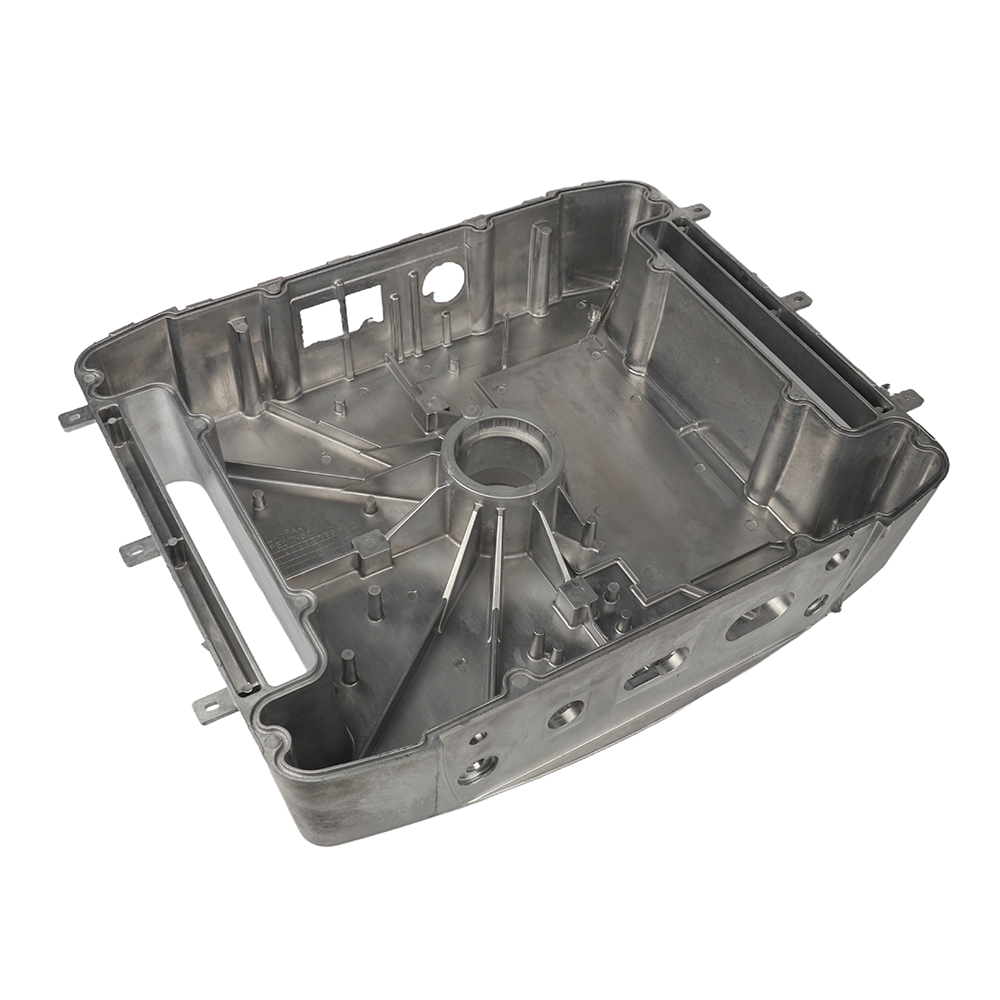
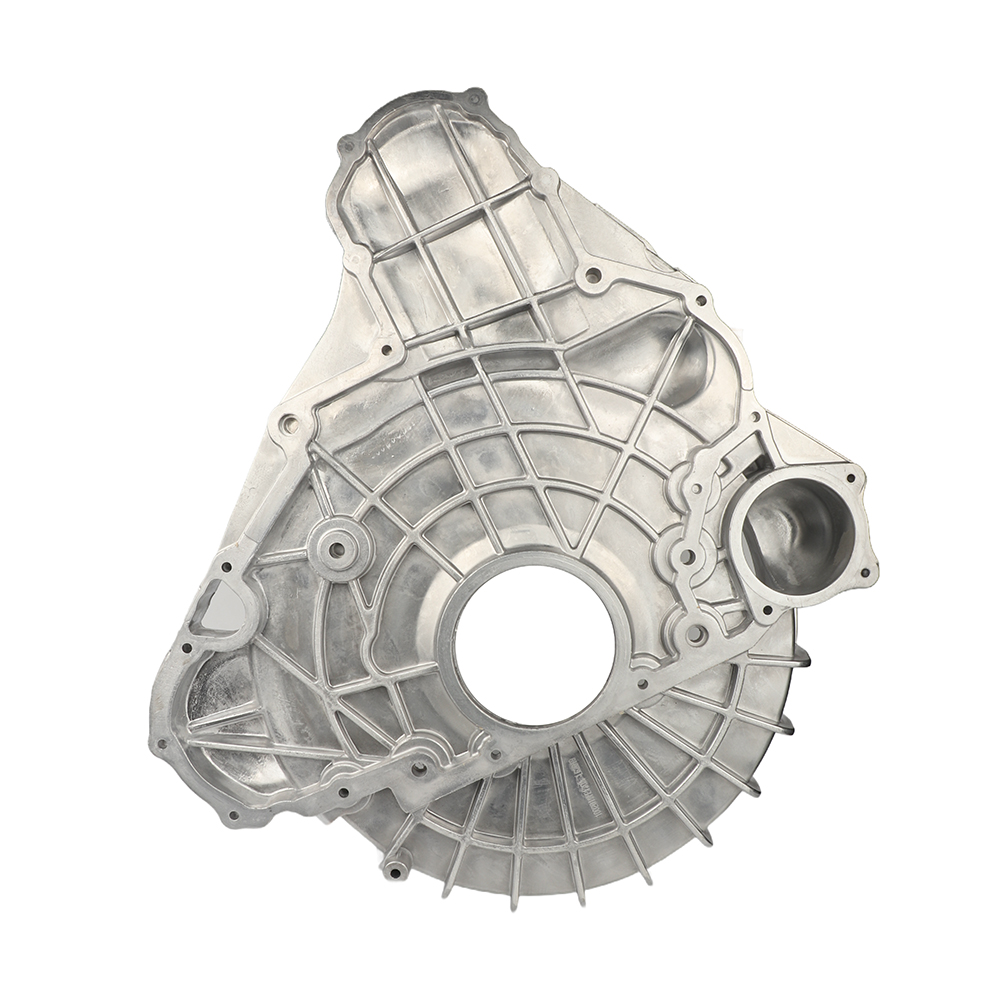
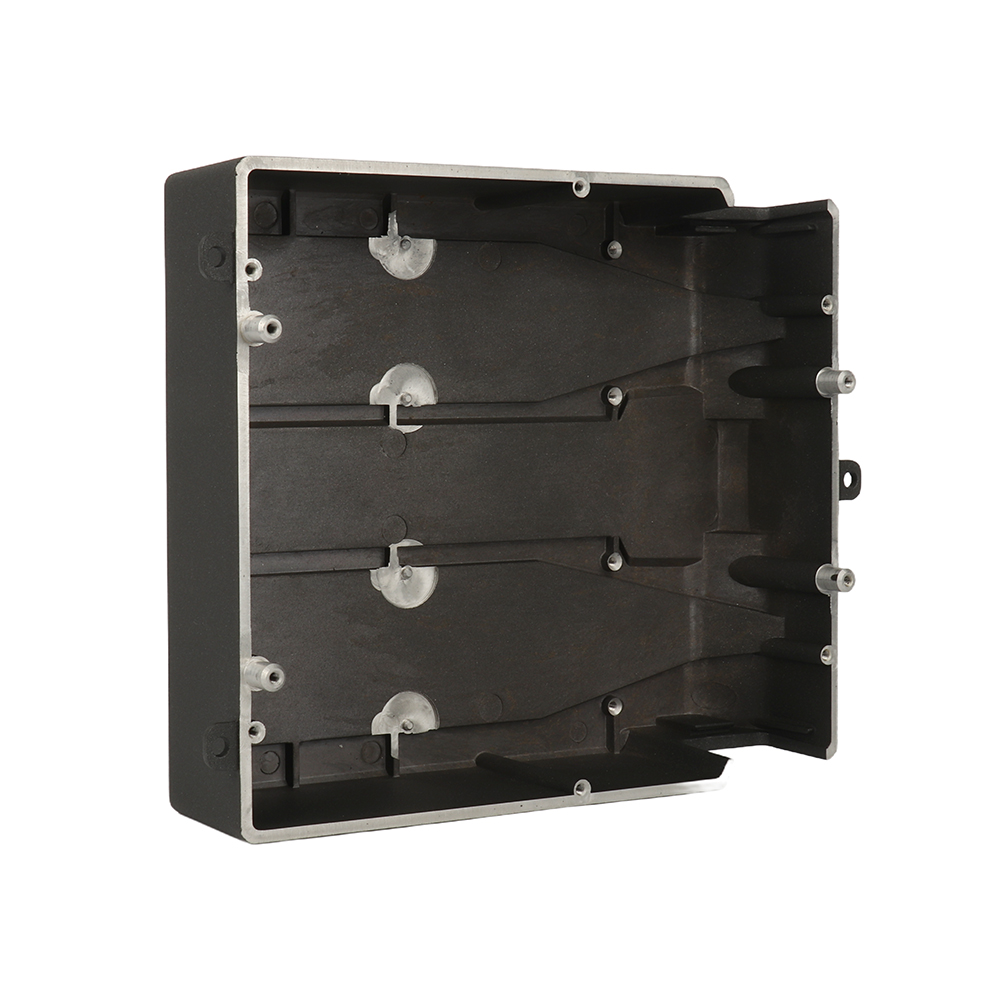
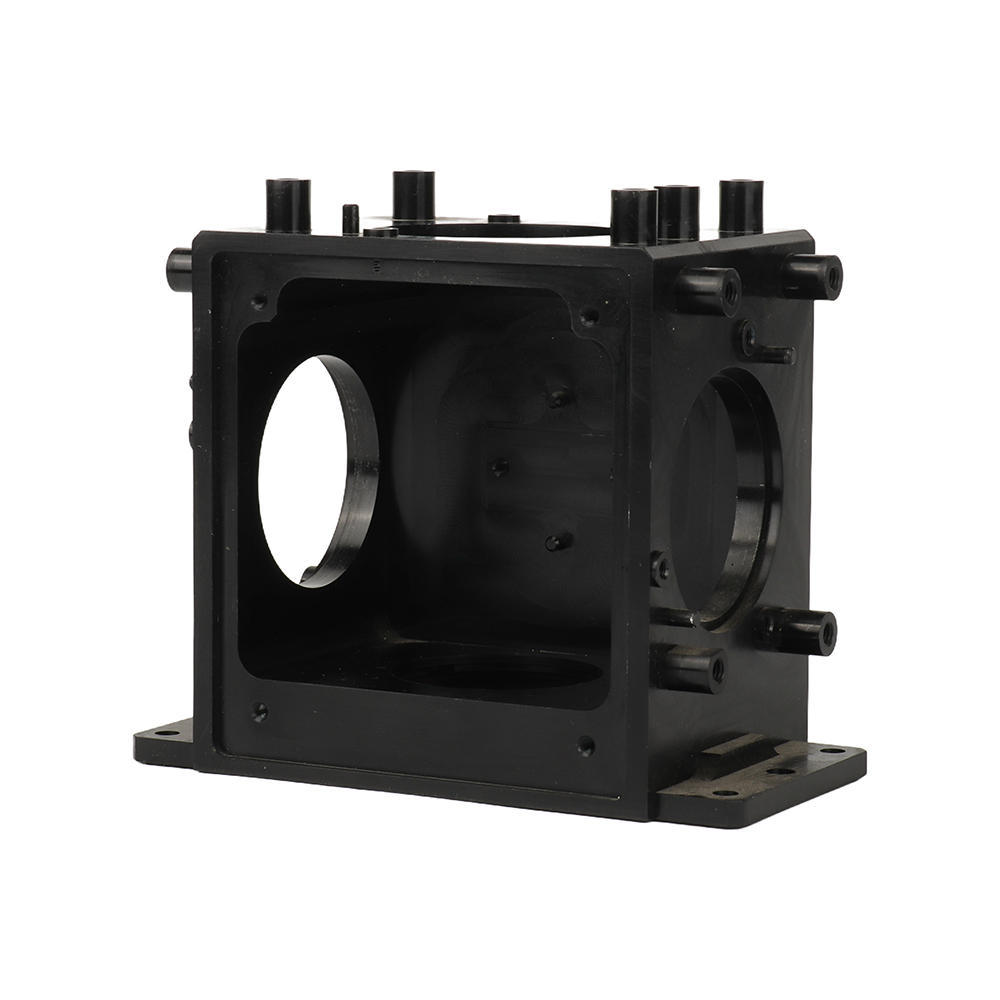
Motor starter enclosure | What is custom aluminum die casting? Focus on Motor Starter Enclosure
What is Custom Aluminum Die Casting? Focus on Motor Starter Enclosure
Table of Contents
- 1. What is Custom Aluminum Die Casting?
- 2. Custom Aluminum Die Casting Motor Starter Enclosure: Overview
- 3. Custom Aluminum Die Casting Motor Starter Enclosure vs. Other Enclosures: Pros & Cons
- 4. Key Benefits of Custom Aluminum Die Casting Motor Starter Enclosure
- 5. Expert Opinion on Custom Aluminum Die Casting Motor Starter Enclosure
- 6. FAQs About Custom Aluminum Die Casting Motor Starter Enclosure
- 7. Conclusion
1. What is Custom Aluminum Die Casting?
Custom aluminum die casting is a precision manufacturing process that involves injecting molten aluminum into a custom-designed steel mold (die) under high pressure, allowing the metal to cool and solidify into a specific shape tailored to the customer’s unique requirements. Unlike standard off-the-shelf die casting parts, custom aluminum die casting is engineered to match exact geometry, mechanical performance, and assembly needs, making it ideal for industries that require specialized components—including automotive, electronics, and industrial machinery.
The process leverages aluminum’s natural advantages: lightweight yet durable, excellent thermal conductivity, corrosion resistance, and recyclability. By combining these material benefits with custom mold design, manufacturers can produce complex parts (such as ribs, bosses, and mounting features) in a single piece, eliminating the need for multiple assembled components and reducing production time and costs. This versatility makes custom aluminum die casting a go-to solution for components that demand both precision and adaptability, especially in critical applications like motor starter enclosures.
2. Custom Aluminum Die Casting Motor Starter Enclosure: Overview
A motor starter enclosure is a critical component that houses and protects the electrical parts of a motor starter—including contactors, overload relays, and wiring—from external hazards like dust, moisture, mechanical impact, and extreme temperatures. It serves as the first line of defense for motor starter systems, ensuring stable operation and longevity in various working environments.
Among all enclosure materials and manufacturing methods, custom aluminum die casting motor starter enclosure stands out as the preferred choice for industrial and commercial applications. Unlike standard enclosures, it can be fully tailored to meet the unique size, shape, and performance demands of different motor systems. Custom aluminum die casting allows engineers to design enclosures that perfectly fit the specific dimensions of the starter unit, integrate mounting points, cable entry ports, and ventilation features in one casting, and adapt to harsh operating environments (such as factories, construction sites, and outdoor settings).
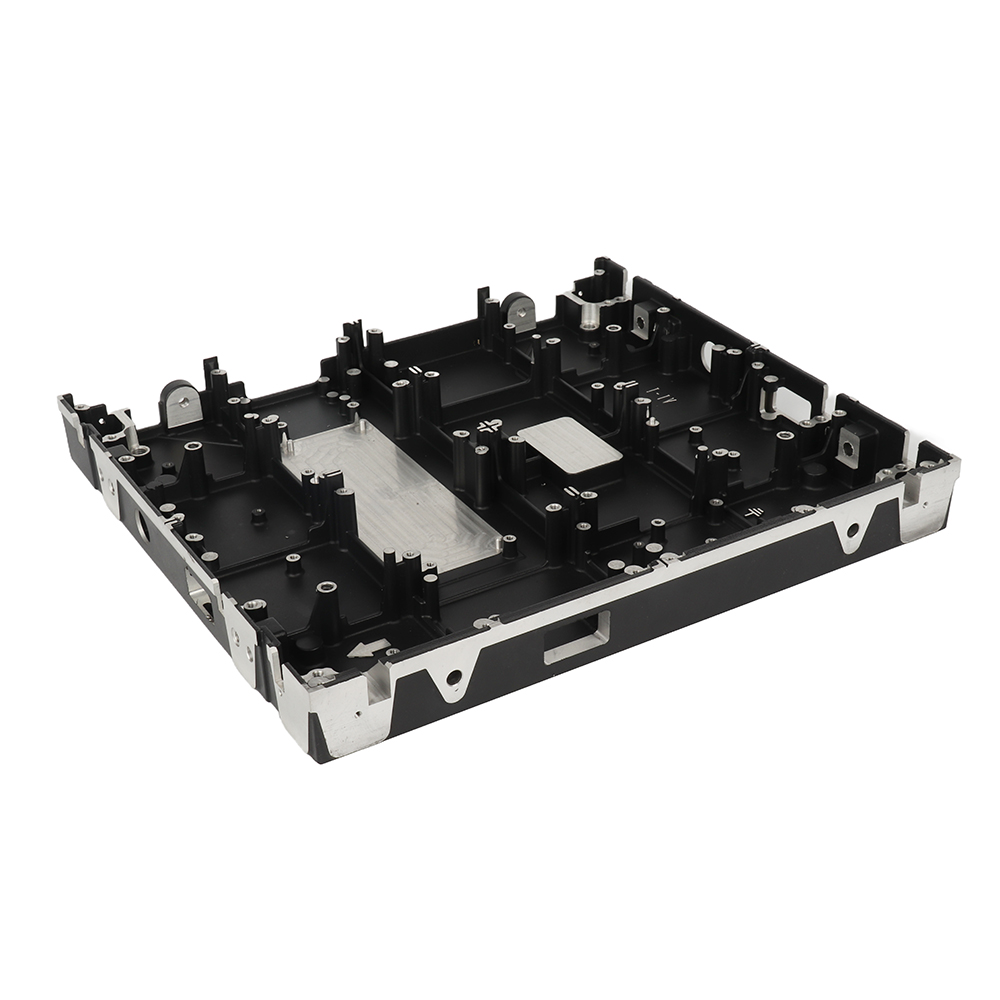
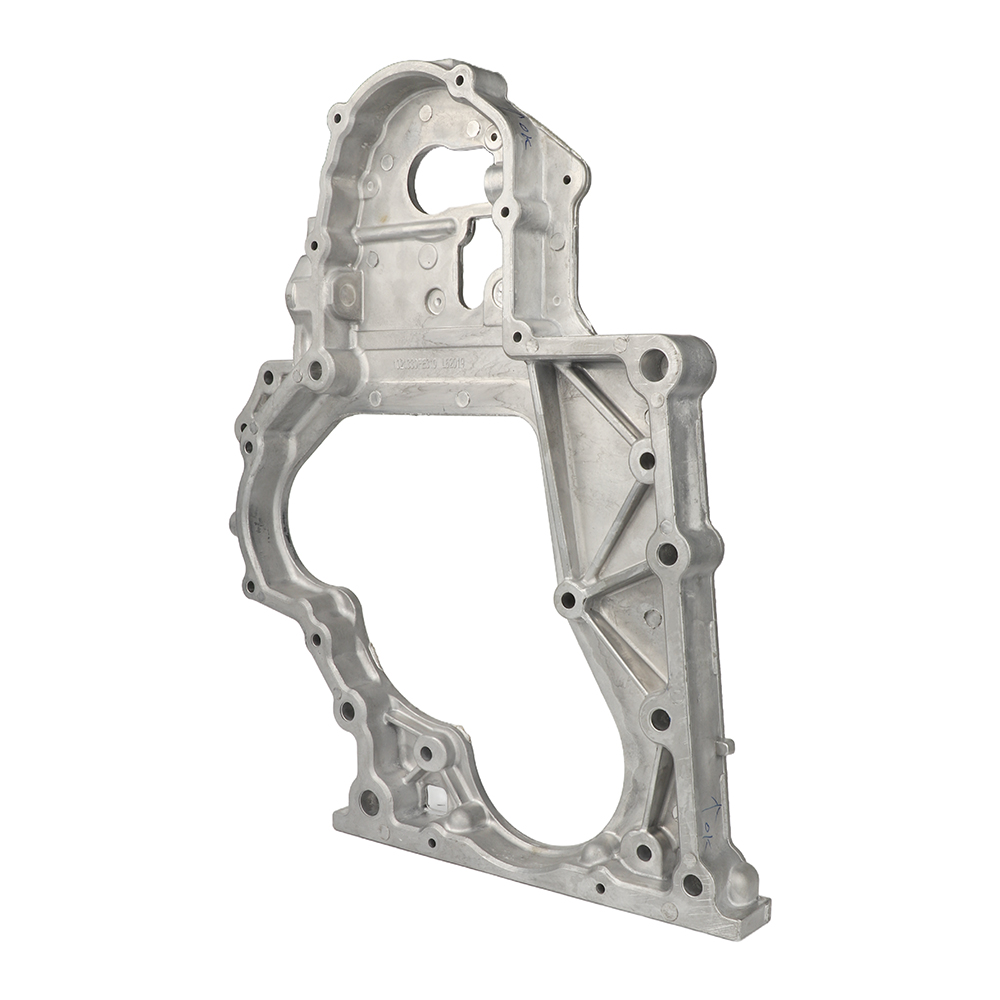
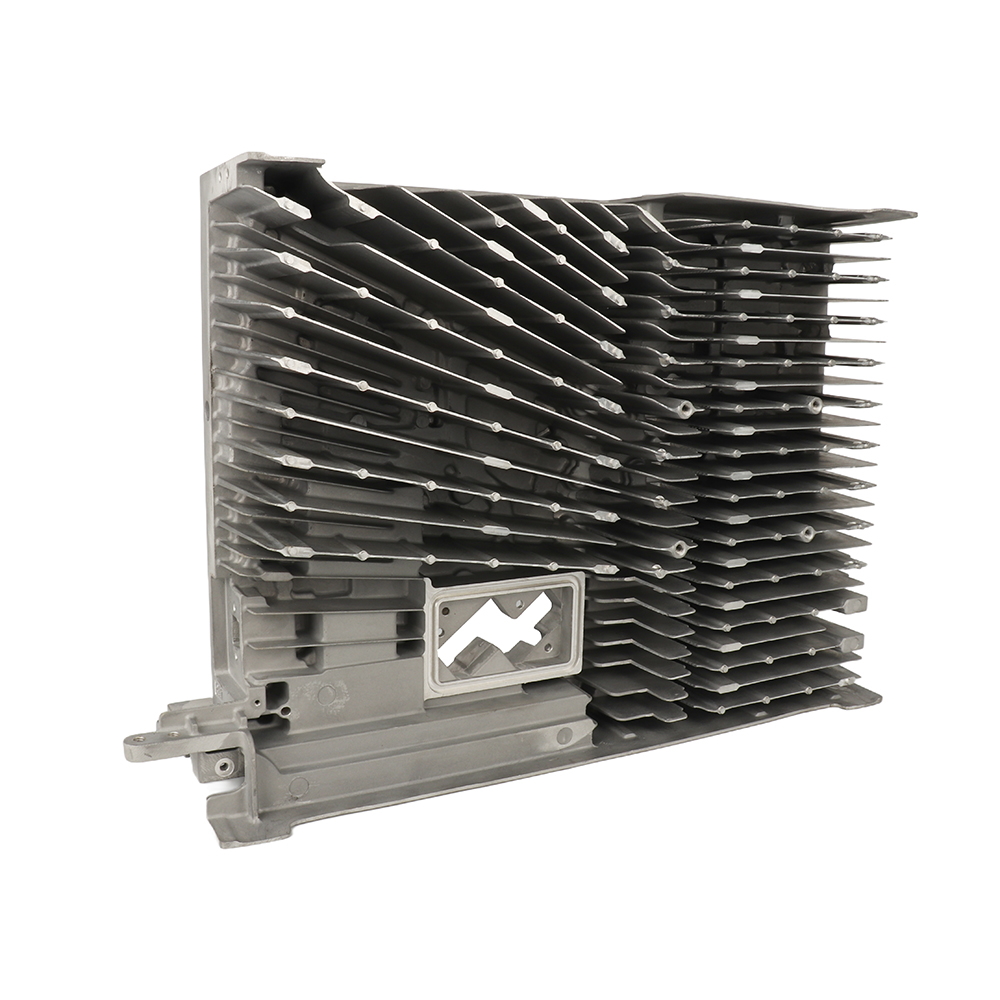
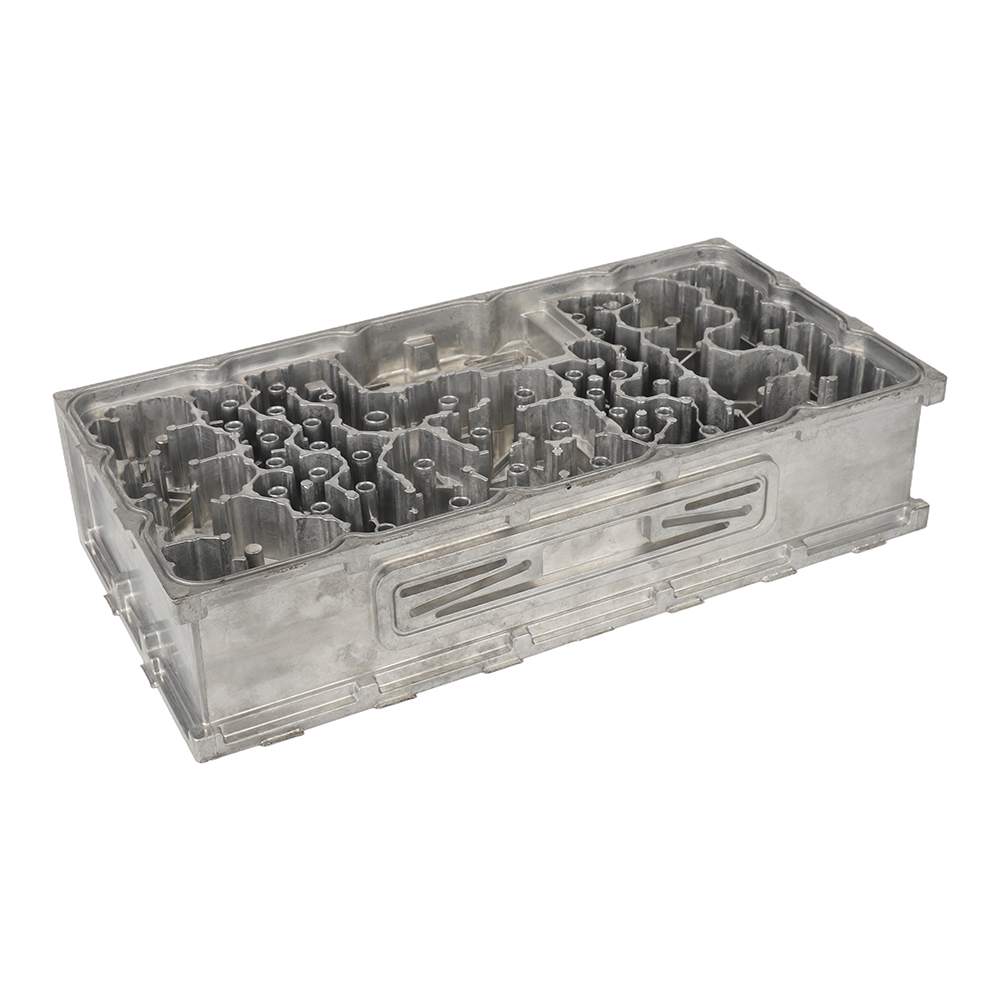
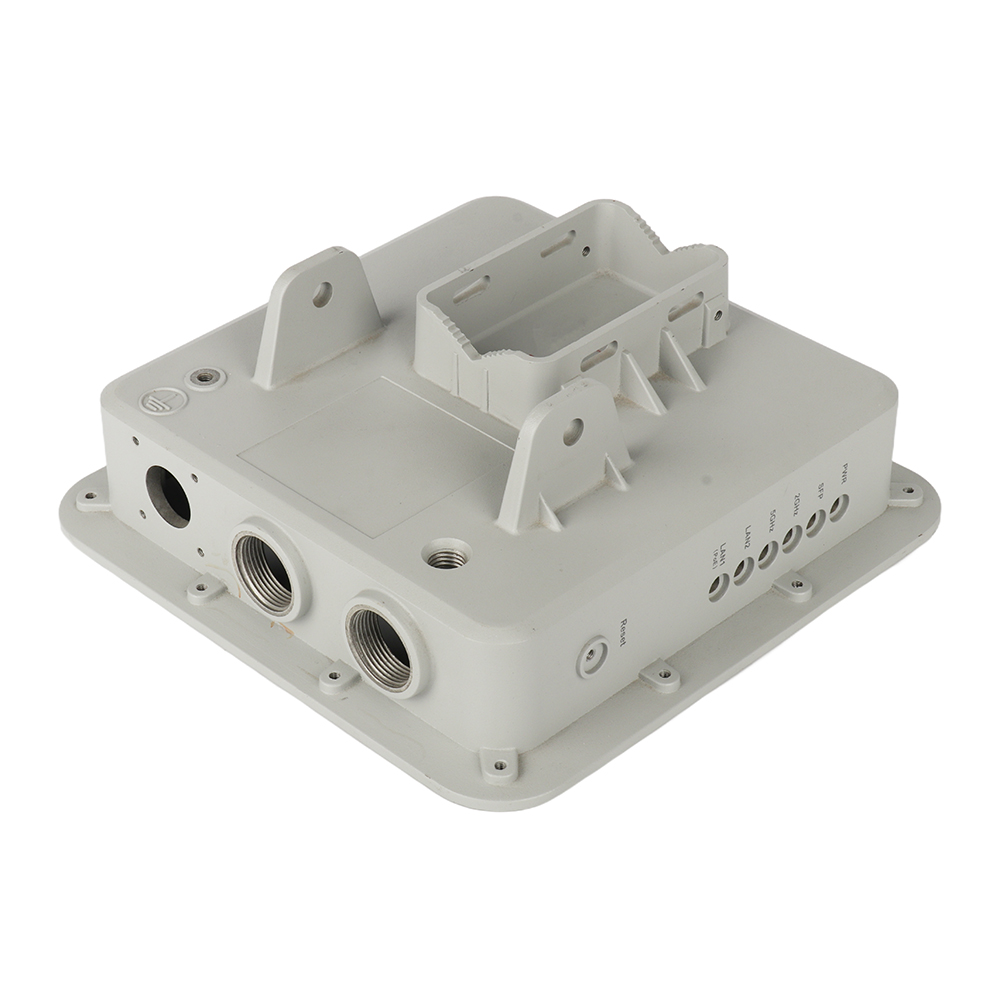
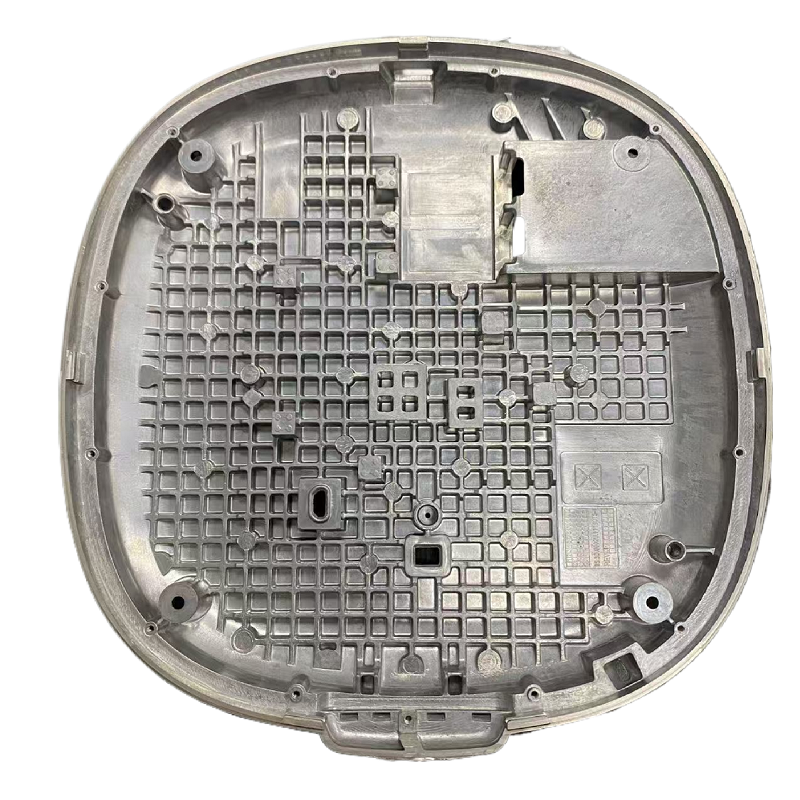
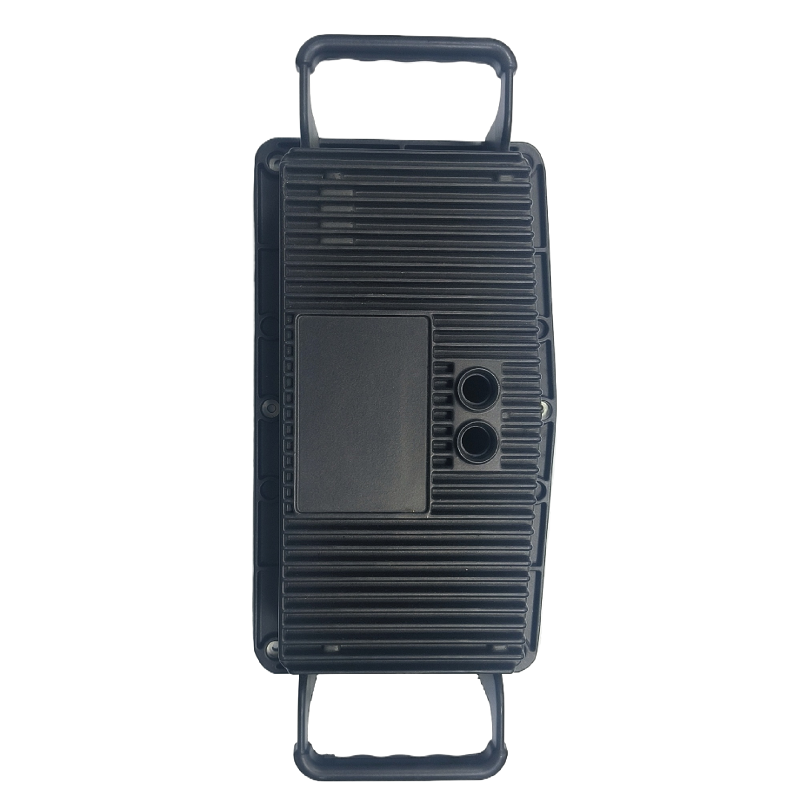
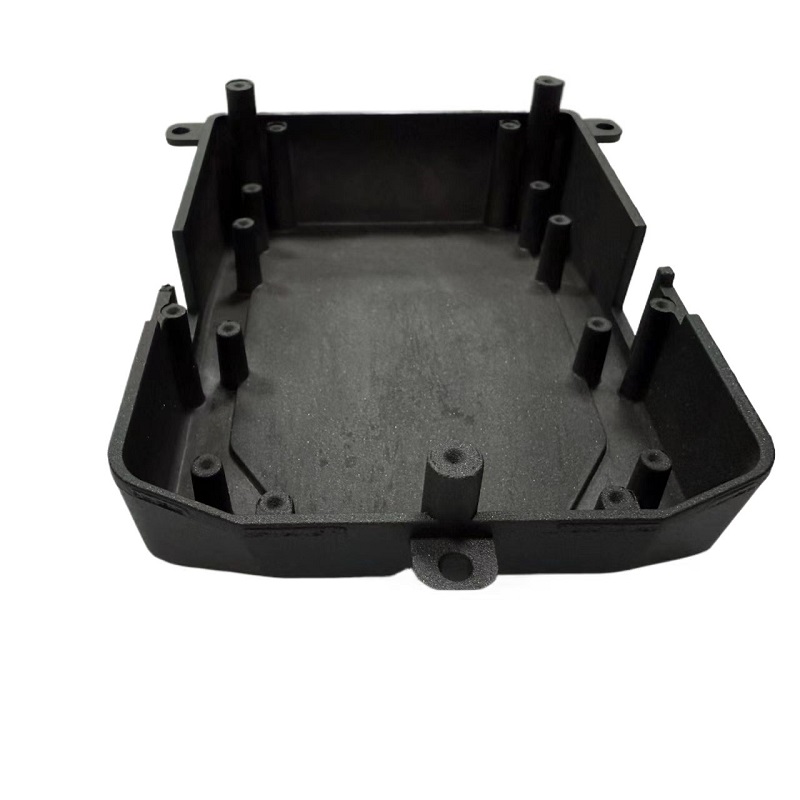
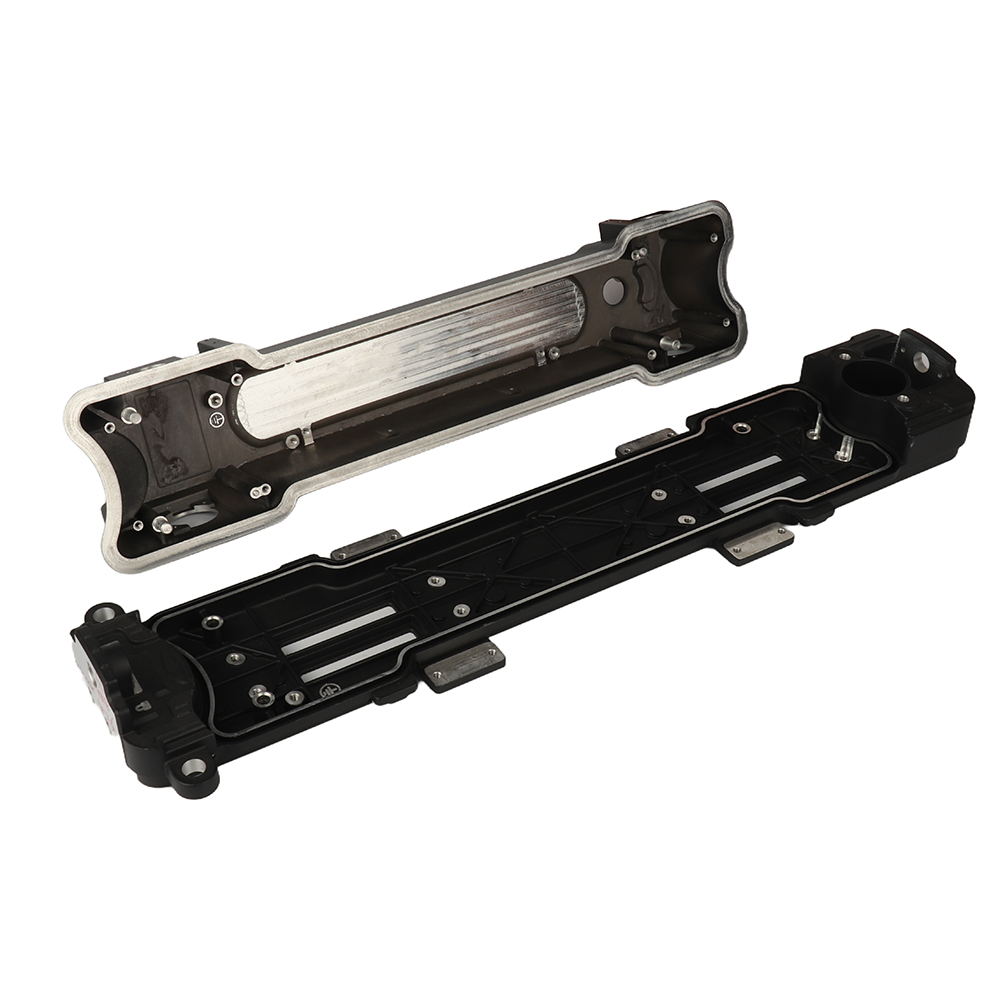
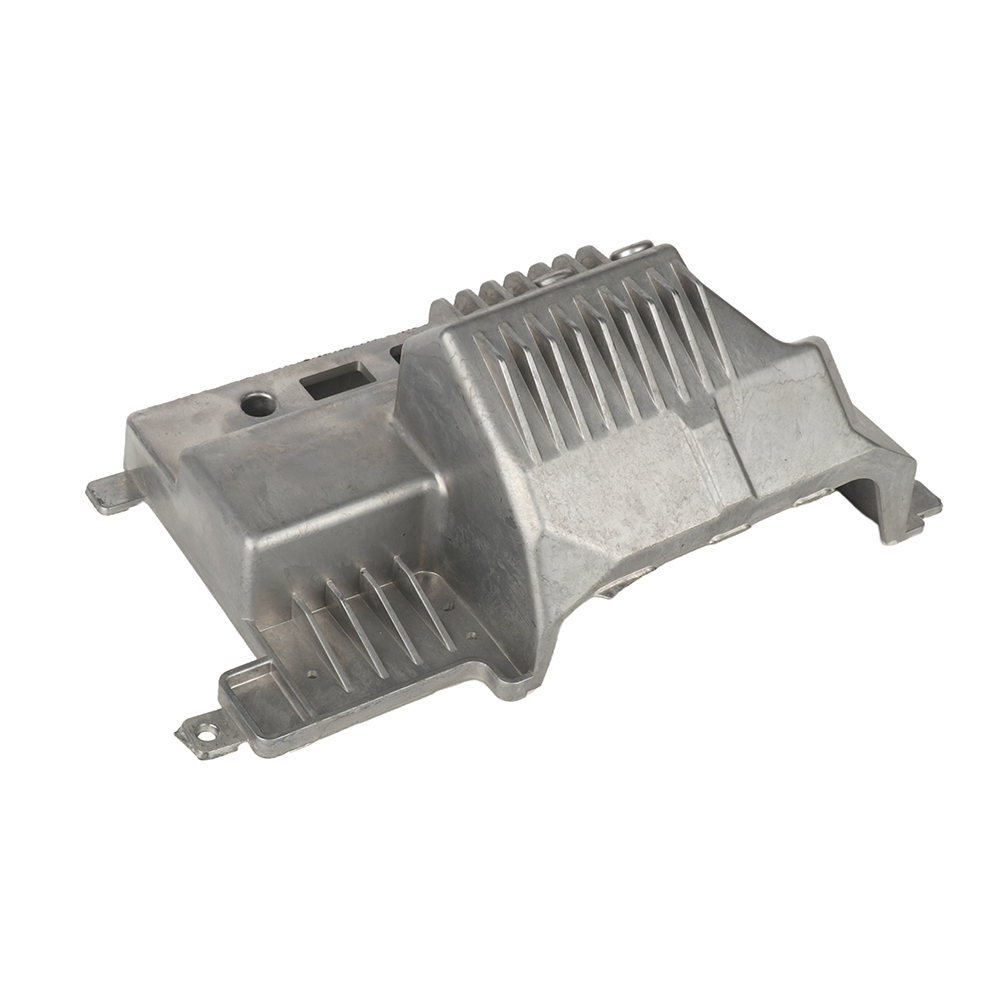
Below is an image of a high-quality custom aluminum die casting motor starter enclosure, showcasing its precision, durability, and tailored design:
3. Custom Aluminum Die Casting Motor Starter Enclosure vs. Other Enclosures: Pros & Cons
To better understand the advantages of custom aluminum die casting motor starter enclosures, we compare them with three common types of enclosures: steel sheet enclosures, plastic enclosures, and cast iron enclosures. The comparison focuses on key performance indicators such as durability, weight, cost, and adaptability.
3.1 Custom Aluminum Die Casting Enclosure
Pros
- Lightweight yet high-strength: Aluminum’s density (2.7 g/cm³) is only 34% of steel, reducing the overall weight of the motor system without compromising structural strength, which is ideal for mobile or weight-sensitive applications.
- Excellent thermal conductivity: Aluminum’s thermal conductivity (150-200 W/(m·K)) is 3-5 times higher than steel and plastic, effectively dissipating heat generated by internal electrical components and preventing overheating.
- Superior corrosion resistance: Aluminum naturally forms a dense oxide film on its surface, resisting moisture, salt spray, and chemical corrosion, suitable for both indoor and outdoor use without additional anti-corrosion treatments.
- High customization: Can be designed into complex shapes with integrated features (e.g., cooling fins, mounting brackets) in one casting, matching the exact requirements of different motor starters.
- Good electromagnetic shielding: The seamless aluminum structure forms a natural Faraday cage, effectively blocking electromagnetic interference (EMI/RFI) and ensuring stable operation of internal components.
Cons
- Higher initial mold cost: Custom dies require precision machining, resulting in higher upfront costs, which may be less cost-effective for small-batch production (though costs are offset by reduced assembly and post-processing expenses for large batches).
- Limited to medium-sized enclosures: Due to the constraints of die casting equipment, it is not ideal for extremely large or oversized motor starter enclosures compared to steel sheet enclosures.
3.2 Steel Sheet Enclosure
Pros
- Low initial cost: No custom die is needed; steel sheets are cut and bent, suitable for small-batch or temporary use.
- Suitable for large sizes: Easy to produce oversized enclosures that meet the needs of large motor starters.
Cons
- Heavy weight: High steel density increases the overall weight of the system, increasing installation and transportation costs.
- Poor corrosion resistance: Prone to rust without additional painting or galvanizing, requiring regular maintenance.
- Limited customization: Difficult to integrate complex features; multiple components need to be assembled, increasing production time and potential failure points.
3.3 Plastic Enclosure
Pros
- Low cost: Low raw material and production costs, suitable for low-budget, non-critical applications.
- Lightweight: Even lighter than aluminum, reducing transportation costs.
Cons
- Poor durability: Low impact resistance, easy to crack or deform under mechanical stress or high temperatures, not suitable for harsh industrial environments.
- Poor thermal conductivity: Cannot effectively dissipate heat, leading to overheating of internal components and shortened service life.
- Poor electromagnetic shielding: Plastic is non-conductive, requiring additional shielding materials, increasing costs and complexity.
3.4 Cast Iron Enclosure
Pros
- Extreme durability: High strength and impact resistance, suitable for heavy-duty industrial environments with strong vibrations (e.g., mining, oil and gas).
- Good vibration damping: Effectively reduces vibration transfer, protecting internal components.
Cons
- Extremely heavy: Much denser than aluminum, increasing installation difficulty and transportation costs, not suitable for mobile applications.
- Poor corrosion resistance: Prone to rust, requiring regular maintenance and anti-corrosion treatments.
- High production cost: Complex casting process, long production cycle, and high energy consumption, making it less cost-effective than aluminum die casting for most applications.
4. Key Benefits of Custom Aluminum Die Casting Motor Starter Enclosure
Based on the above comparison, custom aluminum die casting motor starter enclosures offer unique advantages that make them the optimal choice for most industrial and commercial motor starter applications. Here are the key benefits in detail:
4.1 Enhanced Protection for Critical Components
The seamless, one-piece structure of custom aluminum die casting enclosures provides superior sealing performance, effectively preventing dust, moisture, and other external contaminants from entering the enclosure. This level of protection meets IP65-IP68 standards, ensuring the safe operation of motor starter components (contactors, relays, wiring) in harsh environments such as factories, construction sites, and outdoor settings. Additionally, the high strength of aluminum die castings can withstand mechanical impact and pressure, reducing the risk of enclosure damage and internal component failure.
4.2 Improved Thermal Management
Motor starters generate heat during operation, and overheating can damage internal components and reduce service life. Custom aluminum die casting enclosures leverage aluminum’s excellent thermal conductivity to quickly dissipate heat to the external environment. Engineers can also integrate custom cooling fins into the enclosure design during the die casting process, further enhancing heat dissipation efficiency without adding extra components. This ensures the motor starter operates at a stable temperature, extending its service life and improving reliability.
4.3 Cost Savings in the Long Run
While the initial mold cost of custom aluminum die casting is higher, it offers significant cost savings in the long run. The one-piece casting design eliminates the need for assembling multiple components, reducing production time and labor costs. Additionally, aluminum’s corrosion resistance reduces maintenance costs (no frequent painting or anti-corrosion treatments), and its lightweight property lowers transportation and installation costs. For large-batch production, the mold cost is spread across more units, further reducing the per-unit cost. Moreover, aluminum’s recyclability adds environmental and economic value, as scrap enclosures can be recycled with minimal energy consumption (only 5% of the energy required to produce primary aluminum).
4.4 High Design Flexibility
Custom aluminum die casting allows engineers to design enclosures that perfectly match the size and shape of the motor starter, as well as integrate special features such as mounting brackets, cable entry ports, ventilation holes, and cooling fins in one casting. This flexibility ensures the enclosure fits seamlessly into the overall motor system, reducing assembly complexity and improving installation efficiency. Whether it’s a small, compact enclosure for automotive applications or a heavy-duty enclosure for industrial machinery, custom aluminum die casting can meet the specific design requirements of any project.
4.5 Environmental Friendliness
Aluminum is 100% recyclable, and the recycling process consumes only a small fraction of the energy required to produce new aluminum. Custom aluminum die casting motor starter enclosures are made from recyclable materials, reducing environmental impact and aligning with global sustainability goals. Additionally, the one-piece casting process reduces material waste, making it a more eco-friendly option compared to traditional assembly methods that generate more scrap.
5. Expert Opinion on Custom Aluminum Die Casting Motor Starter Enclosure
To gain deeper insights into the value of custom aluminum die casting motor starter enclosures, we interviewed Steve Yang, a senior die casting engineer with 20 years of experience in the industry and technical director at GC Precision Mould Co., Ltd., a leading manufacturer of custom aluminum die casting components.
“In my two decades in the die casting industry, I have seen firsthand how critical the right material and manufacturing process are for motor starter enclosures. The enclosure is much more than just a protective cover; it’s a structural component, a heat sink, and a shield. Custom aluminum die casting has become the industry standard for motor starter enclosures because it balances precision, durability, and cost-effectiveness in a way that no other process can.”
“Many of our clients in the industrial and automotive sectors choose custom aluminum die casting enclosures because of their design flexibility and thermal management capabilities. For example, we recently worked with a tier 1 automotive supplier on a motor starter enclosure project. Their goal was to reduce the weight of the motor system while improving heat dissipation. By designing a custom aluminum die casting enclosure with integrated cooling fins, we reduced the enclosure weight by 30% compared to their previous steel sheet enclosure and improved heat dissipation efficiency by 40%, directly enhancing the motor’s performance and reliability. This is a perfect example of why aluminum is leading the charge in modern motor design.”
“While some clients worry about the initial mold cost, I always emphasize that the long-term savings—from reduced assembly, maintenance, and transportation costs—far outweigh the upfront investment. For businesses looking to improve the reliability and efficiency of their motor starter systems, custom aluminum die casting is not just an option; it’s a strategic choice.”
We also consulted John Miller, an electrical engineer specializing in industrial motor systems, who added: “Custom aluminum die casting enclosures provide the electromagnetic shielding and corrosion resistance that are essential for motor starters in industrial environments. Unlike plastic enclosures, they don’t require additional shielding materials, and unlike steel enclosures, they don’t need frequent maintenance. This makes them the most reliable and cost-effective choice for our projects.”
6. FAQs About Custom Aluminum Die Casting Motor Starter Enclosure
Below are the most common questions about custom aluminum die casting motor starter enclosures, answered by industry experts to help you make informed decisions.
6.1 What aluminum alloy is best for custom motor starter enclosures?
The most commonly used aluminum alloys for custom motor starter enclosures are ADC12 and A380. ADC12 offers excellent castability, high strength, and good corrosion resistance, making it ideal for most industrial applications. A380 has better thermal conductivity and impact resistance, suitable for motor starters that generate high heat or are used in harsh environments. The choice of alloy depends on the specific performance requirements of the application (e.g., heat dissipation, strength, corrosion resistance).
6.2 Can custom aluminum die casting enclosures meet waterproof and dustproof requirements?
Yes. With precise die design and proper sealing (e.g., rubber gaskets), custom aluminum die casting enclosures can meet IP65 to IP68 waterproof and dustproof standards. IP65 enclosures are protected against dust and low-pressure water jets, while IP68 enclosures can be submerged in water for long periods, making them suitable for outdoor or wet environments such as construction sites and marine applications.
6.3 What is the lead time for custom aluminum die casting motor starter enclosures?
The lead time depends on two main factors: mold production and mass production. Mold production typically takes 2-4 weeks (for standard molds) or 4-6 weeks (for complex molds with integrated features). Once the mold is ready, mass production takes 1-2 weeks for small batches (100-500 units) and 2-4 weeks for large batches (1000+ units). For urgent projects, manufacturers can offer expedited mold production and production services to shorten the lead time.
6.4 Is custom aluminum die casting suitable for small-batch production?
While custom aluminum die casting has higher initial mold costs, it can still be suitable for small-batch production (50-500 units) if the application requires high precision, durability, or complex design. For small batches, manufacturers may offer mold cost discounts or use existing mold bases to reduce upfront costs. Additionally, the reduced assembly and maintenance costs of aluminum die casting enclosures can offset the initial mold cost for small-batch projects that require long-term use.
6.5 How to maintain custom aluminum die casting motor starter enclosures?
Custom aluminum die casting enclosures require minimal maintenance due to their corrosion resistance. Regular maintenance includes: (1) Wiping the enclosure surface with a clean cloth to remove dust and debris; (2) Checking the sealing gaskets for wear and replacing them if necessary (every 1-2 years); (3) Inspecting the enclosure for cracks or damage, especially after mechanical impact. Unlike steel enclosures, aluminum enclosures do not require painting or galvanizing, reducing maintenance time and costs. In harsh environments (e.g., salt spray), a thin anodized or powder-coated finish can further enhance corrosion resistance and extend service life.
6.6 Can custom aluminum die casting enclosures be used in high-temperature environments?
Yes. Aluminum alloys have a high melting point (around 660°C) and excellent thermal stability, making custom aluminum die casting enclosures suitable for high-temperature environments (up to 200°C). For applications with higher temperature requirements (200-300°C), manufacturers can use heat-resistant aluminum alloys (e.g., A356) and add cooling fins to enhance heat dissipation, ensuring the enclosure and internal components operate stably at high temperatures. This makes them ideal for motor starters in industrial furnaces, power plants, and other high-temperature settings.
7. Conclusion
Custom aluminum die casting is a precision, versatile manufacturing process that plays a critical role in producing high-quality components for various industries, with custom aluminum die casting motor starter enclosures being one of its most important applications. By comparing with steel sheet, plastic, and cast iron enclosures, we can see that custom aluminum die casting enclosures offer an unbeatable balance of lightweight, durability, thermal conductivity, corrosion resistance, and design flexibility.
The key benefits of custom aluminum die casting motor starter enclosures—enhanced component protection, improved thermal management, long-term cost savings, high design flexibility, and environmental friendliness—make them the preferred choice for industrial and commercial motor starter systems. Expert opinions further confirm that custom aluminum die casting is a strategic investment for businesses looking to improve the reliability, efficiency, and sustainability of their motor systems.
Whether you need a small, compact enclosure for an automotive motor starter or a heavy-duty enclosure for an industrial machine, custom aluminum die casting can be tailored to meet your unique requirements. By choosing custom aluminum die casting motor starter enclosures, you can ensure the long-term stability and performance of your motor starter systems, while reducing maintenance and operational costs.
Display case with led | What is Anodized Aluminum Die Castings?Focus on LED Display Empty Cabinet
Control housing | What is aluminum alloy casting? Focus on Aluminum Alloy Casting Control Housing
Related Article


