
HOT PRODUCTS
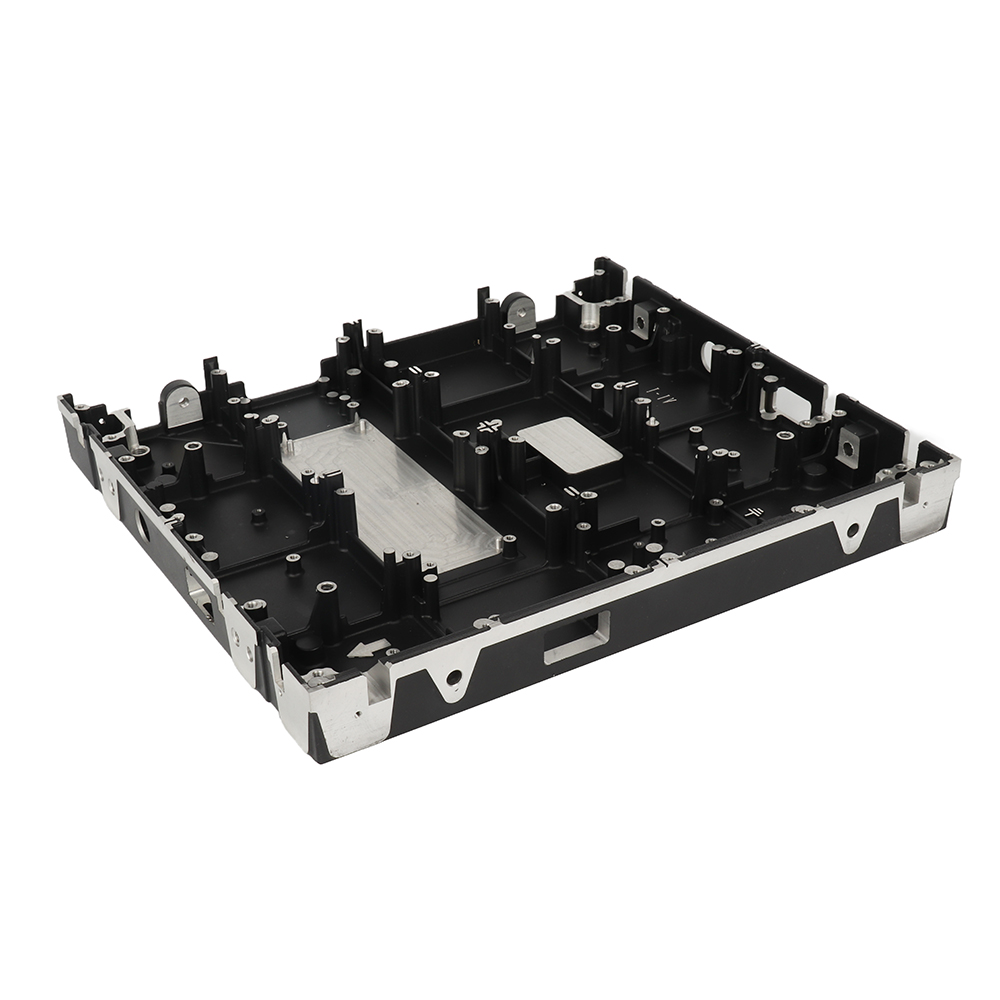
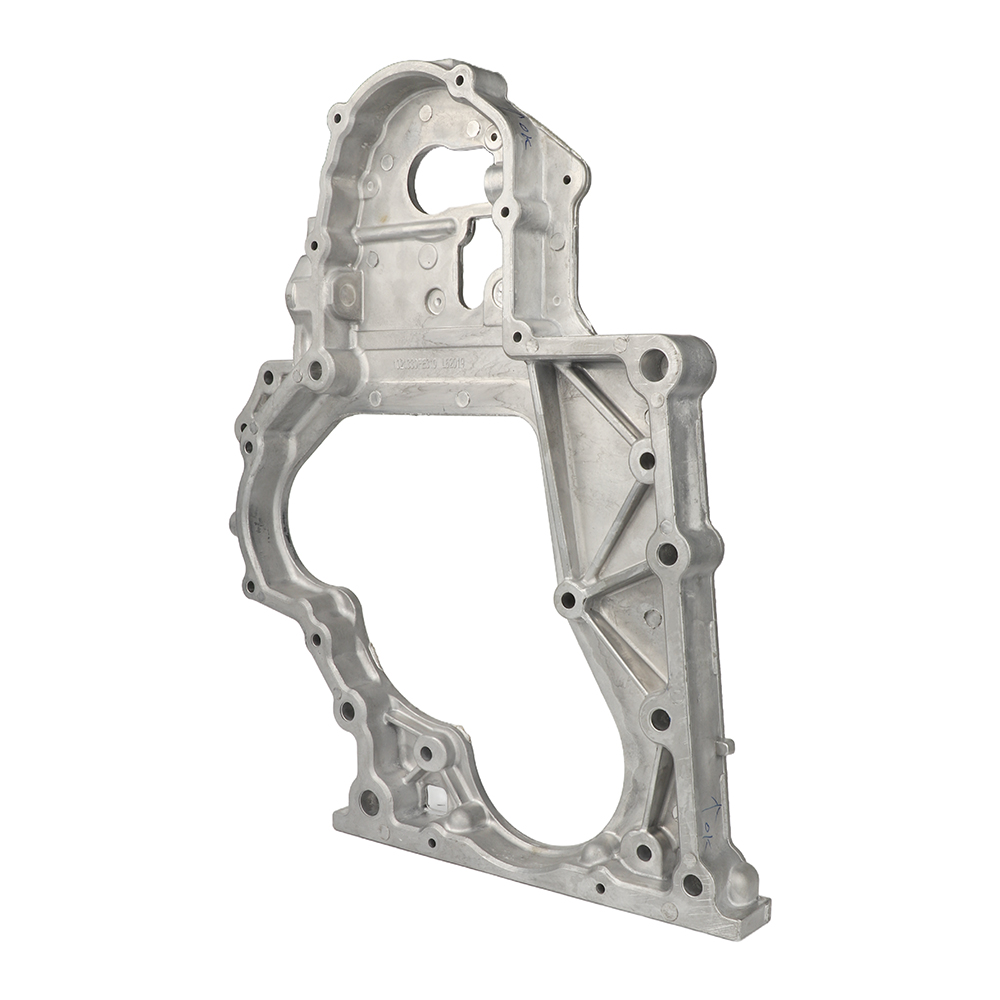
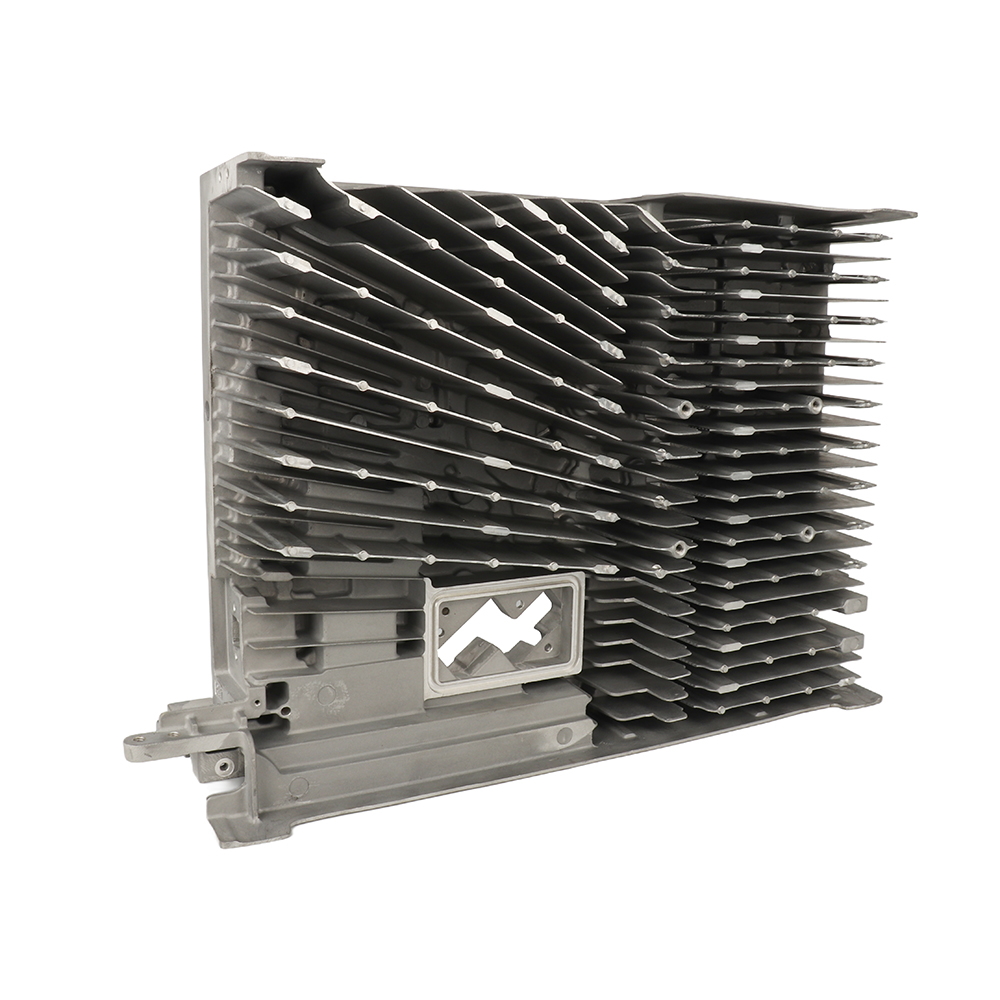
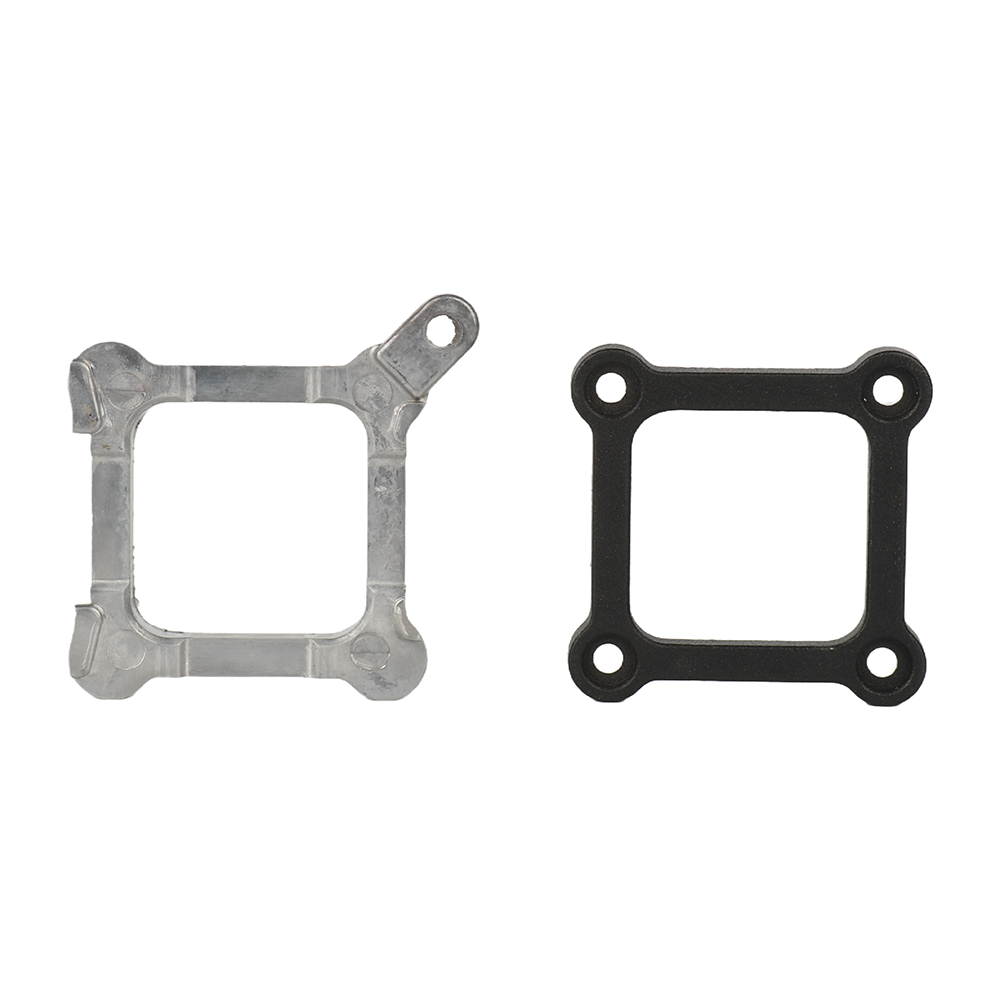
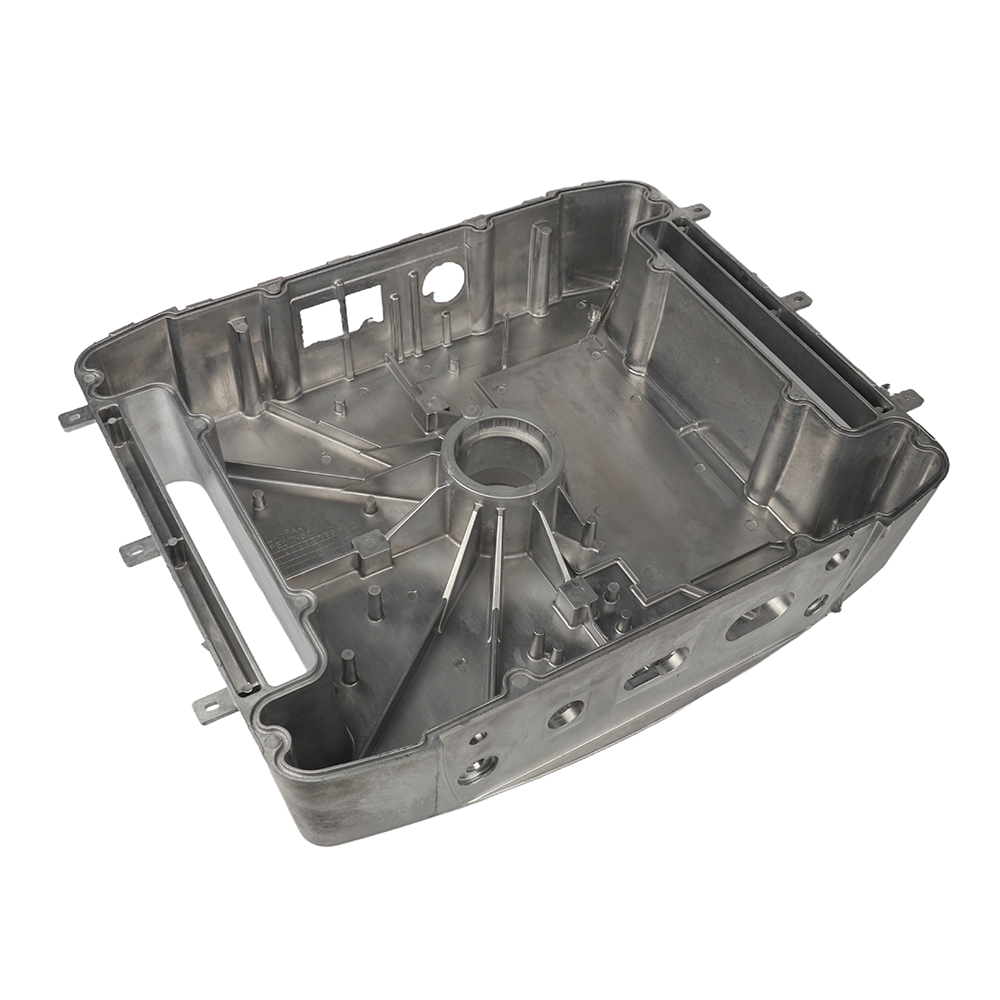
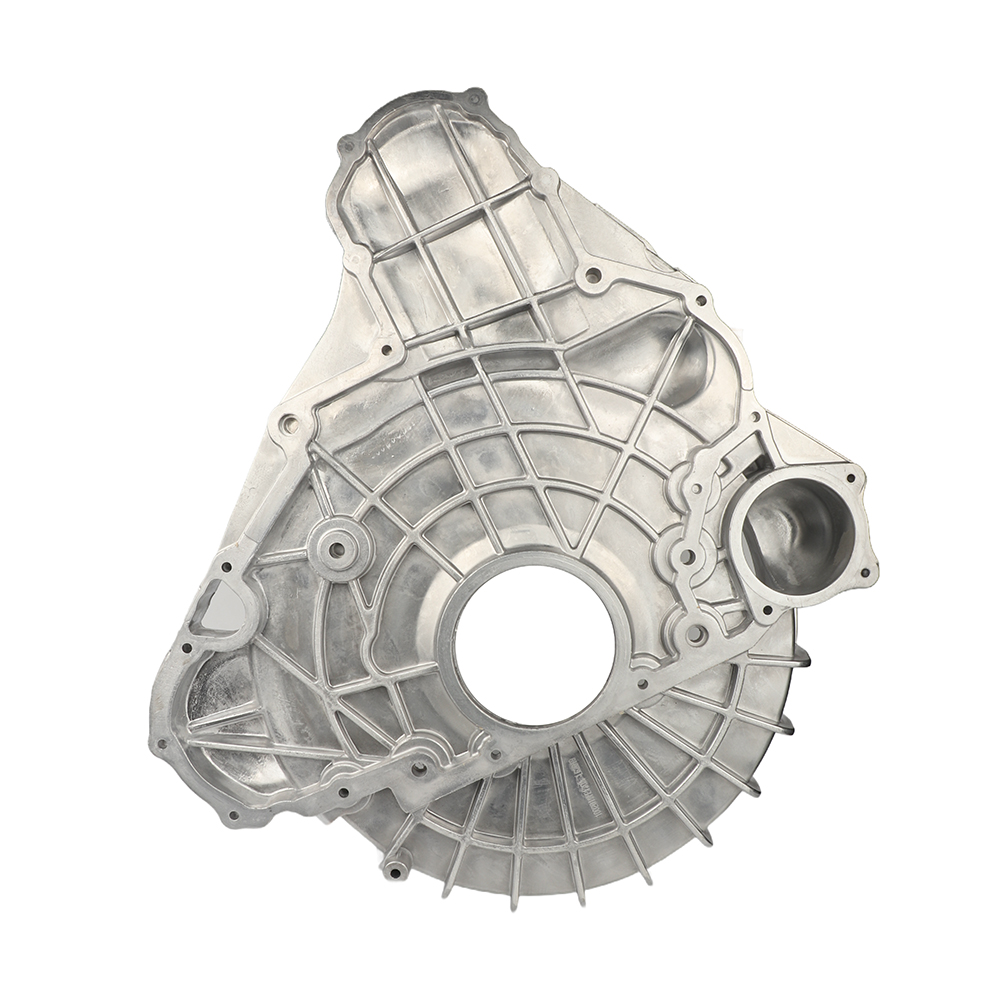
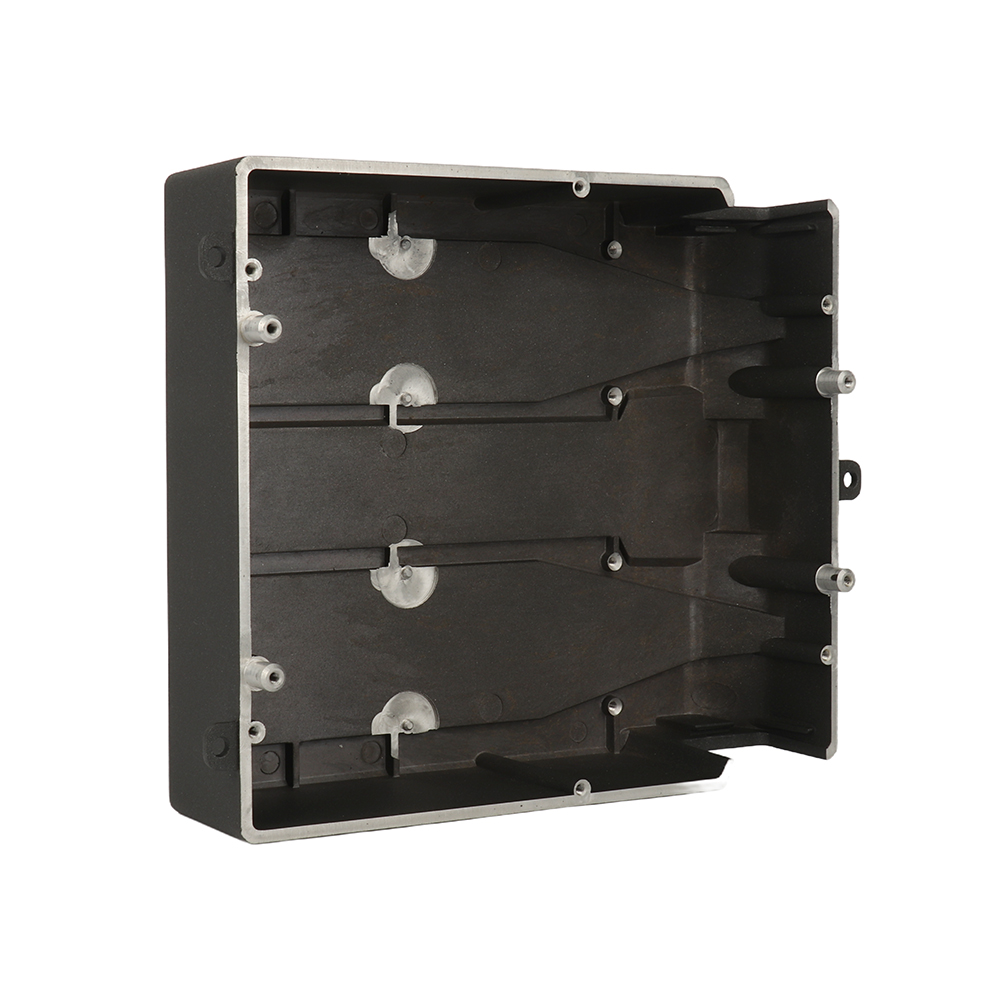
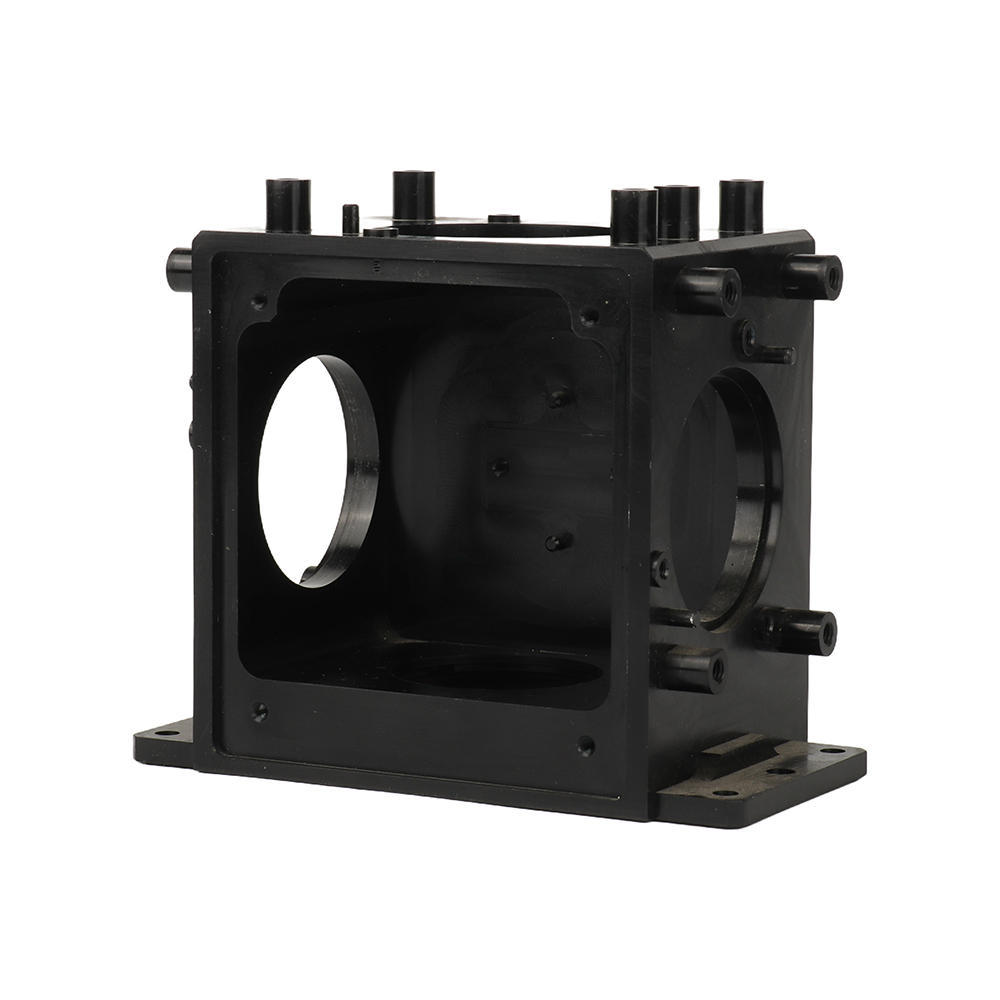
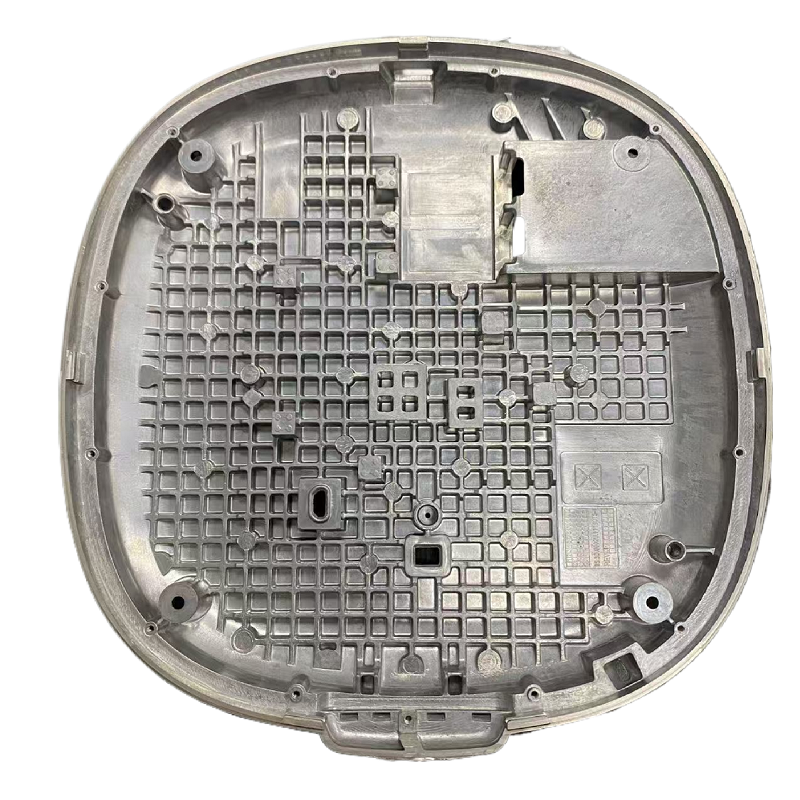
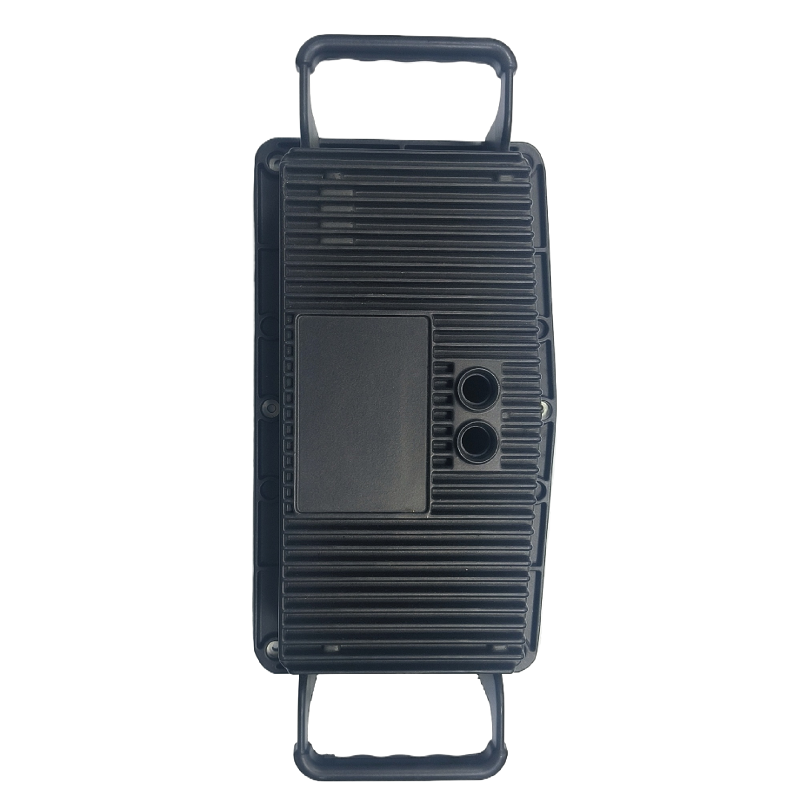
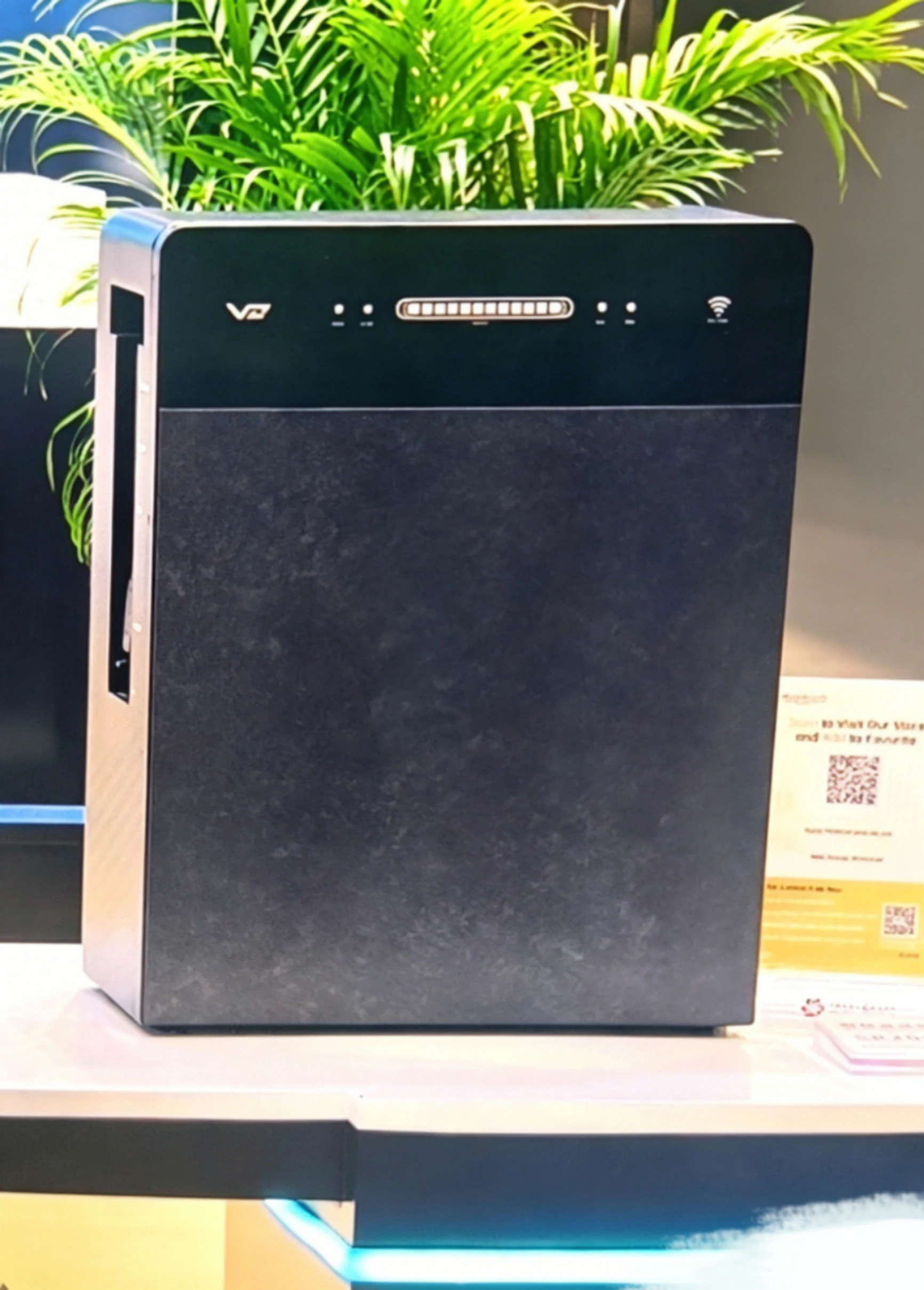
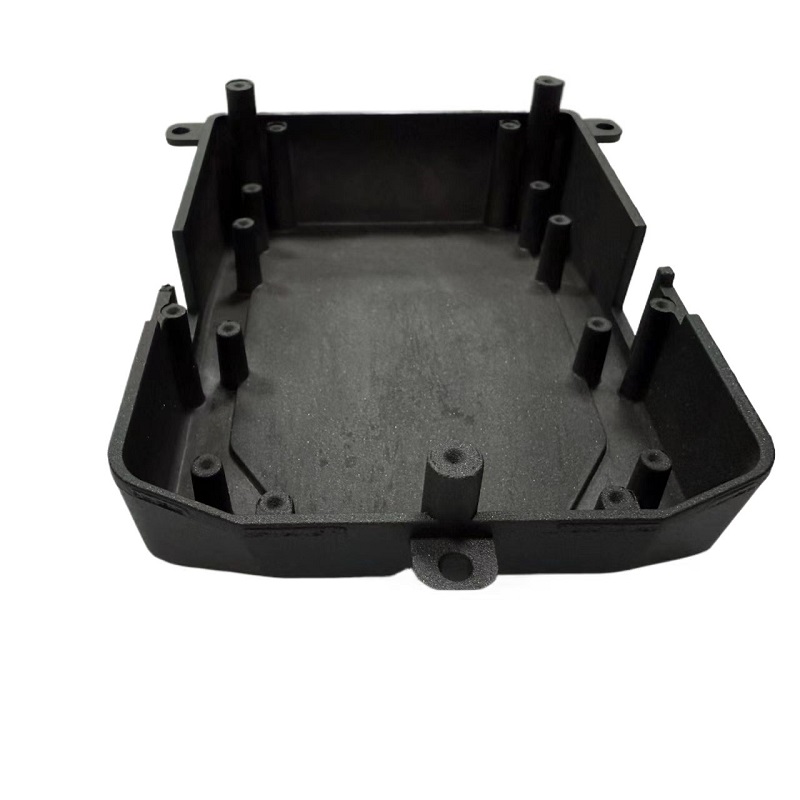
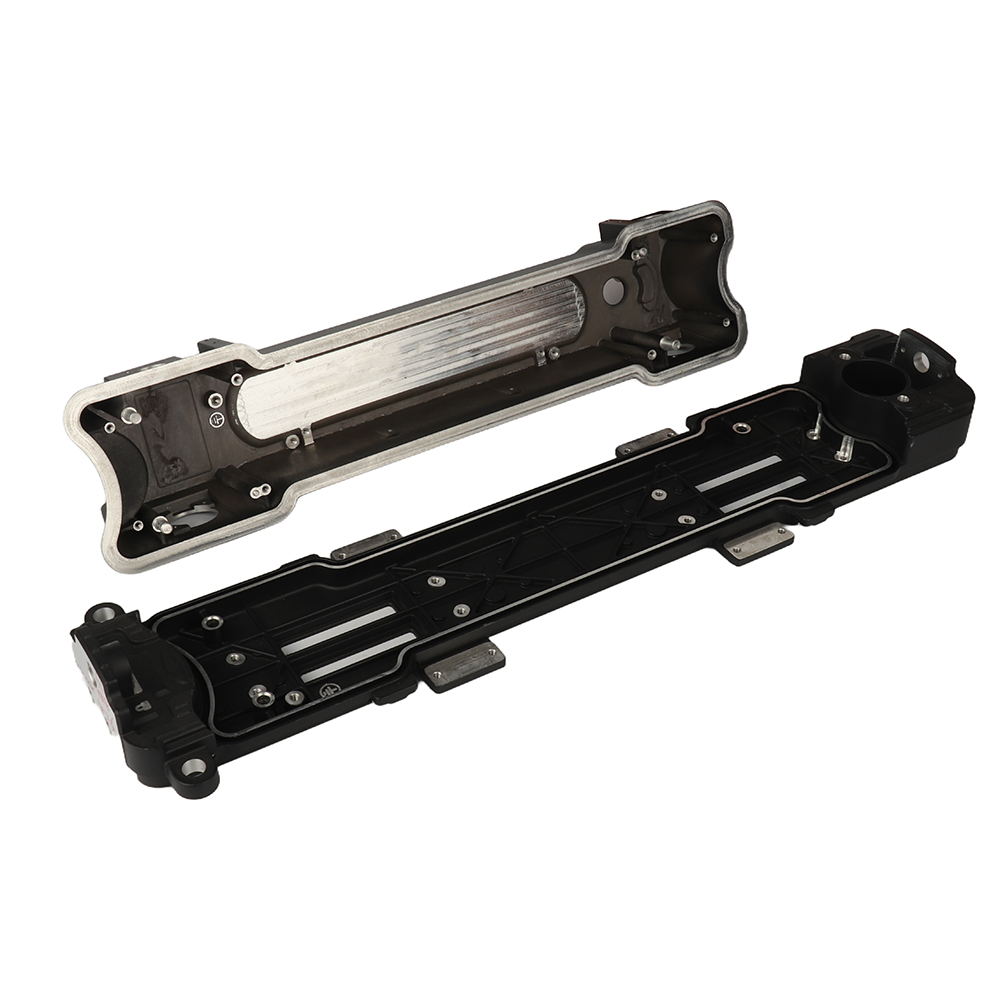
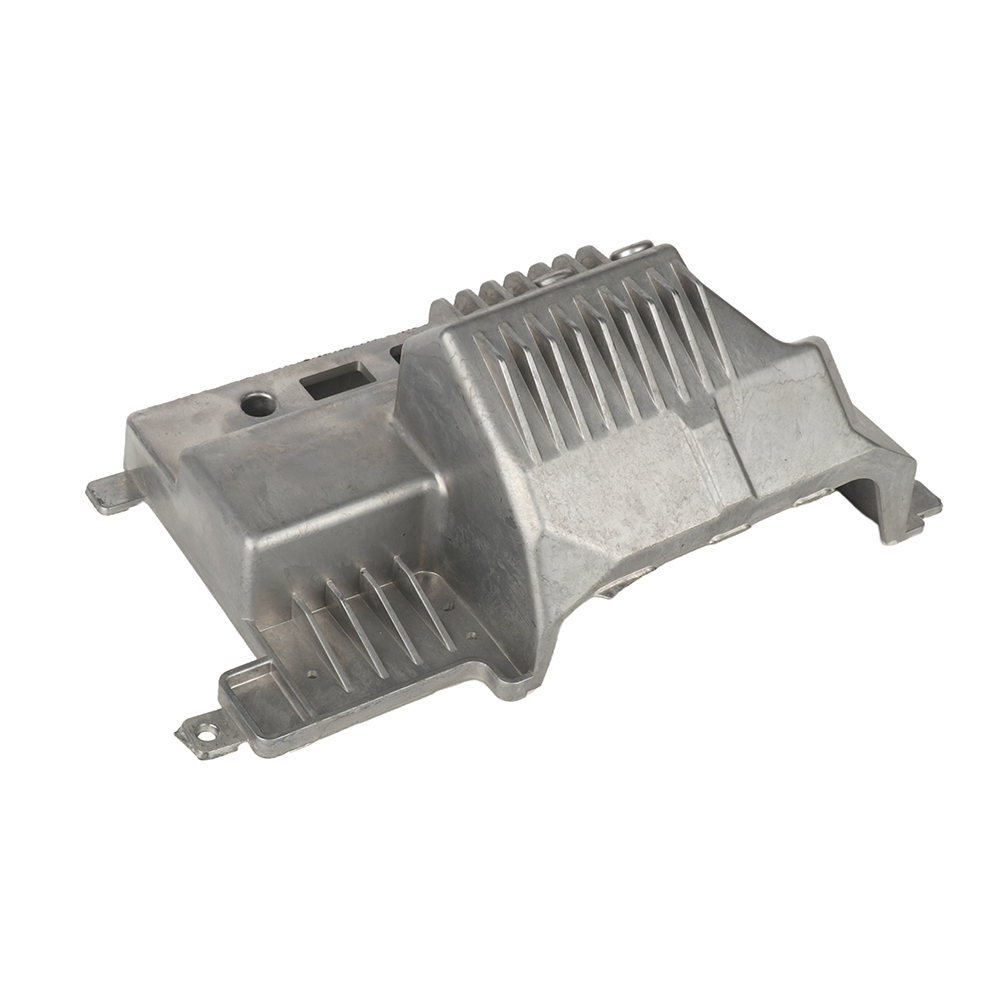
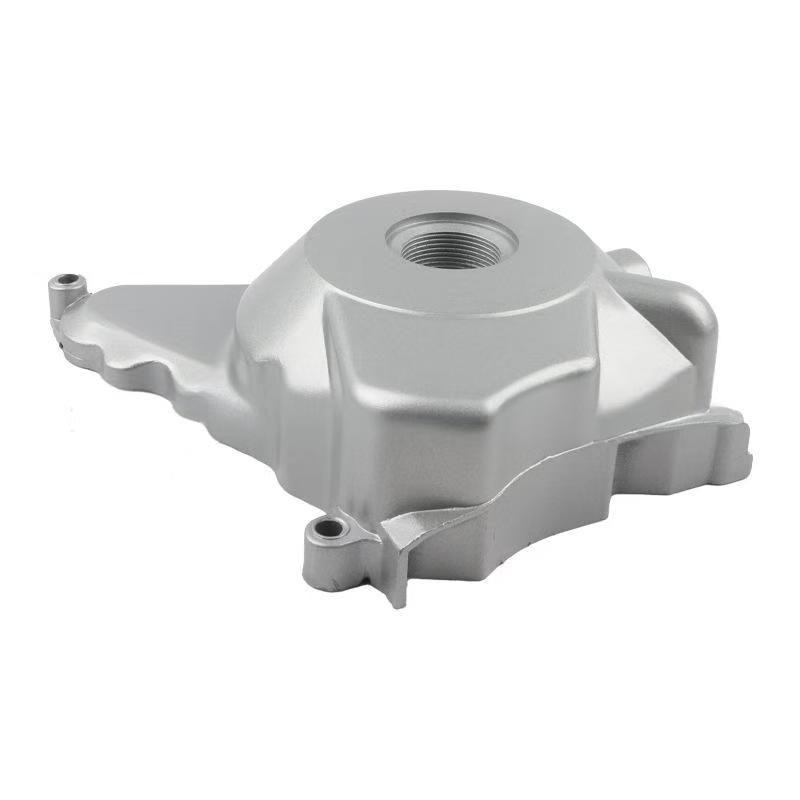
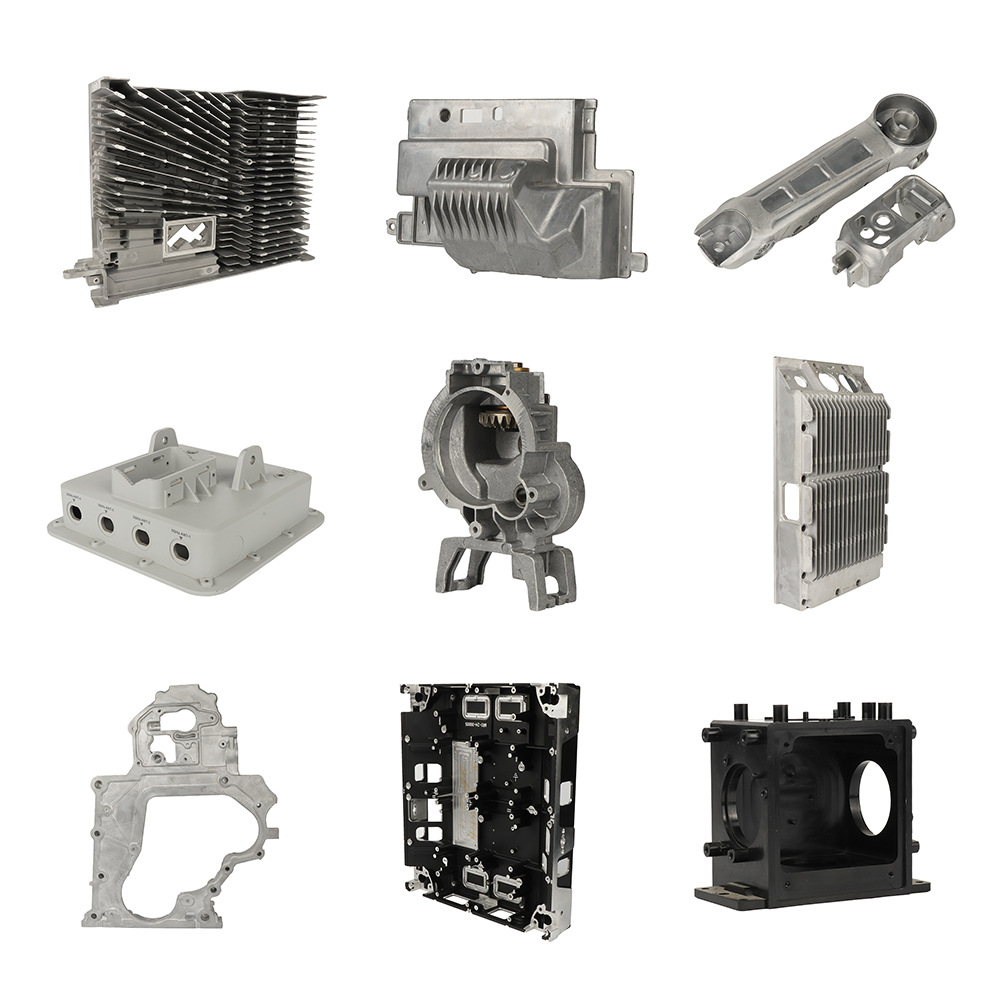
Customized service | What iscustom die casting service? A Complete Guide to Customized Solutions
What is Custom Die Casting Service? A Complete Guide to Customized Solutions
Table of Contents
- 1. Introduction: What is Custom Die Casting Service?
- 2. Core Parameters of Custom Die Casting Service (with Parameter Table)
- 3. Key Focuses of Custom Die Casting Service
- 4. Roles of Custom Die Casting Service in Various Industries
- 5. Top Benefits of Choosing Custom Die Casting Service
- 6. Expert Insights on Custom Die Casting Service
- 7. Frequently Asked Questions (FAQs) About Custom Die Casting Service
- 8. Conclusion
1. Introduction: What is Custom Die Casting Service?
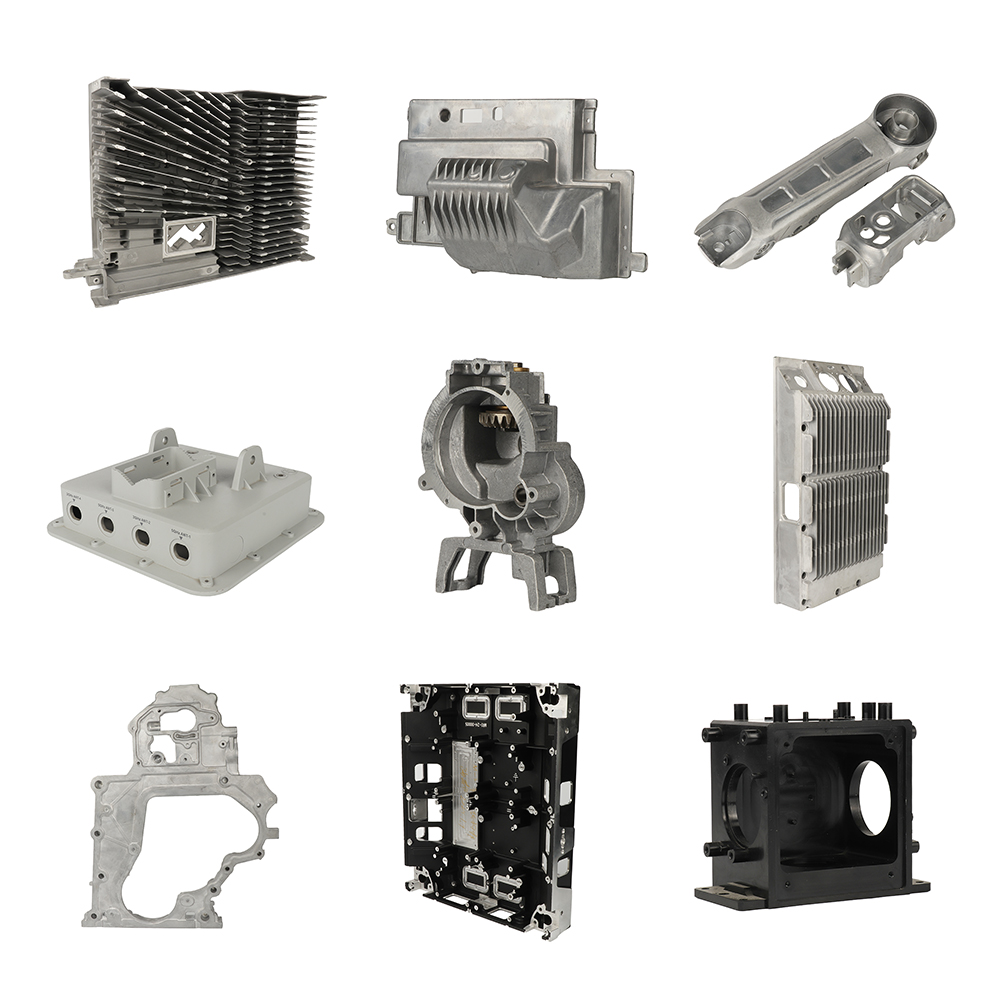
Die casting is a high-speed manufacturing process that injects molten metal under high pressure into a reusable steel die to produce complex, near-net-shape components with exceptional precision. But custom die casting service takes this process a step further—it tailors every aspect of die casting to meet the unique, specific requirements of a client’s project, rather than relying on standard, one-size-fits-all molds or processes.https://www.yaoxinghangcn.com/
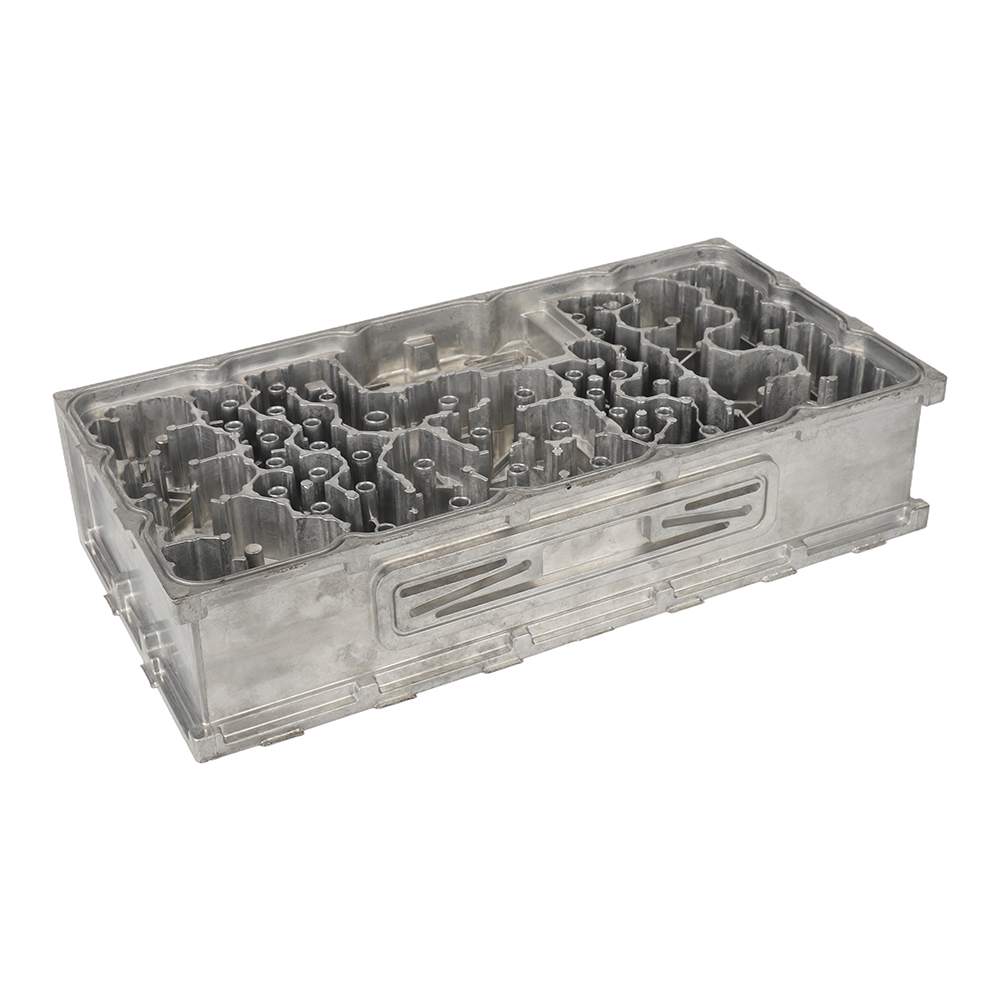
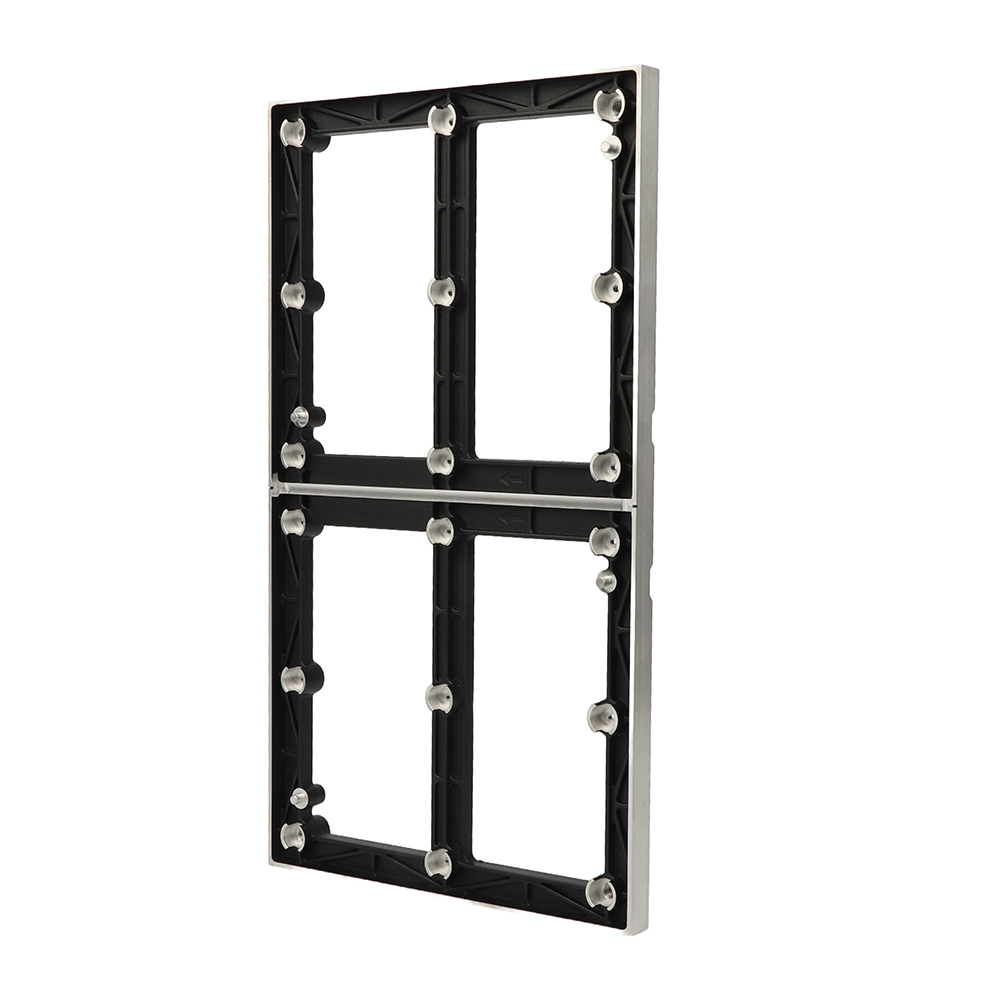
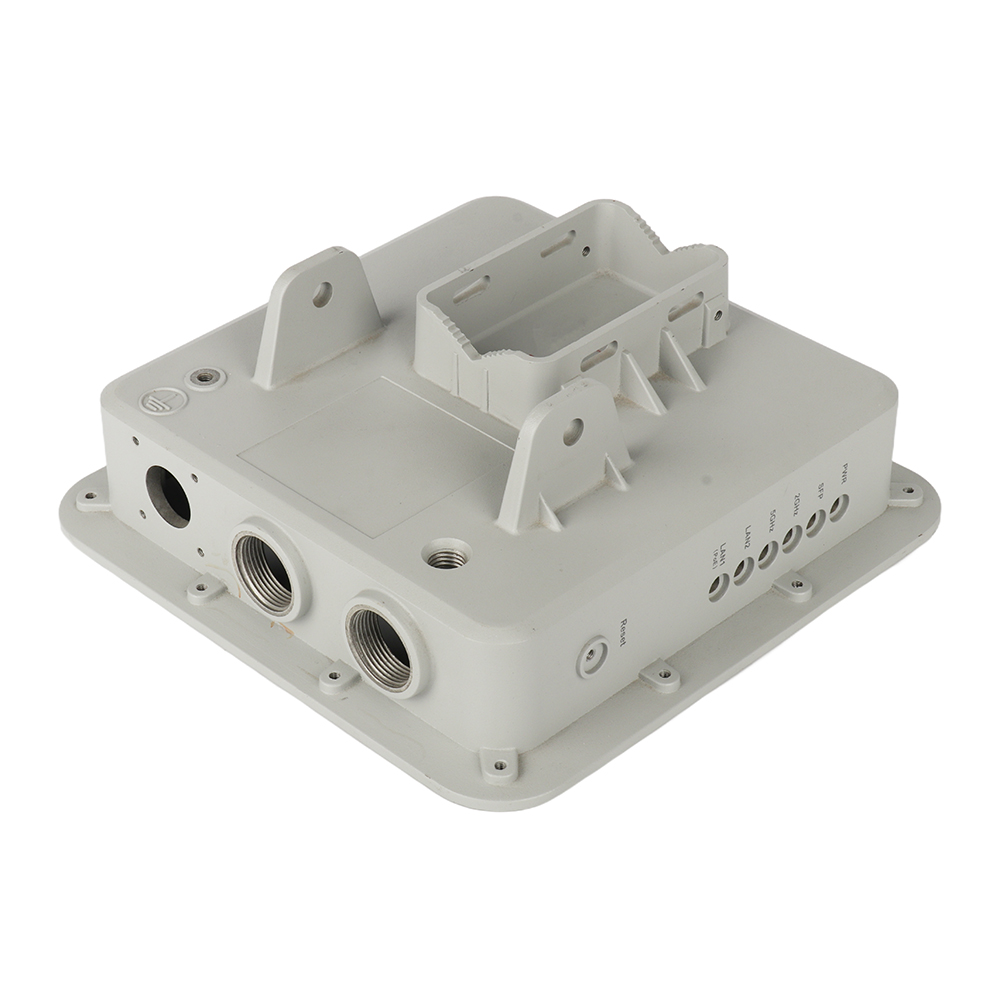
Unlike standard die casting, which uses pre-existing molds that may not align with a product’s exact needs, custom die casting designs molds, selects materials, adjusts process parameters, and refines finishes from the ground up to match a client’s unique specifications. From automotive housings to electronics enclosures, medical device components to aerospace parts, custom die casting service bridges the gap between generic manufacturing and project-specific perfection, ensuring every component fits, functions, and performs exactly as intended. It is the cornerstone of modern manufacturing, enabling businesses to turn unique design concepts into high-quality, functional metal parts efficiently.
2. Core Parameters of Custom Die Casting Service (with Parameter Table)
Customization in die casting is defined by adjustable parameters that cater to unique project needs. Every parameter is flexible and can be fine-tuned to align with the client’s design goals, material preferences, and application scenarios. Below is a detailed table of general parameters for custom die casting service, which covers the key adjustable factors and their core purposes:
| Customization Parameter | Description | Adjustable Range (General) | Key Customization Purpose |
|---|---|---|---|
| Die Mold Design | Custom steel mold tailored to part geometry, including intricate details, holes, and contours, designed from scratch based on client’s 3D design files | Simple to complex (intricate ribs, thin walls, integrated fastening points; part size from small precision components to large industrial parts) | Match unique part shape and functional requirements, eliminate unnecessary material waste, and ensure seamless integration with other components |
| Material Selection | Alloys chosen based on strength, weight, corrosion resistance, thermal conductivity, cost, and industry-specific standards | Aluminum (A380/A383), Zinc, Magnesium alloys; special alloys for high-temperature or high-strength applications | Optimize part performance for specific industry needs (aerospace, automotive, electronics, medical) and balance performance with cost efficiency |
| Clamping Force | Locking force of the die casting machine to prevent flash (molten metal leakage) during the injection process | 50 - 4000 tons (calculated based on part projection area, material, and complexity) | Ensure mold stability for complex or large parts, maintain dimensional accuracy, and reduce post-processing work |
| Injection Pressure | Pressure applied to inject molten metal into the mold cavity, ensuring full filling of complex details | 10 - 150 MPa (varies by material and part complexity; higher pressure for thin-walled or intricate parts) | Achieve full mold filling and reduce porosity, ensuring the part’s structural integrity and durability |
| Injection Speed | Speed of molten metal injection (divided into slow and fast stages) to control material flow and avoid defects | 0.1 - 6 m/s (adjusted by wall thickness, material fluidity, and part complexity) | Prevent air entrapment and ensure uniform material flow, reducing internal defects and improving surface quality |
| Temperature Control | Precise control of molten metal temperature and mold temperature to optimize fluidity and solidification | Metal: 400 - 1200°C; Mold: 150 - 300°C (adjusted based on alloy type and part design) | Optimize metal fluidity and part solidification, reducing shrinkage and deformation, and ensuring consistent quality |
| Surface Finish | Post-casting finishing processes to meet aesthetic and functional requirements of the client’s project | Polishing, painting, plating, anodizing, machining, and sandblasting | Meet aesthetic and functional surface requirements, enhance corrosion resistance, and improve part appearance |
| Tolerance | Dimensional accuracy of the final part, customized based on the part’s application and assembly needs | ±0.001" - ±0.004" (varies by material; tighter tolerance for precision components like medical or aerospace parts) | Ensure part compatibility with other components, reduce assembly errors, and improve overall product reliability |
3. Key Focuses of Custom Die Casting Service
The success of custom die casting service lies in its focus on client-centric customization—every step is designed to address the unique challenges and goals of a project. Below are the core focuses that distinguish custom die casting from standard die casting and ensure project success:
3.1 Precision Customization of Mold Design
Mold design is the foundation of custom die casting, and the key focus is to translate the client’s 3D design into a functional, durable mold. Custom mold design prioritizes intricate detail reproduction and dimensional accuracy, ensuring that even the most complex part geometries (such as thin walls, tiny holes, or irregular contours) are replicated perfectly. Unlike standard molds that are pre-designed for common parts, custom molds are tailored to the exact size, shape, and functional requirements of the client’s project, eliminating the need for post-processing adjustments and reducing material waste.
3.2 Tailored Material Selection
Custom die casting service focuses on selecting the optimal material for each project, rather than using a one-size-fits-all alloy. The selection process considers the client’s specific needs: strength, weight, corrosion resistance, thermal conductivity, cost, and industry standards (e.g., medical-grade materials for medical devices, high-strength alloys for aerospace parts). This focus ensures that the final part not only meets the design requirements but also performs optimally in its intended application. For example, aluminum alloys are preferred for lightweight automotive parts, while zinc alloys are ideal for small, precision electronics components due to their excellent castability and dimensional stability.
3.3 Flexible Process Parameter Adjustment
Another key focus is the flexible adjustment of die casting process parameters (as shown in the table above). Custom die casting service does not follow a fixed process; instead, engineers fine-tune clamping force, injection pressure, injection speed, and temperature based on the part’s design, material, and application. This flexibility ensures that each part is produced with minimal defects, consistent quality, and optimal performance. For example, thin-walled parts require higher injection speed to ensure full mold filling, while large parts need higher clamping force to prevent flash.
3.4 End-to-End Customization Support
Custom die casting service focuses on providing end-to-end support, from initial design consultation to post-casting finishing. This includes helping clients optimize their part design for die casting (design for manufacturability, DFM), providing prototype testing to validate the design, and offering custom finishing services to meet aesthetic and functional needs. This end-to-end approach ensures that clients receive a complete, turnkey solution that aligns with their project goals, saving time and reducing the risk of design errors.
4. Roles of Custom Die Casting Service in Various Industries
Custom die casting service plays a critical role in driving innovation and efficiency across multiple industries, as it enables the production of unique, high-quality metal parts that meet industry-specific requirements. Below are its key roles in major industries:
4.1 Automotive Industry
In the automotive industry, custom die casting is used to produce a wide range of components, including engine housings, transmission cases, steering components, and electronics enclosures. Its role is to provide lightweight, high-strength parts that reduce vehicle weight (improving fuel efficiency) and enhance durability. Customization allows automotive manufacturers to tailor parts to specific vehicle models, ensuring perfect fit and optimal performance. For example, Tesla uses custom aluminum die casting for motor housings to balance strength and lightweight design, while Ford specifies custom die cast parts for their vehicle interiors and exteriors.
4.2 Electronics Industry
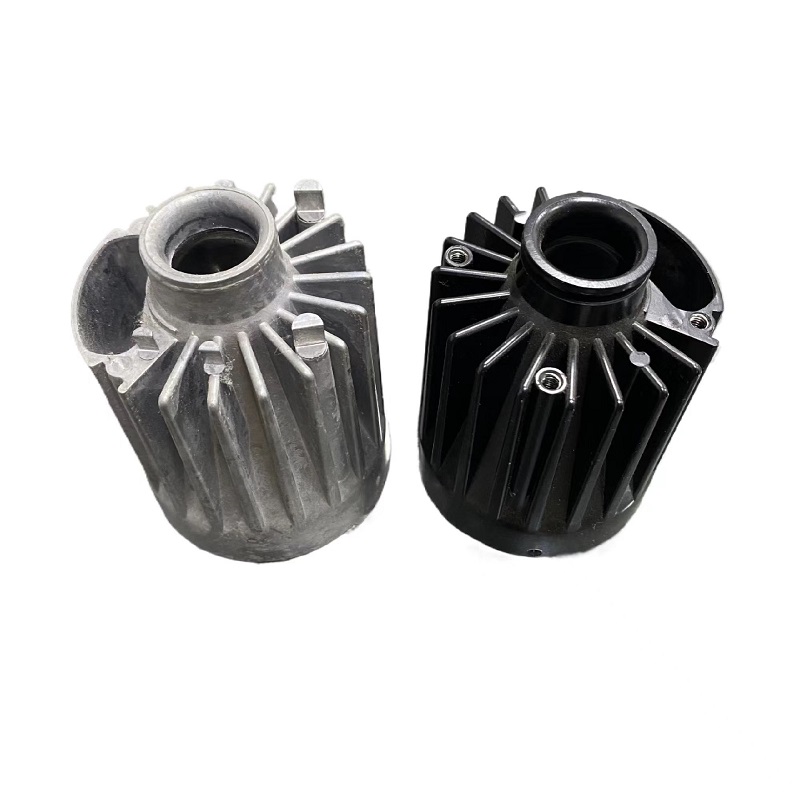
The electronics industry relies on custom die casting for precision components such as smartphone casings, laptop frames, heat sinks, and connector housings. Its role is to produce small, intricate, and dimensionally accurate parts that fit tightly with other electronic components. Customization ensures that parts meet the miniaturization requirements of modern electronics and provide excellent thermal conductivity (critical for heat sinks) and electromagnetic shielding. Samsung, for example, demands tight tolerances for aluminum die cast parts in their consumer electronics to ensure seamless assembly and performance.
4.3 Aerospace Industry
In the aerospace industry, custom die casting produces high-precision, high-strength components such as aircraft engine parts, landing gear components, and avionics enclosures. Its role is to meet the industry’s strict standards for reliability, durability, and weight reduction. Customization allows for the use of high-performance alloys (e.g., magnesium alloys) and tight tolerances, ensuring that parts can withstand extreme temperatures and pressures. Boeing, for instance, requires aerospace-grade tolerances for custom die cast parts used in their aircraft, ensuring safety and performance at high altitudes.
4.4 Medical Device Industry
Custom die casting plays a vital role in the medical device industry by producing precision components such as surgical instruments, medical equipment housings, and implantable parts. Its role is to provide biocompatible, sterile, and dimensionally accurate parts that meet strict medical standards. Customization ensures that parts are tailored to the specific design of medical devices, ensuring compatibility and safety for patients. For example, custom die cast parts used in surgical instruments must be precise to ensure accurate operation, while implantable parts must be made from biocompatible alloys to avoid adverse reactions.
4.5 Industrial Machinery Industry
In the industrial machinery industry, custom die casting is used to produce heavy-duty components such as gearboxes, pump housings, and valve bodies. Its role is to provide durable, wear-resistant parts that can withstand harsh operating conditions (e.g., high pressure, high temperature). Customization allows for the design of parts that fit specific machinery models, ensuring optimal performance and reducing maintenance costs. Many industrial equipment manufacturers rely on custom die casting to simplify assembly by integrating multiple components into a single die cast part, reducing production time and costs.
5. Top Benefits of Choosing Custom Die Casting Service
Choosing custom die casting service offers numerous advantages over standard die casting or other manufacturing processes, especially for projects with unique requirements. Below are the top benefits that make it a preferred choice for businesses across industries:
5.1 Perfect Alignment with Unique Design Requirements
The biggest benefit of custom die casting is that it fully aligns with the client’s unique design goals. Whether the project requires complex geometries, specific dimensions, or unique functional features, custom die casting can tailor every aspect of the process to meet those needs. This eliminates the need to compromise on design (as with standard die casting) and ensures that the final part performs exactly as intended. Unlike off-the-shelf parts, custom die cast parts are designed to fit seamlessly into the client’s product, reducing assembly errors and improving overall product quality.
5.2 Improved Product Performance and Durability
Custom die casting allows for the selection of the optimal material and fine-tuning of process parameters, resulting in parts with superior performance and durability. By choosing the right alloy for the application, parts can be made stronger, lighter, more corrosion-resistant, or more thermally conductive—depending on the client’s needs. Additionally, the precise control of process parameters reduces defects (e.g., porosity, shrinkage), ensuring that parts are structurally sound and can withstand harsh operating conditions. This leads to longer product lifespans and reduced maintenance costs for clients.
5.3 Cost-Efficiency for High-Volume Production
While custom die casting may have higher upfront costs (due to custom mold design), it is highly cost-efficient for high-volume production. Custom molds are reusable, and the automated die casting process allows for fast production speeds, reducing per-unit costs significantly. Additionally, the precision of custom die casting reduces post-processing work (e.g., machining, polishing), further lowering production costs. For businesses producing large quantities of unique parts, custom die casting is more cost-effective than other processes (e.g., machining, 3D printing) in the long run. The per-unit cost decreases dramatically as production volume increases, making it an ideal choice for scalable manufacturing.
5.4 Time-Saving and Fast Turnaround
Custom die casting service offers fast turnaround times, especially for high-volume production. The automated process allows for quick production of parts once the custom mold is ready, and the end-to-end support (design consultation, prototype testing, finishing) streamlines the entire process. This helps clients bring their products to market faster, gaining a competitive edge. Many custom die casting providers offer quick lead times (25–40 days on average) for mold production and part manufacturing, ensuring that clients meet their project deadlines.
5.5 Flexibility and Scalability
Custom die casting is highly flexible, allowing for adjustments to design, material, and process parameters even during production. This flexibility is critical for businesses that may need to modify their product design or scale production up or down. Whether producing a small batch of prototypes or large volumes of finished parts, custom die casting can adapt to the client’s needs. Additionally, as the client’s business grows, custom die casting can scale production to meet increased demand without sacrificing quality or efficiency. This scalability makes it a long-term solution for businesses of all sizes, from startups to large multinational corporations.
5.6 Reduced Material Waste
Custom die casting is a near-net-shape process, meaning that parts are produced with minimal excess material. The custom mold design ensures that only the necessary amount of material is used, reducing waste and lowering material costs. Additionally, any excess material from the die casting process can be recycled, further reducing environmental impact and costs. This makes custom die casting a more sustainable manufacturing option compared to processes that generate significant material waste (e.g., machining).
6. Expert Insights on Custom Die Casting Service
To provide a deeper understanding of custom die casting service, we’ve gathered insights from industry experts with decades of experience in die casting engineering and manufacturing. Their perspectives highlight the value of customization and key considerations for businesses looking to use custom die casting:
6.1 Expert Insight from Sarah Johnson, Senior Die Casting Engineer (20+ Years of Experience)
“Custom die casting is not just about making a unique part—it’s about solving problems for clients. The biggest mistake businesses make is underestimating the importance of design consultation. A good custom die casting partner will work with you to optimize your part design for manufacturability, which can reduce costs, improve quality, and speed up production. For example, we recently worked with an electronics client who had a complex heat sink design that was difficult to cast. By adjusting the mold design and process parameters, we were able to reduce defects by 80% and cut production time by 30%. Customization is about collaboration—your die casting partner should be an extension of your engineering team, not just a supplier.”
6.2 Expert Insight from Michael Chen, CEO of a Leading Custom Die Casting Company
“In today’s competitive market, customization is no longer a luxury—it’s a necessity. Businesses that use standard die casting are limited by pre-designed molds, which can hold back innovation. Custom die casting allows businesses to differentiate their products by creating unique, high-performance parts that stand out from the competition. We’ve seen clients in the automotive industry use custom die casting to reduce vehicle weight by 15–20%, improving fuel efficiency and meeting environmental regulations. The key to successful custom die casting is choosing a partner with the engineering expertise to tailor every aspect of the process to your needs—from material selection to mold design to post-casting finishing. It’s an investment that pays off in better products, lower costs, and faster time to market.”
6.3 Expert Insight from David Lee, Material Science Specialist in Die Casting
“Material selection is the foundation of successful custom die casting. Many clients come to us with a design but no clear idea of which alloy to use. The right material can make or break a project—for example, magnesium alloys are lightweight but require careful temperature control during casting, while aluminum alloys are versatile but may not be suitable for high-temperature applications. Custom die casting allows us to match the material to the client’s specific requirements, whether it’s strength, weight, corrosion resistance, or cost. We also help clients consider long-term performance—choosing a material that will withstand the intended application’s conditions, reducing maintenance and replacement costs over time. Customization isn’t just about the part itself; it’s about ensuring the part performs reliably for its entire lifecycle.”
7. Frequently Asked Questions (FAQs) About Custom Die Casting Service
Below are the most common questions businesses have about custom die casting service, along with clear, expert answers to help you make informed decisions for your project:
Q1: What is the difference between custom die casting and standard die casting?
A: The key difference is customization. Standard die casting uses pre-existing, one-size-fits-all molds for common parts, which may not align with your unique design needs. Custom die casting designs molds, selects materials, and adjusts process parameters from scratch to meet your specific project requirements. Custom die casting offers more flexibility, better alignment with unique designs, and superior performance for specialized applications, while standard die casting is more suitable for simple, high-volume parts with no unique requirements.
Q2: How long does it take to produce custom die cast parts?
A: The timeline depends on the complexity of the mold design, material selection, and production volume. Typically, custom mold design and production take 2–6 weeks (for simple to complex molds), and once the mold is ready, production can be completed in days to weeks (depending on volume). For high-volume production, the per-unit production time is very fast (seconds per part) due to the automated die casting process. Most providers offer lead times of 25–40 days from design to first production parts, with faster turnaround for simple designs or small batches.
Q3: What materials are available for custom die casting?
A: The most common materials for custom die casting are aluminum alloys (A380/A383), zinc alloys, and magnesium alloys. Each material has unique properties: aluminum is lightweight and versatile, zinc is ideal for small, precision parts, and magnesium is high-strength and lightweight (perfect for aerospace and automotive applications). Special alloys are also available for high-temperature, high-strength, or biocompatible requirements (e.g., medical devices). Your die casting partner will help you select the optimal material based on your project’s needs.
Q4: Is custom die casting suitable for small-batch production?
A: Yes, custom die casting can be used for small-batch production, though it is most cost-efficient for high-volume production. For small batches, the upfront cost of custom mold design may be higher relative to production volume, but it is still a viable option for projects with unique design requirements that cannot be met by standard parts. Many die casting providers offer flexible production runs, including small batches and prototypes, to accommodate clients with varying needs. Prototyping options (e.g., 3D printed molds) can also reduce upfront costs for small-batch or test runs.
Q5: How do I ensure the quality of custom die cast parts?
A: Quality is ensured through several steps: 1) Choosing a reputable custom die casting partner with strict quality control processes. 2) Optimizing part design for manufacturability (DFM) to reduce defects. 3) Fine-tuning process parameters (injection pressure, temperature, etc.) to ensure consistent quality. 4) Conducting rigorous testing (e.g., dimensional inspection, porosity testing, material analysis) to verify that parts meet your specifications. Reputable providers use advanced quality control tools (e.g., CMM, NDT) and follow industry standards (ISO 9001, IATF 16949) to ensure quality consistency.
Q6: Can custom die casting produce complex parts with thin walls?
A: Yes, custom die casting is ideal for producing complex parts with thin walls. With precise control of injection pressure, injection speed, and temperature, custom die casting can produce parts with wall thicknesses as thin as 0.3mm (depending on material and part size). This is especially useful for industries like electronics and automotive, where miniaturization and lightweight design are critical. The custom mold design ensures that even thin-walled parts are produced with minimal defects and consistent dimensional accuracy.
Q7: What is the cost of custom die casting service?
A: The cost depends on several factors: mold design complexity, material type, production volume, and post-casting finishing. Upfront costs are primarily for custom mold design and production (ranging from a few thousand to tens of thousands of dollars, depending on complexity). Per-unit costs decrease significantly with high-volume production—for example, per-unit costs for high-volume runs can be as low as a few dollars. Your die casting partner will provide a detailed quote based on your specific project requirements, including mold costs, material costs, and production costs.
Q8: Can custom die cast parts be finished with special coatings or treatments?
A: Yes, custom die casting service includes a wide range of post-casting finishing options to meet your aesthetic and functional needs. Common finishes include polishing, painting, plating (chrome, nickel), anodizing (for aluminum parts), machining, and sandblasting. These finishes can enhance the part’s appearance, improve corrosion resistance, or add functional properties (e.g., electrical conductivity). Your die casting partner will work with you to select the right finish for your project’s requirements.
8. Conclusion
Custom die casting service is a versatile, client-centric manufacturing solution that transforms unique design concepts into high-quality, functional metal parts. By tailoring every aspect of the die casting process—from mold design and material selection to process parameters and finishing—it ensures that parts meet the exact requirements of each project, across industries ranging from automotive and electronics to aerospace and medical devices.
The key focuses of custom die casting—precision mold design, tailored material selection, flexible process adjustment, and end-to-end support—set it apart from standard die casting and other manufacturing processes. Its numerous benefits, including perfect alignment with unique designs, improved product performance, cost-efficiency for high-volume production, and flexibility, make it a preferred choice for businesses looking to innovate and stay competitive.
With expert guidance and a reputable die casting partner, custom die casting can help you overcome manufacturing challenges, reduce costs, and bring your products to market faster. Whether you’re producing a small batch of prototypes or large volumes of finished parts, custom die casting service offers the customization and quality you need to succeed in today’s competitive market.
Die casting mold | How do you customize a die casting mold? A Complete Guide
Die casting applications | What are the application fields of die-casting products?
Related Article


