
HOT PRODUCTS
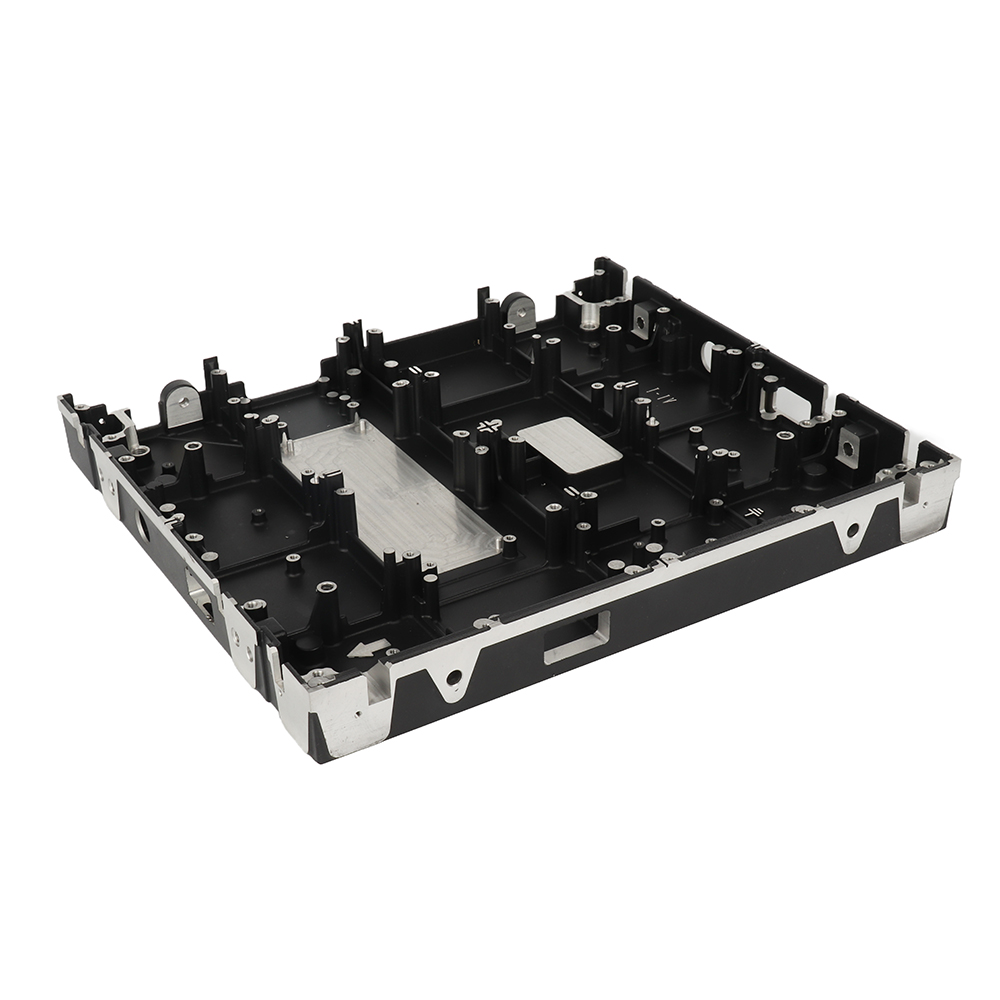
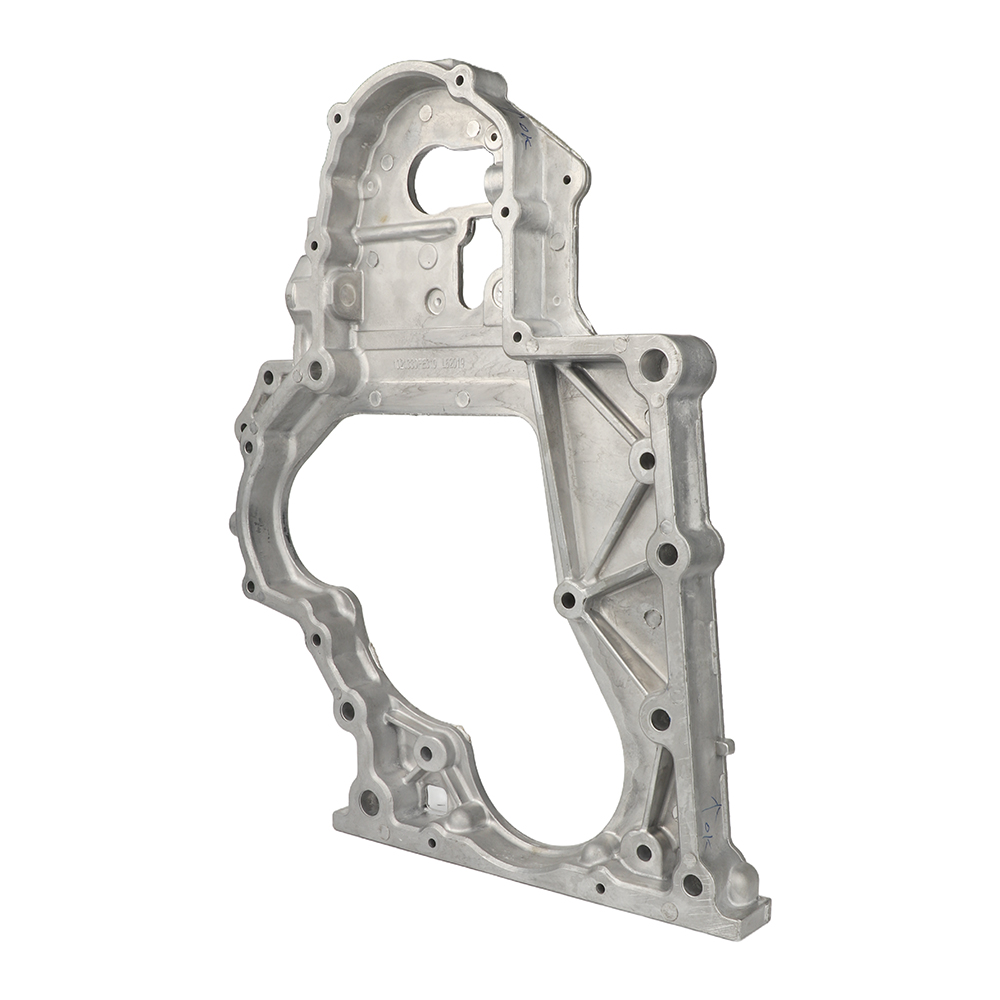
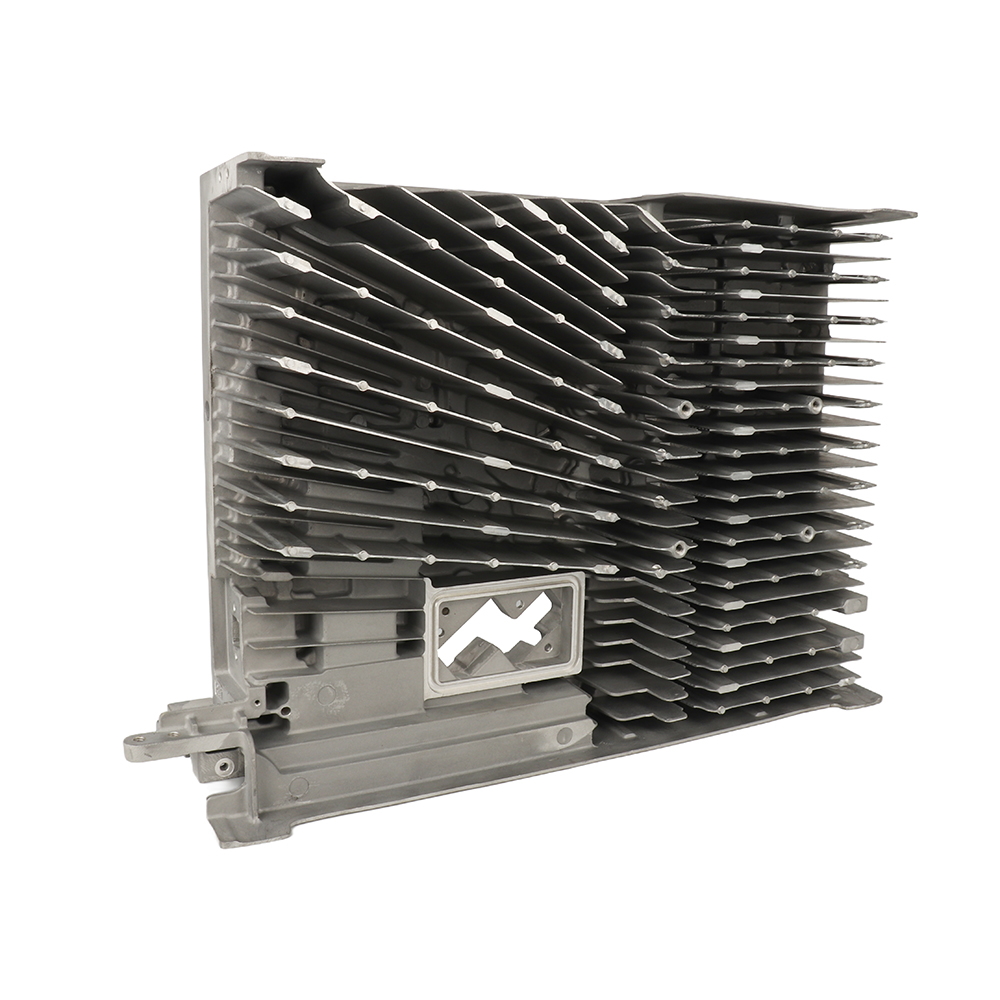
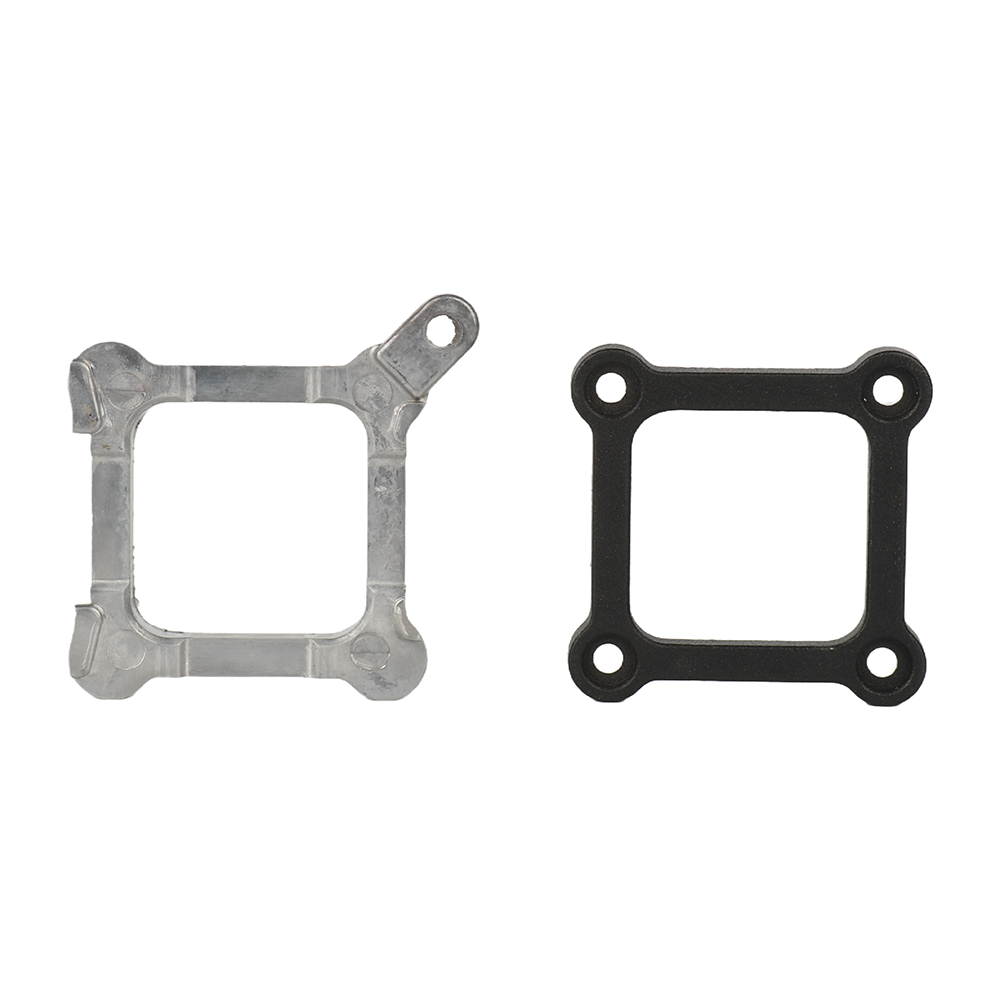
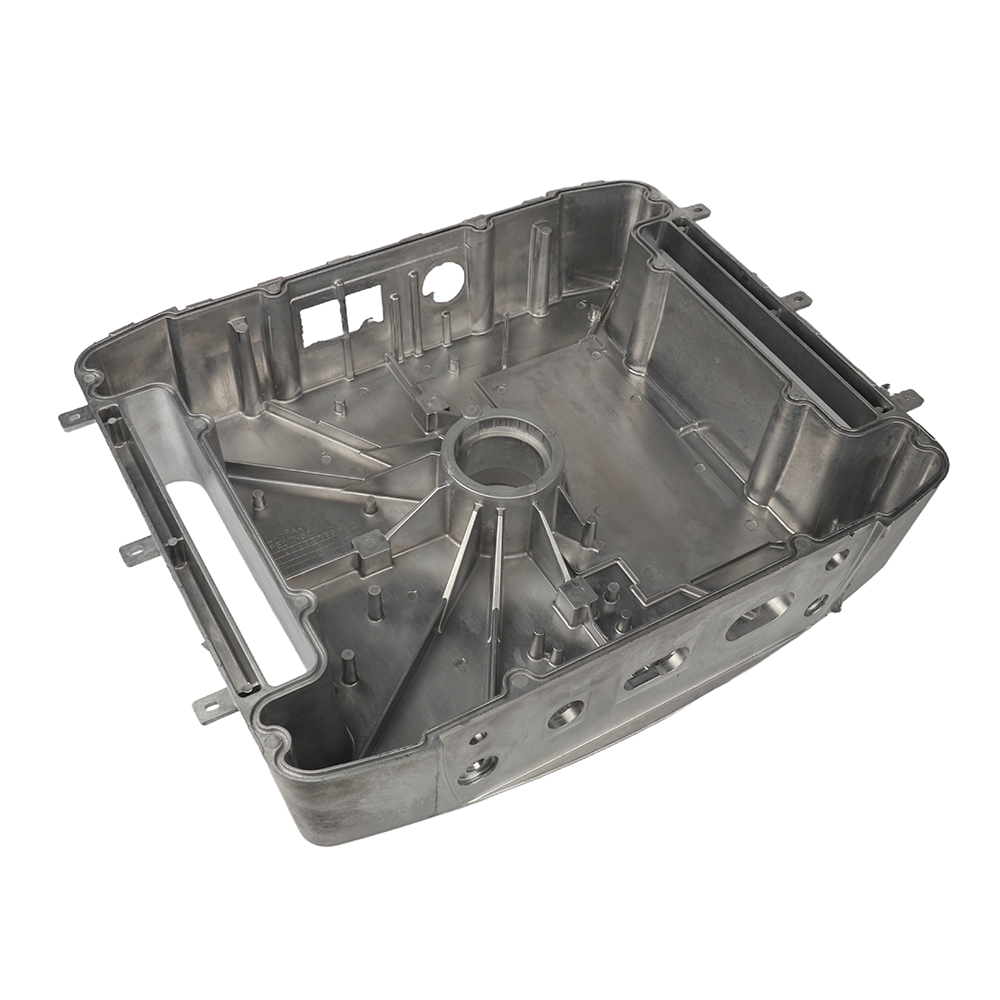
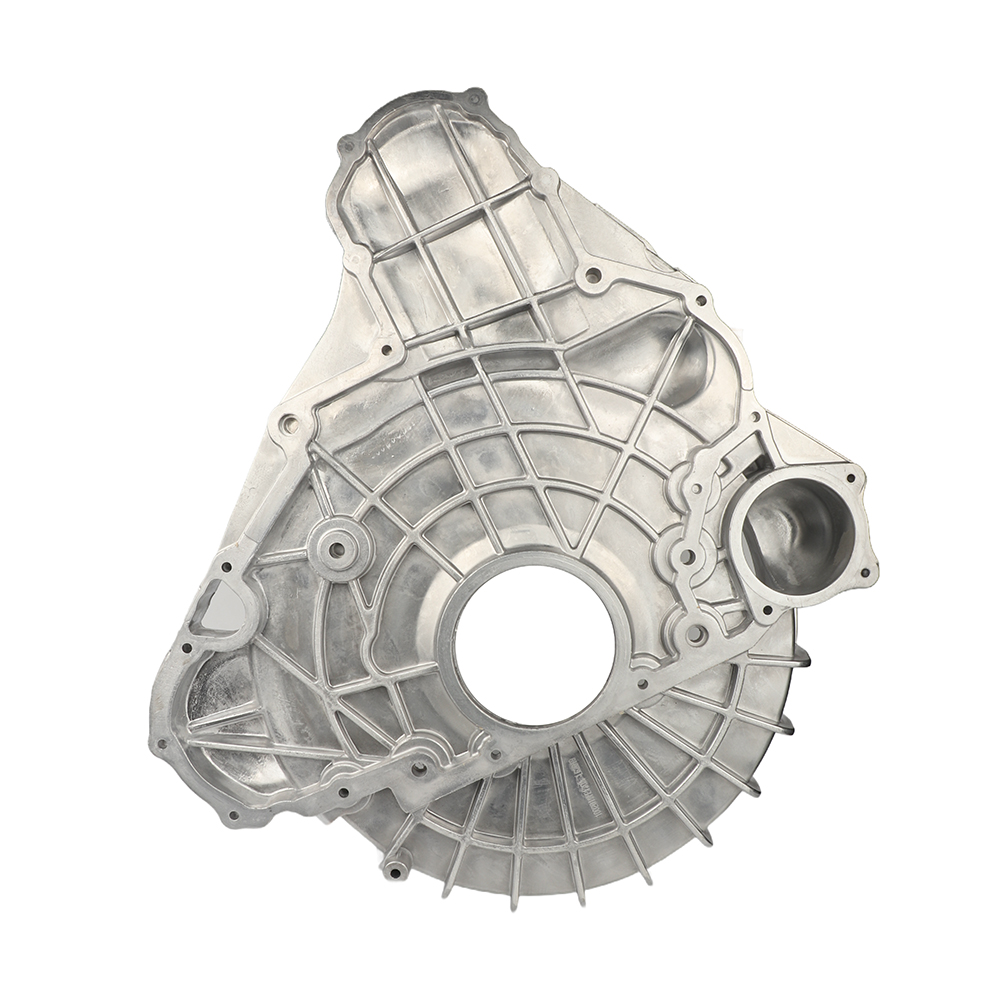
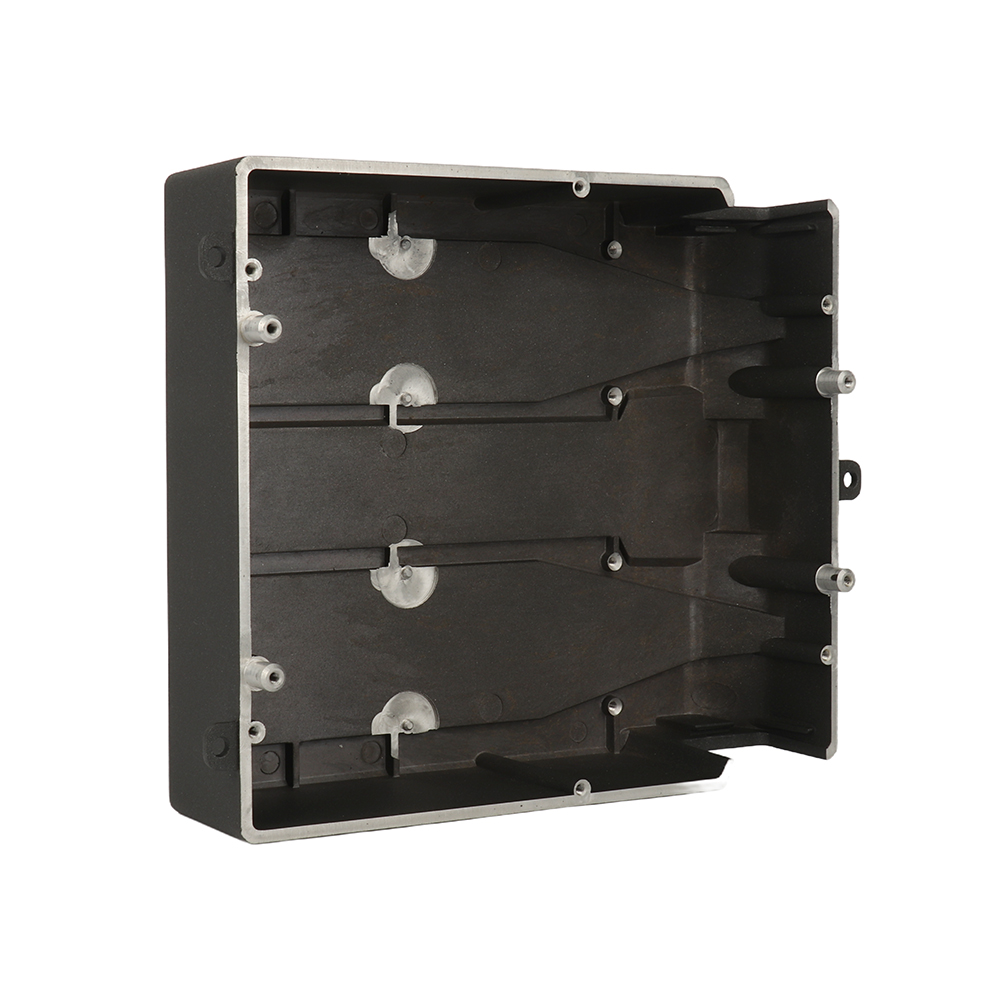
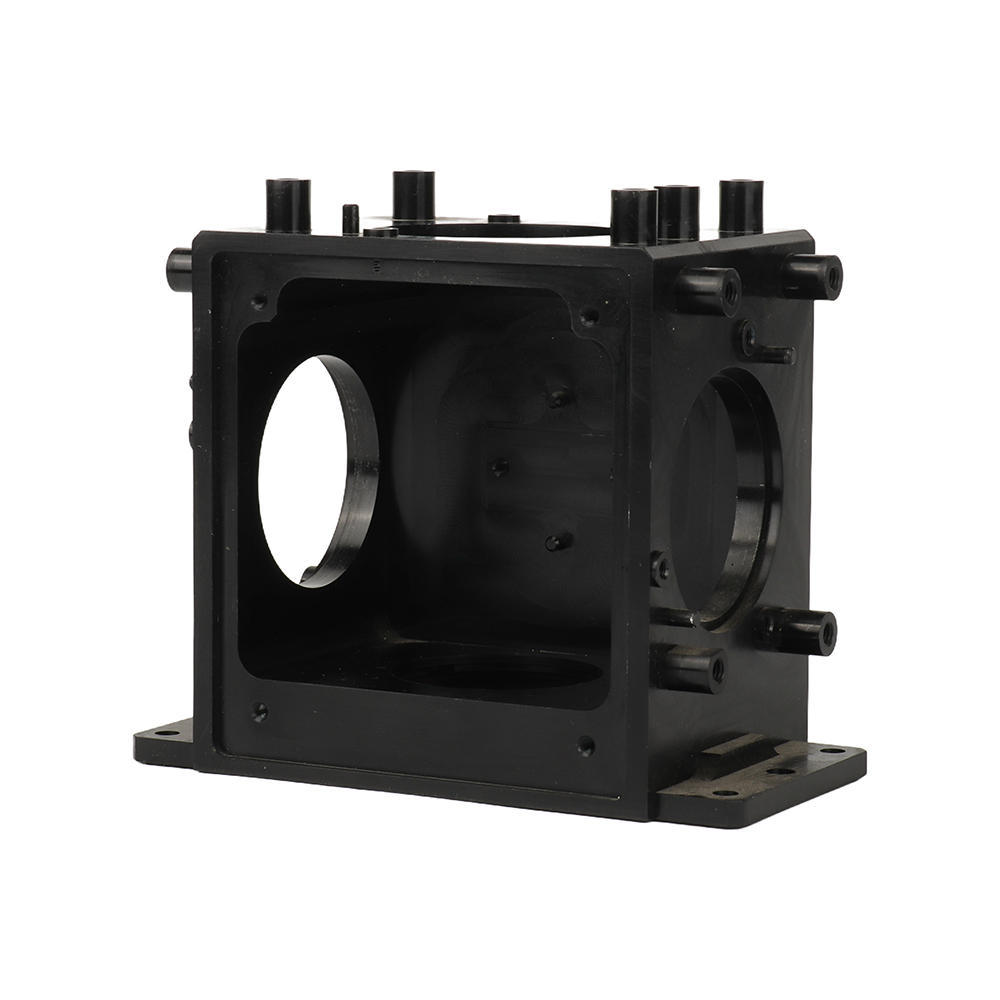
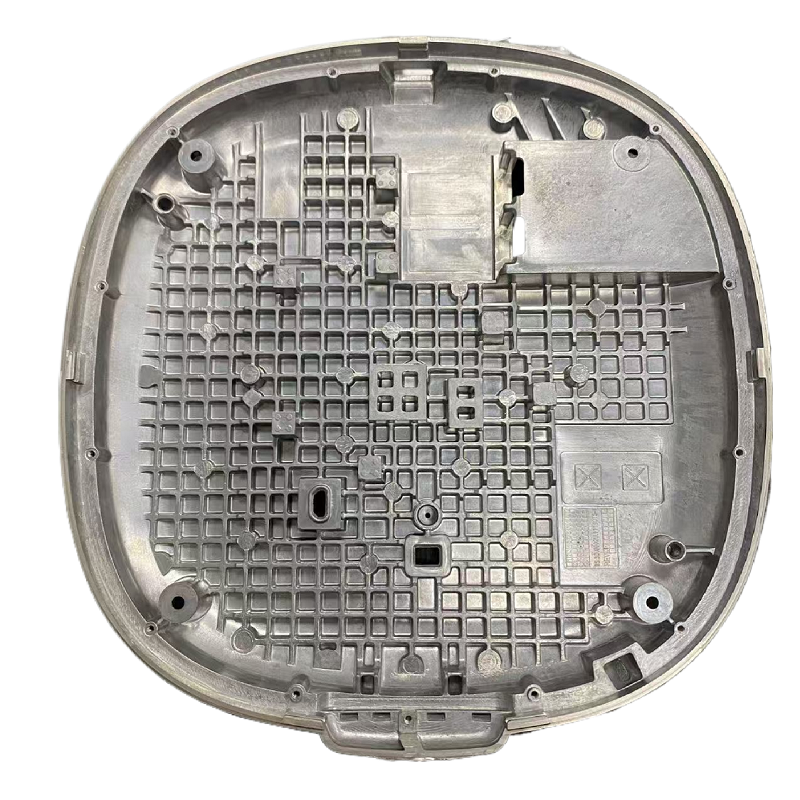
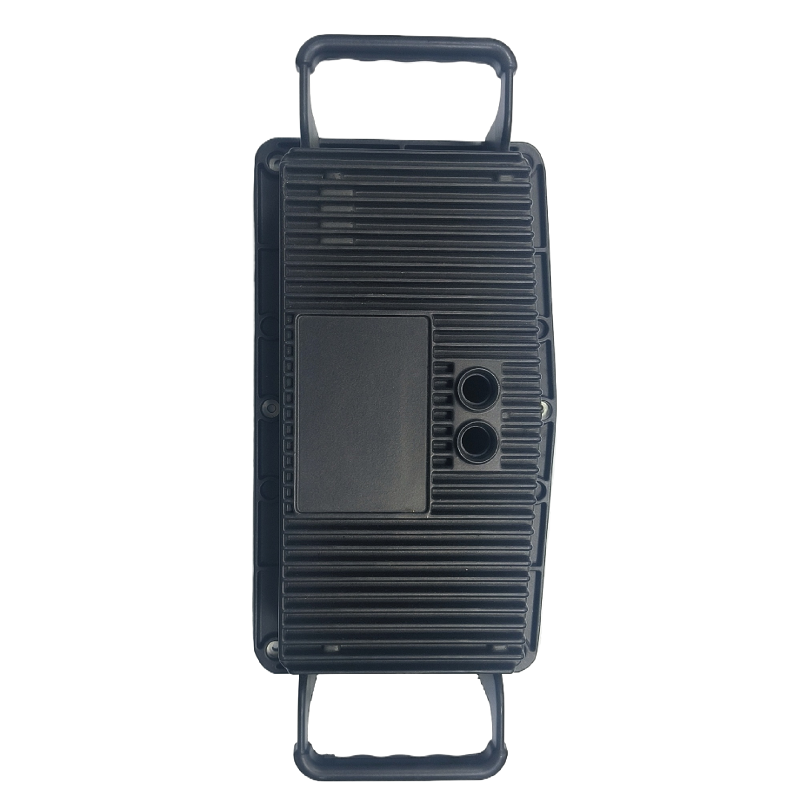
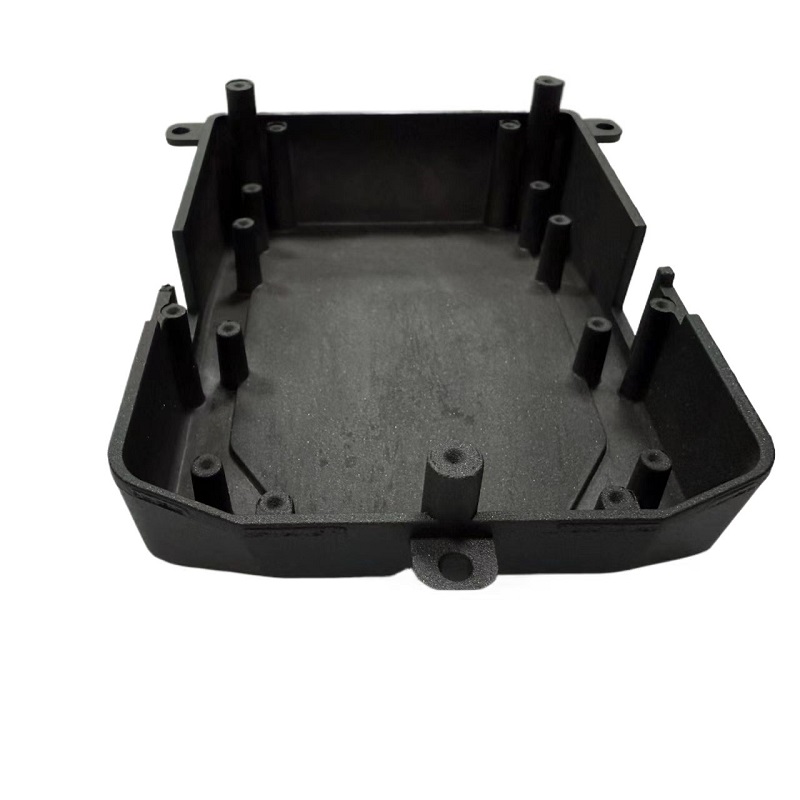
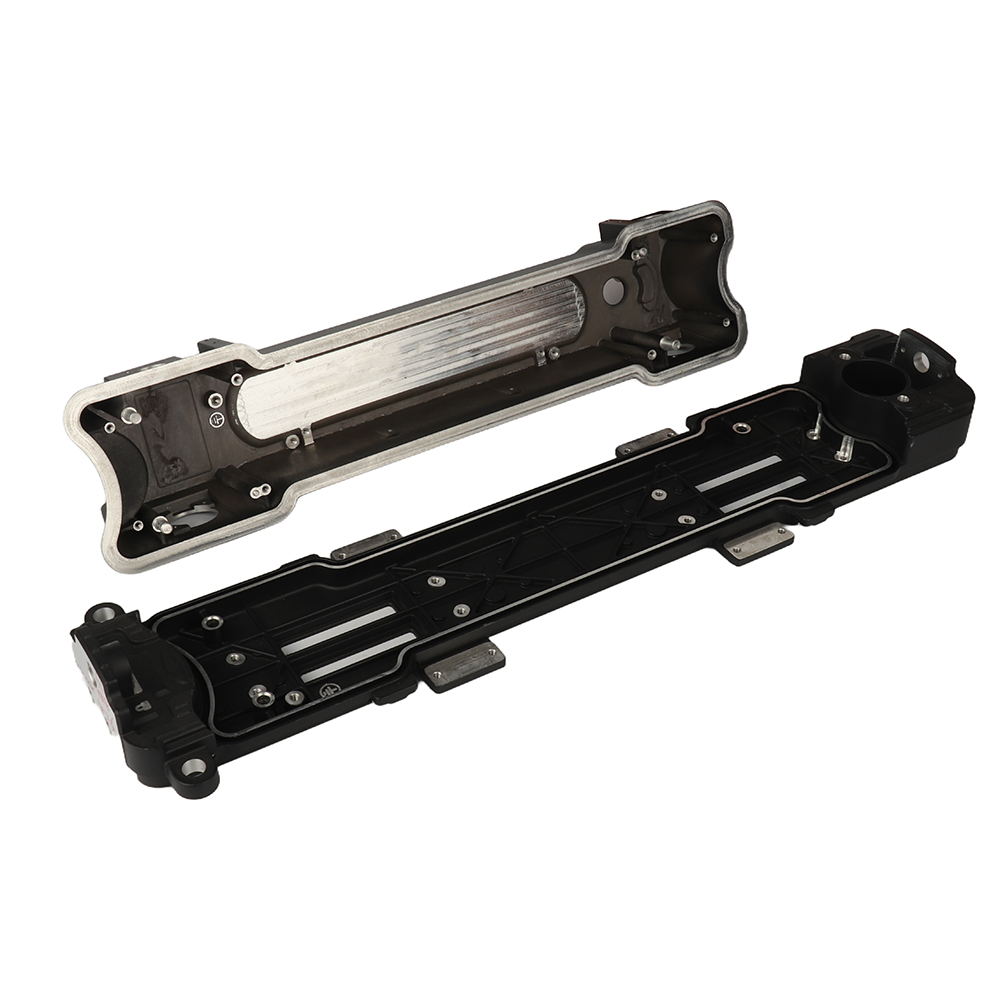
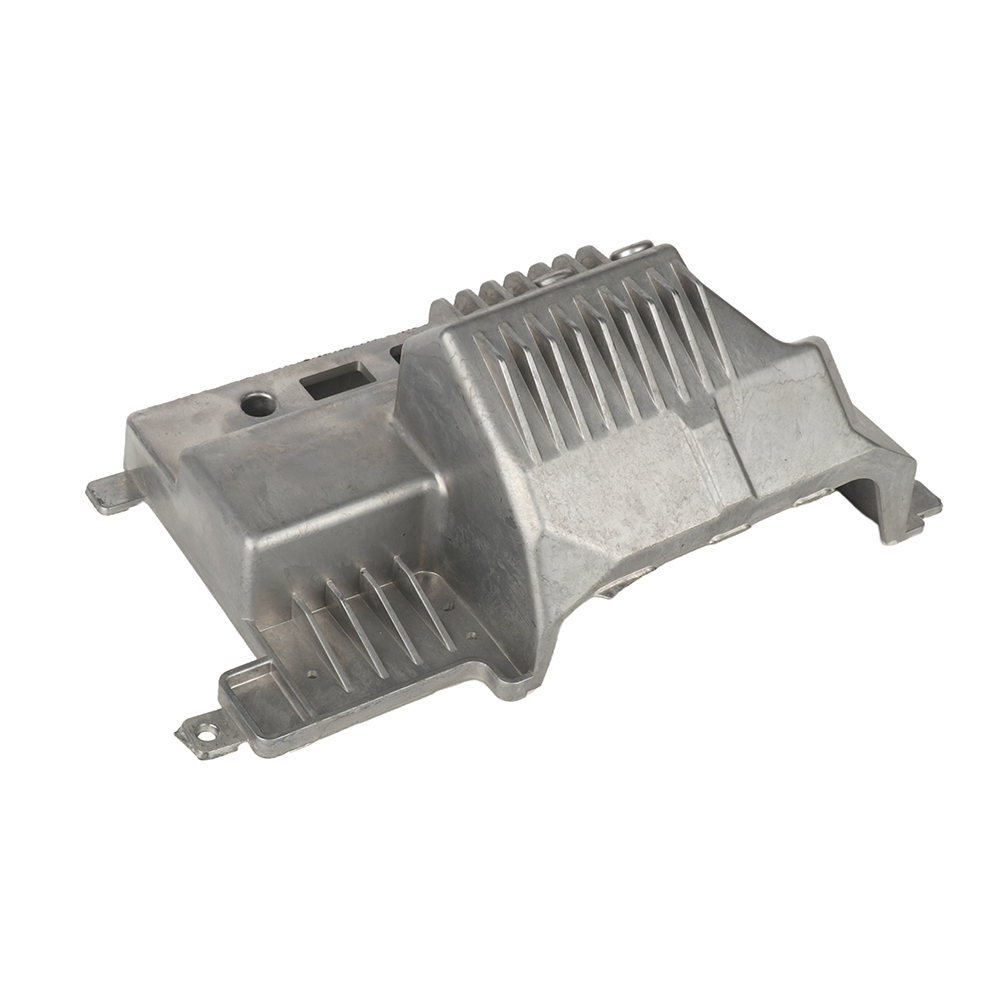
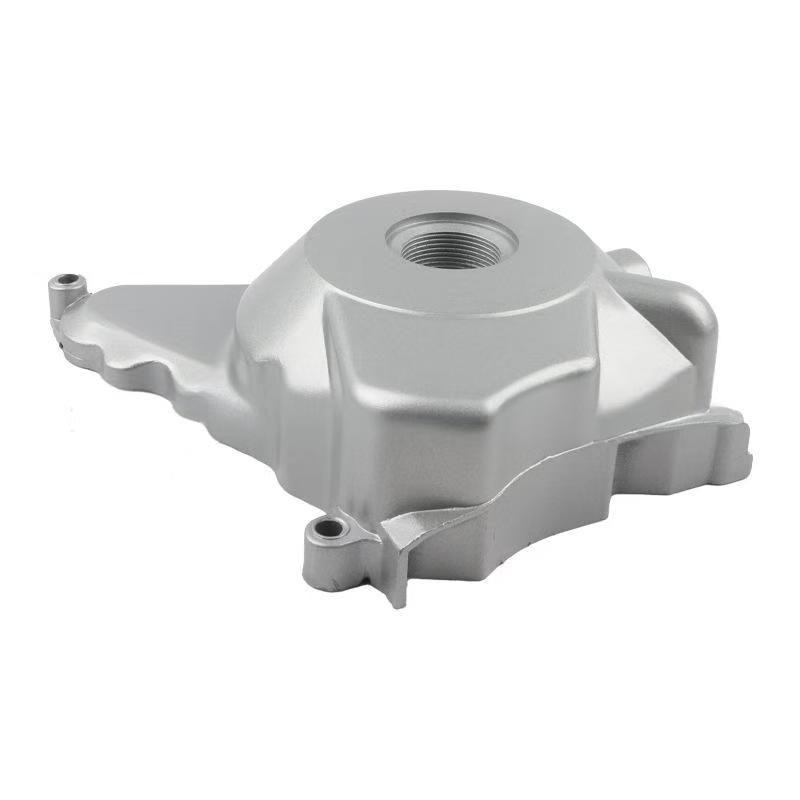
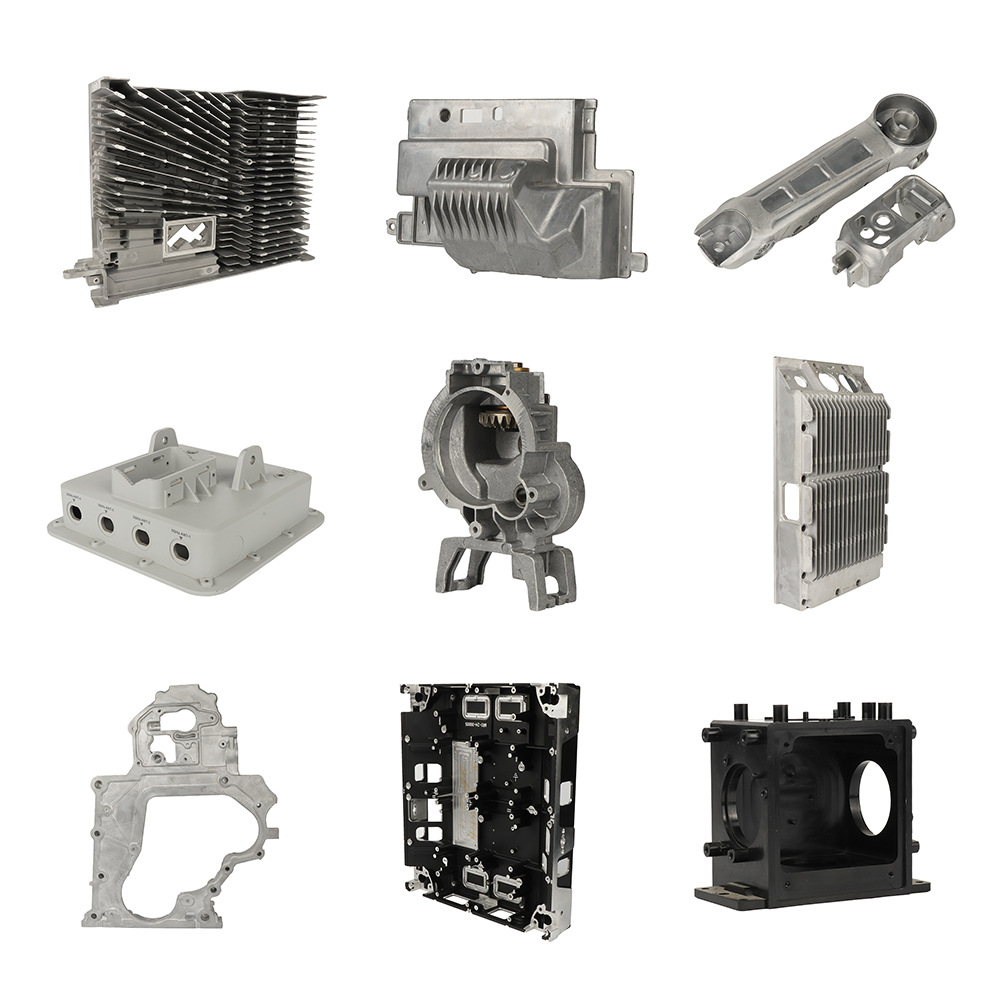
End motor plate |What is die cast aluminum? Focus on End Motor Plate
What is Die Cast Aluminum? Focus on End Motor Plate
Table of Contents
- 1. Introduction: What is Die Cast Aluminum?
- 2. Key Basics of Die Cast Aluminum Process
- 3. End Motor Plate: Core Component of Die Cast Aluminum Applications
- 4. Expert Opinion on Die Cast Aluminum End Motor Plate
- 5. FAQs About Die Cast Aluminum & End Motor Plate
- 6. Conclusion
1. Introduction: What is Die Cast Aluminum?
Die cast aluminum is a high-precision metal forming process that involves injecting molten aluminum alloy into a precisely machined steel mold (die) under high pressure and speed, then allowing it to cool and solidify into a desired shape. Unlike traditional casting methods, die casting produces parts with exceptional dimensional accuracy, smooth surface finishes, and consistent mechanical properties—making it a top choice for mass-produced components across industries like automotive, electronics, and industrial machinery. Among the most vital die cast aluminum components is the end motor plate (also known as end motor cover or end bell), a critical part that ensures the stable and efficient operation of electric motors. In this blog, we’ll break down the fundamentals of die cast aluminum and focus heavily on the end motor plate, its roles, key features, and unmatched advantages.
2. Key Basics of Die Cast Aluminum Process
To understand why die cast aluminum is ideal for end motor plates, it’s essential to grasp the core of the die casting process:
- Molten Aluminum Preparation: Aluminum alloys (such as ADC12, A380, or 380 aluminum) are melted in a furnace at temperatures between 660–720°C until they become a liquid state.
- High-Pressure Injection: The molten aluminum is injected into a steel die cavity at high pressure (40–150 MPa) and high speed, ensuring every detail of the mold is filled uniformly.
- Cooling & Solidification: The molten aluminum cools rapidly in the die, forming a dense, fine-grained structure that enhances the part’s strength and durability.
- Ejection & Finishing: Once solidified, the die opens, and the part is ejected. Die cast aluminum parts require minimal post-processing due to their smooth surface and precise dimensions, reducing production time and costs.
This process is particularly well-suited for manufacturing end motor plates, as it can produce complex shapes with tight tolerances—critical for motor performance.
3. End Motor Plate: Core Component of Die Cast Aluminum Applications
3.1 What is an End Motor Plate?
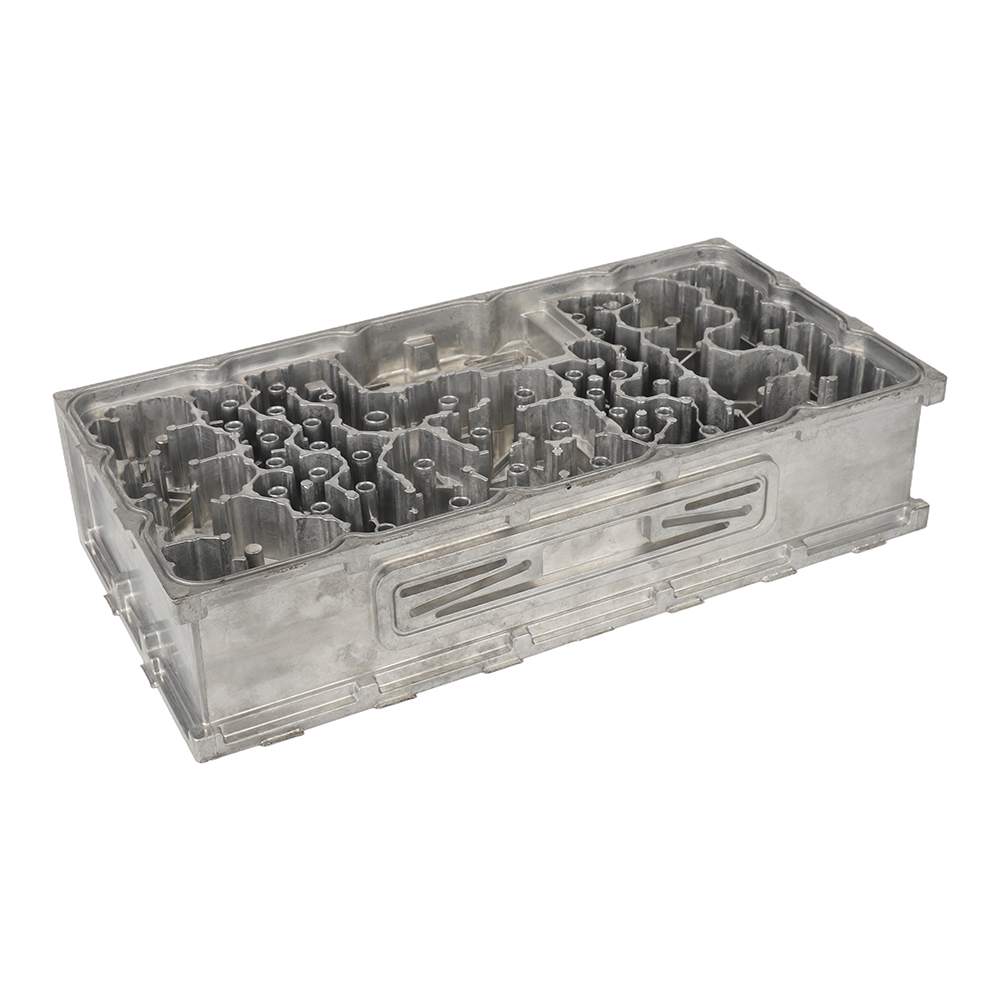
An end motor plate is a die cast aluminum component mounted on both ends of an electric motor’s housing. It serves as a protective and structural barrier, enclosing the motor’s internal components (such as rotors, stators, and bearings) while providing critical support for the motor shaft. Made from die cast aluminum, it leverages the material’s unique properties to meet the strict performance requirements of electric motors—from small household appliances to large industrial machinery.
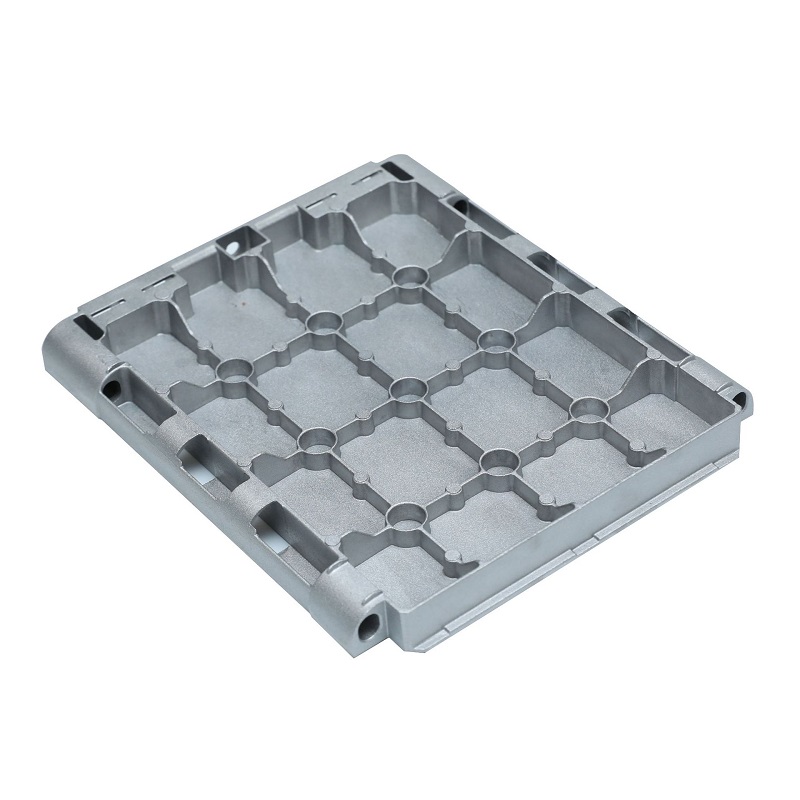
Die Cast Aluminum End Motor Plate
3.2 Key Functions of End Motor Plate
The end motor plate is not just a decorative or structural cover—it plays four indispensable roles in motor operation, all made possible by die cast aluminum’s properties:
3.2.1 Protection of Internal Components
It acts as a shield, preventing dust, moisture, debris, and other external contaminants from entering the motor’s interior. This protection is critical for avoiding damage to sensitive parts like windings and bearings, which directly extends the motor’s service life.
3.2.2 Shaft & Bearing Support
The end motor plate features a precision-machined bearing housing that holds the motor’s bearings in place. This ensures the motor shaft rotates smoothly and aligns perfectly with the rotor, reducing friction and wear during operation.
3.2.3 Heat Dissipation
Aluminum’s excellent thermal conductivity allows the end motor plate to act as a heat sink, dissipating heat generated by the motor during operation. This prevents overheating, which can degrade motor performance and cause premature failure.
3.2.4 Mounting & Assembly Interface
The end motor plate is designed with pre-drilled mounting holes and alignment features, making it easy to attach the motor to other equipment (such as pumps, conveyors, or appliances). It also serves as a connection point for motor wiring and accessories, simplifying assembly and installation.
3.3 Critical Focus Points of Die Cast Aluminum End Motor Plate
When manufacturing die cast aluminum end motor plates, several key focus points ensure they meet industry standards and performance requirements:
- Dimensional Accuracy: The bearing housing, mounting holes, and overall shape must have tight tolerances (typically ±0.05mm) to ensure proper alignment with the motor shaft and housing. Die casting’s precision makes this achievable without excessive post-machining.
- Material Strength: End motor plates must withstand mechanical stress, vibration, and temperature changes. Die cast aluminum alloys like A380 (with a tensile strength of 48,000 psi) provide the necessary strength and ductility, outperforming cast iron in impact resistance.
- Surface Quality: A smooth, defect-free surface (free of sand, pores, or burrs) is essential to ensure a tight seal with the motor housing and prevent friction. Die casting produces parts with a uniform surface finish, reducing the need for additional polishing or machining.
- Corrosion Resistance: Aluminum forms a natural oxide layer that resists corrosion, but additional surface treatments (such as anodizing or powder coating) can enhance protection, especially for motors used in harsh environments (e.g., outdoor or humid settings).
3.4 Advantages of Die Cast Aluminum End Motor Plate
Compared to end motor plates made from other materials (such as cast iron, plastic, or steel), die cast aluminum end motor plates offer distinct advantages that make them the preferred choice for most applications:
3.4.1 Lightweight & Energy-Efficient
Aluminum is 30% lighter than cast iron, reducing the overall weight of the motor. This not only makes the motor easier to install and transport but also improves energy efficiency—critical for electric vehicles (EVs) and portable equipment where weight directly impacts performance.
3.4.2 Superior Strength-to-Weight Ratio
Die cast aluminum combines light weight with high strength. It can withstand the mechanical stress and vibration of motor operation without bending or breaking, making it more durable than plastic and more lightweight than steel.
3.4.3 Cost-Effective Mass Production
Die casting allows for high-volume production of end motor plates with minimal post-processing. The process has short cycle times (5 seconds to 3 minutes per part) and low material waste, reducing production costs compared to machining or sand casting.
3.4.4 Excellent Thermal Conductivity
Aluminum’s thermal conductivity is 3x higher than cast iron, making die cast aluminum end motor plates far more effective at dissipating heat. This extends the motor’s lifespan and reduces the risk of overheating-related failures.
3.4.5 Corrosion Resistance & Longevity
Unlike steel or cast iron, die cast aluminum does not rust. Its natural oxide layer and optional surface treatments protect it from moisture and chemicals, making it suitable for outdoor and harsh industrial environments.
3.4.6 Design Flexibility
Die casting can produce end motor plates with complex shapes, intricate details (such as integrated wiring channels or ventilation slots), and custom sizes—all without increasing production costs. This flexibility allows manufacturers to design motor plates tailored to specific motor models and applications.
4. Expert Opinion on Die Cast Aluminum End Motor Plate
To gain deeper insights into the importance of die cast aluminum end motor plates, we spoke with Dr. Sarah Chen, a materials engineer with over 15 years of experience in die casting and motor component design, and Michael Roberts, a senior analyst at Verified Market Research specializing in the aluminum die casting industry.
“The end motor plate is the unsung hero of electric motor performance,” says Dr. Chen. “Die cast aluminum is the perfect material for this component because it balances precision, strength, and thermal management—three critical factors for motor reliability. Unlike cast iron, which is heavy and prone to corrosion, die cast aluminum end plates reduce motor weight by up to 30% while maintaining the structural integrity needed to support the shaft and bearings. We’ve seen motors with die cast aluminum end plates last 20–30% longer than those with plastic or steel alternatives, largely due to better heat dissipation and corrosion resistance.”
Michael Roberts adds, “As the global push for electrification and lightweighting accelerates—especially in automotive and industrial sectors—the demand for die cast aluminum end motor plates is growing rapidly. Die casting’s ability to produce high-precision, complex parts at scale aligns perfectly with the needs of motor manufacturers, who are looking to reduce costs and improve efficiency. Additionally, aluminum’s recyclability makes die cast end motor plates a more sustainable choice, which is becoming a key priority for brands worldwide.”
5. FAQs About Die Cast Aluminum & End Motor Plate
5.1 What is the difference between die cast aluminum and cast iron end motor plates?
Die cast aluminum end motor plates are lighter (30% lighter than cast iron), more corrosion-resistant, and better at heat dissipation. Cast iron is heavier and more brittle, making it less suitable for portable or outdoor motors. Die cast aluminum also offers better design flexibility and cost-effectiveness for mass production.
5.2 Can die cast aluminum end motor plates be customized?
Yes. Die casting allows for full customization of end motor plates, including size, shape, mounting holes, bearing housing dimensions, and surface treatments. Manufacturers can create custom designs to fit specific motor models, from small household motors to large industrial motors.
5.3 How long do die cast aluminum end motor plates last?
With proper surface treatment and maintenance, die cast aluminum end motor plates can last 15–20 years or more. Their corrosion resistance and durability make them far more long-lasting than plastic end plates, which can crack or degrade over time due to heat and vibration.
5.4 Are die cast aluminum end motor plates suitable for high-temperature applications?
Yes. Die cast aluminum alloys (such as A380) can withstand temperatures up to 200°C, making them suitable for most electric motor applications. For high-temperature motors (e.g., industrial motors operating at 200–300°C), specialized aluminum alloys with enhanced heat resistance can be used.
5.5 Is die cast aluminum end motor plate recyclable?
Absolutely. Aluminum is 100% recyclable without losing its properties. Scrap from die cast aluminum end motor plates can be melted down and reused, reducing material waste and environmental impact. This recyclability makes die cast aluminum a sustainable choice for motor manufacturers.
5.6 What surface treatments are available for die cast aluminum end motor plates?
Common surface treatments include anodizing (for enhanced corrosion resistance and color options), powder coating (for durability and a uniform finish), and electrophoretic coating (for a smooth, protective layer). These treatments further improve the end motor plate’s performance and lifespan, especially in harsh environments.
6. Conclusion
Die cast aluminum is a versatile, high-precision manufacturing process that has revolutionized the production of motor components—most notably the end motor plate. As we’ve explored, the end motor plate is a critical component that protects, supports, and cools electric motors, and die cast aluminum’s unique properties (lightweight, strength, thermal conductivity, and design flexibility) make it the ideal material for this role.
From reducing motor weight and energy consumption to improving durability and cost-effectiveness, die cast aluminum end motor plates offer unmatched advantages over other materials. As the demand for efficient, reliable electric motors grows across industries, the importance of die cast aluminum end motor plates will only continue to rise—solidifying their place as a core component of modern motor design.
Projector screen frame | What is aluminum casting? Focus on Aluminum Casting Projector Screen Frame
Aluminum part | What is an aluminum die-casting part | A Complete Guide
Related Article


