
HOT PRODUCTS
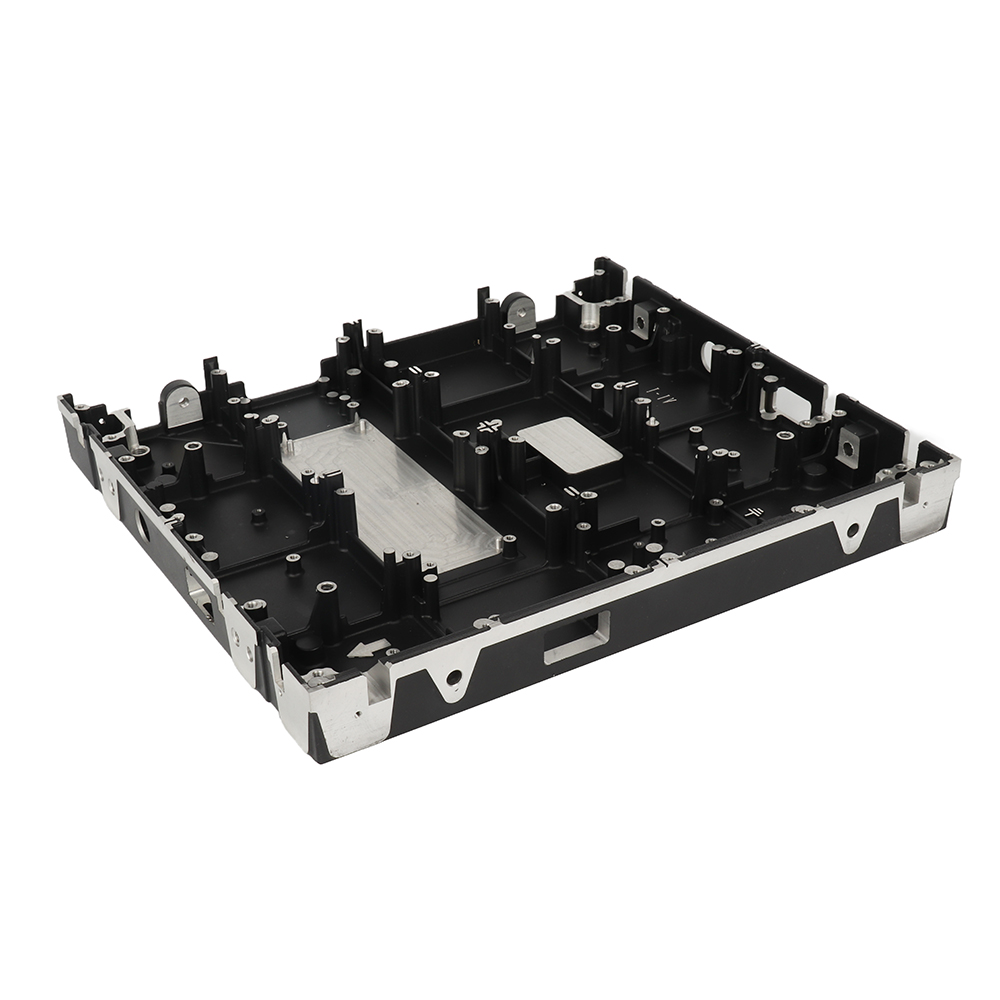
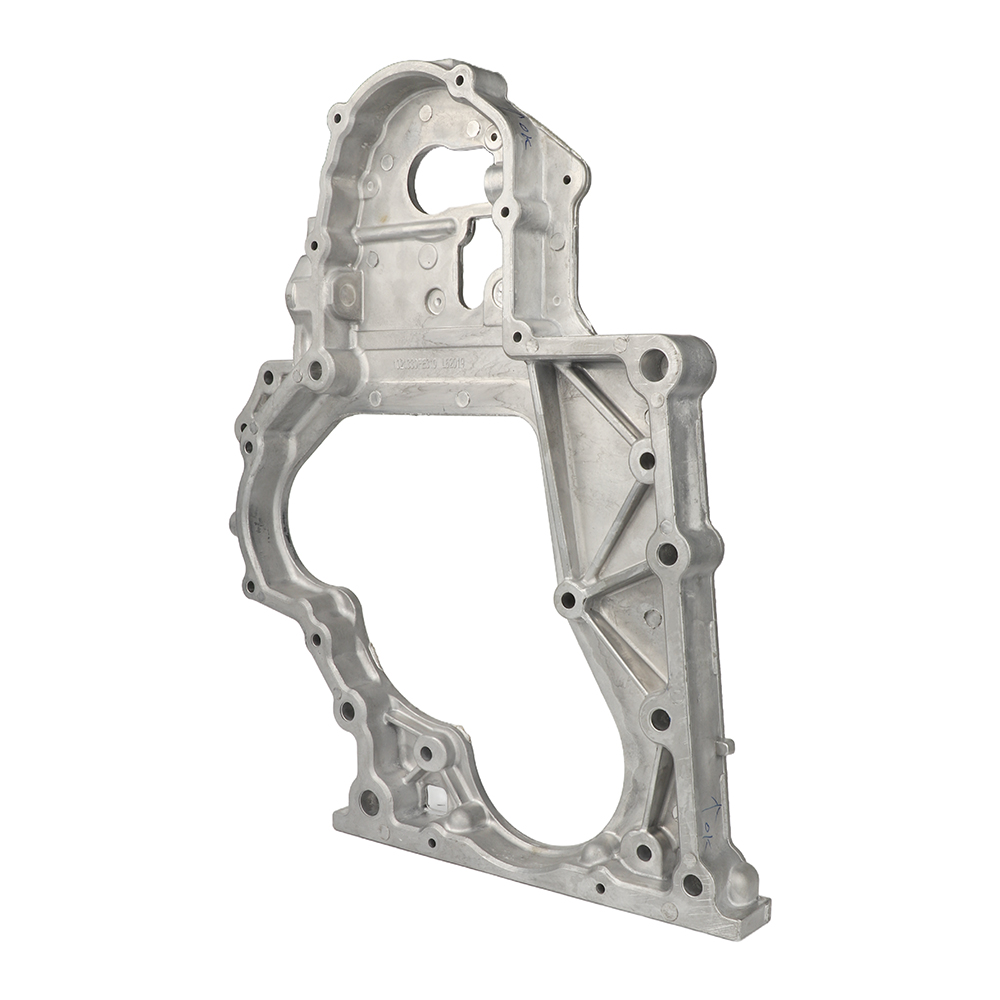
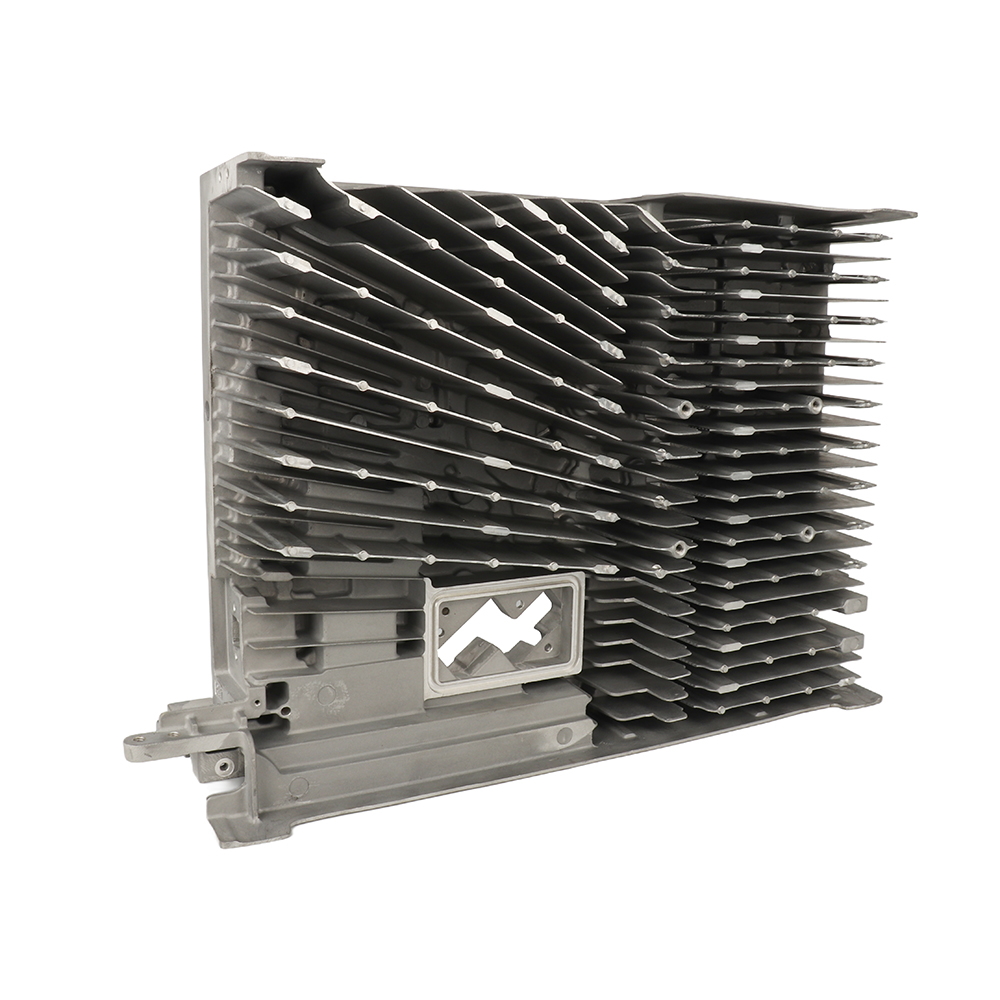
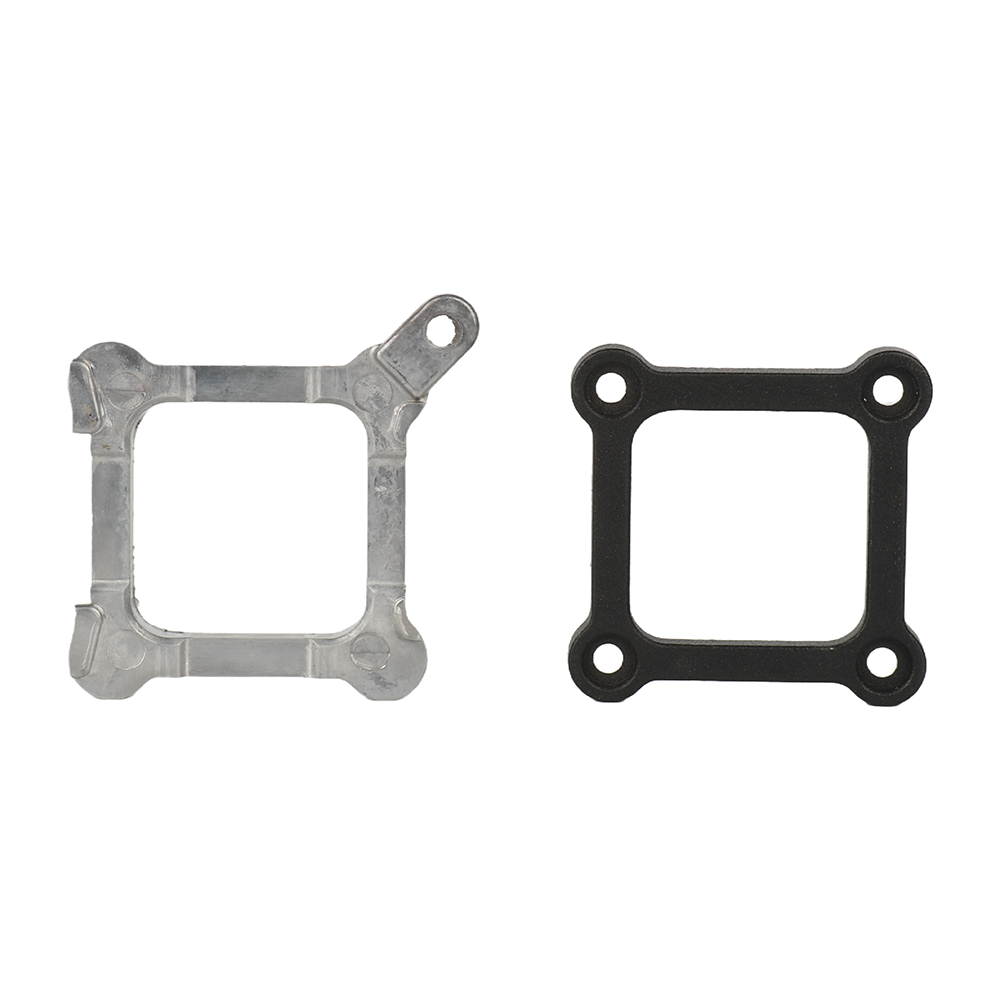
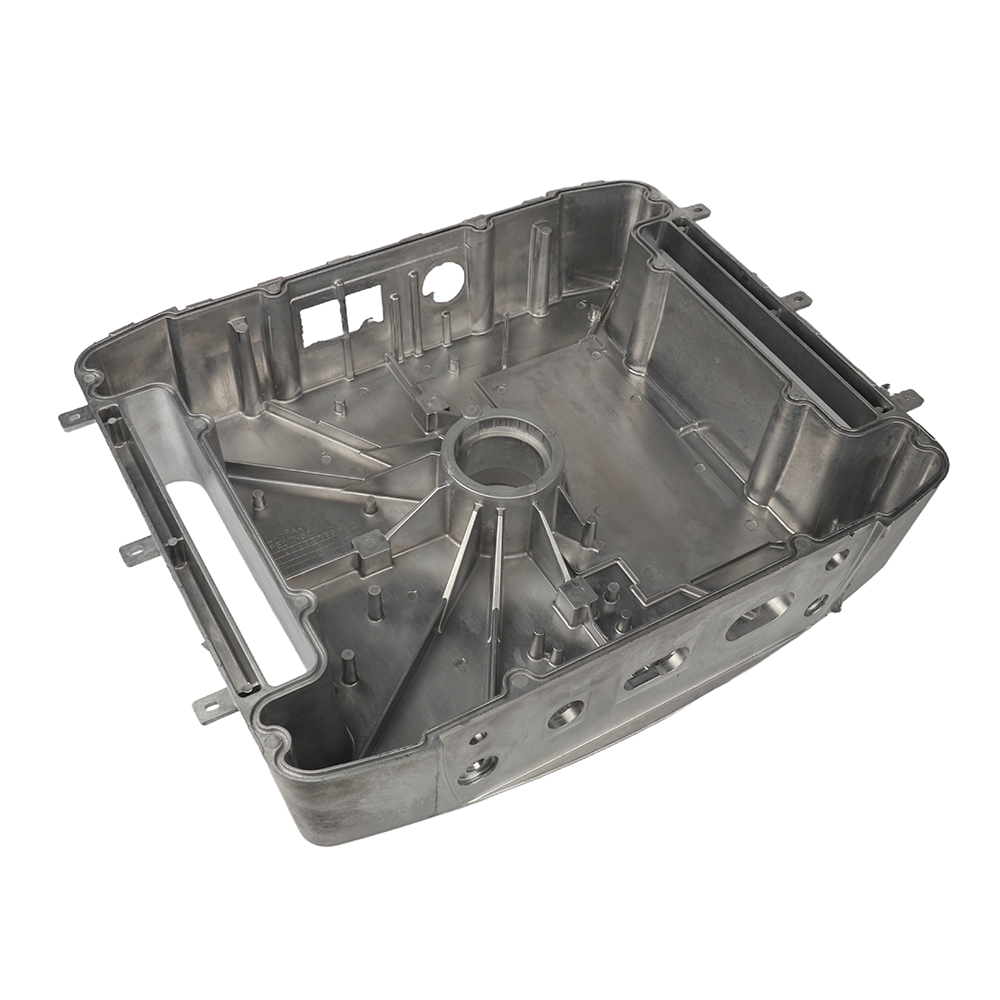
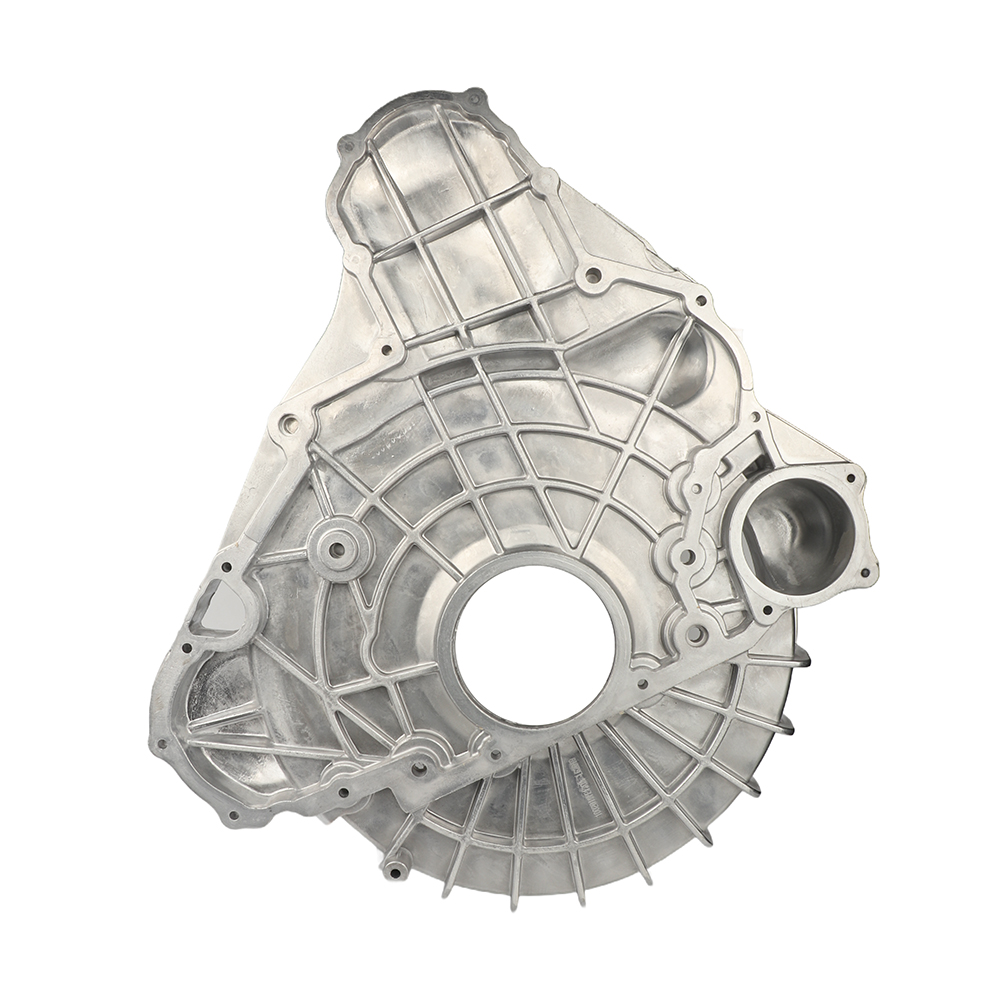
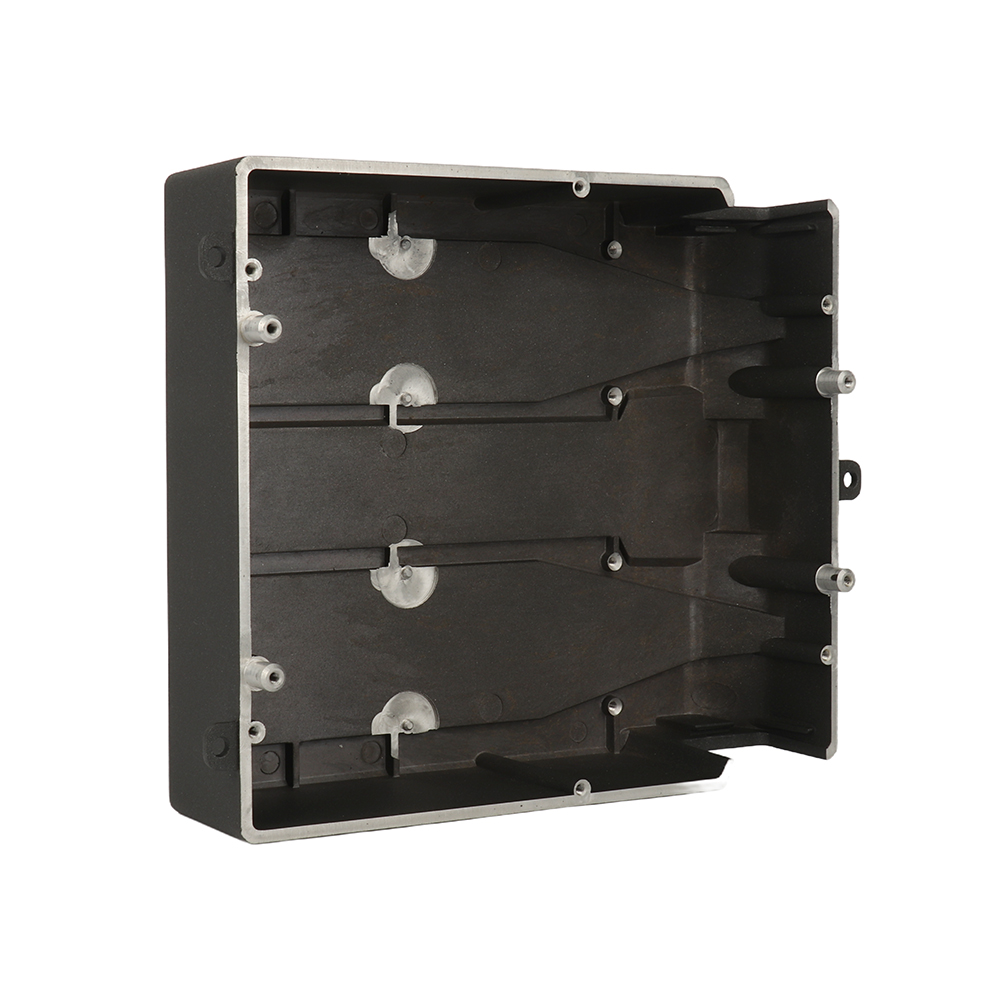
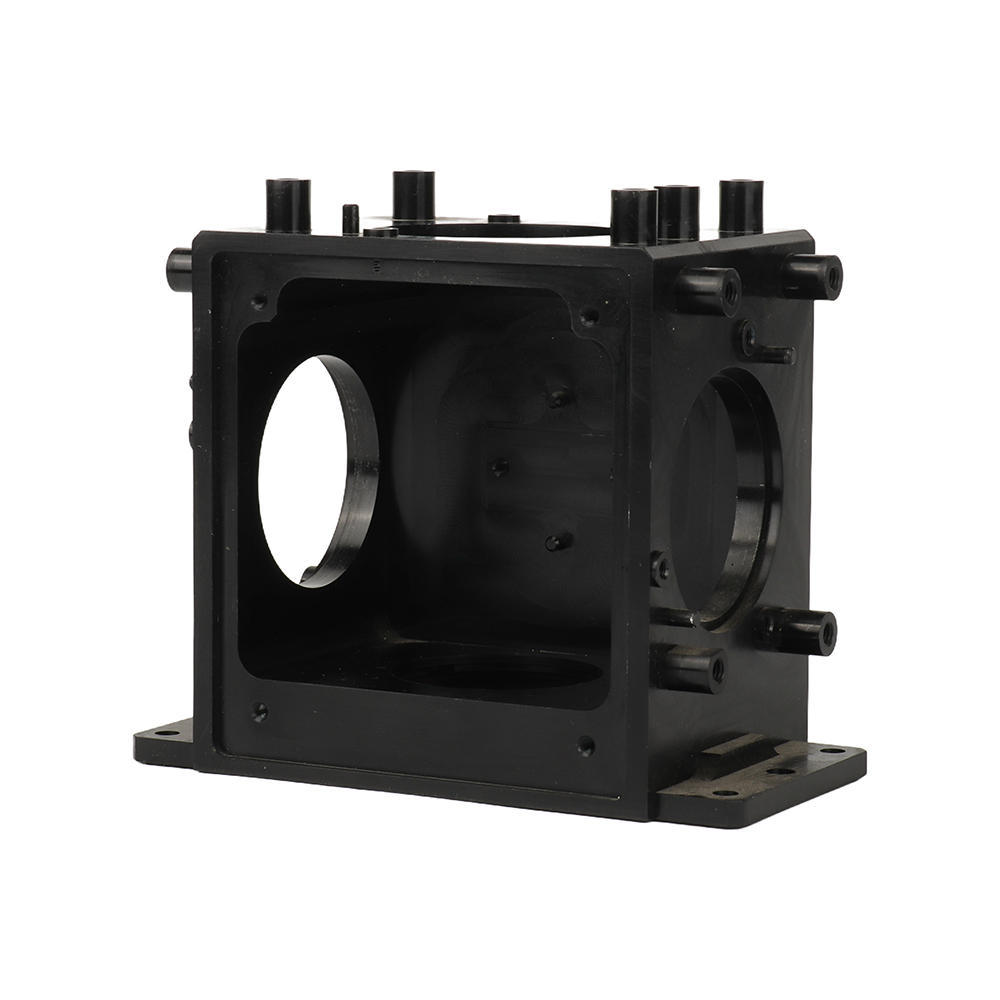
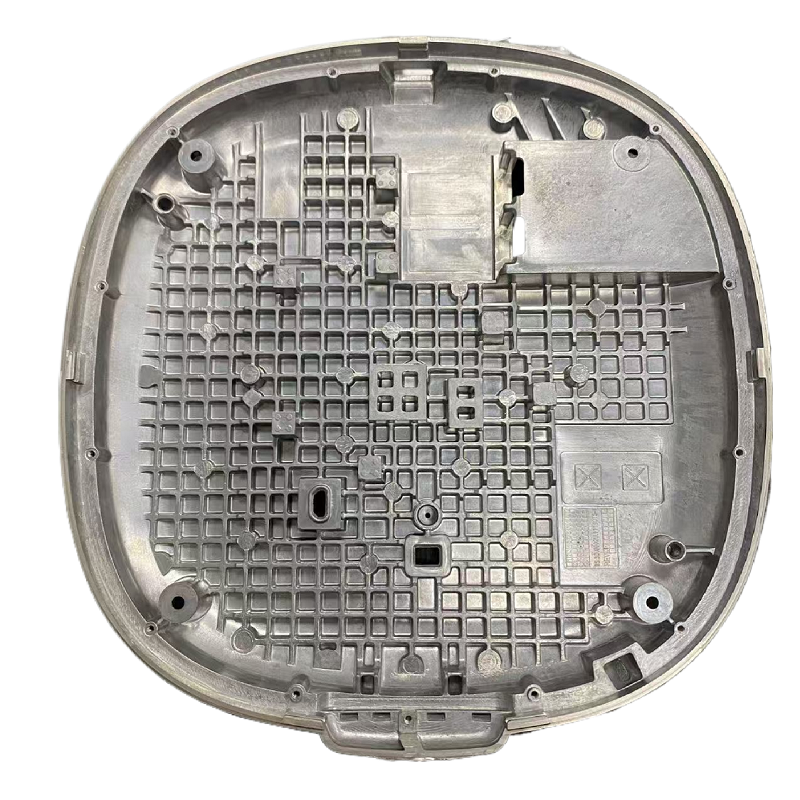
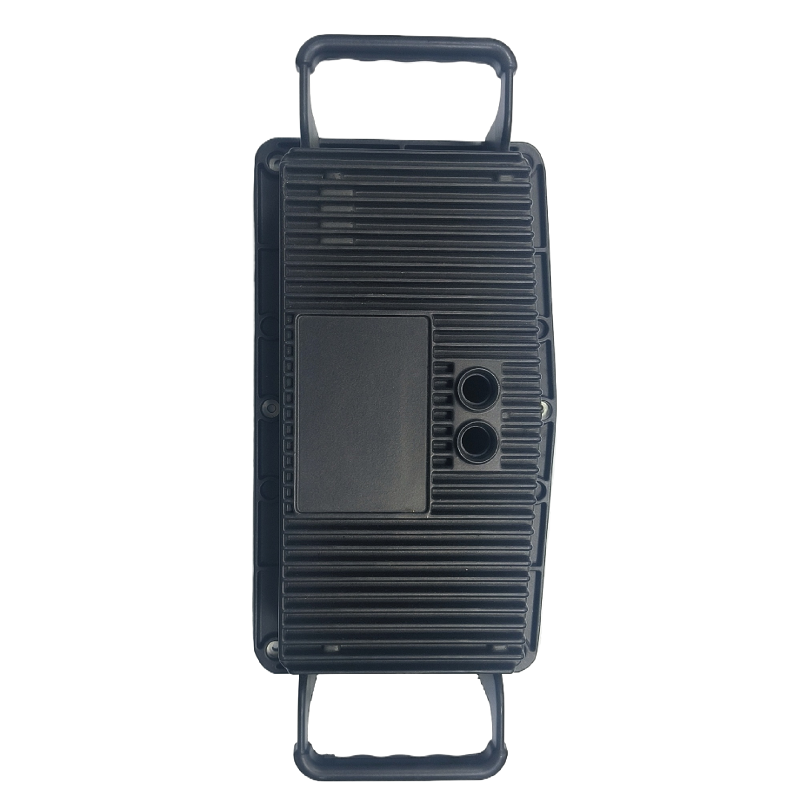
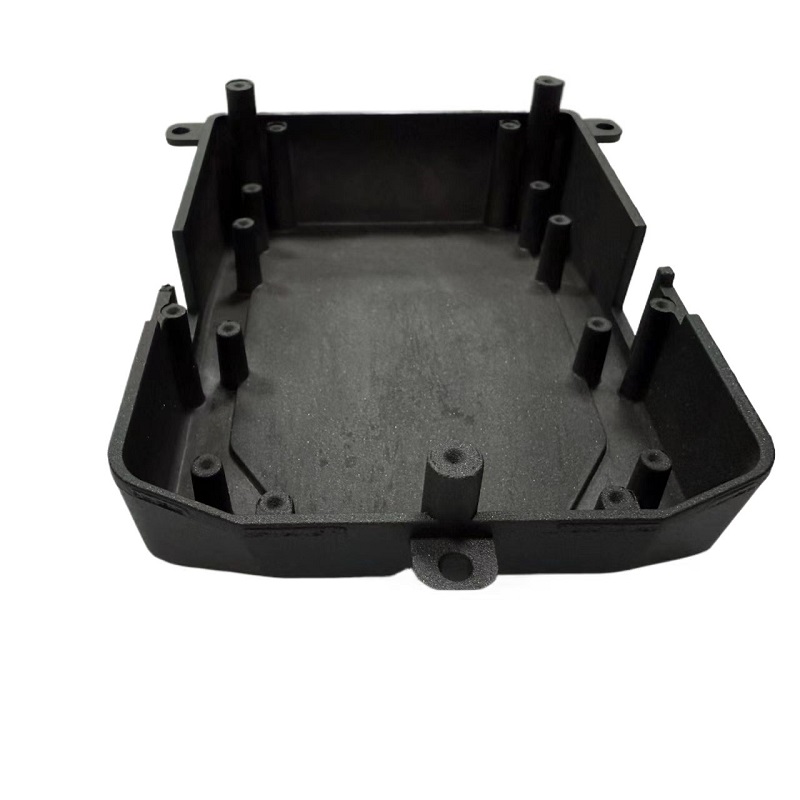
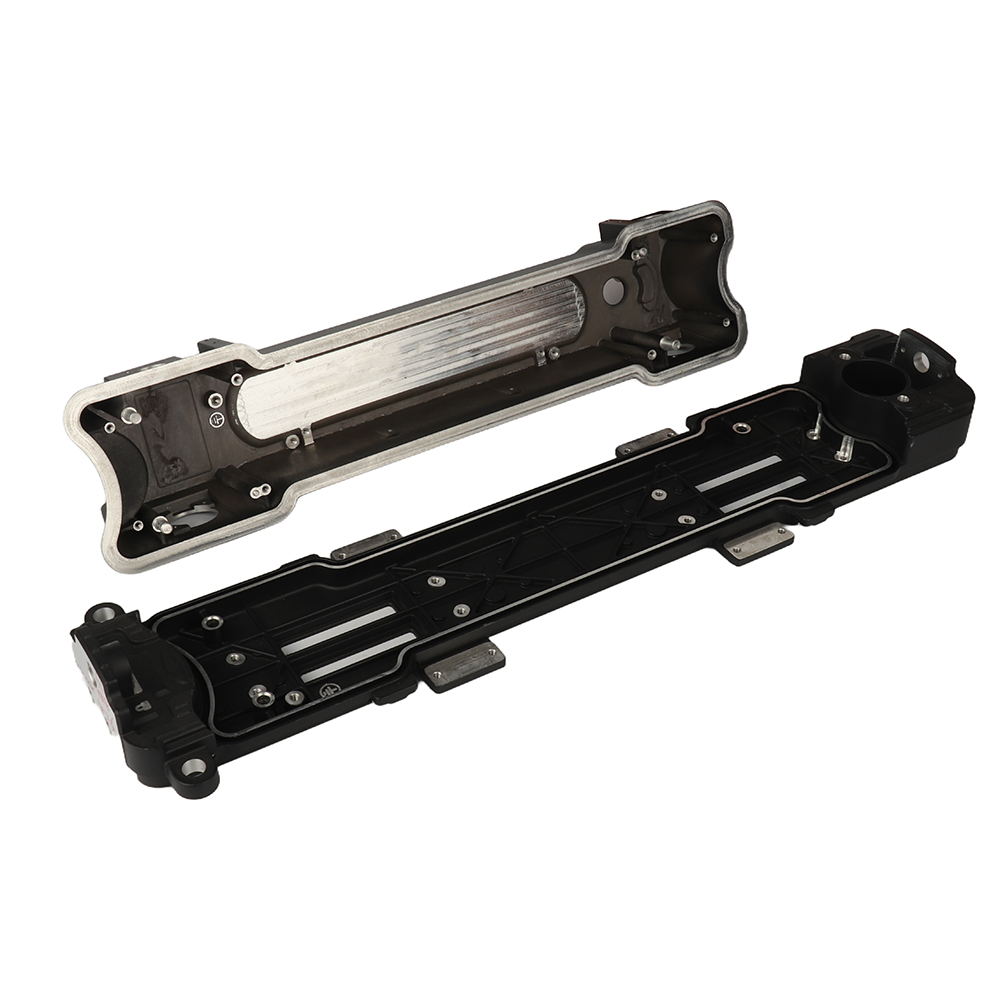
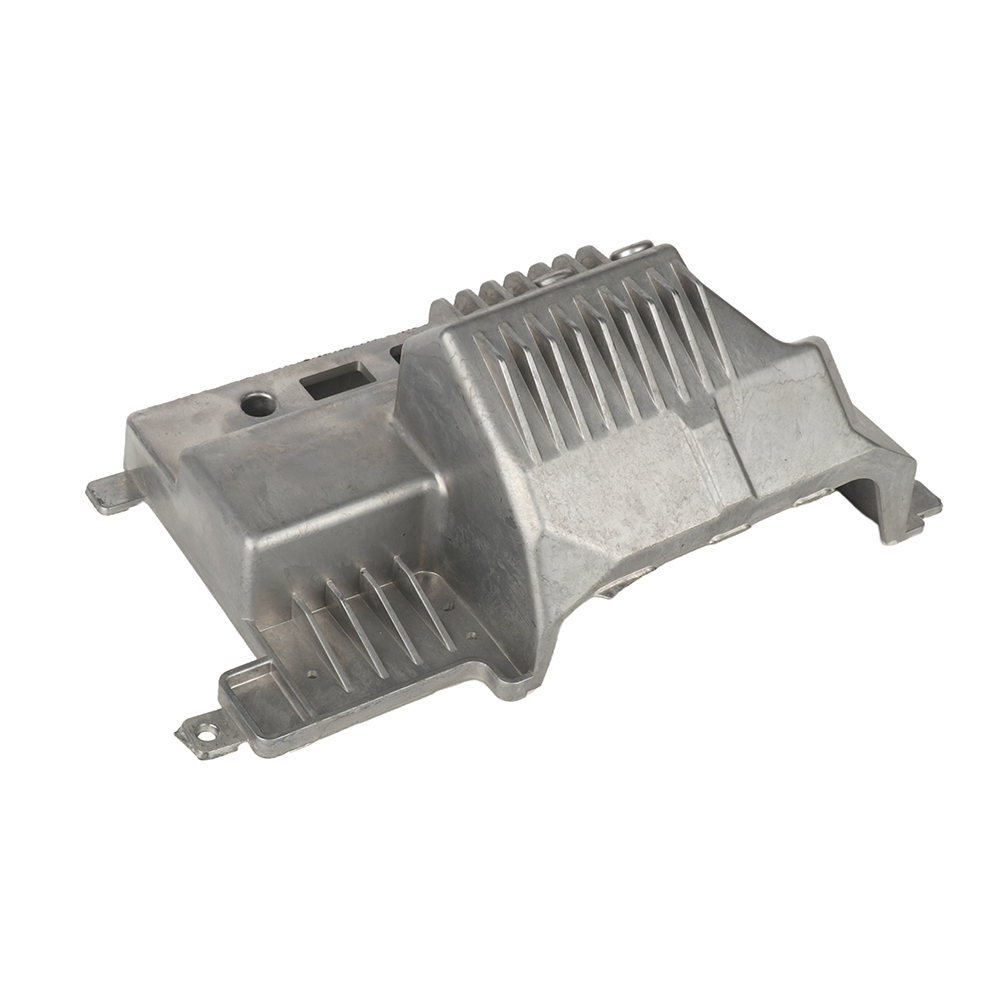
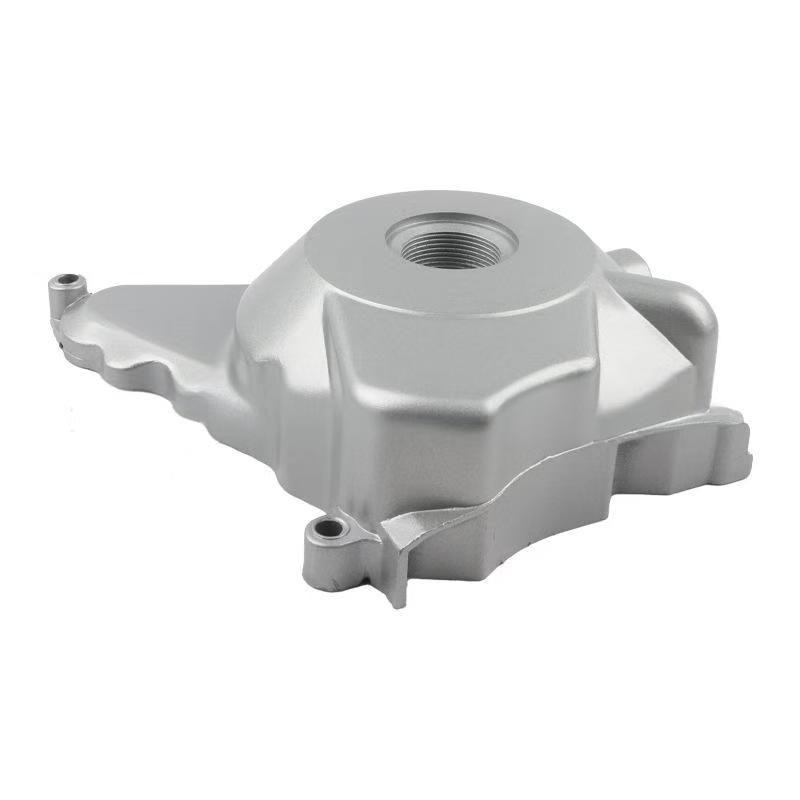
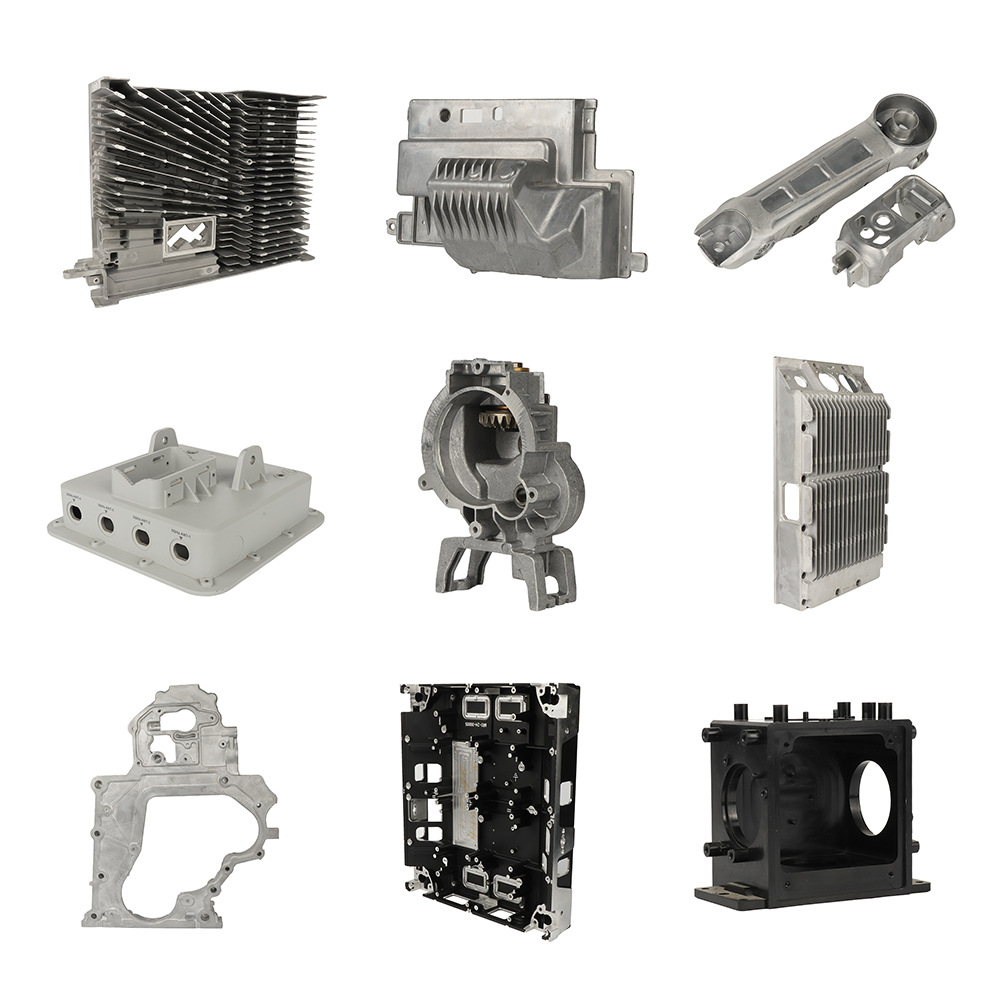
Ev battery enclosure | What is die-cast EV battery enclosure? Key Benefits & Industry Insights
What is Die-Cast EV Battery Enclosure? Key Benefits & Industry Insights
Table of Contents
- 1. What is a Die-Cast EV Battery Enclosure? Basic Definition
- 2. Core Functions of Die-Cast EV Battery Enclosure (Why It Matters)
- 3. Key Advantages of Die-Cast EV Battery Enclosure (Focus Point)
- 4. Disadvantages of Die-Cast EV Battery Enclosure & Effective Mitigation
- 5. Comparison: Die-Cast EV Battery Enclosure vs. Other Enclosure Types
- 6. Expert Opinions on Die-Cast EV Battery Enclosure
- 7. FAQs About Die-Cast EV Battery Enclosure
- 8. Conclusion
1. What is a Die-Cast EV Battery Enclosure? Basic Definition
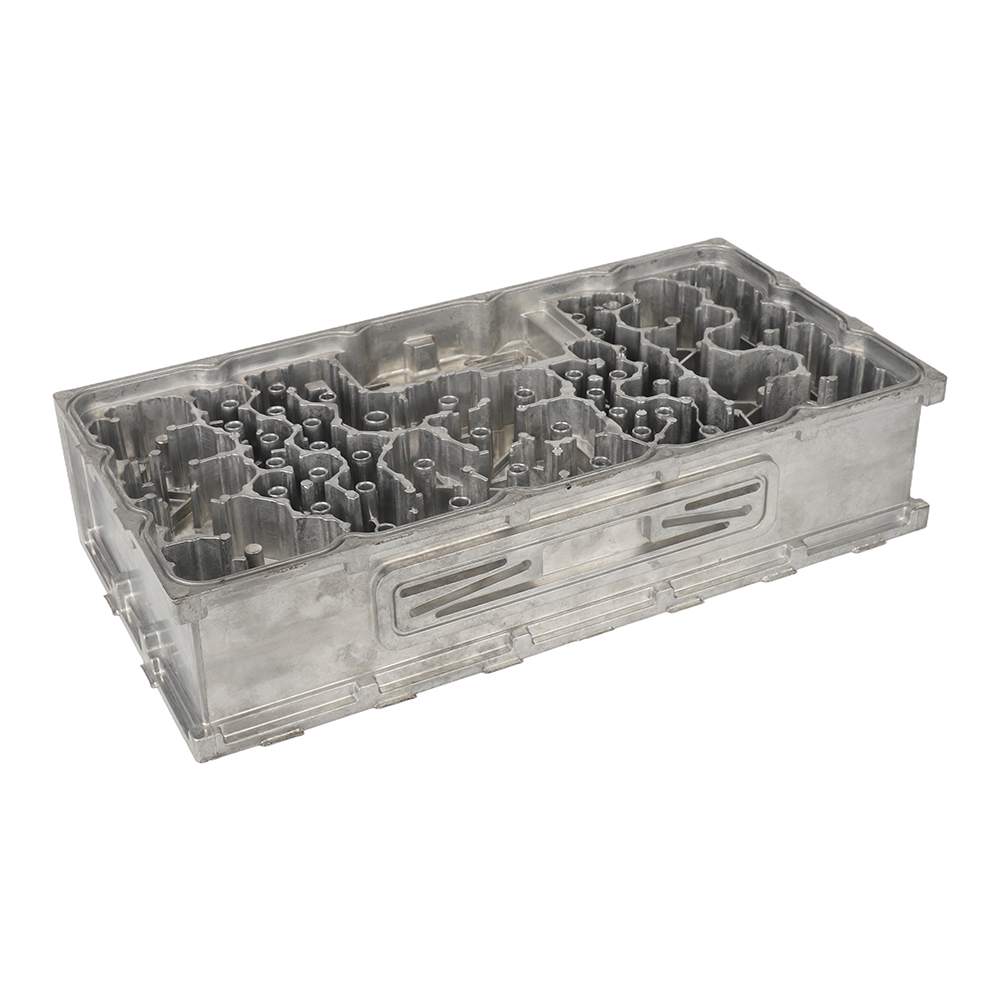
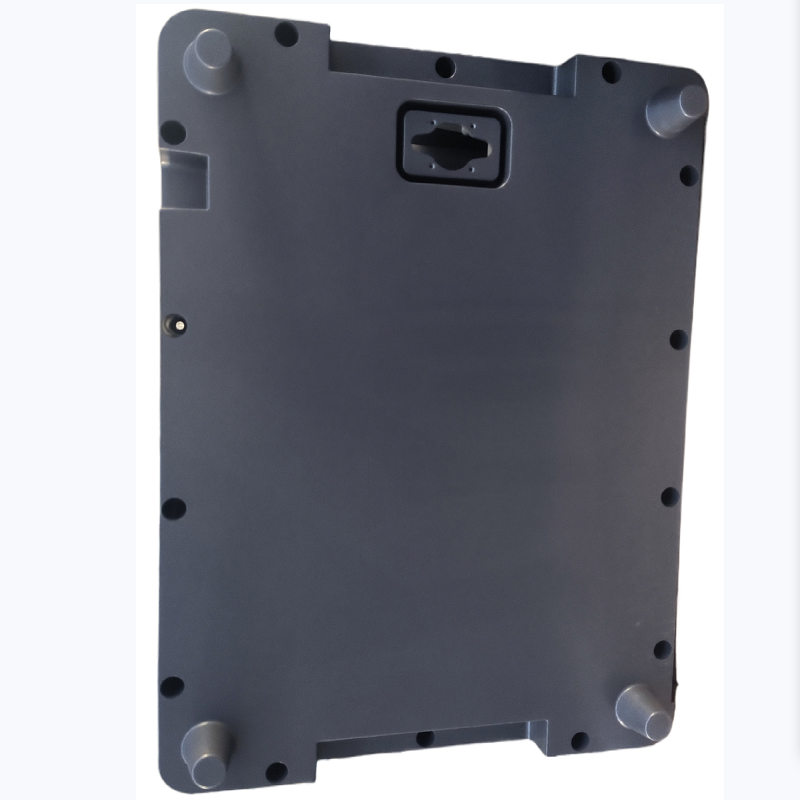
A die-cast EV battery enclosure is a high-precision protective housing specifically designed to encase and safeguard the battery pack of electric vehicles (EVs). It is manufactured using the die-casting process—where molten aluminum alloy (most commonly ADC12, Al-Mg-Si alloys, or other high-strength aluminum materials) is injected into a precision mold under high pressure, forming a seamless, integrated structure. This one-piece molding process is the core difference between die-cast enclosures and traditional welded ones, making it a game-changer in EV manufacturing.https://www.yaoxinghangcn.com/
Unlike traditional multi-piece welded enclosures, die-cast EV battery enclosures are produced as a single unit (or two main components: upper cover and lower tray), leveraging aluminum’s inherent properties to meet the strict safety, weight, and performance requirements of EVs. As the "protective armor" of the EV battery pack—the heart of the vehicle—it plays a decisive role in ensuring driving safety, battery longevity, and overall vehicle efficiency. With the rapid development of EVs, especially the popularization of integrated chassis technology, the die-cast EV battery enclosure has become a core component that determines vehicle performance and safety.
2. Core Functions of Die-Cast EV Battery Enclosure (Why It Matters)
The die-cast EV battery enclosure is not just a simple "container" for the battery pack; it undertakes multiple critical functions that directly affect the safety, reliability, and performance of electric vehicles. Its core functions can be divided into four key aspects:
2.1 Protection Against External Hazards
The primary function of the die-cast EV battery enclosure is to protect the internal battery cells from external impacts, collisions, dust, water, and other environmental factors. It must meet strict IP67 or IP69K sealing standards to prevent water and dust ingress, which could cause short circuits and battery failure. In the event of a vehicle collision, the high-strength integrated structure of the die-cast enclosure can absorb and disperse impact energy, avoiding direct damage to the battery pack and reducing the risk of thermal runaway.
2.2 Thermal Management Support
Battery packs have strict temperature requirements for normal operation (usually 20-40℃). The die-cast EV battery enclosure, made of high-thermal-conductivity aluminum alloy (thermal conductivity up to 235 W/m·K), acts as a built-in heat sink to quickly dissipate the heat generated by the battery during charging and discharging. Many die-cast enclosures are also designed with integrated cooling channels and heat-dissipating fins, which can effectively regulate the battery temperature, avoid overheating or overcooling, and extend the battery’s service life.
2.3 Structural Support & Vehicle Integration
As a key part of the EV chassis, the die-cast EV battery enclosure provides structural support for the entire vehicle. Its high rigidity and strength (achieved through one-piece die-casting) can improve the vehicle’s torsional stiffness and driving stability. With the development of CTC (Cell to Chassis) technology, the die-cast battery enclosure is even integrated with the vehicle chassis, reducing the number of parts and improving the overall structural efficiency.
2.4 EMI Shielding
The high-voltage battery pack in EVs will generate electromagnetic interference (EMI) during operation, which may affect the normal operation of the vehicle’s electronic systems (such as radar and infotainment). The die-cast EV battery enclosure, made of aluminum alloy, has excellent EMI shielding performance, which can isolate the electromagnetic signals generated by the battery pack and ensure the stable operation of the vehicle’s electronic equipment.
3. Key Advantages of Die-Cast EV Battery Enclosure (Focus Point)
Compared with traditional battery enclosure manufacturing processes (such as stamping and welding), the die-cast EV battery enclosure has obvious advantages, which are the core reasons for its wide application in the EV industry. The key benefits are as follows:
3.1 Lightweight & Energy Efficiency
Aluminum alloy, the main material of die-cast EV battery enclosures, has a density of only 2.7 g/cm³, which is about 1/3 of that of steel. The lightweight design of the enclosure can effectively reduce the overall weight of the vehicle, thereby improving the cruising range of EVs. It is estimated that every 100kg reduction in vehicle weight can increase the cruising range by 5-8%. In addition, the lightweight enclosure also reduces energy consumption during vehicle operation, which is in line with the development trend of energy conservation and environmental protection.
3.2 High Structural Strength & Stability
The one-piece die-casting process eliminates the need for welding multiple parts, avoiding the weak points caused by welding seams (such as poor sealing and insufficient strength). The die-cast EV battery enclosure has uniform material distribution and high structural integrity, which can withstand greater impact and pressure. Its dimensional accuracy is also very high (CNC clean-up can reach ±0.01 mm if needed), ensuring a perfect fit with the battery pack and other components.
3.3 High Production Efficiency & Cost Savings
The die-casting process is highly automated, which can realize mass production of die-cast EV battery enclosures at a high speed. Compared with the traditional stamping-welding process (which requires multiple steps such as stamping, welding, and inspection), the die-casting process can complete the molding of the enclosure in one step, greatly reducing the production cycle and labor costs. Although the initial investment in die-casting molds and equipment is relatively high, the unit cost will be significantly reduced in large-scale production.
3.4 Excellent Sealing & Corrosion Resistance
The seamless integrated structure of the die-cast EV battery enclosure avoids the sealing problems caused by welding seams, making it easier to achieve strict sealing standards (IP67/IP69K). In addition, aluminum alloy has good corrosion resistance, and after surface treatment (such as anodizing and electrophoresis), it can effectively resist the corrosion of road salt, rainwater, and other harsh environments, extending the service life of the enclosure.
3.5 Environmental Friendliness & Recyclability
Aluminum alloy is a highly recyclable material, and the recycling energy consumption is only 5% of the energy required to produce new aluminum. The die-cast EV battery enclosure can be completely recycled after the end of its service life, reducing environmental pollution and resource waste, which is in line with the sustainable development concept of the EV industry.
4. Disadvantages of Die-Cast EV Battery Enclosure & Effective Mitigation
Although the die-cast EV battery enclosure has many advantages, it also has some limitations. However, with the continuous advancement of technology, these disadvantages can be effectively mitigated:
4.1 High Initial Investment Cost
Disadvantage: The die-casting process requires large-scale die-casting equipment (such as 6000T-9000T Giga Press) and high-precision molds, and the initial investment cost is relatively high, which is a burden for small and medium-sized enterprises.
Mitigation: For large-scale EV manufacturers, the high initial investment can be offset by the cost savings brought by mass production. In addition, the sharing of die-casting equipment and molds among multiple enterprises can also reduce the individual investment burden.
4.2 Porosity Problems
Disadvantage: During the die-casting process, molten aluminum may trap air, leading to porosity in the enclosure. Porosity may affect the structural strength and sealing performance of the enclosure, and even cause leakage.
Mitigation: The adoption of vacuum-assisted die-casting technology can effectively reduce the porosity rate to less than 0.1%. In addition, strict quality control during the production process (such as mold flow analysis and post-processing inspection) can also detect and eliminate defective products in time.
4.3 Difficulty in Repair
Disadvantage: The one-piece structure of the die-cast EV battery enclosure makes it difficult to repair if it is damaged (such as collision deformation). Usually, the entire enclosure needs to be replaced, which increases the maintenance cost.
Mitigation: Optimizing the design of the enclosure (such as adding collision energy absorption structures) can reduce the damage probability of the enclosure. In addition, the development of professional repair technologies (such as aluminum welding repair) can also reduce the maintenance cost to a certain extent.
5. Comparison: Die-Cast EV Battery Enclosure vs. Other Enclosure Types
In the EV industry, there are three main types of battery enclosures: die-cast aluminum enclosures, stamped-welded steel enclosures, and extruded aluminum enclosures. The following is a detailed comparison to highlight the advantages of die-cast EV battery enclosures:
5.1 Die-Cast Aluminum Enclosure vs. Stamped-Welded Steel Enclosure
| Comparison Index | Die-Cast Aluminum Enclosure | Stamped-Welded Steel Enclosure |
|---|---|---|
| Weight | Light (2.7 g/cm³), reducing vehicle weight and improving range | Heavy (7.85 g/cm³), increasing energy consumption and reducing range |
| Structural Strength | High, one-piece structure without welding weak points | Medium, welding seams may become weak points |
| Production Efficiency | High, one-step molding, suitable for mass production | Low, multiple steps (stamping, welding, inspection) |
| Sealing Performance | Excellent, seamless structure, easy to achieve IP67/IP69K | Poor, welding seams may leak |
| Cost (Mass Production) | Low, unit cost decreases with production scale | High, high labor and material costs |
5.2 Die-Cast Aluminum Enclosure vs. Extruded Aluminum Enclosure
| Comparison Index | Die-Cast Aluminum Enclosure | Extruded Aluminum Enclosure |
|---|---|---|
| Design Freedom | High, can produce complex shapes with integrated cooling channels and ribs | Low, limited to linear shapes, difficult to make complex structures |
| Dimensional Accuracy | High, precise molding, small tolerance | Medium, requires additional machining to ensure accuracy |
| Structural Integrity | High, one-piece structure, no assembly gaps | Medium, assembled by multiple extruded parts, with assembly gaps |
| Thermal Management | Excellent, integrated cooling channels and heat-dissipating fins | Good, but requires additional installation of cooling components |
It can be seen from the above comparison that the die-cast EV battery enclosure has obvious advantages in weight, structural strength, production efficiency, and sealing performance, making it the first choice for mainstream EV manufacturers.
6. Expert Opinions on Die-Cast EV Battery Enclosure
Industry experts have a high recognition of the die-cast EV battery enclosure, and their views also confirm its important position in the EV industry:
6.1 Haijiang Lai, Senior Engineer at Yongzhu Casting
"Aluminum die-casting combines excellent thermal conductivity and near-net-shape freedom, which is perfectly suitable for EV battery enclosures. The die-cast EV battery enclosure not only solves the lightweight problem of EVs but also provides reliable protection for the battery pack. Its integrated design can reduce the number of parts, improve production efficiency, and is the core driving force for the cost reduction and efficiency improvement of the EV industry."
6.2 Stan, EV Die-Casting Expert at EMP Tech
"Any compromise in the battery enclosure threatens the vehicle’s structural integrity and passenger safety. The die-cast EV battery enclosure has high structural strength and excellent sealing performance, which can effectively prevent battery thermal runaway and ensure driving safety. With the development of CTC technology, the integration of the die-cast battery enclosure and the chassis will become the future trend, further improving the performance of EVs."
6.3 Industry Analyst from IndustryARC™
"The global EV battery housing market is growing at a CAGR of 9.8% from 2025 to 2031, and aluminum die-cast enclosures will occupy an increasingly large market share. The die-cast EV battery enclosure meets the core needs of EV manufacturers for lightweight, high safety, and low cost, and will become the mainstream choice for EV battery enclosures in the next 5-10 years."
7. FAQs About Die-Cast EV Battery Enclosure
Below are the most common questions about die-cast EV battery enclosures in the industry, with professional answers to help you better understand this core component:
Q1: What materials are used to make die-cast EV battery enclosures?
A: The main material is aluminum alloy, including ADC12, Al-Mg-Si alloys, and other high-strength aluminum materials. These materials have the advantages of lightweight, high strength, and good thermal conductivity, which can meet the strict requirements of EV battery enclosures. In some high-end models, magnesium alloy may also be used, but it is less common due to high cost.
Q2: What is the service life of a die-cast EV battery enclosure?
A: Under normal use and proper maintenance, the service life of a die-cast EV battery enclosure can reach 8-10 years, which is consistent with the service life of the EV battery pack. The aluminum alloy material has good corrosion resistance, and after surface treatment, it can effectively resist harsh environmental factors and extend the service life.
Q3: Can die-cast EV battery enclosures be recycled?
A: Yes. Aluminum alloy is a highly recyclable material, and the die-cast EV battery enclosure can be completely recycled after the end of its service life. The recycled aluminum can be reused to produce new enclosures or other aluminum products, which is energy-saving and environmentally friendly.
Q4: How to ensure the sealing performance of die-cast EV battery enclosures?
A: The sealing performance of die-cast EV battery enclosures is guaranteed by two aspects: first, the seamless one-piece structure of the die-casting process avoids the sealing problems caused by welding seams; second, strict post-processing (such as CNC machining of sealing surfaces) and sealing material selection (such as high-temperature resistant gaskets) can further improve the sealing performance, ensuring that it meets IP67/IP69K standards.
Q5: Are die-cast EV battery enclosures suitable for all types of EVs?
A: Yes. The die-cast EV battery enclosure can be customized according to the size and performance requirements of different EVs, including passenger EVs, commercial EVs (such as electric buses and electric trucks), and high-performance EVs. It is especially suitable for passenger EVs that pursue lightweight and high safety, and has become the standard configuration of many mainstream EV models.
8. Conclusion
The die-cast EV battery enclosure is a core component of electric vehicles, integrating protection, thermal management, structural support, and EMI shielding functions. Compared with traditional battery enclosures, it has obvious advantages in lightweight, structural strength, production efficiency, and sealing performance, which can effectively improve the safety, reliability, and energy efficiency of EVs.
Although it has some limitations such as high initial investment and difficulty in repair, these problems can be effectively mitigated with the advancement of technology and large-scale production. With the continuous development of the EV industry and the popularization of integrated chassis technology, the die-cast EV battery enclosure will play an increasingly important role, becoming a key driving force for the development of the EV industry.
For EV manufacturers and industry practitioners, understanding the characteristics, advantages, and application prospects of die-cast EV battery enclosures is crucial to seizing market opportunities and promoting technological innovation.
Communication equipment | What is an aluminum die-cast communication equipment enclosure? Key Benefits & Industry Insights
Explosion proof light | What is an aluminum enclosure? Focus on Explosion Proof Light Applications
Related Article


