
HOT PRODUCTS
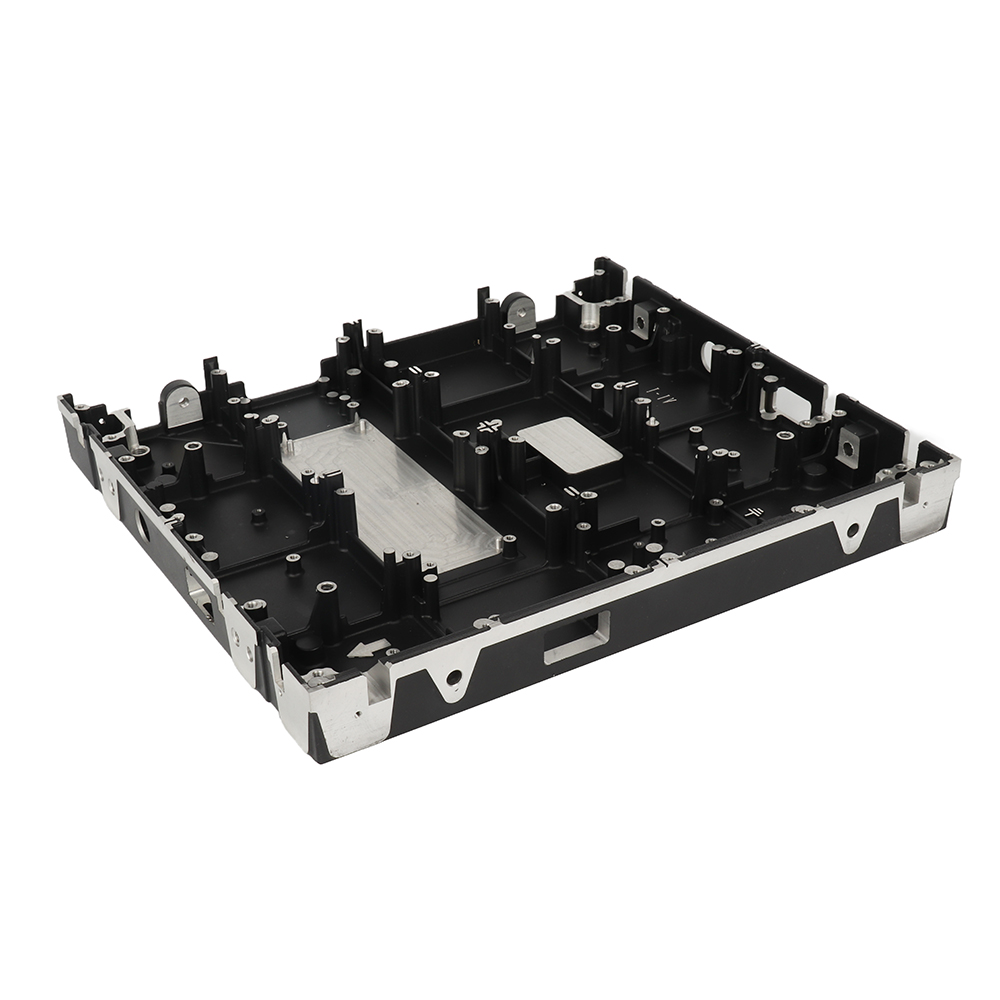
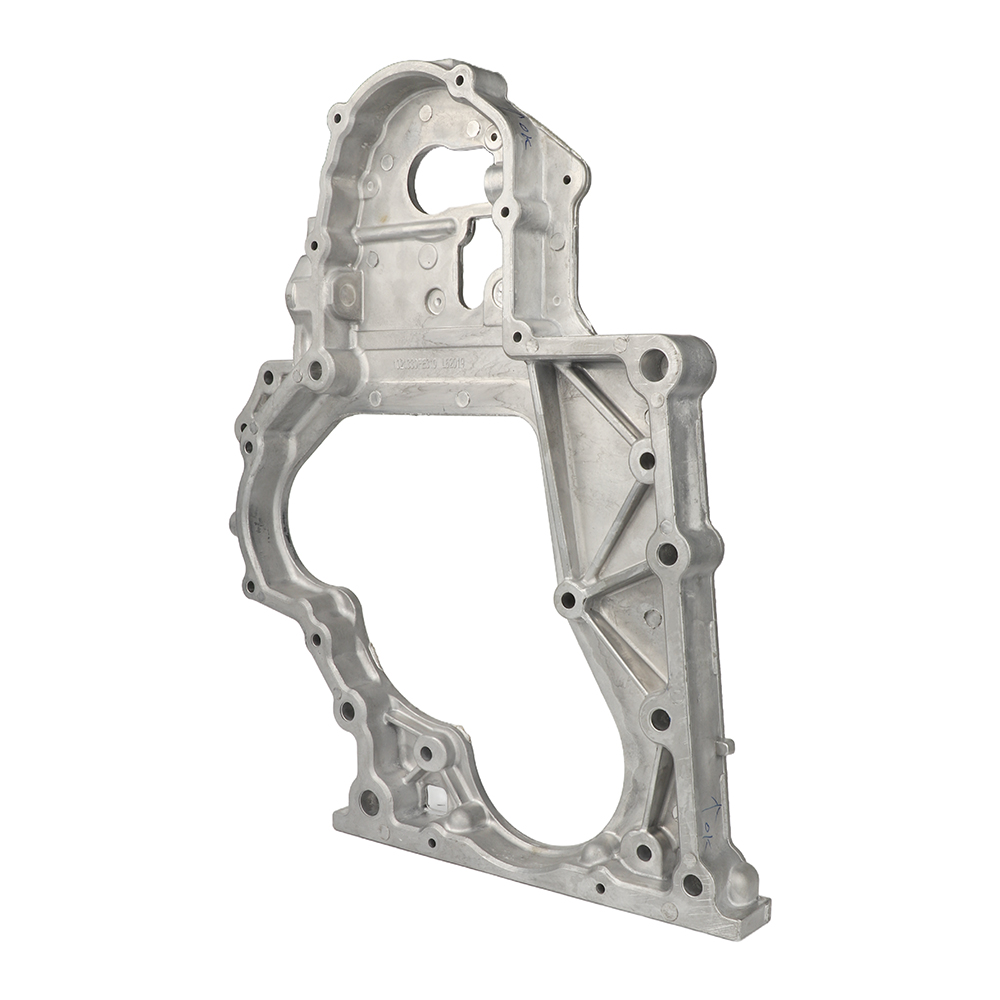
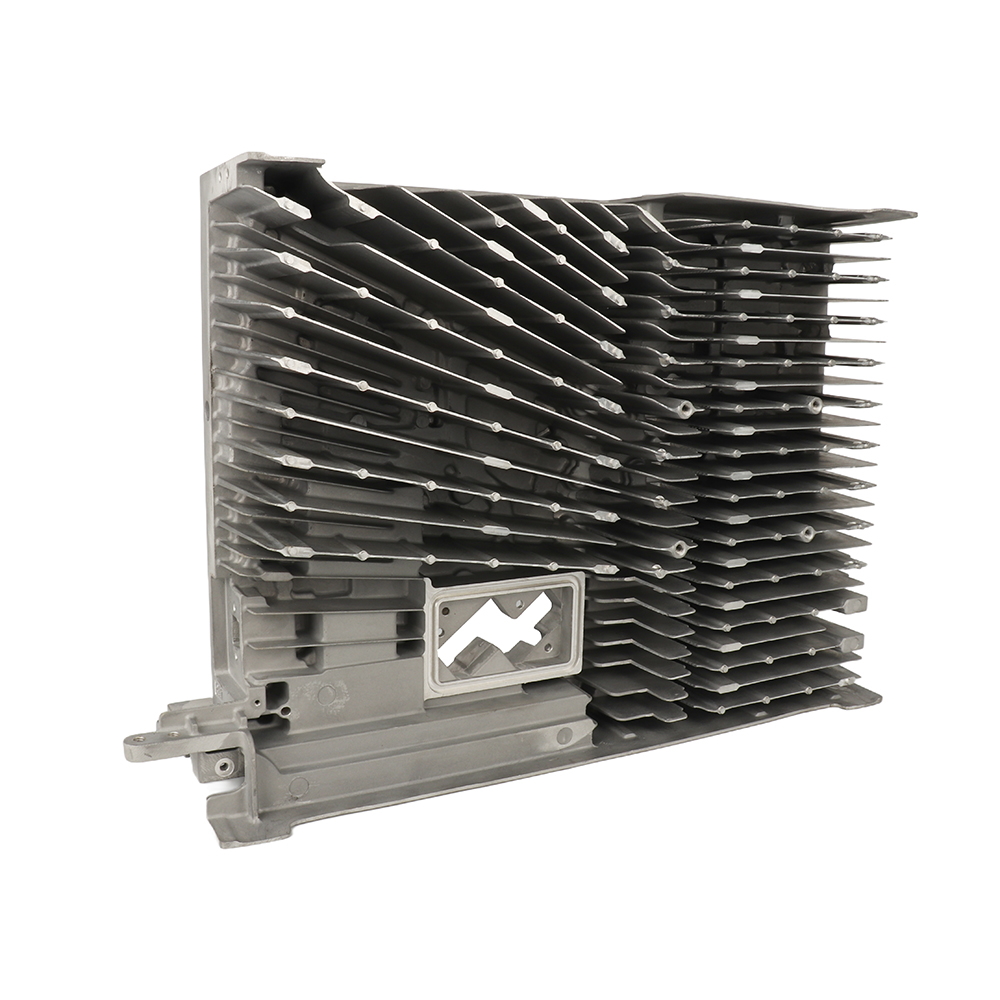
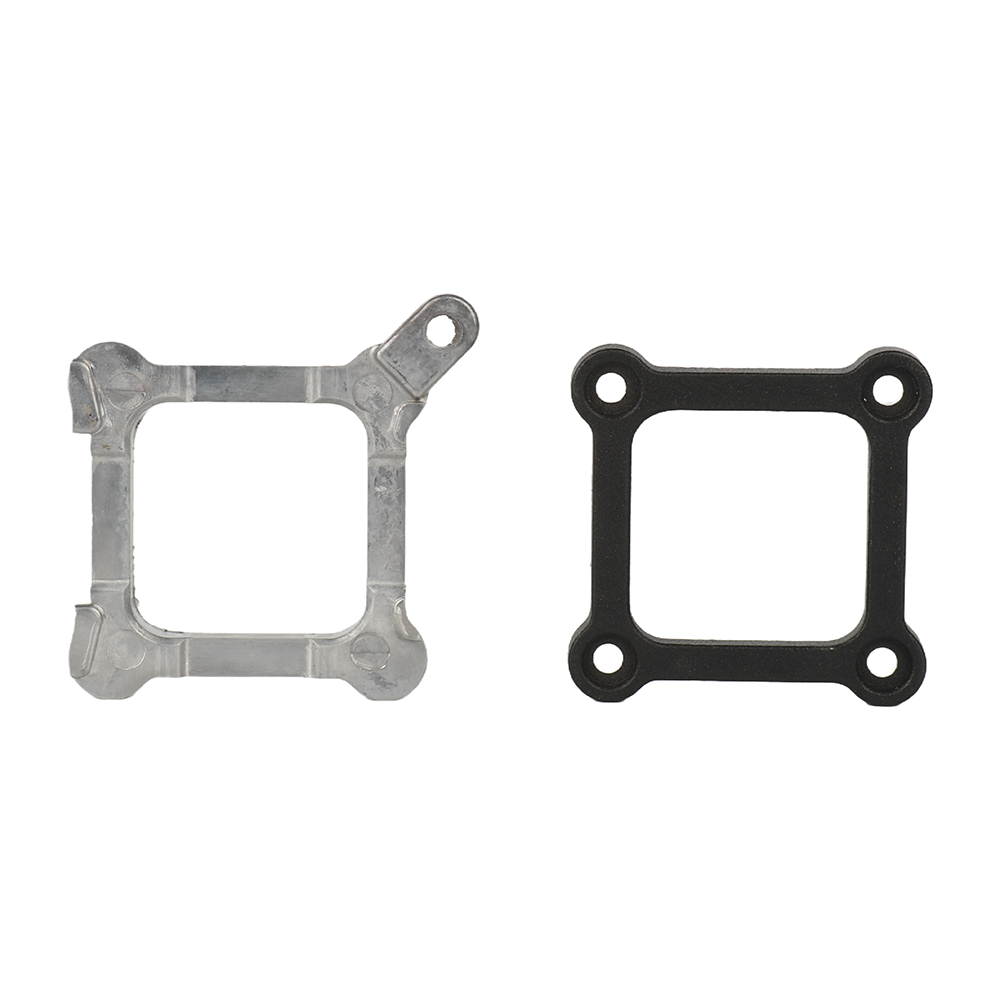
Alu heatsink | What is die cast metal? A Focus on Die Cast Aluminum Heatsinks
What is Die Cast Metal? A Focus on Die Cast Aluminum Heatsinks
Table of Contents
- 1. Introduction: What is Die Cast Metal?
- 2. The Die Casting Process: How It Works
- 3. Die Cast Metal Applications: Spotlight on Alu Heatsink
- 4. Die Cast Aluminum Heatsink: Pros and Cons
- 5. Alu Heatsink vs. Other Die Cast Metal Heatsinks (Comparison)
- 6. Expert Opinion on Die Cast Aluminum Heatsinks
- 7. FAQs About Die Cast Metal and Alu Heatsinks
- 8. Conclusion
1. Introduction: What is Die Cast Metal?
Die cast metal refers to a high-precision manufacturing process that creates complex metal components by forcing molten metal into a custom-machined mold (known as a “die”) under high pressure. Unlike traditional casting methods, die casting offers unparalleled consistency, dimensional accuracy, and smooth surface finishes—making it the go-to choice for mass production across automotive, electronics, aerospace, and consumer goods industries. While die casting can utilize various non-ferrous metals (such as zinc, magnesium, and copper), aluminum die casting stands out for its unbeatable combination of lightweight properties, excellent thermal conductivity, and cost-effectiveness. Among all aluminum die cast products, the alu heatsink (aluminum heatsink) is one of the most widely used, serving as a critical component in thermal management systems for electronic devices, where preventing overheating is essential for performance and longevity.
2. The Die Casting Process: How It Works
The die casting process is streamlined into four core steps, optimized to produce high-quality, precise parts efficiently—especially ideal for crafting complex alu heatsink designs:
2.1 Mold Preparation
The process begins with a die, typically made of hardened steel, split into two halves: a fixed “cover die” and a movable “ejector die.” For alu heatsinks, the die is precision-machined to include intricate fin patterns and flow channels—these details maximize surface area, directly enhancing heat dissipation capabilities. The die is also treated to resist high temperatures and wear, ensuring durability during mass production.
2.2 Melting and Injecting Metal
Aluminum alloy (the primary material for alu heatsinks) is melted in a furnace to a liquid state (around 660°C, the melting point of pure aluminum). Common alloys used include ADC12 (the most widely used for general heatsinks) and A413 (for high-thermal-conductivity applications). The molten aluminum is then injected into the die cavity at extreme pressure (up to 10,000–20,000 psi) to ensure every tiny detail—from thin fins to mounting tabs—is fully filled, a key advantage for alu heatsink performance.
2.3 Cooling and Solidification
The molten aluminum cools rapidly inside the die (often with built-in cooling channels), solidifying into the shape of the alu heatsink within seconds. This quick cooling ensures the part retains its dimensional accuracy, structural integrity, and thermal conductivity—critical properties for effective heat dissipation. Rapid solidification also reduces the risk of defects, ensuring consistent performance across all parts.
2.4 Ejection and Finishing
Once fully solidified, the die halves separate, and the finished alu heatsink is ejected. Unlike other manufacturing methods, die cast alu heatsinks require minimal finishing—only minor trimming of excess material (flash) is needed, thanks to the die’s precision. This reduces production time and cost, making die cast alu heatsinks a cost-effective solution for high-volume orders.
3. Die Cast Metal Applications: Spotlight on Alu Heatsink
Die cast metal parts are ubiquitous, but alu heatsinks are particularly indispensable in electronics and industrial applications. A alu heatsink is a heat-dissipating component designed to absorb and transfer heat away from high-temperature electronic parts (e.g., microchips, LEDs, power supplies, EV battery management systems) to prevent overheating, which can damage components or reduce performance. Die casting is the perfect manufacturing method for alu heatsinks because it allows for complex fin geometries (which increase surface area and improve heat dissipation) at scale, something other methods like extrusion struggle to achieve for intricate designs.
Common applications of die cast alu heatsinks include:
- Consumer electronics (laptops, smartphones, gaming consoles, tablets)
- Automotive electronics (EV battery management systems, LED headlights, engine control units)
- Industrial equipment (power inverters, servers, motor drives, photovoltaic inverters)
- LED lighting (high-power LEDs for commercial, residential, and industrial use)
- Telecommunications (5G base stations, routers, network switches)

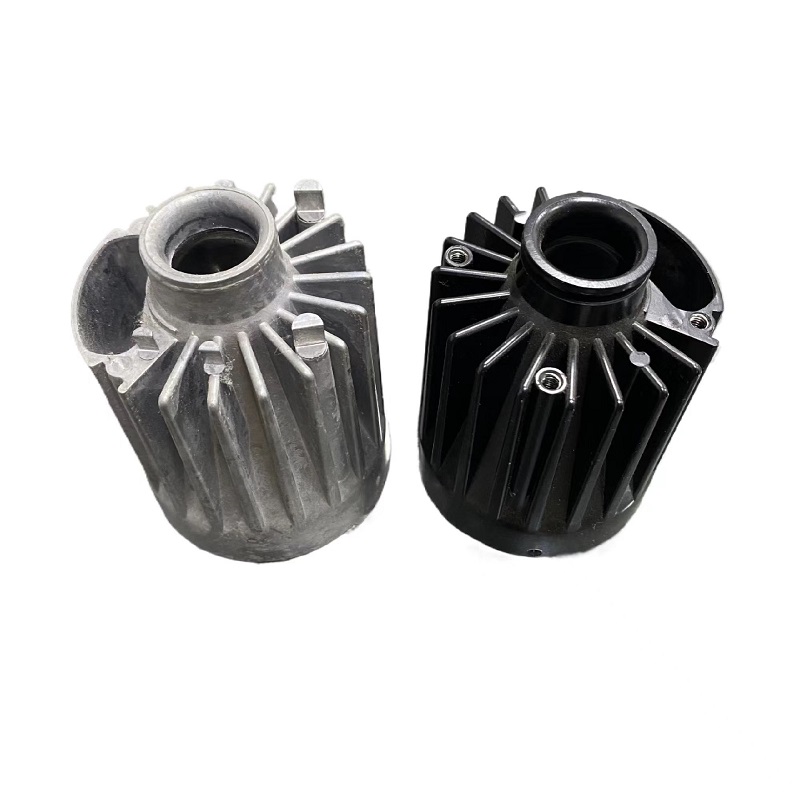
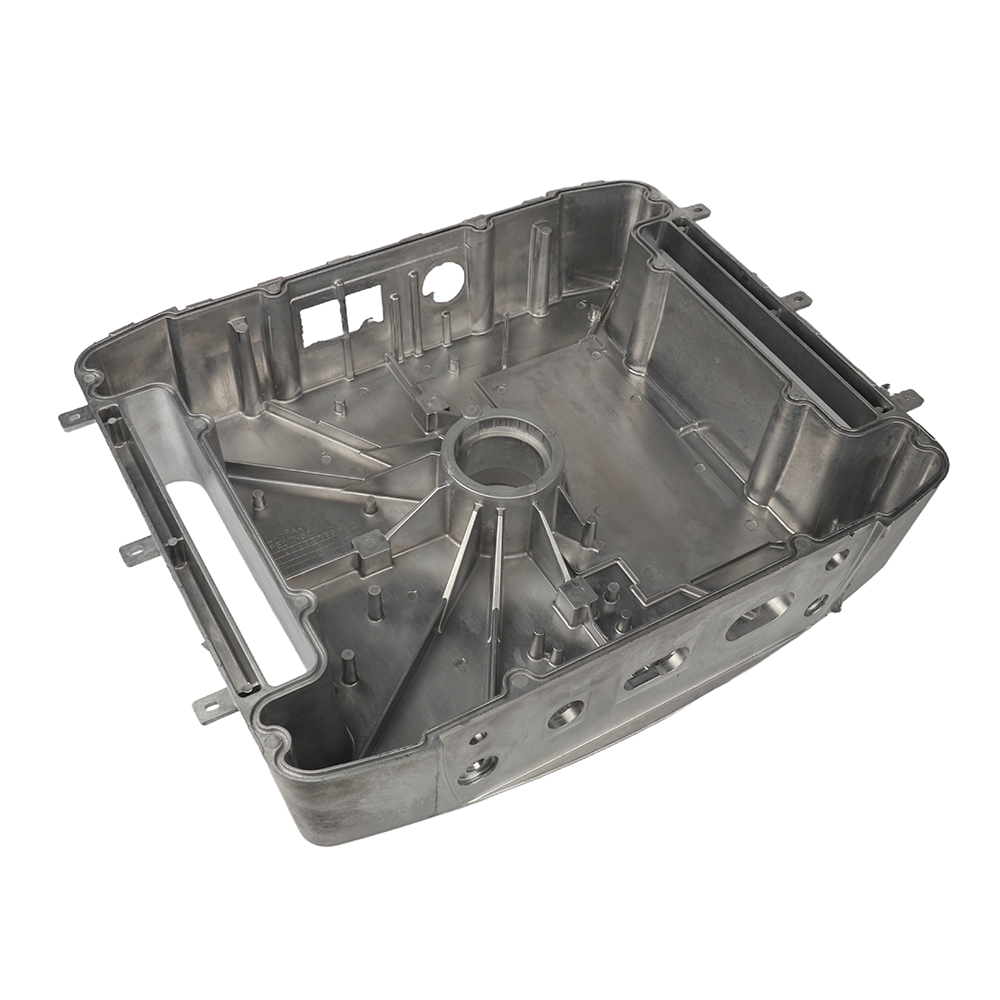
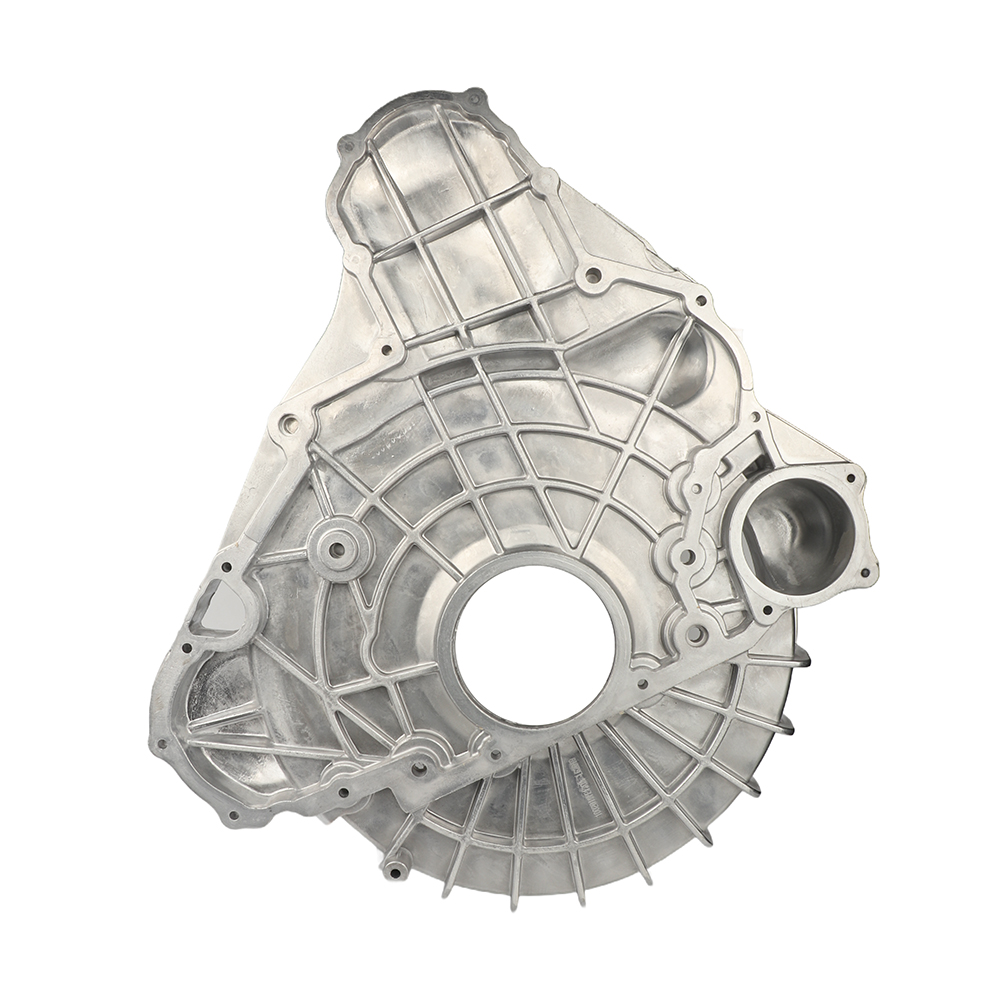
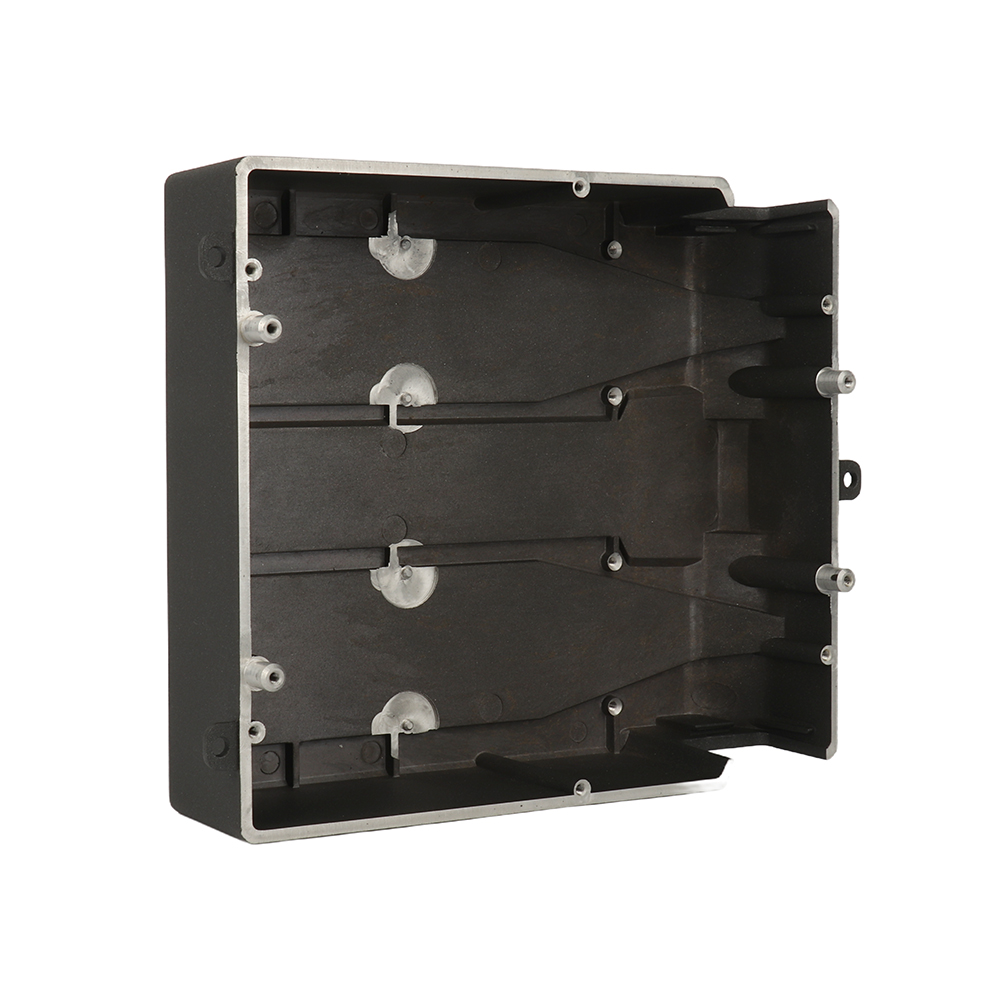
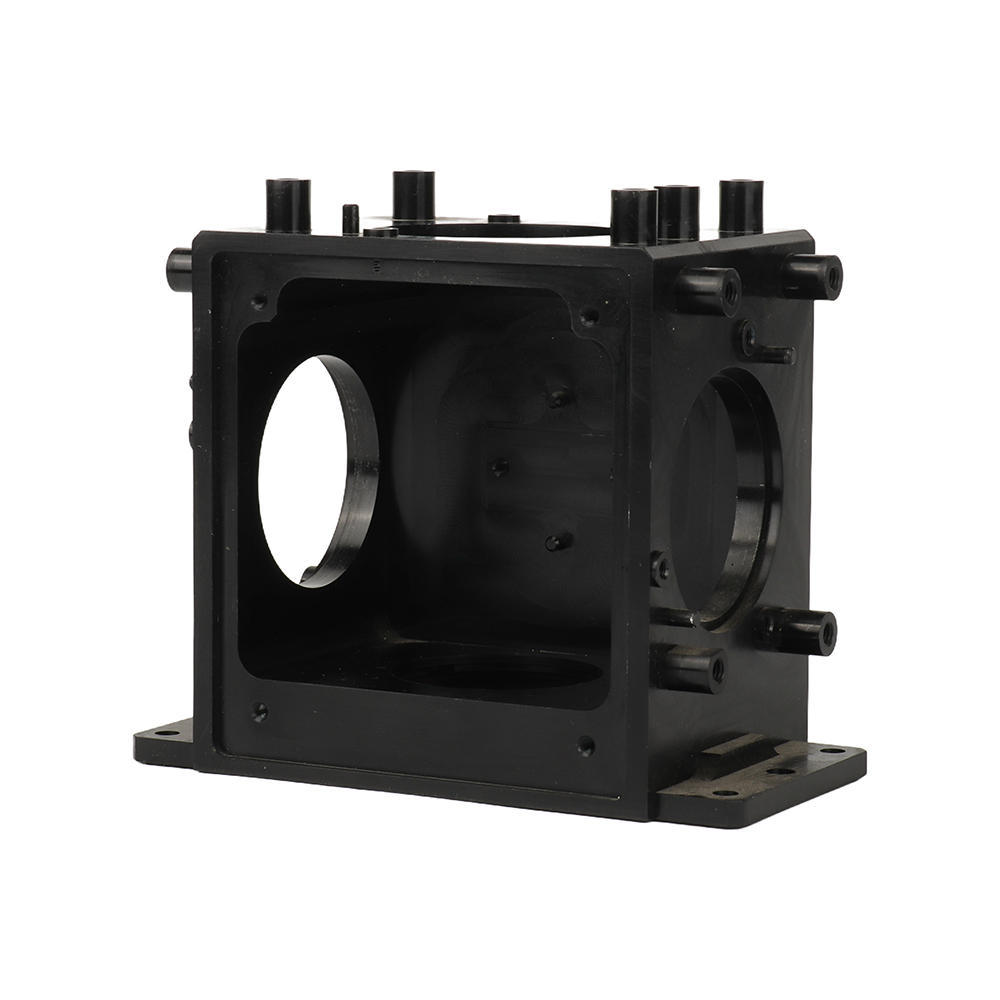
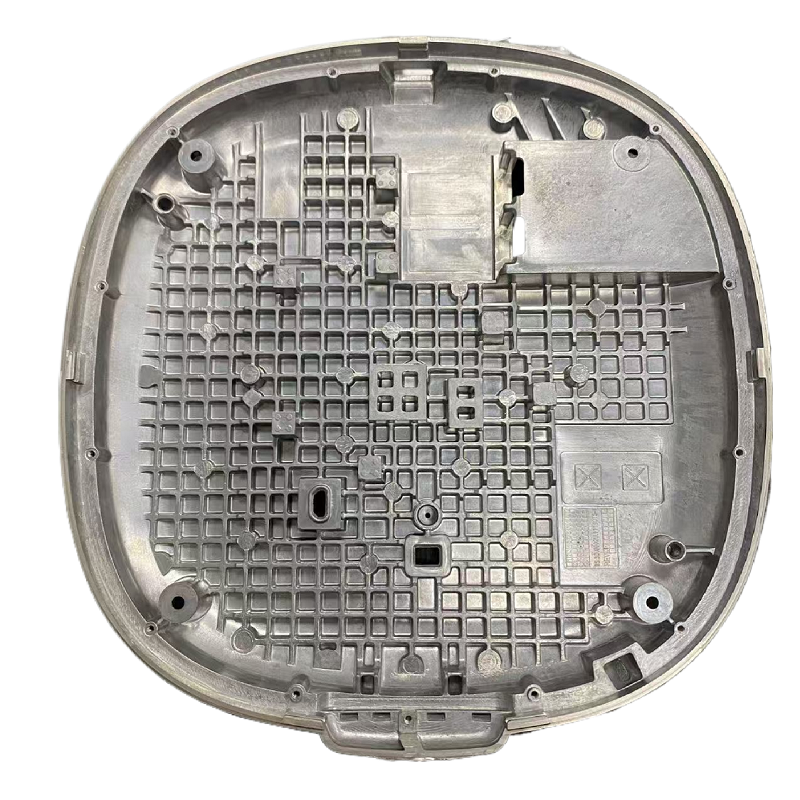
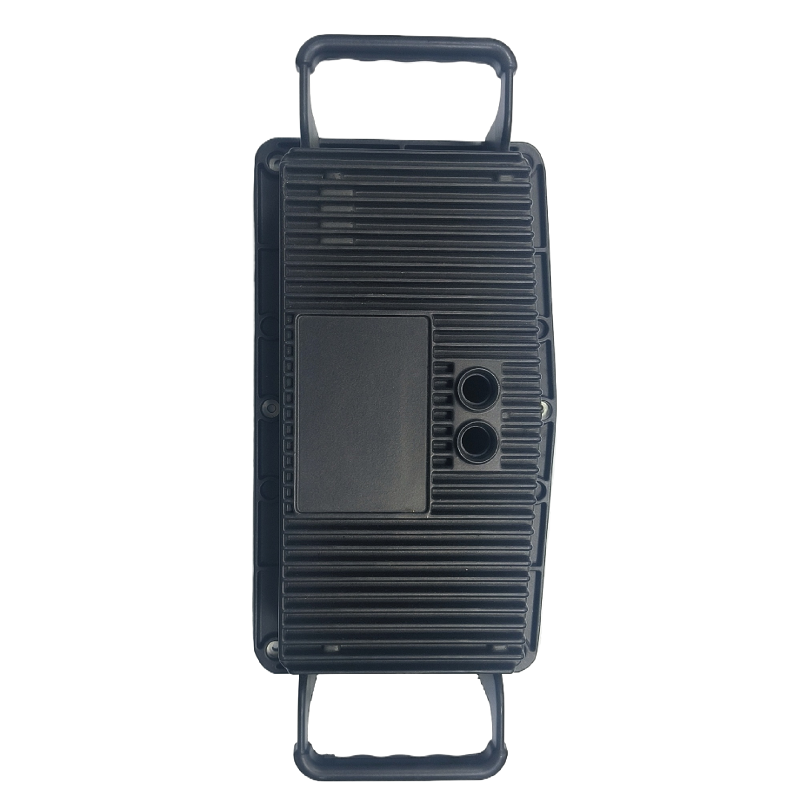
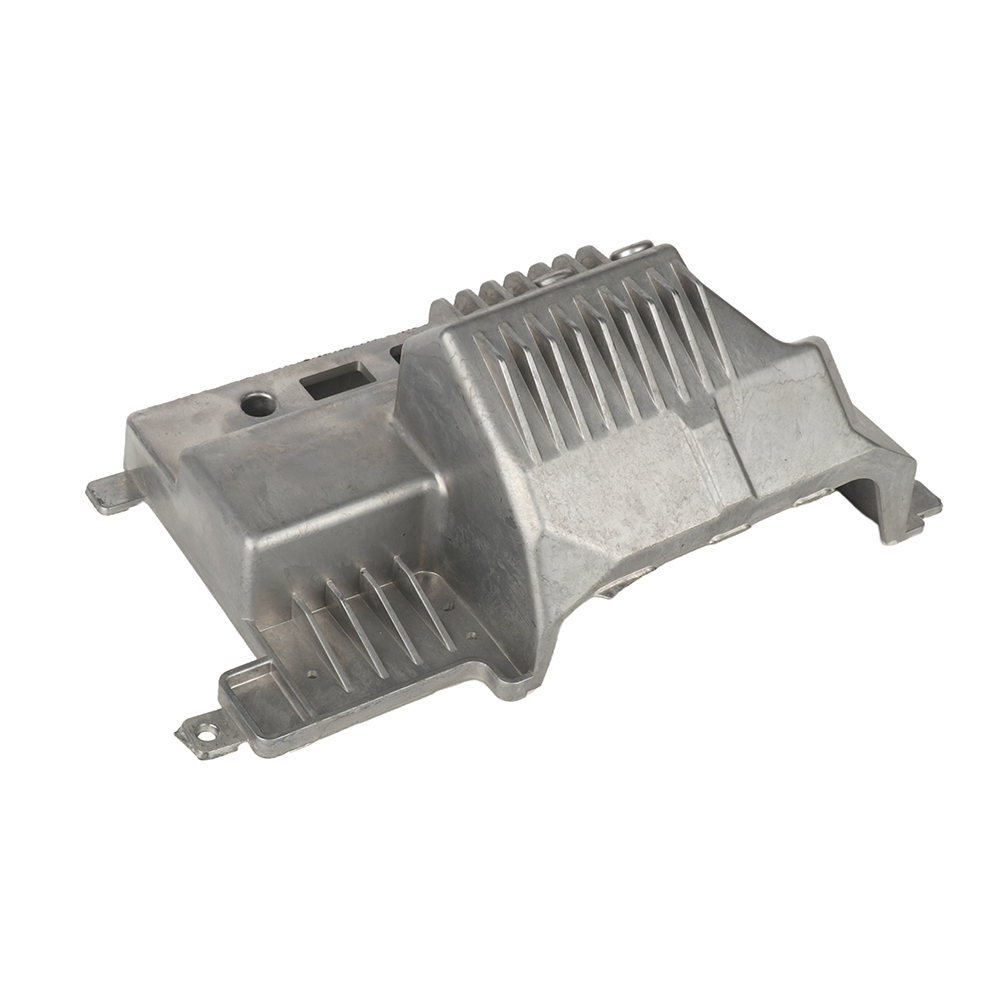
Die Cast Alu Heatsink: Notice the precision fins that maximize surface area for heat dissipation, a key benefit of die casting
4. Die Cast Aluminum Heatsink: Pros and Cons
While die cast alu heatsinks offer numerous advantages that make them the top choice for thermal management, they do have minor limitations. Below is a detailed breakdown, with a focus on highlighting their key benefits:
4.1 Key Pros of Die Cast Aluminum Heatsinks
- Excellent Thermal Conductivity: Aluminum has a thermal conductivity of 120–160 W/m·K for standard alloys, ensuring efficient heat transfer—critical for keeping electronic components cool. High-conductivity alloys like A413 can reach 120–130 W/m·K, further enhancing performance.
- Lightweight: Aluminum is significantly lighter than other die cast metals (e.g., copper), making alu heatsinks ideal for portable devices (laptops, smartphones) and automotive applications, where weight reduction improves efficiency and fuel economy.
- Complex Design Flexibility: Die casting allows for intricate fin patterns, thin walls (as low as 1.2 mm), and integrated features (mounting tabs, flow channels) that maximize heat dissipation. This flexibility is unmatched by extrusion or machining, especially for custom alu heatsink designs.
- Cost-Effective Mass Production: Die casting enables high-volume production with low per-unit costs. Minimal finishing requirements and fast cycle times (30–60 seconds per part) further reduce production costs, making alu heatsinks affordable for manufacturers.
- Corrosion Resistance: Aluminum naturally forms a protective oxide layer, making alu heatsinks resistant to corrosion. Additional surface treatments (anodizing, powder coating) can enhance this resistance for harsh environments.
- High Precision and Consistency: Die cast alu heatsinks have tight dimensional tolerances (±0.05 mm for general parts, ±0.02 mm for critical areas) and consistent performance across all units, ensuring compatibility with electronic components.
4.2 Minor Cons of Die Cast Aluminum Heatsinks
- Lower Thermal Conductivity Than Copper: While aluminum’s thermal conductivity is excellent, it is lower than copper (401 W/m·K). However, aluminum’s lightweight and cost advantages far outweigh this limitation for most applications, and complex fin designs can compensate for the difference in conductivity.
- Limited to Non-High-Temperature Environments: Aluminum has a lower melting point than metals like steel or copper, so alu heatsinks are not suitable for extremely high-temperature applications (e.g., industrial furnaces). However, they perform perfectly in the temperature ranges of most electronic devices (up to 150°C).
- Initial Tooling Costs: The die used for casting requires a significant initial investment. However, this cost is offset by low per-unit costs in high-volume production, making it economical for large orders. It is less cost-effective for small-batch production.
- Potential for Porosity: Rapid cooling can sometimes create small pores in the aluminum, which may affect heat transfer in extreme cases. However, advanced die casting techniques (e.g., vacuum die casting) minimize this issue, ensuring high-quality alu heatsinks.
5. Alu Heatsink vs. Other Die Cast Metal Heatsinks (Comparison)
To further highlight the advantages of die cast alu heatsinks, we compare them to other common die cast metal heatsinks (zinc, magnesium, copper) across key performance metrics:
5.1 Alu Heatsink vs. Zinc Die Cast Heatsink
Zinc is a popular die cast metal due to its low melting point and easy castability, but it is far less suitable for heatsinks than aluminum:
- Thermal Conductivity: Zinc’s thermal conductivity (116 W/m·K) is slightly lower than aluminum’s, making it less efficient at heat dissipation.
- Weight: Zinc is 2.5 times heavier than aluminum, making it impractical for portable devices or weight-sensitive applications (e.g., EVs).
- Cost: Zinc is more expensive than aluminum, especially for high-volume production, reducing cost-effectiveness for alu heatsink alternatives.
Advantage: Alu heatsink (lighter, more cost-effective, better heat dissipation).
5.2 Alu Heatsink vs. Magnesium Die Cast Heatsink
Magnesium is the lightest die cast metal, but it has critical limitations for heatsinks:
- Thermal Conductivity: Magnesium’s thermal conductivity (156 W/m·K) is similar to aluminum, but it is far less corrosion-resistant—magnesium oxidizes quickly, requiring expensive surface treatments to prevent degradation.
- Cost: Magnesium is significantly more expensive than aluminum, making it uneconomical for most heatsink applications.
- Flammability: Magnesium is flammable at high temperatures, posing a safety risk for electronic devices that may overheat.
Advantage: Alu heatsink (more corrosion-resistant, safer, more cost-effective).
5.3 Alu Heatsink vs. Copper Die Cast Heatsink
Copper has the highest thermal conductivity of all die cast metals, but its drawbacks make aluminum a better choice for most heatsinks:
- Weight: Copper is 3 times heavier than aluminum, making it unsuitable for portable devices or weight-sensitive applications (e.g., laptops, EVs).
- Cost: Copper is 3–4 times more expensive than aluminum, increasing production costs significantly—especially for large heatsinks.
- Castability: Copper has a high melting point, making it more difficult to die cast than aluminum. It also requires more expensive dies and longer production cycles, further increasing costs.
Advantage: Alu heatsink (lighter, far more cost-effective, easier to mass-produce). Copper is only preferred for niche applications where maximum thermal conductivity is required (e.g., high-end industrial equipment), but even then, alu heatsinks with complex fins often match copper’s performance at a lower cost.
6. Expert Opinion on Die Cast Aluminum Heatsinks
Industry experts widely recognize die cast alu heatsinks as the optimal choice for thermal management in most electronic and industrial applications. Below are insights from leading experts in die casting and thermal engineering:
6.1 Sarah Chen, Senior Thermal Engineer at KenFa Tech (Thermal Management Specialist)
“As devices become smaller and more powerful, thermal management becomes a critical bottleneck—and die cast alu heatsinks solve this problem better than any other material. Their combination of lightweight design, excellent thermal conductivity, and complex fin geometry allows us to create compact, efficient heatsinks that fit into the smallest devices, from smartphones to 5G base stations. Unlike copper, aluminum is cost-effective for mass production, and its corrosion resistance means it requires minimal maintenance. For 90% of electronic applications, a die cast alu heatsink is the best balance of performance, cost, and practicality.” — Sarah Chen, KenFa Tech
6.2 Michael Rodriguez, Chief Engineer at Neway Die Casting (Aluminum Die Casting Expert)
“Die casting aluminum for heatsinks is a game-changer for manufacturers. The process allows us to produce alu heatsinks with intricate fin patterns that maximize surface area—something extrusion or machining simply can’t match—while maintaining tight tolerances and consistent quality. Aluminum alloys like ADC12 offer the perfect balance of castability, thermal conductivity, and cost, making them ideal for high-volume production. We’ve seen clients reduce their thermal management costs by 30% while improving performance by switching to die cast alu heatsinks from other materials. The key advantage is that aluminum doesn’t force manufacturers to choose between performance and cost—it delivers both.” — Michael Rodriguez, Neway Die Casting
6.3 Dr. Emily Watson, Materials Scientist (Alloy Specialist)
“Aluminum’s unique material properties make it the ideal choice for die cast heatsinks. Its thermal conductivity is more than sufficient for most electronic devices, and its lightweight nature reduces the overall weight of products—critical for portable electronics and electric vehicles. When paired with advanced die casting techniques, aluminum can be formed into complex shapes that optimize heat dissipation, while alloys like A413 can be used for high-performance applications that require even better thermal conductivity. Compared to zinc, magnesium, or copper, aluminum offers the best combination of performance, cost, and manufacturability for alu heatsinks.” — Dr. Emily Watson, Materials Scientist
7. FAQs About Die Cast Metal and Alu Heatsinks
Below are answers to the most common industry questions about die cast metal and alu heatsinks, based on expert knowledge and industry best practices:
Q1: What is the difference between die cast metal and other casting methods (e.g., sand casting)?
A: Die casting uses high pressure to force molten metal into a precision-machined steel die, resulting in smooth, accurate parts with minimal defects. Sand casting, by contrast, uses a sand mold (which is destroyed after each use) and low pressure, producing rough, less accurate parts that require extensive finishing. For alu heatsinks, die casting is superior because it allows for complex fin designs and mass production with consistent quality—something sand casting cannot achieve efficiently.
Q2: What is the best aluminum alloy for die cast alu heatsinks?
A: The most common and recommended alloy is ADC12 (A383), which offers an ideal balance of castability, thermal conductivity (90–100 W/m·K), mechanical strength, and cost. For high-performance applications requiring better thermal conductivity (e.g., high-power LEDs, 5G base stations), A413 or LM6 alloys are preferred, with thermal conductivities of 120–130 W/m·K. Pure aluminum is not suitable for die casting due to poor flowability and high melting point.
Q3: Can die cast alu heatsinks be customized for specific applications?
A: Yes! Die casting allows for full customization of alu heatsink designs, including fin size, shape, density, and integrated features (mounting holes, tabs, flow channels). Manufacturers can tailor the design to match the thermal requirements of specific devices, from small consumer electronics to large industrial equipment. Custom dies are created to match the exact specifications, ensuring the alu heatsink fits perfectly and performs optimally.
Q4: How long do die cast alu heatsinks last?
A: Die cast alu heatsinks have a long lifespan—typically 10–20 years—depending on the application and environment. Aluminum’s natural corrosion resistance and optional surface treatments (anodizing, powder coating) protect against wear and degradation. In electronic devices, alu heatsinks often outlast the device itself, making them a reliable long-term solution.
Q5: Are die cast alu heatsinks environmentally friendly?
A: Yes! Aluminum is 100% recyclable, and recycling aluminum requires only 5% of the energy needed to produce new aluminum. Die casting also generates minimal waste, as excess material can be recycled. Additionally, alu heatsinks improve the energy efficiency of electronic devices by preventing overheating, reducing overall energy consumption. This makes die cast alu heatsinks an environmentally sustainable choice compared to non-recyclable materials or less efficient heatsinks.
Q6: How do die cast alu heatsinks compare to extruded aluminum heatsinks?
A: Die cast alu heatsinks offer greater design flexibility than extruded heatsinks. Extrusion is limited to simple, linear fin designs, while die casting can create complex, non-linear fins, thin walls, and integrated features. Die cast heatsinks also have better dimensional accuracy and require less finishing. Extruded heatsinks are more cost-effective for simple designs and small batches, but die cast alu heatsinks are superior for complex designs and high-volume production, with better heat dissipation performance.
8. Conclusion
Die cast metal is a versatile, high-precision manufacturing process that has revolutionized the production of complex metal parts—with alu heatsinks standing out as one of its most impactful applications. Die cast alu heatsinks offer an unbeatable combination of excellent thermal conductivity, lightweight design, complex design flexibility, cost-effectiveness, and corrosion resistance—making them the top choice for thermal management in electronics, automotive, and industrial applications.
When compared to other die cast metal heatsinks (zinc, magnesium, copper), alu heatsinks strike the perfect balance of performance, cost, and practicality—outperforming alternatives in most real-world applications. Expert opinions confirm that die cast alu heatsinks are the optimal solution for modern thermal management needs, enabling smaller, more powerful devices while reducing costs and improving efficiency.
Whether you’re designing a smartphone, an EV battery system, or industrial equipment, a die cast alu heatsink is a reliable, efficient, and cost-effective choice that will ensure your devices perform at their best for years to come.
Plastic cover | Module cover | What is an LED display module rear cover?
Led display cabinet | What is an aluminum-zinc connecting plate? Key Role in LED Display Cabinets
Related Article


