
HOT PRODUCTS
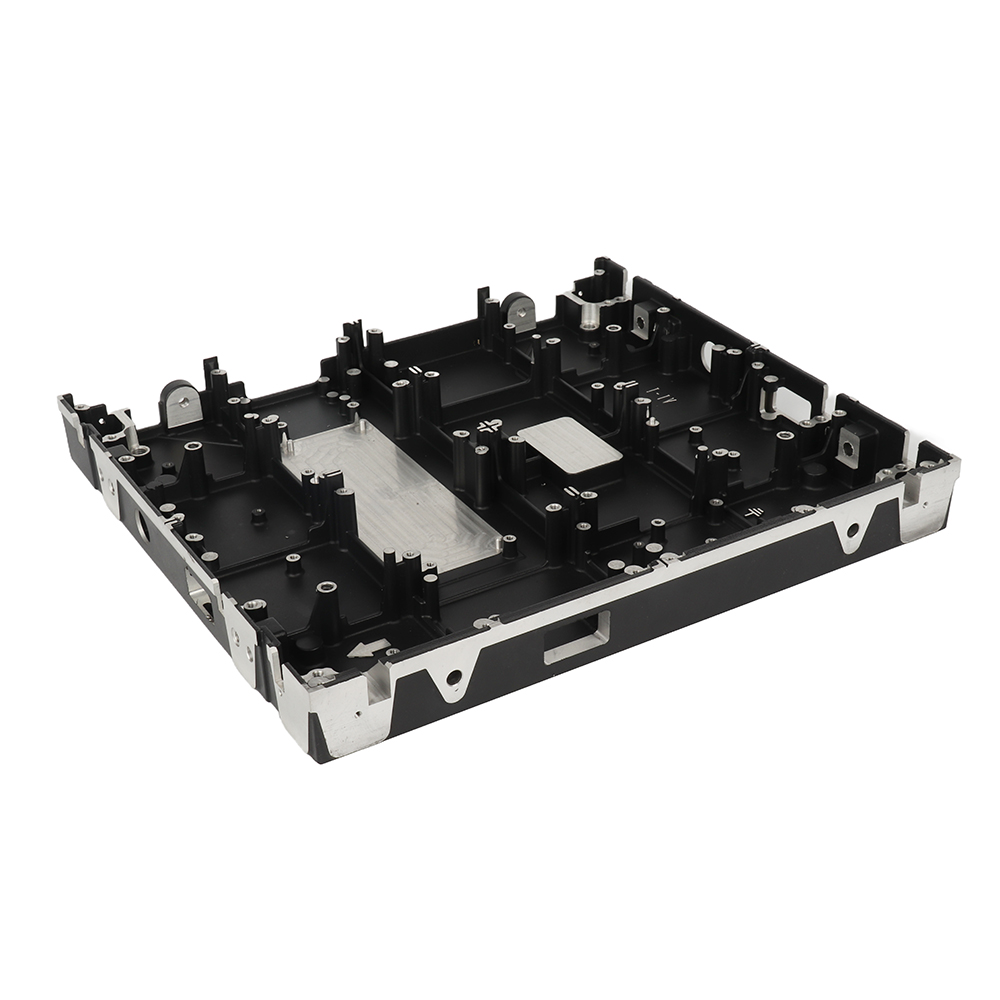
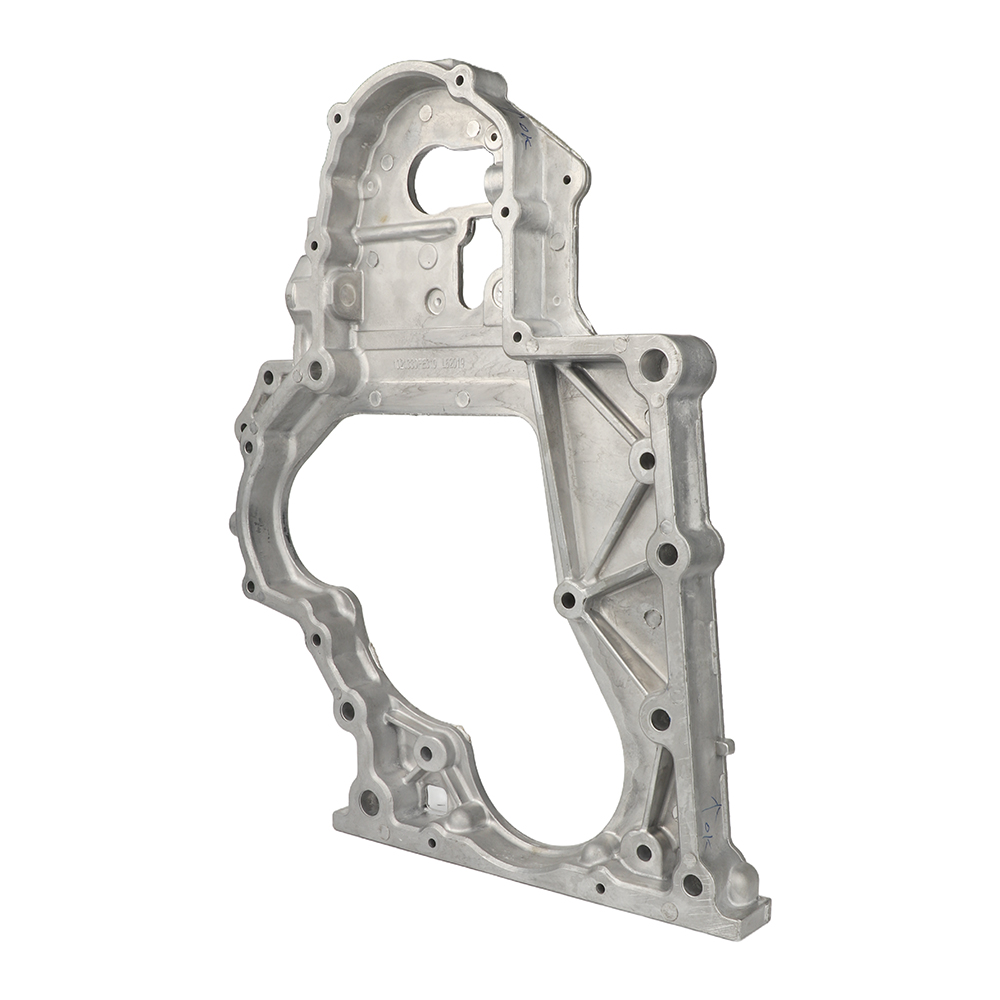
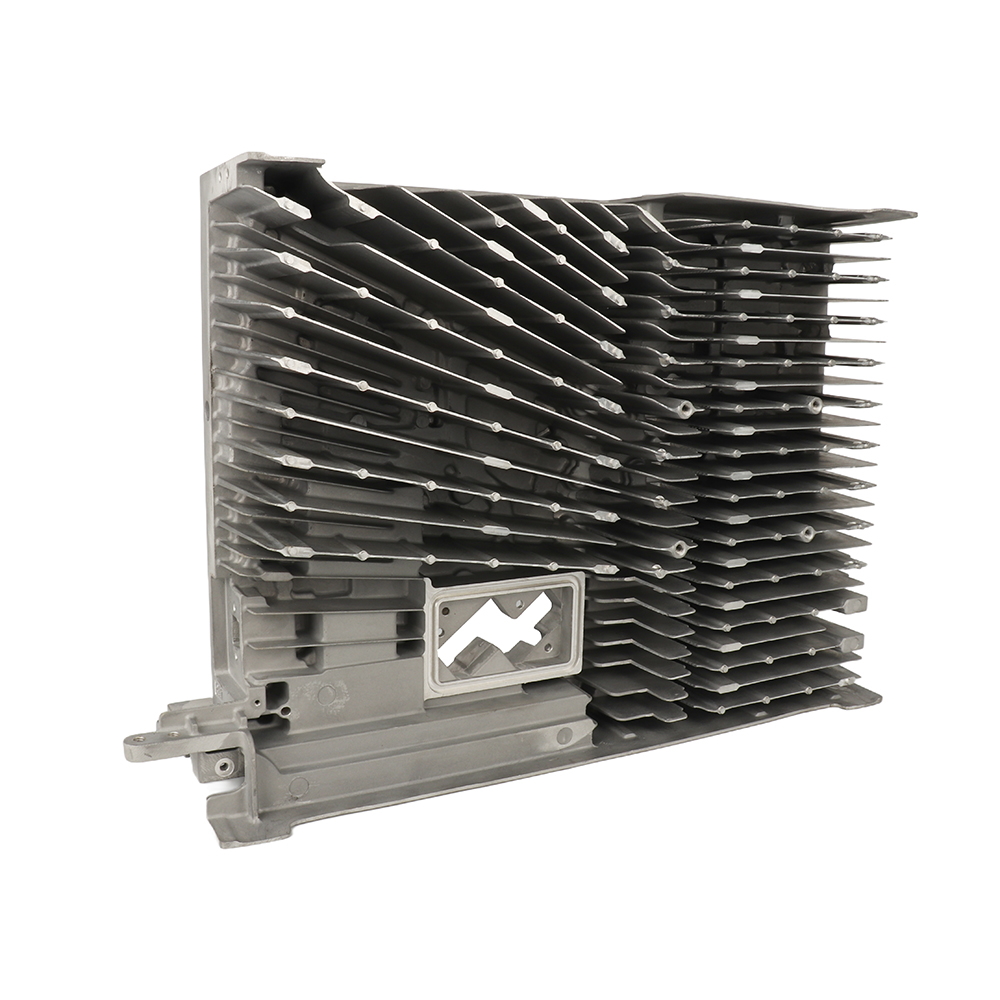
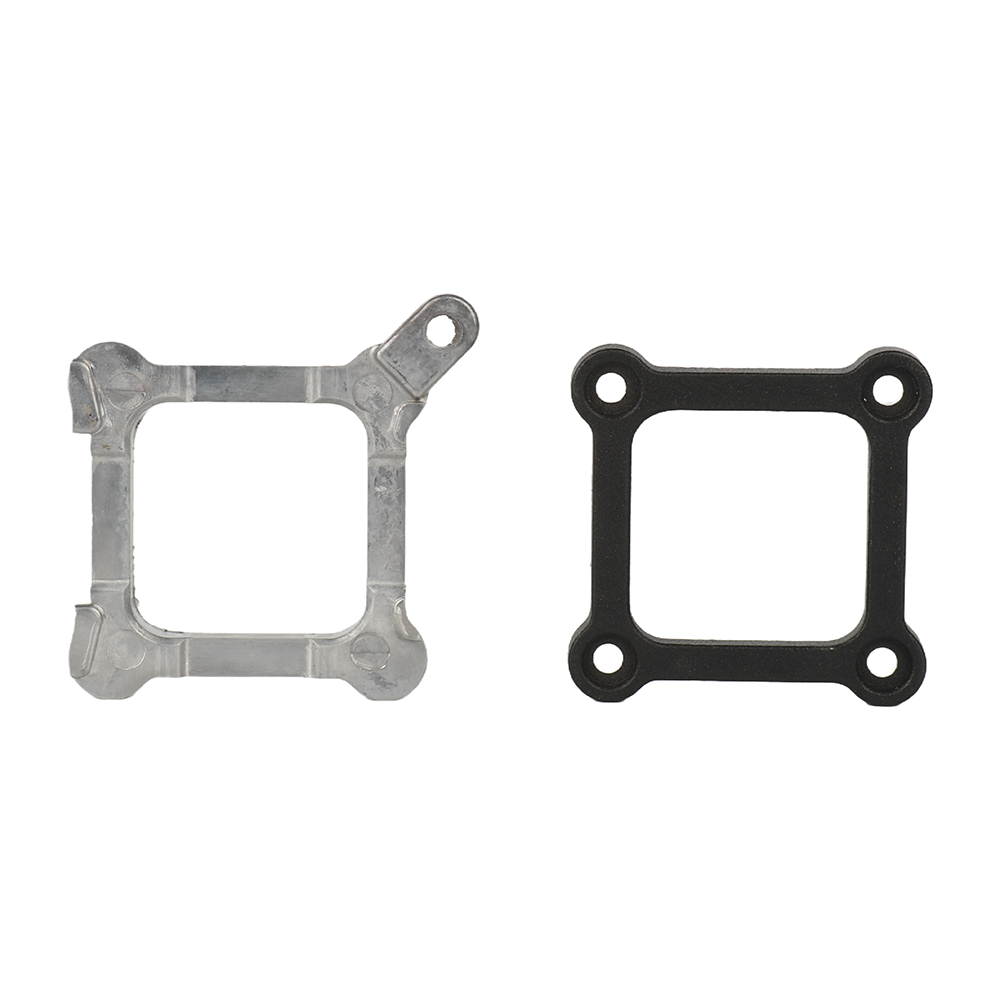
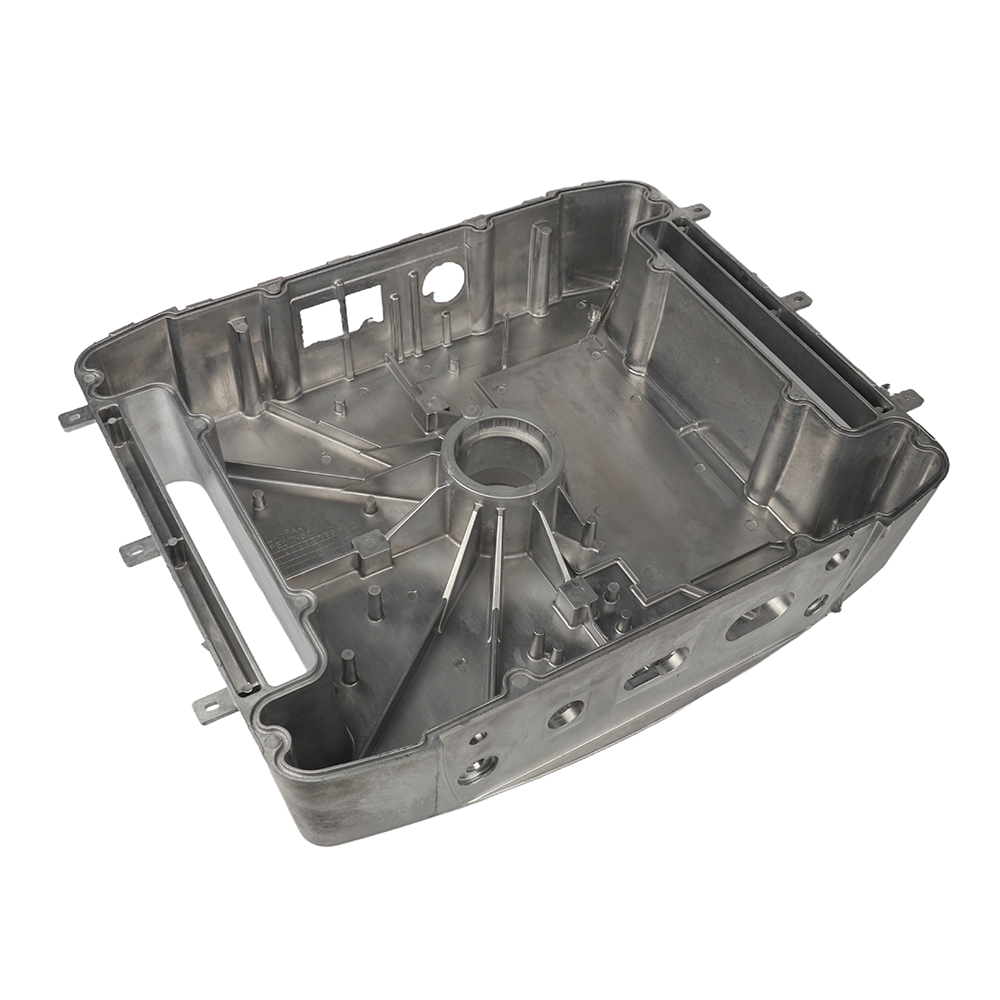
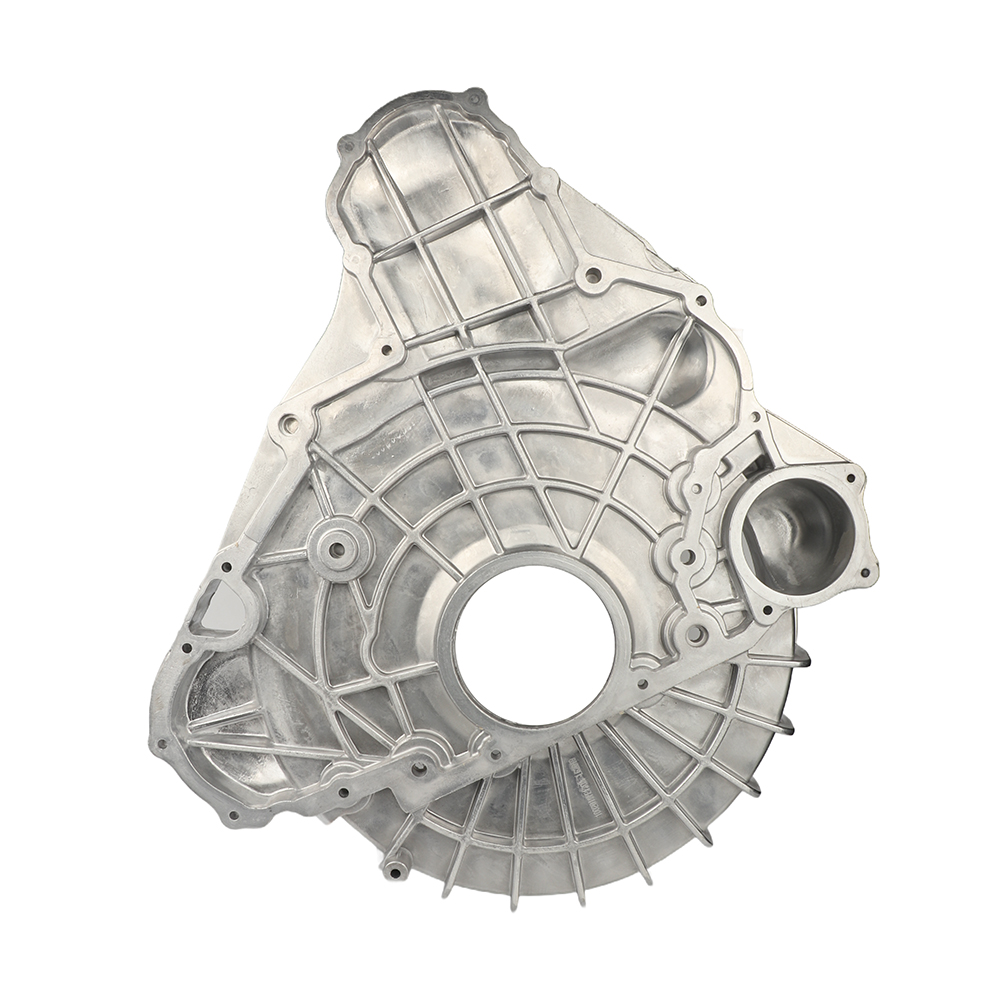
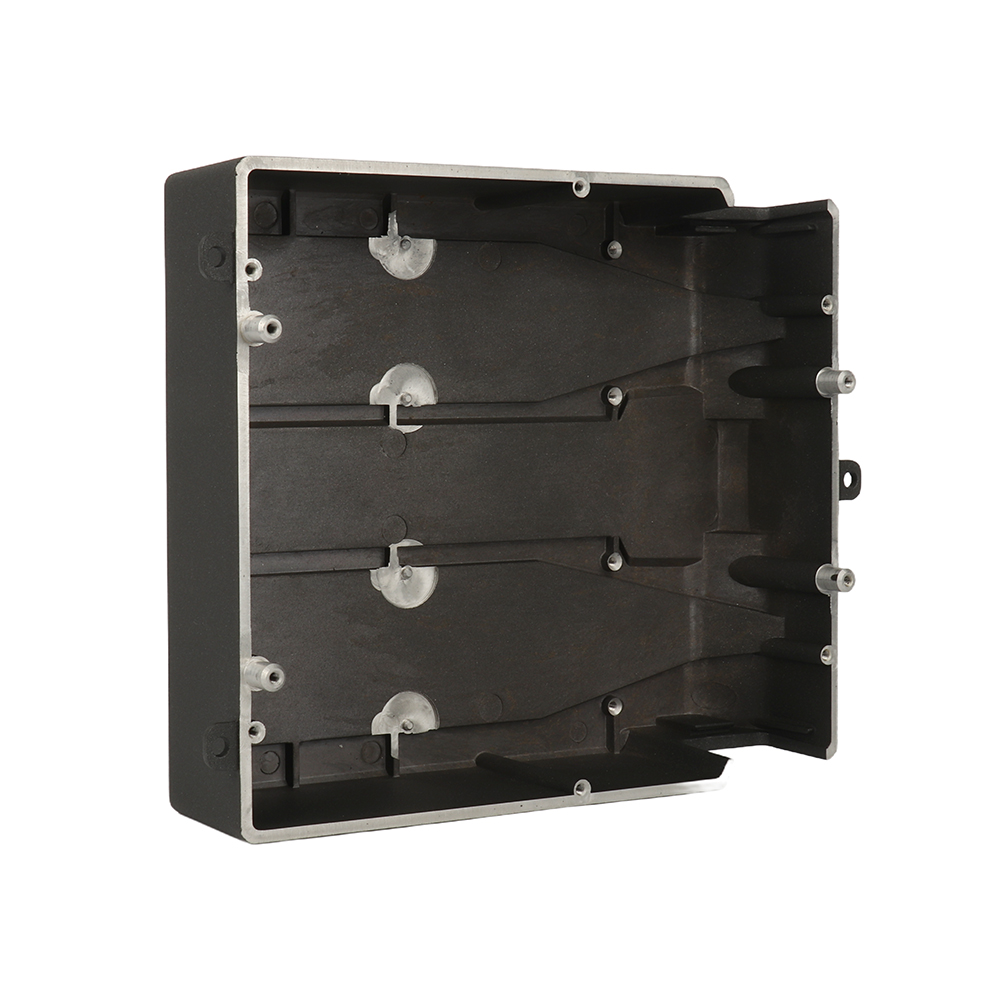
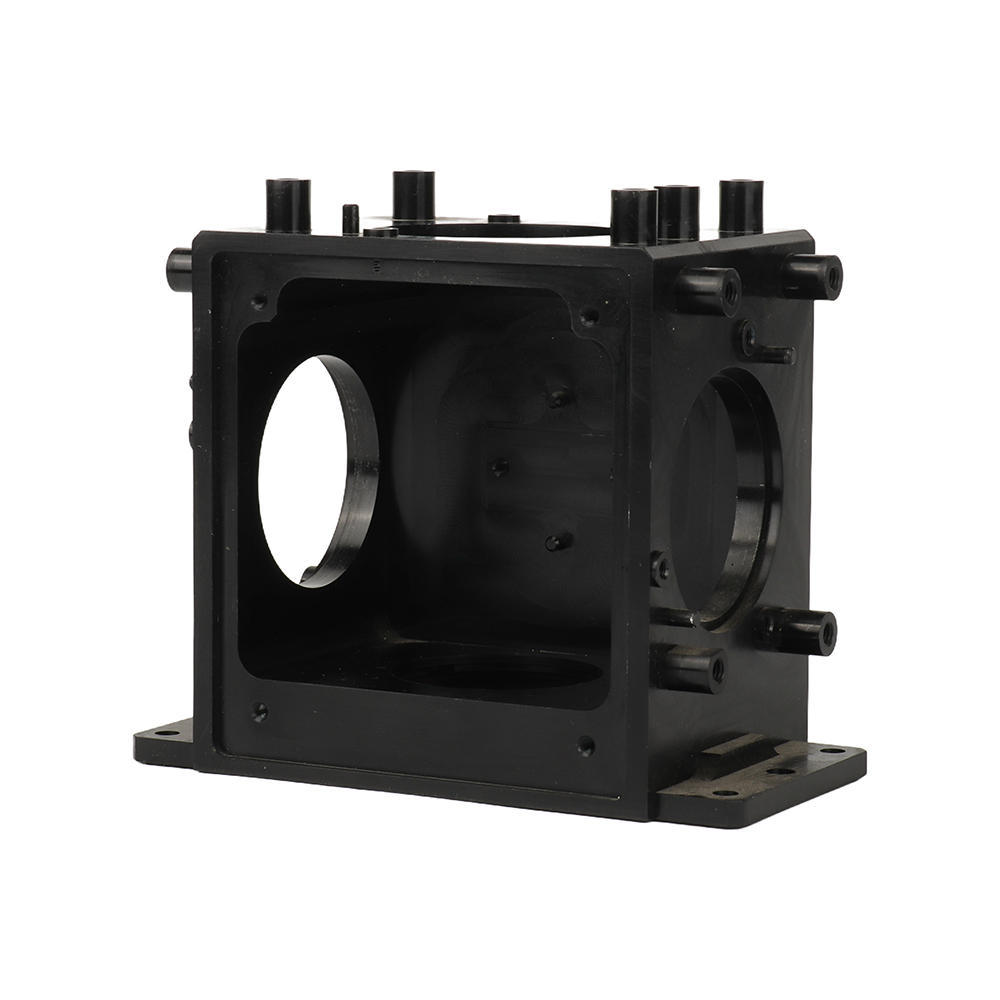
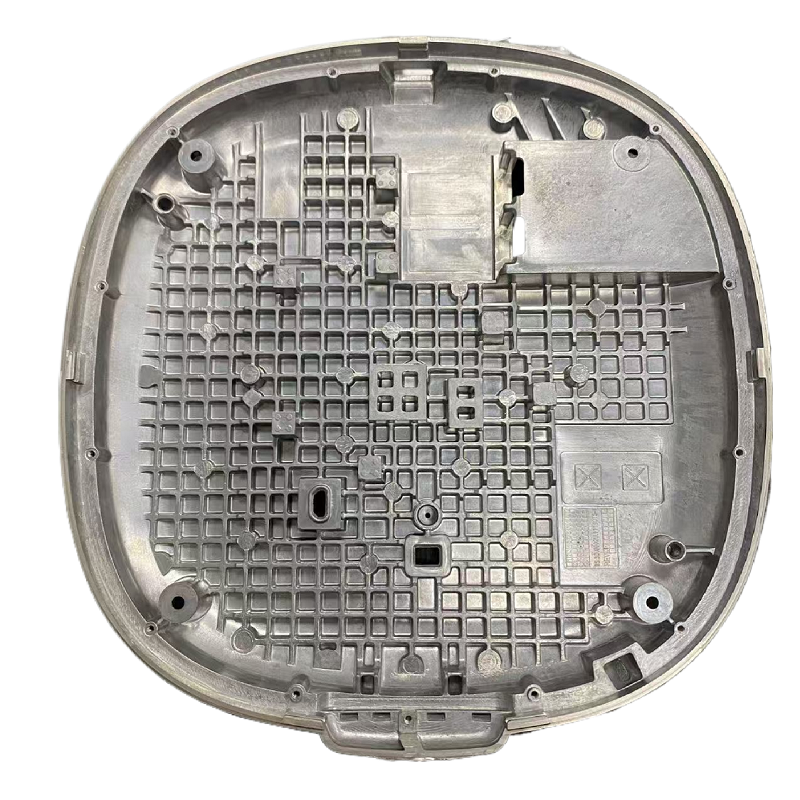
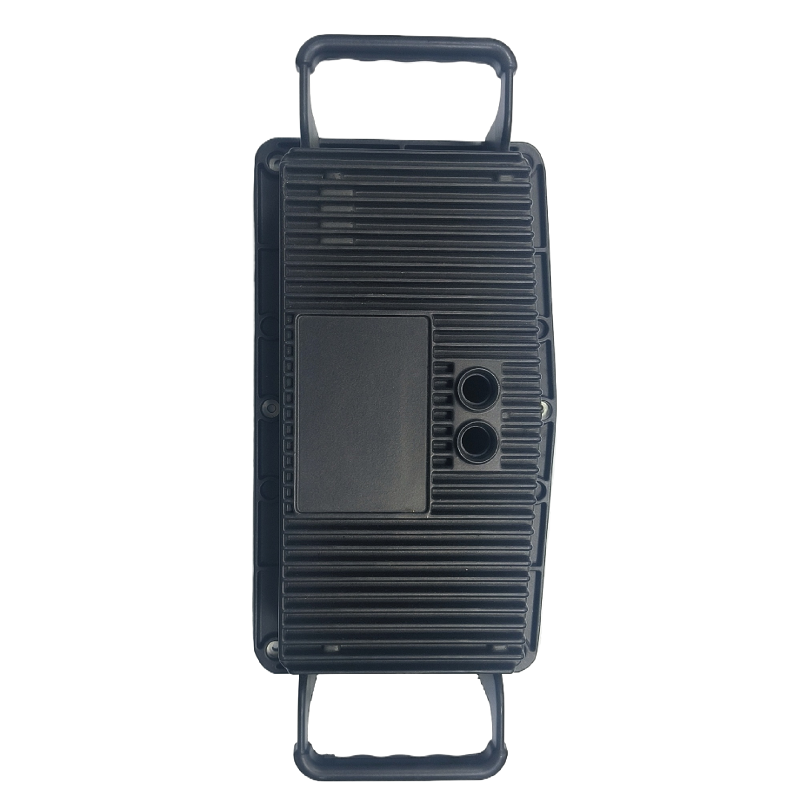
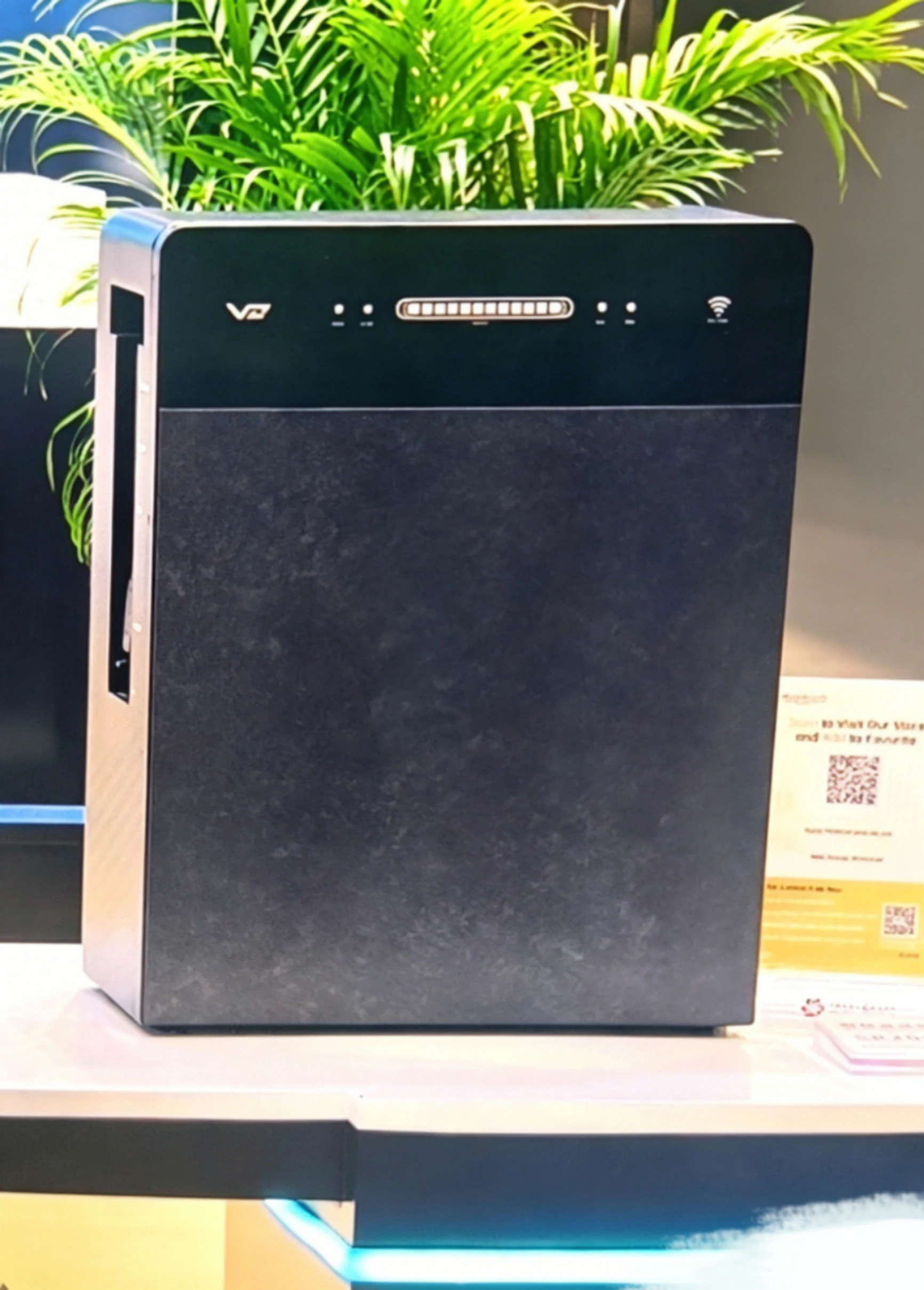
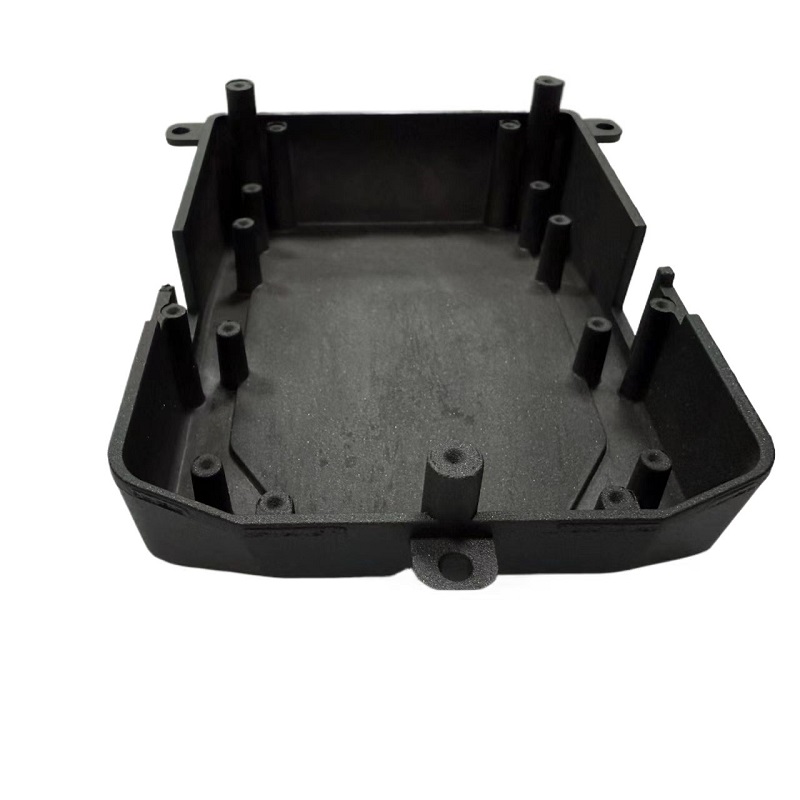
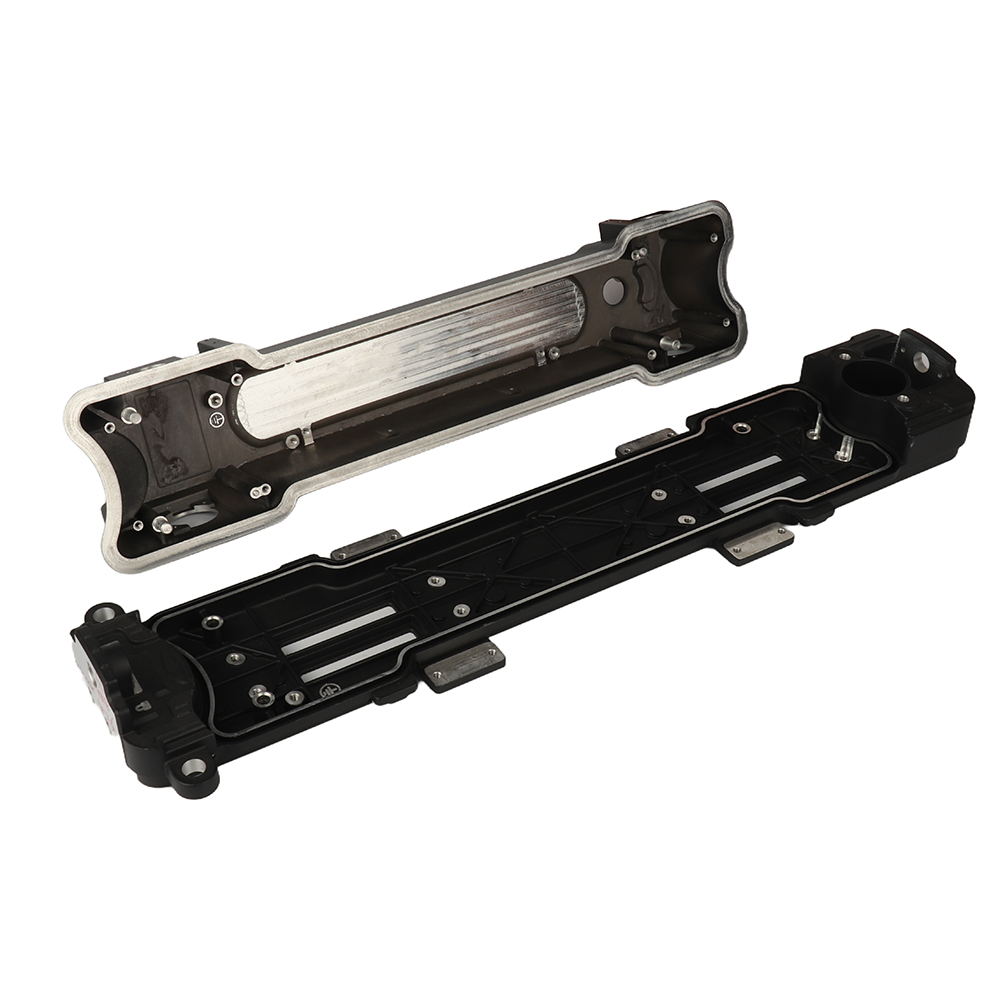
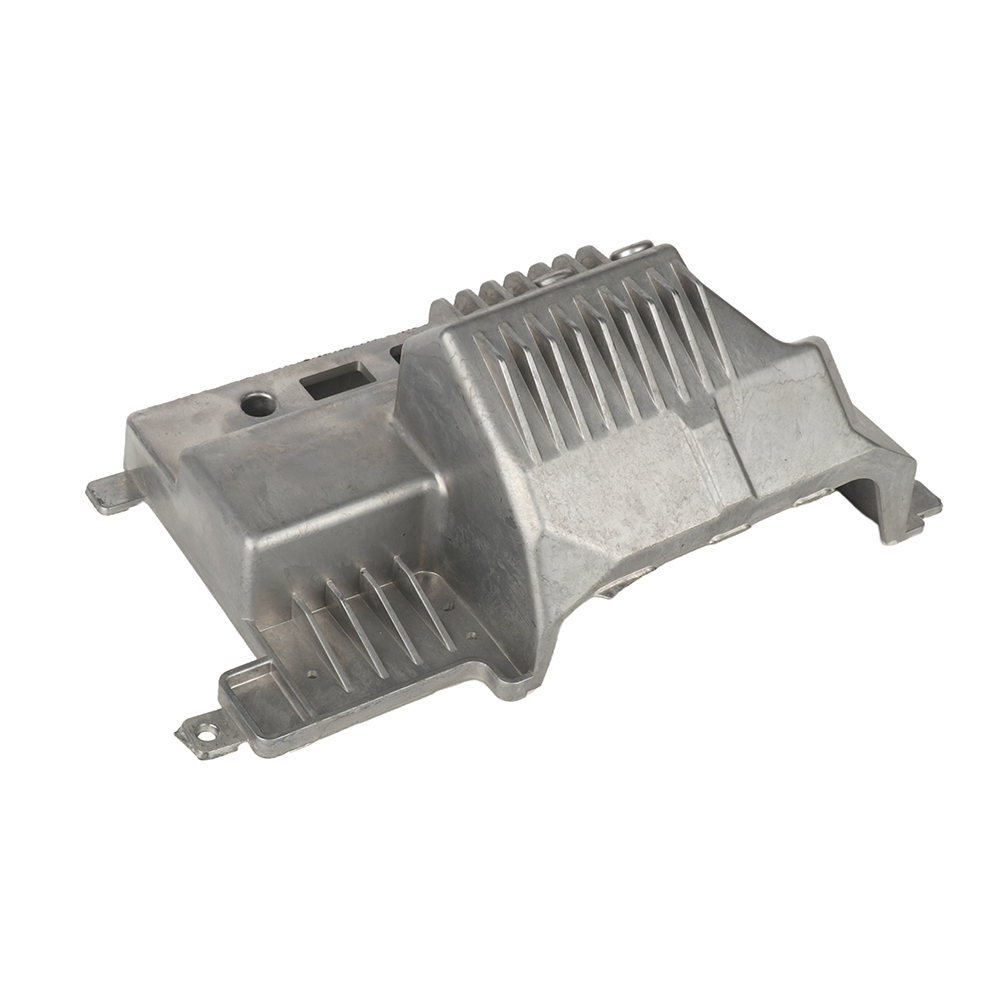
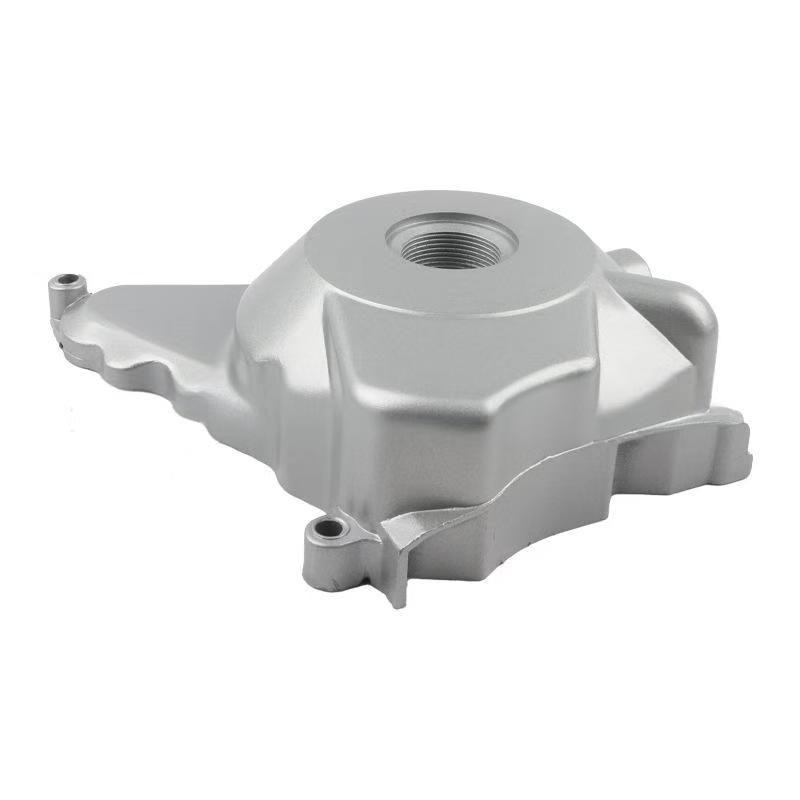
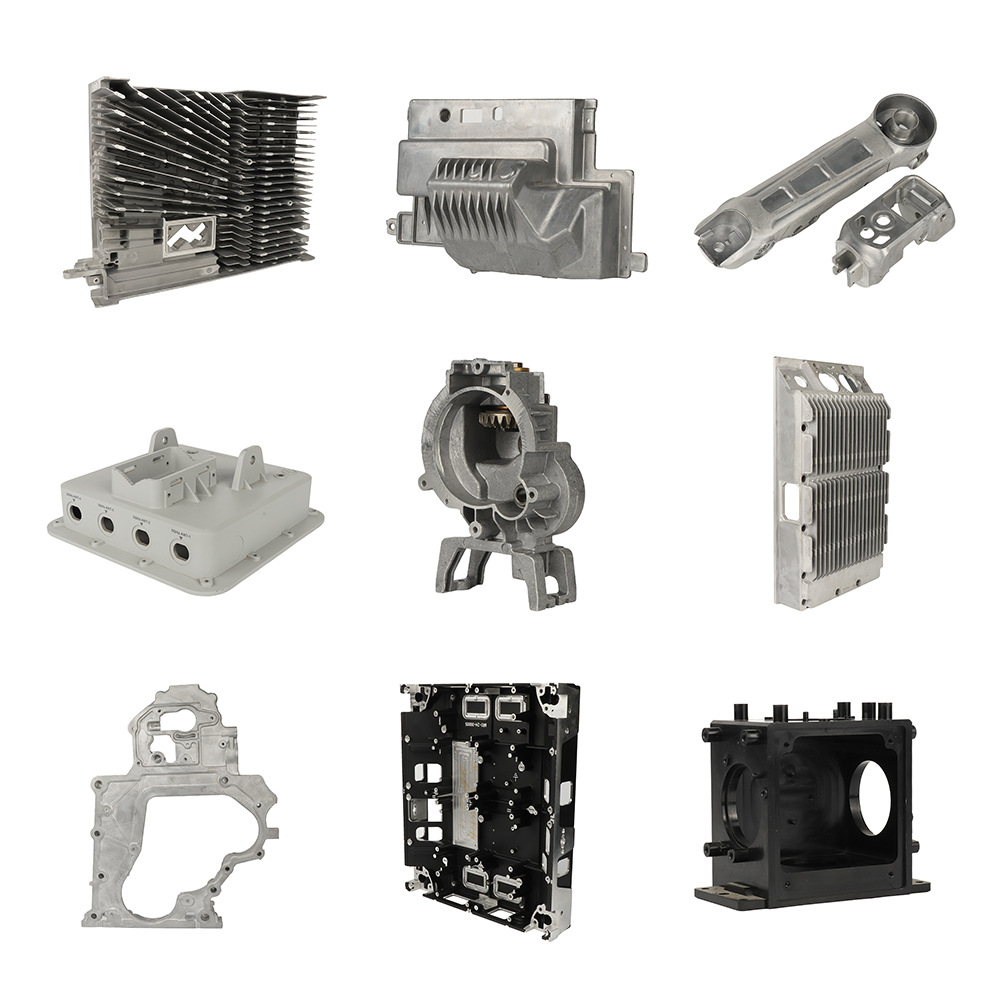
Mold development | What is Die Casting Mold Development?
2026-06-15
What is Die Casting Mold Development?
Table of Contents
- 1. Basic Definition & Full Process of Die Casting Mold Development
- 2. Core Material Matching: ADC12 Aluminum Alloy for Die Casting Molds
- 3. Universal Technical Parameters of ADC12 Die Casting Mold Development
- 4. Core Functions & Key Roles of ADC12 Die Casting Mold Development
- 5. Unique Competitive Advantages of Custom Die Casting Mold Development
- 6. Industry Expert Viewpoints on Aluminum Die Casting Mold R&D
- 7. 2026 Industry Trends & Standards for Selecting Qualified Suppliers
- 8. Common FAQs About ADC12 Die Casting Mold Development
- 9. Cooperate With Xinghang Precision Hardware – Tiered Bulk Discount & Contact Info
- 10. Industry Summary & Long-Term Development Outlook
1. Basic Definition & Full Process of Die Casting Mold Development
1.1 Definition of Die Casting Mold Development
1.1.1 Core Concept
Positioning in Aluminum Mass Production
Die casting mold development refers to the whole customized engineering workflow covering demand docking, structural simulation design, mold steel machining, heat treatment, trial casting and post-revision, specially for high-pressure die casting of non-ferrous metals. For ADC12 aluminum alloy scenarios, it targets the structural characteristics of high-silicon aluminum melt, solving common production defects including air entrapment, shrinkage porosity and flash. Unlike standard universal molds, customized die casting mold development focuses on one-to-one structural optimization matching downstream product drawings.
1.2 Standard 6-Stage Development Workflow
1.2.1 Detailed Stage Breakdown
Quality Control Nodes for Each Phase
The standardized development workflow for ADC12 aluminum die casting molds includes drawing review, Flow-3D melt filling simulation, gating and overflow system design, H13 mold steel precision machining, vacuum nitriding surface treatment, and 3 rounds of trial casting revision. Every node implements dimensional re-inspection to ensure the final mold meets mass production stability standards for 500,000+ casting cycles.

2. Core Material Matching: ADC12 Aluminum Alloy for Die Casting Molds
2.1 Compatibility Between ADC12 Alloy and Die Casting Molds
ADC12 is the most widely used high-silicon aluminum alloy for industrial die casting, compliant with JIS H5302 Japanese industrial standards. Its silicon content reaches 9.6%-12.0%, which brings excellent fluidity during high-temperature melting but also causes strong abrasive wear on mold cavities. Thus, targeted mold cavity strengthening treatment is mandatory in mold development to resist silicon particle abrasive erosion.
2.2 Why ADC12 Dominates Aluminum Die Casting Customization
Compared with A380 and AL6063 aluminum alloys, ADC12 has lower melt shrinkage rate, which reduces post-casting deformation by 32%. After matched die casting mold development, ADC12 castings support secondary CNC finishing, anodizing and sandblasting. It is widely adopted for new energy vehicle electronic shells, industrial sensor bases and 3C structural brackets, covering 68% of domestic aluminum die casting customized orders in 2025.
3. Universal Technical Parameters of ADC12 Die Casting Mold Development
All ADC12 matched die casting molds developed by Xinghang follow ISO 8062 casting tolerance standards and GB/T 6414 dimensional grading rules. The unified universal technical parameters are sorted in the table below, supporting ultra-precision customized adjustment for thin-wall castings:
| Parameter Item | Universal Standard Specification | Ultra-Precision Custom Specification |
|---|---|---|
| Cavity Mold Steel Material | H13 hot work die steel | SKD61 vacuum quenched steel |
| Single Mold Service Life | 500,000 casting cycles | 800,000+ casting cycles |
| Cavity Dimensional Tolerance | ±0.03mm | ±0.012mm |
| Casting Surface Roughness | Ra ≤1.2μm | Ra ≤0.6μm |
| Maximum Casting Wall Thickness | 12mm | 0.8mm ultra-thin wall |
| Demoulding Inclination Error | ≤0.2° | ≤0.08° |
| Surface Hardness After Treatment | 48-52 HRC | 54-58 HRC |
| Development Cycle | 18 working days | 25 working days |
4. Core Functions & Key Roles of ADC12 Die Casting Mold Development
4.1 Eliminate ADC12 Casting Inherent Defects
4.1.1 Optimize Internal Melt Flow Path
Suppress Air Entrapment & Shrinkage Porosity
Customized mold gating system design is the core of mold development. Professional engineers adjust runner cross-section and overflow groove layout based on Flow-3D simulation, which guides high-temperature ADC12 aluminum melt to fill the cavity at constant speed. This reduces internal air entrapment rate from 8.2% (ordinary standard molds) tobelow 1.5%, avoiding late casting cracking and air leakage failure.
4.2 Realize Batch Dimensional Consistency
4.2.1 Control Thermal Expansion Deviation
Ensure Zero-Gap Assembly
ADC12 aluminum melt will generate 1.1% thermal shrinkage during cooling. Mold development reserves targeted shrinkage compensation values for all cavity positions. For batch production of 100,000+ parts, the dimensional fluctuation range is controlled within ±0.02mm, which fully meets the assembly matching requirements of precision electronic modules without secondary manual trimming.
4.3 Extend Overall Production Line Service Life
4.3.1 Match Dynamic Cooling System
Reduce Mold Thermal Fatigue Damage
Complete mold development includes built-in circulating water cooling pipelines. It balances cavity temperature fluctuation between 220℃-260℃ during continuous high-speed casting, slowing thermal fatigue cracks on mold surfaces. It cuts annual mold replacement frequency by 40% and lowers long-term production overheads for manufacturers.
5. Unique Competitive Advantages of Custom Die Casting Mold Development
5.1 Structural Adaptability for Irregular Special-Shaped Parts
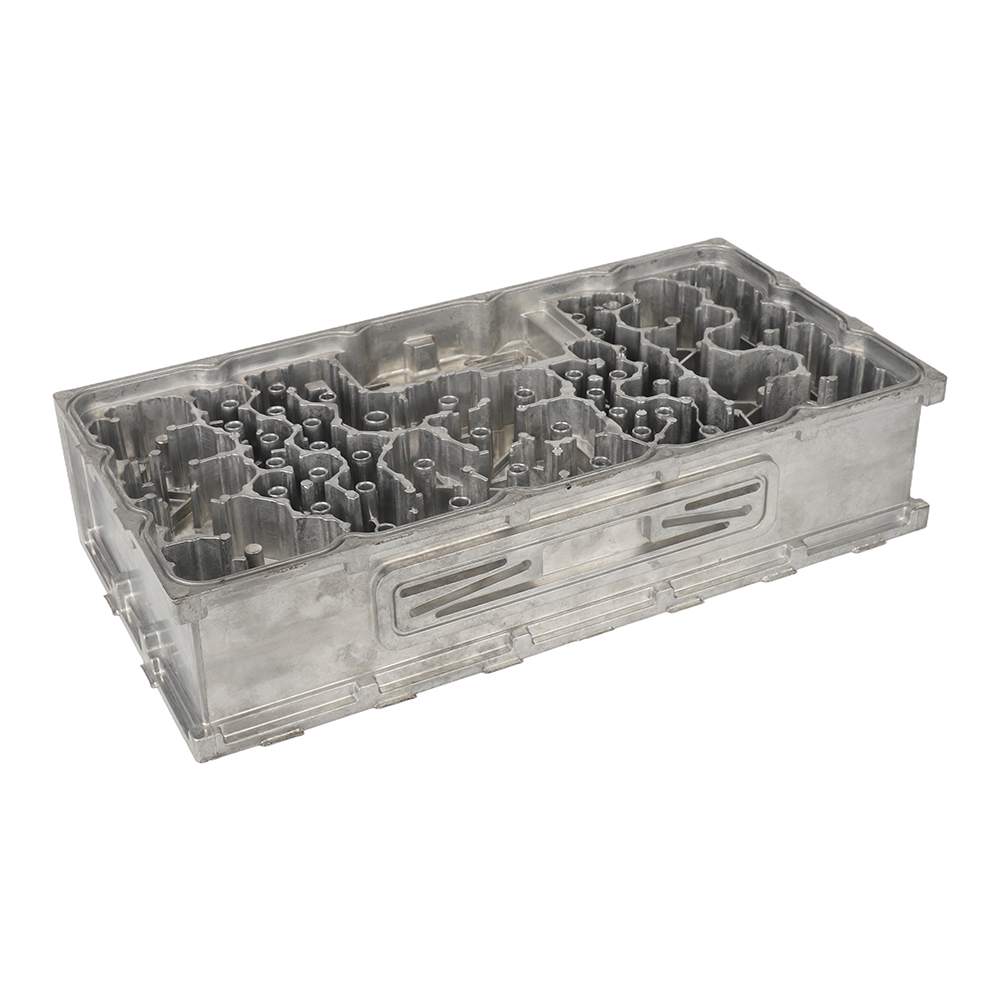
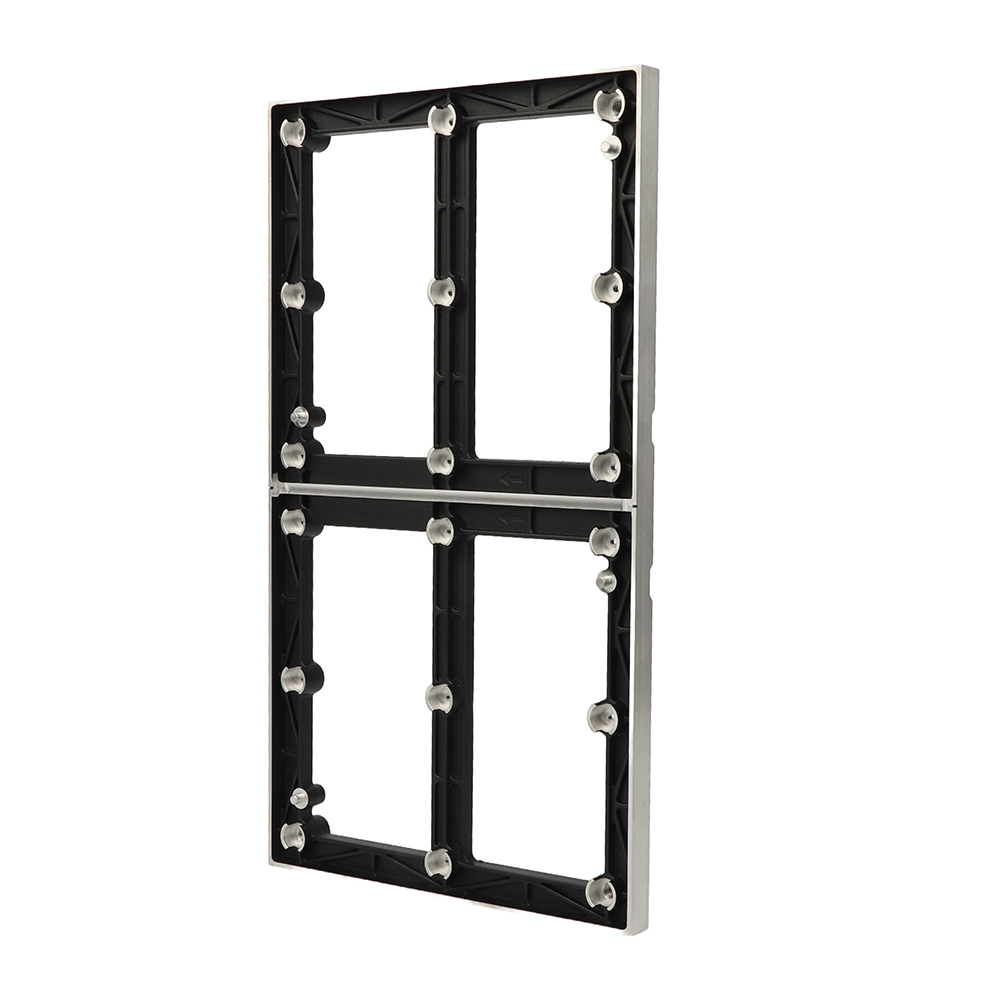
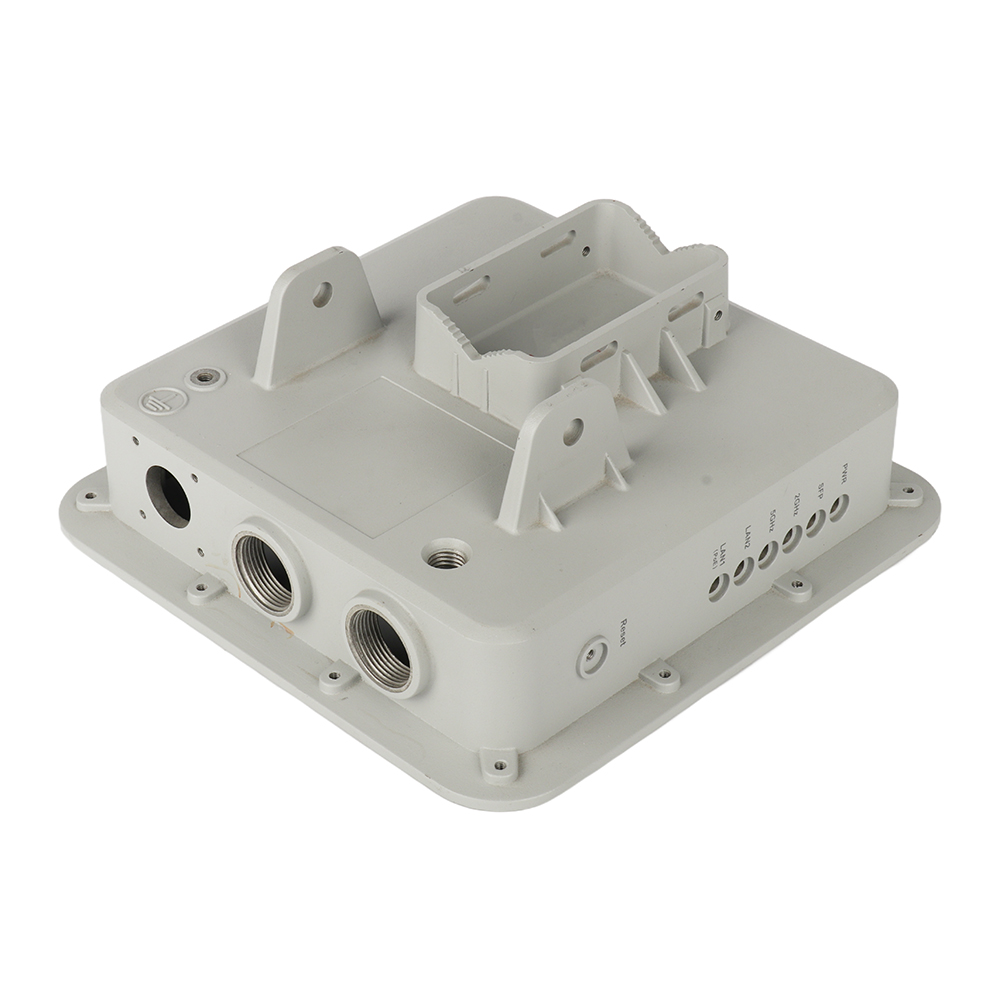
Standard die casting molds can only produce simple planar structural parts. Custom mold development supports integrated forming of undercut structures, embedded positioning bosses and asymmetric groove cavities. For complex ADC12 enclosure covers and multi-hole sensor bases, it cancels secondary welding and splicing processes, improving structural integrity of finished parts.
5.2 Lower Comprehensive Production Cost in Mass Orders
Although one-time mold development investment is higher than purchasing stock molds, it reduces post-casting rework rate by 65%. Customized overflow and exhaust structure cuts material waste of ADC12 aluminum ingots by 11%. For orders exceeding 50,000 pieces, the comprehensive unit production cost is 18% lower than standard mold batch production.
5.3 Compatibility with Diversified Post-Treatments
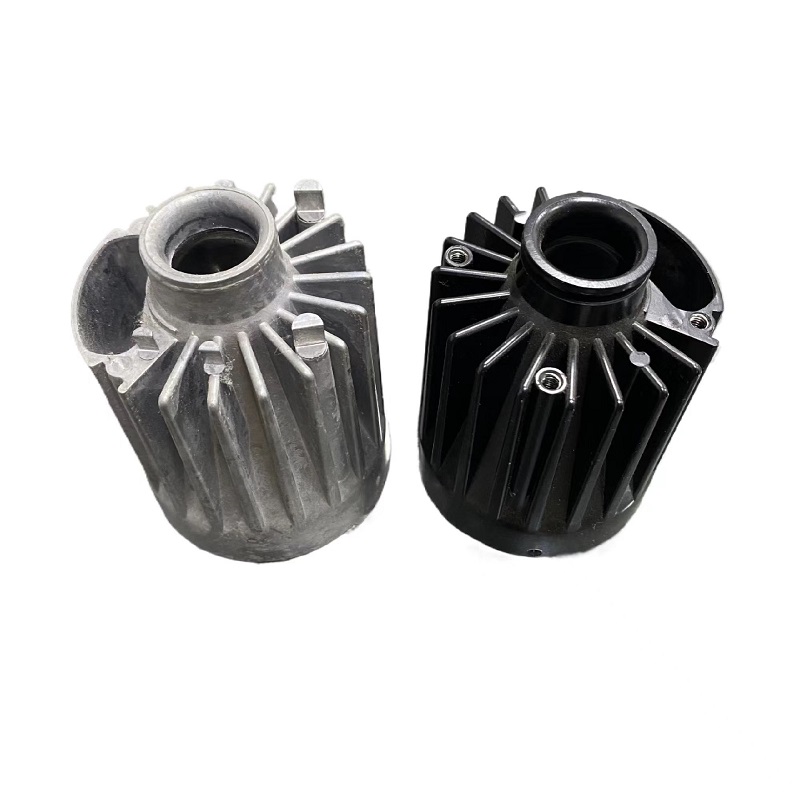
Mold surface polishing and parting line optimization in the development stage minimize flash burrs of ADC12 castings. Finished castings can directly support anodizing, electrophoretic coating and precision tapping without flash removal polishing. It shortens the overall finished product delivery cycle by 22%.
5.4 Excellent High-Temperature Long-Term Stability
Vacuum heat treatment and nitriding strengthening in mold development improve cavity anti-oxidation performance. The mold can continuously work under 680℃ ADC12 melt impact for 24 hours without surface peeling, adapting to uninterrupted automated die casting production lines.
6. Industry Expert Viewpoints on Aluminum Die Casting Mold R&D
Dr. Jason Liu, chief researcher of China Non-Ferrous Metals Die Casting Industry Association with 22 years of mold R&D experience, released targeted viewpoints on ADC12 mold development in the 2026 Industrial Precision Manufacturing Summit: “ADC12 aluminum die casting quality is 70% determined by mold development rather than die casting equipment parameters”. Most downstream casting defects such as water ripples and internal looseness are not caused by improper die-casting pressure, but unreasonable exhaust runner design in initial mold development.
Dr. Jason further emphasized that the industry is eliminating backward one-size-fits-all standard molds. The mainstream technical route in 2026 is mold flow simulation + cavity personalized compensation + modular waterway integration. Downstream enterprises that ignore customized mold development will face high rework costs and unstable batch quality, losing competitive advantages in new energy and medical precision component supply chains.
Verified market data: From 2026 to 2031, the global customized aluminum die casting mold market will maintain a compound annual growth rate of 15.2%, far exceeding the 4.3% growth rate of standard stock molds.
7. 2026 Industry Trends & Standards for Selecting Qualified Suppliers
7.1 Four Core 2026 Die Casting Mold Development Trends
7.1.1 Intelligent Simulation-Driven R&D
Traditional empirical mold design is phased out. All qualified suppliers adopt dual simulation verification of Flow-3D and Moldflow before machining, realizing zero-trial first-pass yield for 40% of simple structural molds, greatly shortening development cycles.
7.1.2 Modularized Mold Structural Design
Replace integral cavity structures with modular inserts. It supports local rapid replacement of worn cavity parts instead of overall mold scrapping, reducing post-maintenance costs by 53% for long-term cooperative customers.
7.1.3 Low-Carbon Near-Net-Shape Development
Optimize mold cavity blank allowance to reduce ADC12 material removal volume in secondary CNC processing. It matches global carbon tariff policies and helps downstream customers complete green supply chain certification.
7.1.4 Cross-Process One-Stop Customization
Suppliers integrate mold development, die casting production, CNC finishing and surface treatment, realizing unified quality standards from mold design to finished product delivery, avoiding quality differences caused by cross-supplier outsourcing.
7.2 Five Screening Standards for High-Quality Mold Suppliers
7.2.1 Independent Full-Chain Machining Capacity
Qualified suppliers must own five-axis CNC milling machines, vacuum heat treatment furnaces and mold polishing workshops, without outsourcing core cavity machining. Outsourced links often lead to inconsistent mold hardness and dimensional errors.
7.2.2 Complete Mold Trial & Revision System
Suppliers need to provide 3 free trial casting rounds and full dimensional CT scanning reports to detect internal porosity. Avoid hidden quality risks that cannot be found by manual appearance inspection.
7.2.3 ADC12 Material Matching Experience
Prioritize manufacturers with 3+ years of concentrated ADC12 mold development experience. High-silicon aluminum has unique abrasive characteristics, and general mold manufacturers are prone to rapid cavity wear within 100,000 cycles.
7.2.4 Transparent Tiered Pricing Mechanism
Avoid hidden charges for mold revision and cooling system transformation. Formal suppliers list all development fees, post-maintenance charges and bulk discount rules in written contracts.
7.2.5 Long-Term Mold After-Sales Maintenance
Provide regular cavity cleaning, nitriding repair and insert replacement services. High-frequency after-sales support guarantees stable long-term batch production.
8. Common FAQs About ADC12 Die Casting Mold Development
Q1: Is customized mold development necessary for small-batch ADC12 orders?
For orders below 3,000 pieces, standard modified molds are cost-effective; for orders above 5,000 pieces, customized development is recommended. Custom molds cut rework and scrap losses, and the cost difference can be offset within 2 months of mass production.
Q2: How long is the warranty period for ADC12 die casting molds?
Xinghang provides a 12-month overall mold warranty and 24-month cavity surface treatment warranty. Within the warranty period, free repair for non-human thermal fatigue and exhaust groove blockage is available.
Q3: What causes flash on ADC12 die castings after mold trial?
The main causes are uneven parting surface fitting and insufficient mold locking force reserved in development. We will perform secondary precision grinding on parting surfaces and adjust pressure-bearing cushion structures for free in the revision phase to eliminate flash completely.
Q4: Can existing old molds be modified instead of new development?
Yes. We support cavity modification, cooling pipeline upgrading and exhaust system reconstruction for stocked ADC12 molds. Modification cost is only 45% of new mold development, suitable for minor structural product iteration.
Q5: What is the difference between H13 and SKD61 mold steel for ADC12?
H13 is suitable for conventional medium-cycle production with cost advantages; SKD61 has better thermal crack resistance, suitable for ultra-long continuous automated production and ultra-thin wall ADC12 castings with strict surface requirements.
9. Cooperate With Xinghang Precision Hardware – Tiered Bulk Discount & Contact Info
9.1 Our Core Mold Development Strengths
Xinghang Precision Hardware is a one-stop ADC12 aluminum die casting and mold development manufacturer with 14 years of industrial precision hardware experience. We own independent mold R&D workshops, 12 sets of five-axis mold machining centers and full-process quality testing equipment. We have served new energy vehicle, industrial automation and medical equipment clients across Europe, Southeast Asia and North America, specializing in ADC12 mold customized development, die casting mass production and post-precision finishing.
We adopt dual-flow simulation for all ADC12 mold projects and provide full-cycle tracking from drawing review, mold machining, trial casting to mass production docking. Our first-pass mold trial yield reaches 92%, far higher than the industry average of 76%.
9.2 Exclusive Tiered Bulk Discount Policy
We launch transparent tiered preferential rules for mold development and subsequent die casting batch orders: The larger the cumulative order quantity, the deeper the unit price discount. Detailed rules: 5% discount for cumulative orders over 100,000 pieces; 12% discount for over 300,000 pieces; 18% discount for long-term annual strategic cooperation. Additional benefits include free mold regular maintenance, priority production scheduling and free CT quality inspection reports for bulk clients.
9.3 Official Global Contact Information
Welcome global purchasers to submit drawings for free mold solution evaluation and sample trial consultation!
Phone / Whatsapp / WeChat: +86 18819502691
Official Email: liqine@xinghangcn.com
10. Industry Summary & Long-Term Development Outlook
Die casting mold development is the upstream core link determining the quality, cost and delivery cycle of ADC12 aluminum die casting products. Compared with traditional standard mold matching, customized mold development solves industry pain points including high casting defect rate, poor batch consistency and short mold service life. It has become the mainstream choice for high-end industrial aluminum structural part procurement.
In 2026 and the next five years, the industry will continue to evolve toward intelligent simulation R&D, modular easy-maintenance design, low-carbon near-net-shape manufacturing and cross-process integrated services. For downstream manufacturing enterprises, blindly pursuing low-priced generic molds will lead to long-term loss of supply chain stability. Selecting suppliers with concentrated ADC12 mold experience, independent full-chain production and perfect after-sales is the core strategy to control procurement risks.
As a reliable global one-stop precision hardware supplier, Xinghang Precision Hardware adheres to quality priority and customer-centric service principles. We provide tailored ADC12 die casting mold development schemes, flexible tiered bulk discounts and 24-hour multilingual technical support. We sincerely invite global industrial clients to establish long-term mutually beneficial cooperative partnerships.
Aluminum washer | What are the functions of LED display shims? A Complete Guide Focused on ADC12 Aluminum Washers
Brushed finish | What is brushed finish for die casting prat? Comprehensive Guide
Related Article

Residential energy storage systems have become increasingly popular as homeowners pursue energy independence, solar self-consumption and backup power for grid outages.
Energy storage enclosure | What Are the Benefits of Die-Cast Home Energy Storage Enclosures?

A custom LED display frame is the core structural carrier for LED screen modules, widely manufactured with ADC12 aluminum alloy via high-pressure die casting.
LED display frame | What Are the Benefits of Custom LED Display Frames?

