
HOT PRODUCTS
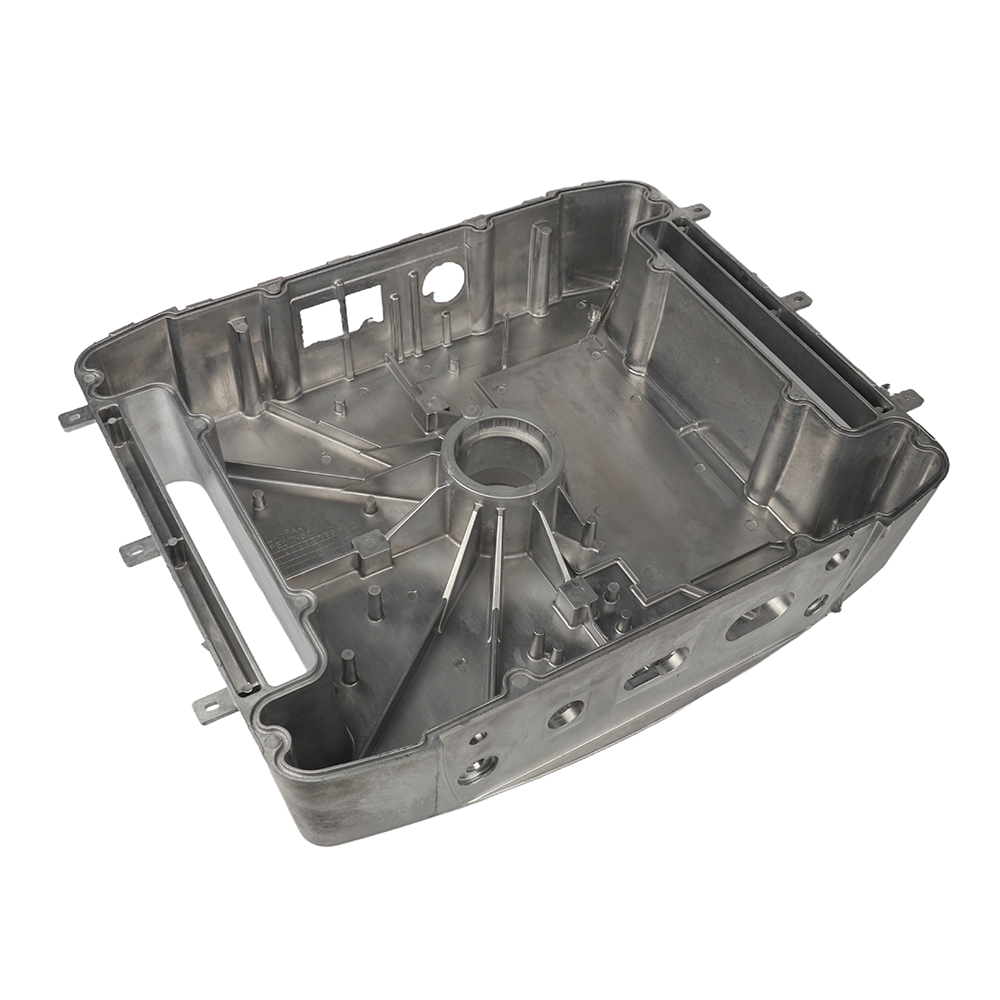
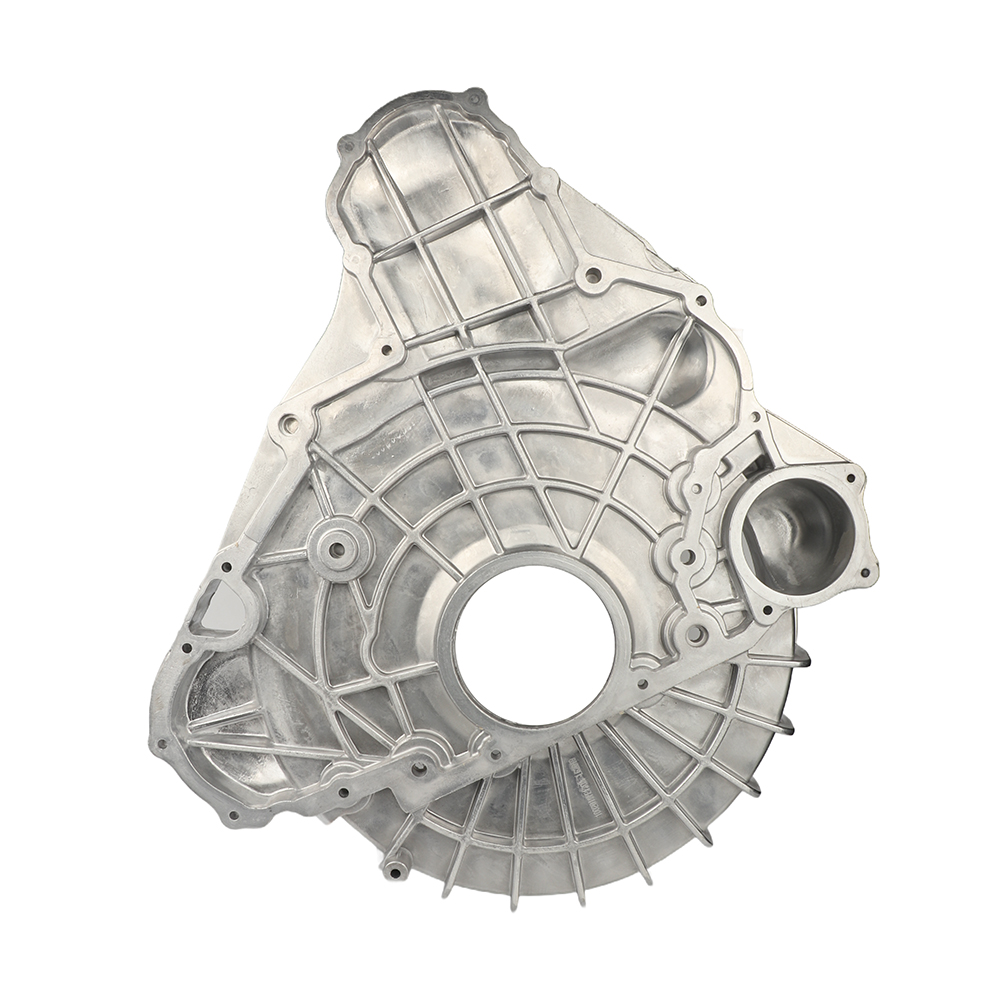
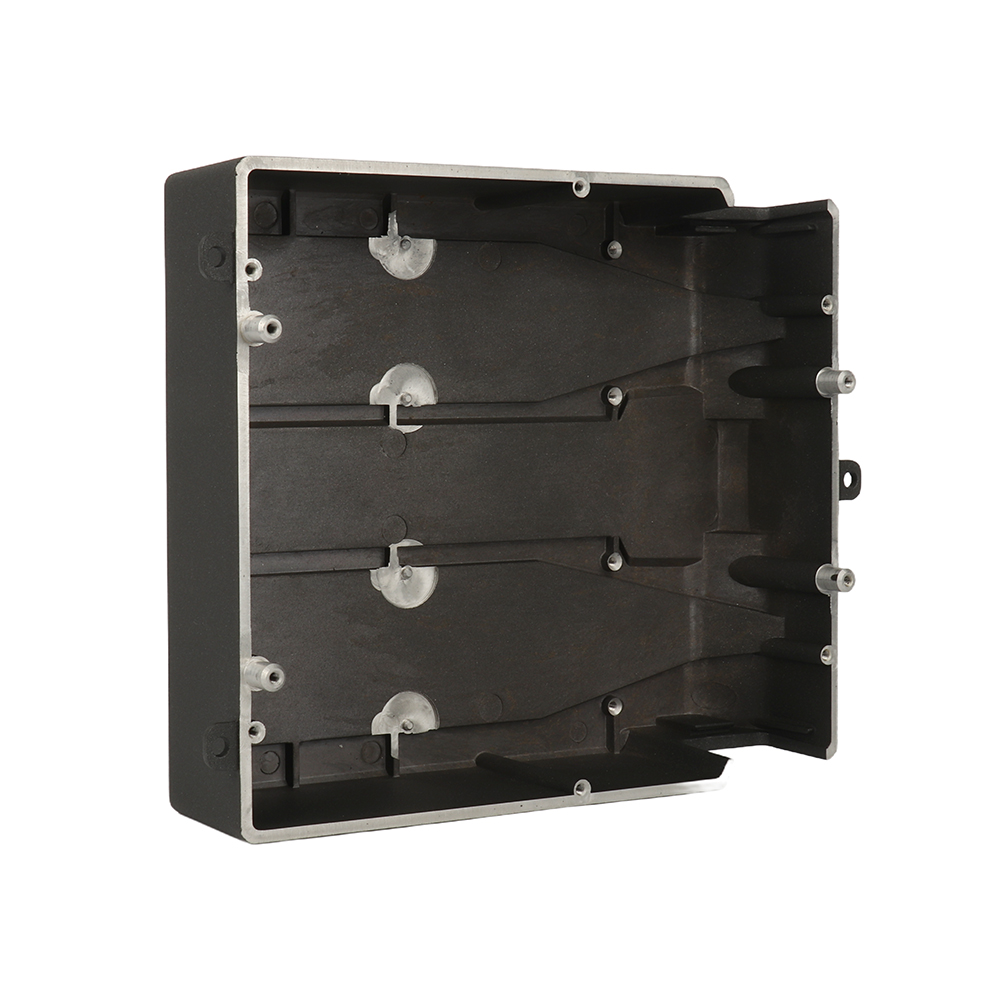
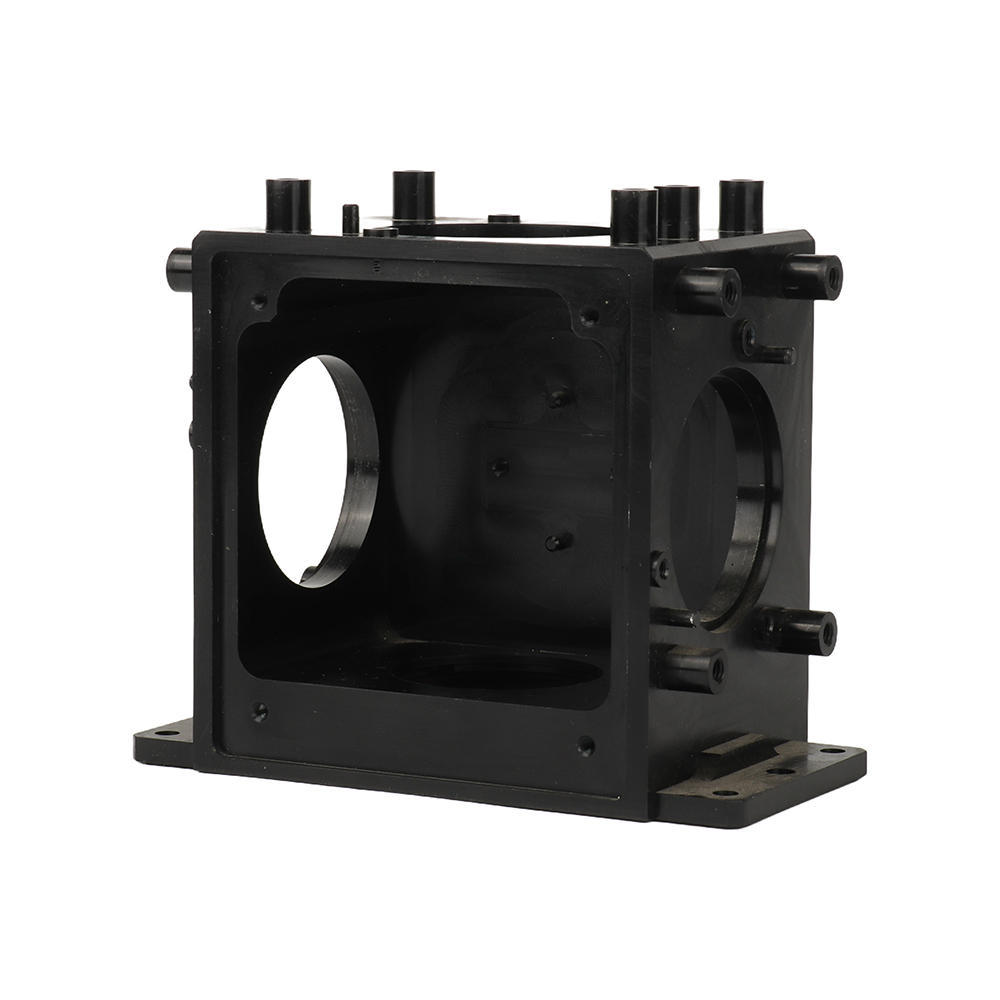
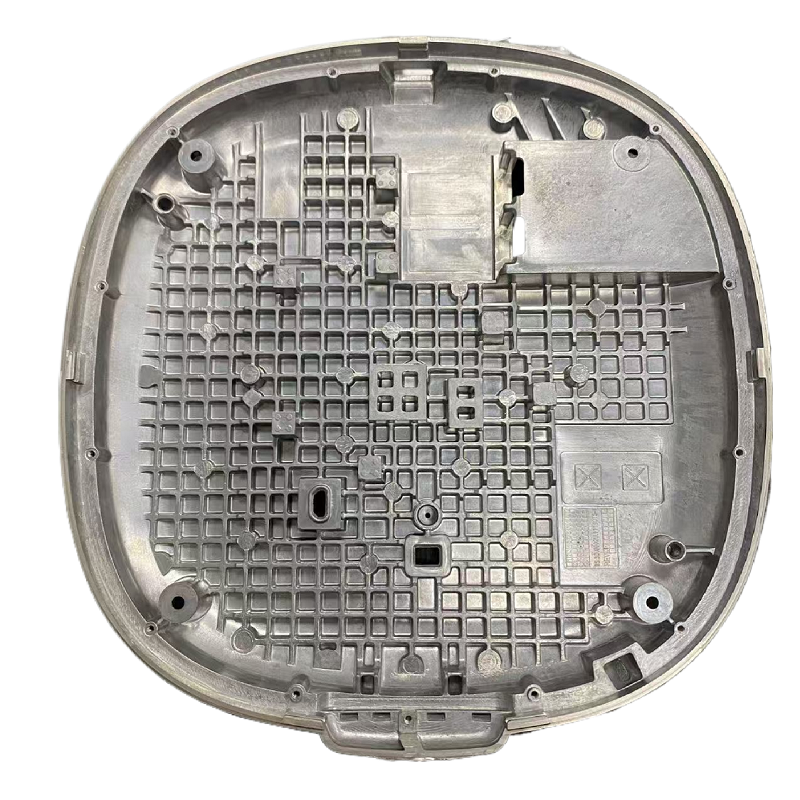
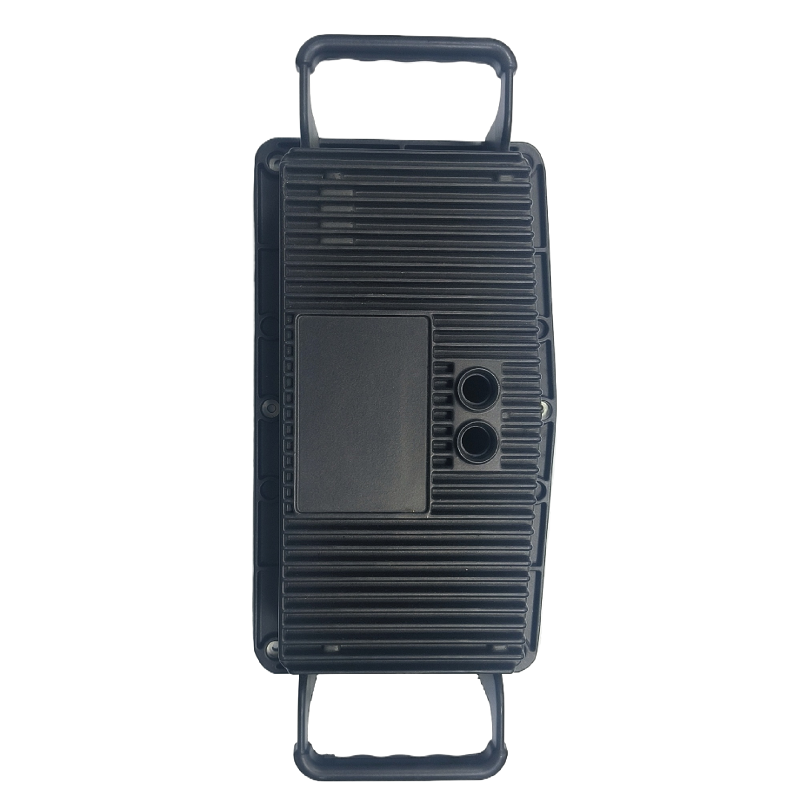

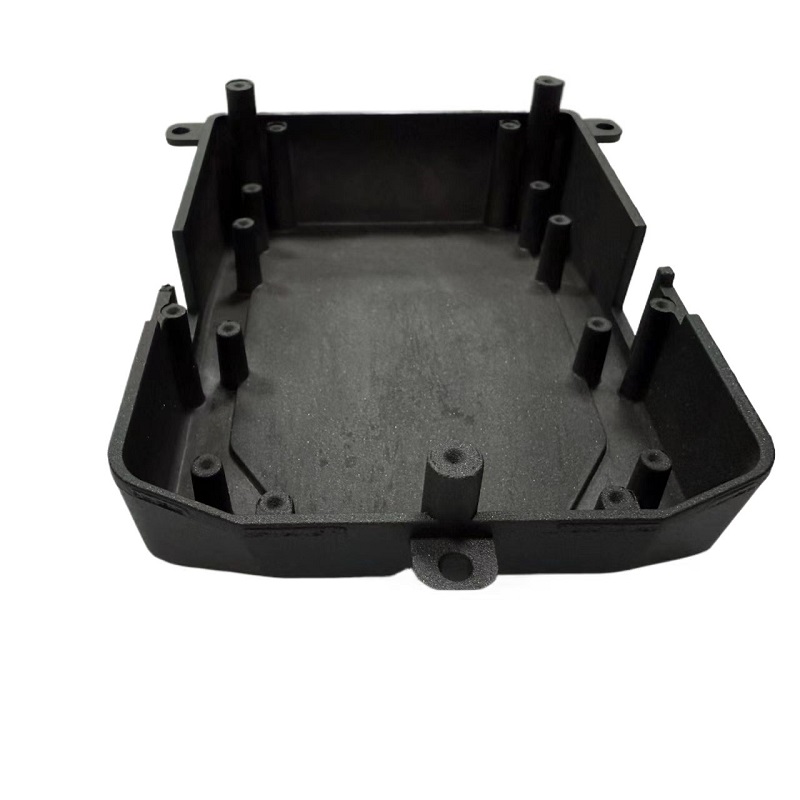
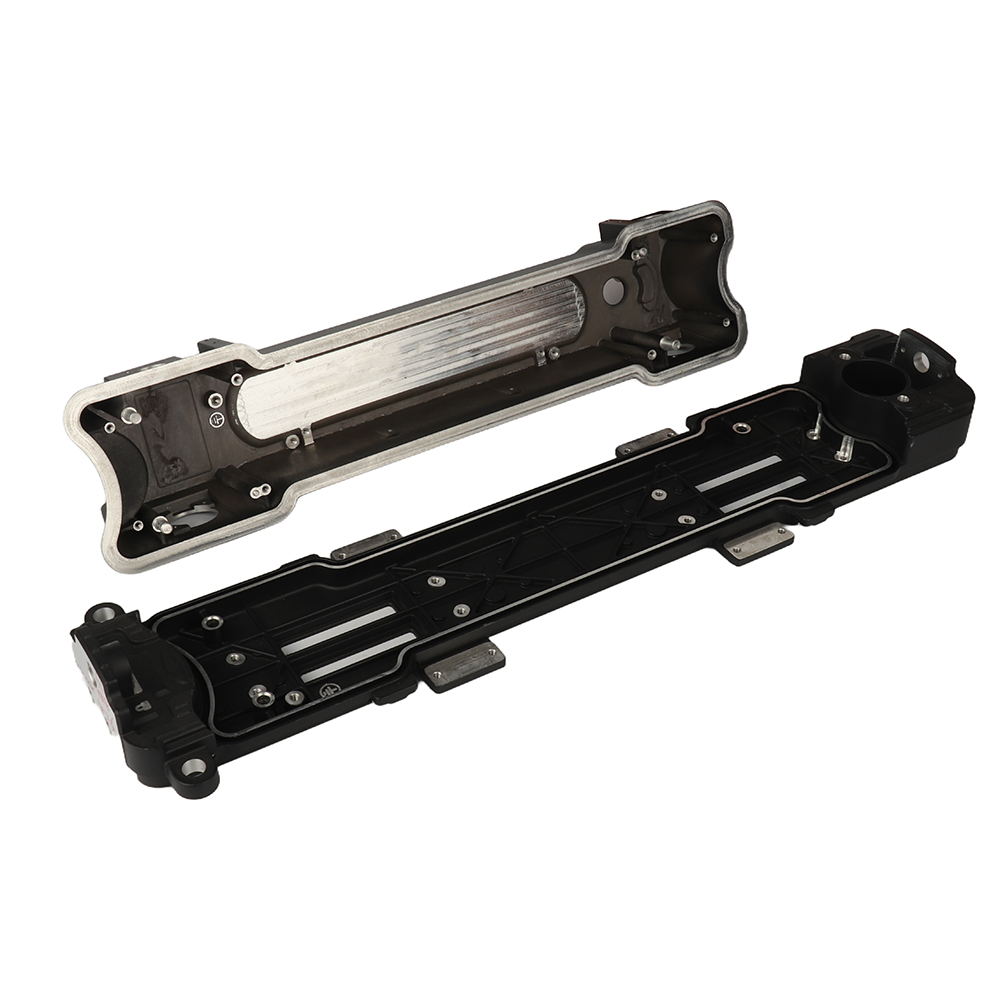
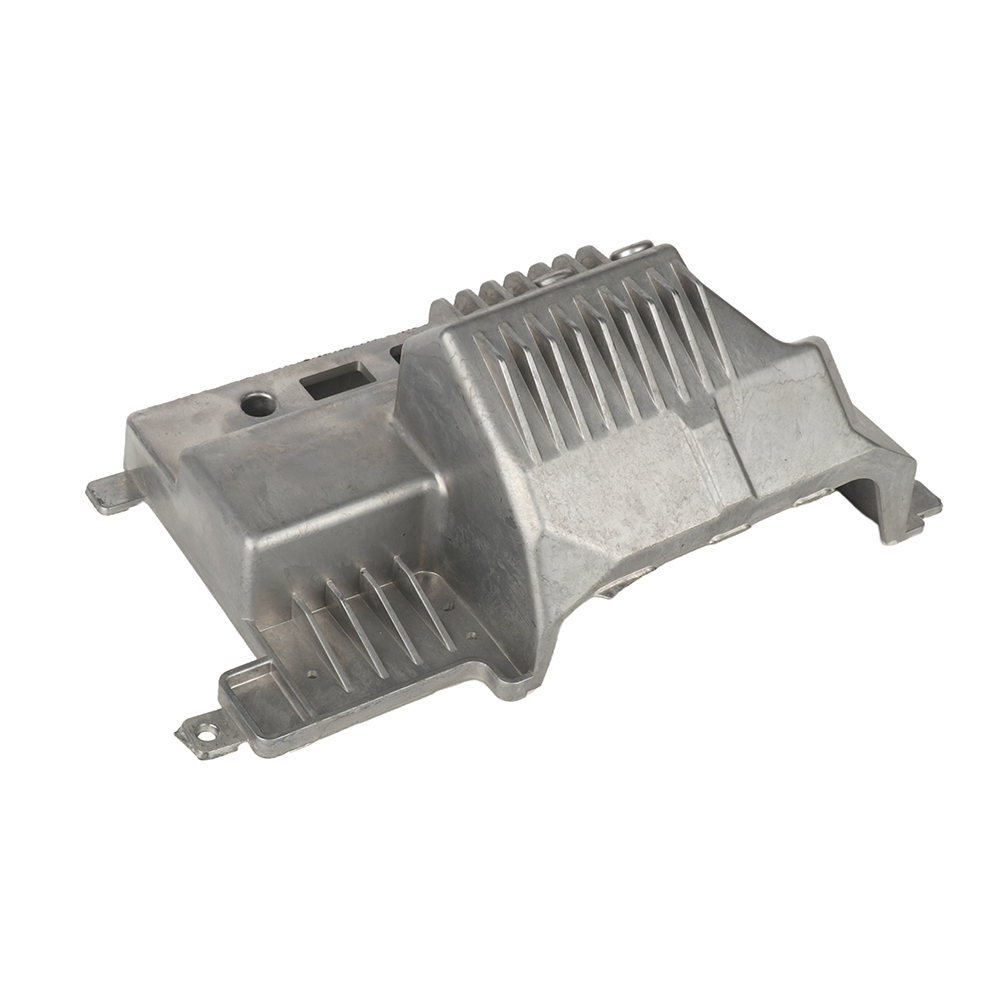
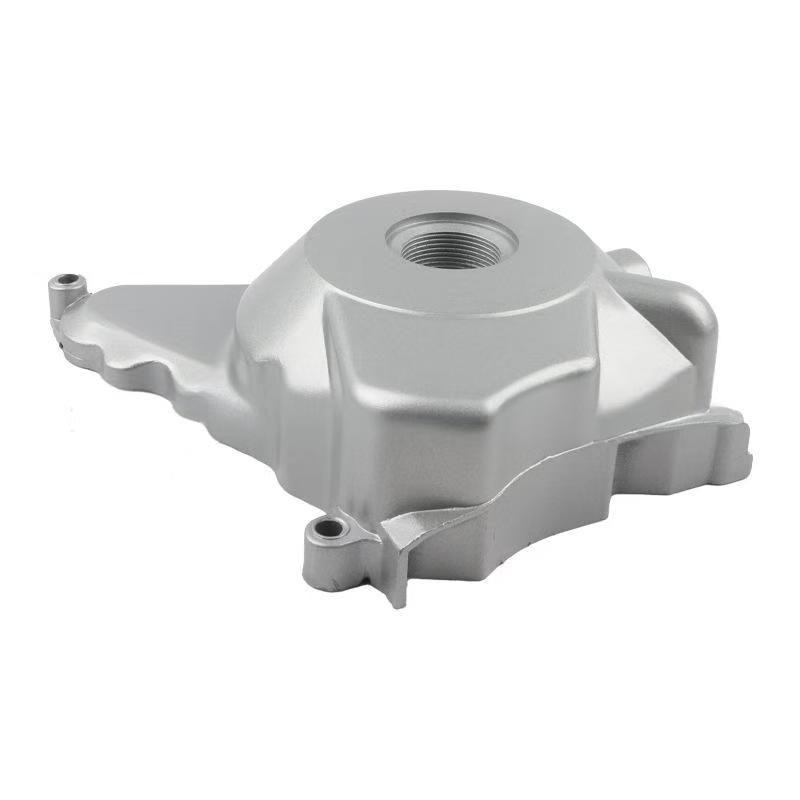
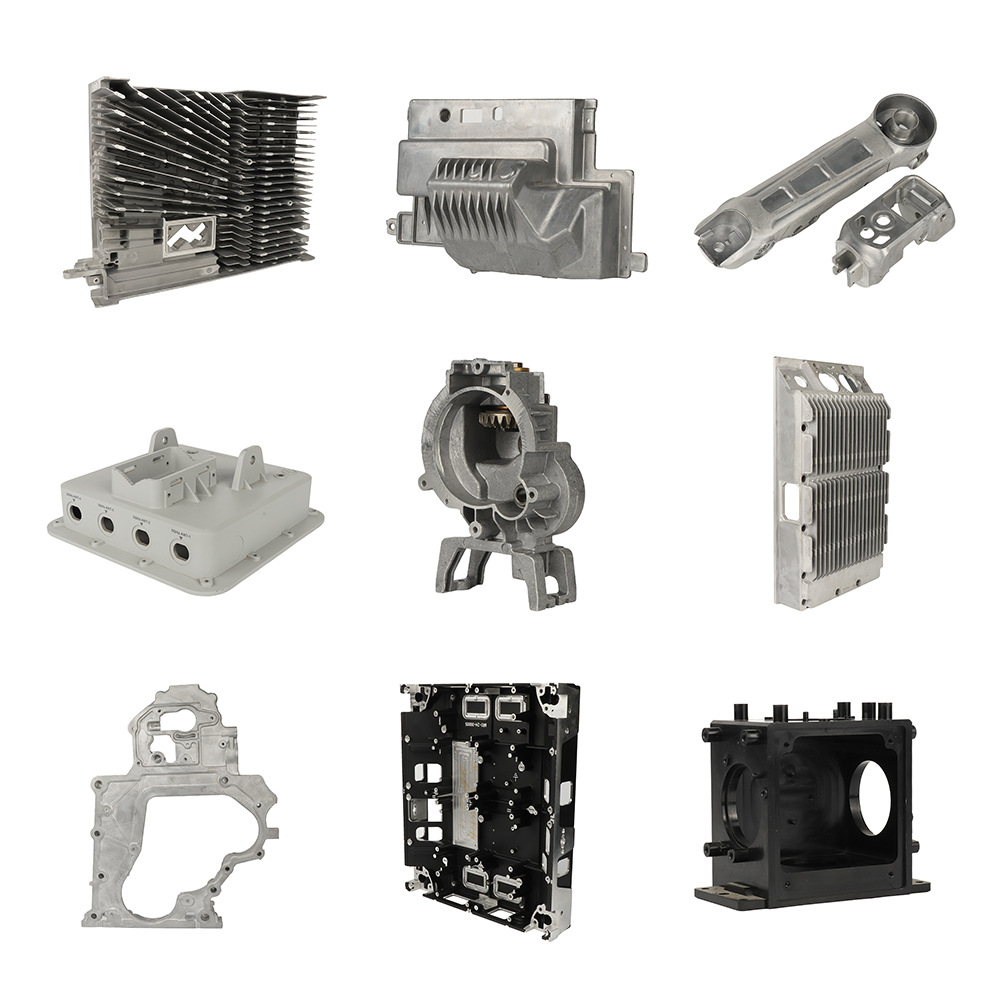
Die casting mould design | What is die casting mould design? A Comprehensive Guide
What is Die Casting Mould Design? A Comprehensive Guide
Table of Contents
- 1. What is Die Casting Mould Design? Basic Definition
- 2. Core Components of Die Casting Mould Design
- 3. The Role and Applications of Die Casting Mould Design
- 4. Key Advantages of Professional Die Casting Mould Design
- 5. Expert Opinions on Die Casting Mould Design
- 6. FAQs About Die Casting Mould Design
- 7. Conclusion
1. What is Die Casting Mould Design? Basic Definition
Die casting mould design is a sophisticated precision engineering process that involves designing and fabricating specialized tooling (moulds) to shape molten metal into high-precision, complex components under high pressure. As a core link in the die casting manufacturing chain, it integrates material science, mechanical engineering, and thermal analysis to create moulds that meet stringent industry standards and precise part specifications.
Unlike general mould design, die casting mould design focuses specifically on adapting to the unique characteristics of high-pressure molten metal injection—including extreme heat resistance, precise metal flow control, and rapid solidification. A well-designed die casting mould not only guarantees the dimensional accuracy, surface finish, and structural integrity of the final part but also optimizes production efficiency, minimizes defects, and extends the mould’s service life. In essence, die casting mould design is the foundation of high-quality, mass-produced die-cast components across various industries.
2. Core Components of Die Casting Mould Design
A die casting mould is a complex assembly, and its design must seamlessly integrate multiple components to ensure stable, efficient operation. Each component plays a crucial role in determining the mould’s performance and the quality of the final cast part. Below are the key components that define professional die casting mould design:
2.1 Mould Cavity and Core
The mould cavity and core are the most critical components of die casting mould design, as they directly define the shape, size, and surface finish of the die-cast part. The cavity forms the external surface of the part, while the core shapes the internal features (e.g., holes, recesses, and complex cavities). Designers must ensure ultra-tight tolerances (often ±0.01 mm) to meet strict part specifications and avoid common defects like flash or dimensional distortion.
2.2 Gating and Runner System
The gating and runner system is a key part of die casting mould design, responsible for delivering molten metal (e.g., aluminum, zinc, magnesium alloys) uniformly into the mould cavity under high pressure. Designers select between hot runners (which maintain metal temperature to reduce waste and improve surface finish) and cold runners (simpler and more cost-effective) based on production needs. Optimized gate locations—typically at the thickest sections of the part—promote directional solidification and minimize defects like porosity and cold shuts.
2.3 Cooling System
The cooling system is an indispensable component of die casting mould design, consisting of internal channels that regulate the mould’s temperature during the casting process. Proper cooling design reduces production cycle time, prevents uneven solidification (which causes porosity or shrinkage), and ensures consistent part quality. Advanced die casting mould design uses conformal cooling channels that match the part’s geometry, enabling more efficient heat dissipation and further improving production efficiency.
2.4 Venting and Ejection Mechanisms
The venting system and ejection mechanism are critical to the success of die casting mould design. The venting system evacuates trapped gases from the cavity during metal injection, preventing defects like porosity and air bubbles. The ejection mechanism safely removes the solidified part from the mould without damaging its surface or structure. Both systems are essential for maintaining production speed and part integrity, directly influencing the overall efficiency of the die casting process.
2.5 Mold Base System
The mold base system serves as the backbone of the die casting mould, usually made from hardened steel plates and frames to ensure strength and stability. It holds all mold sections in alignment and fits securely into the die casting machine, providing the necessary support for all other components. A robust mold base design is critical for maintaining precision during high-pressure injection and extending the mould’s service life.
Below is a typical example of a die casting mould, showcasing its core components (cavity, core, cooling channels, and gating system)—key features that enable high-precision, mass-produced die-cast parts:
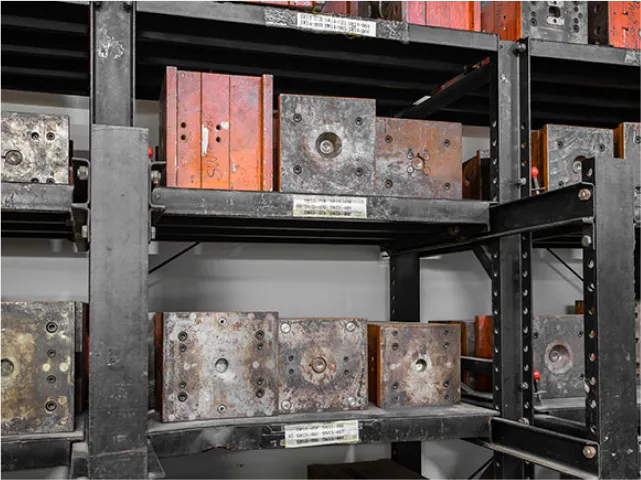
A professional die casting mould with integrated cooling channels and gating system, used for mass-producing automotive components
3. The Role and Applications of Die Casting Mould Design
3.1 Core Roles of Die Casting Mould Design
Die casting mould design plays three irreplaceable roles in modern manufacturing, directly impacting product quality, production efficiency, and cost-effectiveness. These roles make it a cornerstone of high-volume, high-precision metal part production:
- Quality Assurance: It ensures die-cast parts meet strict dimensional accuracy, surface finish, and structural integrity requirements, reducing defects like porosity, cold shuts, and flash that can render parts unusable. Without professional die casting mould design, consistent quality in mass production is nearly impossible.
- Efficiency Optimization: A well-designed die casting mould minimizes cycle time (the time required to produce one part) and maximizes production output, making it ideal for high-volume manufacturing. It streamlines the entire casting process, reducing downtime and improving overall productivity.
- Cost Reduction: By reducing defects, extending mould lifespan (typically 200,000–1,000,000 shots), and optimizing material usage, die casting mould design lowers long-term production costs. It also reduces the need for post-processing, further cutting labor and material expenses.
3.2 Key Applications of Die Casting Mould Design
Die casting mould design is widely used across industries that require high-precision, complex metal parts in large volumes. Its versatility and adaptability make it indispensable in the following key sectors:
3.2.1 Automotive Industry
The automotive industry is the largest user of die casting mould design, relying on it to produce components like engine blocks, transmission housings, steering system parts, and EV battery enclosures. These parts require high strength, tight tolerances, and mass production capabilities—all of which are enabled by professional die casting mould design. With the rise of electric vehicles, die casting mould design has become even more critical for producing lightweight, high-strength components that improve energy efficiency.
3.2.2 Electronics and Electrical Industry
For electronic devices (e.g., smartphones, laptops, power supplies), die casting mould design produces lightweight, heat-dissipating components like heat sinks, housing shells, and connector parts. The mould’s precision ensures compatibility with small, intricate electronic assemblies, while its ability to produce smooth surfaces reduces the need for post-processing. Zinc die casting moulds, in particular, are widely used for small precision electronic components due to their excellent surface finish and high precision.
3.2.3 Aerospace and Defense
In the aerospace and defense sectors, die casting mould design creates high-strength, lightweight components (e.g., aircraft engine parts, structural brackets) that meet strict safety and performance standards. The mould’s ability to handle high-temperature alloys (e.g., aluminum, magnesium) is critical for this sector, as these materials offer the ideal balance of strength and weight. Magnesium die casting moulds, in particular, are used for lightweight structural parts in aerospace applications due to their high strength-to-weight ratio.
3.2.4 Consumer Goods and Industrial Equipment
From kitchen appliances (e.g., pressure cookers, mixer parts) to industrial machinery (e.g., pump housings, valve bodies), die casting mould design enables the production of durable, cost-effective parts that balance functionality and aesthetics. It is also widely used in renewable energy applications like solar inverters and wind turbine components, where precision and durability are essential. Aluminum die casting moulds are commonly used in this sector for their lightweight, high strength, and good thermal conductivity.
4. Key Advantages of Professional Die Casting Mould Design
Professional die casting mould design offers numerous advantages that make it the preferred choice for high-volume, high-precision metal part production. These advantages directly benefit manufacturers by improving product quality, reducing costs, and enhancing competitiveness:
4.1 High Precision and Consistency
Professional die casting mould design ensures ultra-tight tolerances (as low as ±0.01 mm) and consistent part quality across mass production. This eliminates variations between parts, making it ideal for applications where interchangeability is critical, such as automotive and electronic components. The precision of die casting mould design also reduces the need for post-processing, saving time and costs.
4.2 Improved Production Efficiency
Optimized die casting mould design minimizes cycle time, allowing manufacturers to produce more parts in less time. Advanced features like conformal cooling channels and optimized gating systems reduce cooling time and ensure smooth metal flow, further boosting productivity. A well-designed mould also reduces downtime due to defects or mould damage, maximizing production output.
4.3 Cost-Effectiveness in High-Volume Production
While the initial investment in professional die casting mould design may be higher, it delivers long-term cost savings. By reducing defects, extending mould lifespan, and optimizing material usage, it lowers per-unit production costs. Additionally, the “one-time forming”特性 of die casting, enabled by quality mould design, reduces raw material waste—material utilization can be increased from 60% in traditional processing to over 90%.
4.4 Versatility and Adaptability
Die casting mould design is highly versatile, capable of producing complex, intricate parts in a wide range of sizes and shapes. It can accommodate various molten metals (aluminum, zinc, magnesium alloys) and adapt to different industry requirements, from lightweight electronic components to heavy-duty automotive parts. This versatility makes it a flexible solution for diverse manufacturing needs.
4.5 Enhanced Mould Durability and Longevity
Professional die casting mould design uses high-quality materials and optimized structures to withstand the extreme conditions of high-pressure, high-temperature molten metal injection. This extends the mould’s service life (typically 200,000–1,000,000 shots, depending on the material and design), reducing the need for frequent mould replacement and lowering long-term costs. Surface treatments and anti-corrosion designs further enhance durability.
4.6 Environmental Friendliness
Die casting mould design supports green manufacturing by reducing material waste and energy consumption. The near-net-shape production enabled by die casting minimizes scrap, and metal废料 can be 100% recycled. Compared to traditional casting processes, die casting production consumes 30–40% less energy, helping manufacturers achieve their “double carbon” goals.
5. Expert Opinions on Die Casting Mould Design
To gain deeper insights into the importance of die casting mould design, we’ve gathered opinions from industry experts with decades of experience in precision engineering and die casting manufacturing:
5.1 Max Gondek, Senior Application Engineer at Dynacast
“Die casting mould design is the backbone of successful die casting—without it, even the best casting equipment cannot produce high-quality parts. Early collaboration with a die casting mould designer is critical to address potential issues before they become costly problems. Small adjustments in mould design, such as optimizing gate locations or adjusting wall thickness, can have a huge impact on part quality, tool life, and overall manufacturing efficiency. We often see that investing in professional mould design upfront reduces redesigns, shortens lead times, and improves the bottom line for manufacturers.”
5.2 Danny, Industry Expert at Alpine Mold
“In today’s competitive manufacturing landscape,die casting mould design is no longer just about shaping metal—it’s about optimizing every stage of the production process. The key to successful die casting lies in balancing precision, efficiency, and cost, which can only be achieved through professional mould design. For industries like automotive and aerospace, where safety and performance are non-negotiable, the quality of the mould design directly determines the reliability of the final product. Advanced technologies like mould flow simulation have further elevated die casting mould design, allowing us to predict and solve issues before the mould is even fabricated.”
5.3 Manufacturing Engineer at Huazhi Mould
“Die casting mould design is a blend of art and science. It requires deep knowledge of material properties, thermal dynamics, and mechanical engineering. A well-designed mould not only produces high-quality parts but also maximizes the efficiency of the entire production line. We’ve seen manufacturers reduce their defect rates by 80% or more by investing in professional die casting mould design, which translates to significant cost savings and improved customer satisfaction. As industries demand more complex, lightweight parts, the role of die casting mould design will only become more critical.”
6. FAQs About Die Casting Mould Design
Below are the most common questions about die casting mould design, answered by industry experts to help you gain a better understanding of this critical process:
6.1 What is the difference between die casting mould design and general mould design?
The key difference lies in the focus on high-pressure molten metal injection.Die casting mould design must accommodate extreme heat, rapid solidification, and precise metal flow control—requirements that are not as critical in general mould design (e.g., plastic injection moulds). Die casting moulds also require more robust cooling, venting, and ejection systems to handle the harsh conditions of molten metal casting, while general moulds focus on different material properties and成型 processes.
6.2 How long does a professionally designed die casting mould last?
The lifespan of a die casting mould depends on the material (e.g., aluminum, zinc, magnesium alloys), the mould design, and the manufacturing process. A professionally designed die casting mould typically lasts between 200,000 and 1,000,000 shots. Zinc die casting moulds often have a longer lifespan (up to 1,000,000 shots) due to the lower melting temperature of zinc, while aluminum die casting moulds may last 200,000–500,000 shots. Proper maintenance, enabled by good mould design, can further extend the lifespan.
6.3 What factors should be considered when designing a die casting mould?
Key factors include: the type of molten metal (aluminum, zinc, magnesium, etc.), which affects heat resistance requirements; the part’s design (shape, size, tolerances, wall thickness); production volume (high-volume vs. low-volume); cooling and venting needs; and ejection mechanisms. Mould flow simulation is also a critical factor, as it helps optimize metal flow and reduce defects. Additionally, material selection for the mould itself (e.g., hardened steel) and surface treatments to enhance durability are important considerations.
6.4 Can die casting mould design be customized for specific industry needs?
Yes, die casting mould design is highly customizable to meet the unique needs of different industries. For example, automotive die casting moulds are designed to produce high-strength, lightweight parts with tight tolerances, while electronic moulds focus on small, precise components with smooth surfaces. Aerospace moulds are designed to handle high-temperature alloys and meet strict safety standards. Customization options include mould cavity design, gating system optimization, cooling channel layout, and material selection, ensuring the mould fits the specific application perfectly.
6.5 What are the common defects caused by poor die casting mould design?
Poor die casting mould design often leads to defects such as: porosity (air bubbles trapped in the part, caused by inadequate venting); flash (excess material at the mould’s parting line, due to poor tolerances); cold shuts (incomplete filling of the cavity, caused by improper gating or cooling); shrinkage (uneven solidification, due to poor cooling system design); and warping (due to uneven heat distribution). These defects can render parts unusable, increase costs, and reduce production efficiency—highlighting the importance of professional die casting mould design.
6.6 How does die casting mould design impact production cost?
Professional die casting mould design reduces production costs in several ways: it minimizes defects (reducing scrap and rework costs); extends mould lifespan (reducing mould replacement costs); optimizes material usage (reducing raw material waste); and shortens cycle time (increasing production output). While the initial investment in professional design is higher, the long-term cost savings are significant. For example, a well-designed mould can reduce defect rates by 80% or more, leading to substantial savings in material and labor costs.
7. Conclusion
Die casting mould design is a critical precision engineering process that serves as the foundation of high-quality, mass-produced die-cast components. It integrates material science, mechanical engineering, and thermal analysis to create moulds that meet strict industry standards, while optimizing production efficiency, reducing costs, and enhancing part quality.
From its core components (cavity, core, gating system, cooling system) to its wide-ranging applications across automotive, electronics, aerospace, and consumer goods industries, die casting mould design plays an irreplaceable role in modern manufacturing. Its key advantages—high precision, improved efficiency, cost-effectiveness, versatility, and durability—make it the preferred choice for manufacturers seeking to produce complex, high-quality metal parts in large volumes.
As industry experts emphasize, investing in professional die casting mould design upfront is a strategic decision that pays off in reduced defects, shorter lead times, and long-term cost savings. Whether you’re producing automotive components, electronic parts, or aerospace components, die casting mould design is the key to unlocking efficiency, quality, and competitiveness in today’s fast-paced manufacturing landscape.
GPU housing | What is aluminium die casting? Focus on GPU Housing Applications
Power supply case | What is Aluminum Housing? Focus on Power Supply Case
Related Article


