
HOT PRODUCTS
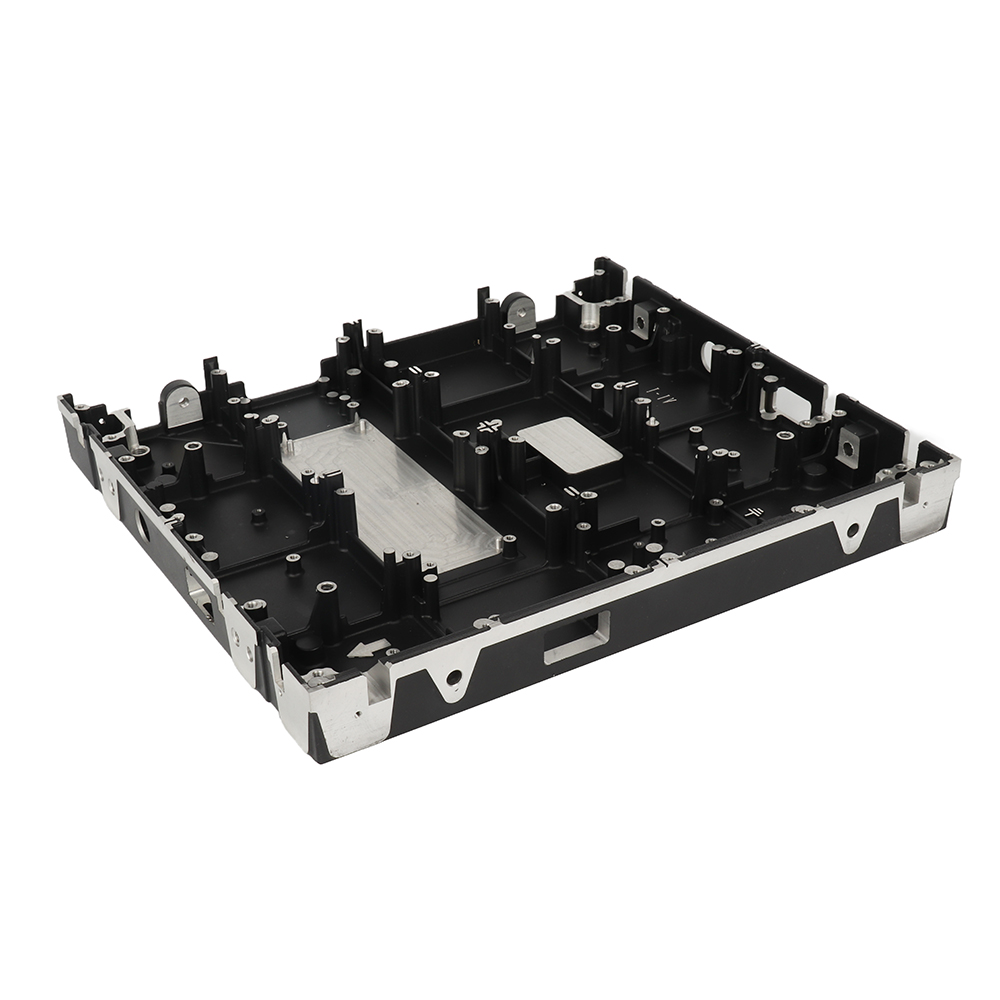
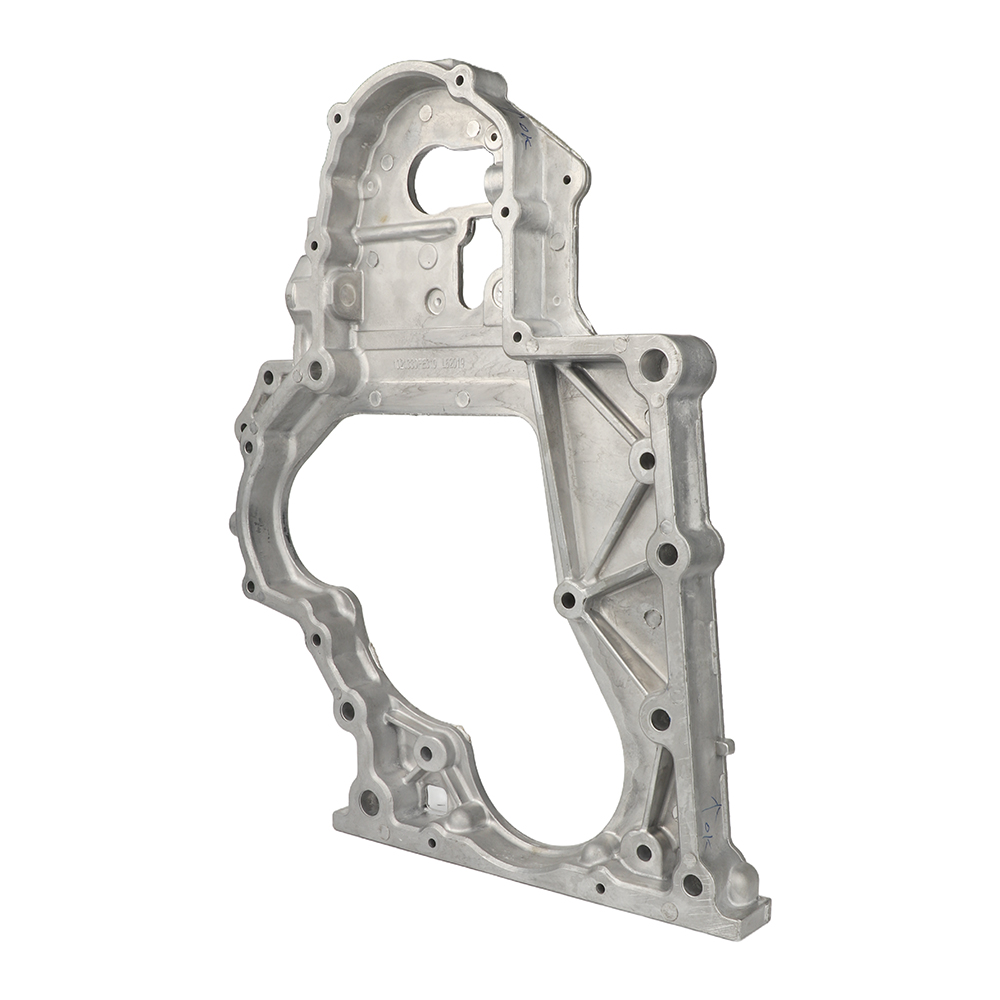
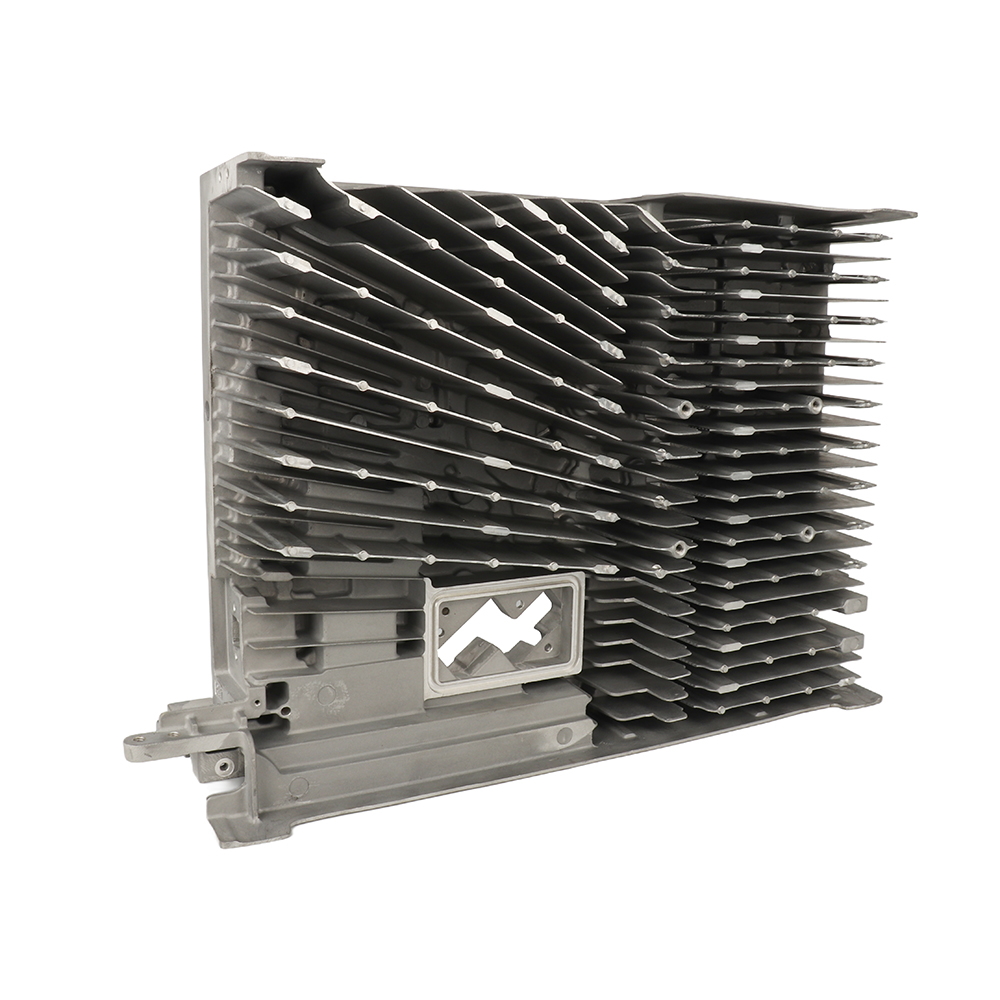
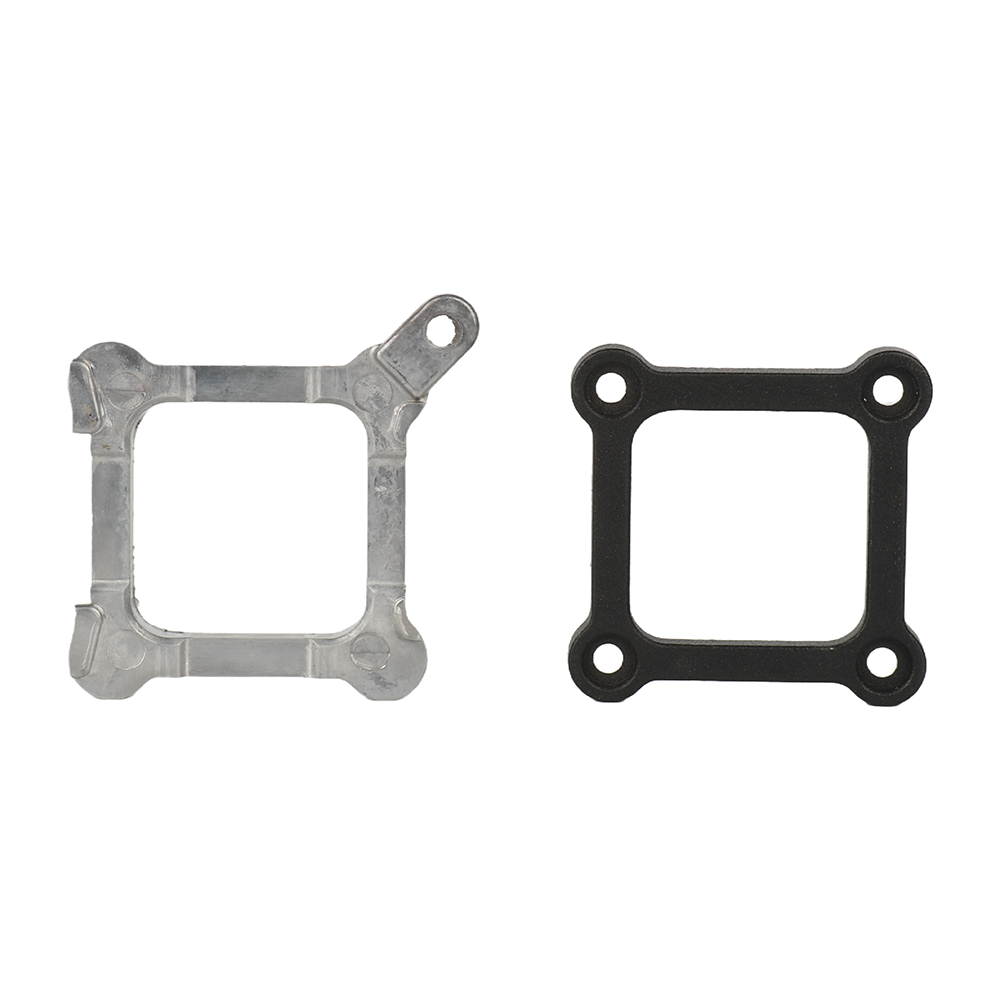
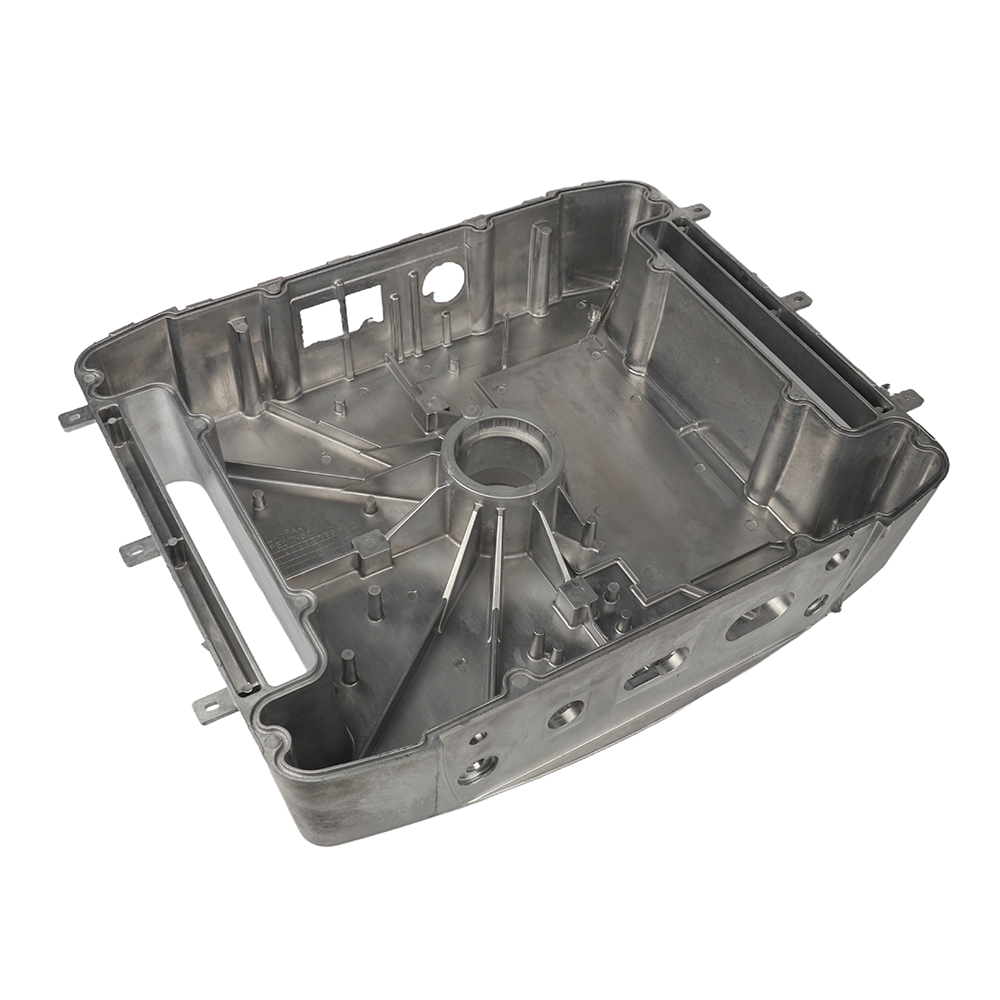
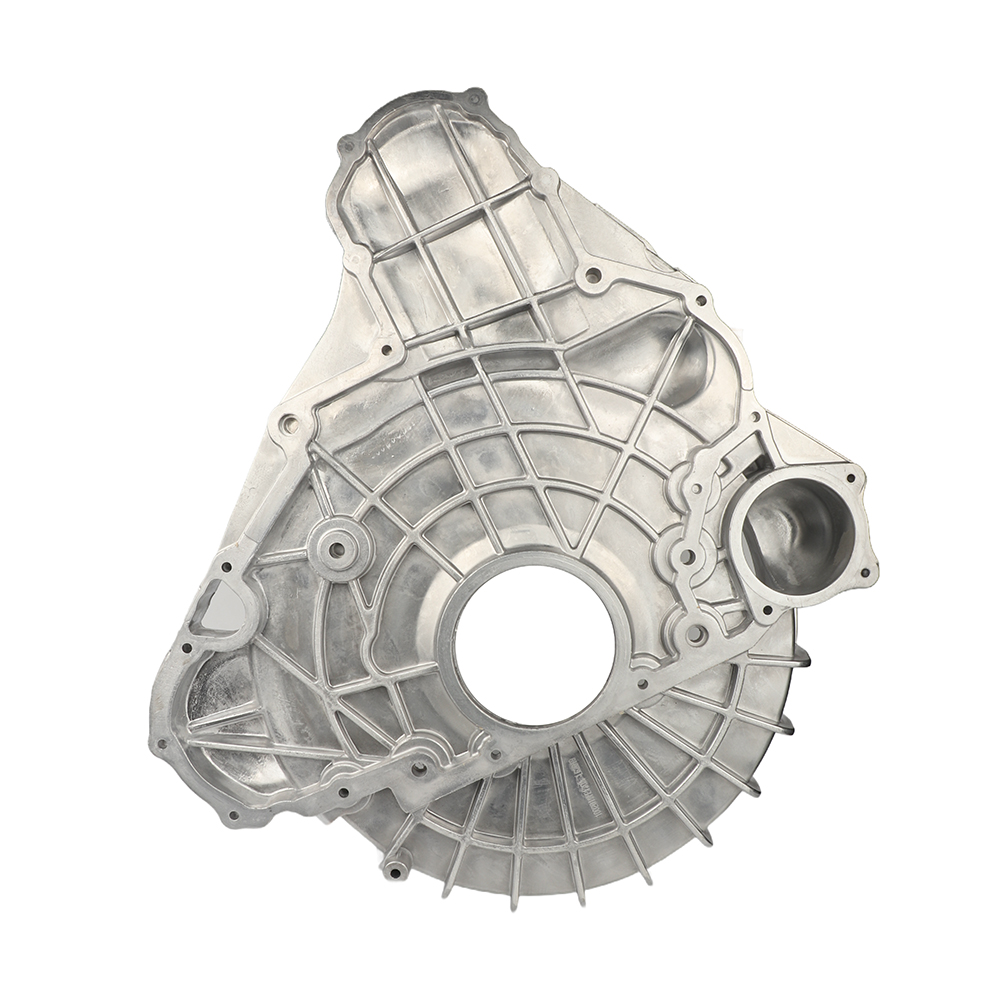
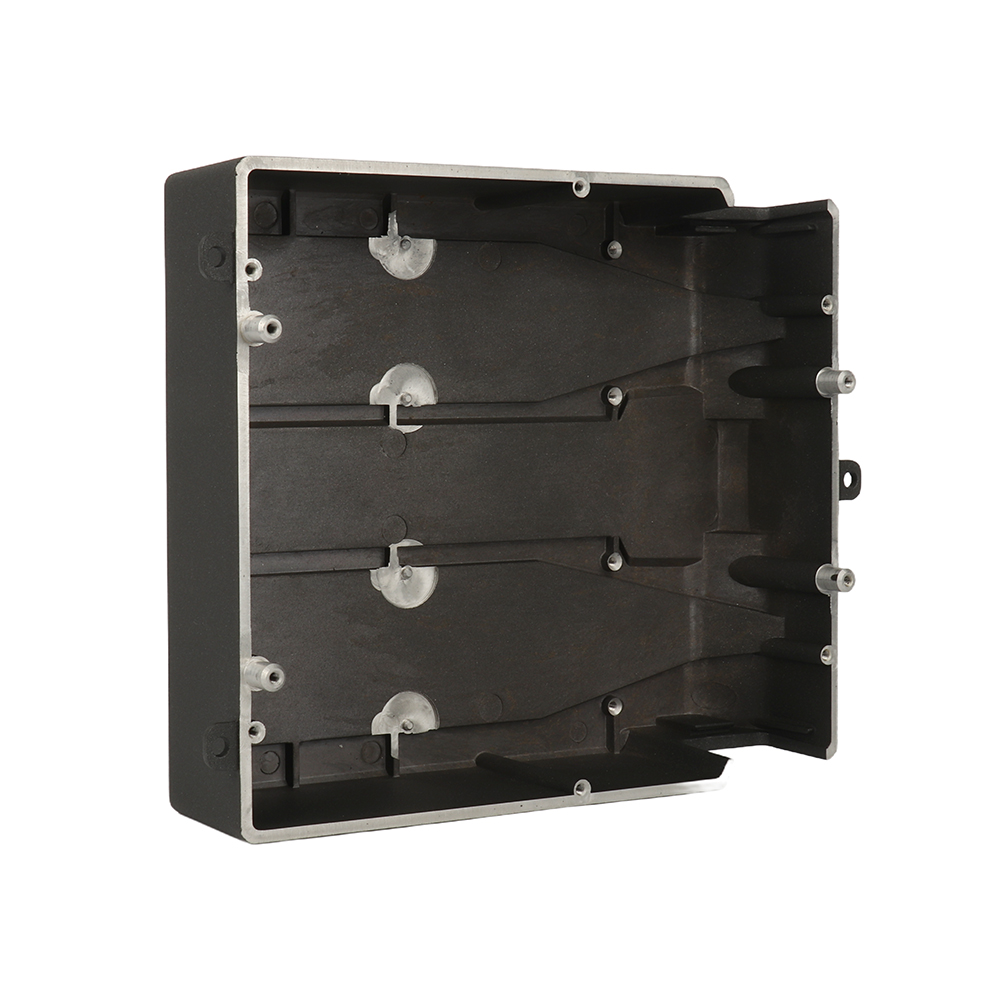
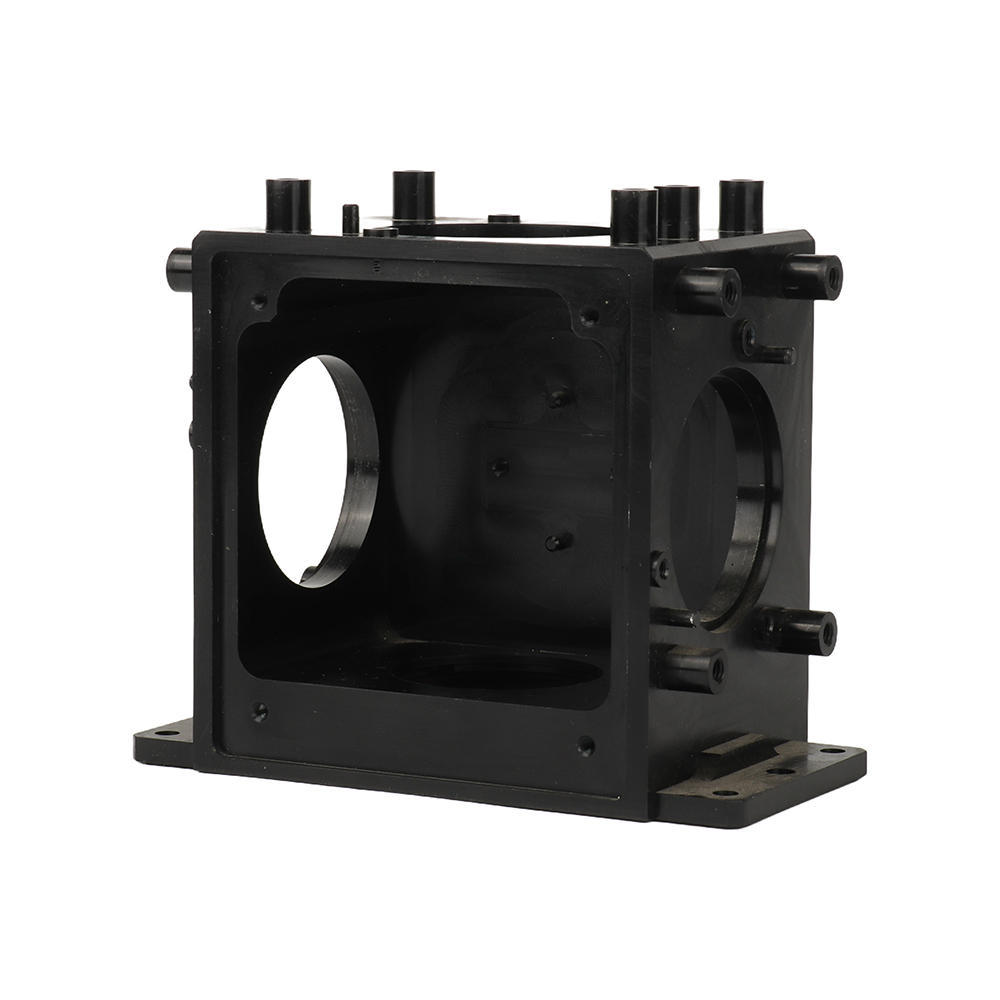
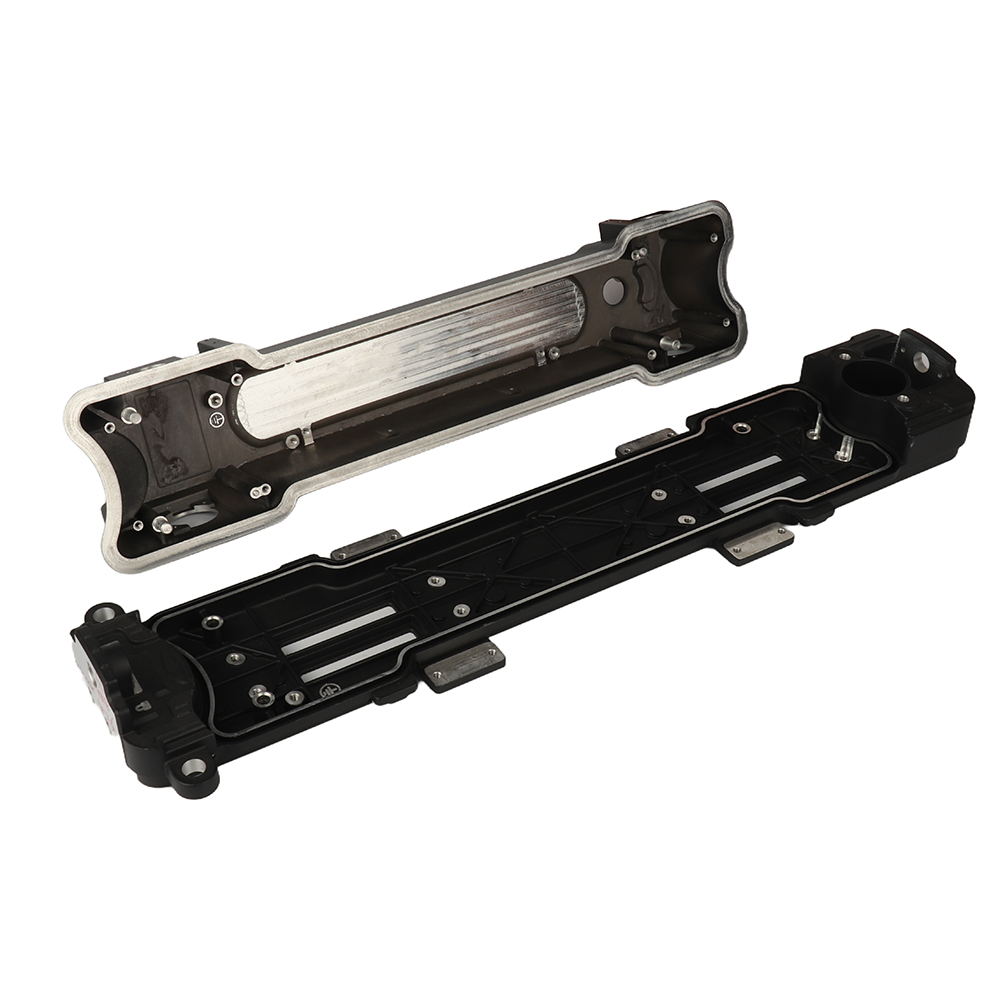
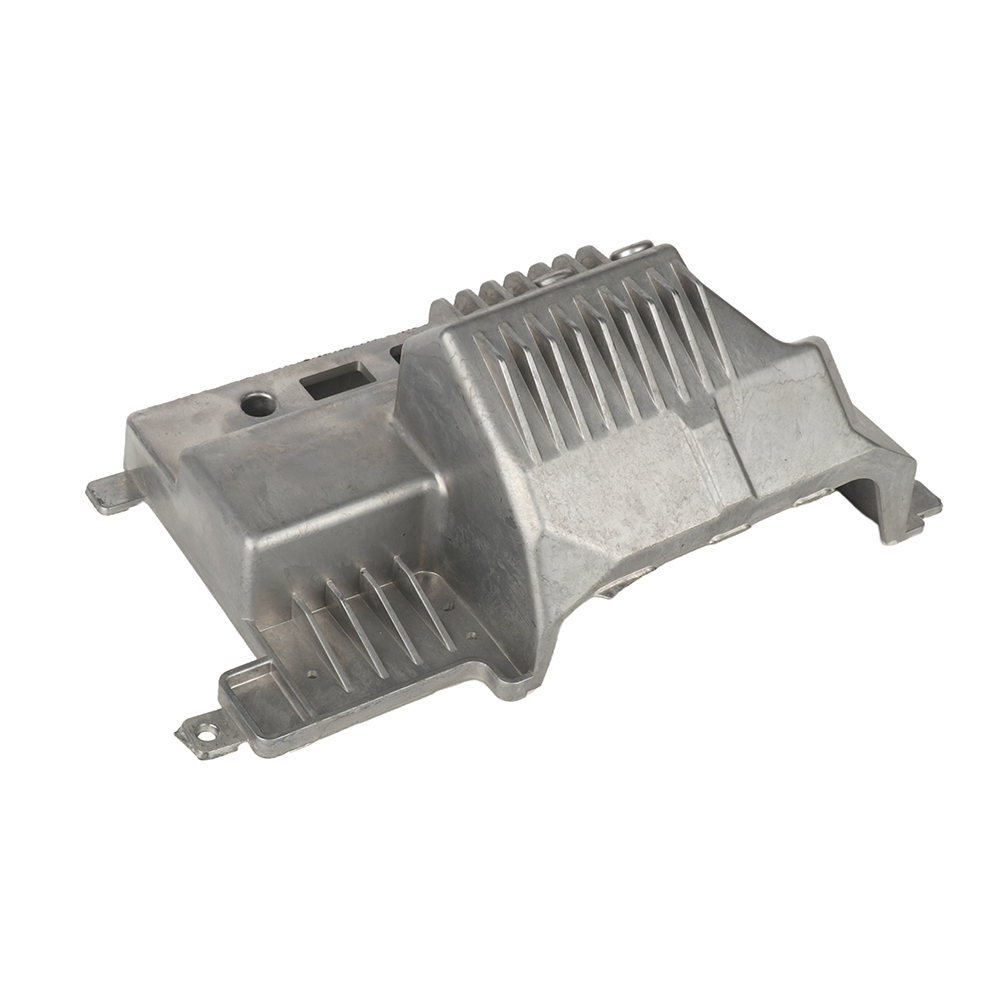
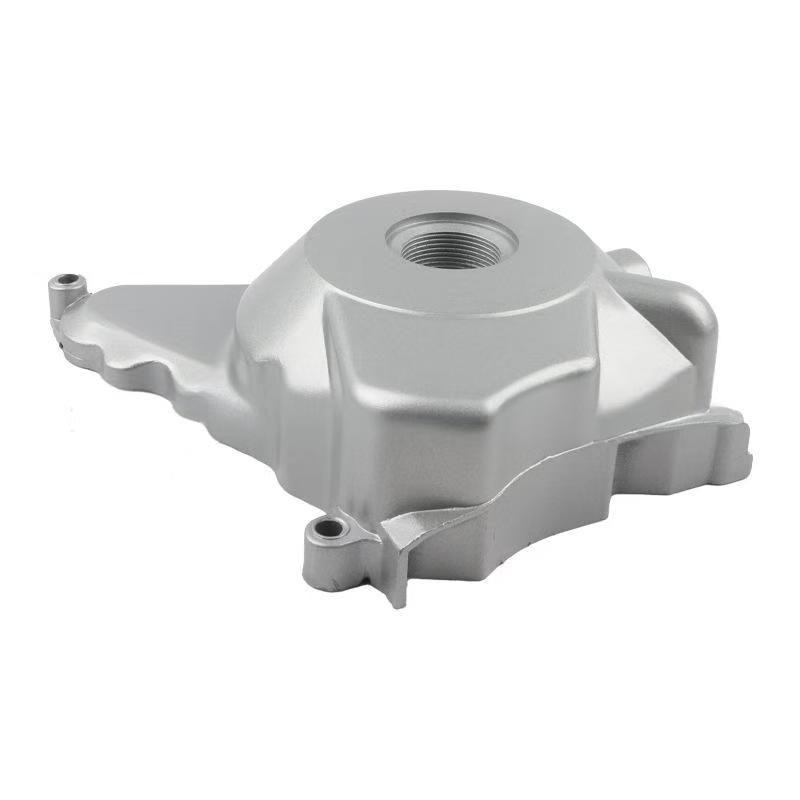
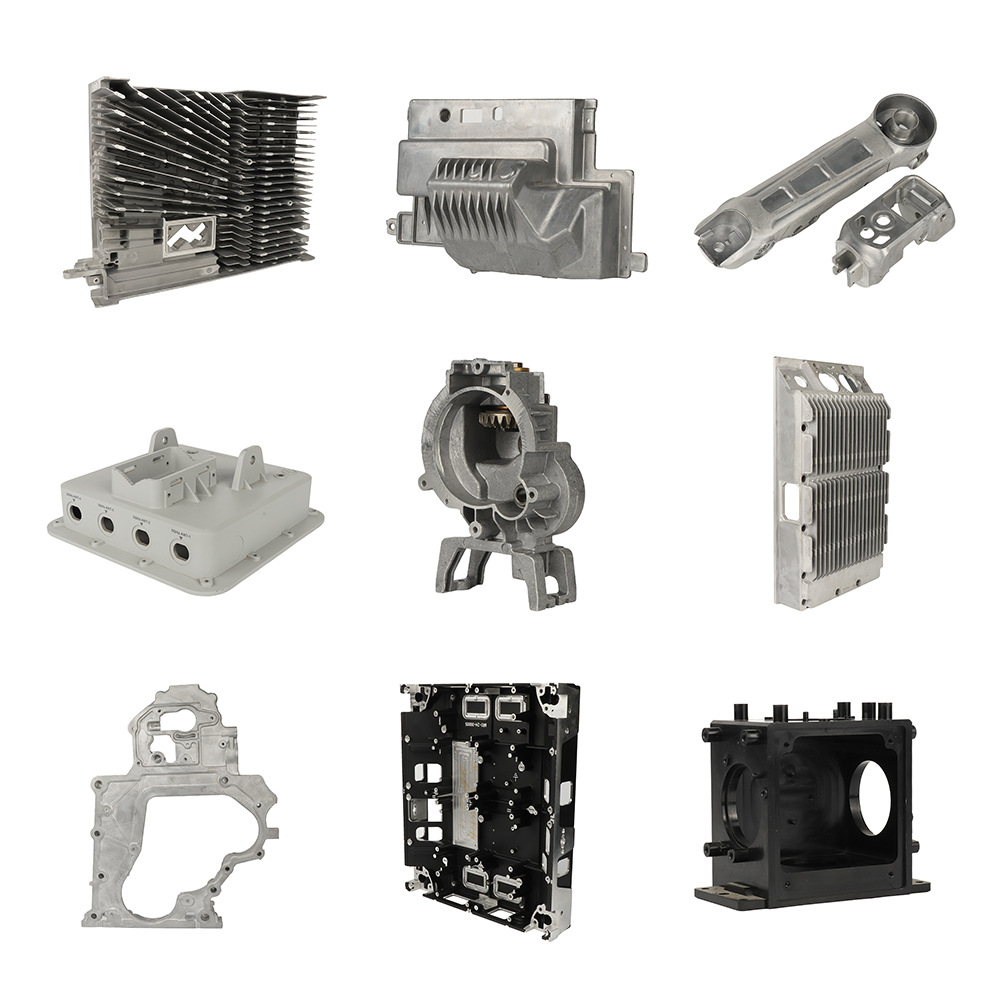
Outdoor cabinet telecom | What is Die-casting outdoor telecom cabinet? Benefits, Comparisons & FAQs
Die-casting Outdoor Telecom Cabinet: Benefits, Comparisons & FAQs
1. Introduction: What is a Die-casting Outdoor Telecom Cabinet?
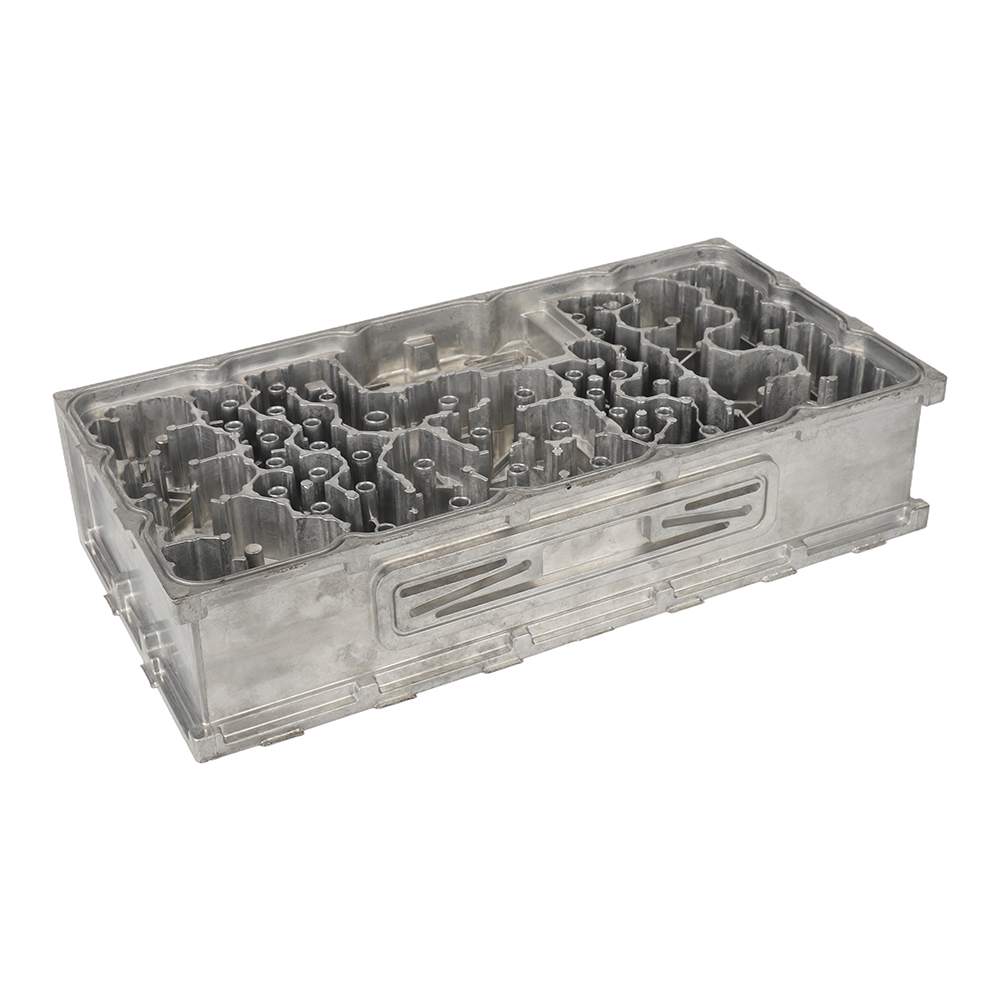
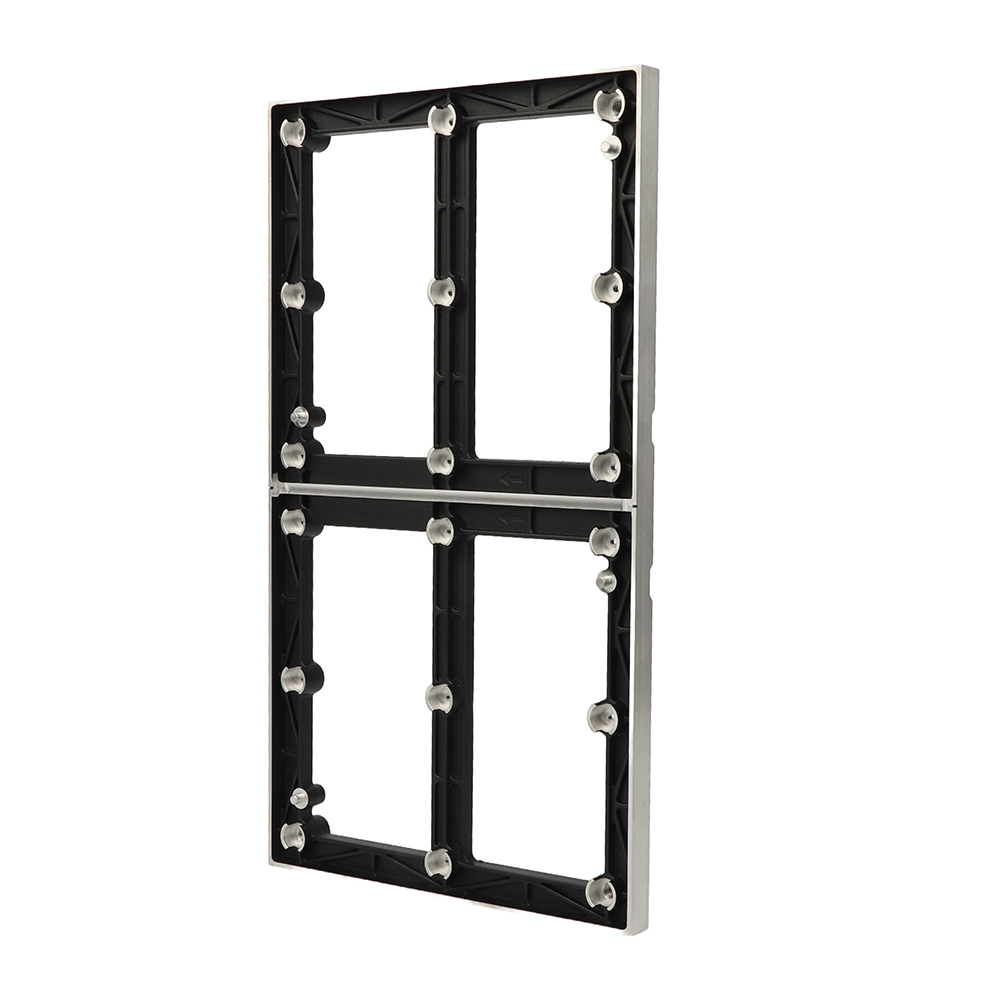
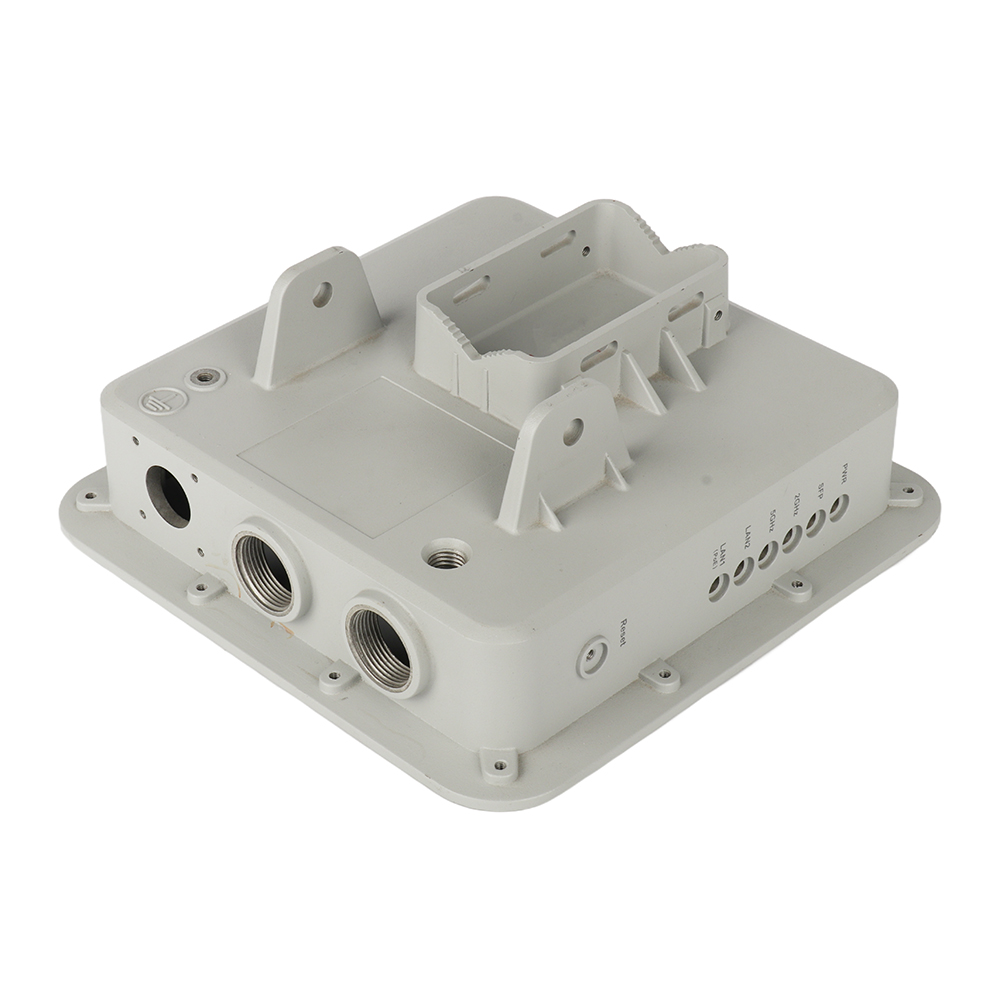
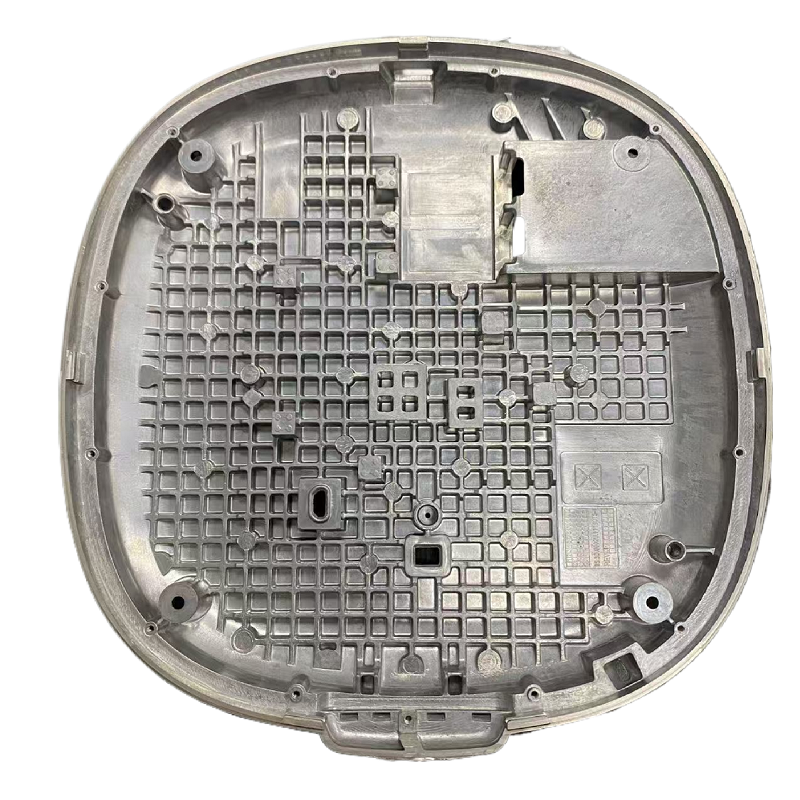
In the era of 4G and 5G network expansion, outdoor telecom infrastructure needs robust, reliable protection to ensure uninterrupted communication. A Die-casting Outdoor Telecom Cabinet is a specialized protective enclosure manufactured through the die-casting process—high-pressure injection of molten metal (usually aluminum alloy) into precision molds—to house sensitive telecom equipment such as base station components, signal repeaters, and power supply units outdoors. Unlike traditional cabinets, it integrates durability, sealing, and thermal management in one, making it the preferred choice for harsh outdoor environments ranging from extreme temperatures to heavy rain and dust. As 5G networks continue to roll out and IoT devices become more widespread, the demand for Die-casting Outdoor Telecom Cabinets is growing rapidly, thanks to their ability to meet the strict performance requirements of modern telecom infrastructure.
1.1 Overview of Die-casting Outdoor Telecom Cabinet
The Die-casting Outdoor Telecom Cabinet is designed to solve the core pain points of outdoor telecom equipment protection: poor durability, insufficient sealing, and inefficient heat dissipation. It is widely used in outdoor base stations, signal transmission nodes, and edge computing facilities, providing all-round protection for sensitive electronic components. The die-casting process, which uses high-pressure to inject molten metal into precision molds, ensures the cabinet has a seamless structure and uniform material density, laying a solid foundation for its excellent performance.

2. Core Features of Die-casting Outdoor Telecom Cabinet
The die-casting process endows the outdoor telecom cabinet with unique features that meet the strict requirements of telecom infrastructure. These features make Die-casting Outdoor Telecom Cabinets stand out from traditional enclosures and become the first choice for outdoor telecom projects. Here are its core characteristics:
2.1 High Material Integrity
Most Die-casting Outdoor Telecom Cabinets use aluminum alloy (ADC12, A380, or A356) as the main material. This material combines lightweight properties with high structural strength, ensuring the cabinet can withstand physical impacts, vibrations, and harsh weather without deformation. The aluminum alloy also has excellent corrosion resistance, which can be further enhanced through surface treatments such as sandblasting, passivation, and powder coating, making it suitable for long-term use in coastal, desert, and other harsh environments.
2.2 Superior Sealing Performance
Thanks to the precision of the die-casting process, the Die-casting Outdoor Telecom Cabinet has a seamless structure with no gaps or welding seams. This allows it to achieve IP65-IP68 protection ratings, effectively preventing water, dust, and corrosive substances from entering and damaging internal telecom equipment. Unlike traditional cabinets with welding seams that are prone to leakage, the seamless design of die-casting cabinets ensures long-term sealing reliability, reducing maintenance costs and equipment failure rates.
2.3 Efficient Thermal Management
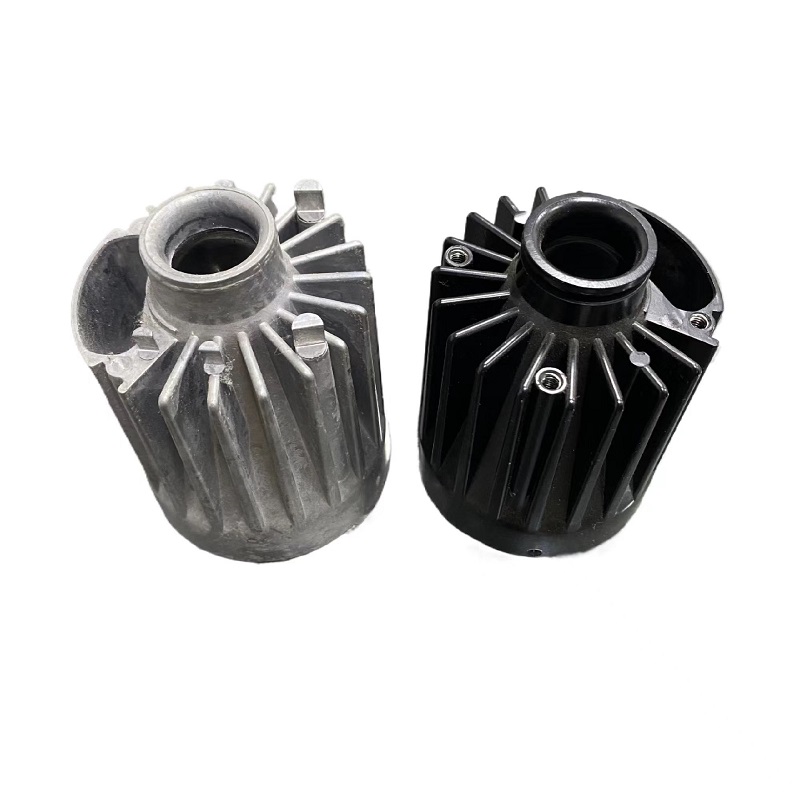
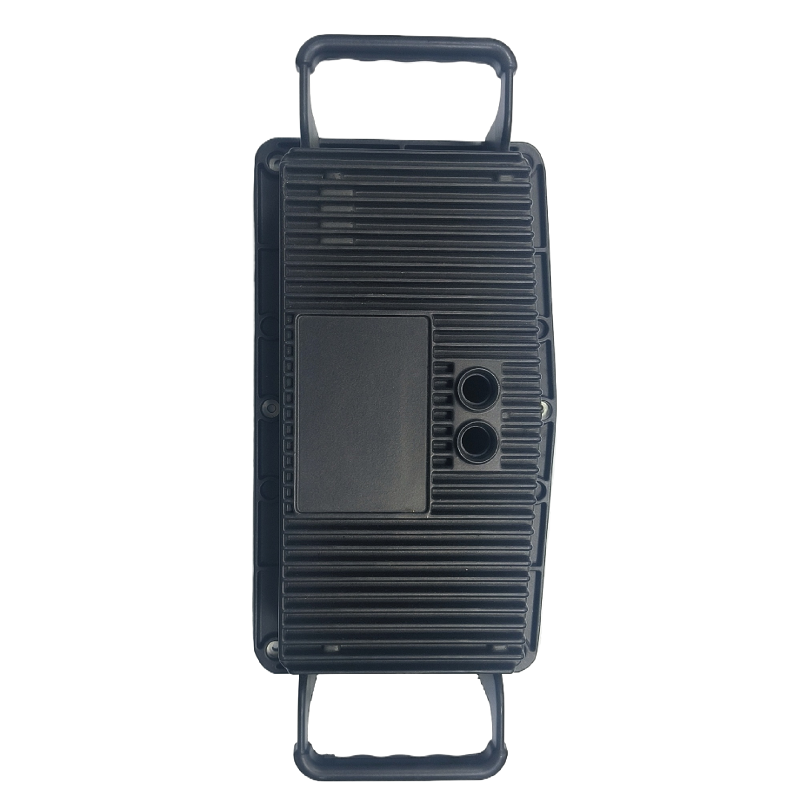
Die-casting cabinets can be integrated with built-in heat dissipation fins during the molding process, leveraging the excellent thermal conductivity of aluminum alloy to quickly dissipate heat generated by high-power telecom components (such as 5G base station modules). This ensures equipment operates within a safe temperature range (usually -40℃ to 65℃), extending its service life. For high-heat scenarios, die-casting cabinets can also be equipped with additional cooling systems, further improving heat dissipation efficiency and ensuring stable operation of 5G equipment with high power consumption.
2.4 Design Flexibility
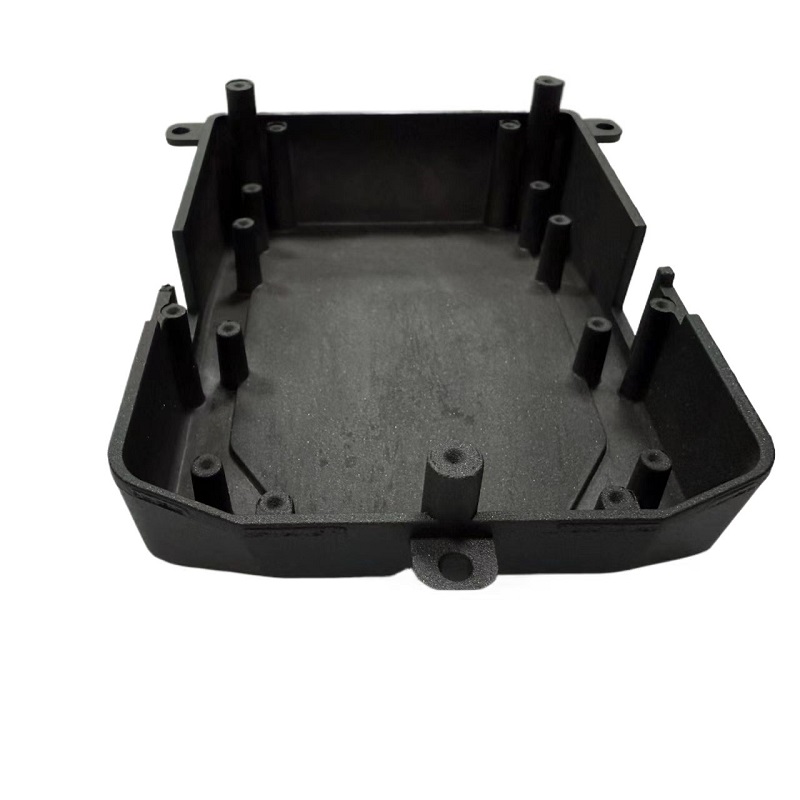
The die-casting process supports complex 3D geometric designs, allowing manufacturers to customize the Die-casting Outdoor Telecom Cabinet’s size, internal structure, and interface positions according to specific telecom equipment requirements. This flexibility makes it compatible with various 4G/5G devices and IoT communication modules. Whether it is a small signal repeater cabinet or a large base station enclosure, die-casting technology can meet personalized customization needs, improving the integration and installation efficiency of telecom equipment.
3. Die-casting Outdoor Telecom Cabinet vs. Other Outdoor Telecom Cabinets: Pros & Cons Comparison
To better understand the advantages of Die-casting Outdoor Telecom Cabinets, we compare them with two common alternatives: sheet metal outdoor telecom cabinets and extruded aluminum outdoor telecom cabinets. The table below highlights the key differences, focusing on the strengths of die-casting cabinets in outdoor telecom applications:
| Comparison Dimension | Die-casting Outdoor Telecom Cabinet | Sheet Metal Outdoor Telecom Cabinet | Extruded Aluminum Outdoor Telecom Cabinet |
|---|---|---|---|
| Structural Strength | High (seamless molding, uniform material density, strong impact resistance) | Medium (depends on bending and reinforcement, easy to deform under heavy impact) | High (continuous grain flow, good linear strength but weak in complex structures) |
| Sealing Performance | Excellent (IP65-IP68, no welding gaps, effective waterproof and dustproof) | Medium-Low (welding seams may leak, need additional gaskets) | Medium (needs separate end caps and gaskets, limited waterproof ability) |
| Thermal Management | Excellent (integrated heat dissipation fins, high thermal conductivity) | Medium (needs additional heat sinks, poor heat transfer efficiency) | Good (excellent thermal conductivity but limited heat dissipation design) |
| Design Flexibility | High (supports complex 3D structures and custom designs) | Medium (suitable for large flat structures, limited complex shape) | Low (only supports uniform cross-section, no complex 3D designs) |
| Cost (Mass Production) | Medium-High (high mold cost but low per-unit cost for large batches) | Low (low mold cost, high labor cost for welding) | Medium (medium mold cost, limited production efficiency) |
| Maintenance Cost | Low (seamless structure, corrosion-resistant material) | High (welding seams prone to rust, gaskets need regular replacement) | Medium (end caps and gaskets need regular inspection) |
4. Key Benefits of Die-casting Outdoor Telecom Cabinet (Why It’s the Best Choice)
Based on its core features and comparison with other types of cabinets, the Die-casting Outdoor Telecom Cabinet has obvious advantages in outdoor telecom applications. These benefits not only ensure the stable operation of telecom equipment but also help reduce project costs and improve operational efficiency. Here are the key benefits:
4.1 Enhanced Equipment Protection, Reduced Failure Rate
The IP65-IP68 sealing performance and high structural strength of Die-casting Outdoor Telecom Cabinets effectively isolate outdoor harsh factors such as water, dust, corrosion, and physical impact. This significantly reduces the failure rate of internal telecom equipment, ensuring uninterrupted operation of 4G/5G networks and IoT systems. For telecom operators, reducing equipment failure means reducing maintenance costs and improving user experience.
4.2 Efficient Thermal Management, Extended Equipment Service Life
The integrated heat dissipation fins and excellent thermal conductivity of aluminum alloy enable Die-casting Outdoor Telecom Cabinets to quickly dissipate heat generated by high-power equipment. This avoids equipment overheating, which is one of the main causes of equipment damage. Compared with traditional cabinets, die-casting cabinets can extend the service life of telecom equipment by 30%-50%, further reducing the cost of equipment replacement and installation.
4.3 Design Flexibility, Improved Integration Efficiency
The die-casting process supports complex 3D designs and personalized customization, allowing Die-casting Outdoor Telecom Cabinets to perfectly match various types of telecom equipment. Whether it is a small signal repeater or a large 5G base station, manufacturers can customize the cabinet’s size, internal layout, and interface positions according to equipment parameters. This improves the integration efficiency of equipment, reduces installation time, and lowers project construction costs.
4.4 Cost-Effective for Large-Scale Projects
Although Die-casting Outdoor Telecom Cabinets have a higher initial mold cost, their per-unit cost is significantly reduced in large-scale mass production. In addition, their low maintenance cost and long service life further reduce the total cost of ownership for telecom projects. For large-scale 5G base station construction and outdoor telecom network expansion, die-casting cabinets are more cost-effective than sheet metal or extruded aluminum cabinets.
4.5 Excellent EMI Shielding, Ensuring Signal Integrity
The aluminum alloy material used in Die-casting Outdoor Telecom Cabinets has excellent electromagnetic interference (EMI) shielding performance, which can effectively block external electromagnetic signals and prevent internal equipment signals from leaking. This ensures the signal integrity of 5G and IoT equipment, avoiding signal interference and improving communication quality. This is particularly important for high-frequency 5G applications that require stable signal transmission.
5. Expert Opinion on Die-casting Outdoor Telecom Cabinet
To further verify the advantages and application value of Die-casting Outdoor Telecom Cabinets, we invited two industry experts to share their opinions, covering technology, market trends, and application practices:
5.1 Sarah Johnson, Senior Telecom Infrastructure Engineer (15 Years Experience)
“With the rapid development of 5G networks, outdoor telecom equipment has higher requirements for protection, thermal management, and signal integrity. Die-casting Outdoor Telecom Cabinets have become the core choice for our projects because of their seamless structure and excellent sealing performance—they can withstand extreme weather conditions such as heavy rain, high temperature, and strong wind in outdoor environments, ensuring the stable operation of base station equipment. In addition, their integrated heat dissipation design solves the problem of high-power 5G equipment overheating, which is a key advantage that sheet metal and extruded aluminum cabinets cannot match.”
5.2 Michael Chen, CTO of Leading Die-casting Equipment Manufacturer
“The die-casting process has been continuously optimized in recent years, and the performance of Die-casting Outdoor Telecom Cabinets has been further improved. We use high-precision molds and advanced aluminum alloy materials (such as ADC12 and A380) to ensure the cabinet’s structural strength and dimensional accuracy. From the market perspective, with the expansion of 5G and IoT networks, the demand for die-casting outdoor telecom cabinets will continue to grow.”
6. FAQs About Die-casting Outdoor Telecom Cabinet
We have sorted out the most common questions about Die-casting Outdoor Telecom Cabinets in the industry, providing professional answers to help you better understand and select this type of cabinet:
6.1 What materials are commonly used for Die-casting Outdoor Telecom Cabinets?
The most common material is aluminum alloy, including ADC12, A380, and A356. These aluminum alloys have the advantages of lightweight, high strength, good thermal conductivity, and corrosion resistance.
6.2 What is the service life of a Die-casting Outdoor Telecom Cabinet?
Under normal outdoor use, the service life is 15-20 years, much longer than sheet metal cabinets (8-10 years) and extruded aluminum cabinets (10-15 years).
6.3 Can Die-casting Outdoor Telecom Cabinets be customized?
Yes, customization is a core advantage. Sizes, internal structure, interfaces, heat dissipation design and colors can all be customized.
6.4 How to maintain a Die-casting Outdoor Telecom Cabinet?
Maintenance is simple: check gaskets, clean surface dust, inspect heat dissipation fins, and touch up paint every 6-12 months.
6.5 Are they suitable for all outdoor environments?
Yes, they work in deserts, coastal areas, high-altitude and cold regions, withstanding -40℃ to 65℃, heavy rain, dust and salt spray.
6.6 How about the cost compared with other cabinets?
Higher mold cost for small batches, but lower unit cost in mass production. Lower total ownership cost due to long service life and low maintenance.
7. Conclusion
In the era of 5G and IoT, the demand for reliable outdoor telecom infrastructure is growing day by day. The Die-casting Outdoor Telecom Cabinet, with its high material integrity, superior sealing performance, efficient thermal management, and design flexibility, has become the best choice for outdoor telecom equipment protection.
Choosing Die-casting Outdoor Telecom Cabinets can help you reduce costs, improve efficiency, and ensure the stable operation of outdoor telecom equipment.
Aluminum frame structure | What is high-pressure die casting | Focus on Aluminum Frame Structure
Housing casting | What is a housing casting? A Complete Guide for Beginners
Related Article


