
HOT PRODUCTS
Medical device | What is die casting parts? Focus on Die Casting Parts for Medical Devices
What is Die Casting Parts? Focus on Die Casting Parts for Medical Devices
Table of Contents
- 1. What is Die Casting Parts? Definition & Core Process
- 1.1 Key Materials for Die Casting Parts (Suitable for Medical Devices)
- 2. Die Casting Parts in Medical Devices: Key Applications
- 3. Pros & Cons of Die Casting Parts for Medical Devices (Focus on Advantages)
- 3.1 Comparison with Other Manufacturing Processes for Medical Components
- 4. Expert Opinions on Die Casting Parts for Medical Devices
- 5. FAQs About Die Casting Parts for Medical Devices
- 6. Conclusion
1. What is Die Casting Parts? Definition & Core Process
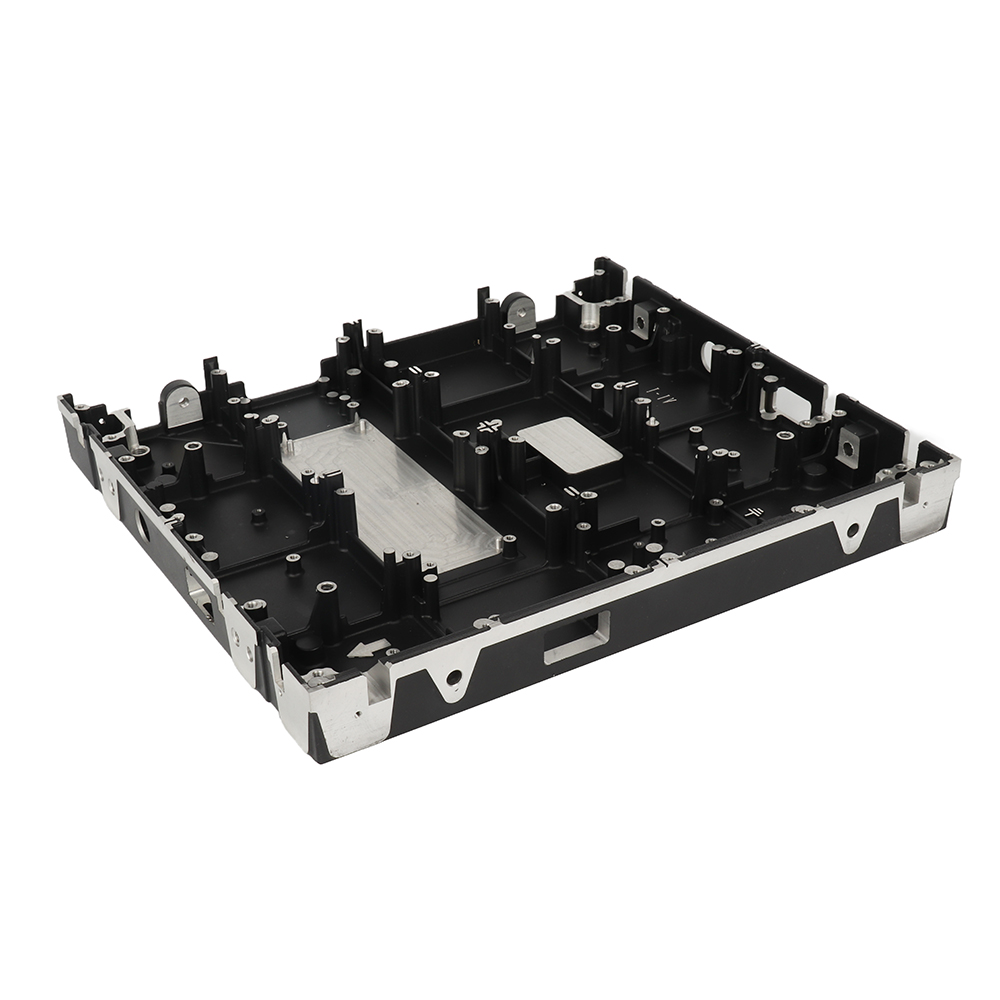
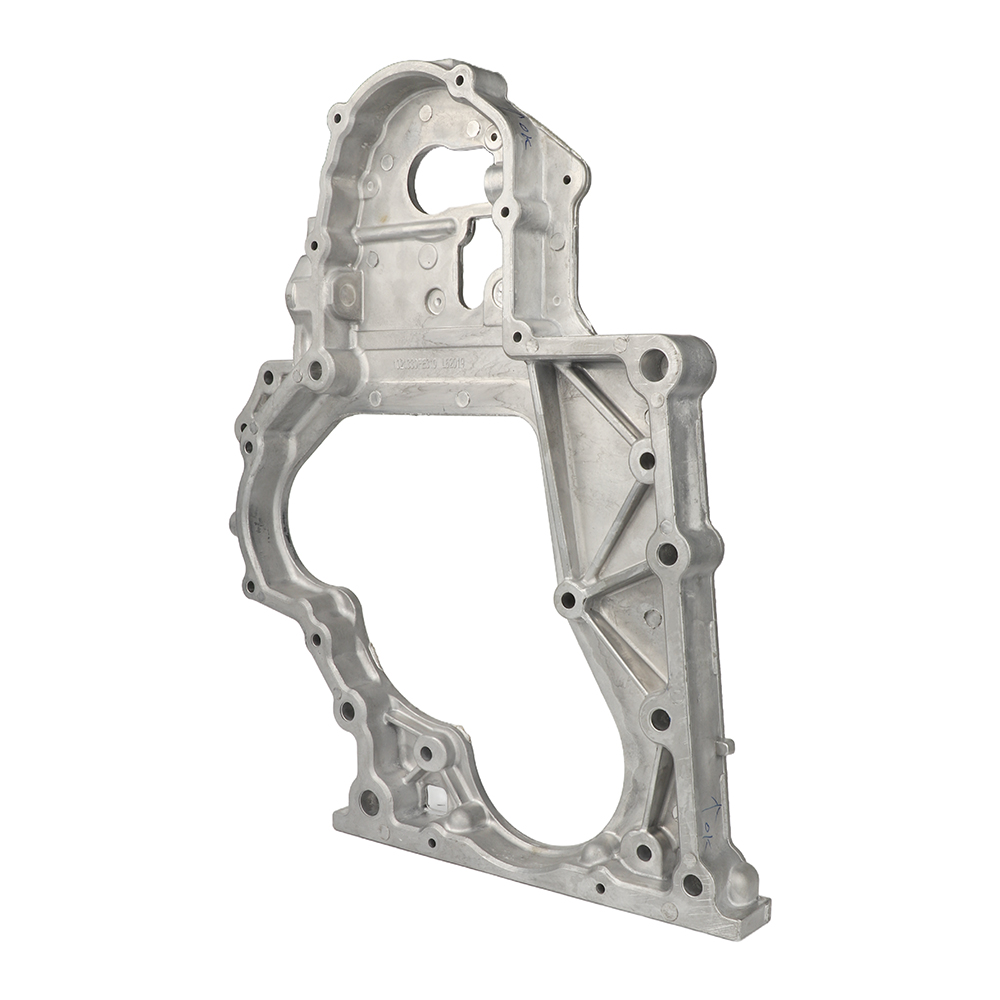
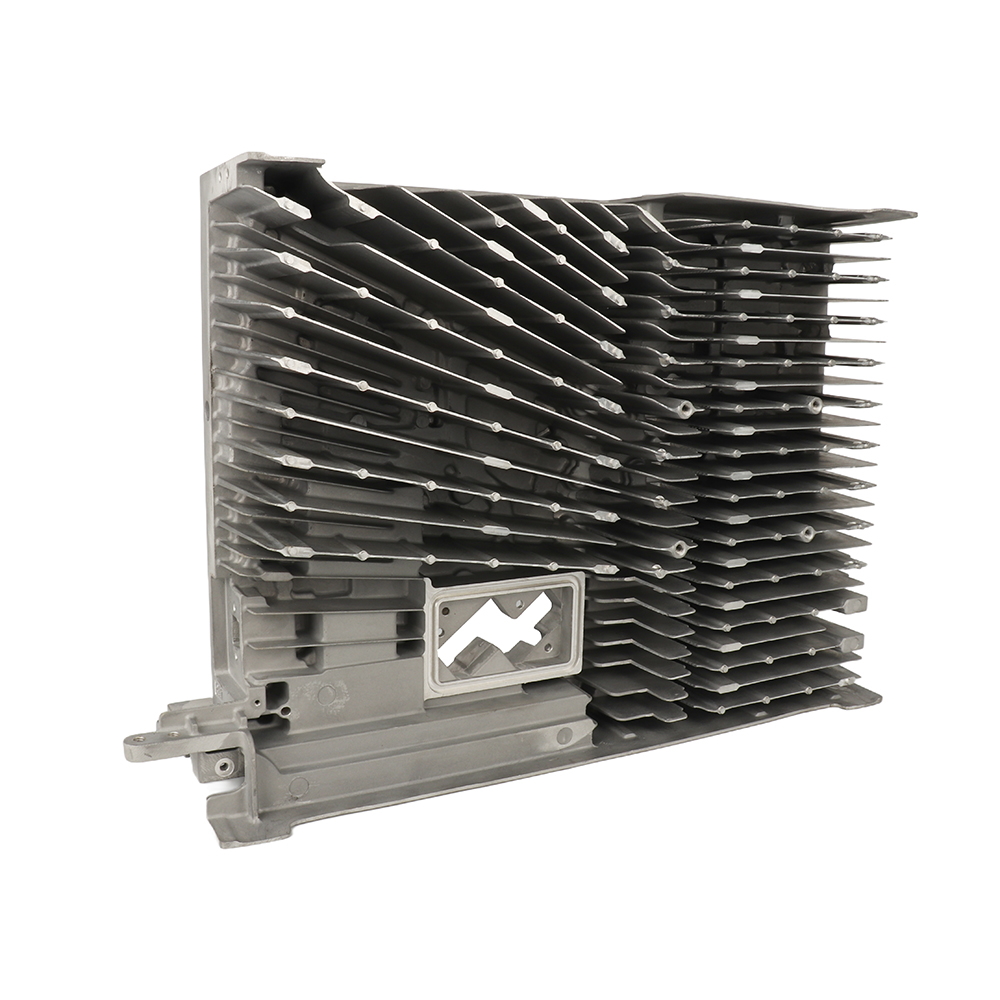
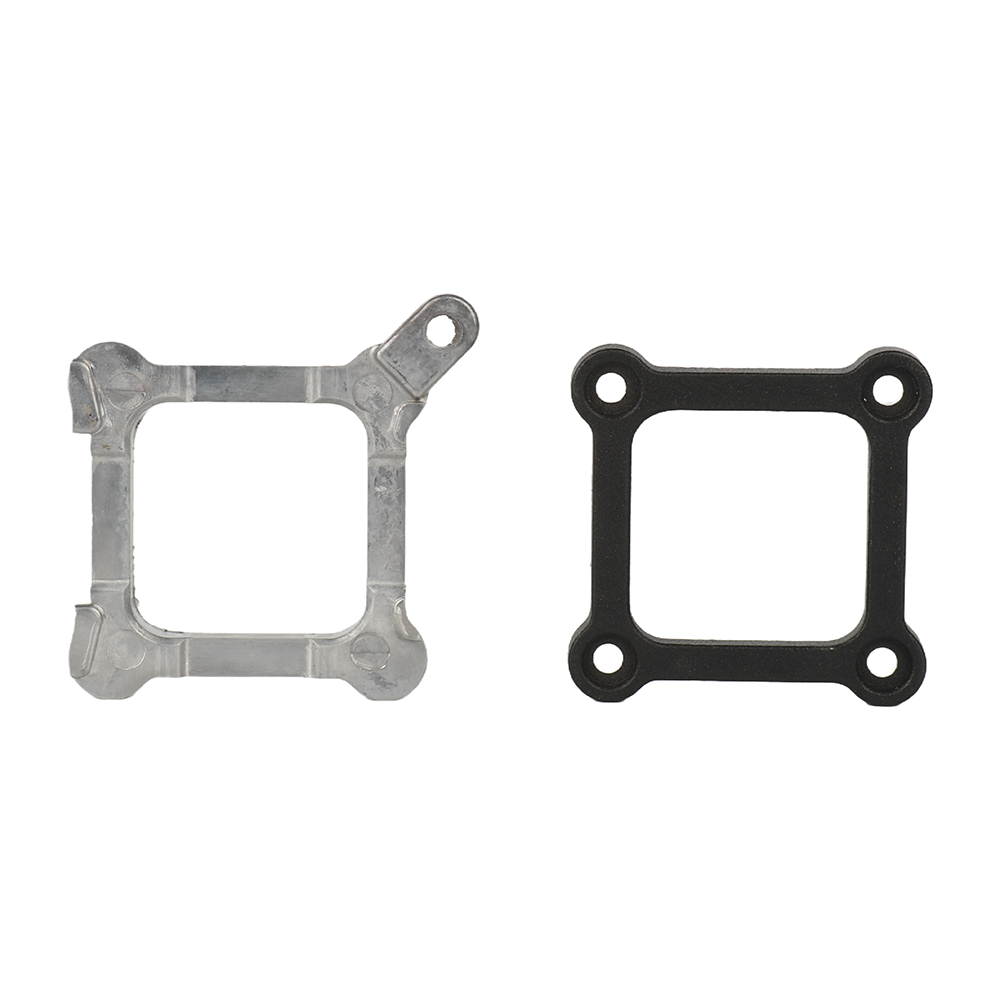
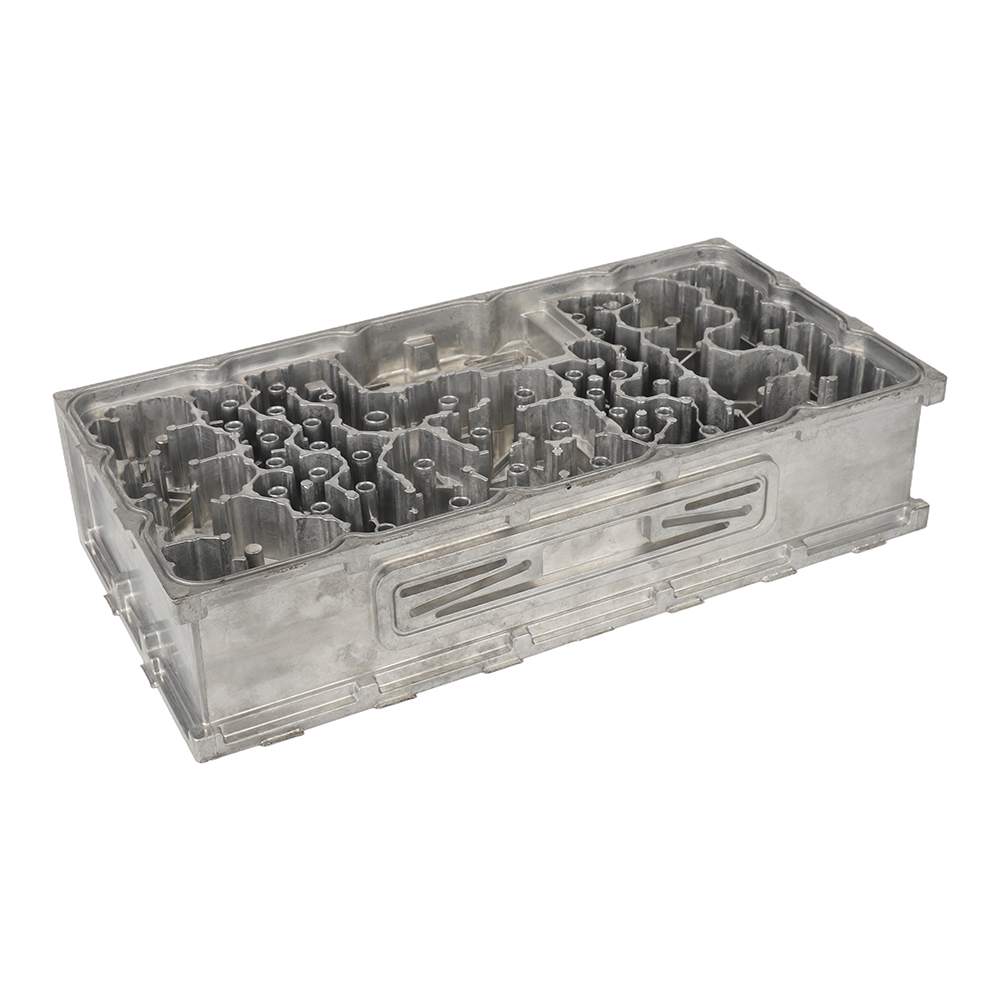
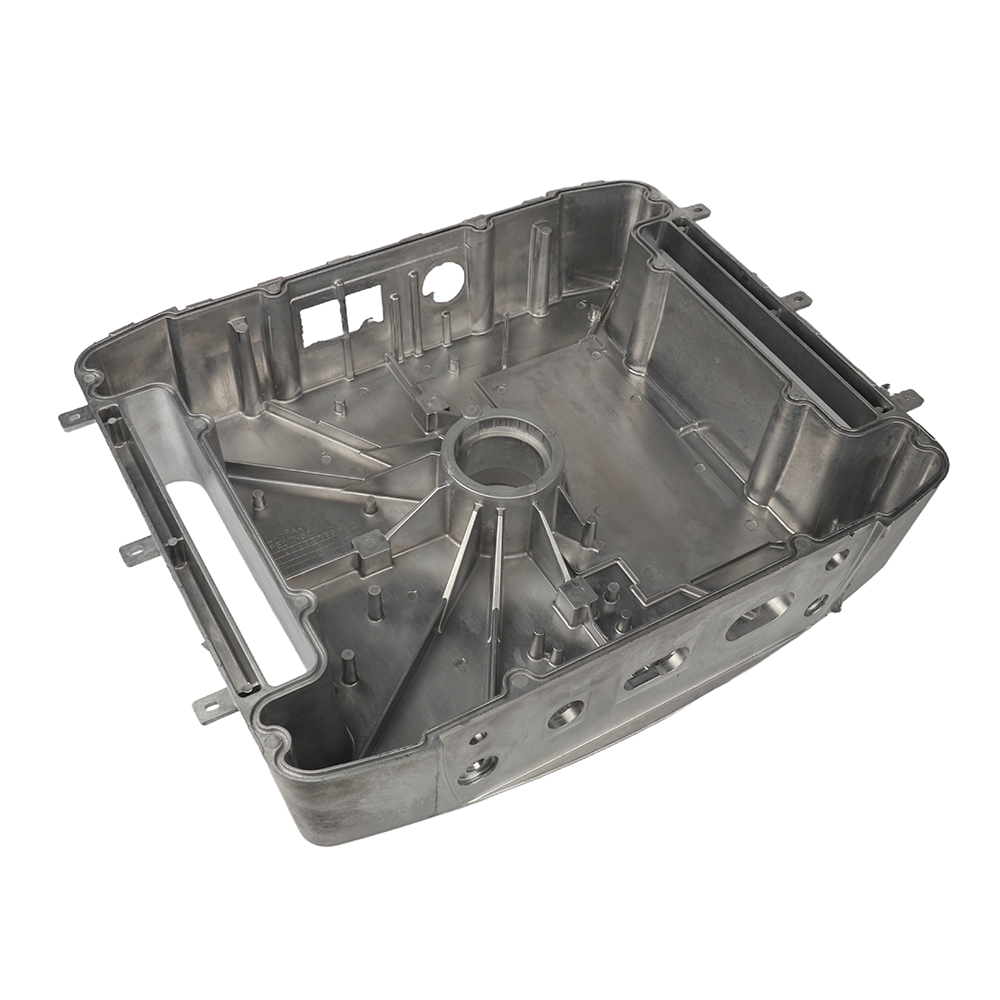
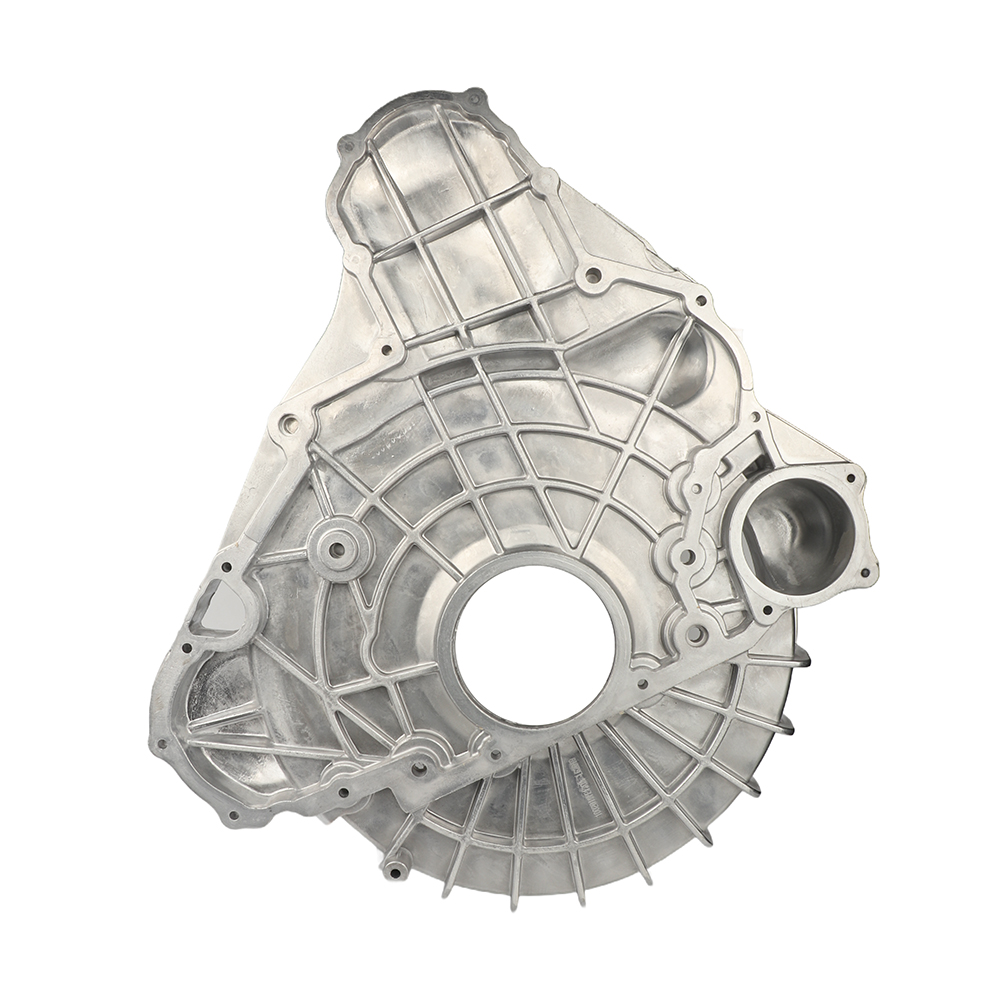
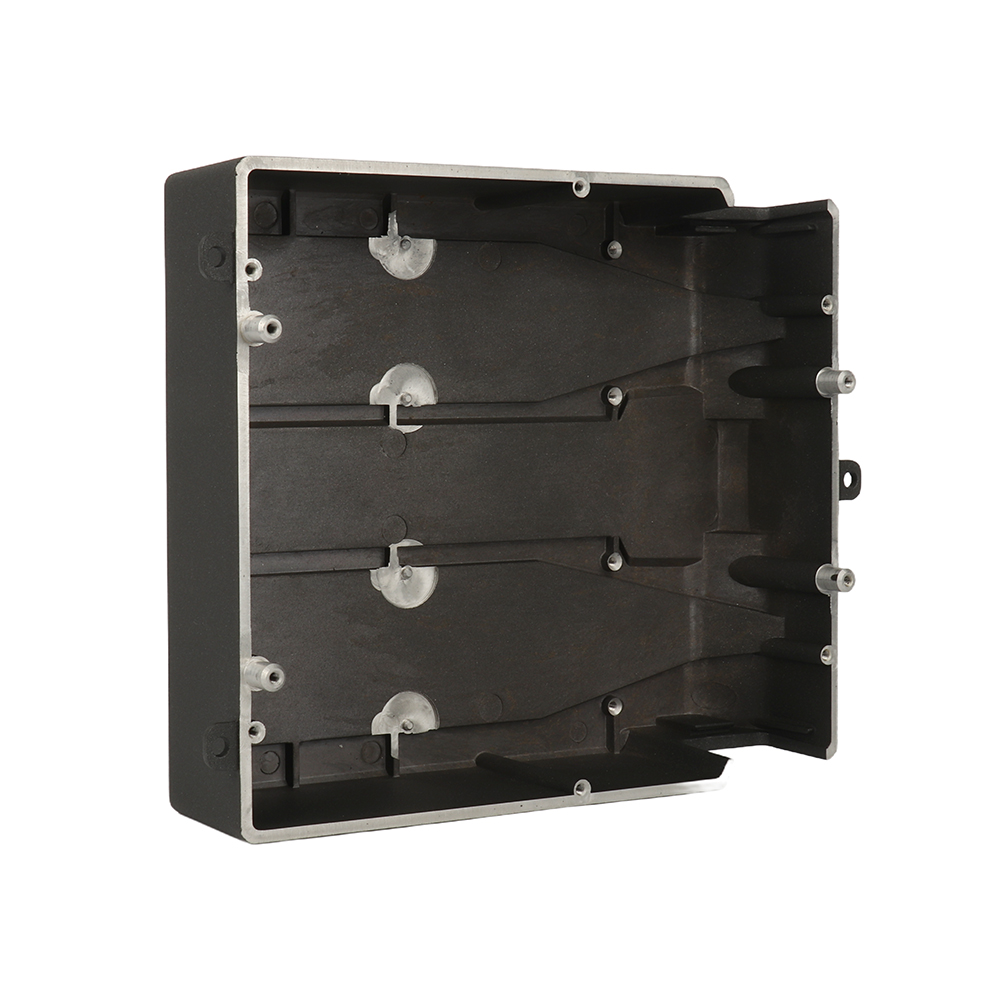
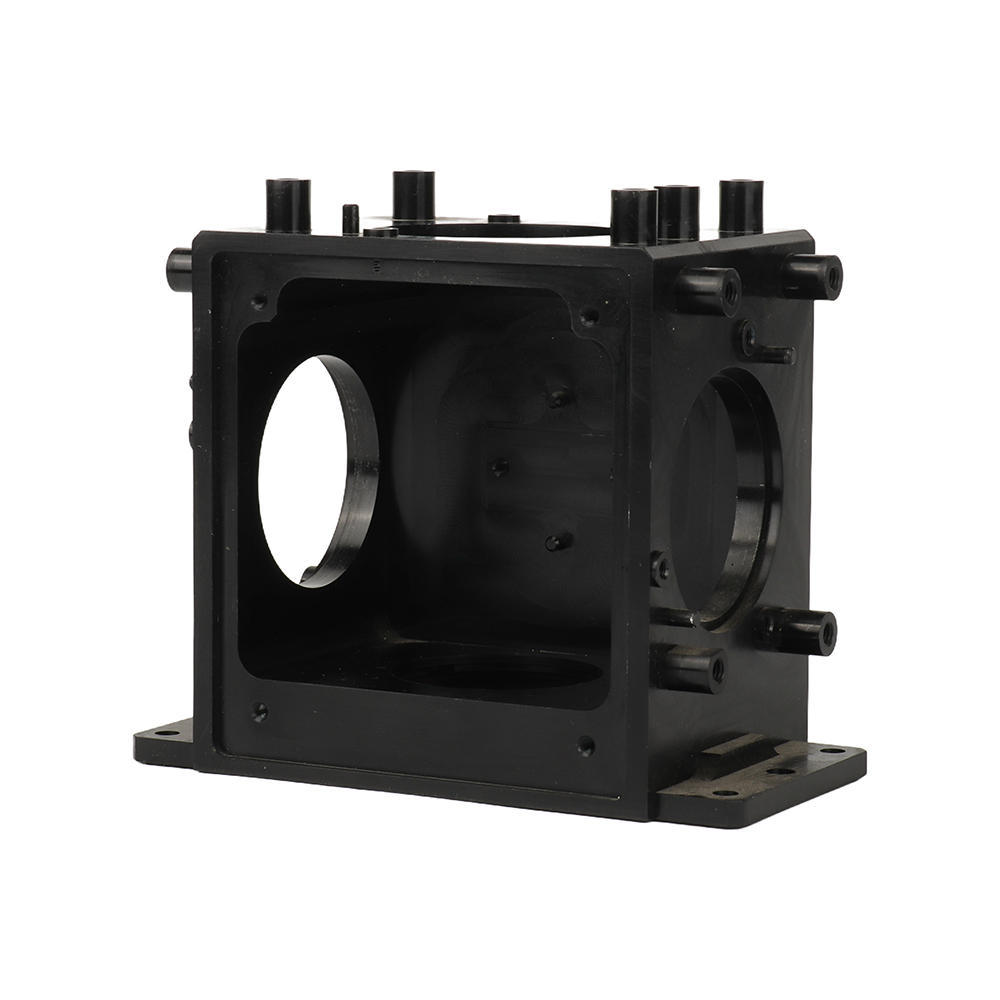
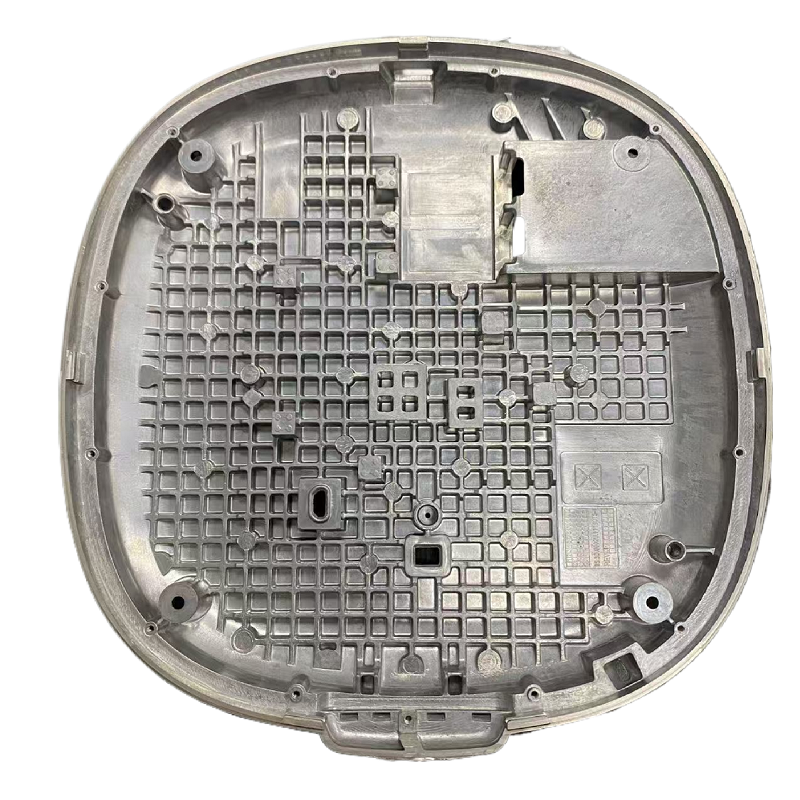
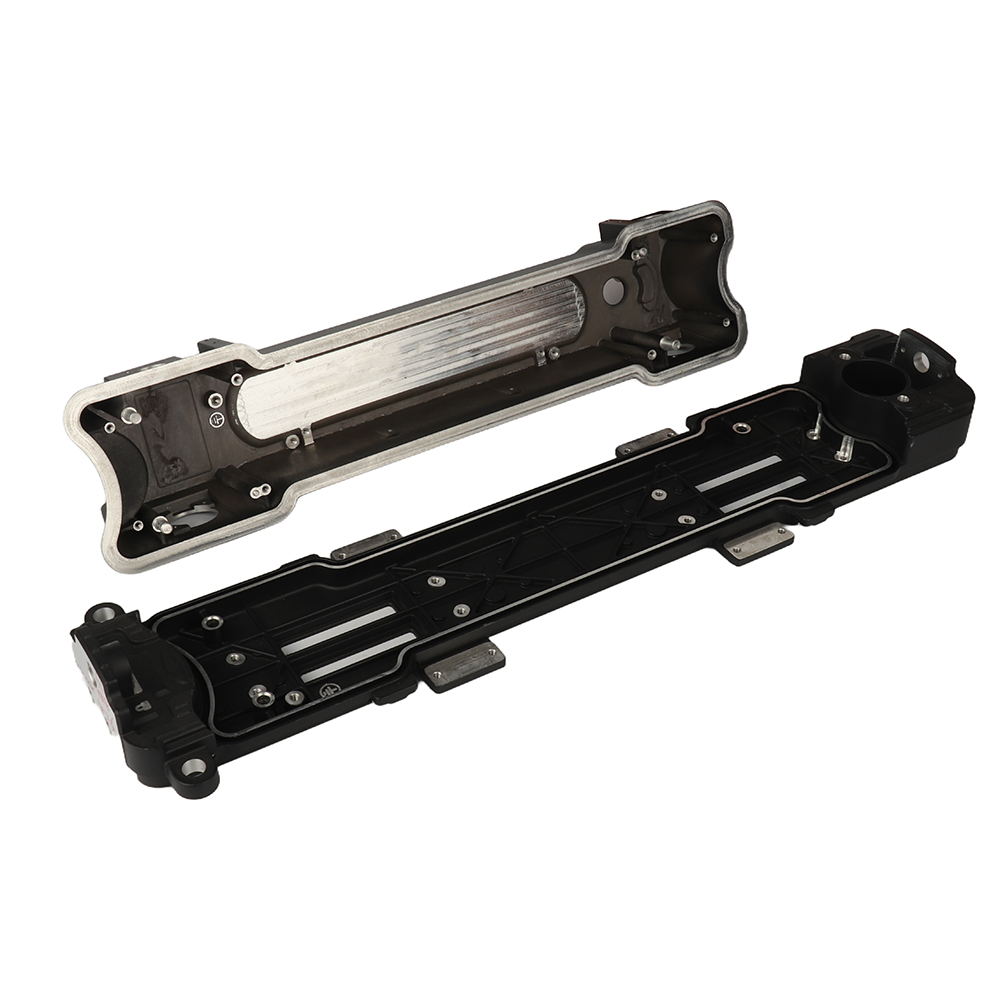
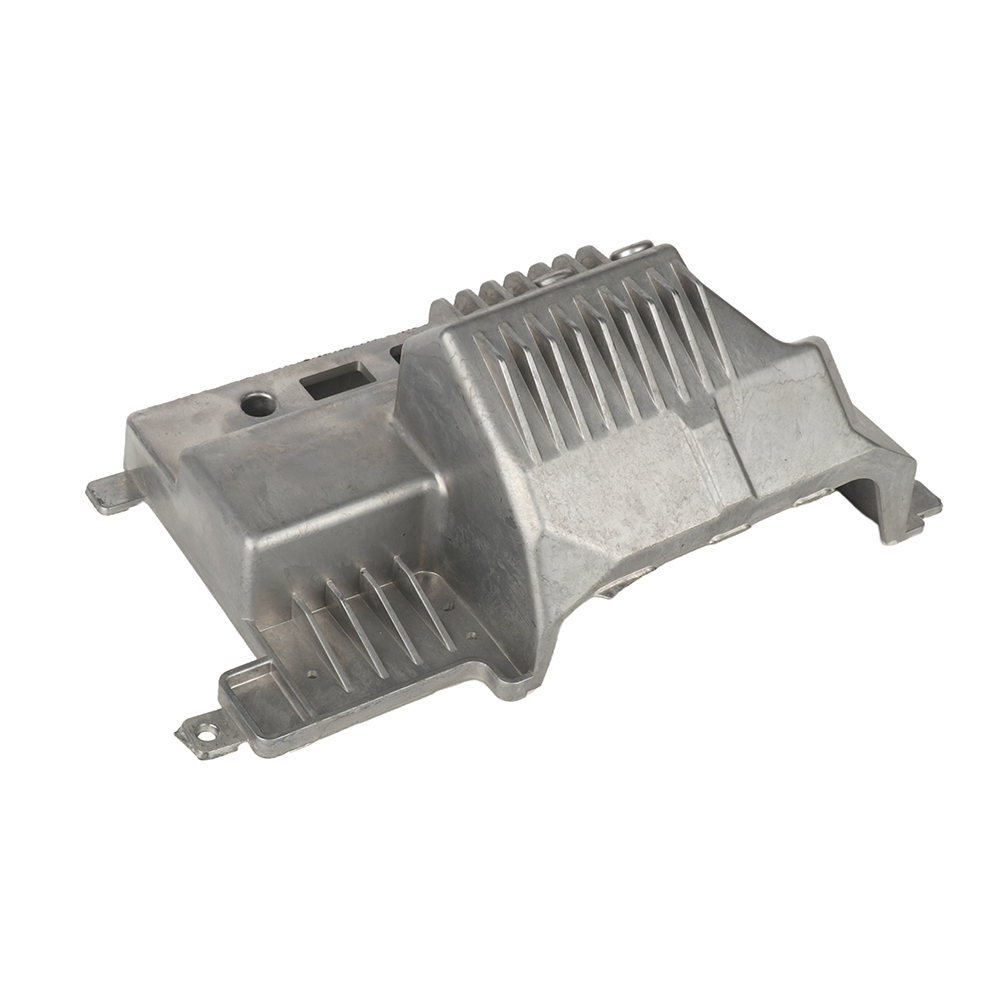
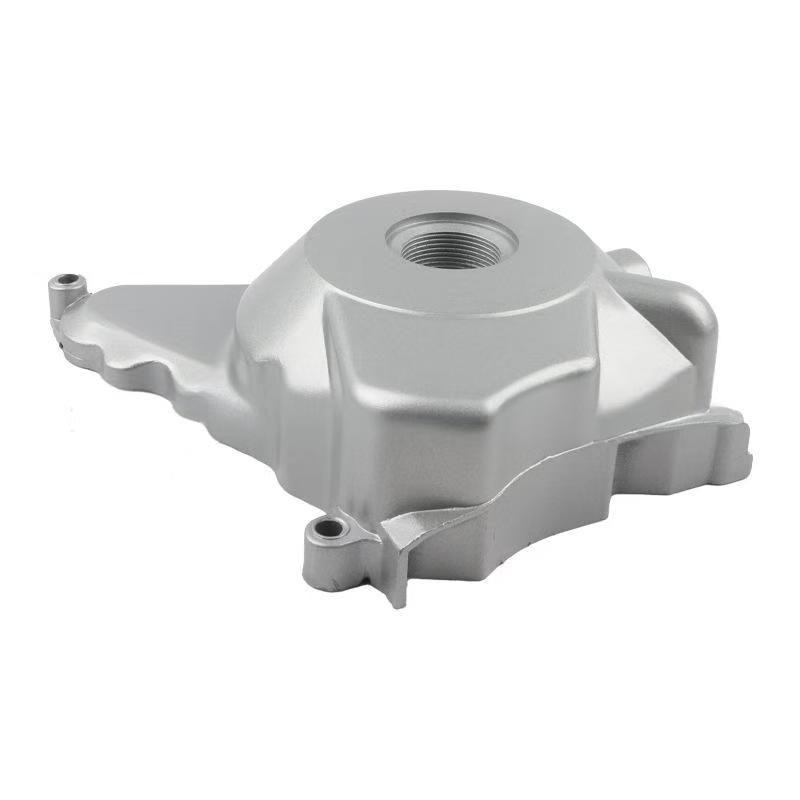
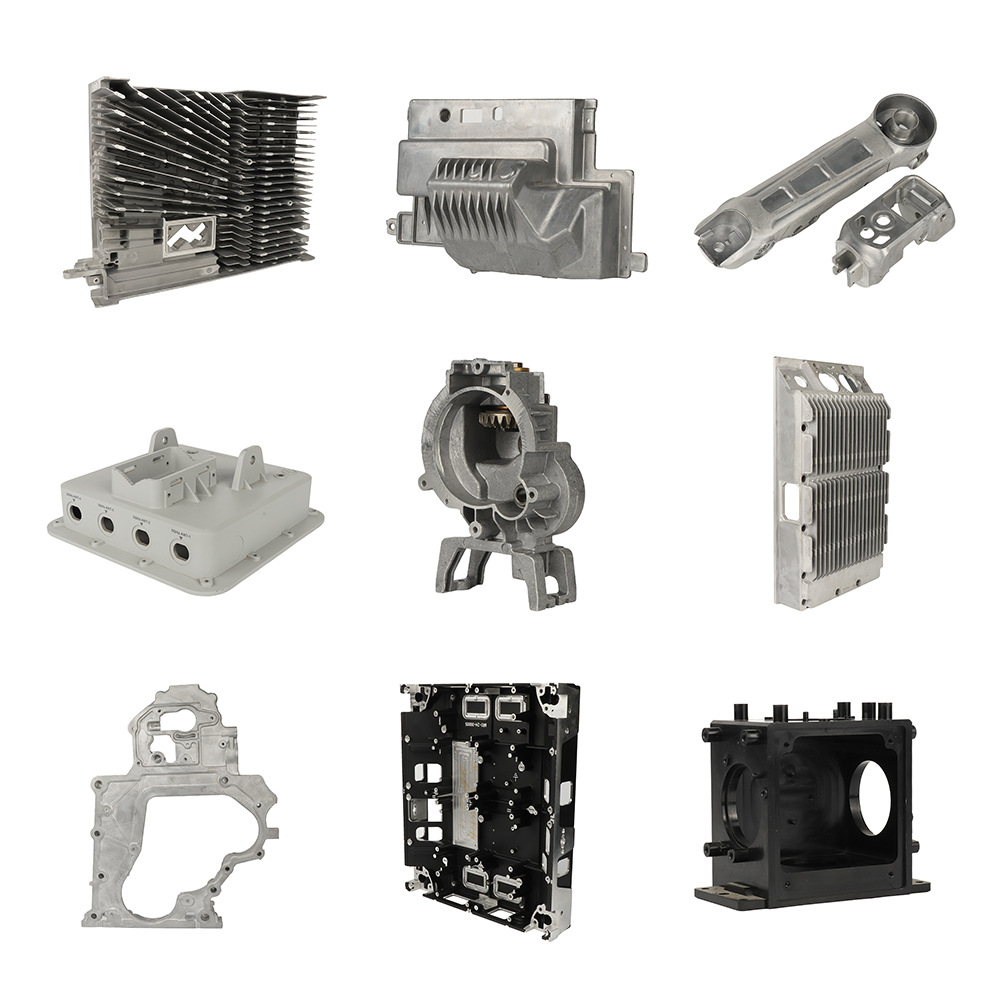
Die casting parts are precision-manufactured components produced through die casting, a metal casting process that involves forcing molten metal (such as aluminum, zinc, magnesium, or copper alloys) into a reusable mold (called a die) under high pressure and speed. The die is typically made of high-strength tool steel, designed to withstand extreme temperatures and pressure, ensuring consistent shape, size, and surface quality for each part produced. Unlike other casting methods, die casting enables mass production of complex, high-precision parts with minimal post-processing, making it a preferred choice across various industries—especially medical devices, where precision and reliability are non-negotiable.
The core die casting process consists of four key steps: mold preparation (applying lubricant to the die cavity for easy demolding and temperature control), molten metal preparation (melting the metal alloy to a specific temperature), injection (forcing the molten metal into the die cavity under high pressure, usually 10-175 MPa), and ejection (removing the solidified part from the die after cooling). Two main types of die casting are widely used: hot chamber die casting (suitable for low-melting-point metals like zinc and lead) and cold chamber die casting (used for high-melting-point metals like aluminum and magnesium, which are commonly used in medical devices).
1.1 Key Materials for Die Casting Parts (Suitable for Medical Devices)
The choice of material for die casting parts depends on the application’s requirements, and medical devices have strict standards for biocompatibility, corrosion resistance, and durability. For medical devices, the most commonly used materials include:
- Aluminum Alloys (e.g., AA 380, ADC 12): Lightweight, corrosion-resistant, cost-effective, and with good thermal conductivity, ideal for non-implantable medical devices like diagnostic equipment housings, ventilator enclosures, and X-ray machine components. They can withstand repeated sterilization cycles, which is crucial for medical environments. Anodizing or powder coating can further enhance their corrosion resistance and biocompatibility, meeting FDA/EMEA standards.
- Magnesium Alloys (e.g., AZ91D): Ultra-lightweight with excellent biocompatibility and machinability, suitable for portable medical devices (e.g., handheld monitors, portable ultrasound machines) and some implantable components like orthopedic supports. Their superior strength-to-weight ratio makes them ideal for devices that require mobility without compromising structural integrity.
- Stainless Steel: High strength, corrosion-resistant, and biocompatible, used for critical medical parts that require sterilization and long-term durability, such as surgical instrument handles, clamp brackets, and implantable device casings. It meets the strict biocompatibility standards for implantable components, ensuring patient safety.
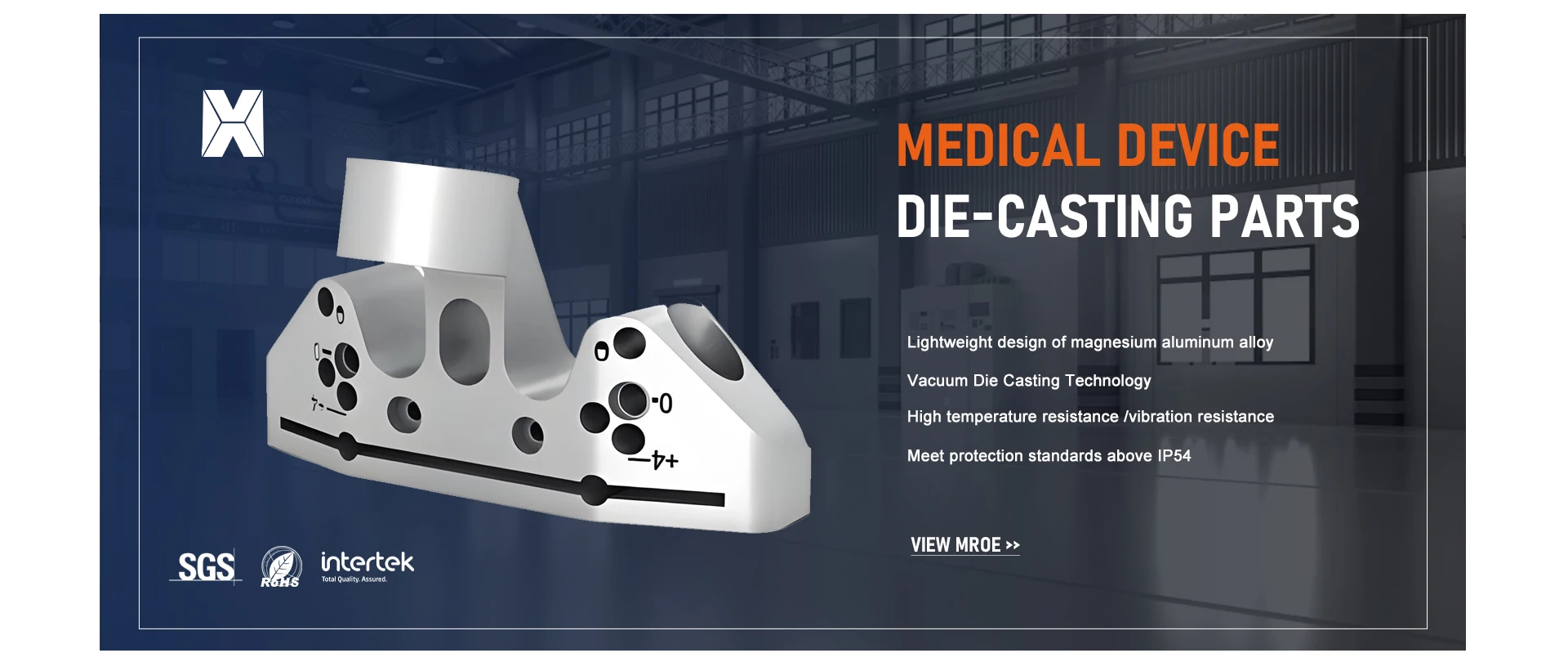
2. Die Casting Parts in Medical Devices: Key Applications
Medical devices demand the highest standards of precision, biocompatibility, and reliability, and die casting parts for medical devices meet these requirements by leveraging the die casting process’s unique advantages. These parts are used in both non-implantable and implantable medical devices, covering a wide range of applications that directly impact patient care and treatment outcomes.
2.1 Non-Implantable Medical Devices
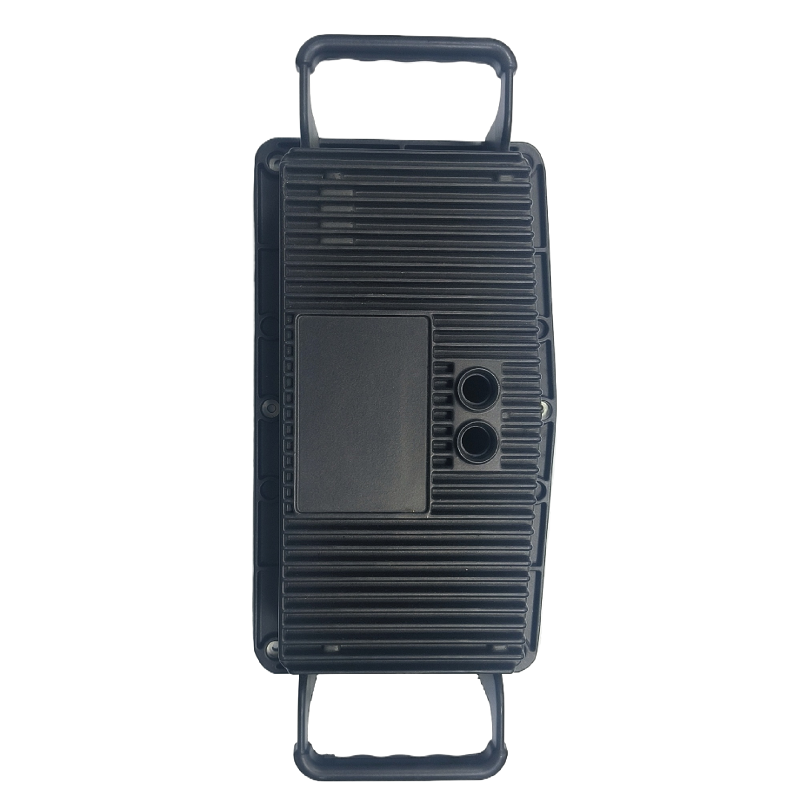
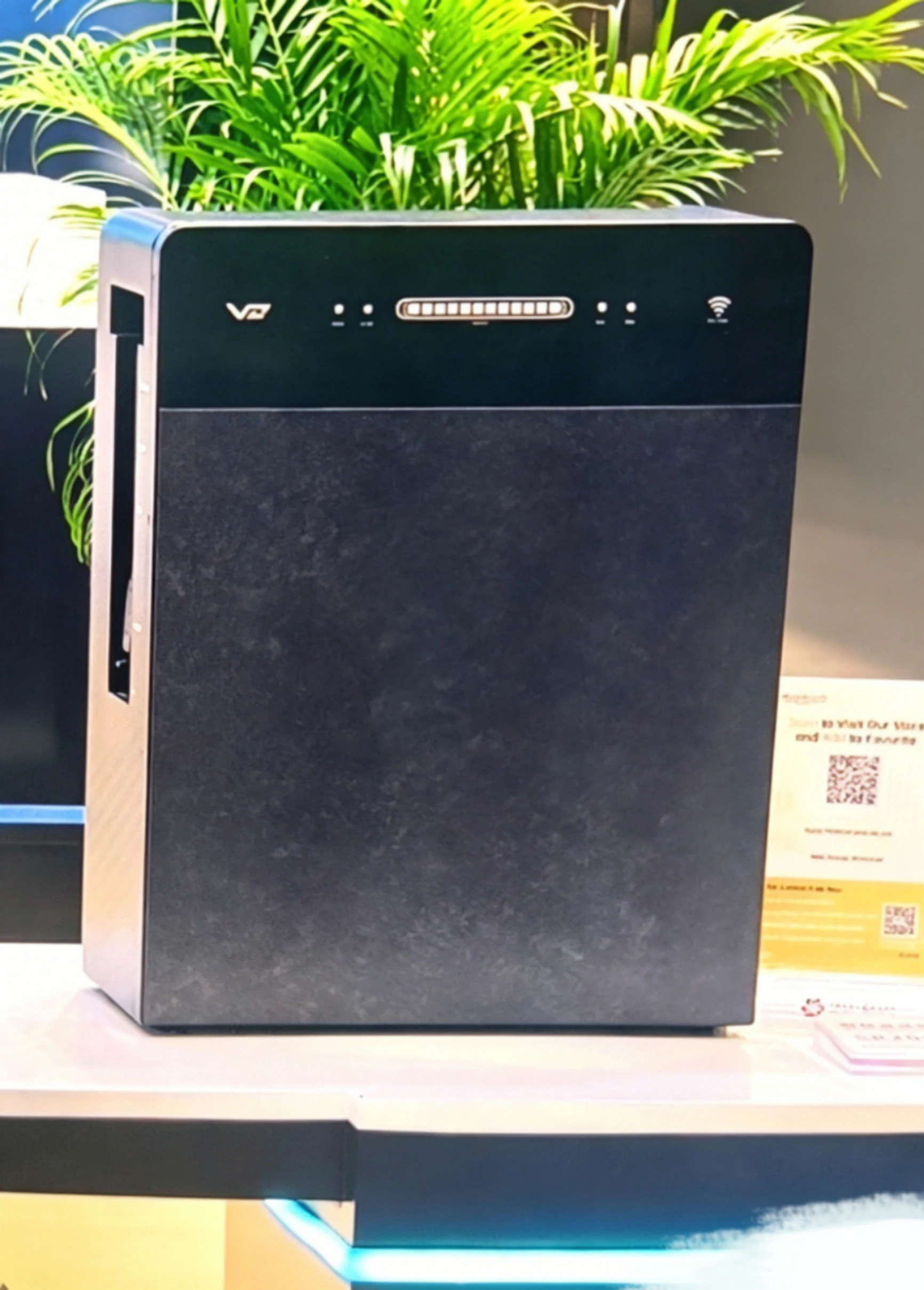
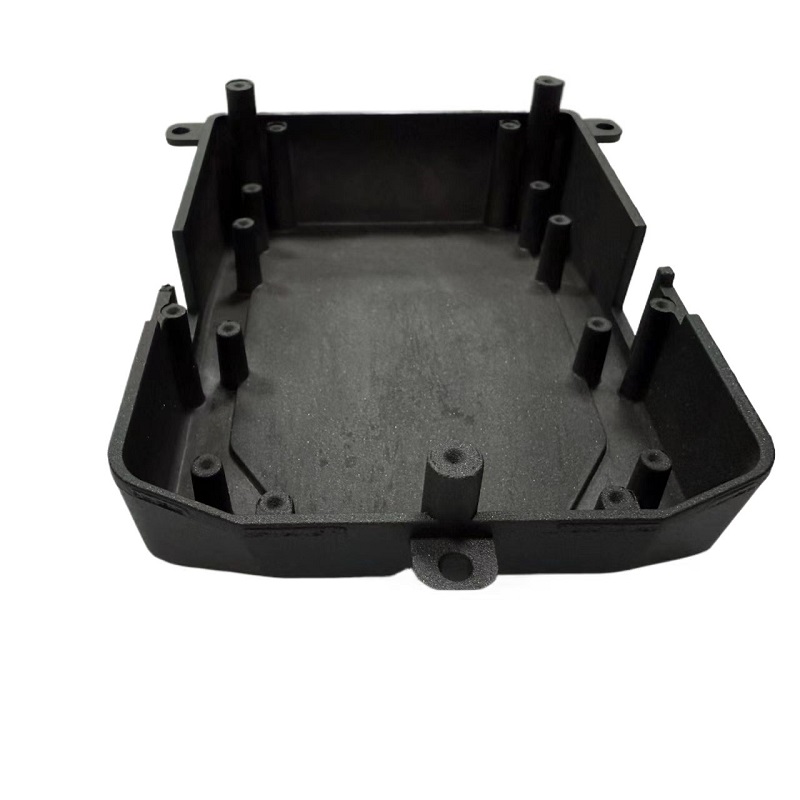
Most die casting parts for medical devices are used in non-implantable equipment, where durability, precision, and cost-effectiveness are key. Common applications include: diagnostic equipment (CT scanners, ultrasound machines) housings, ventilator and infusion pump casings, surgical tool holders, and lab analyzer structural components. These parts need to withstand frequent sterilization, resist chemical exposure, and maintain dimensional stability—all of which die casting parts excel at.
2.2 Implantable Medical Devices
While less common, die casting parts are also used in select implantable devices, such as orthopedic supports, small bone fixation components, and implantable sensor casings. These parts require strict biocompatibility (no harmful reactions with human tissue) and high corrosion resistance, which is achieved through specialized materials like medical-grade stainless steel and magnesium alloys.
3. Pros & Cons of Die Casting Parts for Medical Devices (Focus on Advantages)
Die casting has become a go-to manufacturing method for medical device components due to its unique benefits, though it also has minor limitations. Below is a detailed breakdown, with a focus on why it outperforms other methods for medical applications:
3.1 Key Advantages (Focus Points)
- Exceptional Precision & Consistency: Die casting produces parts with tight tolerances (typically ±0.05 mm, and ±0.02 mm for critical features), ensuring every component fits perfectly in medical devices—where even a small deviation can compromise patient safety. The reusable die ensures consistent shape and size across mass-produced parts, which is essential for medical device assembly.
- Superior Biocompatibility & Corrosion Resistance: When using medical-grade materials (aluminum alloys, magnesium alloys, stainless steel), die casting parts meet strict FDA and ISO 13485 standards for biocompatibility. Surface treatments like anodizing or powder coating further enhance corrosion resistance, allowing parts to withstand repeated sterilization cycles (autoclaving, chemical sterilization) without degradation.
- Cost-Effective Mass Production: Once the die is fabricated, die casting enables high-volume production with low per-unit costs—critical for medical devices that need to be widely accessible. Unlike CNC machining, die casting requires minimal post-processing, reducing labor and material waste.
- Lightweight & High Strength: Materials like aluminum and magnesium alloys produce die casting parts that are lightweight yet structurally strong, making them ideal for portable medical devices (handheld monitors, portable defibrillators) and equipment that requires mobility without sacrificing durability.
- Complex Geometry Capability: Die casting can produce parts with intricate designs (thin walls, internal ribs, integrated features) in one step, eliminating the need for multiple assembly steps. This reduces the risk of assembly errors and improves the overall reliability of medical devices.
3.2 Minor Limitations
- High Initial Tooling Cost: The die (mold) for die casting is made of high-strength tool steel, which requires a significant upfront investment. This can be a barrier for small-scale medical device manufacturers or prototype production.
- Limited Material Range: Die casting is most suitable for non-ferrous metals (aluminum, magnesium, zinc). It is not ideal for high-melting-point metals like titanium, which are sometimes used for specialized implantable devices.
- Design Inflexibility After Tooling: Once the die is finalized, making design changes is costly and time-consuming. This requires careful design planning before die fabrication.
3.3 Comparison with Other Manufacturing Processes for Medical Components
To better highlight the advantages of die casting for medical devices, here’s a comparison with two common alternative processes:
| Manufacturing Process | Key Advantages for Medical Devices | Key Disadvantages for Medical Devices | Best For |
|---|---|---|---|
| Die Casting | High precision, cost-effective mass production, good biocompatibility, lightweight yet strong | High initial tooling cost, limited material range | High-volume non-implantable devices, portable medical equipment, structural components |
| CNC Machining | Superior precision (±0.01 mm), no tooling cost, wide material range | High per-unit cost, high material waste, slow for mass production | Prototypes, low-volume production, critical high-precision parts |
| Investment Casting | Intricate details, good surface finish, wide alloy compatibility | Higher unit cost, slower production, more post-processing | Specialized high-precision parts, small-batch complex components |
Clearly, die casting stands out for high-volume medical device production, offering the best balance of precision, cost, and performance.
4. Expert Opinions on Die Casting Parts for Medical Devices
Industry experts recognize die casting as a critical manufacturing process for medical devices, emphasizing its role in ensuring safety, efficiency, and scalability. Below are insights from leading professionals:
“Die casting has revolutionized medical device manufacturing by enabling the production of high-precision, consistent components at scale. For non-implantable devices like diagnostic equipment and ventilators, the combination of lightweight materials and tight tolerances makes die casting irreplaceable. The key advantage is that it delivers medical-grade quality without compromising cost-effectiveness—critical for making life-saving devices accessible globally.” — Dr. Sarah Chen, Senior Materials Engineer
“In the medical industry, biocompatibility and reliability are non-negotiable. Die casting parts, when made with medical-grade alloys and proper surface treatments, meet the strictest FDA and ISO standards. We’ve seen a 30% increase in demand for die casting medical components over the past five years.” — Michael Roberts, CEO
“While die casting has upfront tooling costs, the long-term savings from mass production and minimal post-processing make it the best choice for high-volume medical devices. For our portable ultrasound machines, die casting magnesium alloy parts reduced device weight by 25% while maintaining structural integrity.” — Lisa Wang, R&D Director
5. FAQs About Die Casting Parts for Medical Devices
Below are answers to the most common questions about die casting parts in medical device manufacturing, addressing key concerns from manufacturers, designers, and healthcare professionals:
5.1 Can die casting parts be used in implantable medical devices?
Yes, but only with specialized materials and strict quality control. Die casting parts made from medical-grade stainless steel or magnesium alloys (e.g., AZ91D) are suitable for select implantable devices (orthopedic supports, small sensors) because they meet biocompatibility standards and corrosion resistance requirements. However, they are not used for high-risk implantables like pacemakers.
5.2 Do die casting parts meet medical device regulatory standards (FDA, ISO)?
Absolutely. When using medical-grade materials and following strict manufacturing processes (ISO 13485 certification), die casting parts meet FDA (U.S.) and EMEA (EU) standards. Surface treatments further enhance biocompatibility and corrosion resistance, ensuring compliance with medical device regulations.
5.3 Is die casting more cost-effective than other processes for medical devices?
For high-volume production (10,000+ parts), yes. Die casting has high initial tooling costs, but the low per-unit cost and minimal post-processing make it more cost-effective than CNC machining or investment casting. For low-volume production or prototypes, CNC machining may be more cost-effective due to no tooling costs.
5.4 How do die casting parts withstand repeated sterilization?
Die casting parts for medical devices are made from corrosion-resistant materials (aluminum alloys, stainless steel) and often undergo surface treatments (anodizing, powder coating) that protect against harsh sterilization methods. These treatments create a barrier that prevents material degradation, ensuring the parts maintain their integrity after hundreds of sterilization cycles.
5.5 What is the typical tolerance for die casting parts in medical devices?
The typical tolerance for die casting parts in medical devices is ±0.05 mm for general features. For critical features (e.g., components that fit with electronic sensors), tolerances can be as tight as ±0.02 mm—meeting the high precision requirements of medical equipment.
6. Conclusion
Die casting parts are precision-manufactured components that play a vital role in the medical device industry, offering a unique combination of precision, biocompatibility, cost-effectiveness, and durability. While die casting has minor limitations (high initial tooling cost, limited material range), its advantages far outweigh these drawbacks—making it the preferred manufacturing method for high-volume medical devices. From diagnostic equipment housings to portable medical tools, die casting parts ensure medical devices are safe, reliable, and accessible. As the medical industry continues to evolve, die casting will remain a key technology, enabling innovation in patient care and medical device design.
Aluminium enclosure | What is polished anodized aluminium? Focus on Polished Anodized Aluminium Enclosure
Inverter car battery | What is aluminum housing car battery inverter? Key Functions, Benefits & Expert Insights
Related Article


