
HOT PRODUCTS
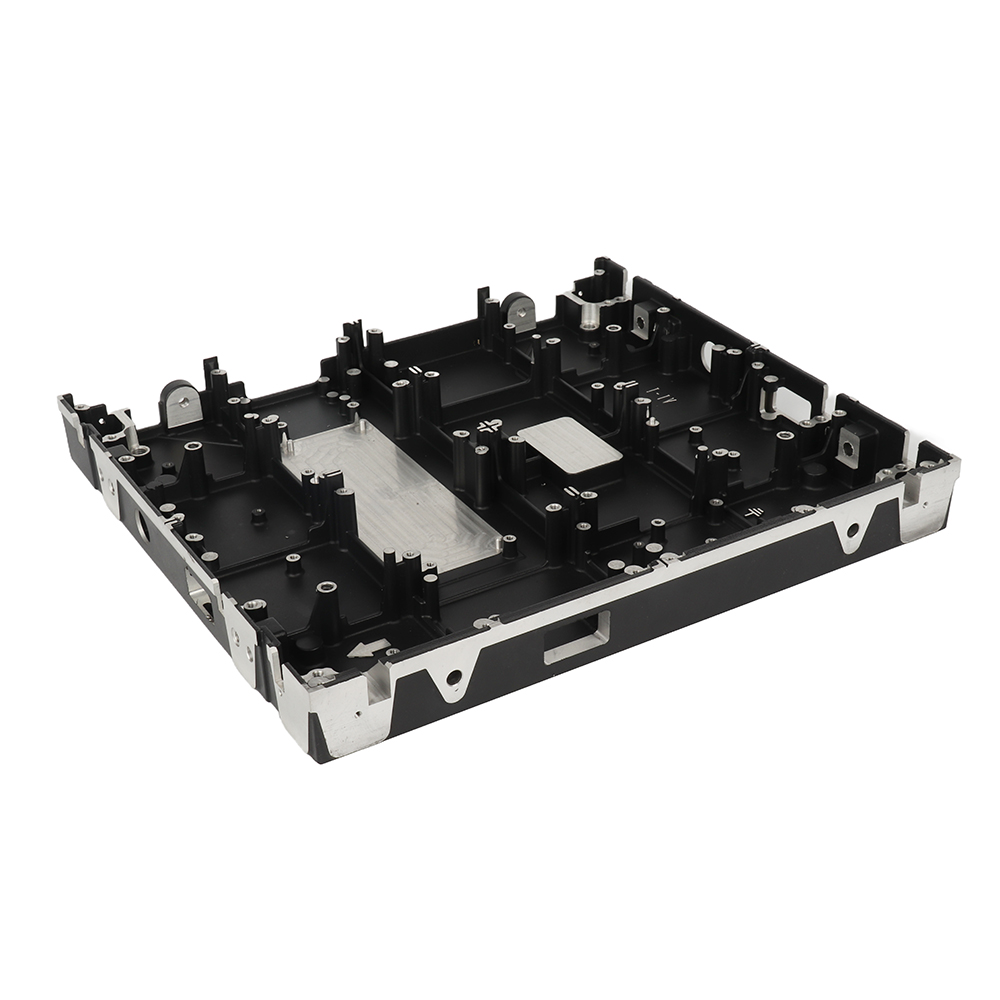
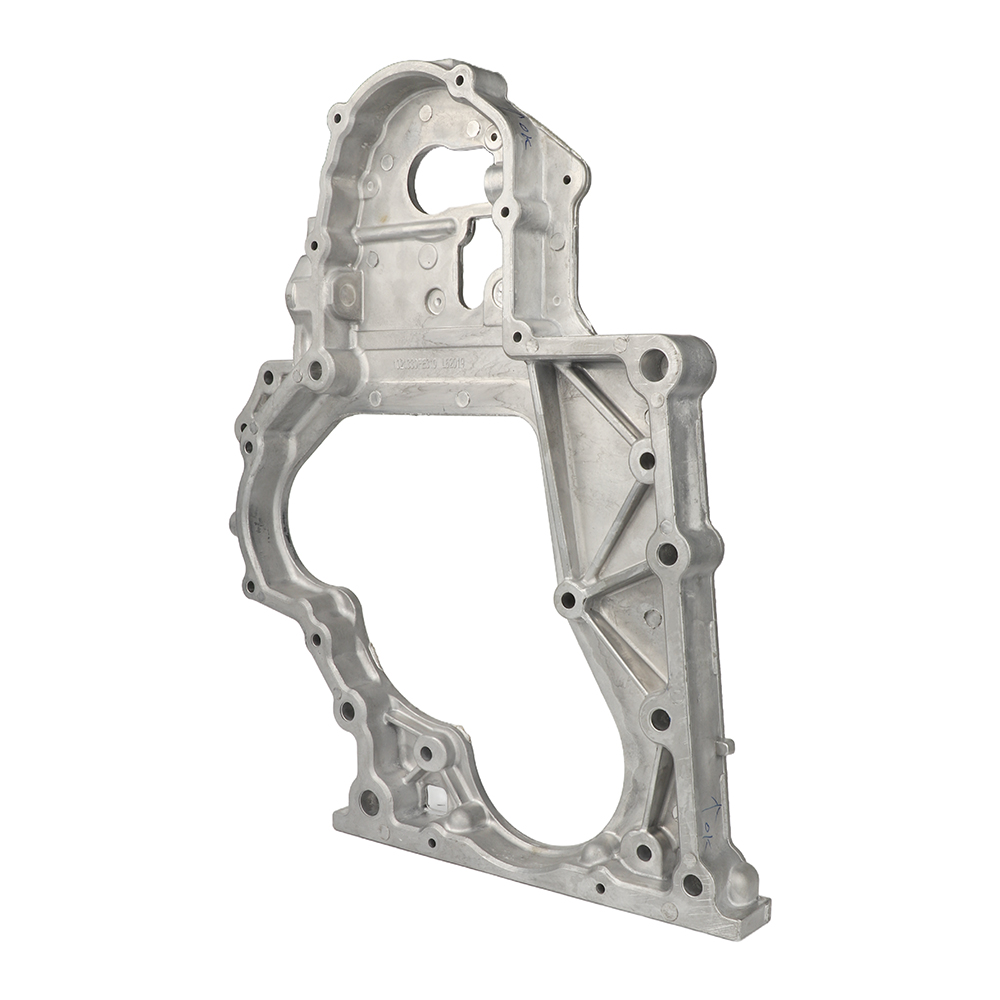
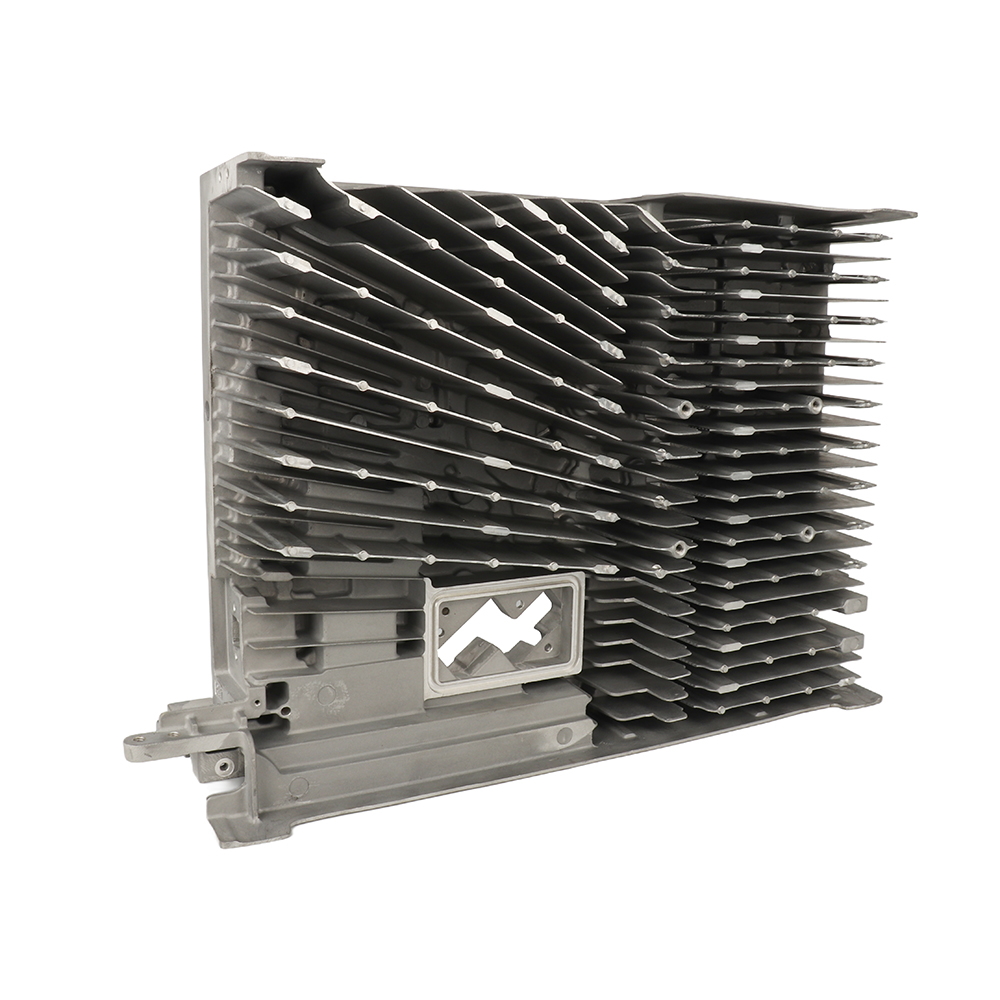
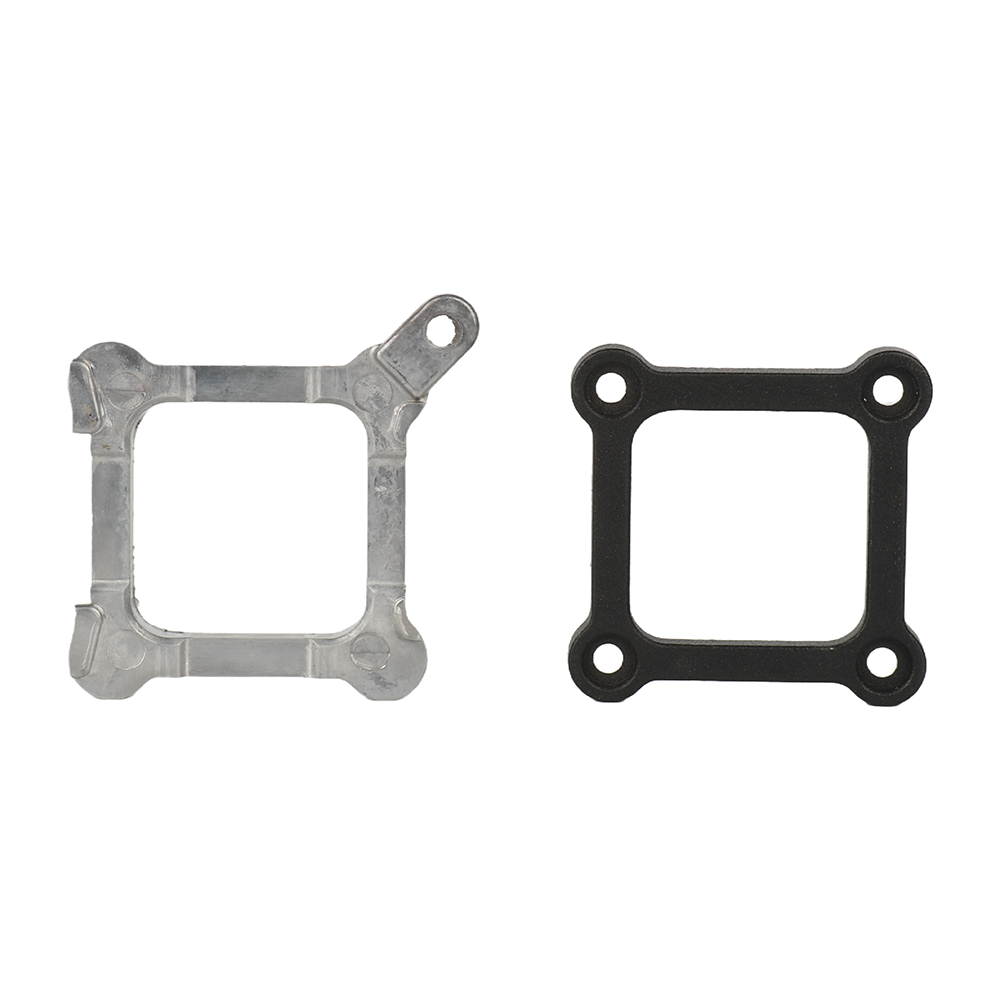
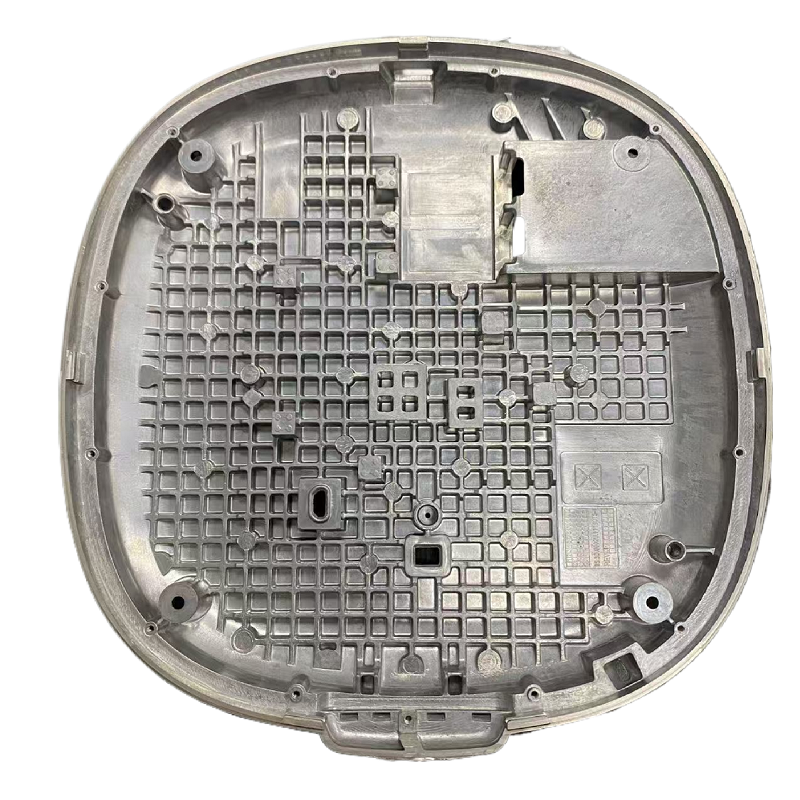
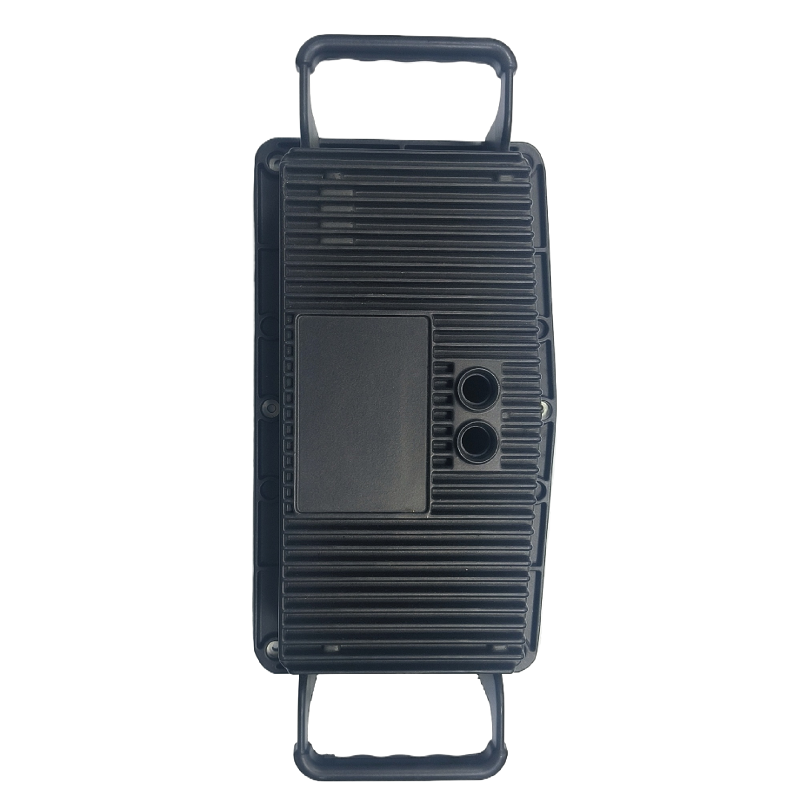
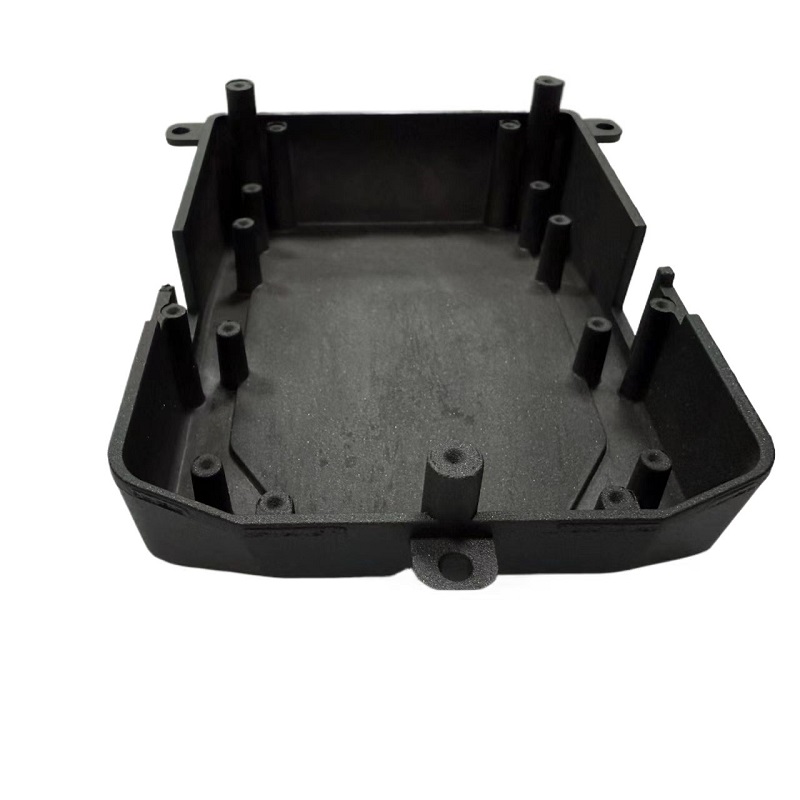
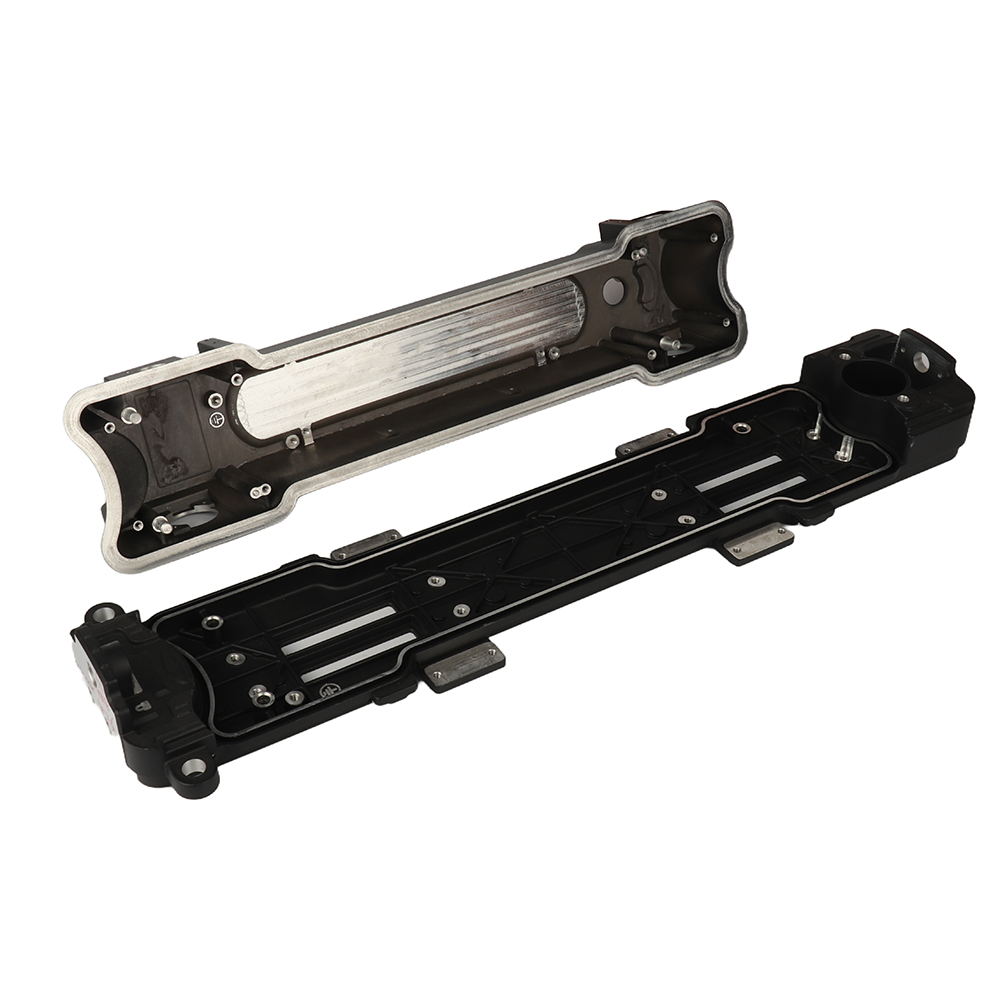
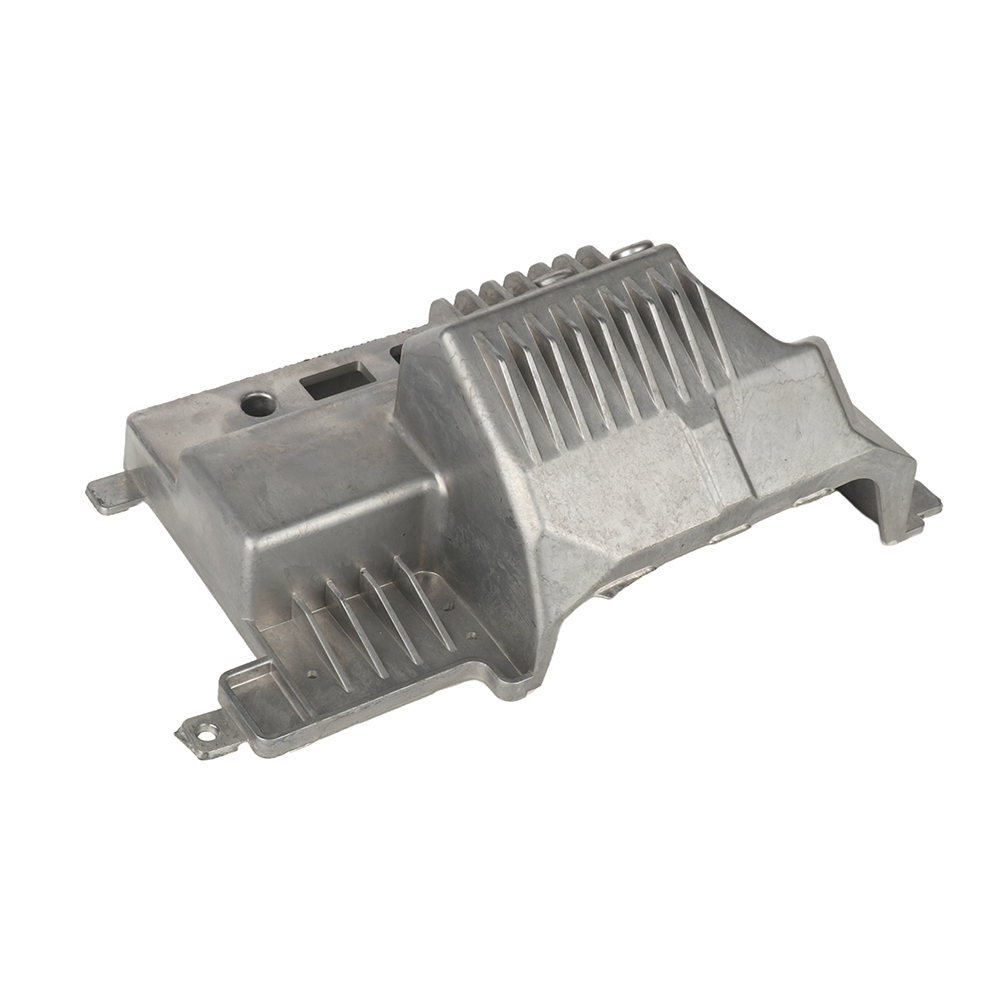
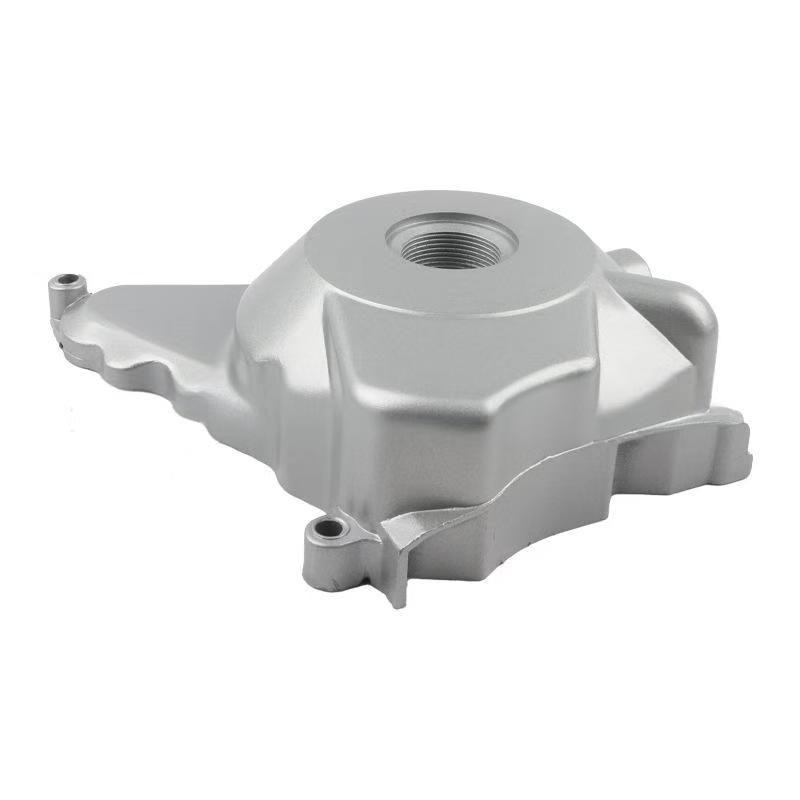
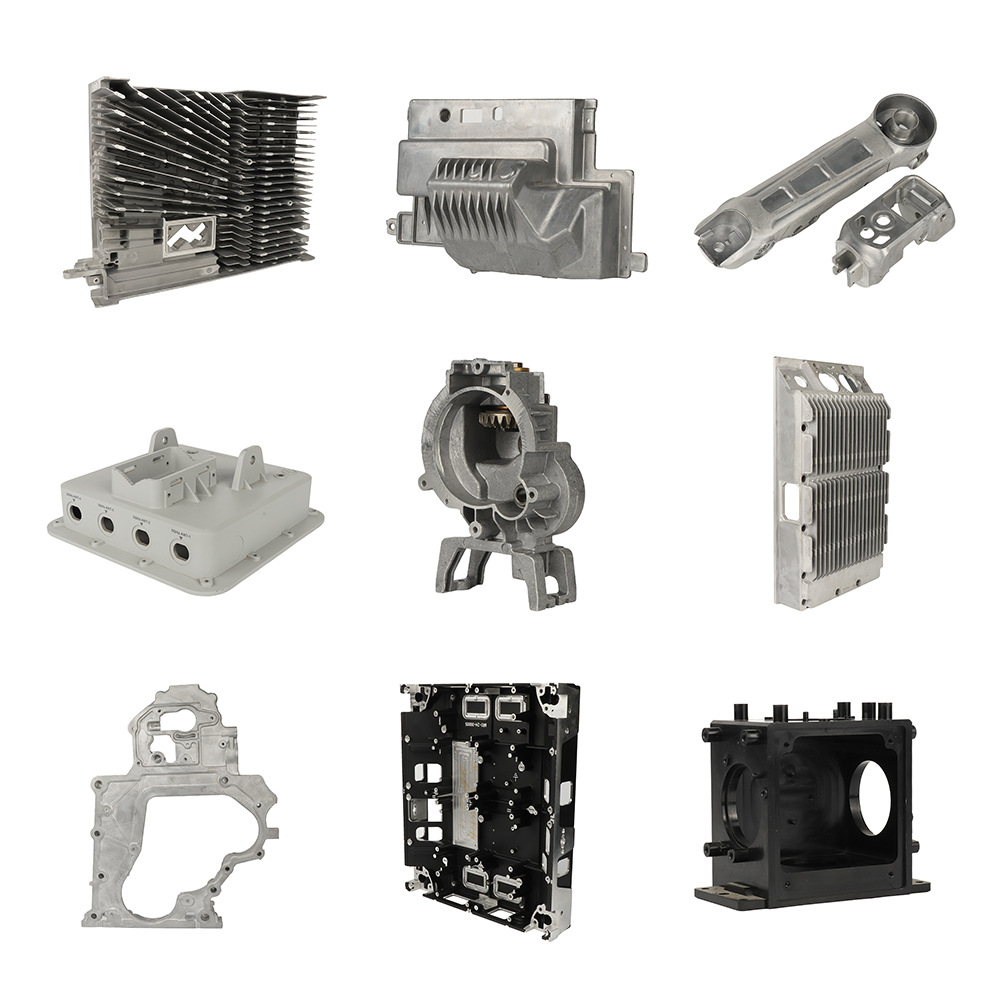
Production line assembly | What is die casting production line assembly? Key Points, Benefits & Expert Insights
What is Die Casting Production Line Assembly? Key Points, Benefits & Expert Insights
Table of Contents
- 1. Introduction: What is Die Casting Production Line Assembly?
- 2. Core Components of Die Casting Production Line Assembly
- 2.1 Main Production Equipment Assembly
- 2.2 Auxiliary System Assembly
- 2.3 Control System Assembly
- 3. Key Focus & Critical Points of Die Casting Production Line Assembly
- 3.1 Key Focus of Assembly Work
- 3.2 Critical Points in the Assembly Process
- 4. Core Benefits of Professional Die Casting Production Line Assembly
- 5. Expert Insights on Die Casting Production Line Assembly
- 6. FAQ: Common Questions About Die Casting Production Line Assembly
- 7. Conclusion
1. Introduction: What is Die Casting Production Line Assembly?
Die casting production line assembly refers to the systematic process of installing, adjusting, and integrating all core equipment, auxiliary systems, and control components into a complete, operational production line that can realize the full die casting workflow—from raw material feeding and die casting molding to post-processing and finished product output.
Unlike single equipment installation, production line assembly focuses on the coordination, compatibility, and efficiency of the entire production chain, ensuring that each link operates seamlessly to meet mass production needs of die cast parts (such as aluminum, zinc, and magnesium alloy components).
In modern die casting manufacturing, production line assembly is the foundation of efficient, stable, and high-quality production. A well-executed assembly ensures that the production line can maximize its performance, reduce downtime, and maintain consistent product quality. Whether it is an automated or semi-automated die casting line, professional assembly is crucial to unlocking the full potential of the equipment.
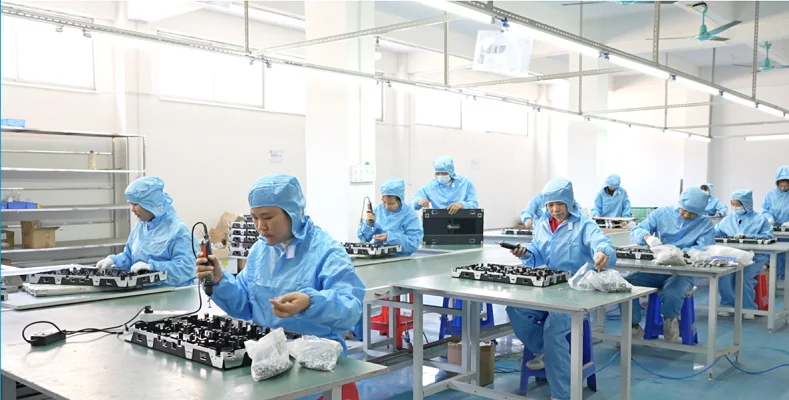
2. Core Components of Die Casting Production Line Assembly
The quality of die casting production line assembly directly depends on the rationality and precision of its core components. Each component’s assembly quality is closely related to the overall operation effect of the production line. The following are the three key components of production line assembly:
2.1 Main Production Equipment Assembly
The main production equipment is the core of the die casting production line, and its assembly is the key link of production line assembly. The main equipment includes die casting machines (hot chamber die casting machines for zinc alloys and cold chamber die casting machines for aluminum alloys), die clamping devices, and pouring systems.
During assembly, it is necessary to ensure the horizontal and vertical accuracy of the die casting machine, the tightness of the die clamping device, and the smoothness of the pouring system. For example, the assembly of the die casting machine needs to be calibrated with professional tools to ensure that the error of the die clamping force is within ±5%, so as to avoid casting defects such as flash and insufficient filling caused by improper assembly.
2.2 Auxiliary System Assembly
The auxiliary system is an important guarantee for the stable operation of the die casting production line, and its assembly quality directly affects the production efficiency and product quality. Auxiliary systems include cooling systems, lubrication systems, feeding systems, and waste treatment systems.
In the assembly process, it is necessary to ensure the sealing of the cooling system (to prevent water leakage affecting equipment operation), the uniformity of the lubrication system (to reduce equipment wear), and the stability of the feeding system (to ensure continuous supply of raw materials). For example, the assembly of the cooling system needs to check the connection tightness of each pipeline to ensure that the mold temperature is controlled within the range of 180-220℃, which is conducive to improving the forming quality of castings.
2.3 Control System Assembly
The control system is the "brain" of the die casting production line, and its assembly is crucial to the automation level and operation stability of the production line. The control system includes PLC controllers, touch screens, sensors, and signal transmission lines.
During assembly, it is necessary to ensure the accuracy of signal transmission between components, the sensitivity of the sensor, and the stability of the PLC controller. Professional technicians need to debug the control program to realize the automatic linkage of each link of the production line, such as automatic feeding, automatic die casting, and automatic blanking, which greatly improves production efficiency and reduces manual operation errors.
3. Key Focus & Critical Points of Die Casting Production Line Assembly
Professional die casting production line assembly is not only a simple combination of equipment, but also needs to focus on key links and grasp critical points to ensure the long-term stable operation of the production line. The following are the key focuses and critical points of assembly work:
3.1 Key Focus of Assembly Work
The core focus of production line assembly is "coordination, precision and efficiency". First, coordination: ensure that there is no conflict between each equipment and system, and the workflow is smooth, such as the connection between the feeding system and the die casting machine, and the coordination between the die casting machine and the post-processing equipment, to avoid production stagnation caused by inconsistent speeds.
Second, precision: the assembly precision of each component must meet the technical requirements, such as the parallelism of the die casting machine guide rail, the concentricity of the pouring system, and the installation precision of the sensor, which are directly related to the product size accuracy and production stability.
Third, efficiency: on the premise of ensuring quality, optimize the assembly process to shorten the assembly cycle and realize the rapid commissioning and production of the production line.
3.2 Critical Points in the Assembly Process
There are three critical points in the production line assembly process that cannot be ignored: first, the installation and calibration of the die casting machine. The die casting machine is the core equipment, and its installation level and die clamping force calibration directly affect the casting quality.
Second, the connection of pipelines and circuits. The auxiliary system’s pipelines (cooling water, lubricating oil) and the control system’s circuits must be connected tightly to avoid leakage, short circuit and other problems.
Third, the debugging of the whole line. After the assembly of each component is completed, the whole line debugging must be carried out to simulate the actual production process, find and solve the problems of poor coordination between components.
4. Core Benefits of Professional Die Casting Production Line Assembly
Improve Production Efficiency Significantly: Professional assembly ensures seamless connection of each link, avoids production stagnation, and improves efficiency by 30%-50%.
Ensure Stable Product Quality: Precision assembly stabilizes process parameters, increases product qualification rate to over 98%, reducing waste and costs.
Extend Equipment Service Life: Reduces component wear, extends equipment life by 20%-30%, lowers maintenance frequency and downtime.
Reduce Labor Costs: Realizes automation, reduces manual operation. An automated line only needs 2-3 operators.
Enhance Production Safety: Strictly checks safety performance, avoids equipment failures and safety accidents.
5. Expert Insights on Die Casting Production Line Assembly
John Smith, Senior Die Casting Equipment Engineer: "Many enterprises ignore professional assembly, leading to frequent failures and low quality. The core is precision matching—every component must meet technical standards. Even a 0.1mm rail error can cause uneven clamping force."
Emily Davis, Die Casting Production Consultant: "Automation raises assembly requirements. Control system assembly and program debugging are critical. Post-assembly maintenance and operator training ensure long-term stable operation."
Michael Brown, Quality Control Expert: "Assembly quality directly determines product quality and safety. Strict inspection at key points is required. Professional assembly is a long-term investment that reduces costs and improves competitiveness."
6. FAQ: Common Questions About Die Casting Production Line Assembly
Q1: What is the difference between line assembly and single equipment installation?
A1: Single installation focuses on one device; line assembly is systematic integration, emphasizing whole-line coordination and continuous mass production.
Q2: How long does assembly take?
A2: Small semi-auto: 15–25 days; Medium auto: 30–45 days; Large intelligent: 60–90 days.
Q3: Common assembly problems & solutions?
A3: Poor coordination → pre-plan & debug linkage; Pipeline leakage → use quality seals & test tightness; Control failure → strict circuit & program debugging.
Q4: Need professional assembly team?
A4: Yes. Professionals ensure precision, avoid later losses, and bring long-term benefits.
Q5: How to maintain after assembly?
A5: Regular cleaning, pipeline/circuit checks, equipment calibration, and operator training.
7. Conclusion
Die casting production line assembly is a systematic and precise project, which is the core foundation of modern die casting manufacturing. It involves core equipment, auxiliary systems, and control components, focusing on coordination, precision, and efficiency.
Professional assembly brings multiple benefits: higher efficiency, better quality, longer equipment life, lower costs, and higher safety. With the development of die casting technology, enterprises should prioritize professional assembly and maintenance to maximize production line performance and enhance market competitiveness.
Surface polishing | What is surface polishing of die casting products? Benefits, Key Points & FAQs
Quality control equipment | What is die casting inspection equipment? Focus on Quality Control Equipment
Related Article


