
HOT PRODUCTS
Aluminum brackets | What is die casting service? Focus on Aluminum Brackets
What is Die Casting Service? Focus on Aluminum Brackets
Table of Contents
- Introduction: What is Die Casting Service?
- Aluminum Brackets in Die Casting: Overview & Key Uses
- Die Casting Process for Aluminum Brackets
- Pros and Cons of Die Cast Aluminum Brackets (vs. Other Materials)
- Key Benefits of Die Cast Aluminum Brackets (Highlighted)
- Expert Insights on Die Cast Aluminum Brackets
- Frequently Asked Questions (FAQs) About Die Cast Aluminum Brackets
- Conclusion
1. Introduction: What is Die Casting Service?
Die casting service is a high-precision metal manufacturing process that involves melting metal alloys and injecting the molten material into a custom-designed mold (die) under high pressure, creating complex, dimensionally accurate components with consistent quality. Unlike traditional casting methods, die casting is ideal for high-volume production, delivering parts with smooth surfaces, tight tolerances, and minimal post-processing needs. Among the wide range of components produced via die casting, aluminum brackets stand out as one of the most versatile and in-demand products—used across industries from automotive to electronics, thanks to aluminum’s unique properties and the efficiency of the die casting process. This blog dives deep into die casting service, with a specific focus on aluminum brackets, their production, advantages, and industry applications.
2. Aluminum Brackets in Die Casting: Overview & Key Uses
Aluminum brackets are support components produced by die casting aluminum alloys, designed to mount, secure, or connect other parts in a system. They are favored for their ability to balance strength, weight, and cost—making them indispensable in modern manufacturing. Die casting allows aluminum brackets to be crafted with intricate geometries (such as ribs, bosses, and internal cavities) that reduce part count and assembly time, solving key engineering challenges for manufacturers.
Key industries using die cast aluminum brackets include:
- Automotive: Engine brackets, battery brackets, chassis brackets, and interior mounting brackets.
- Electronics: Server rack brackets, device mounting brackets, and heat-dissipating brackets (leveraging aluminum’s excellent thermal conductivity).
- Aerospace: Lightweight structural brackets for aircraft and spacecraft components.
- Industrial: Machinery brackets, conveyor brackets, and equipment support brackets.

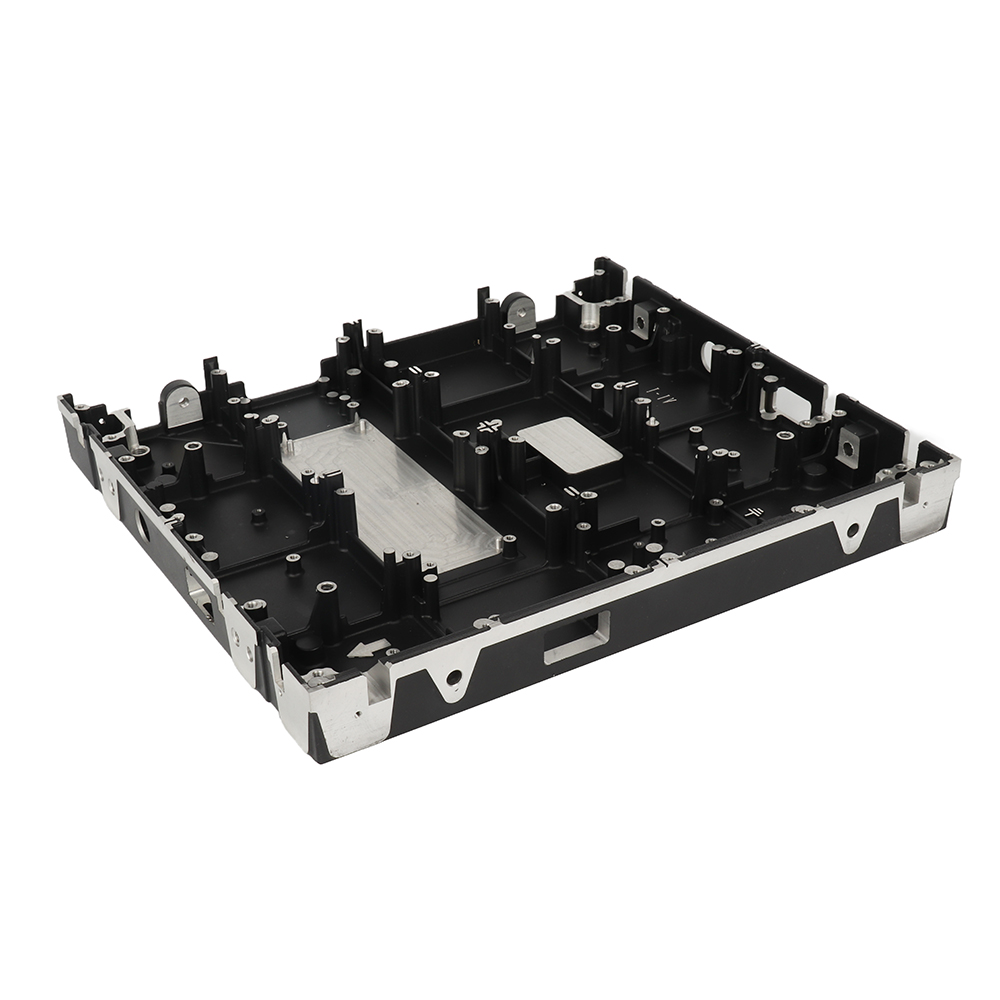
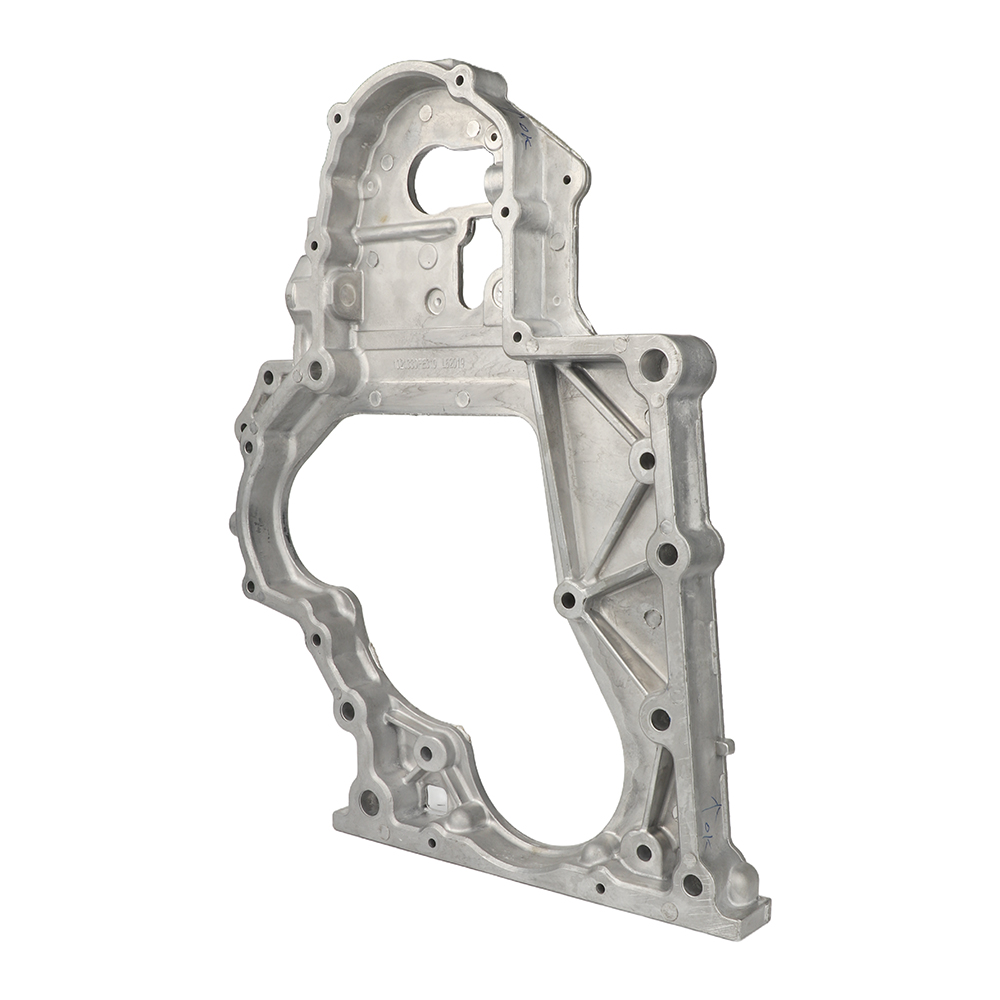
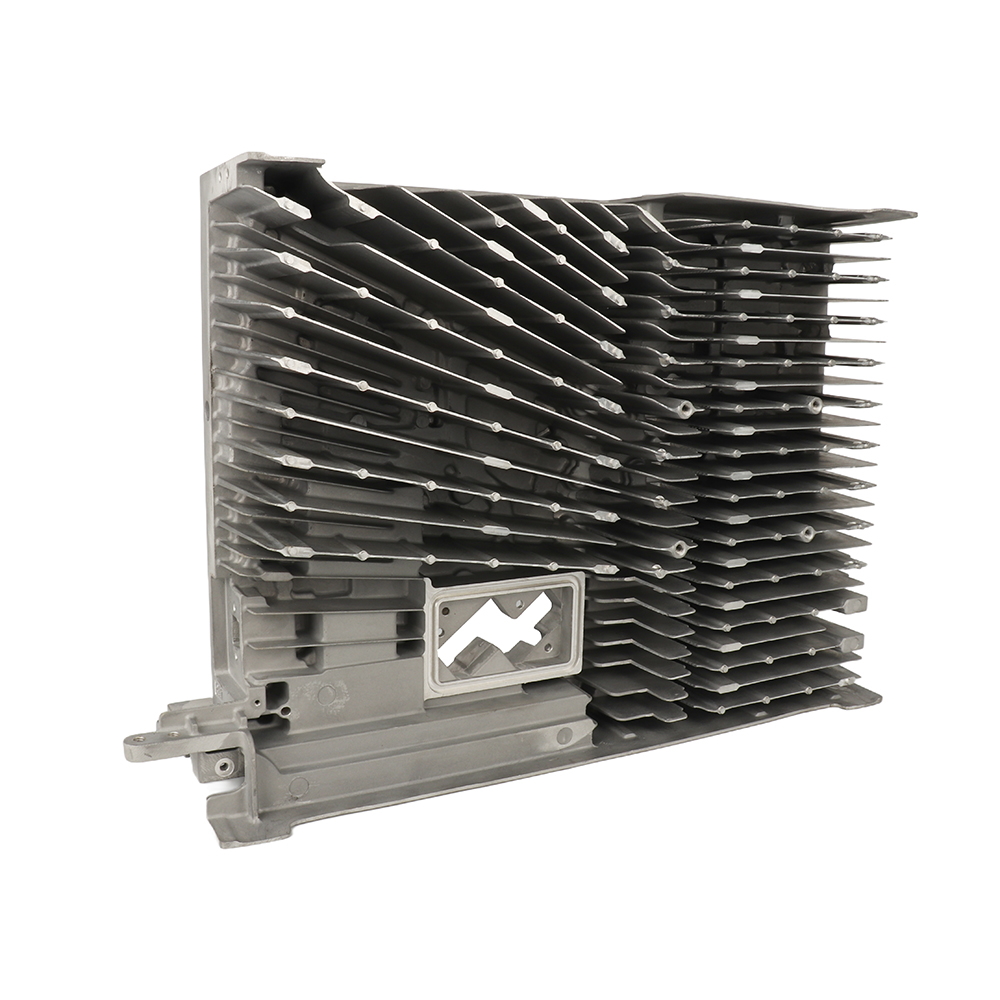
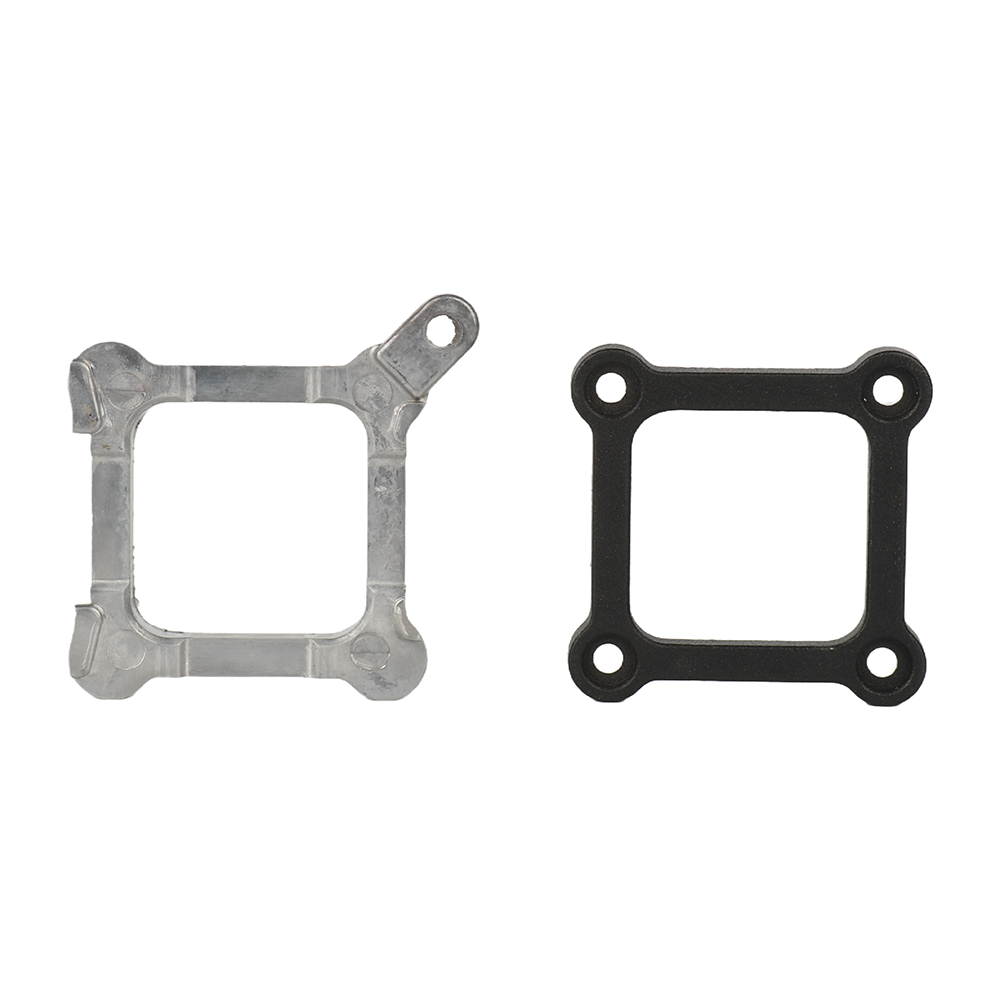
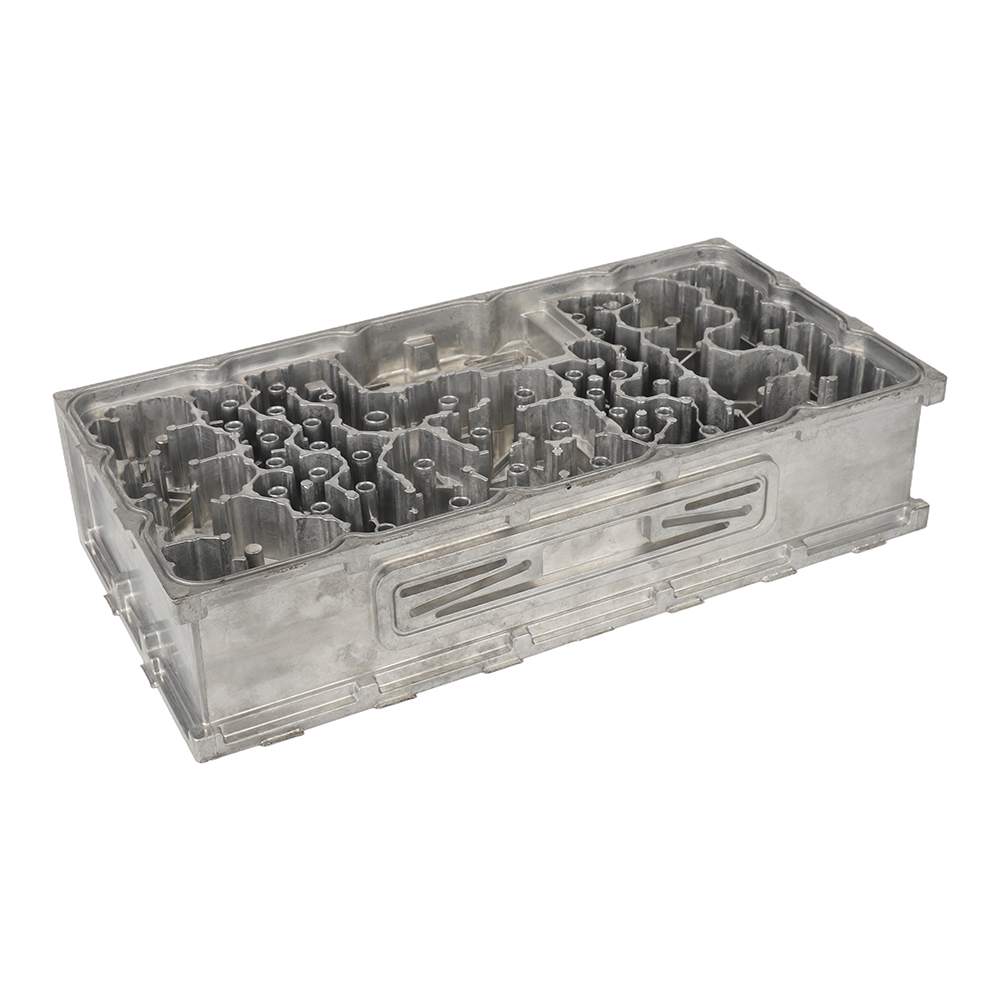
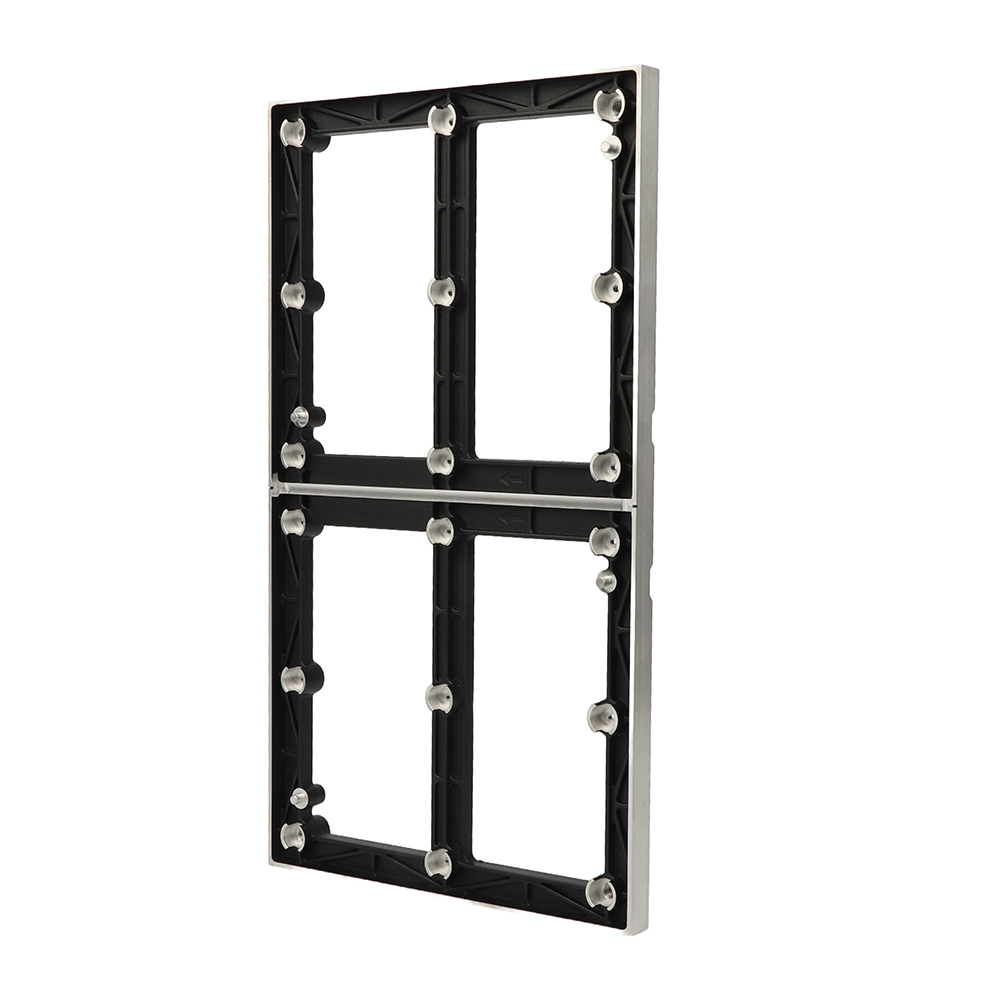
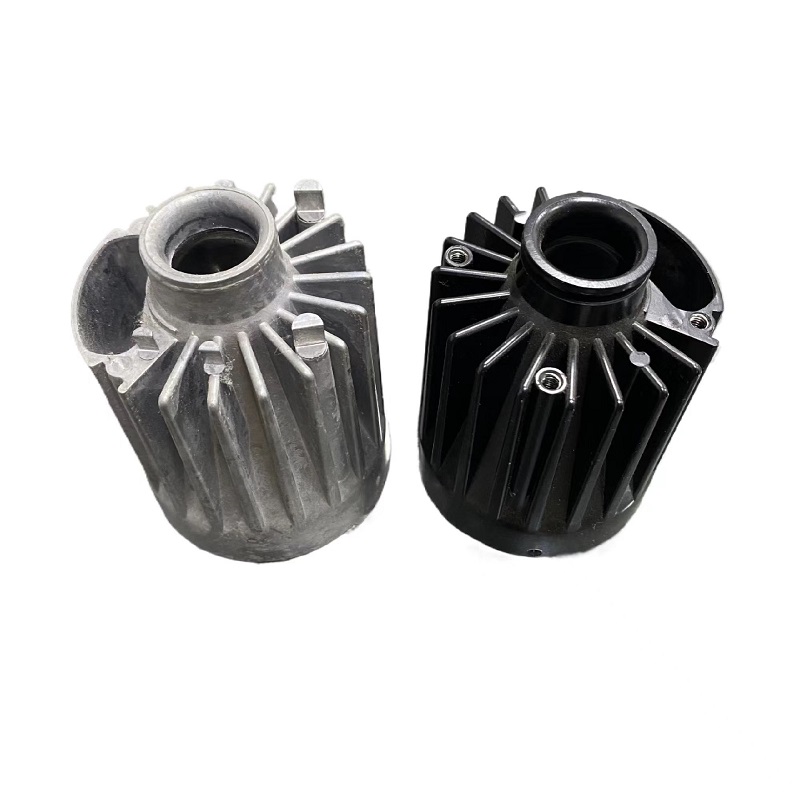
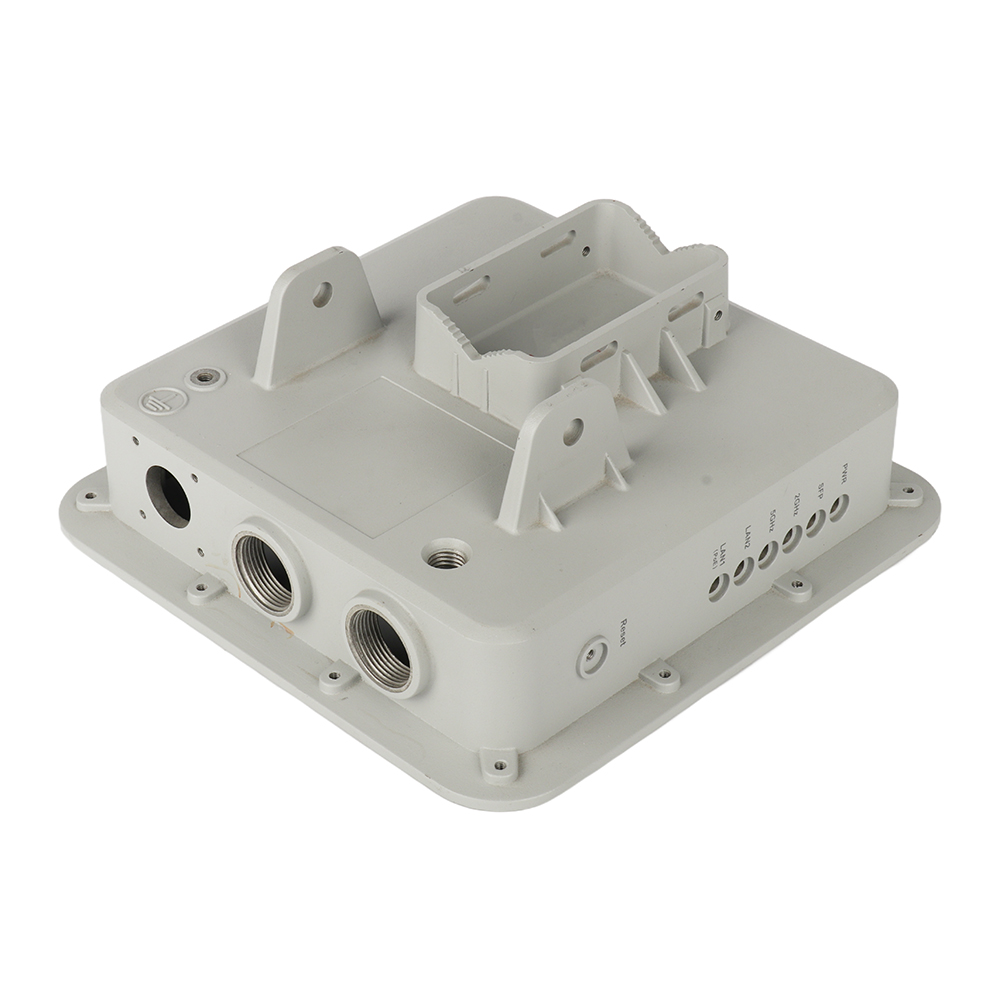
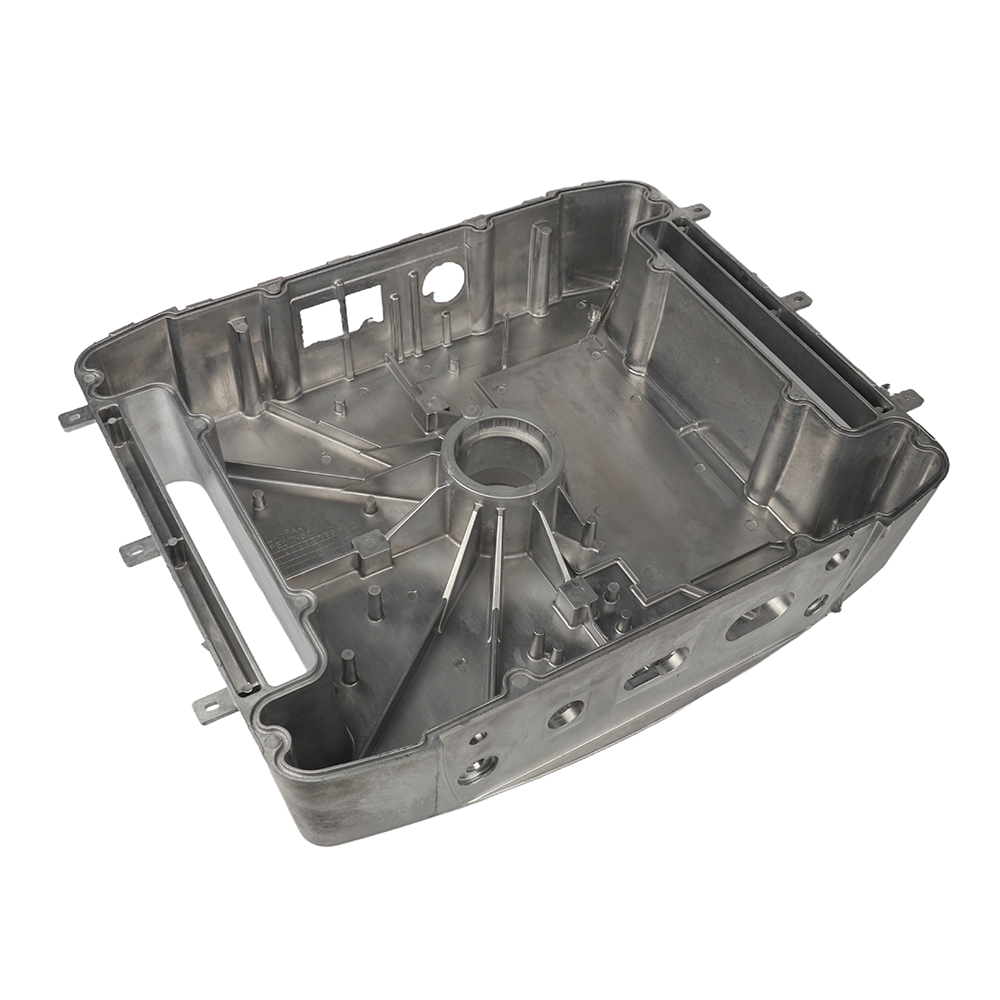
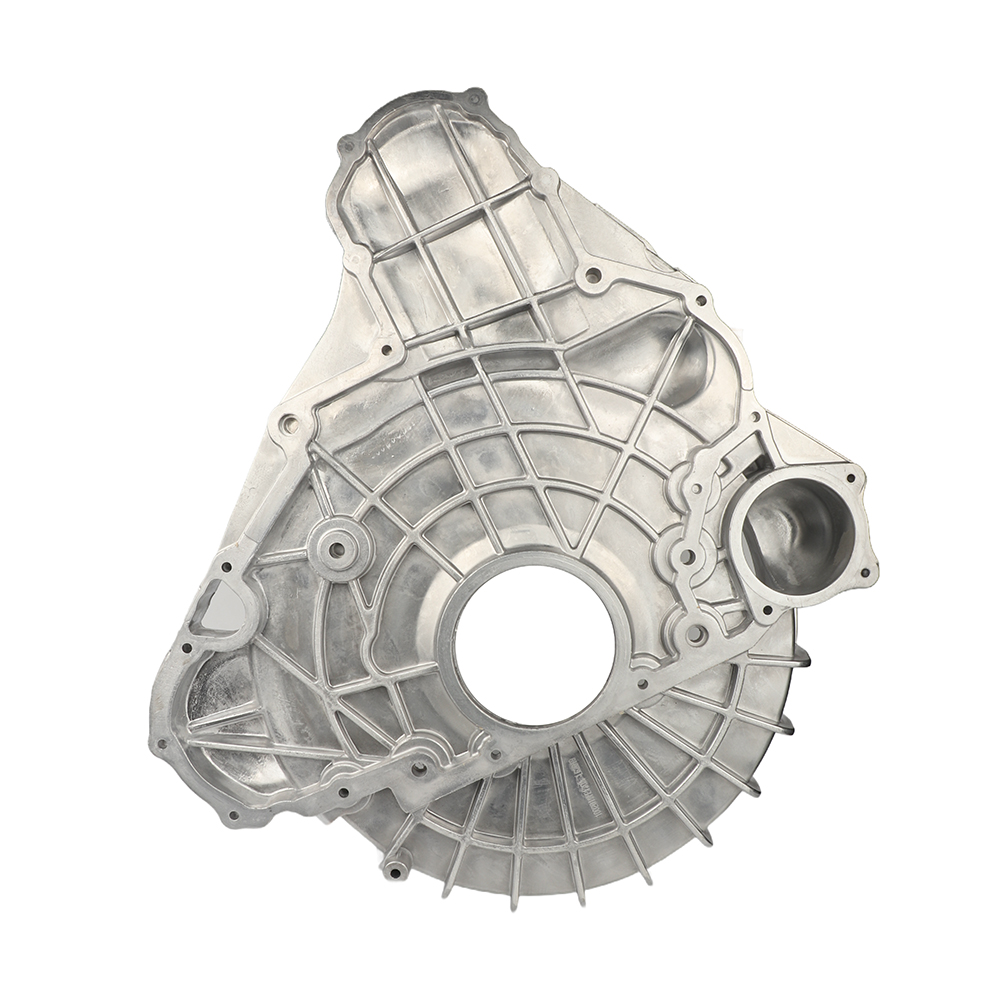
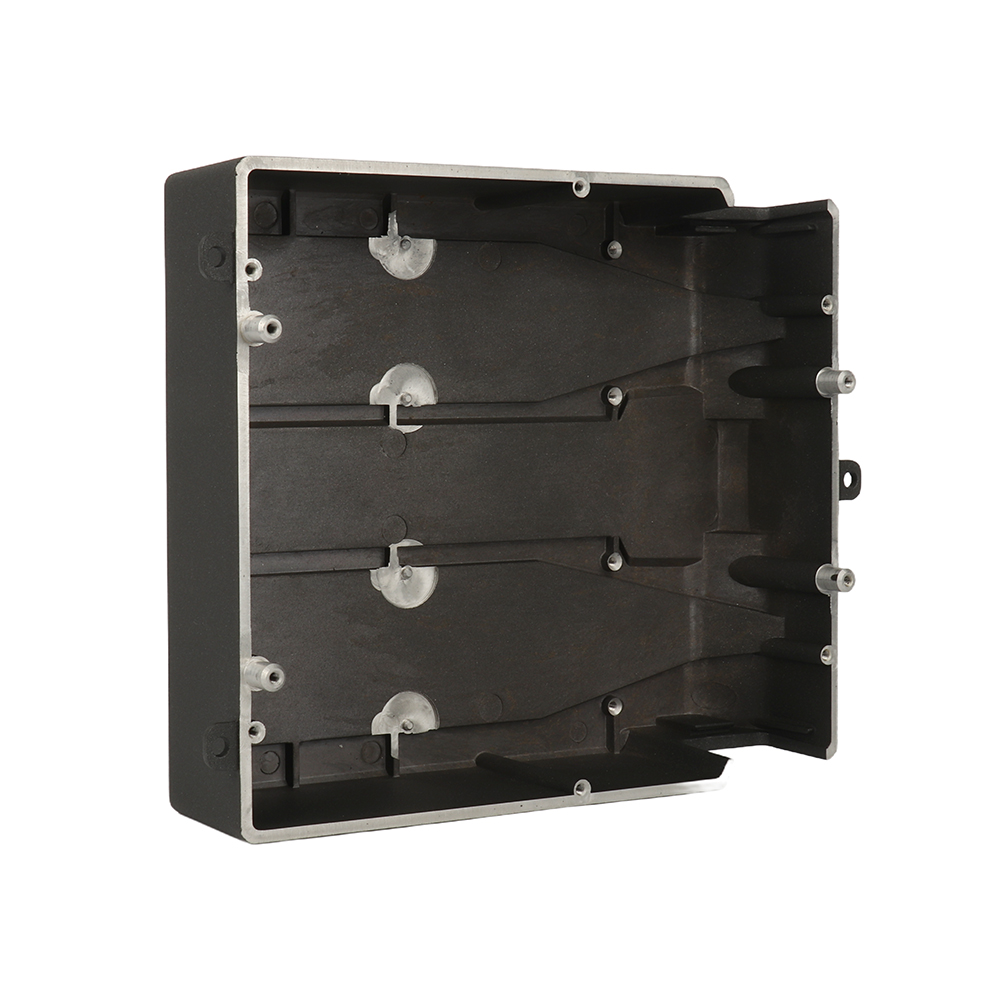
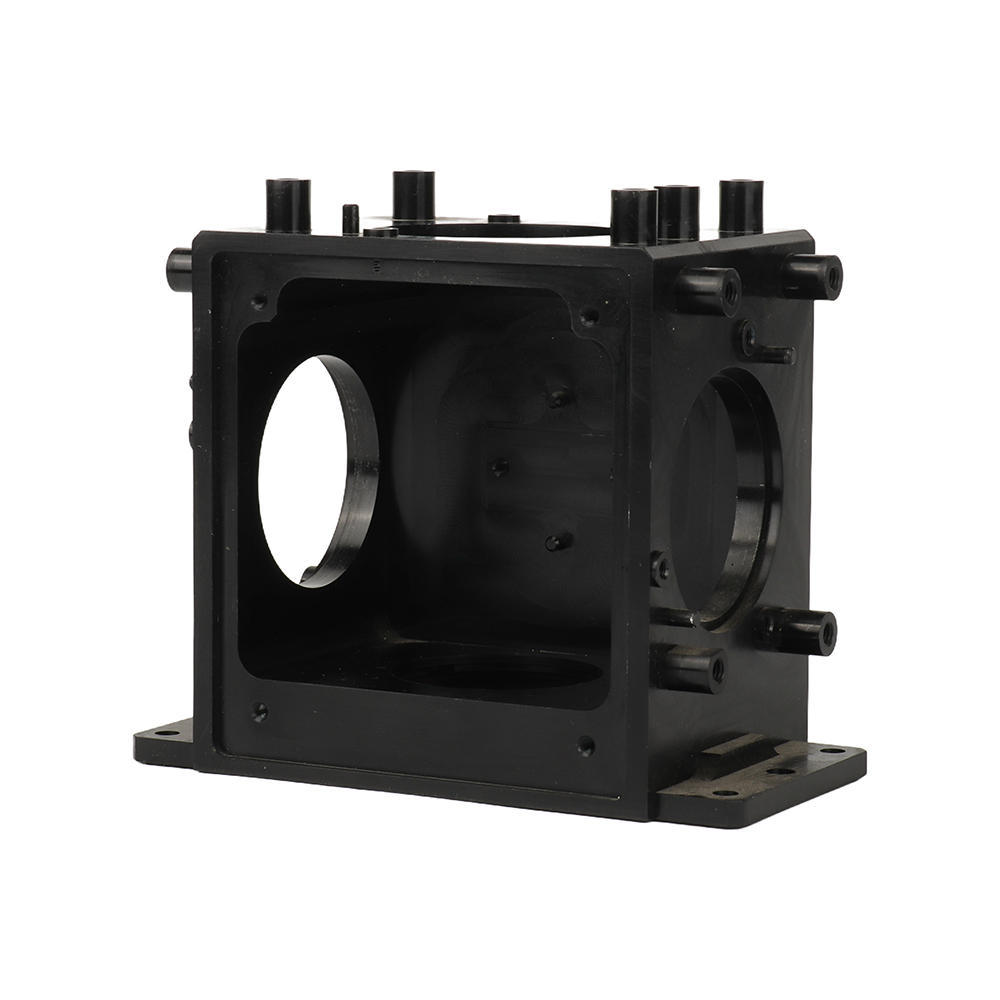
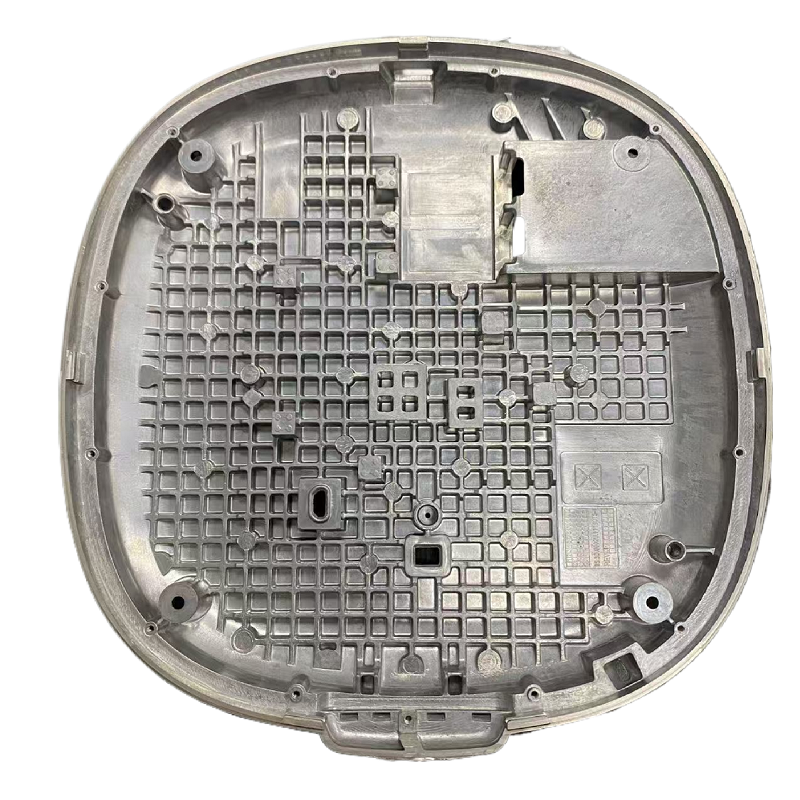
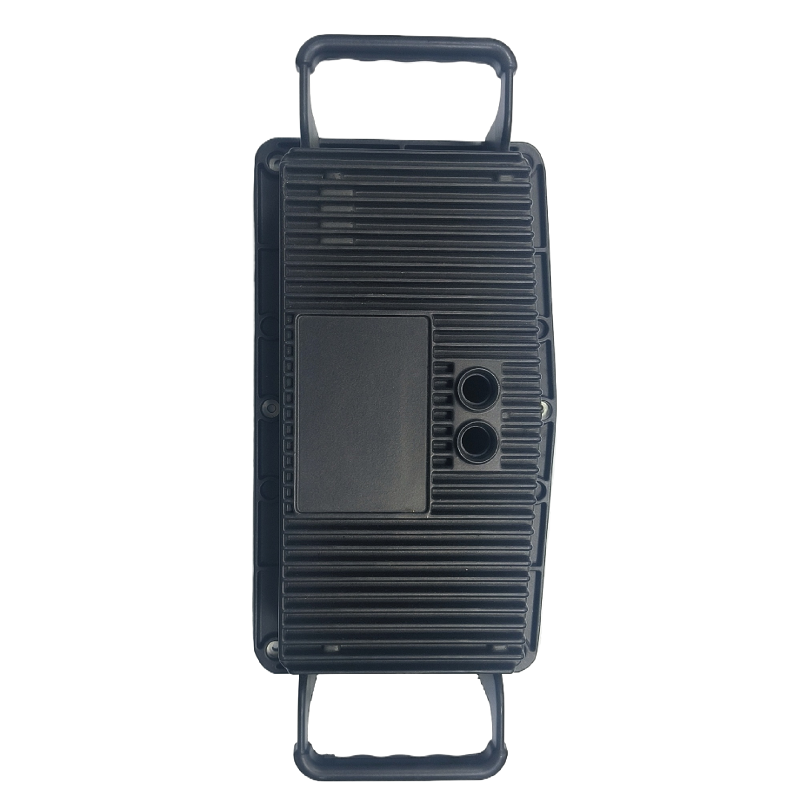
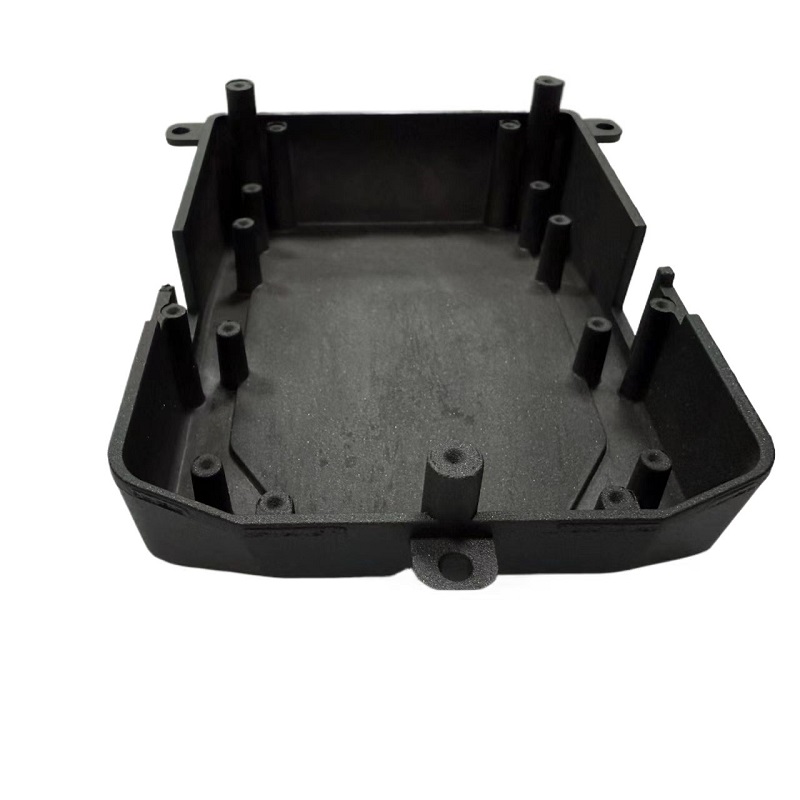
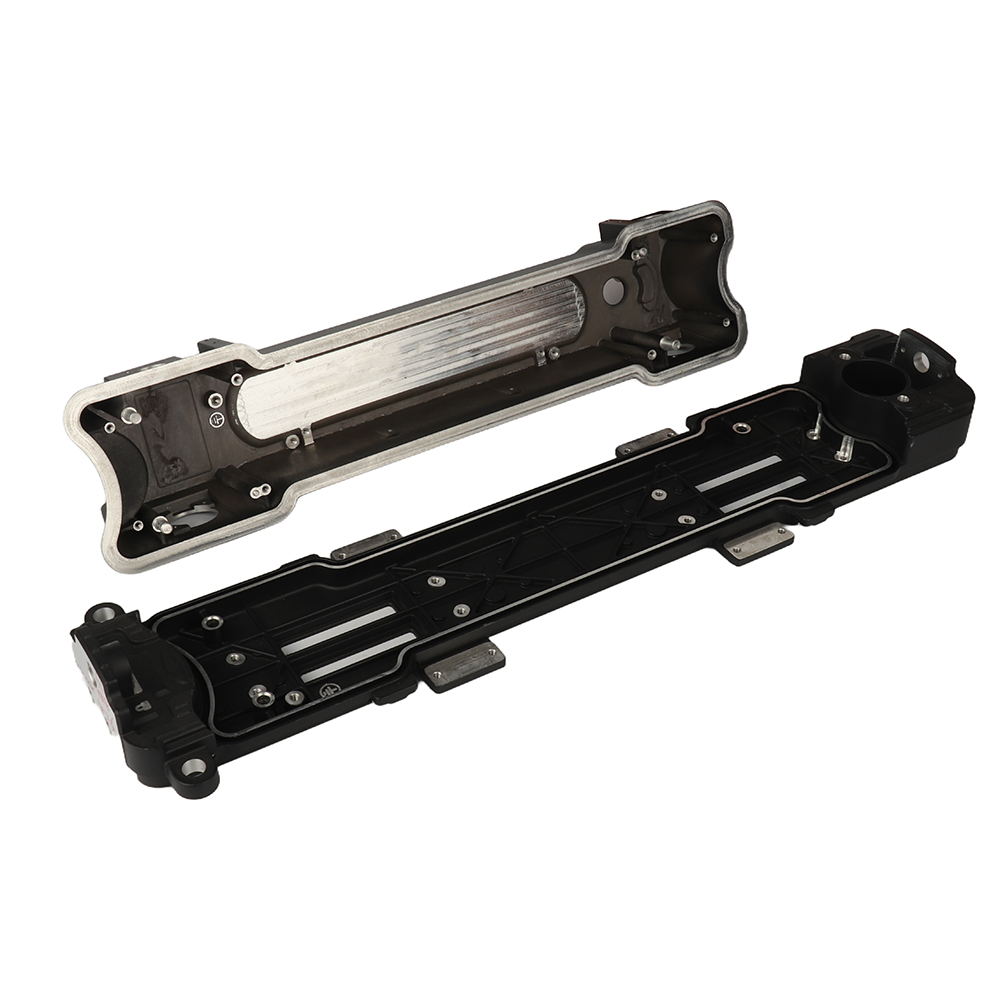
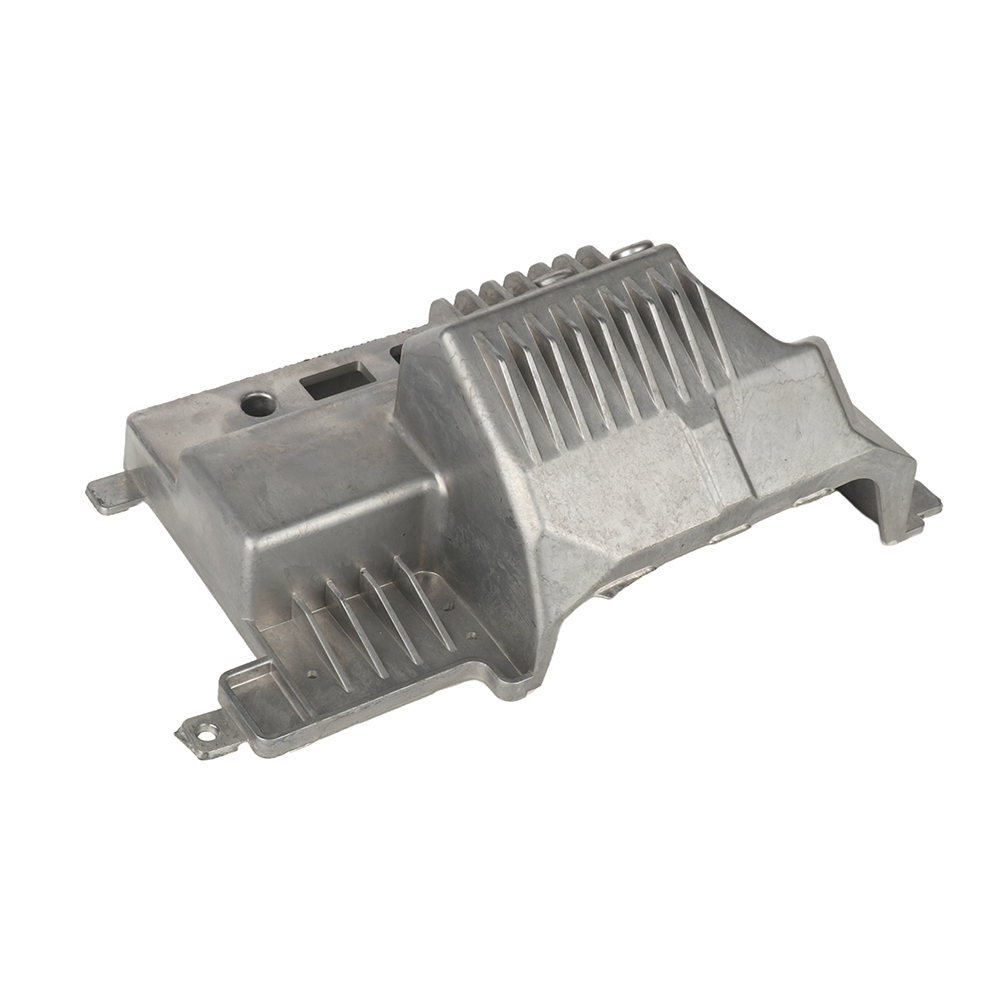
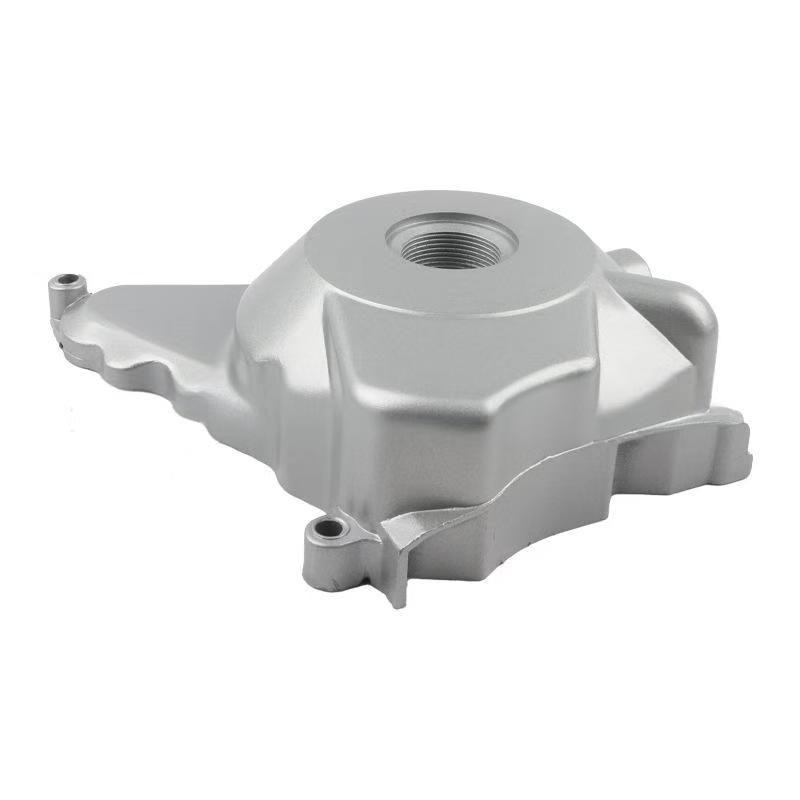
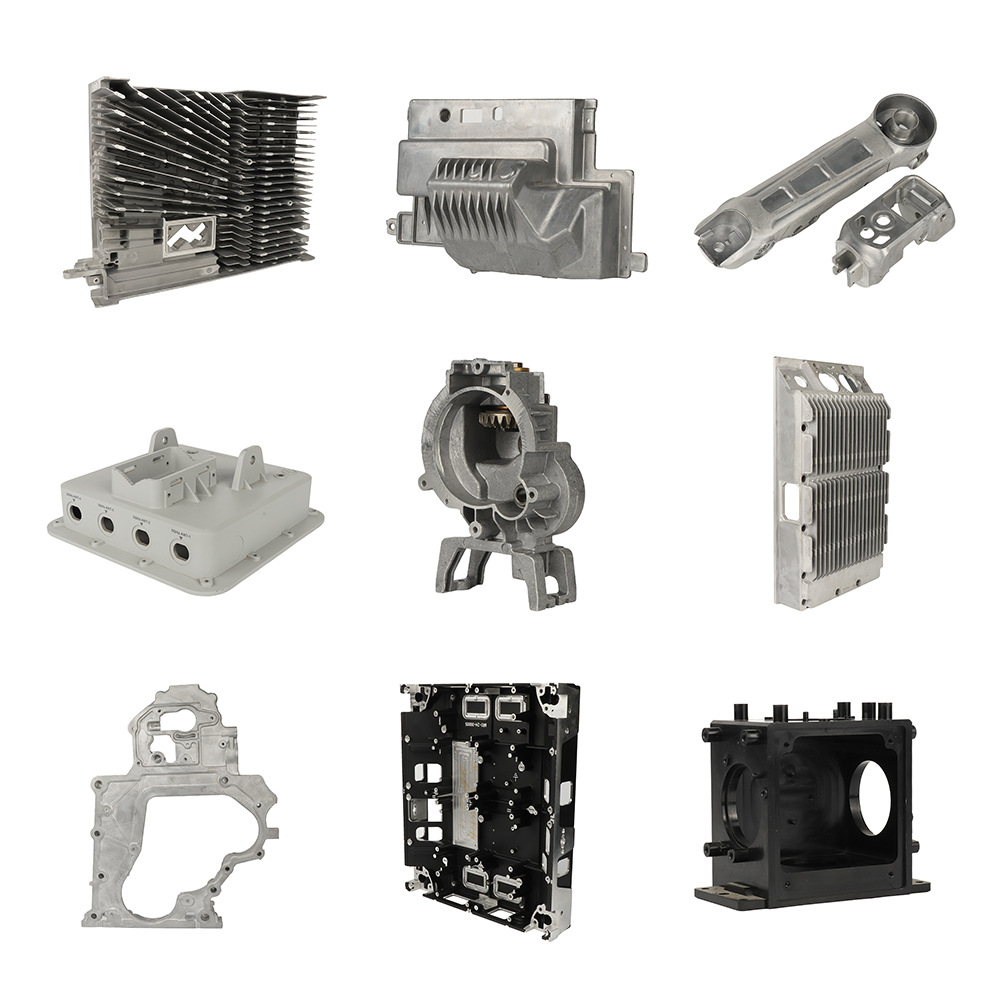
High-precision die cast aluminum brackets with intricate designs, suitable for automotive and electronic applications. These brackets feature uniform wall thickness and smooth surfaces, typical of quality die casting craftsmanship.
3. Die Casting Process for Aluminum Brackets
The die casting process for aluminum brackets follows a streamlined workflow, optimized to ensure precision and consistency—critical for brackets that must meet strict structural and dimensional requirements. Below is a step-by-step breakdown:
3.1 Mold Design & Preparation
First, a custom steel mold (die) is designed to match the exact specifications of the aluminum bracket, including all holes, ribs, and mounting points. The mold is precision-machined to ensure tight tolerances (often as low as ±0.05 mm) and smooth internal surfaces, which directly impact the final bracket’s quality. For aluminum brackets, molds are treated to resist wear from molten aluminum (which melts at around 660°C) and ensure easy release after casting.
3.2 Aluminum Alloy Melting & Injection
Aluminum alloys (most commonly A380, A360, or ADC12) are melted in a furnace to a molten state. These alloys are chosen for their excellent castability, strength, and corrosion resistance—key properties for durable brackets. The molten aluminum is then injected into the mold under high pressure (15–100+ megapascals) using a die casting machine, ensuring the metal fills every detail of the mold cavity without defects like porosity or cold shuts.
3.3 Cooling & Demolding
The molten aluminum cools and solidifies quickly inside the mold (typically in seconds to minutes, depending on the bracket’s size). Once solidified, the mold opens, and the aluminum bracket is ejected. The demolding process is optimized to avoid damaging the bracket’s delicate features, such as thin ribs or mounting holes.
3.4 Post-Processing (If Needed)
Die cast aluminum brackets often require minimal post-processing due to the process’s precision. However, some applications may require CNC machining to refine critical dimensions, polishing to improve surface finish, or surface treatment (such as anodizing or powder coating) to enhance corrosion resistance and aesthetics. These steps ensure the bracket meets the specific requirements of its end use.
4. Pros and Cons of Die Cast Aluminum Brackets (vs. Other Materials)
To understand why aluminum brackets are preferred for die casting, it’s essential to compare them to other common bracket materials (steel, zinc, and plastic). Below is a clear breakdown of their pros and cons:
4.1 Die Cast Aluminum Brackets: Pros
- Lightweight: Aluminum is 30% lighter than steel, reducing overall product weight—critical for automotive and aerospace applications where fuel efficiency and weight savings are priorities.
- High Strength-to-Weight Ratio: Despite being lightweight, die cast aluminum brackets offer excellent strength and rigidity, capable of supporting heavy loads without bending or breaking.
- Corrosion Resistance: Aluminum naturally forms a protective oxide layer, and additional surface treatments (anodizing, powder coating) further enhance this resistance—making brackets suitable for outdoor or harsh environments.
- Excellent Thermal Conductivity: Aluminum dissipates heat quickly, making it ideal for brackets used in electronic or automotive applications where heat management is important.
- Cost-Effective for High Volume: Die casting aluminum is efficient for mass production, reducing per-unit costs compared to machining or casting other materials.
- Complex Geometry Capability: Die casting allows for intricate designs (e.g., integrated ribs, holes, or slots) that would be difficult or expensive to achieve with other methods.
4.2 Die Cast Aluminum Brackets: Cons
- Higher Initial Tooling Costs: The custom steel mold for die casting aluminum brackets requires a higher upfront investment than molds for plastic or zinc casting.
- Not Ideal for Ultra-High Loads: While strong, aluminum is less rigid than steel—so it may not be suitable for brackets that need to support extreme loads (e.g., heavy industrial machinery).
- Porosity Risk: Improper die casting parameters can lead to porosity (small air bubbles) in the bracket, which may affect strength if not controlled. However, modern die casting techniques (e.g., vacuum casting) minimize this risk.
4.3 Comparison to Other Materials
- vs. Steel Brackets: Aluminum brackets are lighter, more corrosion-resistant, and more cost-effective for high volume. Steel brackets are stronger but heavier and more prone to rust without additional coating.
- vs. Zinc Brackets: Zinc is easier to cast but heavier and less corrosion-resistant than aluminum. Aluminum brackets are better for lightweight, outdoor, or high-temperature applications.
- vs. Plastic Brackets: Aluminum brackets are stronger, more heat-resistant, and more durable. Plastic brackets are cheaper for low-volume production but less suitable for heavy loads or high-temperature environments.
5. Key Benefits of Die Cast Aluminum Brackets (Highlighted)
While the pros above outline the basics, die cast aluminum brackets offer unique advantages that make them the top choice for many manufacturers. Below are the most impactful benefits, emphasized for clarity:
5.1 Weight Savings Without Sacrificing Strength
The biggest advantage of aluminum brackets is their lightweight design—up to 30% lighter than steel brackets of the same size—without compromising strength. This is a game-changer for automotive manufacturers, as lighter components improve fuel efficiency and reduce carbon emissions, aligning with global decarbonization trends. For aerospace and electronics, weight savings also reduce overall product size and energy consumption.
5.2 Long-Term Durability & Low Maintenance
Die cast aluminum brackets are highly durable, thanks to aluminum’s corrosion resistance and the precision of the die casting process. With proper surface treatment (e.g., anodizing), they can withstand harsh environments—including moisture, chemicals, and temperature fluctuations—without rusting or degrading. This reduces maintenance costs and extends the bracket’s lifespan, making them a cost-effective long-term solution.
5.3 Efficient Production & Fast Lead Times
Die casting is a high-speed process, capable of producing hundreds or thousands of aluminum brackets per day. Unlike machining, which requires removing material to create the bracket shape, die casting creates the bracket in a single step—reducing production time and waste. This efficiency translates to faster lead times (typically 2–6 weeks for high-volume orders) and lower per-unit costs, helping manufacturers meet tight deadlines and scale production easily.
5.4 Versatility Across Industries
Die cast aluminum brackets can be customized to fit almost any application, from small electronic mounting brackets to large automotive chassis brackets. The ability to create complex geometries (e.g., integrated mounting points, ribs for strength) means they can replace multiple parts, simplifying assembly and reducing overall product complexity. This versatility makes them a staple in automotive, electronics, aerospace, and industrial sectors.
6. Expert Insights on Die Cast Aluminum Brackets
To gain a deeper understanding of the value of die cast aluminum brackets, we invited three industry experts to share their perspectives:
6.1 Expert Opinion 1: Dr. Mark Williams, Materials Engineer & Die Casting Specialist
“Die cast aluminum brackets have revolutionized how manufacturers approach component design. Aluminum’s natural properties—lightweight, corrosion resistance, thermal conductivity—paired with die casting’s precision, create a component that is both functional and cost-effective. The key advantage is the strength-to-weight ratio: you get a bracket that can support heavy loads without adding unnecessary weight, which is critical for industries like automotive and aerospace. Modern die casting techniques, such as vacuum casting and advanced mold design, have also minimized porosity issues, making aluminum brackets more reliable than ever before. For manufacturers looking to balance performance and cost, die cast aluminum brackets are the optimal choice.”
6.2 Expert Opinion 2: Jennifer Lee, Senior Automotive Component Designer
“In the automotive industry, we rely heavily on die cast aluminum brackets for everything from engine mounts to battery enclosures. The weight savings alone make them indispensable—every pound saved improves fuel efficiency and reduces emissions, which is a top priority for our industry. Additionally, die casting allows us to design brackets with integrated features (like ribs and mounting holes) that eliminate the need for multiple parts and assembly steps, reducing production time and costs. Compared to steel brackets, aluminum brackets are also easier to finish with anodizing or powder coating, giving us more flexibility in terms of aesthetics and corrosion resistance. I don’t see this trend changing anytime soon—aluminum brackets are here to stay.”
6.3 Expert Opinion 3: David Chen, Industrial Manufacturing Consultant
“Manufacturers often ask me why they should choose die cast aluminum brackets over other materials, and the answer is simple: versatility and long-term value. While the initial tooling cost may be higher, the efficiency of die casting and the durability of aluminum mean lower total cost of ownership over time. Aluminum brackets require less maintenance, last longer, and can be produced in high volumes quickly—all critical for staying competitive in today’s market. For industrial applications, in particular, the corrosion resistance of aluminum is a game-changer, as brackets are often exposed to harsh conditions. Die cast aluminum brackets aren’t just a component—they’re a strategic investment in efficiency and reliability.”
7. Frequently Asked Questions (FAQs) About Die Cast Aluminum Brackets
Below are answers to the most common questions manufacturers and buyers have about die cast aluminum brackets, addressing key concerns and clarifying critical details:
Q1: What aluminum alloys are most commonly used for die cast brackets?
A: The most common alloys are A380, A360, and ADC12. A380 is the most versatile, offering excellent castability, strength, and corrosion resistance—ideal for most bracket applications. A360 is used for brackets that require higher strength and durability, while ADC12 is preferred for high-volume production due to its lower cost and good machinability.
Q2: What wall thickness should I specify for a die cast aluminum bracket?
A: For most die cast aluminum brackets, aim for a wall thickness of 1.5–4.0 mm. It’s critical to keep walls uniform and avoid abrupt thickness changes, as this reduces the risk of porosity and shrinkage defects. Thinner walls are lighter and more cost-effective, while thicker walls provide additional strength for heavy-load applications.
Q3: Can die cast aluminum brackets be used outdoors?
A: Yes! Aluminum’s natural oxide layer provides basic corrosion resistance, but for outdoor use, we recommend additional surface treatments like anodizing or powder coating. These treatments enhance corrosion resistance, protect against UV damage, and extend the bracket’s lifespan in harsh outdoor environments.
Q4: Are die cast aluminum brackets suitable for high-temperature applications?
A: Yes. Aluminum has a high melting point (660°C) and excellent thermal conductivity, making it suitable for high-temperature applications (up to 200°C for most alloys). For applications exceeding 200°C, specialized aluminum alloys (e.g., A356) can be used to maintain strength and durability.
Q5: How much lighter is an aluminum bracket compared to a steel bracket of the same volume?
A: Aluminum is approximately 30% lighter than steel. For example, a steel bracket weighing 100 grams would weigh around 70 grams if made from aluminum—this weight savings is significant for industries like automotive and aerospace, where every gram counts.
Q6: What quality standards apply to die cast aluminum brackets?
A: Most manufacturers follow international quality standards such as ISO 9001 (general quality), IATF 16949 (automotive components), and ISO 13485 (medical devices). Additionally, automated quality inspection, X-ray detection, and tensile testing are used to ensure brackets meet dimensional accuracy and strength requirements.
8. Conclusion
Die casting service is a precision manufacturing process that delivers high-quality, cost-effective metal components—and aluminum brackets are among its most valuable products. By combining aluminum’s lightweight, corrosion-resistant, and thermally conductive properties with the efficiency of die casting, these brackets offer a unique balance of strength, versatility, and cost savings that other materials cannot match. While they have minor drawbacks (such as higher initial tooling costs), their long-term benefits—weight savings, durability, efficient production, and versatility—make them the top choice for automotive, electronics, aerospace, and industrial applications.
As industry experts emphasize, die cast aluminum brackets are more than just components—they are a strategic investment in efficiency, reliability, and sustainability. Whether you’re a manufacturer looking to scale production or a buyer seeking high-quality support components, die cast aluminum brackets deliver consistent value that aligns with modern manufacturing needs. With ongoing advancements in die casting technology, the future of aluminum brackets is even brighter, with improved precision, lower costs, and expanded applications.
Magnesium casting | What is a magnesium die‑cast part? A Comprehensive Guide to Magnesium Casting
Die casting part |One-stop die casting solutions | Streamline Your Production, Elevate Your Quality
Related Article


