
HOT PRODUCTS
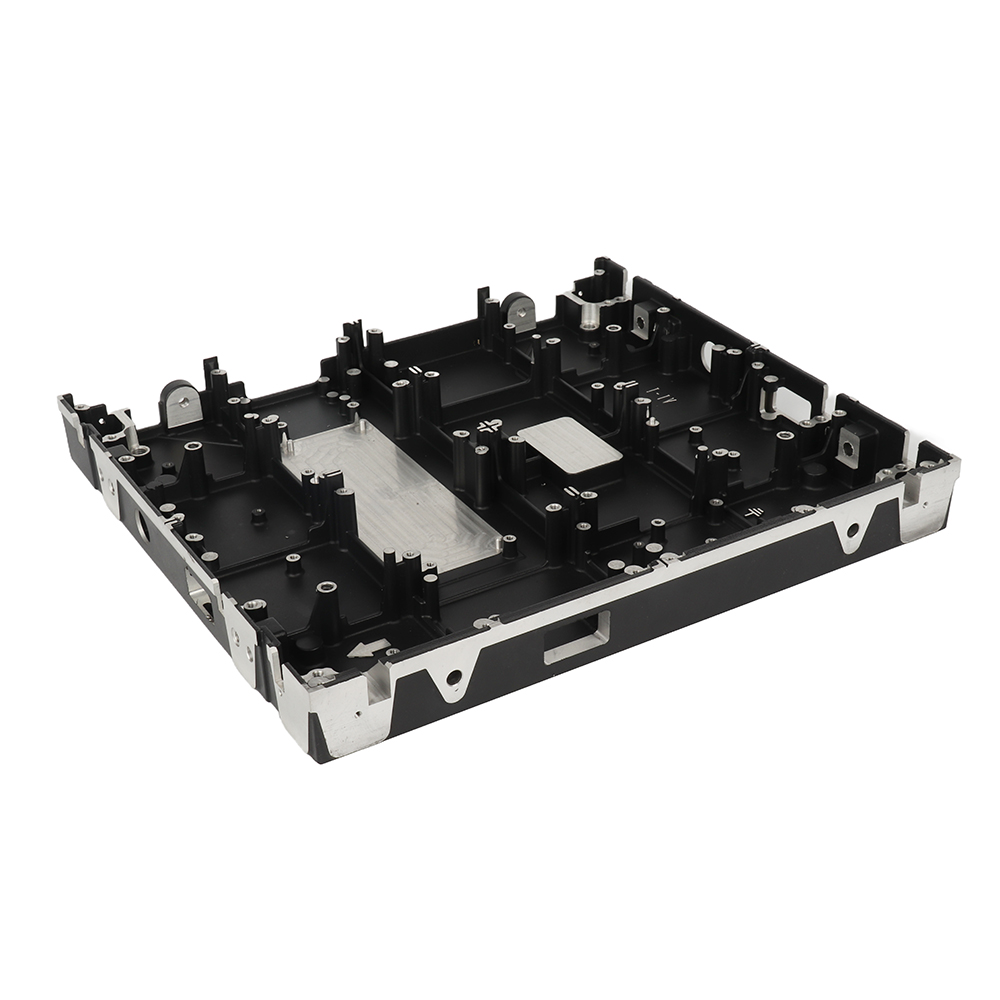
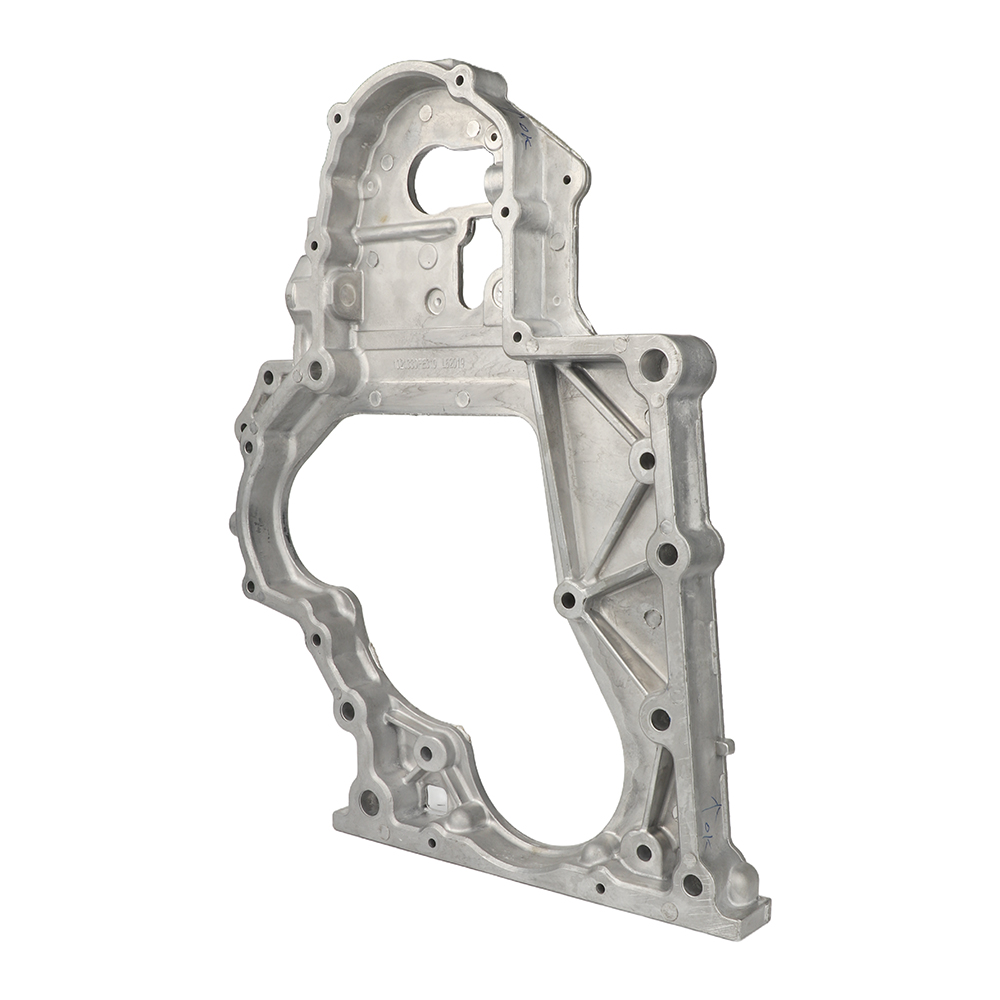
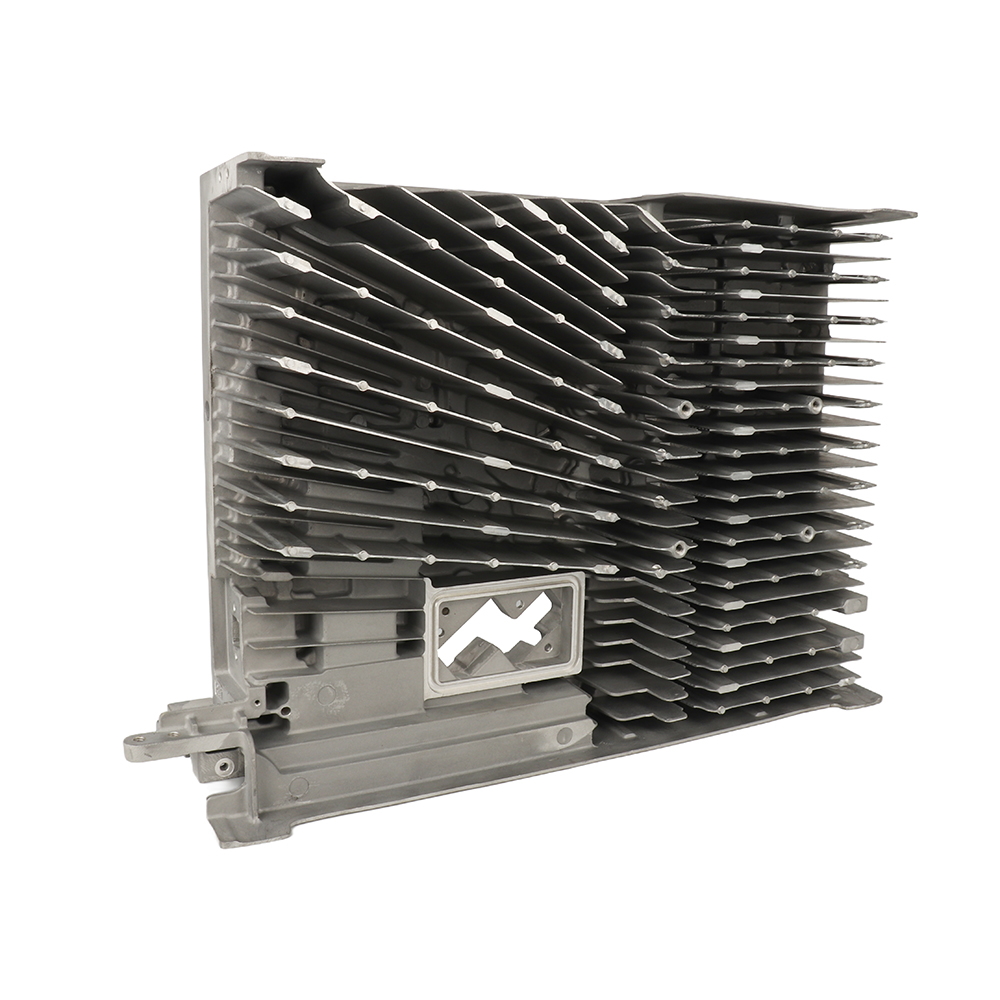
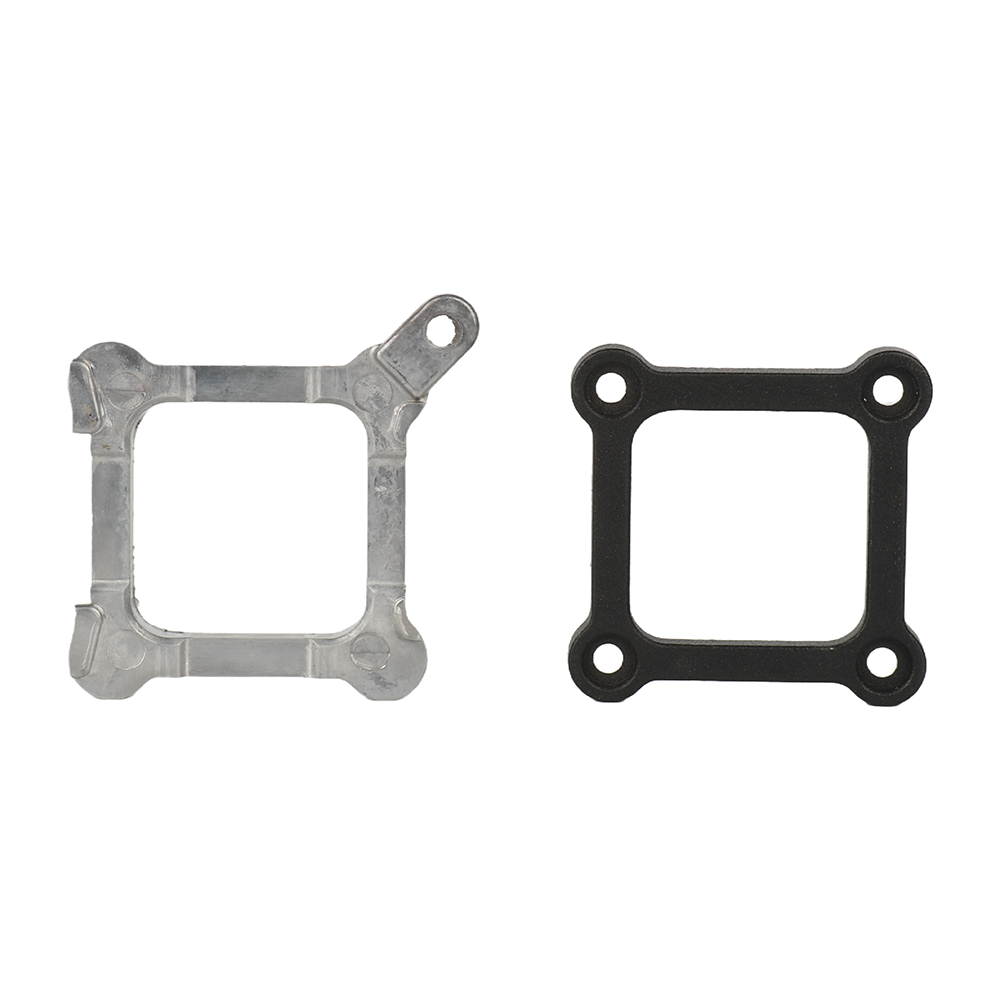
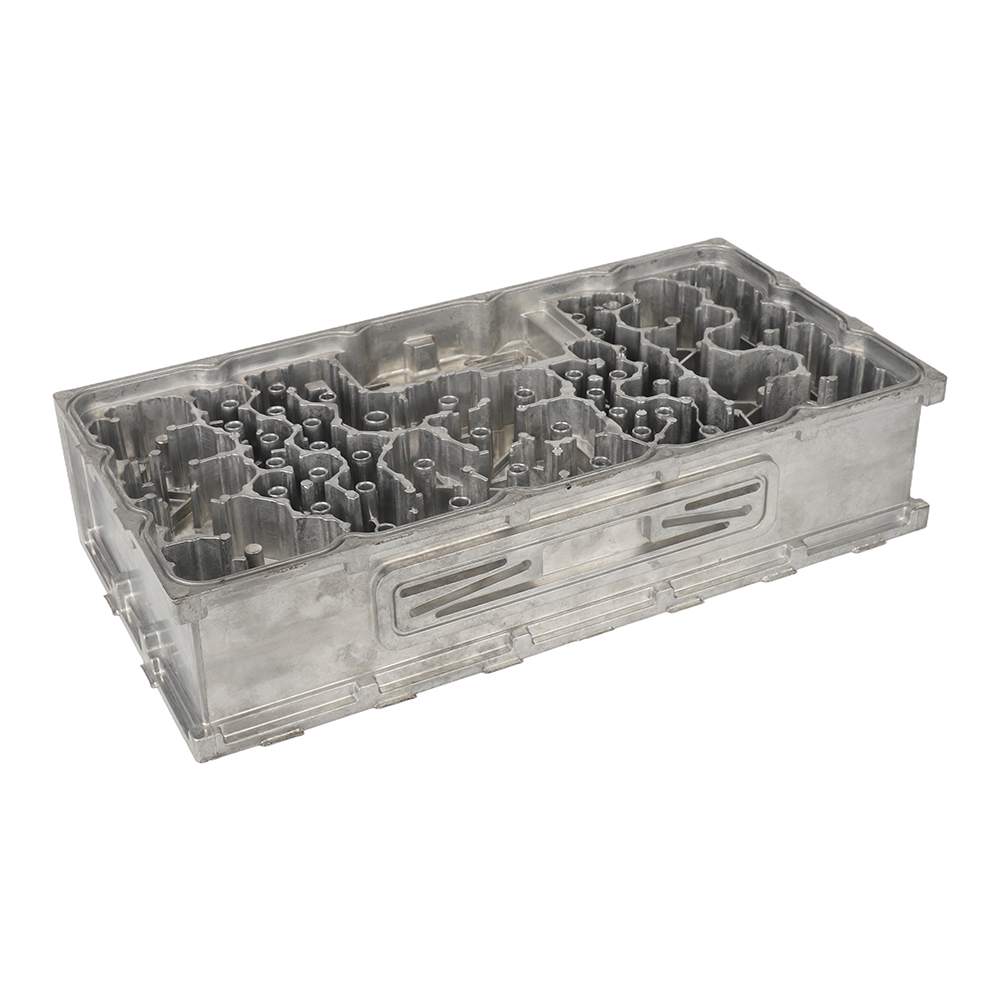
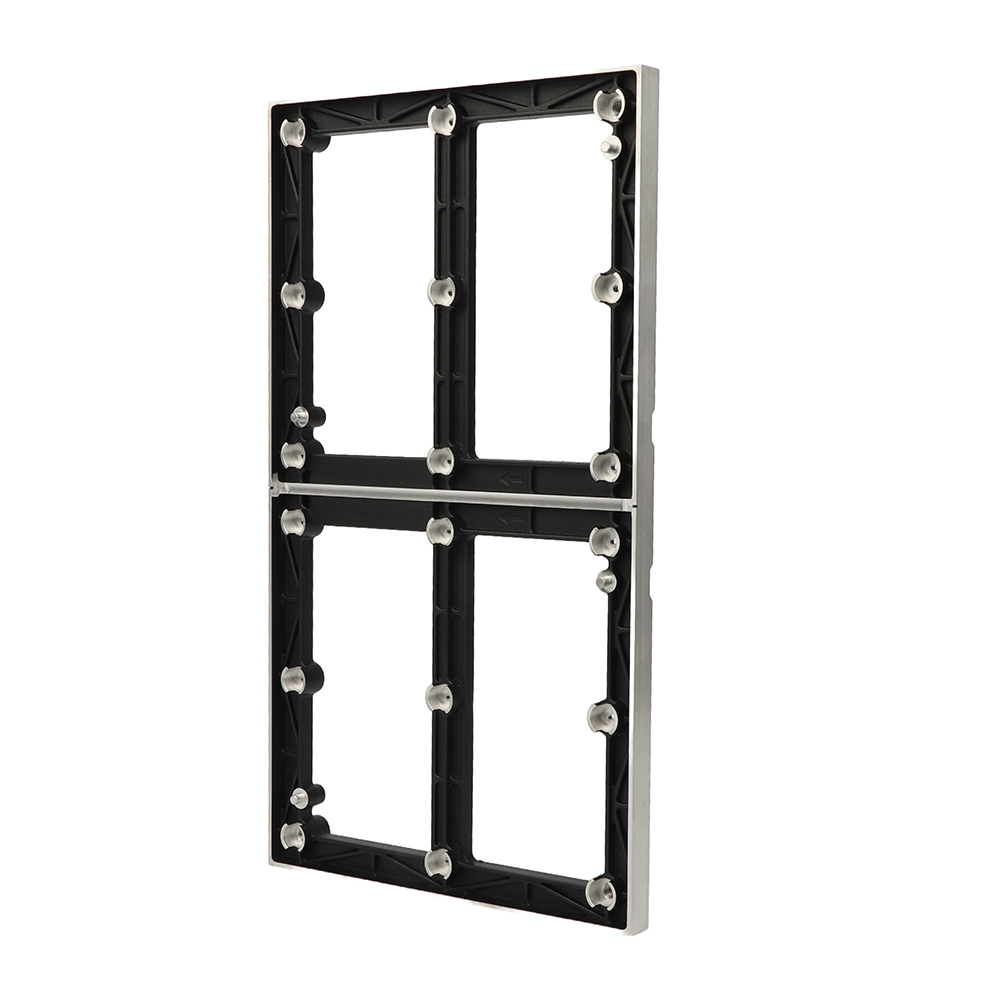
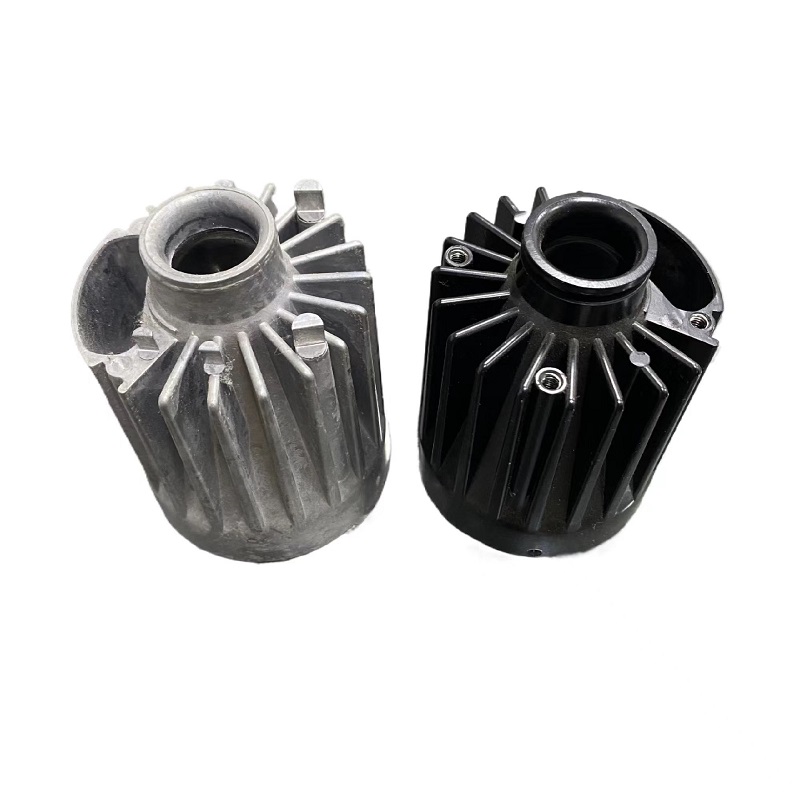
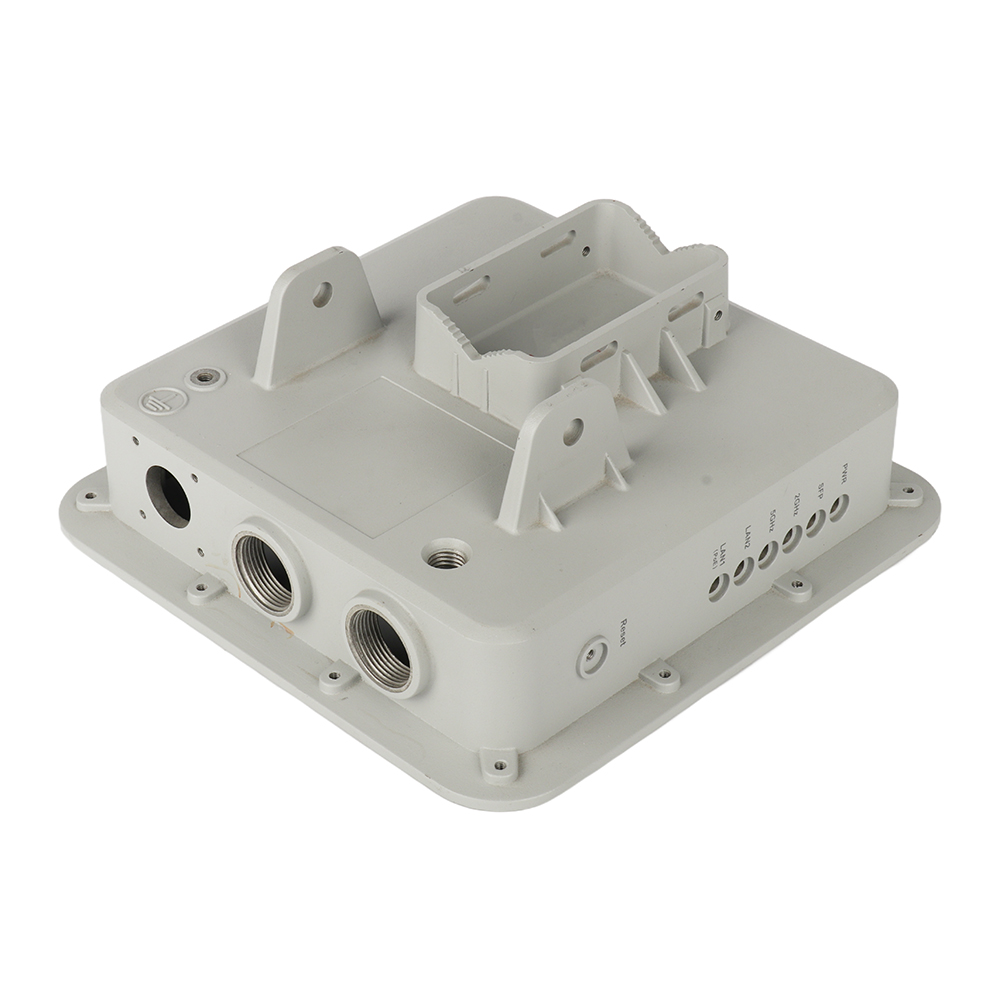
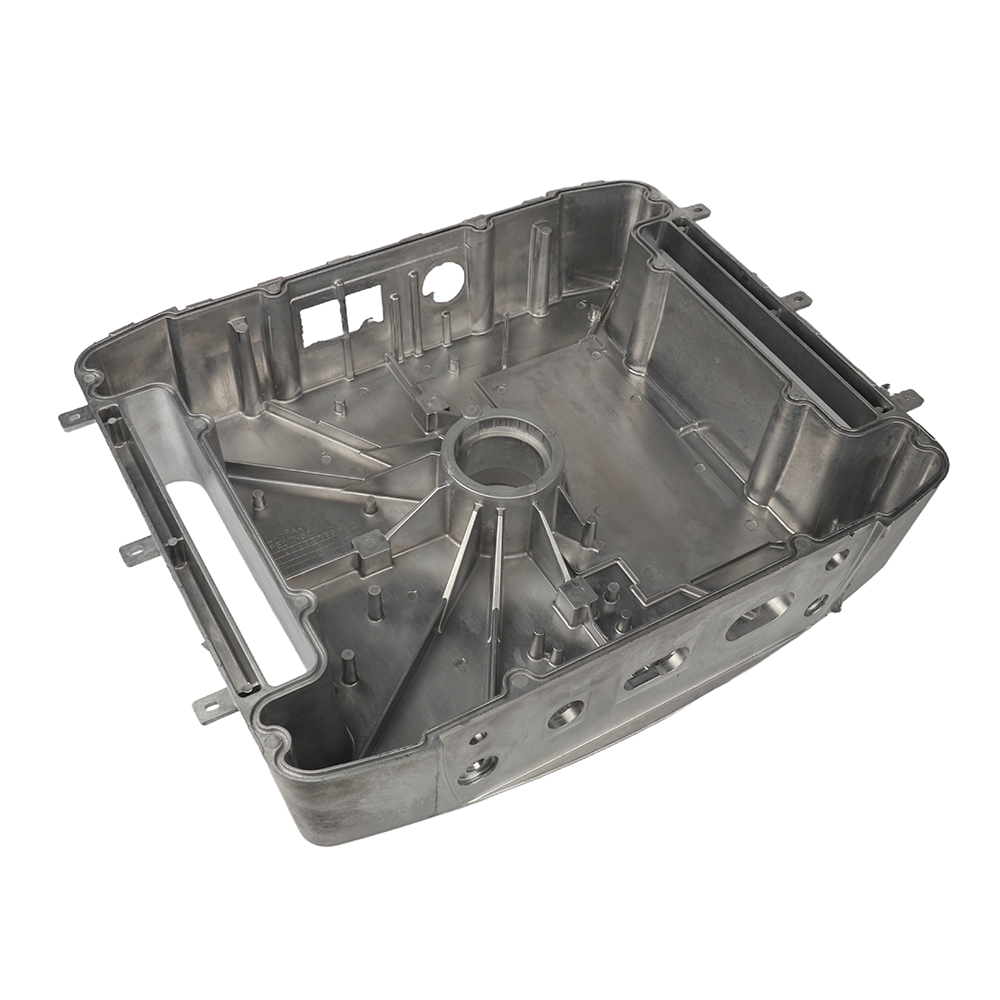
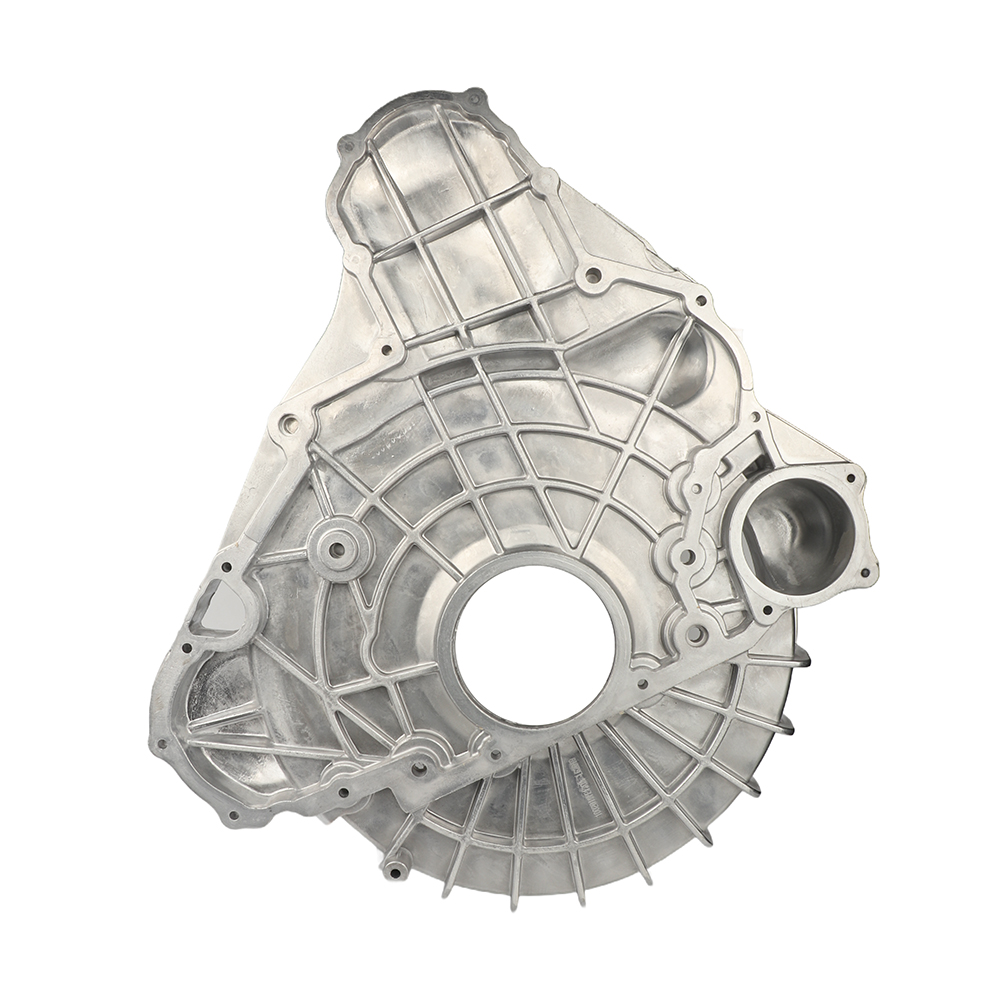
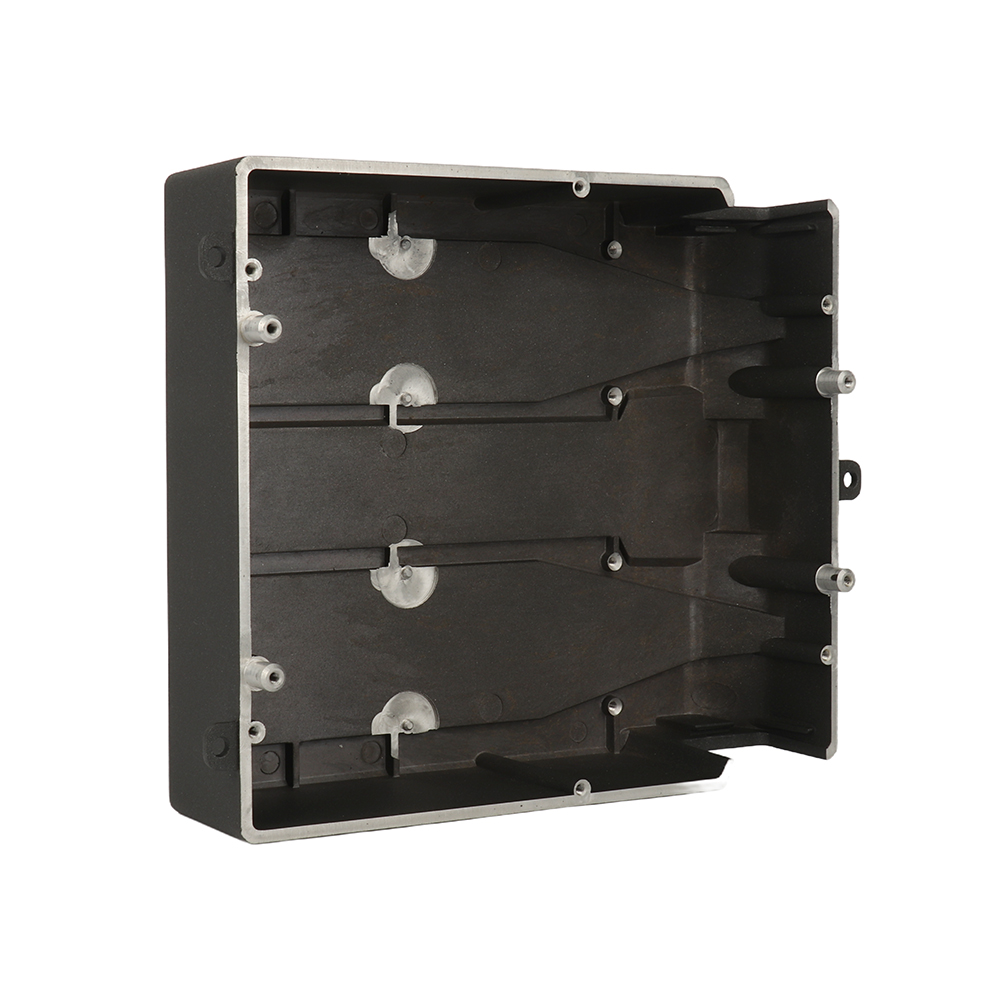
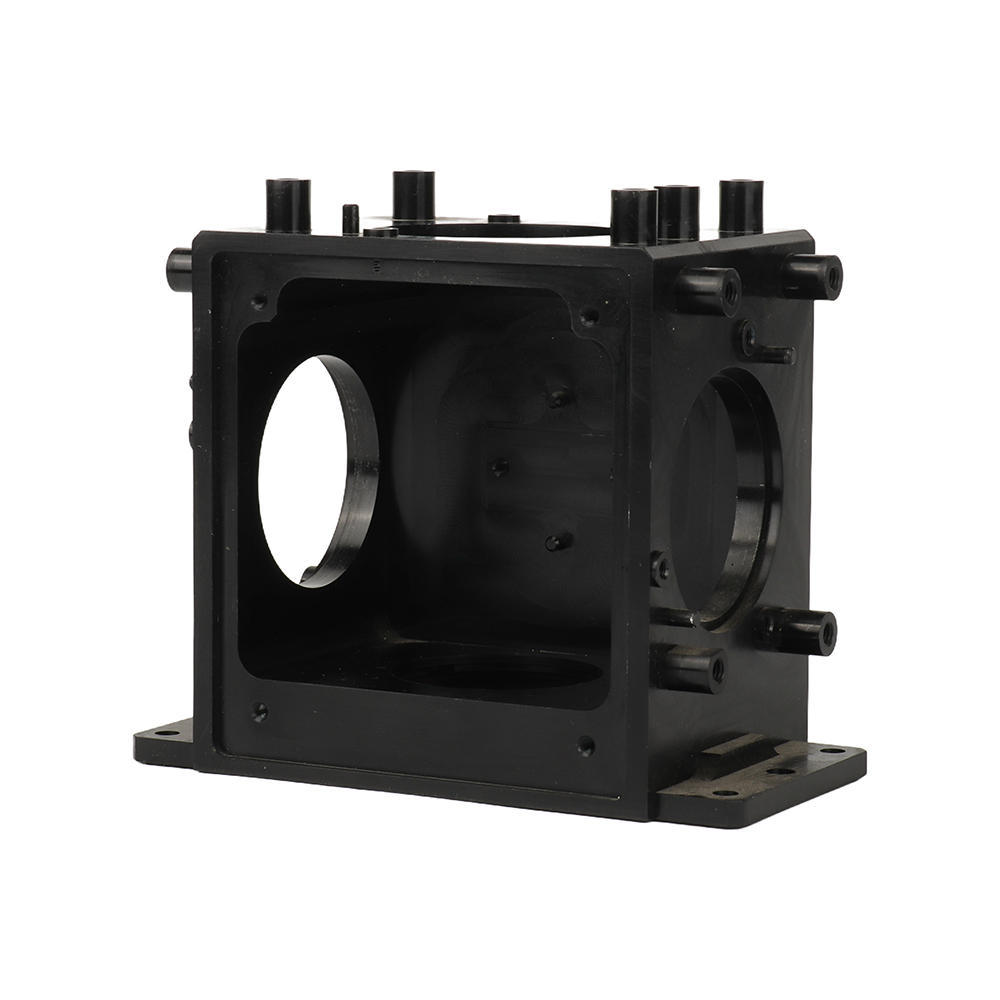
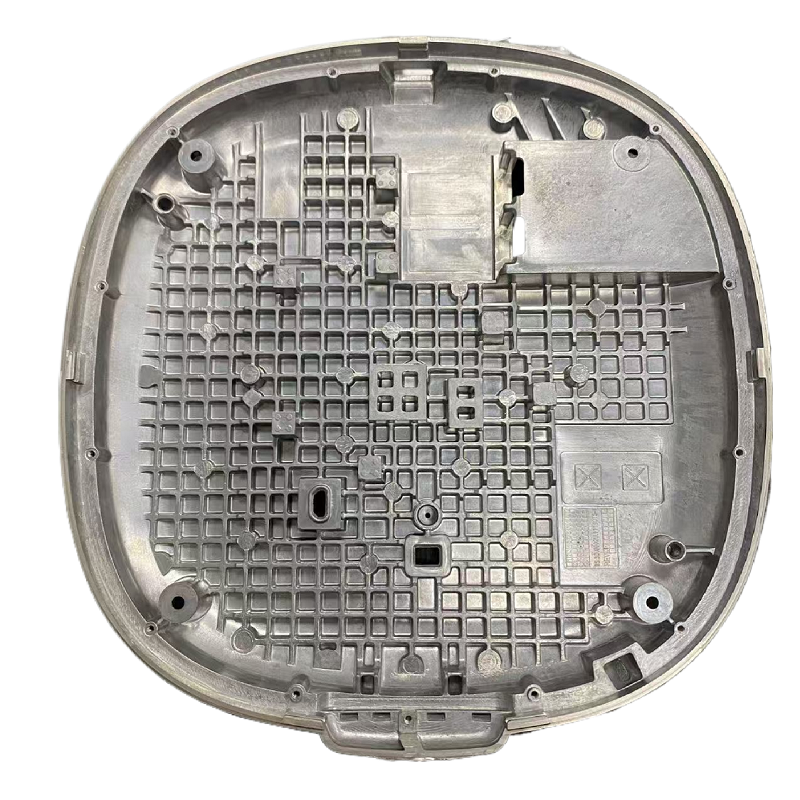
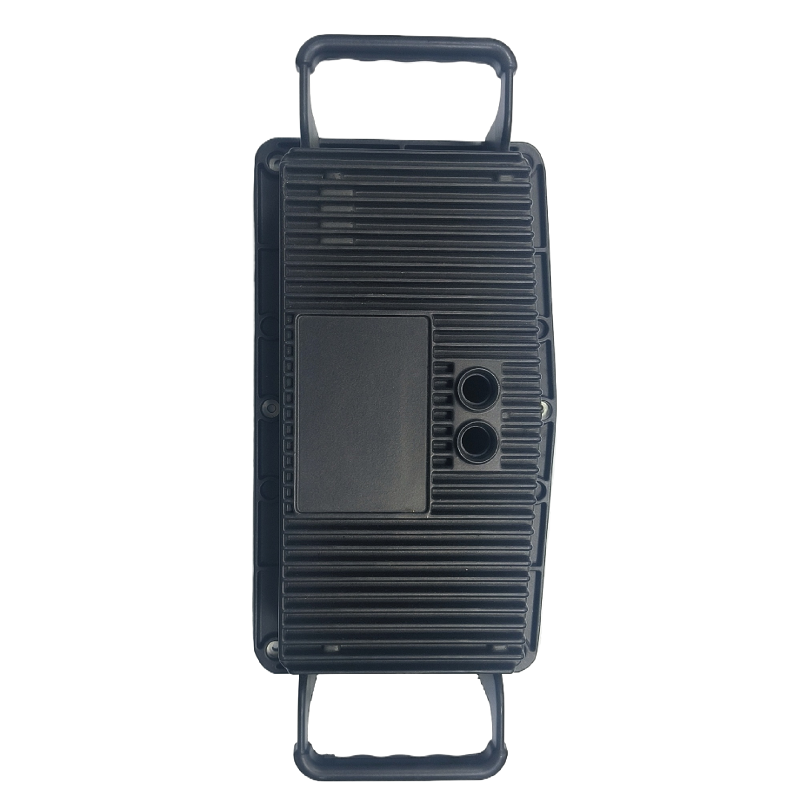
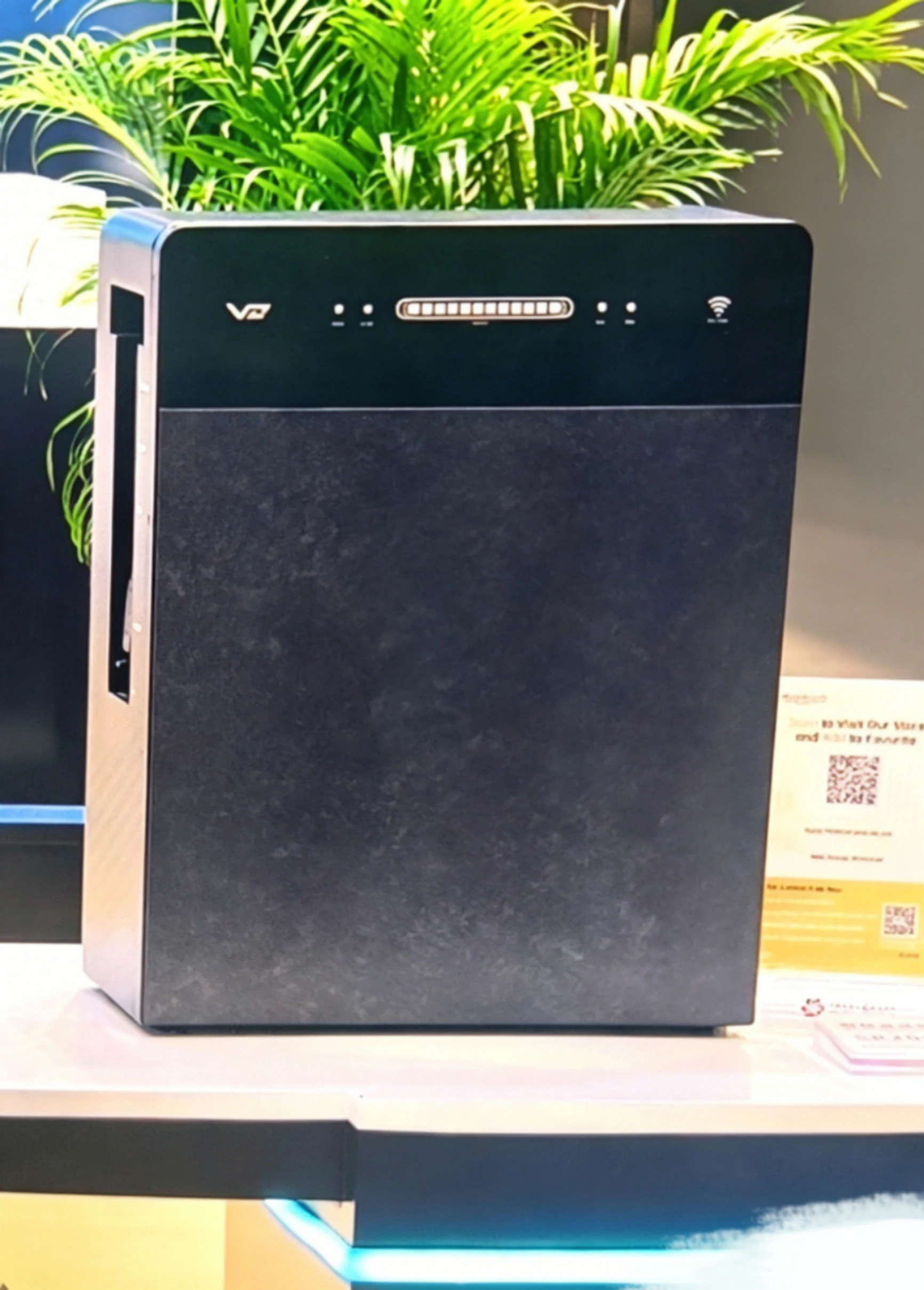
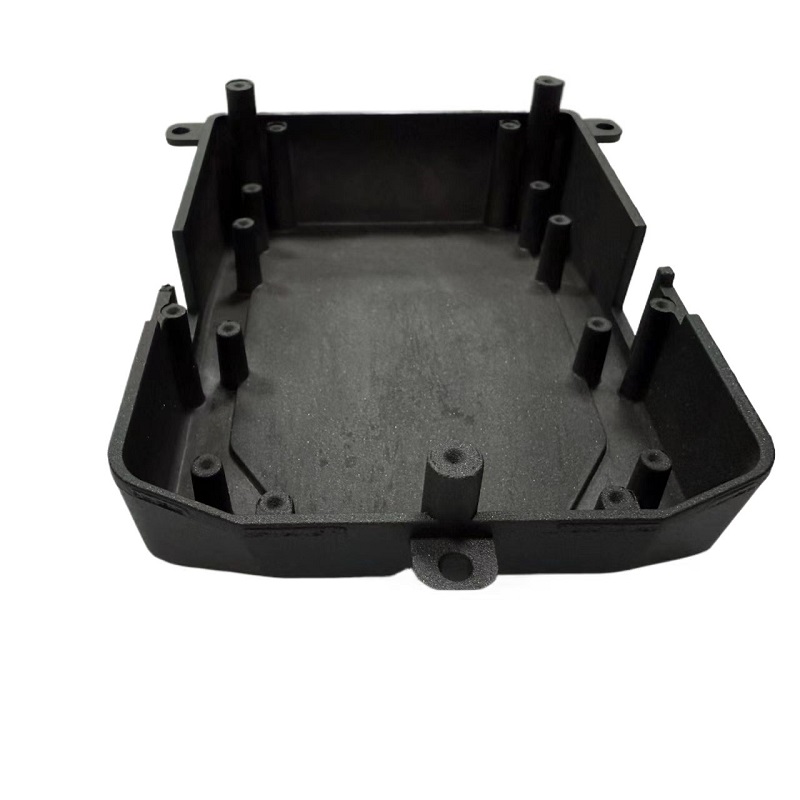
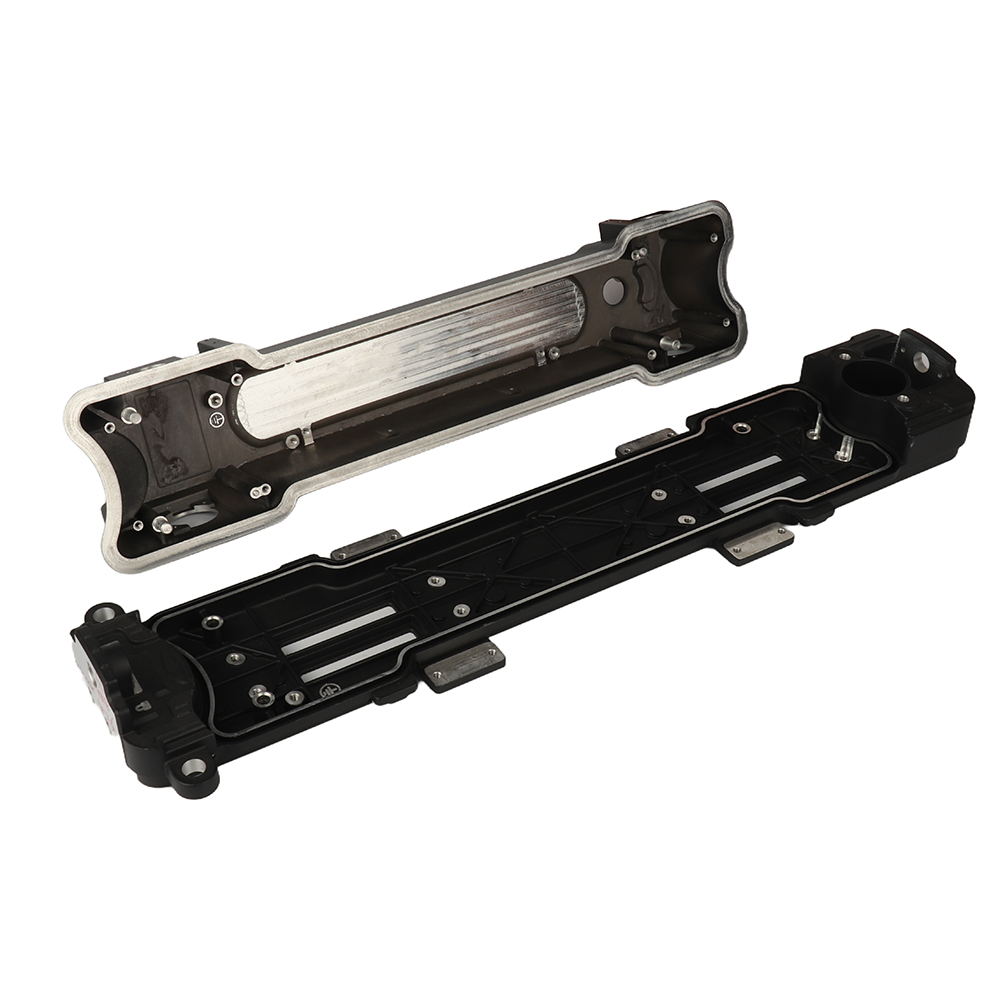
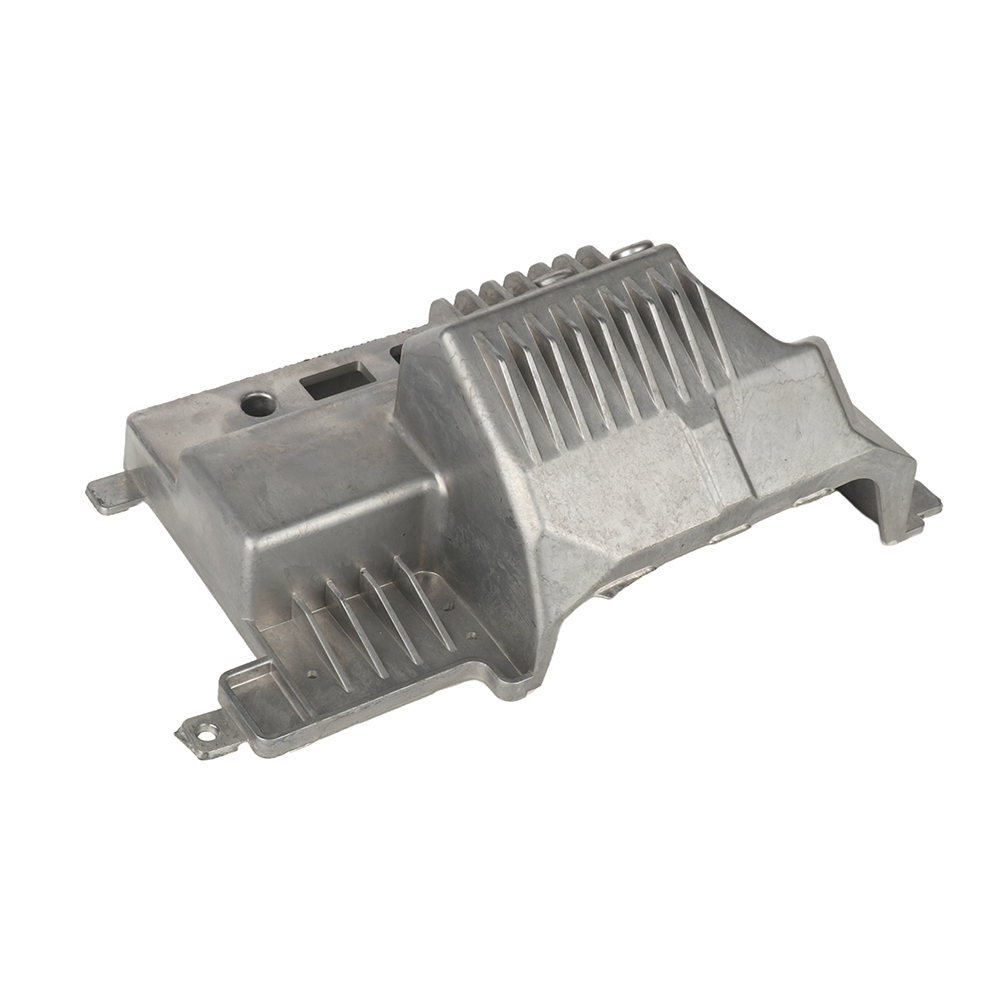
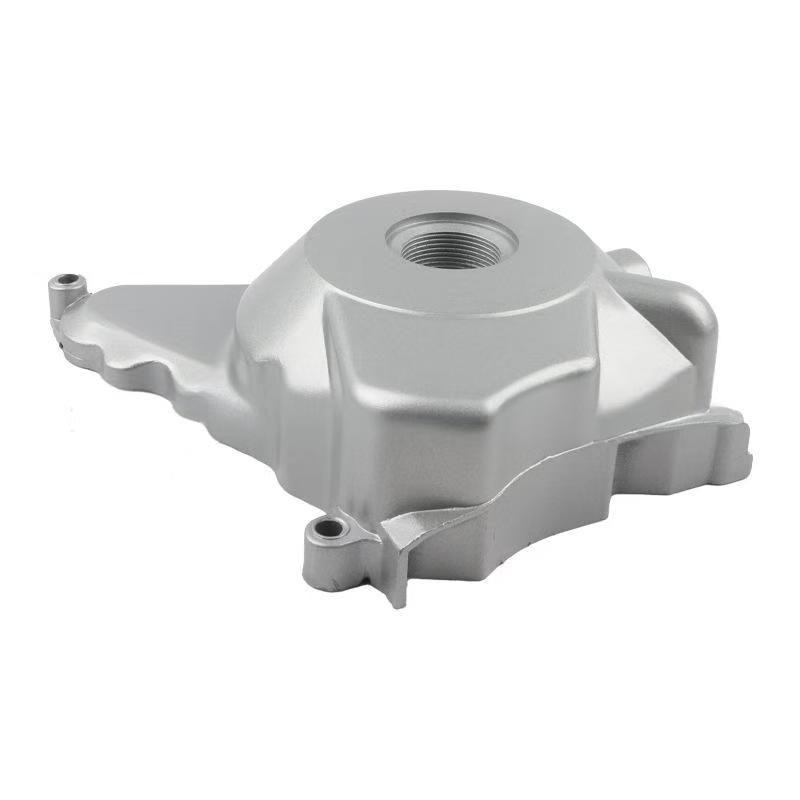
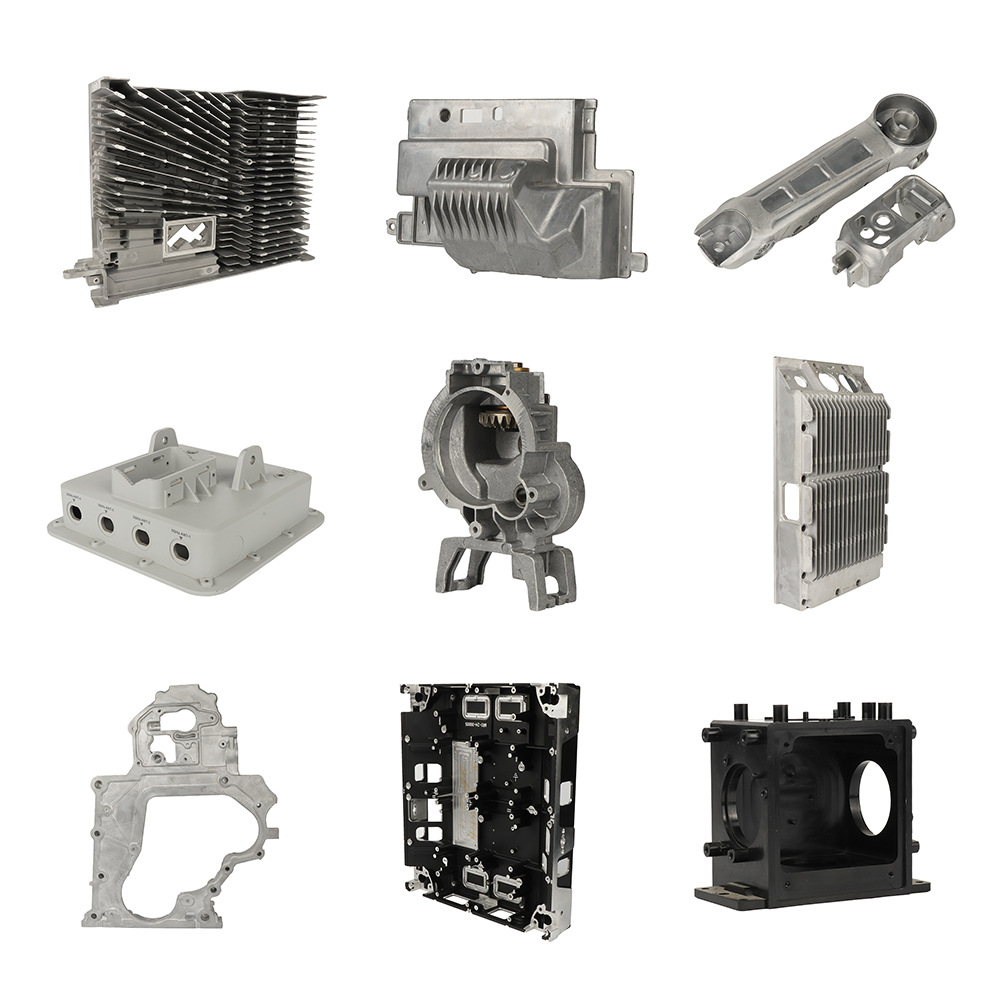
Gravity die casting | What is gravity die casting? Tonnage, Roles, Benefits & Top Supplier Guide
2026-05-07
What is Gravity Die Casting? Tonnage, Roles, Benefits & Top Supplier Guide
Table of Contents
- 1. Introduction: What is Gravity Die Casting?
- 2. Gravity Die Casting Tonnage: How Much Can It Cast?
- 3. Core Roles of Gravity Die Casting in Industrial Manufacturing
- 4. Unique Benefits of Gravity Die Casting
- 5. Xinghang Precision Hardware: Trusted Gravity Die Casting Supplier
- 6. Expert Insights on Gravity Die Casting
- 7. FAQs About Gravity Die Casting
- 8. Conclusion: Industry Trends & How to Choose a Quality Hardware Processing Supplier
1. Introduction: What is Gravity Die Casting?
Gravity die casting—also known as permanent mold casting—is a specialized manufacturing process that uses the force of gravity to fill a reusable, precision-engineered metal mold (die) with molten metal (most commonly aluminum, zinc, or magnesium alloys). Unlike high-pressure die casting, which uses extreme pressure to inject molten metal, gravity die casting relies on natural gravitational force to ensure the mold is evenly filled, creating high-quality, dimensionally stable components for industrial applications.
As a core process in modern precision manufacturing, gravity die casting balances precision, durability, and cost-effectiveness, making it a preferred choice for industries ranging from automotive and industrial equipment to aerospace and general machinery. Xinghang Precision Hardware, a professional hardware processing supplier, leverages advanced gravity die casting technology to deliver high-quality components that meet the strictest industrial standards. This blog explores the key details of gravity die casting—including its tonnage capacity, core roles, unique benefits—and guides you in selecting a reliable supplier.
2. Gravity Die Casting Tonnage: How Much Can It Cast?
One of the most common questions about gravity die casting is its tonnage capacity—i.e., the maximum weight of components it can produce. Unlike high-pressure die casting, which is often measured by machine clamping force (tons), gravity die casting tonnage refers to the maximum weight of the cast component that can be reliably produced, determined by mold size, metal type, and manufacturing capabilities.
2.1 Typical Tonnage Range of Gravity Die Casting
The tonnage capacity of gravity die casting varies widely based on the manufacturer’s equipment, mold design, and metal alloy used. Generally, standard gravity die casting processes can produce components ranging from 0.1 kg (0.0001 tons) to 50 kg (0.05 tons) for small to medium-sized parts. For large-scale industrial applications, advanced gravity die casting systems (like those used by Xinghang Precision Hardware) can handle components up to 200 kg (0.2 tons), making it suitable for heavy-duty industrial parts such as engine components, machine frames, and hydraulic housings.
2.2 Factors Affecting Gravity Die Casting Tonnage
- Mold Size & Design: Larger, more robust molds can accommodate more molten metal, increasing the maximum component weight. Precision mold design (e.g., proper gating and riser systems) also ensures uniform filling for larger parts.
- Metal Alloy: Denser alloys (e.g., copper-based alloys) require more mold support, limiting tonnage capacity compared to lighter alloys (e.g., aluminum). Aluminum gravity die casting, the most common application, offers a broader tonnage range due to its lightweight properties.
- Manufacturing Equipment: Advanced gravity die casting machines with reinforced mold clamping systems and temperature control can handle larger, heavier components without compromising quality.
- Quality Requirements: Components with strict precision or structural integrity requirements may have lower maximum tonnage, as larger parts are more prone to defects (e.g., shrinkage, porosity) without proper process control.

3. Core Roles of Gravity Die Casting in Industrial Manufacturing
Gravity die casting plays an indispensable role in industrial manufacturing, serving as a reliable method for producing high-quality metal components that power various industries. Its core roles are centered on delivering precision, durability, and scalability, addressing the key needs of modern industrial production.
3.1 Production of High-Precision Industrial Components
Gravity die casting creates components with tight dimensional tolerances (typically CT4-CT6 per international standards) and smooth surface finishes (Ra 6.3-12.5μm), eliminating the need for extensive post-processing. This makes it ideal for producing critical industrial components such as engine brackets, hydraulic valves, and gear housings, where precision directly impacts performance and safety.
3.2 Support for Mass Production & Customization
The reusable metal molds used in gravity die casting allow for efficient mass production, reducing per-unit costs for large-volume orders. At the same time, the process supports customization, enabling manufacturers to produce components with complex geometries (e.g., thin walls, internal cavities) tailored to specific industrial equipment needs—from small precision parts to large structural components.
3.3 Enhancement of Component Durability & Performance
Gravity die casting produces components with dense, uniform microstructures, resulting in superior mechanical properties (e.g., high strength, corrosion resistance, and impact resistance). This makes the components suitable for harsh industrial environments, extending their lifespan and reducing maintenance costs for end-users.
3.4 Bridging the Gap Between Cost & Quality
Compared to other casting methods (e.g., sand casting or investment casting), gravity die casting balances cost-effectiveness and quality. It offers higher precision and durability than sand casting, while being more affordable than investment casting—making it a cost-efficient choice for industrial manufacturers seeking reliable, high-quality components.
4. Unique Benefits of Gravity Die Casting
Gravity die casting offers distinct advantages over other casting processes, making it a preferred choice for industrial manufacturers worldwide. These benefits are amplified by advanced technology and strict quality control, as implemented by trusted suppliers like Xinghang Precision Hardware:
- Superior Precision & Dimensional Stability: The controlled filling process (relying on gravity) ensures uniform metal flow, resulting in components with tight tolerances and consistent dimensions. This reduces post-processing time and ensures compatibility with other industrial components.
- Excellent Surface Finish: Gravity die casting produces components with smooth, burr-free surfaces, eliminating the need for grinding, polishing, or other finishing processes. This saves time and costs while improving the aesthetic and functional quality of the parts.
- High Component Density & Durability: The slow, controlled filling process minimizes porosity and air bubbles in the molten metal, creating dense, strong components with excellent mechanical properties. These components are resistant to corrosion, wear, and impact, making them ideal for long-term industrial use.
- Cost-Effective for Medium to Mass Production: Reusable metal molds reduce tooling costs for large-volume orders, while the efficient production process lowers labor and material waste. This makes gravity die casting a cost-effective solution for industrial manufacturers with medium to high production volumes.
- Versatility in Metal Alloys: Gravity die casting works with a wide range of metal alloys, including aluminum (most common), zinc, magnesium, and copper. This versatility allows manufacturers to select the ideal alloy for their specific application, balancing strength, weight, and cost.
- Environmental Friendliness: The process generates minimal waste, as unused molten metal can be recycled and reused. Additionally, the reusable molds reduce plastic or sand waste associated with other casting methods, aligning with global green manufacturing trends.
- Reduced Lead Time: Compared to investment casting, gravity die casting has shorter tooling and production lead times, making it ideal for manufacturers with tight project timelines. This ensures timely delivery of components for industrial projects.
5. Xinghang Precision Hardware: Trusted Gravity Die Casting Supplier
When it comes to high-quality gravity die casting solutions, Xinghang Precision Hardware is a trusted hardware processing supplier with years of experience in precision casting and industrial component manufacturing. Located in Guangdong, China—a global manufacturing hub—we leverage advanced gravity die casting technology, strict quality control, and customization capabilities to meet the diverse needs of global industrial clients.
5.1 Our Gravity Die Casting Capabilities
- Tonnage Range: We offer gravity die casting for components ranging from 0.1 kg to 200 kg (0.0001 tons to 0.2 tons), covering small precision parts to large industrial components.
- Alloy Expertise: Specializing in aluminum gravity die casting (the most widely used application), we also handle zinc, magnesium, and copper alloy casting to meet diverse industrial needs.
- Precision & Quality: Our gravity die casting components meet tight dimensional tolerances (CT4-CT6) and smooth surface finishes (Ra 6.3-12.5μm), with 100% inspection to ensure zero defects. We hold ISO9001/TS16949/RoHS/ISO14001 certifications, complying with global quality and environmental standards.
- Customization & Bulk Supply: We offer full customization of mold design, component size, and surface finish to fit specific industrial equipment requirements. Our production capacity supports bulk orders for global clients, ensuring cost-effectiveness and timely delivery.
- One-Stop Service: We integrate R&D design, mold manufacturing, gravity die casting, precision machining, surface treatment, and assembly into a one-stop service, simplifying your supply chain and reducing costs.
Our commitment to quality, precision, and customer satisfaction makes us a preferred partner for industrial manufacturers worldwide. Whether you need small precision components or large, heavy-duty parts, we deliver reliable gravity die casting solutions tailored to your needs.
6. Expert Insights on Gravity Die Casting
To gain deeper insights into the value and future of gravity die casting in industrial manufacturing, we interviewed Mr. David Carter, a senior casting engineer with over 20 years of experience in gravity die casting and industrial component design, and a technical consultant for global manufacturing projects.
“Gravity die casting is a cornerstone of modern industrial manufacturing because it delivers the perfect balance of precision, durability, and cost-effectiveness,” says Mr. Carter. “Unlike high-pressure die casting, which is ideal for small, high-volume parts, gravity die casting excels at producing medium to large components with superior structural integrity—critical for industrial equipment that demands reliability.”
Mr. Carter also emphasized: “The tonnage capacity of gravity die casting—up to 0.2 tons for advanced systems—makes it versatile enough to handle everything from small engine parts to large machine frames. What sets it apart is its ability to produce dense, high-quality components with minimal defects, reducing maintenance costs and extending the lifespan of industrial equipment. Suppliers like Xinghang, which combine advanced technology, strict quality control, and customization capabilities, are key to unlocking the full potential of gravity die casting.”
He added: “As industrial manufacturing evolves, gravity die casting will continue to grow in importance—driven by the demand for durable, cost-effective components and the rise of green manufacturing. The best suppliers will focus on improving precision, expanding tonnage capacity, and offering one-stop solutions to meet the diverse needs of global clients. Xinghang’s focus on quality and customization positions them well to lead in this space.”
7. FAQs About Gravity Die Casting
Q1: What is the difference between gravity die casting and high-pressure die casting?
A: The key difference is the force used to fill the mold: gravity die casting relies on natural gravity, while high-pressure die casting uses extreme pressure (100–1500 bar). Gravity die casting is ideal for medium to large components with high precision and structural integrity, while high-pressure die casting is better for small, high-volume parts. Gravity die casting also offers better surface finish and lower porosity, while high-pressure die casting has faster cycle times.
Q2: What is the maximum tonnage (component weight) for gravity die casting?
A: Standard gravity die casting can produce components up to 0.05 tons (50 kg), while advanced systems (like those used by Xinghang) can handle up to 0.2 tons (200 kg). The exact tonnage depends on mold size, metal alloy, and manufacturing capabilities.
Q3: Which metal alloys are most commonly used in gravity die casting?
A: Aluminum alloys are the most common (e.g., ADC12, A380), due to their lightweight, excellent castability, and corrosion resistance. Zinc, magnesium, and copper alloys are also used for specific applications—zinc for small, precision parts, magnesium for lightweight components, and copper for high-strength parts.
Q4: What are the typical tolerances for gravity die casting components?
A: Gravity die casting components typically have tolerances of CT4-CT6 (per international standards), with surface finishes of Ra 6.3-12.5μm. This precision eliminates the need for extensive post-processing and ensures compatibility with other industrial components.
Q5: Can Xinghang customize gravity die casting components for specific industrial needs?
A: Yes. We offer full customization, including mold design, component size, shape, alloy selection, and surface finish. Our R&D team supports 3D/CAD design to ensure the customized component meets your exact industrial equipment requirements.
Q6: Does Xinghang accept bulk orders for gravity die casting components?
A: Yes. Our production capacity supports bulk orders for global clients, offering cost-effective pricing and timely delivery. We implement efficient production processes to handle large-volume orders without compromising quality.
Q7: How long is the lifespan of gravity die casting components?
A: With high-quality materials and precision manufacturing, gravity die casting components can last 15–20 years or more in industrial environments. Their dense structure, corrosion resistance, and impact resistance ensure long-term reliability, reducing replacement costs.
Q8: Are Xinghang’s gravity die casting components compliant with global standards?
A: Yes. Our gravity die casting components hold ISO9001 (quality management), TS16949 (automotive/industrial quality), RoHS (environmental compliance), and ISO14001 (environmental management) certifications, meeting global quality, safety, and environmental standards for industrial equipment.
8. Conclusion: Industry Trends & How to Choose a Quality Hardware Processing Supplier
8.1 Key Trends in the Gravity Die Casting Industry
The global gravity die casting industry is experiencing steady growth, driven by the expanding industrial sector, increasing demand for high-quality, durable components, and the rise of green manufacturing. Key trends shaping the industry include:
- Growing Demand for Customization: As industrial equipment becomes more specialized, the demand for custom gravity die casting components (tailored to specific sizes, shapes, and performance requirements) is rising. Suppliers with flexible customization capabilities are well-positioned to meet this demand.
- Expansion of Tonnage Capacity: Advances in mold design and manufacturing technology are enabling gravity die casting to handle larger, heavier components (up to 0.2 tons and beyond), expanding its application in heavy-duty industrial sectors.
- Emphasis on Quality & Precision: Industrial manufacturers are increasingly prioritizing components with tight tolerances and high structural integrity, driving suppliers to invest in advanced technology and strict quality control processes.
- Focus on Sustainability: Green manufacturing trends are pushing the industry to adopt more environmentally friendly practices, such as recycling molten metal and reducing waste—areas where gravity die casting (with reusable molds) excels.
- Integration of One-Stop Services: Clients are seeking suppliers that offer integrated services (R&D, mold manufacturing, casting, machining, surface treatment) to simplify supply chains, reduce costs, and ensure timely delivery.
8.2 How to Choose a Quality Hardware Processing Supplier for Gravity Die Casting
Selecting the right hardware processing supplier for gravity die casting is critical to ensuring the quality, reliability, and cost-effectiveness of your industrial components. Key factors to consider include:
- Expertise & Experience: Choose a supplier with rich experience in gravity die casting, particularly in your industry (e.g., industrial equipment, automotive). Look for expertise in handling your required alloy and tonnage capacity.
- Quality Control & Certifications: Verify the supplier holds ISO9001/TS16949/RoHS/ISO14001 certifications and implements strict quality control processes (e.g., 100% inspection) to ensure defect-free components.
- Tonnage & Customization Capabilities: Ensure the supplier can handle your required component weight (tonnage) and offers full customization to fit your specific needs.
- Production Capacity & Delivery: Choose a supplier with sufficient production capacity to handle your orders (including bulk orders) and a track record of timely delivery, ensuring your industrial projects stay on schedule.
- One-Stop Service: Prefer a supplier that offers integrated services (R&D, mold manufacturing, casting, machining) to simplify your supply chain and reduce costs.
8.3 Choose Xinghang Precision Hardware: Your Trusted Gravity Die Casting Supplier
For businesses seeking high-quality, reliable gravity die casting solutions—whether small precision components or large, heavy-duty parts—Xinghang Precision Hardware is your ideal hardware processing supplier. We combine advanced gravity die casting technology, strict quality control, flexible customization, and one-stop service to meet the diverse needs of global industrial clients. Our tonnage capacity (0.0001 tons to 0.2 tons), ISO certifications, and bulk supply capabilities ensure we deliver cost-effective, high-quality components on time, every time.
Welcome to cooperate with us! To discuss your gravity die casting needs, request a custom quote, or place an order, contact us today:
Mobile/WeChat: +86 18819502691
Email: liqine@xinghangcn.com
Email: liqine@xinghangcn.com
Die clamps | What are mold fixtures? Key Roles, Die Clamps Focus & Supplier Guide
Aluminium housing | What is an aluminum power supply housing? Key Roles, Benefits & Top Manufacturer Guide
Related Article

Residential energy storage systems have become increasingly popular as homeowners pursue energy independence, solar self-consumption and backup power for grid outages.
Energy storage enclosure | What Are the Benefits of Die-Cast Home Energy Storage Enclosures?

A custom LED display frame is the core structural carrier for LED screen modules, widely manufactured with ADC12 aluminum alloy via high-pressure die casting.
LED display frame | What Are the Benefits of Custom LED Display Frames?

