
HOT PRODUCTS
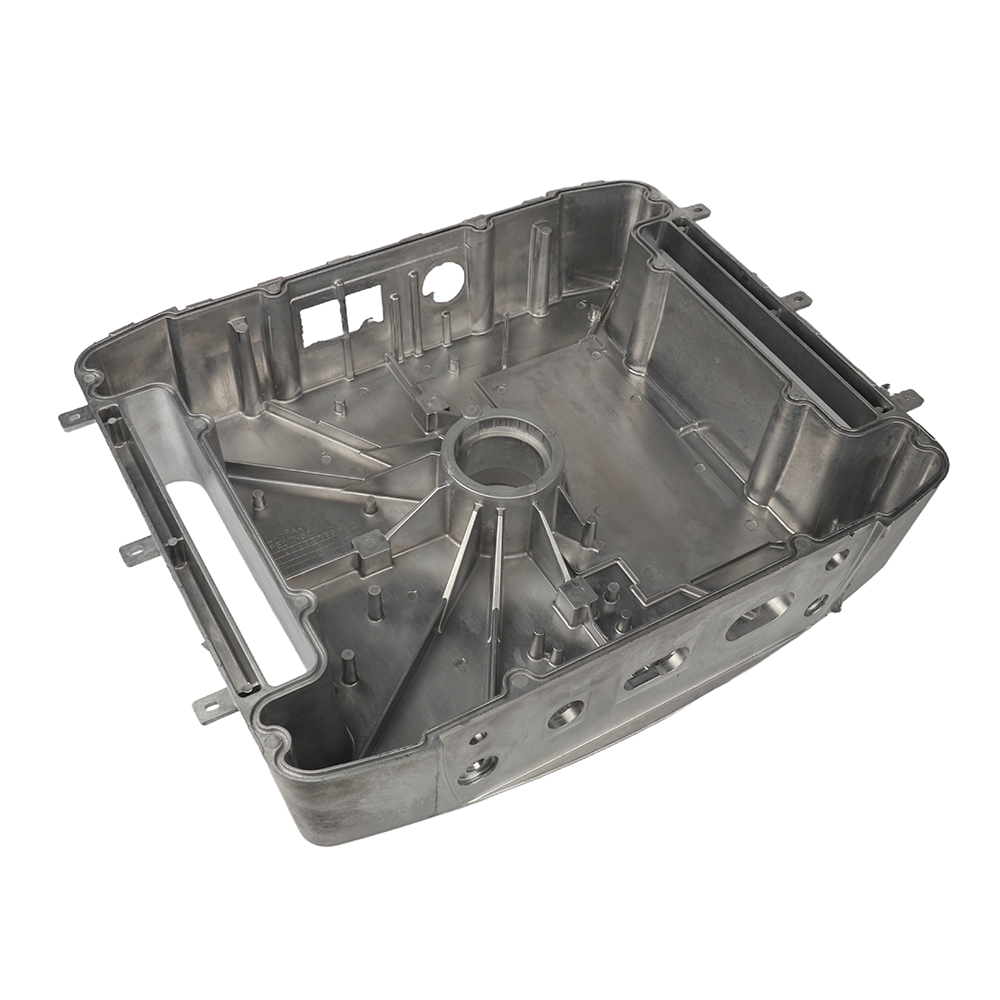
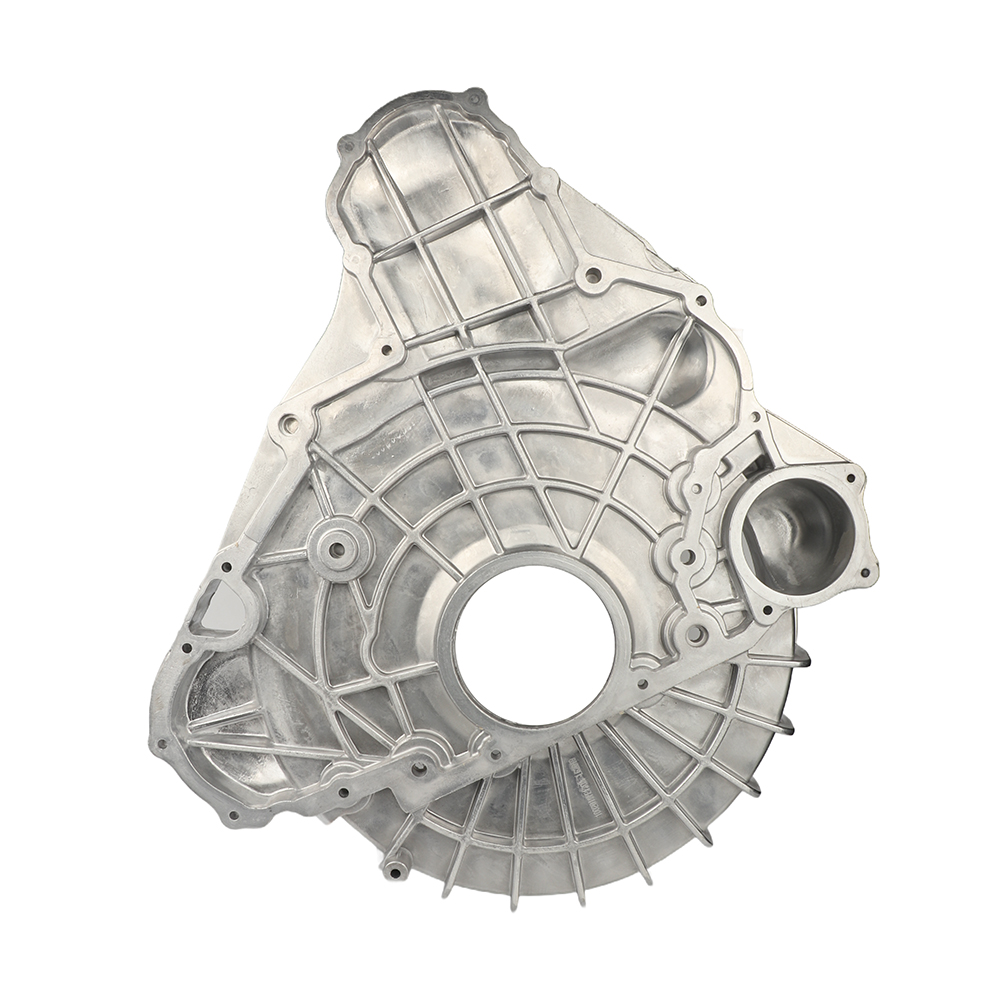
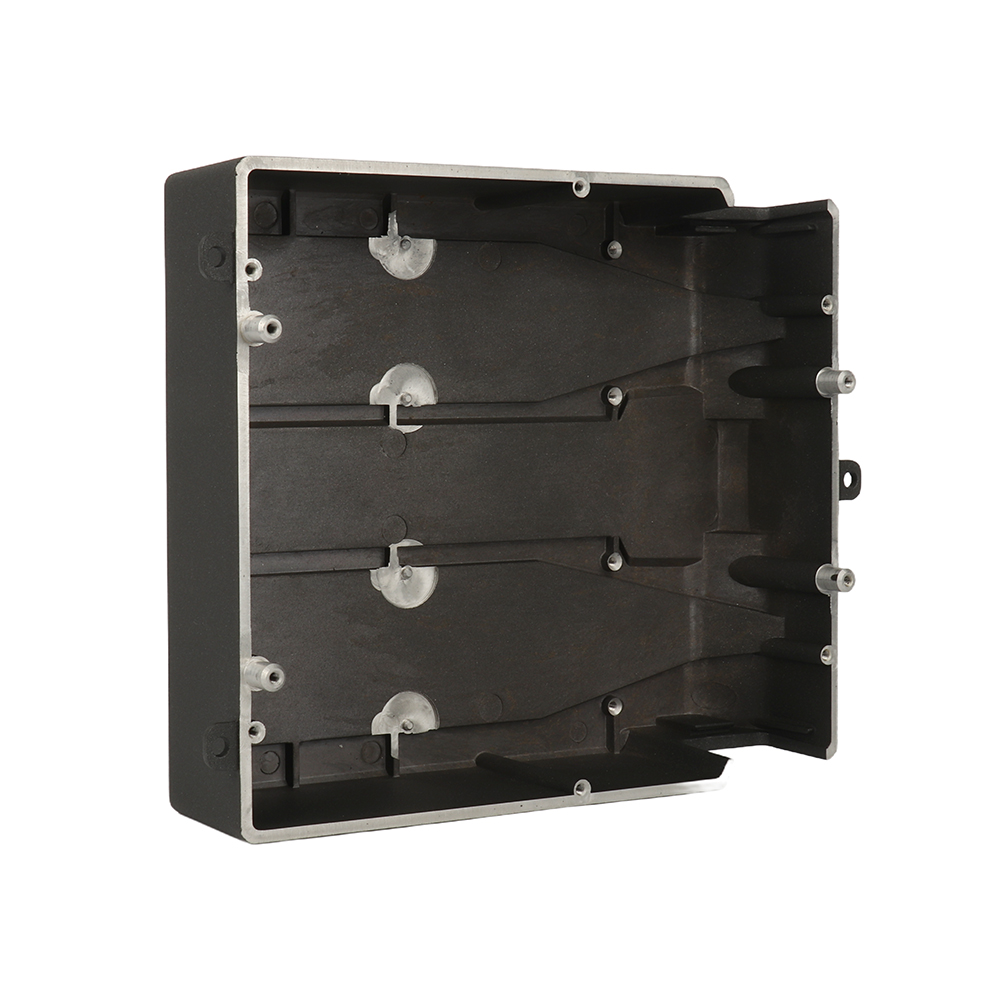
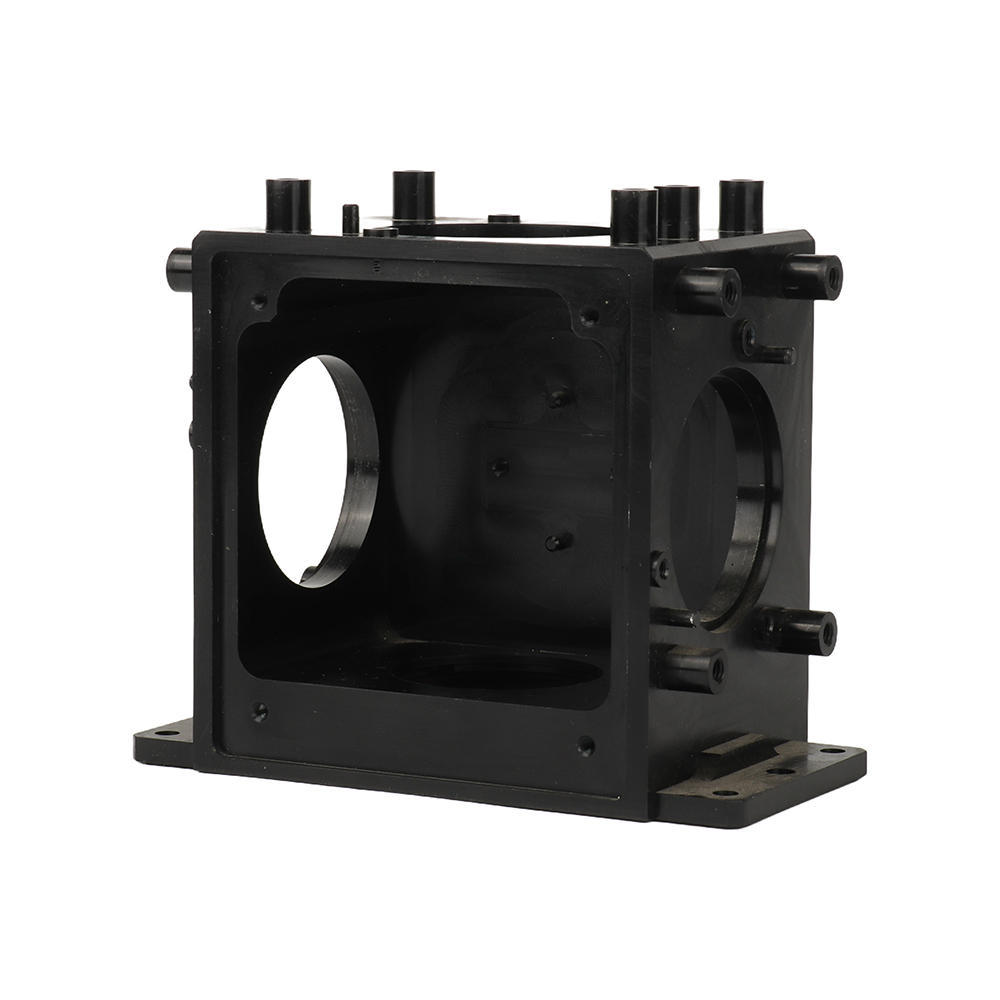
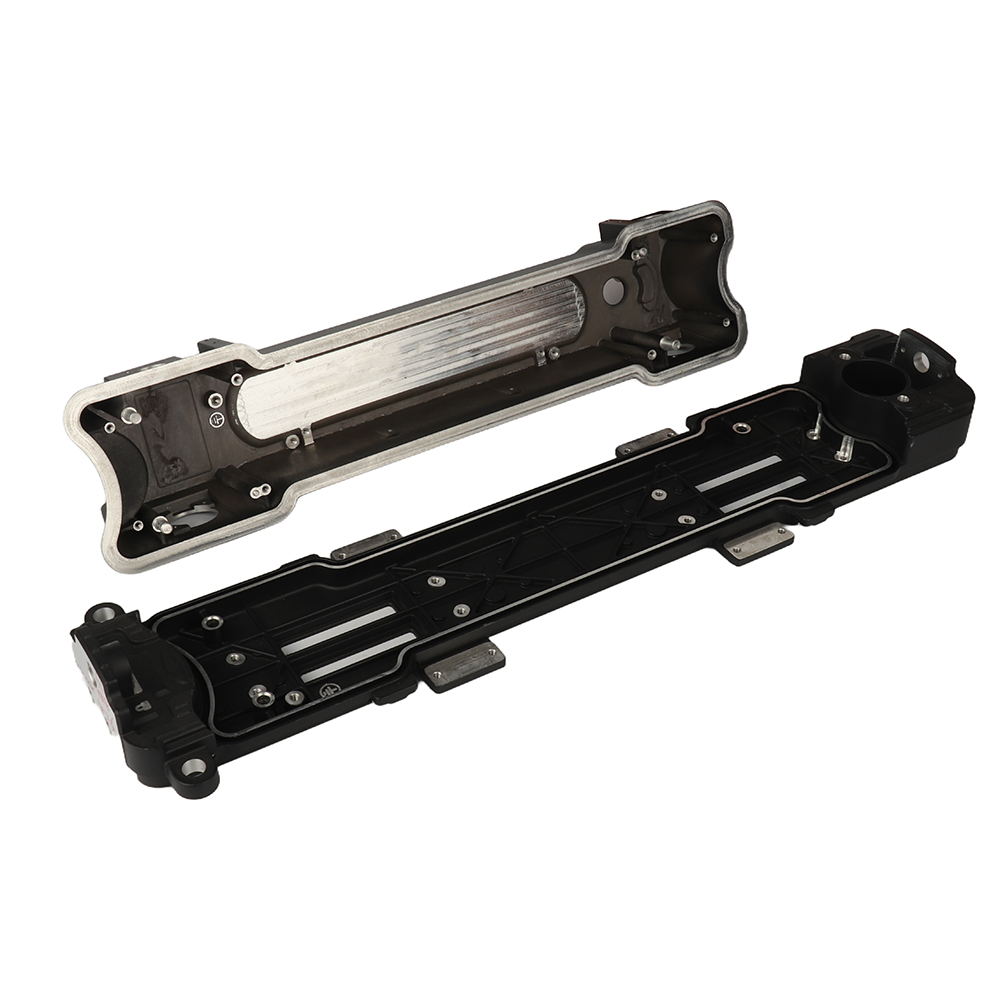
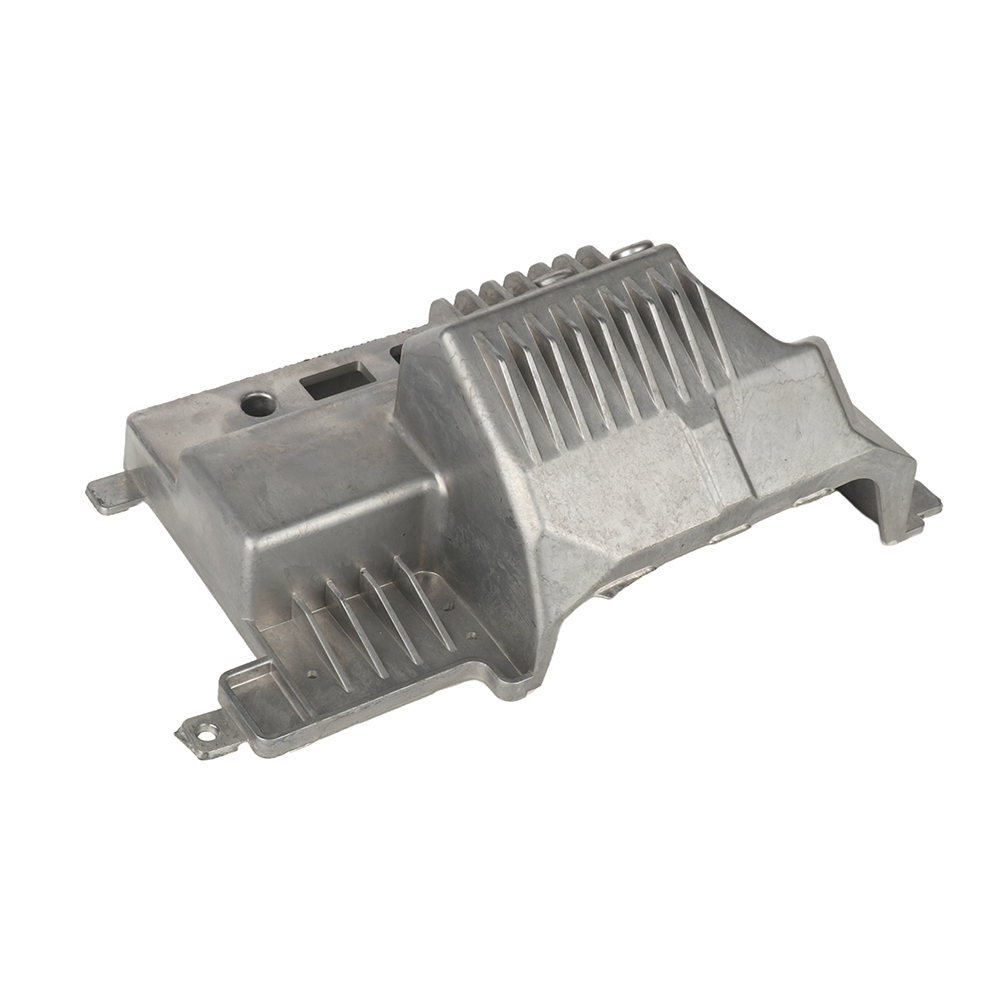
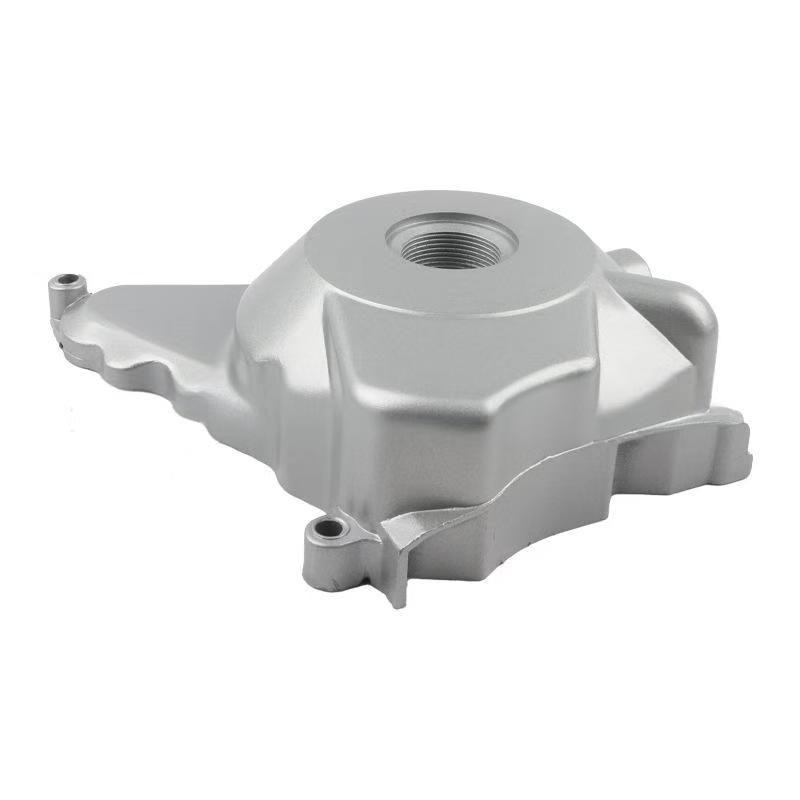
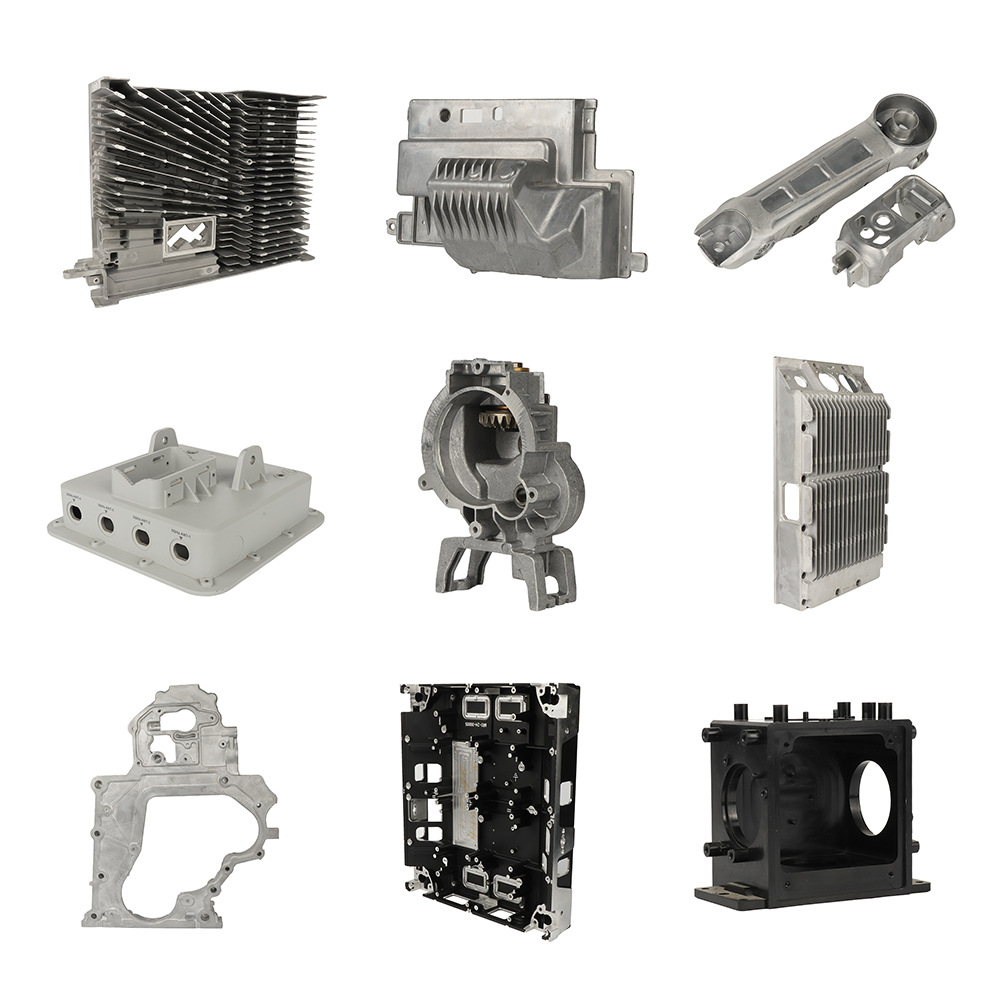
What is heat sink ? Die casting | A Comprehensive Guide to Die Casting Heat Sinks
What is Heat Sink? A Comprehensive Guide to Die Casting Heat Sinks
Table of Contents
- 1. Introduction: What is a Heat Sink?
- 2. Key Types of Heat Sinks
- 3. Focus: Die Casting Heat Sink
- 4. Die Casting Heat Sink: Advantages & Disadvantages
- 5. Die Casting Heat Sink vs. Other Common Heat Sinks
- 6. Expert Opinion on Die Casting Heat Sinks
- 7. Frequently Asked Questions (FAQs) About Heat Sinks & Die Casting Heat Sinks
- 8. Conclusion
1. Introduction: What is a Heat Sink?
In the world of electronics, machinery, and even automotive systems, overheating is a critical threat that can damage components, reduce performance, and shorten service life. This is where a heat sink comes into play. A heat sink is a passive heat exchanger that transfers heat generated by an electronic or mechanical device to a fluid medium (usually air or liquid coolant), dissipating it away from the device to maintain optimal operating temperatures.
Without heat sinks, modern electronics—from smartphones and laptops to industrial power supplies and automotive ECUs—would fail to function reliably. They work by maximizing surface area in contact with the cooling medium, leveraging materials with high thermal conductivity to speed up heat transfer.
2. Key Types of Heat Sinks
Heat sinks are categorized by their manufacturing process and design, each suited for specific applications. The most common types include:
- Extruded Heat Sinks: Made by forcing molten metal (usually aluminum) through a die to create a fixed cross-sectional shape. Cost-effective for simple designs but limited in complexity.
- Stamped Heat Sinks: Produced by stamping sheet metal into the desired shape, ideal for low-profile, high-volume applications like small electronics.
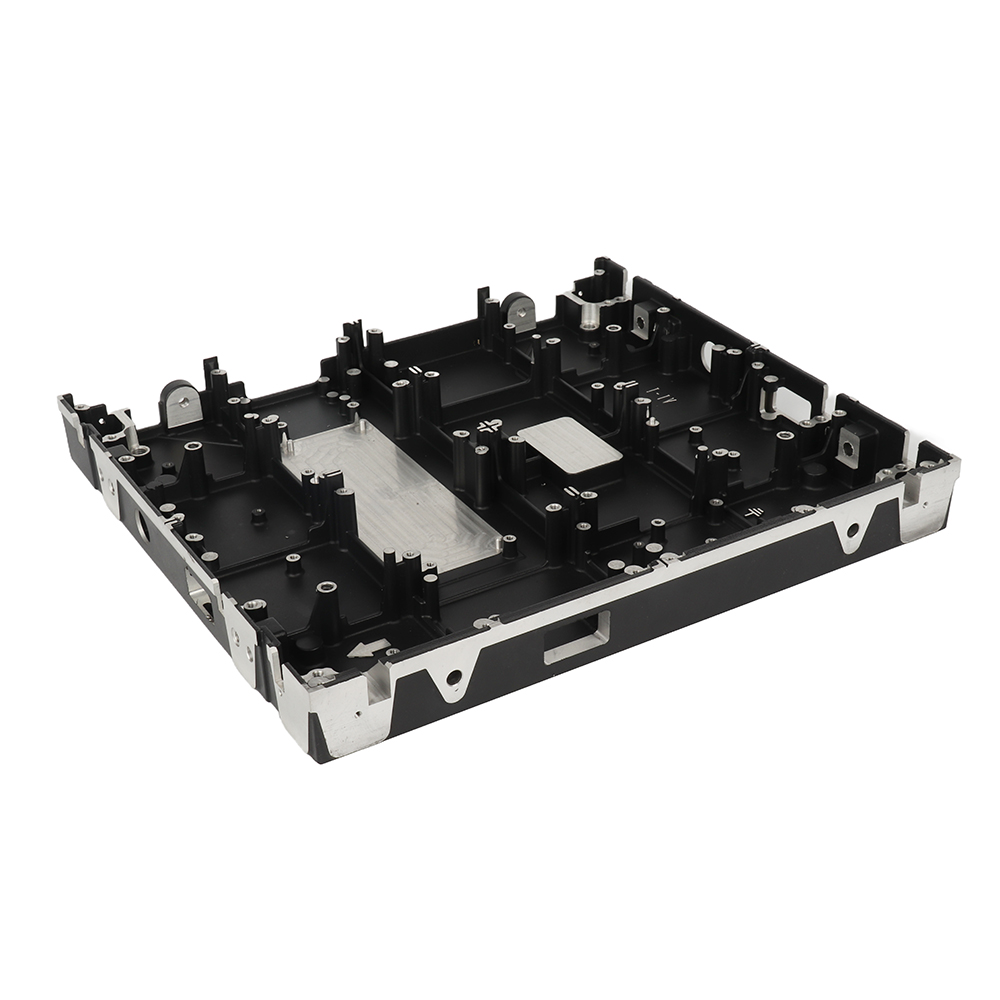
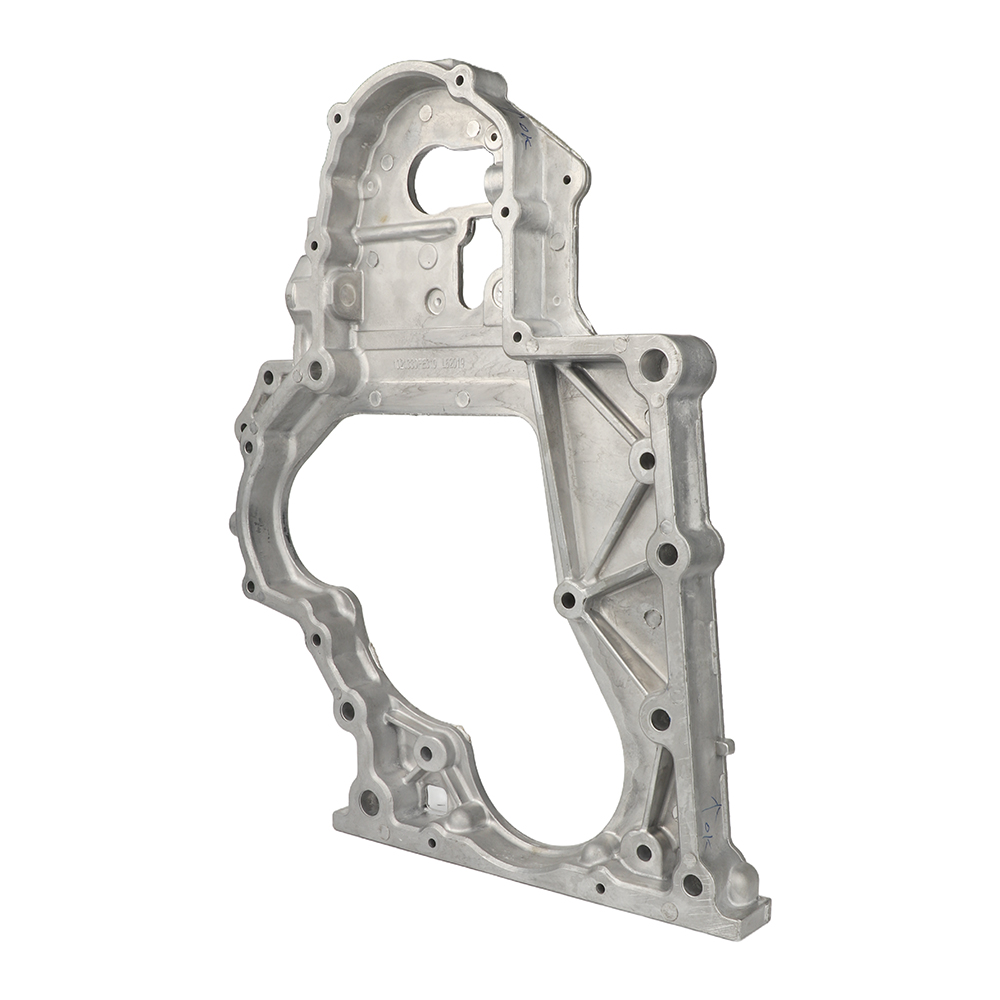
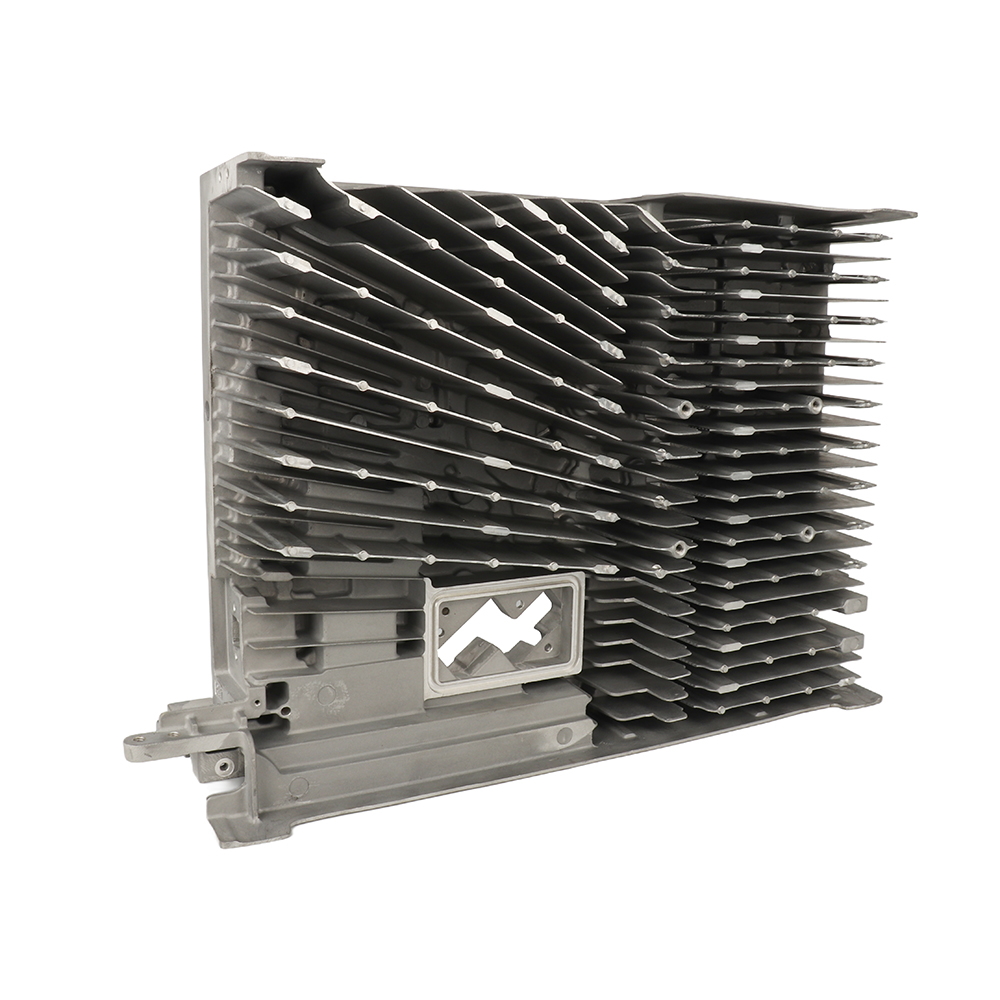
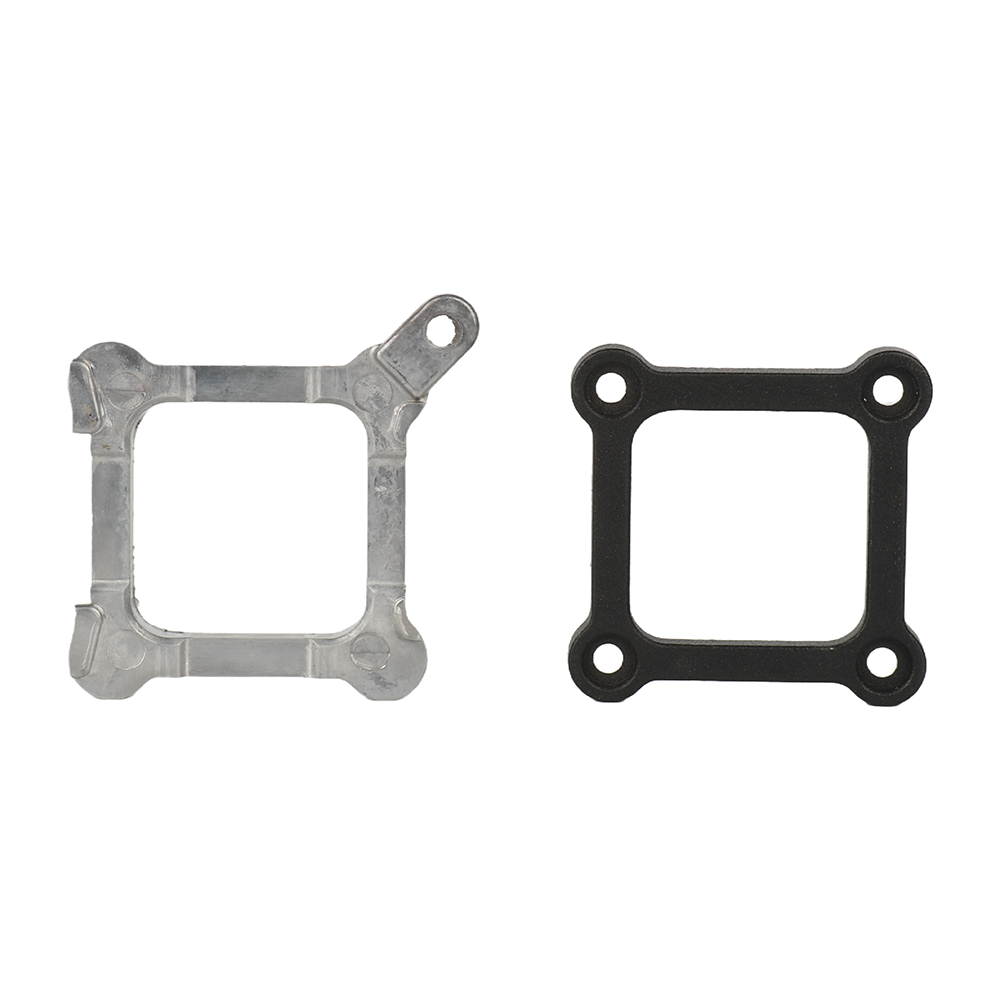
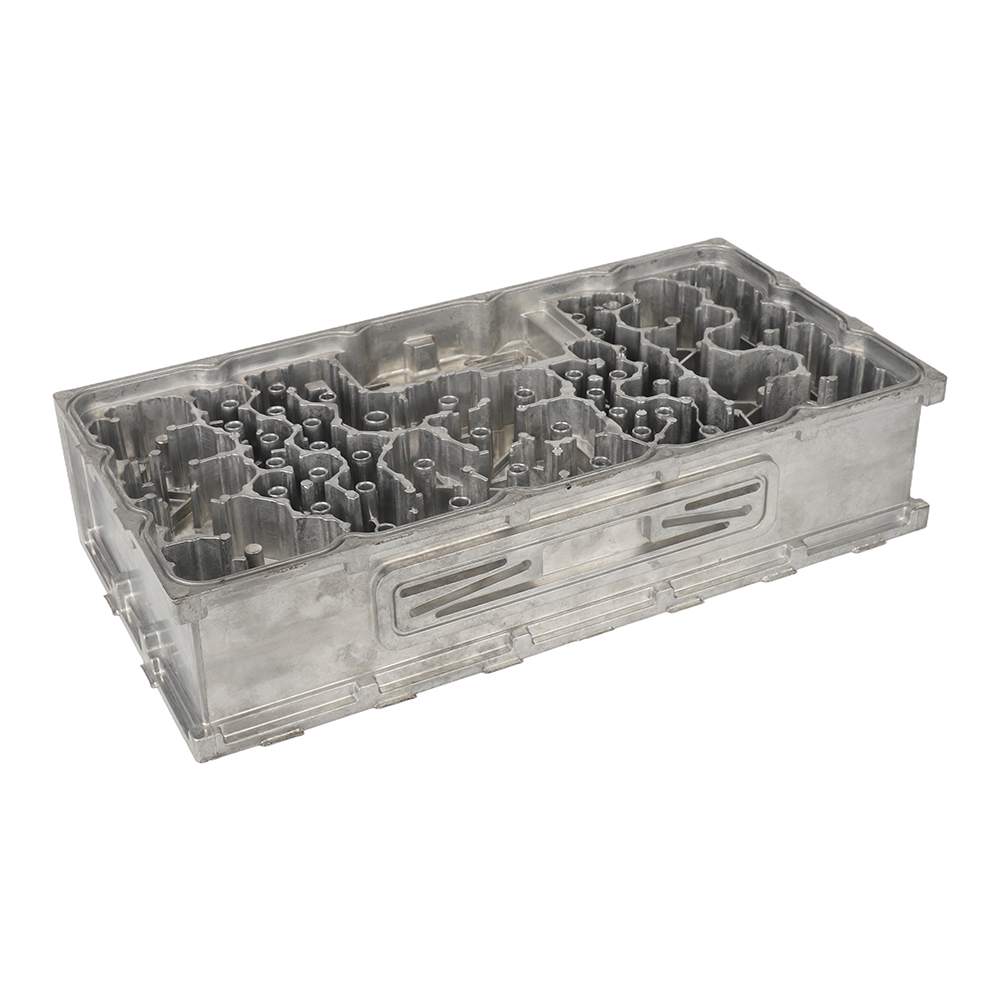
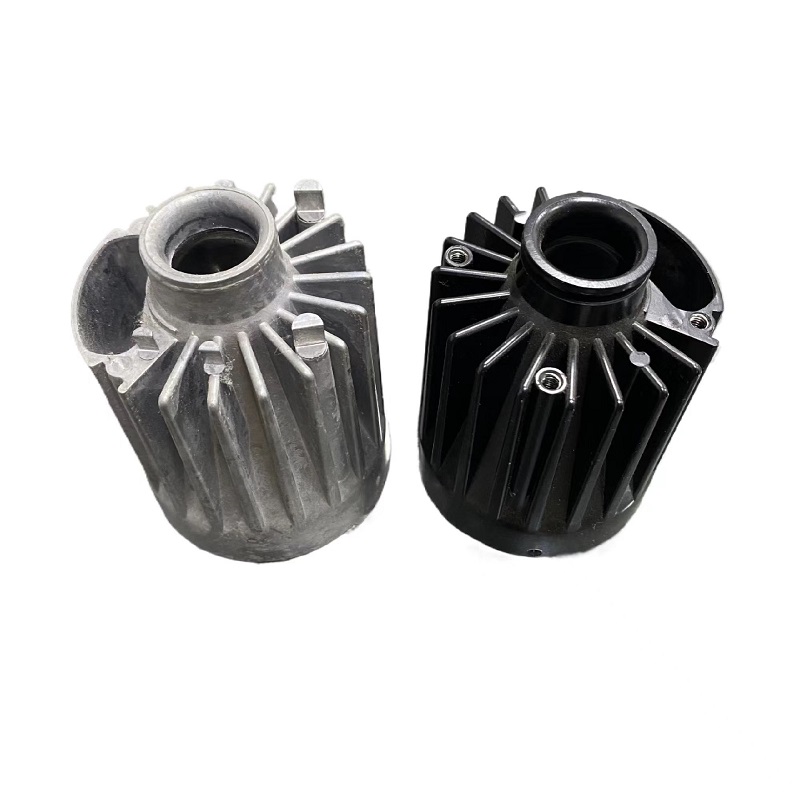
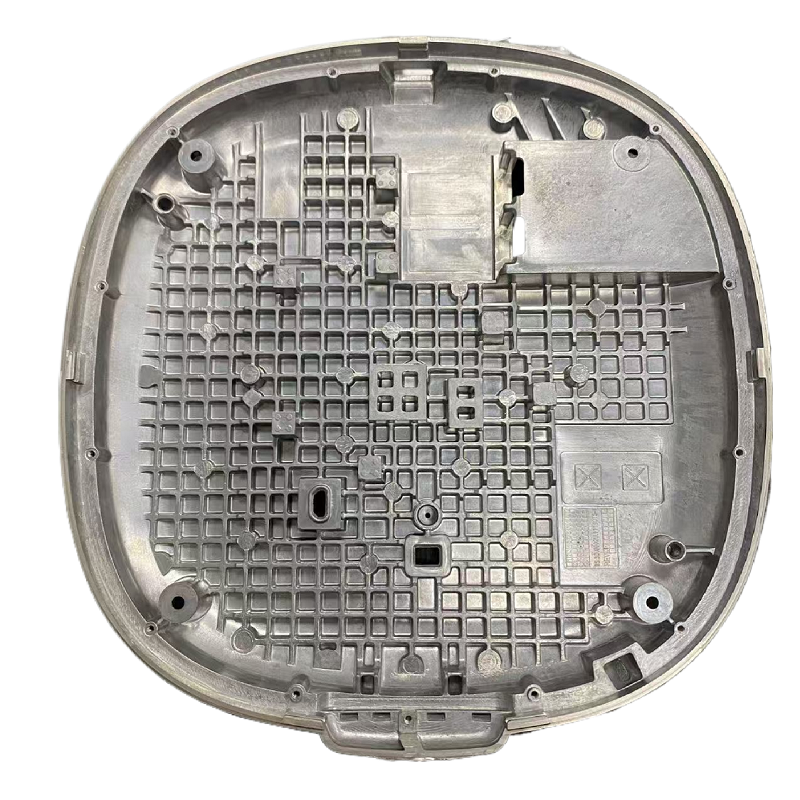
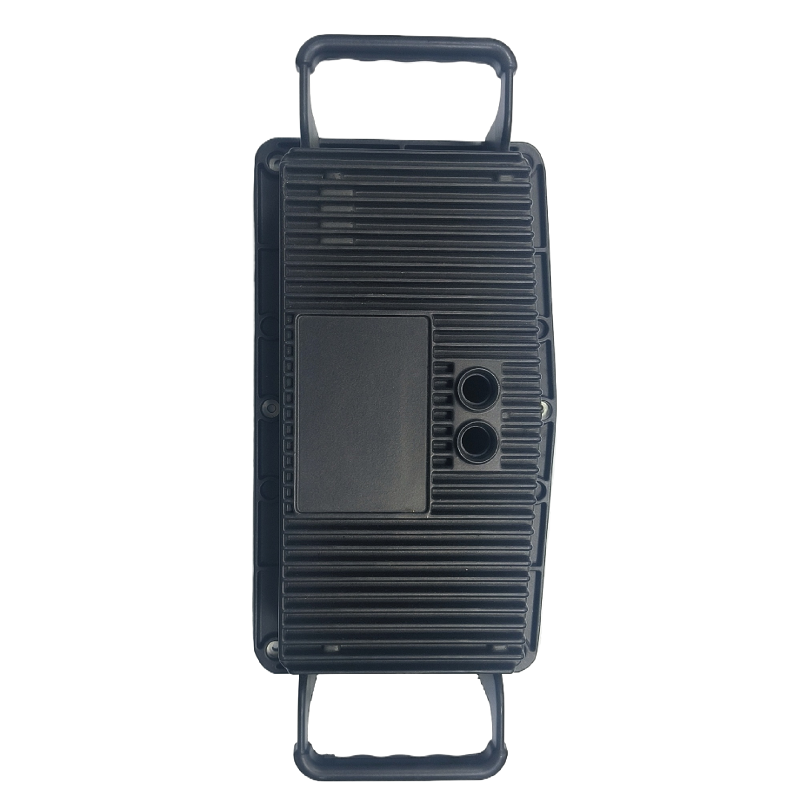
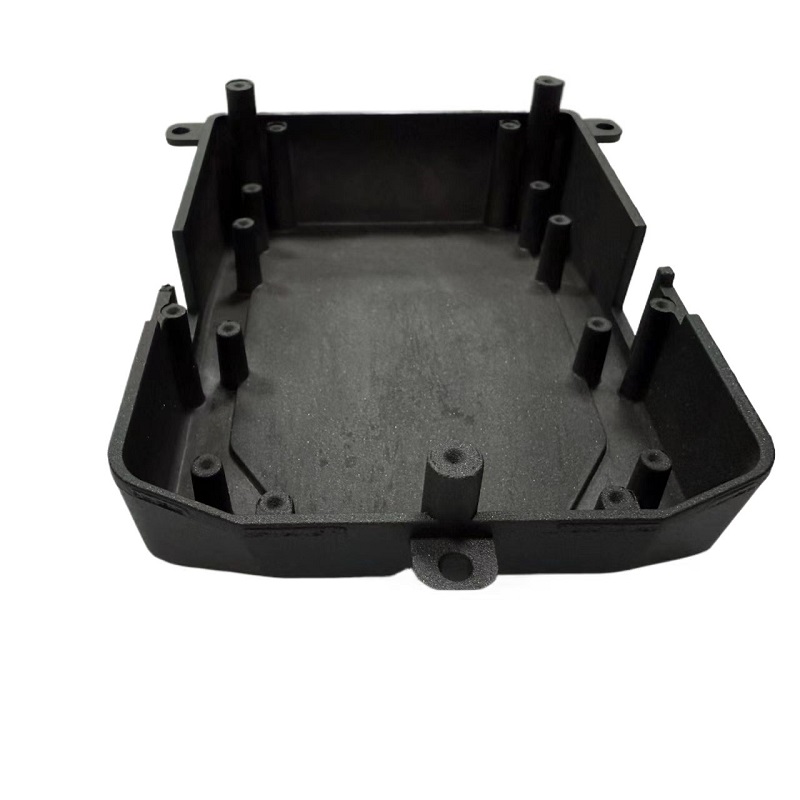
- Die Casting Heat Sinks: Manufactured via die casting, a process that injects molten metal into a precision mold under high pressure. Known for complex designs, high precision, and excellent thermal performance—our focus in this blog.
- Skived Heat Sinks: Created by cutting thin fins from a solid metal block, offering high fin density and good heat dissipation for high-power devices.
3. Focus: Die Casting Heat Sink
3.1 What is a Die Casting Heat Sink?
A die casting heat sink is a type of heat sink produced using the die casting process—a manufacturing method where molten metal (typically aluminum alloys, such as A380 or 356.0) is injected into a precision steel mold (die) under high pressure and speed, then cooled and solidified to form the final shape. Unlike extruded or stamped heat sinks, die casting allows for intricate, custom designs that optimize heat dissipation while fitting tight spaces.
These heat sinks are widely used in industries like automotive, electronics, aerospace, and industrial equipment, where reliability, precision, and efficient heat transfer are non-negotiable.
3.2 How Die Casting Heat Sinks Are Manufactured
The die casting process for heat sinks involves several key steps, ensuring consistency and quality:
- Mold Preparation: A steel die is precision-machined to match the exact design of the heat sink, including fins, base, and any custom features. The die consists of two halves (cover die and ejector die) that fit together to form the mold cavity.
- Metal Melting: Aluminum alloy (the most common material) is melted to a liquid state (typically 557–612°C for 356.0 alloy) and prepared for injection.
- Injection & Cooling: The molten aluminum is injected into the die cavity under high pressure (up to 100 MPa) to ensure it fills every detail of the mold. The metal cools rapidly, solidifying into the shape of the heat sink.
- Trimming & Finishing: The finished heat sink is removed from the die, and excess material (flash) is trimmed. Optional finishing processes (anodizing, powder coating) are applied to improve corrosion resistance and appearance.
4. Die Casting Heat Sink: Advantages & Disadvantages
4.1 Core Advantages of Die Casting Heat Sinks
Die casting heat sinks stand out from other types due to their unique benefits, making them the preferred choice for many high-demand applications:
- Complex Design Flexibility: The die casting process allows for intricate shapes, including custom fins, hollow structures, and integrated mounting points. This flexibility lets engineers optimize surface area for maximum heat dissipation, even in tight or irregular spaces—something extruded heat sinks cannot match.
- High Precision & Consistency: Die casting produces heat sinks with tight tolerances (typically ±0.1mm) and uniform dimensions, ensuring a perfect fit with electronic components. This consistency is critical for mass production, as every heat sink performs the same way.
- Excellent Thermal Conductivity: Using aluminum alloys (with thermal conductivity ranging from 109–151 W/m-K) ensures efficient heat transfer from the device to the heat sink and then to the surrounding air. This keeps components cool even under high loads.
- Lightweight & Durable: Aluminum die casting heat sinks are lightweight (density of 2.68–2.76 g/cc) yet strong, with high tensile strength (207–324 MPa). They are corrosion-resistant and can withstand harsh operating environments, making them ideal for automotive and aerospace applications.
- Cost-Effective for High-Volume Production: While the initial mold cost is high, die casting is highly automated, with fast cycle times (up to 15 cycles per minute). This reduces per-unit costs for large production runs, making it economical for mass-produced electronics and automotive parts.
4.2 Potential Disadvantages of Die Casting Heat Sinks
While die casting heat sinks offer numerous benefits, they have a few limitations to consider:
- High Initial Mold Cost: The precision steel die required for die casting is expensive to design and manufacture. This makes die casting less cost-effective for small-batch production, as the mold cost cannot be spread across many units.
- Material Limitations: Die casting is most suitable for low-melting-point metals like aluminum and zinc. It is not ideal for high-melting-point metals (e.g., copper), which limits its use in applications requiring ultra-high thermal conductivity.
- Possible Defects: If the casting process is not controlled properly, defects like pores, shrinkage, or slag inclusions may occur. These defects can slightly reduce thermal conductivity, though modern quality control minimizes this risk.
5. Die Casting Heat Sink vs. Other Common Heat Sinks
To better understand why die casting heat sinks are superior for many applications, let’s compare them to two popular alternatives:
5.1 Die Casting vs. Extruded Heat Sinks
- Design Complexity: Die casting allows complex, custom shapes; extruded heat sinks are limited to simple, uniform cross-sections (e.g., straight fins).
- Precision: Die casting has tighter tolerances (±0.1mm) than extrusion (±0.2mm), ensuring better fit and performance.
- Cost: Extrusion has lower initial tooling costs (good for small batches); die casting is cheaper for high-volume production.
5.2 Die Casting vs. Stamped Heat Sinks
- Durability: Die casting heat sinks are solid and rigid; stamped heat sinks (made from thin sheet metal) are more prone to bending or damage.
- Heat Dissipation: Die casting’s thicker base and complex fins provide better heat transfer than stamped heat sinks, which have limited fin density.
- Application: Stamped heat sinks are ideal for low-profile, low-power devices (e.g., small ICs); die casting is better for high-power, high-reliability applications (e.g., automotive ECUs, industrial drives).
In summary, die casting heat sinks strike the best balance between design flexibility, performance, and cost for high-volume, high-demand applications.
6. Expert Opinion on Die Casting Heat Sinks
Industry experts recognize the unique value of die casting heat sinks in modern thermal management. We reached out to Dr. Sarah Chen, a thermal engineering specialist with 15 years of experience in automotive and electronics cooling, for her insights:
“Die casting heat sinks have revolutionized thermal management for high-power devices. Their ability to combine complex geometries with high precision and thermal efficiency makes them indispensable in industries like electric vehicles and renewable energy. While mold costs can be a barrier for small companies, the long-term cost savings from improved reliability and production efficiency far outweigh the initial investment. For applications where space is limited and performance is critical, die casting is often the only viable solution.”
Another expert, Michael Rodriguez, senior manufacturing engineer at a leading die casting firm, adds: “The automation of die casting allows us to produce heat sinks with consistent quality at scale, which is essential for industries like consumer electronics. Aluminum die casting also offers excellent recyclability, aligning with global sustainability goals—an added benefit that extruded or stamped heat sinks can’t always match.”
7. Frequently Asked Questions (FAQs) About Heat Sinks & Die Casting Heat Sinks
7.1 General Heat Sink FAQs
Q1: What is the main purpose of a heat sink?
A: The main purpose of a heat sink is to dissipate heat from electronic or mechanical devices, preventing overheating and ensuring optimal performance and longevity. It transfers heat from the hot component to the surrounding air or liquid coolant via conduction, convection, and radiation.
Q2: What materials are most commonly used for heat sinks?
A: Aluminum is the most common material due to its balance of thermal conductivity, lightweight, and cost. Copper has higher thermal conductivity but is heavier and more expensive. Die casting heat sinks primarily use aluminum alloys (A380, 356.0) for their excellent castability and thermal performance.
7.2 Die Casting Heat Sink FAQs
Q1: Are die casting heat sinks suitable for high-power devices?
A: Yes! Die casting heat sinks are ideal for high-power devices (e.g., automotive ECUs, power transistors, LED lighting) because their complex fin designs maximize surface area, and aluminum alloys provide efficient heat transfer. They can handle high thermal loads while maintaining compact dimensions.
Q2: Can die casting heat sinks be customized for specific applications?
A: Absolutely. The die casting process allows for full customization of shape, size, fin density, and mounting points. Engineers can design heat sinks to fit tight spaces, match the aesthetic of the device, and optimize heat dissipation for specific thermal requirements.
Q3: Are die casting heat sinks expensive?
A: It depends on production volume. The initial mold cost is high, but for high-volume production (10,000+ units), die casting is cost-effective due to fast cycle times and low per-unit costs. For small batches, other types (e.g., extruded) may be cheaper, but die casting offers better performance and durability.
Q4: How long do die casting heat sinks last?
A: Die casting heat sinks are highly durable and can last 10–20 years (or longer) with proper maintenance. Aluminum alloys are corrosion-resistant, and the solid construction resists wear and tear, making them suitable for long-term use in harsh environments (e.g., automotive engine bays, industrial facilities).
8. Conclusion
A heat sink is a critical component for maintaining the reliability and performance of modern electronic and mechanical devices. Among the various types of heat sinks, die casting heat sinks stand out for their design flexibility, high precision, excellent thermal performance, and cost-effectiveness in high-volume production.
While they have some limitations (e.g., high initial mold cost), their advantages—complex custom designs, lightweight durability, and consistent quality—make them the preferred choice for industries ranging from automotive and aerospace to consumer electronics. As technology advances and demand for high-power, compact devices grows, die casting heat sinks will continue to play a key role in thermal management.
Whether you’re designing a new electronic product or upgrading an existing system, understanding the benefits of die casting heat sinks can help you make the best choice for your thermal management needs.
Hud housing | What is aluminum alloy ? Focus on Aluminum Alloy HUD Housing
Projector screen frame | What is aluminum casting? Focus on Aluminum Casting Projector Screen Frame
Related Article


