
HOT PRODUCTS
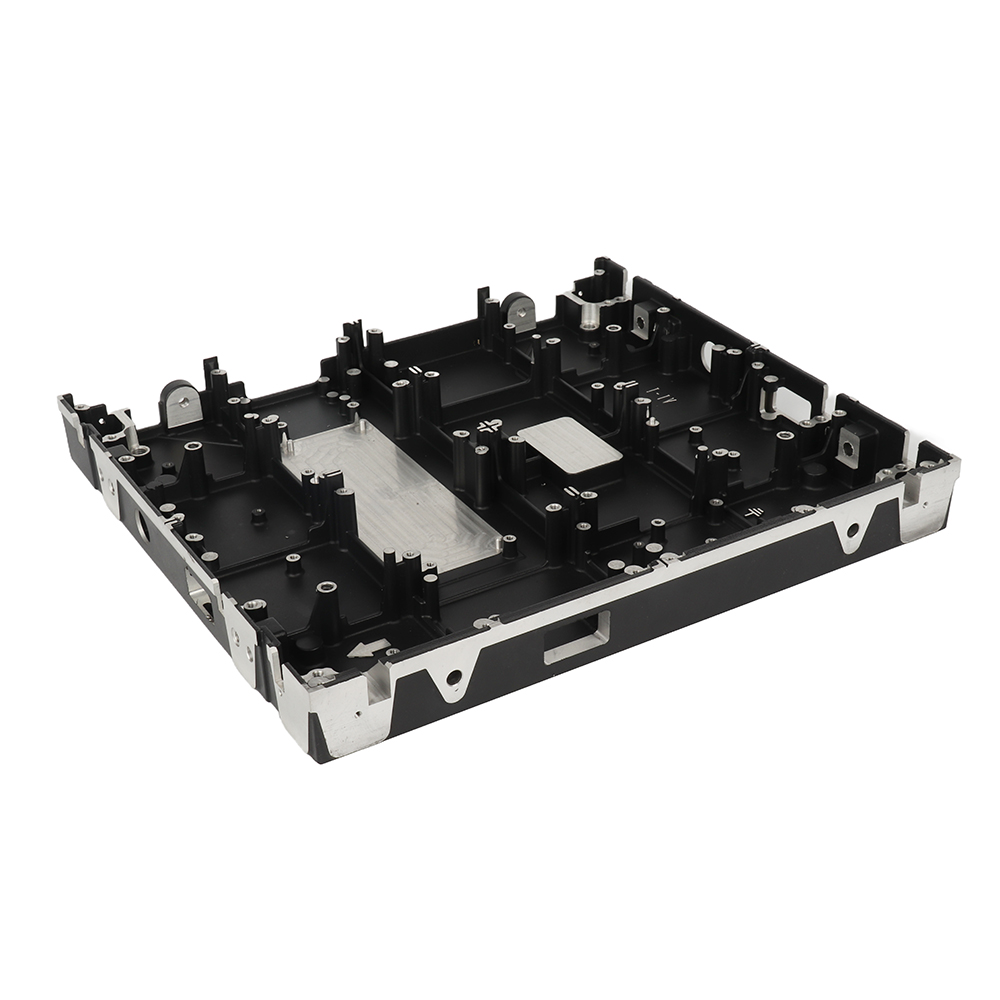
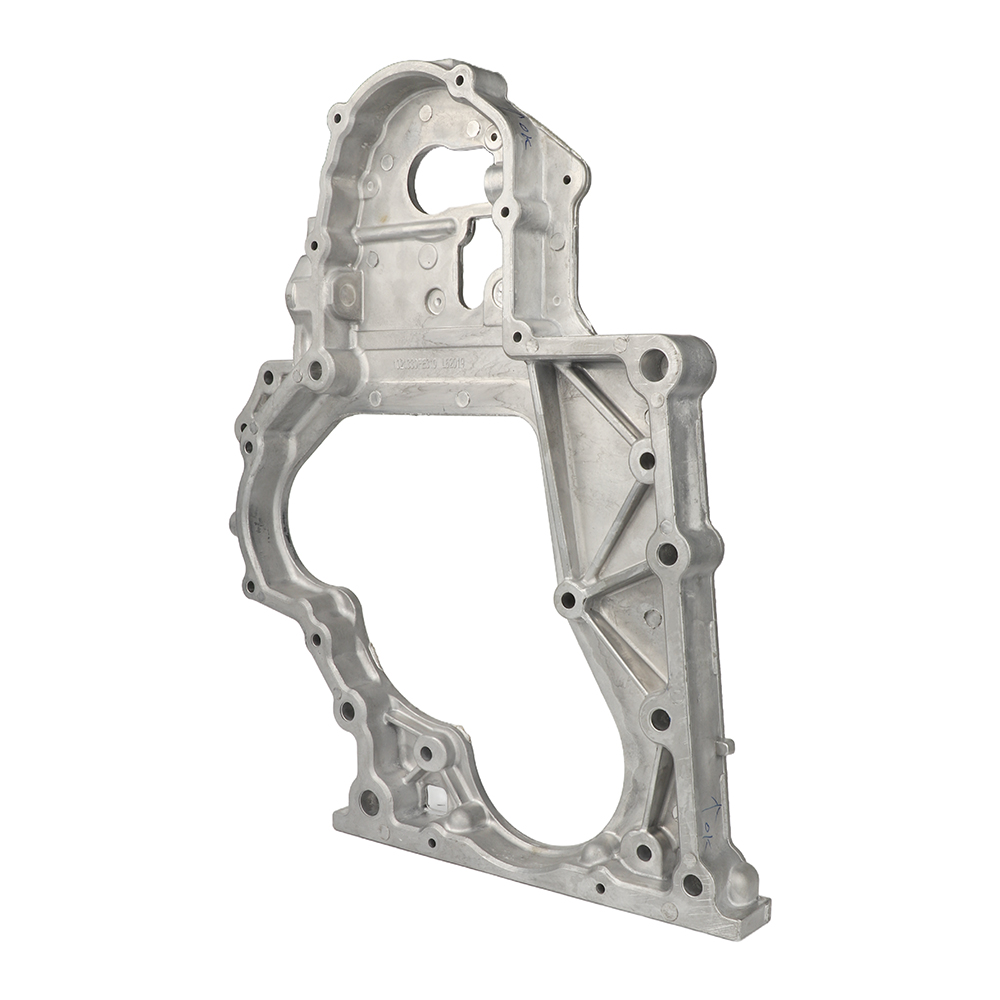
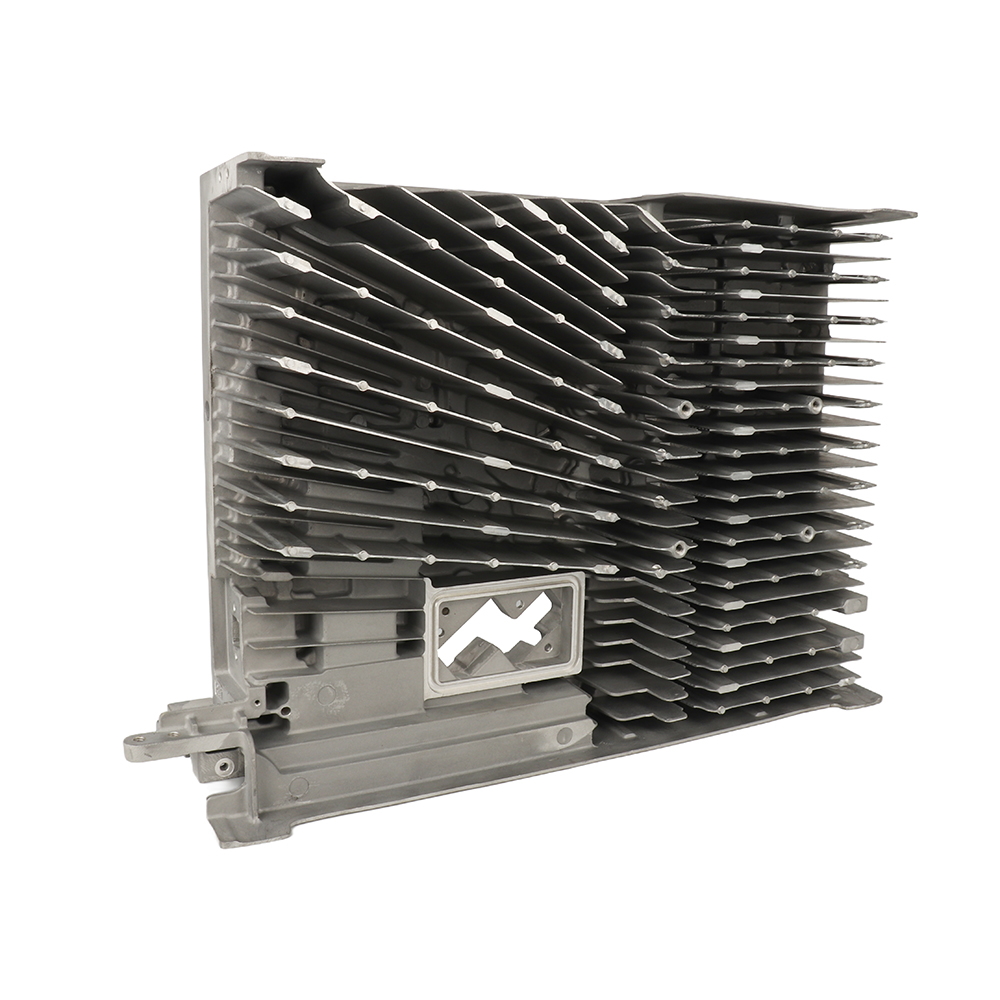
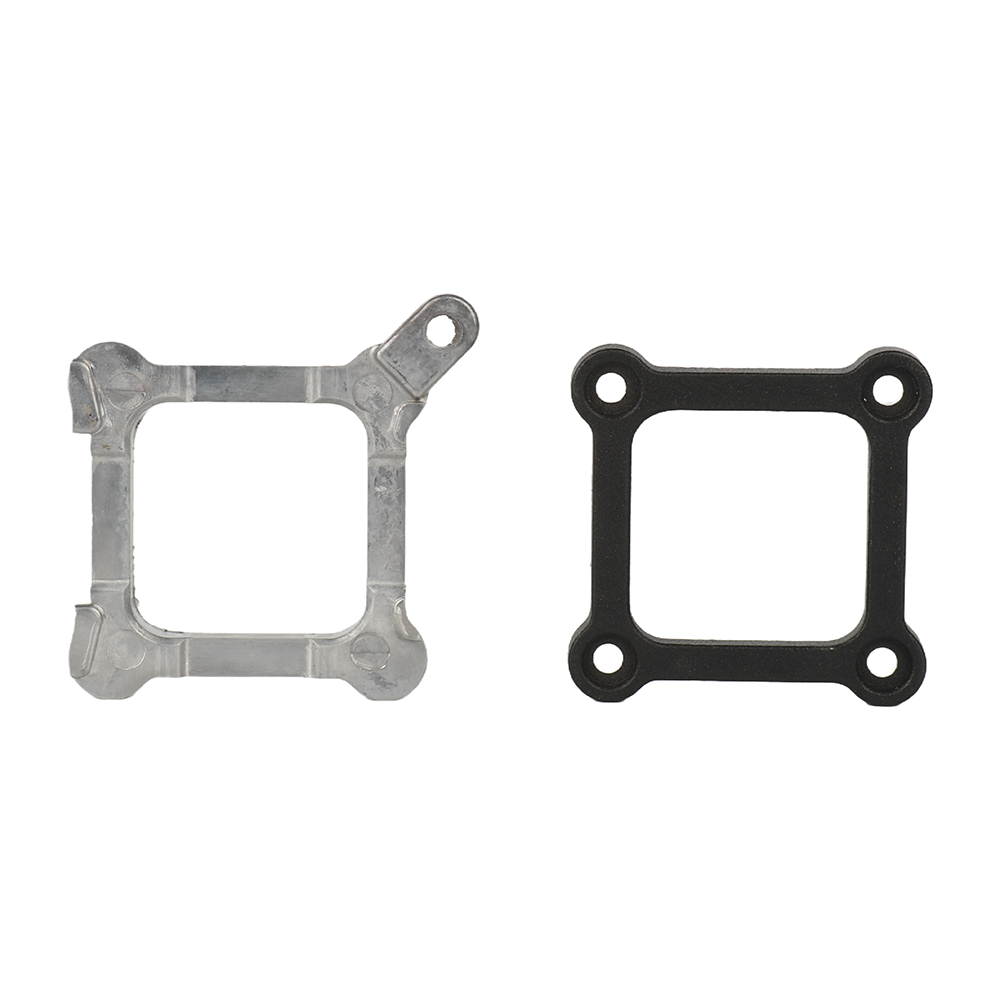
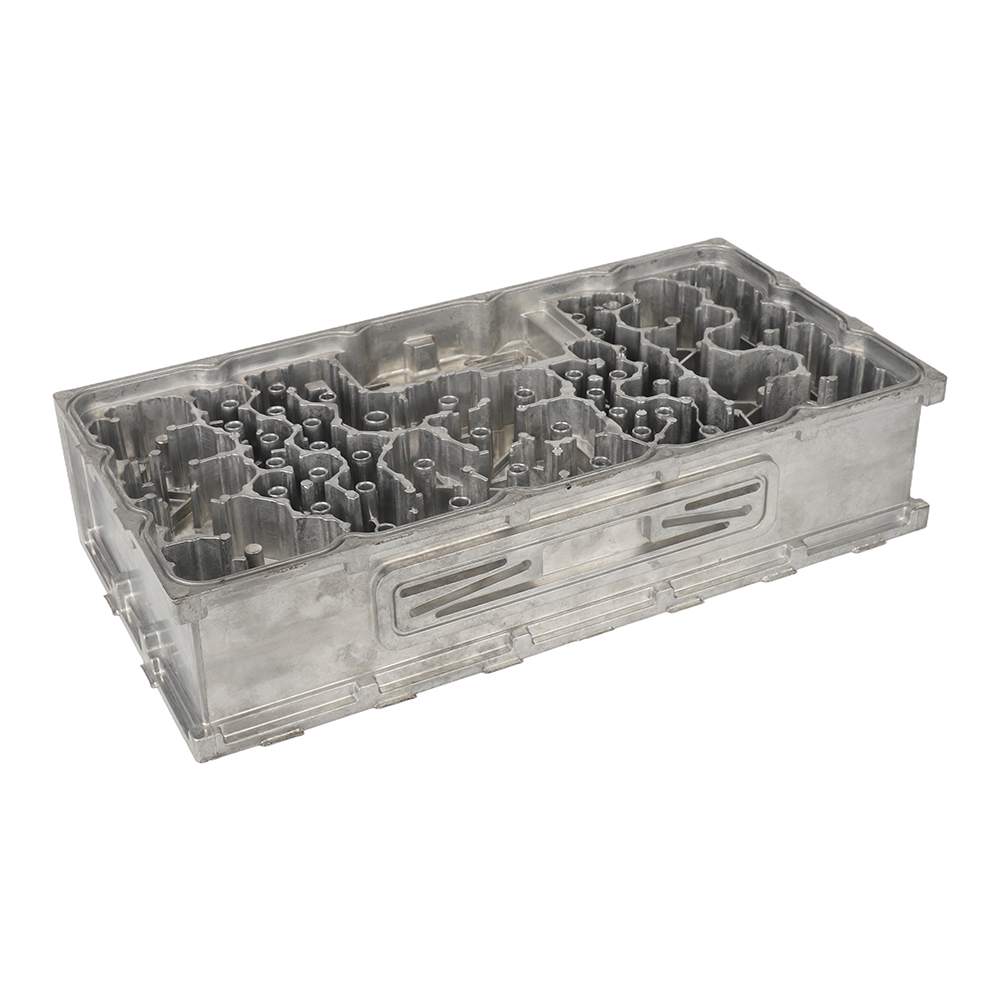
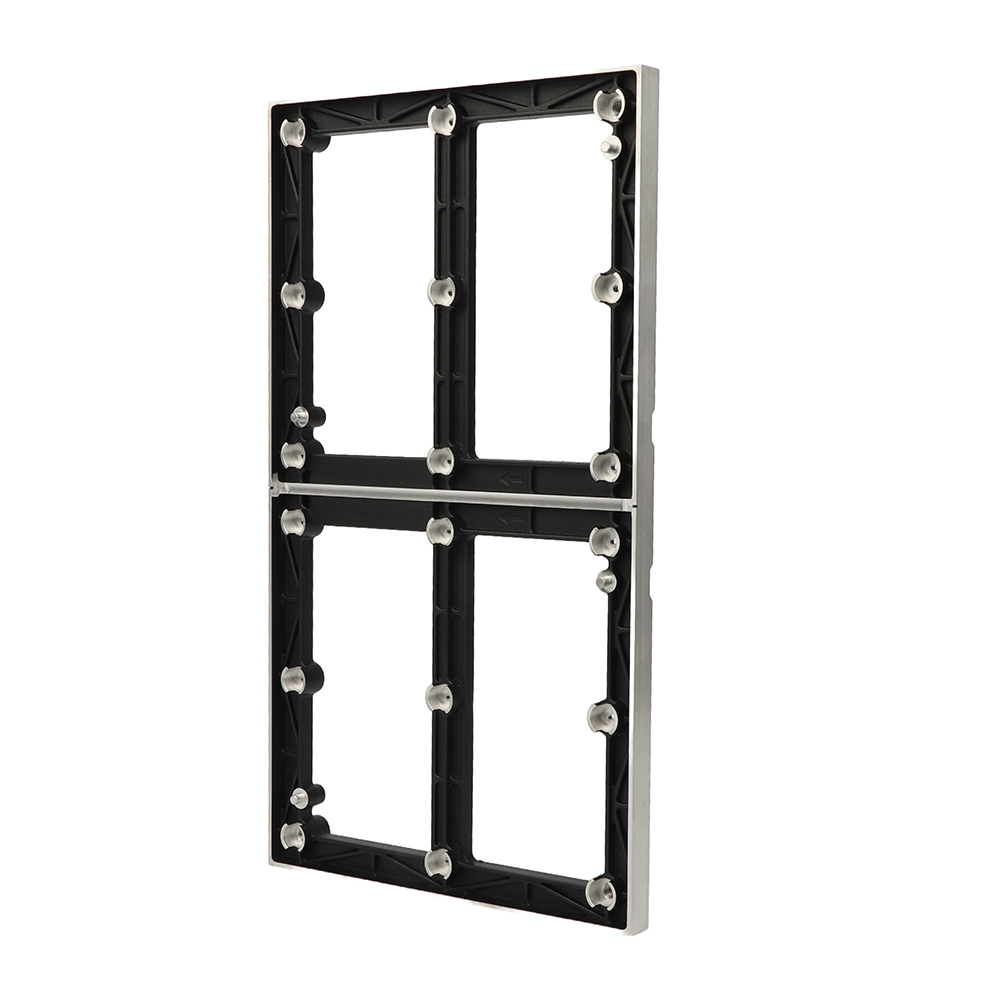
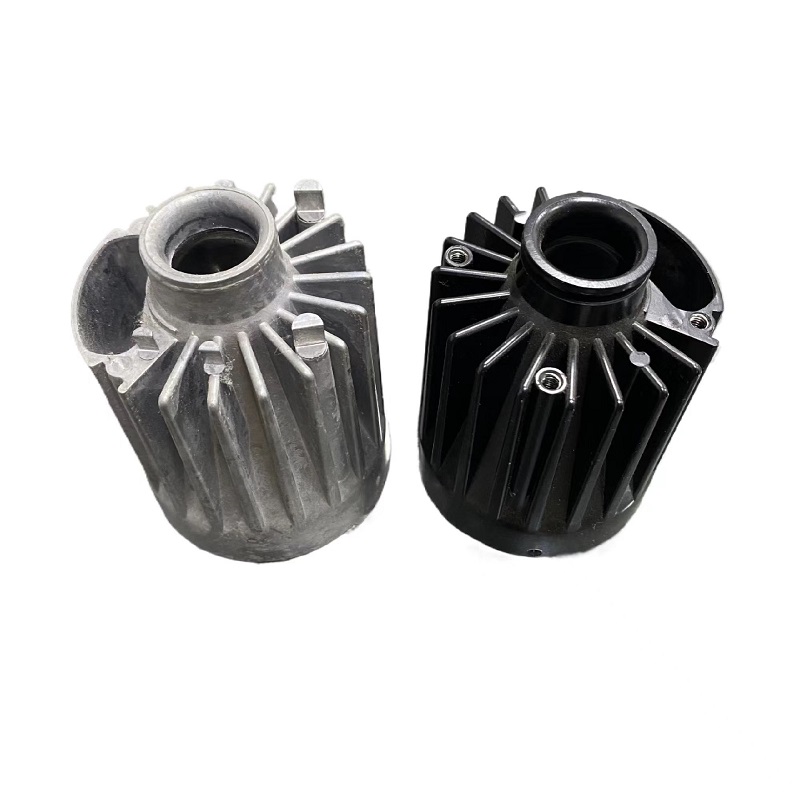
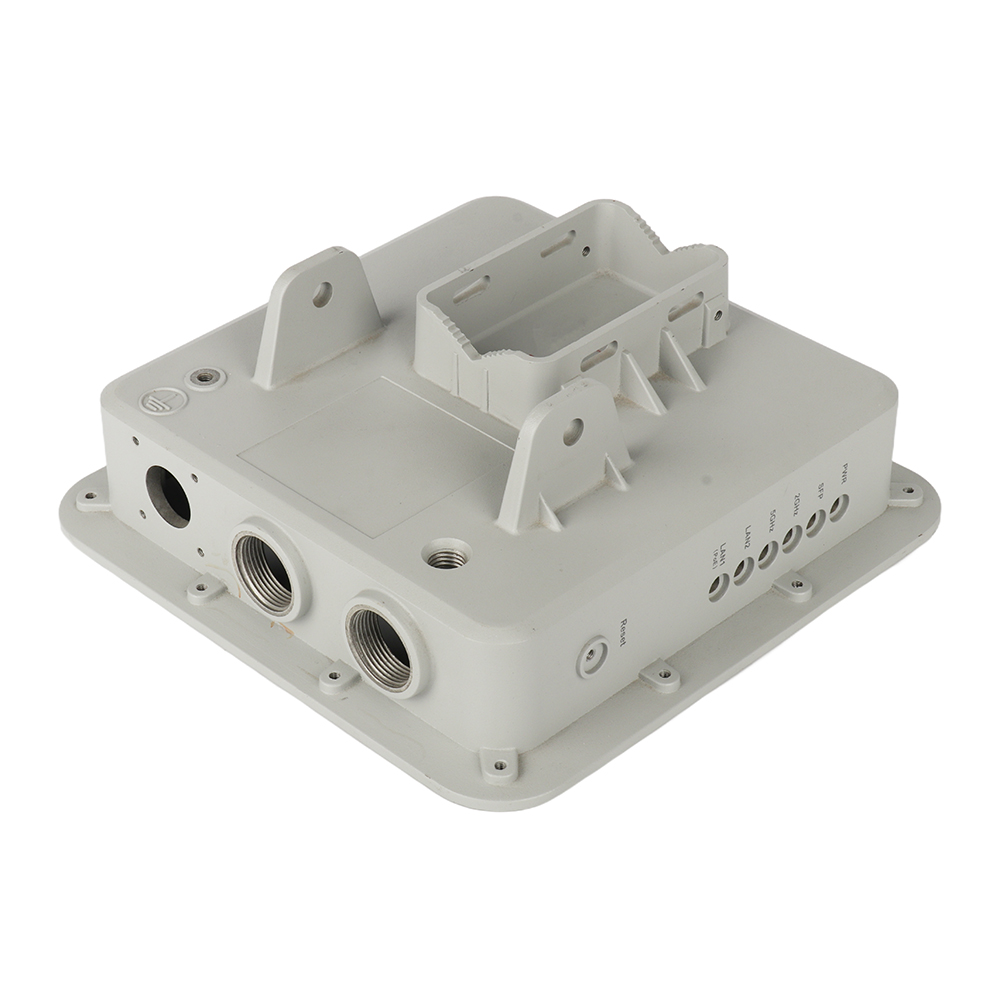
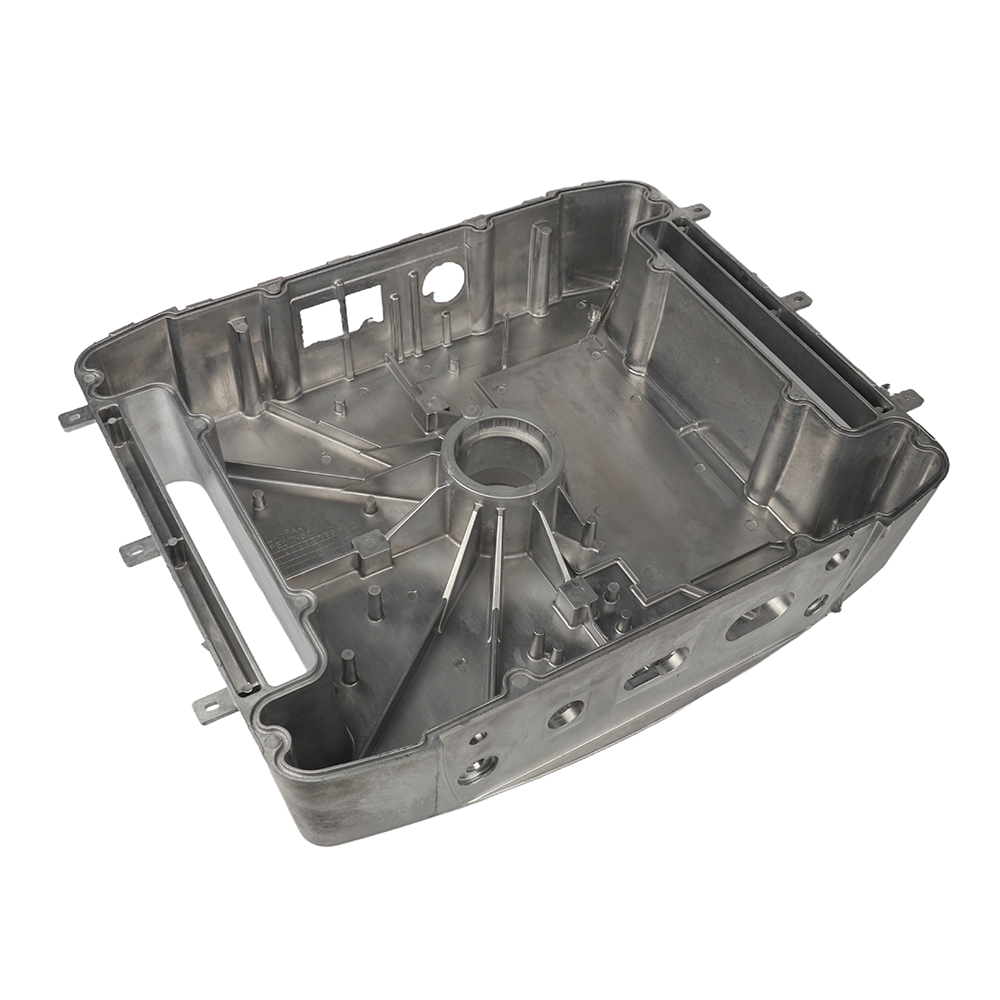
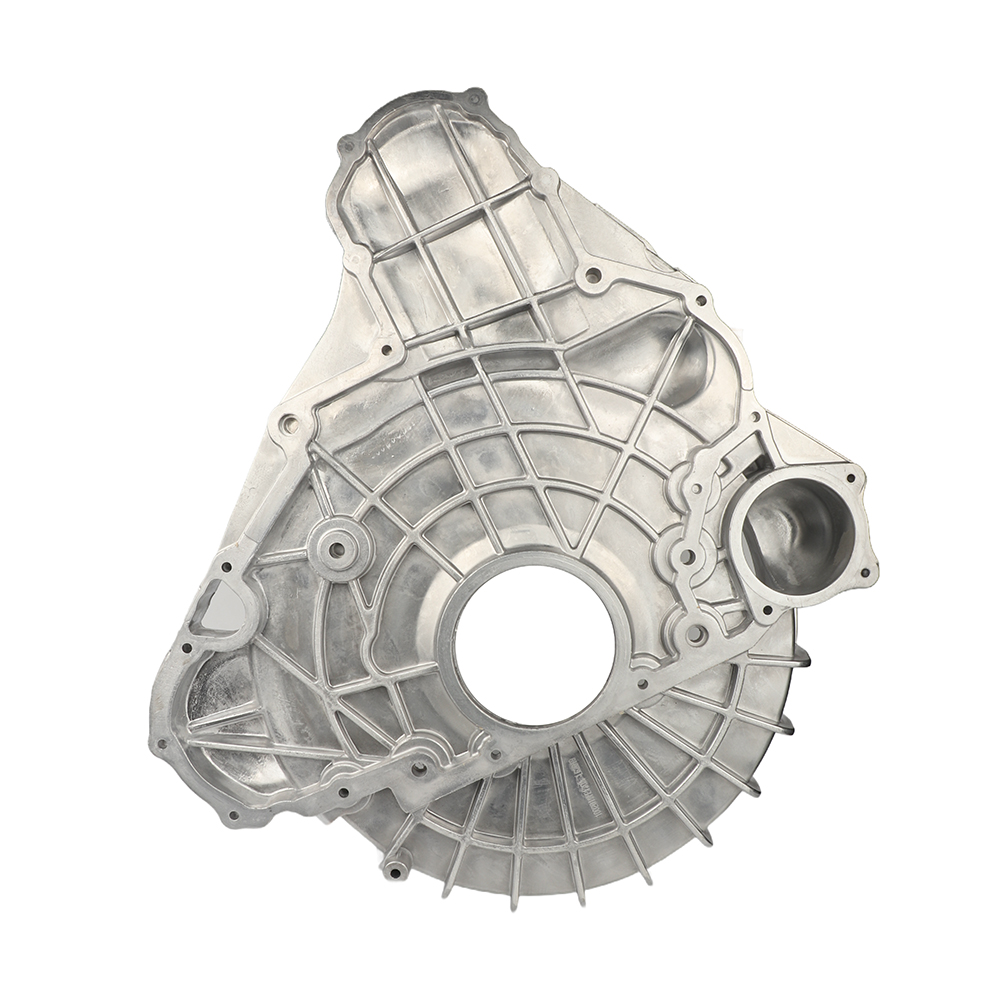
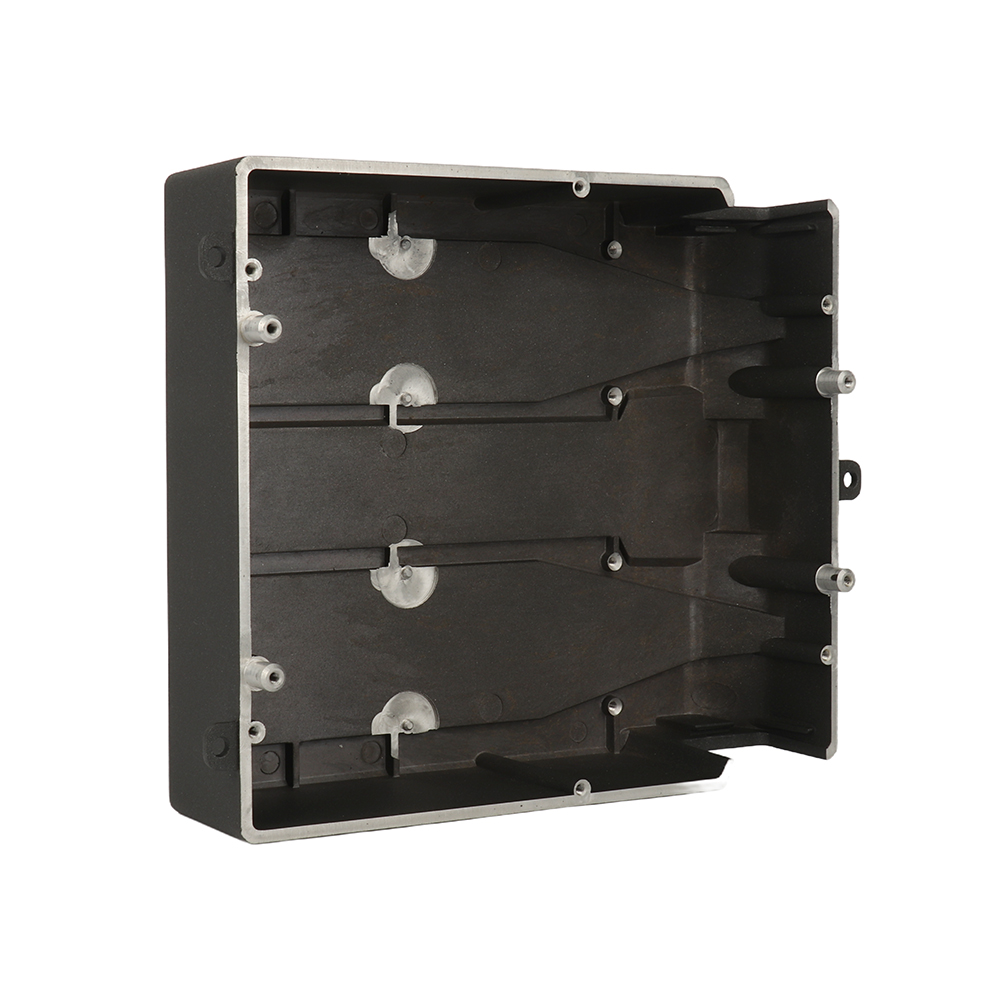
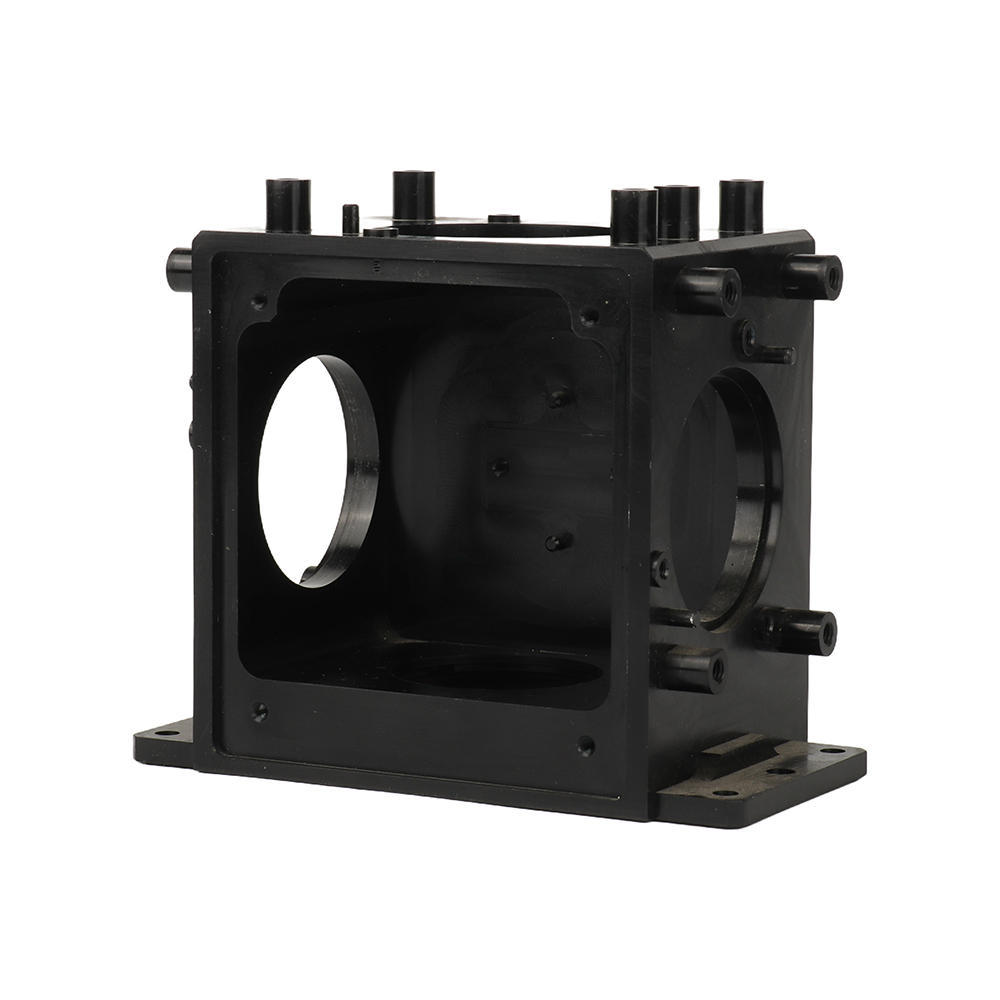
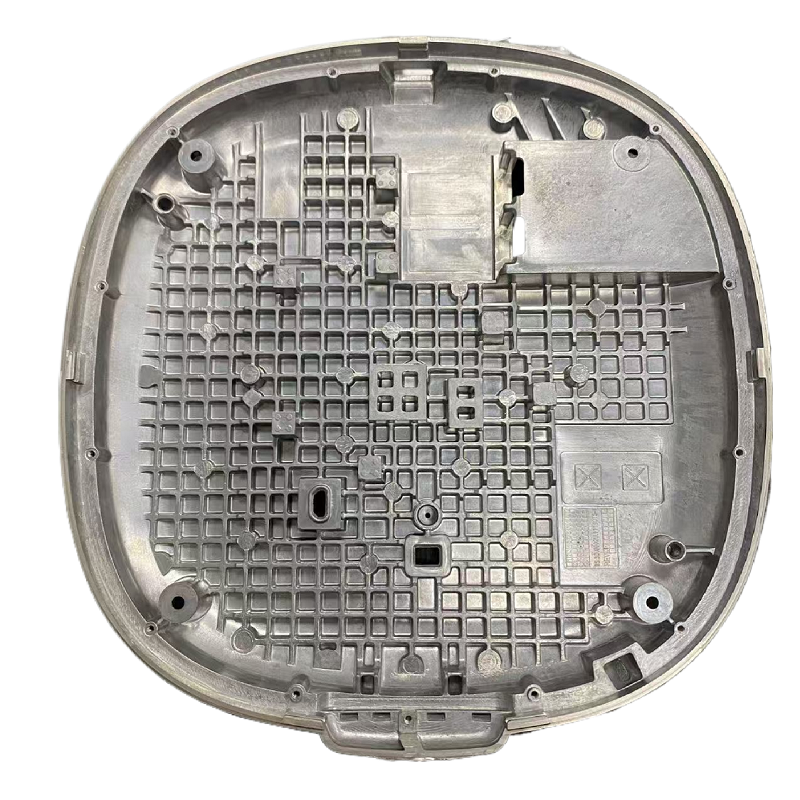
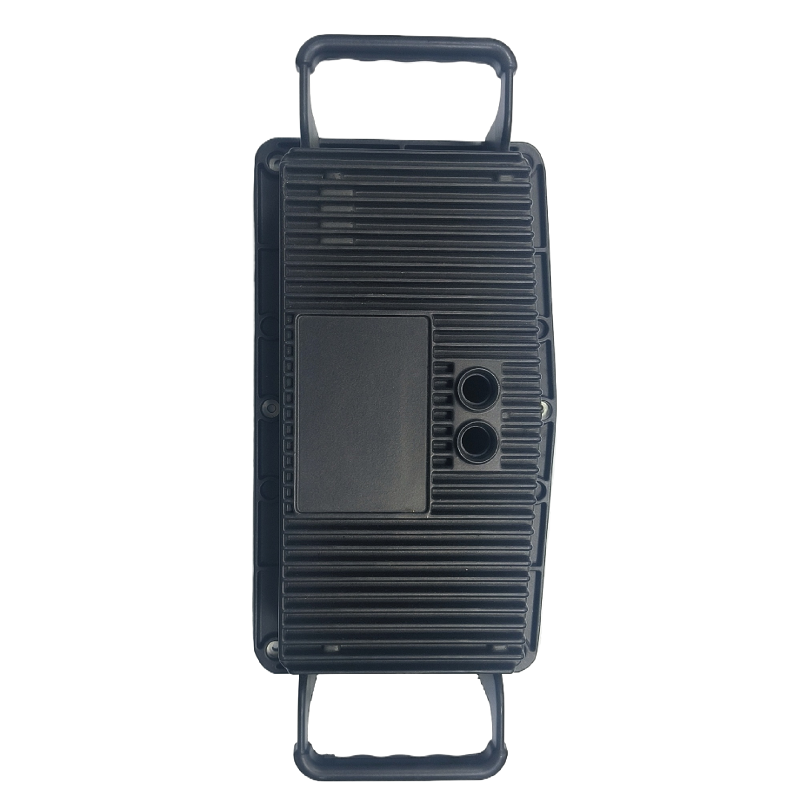
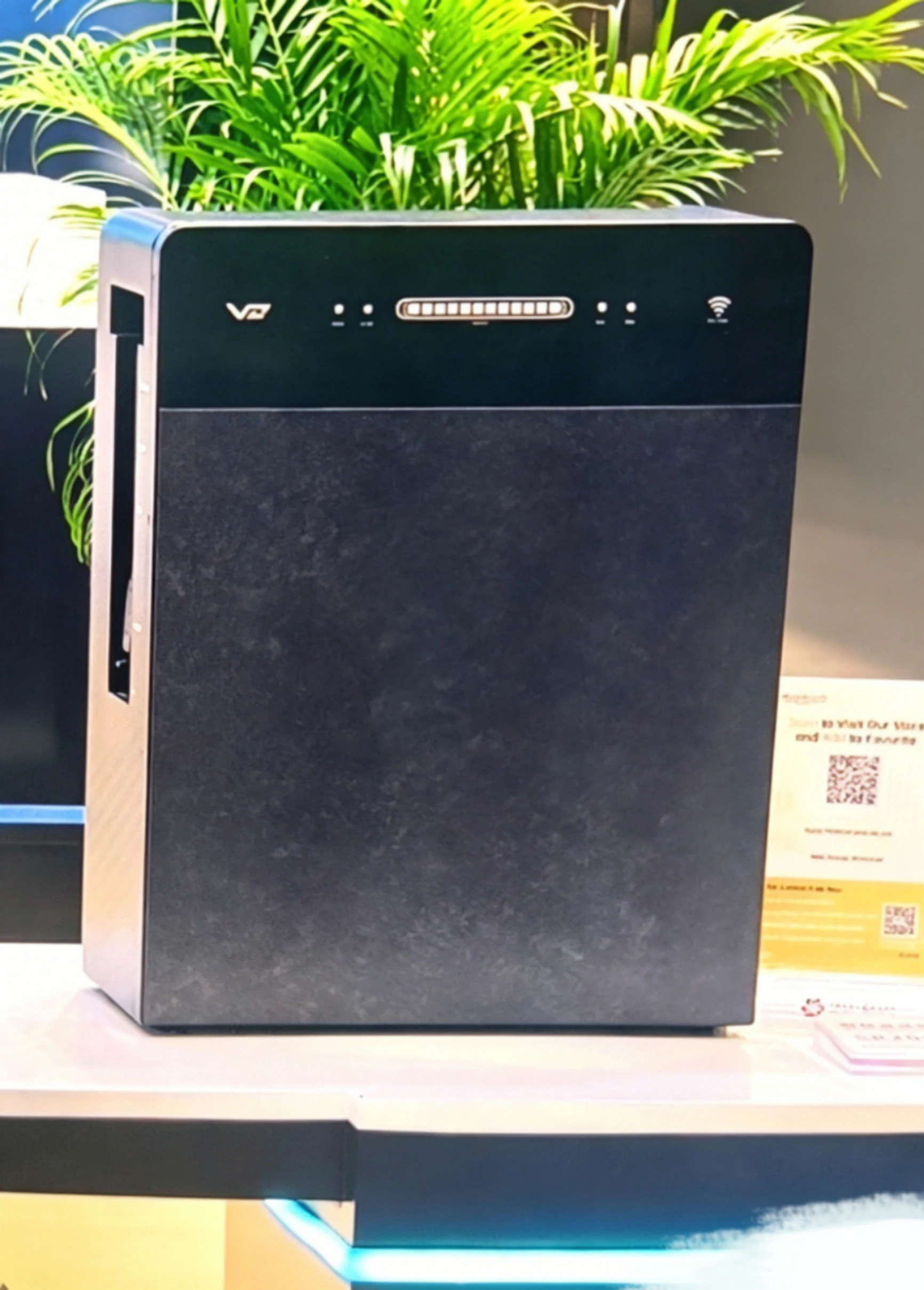
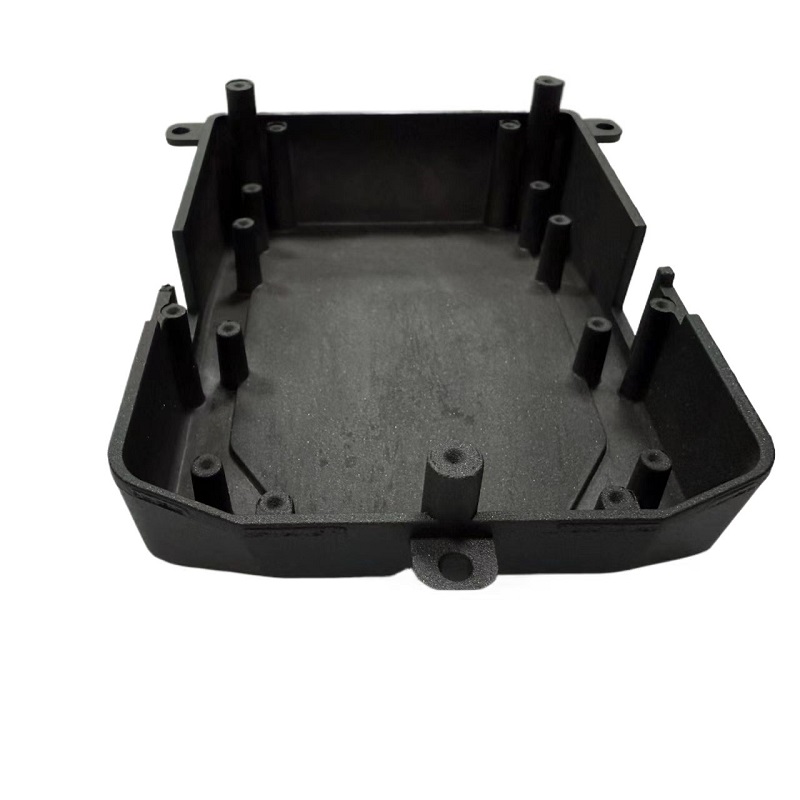
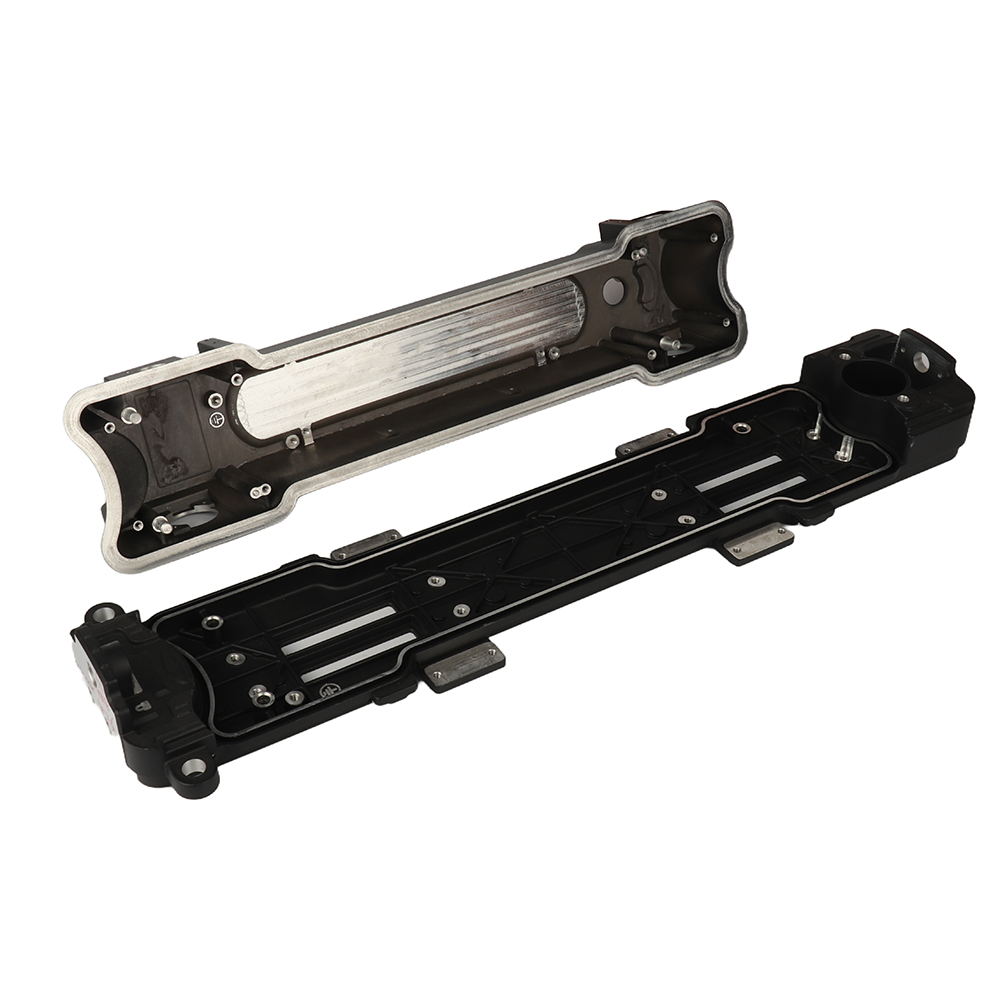
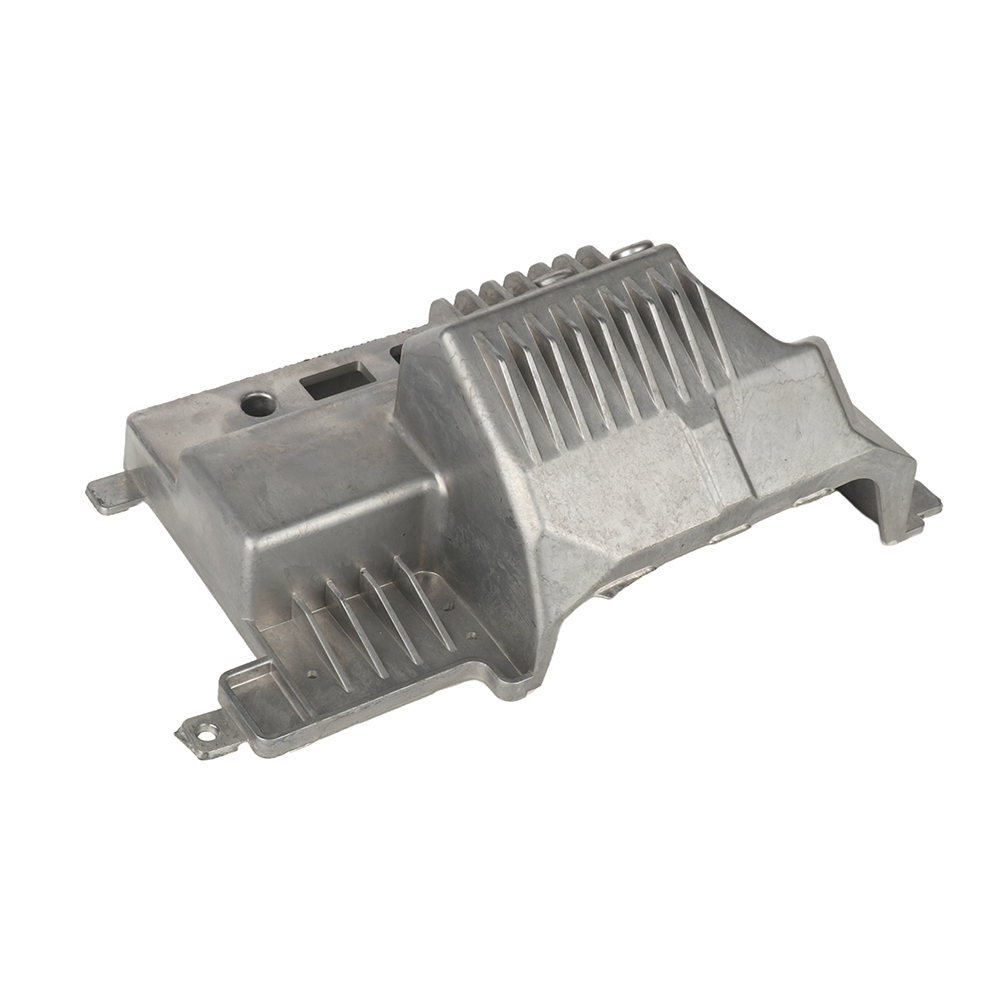
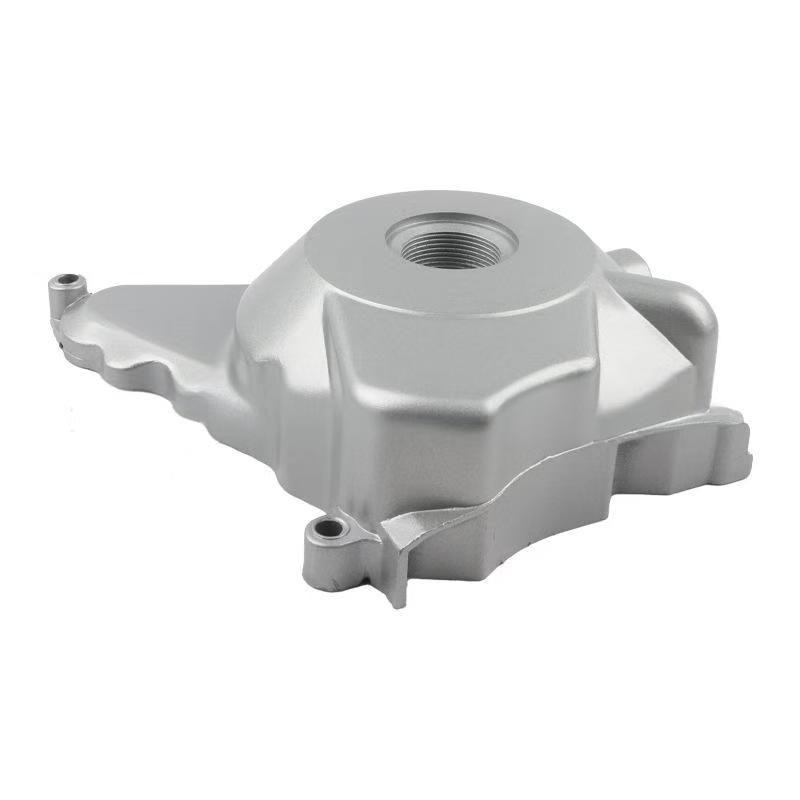
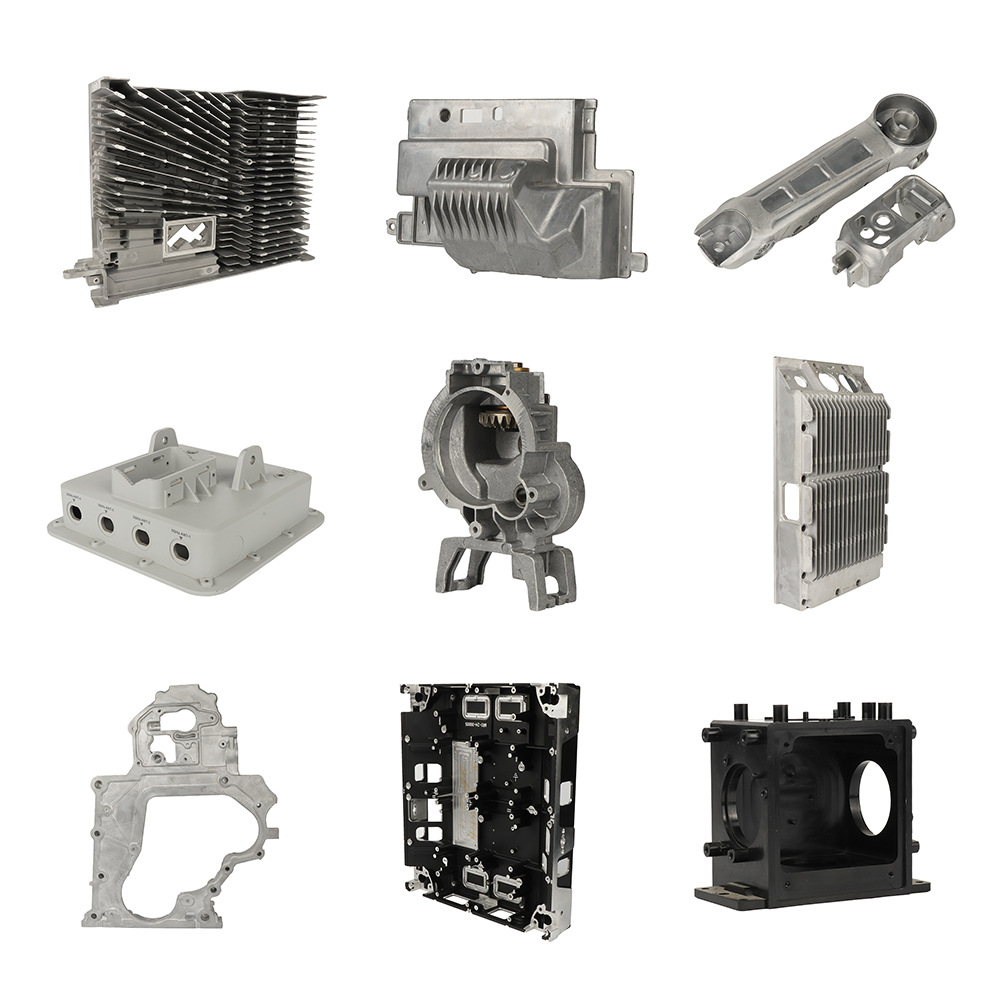
Aluminium enclosure | What is polished anodized aluminium? Focus on Polished Anodized Aluminium Enclosure
What is Polished Anodized Aluminium? Focus on Polished Anodized Aluminium Enclosure
Table of Contents
- 1. What is Polished Anodized Aluminium? Definition & Core Process
- 1.1 Key Features of Polished Anodized Aluminium
- 2. Polished Anodized Aluminium Enclosure: Core Application & Value
- 3. General Aluminium Enclosure Specification Table
- 4. Pros & Cons of Polished Anodized Aluminium Enclosure (Focus on Advantages)
- 4.1 Comparison with Other Common Enclosure Materials
- 5. Expert Opinions on Polished Anodized Aluminium Enclosure
- 6. FAQs About Polished Anodized Aluminium Enclosure
- 7. Conclusion
1. What is Polished Anodized Aluminium? Definition & Core Process
Polished anodized aluminium is a high-performance metal material produced by combining two key processes: aluminium polishing and anodizing. It refers to aluminium or aluminium alloy that first undergoes a precision polishing treatment to achieve a smooth, mirror-like surface, then goes through an electrolytic passivation process (anodizing) to form a dense, protective oxide layer on the surface. This dual-process combination enhances both the aesthetic appeal and functional performance of aluminium, making it an ideal choice for aluminium enclosure manufacturing across various industries.
The core process of polished anodized aluminium consists of two main stages, both critical to the quality of the final aluminium enclosure:
1.1 Polishing Stage
Polishing is the foundation of achieving a high-gloss surface. It involves using mechanical or chemical methods to remove surface imperfections (such as scratches, burrs, and unevenness) of aluminium, resulting in a smooth, reflective surface. Common polishing methods include mechanical polishing (using abrasive tools) and chemical polishing (using corrosive agents), which can be adjusted according to the desired surface finish of the aluminium enclosure—from a subtle satin polish to a high-gloss mirror polish.
1.2 Anodizing Stage
Anodizing is an electrolytic process where the polished aluminium acts as the anode in an electrolytic cell, forming a thick, stable aluminium oxide layer on its surface. This oxide layer is integrated with the base aluminium (not just a surface coating), making it highly adherent and durable. The anodizing process can also be combined with dyeing to create a variety of colors while maintaining the polished finish, adding flexibility to aluminium enclosure design.
1.1 Key Features of Polished Anodized Aluminium
- Superior Aesthetics: The polished surface delivers a sleek, mirror-like or satin finish, while the anodized layer ensures color stability and prevents fading, making aluminium enclosures visually appealing for consumer electronics, medical devices, and industrial equipment.
- Enhanced Corrosion Resistance: The anodized oxide layer acts as a barrier, preventing aluminium from reacting with air, moisture, or chemicals—critical for aluminium enclosures used in harsh environments (e.g., outdoor equipment, medical facilities).
- High Durability & Wear Resistance: The anodized layer is harder than raw aluminium, improving scratch and wear resistance, which extends the service life of aluminium enclosures.
- Lightweight & High Strength: Retaining aluminium’s inherent lightweight property (lower density than steel) while offering excellent structural strength, making it ideal for portable device enclosures and equipment that requires mobility.
- Environmentally Friendly: Aluminium is 100% recyclable, and the anodizing process uses non-toxic electrolytes, making polished anodized aluminium enclosures a sustainable choice.

2. Polished Anodized Aluminium Enclosure: Core Application & Value
Polished anodized aluminium enclosure is a versatile component used in numerous industries, thanks to its unique combination of aesthetics, durability, and functionality. Its core value lies in protecting internal components (electronics, machinery, sensors) while enhancing the overall product quality and user experience. Key applications include:
2.1 Consumer Electronics
The most common application: enclosures for smartphones, tablets, laptops, audio equipment, and smart home devices. The polished anodized finish adds a premium look, while the corrosion-resistant and scratch-proof properties ensure the enclosure remains intact even with daily use.
2.2 Medical Devices
Ideal for enclosures of diagnostic equipment (ultrasound machines, blood analyzers), portable medical tools, and hospital devices. The smooth, non-porous surface of polished anodized aluminium enclosures is easy to sterilize, meets strict medical hygiene standards, and resists corrosion from disinfectants.
2.3 Industrial Equipment
Used in enclosures for industrial controllers, sensors, and automation equipment. These enclosures can withstand harsh industrial environments (high temperature, humidity, chemical exposure) while maintaining structural integrity and a professional appearance.
2.4 Aerospace & Automotive
Lightweight and high-strength polished anodized aluminium enclosures are used for on-board electronics, instrument panels, and aerospace components, where weight reduction and durability are critical.
3. General Aluminium Enclosure Specification Table
Below is a standard specification table for general polished anodized aluminium enclosures, covering common parameters used in industrial and consumer applications (adjustable according to specific needs):
| Parameter | Specification | Description |
|---|---|---|
| Material | Aluminium Alloy (6061, 6063, 5052) | 6061/6063 for high strength; 5052 for better corrosion resistance |
| Polish Finish | Mirror Polish (Ra ≤ 0.2μm), Satin Polish (Ra 0.4-0.8μm) | Mirror for premium look; satin for anti-glare |
| Anodizing Layer Thickness | 5-20μm (Type II/Type III) | Type II general use; Type III hard anodizing |
| Color | Silver, Black, Grey, Blue, Red (customizable) | Anodized dyeing, no fading under UV |
| Protection Class | IP54-IP67 | IP54 indoor; IP67 waterproof/dustproof outdoor |
| Wall Thickness | 0.8-3.0mm | Adjustable for load-bearing |
| Temperature Range | -40℃ to +120℃ | Suitable for most environments |
| Surface Treatment | Sealed Anodized Layer | Enhance corrosion resistance |
| Mounting Type | Wall-Mounted, Desktop, Embedded | Customizable for scenarios |
4. Pros & Cons of Polished Anodized Aluminium Enclosure (Focus on Advantages)
Polished anodized aluminium enclosures have become the preferred choice for many industries due to their outstanding advantages. While they have minor limitations, the benefits far outweigh the drawbacks, especially when compared to other enclosure materials.
4.1 Key Advantages (Focus Points)
- Unmatched Aesthetics & Brand Value: Premium look enhances product appearance and brand image. Anodized color will not chip or peel.
- Exceptional Corrosion & Wear Resistance: Protects against moisture, chemicals, scratches, ideal for harsh environments.
- Lightweight & High Strength: 30-50% lighter than steel, perfect for portable devices.
- Excellent Thermal Conductivity: Efficient heat dissipation for electronic equipment.
- Customizability & Versatility: Various finishes, colors, and complex shapes available.
- Environmentally Sustainable: 100% recyclable, eco-friendly process.
4.2 Minor Limitations
- Higher Initial Cost: Polishing and anodizing add production cost.
- Limited Impact Resistance: Softer than steel, can be reinforced with thicker walls.
- Color Limitations: Narrower range than paint, but stable and long-lasting.
4.1 Comparison with Other Common Enclosure Materials
| Enclosure Material | Key Advantages | Key Disadvantages | Best For |
|---|---|---|---|
| Polished Anodized Aluminium | Premium look, corrosion/wear resistance, lightweight, good heat dissipation | Higher cost, lower impact than steel | Electronics, medical, high-end devices |
| Raw Aluminium | Low cost, lightweight | Poor look, easy to scratch/rust | Low-cost indoor use |
| Steel | High impact resistance | Heavy, easy to rust, poor heat dissipation | Heavy industrial machinery |
| Plastic | Ultra low cost, lightweight | Fragile, poor heat resistance | Low-cost consumer products |
Clearly, polished anodized aluminium enclosures strike the best balance between aesthetics, performance, and versatility.
5. Expert Opinions on Polished Anodized Aluminium Enclosure
Industry experts recognize polished anodized aluminium as a game-changing material for enclosure manufacturing, emphasizing its unique combination of form and function.
“Polished anodized aluminium enclosures have redefined the standard for high-quality device housing. The combination of a smooth polished surface and durable anodized layer enhances both aesthetics and reliability.” — John Miller, Senior Materials Engineer
“In medical devices, hygiene and durability are critical. Polished anodized aluminium offers a non-porous, easy-to-sterilize surface meeting strict FDA and ISO standards.” — Dr. Emily Davis, R&D Director
“For consumer electronics, the premium look of polished anodized aluminium elevates brand perception. It’s scratch-resistant and color-stable for years of use.” — Mark Wilson, Product Designer
6. FAQs About Polished Anodized Aluminium Enclosure
Below are answers to the most common questions about polished anodized aluminium enclosures:
6.1 How long does a polished anodized aluminium enclosure last?
10–20 years with proper maintenance. Indoor use can last even longer due to corrosion and wear resistance.
6.2 Can they be customized in size and shape?
Yes. Aluminium is highly machinable, supports any size, shape, thickness, finish, and color.
6.3 Are they waterproof and dustproof?
Yes. IP54–IP67 protection available; IP67 can be submerged in 1m water for 30 minutes.
6.4 Is the finish easy to clean?
Yes. Smooth non-porous surface resists dirt; clean with soft cloth and mild detergent.
6.5 Are they more expensive?
Slightly higher upfront cost, but long service life and low maintenance make them cost-effective long-term.
6.6 Can they withstand high temperatures?
Yes, operating range: -40℃ to +120℃, suitable for industrial controllers and server enclosures.
7. Conclusion
Polished anodized aluminium is a high-performance material combining precision polishing and anodizing, making it ideal for aluminium enclosure manufacturing. It offers unmatched aesthetics, durability, corrosion resistance, and versatility for electronics, medical, and industrial equipment.
Despite a slightly higher initial cost, long service life, low maintenance, and premium appearance make it a wise investment. As industries prioritize quality and sustainability, polished anodized aluminium enclosures will remain a top choice for modern product design.
Casting parts in automobile | What is a new energy shock absorber arm? Focus on Casting Parts in Automobile
Medical device | What is die casting parts? Focus on Die Casting Parts for Medical Devices
Related Article


