
HOT PRODUCTS
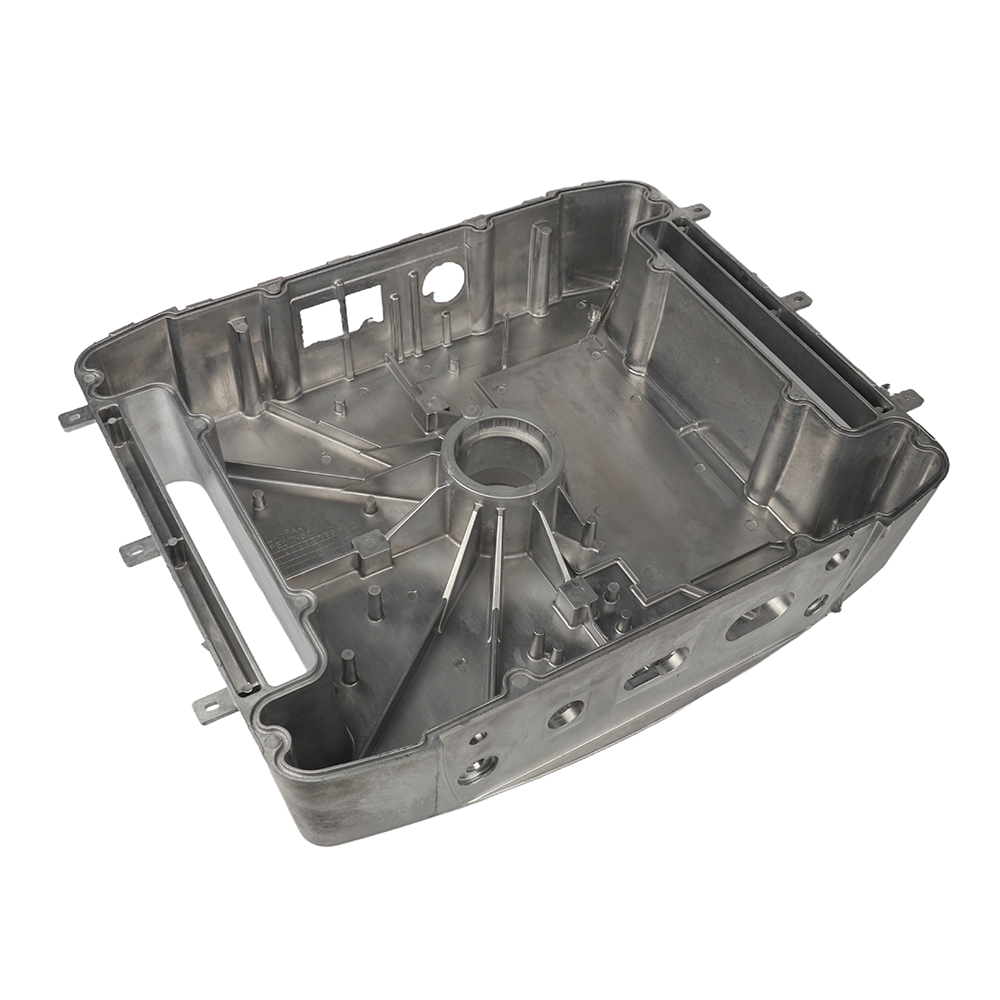
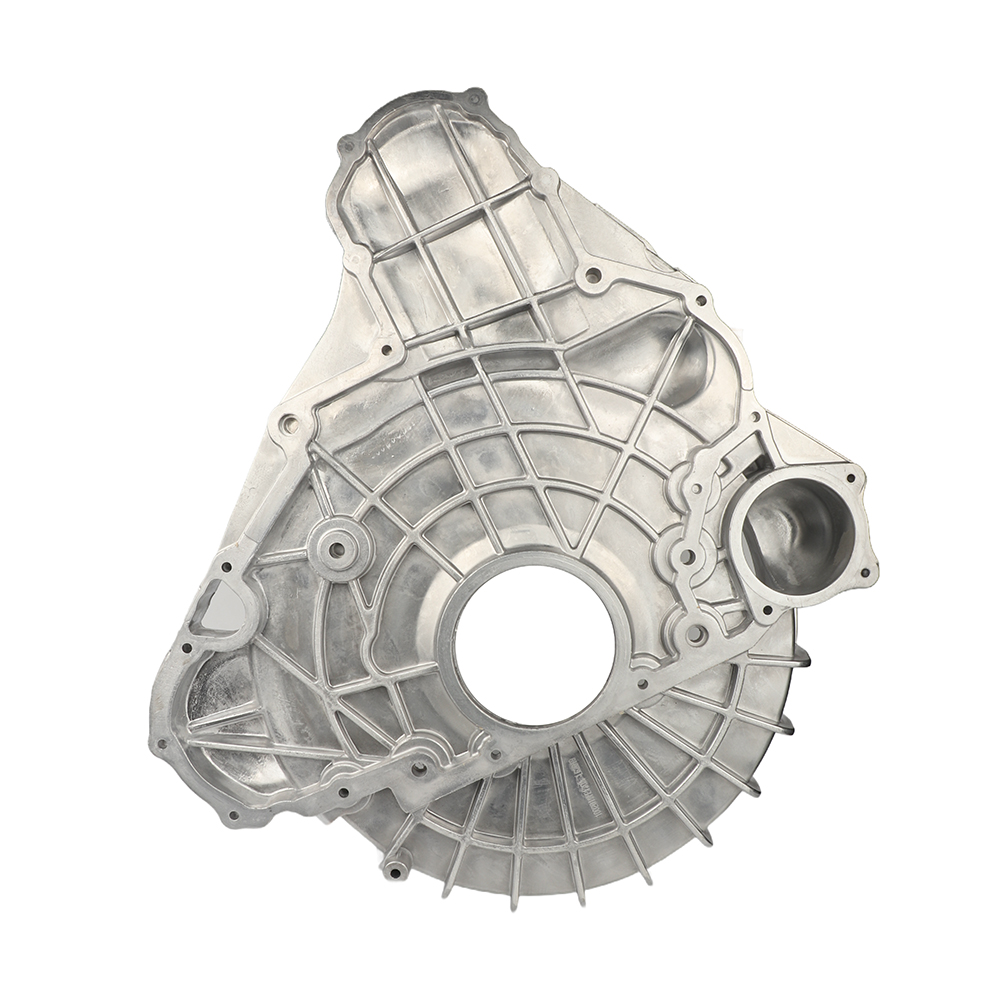
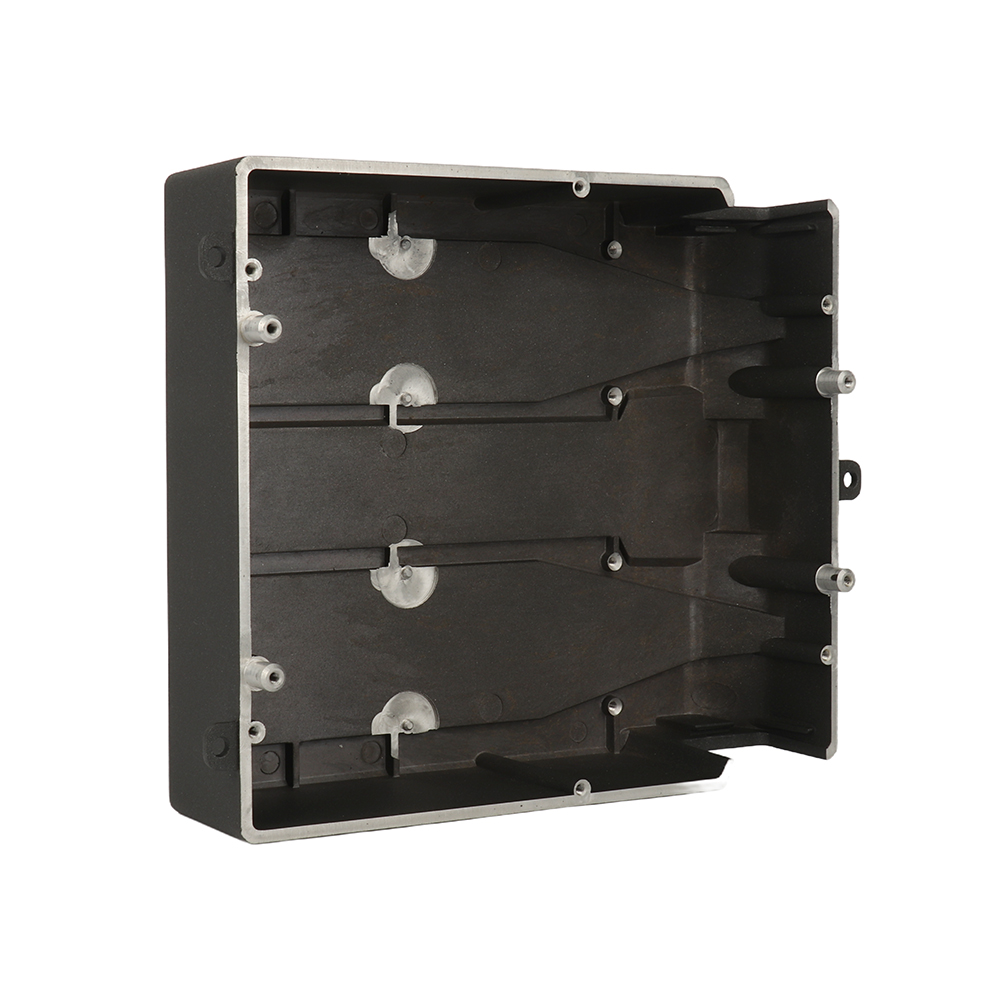
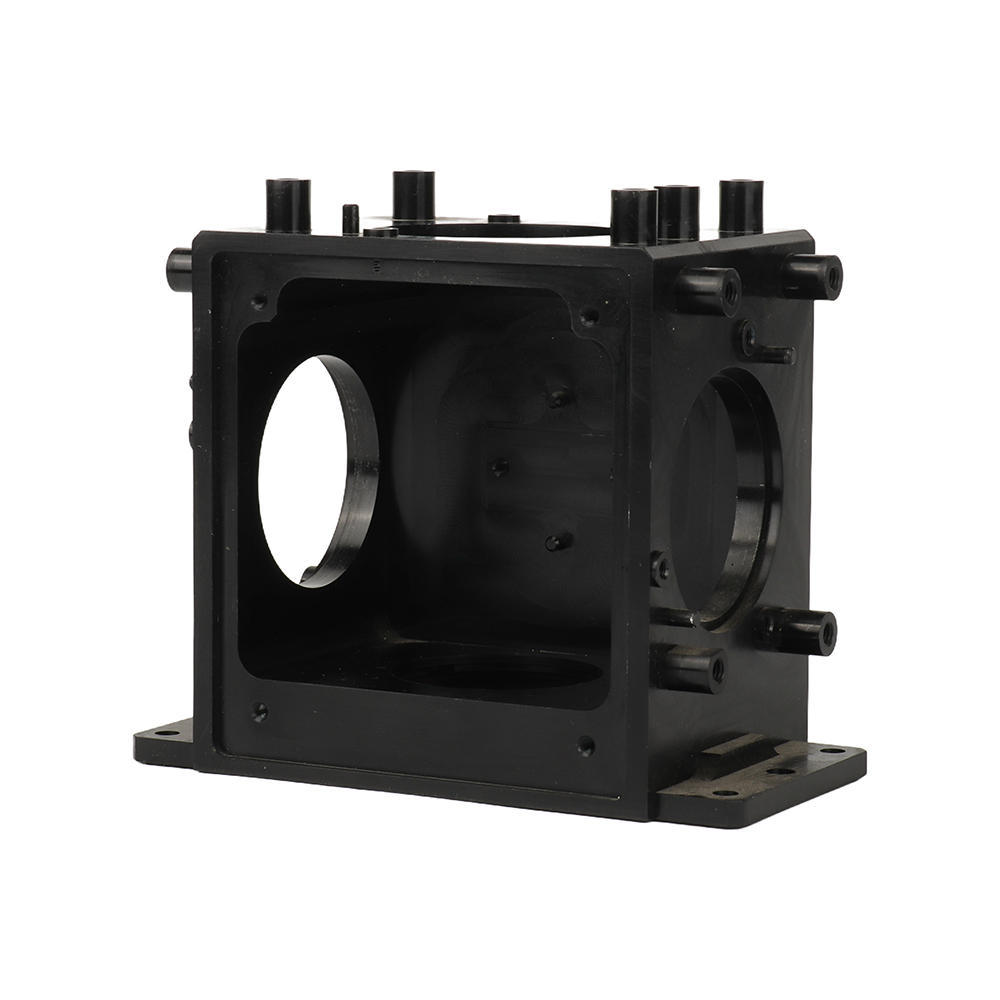
camera case | What is Precision CNC Machining? Focus on Aluminum Alloy Camera Case
What is Precision CNC Machining? Focus on Aluminum Alloy Camera Case
Table of Contents
- 1. Introduction to Precision CNC Machining
- 2. Precision CNC Machining & Aluminum Alloy Camera Case: A Perfect Match
- 3. Advantages of Aluminum Alloy Camera Case Machined by Precision CNC
- 4. Disadvantages of Aluminum Alloy Camera Case (And How to Mitigate Them)
- 5. Aluminum Alloy Camera Case vs. Other Materials (Plastic, Titanium, Steel)
- 6. Expert Opinion on Precision CNC Machined Aluminum Alloy Camera Case
- 7. FAQs About Precision CNC Machining for Aluminum Alloy Camera Case
- 8. Conclusion
1. Introduction to Precision CNC Machining
Precision CNC (Computer Numerical Control) Machining is an advanced manufacturing process that uses computer-programmed instructions to control machining tools, enabling the production of high-accuracy, consistent, and complex parts with tight tolerances—often as tight as ±0.0005 inches (±0.0127 mm). Unlike traditional manual machining, which relies on human skill and is prone to errors, precision CNC machining automates tool movement, ensuring repeatability, efficiency, and exceptional quality across large or small production runs.
This technology is widely used across industries, from aerospace and medical devices to consumer electronics. One of its most impactful applications in consumer tech is the production of aluminum alloy camera case—a component that demands both aesthetic appeal and functional durability, two qualities that precision CNC machining excels at delivering. In this blog, we’ll dive deep into what precision CNC machining is, and why it’s the ideal method for creating high-quality aluminum alloy camera cases.
2. Precision CNC Machining & Aluminum Alloy Camera Case: A Perfect Match
2.1 Why Aluminum Alloy is the Top Choice for Camera Cases
Aluminum alloy is the material of choice for high-end camera cases, thanks to its unique combination of lightweight, high strength, and corrosion resistance. Unlike pure aluminum, aluminum alloys (such as 6061, 6063, and 7075) are reinforced with other metals to enhance their mechanical properties, making them ideal for protecting delicate camera components while remaining portable for photographers on the go.
2.2 How Precision CNC Machining Works for Aluminum Alloy Camera Cases
Precision CNC machining for aluminum alloy camera cases involves a systematic, error-free workflow that ensures consistent quality:
- 3D CAD Modeling: A detailed 3D design of the camera case is created, including precise cutouts for lenses, buttons, and ports, as well as internal structures for shock absorption.
- G-Code Conversion: The CAD model is translated into G-code, a language that the CNC machine can interpret to control tool movements.
- Workpiece Setup: The aluminum alloy billet is mounted on the CNC machine, secured to prevent movement during machining.
- Automated Machining: The machine uses cutting, milling, and drilling tools to shape the case with micron-level accuracy, following the G-code instructions.
- Surface Finishing: Post-machining processes (such as anodizing, sandblasting, or polishing) are applied to enhance the case’s appearance and corrosion resistance.
This process eliminates human error, ensuring that every aluminum alloy camera case is identical in size, shape, and functionality—even when producing hundreds or thousands of units.

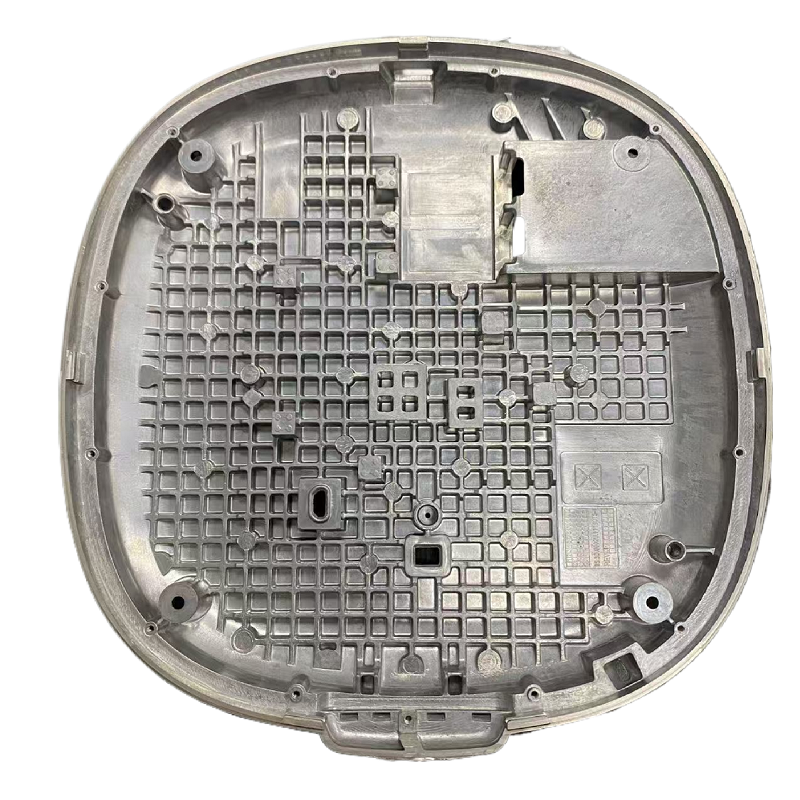
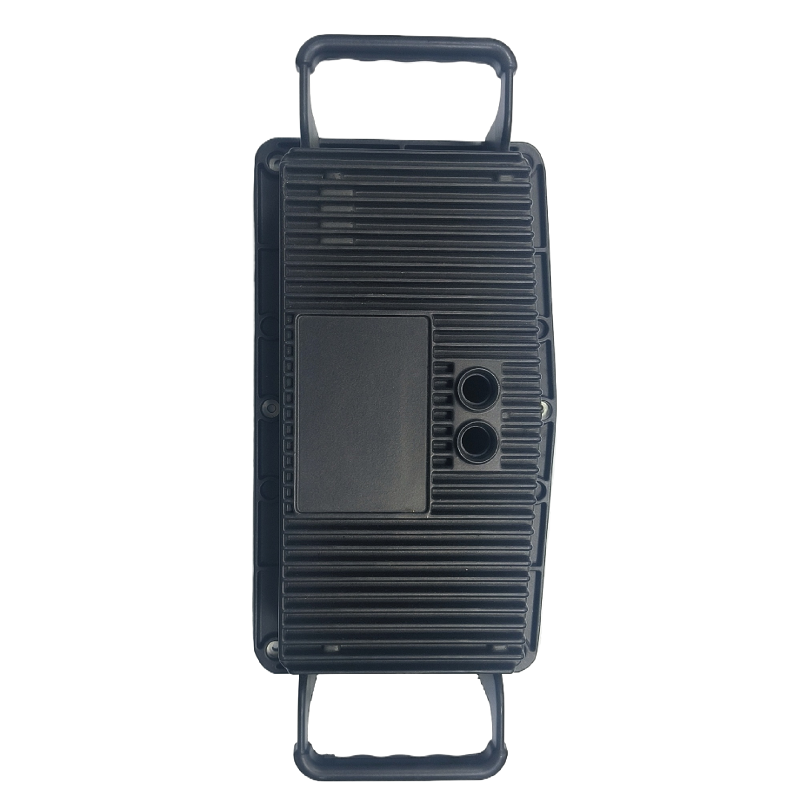
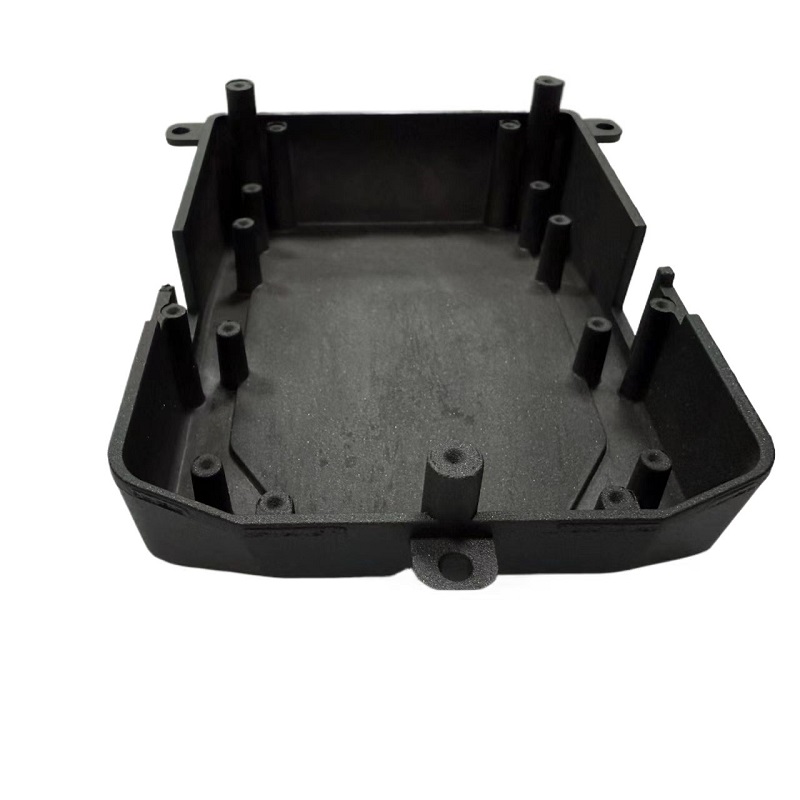
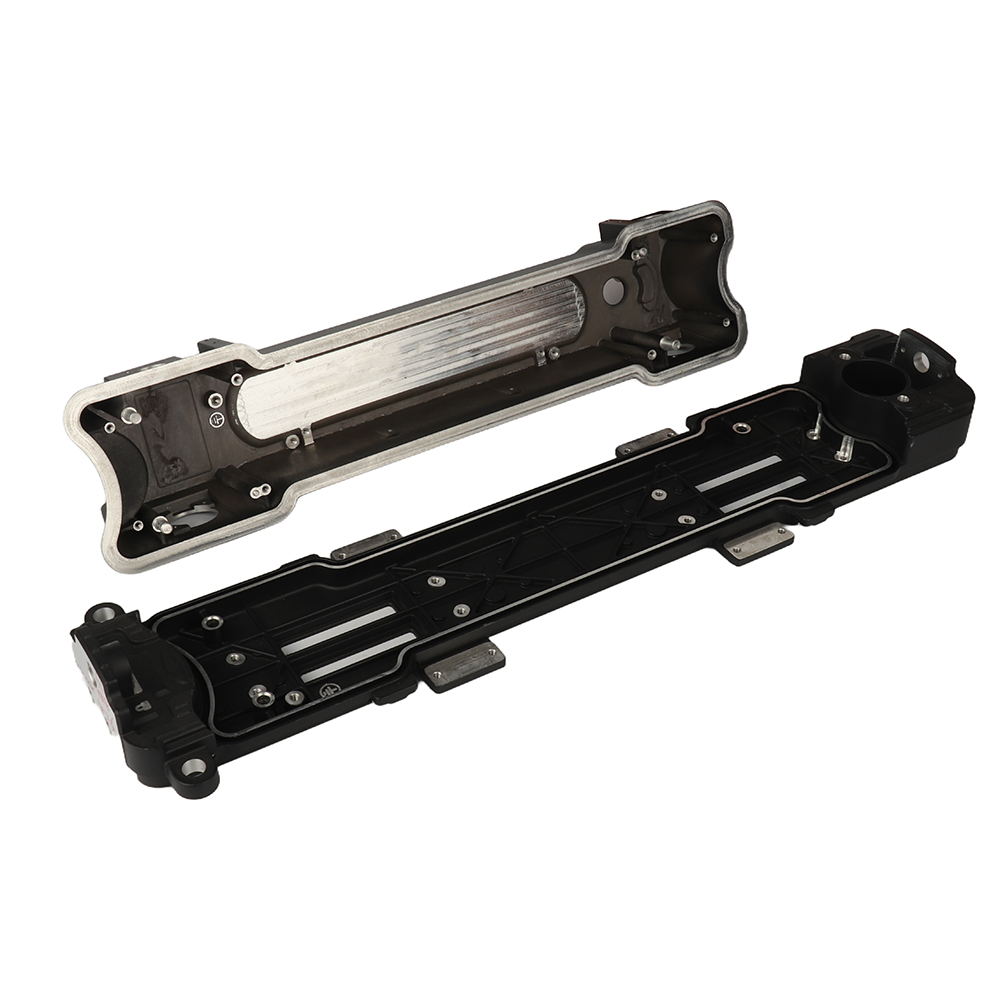
Aluminum Alloy Camera Case Machined by Precision CNC Process—Showcasing Sleek Design, Precise Cutouts, and Anodized Surfac
3. Advantages of Aluminum Alloy Camera Case Machined by Precision CNC
When crafted with precision CNC machining, aluminum alloy camera cases offer a range of unmatched benefits that make them stand out in the market:
3.1 Exceptional Precision and Fit
Precision CNC machining achieves tolerances as tight as ±0.01 mm, ensuring that the camera case fits perfectly around the camera body, lenses, and other components. This tight fit prevents dust, moisture, and debris from entering the case, protecting the camera from damage while maintaining easy access to all controls.
3.2 Lightweight Yet Durable
Aluminum alloy has a density of 2.7 g/cm³—about one-third that of steel—making the camera case lightweight and easy to carry for long photography sessions. At the same time, it offers excellent strength-to-weight ratio, able to withstand drops, impacts, and daily wear without bending or breaking. This balance of lightweight portability and rugged durability is a key advantage for both professional and hobbyist photographers.
3.3 Superior Aesthetic Appeal
Precision CNC machining creates smooth, uniform surfaces with no rough edges or inconsistencies. Combined with surface finishing processes like anodizing (which adds color and corrosion resistance) or sandblasting (which creates a matte texture), aluminum alloy camera cases have a sleek, professional look that complements high-end camera gear. The ability to achieve complex designs—such as curved edges or custom engravings—also makes them highly customizable.
3.4 Corrosion and Wear Resistance
Aluminum alloy naturally forms a thin oxide layer that resists corrosion, and post-machining treatments like anodizing further enhance this property. This makes the camera case suitable for use in harsh environments—such as outdoor photography in rain, humidity, or saltwater—without rusting or deteriorating. Additionally, the hard surface of the alloy resists scratches and scuffs, keeping the case looking new for longer.
3.5 Cost-Effective for Mass Production
While precision CNC machining has an initial setup cost, it is highly efficient for mass production. The automated process reduces labor costs and minimizes waste, making aluminum alloy camera cases more affordable than those made with other precision methods (such as 3D printing) or materials (such as titanium). For manufacturers, this means consistent quality at a lower per-unit cost.
4. Disadvantages of Aluminum Alloy Camera Case (And How to Mitigate Them)
While aluminum alloy camera cases have numerous advantages, they do have a few limitations—but these can be easily mitigated with proper design and processing:
4.1 Higher Initial Cost Than Plastic Cases
Aluminum alloy and precision CNC machining are more expensive upfront than plastic materials and injection molding. Mitigation: For mass production, the per-unit cost decreases significantly, making aluminum alloy cases cost-competitive in the long run. For small-batch or custom orders, manufacturers can optimize the machining process (such as using 3-axis CNC for simpler designs) to reduce costs. Additionally, the durability of aluminum cases means they last longer, providing better value over time compared to plastic cases that may crack or break easily.
4.2 Susceptible to Dents (Compared to Steel)
While aluminum alloy is strong, it is softer than steel and can dent if subjected to heavy impact. Mitigation: Adding a reinforced frame or a protective rubber coating to the case’s edges can absorb impact and prevent denting. Additionally, choosing a high-strength aluminum alloy (such as 7075-T6) enhances the case’s resistance to deformation. Precision CNC machining also allows for thicker walls in critical areas, further improving impact resistance.
4.3 Thermal Conductivity (Can Get Hot/Cold)
Aluminum alloy conducts heat and cold quickly, which means the case may feel hot in direct sunlight or cold in low temperatures. Mitigation: Adding an insulating layer (such as foam or rubber) inside the case not only protects the camera from temperature extremes but also improves shock absorption. Surface treatments like anodizing can also reduce heat absorption, keeping the case cooler in sunlight.
5. Aluminum Alloy Camera Case vs. Other Materials (Plastic, Titanium, Steel)
To better understand why aluminum alloy is the ideal choice for camera cases, let’s compare it to three common alternative materials:
5.1 Aluminum Alloy vs. Plastic
Plastic cases are cheap and lightweight but lack durability. Unlike plastic, aluminum alloy cases are resistant to scratches, impacts, and corrosion, and they have a more professional appearance. While plastic cases may be suitable for budget-friendly, casual use, aluminum alloy cases are better for protecting high-value camera gear. Additionally, aluminum alloy is more environmentally friendly, as it is 100% recyclable, compared to plastic which has low recycling rates.
5.2 Aluminum Alloy vs. Titanium
Titanium is stronger and more corrosion-resistant than aluminum alloy, but it is also much heavier and significantly more expensive. Titanium camera cases are often overkill for most photographers, as aluminum alloy offers enough strength and durability at a fraction of the cost. Aluminum alloy is also easier to machine, allowing for more complex designs and lower production times. For most professional applications, aluminum alloy provides the perfect balance of performance and cost, while titanium is only necessary for extreme, industrial-grade use cases.
5.3 Aluminum Alloy vs. Steel
Steel is extremely strong and durable but is much heavier than aluminum alloy, making it impractical for portable camera cases. Steel also rusts easily without proper coating, whereas aluminum alloy is naturally corrosion-resistant. Aluminum alloy cases offer the same level of protection as steel cases but are lightweight and easier to carry—critical for photographers who need to transport their gear regularly. Additionally, steel is more difficult to machine, leading to higher production costs and less design flexibility.
6. Expert Opinion on Precision CNC Machined Aluminum Alloy Camera Case
We reached out to industry experts to get their insights on why precision CNC machining and aluminum alloy are the perfect combination for camera cases:
6.1 Expert 1: Sarah Chen, Senior CNC Machining Engineer at Neway Machining
“Precision CNC machining is the only way to achieve the tight tolerances required for aluminum alloy camera cases. Camera components are extremely delicate, and even a small deviation in the case’s fit can damage the gear or hinder functionality. Aluminum alloy’s machinability makes it ideal for CNC processes—we can create complex geometries, such as recessed contours and tight radii, with ±0.01 mm precision, ensuring every case fits perfectly. For projects like the Olympus TG4 camera housing we machined, aluminum 6063 was the perfect choice due to its balance of strength, corrosion resistance, and compatibility with surface treatments like anodizing, which enhances both aesthetics and durability.”
6.2 Expert 2: Mark Wilson, Lead Product Designer at a Top Camera Gear Brand
“Our customers demand camera cases that are both functional and stylish, and aluminum alloy machined with precision CNC delivers on both. The lightweight yet durable nature of aluminum alloy makes it perfect for photographers who travel frequently—they don’t want to carry a heavy case, but they need their gear protected. The smooth, uniform finish from CNC machining also allows us to add custom anodized colors and engravings, which helps our products stand out in a competitive market. Compared to plastic or steel, aluminum alloy offers the best balance of portability, durability, and aesthetic appeal for high-end camera cases.”
6.3 Expert 3: David Liu, Manufacturing Director at Creatingway Precision Machining
“When it comes to ultra-thin wall camera cases, precision CNC machining and aluminum alloy are indispensable. We recently worked on a project requiring 1.2 mm wall thickness while maintaining ±0.01 mm tolerances—something that would be impossible with other materials or machining methods. By using aerospace-grade aluminum alloys and a multi-stage CNC process (roughing, stress relief, finishing), we achieved structural integrity without sacrificing lightweight portability. For professional cinematographers and photographers, this balance is critical—they need a case that’s strong enough to withstand film set rigors but light enough to carry all day.”
7. FAQs About Precision CNC Machining for Aluminum Alloy Camera Case
7.1 What is the typical tolerance for CNC machined aluminum alloy camera cases?
The typical tolerance for precision CNC machined aluminum alloy camera cases is ±0.01 mm to ±0.05 mm. For high-end cases (such as those for professional cinema cameras), tolerances can be as tight as ±0.005 mm, ensuring a perfect fit for delicate camera components. This level of precision is achieved through advanced CNC equipment, high-quality cutting tools, and strict quality control processes.
7.2 How long does it take to machine an aluminum alloy camera case?
The machining time depends on the complexity of the case design. A simple camera case with basic cutouts can be machined in 30–60 minutes per unit, while a complex case with intricate designs (such as custom engravings, curved edges, or multiple compartments) may take 2–3 hours per unit. For mass production, manufacturers use automated CNC machines that can produce multiple cases simultaneously, reducing per-unit production time significantly. Additionally, pre-processing steps like material stress relief and post-processing steps like anodizing add 1–2 days to the overall production timeline.
7.3 Can aluminum alloy camera cases be customized?
Yes, precision CNC machining allows for extensive customization. Manufacturers can create custom cutouts for specific camera models, add engravings (such as brand logos or personal initials), and apply custom surface finishes (such as anodized colors, matte or glossy polishing, or sandblasting). The flexibility of CNC machining also allows for unique designs, such as curved edges, ergonomic grips, or integrated accessory mounts, to meet the specific needs of photographers. Customization is available for both small-batch and mass production orders.
7.4 How to maintain an aluminum alloy camera case?
Maintaining an aluminum alloy camera case is simple: wipe it down with a soft, dry cloth to remove dust and debris. For stubborn stains, use a mild soap and water solution (avoid harsh chemicals, which can damage the surface finish). If the case has an anodized finish, avoid scratching it with sharp objects. Periodically check the case for dents or damage, and if necessary, use a rubber mallet to gently repair minor dents. With proper maintenance, an aluminum alloy camera case can last for 5–10 years or more, providing long-term protection for your camera gear. For cases used in harsh environments, reapply a protective coating every 1–2 years to enhance corrosion resistance.
7.5 Are aluminum alloy camera cases waterproof?
Most aluminum alloy camera cases are water-resistant, but not fully waterproof unless they are specifically designed with a waterproof seal (such as a rubber gasket around the lid). Precision CNC machining ensures a tight fit between the case and its lid, which prevents water from entering. For fully waterproof cases, manufacturers add additional seals and waterproof latches, making them suitable for use in rain, snow, or even underwater photography (up to a certain depth). Be sure to check the product specifications to confirm the waterproof rating before purchasing, especially if you plan to use the case in wet environments.
8. Conclusion
Precision CNC machining is a game-changing technology in the manufacturing of high-quality aluminum alloy camera cases. By combining the unique properties of aluminum alloy—lightweight, durable, corrosion-resistant—with the precision and efficiency of CNC machining, manufacturers can create cases that offer the perfect balance of functionality, aesthetics, and value.
While aluminum alloy camera cases have a few limitations, they are easily mitigated with proper design and processing. Compared to plastic, titanium, and steel, aluminum alloy stands out as the ideal material for camera cases, offering the best combination of portability, durability, and cost-effectiveness. As industry experts confirm, precision CNC machining ensures that every case meets the strictest standards of fit and quality, making it the top choice for both professional and hobbyist photographers.
Whether you’re looking for a custom case for your high-end camera or a mass-produced option for your brand, precision CNC machined aluminum alloy camera cases are the perfect solution—delivering protection, style, and reliability that other materials and methods simply can’t match.
Explosion proof light | What is an aluminum enclosure? Focus on Explosion Proof Light Applications
Die casting manufacturing process | What are aluminum, magnesium and zinc die castings? A Complete Guide to Die Casting Manufacturing
Related Article


