
HOT PRODUCTS
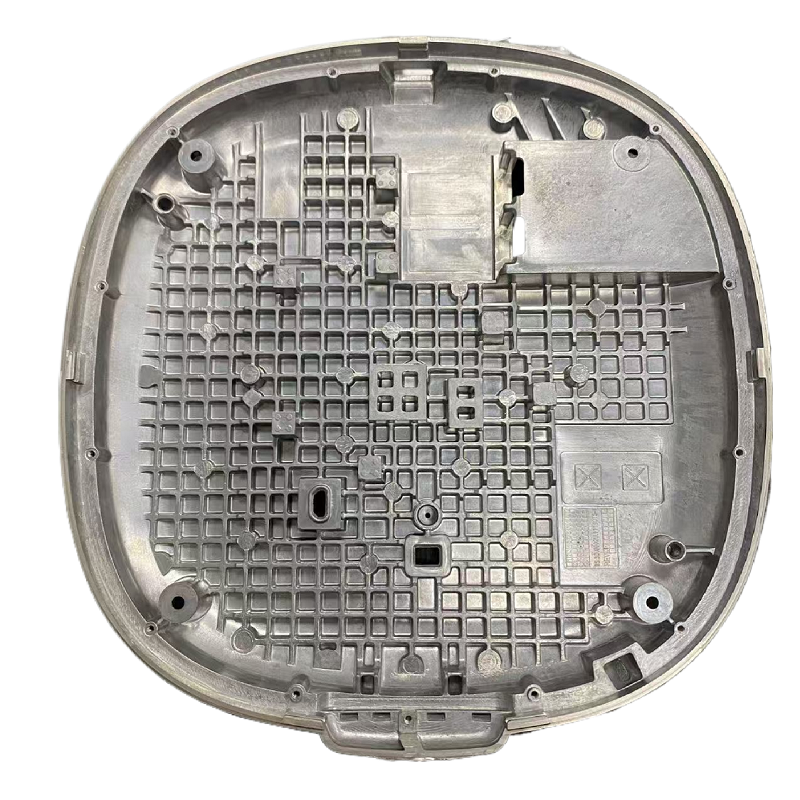
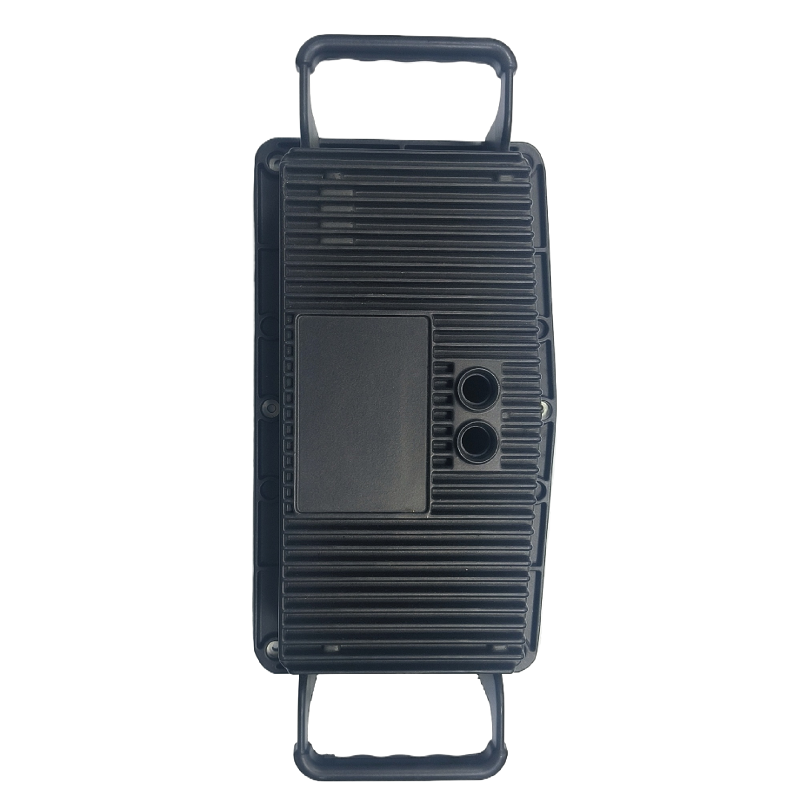
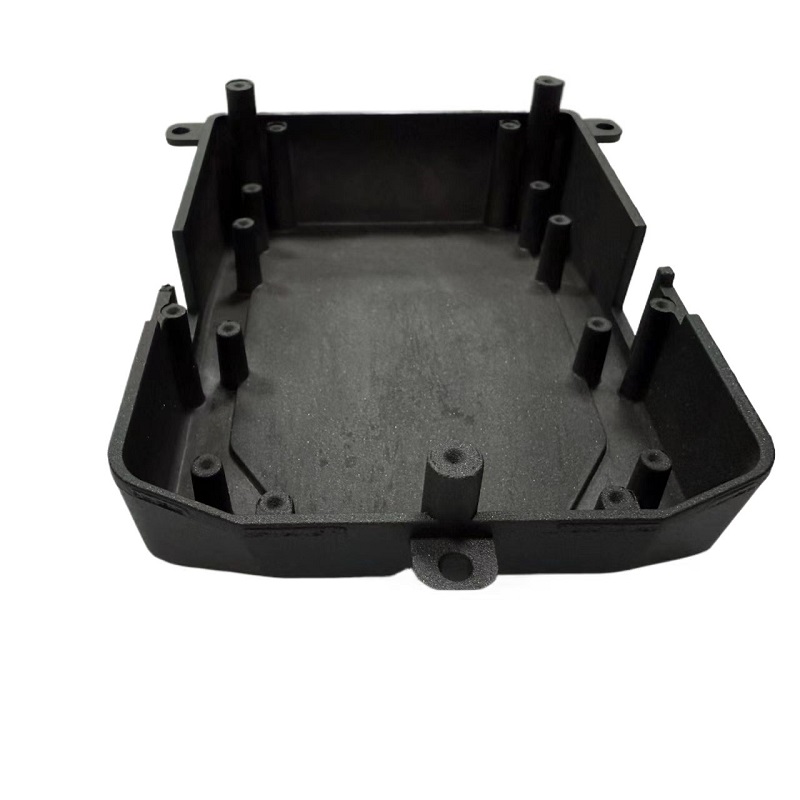
Pressure casting | What is pressure casting? A Complete Guide Focused on ADC12 Aluminum Alloy
2026-06-17
What is Pressure Casting: A Complete Guide Focused on ADC12 Aluminum Alloy
Table of Contents
- 1. Core Definition & Product Introduction of Pressure Casting
- 2. Two Classifications of Industrial Pressure Casting
- 3. Why ADC12 Aluminum Is the Preferred Material for Pressure Casting
- 4. Universal Technical Parameters of ADC12 Pressure Casting Parts
- 5. Core Functions & Working Mechanism of Pressure Casting
- 6. Six Competitive Advantages of ADC12 Pressure Casting
- 7. Authoritative Expert Viewpoints on Aluminum Pressure Casting
- 8. Pressure Casting Industry Development Trends
- 9. 5 Standards to Select Qualified Pressure Casting Suppliers
- 10. Common FAQs for ADC12 Pressure Casting Procurement
- 11. Bulk Discount & Cooperation Solutions from Xinghang Precision Hardware
- 12. Overall Industry Summary & Procurement Advice
1. Core Definition & Product Introduction of Pressure Casting
1.1 Standard Definition
Pressure casting (die casting) is a high-efficiency permanent mold metal forming process. It injects molten non-ferrous metal liquid into closed steel molds under high hydraulic pressure (30-70MPa) and ultra-fast filling speed (2-6m/s), then completes rapid cooling, solidification and mold release within 10-30 seconds. Unlike sand casting and gravity casting, it relies on rigid steel molds instead of disposable sand molds, which is the mainstream mass production process for thin-walled complex aluminum structural parts.
1.2 ADC12 Pressure Casting Product Application Scenarios
1.2.1 Typical Product Types
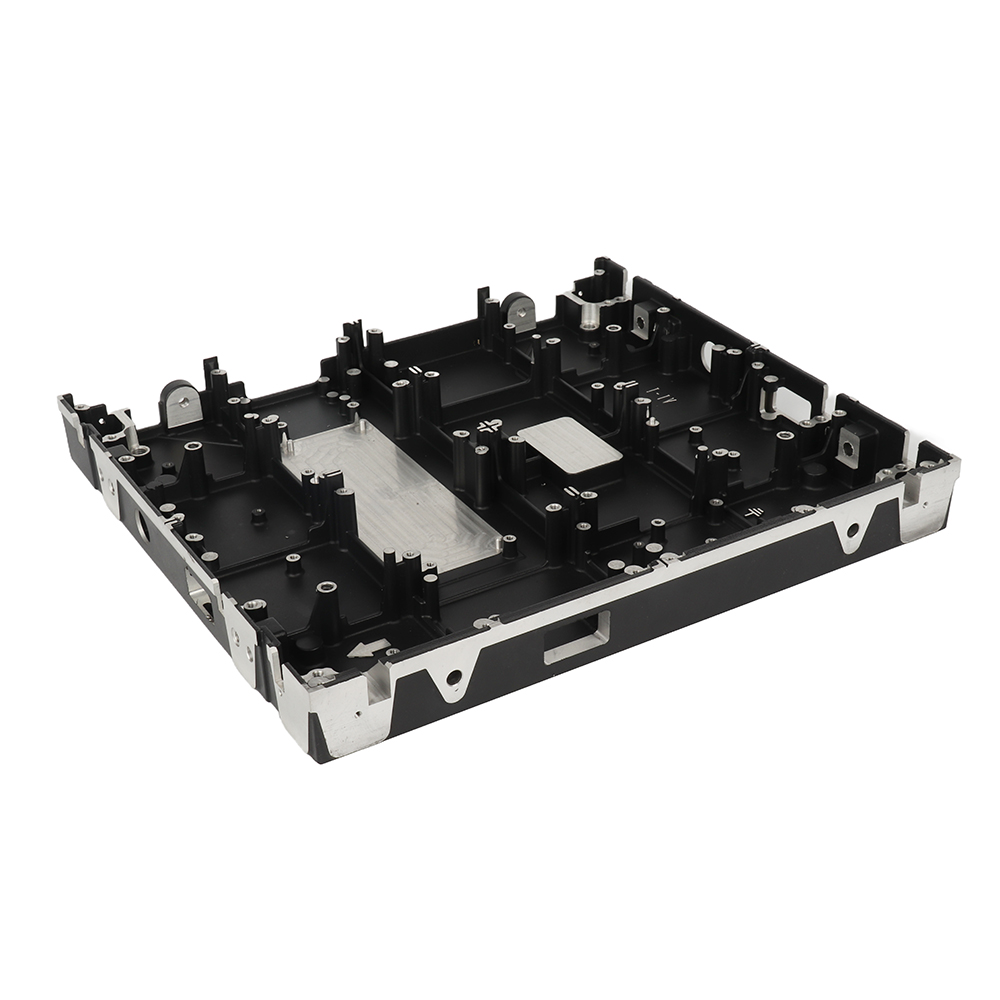
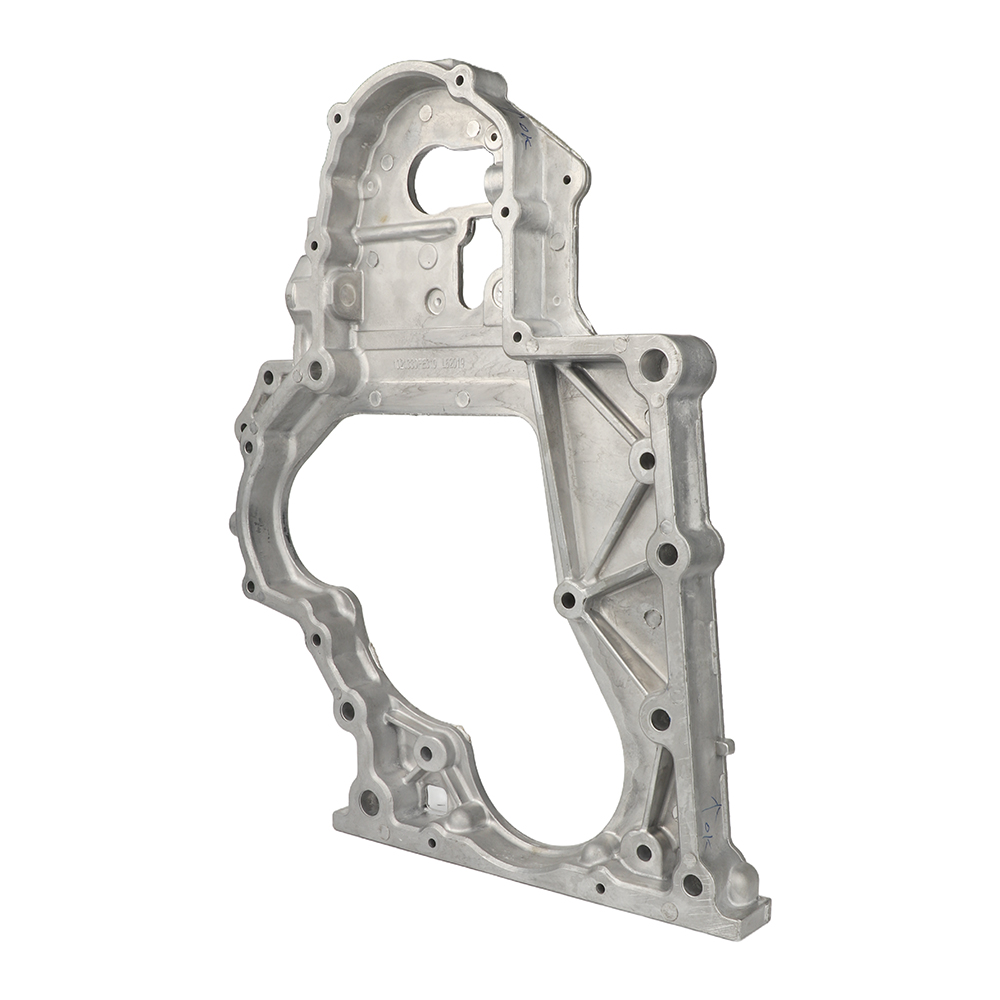
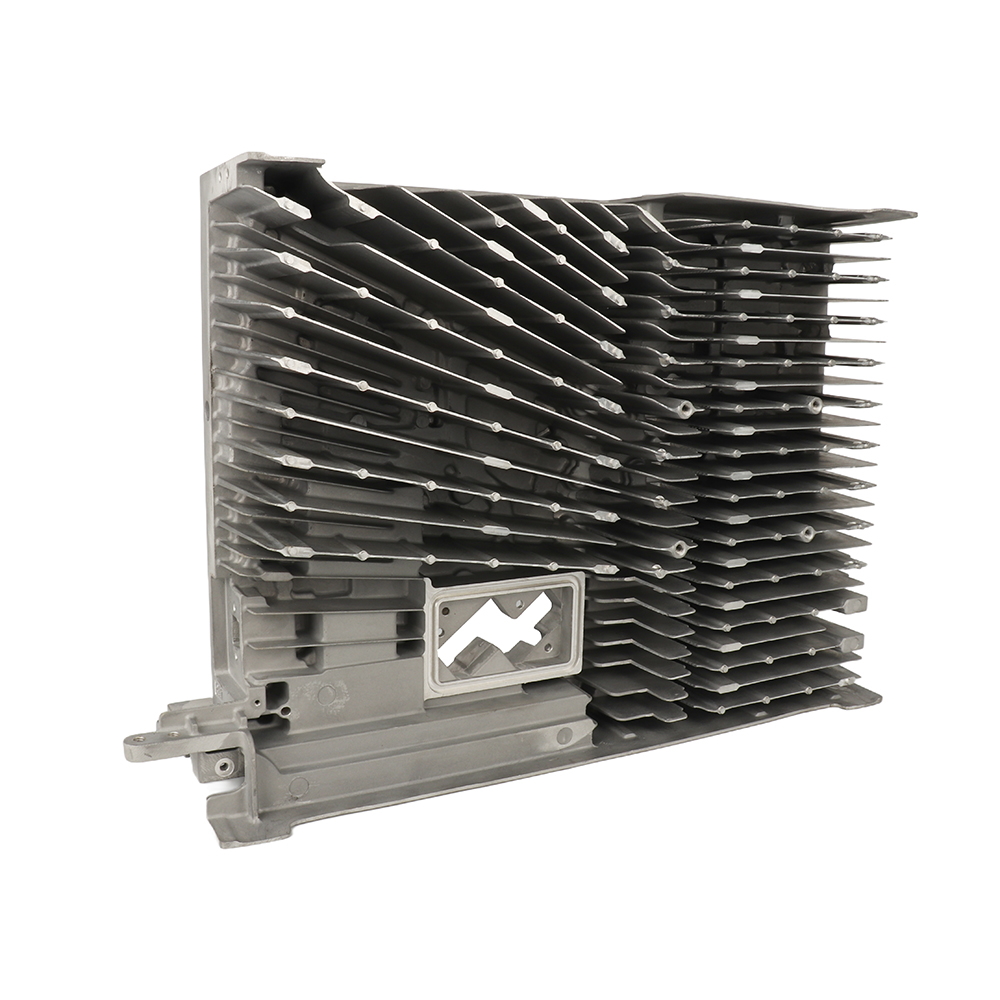
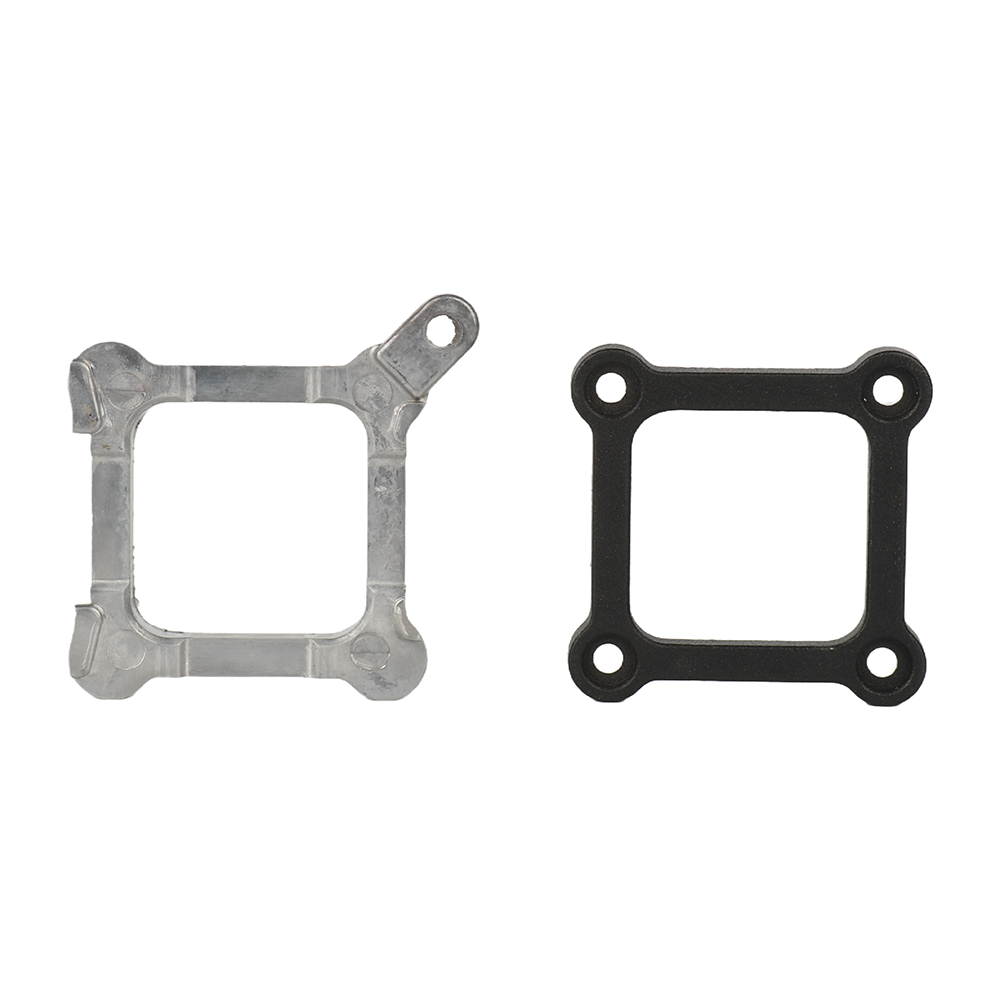
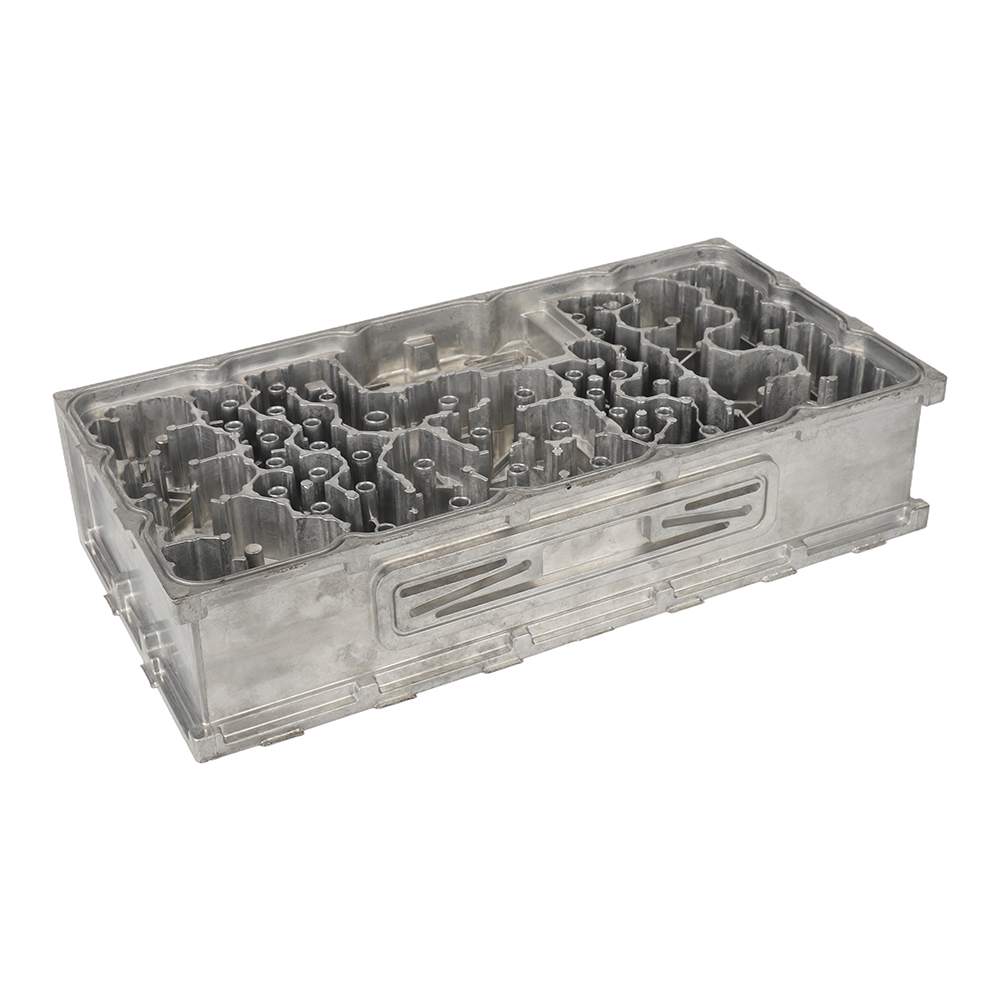
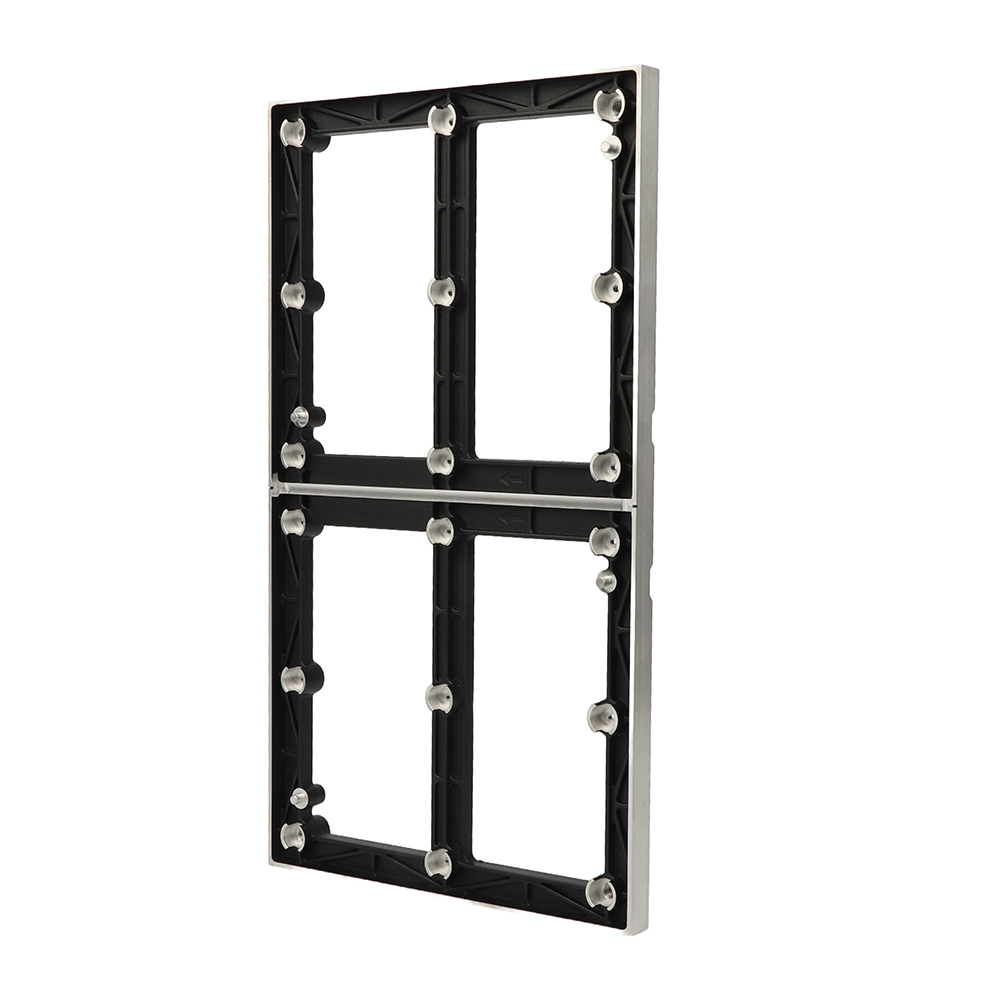
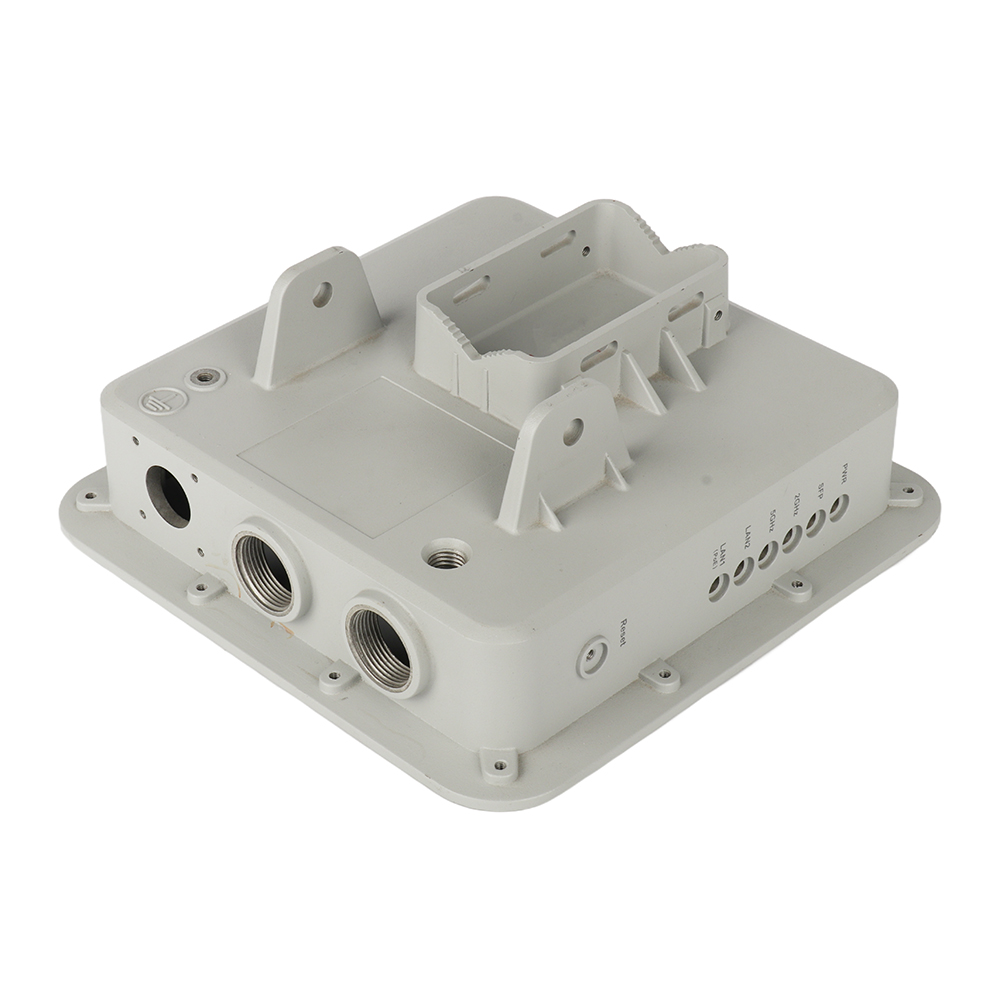
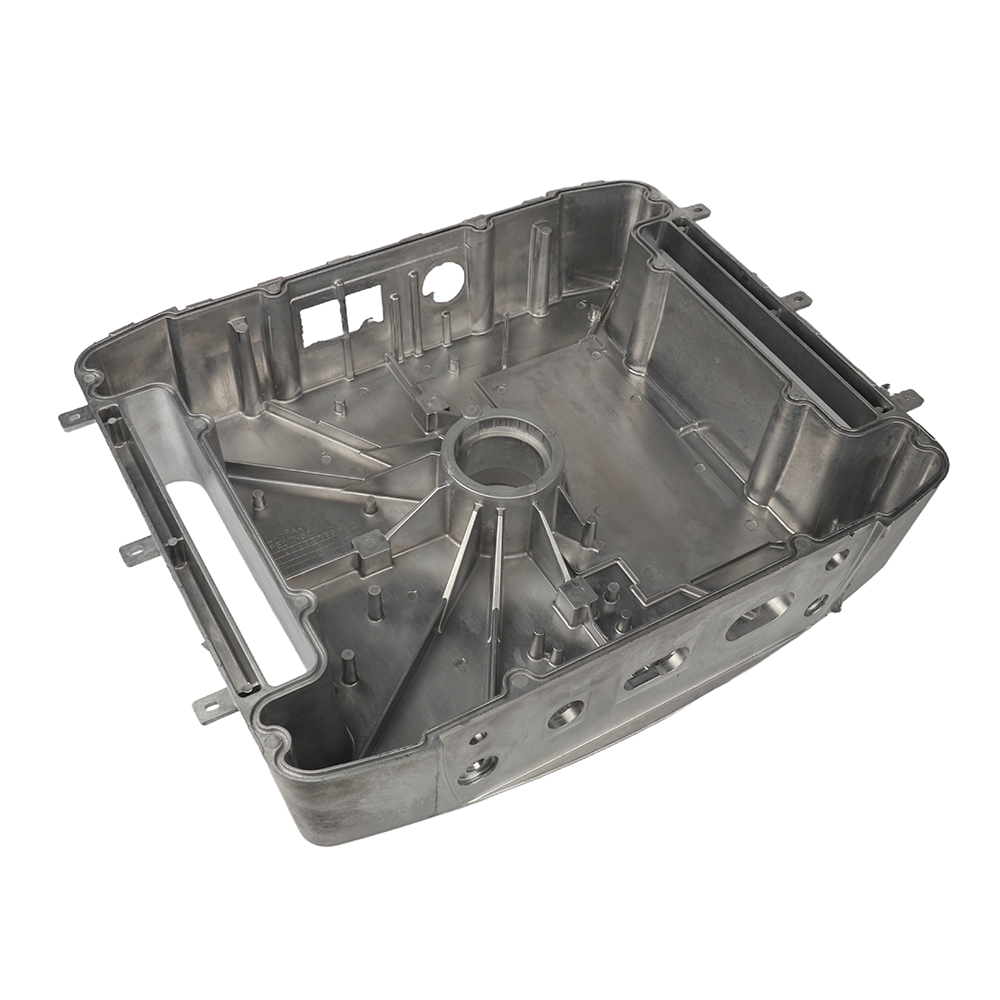
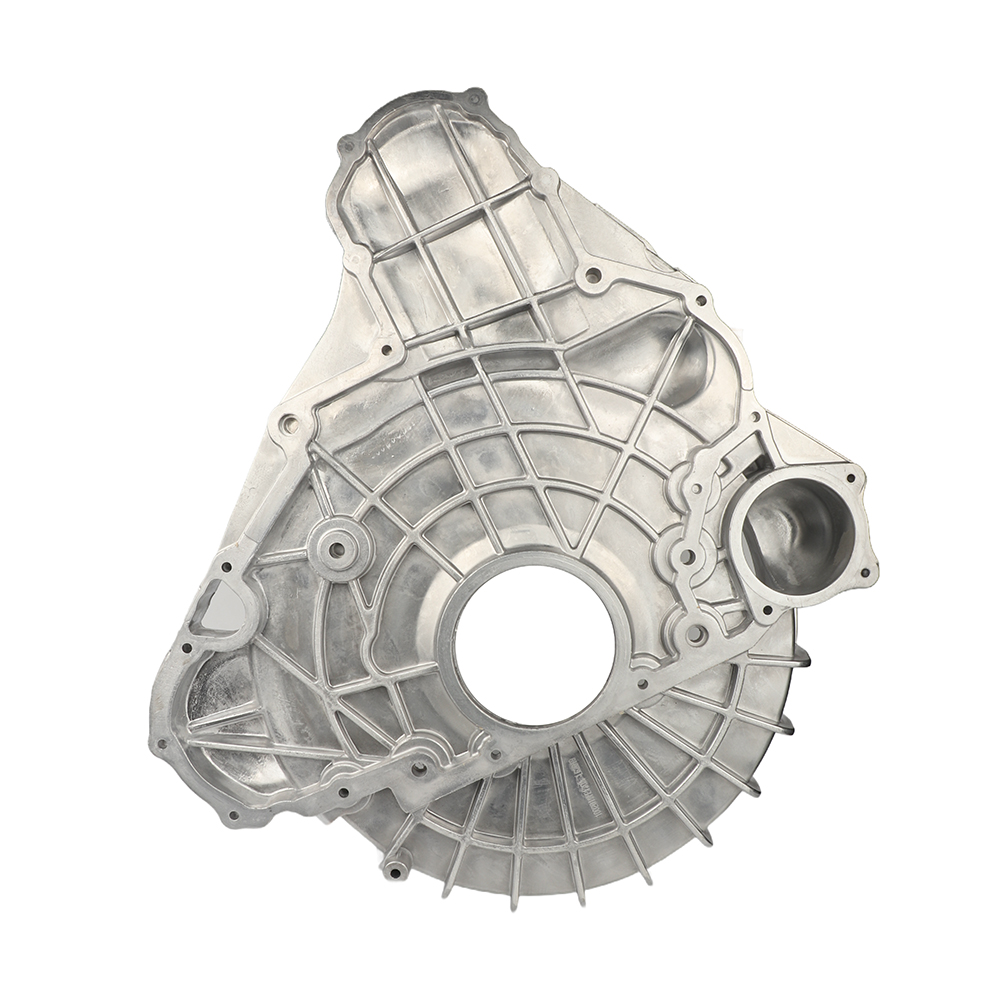
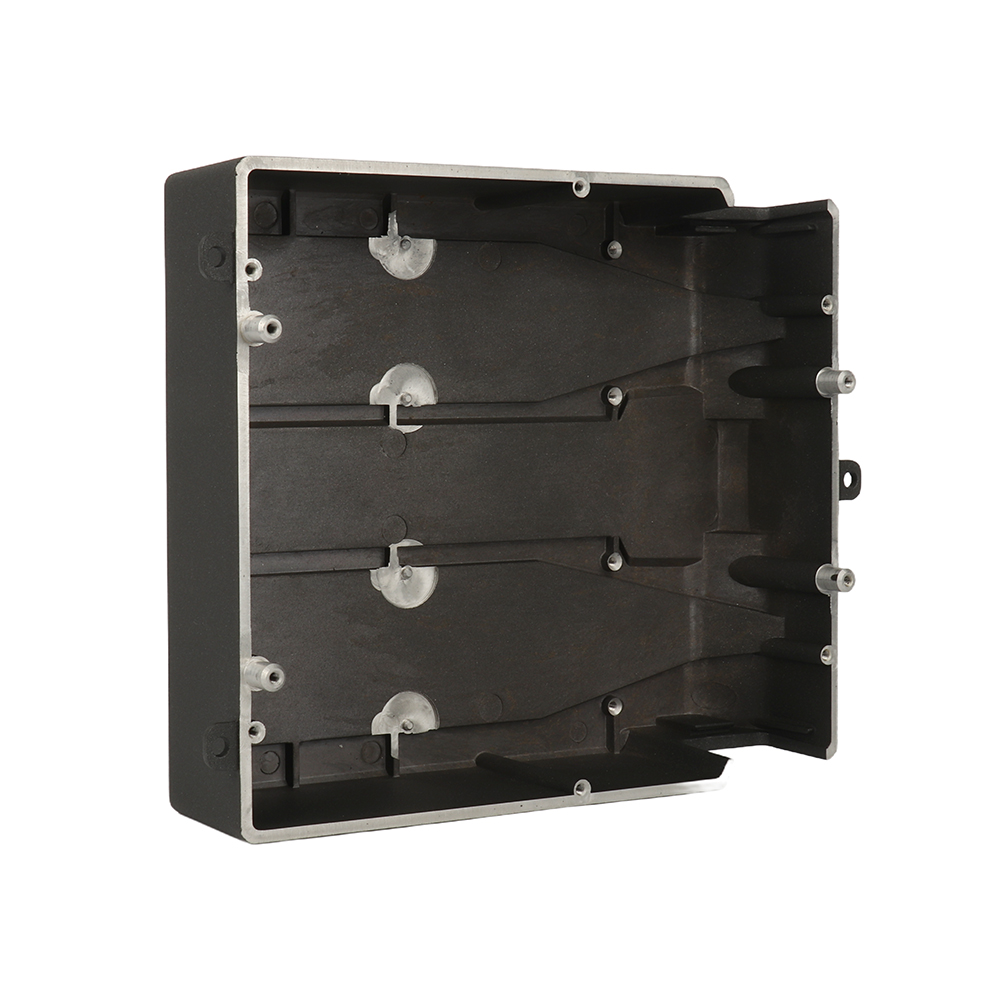
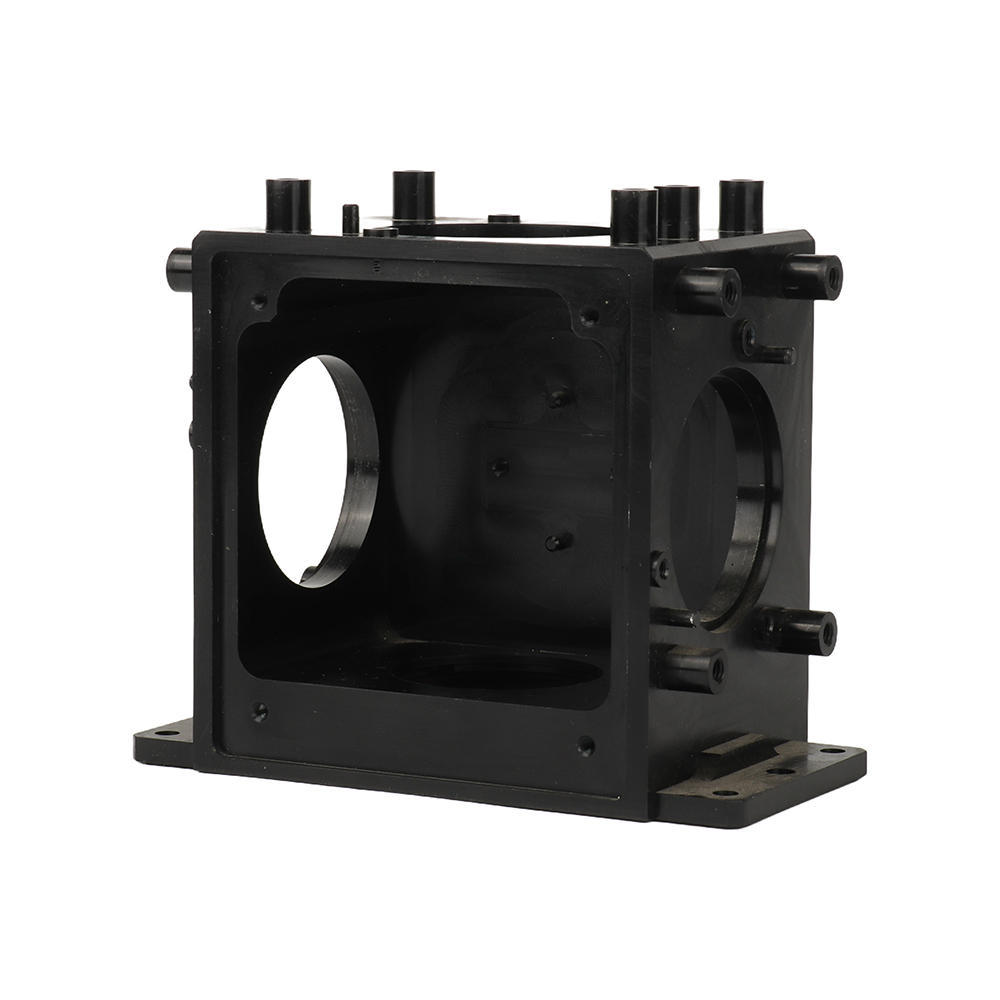
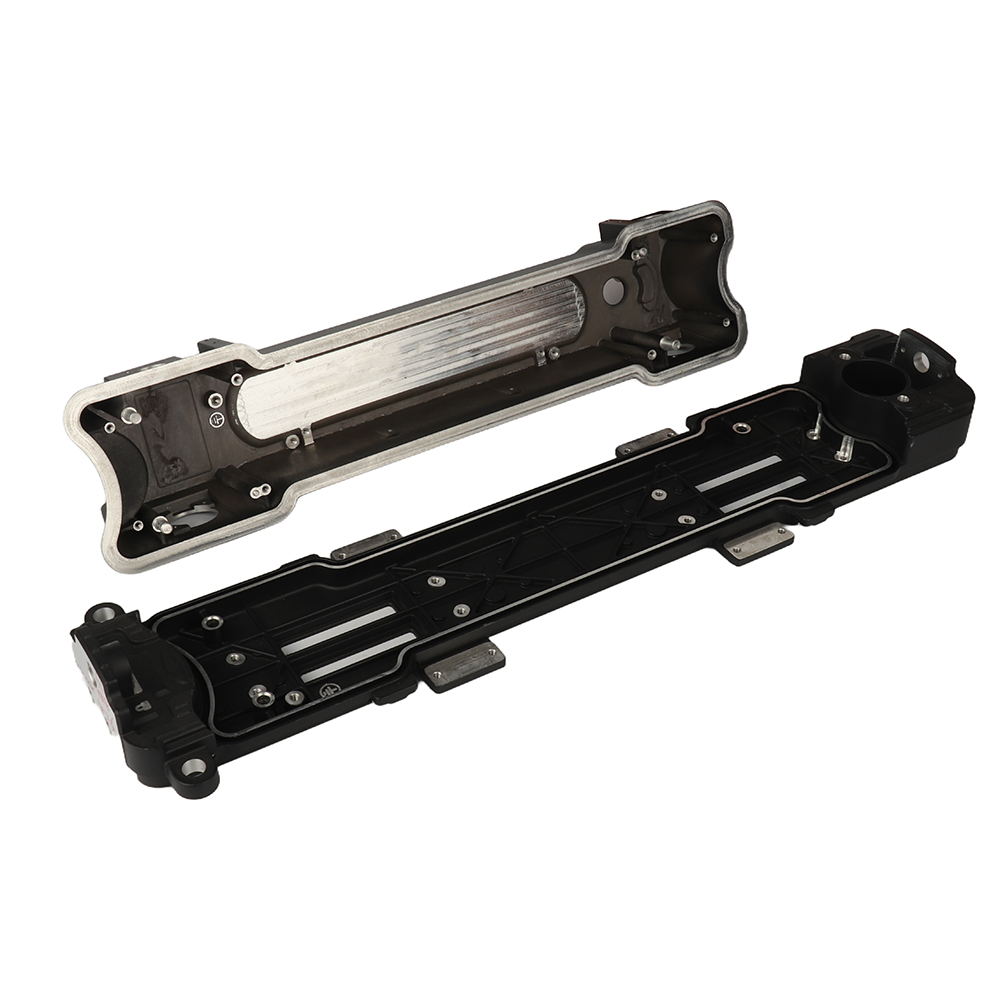
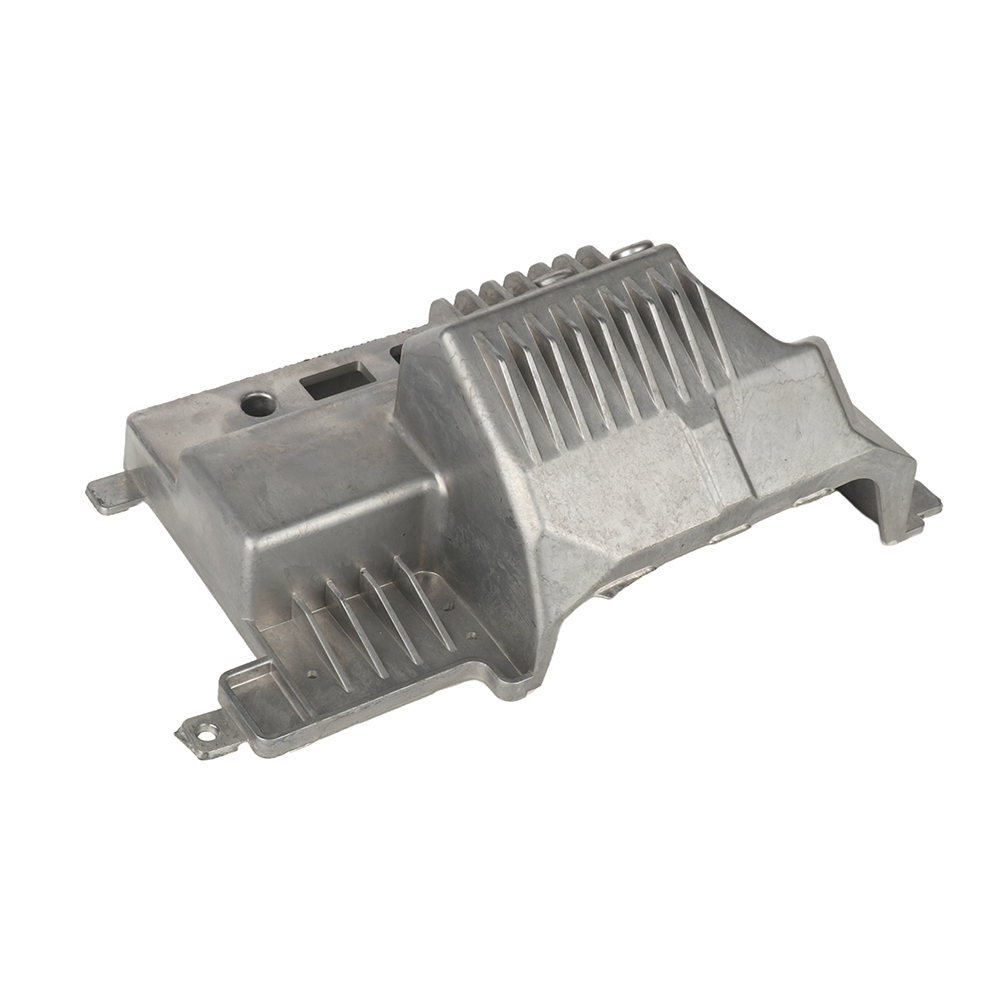
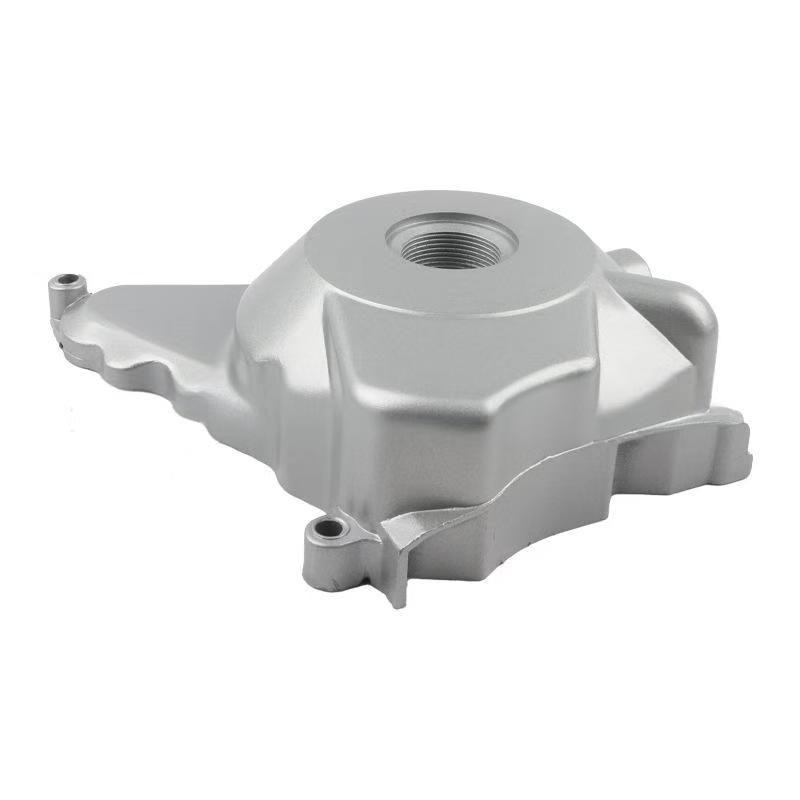
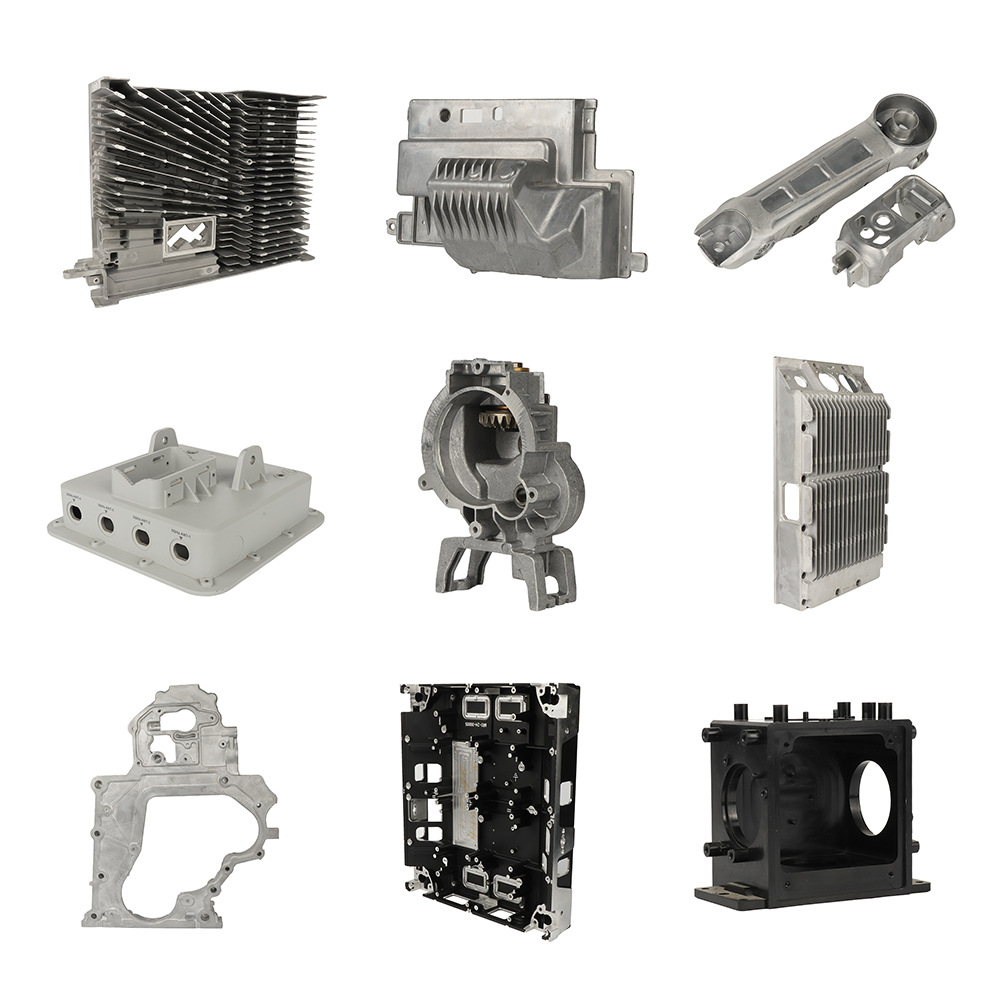
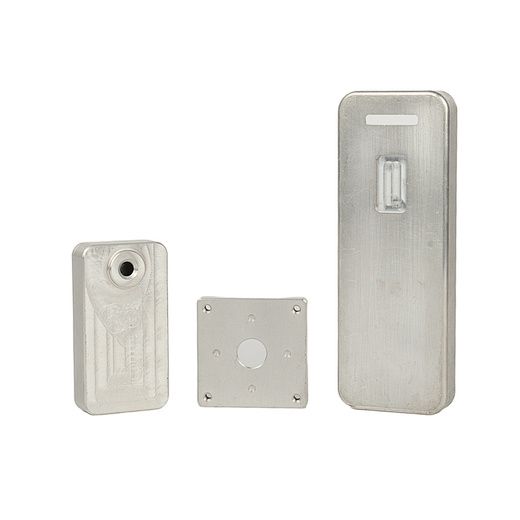
Main finished products include 5G base station heat dissipation shells, new energy motor end covers, automotive oil pump housings, coastal outdoor sensor brackets and miniature electrical junction boxes. All products feature integrated one-time forming without secondary welding splicing.
1.2.2 Downstream Application Industries
ADC12 pressure casting products cover four core cross-border industries: new energy vehicles, communication infrastructure, industrial automation and consumer electronics. Statistical data shows that 68% of medium-sized aluminum structural parts in the global automotive industry adopted pressure casting in 2026.
2. Two Classifications of Industrial Pressure Casting
2.1 High-Pressure Die Casting (HPDC)
Occupying 92% of aluminum pressure casting market share,HPDC adopts injection pressure above 40MPa. It is suitable for thin-walled parts with wall thickness 1.2-4mm, featuring ultra-high production efficiency. The main defect risk is internal tiny air porosity.
2.2 Low-Pressure Die Casting (LPDC)
With injection pressure below 0.5MPa, LPDC has uniform internal grain structure and no air porosity. It supports subsequent heat treatment reinforcement, but its production efficiency is 75% lower than HPDC, only used for high-load safety structural parts.
3. Why ADC12 Aluminum Is the Preferred Material for Pressure Casting
3.1 Inherent Material Matching Advantages
3.1.1 Excellent Fluidity of Molten Alloy
ADC12 is an Al-Si-Cu hypoeutectic aluminum alloy with silicon content of 9.6%-12.0%. Its molten fluidity is 27% higher than 6061 aluminum. It can smoothly fill mold cavities with 0.8mm ultra-thin gaps without incomplete filling, greatly reducing product surface flow mark defects.
3.1.2 Low Mold Adhesion & Long Mold Service Life
ADC12 contains balanced copper impurity components, which avoids strong chemical adhesion between molten aluminum and steel molds. It extends the service life of precision die-casting molds by 41% compared with A380 aluminum, cutting long-term mold replacement costs for manufacturers.
3.2 Compliance & Cost Advantages
Qualified ADC12 ingots pass RoHS, REACH and JIS H5302 cross-border compliance certifications, meeting carbon footprint inspection requirements of EU CBAM. Its raw material unit cost is 22% lower than A380 and 45% lower than 7075 aluminum, with the best cost-performance for mass orders of 10,000+ pieces.
3.3 Limitations of ADC12 Pressure Casting
ADC12 cannot be applied to parts requiring high ductility and tensile strength above 320MPa. It cannot conduct conventional solid solution heat treatment due to internal air porosity, so it is not suitable for dynamic fatigue-bearing structural parts such as automotive suspension connecting rods.
4. Universal Technical Parameters of ADC12 Pressure Casting Parts
All parameters comply with ISO 8062-3 die-casting dimensional tolerance standards, inspected by CMM three-coordinate measuring instruments and X-ray internal porosity detectors. Parameters are divided into trial production and formal mass production to match differentiated procurement cycles.
| Parameter Item | Trial Production (100-1000pcs) | Mass Production (≥1000pcs) |
|---|---|---|
| Dimensional Tolerance | ±0.08mm | ±0.03mm |
| Max Allowable Internal Porosity | ≤5% cross-sectional area | ≤2% cross-sectional area |
| Surface Roughness (Ra) | ≤3.2μm | ≤1.6μm |
| Standard Wall Thickness Range | 1.2-6mm | 0.8-8mm |
| Typical Process Parameters | Injection speed 2.2m/s, pouring temp 665℃ | Injection speed 2.5m/s, mold preheating 230℃ |
| Optional Post-Processing | Shot blasting, passivation, deburring | Hard anodizing, conductive oxidation, CNC finish machining |
| Standard Lead Time | 7-10 working days | 25-35 working days |
5. Core Functions & Working Mechanism of Pressure Casting
5.1 Structural Integrated Forming Function
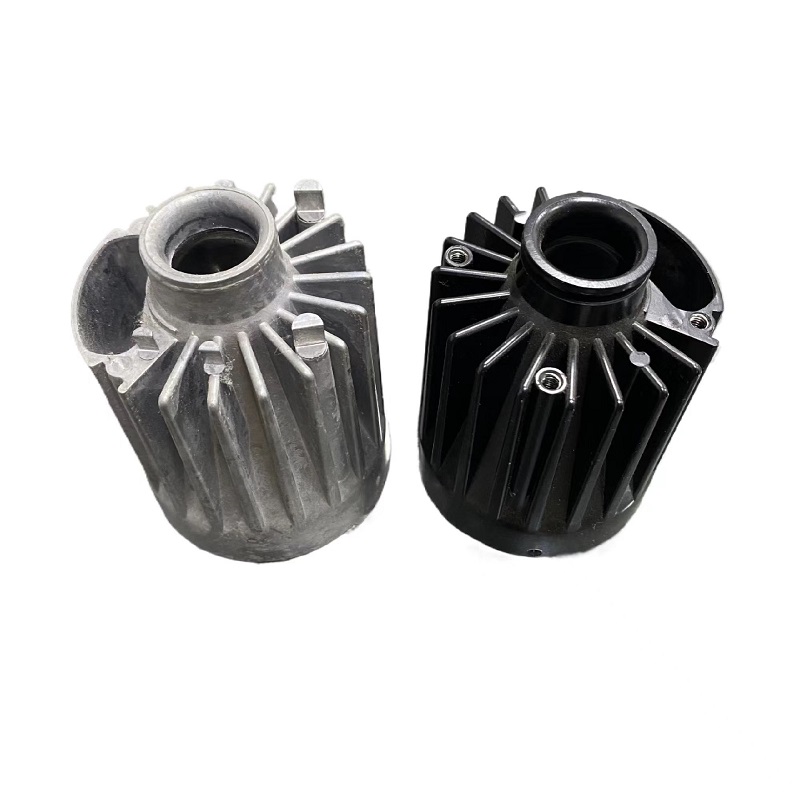
Pressure casting can integrate reinforcing ribs, mounting bosses and heat dissipation tooth structures into one-time forming. It eliminates 3-5 assembly processes compared with stamping and splicing parts, reducing assembly failure rate by 52% for automated production lines.
5.2 Rapid Heat Dissipation Structural Support
ADC12 pressure-cast parts have thermal conductivity of 96.2 W/(m·K). The integral heat dissipation tooth structure formed by high-pressure filling improves heat exchange efficiency by 38% compared with manually assembled heat dissipation modules, solving local overheating of 5G signal transceivers.
5.3 Long-Term Environmental Anti-Corrosion Function
After hard anodizing post-treatment, ADC12 pressure-cast parts achieve 1200-hour neutral salt spray resistance, adapting to high-humidity, salt-fog coastal working environments and outdoor ultraviolet aging scenarios.
6. Six Competitive Advantages of ADC12 Pressure Casting
6.1 Ultra-High Mass Production Efficiency
A single die-casting machine can produce 450-600 qualified parts per day, 9 times higher than gravity casting and 16 times higher than manual CNC single-piece processing. It perfectly meets large-scale batch procurement demands above 50,000 pieces.
6.2 Low Unit Production Cost in Large Batches
Although initial mold opening cost ranges from $3,500-$9,000, the average amortized mold cost per piece drops below $0.1 for orders over 20,000 pieces. The overall unit cost is 31% lower than full-CNC machined aluminum parts.
6.3 Excellent Surface Dimensional Consistency
Closed-loop hydraulic pressure control ensures unified mold clamping force and injection parameters. The dimensional deviation of batch parts is controlled within ±0.03mm, meeting automatic robotic assembly tolerance requirements without manual screening.
6.4 Material Recycling & Green Production
ADC12 casting sprues, runners and defective products support 100% closed-loop remelting and recycling without decline in mechanical properties. Modern servo die-casting equipment cuts unit power consumption by 26% and carbon emissions by 23%, complying with global green manufacturing policies.
6.5 Rich Secondary Processing Compatibility
Blank pressure-cast blanks can match follow-up CNC finish machining, surface coating, laser marking and thread tapping. One-stop integrated processing avoids dimensional offset caused by cross-factory outsourcing.
6.6 Stable Cross-Border Compliance
ADC12 pressure-cast finished products contain no lead, cadmium and other restricted heavy metals. Complete compliance documents can be provided for direct customs clearance for EU, Southeast Asian and North American cross-border orders without third-party retesting.
7. Authoritative Expert Viewpoints on Aluminum Pressure Casting
Mark Evans, chief material engineer of Global Non-Ferrous Casting Association with 27 years of aluminum casting R&D experience, released the 2026 Global High-Pressure Die Casting Supply Chain Report: “By 2029, fragmented small-scale die-casting workshops with outdated hydraulic equipment will be eliminated. Only suppliers with integrated die-casting, finish machining and surface treatment production lines can occupy 72% of high-end cross-border aluminum casting orders.”
Mark pointed out that 62% of 2025 cross-border quality complaints for ADC12 castings came from outsourced post-processing. Most manufacturers outsource anodizing and internal porosity detection to third-party institutions, leading to coating peeling and hidden porosity failures. He recommended global buyers to prioritize suppliers with full in-house core processes.
Market data forecast: The global ADC12 pressure casting market will maintain a 12.3% CAGR from 2026 to 2030, driven by the penetration of large integrated die-casting bodies for new energy vehicles.
8. Pressure Casting Industry Development Trends
8.1 Three Core Long-Term Trends
8.1.1 Large Integrated Giga-Casting Popularization
Traditional scattered multi-part assembly will be replaced by integrated giga-casting. Large-tonnage die-casting machines above 9000T will be widely used in new energy vehicle body structural parts, reducing assembly parts quantity by 30%.
8.1.2 Porosity-Free Near-Net-Shape Forming
Vacuum-assisted pressure casting technology will become mainstream. It reduces internal porosity below 1%, enabling partial ADC12 parts to support heat treatment reinforcement and expand high-load application scenarios.
8.1.3 Full-Carbon Traceability Mandatory Compliance
Starting from 2028, all aluminum die-casting products exported to EU and UK need complete full-process carbon emission traceability reports. Suppliers without low-carbon melting furnaces will face customs clearance detention and tariff penalties.
9. 5 Standards to Select Qualified Pressure Casting Suppliers
9.1 Practical Screening Rules for Cross-Border Buyers
9.1.1 Independent Vacuum Die-Casting Equipment
Reject suppliers using ordinary non-vacuum die-casting machines. Vacuum equipment can control internal porosity stably, avoiding hidden cracking risks in long-term part operation.
9.1.2 Full-Range Non-Destructive Testing Capacity
Qualified suppliers must equip X-ray porosity detectors and CMM dimensional inspection equipment for 100% full-batch inspection, instead of random sampling inspection.
9.1.3 Zero Outsourcing for Core Processes
Die-casting forming, CNC finish machining and hard anodizing must be completed in self-owned workshops. Outsourced processes cause unstable delivery cycles and inconsistent surface quality.
9.1.4 Transparent Mold & Unit Pricing
Mold opening fee, mold maintenance fee and post-processing fee shall be listed in formal contracts separately. No temporary surcharges during mass production delivery.
9.1.5 Flexible Prototype-to-Mass Production Switching
Suppliers need to support small-batch trial production below 1000pcs and rapid production line switching for large-scale bulk orders to match iterative product updates.
10. Common FAQs for ADC12 Pressure Casting Procurement
Q1: What is the difference between ADC12 pressure casting and CNC machining?
Pressure casting suits large-batch, thin-walled complex parts with low unit cost but high initial mold cost; CNC machining suits low-volume, high-precision single-piece prototypes with no mold cost. For orders over 5000pcs, ADC12 pressure casting can cut overall procurement cost by 29% compared with full CNC processing.
Q2: Can ADC12 pressure-cast parts be anodized?
Yes. Conventional decorative anodizing is fully applicable. Due to high silicon content, only hard anodizing with optimized current parameters can avoid uneven coloring. Xinghang has mature silicon-containing aluminum anodizing processes with zero coloring defect rate.
Q3: What is the service life of ADC12 die-casting molds?
With daily mold maintenance and spray lubrication, standard H13 steel molds support 80,000-100,000 qualified piece production. We provide free routine mold maintenance for all long-term cooperative clients.
Q4: How to solve air porosity defects of ADC12 castings?
Adopt vacuum die-casting + optimized mold exhaust groove design. Meanwhile, control molten aluminum degassing treatment before injection. Xinghang controls porosity-related defective rate below 0.8% through standardized pre-production degassing.
11. Bulk Discount & Cooperation Solutions from Xinghang Precision Hardware
11.1 Company Core Strengths
Xinghang Precision Hardware is an integrated ADC12 pressure casting & finish machining manufacturer with 12 years cross-border export experience. We own 28 sets of high-tonnage vacuum die-casting machines, independent degassing workshops and two in-house surface treatment production lines. We serve 160+ overseas clients in new energy and communication industries, complying with ISO 9001, ISO 14001 and EU cross-border manufacturing standards.
11.2 Tiered Bulk Discount Rules (More Quantity, Higher Discount)
We launch transparent quantity-linked exclusive discounts for all long-term and one-time global clients, with no hidden charges:
- 1,000-5,000 pieces: 5% unit price discount + free full dimensional & porosity inspection report
- 5,001-20,000 pieces: 9% unit price discount + priority mold maintenance + free laser marking
- Over 20,000 pieces: 14% exclusive bulk discount + free third-party carbon compliance testing + expedited delivery (30% shorter lead time)
- Annual framework cooperation: Additional permanent 3% extra discount for all subsequent repeated orders + free mold renewal subsidy
11.3 Global Contact Information
We provide 16-hour free CAD drawing evaluation, mold feasibility analysis and no-obligation customized quotation for all global buyers.
Phone / Whatsapp / WeChat: +86 18819502691
Official Business Email: liqine@xinghangcn.com
12. Overall Industry Summary & Procurement Advice
In summary, ADC12 high-pressure casting has become the dominant mass production process for medium and thin-walled aluminum parts in 2026, replacing traditional gravity casting due to balanced efficiency, cost and environmental performance. In the next five years, the industry will evolve toward large-scale integrated forming, low-porosity vacuum technology and full carbon traceability. Small workshops with backward equipment and outsourced processes will be gradually phased out by cross-border supply chains.
For global procurement engineers, abandoning low-price-only procurement logic is essential. Low-cost suppliers often cut costs by omitting degassing and non-destructive testing, leading to mass part failure and customs return. The optimal supplier selection logic is verifying vacuum die-casting equipment, full in-house process layout, complete testing system and transparent tiered pricing.
As a verified cross-border pressure casting supplier, Xinghang Precision Hardware balances stable quality, flexible delivery and progressive bulk discounts. We support free prototype sample testing and real-time factory video audits. We welcome global buyers for long-term win-win strategic cooperation.
Magnesium alloy casting | What surface treatments fit magnesium alloy casting?
Aluminum washer | What are the functions of LED display shims? A Complete Guide Focused on ADC12 Aluminum Washers
Related Article

Residential energy storage systems have become increasingly popular as homeowners pursue energy independence, solar self-consumption and backup power for grid outages.
Energy storage enclosure | What Are the Benefits of Die-Cast Home Energy Storage Enclosures?

A custom LED display frame is the core structural carrier for LED screen modules, widely manufactured with ADC12 aluminum alloy via high-pressure die casting.
LED display frame | What Are the Benefits of Custom LED Display Frames?

