
HOT PRODUCTS
Pressure die casting | what is pressure die casting? A Complete Guide for Manufacturers
What is Pressure Die Casting? A Complete Guide for Manufacturers
Table of Contents
- Introduction: What is Pressure Die Casting?
- The Core Process of Pressure Die Casting (Step-by-Step)
- Key Types of Pressure Die Casting
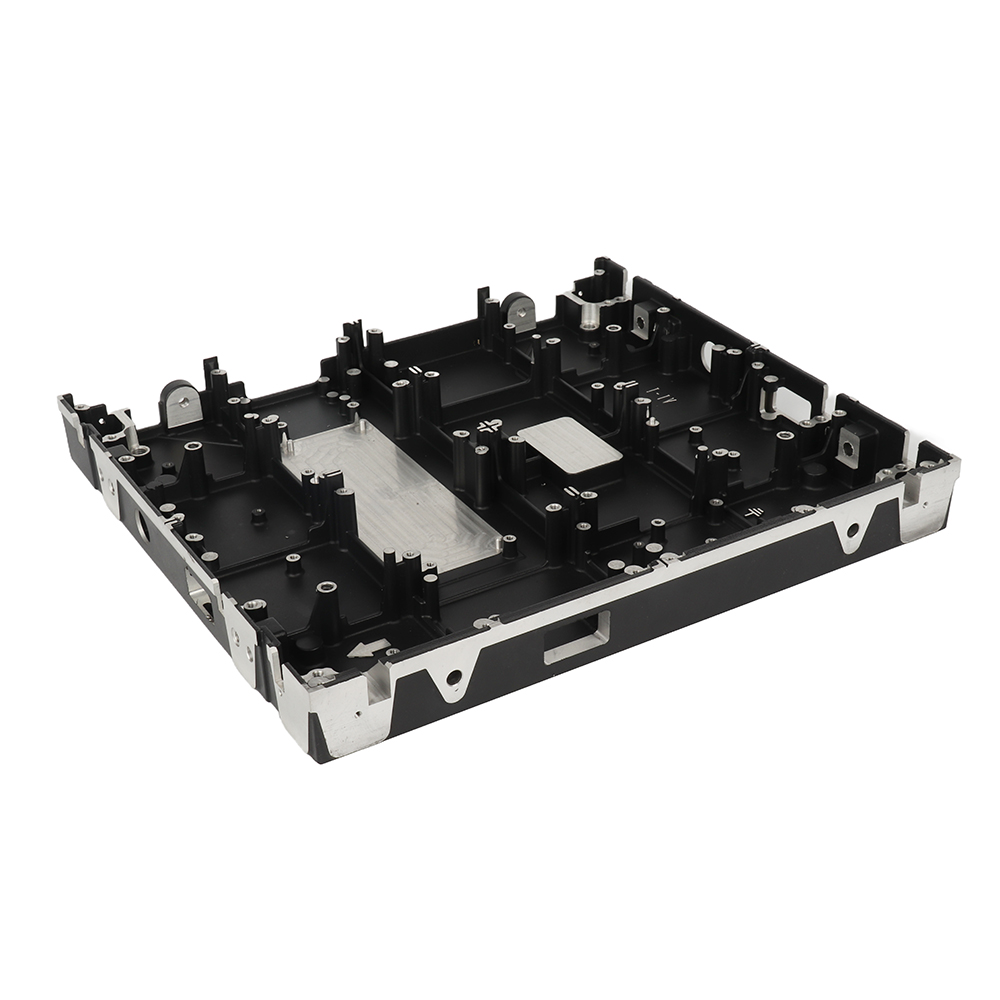
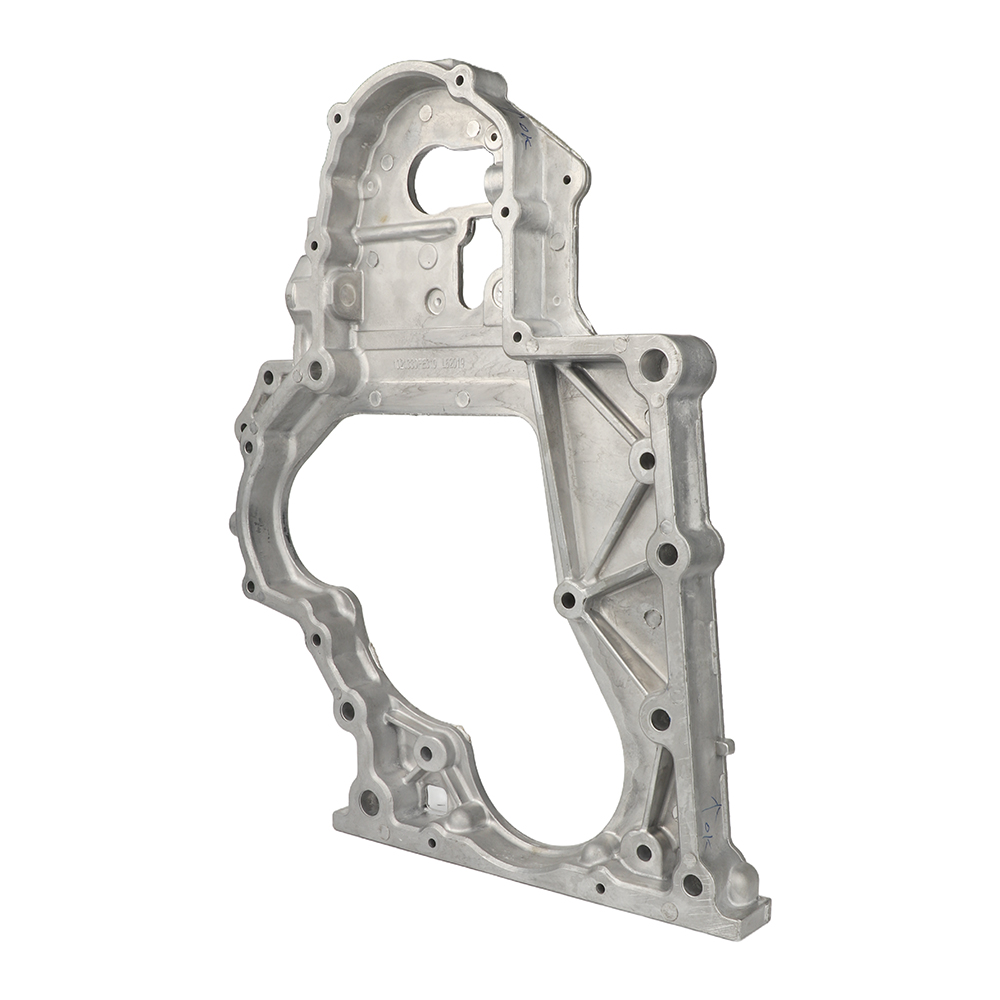
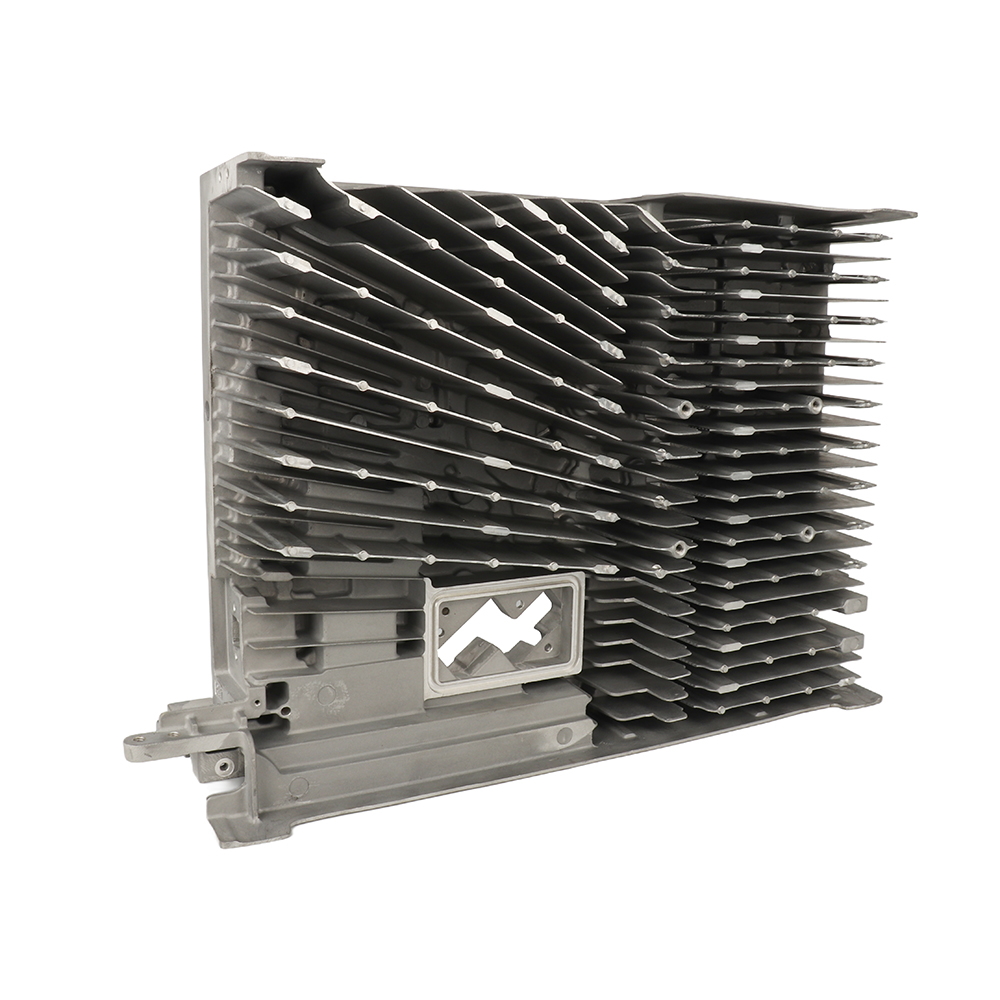
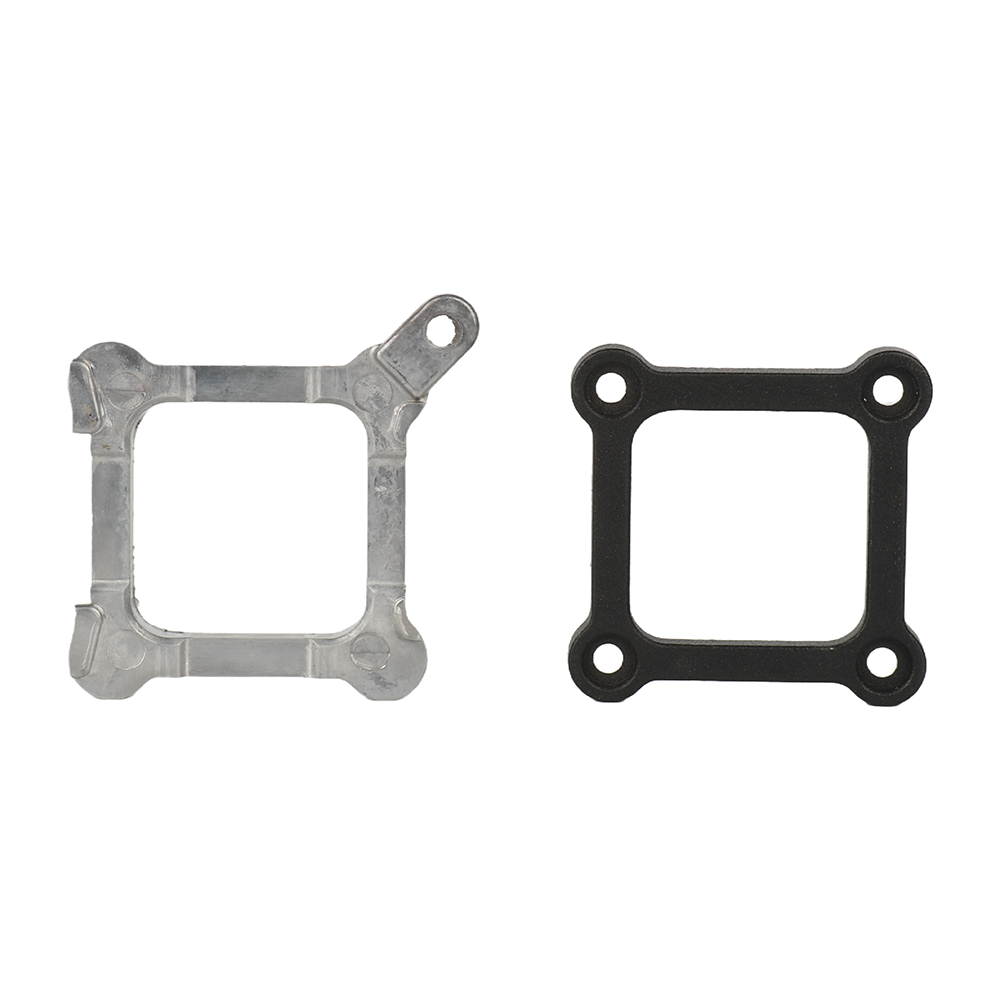
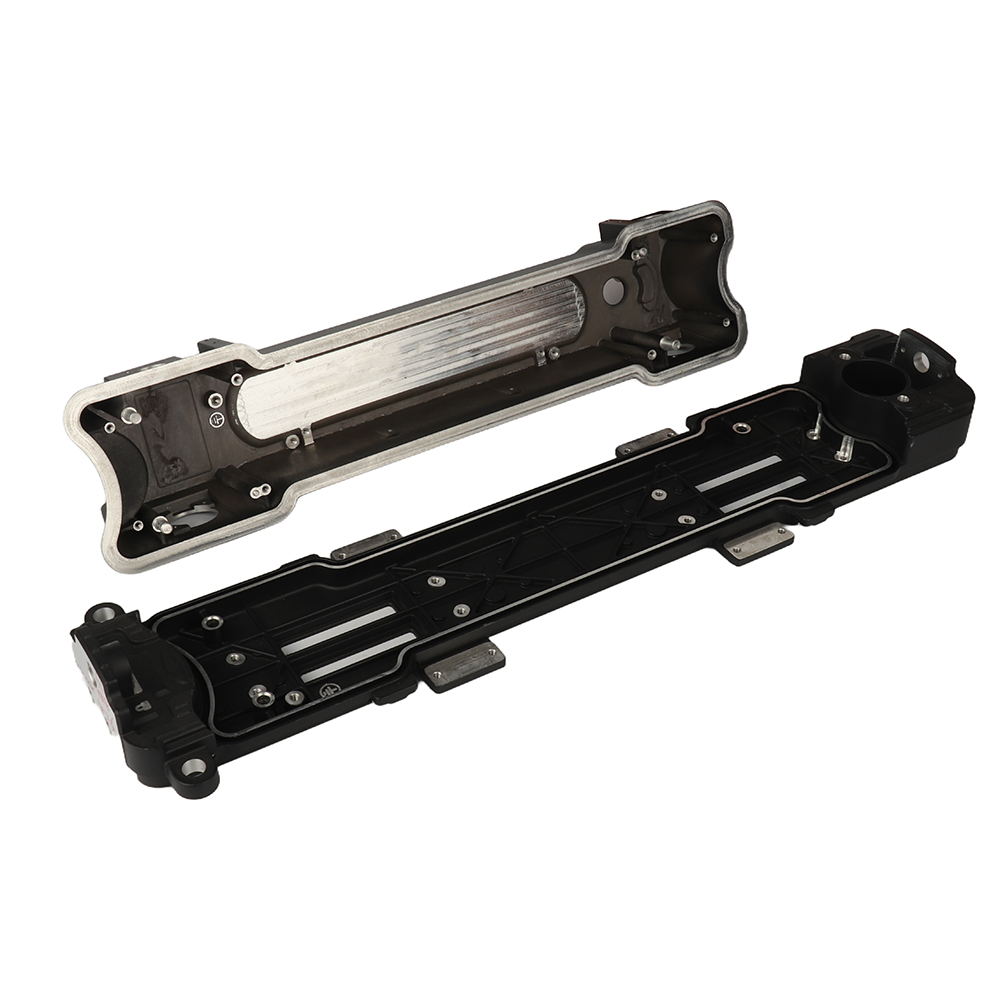
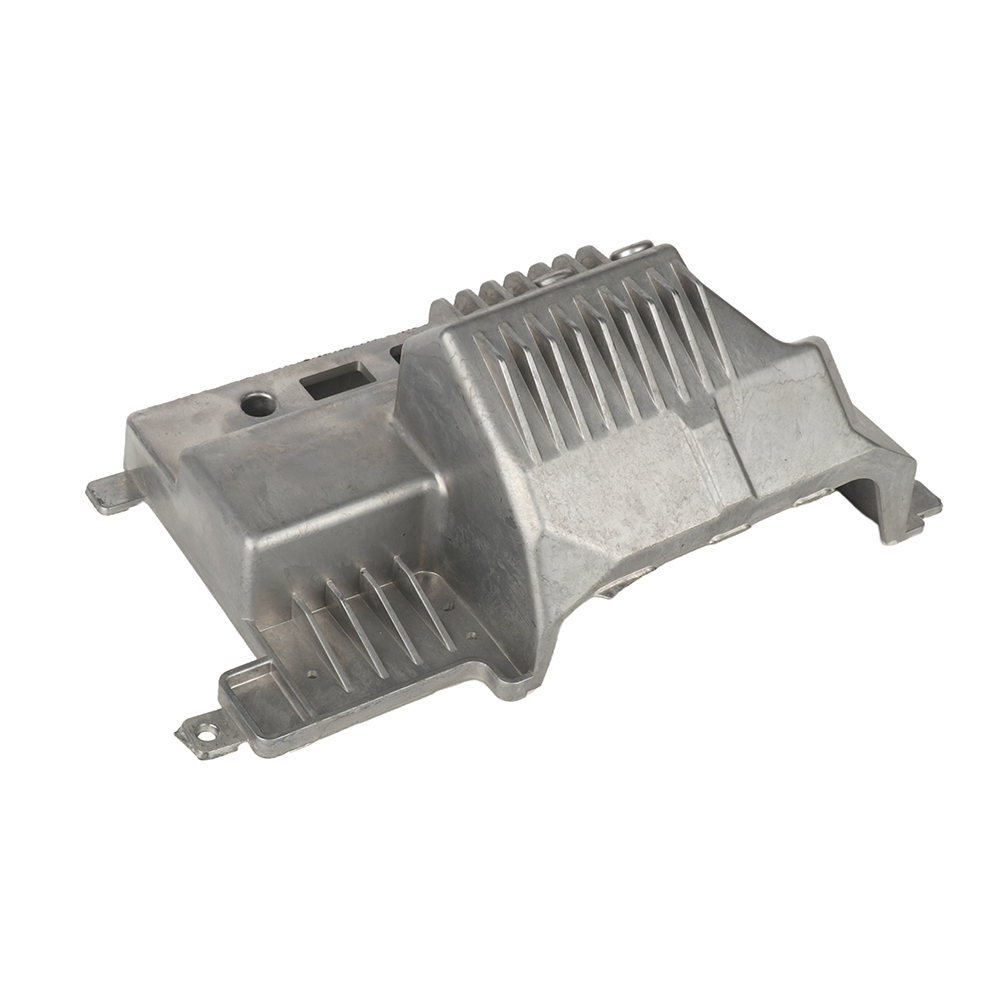
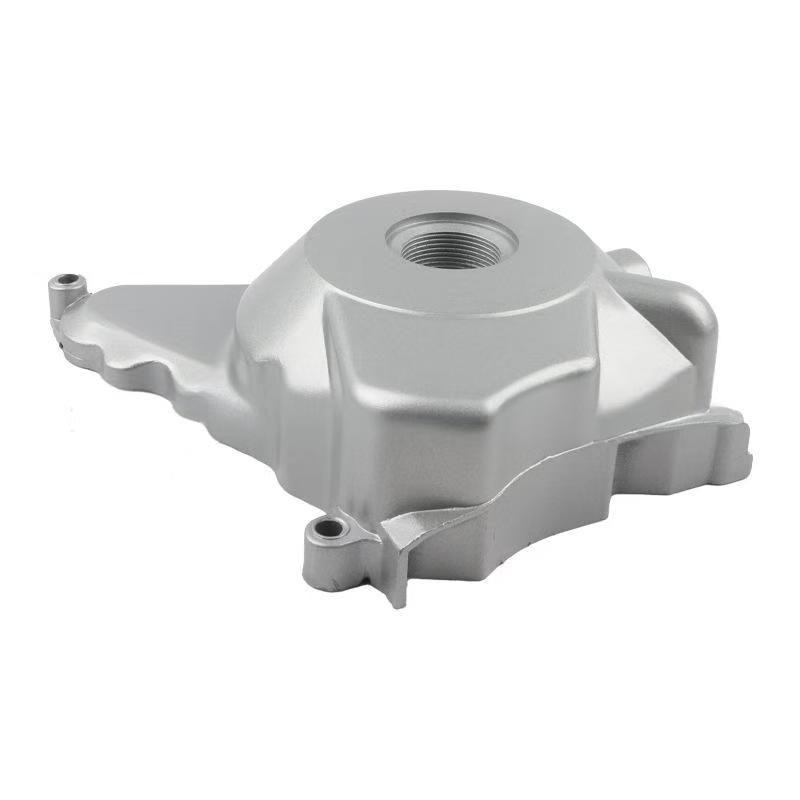
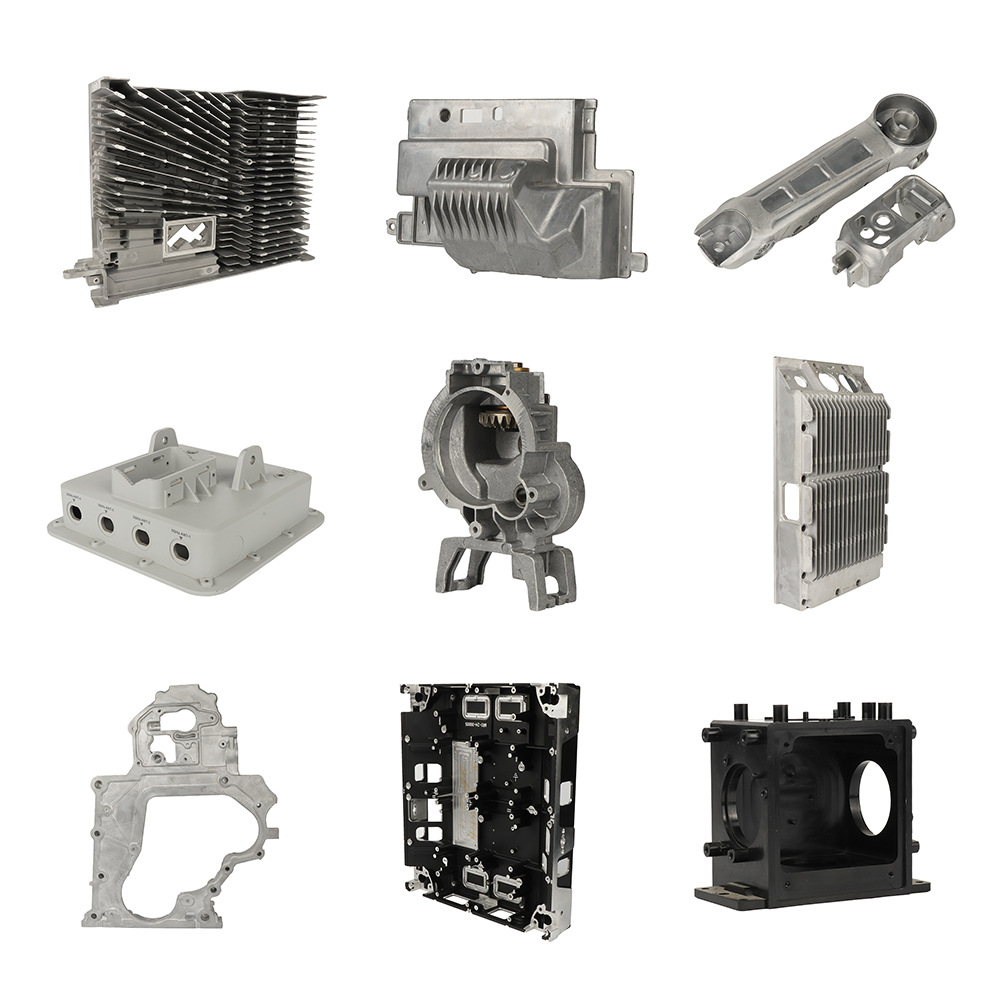
- Top Products Made by Pressure Die Casting (With Highlights)
- Unbeatable Advantages of Pressure Die Casting
- Expert Insights on Pressure Die Casting
- Frequently Asked Questions (FAQs) About Pressure Die Casting
- Conclusion
Introduction: What is Pressure Die Casting?
In the world of metal manufacturing, Pressure Die Casting (PDC) stands out as a high-efficiency, precision-driven process that transforms molten metal into complex, high-quality components. Simply put, pressure die casting is a metal casting method where molten non-ferrous metals (such as aluminum, zinc, or magnesium) are injected under high pressure into a reusable steel mold—called a die—to form intricate parts with tight tolerances and superior surface finishes. Unlike traditional casting methods, it eliminates the need for extensive post-processing and enables mass production of consistent, durable parts, making it a cornerstone of industries ranging from automotive to electronics.
The Core Process of Pressure Die Casting (Step-by-Step)
Pressure die casting is a systematic process that combines precision engineering, temperature control, and high pressure to produce flawless parts. Below is a detailed breakdown of its key steps, each critical to ensuring quality and efficiency:
Step 1: Die Preparation
The process begins with preparing the die—a custom-made steel mold designed to match the exact shape of the desired part. The die consists of two halves (fixed and movable) with a cavity that mirrors the part’s geometry, plus runners and gates to guide molten metal flow, and cooling channels to speed up solidification. Before each cycle, the die cavity is cleaned and coated with a lubricant: this prevents molten metal from sticking to the die, reduces wear, and helps control the die’s temperature for consistent results.
Step 2: Melting the Metal
The chosen metal (most commonly aluminum, zinc, or magnesium alloys) is melted in a separate furnace at precise temperatures—typically 600–700°C for aluminum and 400–450°C for zinc. The molten metal is then transferred to the die casting machine, either manually (for small-scale operations) or via an automated ladle system (for mass production), ensuring it remains at the optimal temperature to maintain fluidity.
Step 3: Injection & Pressure Application
The molten metal is injected into the die cavity at extremely high pressures—ranging from 50 to 150 MPa (7,000 to 21,750 psi), with some high-pressure systems reaching up to 160 MPa. This pressure is maintained throughout the solidification process to ensure the metal fills every detail of the die cavity, eliminating gaps, porosity, or incomplete fills. The injection speed is also carefully controlled to avoid turbulence, which can cause defects.
Step 4: Cooling & Solidification
Once the die is filled, the molten metal cools and solidifies rapidly—thanks to the die’s cooling channels and the high thermal conductivity of the steel die. The cooling time varies based on the part’s size and thickness, typically ranging from a few seconds to a minute. Rapid solidification creates a fine-grained microstructure, enhancing the part’s strength and durability.
Step 5: Ejection & Finishing
After the metal is fully solidified, the die halves are opened, and ejector pins push the finished part out of the cavity. The part may then undergo minor post-processing—such as trimming excess material (runners or flash), polishing, or coating—to meet final specifications. Importantly, pressure die casting parts require minimal finishing compared to other casting methods, reducing production time and costs.
Key Types of Pressure Die Casting
There are two primary types of pressure die casting, each suited to specific materials and production needs:
1. Hot Chamber Die Casting
In hot chamber die casting, the injection system is immersed directly in the molten metal furnace, making it ideal for metals with low melting points (such as zinc, lead, and magnesium). This type offers faster cycle times (often under 15 seconds) and higher efficiency, as the metal is readily available for injection. It is commonly used for small, intricate parts like electronic connectors or toy components.
2. Cold Chamber Die Casting
In cold chamber die casting, the molten metal is poured into a separate injection chamber (not immersed in the furnace) before being injected into the die. This method is designed for metals with high melting points (such as aluminum), which would corrode the hot chamber’s components. While cycle times are slightly longer (20–60 seconds), it produces high-strength parts suitable for automotive and aerospace applications.
Top Products Made by Pressure Die Casting (With Highlights)
Pressure die casting is used to produce a wide range of parts across industries, thanks to its ability to create complex shapes with precision and consistency. Below are the most common products, with key highlights of their benefits from PDC:
Automotive Components
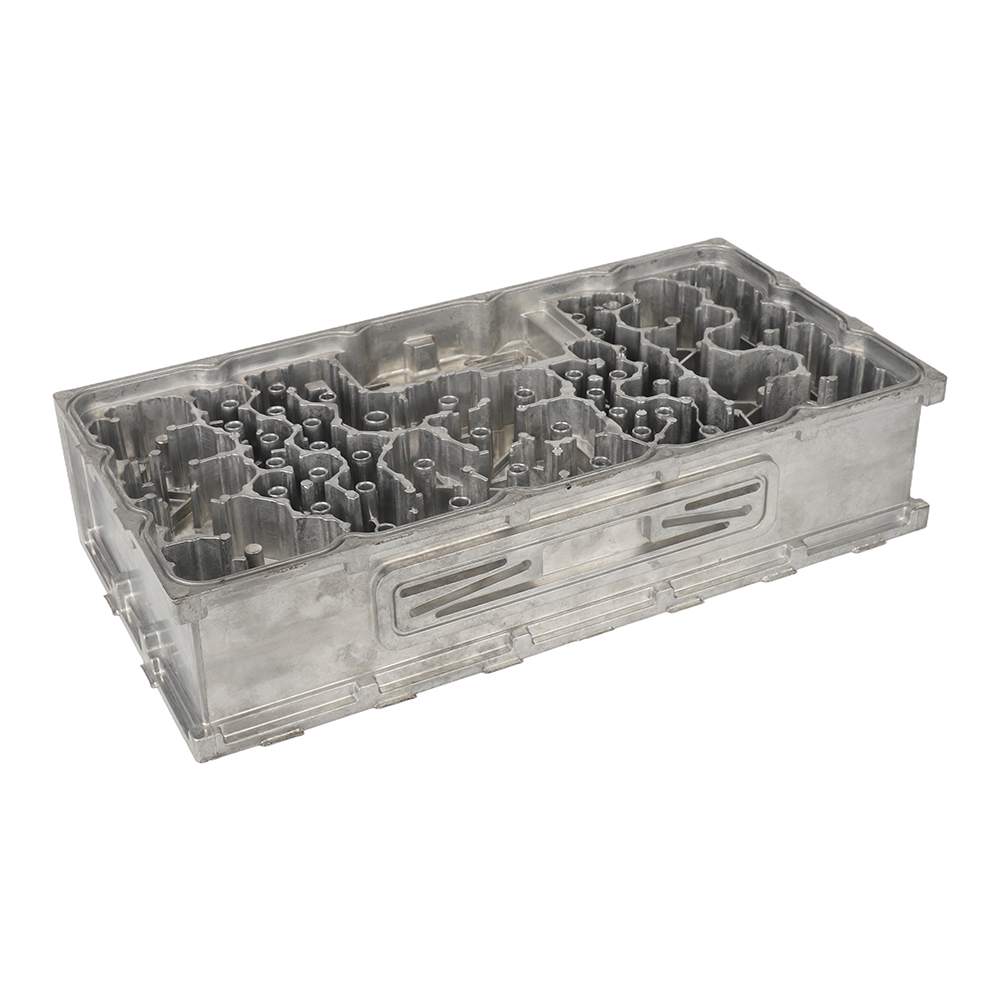
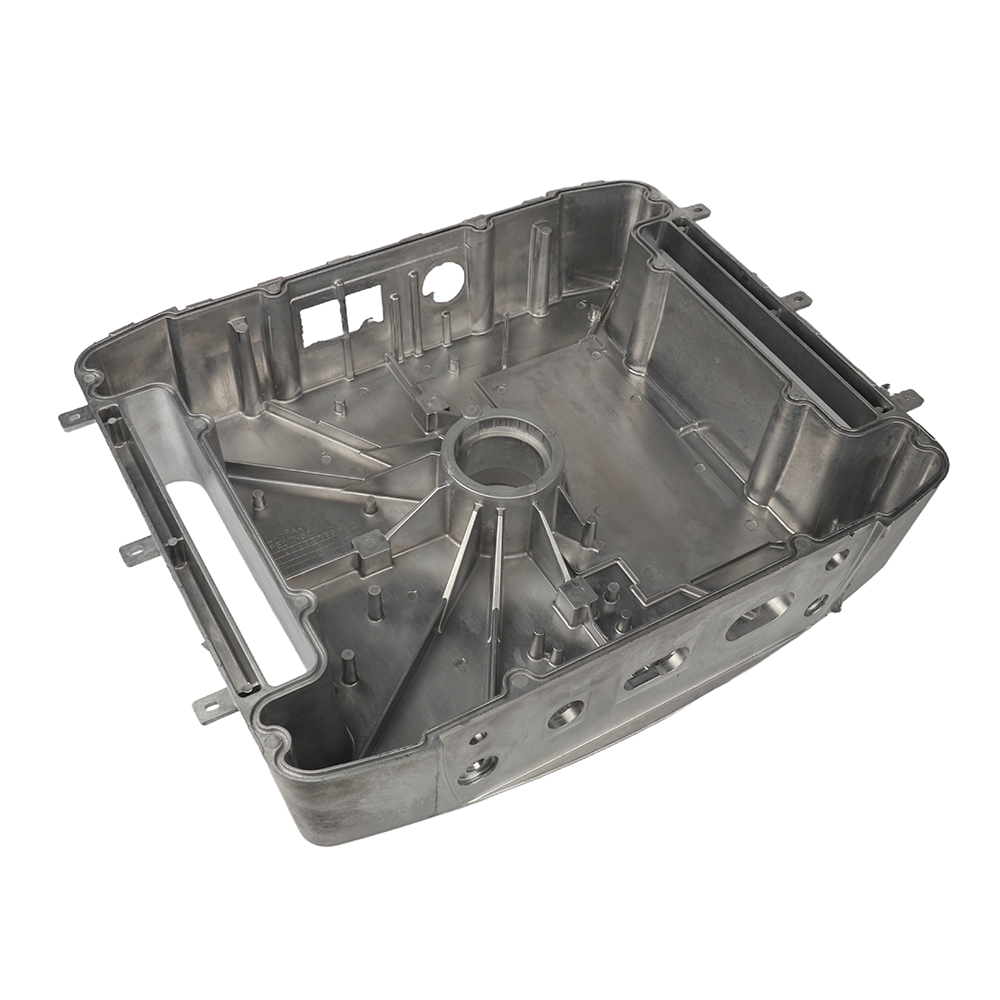
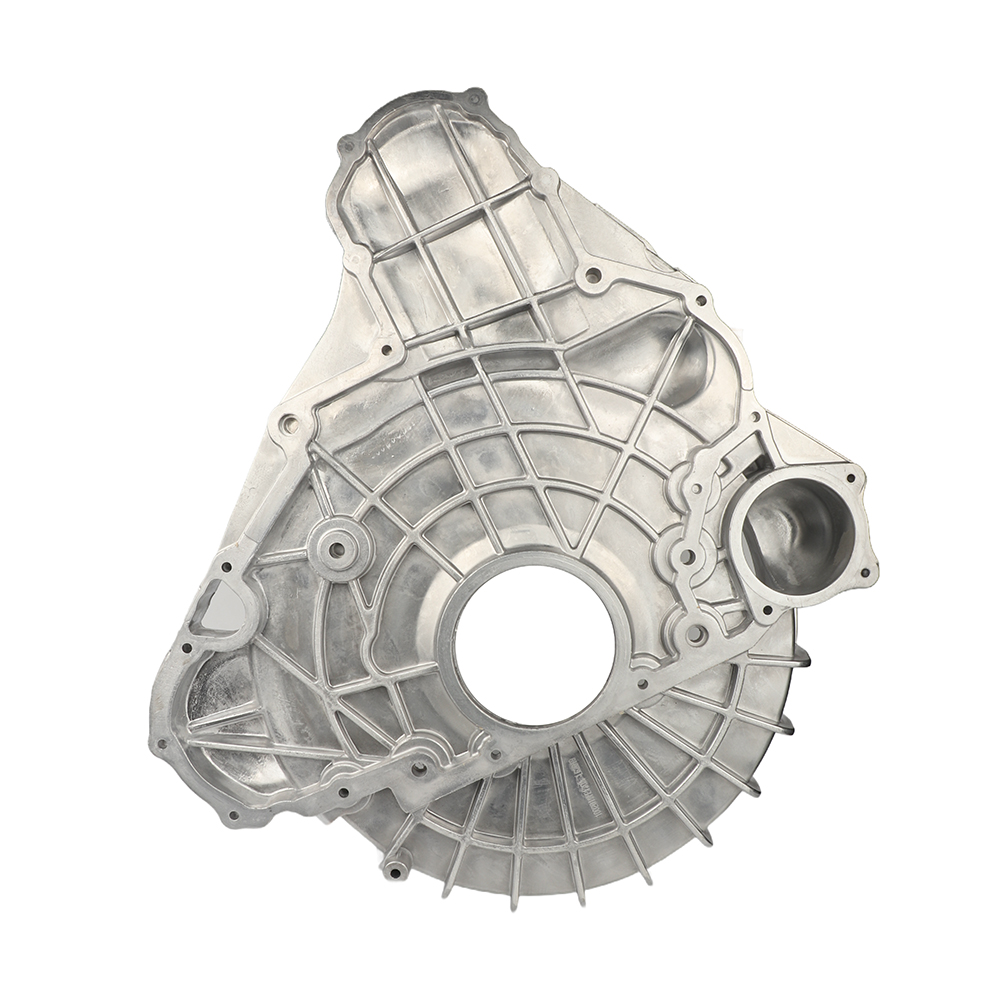
The automotive industry is the largest user of pressure die casting, relying on it for parts like engine blocks, gearbox cases, wheel spacers, and battery housings. These parts require high strength, tight tolerances, and lightweight properties—all of which PDC delivers. For example, aluminum die-cast engine blocks are 30–40% lighter than cast iron alternatives, improving fuel efficiency, while maintaining the durability needed for harsh engine environments.
Electronics & Consumer Goods
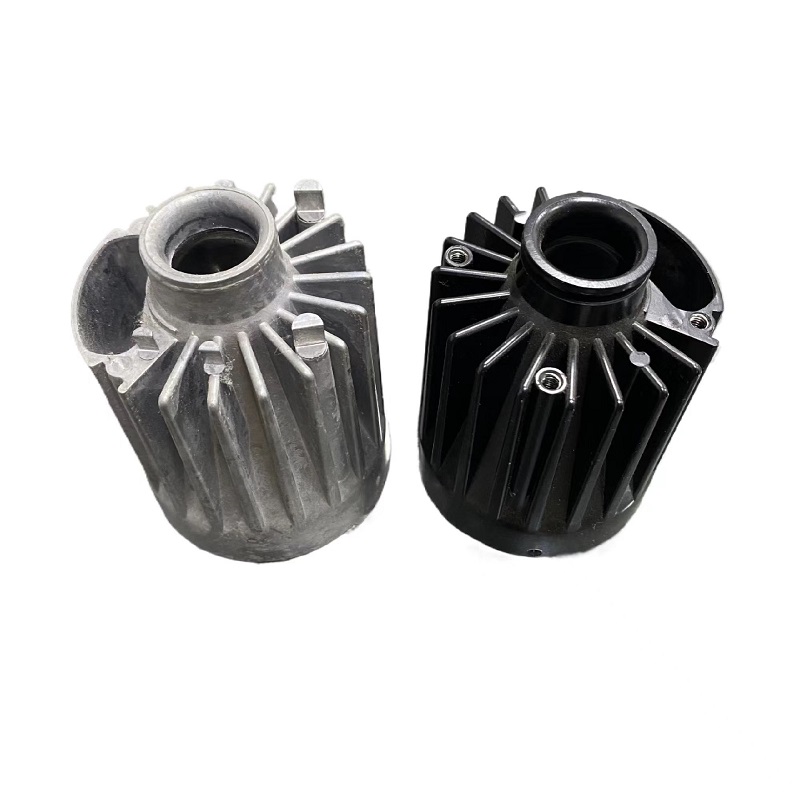
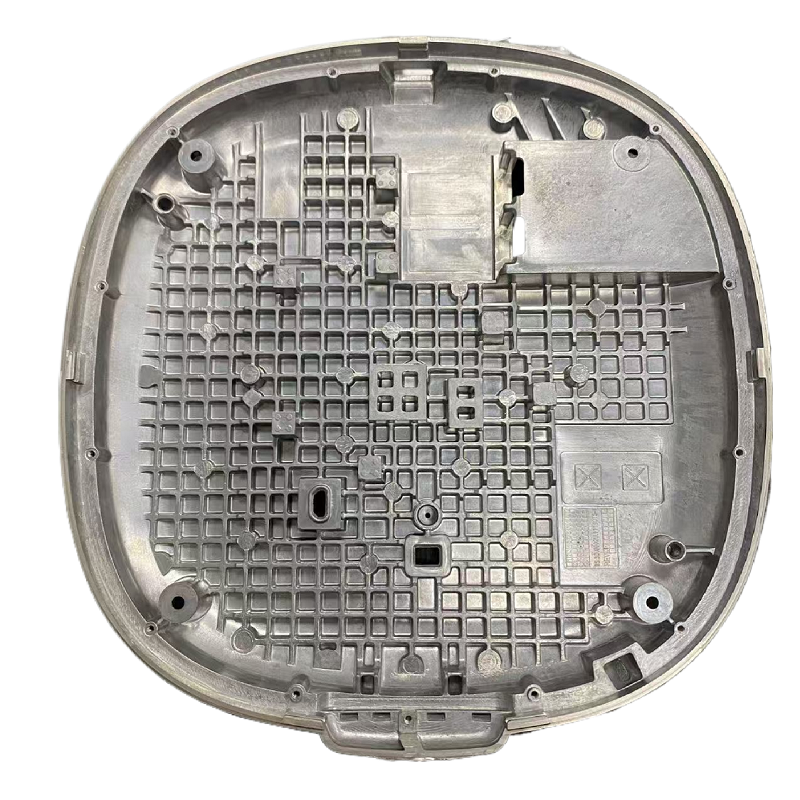
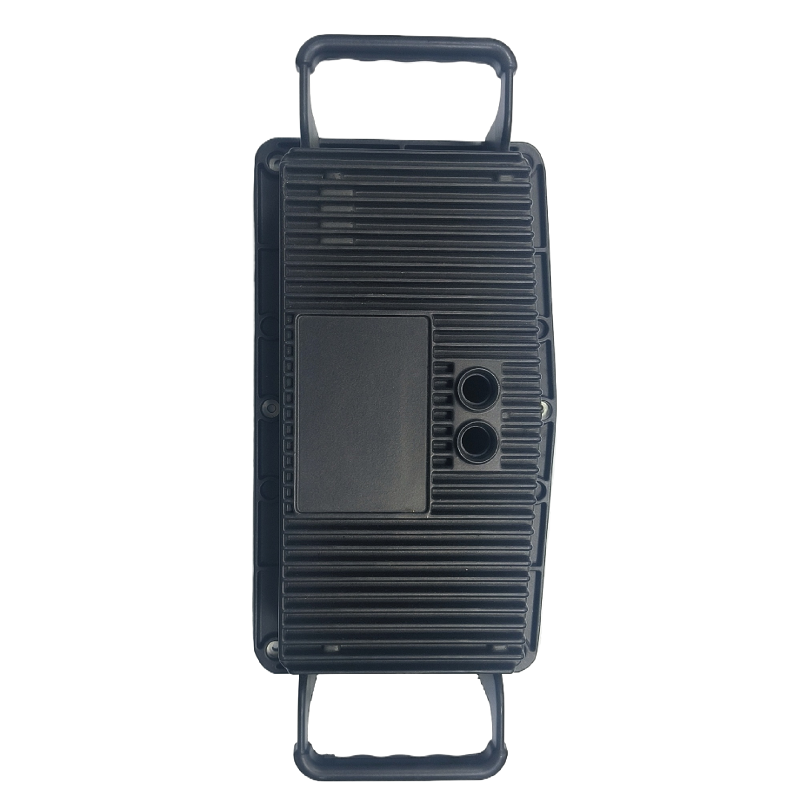
In electronics, pressure die casting produces smartphone frames, laptop housings, heat sinks, and connector components. These parts demand intricate details, smooth surface finishes, and heat resistance—PDC ensures tight tolerances (as low as ±0.02mm) and excellent thermal conductivity, making it ideal for heat sinks that dissipate heat in devices like smartphones and gaming consoles.
Aerospace & Industrial Machinery
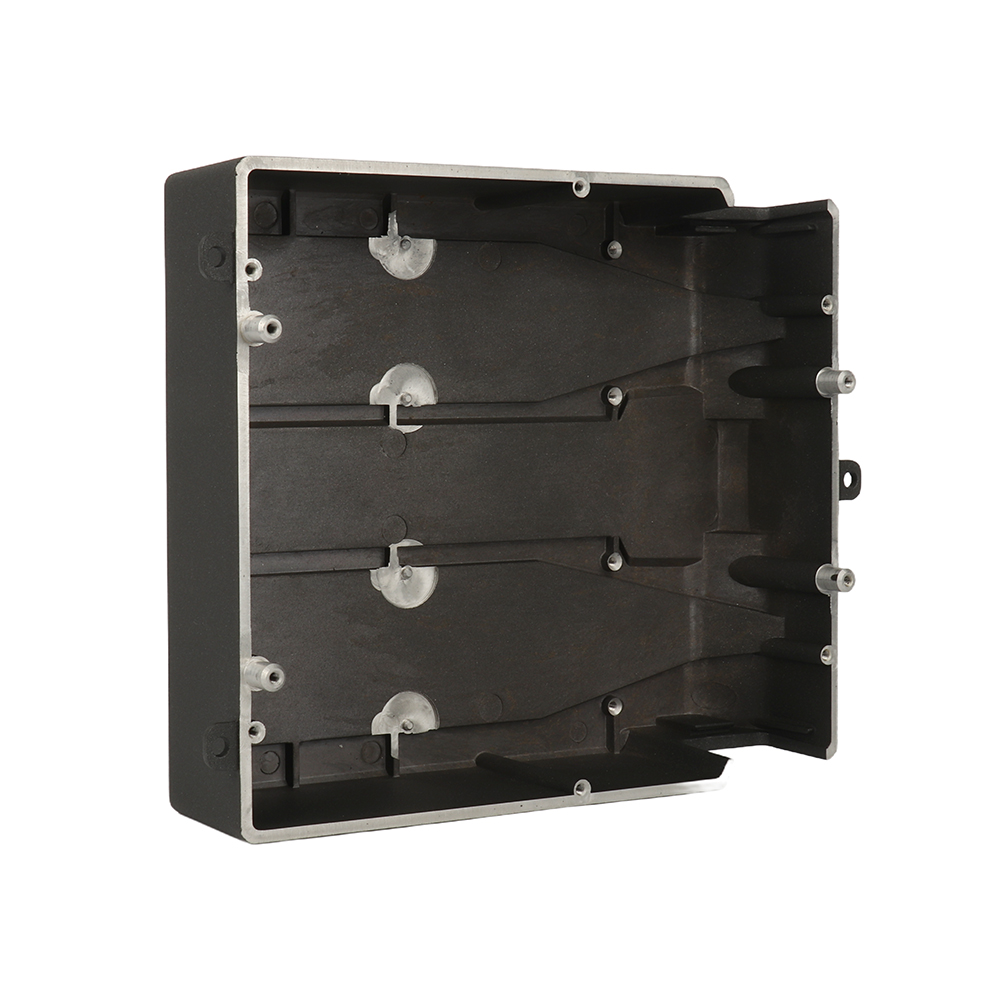
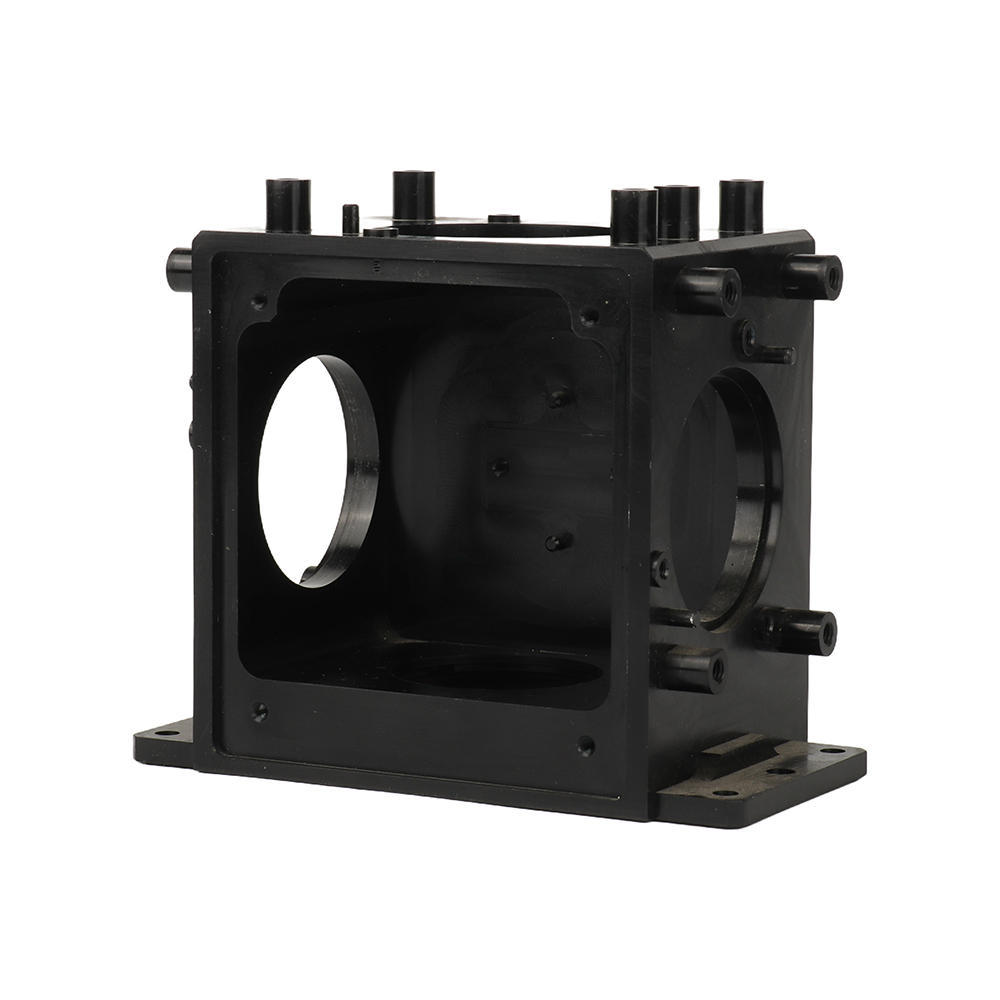
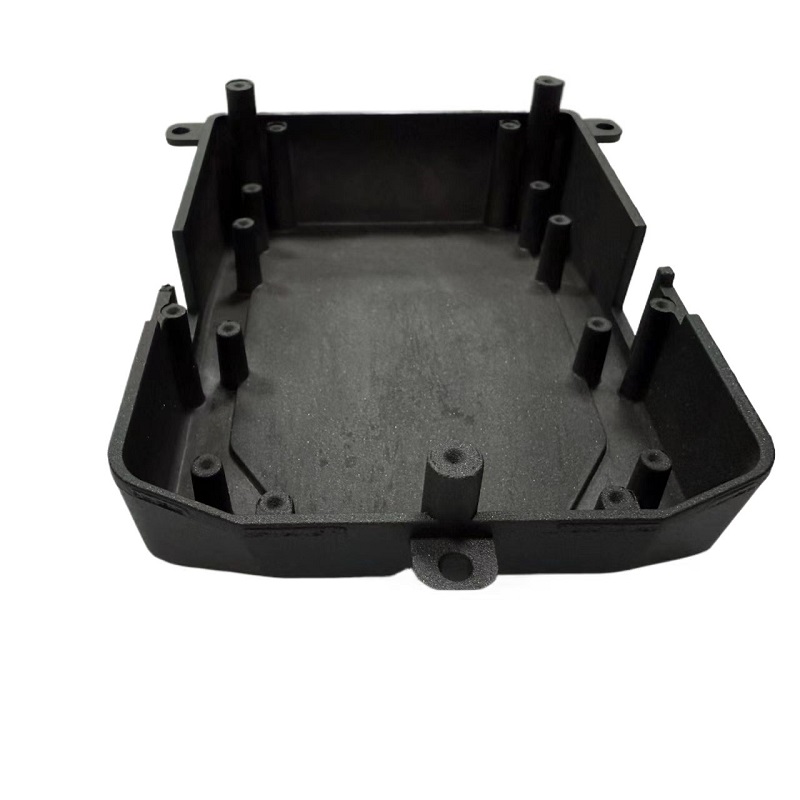
Aerospace applications use pressure die casting for actuators, gearbox components, and engine mounts, where precision and strength are critical. Industrial machinery relies on PDC for pump housings, valve bodies, and gearboxes, as these parts must withstand high pressure and repeated use without failure. PDC’s ability to produce complex internal geometries (without assembly) reduces part count and improves reliability.
Household & Sporting Goods
Everyday items like furniture hardware (handles, knobs), power tool housings, and golf club heads are also made via pressure die casting. These products benefit from PDC’s cost-effectiveness in mass production, as well as its ability to create aesthetically pleasing, durable parts that resist wear and corrosion.
Unbeatable Advantages of Pressure Die Casting
Pressure die casting outperforms other casting methods (such as sand casting or investment casting) in several key areas, making it the preferred choice for high-volume, precision manufacturing. Here are its most significant advantages:
1. High Precision & Consistent Quality
PDC produces parts with tight dimensional tolerances (typically ±0.02–0.10mm) and uniform surface finishes, eliminating the need for extensive machining or finishing. The reusable die ensures every part is identical, reducing waste and ensuring consistency across production runs.
2. High Production Efficiency
With cycle times as short as 15–30 seconds (for small parts), pressure die casting enables mass production of thousands of parts per day. Automated systems further boost efficiency, reducing labor costs and increasing throughput—critical for meeting high-demand markets like automotive and electronics.
3. Complex Shapes & Intricate Details
Unlike other casting methods, PDC can create parts with complex internal and external geometries—such as thin walls (as thin as 0.5mm), undercuts, and fine details—without the need for assembly. This reduces part count, simplifies supply chains, and lowers overall production costs.
4. Excellent Material Properties
Rapid solidification during PDC creates a fine-grained microstructure, resulting in parts with high strength, hardness, and wear resistance. Aluminum die-cast parts, for example, have a tensile strength of up to 400 MPa when heat-treated, making them suitable for structural applications.
5. Cost-Effective for High Volume
While the initial cost of die tooling is relatively high, the low per-unit cost for high-volume production makes PDC highly cost-effective. For runs of 50,000+ parts, the tooling cost is quickly offset by reduced labor, material waste, and post-processing expenses. Additionally, scrap metal from the process can be recycled, further lowering material costs.
Expert Insights on Pressure Die Casting
To gain a deeper understanding of pressure die casting’s value and applications, we spoke with Mark Wilson, a senior manufacturing engineer with over 15 years of experience in die casting and industrial equipment:
“Having spent more than a decade in the industrial equipment sector, I can tell you that pressure die casting—especially aluminum PDC—is the backbone behind many high-performance components we rely on daily. Despite advances in additive manufacturing and composites, PDC remains irreplaceable because it balances precision, speed, and cost in a way no other process can. The ability to produce intricate shapes with tight tolerances at scale is invaluable for industries like automotive and aerospace, where even small deviations can impact performance. Modern PDC machines, which can reach injection pressures up to 160 MPa, ensure minimal porosity and superior surface finish, making parts that are both strong and reliable. One of the biggest misconceptions is that PDC is only for small parts, but with advanced die design, we’re now producing larger structural components—like EV battery housings—that meet the strictest industry standards.”
Another expert, Dr. Sarah Chen, a materials scientist specializing in metal casting, adds:
“Pressure die casting’s greatest strength is its ability to turn molten metal into functional, high-quality parts in seconds. The rapid solidification process not only improves material properties but also reduces production time, which is critical in today’s fast-paced manufacturing landscape. We’re seeing innovations in die design and alloy composition that are expanding PDC’s applications—for example, using heat-treated aluminum alloys to produce structural components that were once only possible with forging. As sustainability becomes a priority, PDC’s ability to recycle scrap metal and reduce waste makes it a more eco-friendly option than many other manufacturing methods.”
Frequently Asked Questions (FAQs) About Pressure Die Casting
Below are answers to the most common questions about pressure die casting, based on industry expertise and best practices:
Q1: What materials are used in pressure die casting?
The most common materials are non-ferrous alloys, including aluminum (A380, A360, A383), zinc, magnesium, and copper. Aluminum is the most widely used due to its lightweight, high strength, and cost-effectiveness. Zinc is ideal for small, intricate parts, while magnesium is used for lightweight aerospace and automotive components.
Q2: What is the difference between hot chamber and cold chamber die casting?
Hot chamber die casting immerses the injection system in the molten metal furnace, making it ideal for low-melting-point metals (zinc, magnesium) with fast cycle times (<15 seconds). Cold chamber die casting uses a separate injection chamber, suitable for high-melting-point metals (aluminum) to avoid corrosion, with slightly longer cycle times (20–60 seconds).
Q3: Can pressure die casting produce structural components?
Yes. With advanced processes like squeeze casting or heat treatment, pressure die casting can produce structural components. For example, A357 aluminum alloy treated with T6 heat treatment can reach a tensile strength of 400 MPa, making it suitable for EV frames and automotive suspension parts.
Q4: How do you reduce porosity in die-cast parts?
Porosity (tiny air bubbles) can be reduced by degassing the molten metal, using vacuum dies, and optimizing plunger speeds to ensure smooth flow. One automotive manufacturer added vacuum valves to their process, cutting porosity from 2% to 0.5% and improving part durability.
Q5: What is the typical cost of die tooling for pressure die casting?
Tooling costs vary based on complexity: single-cavity dies cost $20,000–$50,000, while complex multi-slide dies can range from $100,000–$500,000. However, high-volume production (50,000+ parts) quickly offsets these costs—many projects break even within 6 months.
Q6: Is recycled metal suitable for pressure die casting?
Yes, up to 100% recycled metal can be used with proper fluxing (a process to remove impurities). One wheel manufacturer used 80% scrap aluminum in their die casting process, maintaining part strength while reducing material costs by 15%.
Conclusion
Pressure die casting is a versatile, efficient, and precise manufacturing process that plays a critical role in modern industry. From automotive engine blocks to smartphone frames, it produces high-quality, consistent parts at scale, offering unbeatable advantages in precision, efficiency, and cost-effectiveness. As experts note, PDC remains irreplaceable despite advances in other manufacturing methods, thanks to its unique ability to balance speed, quality, and complexity.
Whether you’re a manufacturer looking to scale production, an engineer designing a new component, or simply curious about how everyday products are made, understanding pressure die casting is key to appreciating the innovation behind modern metal manufacturing. With ongoing advancements in die design, alloy technology, and automation, pressure die casting will continue to shape the future of high-volume, precision production.
Led display cabinet | What is an aluminum-zinc connecting plate? Key Role in LED Display Cabinets
For power supply | What are die-cast aluminum enclosures? Focus on Die-Cast Aluminum Enclosures for Power Supply
Related Article


