
HOT PRODUCTS
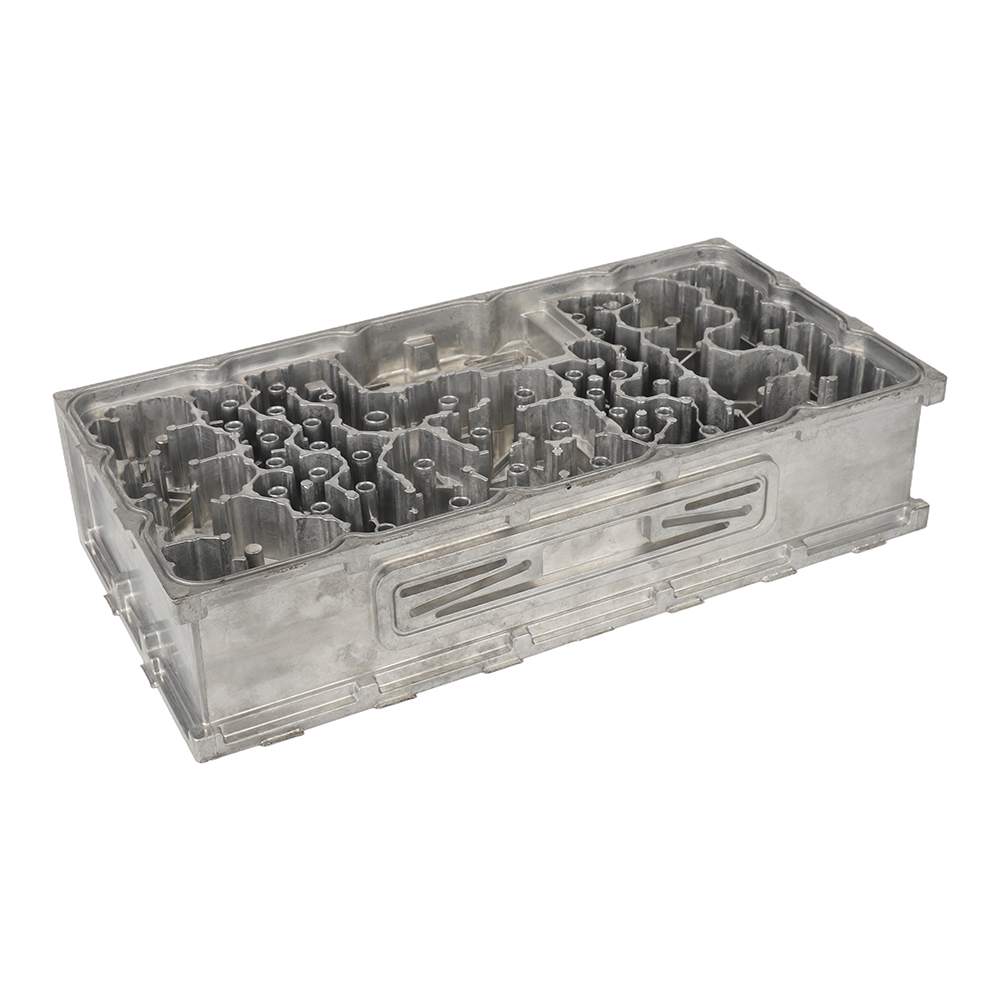
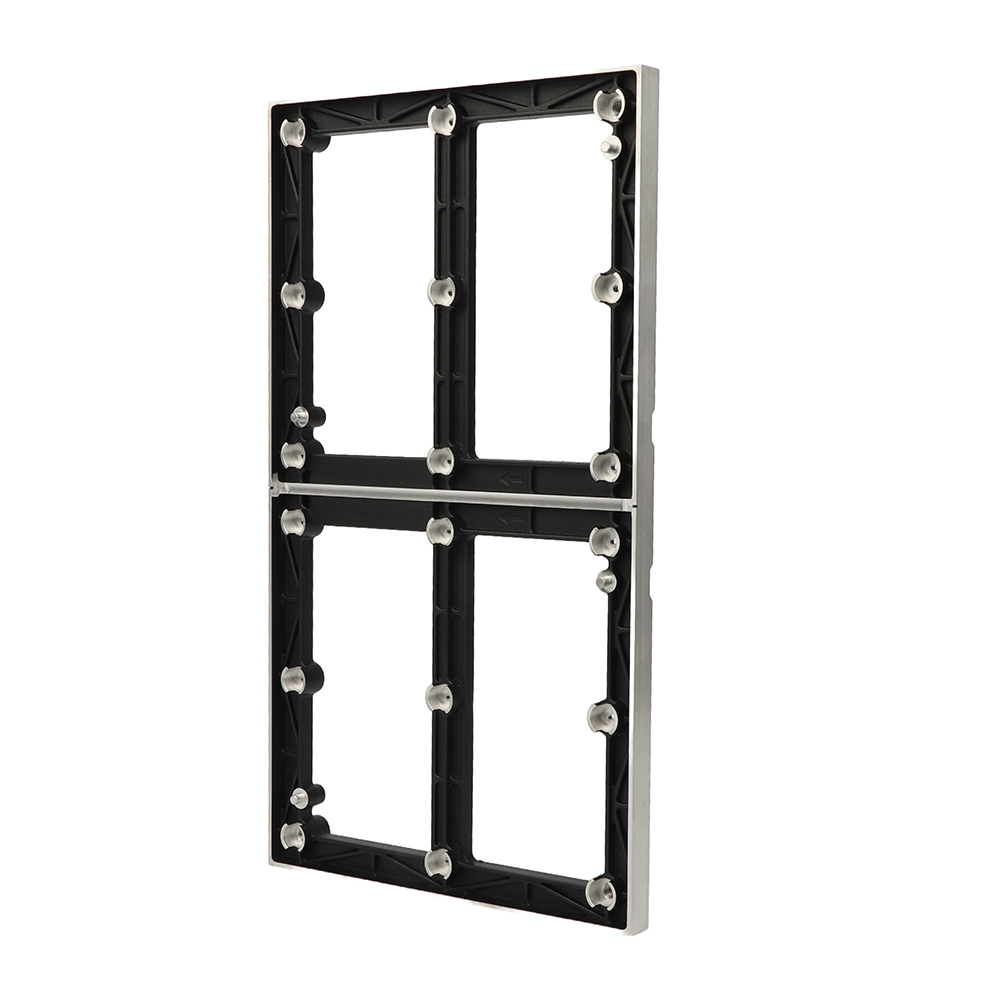
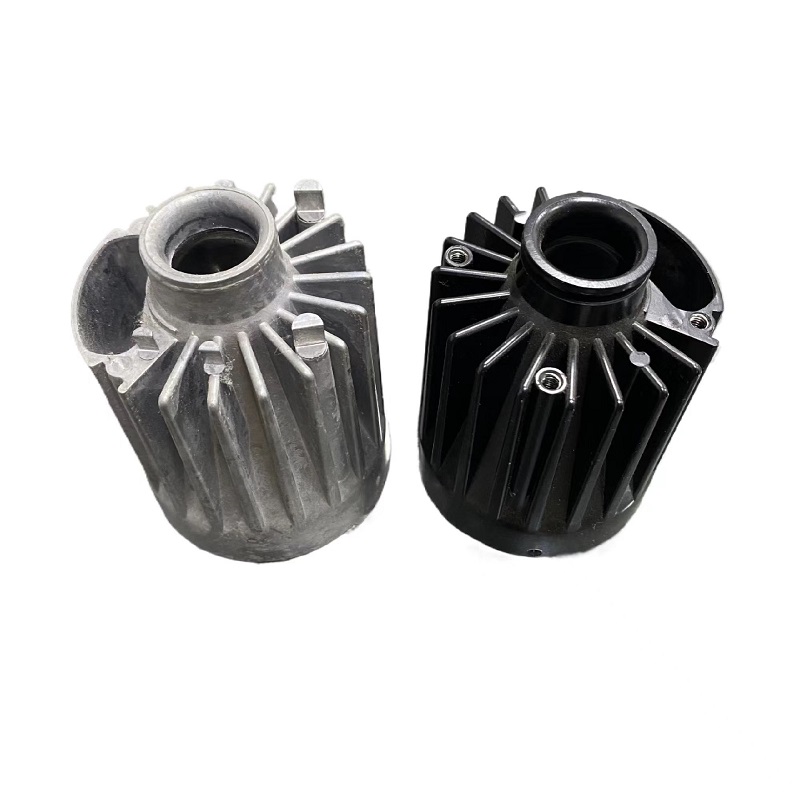
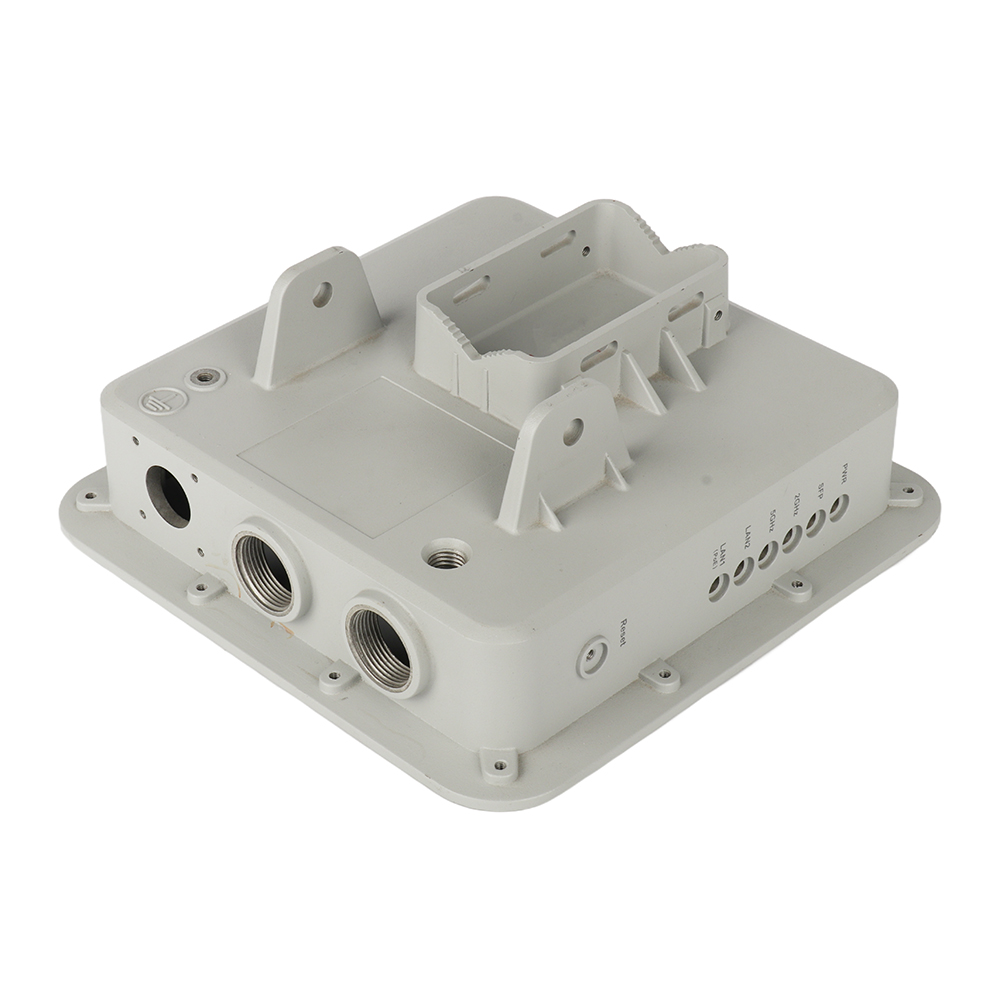
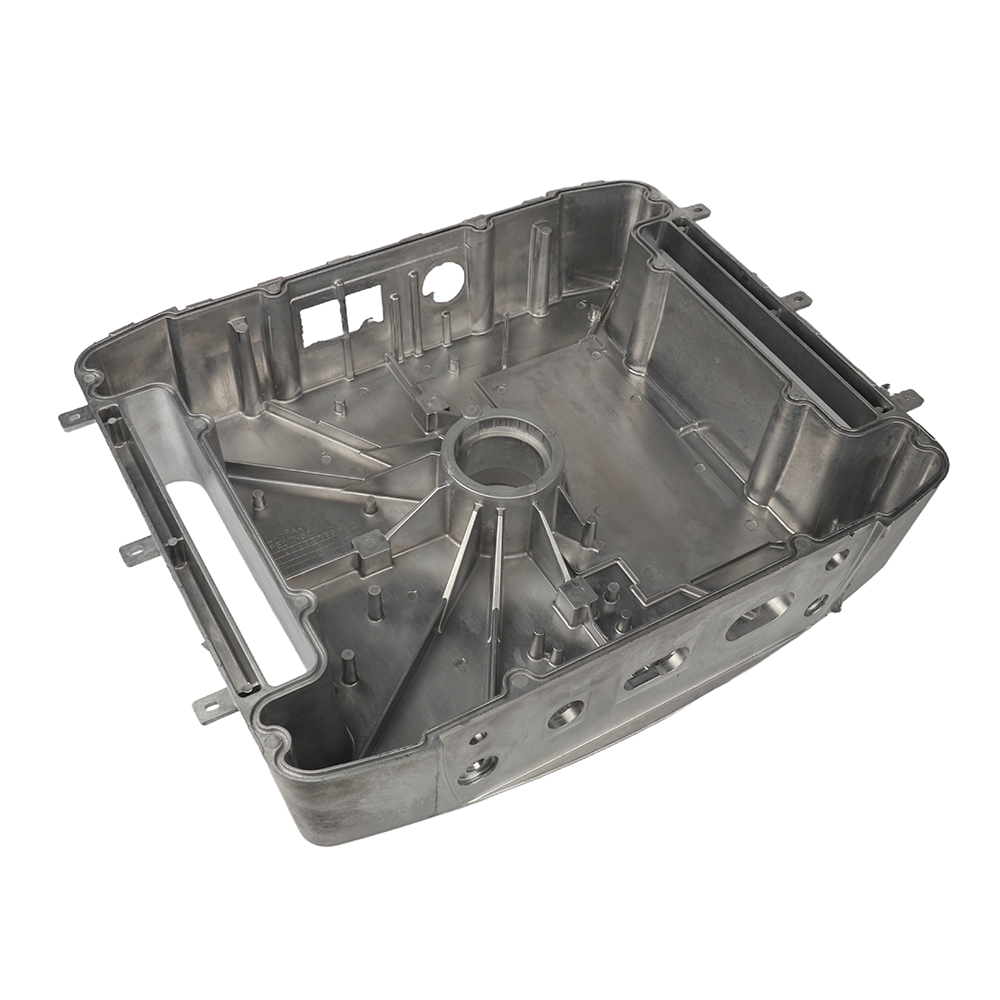
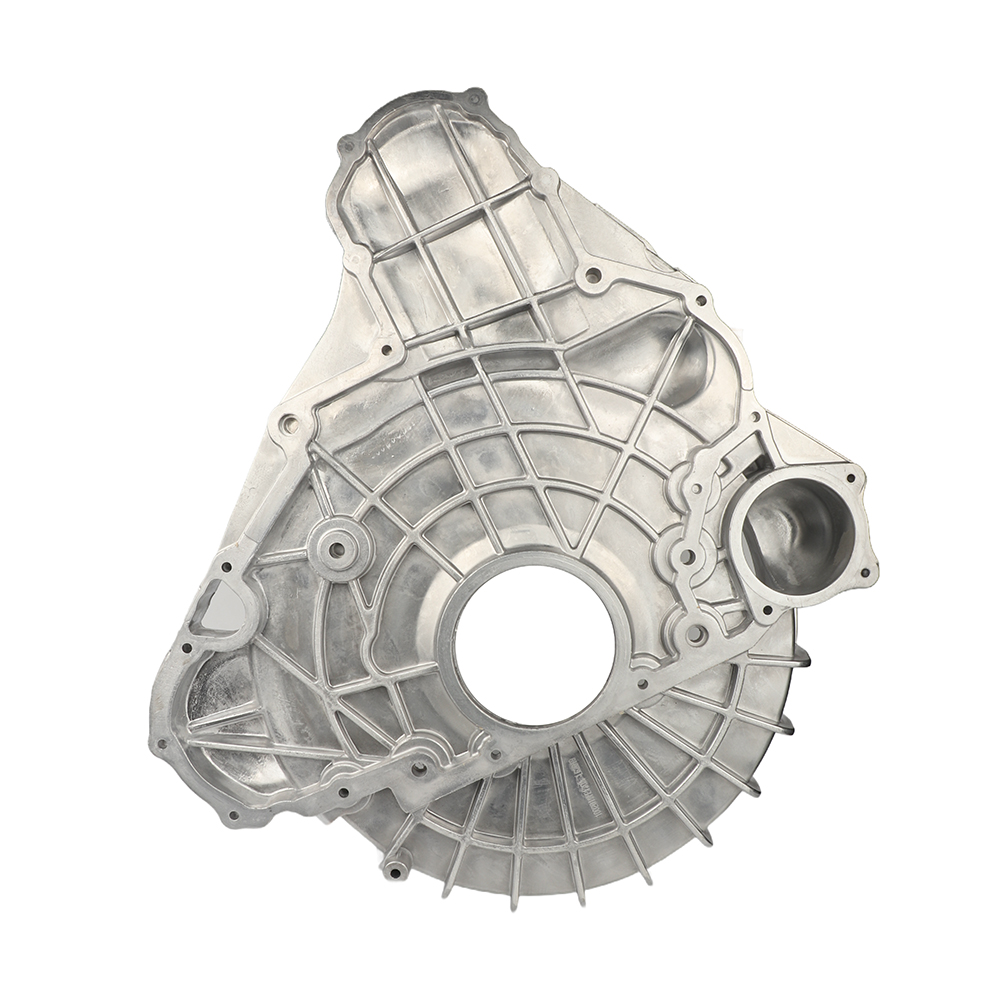
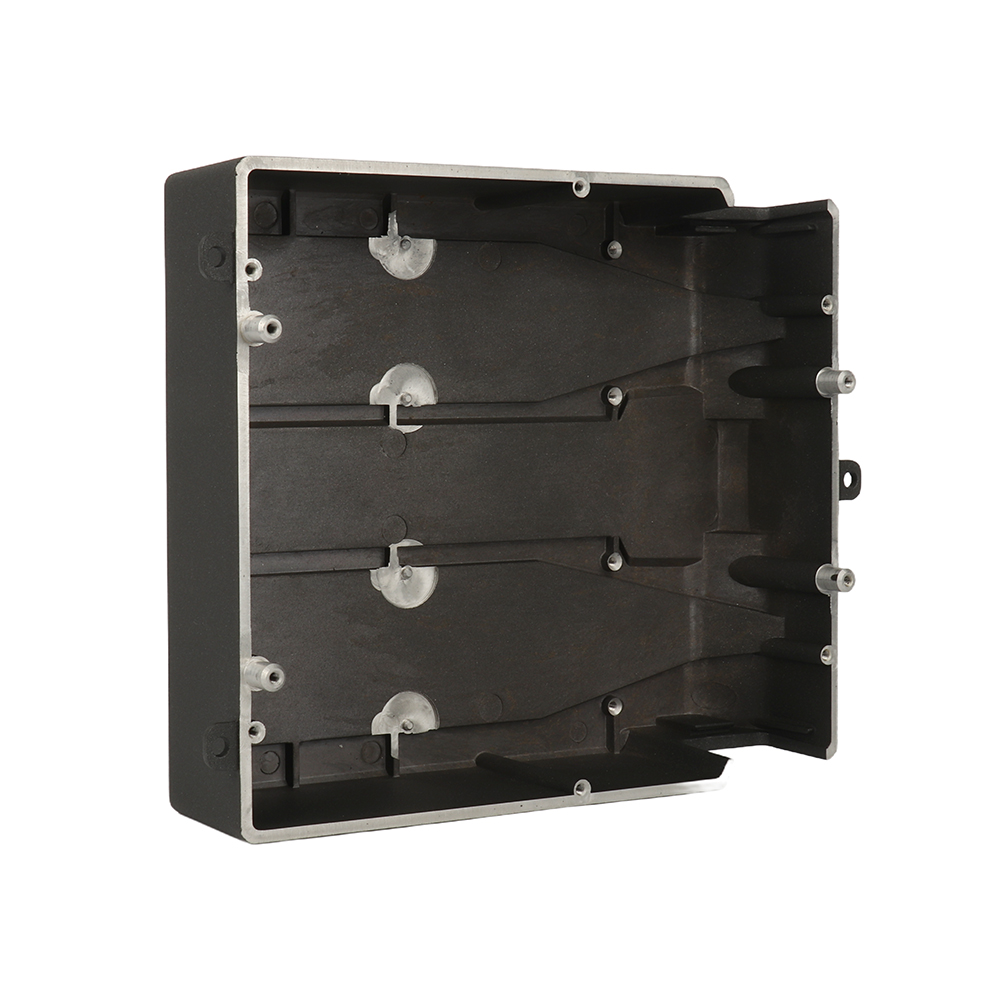
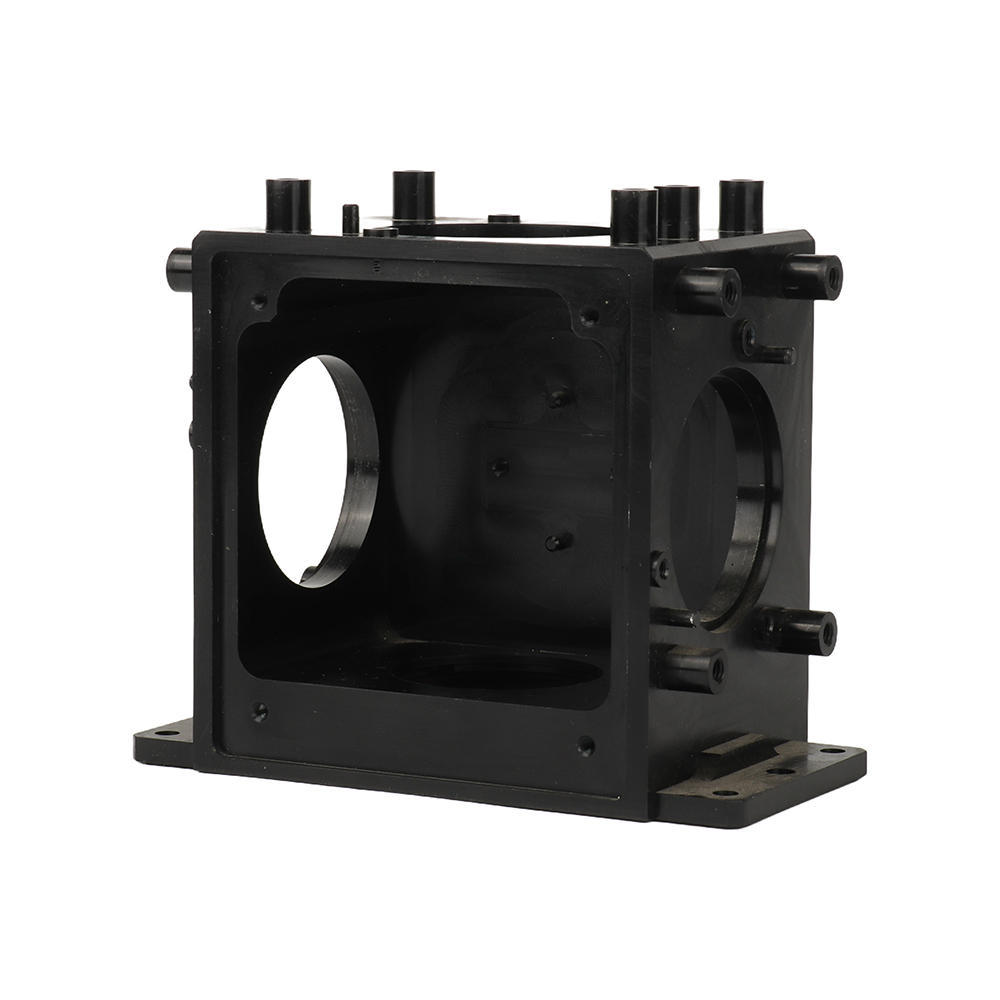
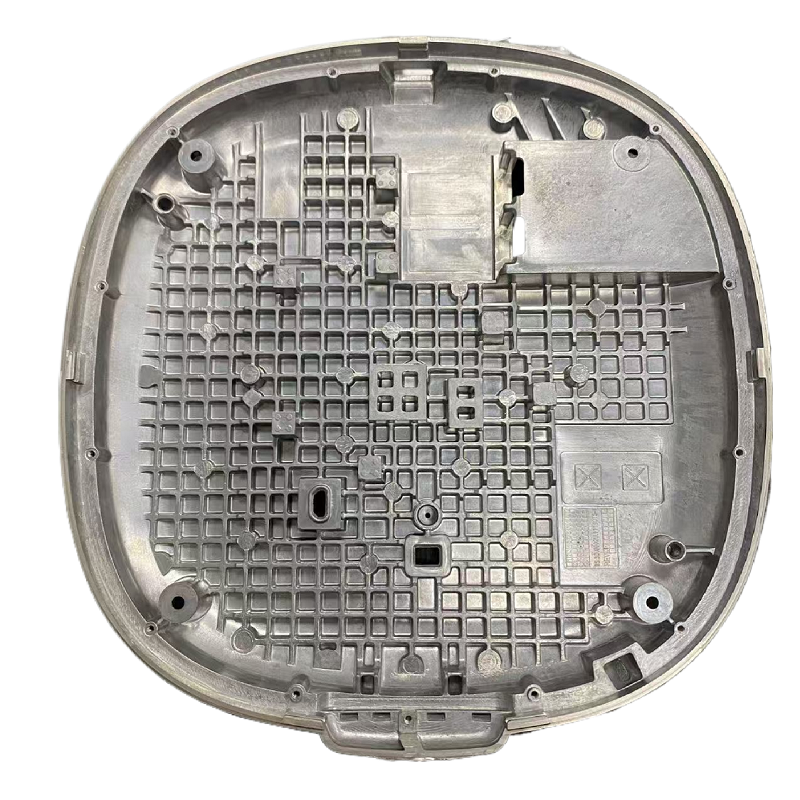
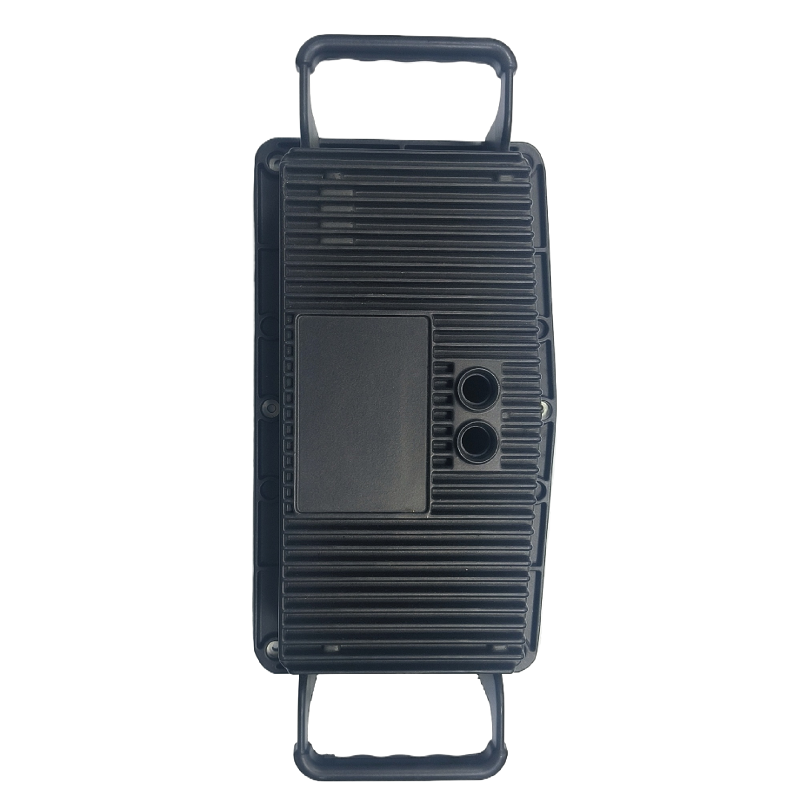
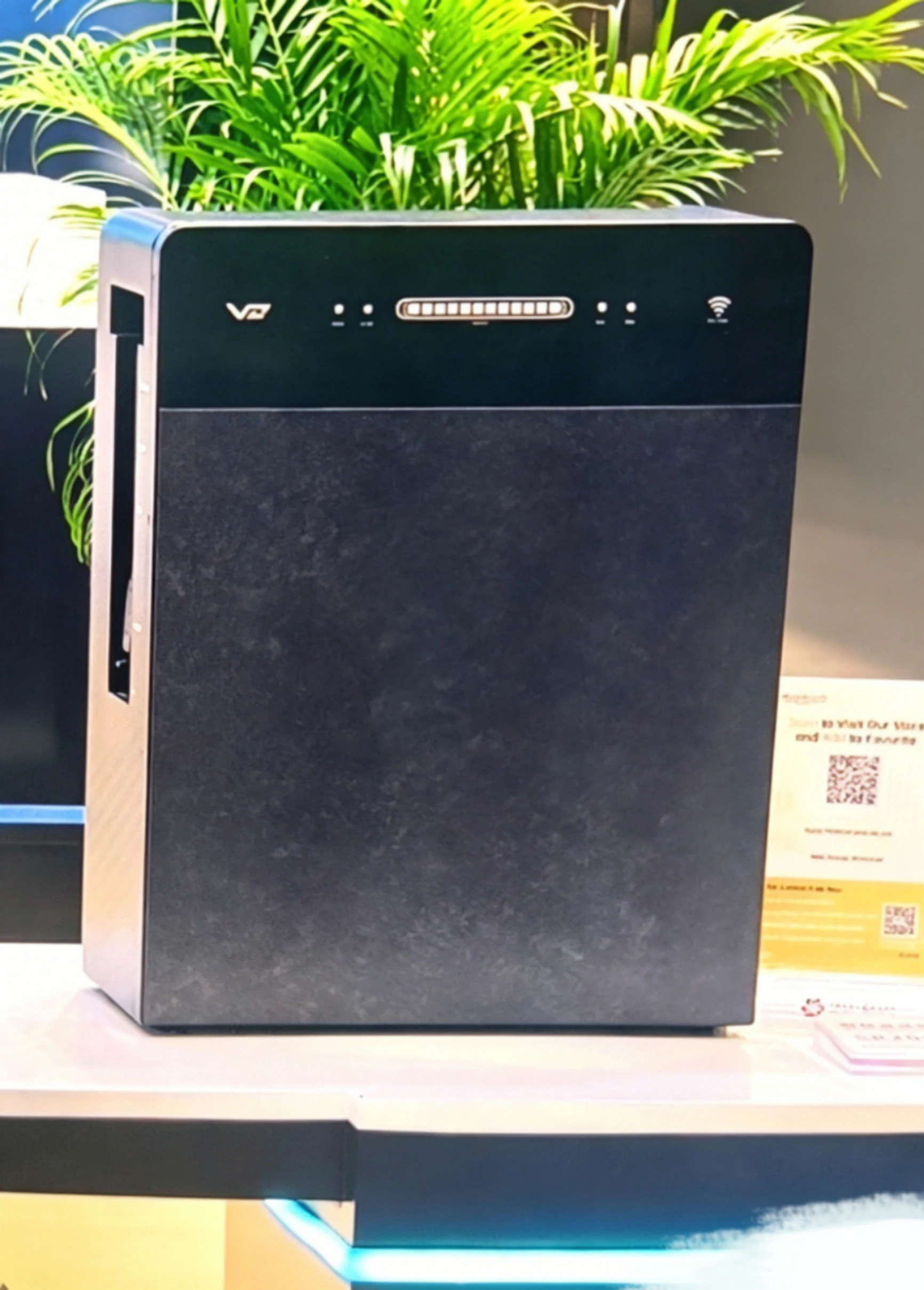
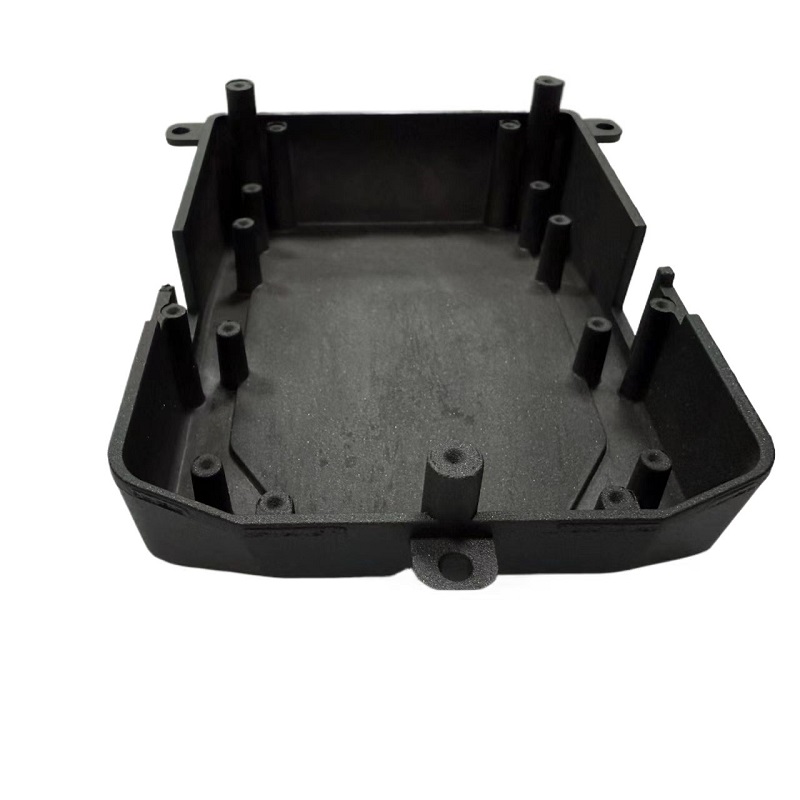
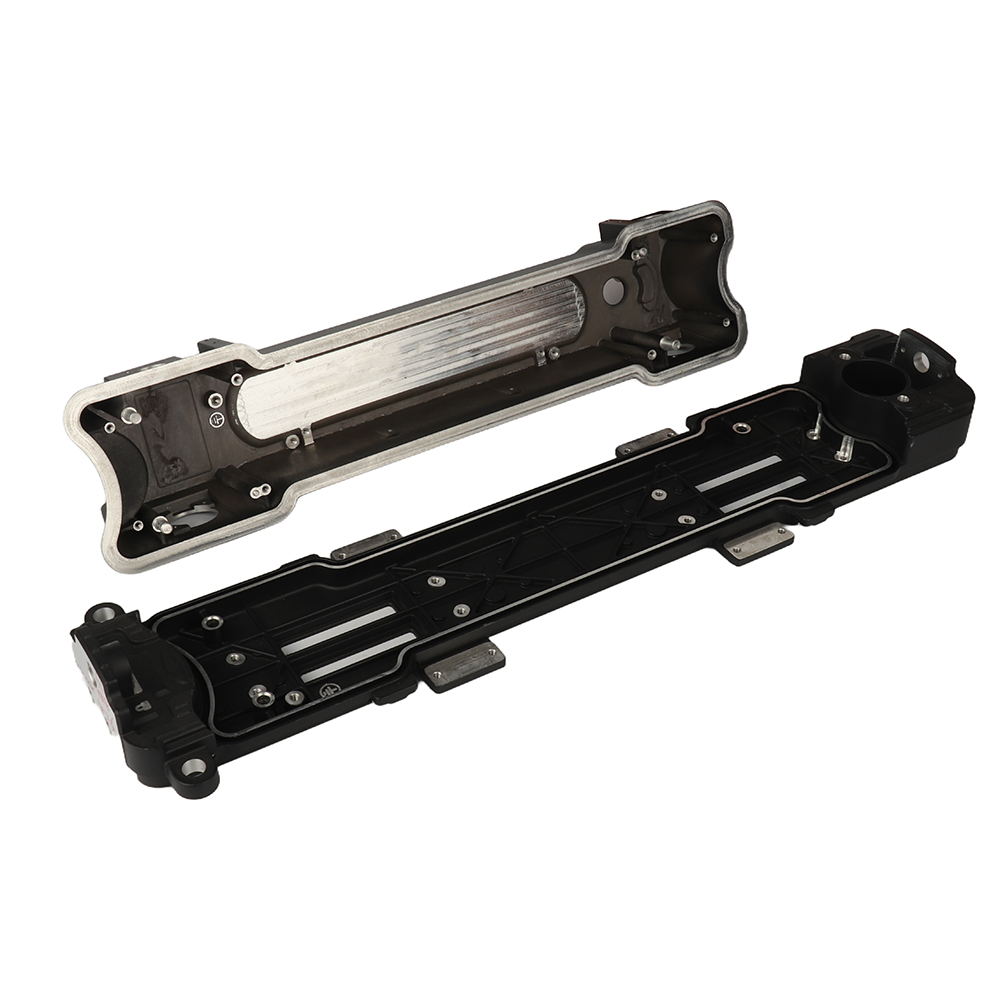
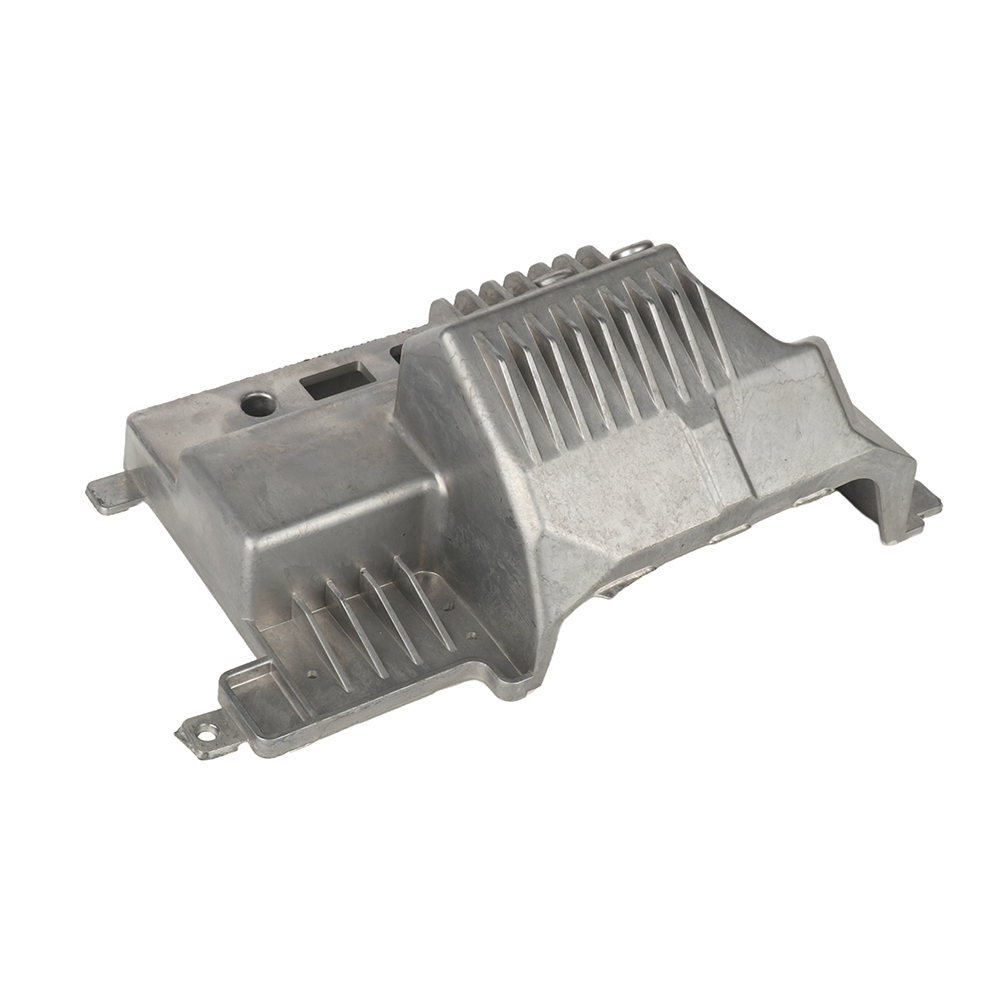
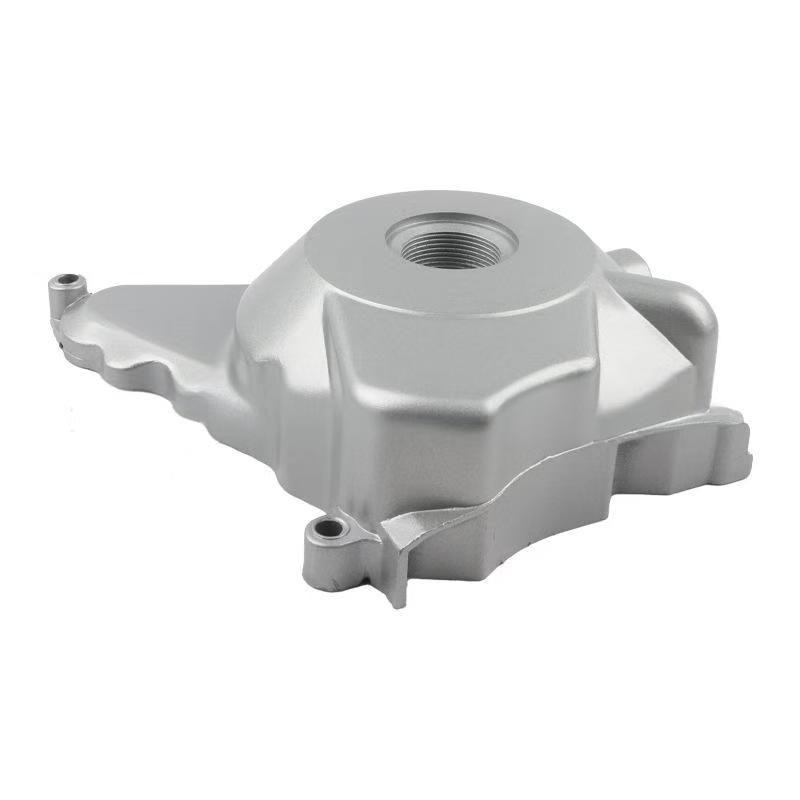
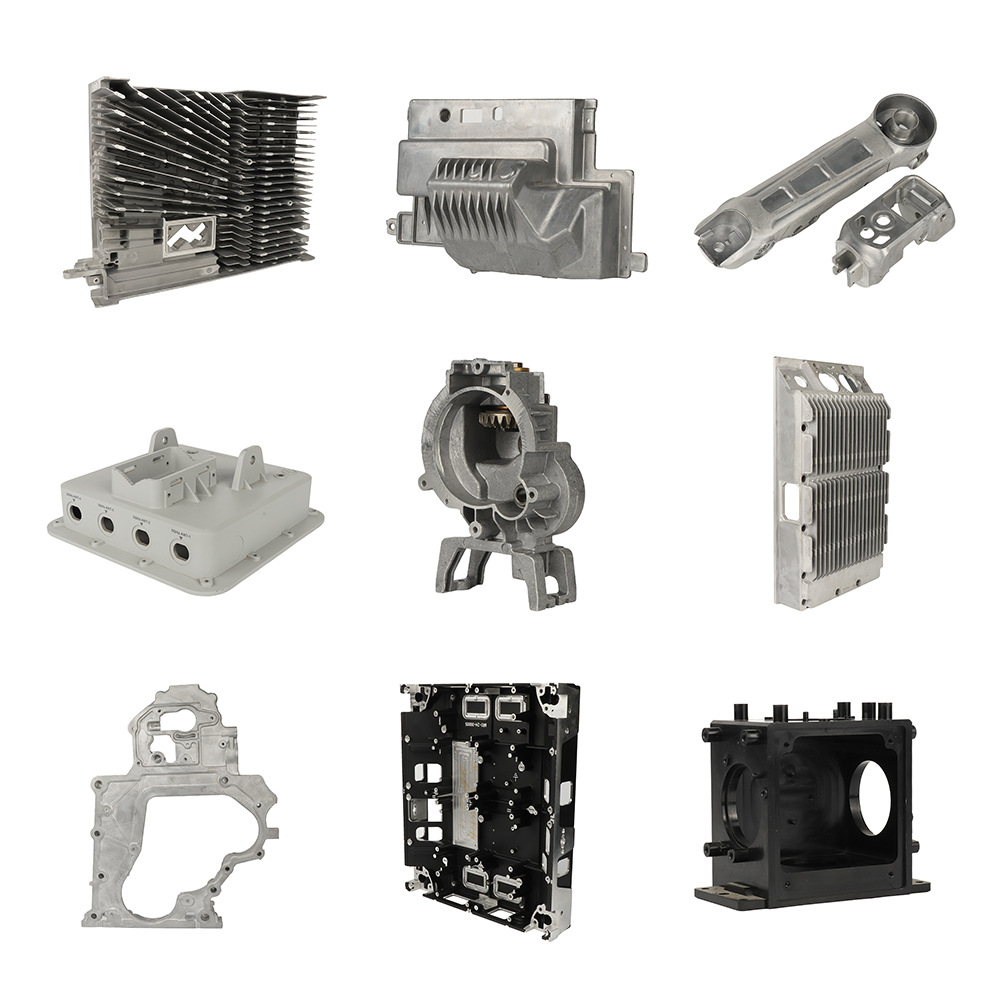
Custom aluminum casting | What is the customization process for aluminum castings? A Complete Guide
2026-05-07
What is the Customization Process for Aluminum Castings? A Complete Guide
Table of Contents
- 1. Introduction to Custom Aluminum Castings
- 2. Core Customization Process for Aluminum Castings (Step-by-Step)
- 3. Key Processes & Technologies for Custom Aluminum Castings
- 4. Unique Benefits of Custom Aluminum Castings
- 5. Expert Insights on Custom Aluminum Casting Customization
- 6. FAQs About Custom Aluminum Castings
- 7. Conclusion: Industry Trends & How to Choose a Quality Supplier
1. Introduction to Custom Aluminum Castings
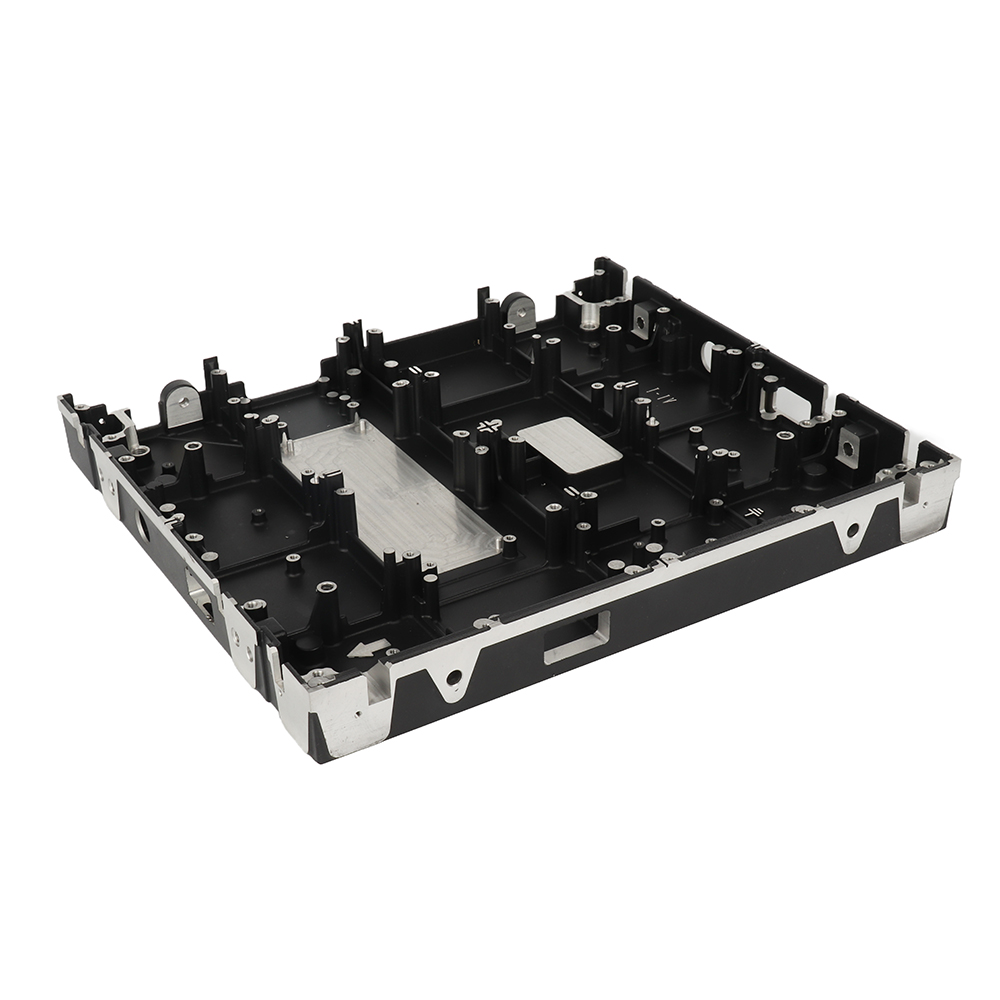
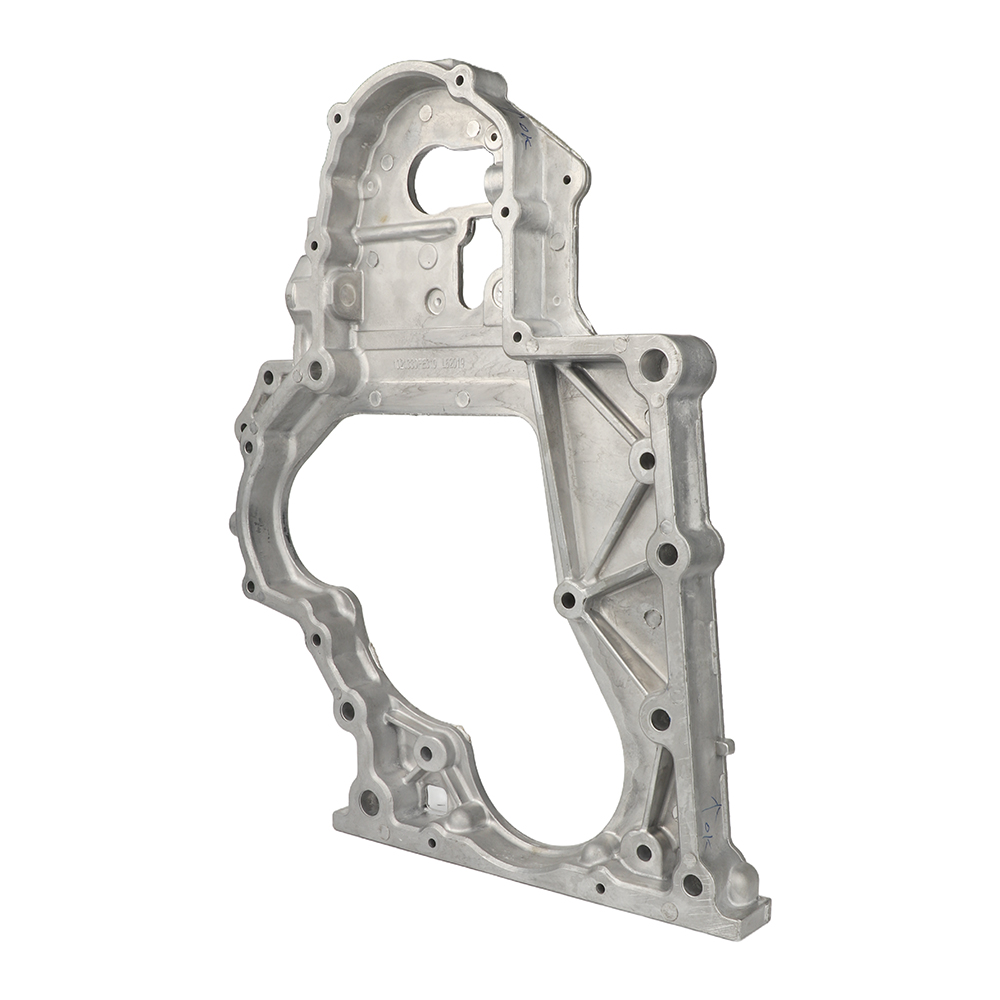
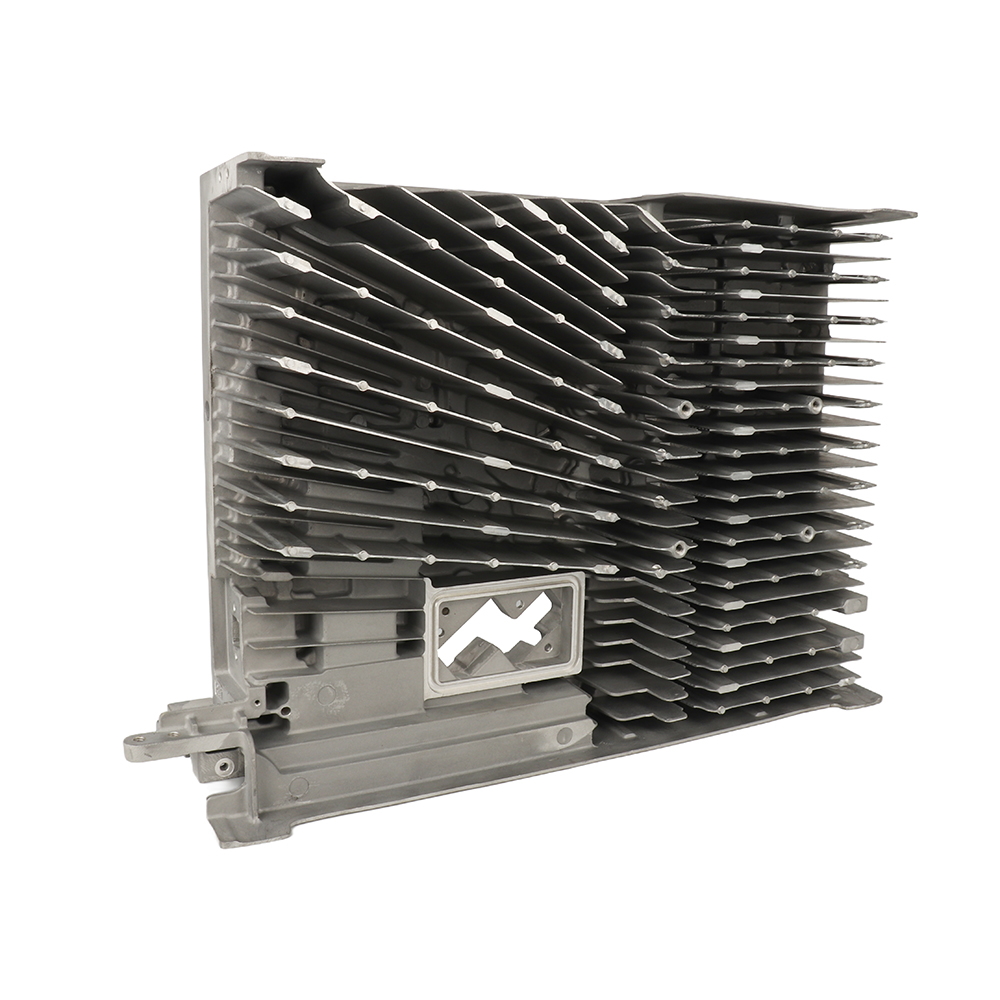
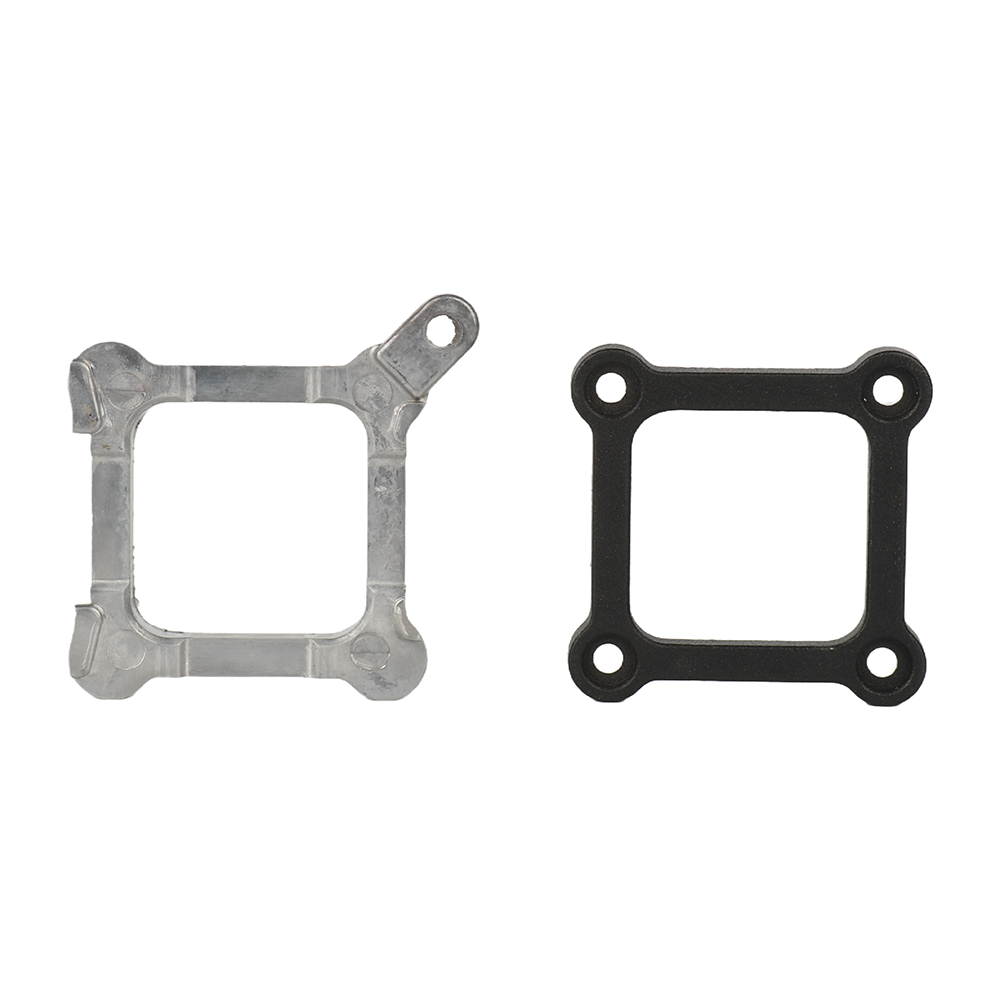
Custom aluminum castings are precision-manufactured aluminum components tailored to meet the unique requirements of specific applications, industries, and design specifications. Unlike standard off-the-shelf aluminum castings, custom aluminum castings are designed and produced to fit exact dimensions, shapes, mechanical properties, and functional needs—making them indispensable for industries that require specialized components to drive performance, efficiency, and innovation.
Aluminum is the ideal material for custom casting due to its inherent advantages: lightweight, excellent corrosion resistance, superior machinability, and high strength-to-weight ratio. Combined with advanced casting technologies, custom aluminum castings can be crafted into complex geometries, thin-walled structures, and integrated features that standard castings cannot achieve. Xinghang Precision Hardware specializes in custom aluminum casting solutions, integrating R&D, mold design, casting, machining, and surface treatment to deliver tailored components that meet the strictest industry standards.
2. Core Customization Process for Aluminum Castings (Step-by-Step)
The customization process for aluminum castings is a systematic, precision-driven workflow that ensures each component meets the customer’s exact requirements. Below is the step-by-step process followed by Xinghang Precision Hardware to deliver high-quality custom aluminum castings:
2.1 Requirement Consultation & Needs Analysis
The customization process begins with a detailed consultation between the customer and the manufacturer. During this phase, the team at Xinghang works closely with the customer to clarify key requirements, including: design specifications (drawings, dimensions, tolerances), mechanical properties (strength, hardness), application scenarios (industrial equipment, automotive, electronics, etc.), material preferences (aluminum alloys like ADC12, A380, A383), surface treatment needs, production volume, and delivery timelines. This step is critical to ensure alignment between the customer’s vision and the manufacturer’s capabilities, laying the foundation for a successful custom casting project.
2.2 Design & Mold Development
Based on the customer’s requirements, the R&D and mold design team creates a detailed custom design, including 3D models and engineering drawings. This design is optimized for casting feasibility, ensuring complex features (e.g., internal cavities, thin walls, mounting holes) can be efficiently produced without defects. Once the design is approved, a custom mold is developed—typically made of high-quality steel or cast iron to ensure durability and precision. The mold is tailored to the exact shape and dimensions of the custom aluminum casting, with proper exhaust channels and cooling systems to minimize defects like porosity and shrinkage. Xinghang’s mold design expertise ensures the mold is reusable, cost-effective, and compatible with the chosen casting process.
2.3 Material Selection & Preparation
The right aluminum alloy is selected based on the custom casting’s application and mechanical requirements. Common alloys for custom aluminum castings include ADC12 (excellent machinability for industrial components), A380 (high strength for harsh environments), and A383 (superior surface finish for decorative or precision parts). The selected aluminum alloy is then prepared through preprocessing—sorting, cleaning, and removing impurities—to ensure it meets melting standards. This step is crucial, as high-quality raw materials directly impact the final casting’s structural integrity and performance.
2.4 Custom Casting Production
The prepared aluminum alloy is melted in a precision furnace at controlled temperatures (650–750°C) to maintain fluidity and mechanical properties, followed by alloying, refining, and degassing to remove impurities and gas bubbles. The molten aluminum is then poured or injected into the custom mold using the appropriate casting process (gravity die casting, high-pressure die casting, etc.), depending on the component’s complexity, size, and volume. Strict process control—including mold temperature, pouring rate, and solidification time—ensures the molten aluminum fills the mold uniformly, creating a precise, defect-free custom aluminum casting.
2.5 Post-Processing & Refinement
After solidification, the casting is ejected from the mold and undergoes post-processing to refine its quality and meet the customer’s specifications. This includes trimming (removing excess material from sprues and runners), CNC machining (for precision refinement and tight tolerances), surface treatment (e.g., powder coating, anodizing to enhance corrosion resistance and aesthetics), and quality inspection. Xinghang integrates these post-processing steps seamlessly, ensuring the custom aluminum casting meets all dimensional, mechanical, and visual requirements.
2.6 Quality Inspection & Delivery
Every custom aluminum casting undergoes 100% quality inspection, including dimensional measurement, defect testing (porosity, cracks, cold shuts), and mechanical property testing. This ensures the casting meets the customer’s drawing requirements and industry standards (e.g., ISO9001, IATF16949). Once approved, the custom castings are packaged securely and delivered on time, with full documentation of quality and compliance.

3. Key Processes & Technologies for Custom Aluminum Castings
The quality and precision of custom aluminum castings depend on the right combination of casting processes and advanced technologies. Below are the core processes and technologies used by Xinghang Precision Hardware to deliver superior custom solutions:
3.1 Casting Processes for Custom Aluminum Castings
- Gravity Die Casting: Ideal for medium-to-high volume custom aluminum castings requiring superior structural integrity and smooth surface finish. It uses gravity to fill the mold, reducing defects and ensuring uniform density—perfect for industrial equipment components.
- High-Pressure Die Casting: Suitable for high-volume custom castings with complex geometries and tight tolerances. It injects molten aluminum into the mold under high pressure, ensuring fast cycle times and precise dimensional accuracy—ideal for automotive and electronic components.
- Precision CNC Machining: A critical post-processing technology that refines custom aluminum castings to meet tight tolerances (as low as ±0.05 mm). Xinghang’s nearly 100 high-speed vertical CNC machines ensure precision and scalability for custom orders of all sizes.
3.2 Advanced Technologies for Customization
- 3D Design & Simulation: Uses CAD software to create detailed 3D models of custom castings, allowing for design optimization and defect prediction before mold production—reducing development time and costs.
- Automated Production Systems: Robotic arms for molten metal feeding and part extraction ensure consistent, precise operations, reducing human error and improving production efficiency.
- Strict Material Control: Adheres to industry standards (e.g., GB/T 8733-2016, ASTM B85/B85M) for aluminum alloys, ensuring raw materials meet the highest quality requirements.
4. Unique Benefits of Custom Aluminum Castings
Custom aluminum castings offer distinct advantages over standard castings, making them the preferred choice for industries that require specialized components. These benefits are amplified when partnering with a professional manufacturer like Xinghang Precision Hardware:
- Tailored to Exact Requirements: Custom aluminum castings are designed to fit specific dimensions, shapes, and functional needs, eliminating the need for modifications or compromises. This ensures perfect compatibility with other components and optimal performance in the target application.
- Enhanced Performance & Durability: By selecting the right aluminum alloy and optimizing the casting process, custom castings deliver superior mechanical properties (strength, corrosion resistance, heat resistance) tailored to the application’s demands. This extends the component’s lifespan and reduces maintenance costs.
- Cost Savings in the Long Run: While custom castings may have higher initial development costs, they eliminate the need for multiple standard parts, reduce assembly time, and minimize waste. The reusable mold and streamlined production process also lower per-unit costs for medium-to-high volume orders.
- Design Flexibility: Custom aluminum castings support complex geometries, thin walls, and integrated features that standard castings cannot achieve. This allows for innovative designs that improve product efficiency, reduce weight, and enhance functionality.
- Sustainability: Aluminum is 100% recyclable, and custom aluminum castings can use recycled aluminum alloys without compromising quality—aligning with global green manufacturing trends and reducing environmental impact. The precision casting process also minimizes material waste.
- Competitive Advantage: Custom castings enable businesses to differentiate their products with unique, high-performance components, giving them an edge in competitive markets.
5. Expert Insights on Custom Aluminum Casting Customization
To gain deeper insights into the value and best practices of custom aluminum castings, we interviewed Dr. Michael Carter, a senior casting engineer with over 25 years of experience in custom aluminum manufacturing, mold design, and industry standards development—recognized as an authority on custom casting processes.
“Custom aluminum castings are the backbone of innovation in modern manufacturing,” says Dr. Carter. “The ability to tailor components to exact specifications—from material selection to geometry and tolerances—allows industries to push the boundaries of what’s possible. Unlike standard castings, which are one-size-fits-all, custom castings solve unique challenges: whether it’s a lightweight component for automotive applications or a high-strength part for industrial machinery. The key to successful customization lies in collaboration—manufacturers must listen closely to customer needs, leverage advanced design and casting technologies, and prioritize quality control at every step.”
Dr. Carter also emphasized: “The future of custom aluminum castings is tied to precision and sustainability. Suppliers like Xinghang Precision Hardware, which integrate 3D design, automated production, and strict material control, are able to deliver consistent, high-quality custom castings that meet the evolving needs of global industries. What sets top suppliers apart is their ability to offer end-to-end customization—from consultation and design to casting and post-processing—ensuring a seamless experience for customers. With the growing demand for specialized components, custom aluminum castings will continue to play a critical role, and manufacturers that invest in technology and expertise will lead the market. Xinghang’s focus on custom solutions, combined with their certifications and quality commitment, makes them a trusted partner for businesses seeking reliable custom aluminum castings.”
6. FAQs About Custom Aluminum Castings
Q1: What is the difference between custom aluminum castings and standard aluminum castings?
A: Standard aluminum castings are mass-produced with fixed dimensions, shapes, and properties, suitable for general applications. Custom aluminum castings are tailored to the customer’s exact requirements (drawings, tolerances, materials, functional needs) for specialized applications. Custom castings offer design flexibility and performance optimization that standard castings cannot match.
Q2: What aluminum alloys are commonly used for custom aluminum castings?
A: The most common aluminum alloys for custom aluminum castings are ADC12 (excellent machinability for industrial components), A380 (high strength for harsh environments), and A383 (superior surface finish for precision parts). The choice depends on the application’s mechanical requirements, such as strength, corrosion resistance, and machinability.
Q3: How long does the customization process for aluminum castings take?
A: The timeline varies based on the complexity of the design, mold development, and production volume. Typically, the process takes 2–4 weeks for mold design and development, plus 1–2 weeks for casting production and post-processing. Xinghang Precision Hardware optimizes the workflow to minimize lead times while ensuring quality.
Q4: Can custom aluminum castings meet tight tolerances?
A: Yes. Custom aluminum castings can achieve tight dimensional tolerances (typically ±0.1–0.2 mm) through precision casting processes. With post-processing like CNC machining, Xinghang can refine tolerances to ±0.05 mm or lower, meeting even the strictest customer drawing requirements.
Q5: Are custom aluminum castings environmentally friendly?
A: Yes. Aluminum is 100% recyclable, and custom aluminum castings can use recycled aluminum alloys without compromising quality. The precision casting process minimizes material waste, and reusable molds reduce environmental impact—aligning with green manufacturing trends.
Q6: What industries use custom aluminum castings the most?
A: Custom aluminum castings are widely used in industries that require specialized components, including automotive (engine brackets, transmission housings), industrial equipment (pump housings, machine frames), electronics (enclosures, heat sinks), medical equipment (diagnostic machine components), and renewable energy (solar panel brackets).
Q7: How do I ensure the quality of my custom aluminum castings?
A: Choose a supplier with strict quality control processes, relevant industry certifications (ISO9001, IATF16949, RoHS, ISO14001), and proven experience in custom casting. Suppliers like Xinghang implement 100% inspection, use high-quality materials, and leverage advanced technologies to ensure consistent quality.
7. Conclusion: Custom Aluminum Castings Industry Trends & Quality Supplier Selection
7.1 Custom Aluminum Castings Industry Trends
The custom aluminum castings industry is experiencing steady growth, driven by several key trends reshaping global manufacturing. First, the increasing demand for specialized, high-performance components in automotive, industrial, and renewable energy sectors is boosting the adoption of custom aluminum castings. Second, sustainability is a growing priority—manufacturers are increasingly using recycled aluminum alloys and eco-friendly processes to reduce environmental impact, aligning with global regulations and consumer demands. Third, advanced technologies like 3D design, simulation, and automation are revolutionizing the customization process, reducing lead times, improving precision, and enabling more complex designs. Additionally, the shift toward integrated production models—where customization, casting, machining, and surface treatment are combined into a one-stop service—is becoming more prevalent, streamlining the supply chain and enhancing customer experience. Asia (especially China) is emerging as a key growth region, thanks to its robust manufacturing capabilities and increasing demand for precision custom components.
7.2 How to Choose a Quality Custom Aluminum Casting Supplier
Selecting the right supplier for custom aluminum castings is critical to ensuring product quality, reliability, and long-term cost efficiency. When evaluating suppliers, focus on these key criteria:
- End-to-End Customization Capabilities: Look for suppliers that offer full-service customization, including consultation, design, mold development, casting, post-processing, and quality inspection. This ensures consistency and reduces the need for multiple vendors.
- Advanced Technology & Equipment: Suppliers should invest in 3D design software, precision casting equipment, CNC machines, and automated systems to deliver high-precision, consistent custom aluminum castings.
- Relevant Industry Certifications: Ensure the supplier holds ISO9001 (quality management), IATF16949 (automotive), RoHS (environmental compliance), and ISO14001 (environmental management) certifications—validating their commitment to quality and sustainability.
- Expertise & Experience: Choose a supplier with proven experience in custom aluminum castings, especially in your industry. Suppliers with expertise in material selection, mold design, and process control can better meet unique requirements.
- Strict Quality Control: Look for suppliers that implement 100% quality inspection throughout the production process, ensuring zero-defect custom aluminum castings and compliance with customer specifications.
7.3 Choose Xinghang Precision Hardware: Your Trusted Custom Aluminum Casting Partner
For businesses seeking high-quality, reliable custom aluminum castings, Xinghang Precision Hardware is your ideal partner. With years of experience in precision manufacturing, we specialize in end-to-end custom aluminum casting solutions, from consultation and design to production and delivery. Our modern factory (9,410 square meters) is equipped with advanced casting equipment, nearly 100 high-speed CNC machines, and automated production systems, ensuring precision, efficiency, and consistency in every custom casting.
We hold ISO9001/IATF16949/RoHS/ISO14001 certifications, adhere to strict quality control processes (including 100% inspection), and specialize in custom solutions tailored to your unique industrial needs. Our expertise in aluminum alloys (ADC12, A380, A383) and casting processes (gravity die casting, high-pressure die casting) ensures we deliver custom aluminum castings that meet and exceed your expectations, backed by professional service and on-time delivery.
To discuss your custom aluminum casting requirements, request a quote, or learn more about our capabilities, contact us today:
Mobile/WeChat: +86 18819502691
Email: liqine@xinghangcn.com
Email: liqine@xinghangcn.com
Die casting industry | Analysis on the development trends of the die casting industry
Aluminum gravity casting | What is aluminum gravity die casting? Pros, Cons, Benefits & Supplier Guide
Related Article

Residential energy storage systems have become increasingly popular as homeowners pursue energy independence, solar self-consumption and backup power for grid outages.
Energy storage enclosure | What Are the Benefits of Die-Cast Home Energy Storage Enclosures?

A custom LED display frame is the core structural carrier for LED screen modules, widely manufactured with ADC12 aluminum alloy via high-pressure die casting.
LED display frame | What Are the Benefits of Custom LED Display Frames?

