
HOT PRODUCTS
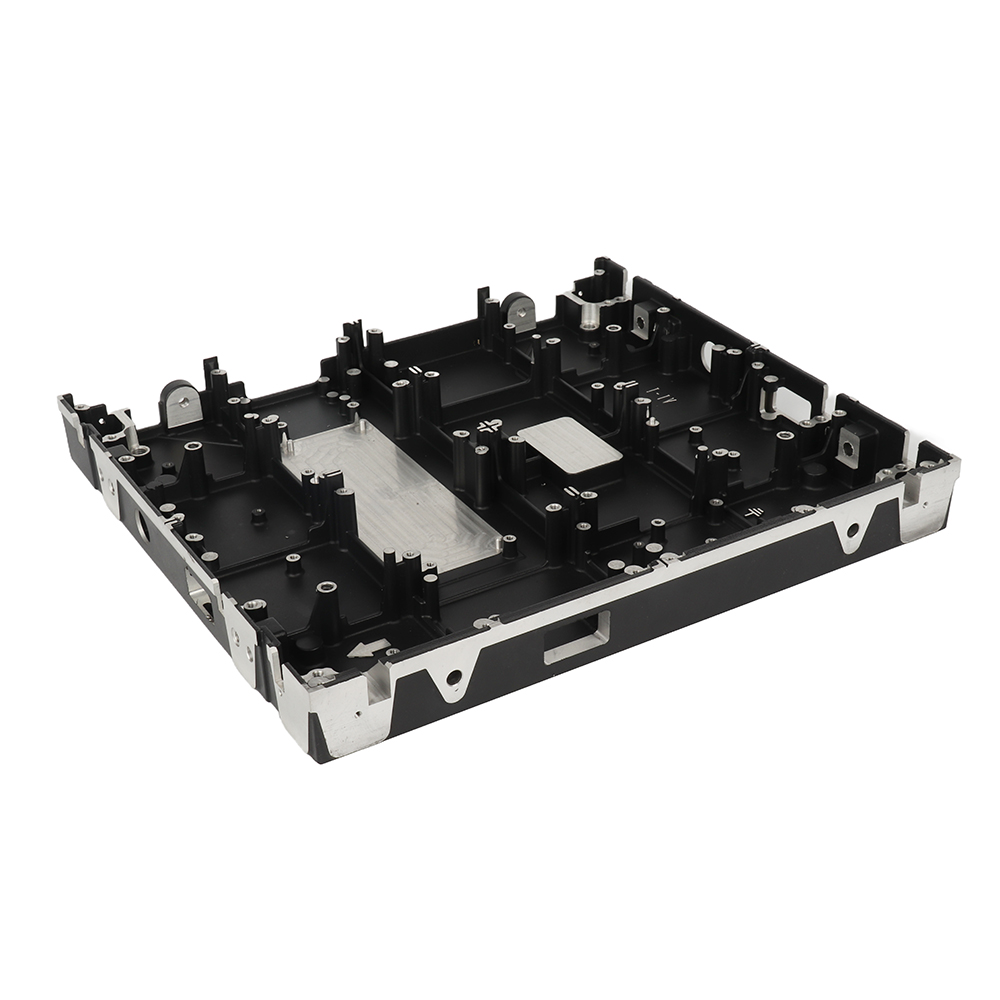
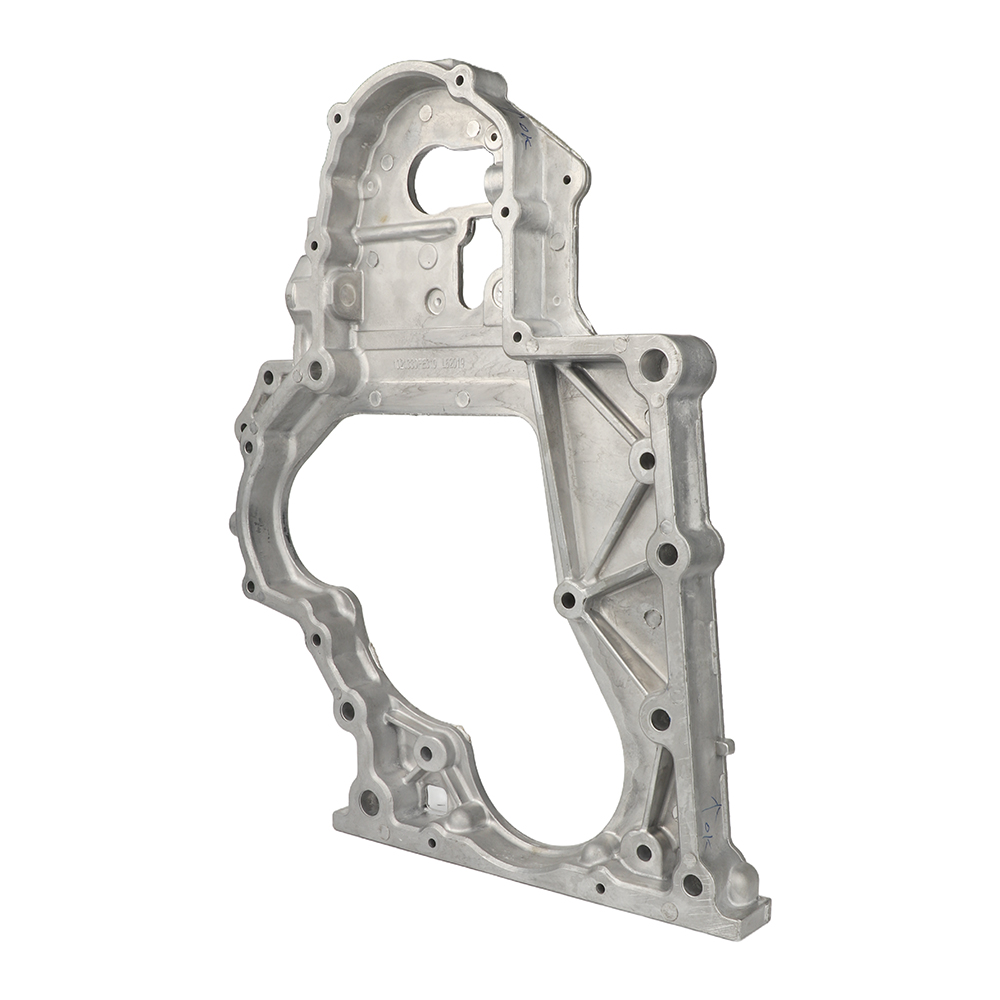
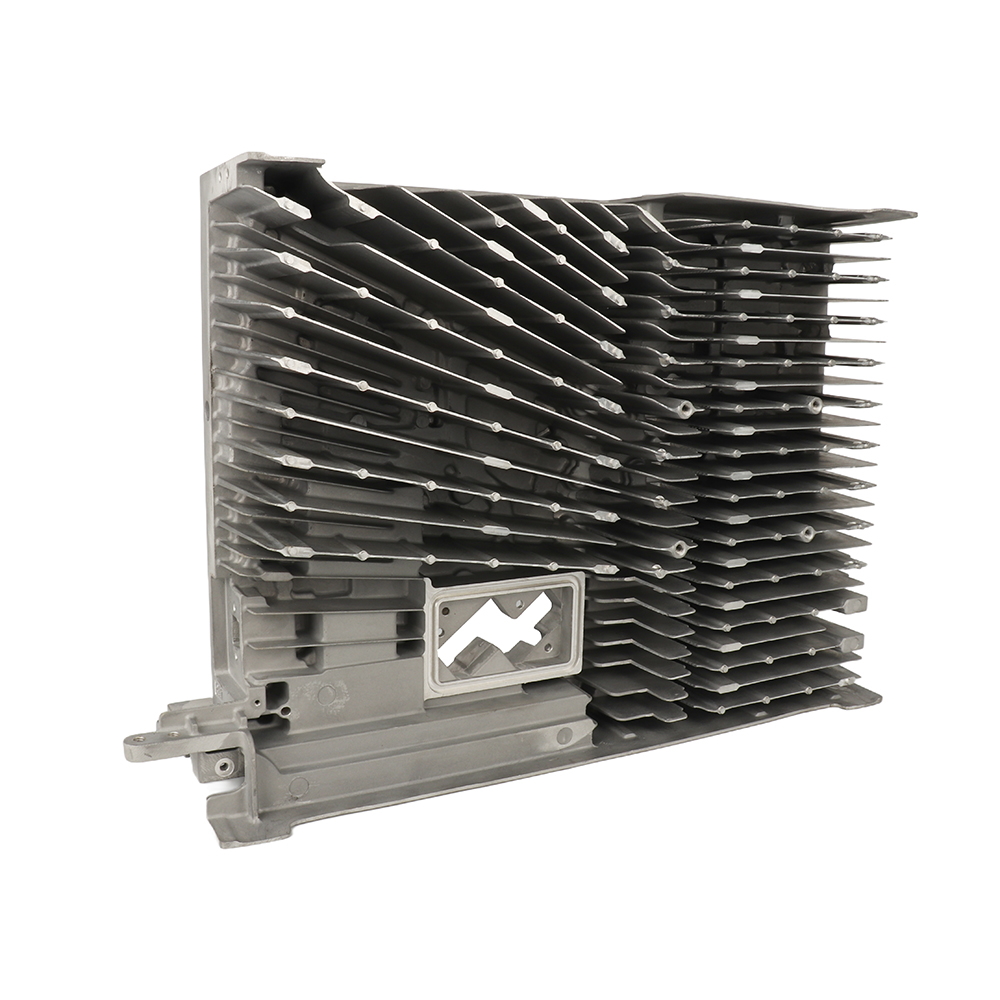
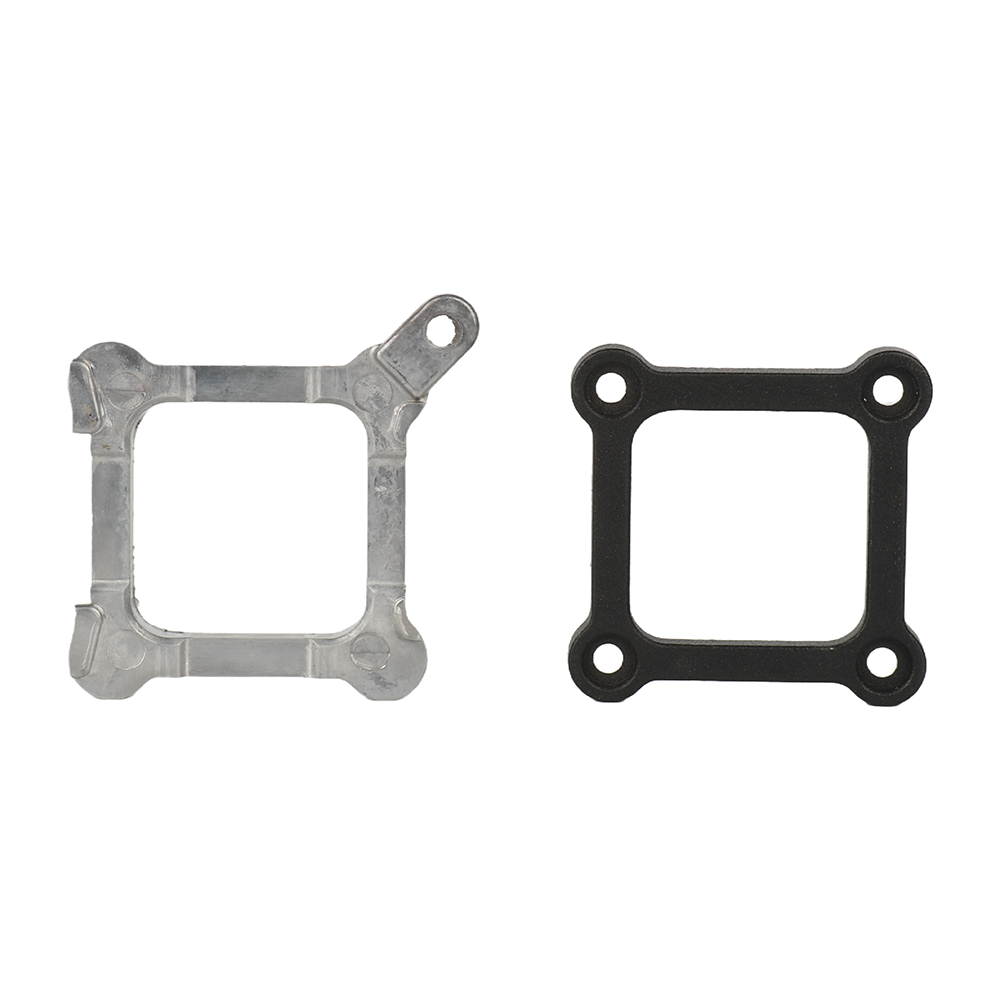
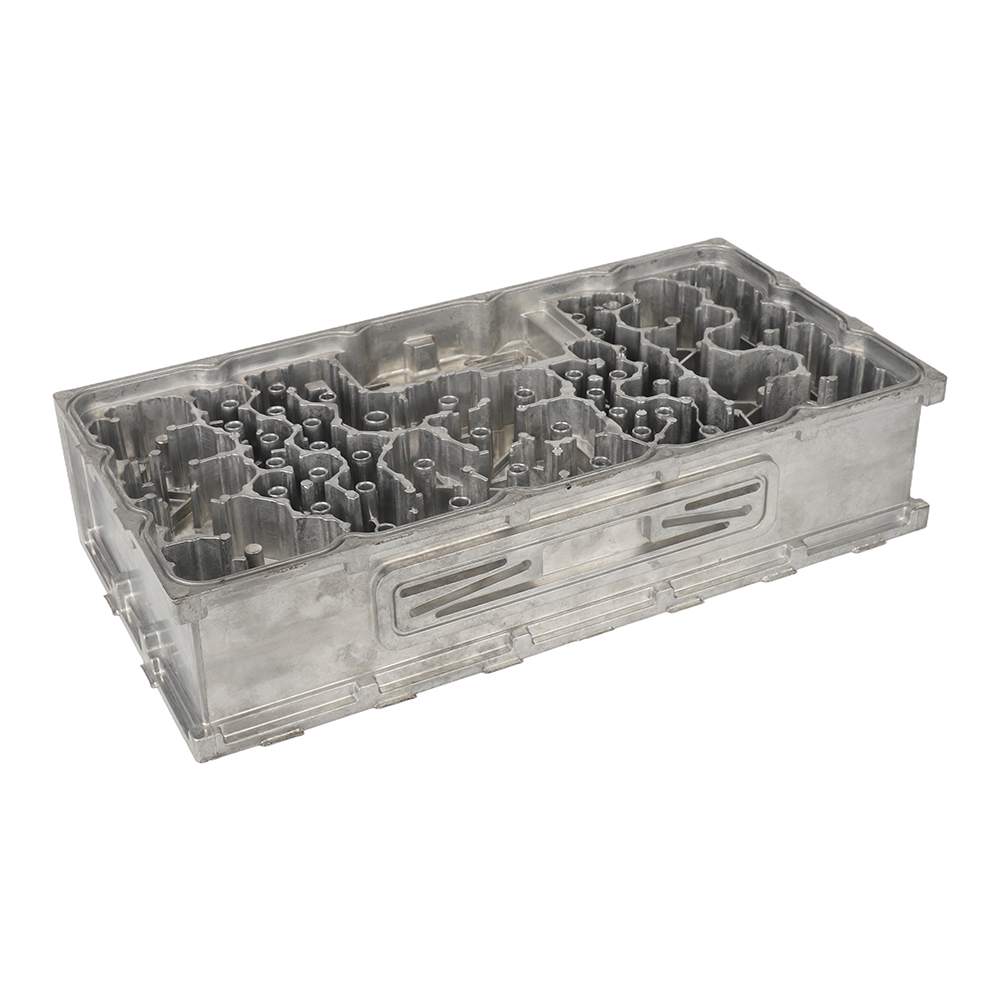
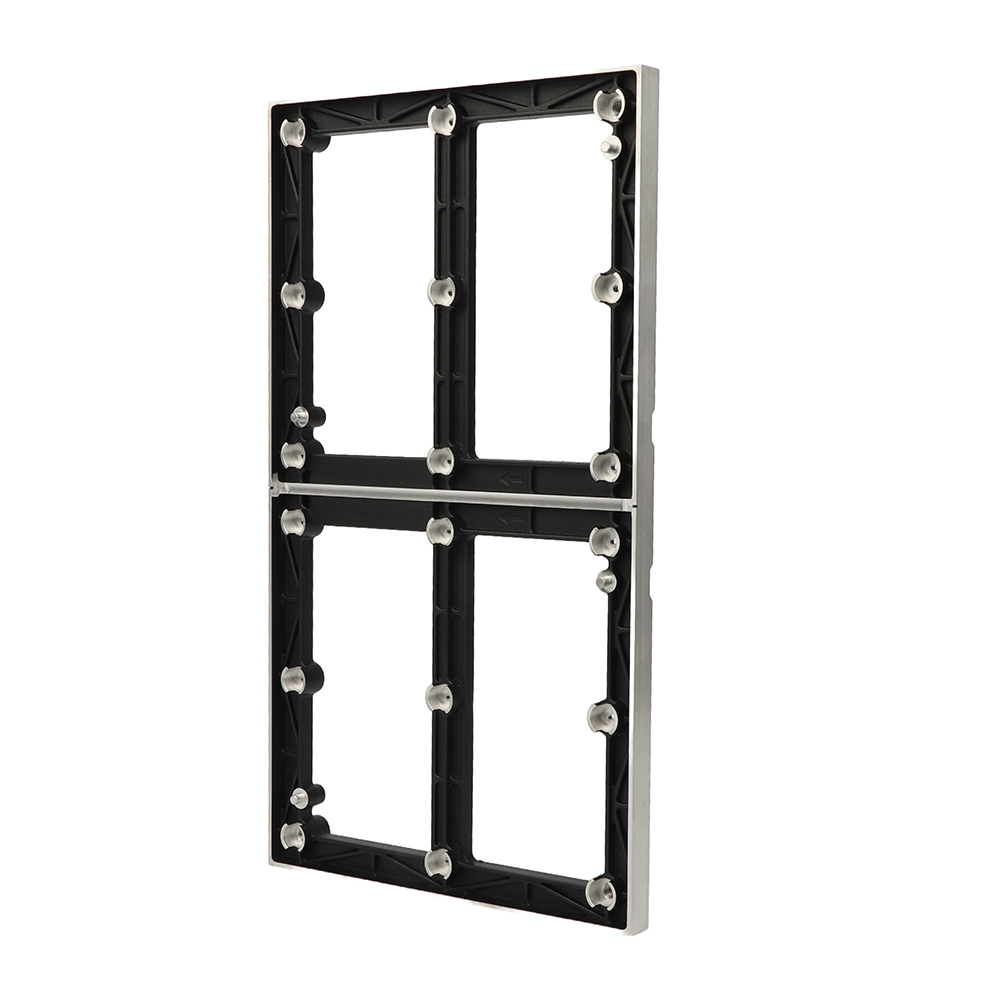
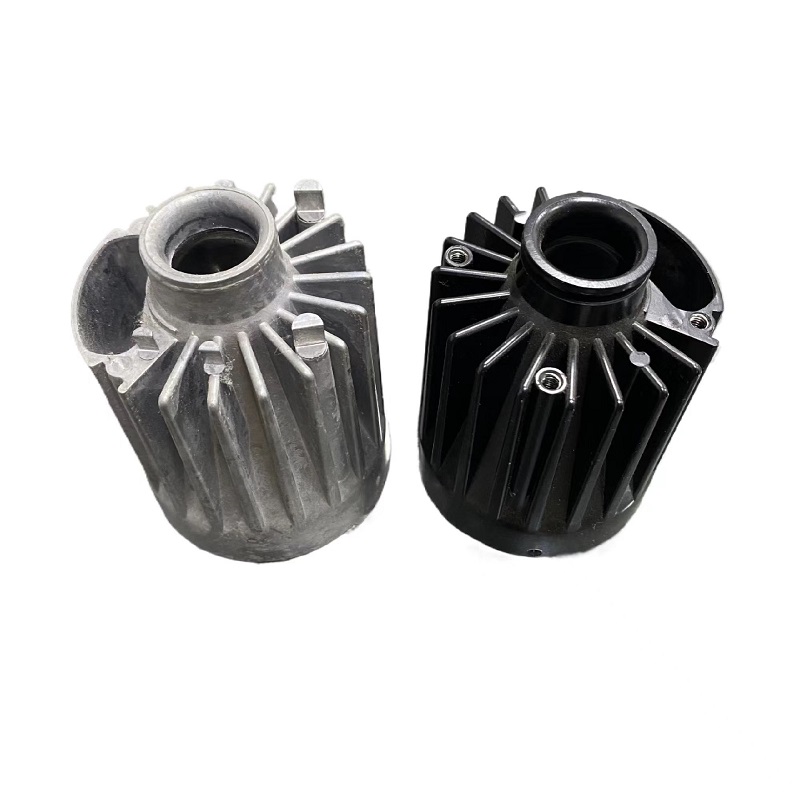
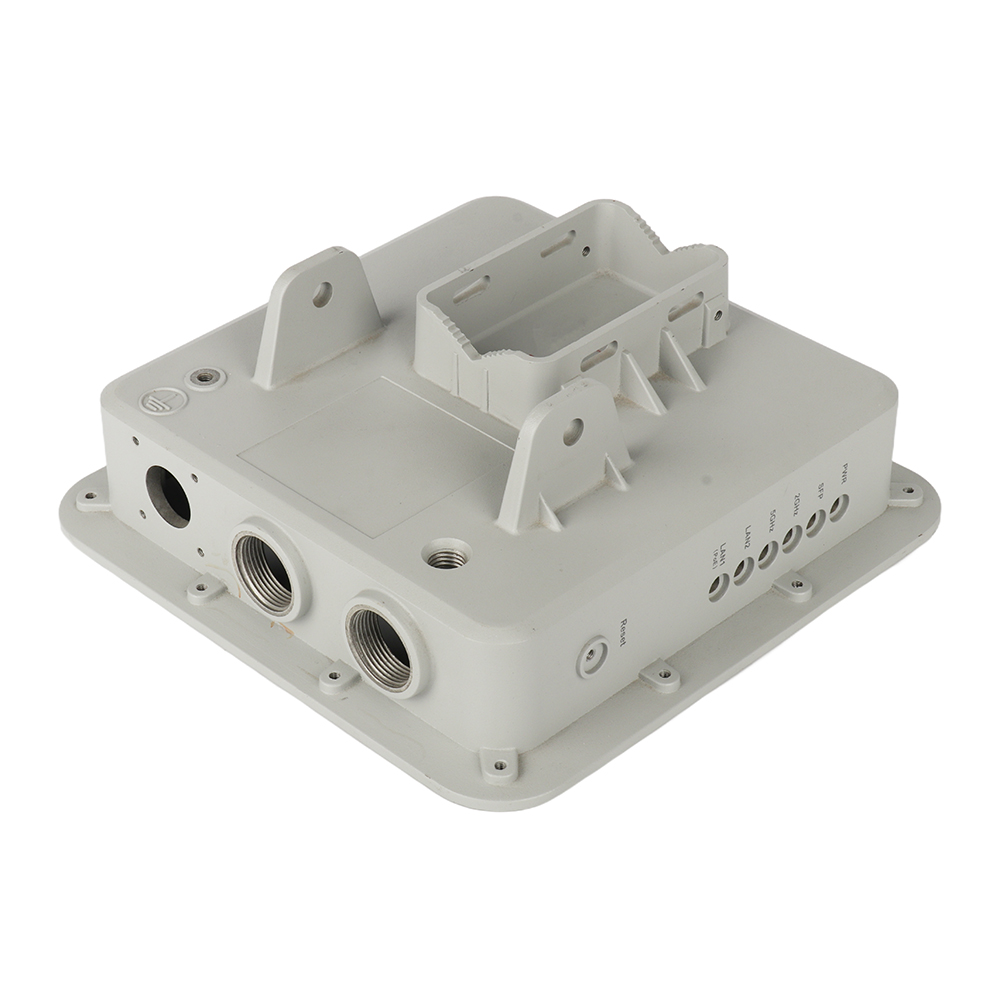
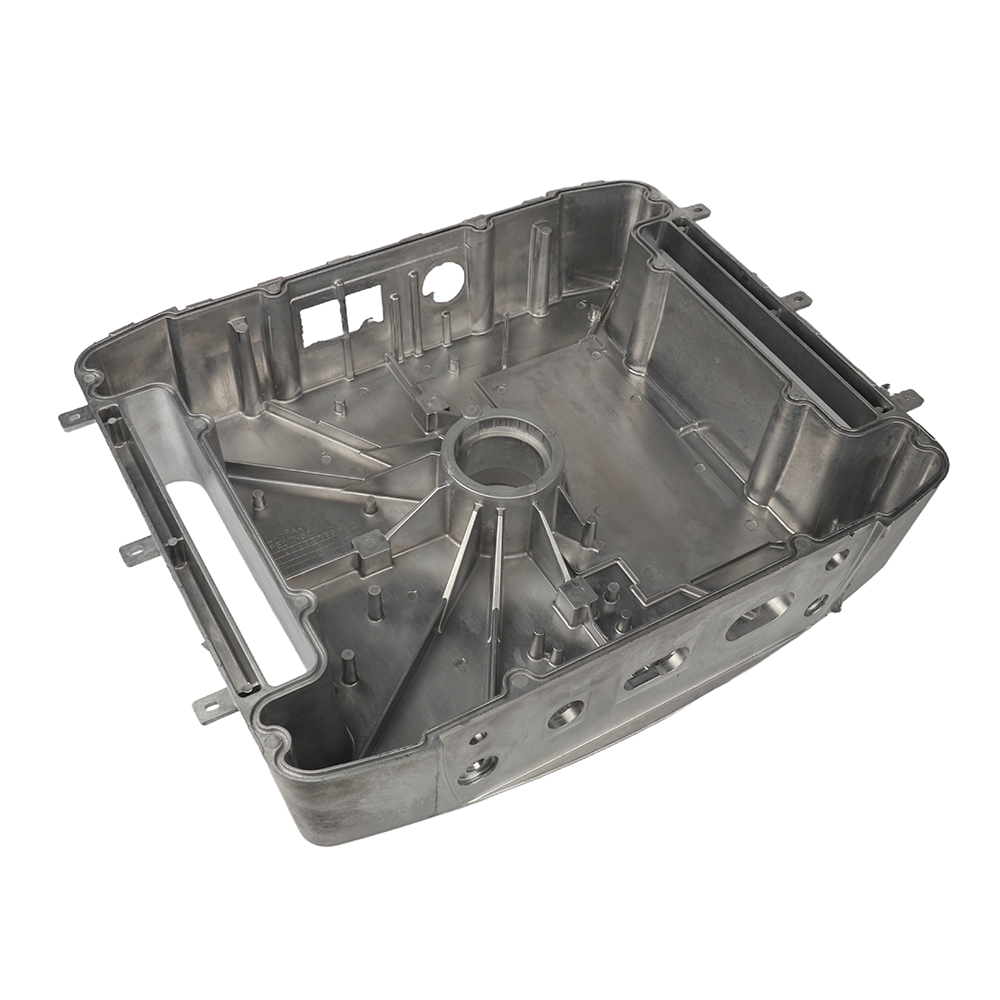
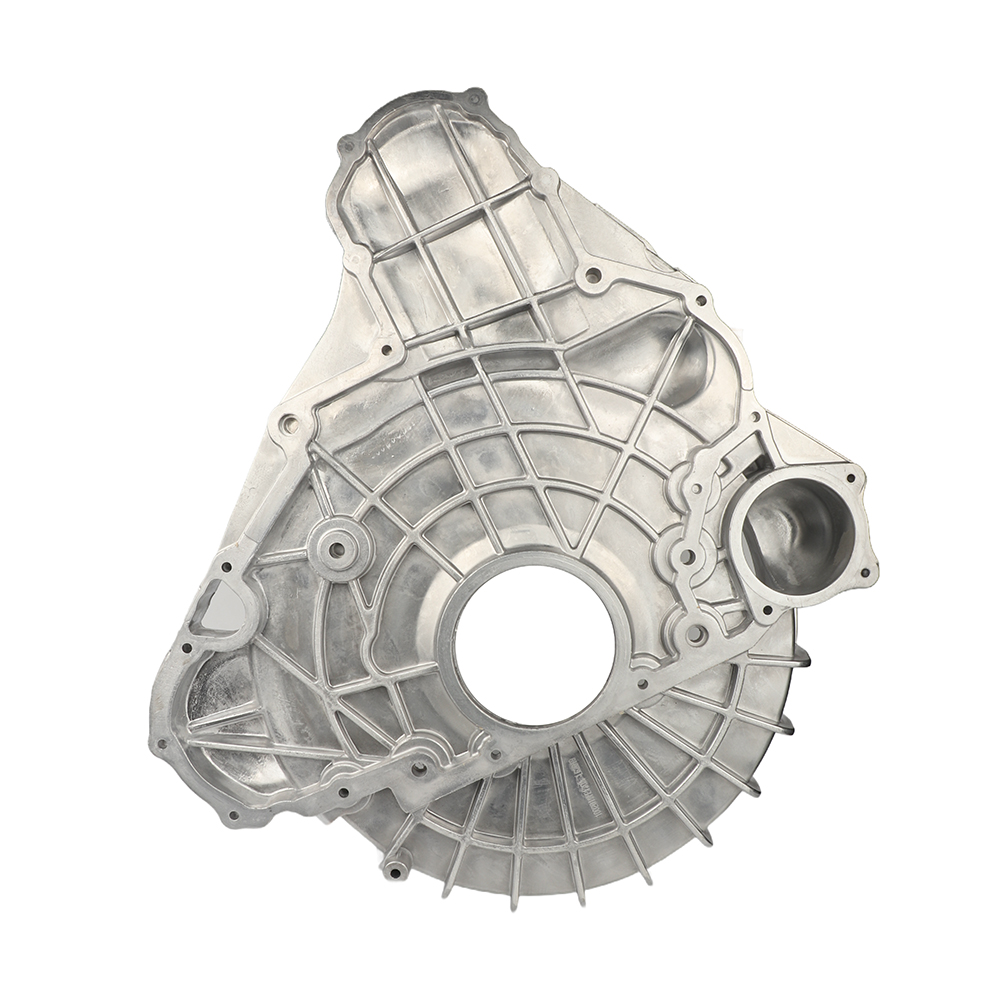
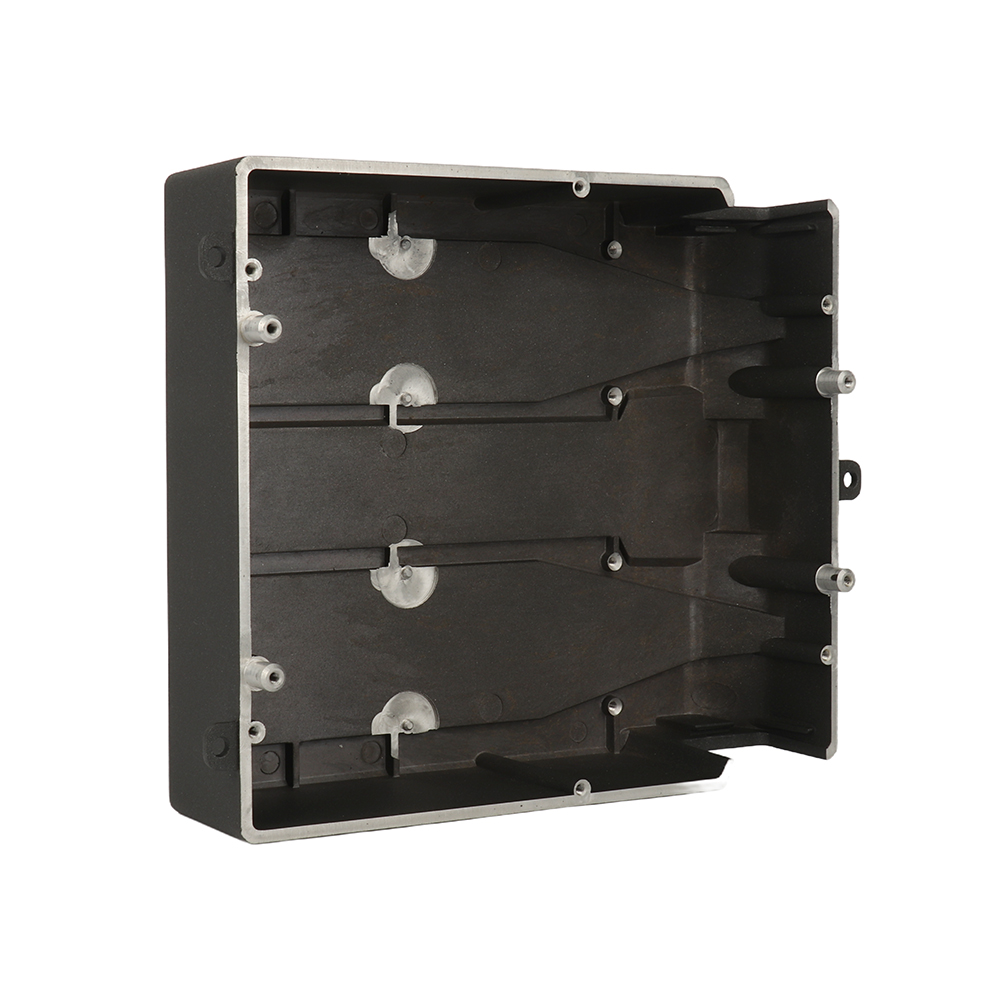
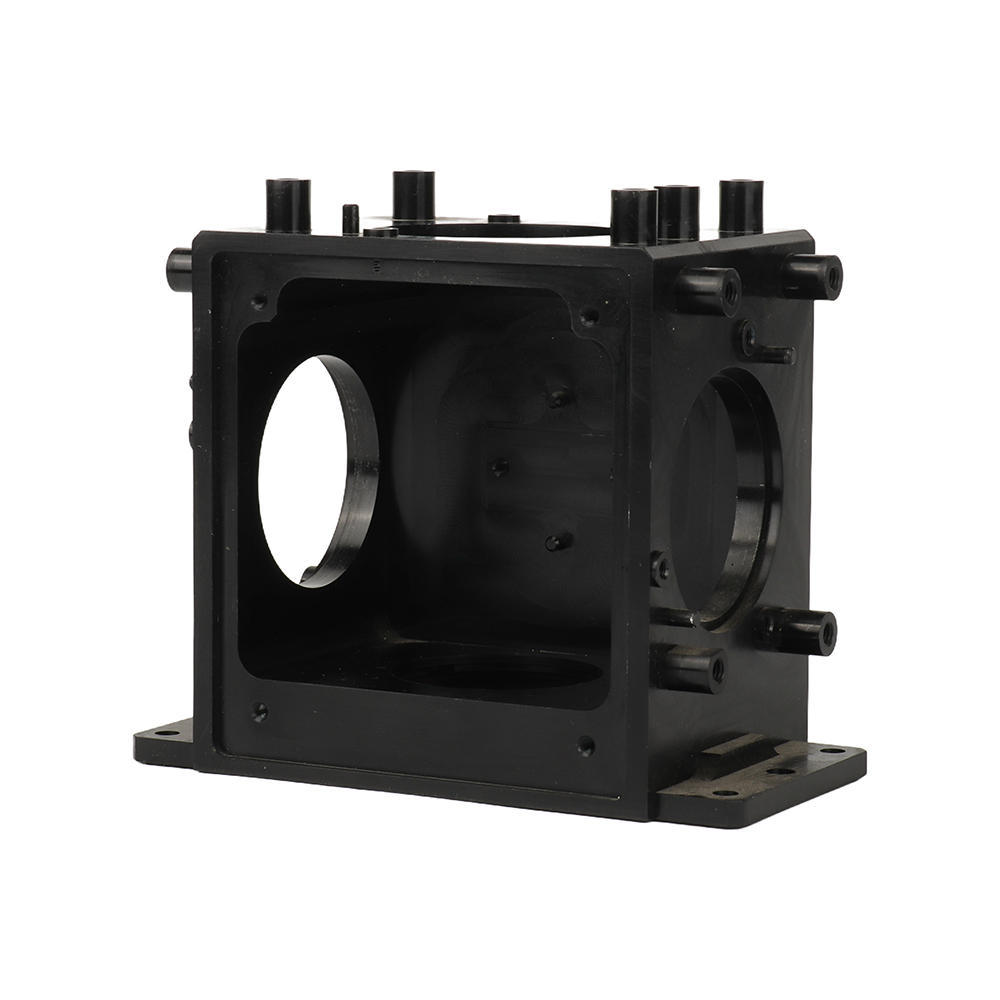
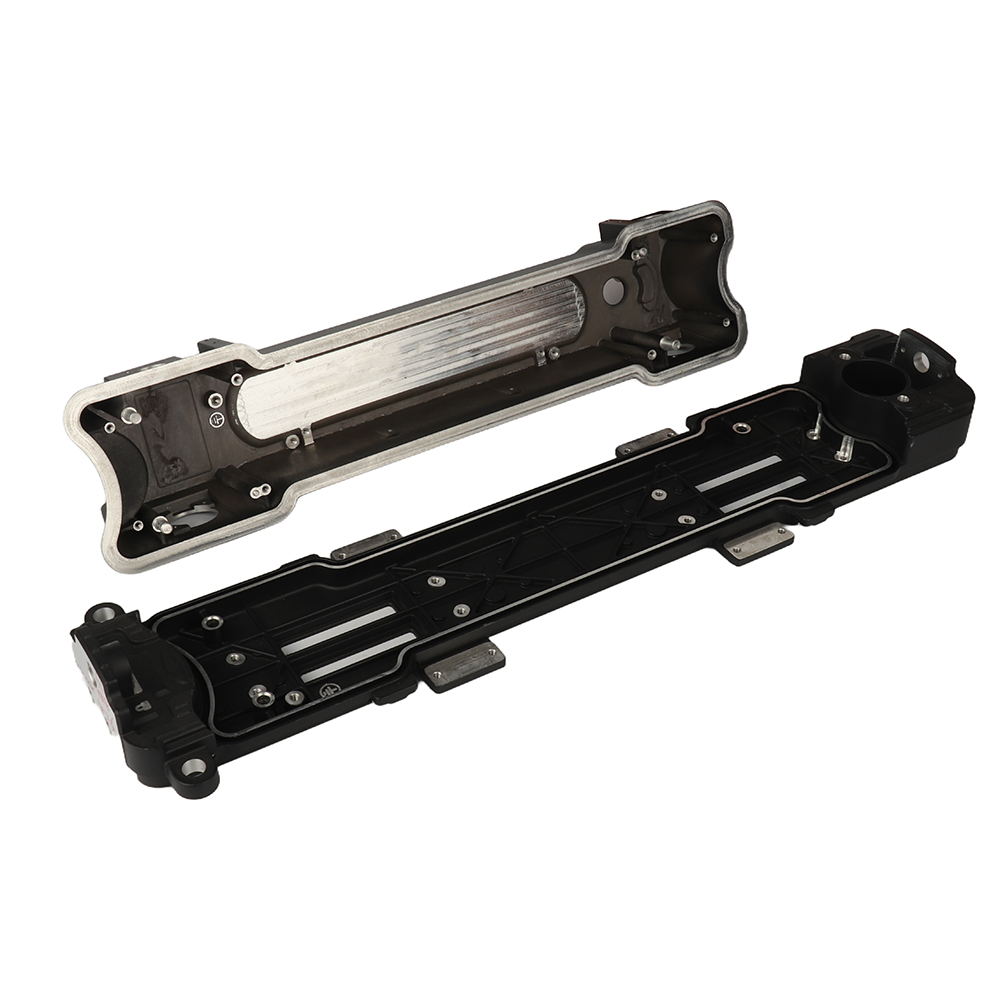
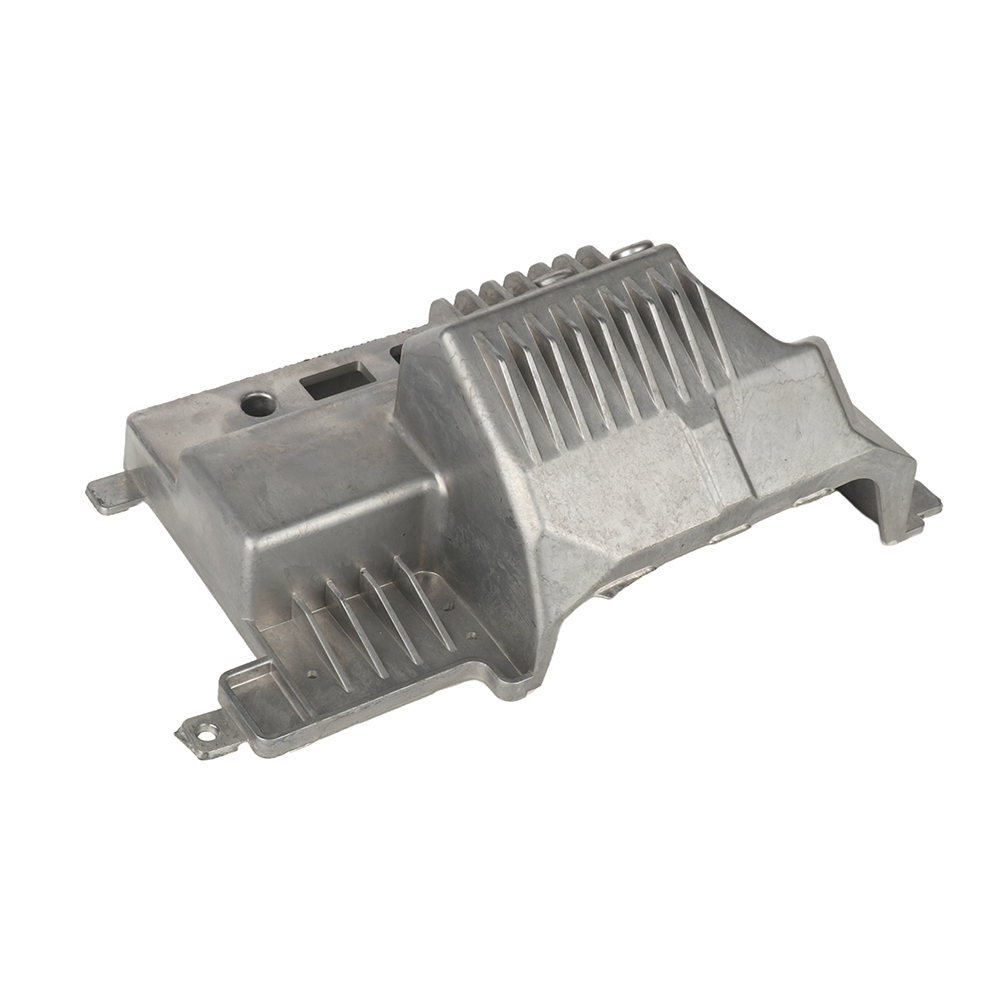
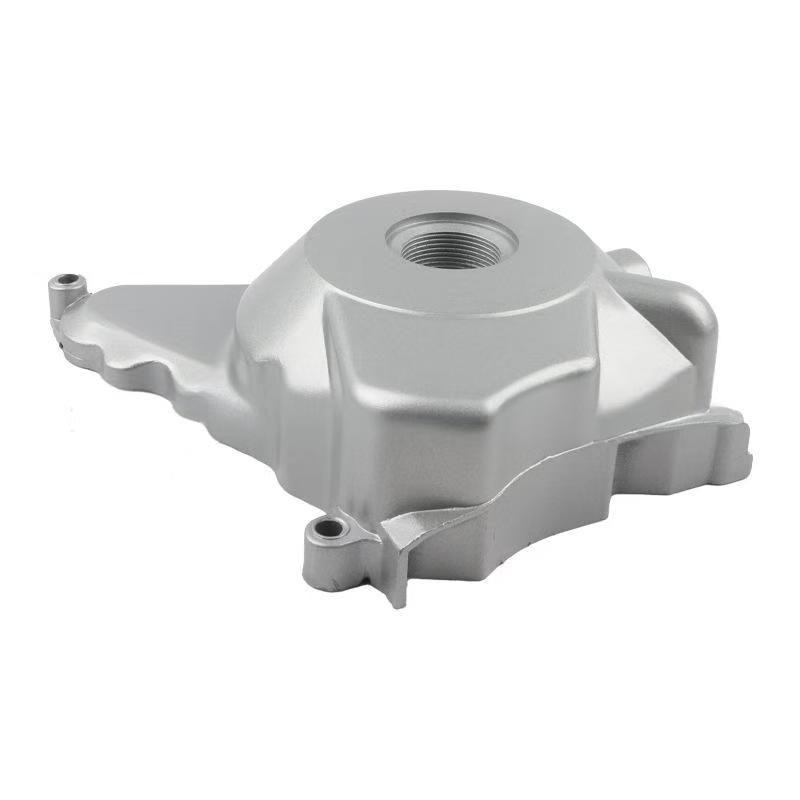
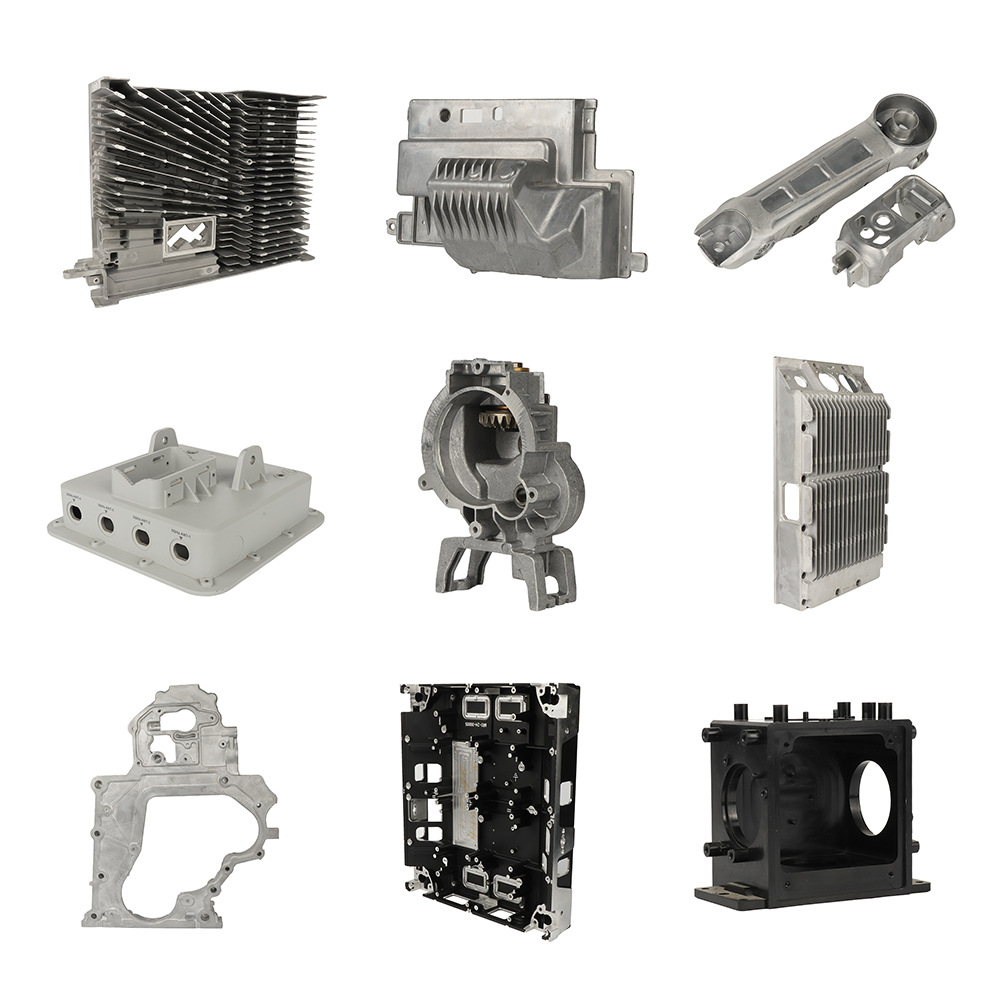
Robot vacuum | What is the function of a robot vacuum cleaner?
2026-06-18
What is the Function of a Robot Vacuum Cleaner?
Table of Contents
- 1. Product Introduction: Core Definition & Composition of Robot Vacuum Cleaner
- 2. Universal Standard Parameter Table of Mainstream Robot Vacuum Cleaners
- 3. Core Functions & Working Principles of Robot Vacuum Cleaners
- 4. Application Scenarios & Usage of Aluminum Die-Cast Robot Vacuums
- 5. Unique Advantages of Aluminum Die-Cast Robot Vacuum Cleaners
- 6. Authoritative Expert Viewpoints on Robot Vacuum Hardware Design
- 7. Industry Frequently Asked Questions (FAQs)
- 8. Industry Development Trends & High-Quality Hardware Supplier Selection Guidelines
- 9. Xinghang Precision Hardware Bulk Discount Policy & Contact Information
- 10. Overall Conclusion
1. Product Introduction: Core Definition & Composition of Robot Vacuum Cleaner
1.1 Basic Product Definition
A robot vacuum cleaner is an intelligent automatic household cleaning robot integrated with sensor perception, intelligent algorithm navigation, and automatic dust collection technology. Different from traditional handheld and vertical vacuum cleaners, it realizes unmanned automatic cleaning, floor mopping, dirt collection and automatic recharging without manual operation. It has become a core intelligent hardware product for modern smart homes, widely used in residential, commercial office and light industrial cleaning scenarios.
1.2 Core Structural Components
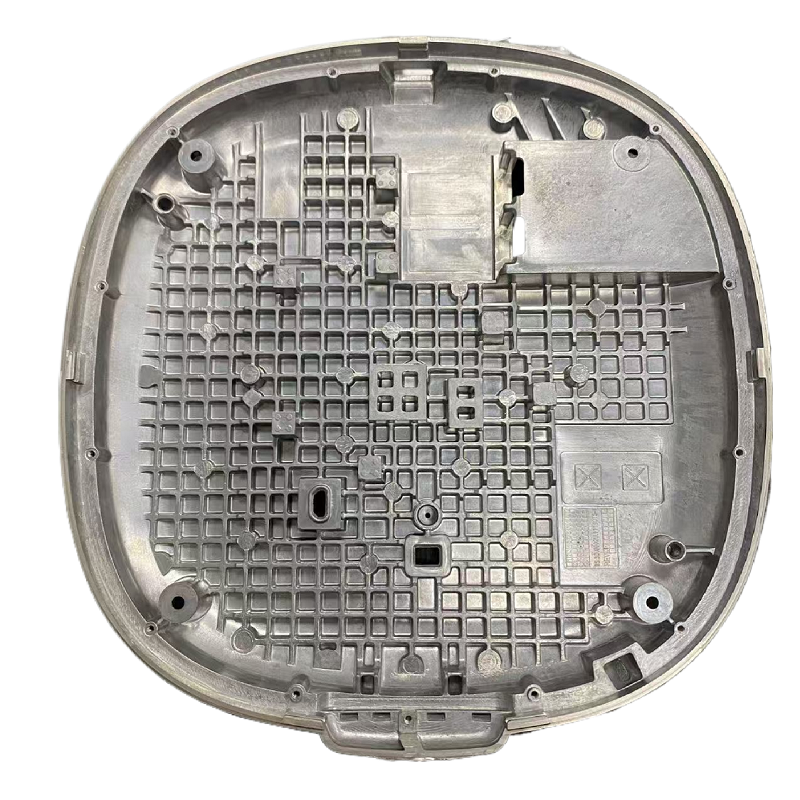
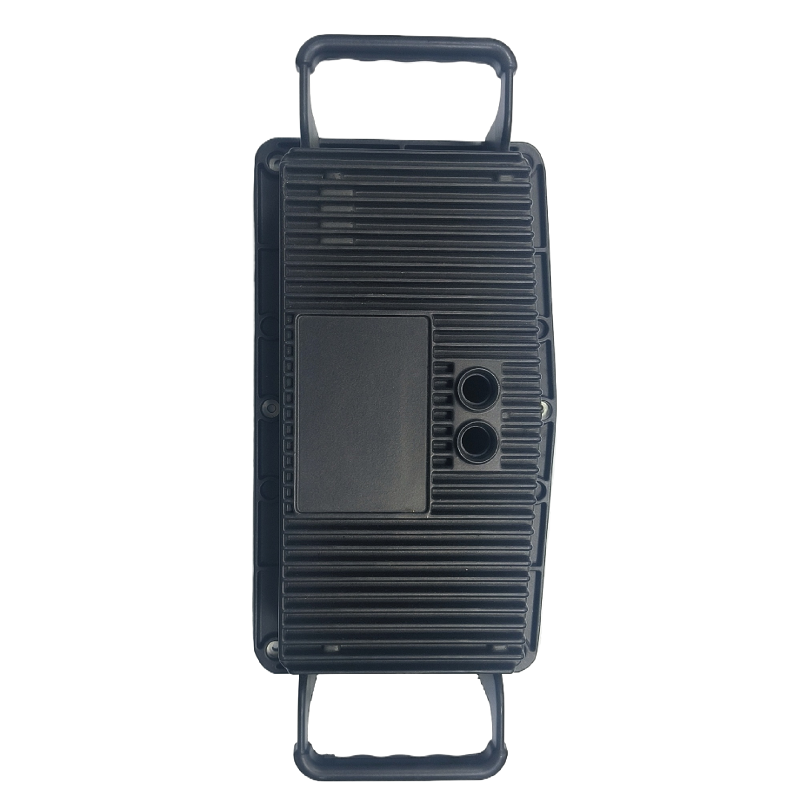
The stable operation of a robot vacuum cleaner relies on high-precision hardware structural parts, among which aluminum die-cast structural components are the key support for product durability and structural stability. Its core components include intelligent navigation sensors, high-speed suction fans, driving wheel assemblies, dust and water tank modules, and the integral chassis frame.
1.3 Iteration of Chassis Manufacturing Process
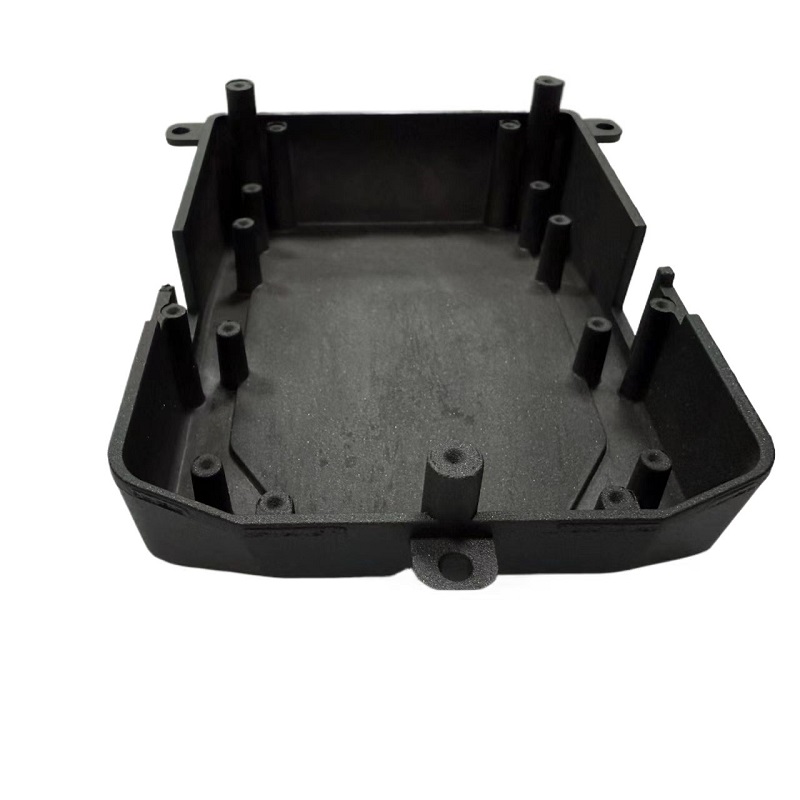
Early robot vacuum cleaners mostly adopted plastic injection-molded chassis, which are low in cost but poor in compression resistance and heat dissipation. With the upgrading of industry quality standards, aluminum alloy die-casting process has gradually replaced plastic structures, becoming the mainstream manufacturing solution for mid-to-high-end robot vacuum cleaners, effectively solving the problems of easy deformation, poor heat dissipation and short service life of plastic parts.

2. Universal Standard Parameter Table of Mainstream Robot Vacuum Cleaners
The following parameters are universal industry standards for commercial and household robot vacuum cleaners, covering core performance and hardware structural indicators, applicable to most aluminum die-cast mainstream models in the market.
| Core Parameter Item | Household Entry-Level Model | Mid-to-High-End Aluminum Die-Cast Model |
|---|---|---|
| Maximum Suction Power | 2500Pa - 3500Pa | 4000Pa - 6000Pa |
| Continuous Working Time | 90 - 120 mins | 150 - 180 mins |
| Navigation Mode | Random + Infrared Obstacle Avoidance | LDS Laser + AI Intelligent Obstacle Avoidance |
| Chassis Material | ABS Plastic | Aluminum Alloy Die-Casting |
| Dust Tank Capacity | 300ml | 450ml - 600ml |
| Water Tank Capacity | 200ml | 300ml |
| Machine Body Thickness | 95mm | 85mm (Ultra-thin Aluminum Die-Cast Structure) |
| Service Life of Structural Parts | 1 - 2 Years | 5 - 8 Years |
3. Core Functions & Working Principles of Robot Vacuum Cleaners
3.1 Basic Cleaning Functions
3.1.1 Automatic Dust Suction & Sweeping
The most fundamental core function of robot vacuum cleaners is intelligent floor cleaning. Through high-speed rotating side brushes and central rolling brushes, it sweeps away hair, dust, particle garbage and fine debris on hard floors and carpet surfaces, and uses high negative pressure suction to concentrate garbage into the dust tank, realizing full-automatic floor sweeping without manual intervention.
3.1.2 Intelligent Mopping & Stain Removal
Most mainstream models support water tank constant-pressure mopping. The uniform water seepage design of the water tank ensures even mopping, effectively removing surface stains, footprints and oil stains on wooden floors, ceramic tiles and marble floors, realizing integrated sweeping and mopping functions.
3.2 Intelligent Auxiliary Functions
3.2.1 Automatic Route Planning & Obstacle Avoidance
Equipped with LDS laser navigation and multiple infrared sensors, the robot vacuum cleaner can automatically map the home environment, plan the optimal cleaning route, identify obstacles such as tables, chairs and furniture, and avoid falling and collision, realizing full-coverage dead-angle-free cleaning.
3.2.2 Automatic Recharging & Breakpoint Resume Cleaning
When the battery power is lower than the set threshold, the machine will automatically return to the charging base for power supplementation. After charging is completed, it can resume the unfinished cleaning task, realizing 24-hour unattended intelligent cleaning.
3.3 Extended Intelligent Scene Functions
High-end models also support regular cleaning, zoning cleaning, remote mobile APP control, voice linkage and automatic dust collection, which greatly improves the intelligence and convenience of household cleaning and reduces daily housework pressure.
4. Application Scenarios & Usage of Aluminum Die-Cast Robot Vacuums
4.1 Household Residential Scenarios
Aluminum die-cast robot vacuum cleaners are widely used in high-end residential families, large flat floors and villa scenarios. The high-strength aluminum alloy chassis is not easy to deform after long-term rolling and collision, and the excellent heat dissipation performance avoids machine failure caused by long-time cleaning operation. It is suitable for daily cleaning of wooden floors, marble floors and carpet floors in families.
4.2 Commercial Office Scenarios
In office buildings, conference rooms and commercial supermarkets with large cleaning areas and long working hours, aluminum die-cast robot vacuums show strong adaptability. Its high structural stability can adapt to frequent long-hour continuous work, effectively reducing manual cleaning costs and improving commercial space cleaning efficiency.
4.3 Hotel & Light Industrial Scenarios
High-star hotels, serviced apartments and small factory workshops have high requirements for equipment durability and appearance texture. Aluminum die-cast structural parts have delicate surface texture, strong wear resistance and corrosion resistance, which can meet the long-term stable operation needs of equipment in high-frequency use scenarios.
5. Unique Advantages of Aluminum Die-Cast Robot Vacuum Cleaners
5.1 Structural Stability & Durability Advantages
- High compression and impact resistance: The aluminum alloy die-cast chassis has high overall rigidity, which effectively avoids chassis deformation and walking jamming caused by accidental collision and heavy pressure, and improves the overall stability of the equipment
- Long service life: Compared with plastic structures, aluminum die-cast parts have stronger anti-aging and anti-wear properties, and the service life of structural parts is more than 3 times that of plastic parts
5.2 Heat Dissipation & Operational Stability Advantages
- Excellent thermal conductivity: Aluminum alloy has excellent heat dissipation performance, which can quickly export the heat generated by the internal fan and battery during long-term operation, avoid equipment overheating and shutdown, and ensure continuous and stable cleaning work
- Low failure rate: Effectively reduce equipment failure problems caused by poor heat dissipation, greatly reducing after-sales maintenance costs
5.3 Appearance & Lightweight Advantages
- High-end texture & customizable surface: Aluminum die-cast parts support various surface treatments such as anodizing, sandblasting and painting, with delicate and high-grade appearance, meeting the aesthetic needs of high-end smart home equipment
- Ultra-light thin structure: While ensuring high strength, the aluminum alloy material realizes the ultra-thin body design, improving the ground penetration rate of the robot vacuum and reducing cleaning dead angles
6. Authoritative Expert Viewpoints on Robot Vacuum Hardware Design
We quote the professional viewpoint of Mr. Jason Miller, a senior hardware design expert of Global Smart Home Hardware Research Institute, who has been engaged in intelligent cleaning equipment structural design for many years:
"The core competition of mid-to-high-end robot vacuum cleaners is no longer limited to intelligent algorithms and suction performance, but focuses on hardware structural durability and long-term operational stability. Many brands blindly pursue high suction and intelligent functions, but ignore the chassis material process. Plastic chassis are prone to thermal aging and deformation after long-term operation, which directly leads to walking deviation and sensor failure. Aluminum alloy die-casting is the most cost-effective structural solution at present, which can perfectly balance lightweight, heat dissipation and impact resistance, and is the inevitable trend of high-end robot vacuum hardware upgrading."
Mr. Miller also emphasized that precision die-casting process and professional surface treatment are the key to determining the yield and service life of aluminum die-cast robot vacuum parts, and professional hardware processing suppliers are crucial for product quality control.
7. Industry Frequently Asked Questions (FAQs)
Q1: What is the biggest difference between aluminum die-cast robot vacuum and plastic model?
A1: The core difference lies in structural stability and service life. Plastic models are low in cost but easy to deform and age, with high failure rate after long-term use. Aluminum die-cast models have outstanding heat dissipation, impact resistance and durability, stable long-term operation, higher overall equipment grade, and are more suitable for high-frequency and long-time cleaning scenarios.
Q2: Will aluminum die-cast structure increase the weight of robot vacuum and affect walking flexibility?
A2: No. Aluminum alloy itself has the characteristics of low density and high strength. The precision die-casting process can realize ultra-thin and integrated structural design. While ensuring structural strength, it will not cause excessive weight gain, and will not affect the flexible walking and obstacle avoidance performance of the equipment.
Q3: Is the aluminum die-cast robot vacuum hardware processing process complicated? What is the customization cycle?
A3: The precision aluminum die-casting process has high requirements on molds and processing technology. Professional manufacturers can realize one-stop processing from mold opening, die-casting, CNC finishing to surface treatment. The conventional customization cycle of mature processes is stable, and bulk orders can realize rapid mass production and delivery.
Q4: What surface treatments are suitable for aluminum die-cast robot vacuum parts?
A4: According to different usage requirements, optional processes include sandblasting anodizing, electrophoretic coating, powder spraying and anti-fingerprint treatment. These processes can improve the wear resistance, corrosion resistance and appearance texture of aluminum parts, and meet the long-term use needs of household and commercial scenarios.
8. Industry Development Trends & High-Quality Hardware Supplier Selection Guidelines
8.1 Core Development Trends of Robot Vacuum Hardware Industry
- Aluminum alloy lightweight penetration: The industry is gradually eliminating low-grade plastic structures, and high-strength aluminum die-cast parts have become the standard configuration of mid-to-high-end products, realizing lightweight and high-strength hardware upgrading
- Integrated die-casting process popularization: Integrated one-piece die-casting replaces split assembly parts, reducing assembly gaps, improving structural integrity and equipment stability
- High-standard surface treatment iteration: With the improvement of consumer appearance and durability requirements, anti-fingerprint, wear-resistant and environmentally friendly surface treatment processes have become mainstream
- Cost-effective mass production: With the expansion of market demand, precision die-casting mass production technology is continuously optimized, and the cost advantage of aluminum die-cast parts is gradually highlighted
8.2 Selection Standards for High-Quality Hardware Processing Suppliers
- Professional aluminum die-casting experience: Focus on intelligent hardware aluminum alloy die-casting processing, familiar with the structural design and process requirements of robot vacuum parts
- Complete one-stop service capability: Integrate mold opening, die-casting, CNC finishing, surface treatment and quality testing to avoid quality deviation caused by multi-process outsourcing
- Strict quality control system: Equipped with professional dimensional inspection, surface defect detection and performance testing equipment to ensure batch product consistency
- Flexible order policy & stable delivery: Support small-batch trial production and large-batch mass production, with stable delivery cycle and perfect after-sales service
9. Xinghang Precision Hardware Bulk Discount Policy & Contact Information
Xinghang Precision Hardware is a professional one-stop precision aluminum alloy die-casting processing manufacturer, focusing on customized hardware processing for smart home equipment such as robot vacuum cleaners. We provide full-process services including product structural design optimization, mold development, high-pressure die-casting, CNC precision finishing and customized surface treatment, serving global smart home brand customers.
9.1 Exclusive Bulk Order Preferential Policy
We adhere to the more orders, more discounts preferential rule for all robot vacuum aluminum die-cast parts orders. The larger the batch order quantity, the higher the comprehensive discount. We provide exclusive price concessions for bulk orders, covering mold fee, die-casting processing fee and surface treatment fee. Long-term cooperative customers can also enjoy free product testing, process optimization and after-sales maintenance services, helping customers effectively reduce procurement and production costs.
9.2 Official Contact Information
Mobile / WhatsApp / WeChat: +86 18819502691
Official Email: liqine@xinghangcn.com
We provide free DFM design review, sample customization and technical consultation for all customers, with rapid response to all inquiry demands.
10. Overall Conclusion
Robot vacuum cleaners have evolved from a single cleaning tool to an indispensable core intelligent hardware for smart homes, with comprehensive functions of automatic cleaning, intelligent navigation and unattended operation. The aluminum alloy die-casting process is the key to upgrading the quality of modern robot vacuum cleaners, solving the pain points of poor durability and unstable operation of traditional plastic equipment, and becoming the mainstream development direction of the industry. In the procurement and production process, selecting a professional and experienced precision hardware processing supplier is the core guarantee for product quality and cost control. With reliable one-stop processing services and flexible bulk preferential policies, Xinghang Precision Hardware can provide high-quality aluminum die-cast structural parts for global smart home brands, helping customers create high-stability, high-cost-performance robot vacuum products and seize market advantages.
Die cast factory | What are the main jobs of a die cast factory ?
Aluminum die casting mold | How to develop and manufacture aluminum pressure casting molds?
Related Article

Residential energy storage systems have become increasingly popular as homeowners pursue energy independence, solar self-consumption and backup power for grid outages.
Energy storage enclosure | What Are the Benefits of Die-Cast Home Energy Storage Enclosures?

A custom LED display frame is the core structural carrier for LED screen modules, widely manufactured with ADC12 aluminum alloy via high-pressure die casting.
LED display frame | What Are the Benefits of Custom LED Display Frames?

