
HOT PRODUCTS
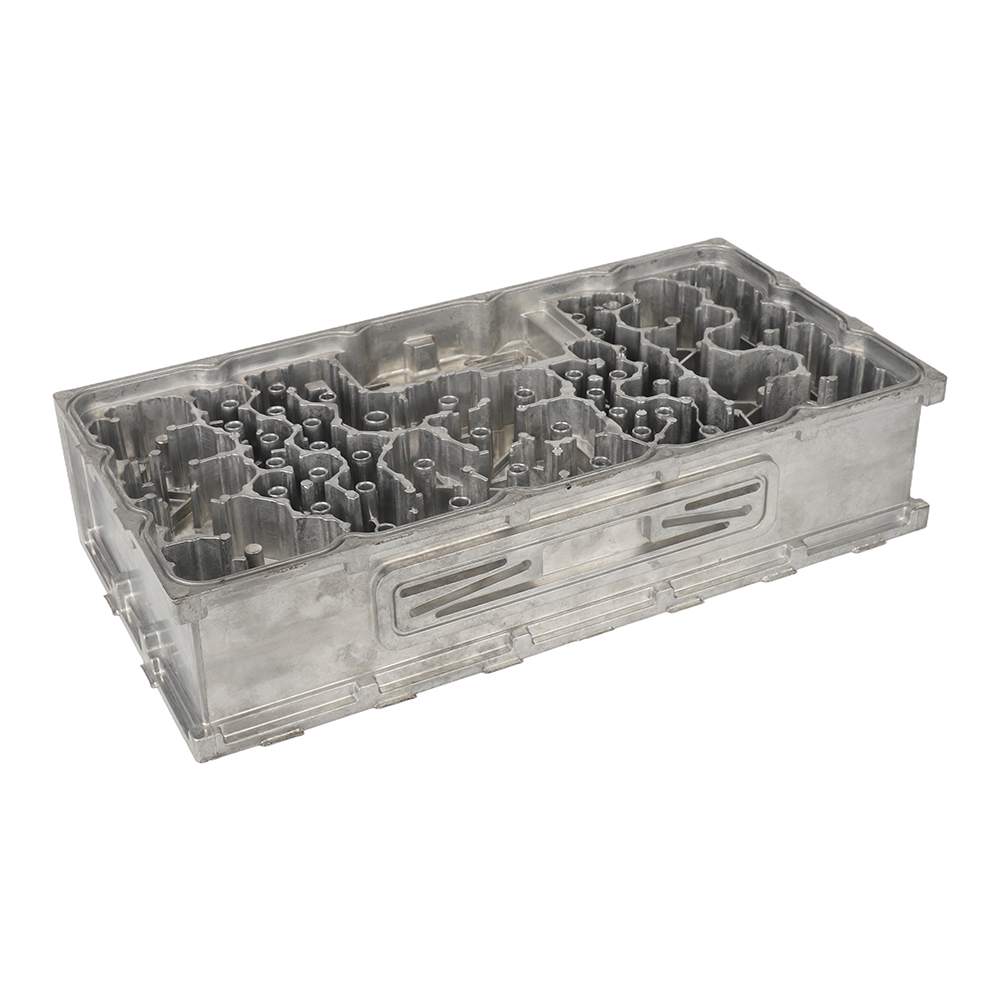
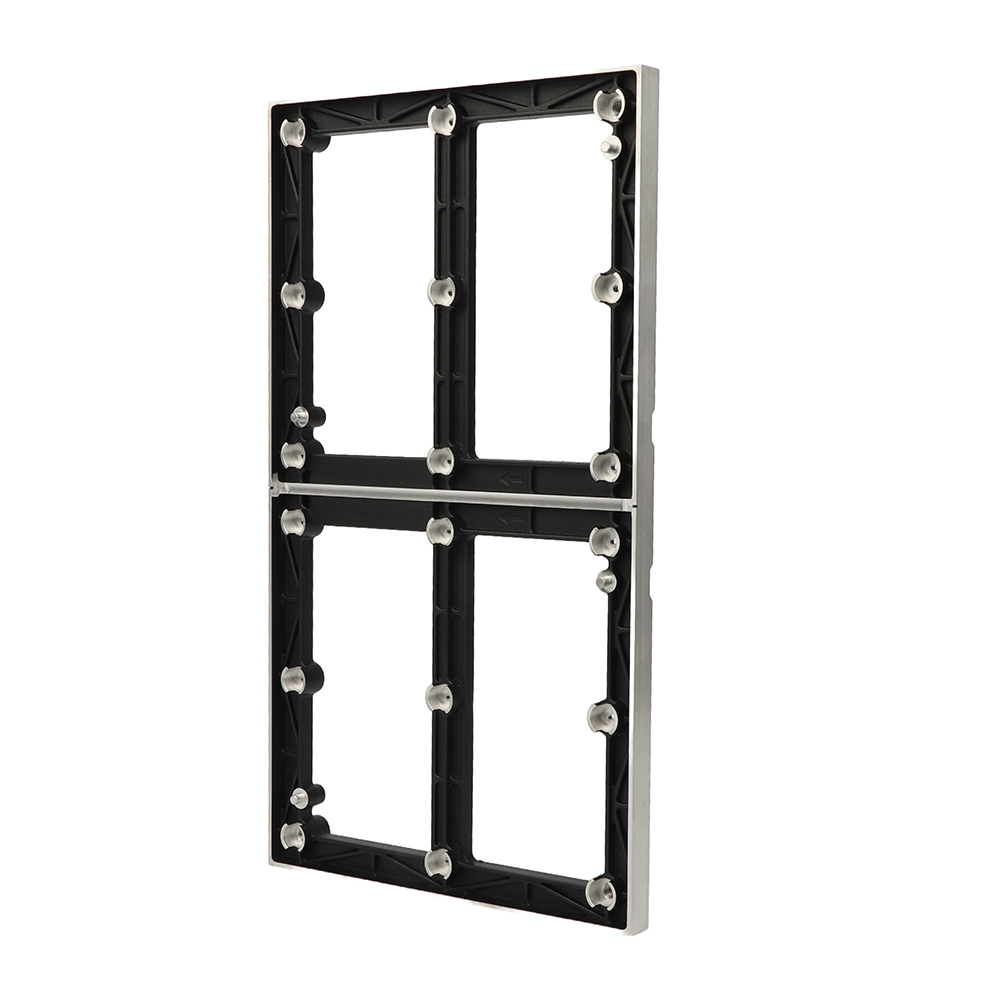
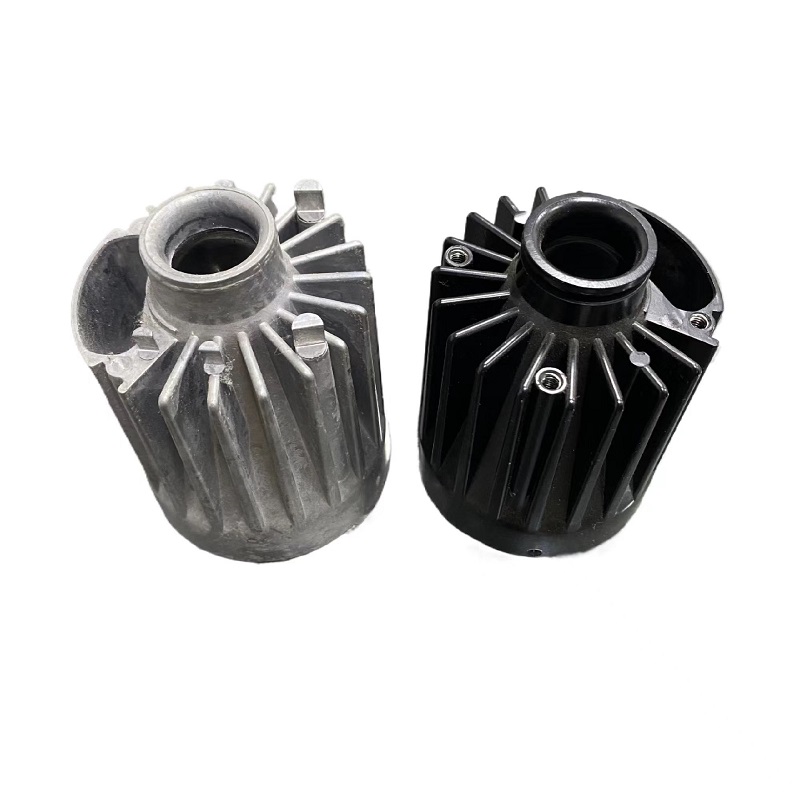
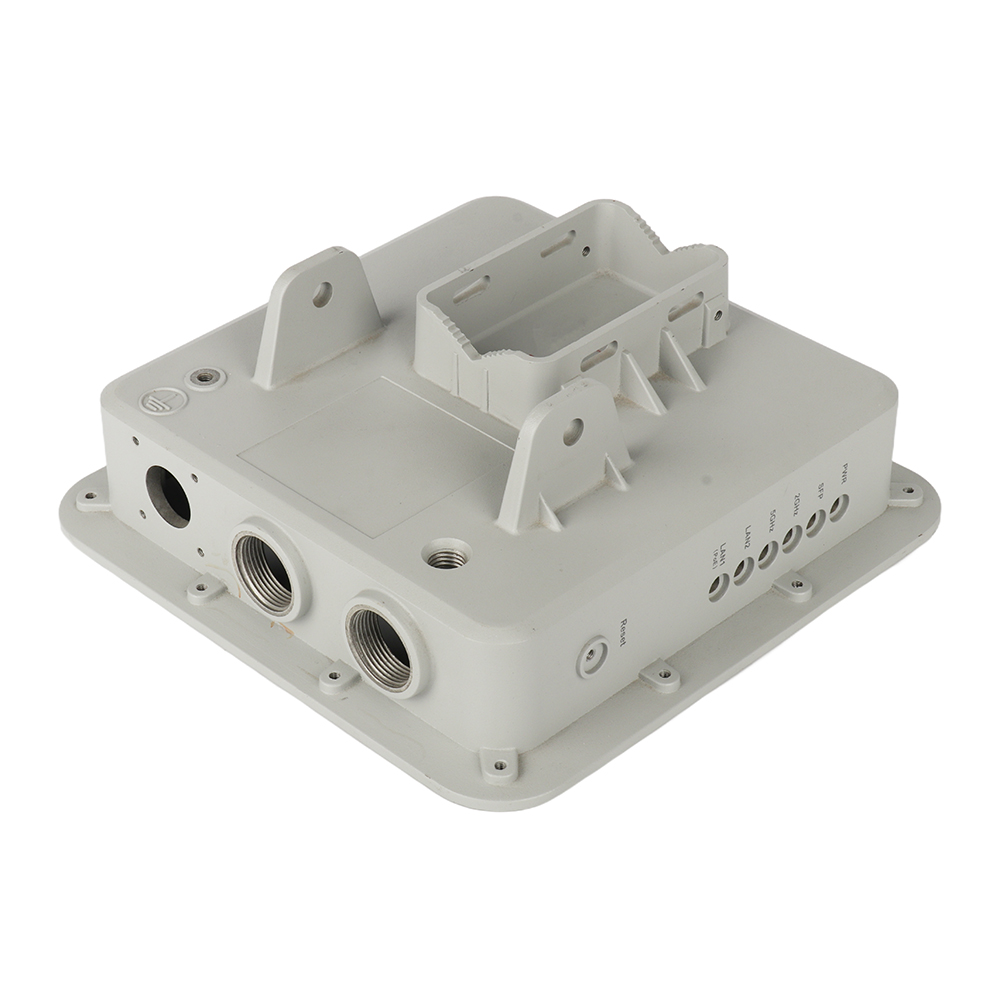
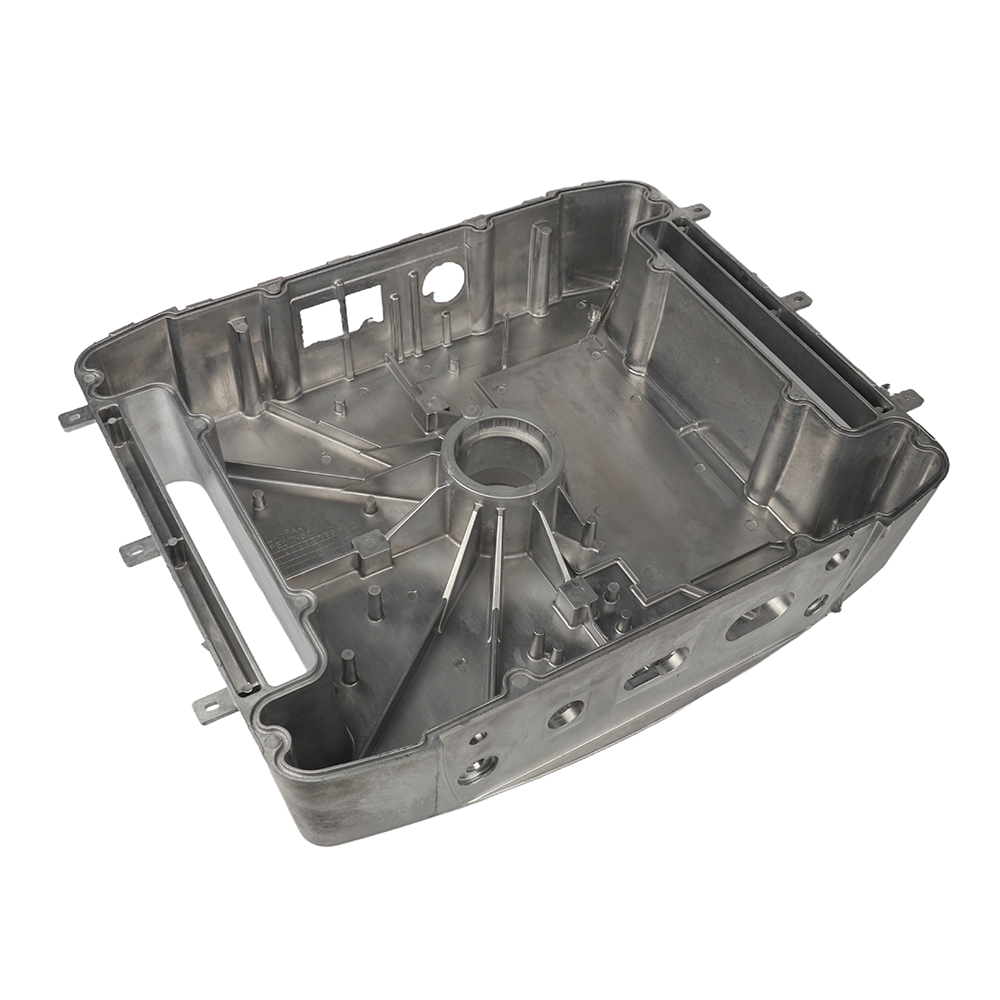
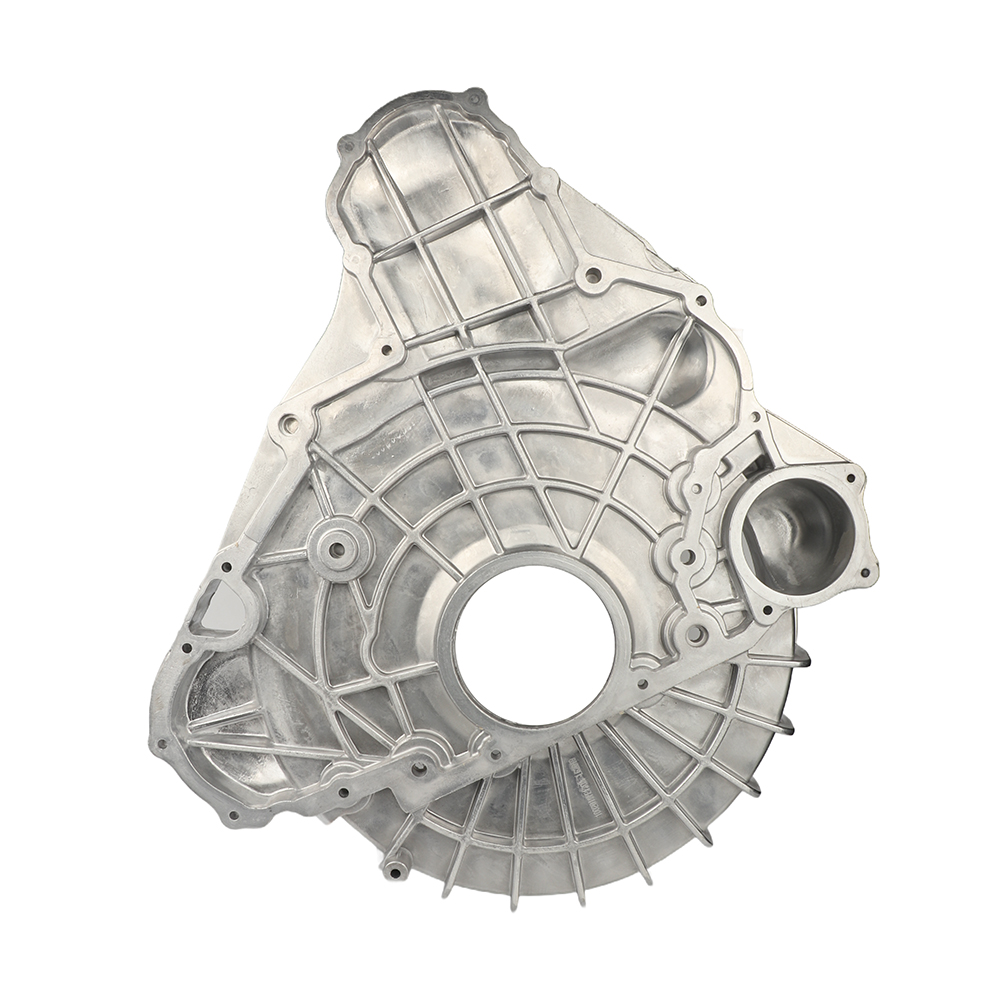
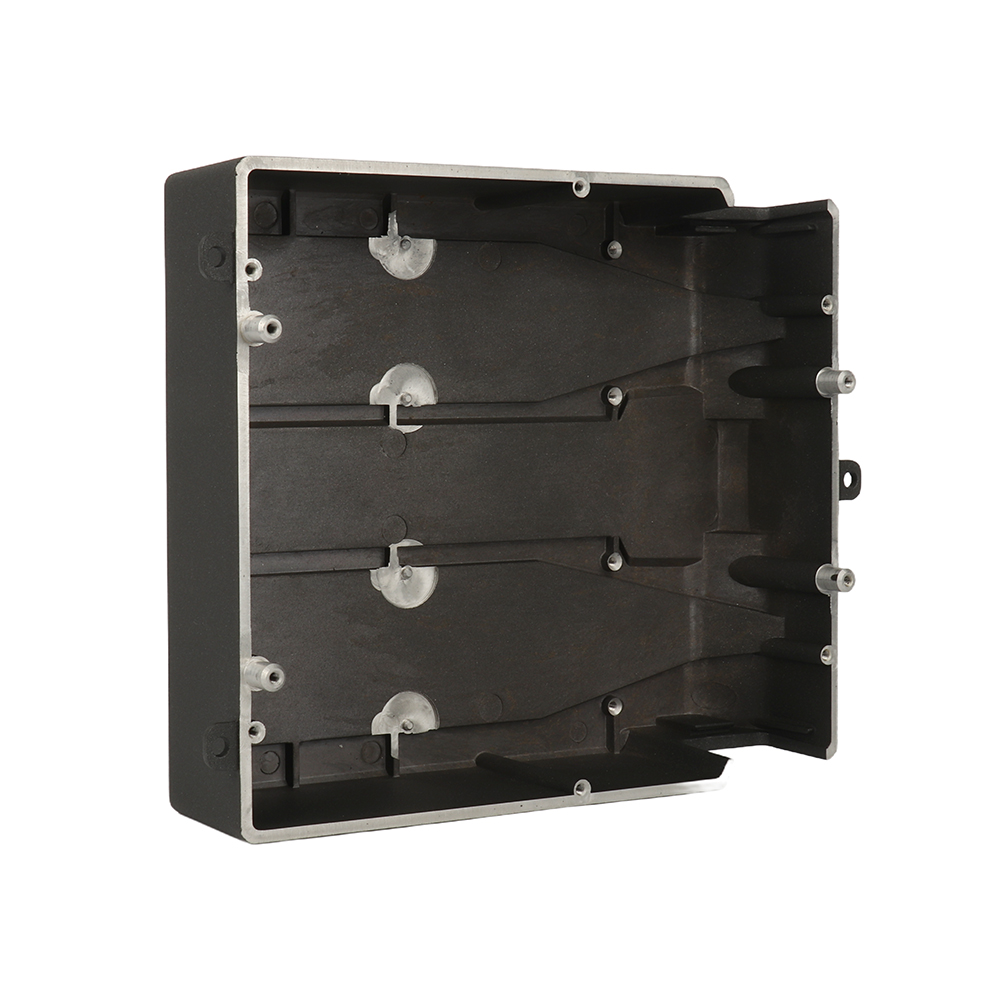
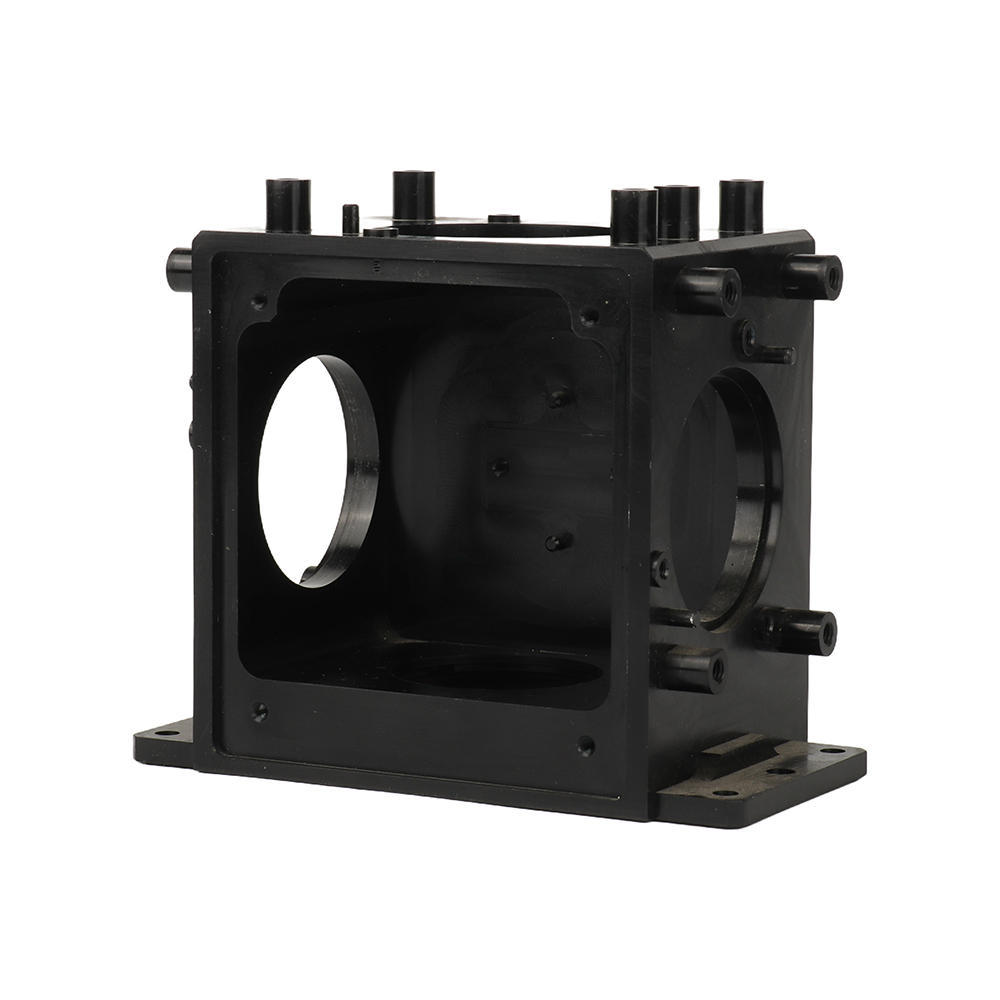
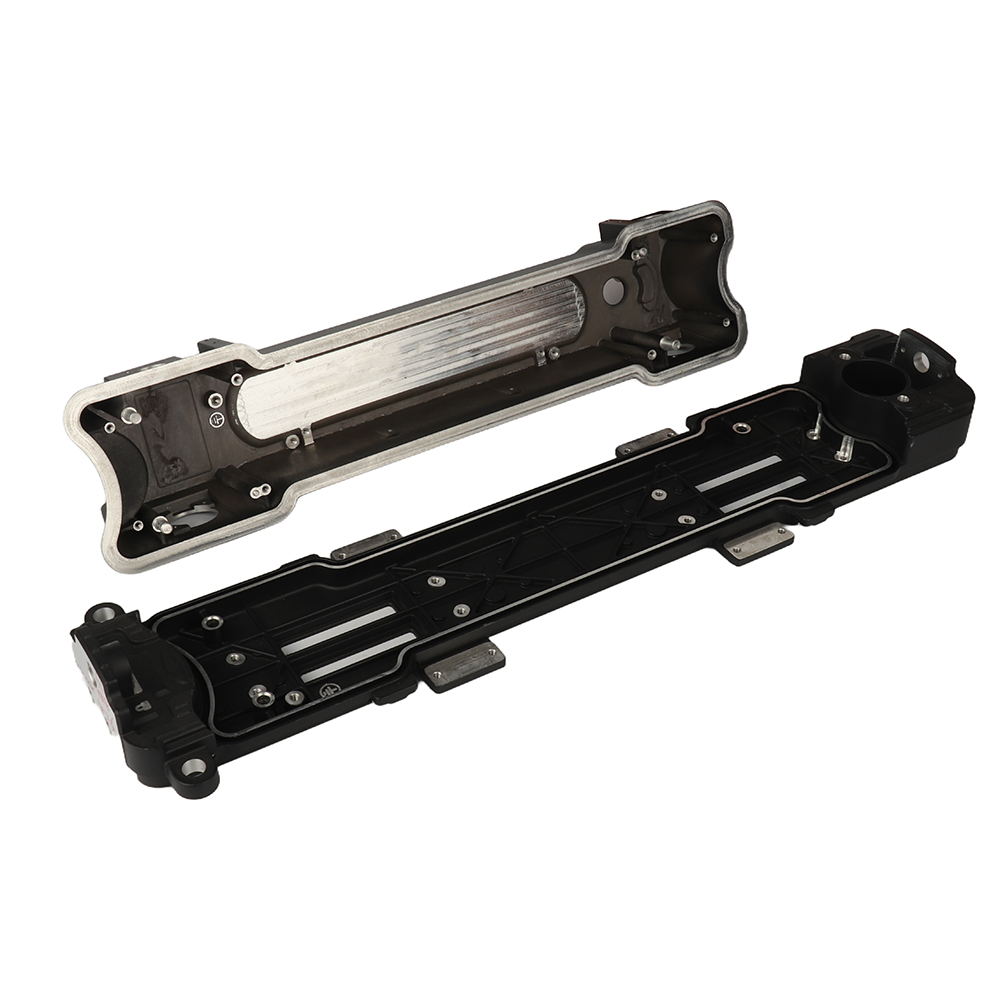
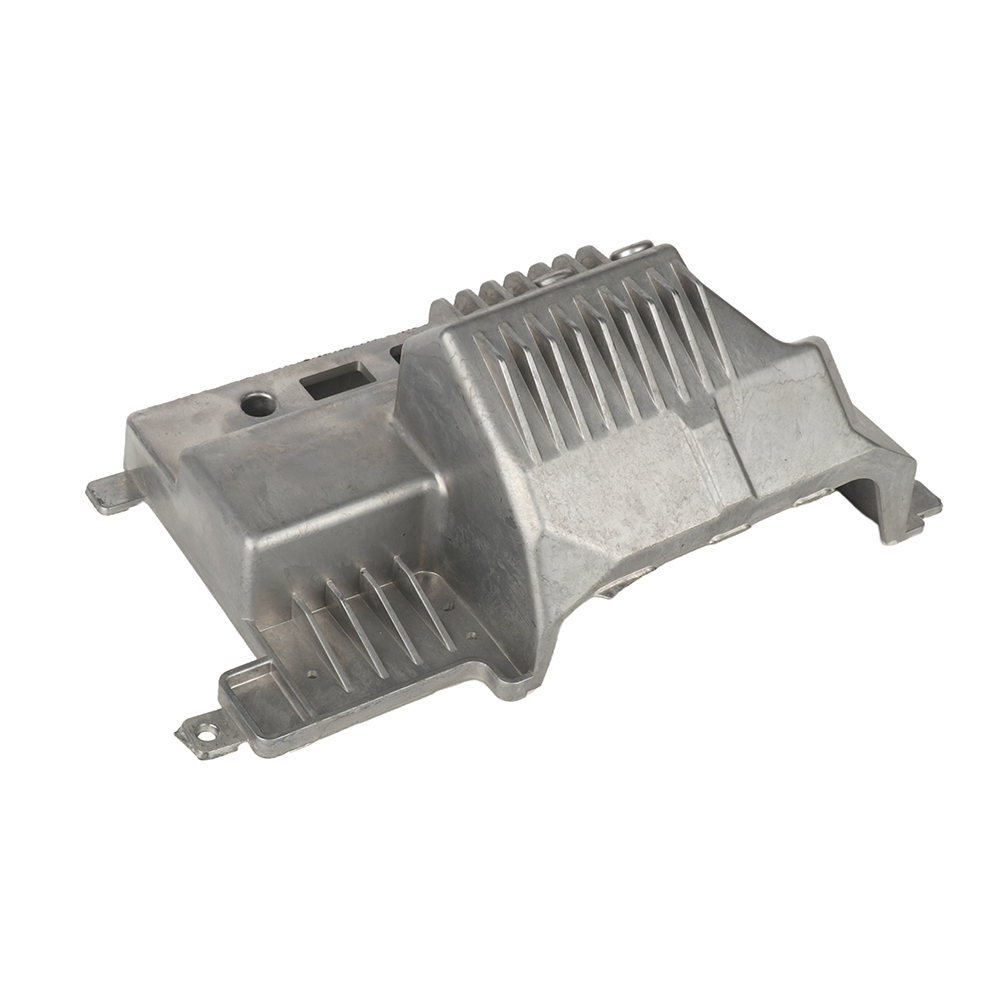
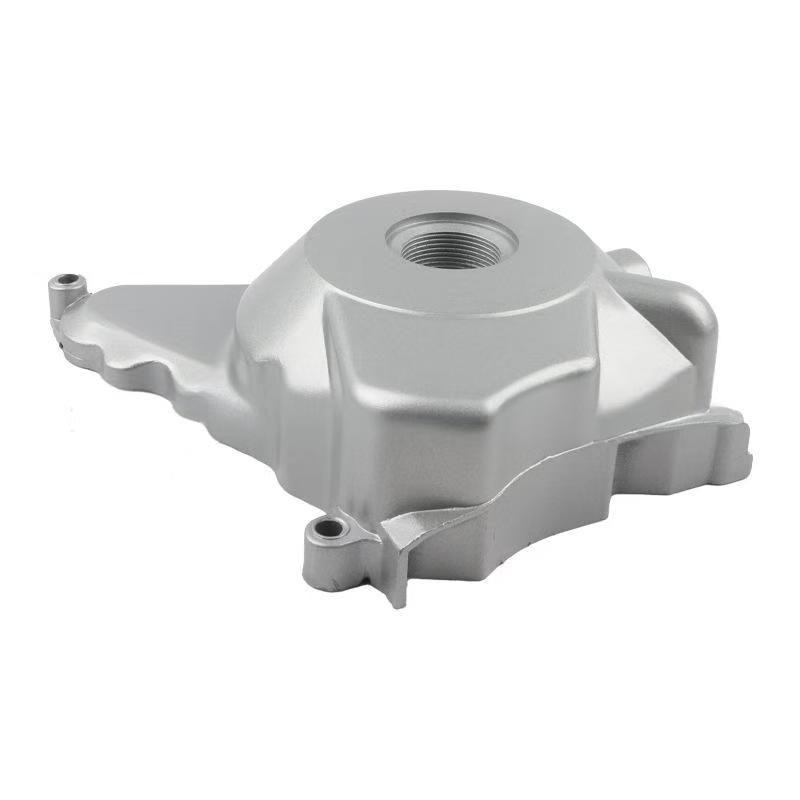
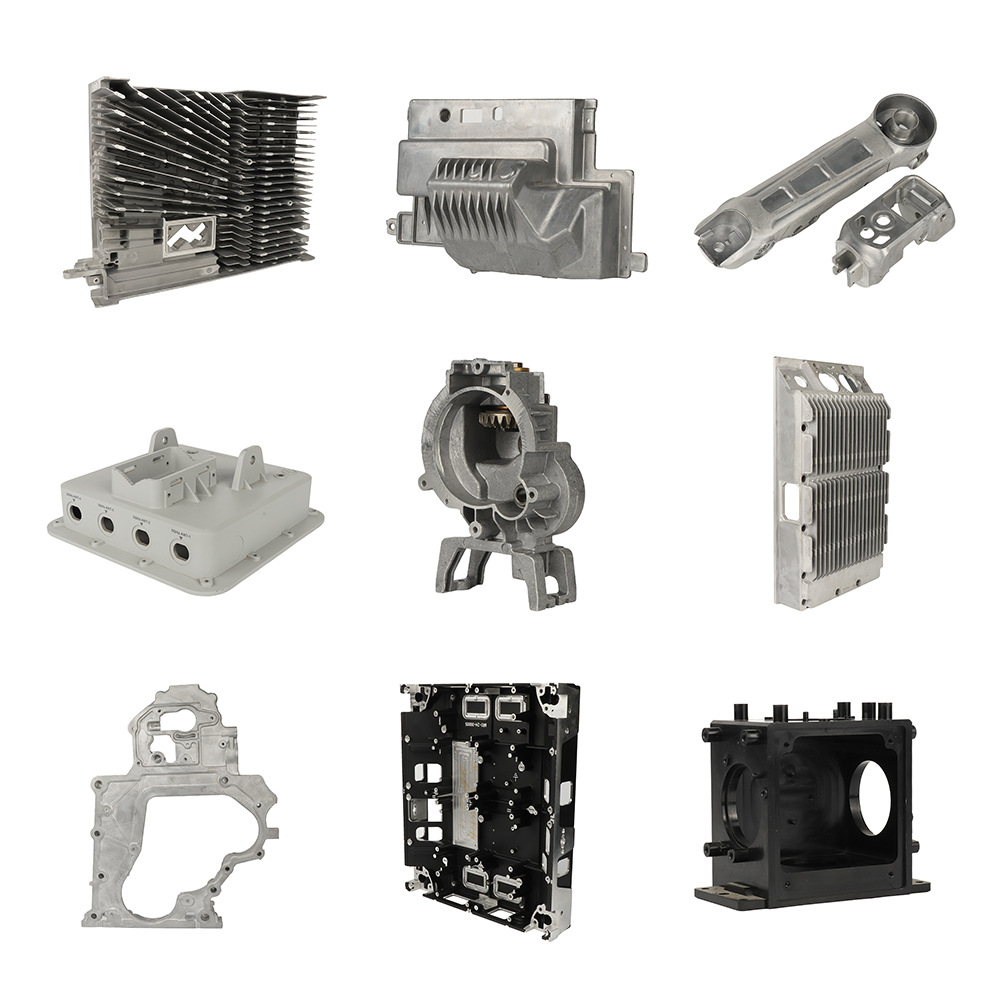
EV battery inverter | What is the function of the automotive battery inverter housing? Benefits & Top Supplier Guide
2026-04-30
What is the Function of the Automotive Battery Inverter Housing? Benefits & Top Supplier Guide
Table of Contents
- 1. Introduction: What is an Automotive Battery Inverter Housing?
- 2. Core Focus & Key Functions of EV Battery Inverter Aluminum Die-Cast Housing
- 3. Unique Benefits of EV Battery Inverter Aluminum Die-Cast Housing
- 4. Xinghang Precision Hardware: Professional EV Battery Inverter OEM Supplier (Model XH-73)
- 5. Expert Insights on Automotive Battery Inverter Housings
- 6. FAQs About Automotive Battery Inverter Housing
- 7. Conclusion: Trends in Aluminum Die-Cast Auto Parts Industry & How to Choose a Quality Supplier
1. Introduction: What is an Automotive Battery Inverter Housing?
The automotive battery inverter housing—especially the EV battery inverter aluminum die-cast housing—is a critical component that protects and supports the EV battery inverter, the “power converter” of new energy vehicles (NEVs). The EV battery inverter plays a vital role in NEVs: it converts the direct current (DC) stored in the vehicle’s battery into alternating current (AC) to power the electric motor, directly affecting the vehicle’s performance, energy efficiency, and safety.
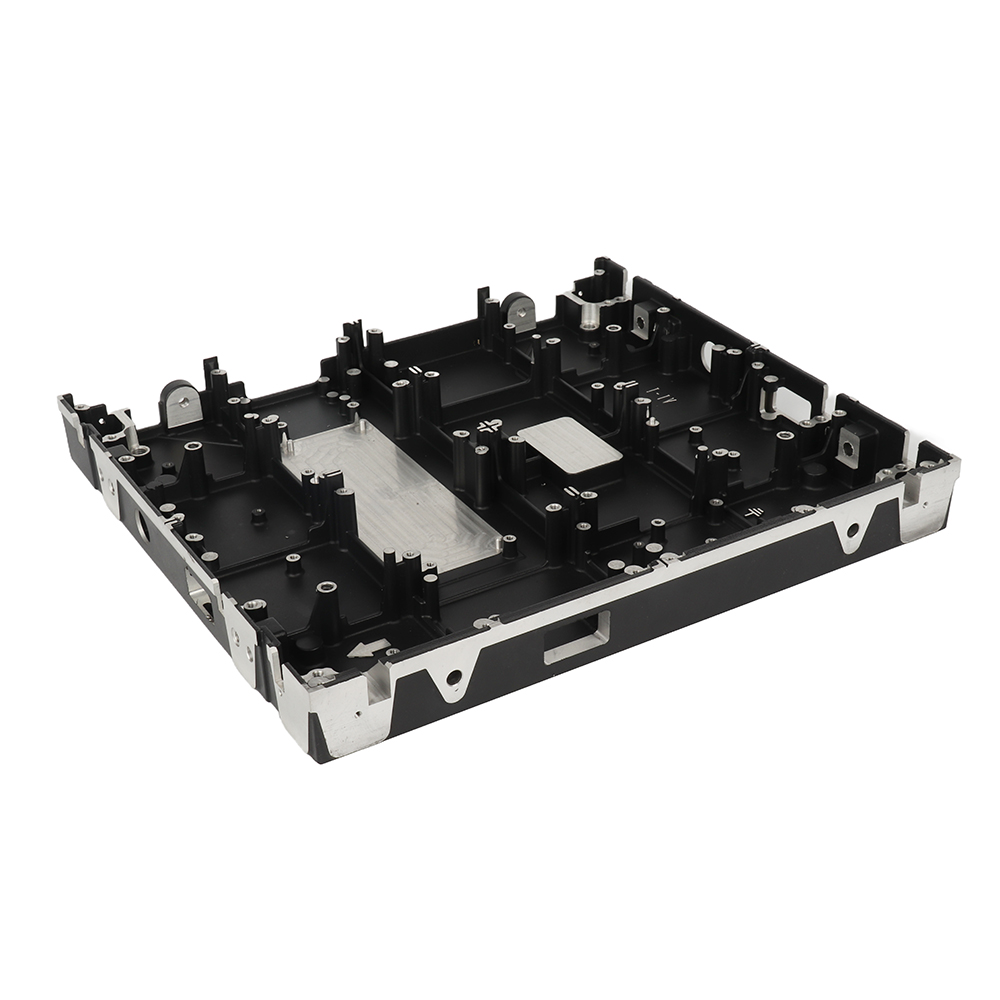
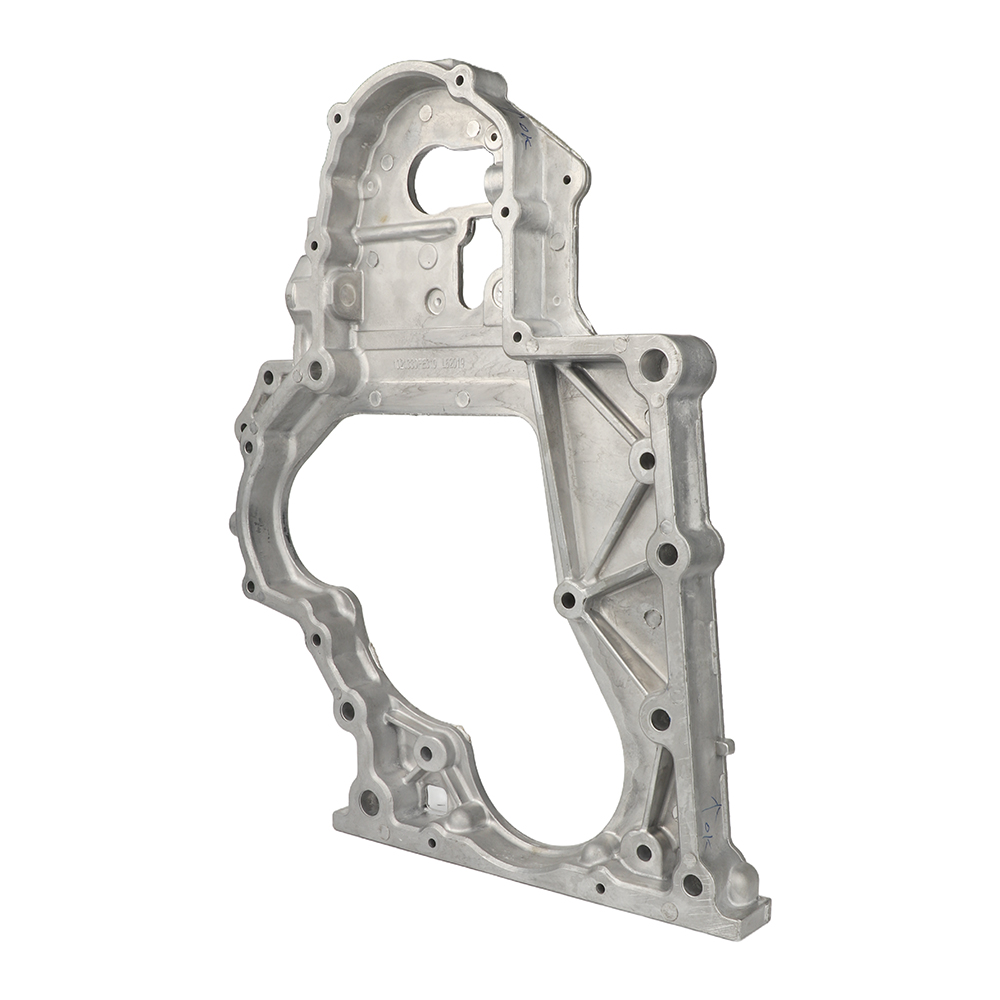
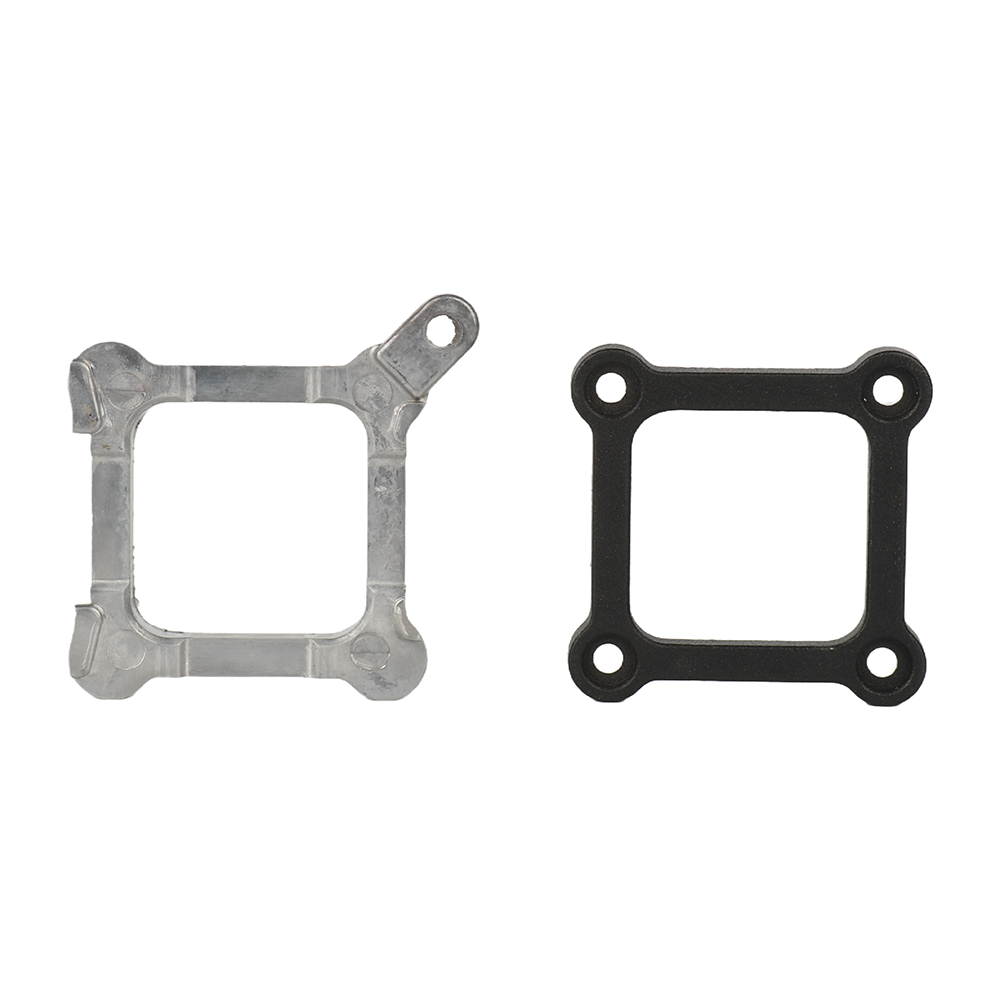
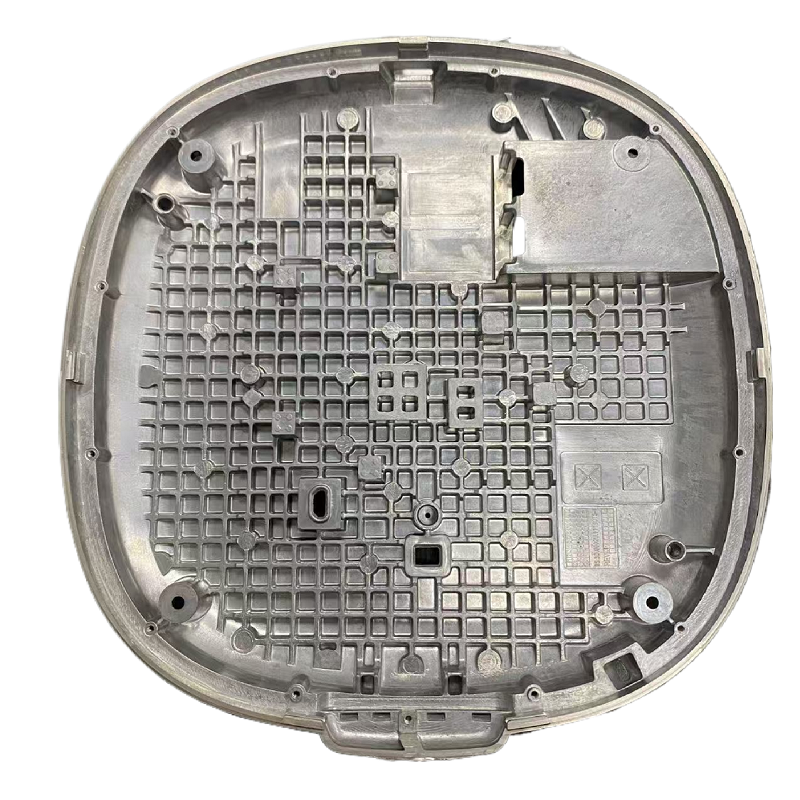
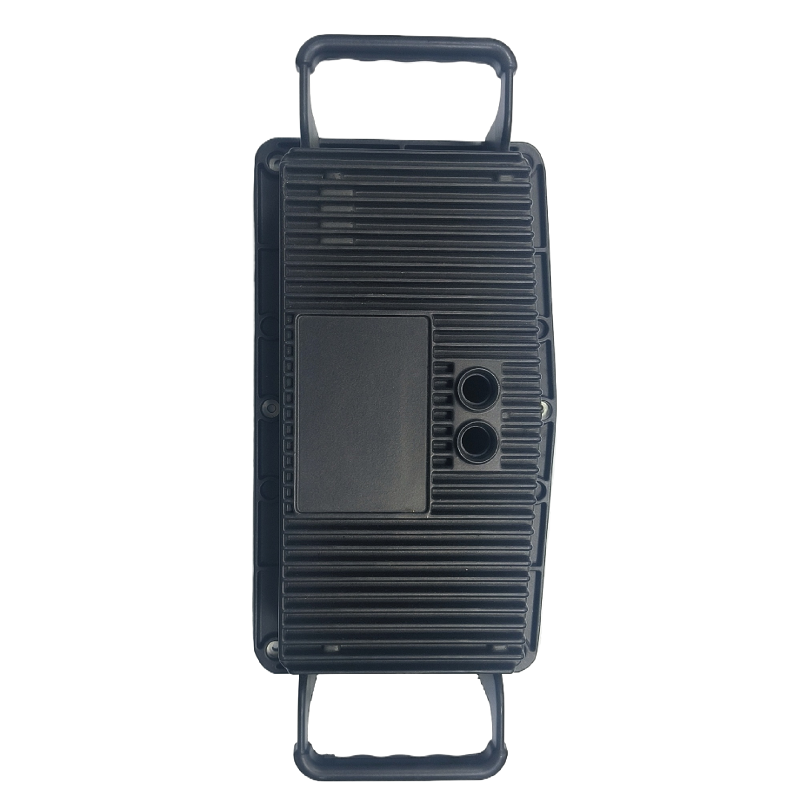
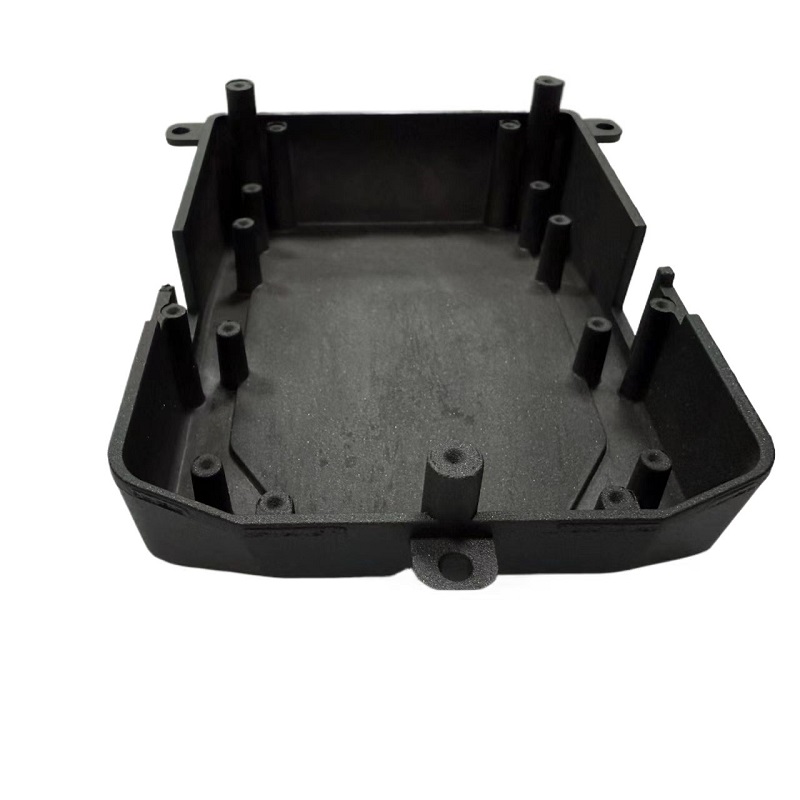
As the outer protective and structural shell of the EV battery inverter, the aluminum die-cast housing is manufactured viahigh-pressure die casting technology, leveraging aluminum’s superior properties to meet the rigorous operating demands of NEVs. Unlike traditional housing materials, aluminum die-cast housing offers a perfect balance of precision, durability, and lightweight design—making it the industry standard for modern EV battery inverters. At Xinghang Precision Hardware, we are a professional OEM factory for car battery inverters, specializing in high-quality aluminum housing products that deliver stable performance and cost-effective solutions for industrial and automotive applications.
2. Core Focus & Key Functions of EV Battery Inverter Aluminum Die-Cast Housing
The core focus of the EV battery inverter aluminum die-cast housing is to ensure the safe, stable, and efficient operation of the EV battery inverter. As the “protective barrier” and “structural foundation” of the inverter, its key functions are closely linked to the overall performance and safety of the NEV, detailed as follows:
2.1 Core Focus: Safety & Stability for EV Battery Inverter
The EV battery inverter operates at high voltages (typically 300–800V) and generates significant heat during energy conversion. The core focus of the aluminum die-cast housing is to provide reliable protection, effective heat dissipation, and strict sealing—preventing electrical faults, overheating, and external damage, which are critical to ensuring the inverter’s long-term stability and the vehicle’s safety. This focus aligns with global NEV industry standards and directly impacts the inverter’s lifespan and operational reliability.
2.2 Key Functions of EV Battery Inverter Aluminum Die-Cast Housing
-
Protection of Inverter Core Components: The housing acts as a rigid, sealed shield, protecting the inverter’s internal components (such as IGBT modules, capacitors, and wiring) from external hazards including dust, moisture, impact, and vibration. Its seamless, high-strength construction—enabled by advanced high-pressure die casting technology—eliminates weak points (unlike traditional welded housings), preventing damage that could lead to inverter failure or even electrical short circuits.
-
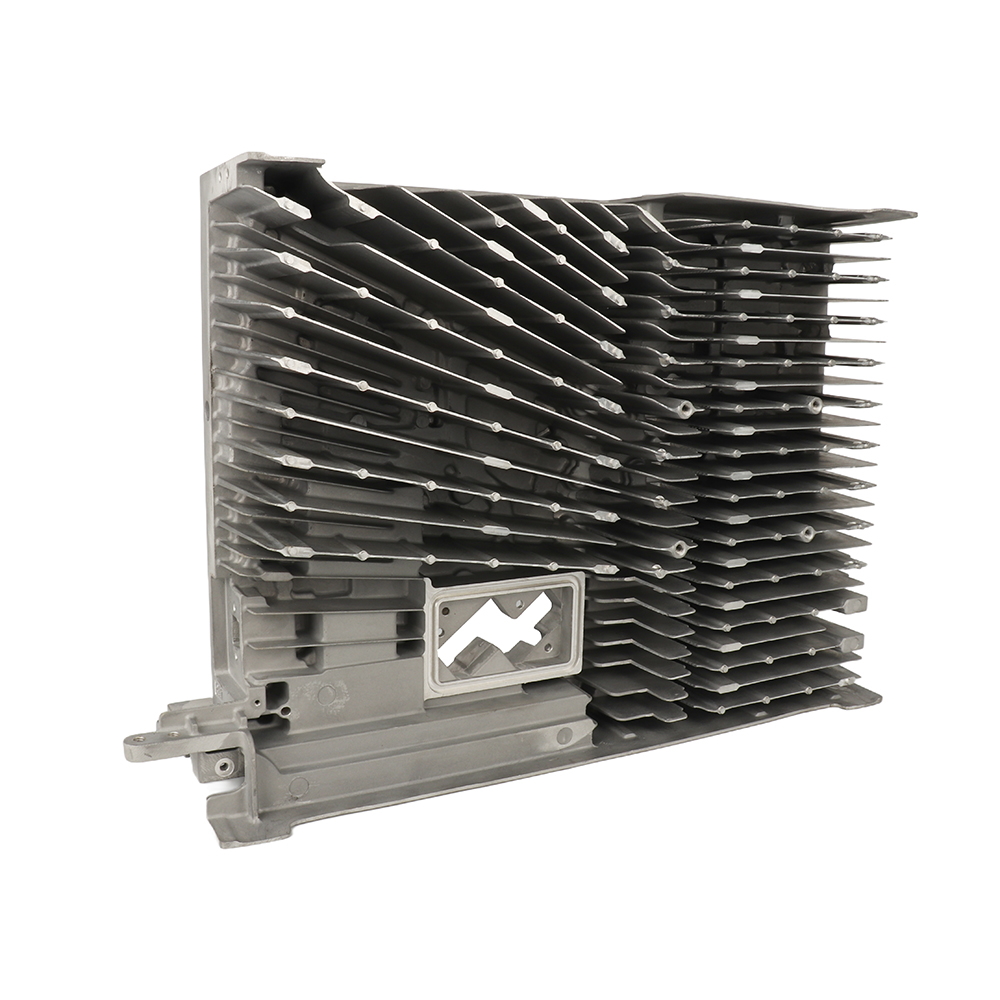
Thermal Management & Heat Dissipation: Energy conversion in the EV battery inverter generates substantial heat; excessive heat reduces efficiency, shortens component lifespan, and may cause safety risks. Aluminum is an excellent thermal conductor, so the aluminum die-cast housing efficiently dissipates heat, maintaining optimal operating temperatures for the inverter’s core components. Its integrated design, combined with precision machining, can include built-in cooling structures to further enhance heat dissipation performance, ensuring stable inverter operation even under high-load conditions.
-
Electrical Insulation & Safety: Given the high voltage of the EV battery inverter, the housing provides critical electrical insulation, preventing electric leakage and protecting the vehicle’s electrical system and passengers. The aluminum die-cast housing, combined with professional surface treatment, ensures excellent insulation performance while maintaining structural integrity—meeting the strict safety standards of the automotive industry.
-
Structural Support & Mounting: Mounted in the NEV’s chassis or battery compartment, the housing provides stable structural support for the inverter, bearing its weight and withstanding dynamic loads during vehicle operation (e.g., acceleration, braking, uneven roads). Aluminum’s high strength-to-weight ratio ensures the housing is lightweight yet robust, aligning with the NEV industry’s lightweighting trend and reducing overall vehicle weight.
-
Sealing & Environmental Protection: The EV battery inverter is often exposed to harsh environments (e.g., rain, humidity, road dust). The aluminum die-cast housing features tight tolerances and a seamless design, ensuring effective sealing to prevent moisture, dust, and other contaminants from entering the inverter—avoiding component corrosion and performance degradation.
-
Integration & Compatibility: Die casting allows for complex geometries and precise mounting points, enabling the housing to integrate seamlessly with other NEV components (e.g., battery pack, electric motor, chassis). This simplifies assembly, reduces installation time, and ensures the inverter works in harmony with the entire vehicle power system, while also supporting custom designs for different NEV models.

3. Unique Benefits of EV Battery Inverter Aluminum Die-Cast Housing
Compared to housings made from steel, plastic, or other materials, the EV battery inverter aluminum die-cast housing offers distinct advantages that directly address the core needs of the EV battery inverter and the NEV industry. These benefits make it the preferred choice for automotive OEMs and inverter manufacturers:
-
Lightweight & High Strength: Aluminum has an exceptional strength-to-weight ratio—EV battery inverter aluminum die-cast housings are 30–40% lighter than steel housings. This reduces the NEV’s overall weight, improving energy efficiency and extending driving range while maintaining the structural strength needed to protect the high-voltage inverter components.
-
Superior Heat Dissipation: As a natural thermal conductor, aluminum dissipates heat 3–5 times faster than steel and 100 times faster than plastic. This efficient thermal management prevents inverter overheating, extends component lifespan by 20–30%, and ensures consistent performance even during long-term, high-load operation.
-
Precision & Dimensional Stability: High-pressure die casting, combined with precision machining (a core strength of Xinghang Precision Hardware), creates housings with tight tolerances and consistent dimensions. This precision ensures a perfect fit with the inverter’s internal components, reduces assembly issues, and minimizes the risk of sealing failures—critical for high-voltage applications.
-
Corrosion Resistance: Aluminum is naturally corrosion-resistant, and with optional surface treatments (e.g., anodization, powder coating), the housing can withstand harsh environments (e.g., rain, humidity, road salt) without rusting or degrading—ensuring long-term reliability in all driving conditions.
-
Cost-Effective for Mass Production: As a professional OEM factory, Xinghang’s aluminum die-cast housing production process is highly efficient, allowing for mass production with minimal material waste. This reduces per-unit costs for bulk orders, making aluminum die-cast housings more cost-effective over time compared to other materials—aligning with the needs of large-scale NEV manufacturing.
-
Customization Flexibility: Die casting supports complex geometries and custom designs, enabling Xinghang to provide tailored solutions for different EV battery inverter models and industrial applications. Whether adjusting size, shape, or adding integrated cooling structures, we can meet the unique requirements of our customers.
-
Stable Performance & Durability: The seamless, high-strength construction of aluminum die-cast housing eliminates weak points from welding or assembly, ensuring stable performance and long service life. This reduces maintenance costs and improves the overall reliability of the EV battery inverter.
-
Sustainability & Recyclability: Aluminum is 100% recyclable, with recycled aluminum retaining 95% of its original properties. This aligns with global green automotive trends, helping NEV manufacturers reduce their environmental footprint and meet sustainability goals.
4. Xinghang Precision Hardware: Professional EV Battery Inverter OEM Supplier (Model XH-73)
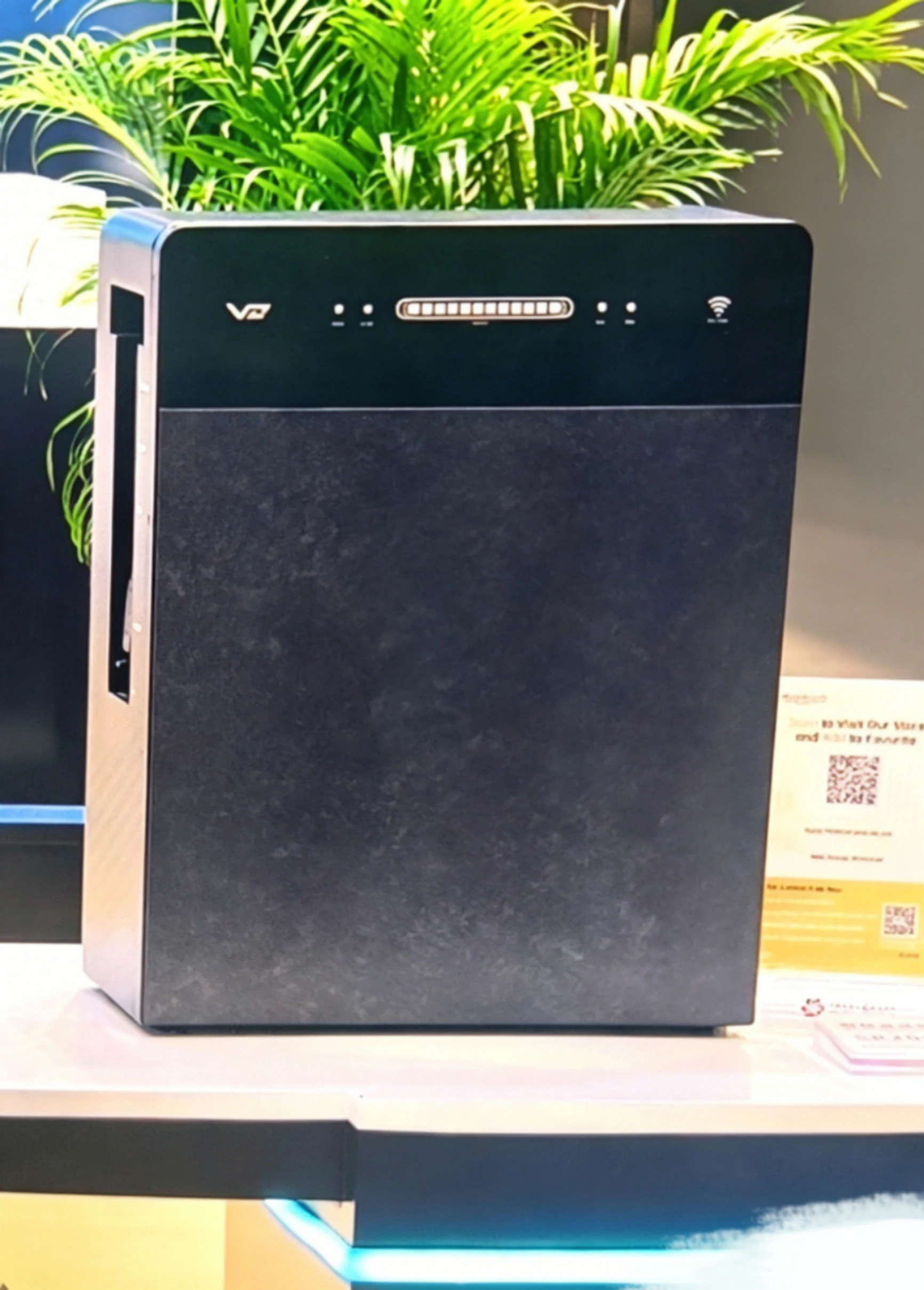
When it comes to high-quality EV battery inverter and aluminum die-cast housing, Xinghang Precision Hardware is a trusted professional OEM factory for car battery inverters. We specialize in providing cost-effective, high-performance solutions with custom options, and we warmly welcome bulk orders. Our premium EV battery inverter (Model XH-73) is equipped with high-quality aluminum housing, crafted via precision machining to meet the rigorous requirements of industrial and automotive applications. Below are the detailed product specifications and our competitive advantages:
4.1 Product Specifications & Features
| Product Details | Specifications |
| Product Name | EV Battery Inverter (with Aluminum Die-Cast Housing) |
| Place of Origin | China |
| Brand Name | XingHang |
| Model Number | XH-73 |
| Certification | ISO9001/TS16949/RoHS/ISO14001 |
| Manufacturing Process | High-pressure die casting (aluminum housing) + precision machining + surface treatment + 100% quality inspection |
| Core Features | High-quality aluminum housing, precision machining, cost-effective, stable performance, custom solutions, suitable for bulk orders |
| Application | Industrial Applications, New Energy Vehicle Battery Inverter Systems |
4.2 Our Competitive Advantages
-
Professional OEM Capability: As a dedicated OEM factory for car battery inverters, we have rich experience in customizing solutions to meet the unique needs of different customers, including bulk order requirements and personalized design adjustments.
-
Advanced Equipment & Precision Machining: We are equipped with high-pressure die casting machines (300–2000 tons), nearly 100 high-speed CNC machines, and intelligent production systems—ensuring the precision and consistency of our aluminum housings and inverter products.
-
Strict Quality Control: We implement 100% inspection throughout production, from raw material selection to final delivery, ensuring every EV battery inverter and aluminum housing meets ISO, TS16949, and automotive industry standards.
-
Cost-Effective Solutions: Our optimized production processes and bulk production capabilities allow us to provide high-quality products at competitive prices, helping customers reduce procurement costs.
-
Stable Performance & Reliability: Our EV battery inverters feature high-quality aluminum die-cast housings and precision components, ensuring stable operation even in harsh environments—meeting the long-term reliability requirements of NEVs and industrial applications.
-
Integrated Service: We offer one-stop services from R&D design, mold manufacturing, die casting, precision machining to surface treatment—ensuring full control over every production step and reducing supply chain complexity for our customers.
5. Expert Insights on Automotive Battery Inverter Housings
To gain deeper insights into the function and value of automotive battery inverter housing and its impact on EV performance, we interviewed Dr. Emily Carter, a senior automotive electrical engineer with over 18 years of experience in NEV power system development and die casting technology, and a consultant for leading global EV and inverter manufacturers.
“The automotive battery inverter housing is far more than just a protective shell—it is a critical component that directly influences the inverter’s efficiency, safety, and lifespan,” says Dr. Carter. “The EV battery inverter is the bridge between the battery and the electric motor, and its housing must address three core challenges: heat dissipation, electrical safety, and structural stability. Aluminum die-cast housing is the only solution that can balance these three needs effectively, especially with advanced die casting technologies that enable seamless integration and precision design.”
Dr. Carter also emphasized: “The NEV industry is evolving toward higher voltage, higher efficiency, and lightweighting, and the inverter housing is key to supporting this evolution. Unlike steel housings that add weight and hinder heat dissipation, or plastic housings that lack strength and safety, aluminum die-cast housings offer the perfect combination of lightweight design, superior heat dissipation, and structural integrity. Suppliers like Xinghang, which specialize in OEM services, precision machining, and custom solutions, are critical partners for manufacturers looking to deliver reliable, cost-effective EV battery inverters.”
She added: “When selecting a supplier for EV battery inverter housings and OEM inverter products, three factors are non-negotiable: quality, customization capability, and cost-effectiveness. The housing must meet strict safety standards for high-voltage applications, and the supplier must be able to tailor solutions to fit different inverter models. Xinghang’s commitment to precision, stable performance, and bulk order support makes them a trusted choice in the competitive NEV market.”
6. FAQs About Automotive Battery Inverter Housing
Q1: What is the core function of an automotive battery inverter housing?
A: The core function is to protect the EV battery inverter’s internal components, dissipate heat generated during energy conversion, provide electrical insulation and safety, support the inverter structurally, ensure effective sealing against environmental hazards, and enable seamless integration with other NEV components—all to ensure the inverter’s stable, safe, and efficient operation.
Q2: Why is aluminum die-casting the best choice for EV battery inverter housing?
A: Aluminum die-casting offers an unbeatable combination of lightweight design, high strength, superior heat dissipation, precision, corrosion resistance, and customization flexibility—all critical for EV battery inverters. It outperforms steel (heavy, poor heat dissipation) and plastic (low durability, insufficient safety) by addressing the NEV industry’s core needs of efficiency, safety, and reliability.
Q3: Can Xinghang’s EV battery inverter (Model XH-73) be customized?
A: Yes. Xinghang is a professional OEM factory for car battery inverters, offering custom solutions tailored to customer needs. We can adjust the aluminum housing size, shape, surface treatment, and inverter specifications to fit different NEV models and industrial applications. We also welcome bulk orders with customized requirements.
Q4: What is the service life of Xinghang’s EV battery inverter aluminum die-cast housing?
A: With proper surface treatment and maintenance, the aluminum die-cast housing can last 10–15 years—matching the service life of most EV battery inverters. This is significantly longer than plastic housings (3–5 years) and comparable to steel housings (8–10 years), but with the added benefit of being lightweight.
Q5: Are Xinghang’s EV battery inverters (Model XH-73) cost-effective for bulk orders?
A: Yes. As a professional OEM factory, we optimize our production processes for mass production, reducing material waste and per-unit costs. We offer competitive pricing for bulk orders, while ensuring high quality and stable performance—making our products a cost-effective choice for large-scale manufacturing.
Q6: What certifications do Xinghang’s EV battery inverters and aluminum housings have?
A: Our products (Model XH-73) hold ISO9001 (quality management), TS16949 (automotive industry quality), RoHS (environmental compliance), and ISO14001 (environmental management) certifications—ensuring compliance with global automotive and industrial standards.
Q7: How does the aluminum die-cast housing improve the EV battery inverter’s performance?
A: The housing improves performance in three key ways: 1) Superior heat dissipation prevents overheating, extending component lifespan and ensuring consistent energy conversion; 2) Lightweight design reduces the NEV’s overall weight, improving energy efficiency and driving range; 3) Precision fit and sealing prevent external damage and contamination, ensuring stable, reliable operation.
Q8: Can the EV battery inverter aluminum die-cast housing withstand harsh environments?
A: Yes. Aluminum is naturally corrosion-resistant, and we offer optional surface treatments (anodization, powder coating) to enhance corrosion resistance further. This makes the housing suitable for harsh environments such as rain, humidity, and road salt, ensuring long-term reliability in all driving conditions.
7. Conclusion: Trends in Aluminum Die-Cast Auto Parts Industry & How to Choose a Quality Supplier
7.1 Key Trends in the Aluminum Die-Cast Auto Parts Industry
The aluminum die-cast auto parts industry is experiencing rapid growth, driven by the global expansion of the NEV market and the automotive industry’s shift toward electrification, lightweighting, and sustainability. Key trends shaping the industry include:
-
Lightweighting & Integration: As NEVs pursue higher energy efficiency and longer driving ranges, the demand for lightweight, integrated aluminum die-cast parts (including EV battery inverter housings) is growing. Manufacturers are moving toward large-scale, integrated die casting to reduce part count, improve structural integrity, and optimize weight.
-
Advanced Manufacturing Technology: Automation (robotic arms, automated inspection), intelligent mold control systems, and precision machining are becoming standard in die casting, improving production efficiency, consistency, and product quality—addressing industry challenges and meeting the strict requirements of high-voltage components like EV battery inverters.
-
Strict Quality & Safety Standards: With the growth of the NEV market, industry standards for auto parts are becoming stricter—driving demand for high-precision, durable aluminum die-cast parts that meet rigorous safety and performance requirements, especially for high-voltage components.
-
Sustainability & Recyclability: Global green automotive initiatives are pushing manufacturers to use recyclable materials like aluminum, making aluminum die-cast auto parts the preferred choice for eco-friendly NEVs—aligning with global sustainability goals.
-
Customization & OEM Services: The diversity of NEV models and inverter configurations is driving demand for customized aluminum die-cast parts and professional OEM solutions—requiring suppliers to offer flexible, tailored services to meet unique customer needs.
7.2 How to Choose a Quality Hardware Supplier for Aluminum Die-Cast Auto Parts
Selecting the right supplier for EV battery inverter, aluminum die-cast housing, and other aluminum die-cast auto parts is critical to ensuring NEV performance, safety, and long-term reliability. Key factors to consider include:
-
Expertise in Automotive & OEM Services: Choose a supplier with specialized experience in die casting for auto parts, particularly NEV high-voltage components, and professional OEM capabilities to meet custom and bulk order requirements.
-
Relevant Certifications: Ensure the supplier holds ISO9001/TS16949/RoHS/ISO14001 certifications—guaranteeing compliance with global automotive quality, safety, and environmental standards.
-
Customization & Technical Capabilities: Verify the supplier can provide tailored solutions, including custom aluminum housing designs and inverter specifications, to fit your specific application needs.
-
Strict Quality Control: Look for a supplier with 100% inspection throughout production, ensuring dimensional accuracy, structural integrity, and corrosion resistance—critical for high-voltage components like EV battery inverters.
-
Cost-Effectiveness & Bulk Order Support: A reliable supplier should offer competitive pricing for bulk orders, while maintaining high quality and stable performance—helping you reduce procurement costs.
-
Integrated Service: Prefer suppliers that offer one-stop services (R&D, die casting, machining, surface treatment) to reduce supply chain complexity and ensure full control over product quality.
7.3 Choose Xinghang Precision Hardware: Your Trusted Partner
For businesses seeking high-quality, reliableEV battery inverter, aluminum die-cast housing, and professional OEM solutions, Xinghang Precision Hardware is your ideal supplier. As a professional OEM factory for car battery inverters, we specialize in high-quality aluminum housing products with precision machining, cost-effective solutions, stable performance, and custom options—welcoming bulk orders. Our Model XH-73 EV battery inverter meets ISO, TS16949, and other global standards, ensuring it fits the needs of industrial and automotive applications.
With advanced die casting equipment, strict quality control, customization capabilities, and integrated services, we deliver premium products that meet the highest industry standards. Our commitment to customer satisfaction, fast lead times, and competitive pricing makes us a trusted partner for businesses looking to stay ahead in the NEV and aluminum die-cast auto parts market.
To discuss your EV battery inverter and aluminum die-cast housing requirements, or to place a bulk order, contact us today:
Mobile/WeChat: +86 18819502691 Email: liqine@xinghangcn.com
Steering lock housing | Custom Precision Automotive Casting | Focus on Steering Lock Housing | Benefits & Top Supplier Guide
Electric drive system | New energy vehicle e-drive aluminum die-cast casing | Key Roles, Benefits & Supplier Guide
Related Article

Residential energy storage systems have become increasingly popular as homeowners pursue energy independence, solar self-consumption and backup power for grid outages.
Energy storage enclosure | What Are the Benefits of Die-Cast Home Energy Storage Enclosures?

A custom LED display frame is the core structural carrier for LED screen modules, widely manufactured with ADC12 aluminum alloy via high-pressure die casting.
LED display frame | What Are the Benefits of Custom LED Display Frames?

