
HOT PRODUCTS
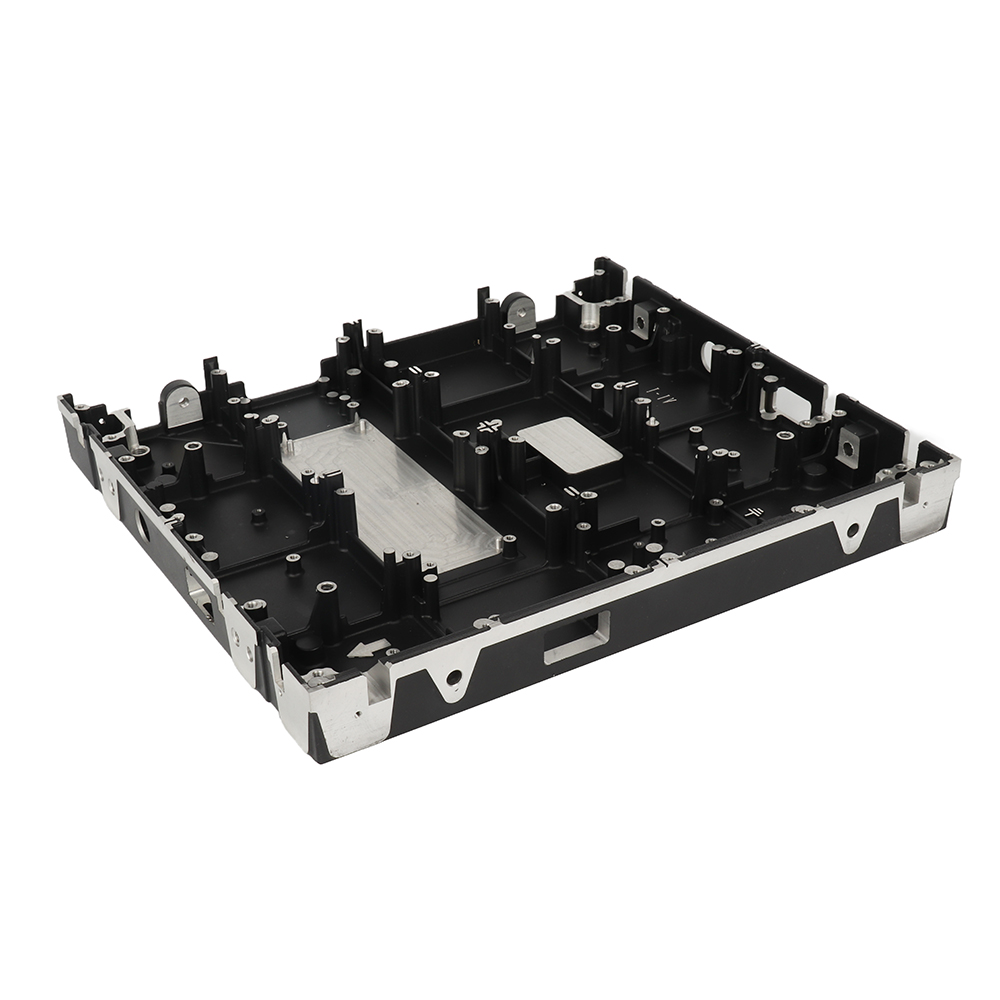
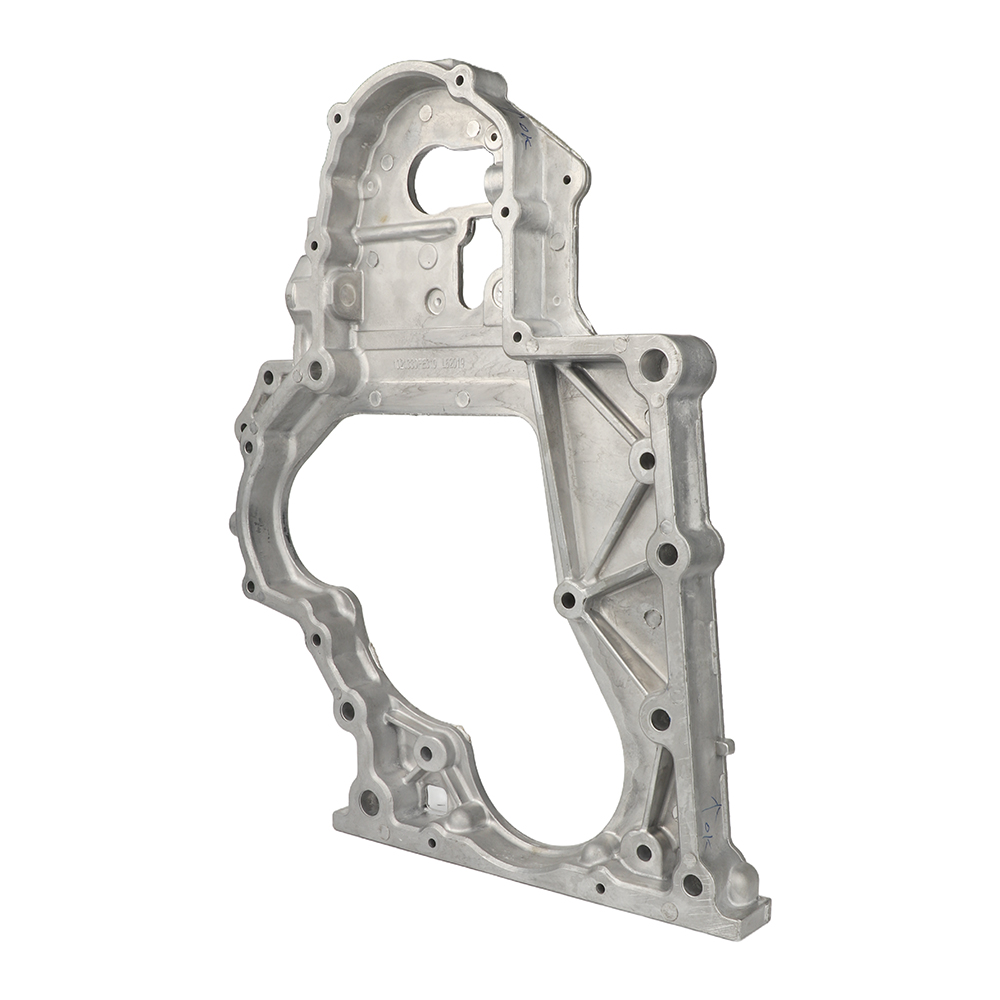
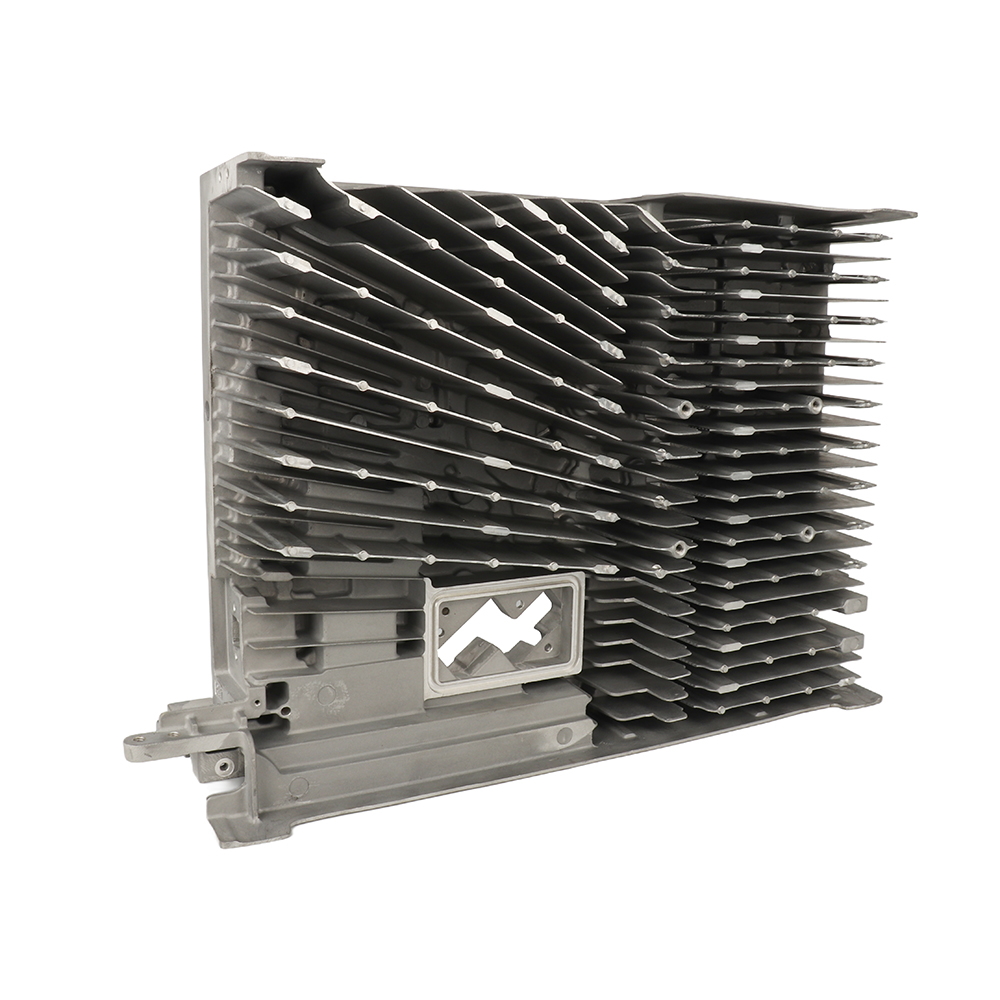
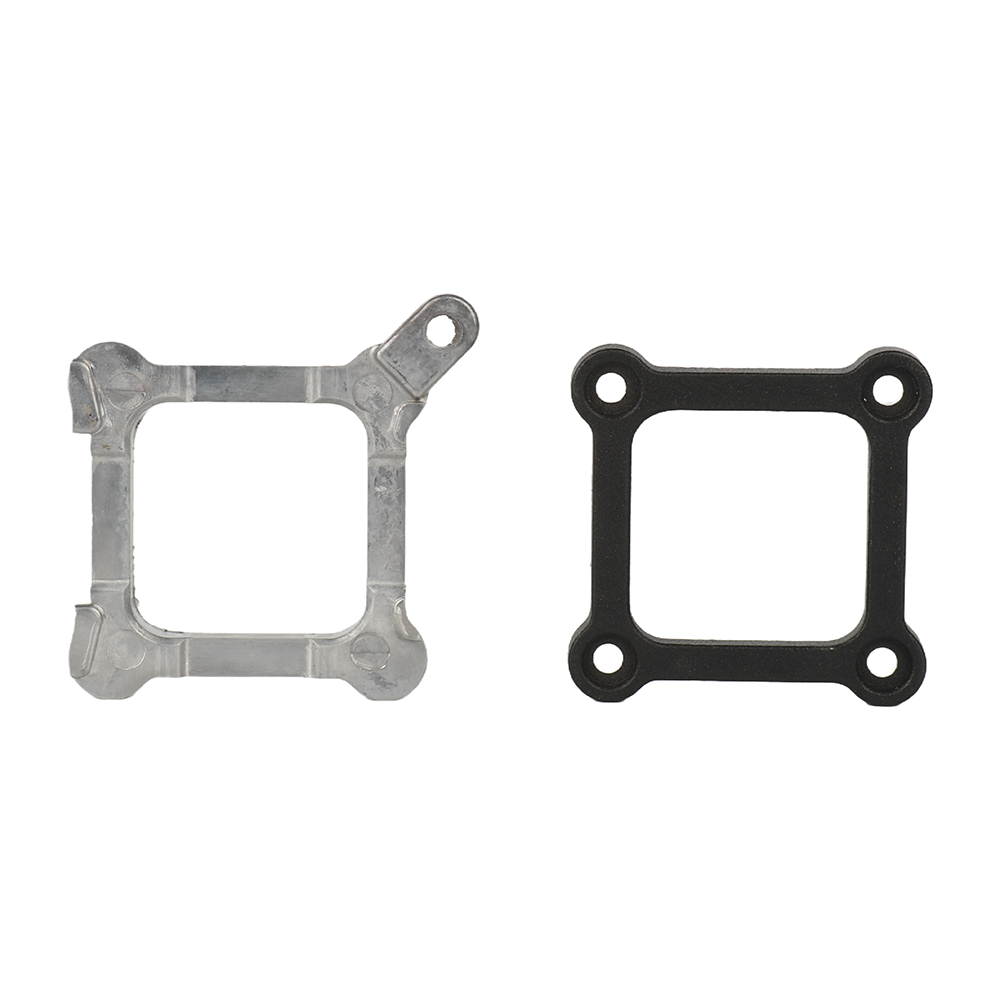
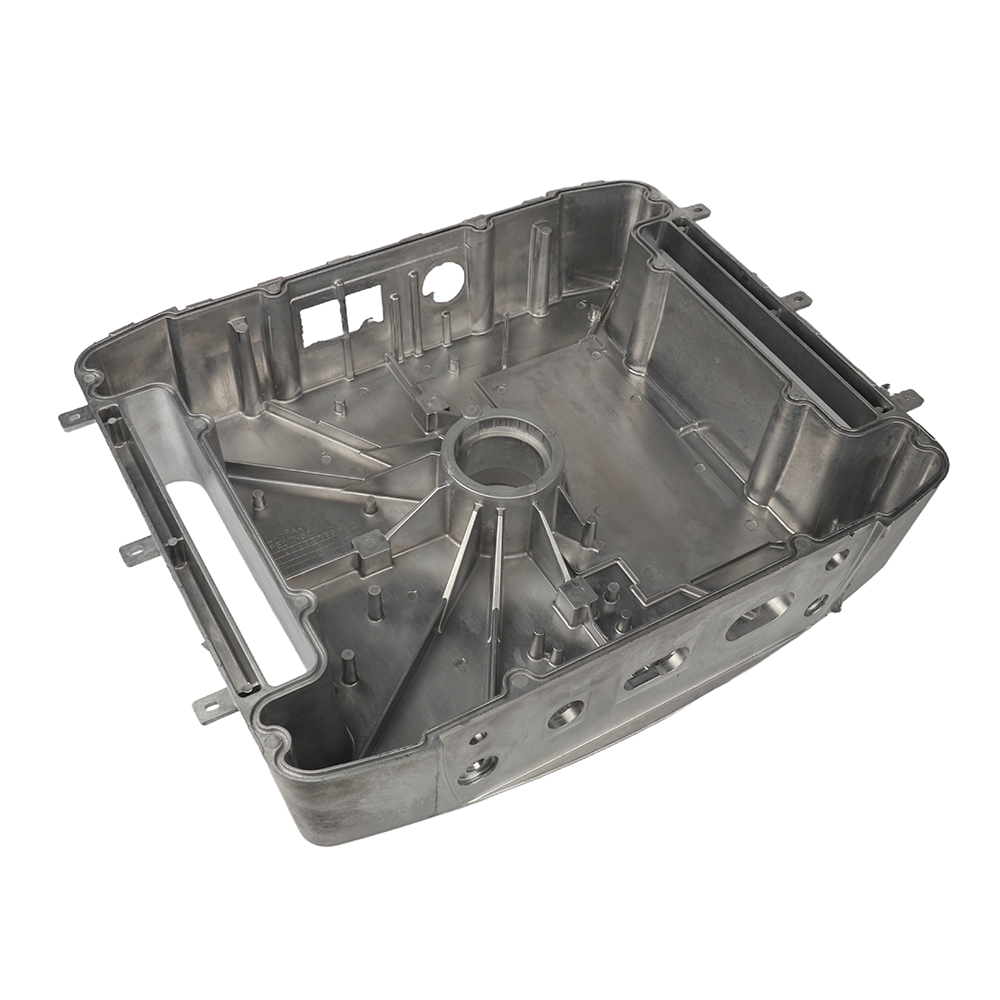
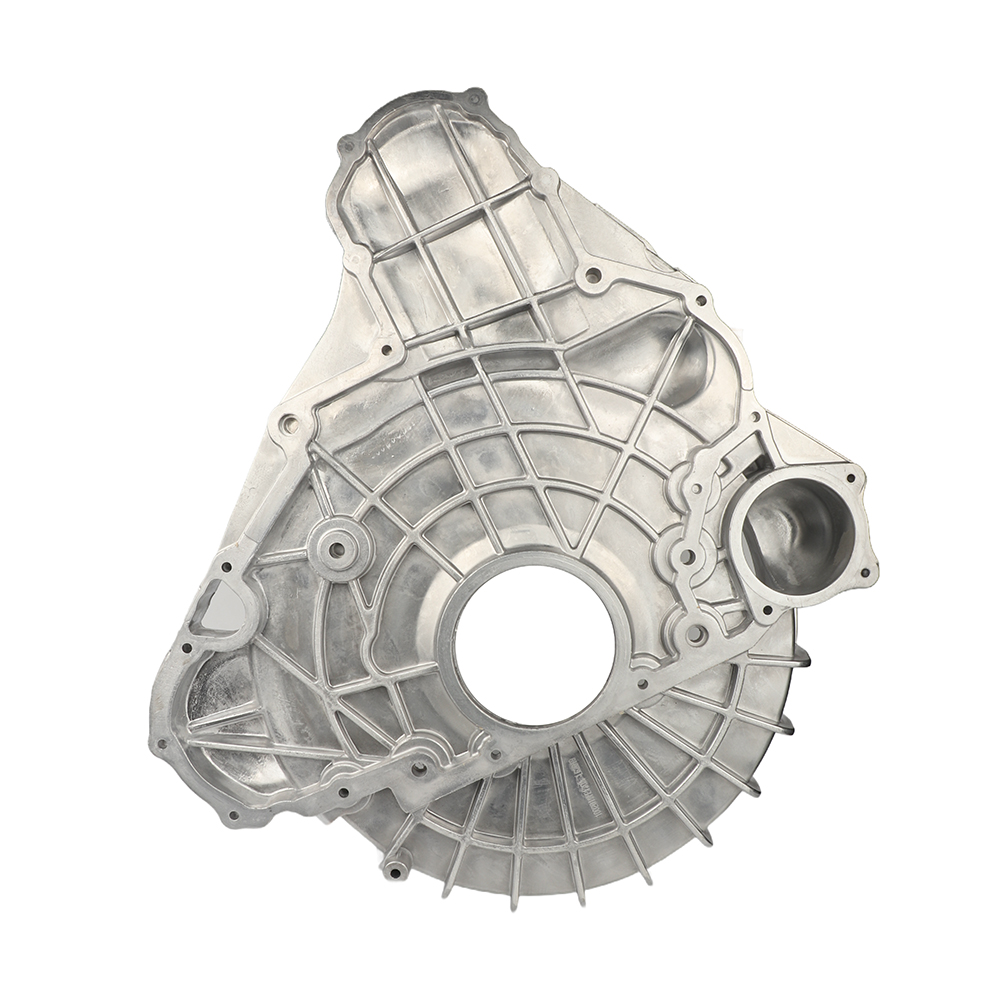
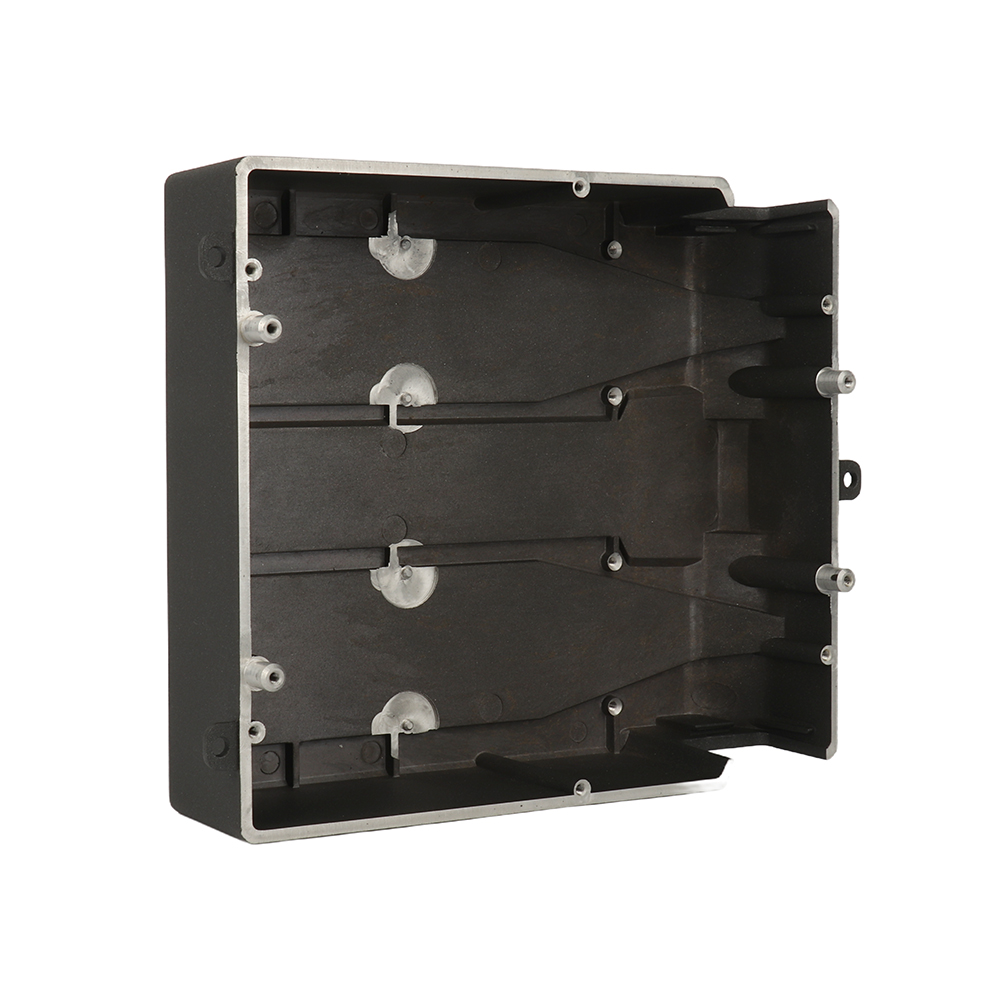
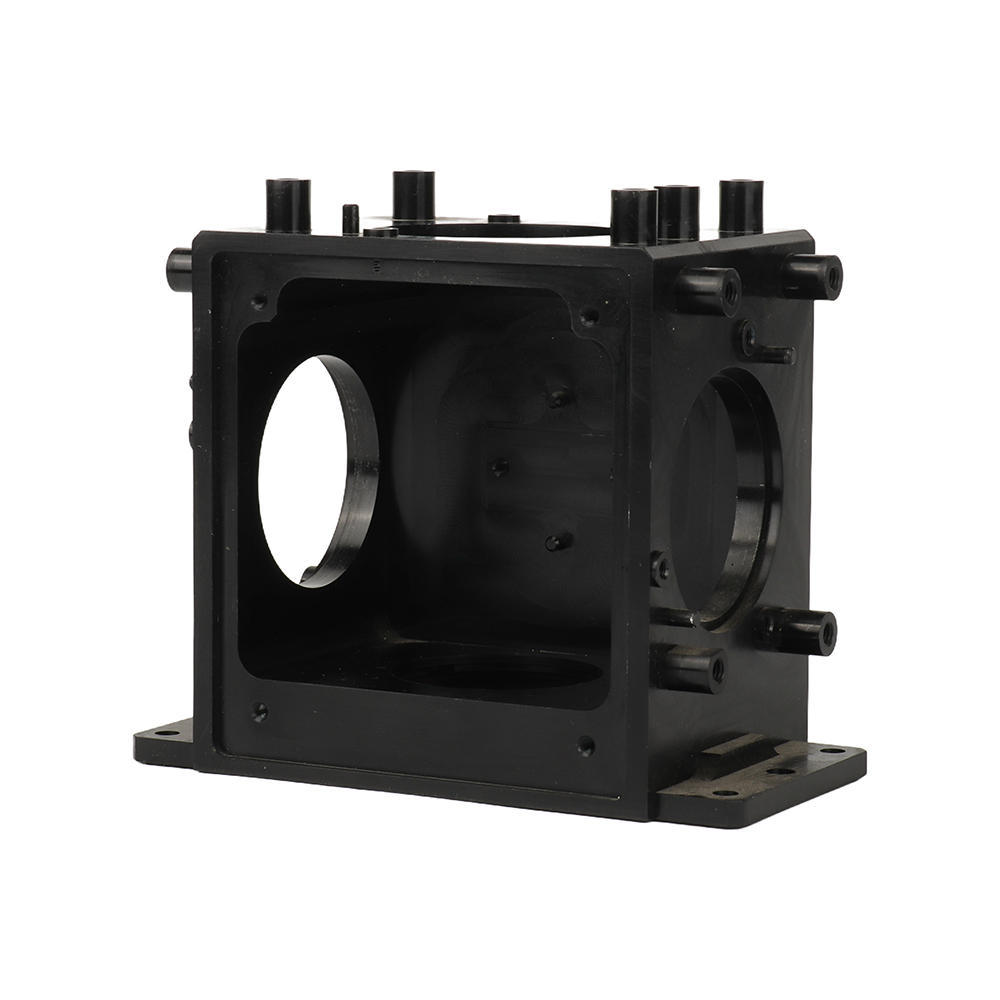
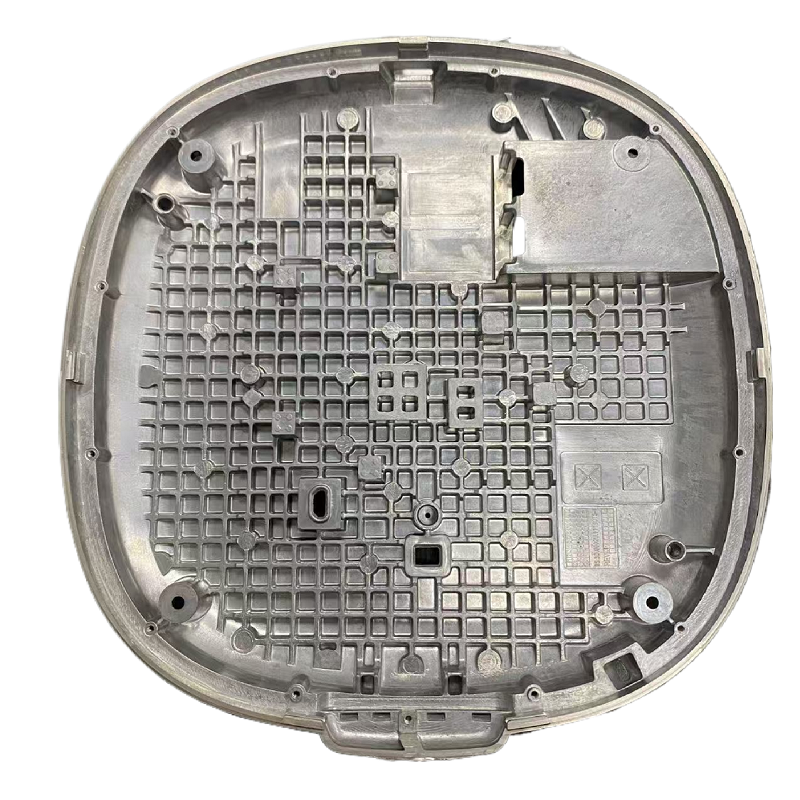
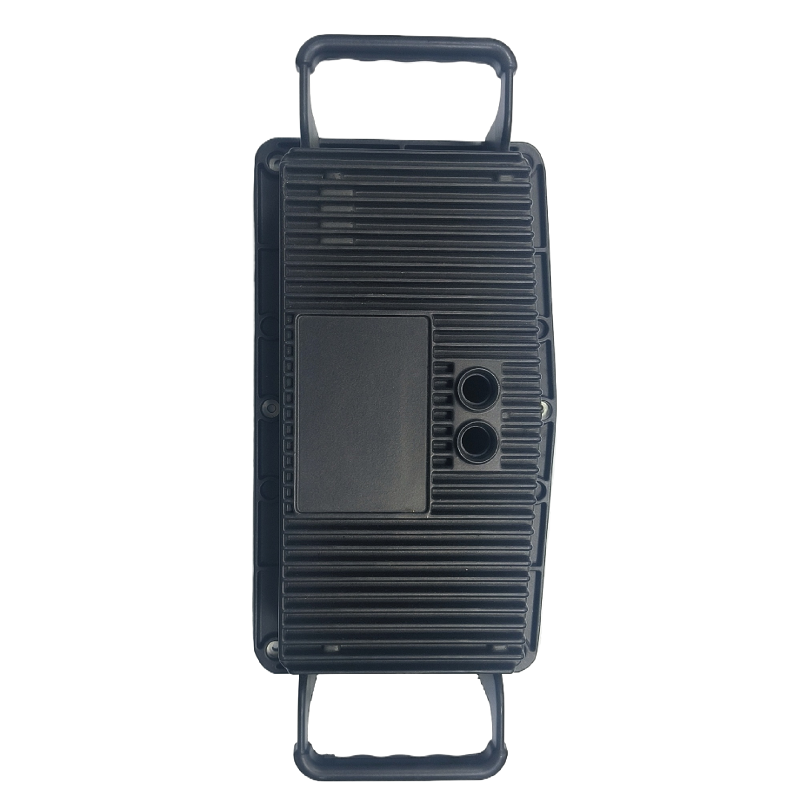
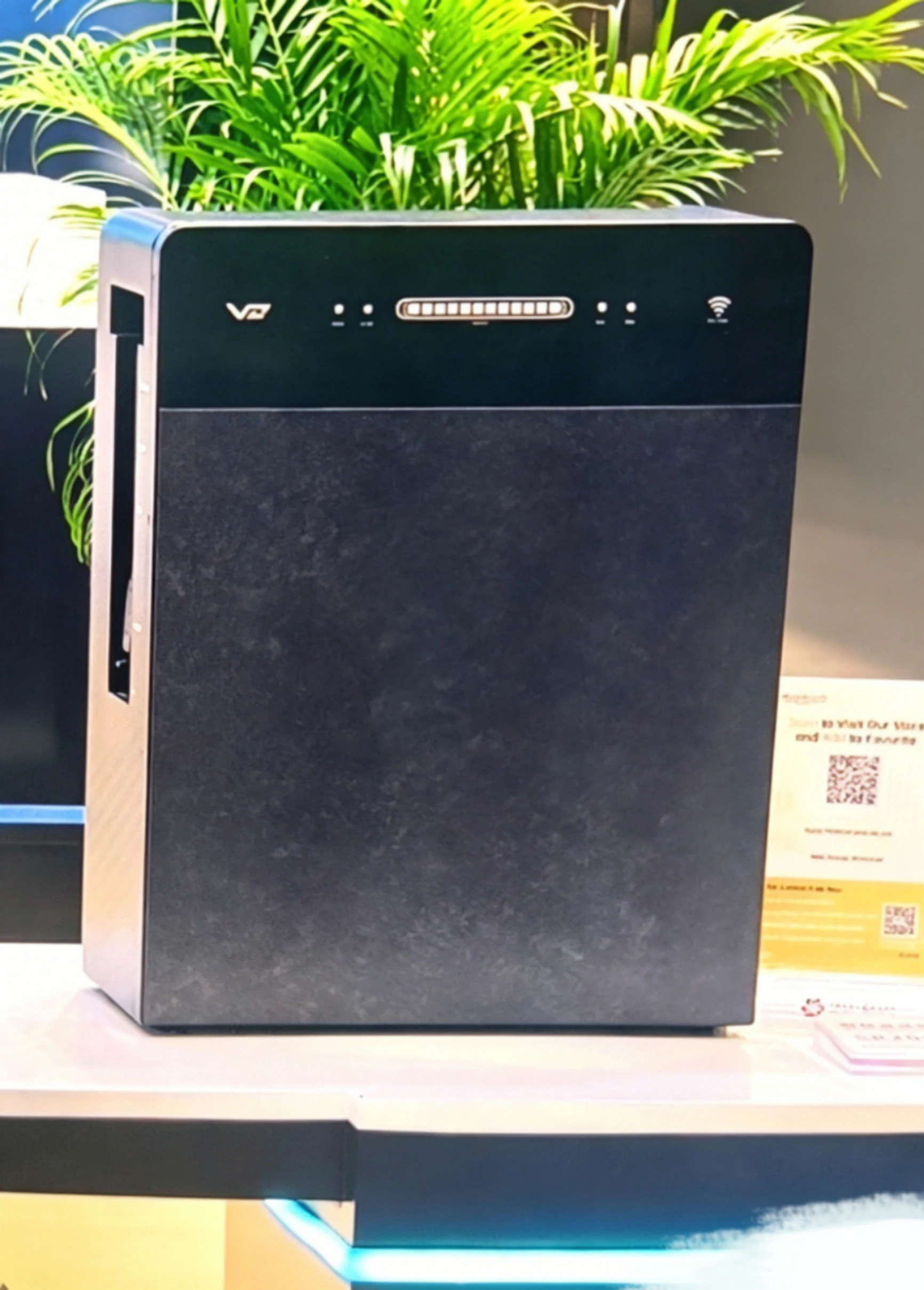
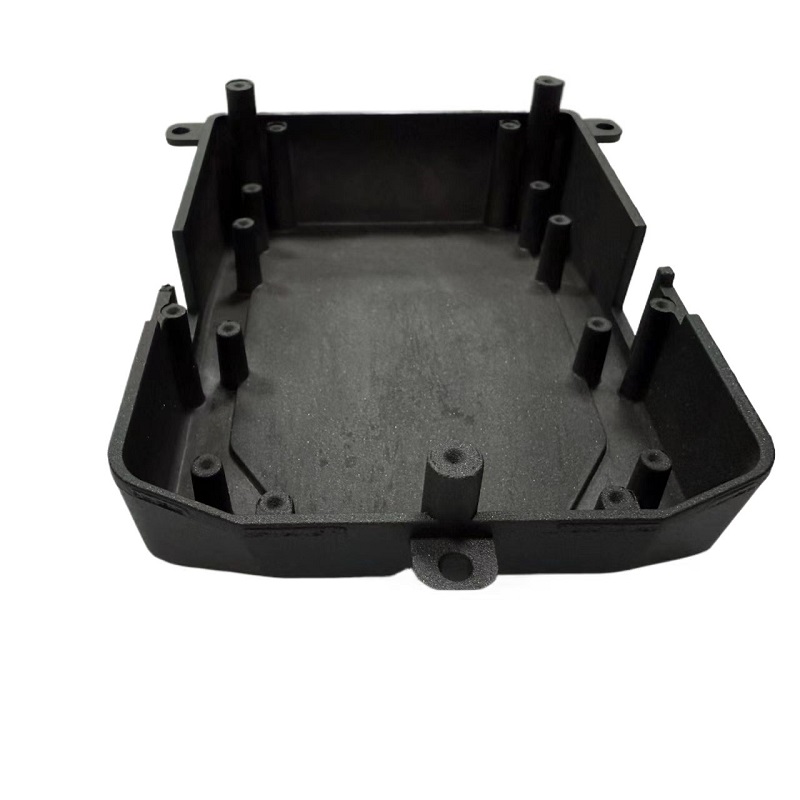
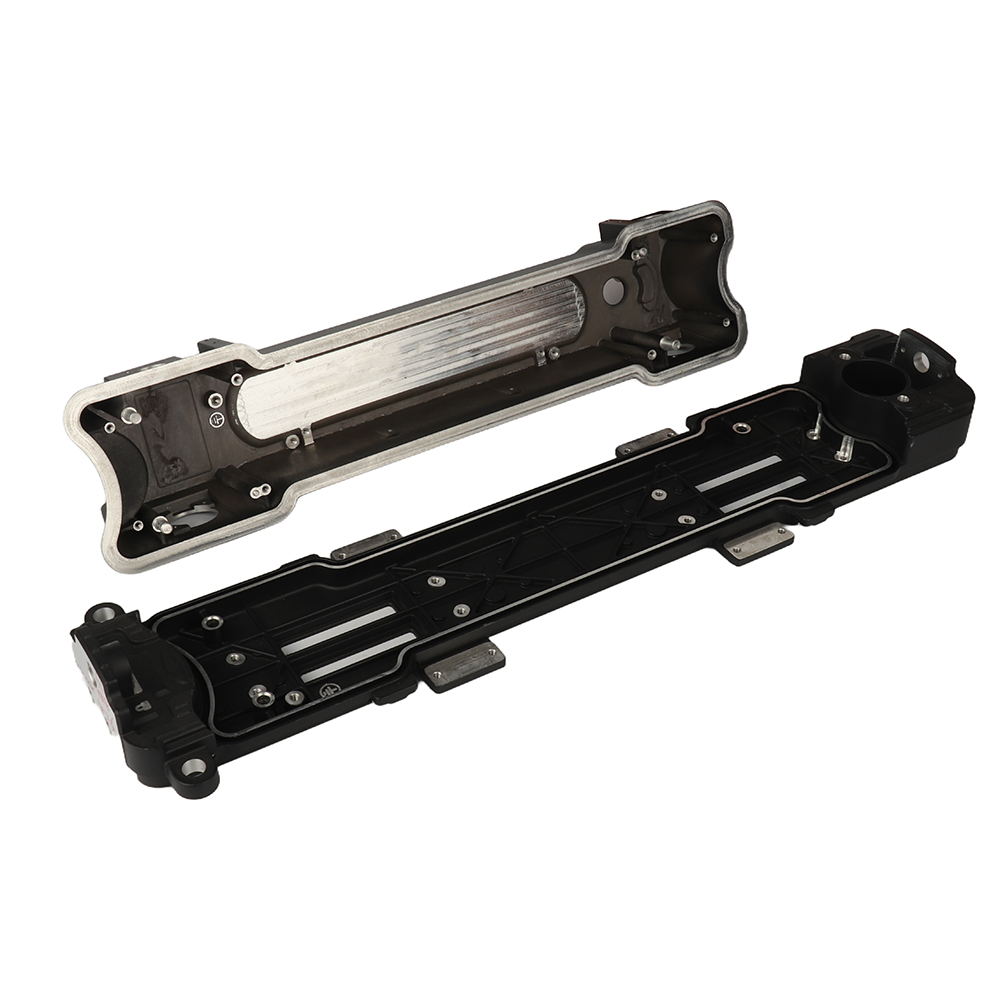
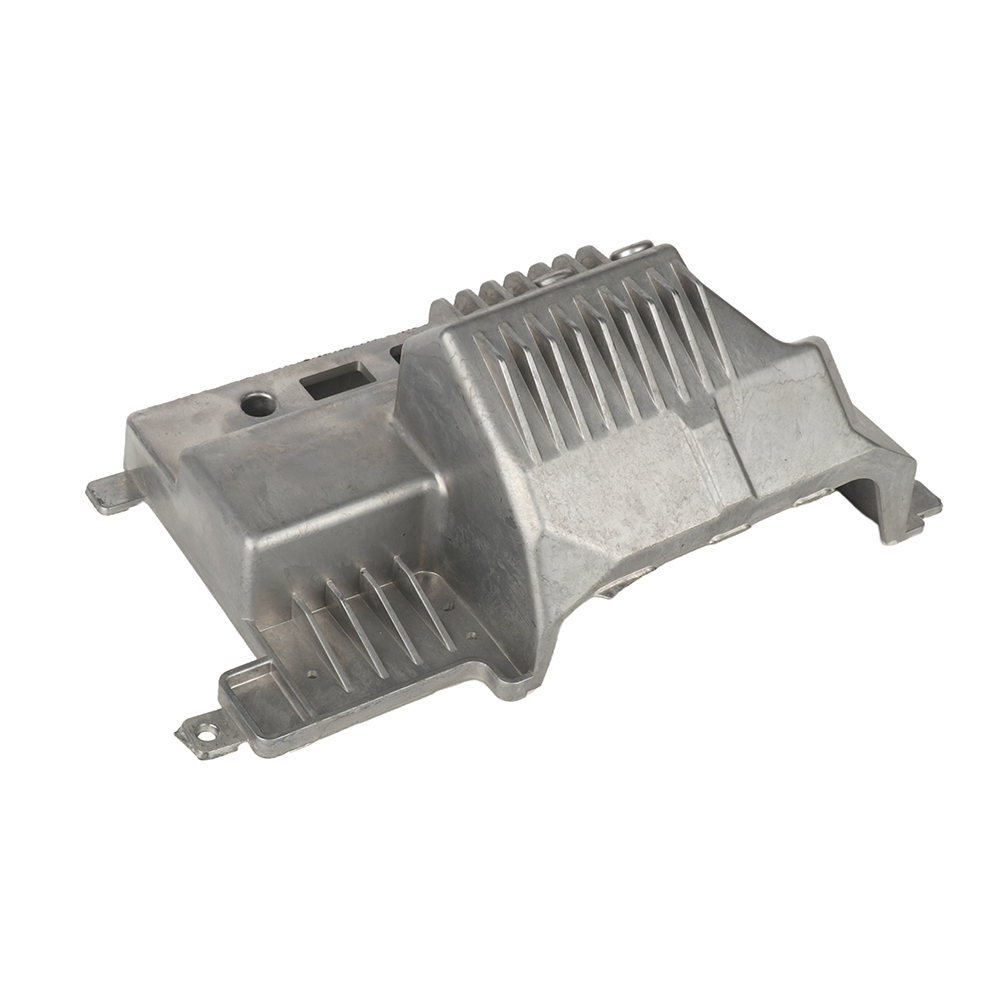
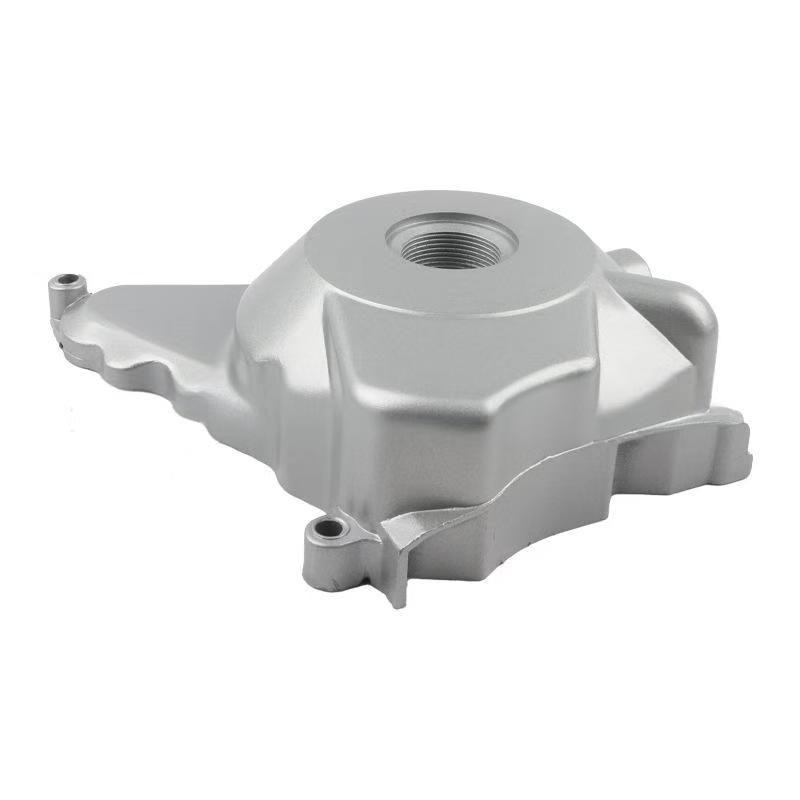
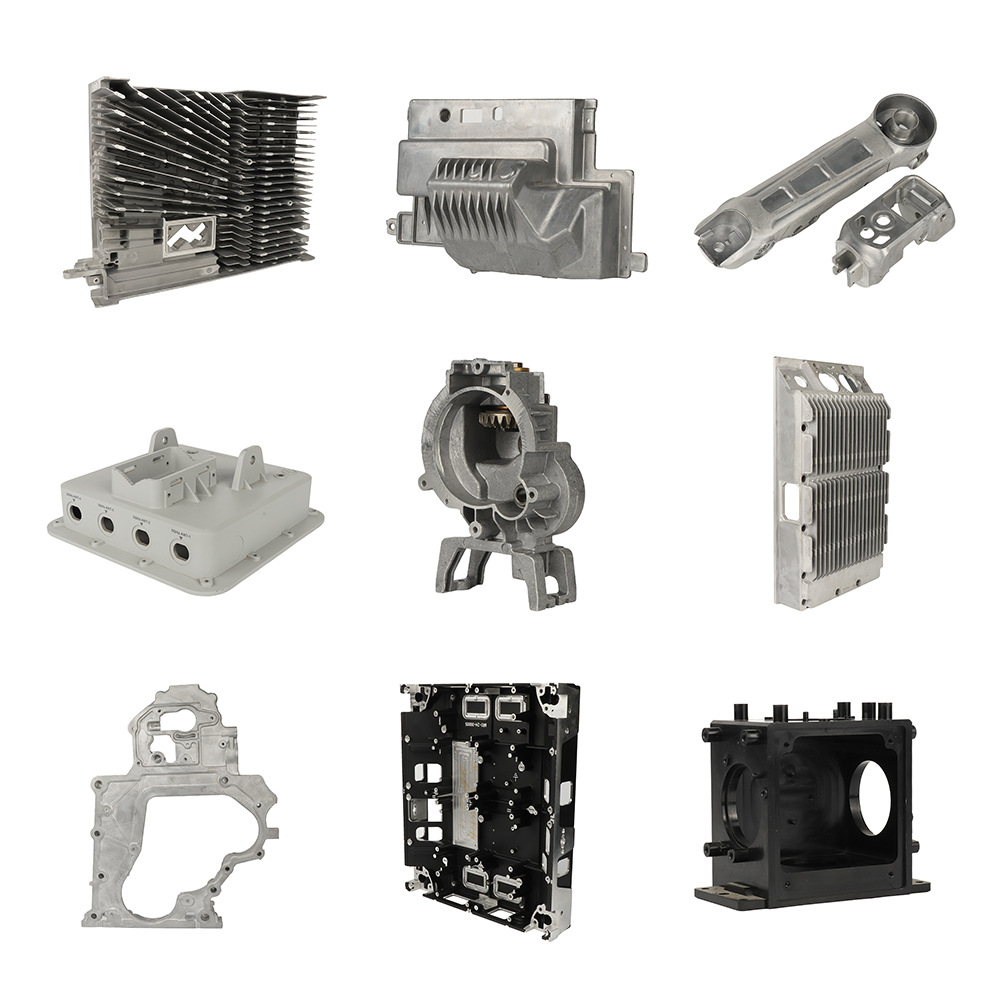
Electronics enclosure | What is the purpose of the electronic enclosure? Functions, Benefits & Buying Guide
2026-05-11
What is the Purpose of the Electronic Enclosure? Functions, Benefits & Buying Guide
Table of Contents
- General Overview of Electronic Enclosure
- Core Purposes of Electronic Enclosures
- Main Classification & Common Materials
- Key Benefits of High-Quality Electronic Enclosures
- Professional Expert Opinion on Electronic Enclosures
- FAQs About Electronic Enclosures
- Industry Trends & Supplier Selection Tips
- Conclusion
1. General Overview of Electronic Enclosure
1.1 Basic Definition
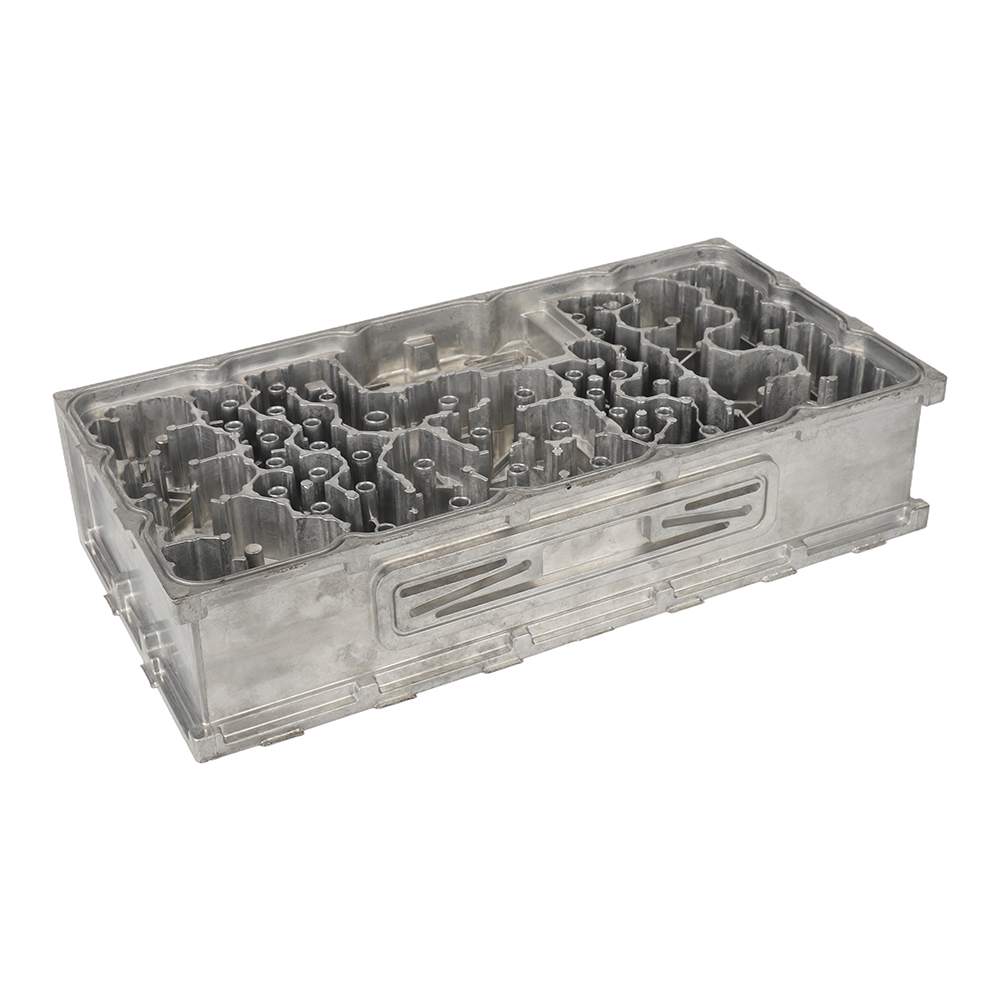
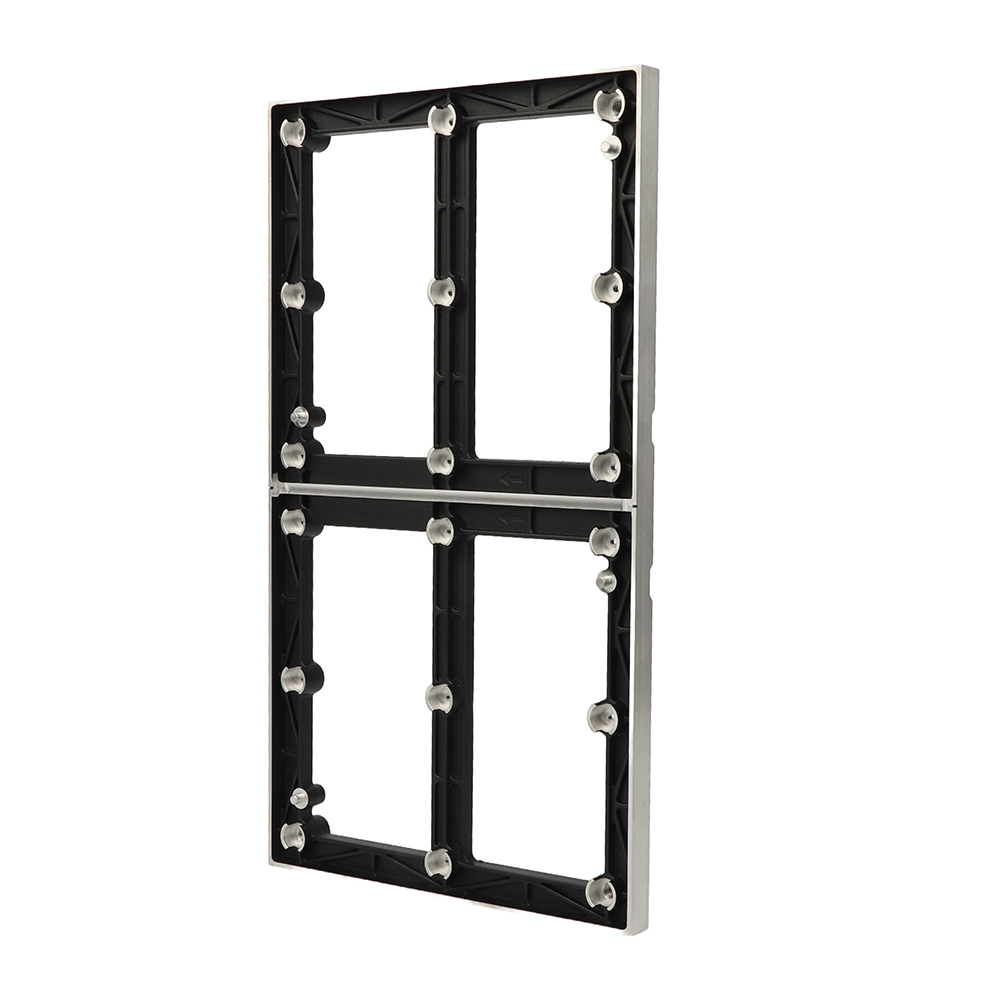
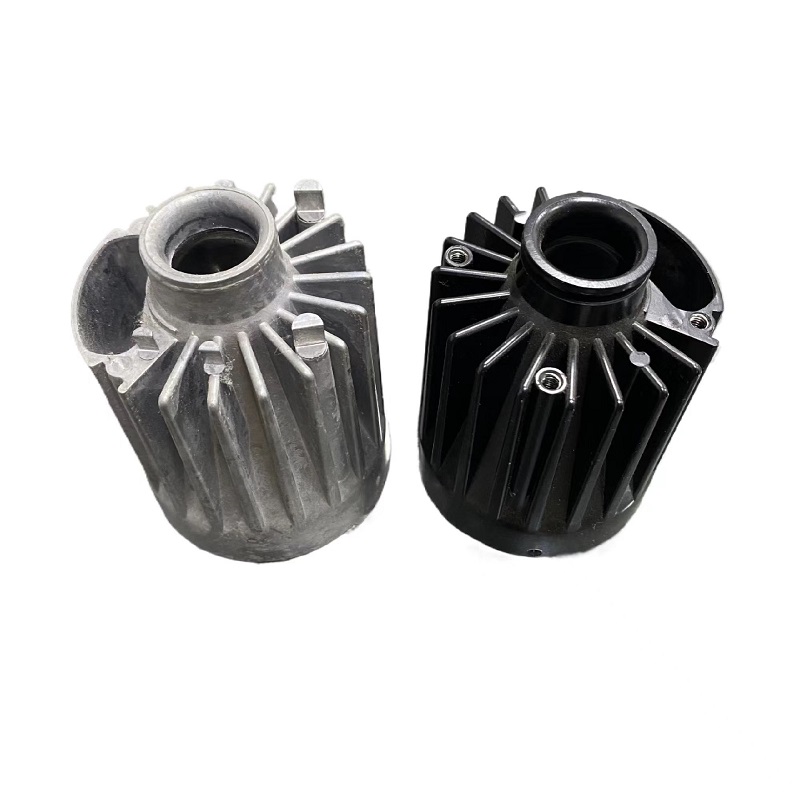
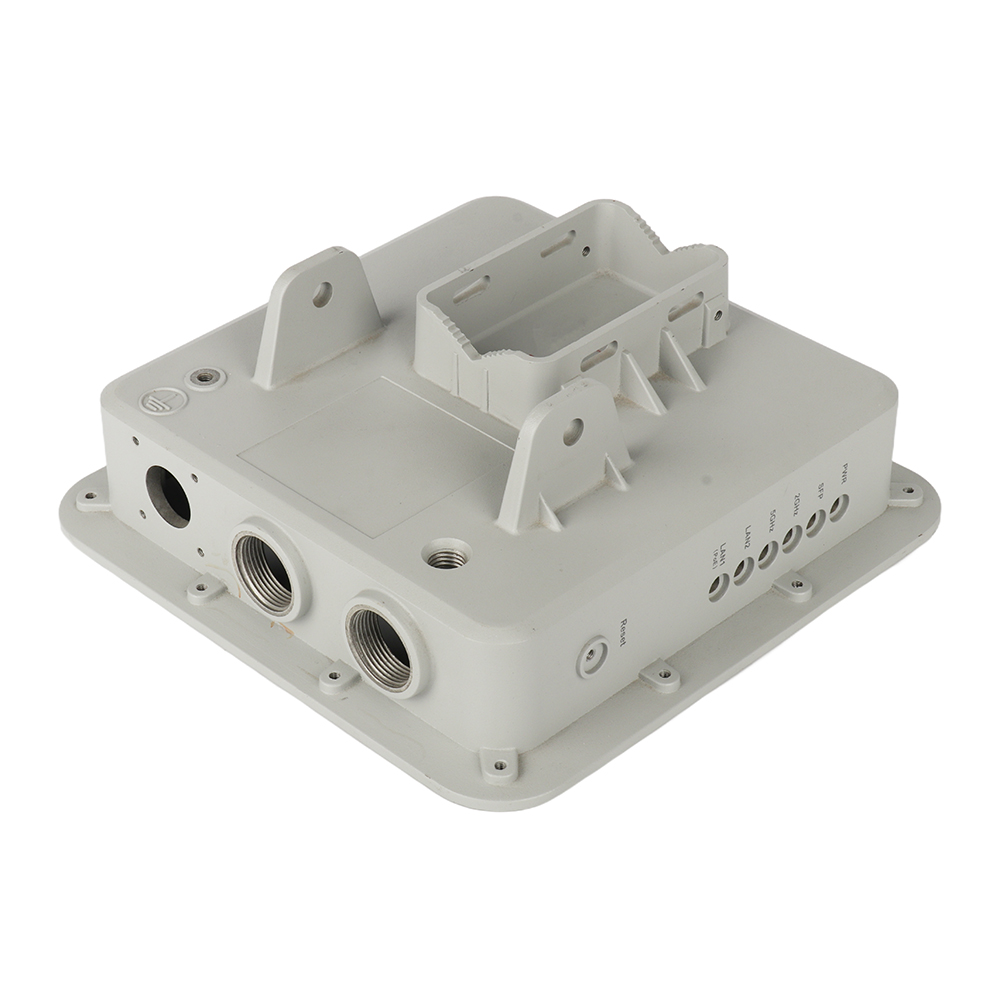
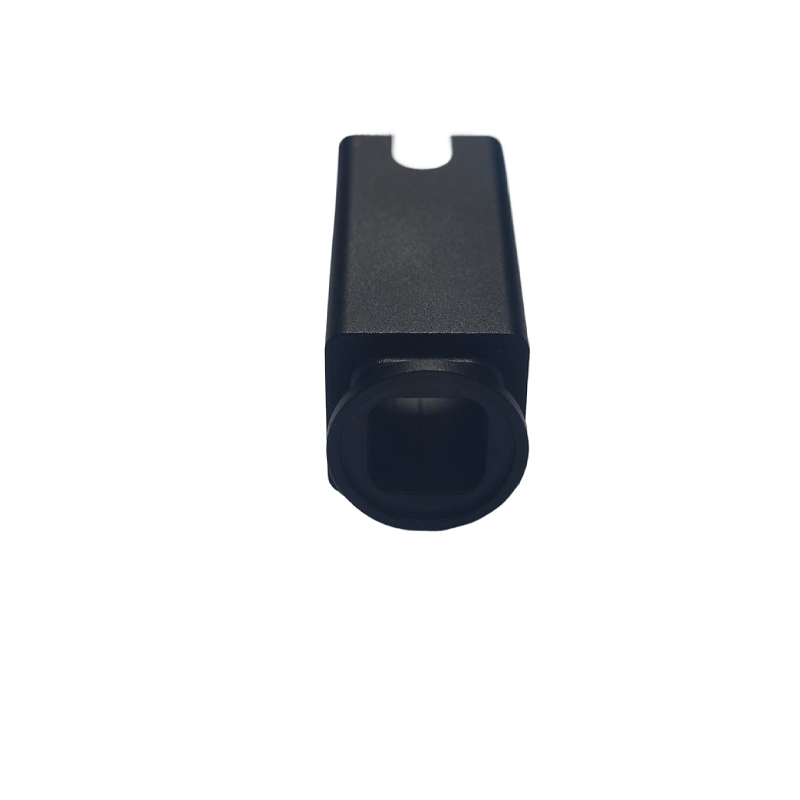
An electronic enclosure is a specialized protective shell manufactured for electronic components, circuit boards, sensors, and integrated electronic systems. It is a vital structural hardware accessory in the electronic manufacturing industry. Made of high-quality metal or engineering plastic materials, it adopts precision processing technology to wrap and protect internal electronic parts. Different from ordinary plastic shells, metal electronic enclosures feature higher hardness, better thermal conductivity and stronger environmental adaptability, which are widely used in industrial, civil, communication and medical electronic equipment.
1.2 General Electronic Enclosure Product Introduction
Common electronic enclosures cover diversified customized structural shells, mainly divided into miniature precision enclosures and industrial heavy-duty enclosures. The mainstream products include communication equipment enclosures, intelligent hardware shells, medical electronic enclosures, automotive electronic protective covers, and industrial control instrument boxes. Most metal enclosures adopt one-piece CNC integrated processing, with smooth surface, precise assembly holes, stable internal structure and good electromagnetic shielding performance. All customized enclosures support OEM and ODM personalized processing to meet the diverse structural needs of global electronic equipment manufacturers.
1.3 Common Application Scenarios
With excellent protection performance and structural stability, electronic enclosures are applied in various high-standard industries. The core application fields contain smart communication, automotive electronics, medical devices, industrial automation, consumer electronics and aerospace equipment. In 2026, driven by the miniaturization of intelligent electronic products, the market demand for micro-precision metal electronic enclosures continues to grow, putting forward higher requirements for processing accuracy and material durability of enclosures.
2. Core Purposes of Electronic Enclosures
2.1 Physical Protection: Prevent External Mechanical Damage
2.1.1 Anti-Collision & Anti-Extrusion Protection
The primary purpose of electronic enclosures is to isolate internal fragile electronic components from the external environment. High-hardness metal shells can effectively resist external collision, extrusion and friction damage, avoid circuit board fracture and component falling off caused by mechanical impact, and greatly improve the structural stability of electronic equipment during transportation and use.
2.2 Environmental Isolation: Resist Harsh External Interference
2.2.1 Dustproof, Waterproof & Anti-Corrosion
High-quality electronic enclosures adopt professional sealing structure and surface treatment technology. They can effectively block dust, moisture, rainwater and corrosive gas from entering the interior, prevent electronic parts from oxidation, rust and short circuit. Metal enclosures made of stainless steel and aluminum alloy are suitable for high-humidity and corrosive industrial working conditions.
2.3 Electromagnetic Shielding: Ensure Stable Signal Operation
2.3.1 Anti-Electromagnetic Interference Function
Metal electronic enclosures have excellent electromagnetic shielding performance. They can isolate external electromagnetic wave interference and prevent internal electronic signals from leakage. This core function ensures the stable operation of precision communication equipment and sensor electronic devices, avoiding signal distortion and data loss caused by electromagnetic interference.
2.4 Heat Dissipation & Temperature Control
2.4.1 Efficient Thermal Conduction Design
Most metal enclosures are equipped with reserved heat dissipation holes and heat conduction grooves. Aluminum alloy materials with high thermal conductivity can quickly export the heat generated by internal electronic components, reduce the operating temperature of the equipment, avoid component burnout caused by overheating, and extend the service life of electronic products.
2.5 Standardized Assembly & Beautiful Appearance
2.5.1 Integrated Structural Layout
Electronic enclosures reserve precise assembly holes and wiring grooves, which facilitate the fixed installation and line arrangement of internal components. At the same time, the smooth and beautiful shell surface optimizes the product appearance, improving the overall grade and market competitiveness of electronic equipment.
3. Main Classification & Common Materials
3.1 Main Classification of Electronic Enclosures
3.1.1 Classified by Usage Scenarios
- Consumer Electronic Enclosures: Miniature lightweight shells for smart locks, Bluetooth devices and household electronic products
- Industrial Control Enclosures: High-hardness protective boxes for industrial instruments and automated control equipment
- Communication Enclosures: Shielding shells for signal transmission equipment and communication base station accessories
- Medical Electronic Enclosures: Sanitary and corrosion-resistant shells for medical detection instruments
3.2 Common Processing Materials
3.2.1 High-Quality Metal Raw Materials
- Aluminum Alloy: Lightweight, good thermal conductivity, low cost, suitable for most civilian electronic shells
- Stainless Steel: High hardness, anti-rust and anti-corrosion, suitable for outdoor and industrial harsh environment equipment
- Brass Alloy: Excellent electromagnetic shielding performance, used for high-precision communication electronic enclosures
4. Key Benefits of High-Quality Electronic Enclosures
4.1 Extend Equipment Service Life
High-standard electronic enclosures are made of qualified metal materials, with wear resistance, high temperature resistance and oxidation resistance. After fine surface treatments such as sandblasting and electroplating, the shells can maintain stable performance for a long time, reduce equipment failure rate, and effectively extend the overall service life of electronic products by more than 3 times.
4.2 Reduce Maintenance & Replacement Costs
Precision processed enclosures have tight assembly gaps and stable structures, which are not easy to be damaged and deformed. They avoid frequent replacement of inferior shells and reduce the later maintenance cost of electronic equipment for enterprises, bringing long-term cost-saving benefits to manufacturers.
4.3 Improve Product Safety & Stability
Reasonable structural design and insulating treatment of electronic enclosures can prevent electric leakage and static electricity accumulation. While protecting internal circuits, they ensure the safety of users and operators, and meet the international safety production standards of electronic equipment.
4.4 Flexible Customization & Strong Compatibility
High-quality enclosure manufacturers support non-standard size, special-shaped structure, laser logo and surface color customization. One-stop processing from drawing design to finished products can meet the personalized assembly needs of different electronic equipment, with strong product compatibility.
5. Professional Expert Opinion on Electronic Enclosures
We invited Michael Brown, a senior structural design engineer with 18 years of experience in the precision hardware and electronic enclosure industry. He has long been engaged in metal shell processing optimization and electronic structural design, and has provided professional industry insights:
"In the intelligent electronics era, electronic enclosures are the invisible safety barrier of all electronic equipment. Many purchasers only focus on the appearance and price of shells, ignoring processing accuracy and material quality. Inferior enclosures have problems such as large assembly gaps, poor sealing and easy deformation, which will lead to circuit short circuit, signal interference and frequent equipment failures. When selecting suppliers, enterprises should focus on three core indicators: precision processing capability, qualified raw materials and complete certification system. Choosing direct-selling manufacturers with one-stop customization services can effectively control procurement costs and guarantee product quality."
Michael Brown pointed out that in 2026, the electronic enclosure industry will develop towards miniaturization, high shielding, green environmental protection and intelligent customization. Metal precision enclosures will gradually replace low-grade plastic shells and become the mainstream choice for high-end electronic equipment manufacturing.
6. FAQs About Electronic Enclosures
Q1: What are the core functions of an electronic enclosure?
The core functions include physical anti-collision protection, dustproof and waterproof isolation, electromagnetic signal shielding, heat dissipation and temperature reduction. In addition, it also has the functions of standardized assembly, beautiful decoration and user safety protection, which is an indispensable supporting part of electronic equipment.
Q2: Which material is more suitable for customized electronic enclosures?
Aluminum alloy is the first choice for lightweight and heat-dissipating civilian electronic shells; stainless steel is suitable for outdoor and industrial anti-corrosion equipment; brass is recommended for high-precision communication products requiring electromagnetic shielding. The material should be selected according to the actual usage environment and product performance requirements.
Q3: What surface treatments can metal electronic enclosures support?
Formal precision manufacturers provide diversified surface processing services, including sandblasting, oxidation, electroplating, painting, laser engraving logo, etc. These treatments can improve the anti-corrosion ability and appearance grade of the enclosure.
Q4: What certifications do qualified electronic enclosures need?
High-standard metal enclosures must have ISO9001 quality management certification and RoHS environmental protection material certification. Industrial-grade enclosures also need to pass ISO14001 environmental certification to meet global export trade standards.
Q5: What is the production cycle of customized electronic enclosures?
Conventional standard enclosures take 3-5 working days; miniature precision special-shaped enclosures take 6-12 working days. Mass bulk orders support automated batch production to ensure on-time delivery for global buyers.
7. 2026 Industry Trends & Supplier Selection Tips
7.1 2026 Electronic Enclosure Industry Trends
7.1.1 Miniaturization & High Precision Upgrading
Driven by the miniaturization of smart electronic products, micro-precision enclosures with tolerance within ±0.01mm will become the mainstream. Manufacturers continue to upgrade CNC processing equipment to meet the ultra-fine assembly requirements of precision electronic components.
7.1.2 Green & Low-Carbon Manufacturing
Global environmental protection policies promote the application of environmentally friendly metal raw materials and pollution-free surface treatment processes. Manufacturers with complete environmental certifications will have stronger international market competitiveness.
7.1.3 Intelligent Customization & Integrated Service
One-stop customized service from drawing optimization to finished product delivery has become the mainstream procurement mode. Buyers pay more attention to supplier's independent R&D capability and after-sales technical support.
7.2 Standards for Selecting High-Quality Hardware Processing Suppliers
7.2.1 Complete International Certifications
Prioritize suppliers with ISO9001, RoHS and ISO14001 certifications. Standardized production processes can effectively control the dimensional accuracy and surface quality of enclosures, avoiding defective products affecting terminal electronic equipment performance.
7.2.2 Independent Production & R&D Capacity
Choose factories with automated CNC production lines and professional technical teams. Integrated production realizes full-process quality control from raw material cutting to finished product inspection, ensuring stable product consistency.
7.2.3 Customization & After-Sales Guarantee
Excellent suppliers provide free drawing optimization, sample testing and personalized customization services, with professional after-sales technical consultation to solve customer's assembly and usage problems.
7.3 Recommended Reliable Supplier: Xinghang Precision Hardware
Xinghang Precision Hardware is a professional metal electronic enclosure manufacturer located in Guangdong, China, with more than 10 years of precision hardware customization and production experience. The company is equipped with advanced micro-CNC processing equipment and automated production lines, focusing on high-precision metal enclosures for smart electronics, communication equipment and industrial control instruments.
Core Competitive Advantages: Own four international authoritative certifications, 99.8% product qualification rate, daily output of 8,000+ precision enclosures, factory direct sales without middlemen markup. We support OEM/ODM personalized customization, and products are exported to Southeast Asia, Europe, America and other global regions.
7.4 Cooperation Contact Information
Mobile/WeChat: +86 18819502691
E-mail: liqine@xinghangcn.com
E-mail: liqine@xinghangcn.com
Welcome global buyers to consult customized enclosure solutions, factory inspection and sample testing. We provide free sample service and exclusive long-term wholesale discount for cooperative customers.
8. Conclusion
Electronic enclosure is an essential structural protective part of modern electronic equipment, undertaking core functions such as physical protection, electromagnetic shielding, heat dissipation and safety isolation. High-quality metal enclosures have outstanding advantages of durability, high precision and strong customization, which can effectively reduce equipment failure rate, extend service life and reduce enterprise procurement costs. It plays an irreplaceable role in consumer electronics, industrial automation, communication and medical industries.
In 2026, the electronic enclosure industry will continue to develop toward micro-precision, green intelligence and personalized customization. Manufacturing enterprises should abandon low-cost and inferior procurement concepts, and select formal certified precision hardware suppliers. As a reliable Chinese manufacturer, Xinghang Precision Hardware adheres to the service tenet of high precision, stable quality and cost-effective price, providing global customers with one-stop customized processing solutions for electronic enclosures.
For technical consultation, free sample testing and long-term bulk cooperation, please feel free to contact us through the above contact methods. Xinghang Precision Hardware will provide professional and efficient customized manufacturing services for every global buyer.
Die cast aluminum housing | What is the Function of the Die-Cast Housing? Complete Guide to Die Cast Aluminum Housing
Aluminium die casting products | What are aluminum die-cast products? Complete Guide
Related Article

Residential energy storage systems have become increasingly popular as homeowners pursue energy independence, solar self-consumption and backup power for grid outages.
Energy storage enclosure | What Are the Benefits of Die-Cast Home Energy Storage Enclosures?

A custom LED display frame is the core structural carrier for LED screen modules, widely manufactured with ADC12 aluminum alloy via high-pressure die casting.
LED display frame | What Are the Benefits of Custom LED Display Frames?

