
HOT PRODUCTS
Manufacturing capability | What is your die-casting manufacturing capability? Comprehensive Overview & FAQs
What Is Your Die-Casting Manufacturing Capability? Comprehensive Overview & FAQs
Table of Contents
- 1. Introduction: Understanding Die-Casting Manufacturing Capability
- 2. Core Components of Our Die-Casting Manufacturing Capability
- 3. Our Die-Casting Production Capacity: Scale & Key Advantages
- 4. Key Benefits of Strong Die-Casting Manufacturing Capability
- 5. Expert Opinions on Die-Casting Manufacturing Capability
- 6. Common FAQs About Die-Casting Manufacturing Capability
- 7. Conclusion
1. Introduction: Understanding Die-Casting Manufacturing Capability
When partners and clients ask, “What is your die-casting manufacturing capability?”, they are seeking a clear, comprehensive picture of our ability to deliver high-quality, consistent, and scalable die-cast components—from prototype to mass production. Die-casting manufacturing capability refers to the full range of our expertise, equipment, processes, and capacity to produce precision die-cast parts efficiently, reliably, and in line with customer specifications[6].
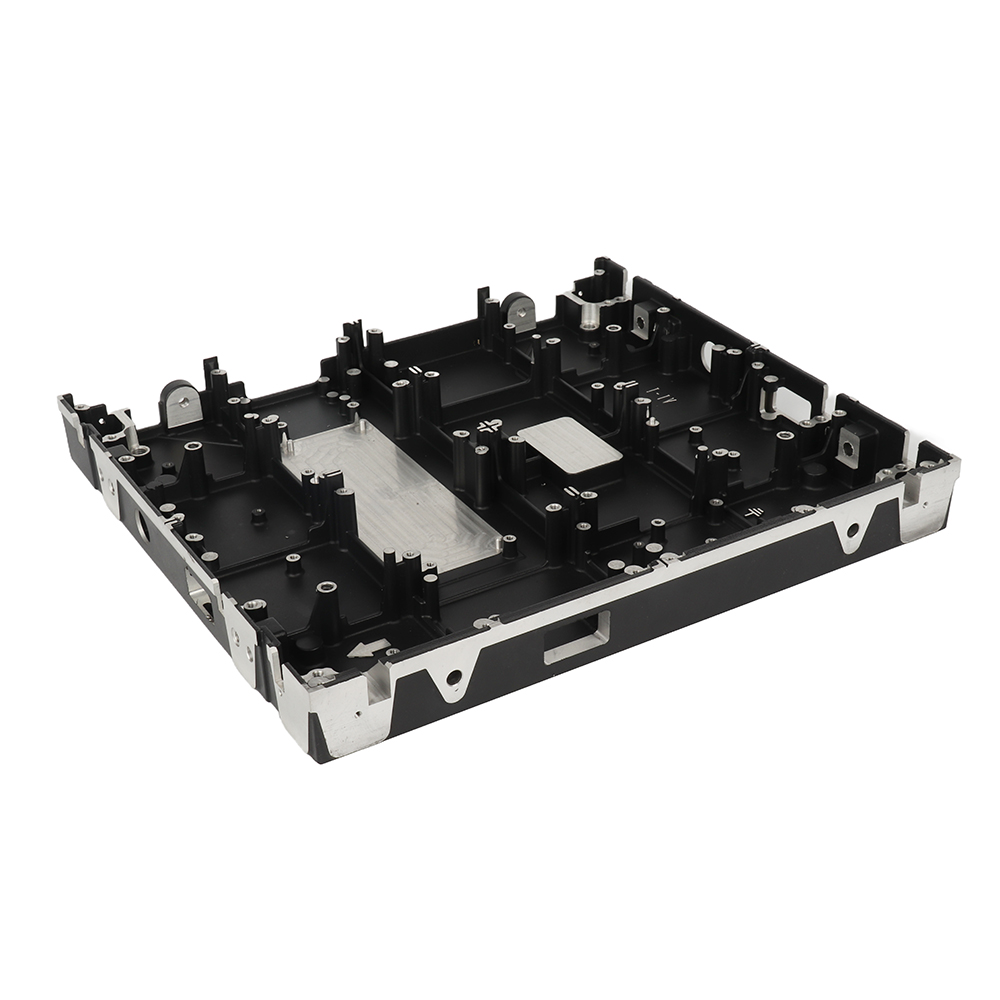
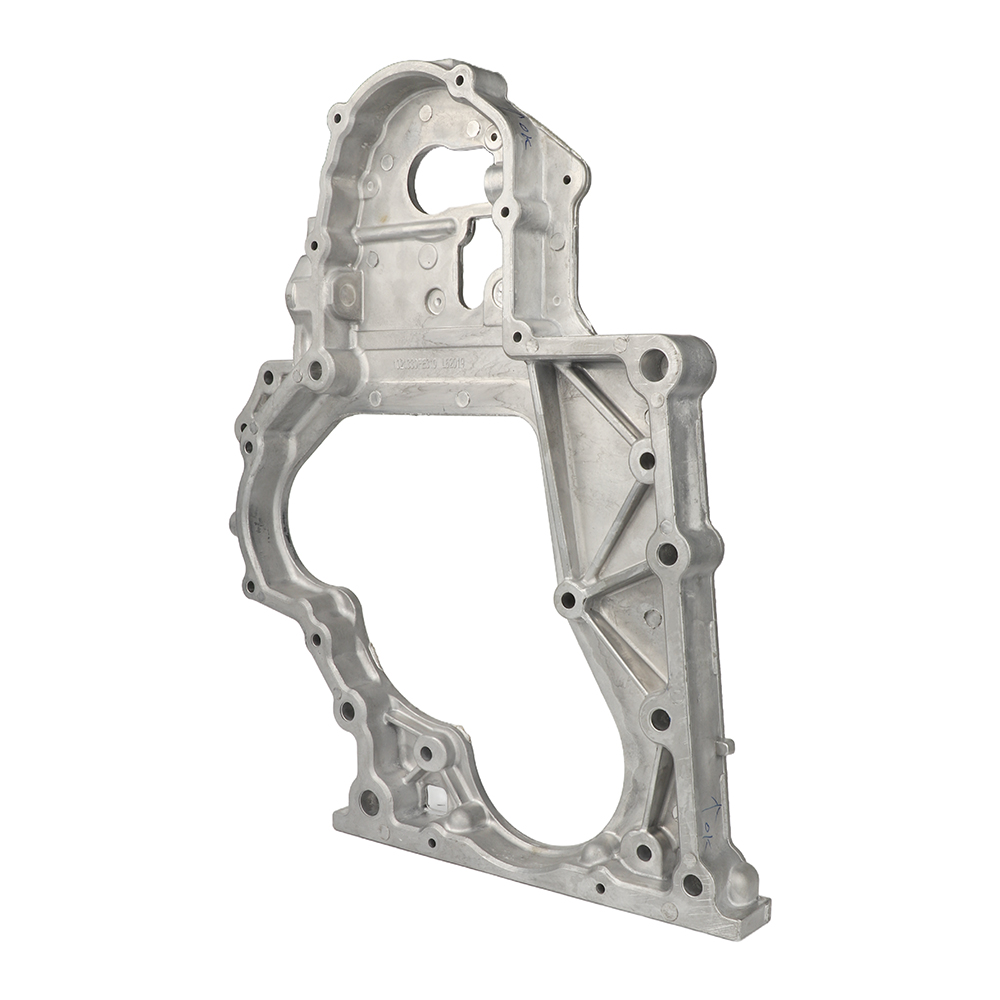
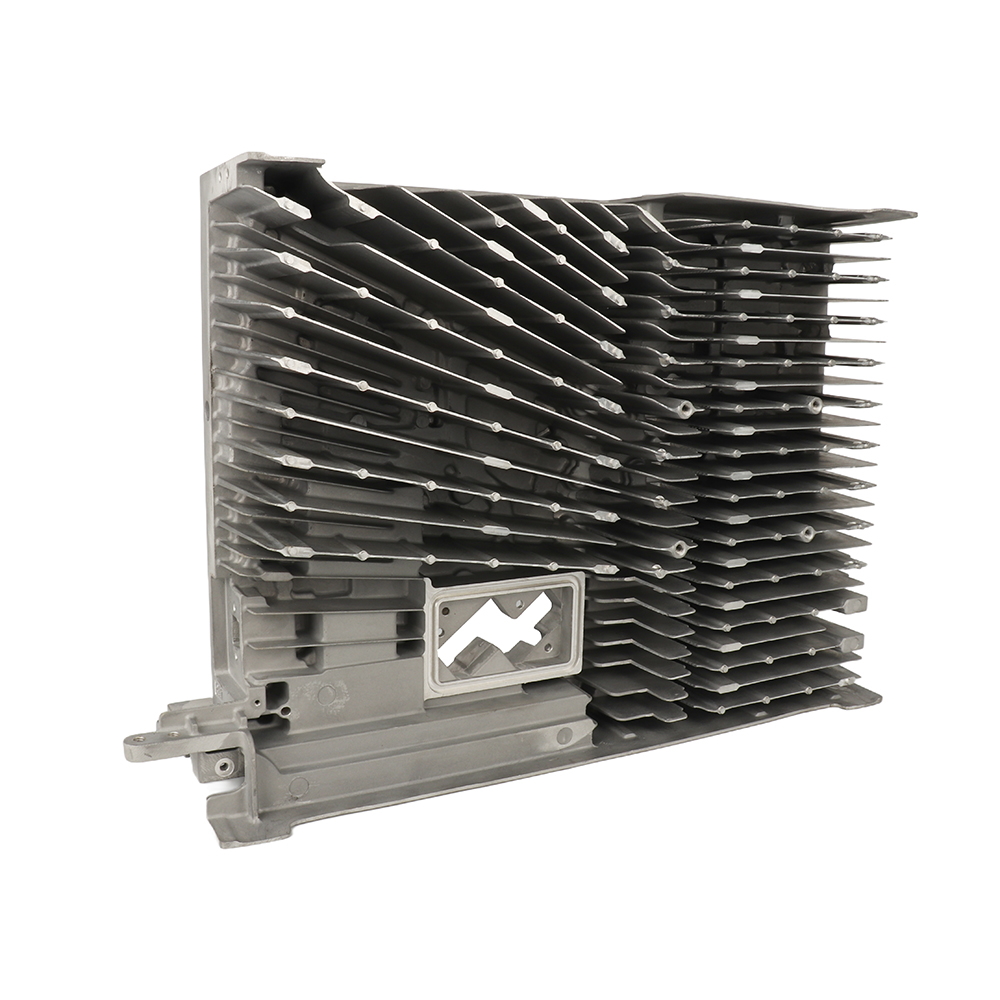
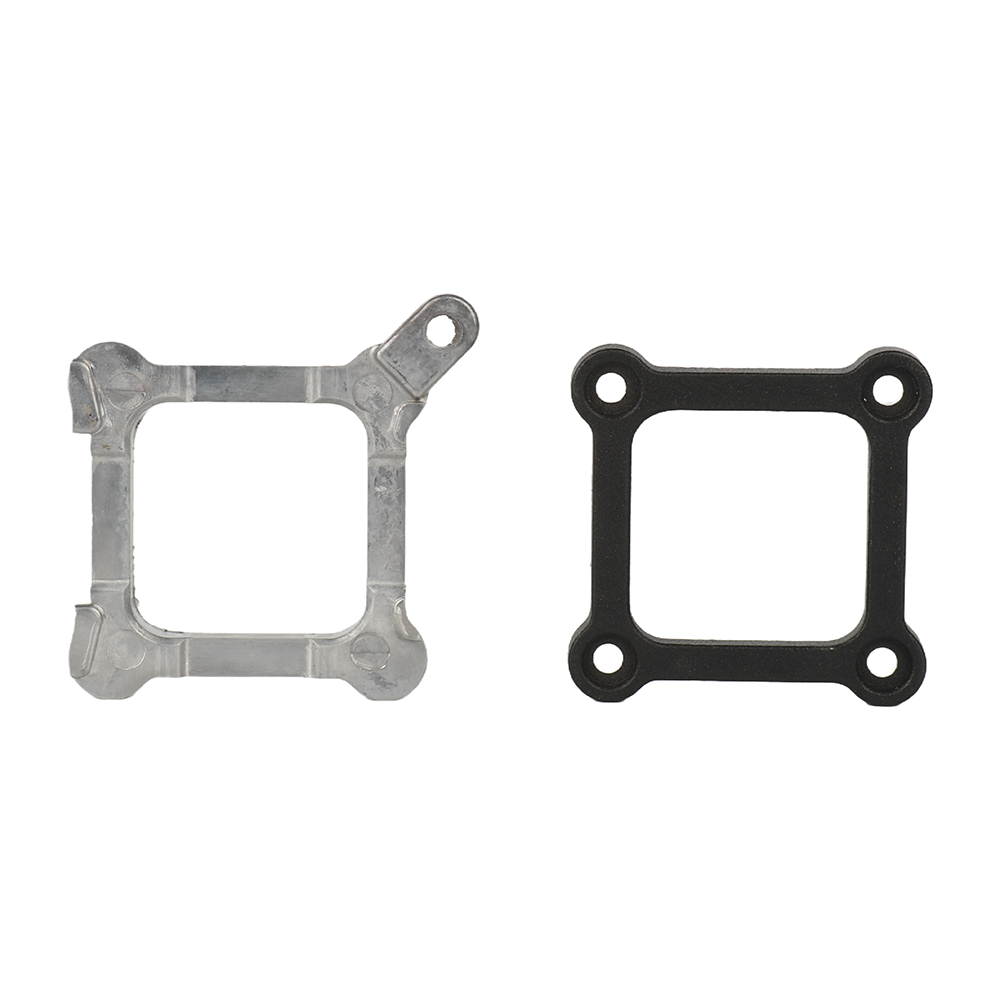
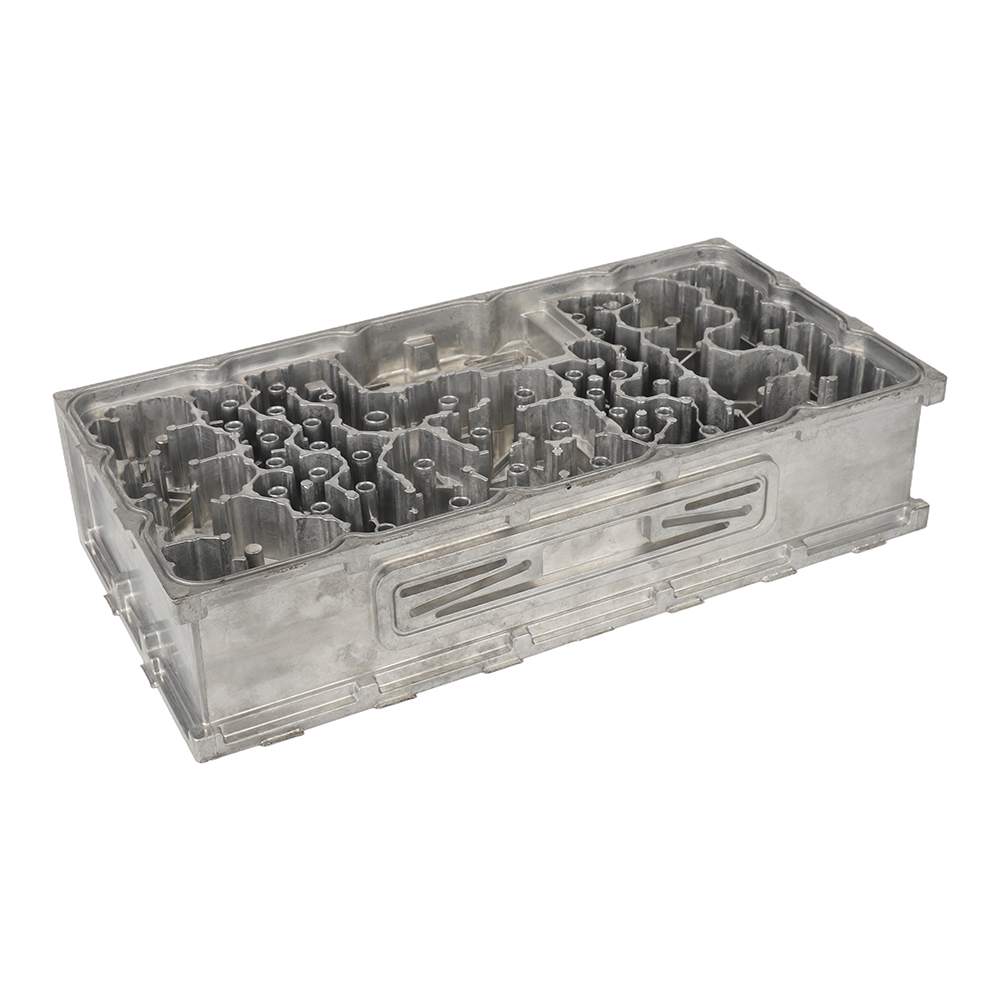
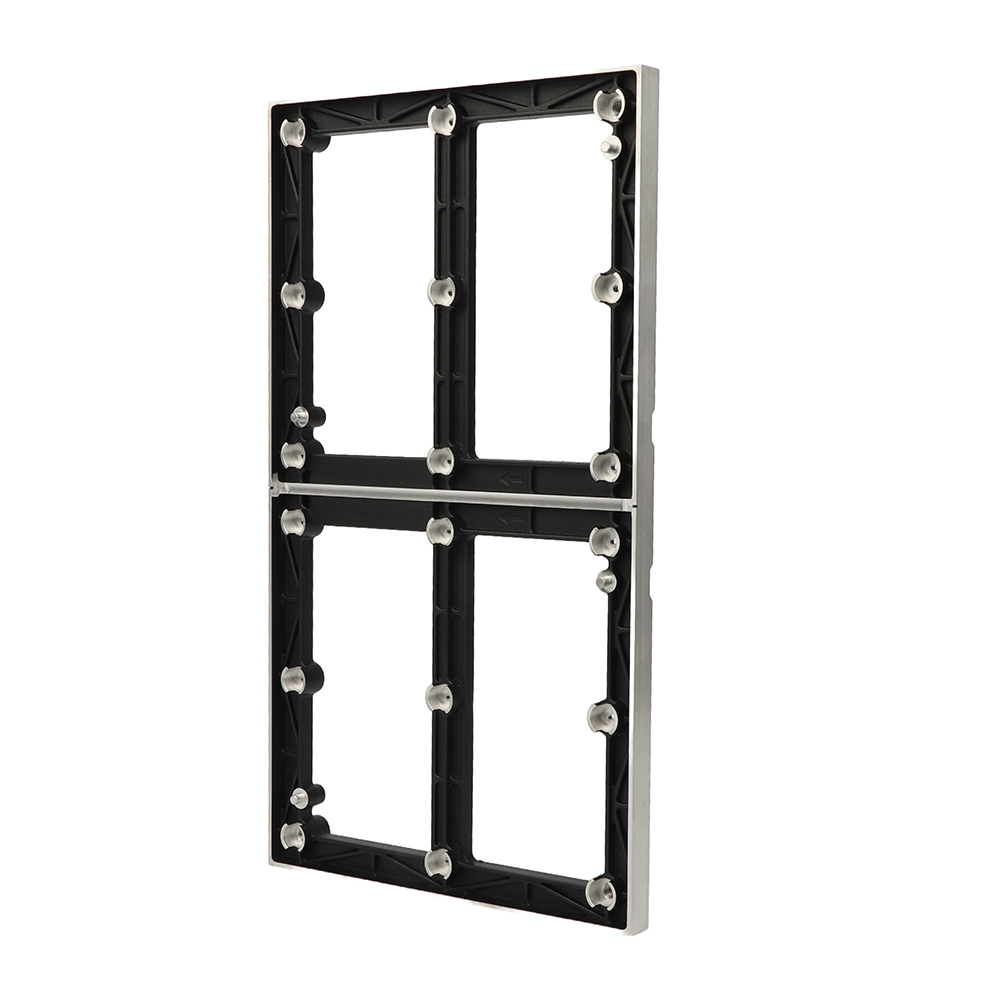
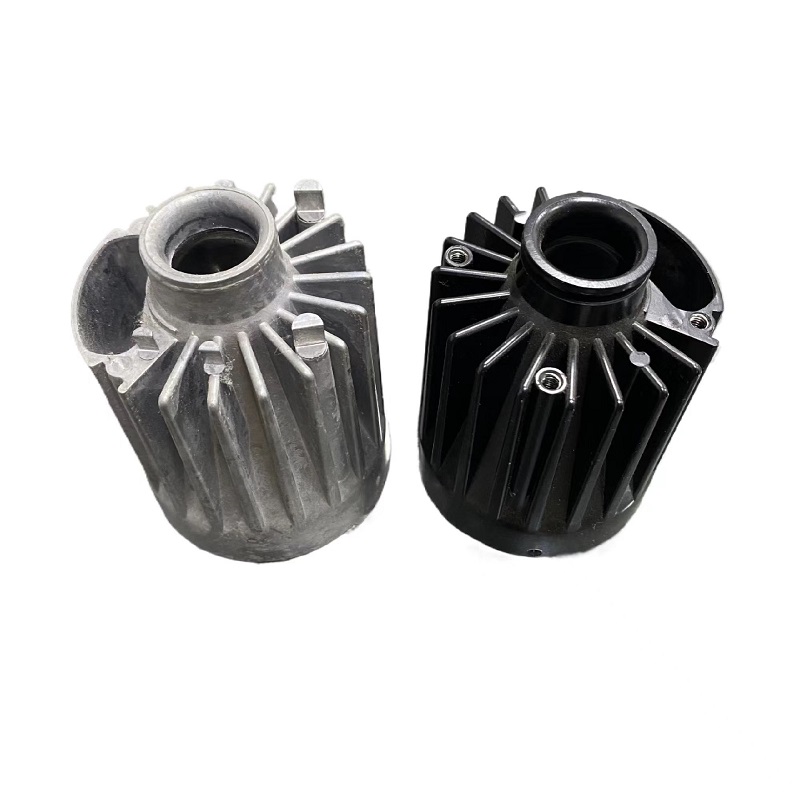
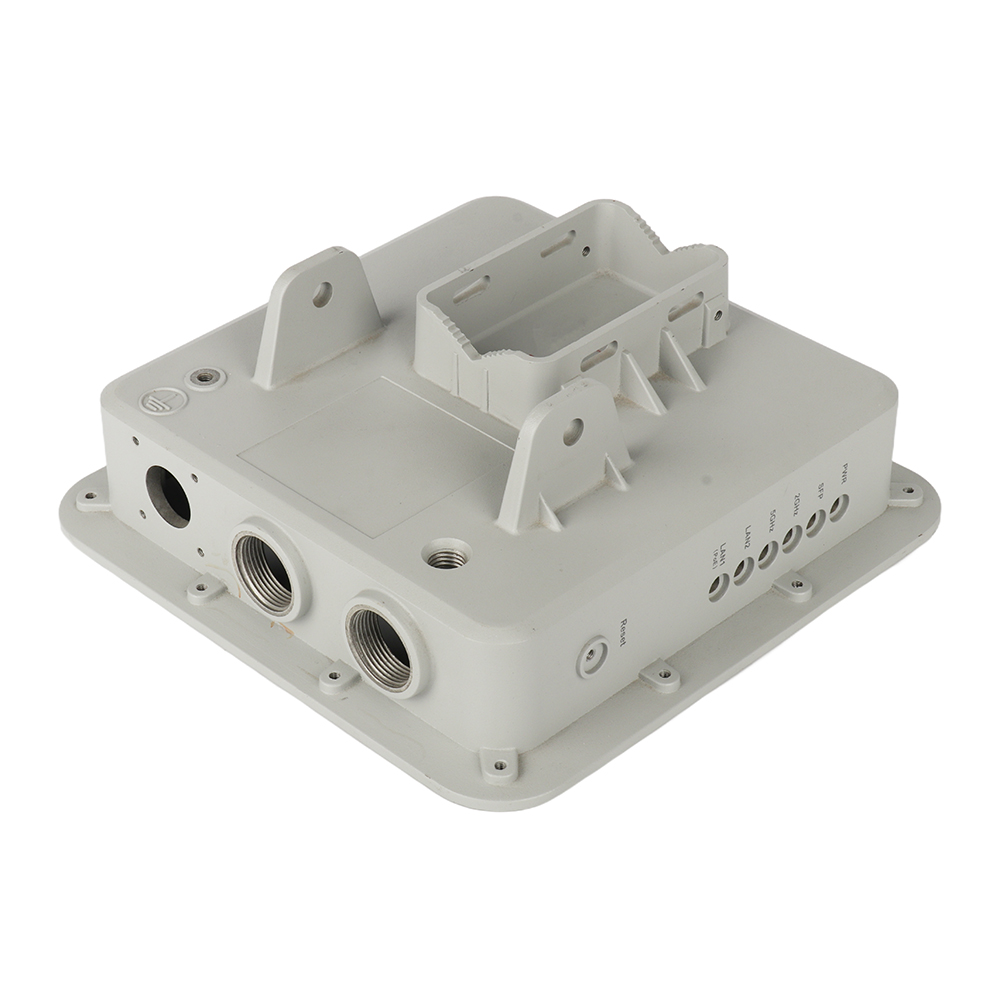
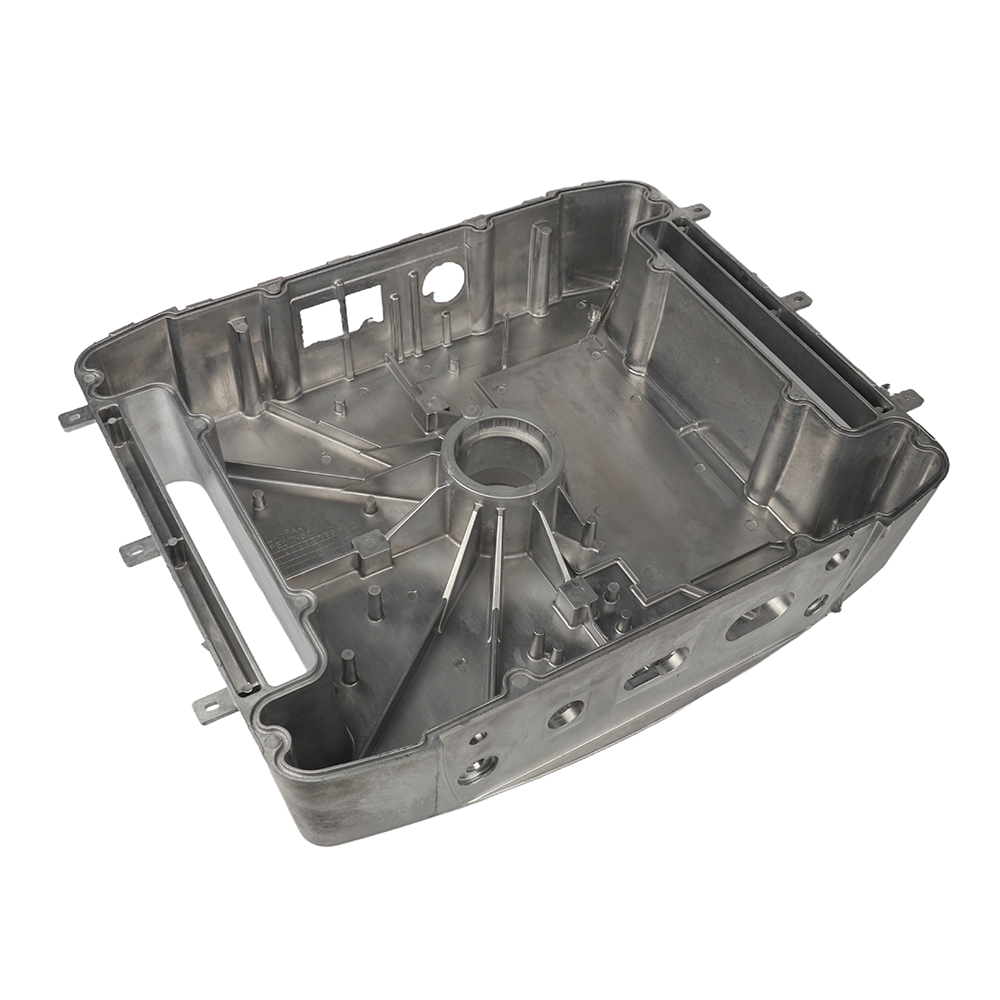
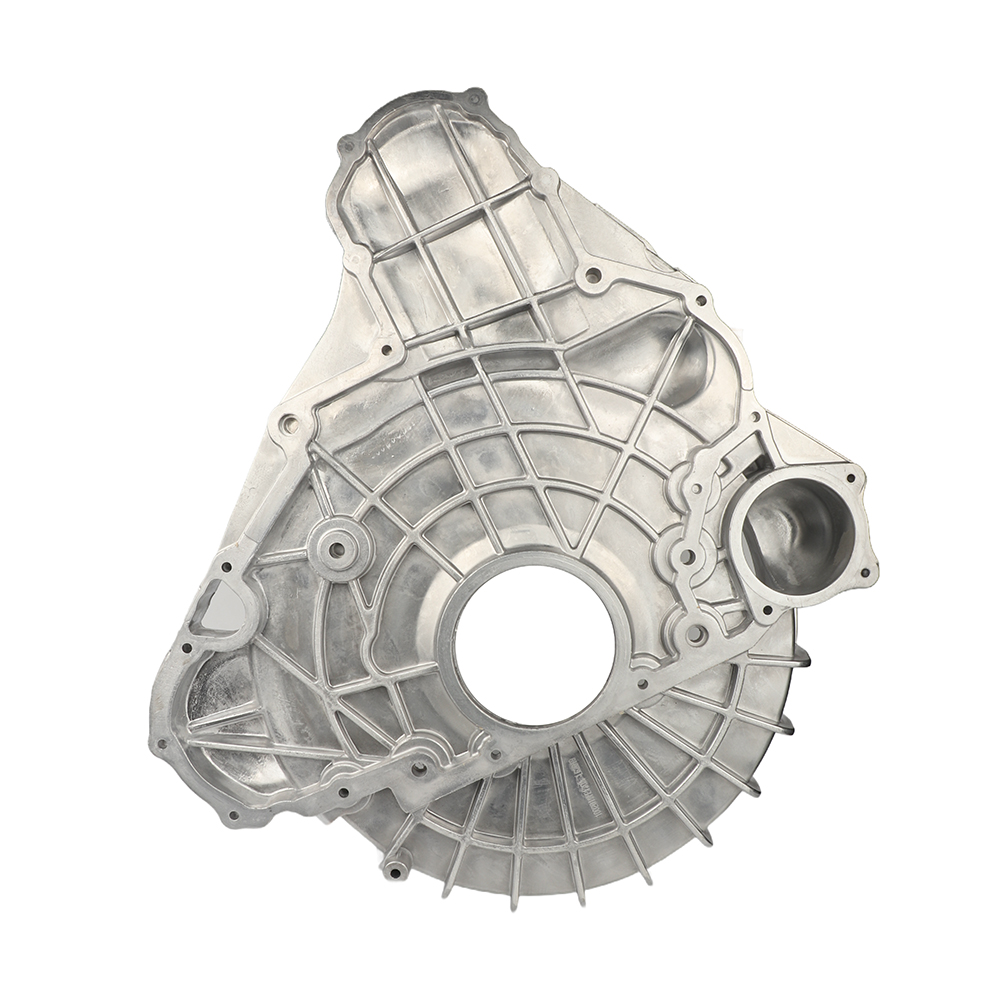
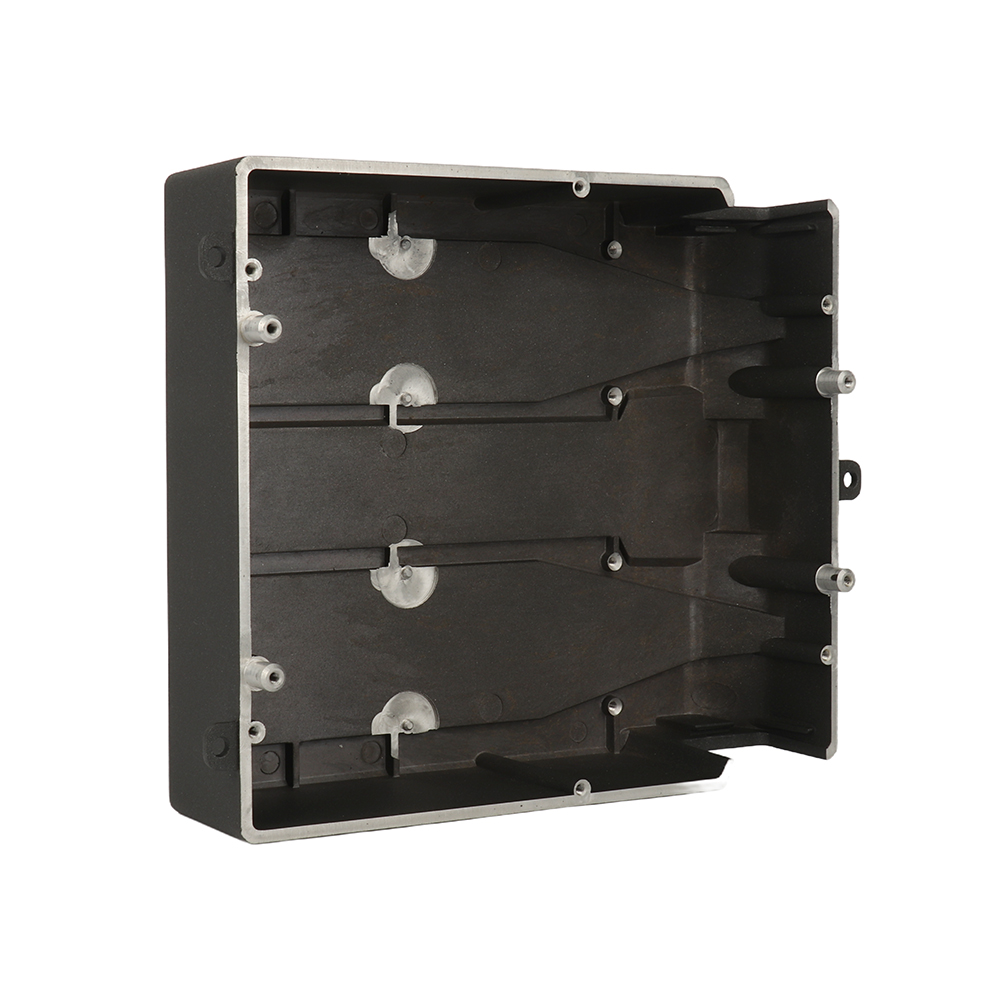
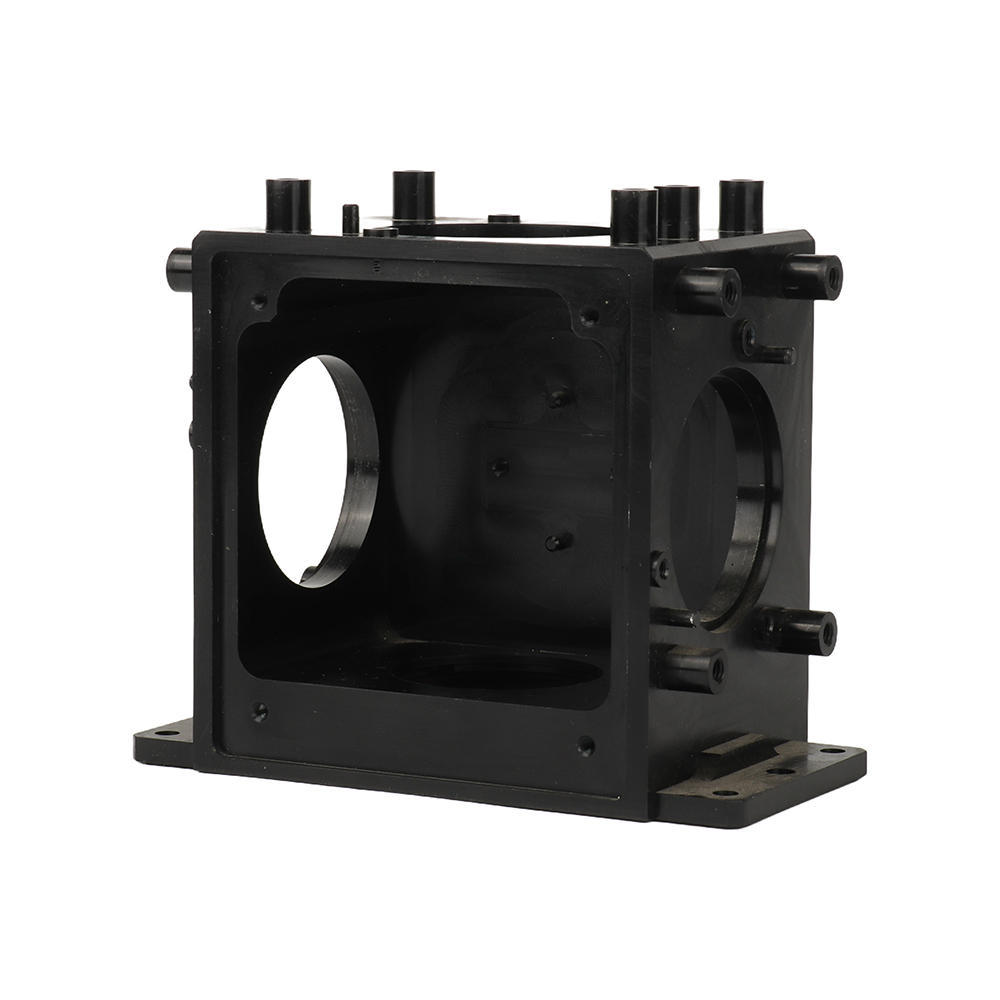
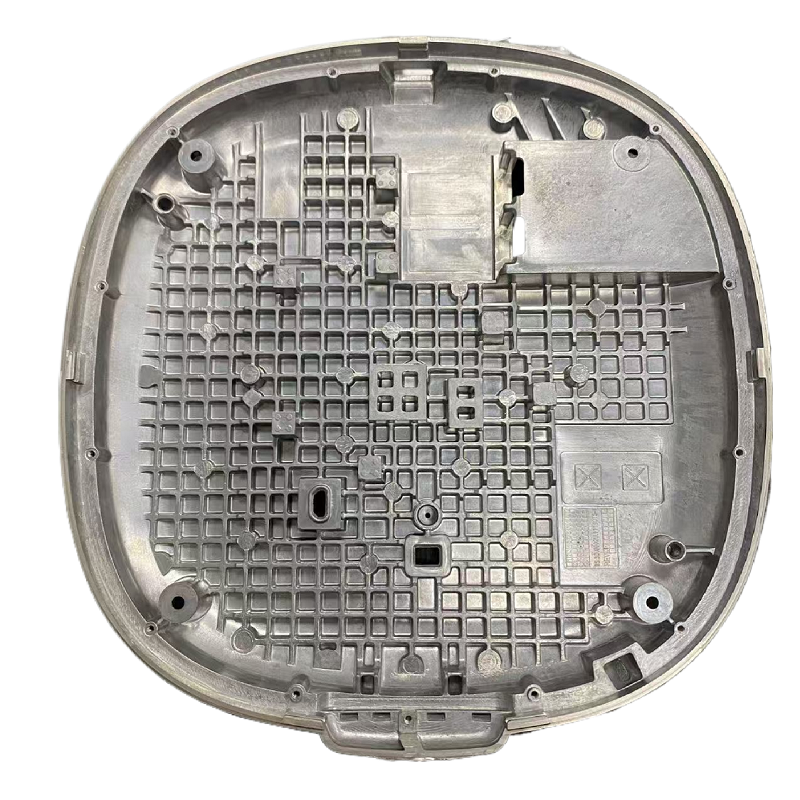
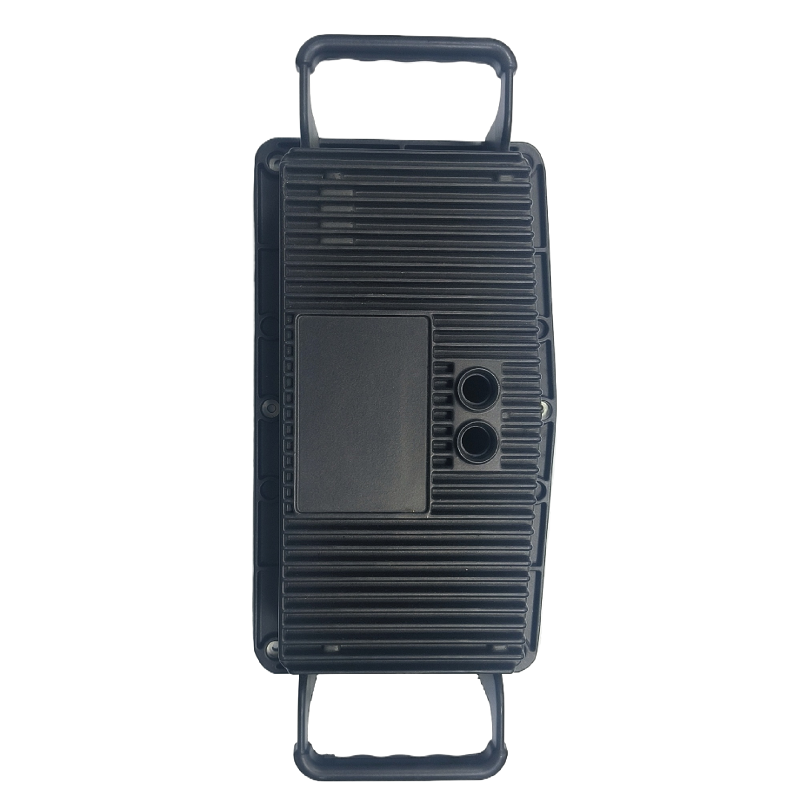
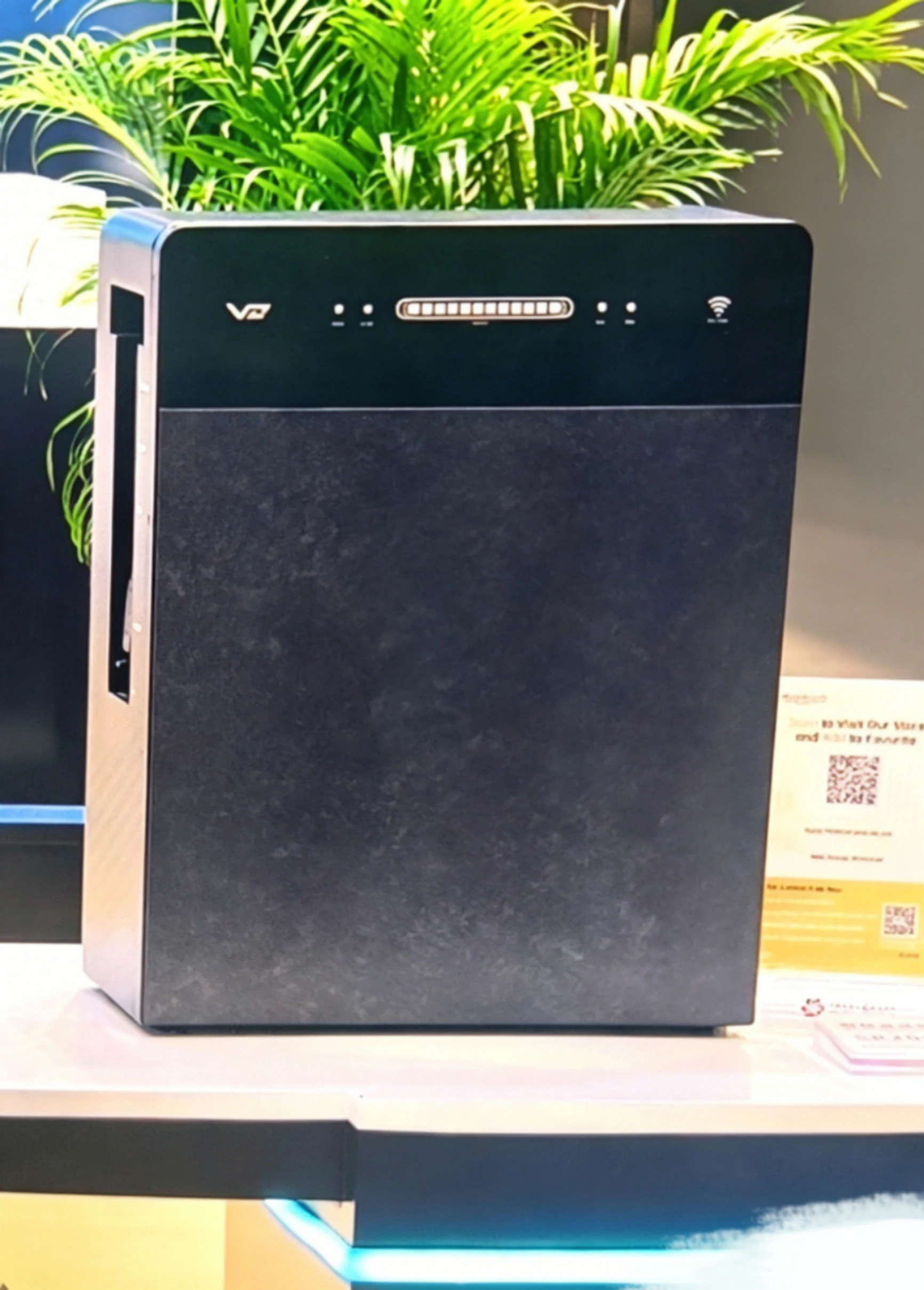
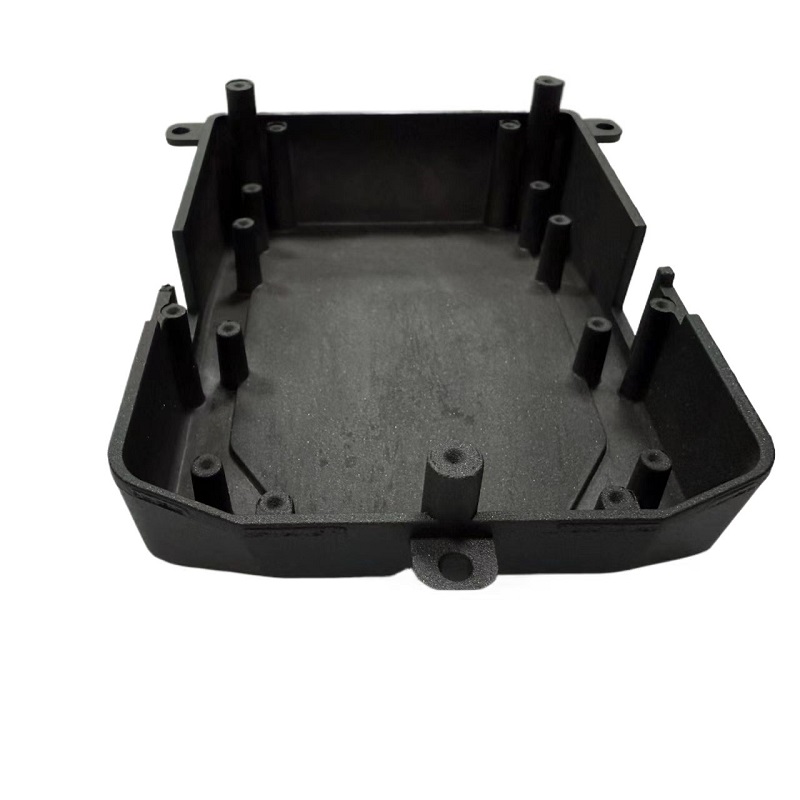
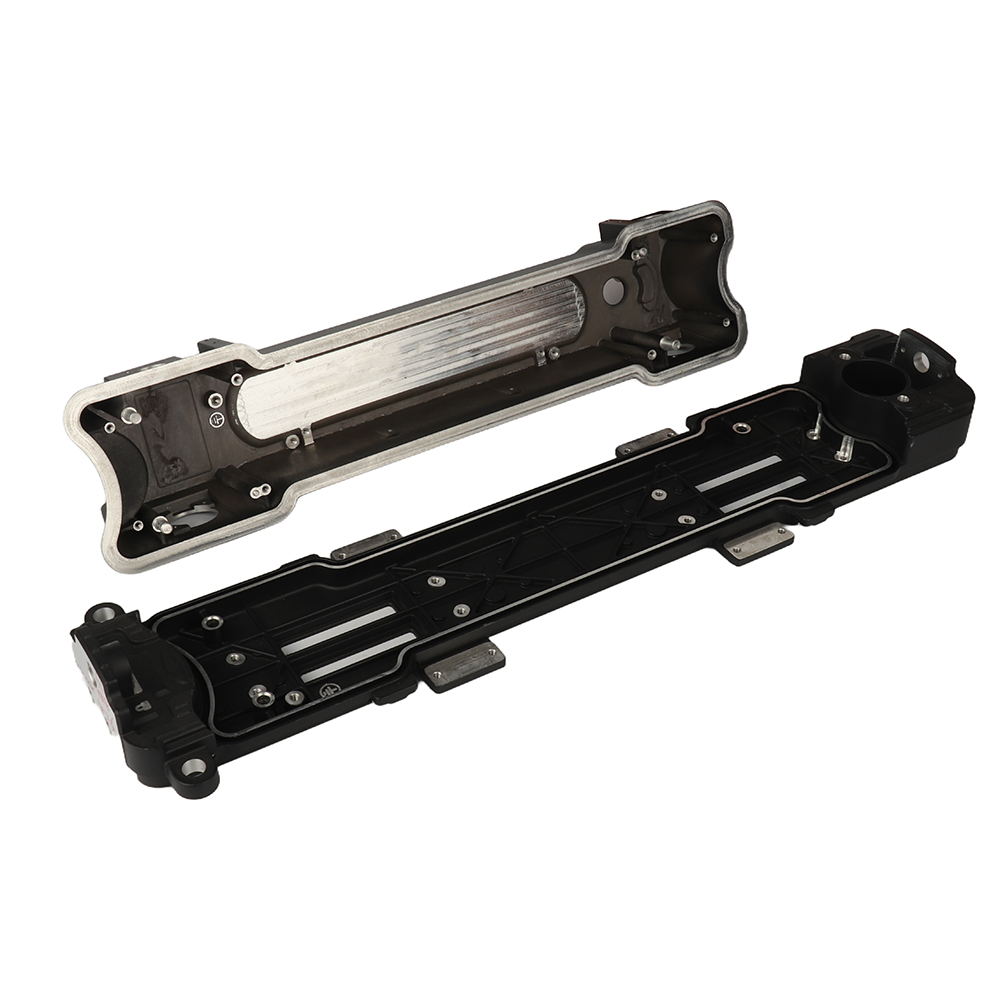
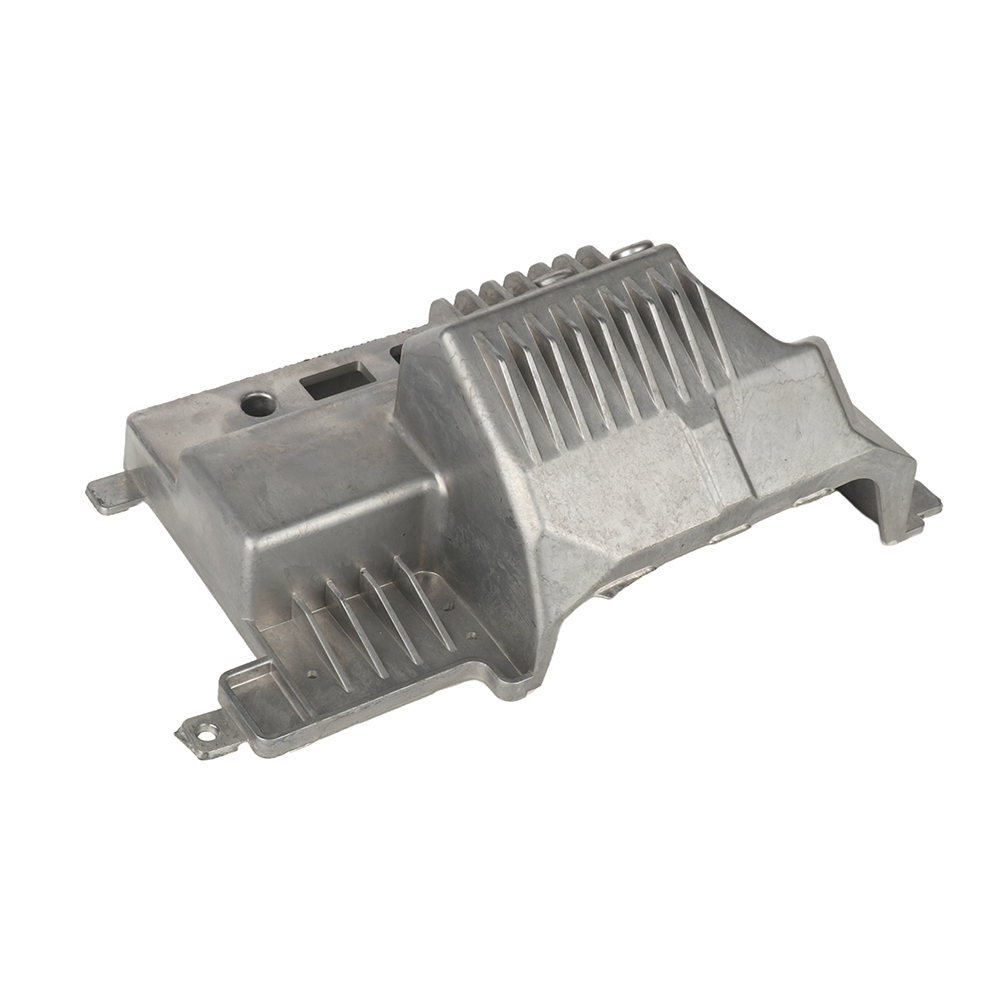
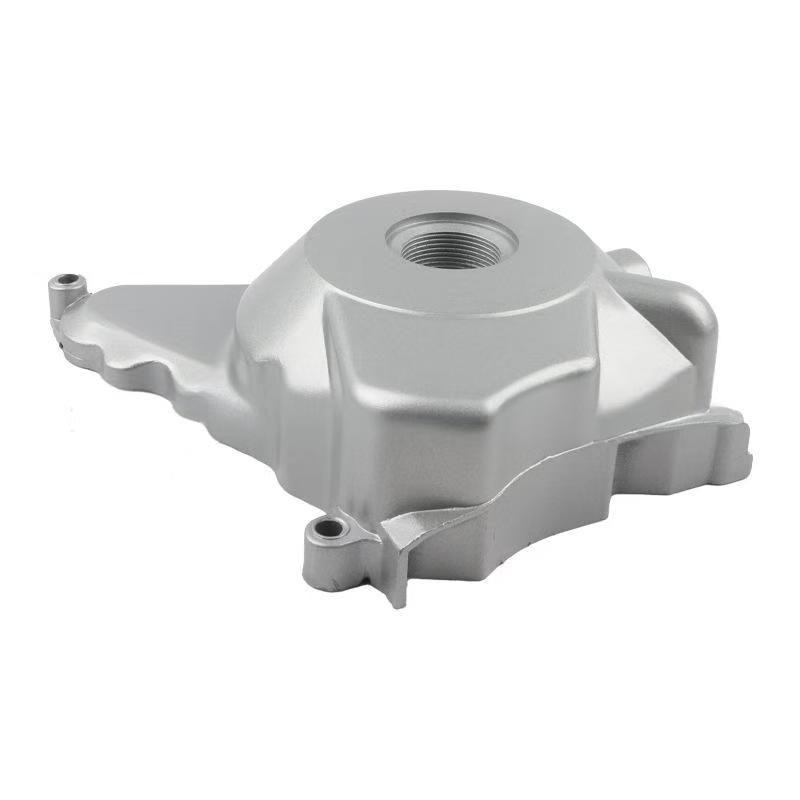
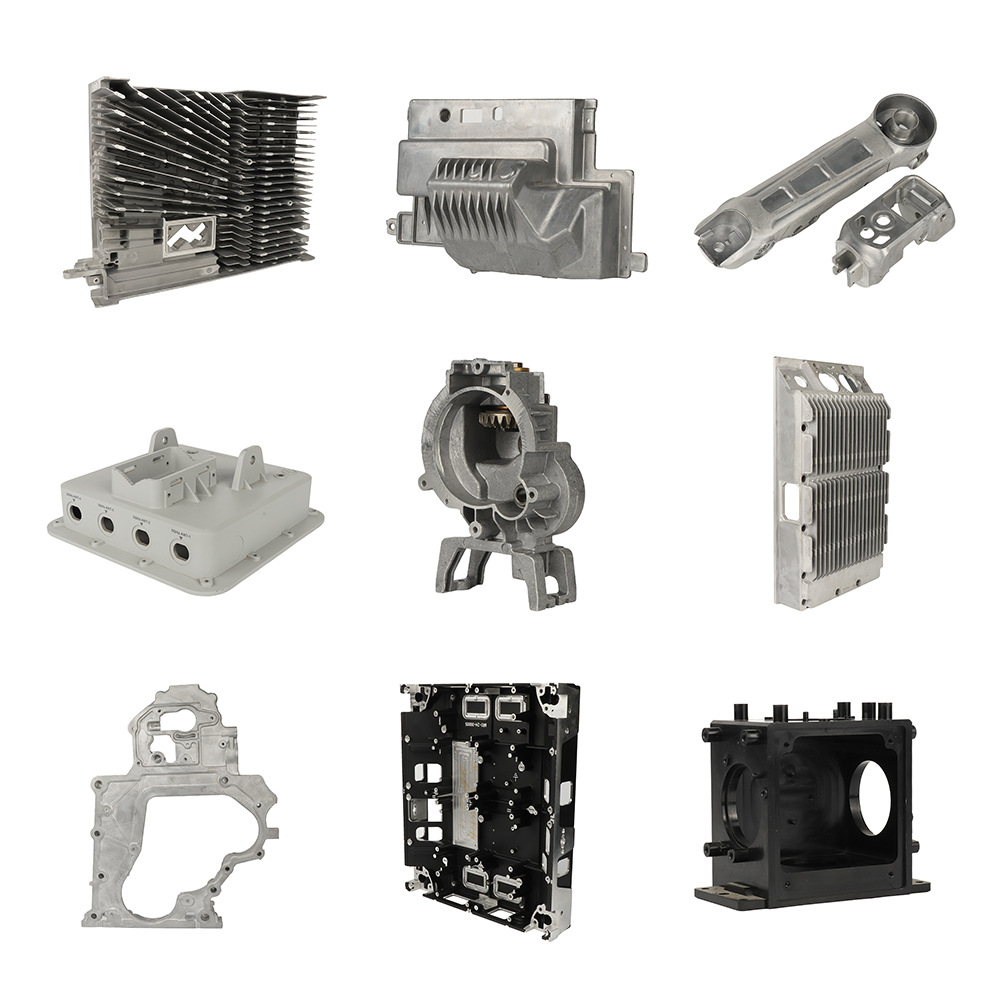
Unlike simple “die-casting services”, our die-casting manufacturing capability is a holistic system that integrates advanced equipment, material expertise, quality control, and production scalability. It encompasses everything from mold design and material selection to precision casting, post-processing, and large-scale production—ensuring we can meet diverse needs, from small-batch custom parts to high-volume mass production. Below is a general image showcasing ourdie-casting manufacturing capability, including our advanced equipment, precision components, and streamlined production lines.
2. Core Components of Our Die-Casting Manufacturing Capability//www.yaoxinghangcn.com/
Our die-casting manufacturing capability is built on four core pillars, each working together to deliver exceptional results. These components ensure we can handle complex requirements, maintain strict quality standards, and adapt to diverse customer needs:
2.1 Advanced Die-Casting Equipment & Technology
At the heart of our die-casting manufacturing capability is a fleet of state-of-the-art die-casting machines, ranging from 120T to 16,000T—covering small precision parts to large integrated structural components[8]. We utilize both hot-chamber and cold-chamber die-casting technologies, along with advanced processes like high-vacuum die-casting (reducing porosity to 0.03cm³/100g, well below the industry average of 0.1cm³/100g) and semi-solid die-casting (lowering porosity by 50% for ultra-precise parts)[1]. Our equipment includes 3D-printed随形冷却模具, which improves cooling uniformity by 40% and reduces casting deformation by 60%, ensuring consistent quality[1].
2.2 Material Expertise & Customization
A key part of our die-casting manufacturing capability is our deep expertise in die-casting materials, including aluminum alloys (ADC12, A380, 6061-T6), zinc alloys (ZAMAK 3, ZAMAK 5), and magnesium alloys (AZ91D)[3][4]. We work with high-performance materials like免热处理 Sc/Zr 微合金化 aluminum, which achieves a tensile strength of 280MPa+ and elongation of 12% in the as-cast state, eliminating heat treatment deformation risks[1]. Our team helps clients select the optimal material based on their product’s strength, weight, corrosion resistance, and cost requirements[2].
2.3 Precision Mold Design & Manufacturing
Mold quality directly impacts die-cast part precision, so our die-casting manufacturing capability includes in-house mold design and manufacturing. We use premium SKD61 and H13 steels with specialized heat treatment and nano-coatings, extending mold life to 120,000+ shots for aluminum molds and 500,000+ shots for zinc molds[1][4]. Our team uses digital twin technology to simulate mold filling and solidification, reducing mold development time by 50% and minimizing trial-and-error costs[1].
2.4 Strict Quality Control & Post-Processing
Quality is non-negotiable in our die-casting manufacturing capability. We have a full-suite quality control system certified by IATF 16949 and ISO 9001:2015[4], including AI visual inspection (improving efficiency 5-10x vs. manual inspection) and CMM (Coordinate Measuring Machine) for micron-level precision checks[1][4]. Our post-processing capabilities include anodizing, electroplating, powder coating, CNC machining, and vacuum浸渗—ensuring parts meet both functional and aesthetic requirements[2][3].
3. Our Die-Casting Production Capacity: Scale & Key Advantages
A critical aspect of ourdie-casting manufacturing capability is our large-scale production capacity, which sets us apart from smaller manufacturers. Our production capacity is designed to handle both small-batch customization and high-volume mass production, with the flexibility to scale quickly based on customer demand. Below is a detailed breakdown of our capacity and its core advantages:
3.1 Our Production Capacity Specifications
Our die-casting production capacity includes: annual output of 600,000+ large structural components (up to 16,000T die-casting) and 3,000+ tons of die-cast parts overall[4][8]; 500+ sets of molds produced annually[4]; 24/7 automated production lines with robotic integration for material handling, part removal, and inspection[1][5]; and flexible production lines that can switch between aluminum, zinc, and magnesium alloys with minimal downtime[1]. We support small-batch trials (100+ units) and mass production (10,000+ units) with dedicated priority lines[4].
3.2 Key Advantages of Our Large Die-Casting Production Capacity
Our large production capacity is not just about volume—it’s a core driver of value for our clients, delivering tangible benefits that enhance their competitiveness:
3.2.1 Faster Turnaround & Shortened Lead Times
Large production capacity means we can handle high-volume orders without bottlenecks. Our automated lines achieve cycle times as short as 85 seconds for large integrated parts (vs. 2+ hours for traditional processes), and we can deliver mass production orders in 30 days or less[1][5]. For emergency orders or tight deadlines, our scalable capacity allows us to prioritize production and reduce lead times by 30%-50%[4].
3.2.2 Cost Reduction Through Economies of Scale
One of the biggest benefits of large die-casting manufacturing capability is cost optimization. With higher production volumes, we achieve economies of scale in material purchasing, energy consumption, and labor costs—passing these savings to our clients[5]. Our material utilization rate reaches 96% (vs. the industry average of 85%), further reducing waste and lowering unit costs[8]. For high-volume orders, we can reduce per-unit costs by 15%-20% compared to smaller manufacturers[1].
3.2.3 Consistent Quality Across Large Batches
Large production capacity is paired with advanced automation and quality control, ensuring consistent quality even for 100,000+ unit batches[4]. Our AI-driven process control adjusts 16+ key parameters in real time, keeping tolerances stable (±0.01-0.05mm) and reducing scrap rates to just 12% (vs. the industry average of 35%)[1]. This consistency eliminates the risk of quality variations in large orders, critical for industries like automotive and aerospace[6].
3.2.4 Ability to Handle Large & Complex Components
Our large-scale capacity includes 10,000T and 16,000T die-casting machines, enabling us to produce large integrated components—such as automotive rear floor modules (integrating 70+ parts into 1) and battery housings[1][5][8]. These large parts reduce assembly steps by 80% and weight by 10%-28%, helping clients achieve lightweight design goals and improve product performance[5][8].
3.2.5 Scalability for Growing Customer Needs
As our clients’ businesses grow, their production needs evolve. Our largedie-casting manufacturing capability allows us to scale production seamlessly—from small-batch prototypes to mass production—without requiring clients to switch manufacturers[4]. This long-term partnership continuity reduces risk, streamlines communication, and ensures consistent supply chain support[6].
4. Key Benefits of Strong Die-Casting Manufacturing Capability
A robust die-casting manufacturing capability—combining advanced technology, large capacity, and strict quality control—delivers significant benefits to our clients, helping them stay competitive in their industries:
4.1 Reliable Supply & Reduced Risk
Our comprehensive die-casting manufacturing capability ensures we can meet delivery deadlines consistently, even for large or complex orders. With redundant production lines and 24/7 operation, we minimize the risk of supply chain disruptions—critical for industries like automotive and medical devices where downtime is costly[5][6].
4.2 High Precision & Performance
Our capability to produce parts with tight tolerances (±0.01-0.05mm) and high material integrity ensures components perform reliably in harsh environments[1][4]. For example, our high-vacuum die-cast parts meet高压密封 requirements, while our semi-solid die-cast parts achieve surface roughness of Ra 0.4μm or lower—making them suitable for high-end applications[1].
4.3 Flexibility for Customization & Design Iteration
Despite our large capacity, our die-casting manufacturing capability includes flexibility for small-batch custom parts and design iterations[4]. We use prototype molds and 3D printing to produce 100+ unit trials, allowing clients to test designs before mass production—reducing R&D costs and time-to-market[2][4].
4.4 Compliance with Industry Standards
Our capability includes adherence to global industry standards (IATF 16949, ISO 9001) and material certifications, ensuring our parts meet the strict requirements of automotive, aerospace, medical, and electronics industries[4][6]. This compliance eliminates barriers to entry for clients selling into global markets[7].
4.5 Sustainable & Eco-Friendly Production
Our die-casting manufacturing capability incorporates green practices, including 95%+ recycled aluminum usage, low-temperature熔炼 (reducing energy consumption by 40%), and余热回收 (improving energy efficiency by 25%)[1][5]. This helps clients meet their sustainability goals while reducing environmental impact[8].
5. Expert Opinions on Die-Casting Manufacturing Capability
Industry experts recognize that strong die-casting manufacturing capability is the foundation of reliable, high-quality die-cast parts. Below are insights from leading experts in the field:
5.1 Expert Opinion from David Chen, Senior Die-Casting Engineer with 20 Years of Experience
“A manufacturer’s die-casting manufacturing capability is not just about having big machines—it’s about integrating equipment, material expertise, and quality control into a seamless system. The best manufacturers combine large production capacity with precision, like using 10,000+ ton machines to produce integrated parts with ±0.05mm tolerances. This balance is what allows clients to scale production without sacrificing quality, which is critical in today’s fast-paced manufacturing landscape.”
5.2 Expert Opinion from Emily Wilson, Director of Automotive Manufacturing at a Global Tier 1 Supplier
“For automotive manufacturers, die-casting manufacturing capability directly impacts our ability to innovate and reduce costs. We rely on partners with large production capacity to handle high-volume orders for integrated body parts, which reduce weight and assembly time. A strong capability means faster lead times, consistent quality, and scalability—all of which are non-negotiable for meeting tight production schedules and staying competitive in the EV market.”
5.3 Expert Opinion from Michael Zhang, CEO of a Precision Die-Casting Association
“The future of die-casting lies in comprehensive die-casting manufacturing capability—not just volume, but precision, flexibility, and sustainability. Manufacturers that invest in advanced technologies (like digital twin and AI quality control) alongside large capacity are better positioned to meet the demands of high-tech industries. A strong capability isn’t just a competitive advantage—it’s a necessity for clients looking to develop lightweight, high-performance products.”
6. Common FAQs About Die-Casting Manufacturing Capability
Below are the most frequently asked questions about ourdie-casting manufacturing capability, along with detailed answers to help you understand how we can support your needs:
Q1: What is the range of die-casting machines you offer, and what parts can you produce?
A: Our die-casting manufacturing capability includes machines from 120T to 16,000T[8]. We produce parts ranging from small precision components (0.3mm thin walls for 3C products) to large integrated structural parts (automotive rear floors, battery housings)[2][4]. We handle both simple and complex geometries, including parts with internal cavities, thin walls, and integrated features[1][5].
Q2: What materials do you work with, and how do you choose the right material for my project?
A: We work with aluminum (ADC12, A380), zinc (ZAMAK 3, ZAMAK 5), and magnesium (AZ91D) alloys[3][4]. Our team evaluates your project’s requirements (strength, weight, corrosion resistance, cost) and recommends the optimal material—for example, magnesium for ultra-lightweight parts, aluminum for balanced strength and cost, and zinc for high-precision small parts[2][7].
Q3: What is your production capacity, and how long is the lead time for orders?
A: Our annual capacity includes 600,000+ large components and 3,000+ tons of die-cast parts[4][8]. Lead times vary by order size: small-batch trials (100-500 units) take 3-5 days, medium batches (1,000-10,000 units) take 7-10 days, and mass production (10,000+ units) take 15-30 days[4]. Emergency orders can be prioritized to reduce lead times by 30%-50%[4].
Q4: How do you ensure quality in large-batch production?
A: Our die-casting manufacturing capability includes AI visual inspection (micron-level precision, 5-10x faster than manual inspection), CMM testing, and real-time process control[1][4]. We also use digital twin technology to optimize mold design and production processes, reducing scrap rates to 12% (industry average 35%) and ensuring consistent quality across large batches[1].
Q5: Can you handle custom die-casting projects, and what is the minimum order quantity (MOQ)?
A: Yes, we specialize in custom die-casting projects. Our MOQ is 100 units for small-batch trials, making it easy for clients to test designs before mass production[4]. We also offer mold design and optimization services to ensure custom parts are manufacturable and cost-effective[2][6].
Q6: What post-processing services do you offer as part of your die-casting capability?
A: Our post-processing capabilities include anodizing, electroplating, powder coating, polishing, CNC machining, vacuum浸渗, and assembly[2][3]. These services ensure parts meet both functional (e.g., corrosion resistance) and aesthetic (e.g., mirror-like finish) requirements[4].
Q7: How does your large production capacity benefit my business?
A: Our large die-casting manufacturing capability delivers faster lead times, lower per-unit costs (15%-20% savings for high-volume orders), consistent quality, and scalability[1][5][8]. It also allows us to handle large, complex parts that smaller manufacturers cannot produce—helping you reduce assembly steps, improve product performance, and scale your business seamlessly[5][8].
7. Conclusion
Our die-casting manufacturing capability is a comprehensive, scalable system designed to deliver high-quality, reliable die-cast components for every need—from small-batch custom parts to large-volume mass production. Built on advanced equipment, material expertise, strict quality control, and large production capacity, we provide clients with the flexibility, speed, and cost savings they need to stay competitive.
The key advantage of our die-casting manufacturing capability lies in our ability to balance scale and precision—offering large production capacity without sacrificing quality or customization. Whether you need a small batch of prototypes, high-volume mass production, or large integrated components, our capability ensures we can deliver on time, on budget, and to your exact specifications. With our expertise and scalable capacity, we are your trusted partner for all die-casting needs.
Die casting company | Aluminum Die Casting Industry: Trends, CNC Machining Advantages, and Xinghang’s Solutions
Intermediate beam | What is an aluminum middle beam used for display screens?
Related Article


