
HOT PRODUCTS
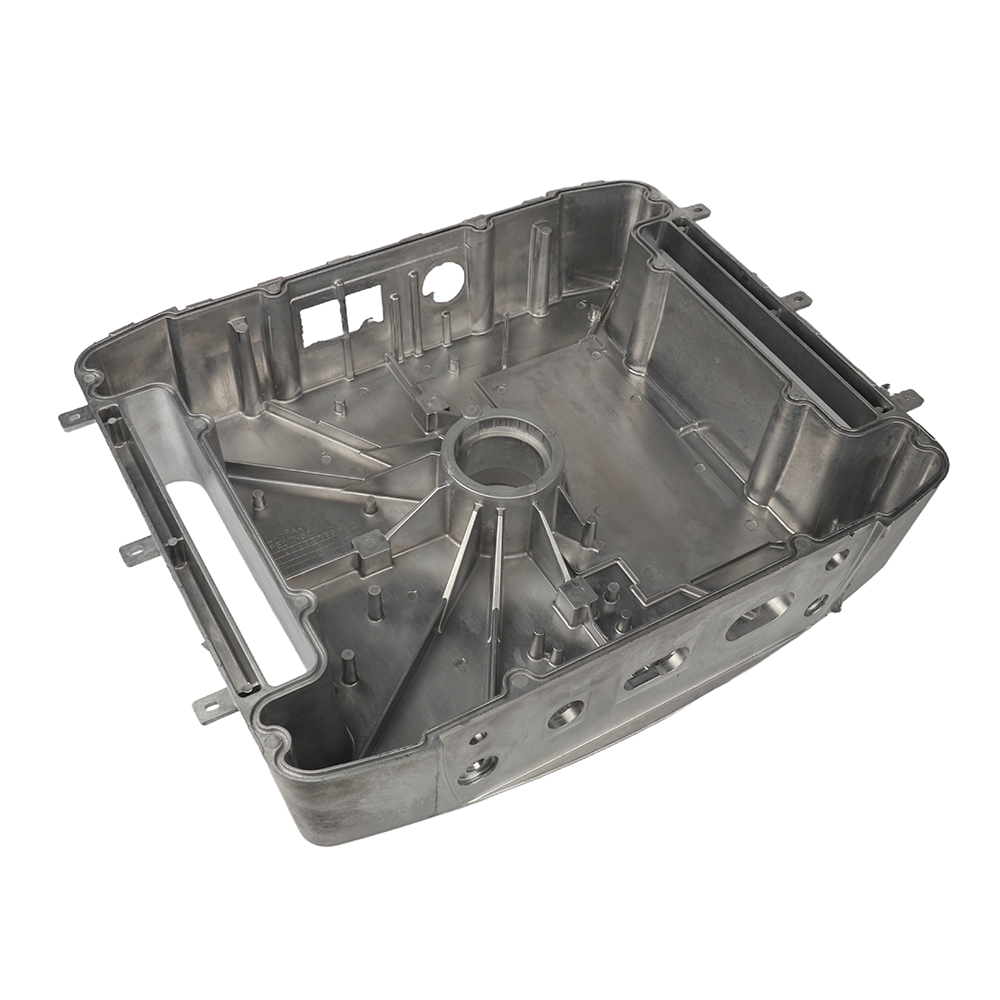
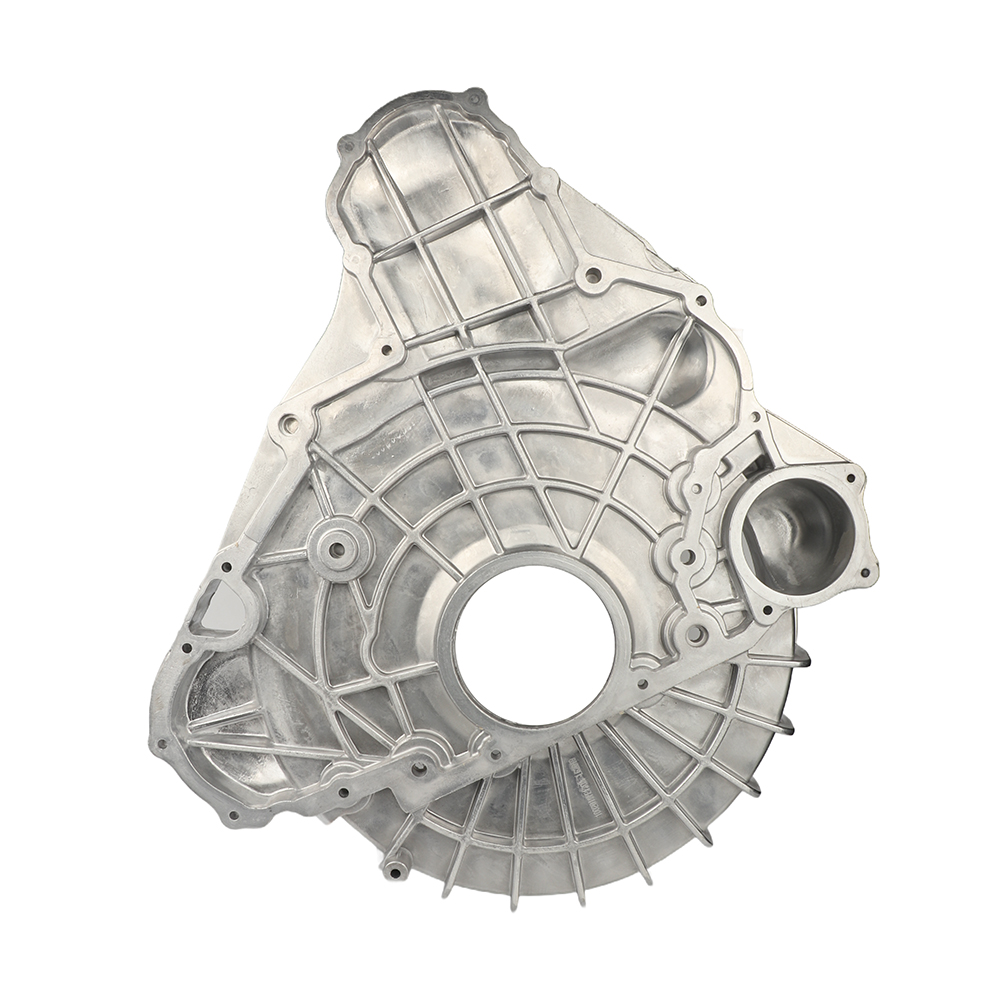
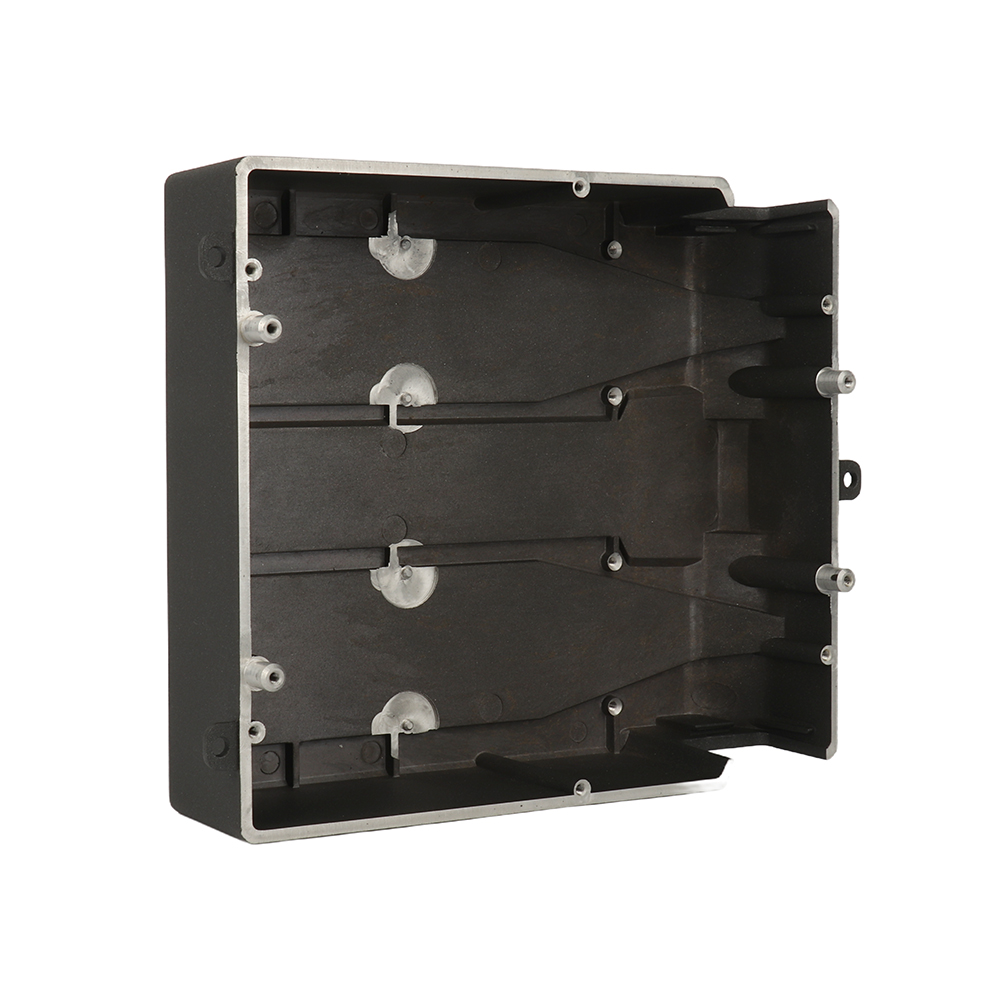
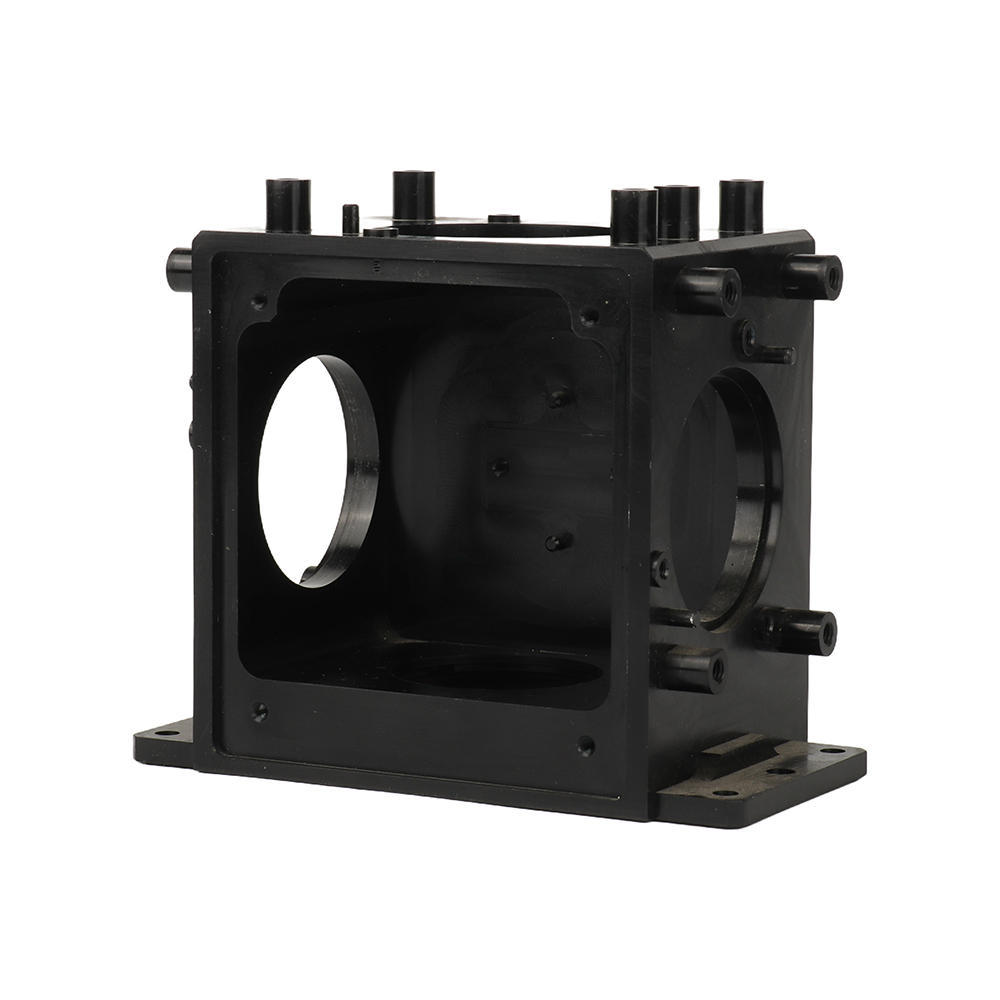
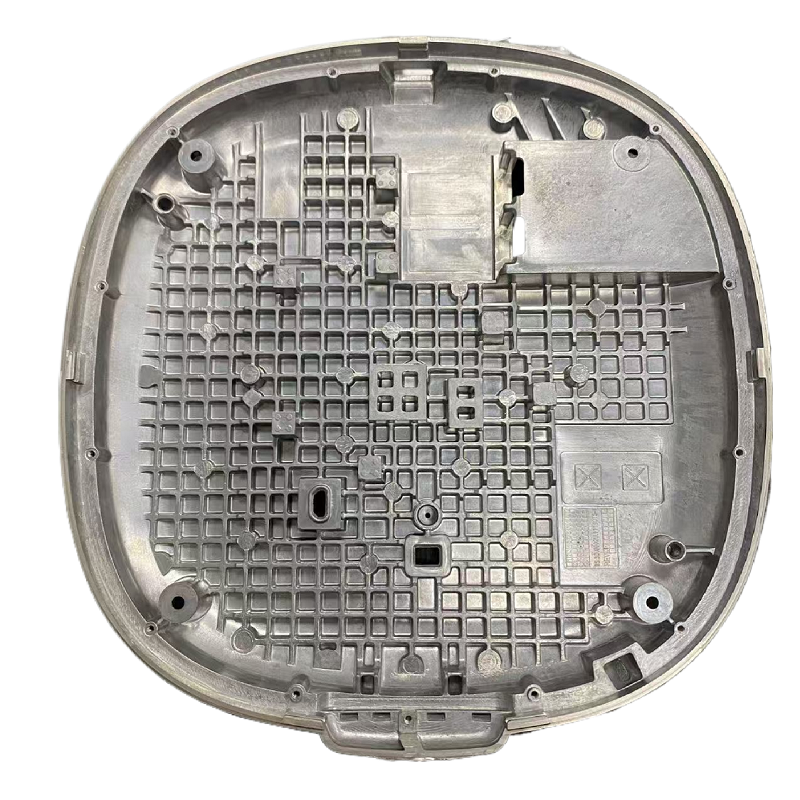
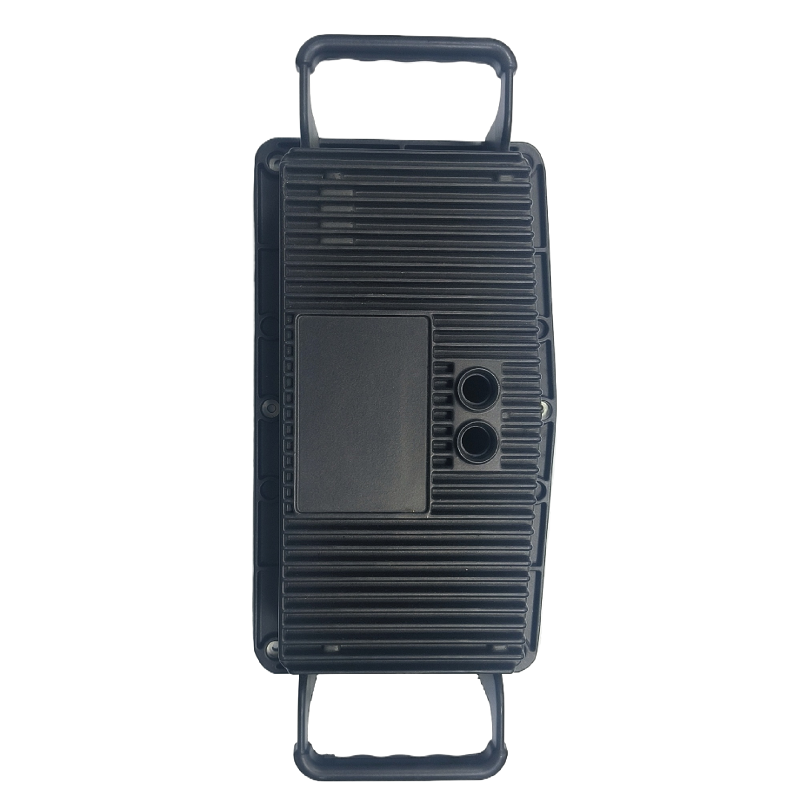
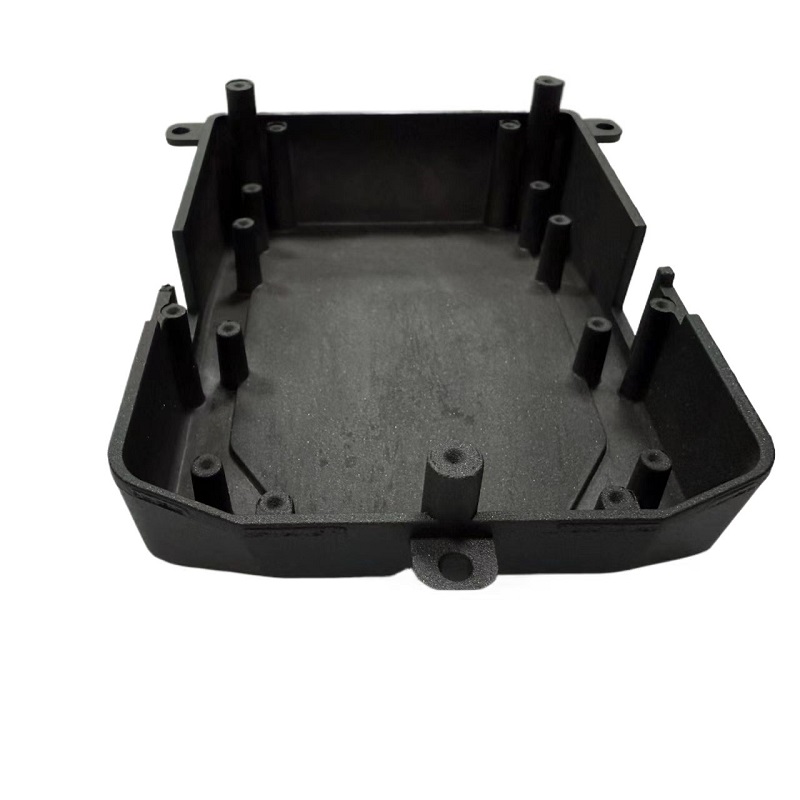
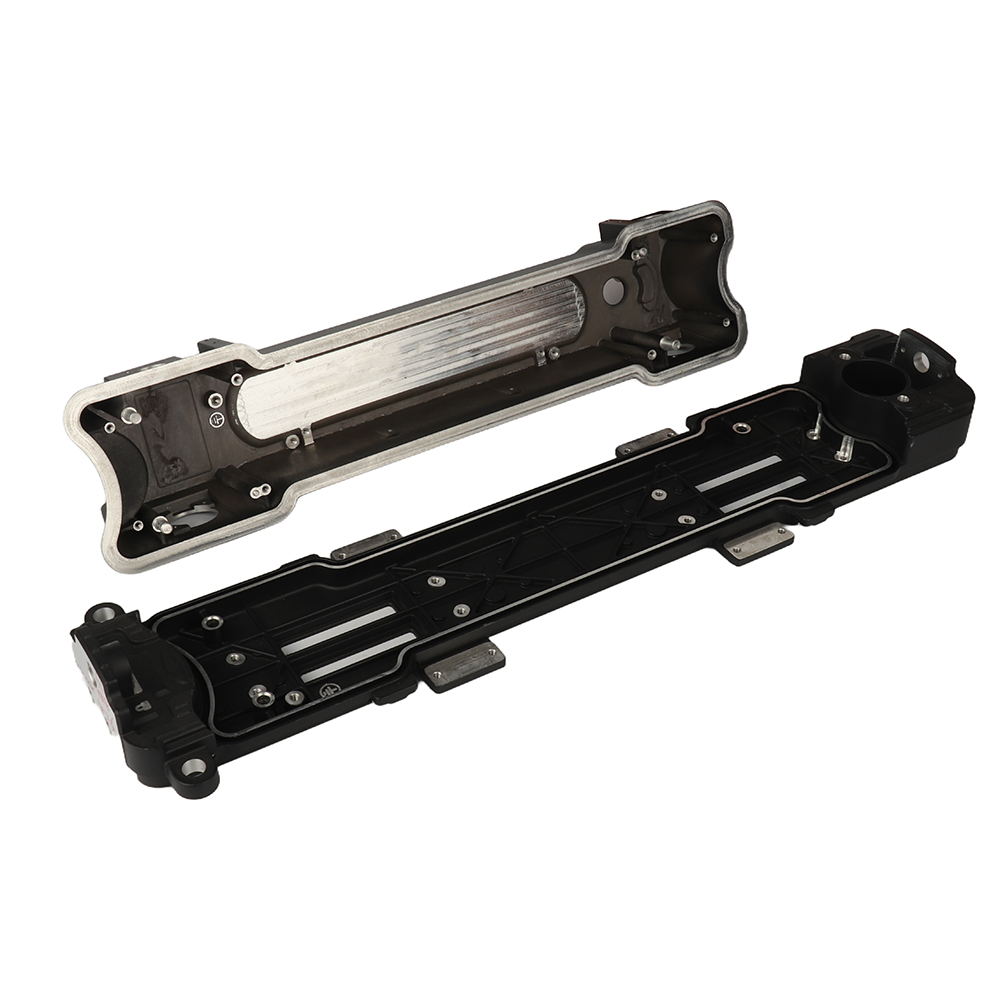
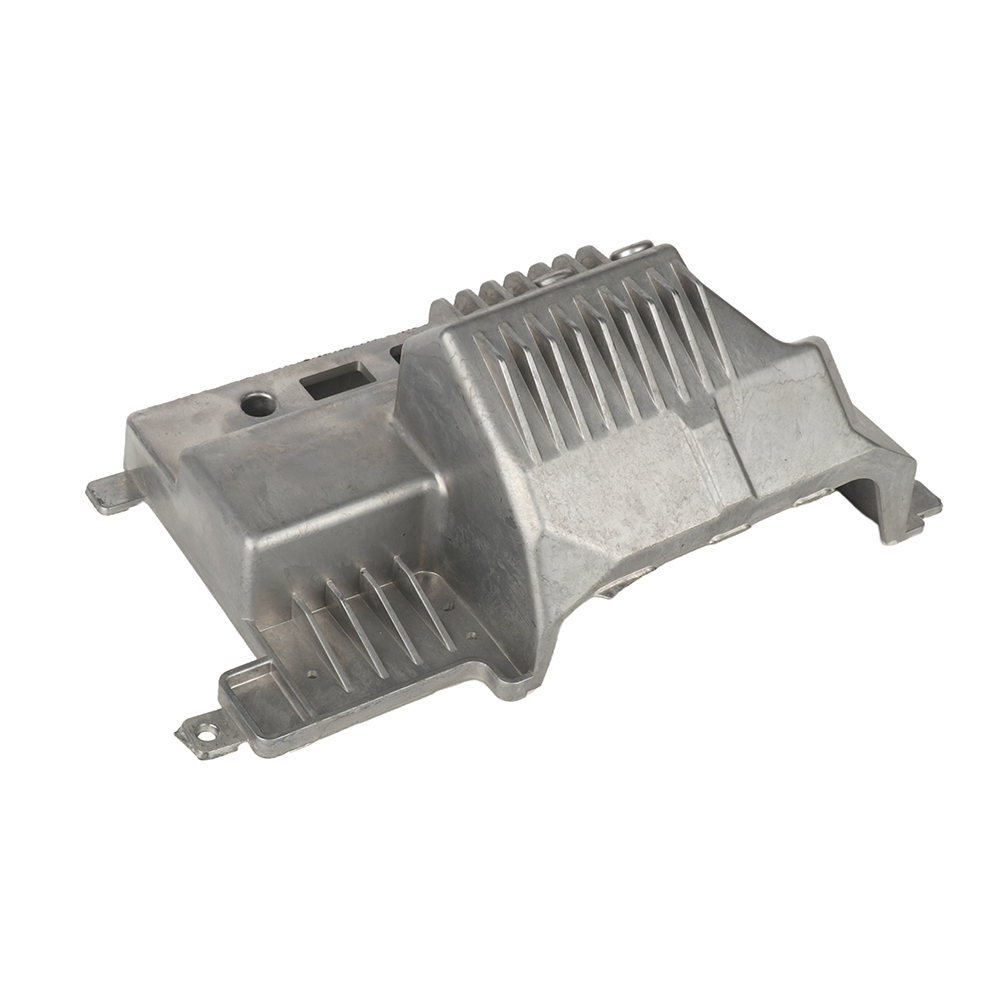
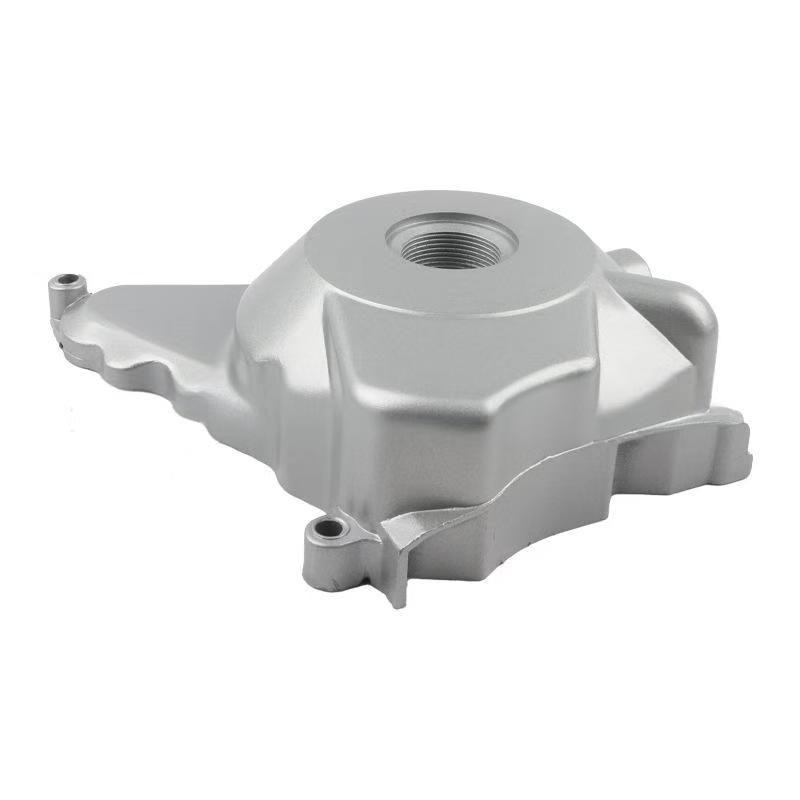
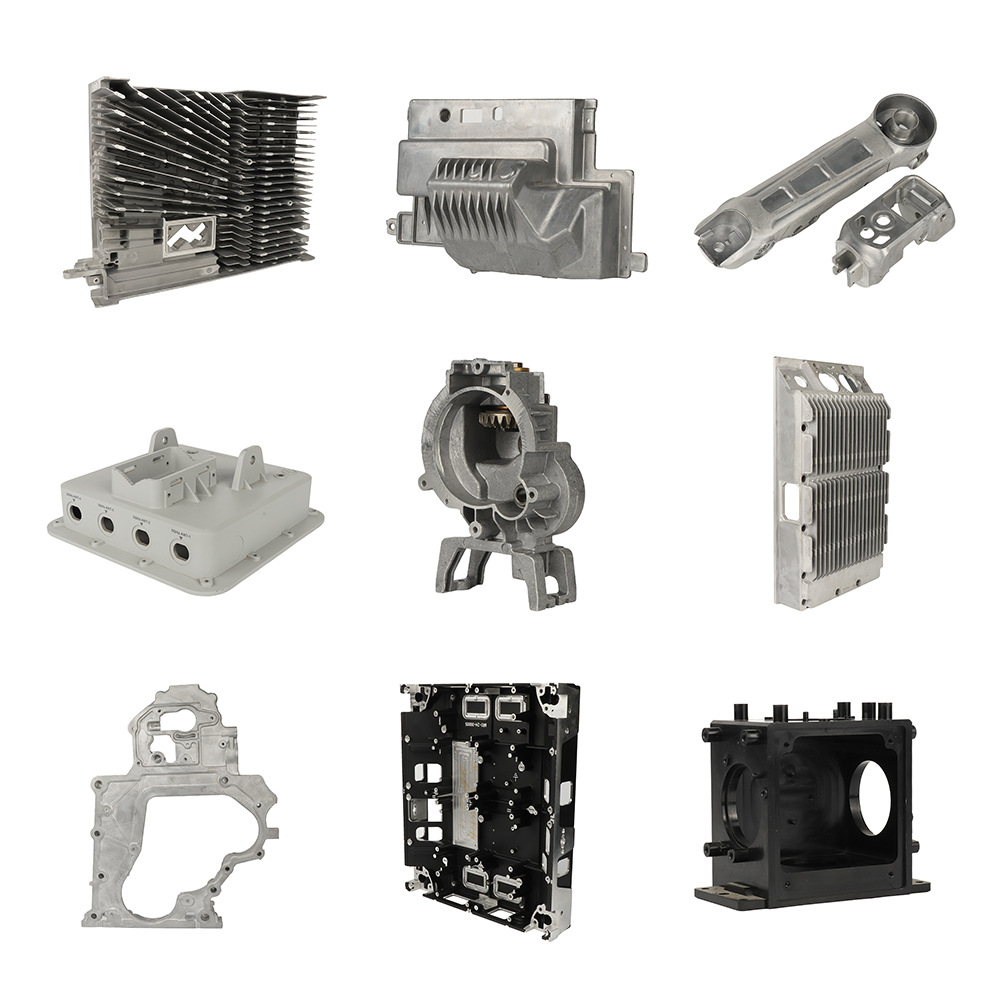
Motor bracket | What is Zinc alloy die casting motor bracket? A Comprehensive Guide
What is Zinc Alloy Die Casting Motor Bracket? A Comprehensive Guide
Table of Contents
- 1. Introduction: What is a Zinc Alloy Die Casting Motor Bracket?
- 2. Core Features of Zinc Alloy Die Casting Motor Brackets
- 3. Zinc Alloy vs. Aluminum Alloy Motor Bracket: Pros and Cons Comparison
- 3.1 Pros and Cons of Zinc Alloy Die Casting Motor Brackets
- 3.2 Pros and Cons of Aluminum Alloy Motor Brackets
- 4. Expert Insights on Zinc Alloy Die Casting Motor Brackets
- 5. Common Applications of Zinc Alloy Die Casting Motor Brackets
- 6. FAQ: Frequently Asked Questions About Zinc Alloy Die Casting Motor Brackets
- 7. Conclusion
1. Introduction: What is a Zinc Alloy Die Casting Motor Bracket?
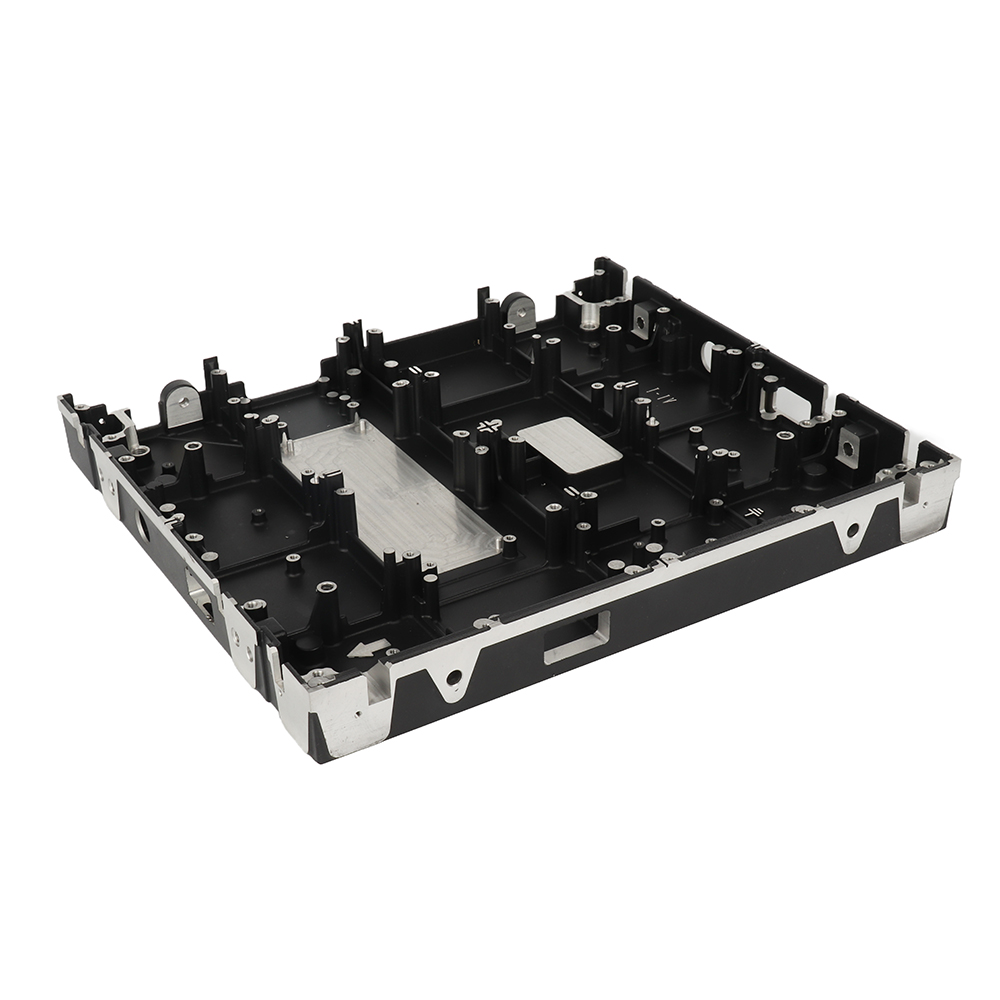
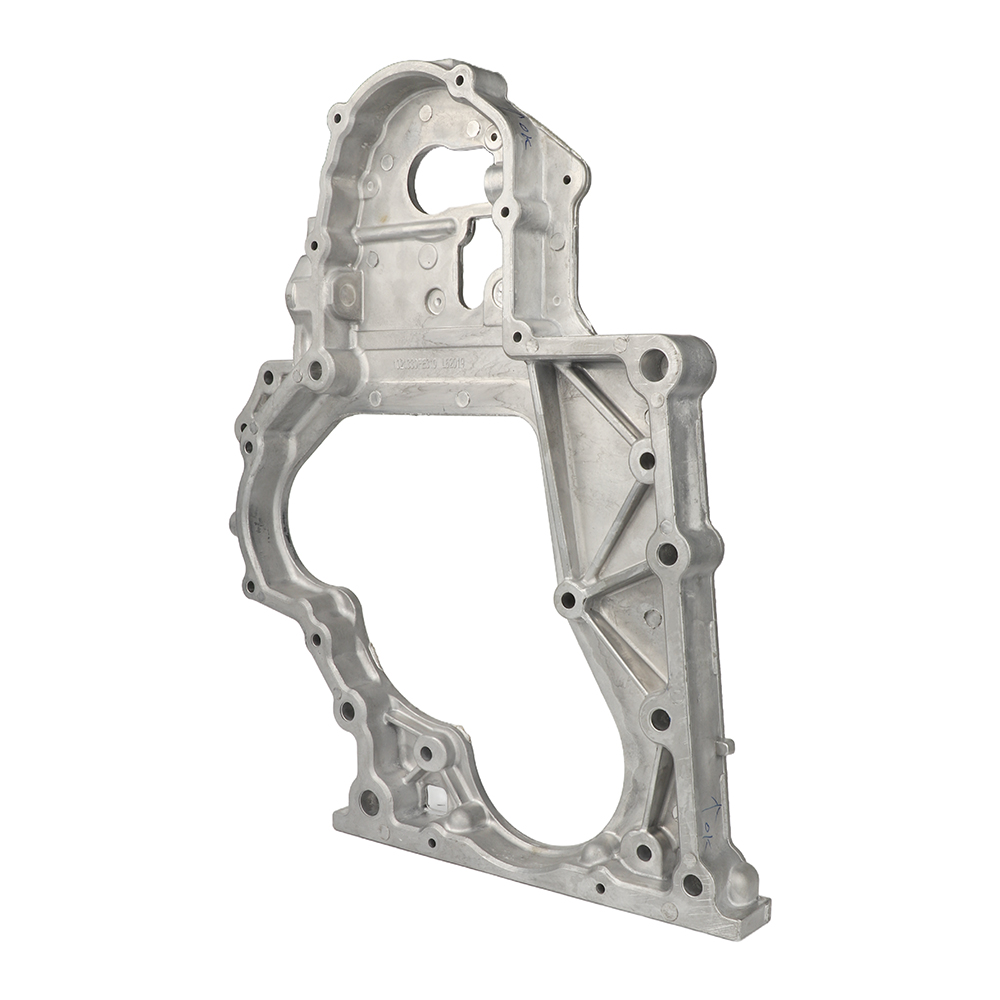
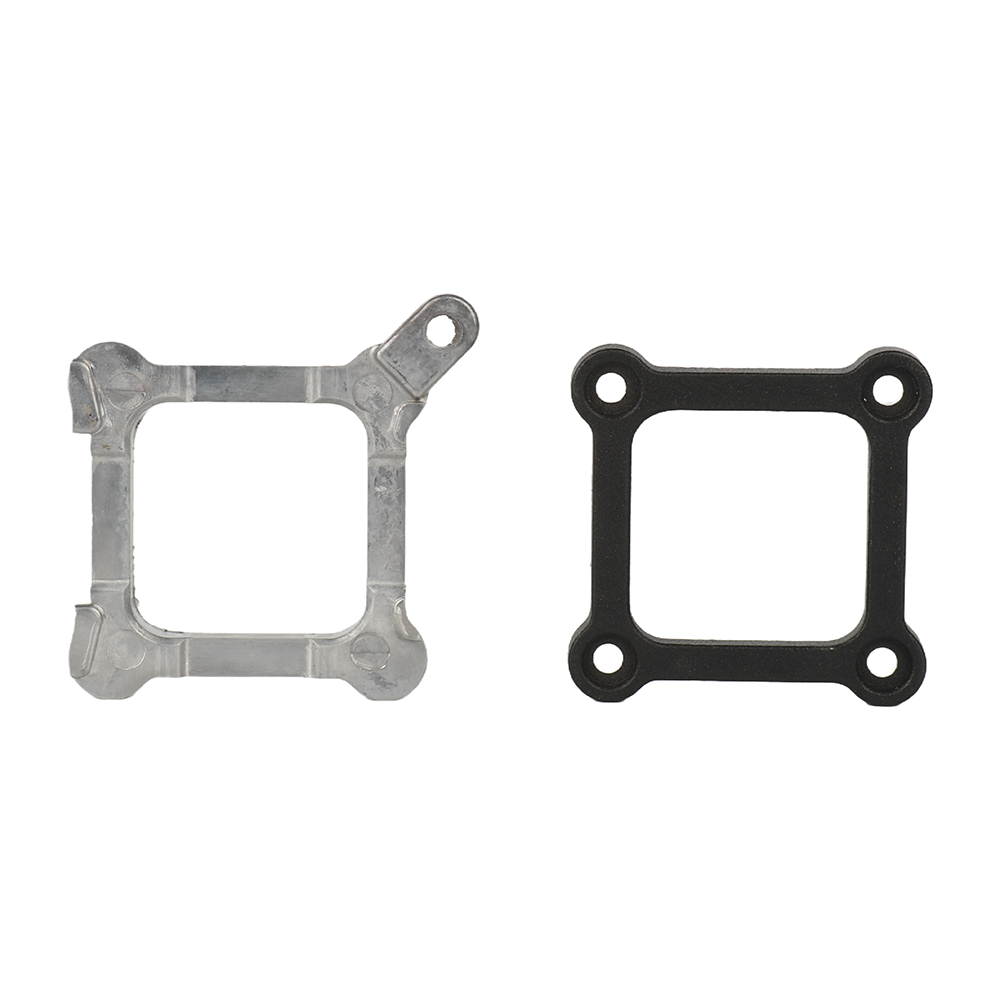
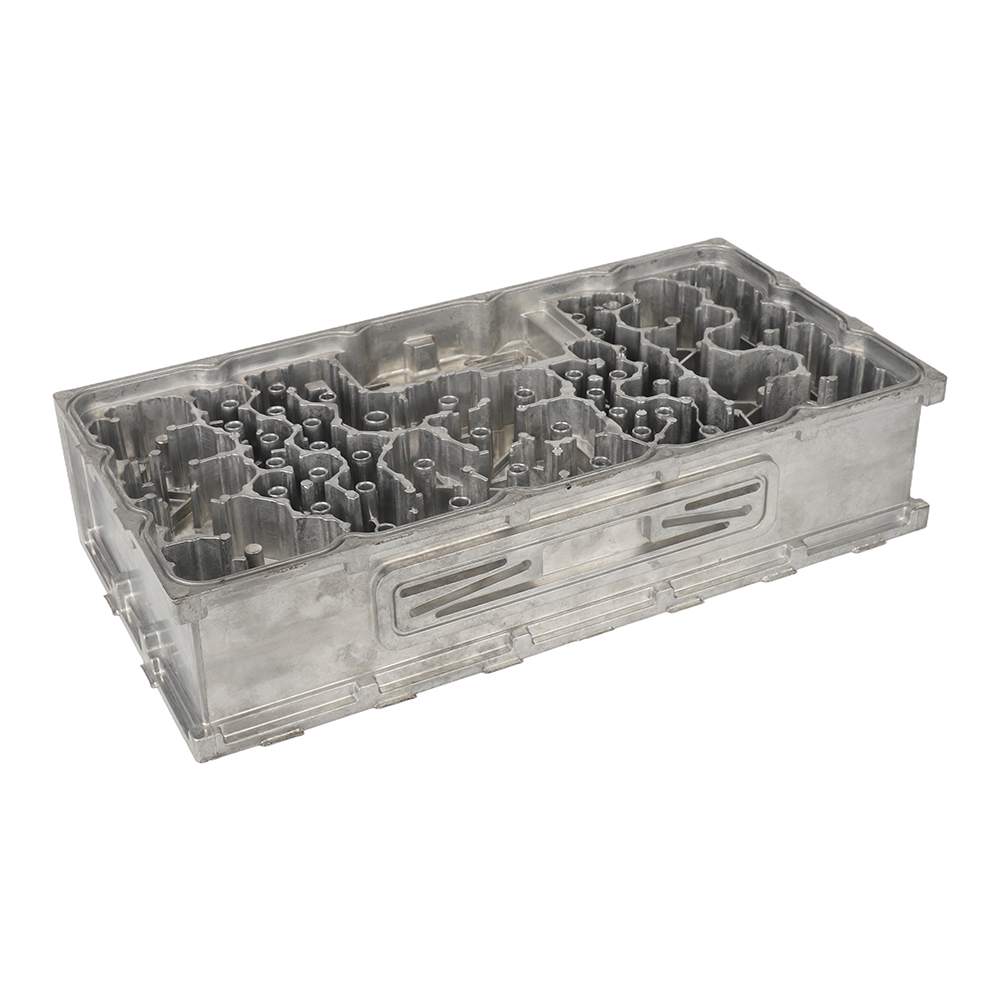
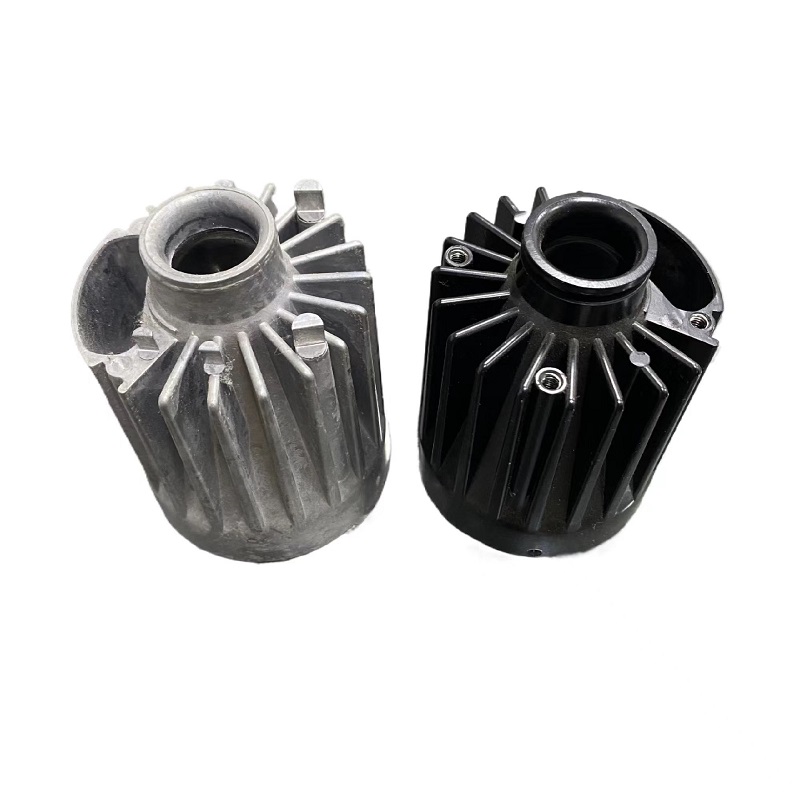
A Zinc alloy die casting motor bracket is a vital structural component engineered to support, secure, and safeguard electric motor assemblies across diverse industrial sectors. It is produced via the die casting process: zinc alloy (most commonly from the Zamak series, including Zamak 3, Zamak 5, and Zamak 2) is melted, then injected into a precision mold under high pressure to form a durable, dimensionally accurate part that integrates seamlessly with other motor components.
As a core element of motor systems, the zinc alloy die casting motor bracket undertakes three key roles: fixing the motor in place to prevent displacement, absorbing vibrations generated during motor operation, and protecting internal motor parts from external dust, moisture, and mechanical damage.
2. Core Features of Zinc Alloy Die Casting Motor Brackets
The combination of zinc alloy’s inherent properties and the precision of die casting endows zinc alloy die casting motor brackets with distinct characteristics that suit specific industrial and commercial needs. Below are their key features:
2.1 Excellent Mechanical Strength and Rigidity
Zinc alloys, particularly Zamak 5 and Zamak 2, offer impressive tensile strength and high rigidity, allowing brackets to withstand heavy weights and constant vibration without deformation.
2.2 High Precision and Dimensional Accuracy
Die casting delivers exceptional precision (tolerances ±0.05 mm), ensuring perfect fit with motor shafts, bearings, and housings.
2.3 Superior Castability for Complex Designs
Zinc’s excellent fluidity enables intricate mold filling, ideal for complex geometries in a single casting with minimal secondary processing.
2.4 Good Vibration Damping and Wear Resistance
High density provides superior vibration damping, reducing motor noise and minimizing wear on internal components.
2.5 Cost-Effective for High-Volume Production
Fast cycle times (20–45 seconds) and low post-processing needs make zinc die casting highly cost-effective for mass production.

3. Zinc Alloy Die Casting Motor Bracket vs. Aluminum Alloy Motor Bracket: Pros and Cons Comparison
When selecting a motor bracket, the choice between zinc alloy die casting motor brackets and aluminum alloy motor brackets is critical. While both materials have their place, aluminum alloy motor brackets offer distinct advantages that make them the preferred option for most modern applications.
3.1 Pros and Cons of Zinc Alloy Die Casting Motor Brackets
Pros
- Exceptional dimensional precision and tight tolerances for small, complex designs
- Superior vibration damping, reducing noise and component wear
- Lower tooling costs and faster production cycles for high-volume parts
- Excellent castability for one-piece molding of intricate geometries
Cons
- Higher density, resulting in heavier brackets that increase overall motor weight
- Inferior corrosion resistance without additional surface treatment
- Lower thermal conductivity, less suitable for high-heat motor applications
- Prone to creep and deformation under sustained heavy loads
3.2 Pros and Cons of Aluminum Alloy Motor Brackets (Highlighted Advantages)
Pros (Key Advantages)
- Superior Strength-to-Weight Ratio: Lightweight (½ the weight of zinc) with excellent strength, ideal for automotive, aerospace, and portable devices
- Excellent Thermal Conductivity: Dissipates heat far better than zinc, critical for high-temperature motors
- Superior Corrosion Resistance: Natural oxide layer prevents rust, ideal for outdoor/humid environments
- Dimensional Stability: Resists creep and deformation for large, load-bearing applications
- Better Sustainability: Highly recyclable with minimal energy loss
Cons
- Slightly lower dimensional precision than zinc die casting
- Higher tooling costs and longer production cycles
- Inferior vibration damping compared to zinc
4. Expert Insights on Zinc Alloy Die Casting Motor Brackets
4.1 Sarah Chen, Senior Die Casting Engineer
“Zinc alloy die casting motor brackets excel in small, precision-focused applications—household appliances, electronics. Their tight tolerances and castability make them ideal for compact designs. However, for larger motors, high-heat environments, or EV projects, aluminum is the clear winner due to its strength-to-weight ratio and thermal performance.”
4.2 Michael Torres, Motor Component Design Consultant
“Many manufacturers choose zinc for lower upfront tooling costs but overlook long-term expenses: surface treatment, higher weight increasing energy use. Aluminum offers better durability, lower maintenance, and aligns with sustainability goals. Zinc still fits niche precision applications, but aluminum dominates industrial and automotive use.”
5. Common Applications of Zinc Alloy Die Casting Motor Brackets
- Household Appliances: Refrigerators, washing machines, fans – compact, quiet, precise
- Consumer Electronics: Miniature motors in power tools, smart devices
- Light Industrial Equipment: Small pumps, conveyors, precision instruments
- Automotive Auxiliary Motors: Wipers, door locks, seat adjusters
6. FAQ: Frequently Asked Questions About Zinc Alloy Die Casting Motor Brackets
6.1 What zinc alloy is most commonly used?
Zamak series: Zamak 3 (general-purpose), Zamak 5 (higher strength), Zamak 2 (extreme strength).
6.2 Cost comparison with aluminum brackets?
Zinc: lower upfront cost for small, high-volume parts. Aluminum: more cost-effective long-term due to durability and low maintenance.
6.3 Do they need surface treatment?
Yes – chrome plating, powder coating, or zinc plating is required to prevent corrosion in humid environments.
6.4 Can they be used in high-temperature applications?
No – low melting point and poor heat dissipation make them unsuitable above 150°C. Use aluminum instead.
6.5 Are they recyclable?
Yes, but less energy-efficient recycling compared to aluminum.
7. Conclusion
A zinc alloy die casting motor bracket is a precision-engineered component offering tight tolerances, excellent castability, superior vibration damping, and cost-effectiveness for high-volume small-part production. However, aluminum alloy motor brackets are superior in strength-to-weight ratio, thermal conductivity, corrosion resistance, and dimensional stability – making them the first choice for most modern industrial, automotive, and high-performance applications.
Choose zinc alloy die casting motor brackets for small, precision, low-load, noise-sensitive applications. Choose aluminum for large, high-heat, weight-sensitive, or harsh-environment use cases. This guide helps you select the optimal bracket for your motor needs.
Auto castings | What are ADC12 auto castings? A Complete Guide
Cast aluminum parts | What are server chassis parts? Focus on Cast Aluminum Components
Related Article


