
HOT PRODUCTS
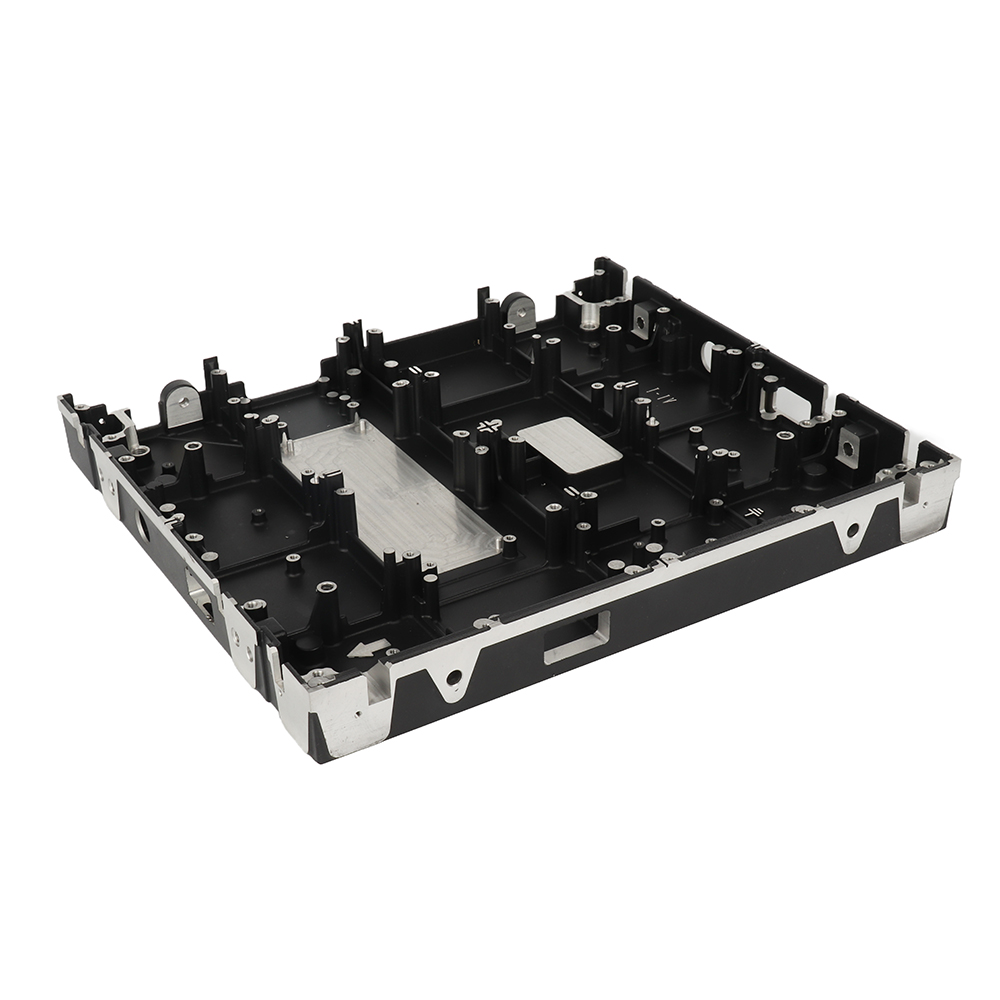
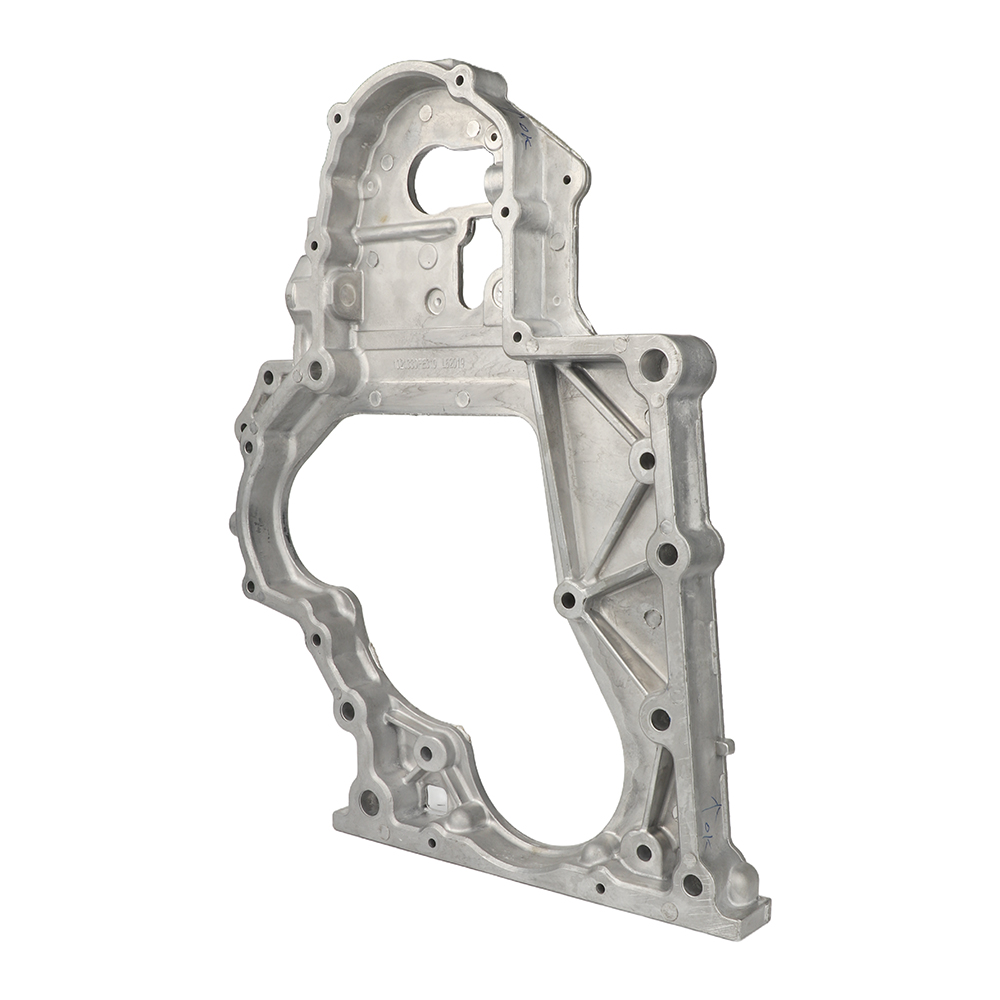
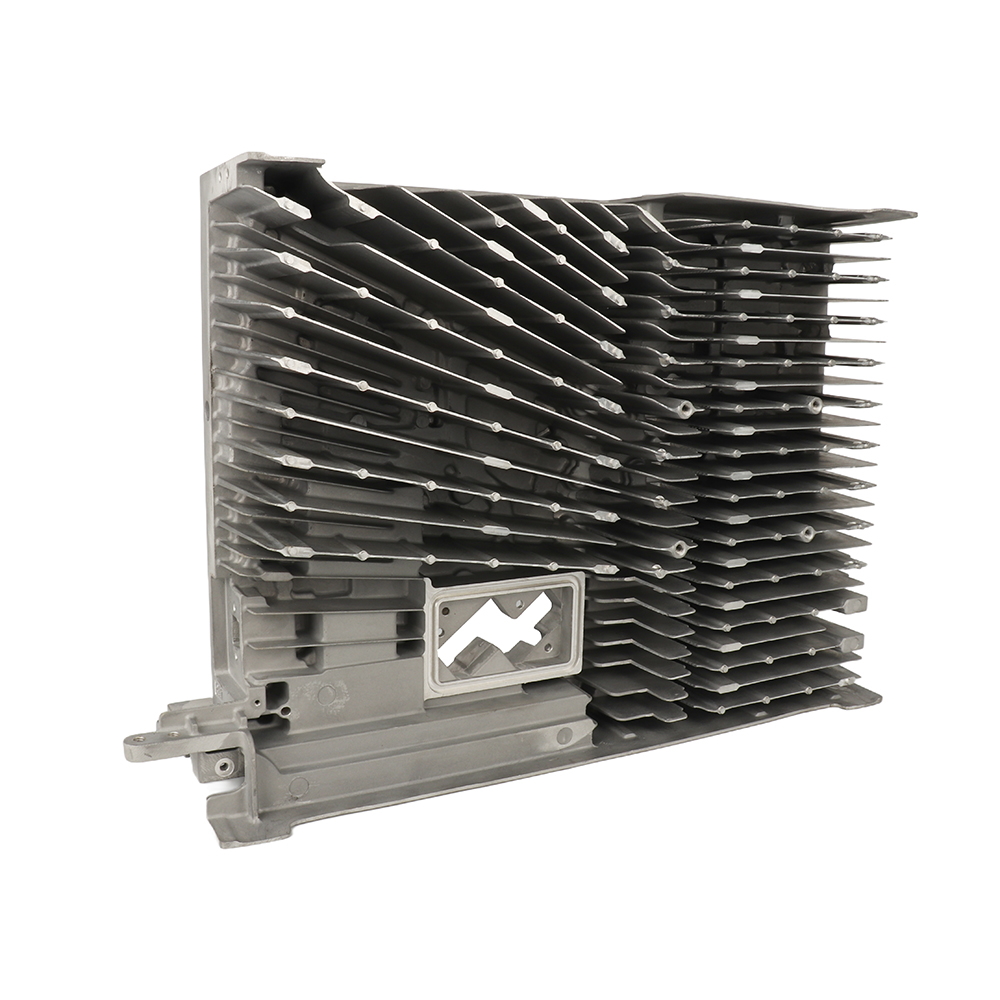
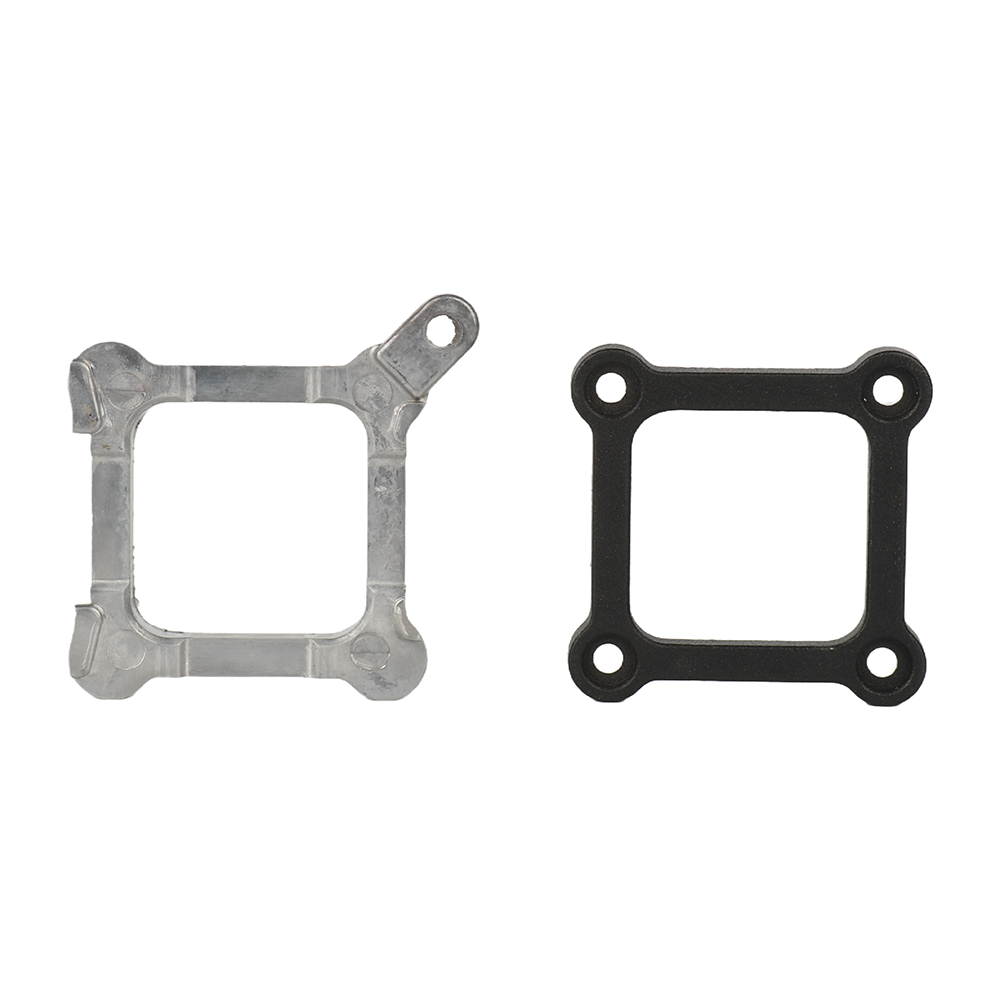
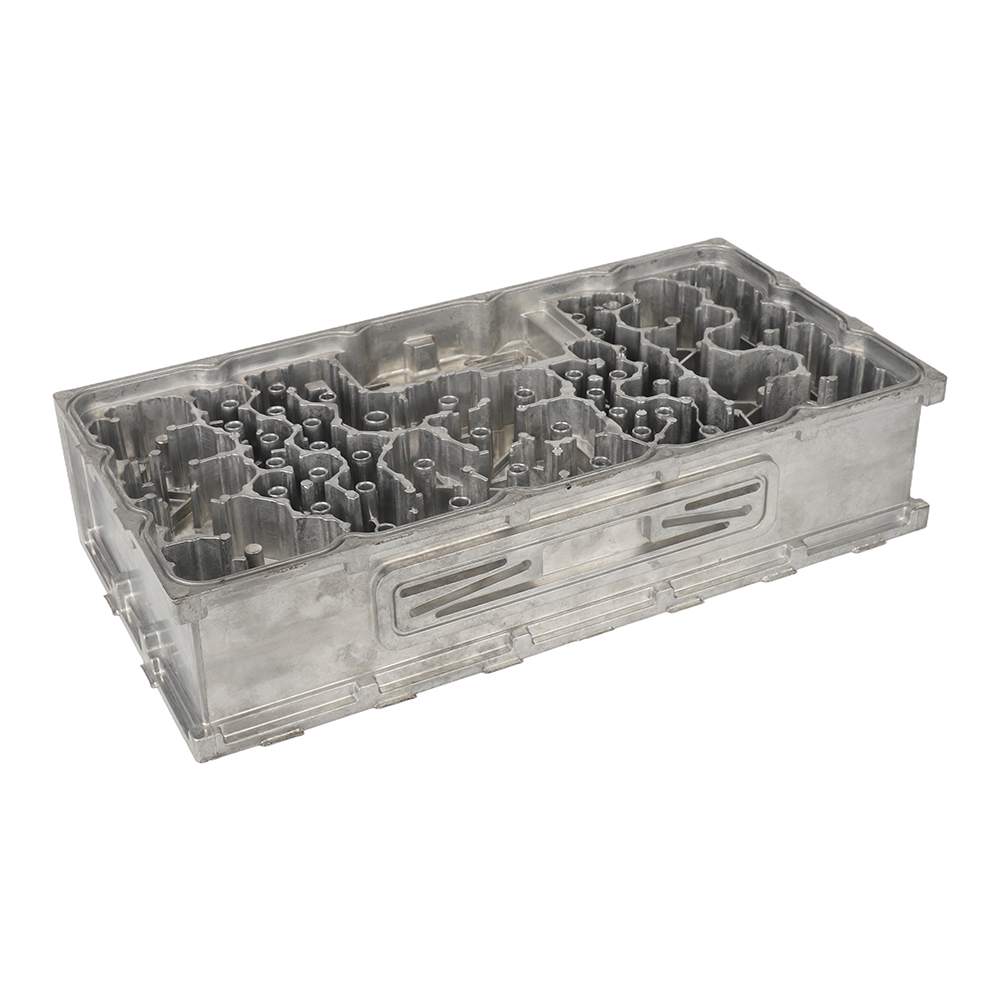
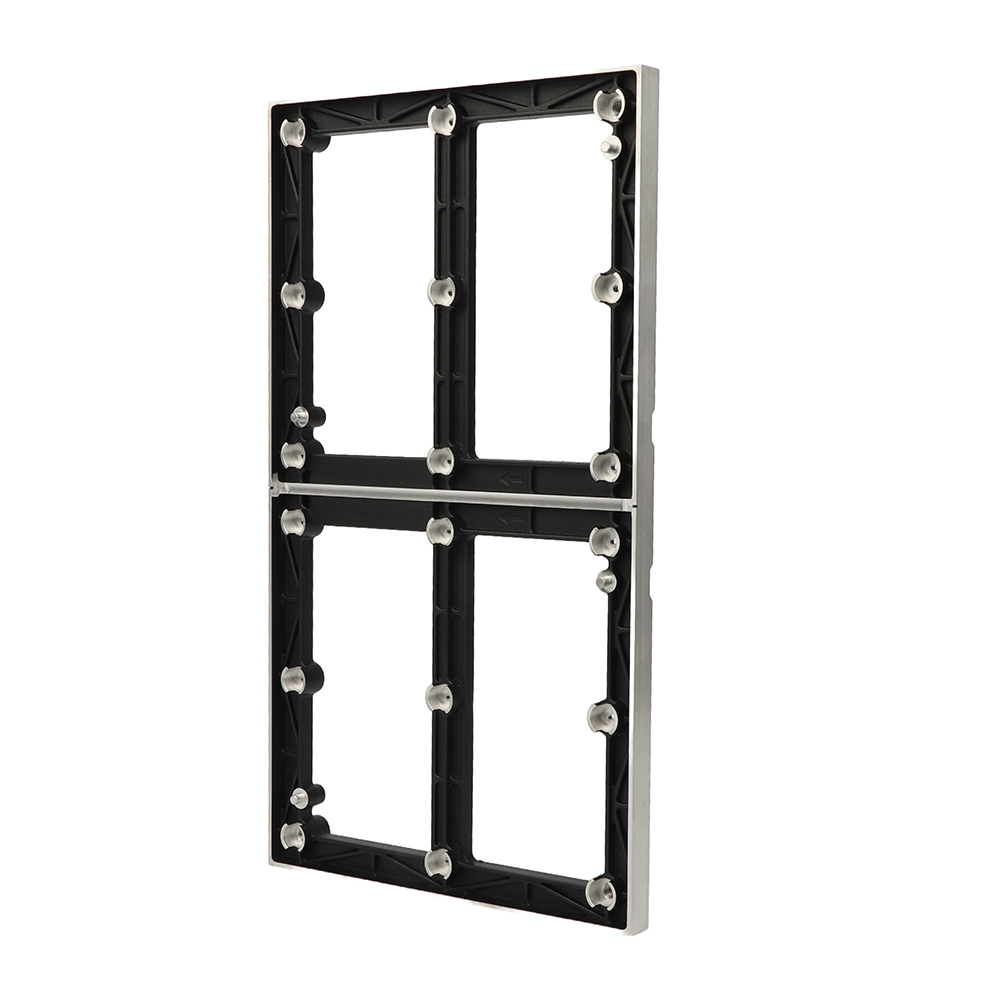
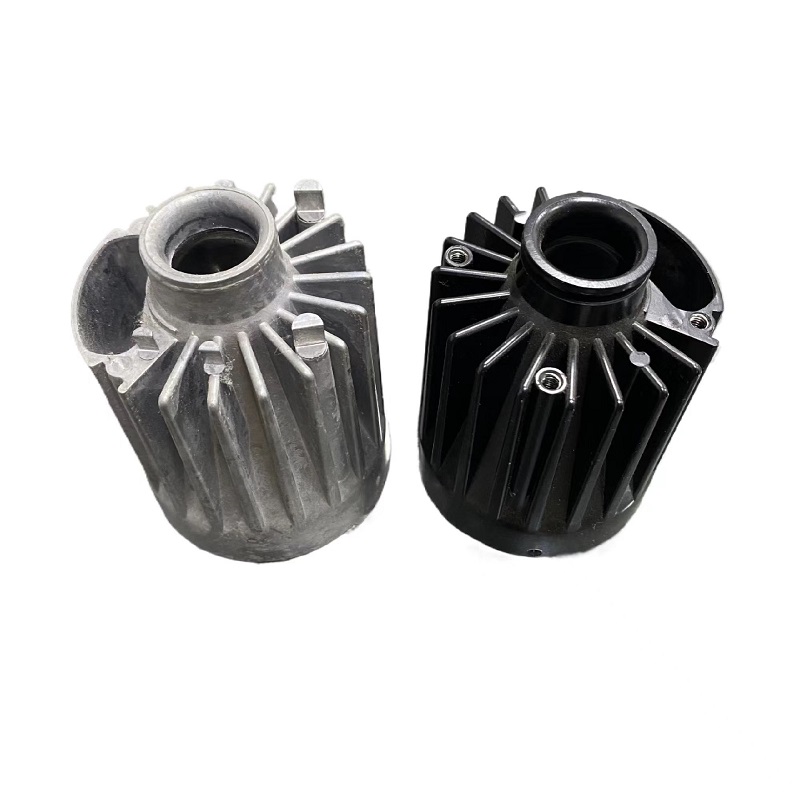
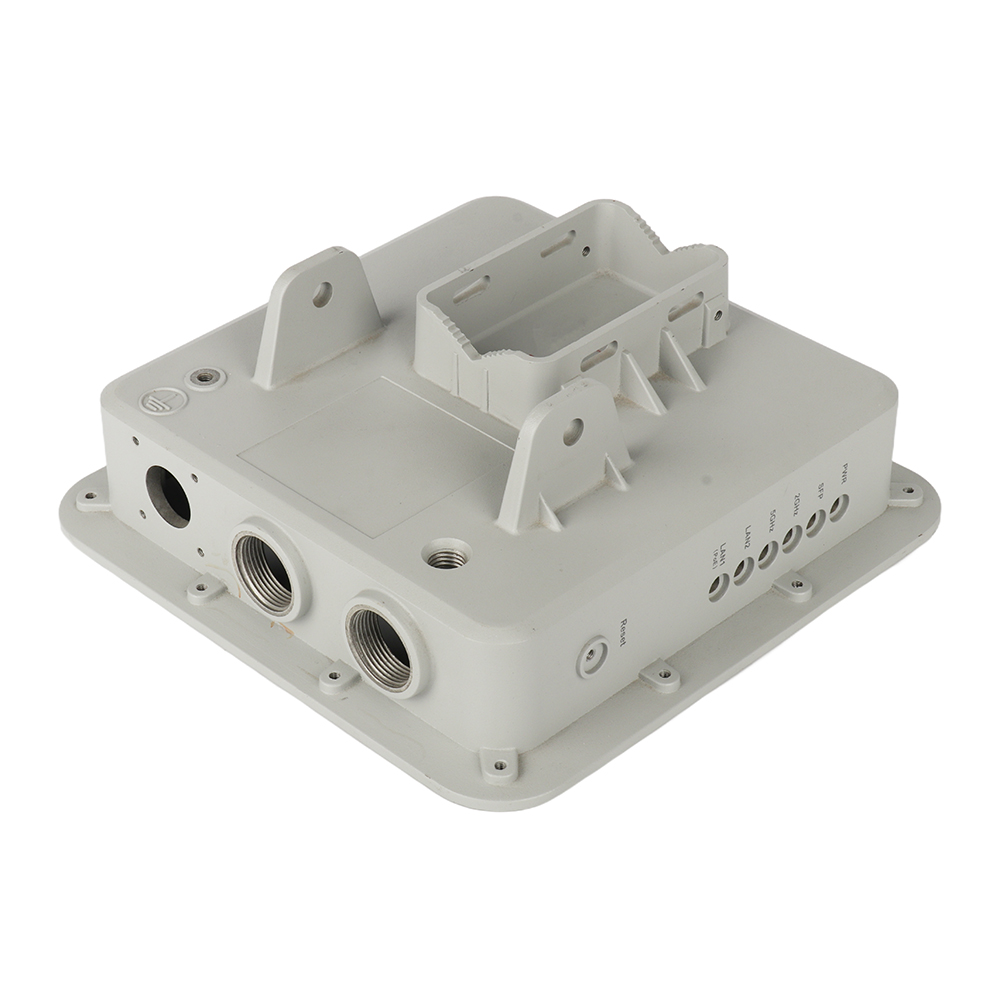
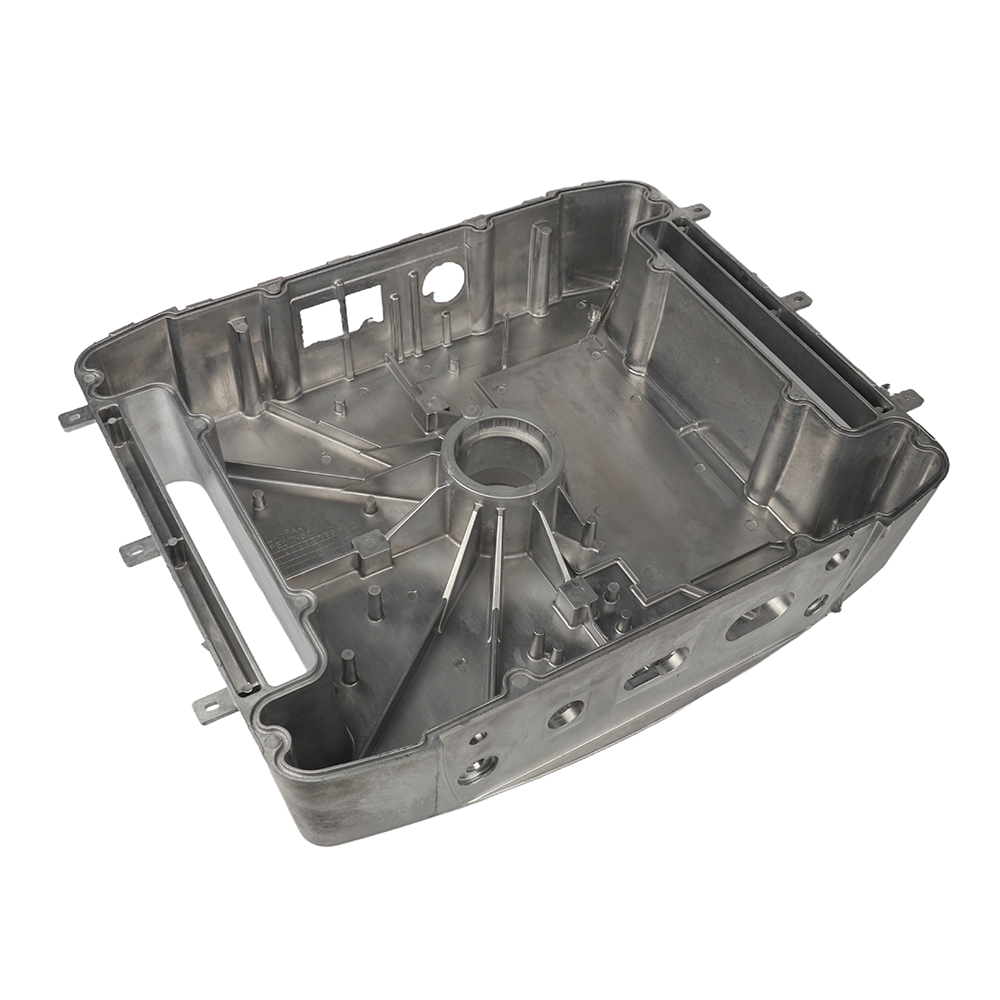
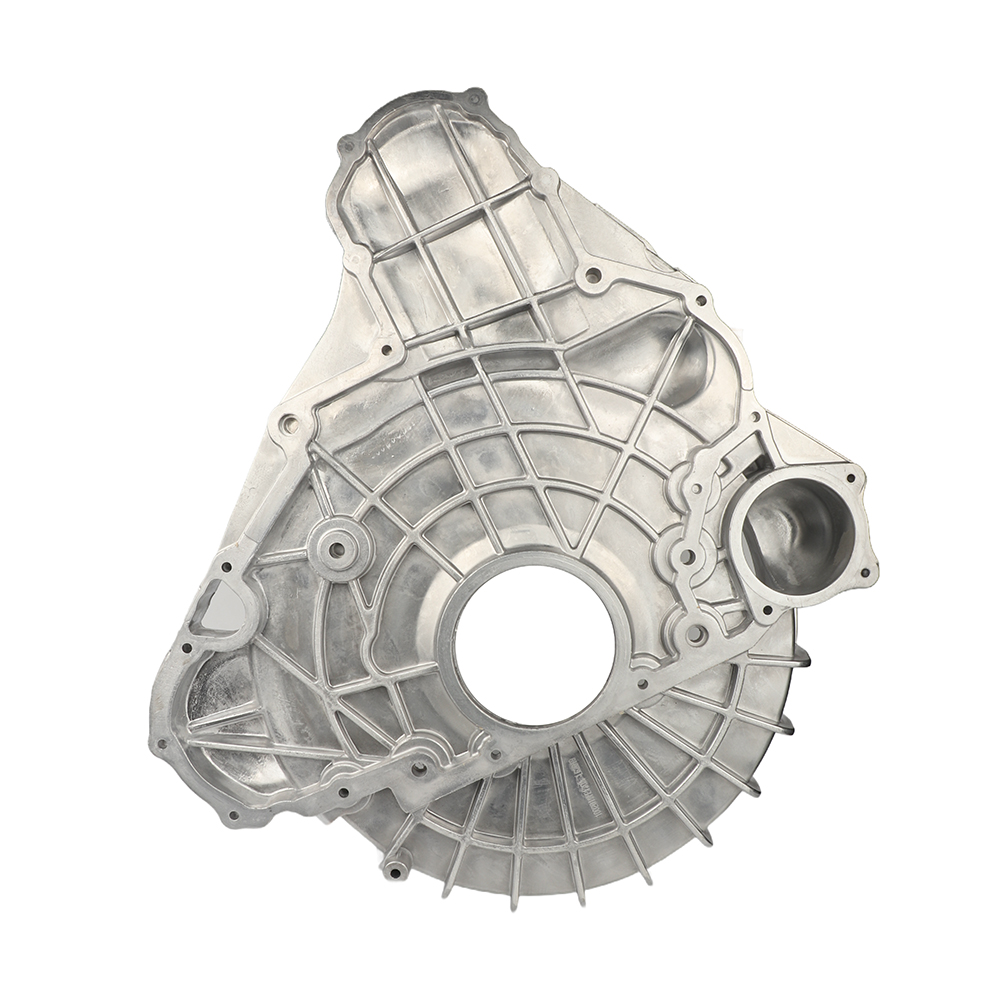
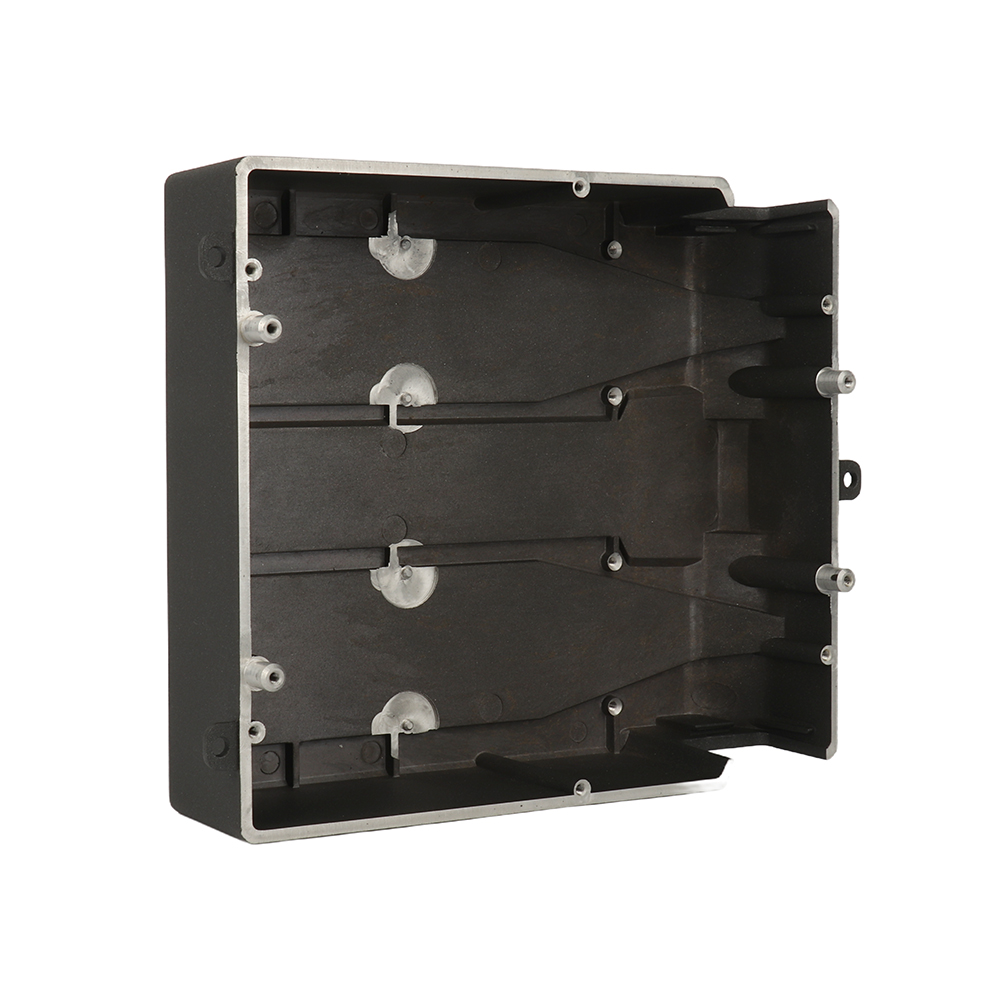
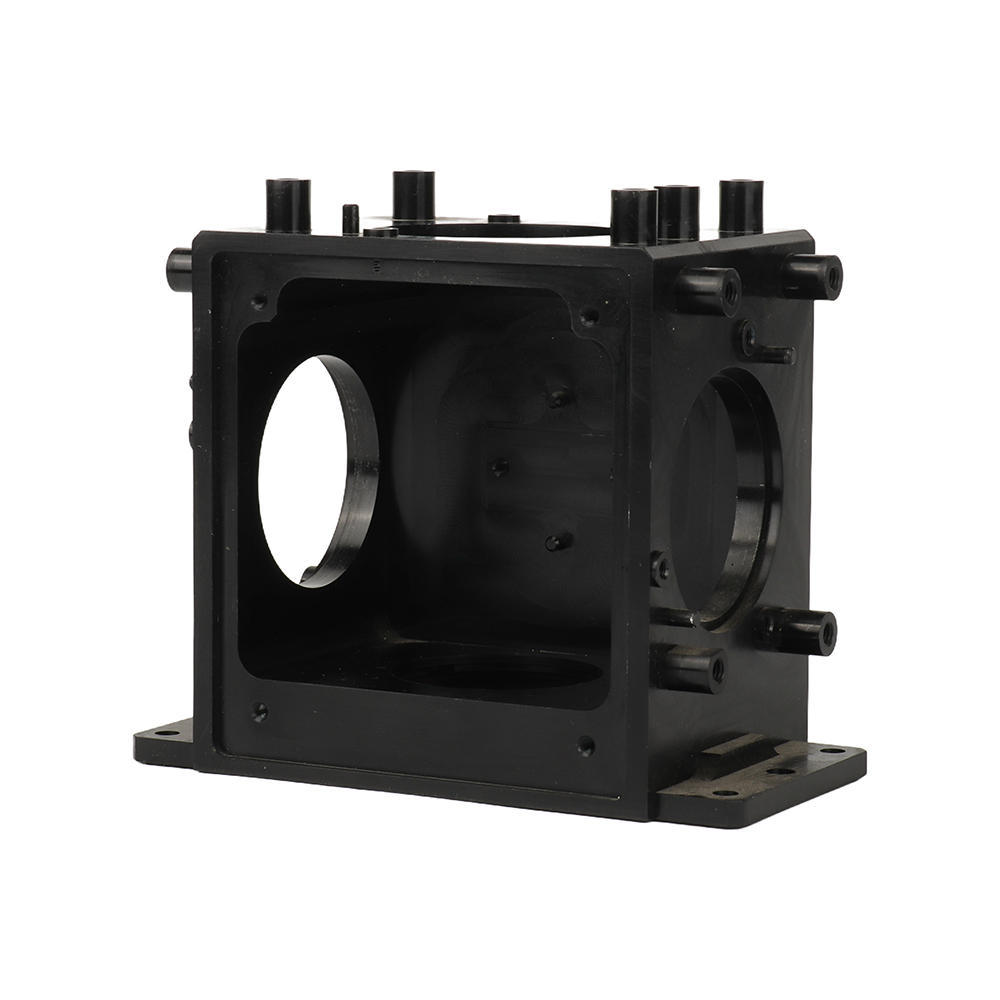
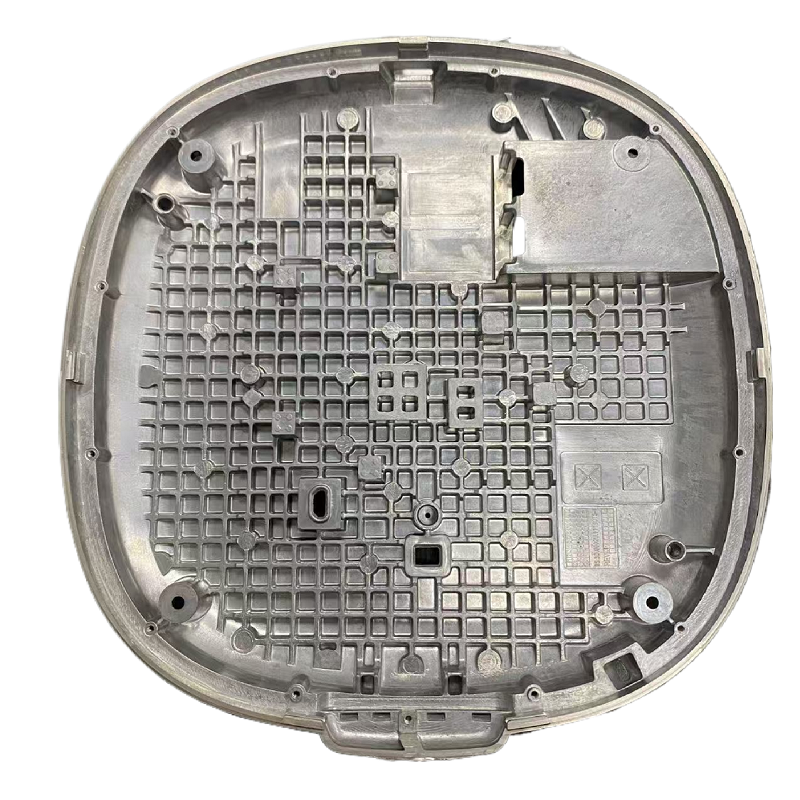
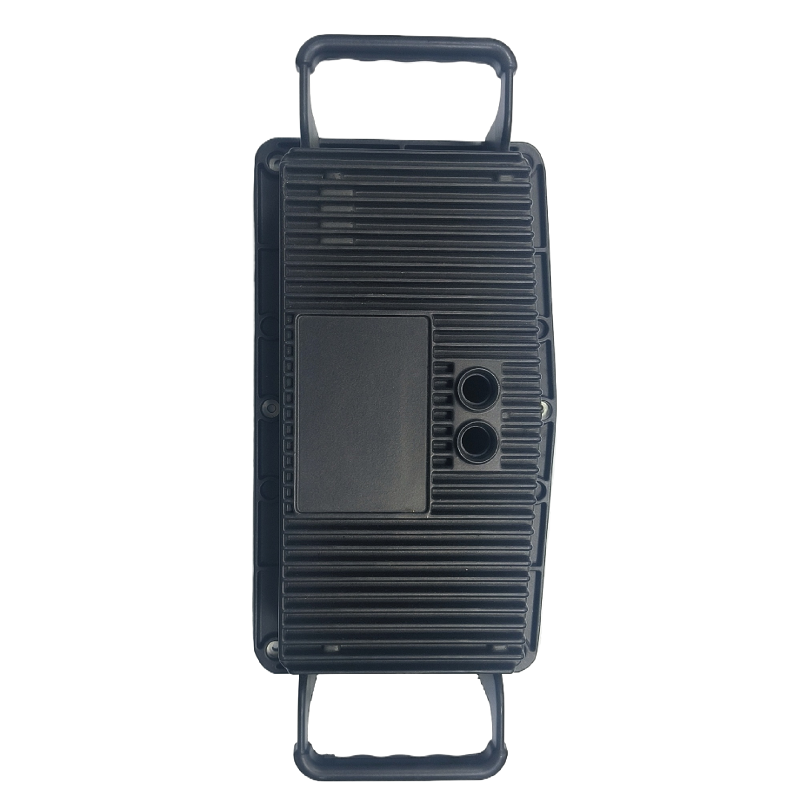
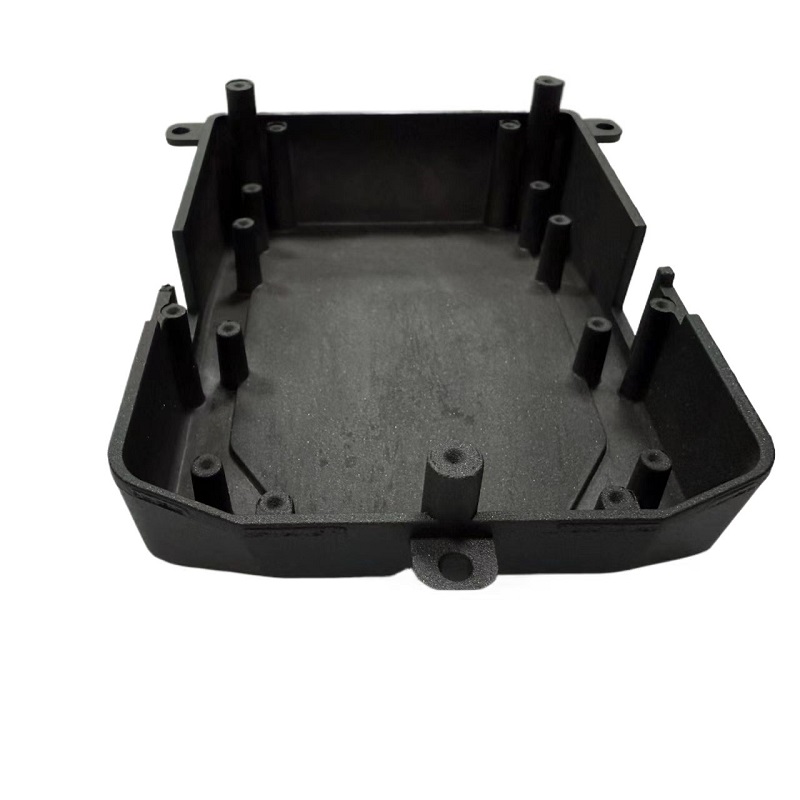
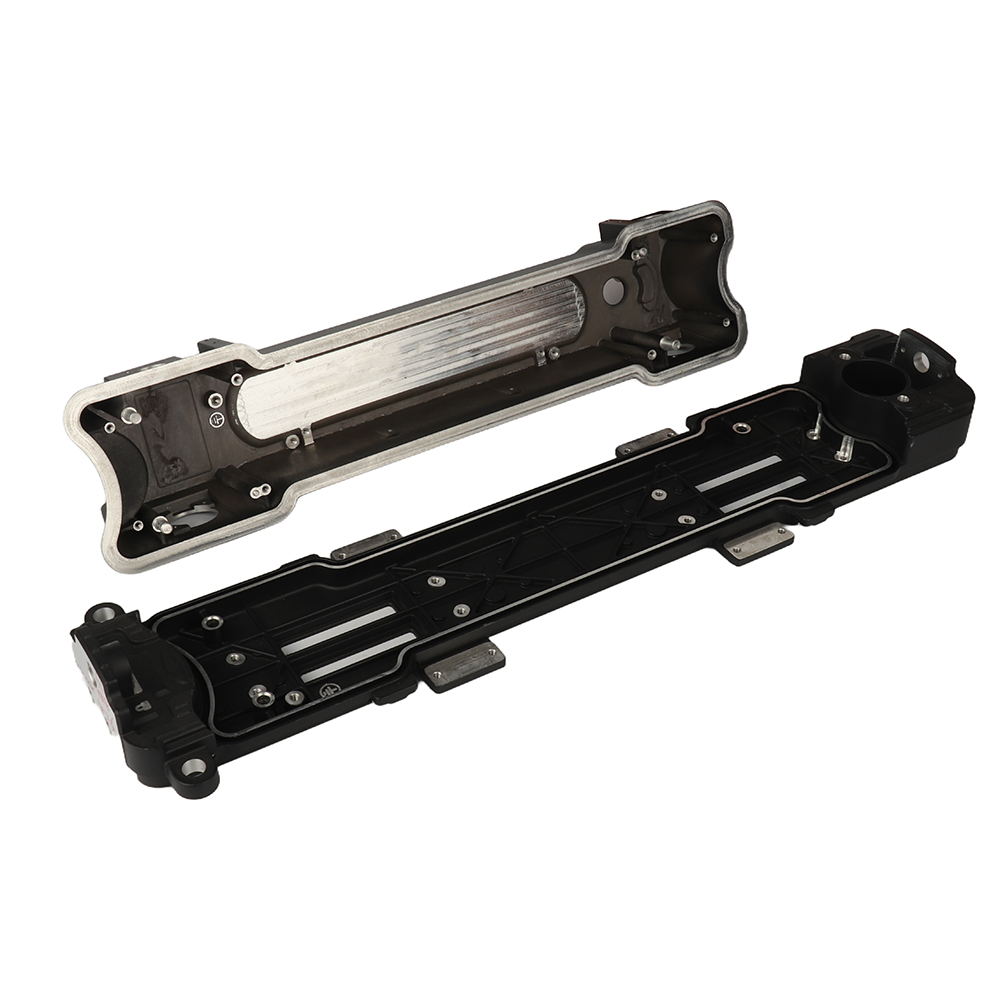
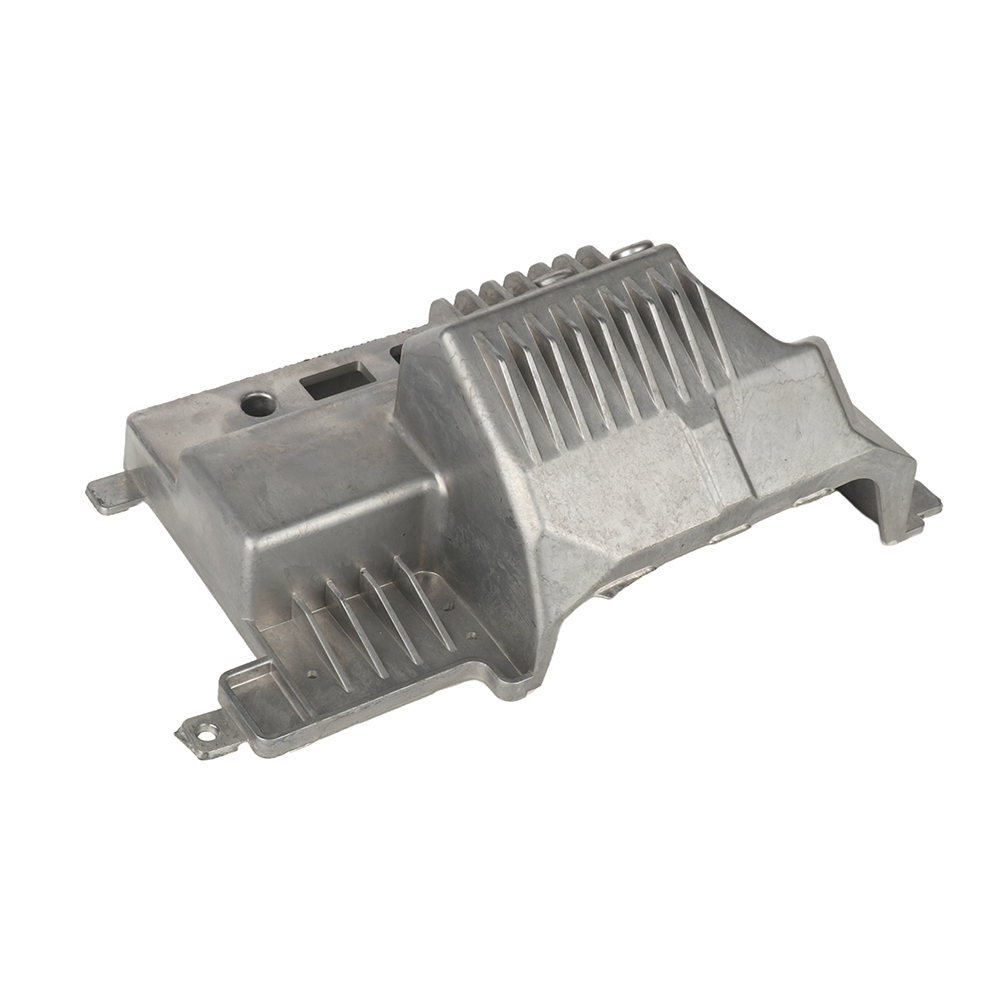
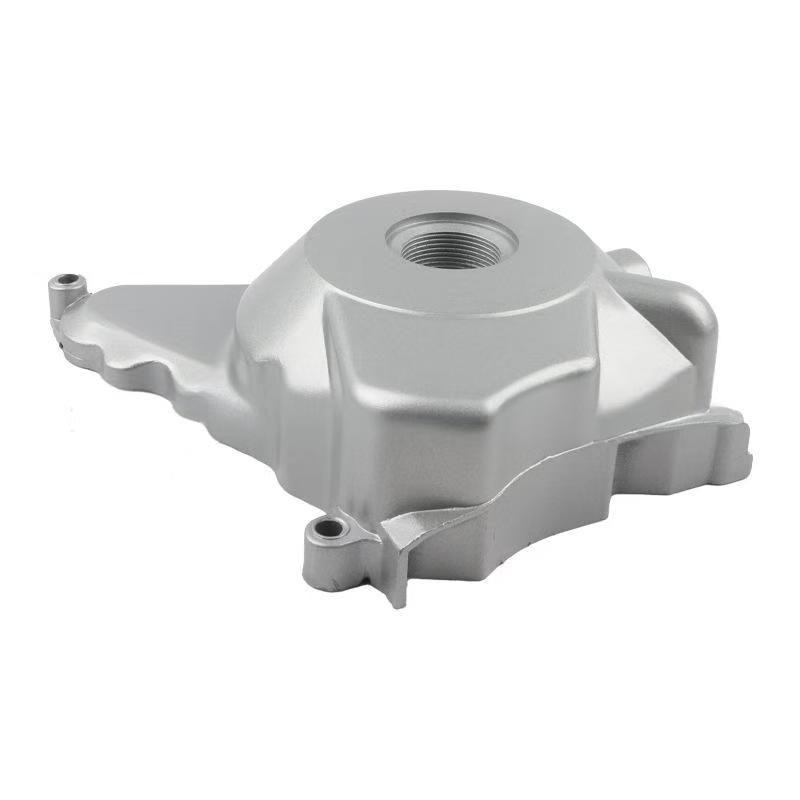
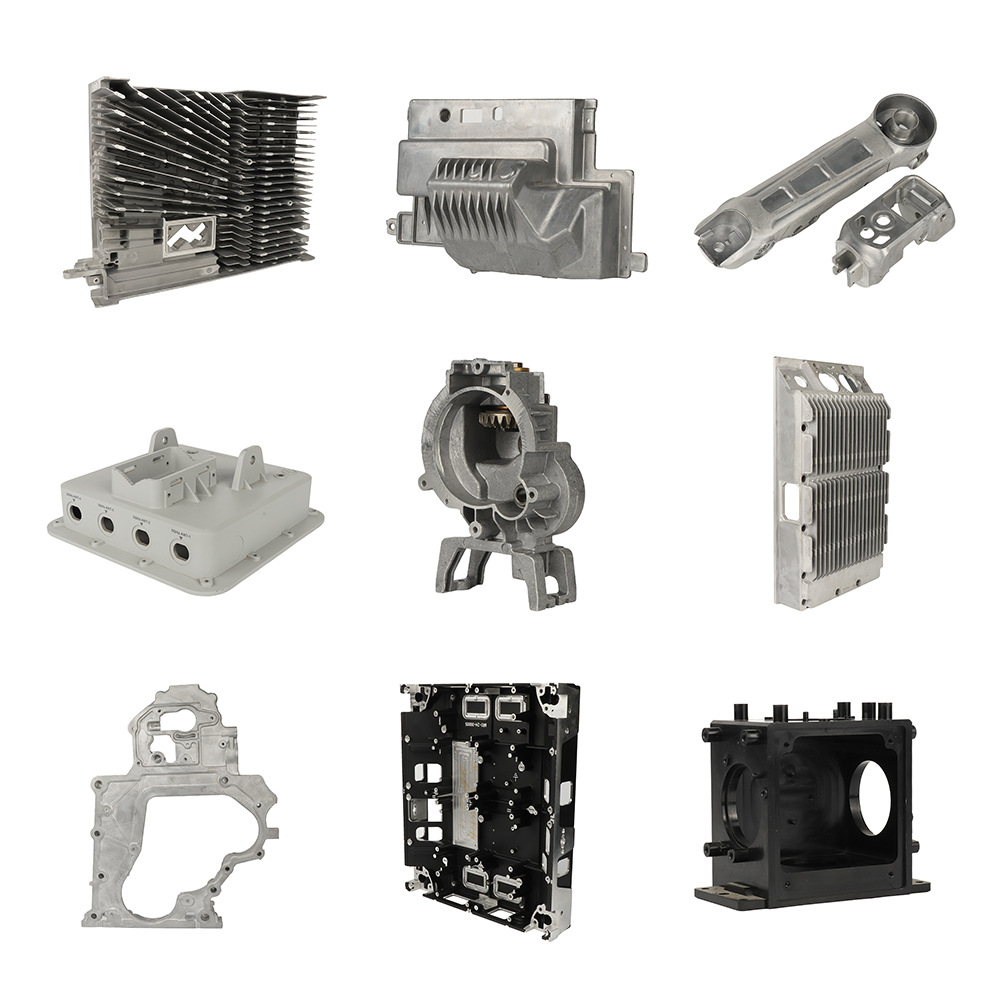
Zinc alloy die casting | What is zinc alloy die casting? A Complete Guide
What is Zinc Alloy Die Casting? A Complete Guide
Table of Contents
- 1. Introduction to Zinc Alloy Die Casting
- 2. What Exactly is Zinc Alloy Die Casting?
- 3. The Zinc Alloy Die Casting Process
- 4. Advantages of Zinc Alloy Die Casting (Highlighted Benefits)
- 5. Disadvantages of Zinc Alloy Die Casting
- 6. Zinc Alloy Die Casting vs. Other Die Casting Methods
- 7. Expert Opinions on Zinc Alloy Die Casting
- 8. Common FAQs About Zinc Alloy Die Casting
- 9. Conclusion
1. Introduction to Zinc Alloy Die Casting
In the world of manufacturing, precision, efficiency, and durability are the cornerstones of successful production. When it comes to creating complex, high-quality metal components, zinc alloy die casting stands out as a reliable and cost-effective solution. Used across industries from automotive to electronics, this process has become a go-to choice for manufacturers seeking consistent results and versatile applications. But what exactly is zinc alloy die casting, and why is it so widely adopted? This guide breaks down everything you need to know—from its core definition to its key benefits, comparisons, and expert insights.
2. What Exactly is Zinc Alloy Die Casting?
Zinc alloy die casting is a metal casting process that involves forcing molten zinc alloy under high pressure into a precision-machined steel mold (known as a die) to produce complex, net-shaped components. The zinc alloy—typically a blend of zinc with small amounts of aluminum, magnesium, and copper (such as Zamak 3, Zamak 5, or ZA8)—offers unique properties that make it ideal for die casting, including low melting point, excellent fluidity, and good mechanical strength.
Unlike other casting methods, zinc alloy die casting leverages the hot chamber die casting process, which allows for faster cycle times and higher production efficiency. This is because zinc’s low melting point (around 385℃) means it can be melted and injected into the die quickly, without the need for separate melting furnaces used in cold-chamber processes for metals like aluminum.

3. The Zinc Alloy Die Casting Process
The zinc alloy die casting process follows a straightforward, repeatable sequence that ensures consistency and precision. Here’s a step-by-step breakdown:
3.1 Die Preparation
First, the steel die (composed of two halves: the fixed die and the movable die) is cleaned and lubricated. Lubrication prevents the molten zinc from sticking to the die and ensures smooth ejection of the finished part after cooling. The die is then clamped tightly together to withstand the high pressure of the molten metal injection.
3.2 Melting the Zinc Alloy
Zinc alloy ingots are melted in a furnace at a temperature between 400–450℃—significantly lower than the melting points of aluminum (≈700℃) or copper. This low melting point reduces energy consumption and minimizes wear on the die.
3.3 Injection and Pressurization
Using a hot chamber die casting machine, the molten zinc alloy is injected into the die cavity at high pressure (typically 2,000 psi). The high pressure ensures the molten metal fills every detail of the die, including complex geometries and thin walls (as thin as <1 mm).
3.4 Cooling and Ejection
The molten zinc cools and solidifies quickly inside the die (usually within seconds, thanks to the die’s cooling system). Once solidified, the die is opened, and the finished component is ejected. Any excess material (called flash) is trimmed off, and the part is ready for post-processing (e.g., plating, painting) if needed.
4. Advantages of Zinc Alloy Die Casting (Highlighted Benefits)
Zinc alloy die casting offers numerous advantages that make it superior to other casting methods for many applications. These benefits are why it’s the preferred choice for small to medium-sized, precision components:
4.1 Excellent Precision and Dimensional Consistency
Zinc alloy die casting produces parts with tight dimensional tolerances (±0.001–0.002 inches) and a smooth surface finish (by casting standards). This eliminates the need for extensive post-machining, reducing production time and costs. The process can easily replicate complex shapes, including intricate details and small cored holes, that are difficult to achieve with other methods.
4.2 Fast Production Cycle Times
Thanks to the hot chamber process, zinc alloy die casting has much faster cycle times than cold-chamber die casting (used for aluminum or magnesium). A single cycle can take as little as 10–30 seconds, making it ideal for high-volume production runs. This efficiency translates to lower per-unit costs for large batches.
4.3 Superior Mechanical Properties
Zinc alloys offer excellent ductility, impact strength, and wear resistance at room temperature. They also have good pressure tightness, making them ideal for fluid-handling components (e.g., valves, pumps) that require no leakage. Unlike aluminum, zinc alloys are non-sparking, making them safe for use in explosive environments like coal mines or petrochemical plants.
4.4 Long Die Life
The low melting point of zinc alloy reduces thermal stress on the steel die, extending its lifespan to 5–10 times longer than dies used for aluminum die casting. This reduces tooling costs over time, as manufacturers don’t need to replace dies as frequently.
4.5 Versatile Surface Finishing Options
Zinc alloy parts can be easily finished with a variety of treatments, including electroplating, spraying, painting, and oxidation. The smooth surface of die-cast zinc ensures these finishes adhere well, enhancing the part’s appearance and corrosion resistance. No iron absorption during melting also means no sticky mold or corrosion of the die, further improving finish quality.
4.6 Cost-Effective for Small to Medium Parts
While zinc alloy material costs are slightly higher than aluminum per unit volume, the faster cycle times, longer die life, and minimal post-processing make zinc alloy die casting more cost-effective for small to medium-sized components. For many applications, the total production cost is lower than aluminum die casting, especially when precision and finish are critical.
5. Disadvantages of Zinc Alloy Die Casting
While zinc alloy die casting has significant benefits, it’s not suitable for every application. Here are its key limitations:
- Higher Density: Zinc alloy is denser than aluminum, so parts are heavier. This makes it unsuitable for applications where weight reduction is a priority (e.g., aerospace components or lightweight automotive parts).
- Aging Phenomenon: Zinc alloys are prone to aging, where the volume increases and strength decreases over time. This can lead to deformation or even shattering of parts if exposed to harsh conditions for extended periods. Impurities like lead, cadmium, or tin can accelerate this process.
- Size Limitations: Zinc alloy die casting is not ideal for large parts. As part size increases, mechanical performance degrades, and production becomes less efficient. Most zinc die-cast parts are small to medium-sized (under 10 kg).
- Shrinkage Porosity: High-pressure injection can trap air in the molten zinc, leading to shrinkage porosity. This defect becomes more visible after surface treatment and can affect the part’s structural integrity if not controlled.
- Limited High-Temperature Performance: Zinc alloys lose tensile strength at high temperatures (above 100℃) and impact strength at low temperatures (below 0℃), making them unsuitable for extreme temperature environments.
6. Zinc Alloy Die Casting vs. Other Die Casting Methods
To better understand the value of zinc alloy die casting, let’s compare it to the two most common alternatives: aluminum die casting and magnesium die casting.
6.1 Zinc Alloy Die Casting vs. Aluminum Die Casting
| Feature | Zinc Alloy Die Casting | Aluminum Die Casting |
|---|---|---|
| Melting Point | 380–420℃ (low, energy-efficient) | ≈700℃ (high, more energy needed) |
| Casting Process | Hot chamber (fast cycle times) | Cold chamber (slower cycle times) |
| Dimensional Precision | Higher (±0.001–0.002 inches) | Good (±0.003–0.004 inches) |
| Die Life | 5–10 times longer | Shorter (higher thermal stress) |
| Weight | Heavier (denser) | Lighter (ideal for weight-sensitive parts) |
| Surface Finish | Smoother, minimal post-processing | May require grinding/polishing |
| Cost (Small Parts) | Lower (faster cycles, longer die life) | Higher (slower cycles, more post-processing) |
6.2 Zinc Alloy Die Casting vs. Magnesium Die Casting
Magnesium die casting is known for its lightweight properties, but it’s more expensive than zinc and has lower impact strength. Zinc alloy die casting offers better ductility, easier surface finishing, and lower production costs, making it a better choice for most small to medium precision parts. Magnesium is preferred only when extreme weight reduction is critical (e.g., high-end automotive or aerospace components).
7. Expert Opinions on Zinc Alloy Die Casting
Industry experts recognize zinc alloy die casting as a versatile and efficient manufacturing process, especially for precision components. Here’s what leading professionals have to say:
7.1 Expert Quote 1: Material Science Specialist
“Zinc alloy die casting’s unique combination of low melting point, excellent fluidity, and dimensional precision makes it unmatched for small, complex parts. The hot chamber process allows for rapid production without sacrificing quality, and the long die life significantly reduces tooling costs over time. For applications where precision and cost-efficiency are key, zinc is the optimal choice.” — Dr. Sarah Chen, Materials Engineer at Sanon Casting, a leading zinc die casting manufacturer.
7.2 Expert Quote 2: Manufacturing Process Consultant
“Many manufacturers overlook the advantages of zinc alloy die casting when comparing it to aluminum. While aluminum is lighter, zinc offers superior precision, faster cycle times, and better pressure tightness—critical for fluid-handling components. The non-sparking property of zinc also makes it a safety essential in hazardous environments, which is often a deciding factor for industries like petrochemicals and mining.” — John Williams, Senior Manufacturing Consultant at Neway Precision.
7.3 Expert Quote 3: Die Casting Industry Analyst
“The aging phenomenon of zinc alloys is often overstated. With proper alloy composition control (limiting impurities like lead and cadmium) and quality manufacturing practices, zinc die-cast parts can have a long service life. The cost savings from minimal post-processing and long die life far outweigh the minor limitations, making zinc alloy die casting a smart investment for high-volume production.” — Emily Rodriguez, Industry Analyst at Zinc Die Casting Association.
8. Common FAQs About Zinc Alloy Die Casting
Here are answers to the most frequently asked questions about zinc alloy die casting, based on industry trends and manufacturer inquiries:
Q1: What are the most common zinc alloys used in die casting?
The most popular zinc alloys for die casting are Zamak 3, Zamak 5, and ZA8. Zamak 3 is ideal for parts requiring good fluidity and mechanical properties (e.g., toys, lamps). Zamak 5 offers higher strength and is used for automotive and mechanical parts. ZA8 has excellent dimensional stability and is used for high-precision electrical components.
Q2: Can zinc alloy die cast parts be recycled?
Yes! Zinc alloy is highly recyclable, with a recycling rate of over 90%. Scrap zinc die cast parts can be melted down and reused without losing their properties, making the process environmentally friendly and cost-effective. Most manufacturers use a mix of new alloy ingots and recycled scrap (typically 30% recycled, 70% new) to reduce waste.
Q3: Is zinc alloy die casting suitable for outdoor applications?
Yes, but it requires proper surface treatment. Zinc alloy itself has moderate corrosion resistance, but electroplating (e.g., chrome, nickel) or painting can significantly enhance its durability in outdoor environments. Without treatment, zinc may develop a thin oxide layer (patina) over time, but this does not affect its structural integrity.
Q4: How thick can zinc alloy die cast parts be?
Zinc alloy die casting excels at thin-walled parts (as thin as 0.3 mm), but it can also produce parts with wall thicknesses up to 10 mm. However, thicker parts may be prone to shrinkage porosity, so it’s best to design parts with uniform wall thickness to ensure quality.
Q5: How does zinc alloy die casting compare to plastic injection molding?
Zinc alloy die cast parts are stronger, more durable, and more heat-resistant than plastic parts. While plastic injection molding may be cheaper for very high-volume, non-structural parts, zinc offers better dimensional stability and longevity. For parts requiring strength, precision, or resistance to wear, zinc alloy die casting is superior.
9. Conclusion
Zinc alloy die casting is a versatile, efficient, and cost-effective manufacturing process that excels at producing precision, complex metal components. Its unique benefits—including high precision, fast cycle times, long die life, and versatile surface finishing—make it the preferred choice for industries ranging from automotive to electronics, especially for small to medium-sized parts. While it has limitations (e.g., weight, size restrictions), its advantages far outweigh these for most applications.
As experts note, proper alloy control and manufacturing practices can mitigate its minor drawbacks, making zinc alloy die casting a reliable investment for high-volume production. Whether you’re looking to produce small electrical components, automotive parts, or consumer goods, zinc alloy die casting offers the precision, durability, and efficiency you need to stay competitive in today’s manufacturing landscape.
What is aluminum die casting | A Complete Guide to Its Process, Benefits & Applications
Aluminium high pressure die casting | What is aluminum high pressure die casting? A Complete Guide to Its Benefits & Uses
Related Article


