
HOT PRODUCTS
Aluminium die casting | What parts use aluminium die casting? Exploring CNC Aluminium Die Casting & Its Wide Applications
What Parts Use Aluminium Die Casting? Exploring CNC Aluminium Die Casting & Its Wide Applications
Table of Contents
- Introduction: Aluminium Die Casting & the Role of CNC Aluminium Die Casting
- Key Basics: ADC12 Aluminium Material & General Aluminium Die Casting Parameters
- What Parts Use Aluminium Die Casting? (By Industry & Application)
- Core Focus & Functions of CNC Aluminium Die Casting Process
- Unmatched Benefits of CNC Aluminium Die Casting
- Expert Insights: The Value of CNC Aluminium Die Casting in Modern Manufacturing
- Frequently Asked Questions (FAQs) About Aluminium Die Casting
- Conclusion: Industry Trends & How to Choose a Qualified Hardware Supplier
- Xinghang Precision Hardware: Your Trusted CNC Aluminium Die Casting Partner (Bulk Discounts Available)
Introduction: Aluminium Die Casting & the Role of CNC Aluminium Die Casting
Aluminium die casting is a versatile, high-efficiency manufacturing process that shapes molten aluminium into precise, complex parts using reusable molds (dies). In today’s manufacturing landscape, CNC aluminium die casting takes this process to the next level—combining the speed and cost-effectiveness of die casting with the ultra-precision of CNC (Computer Numerical Control) machining. This synergy makes it the preferred choice for producing high-quality, consistent parts across countless industries.
This blog answers the core question: What parts use aluminium die casting? We’ll dive into the key material (ADC12 aluminium), process parameters, core functions, benefits, expert perspectives, and guide you in choosing a reliable supplier—with exclusive bulk discounts for clients of Xinghang Precision Hardware.
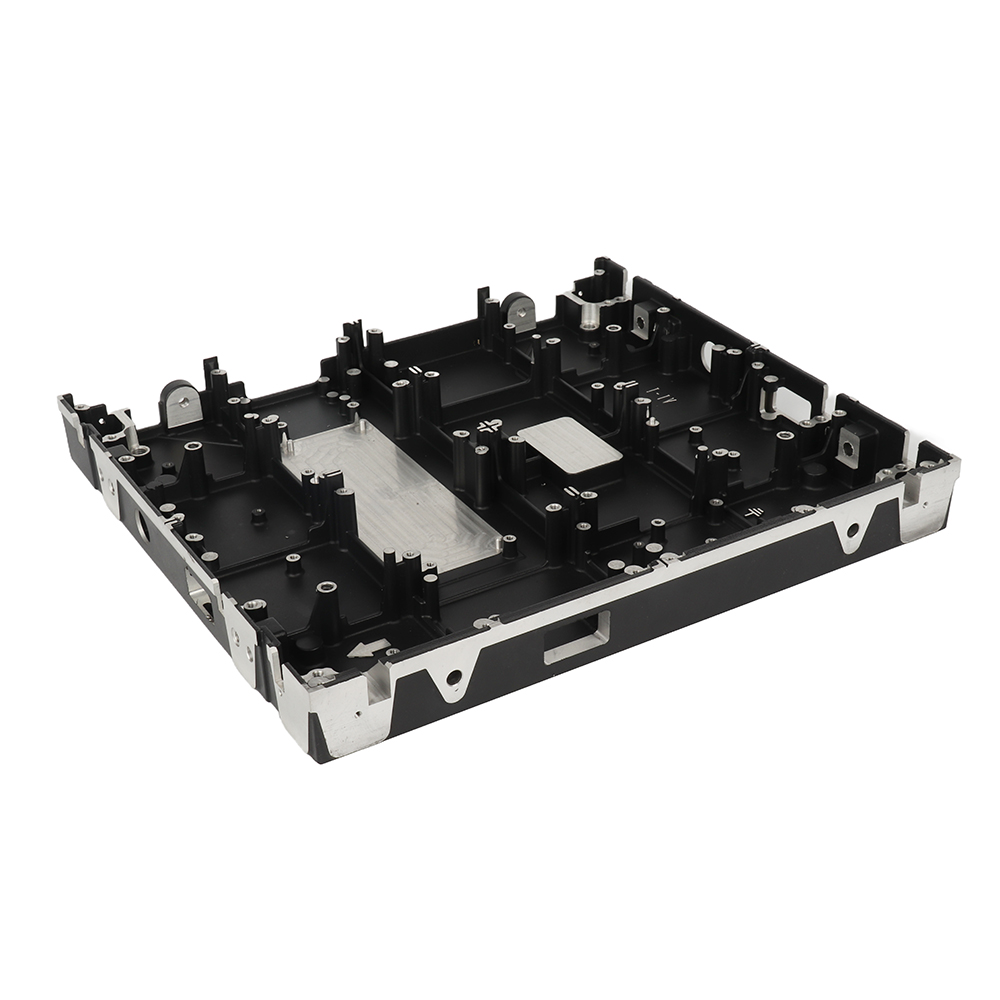
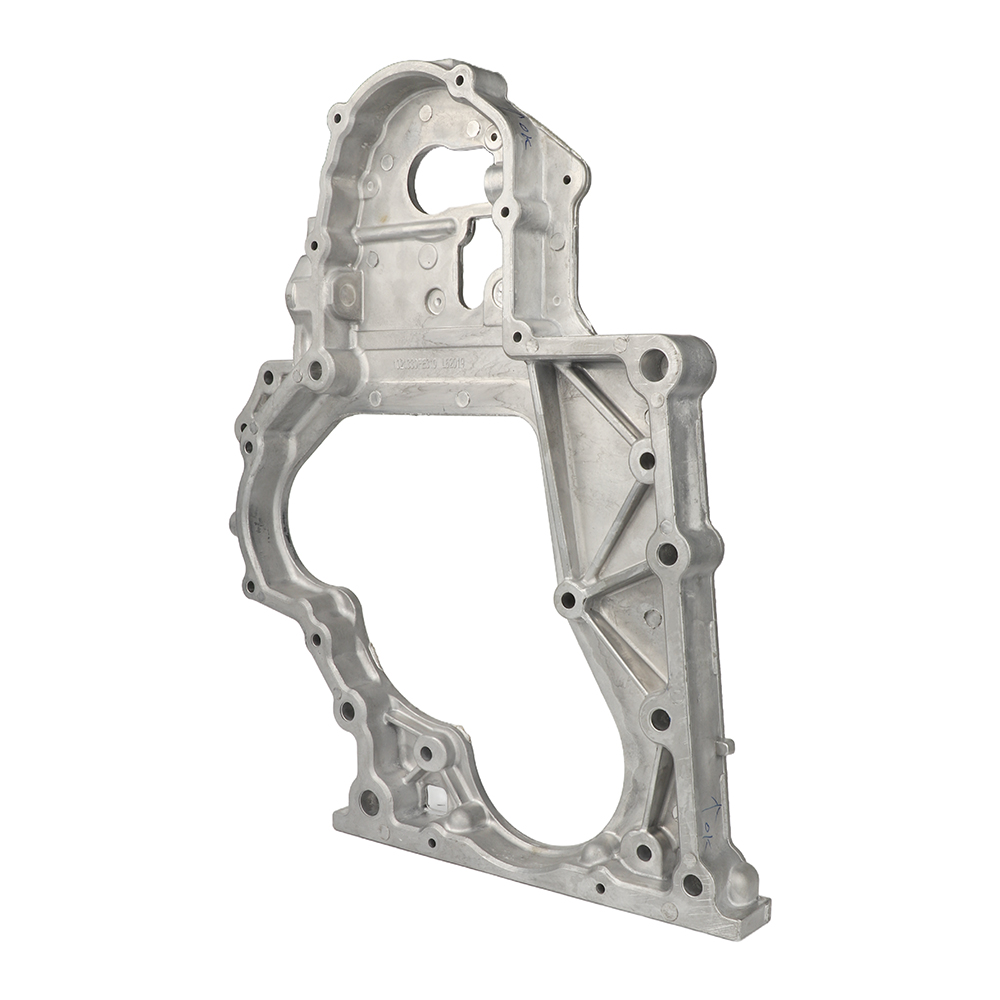
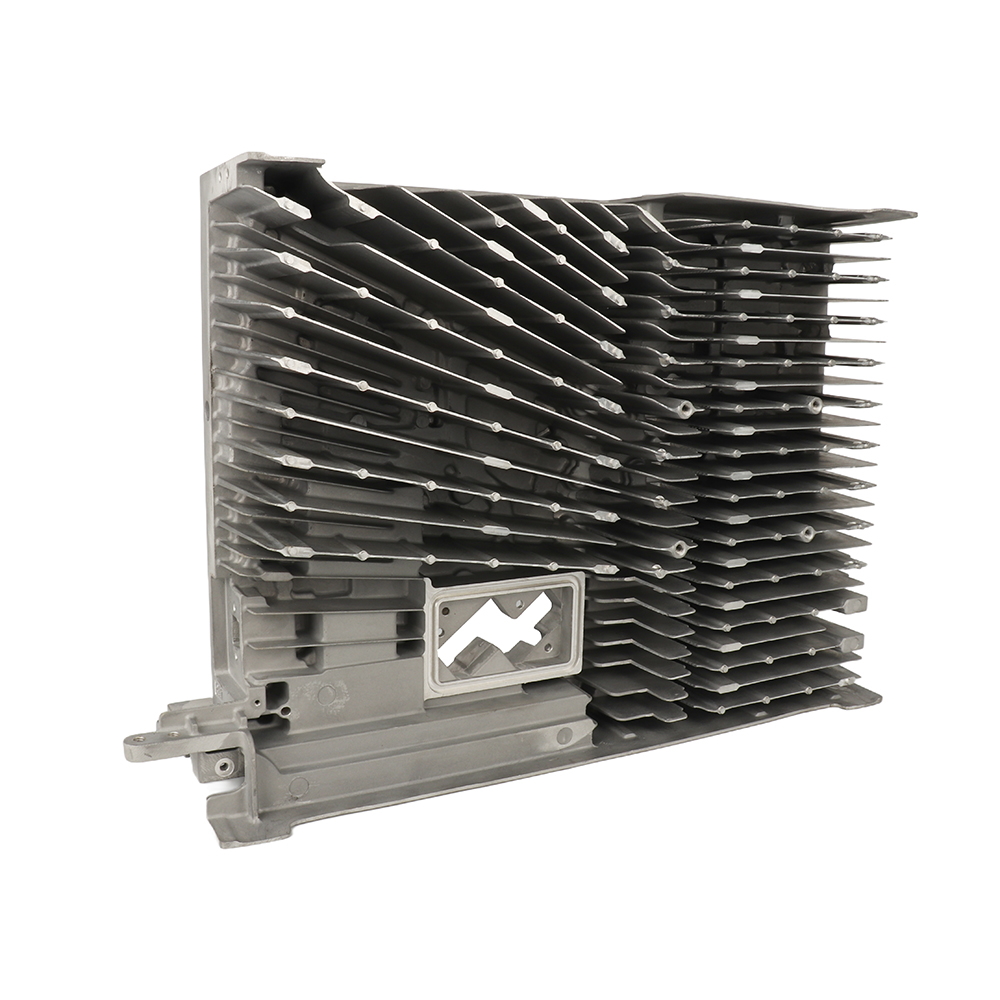
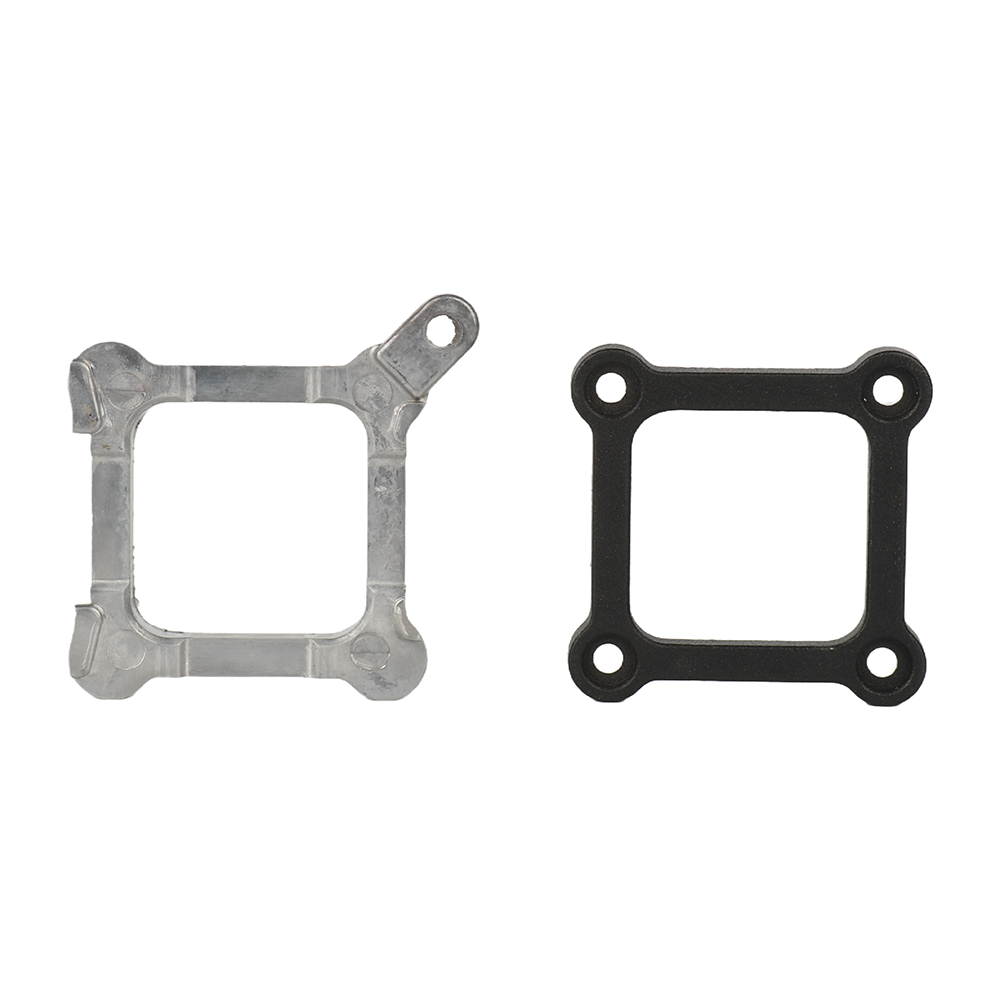
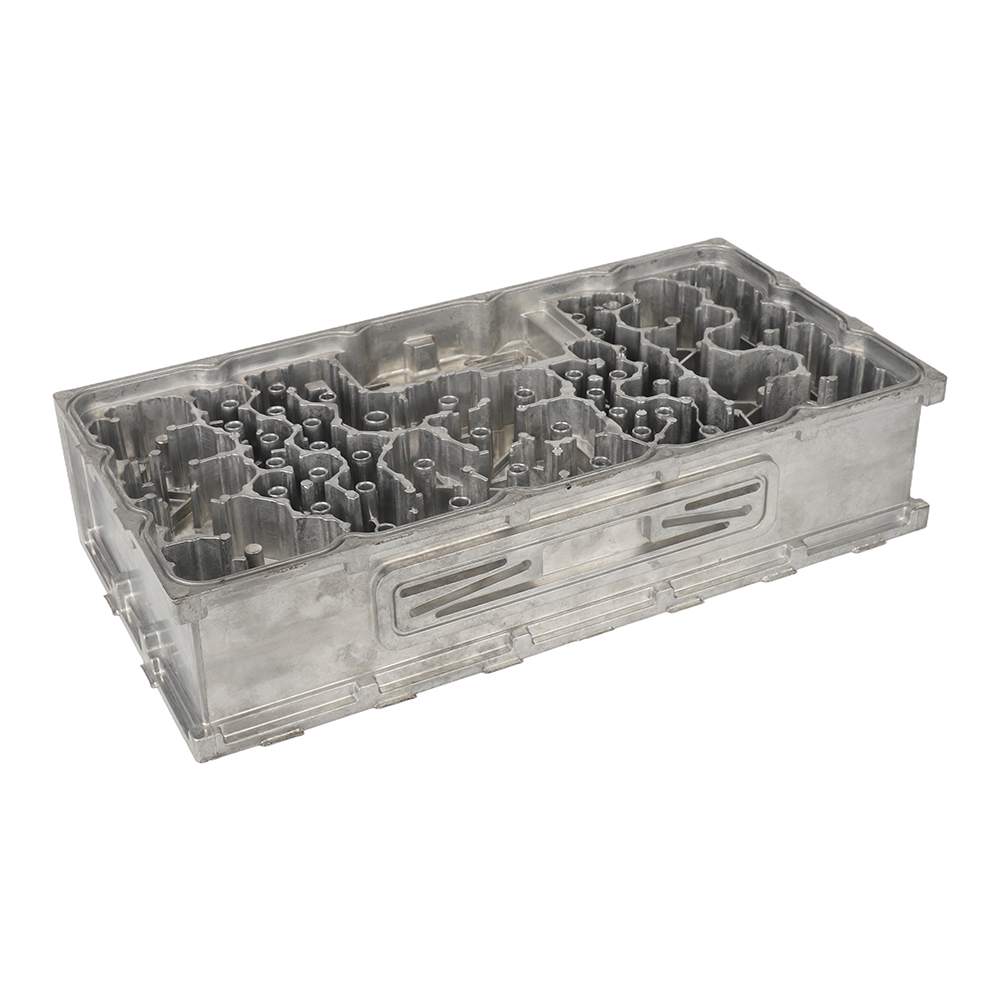
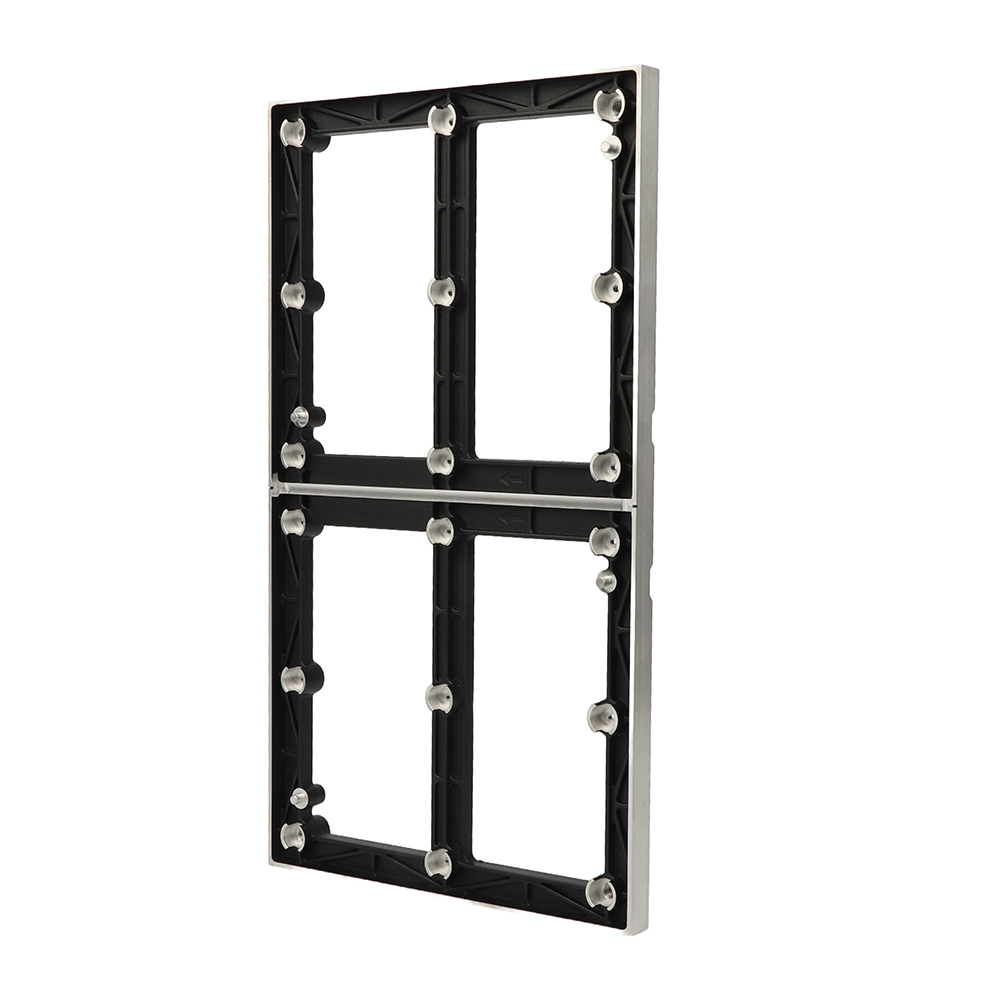
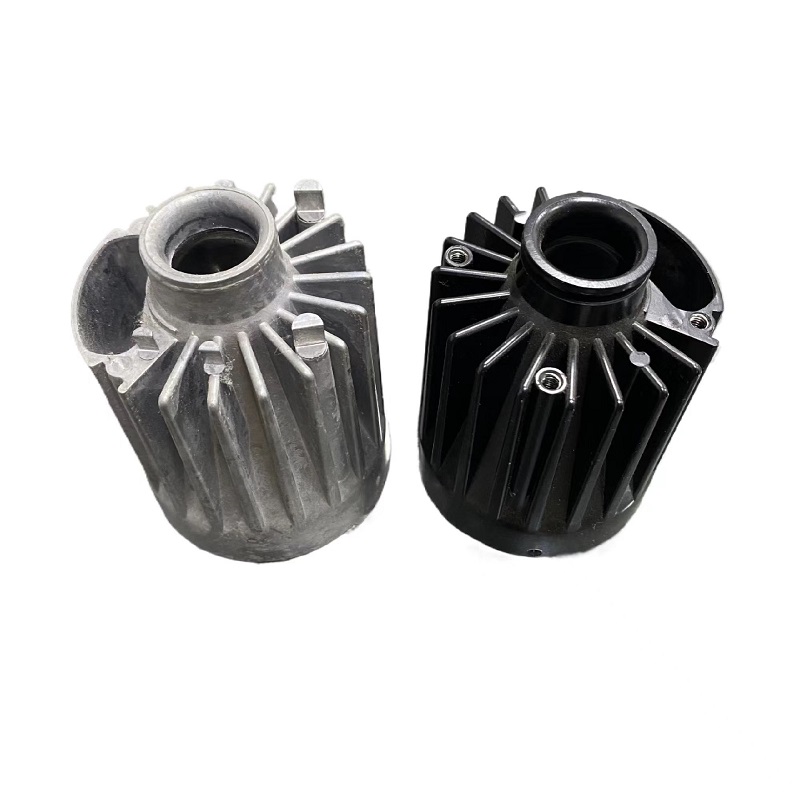
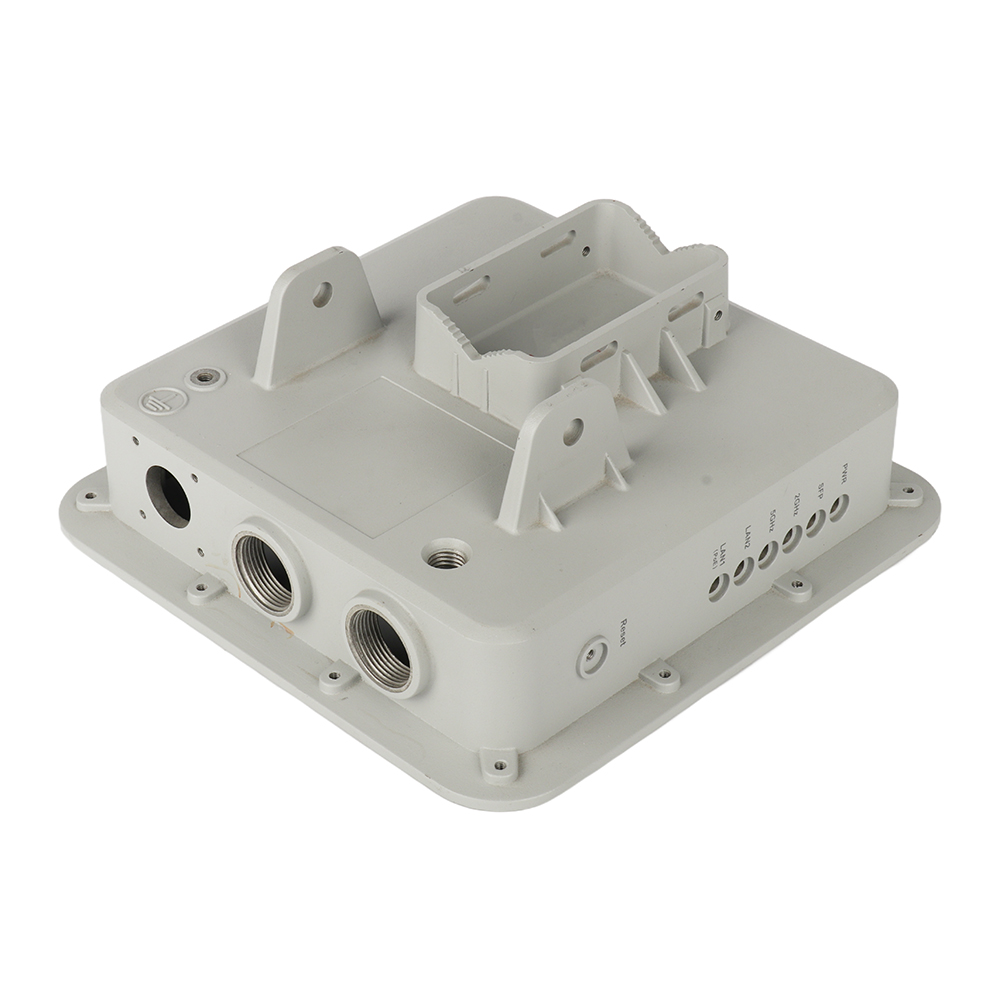
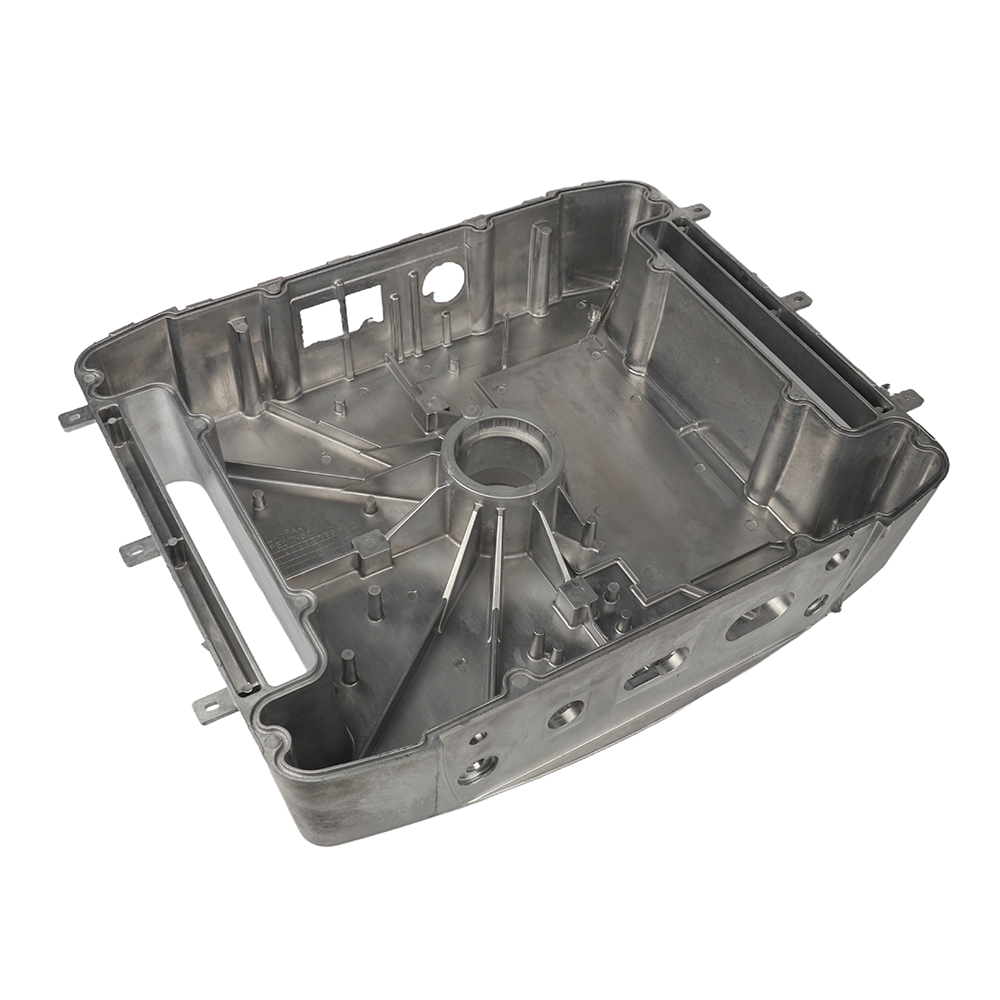
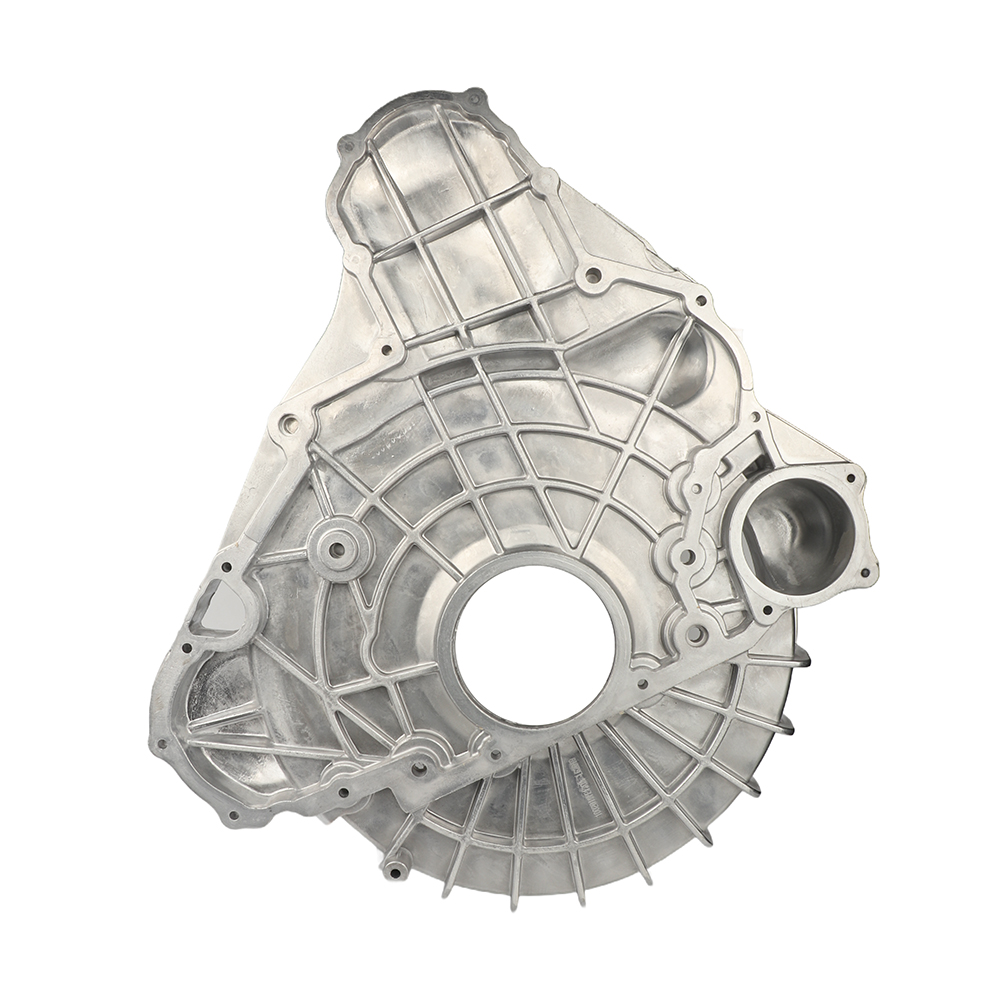
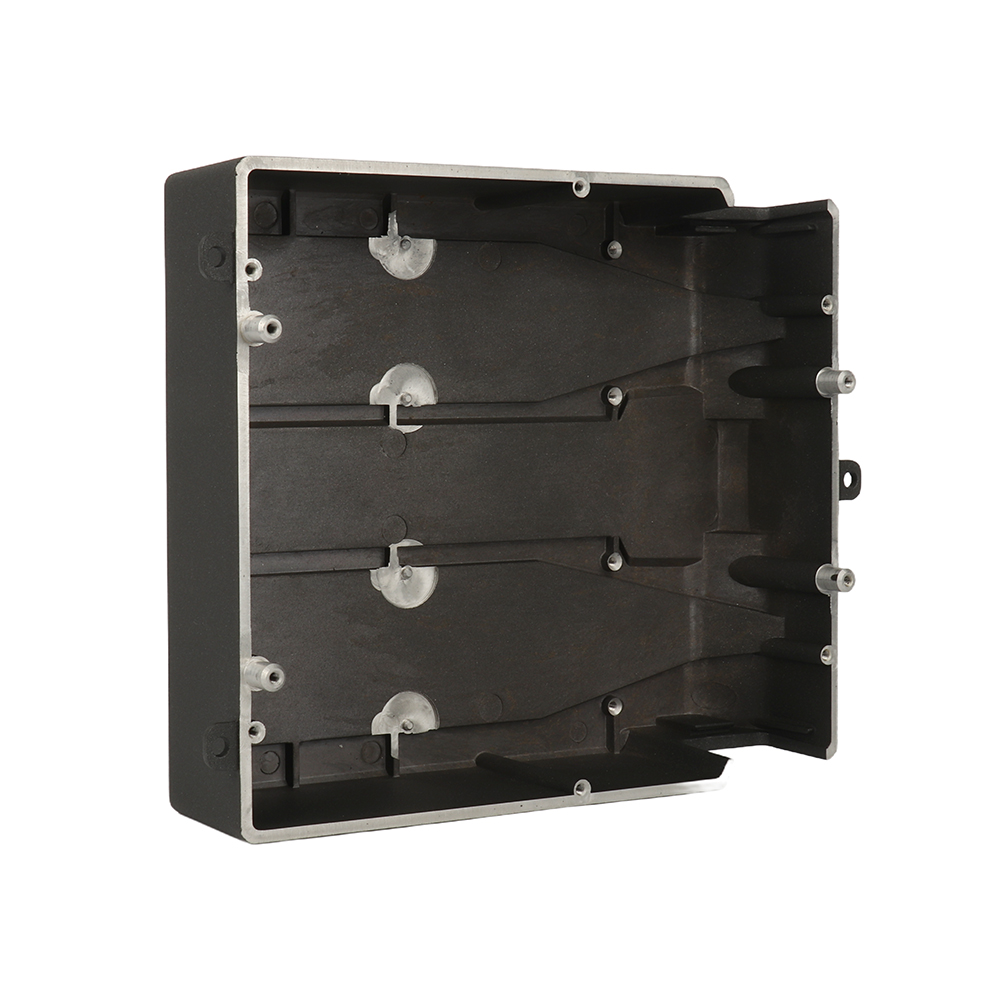
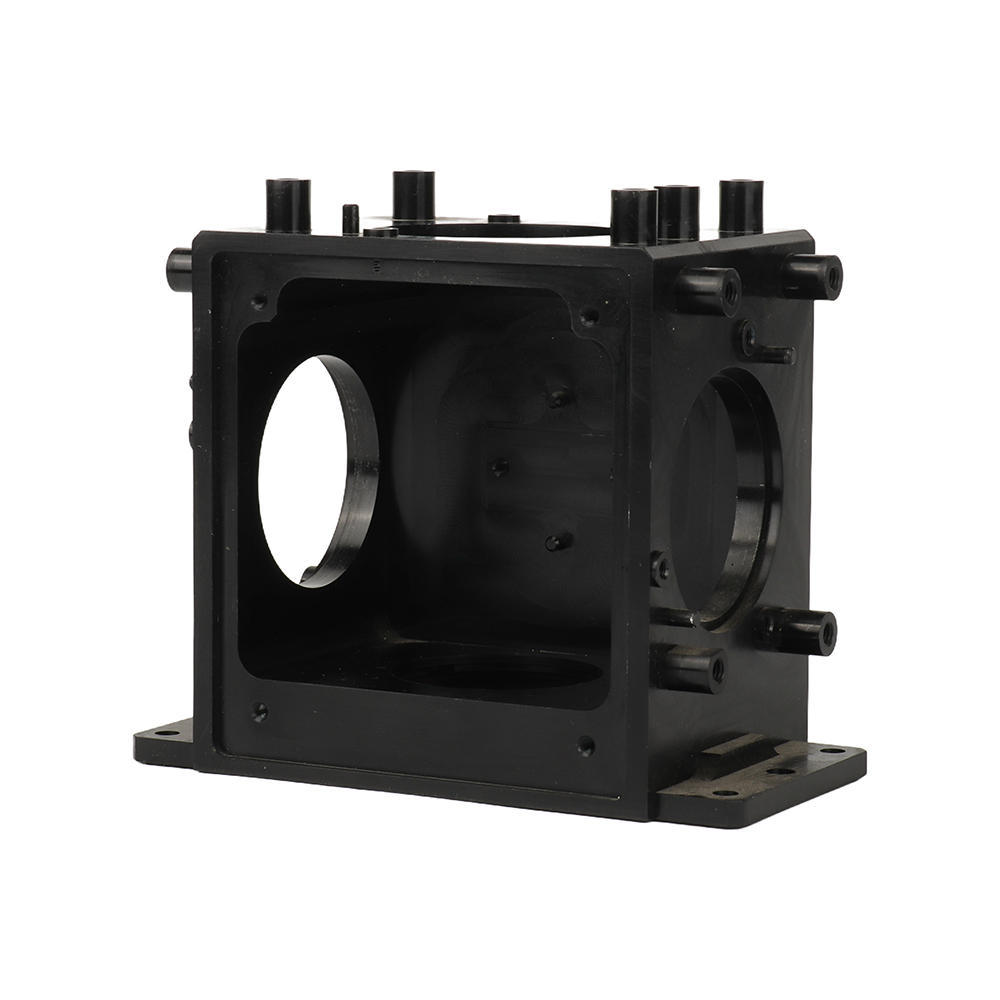
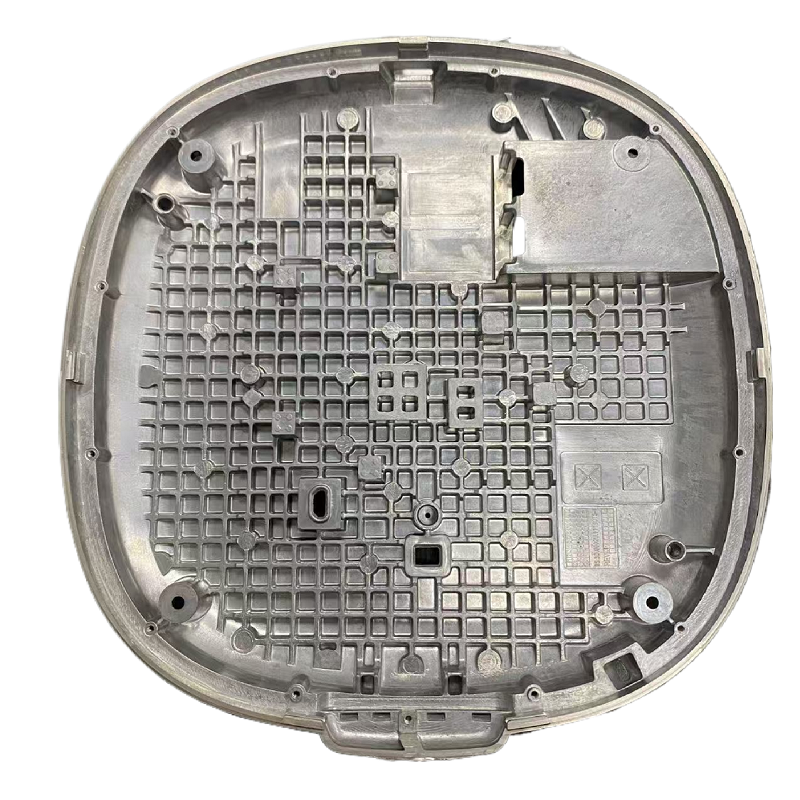
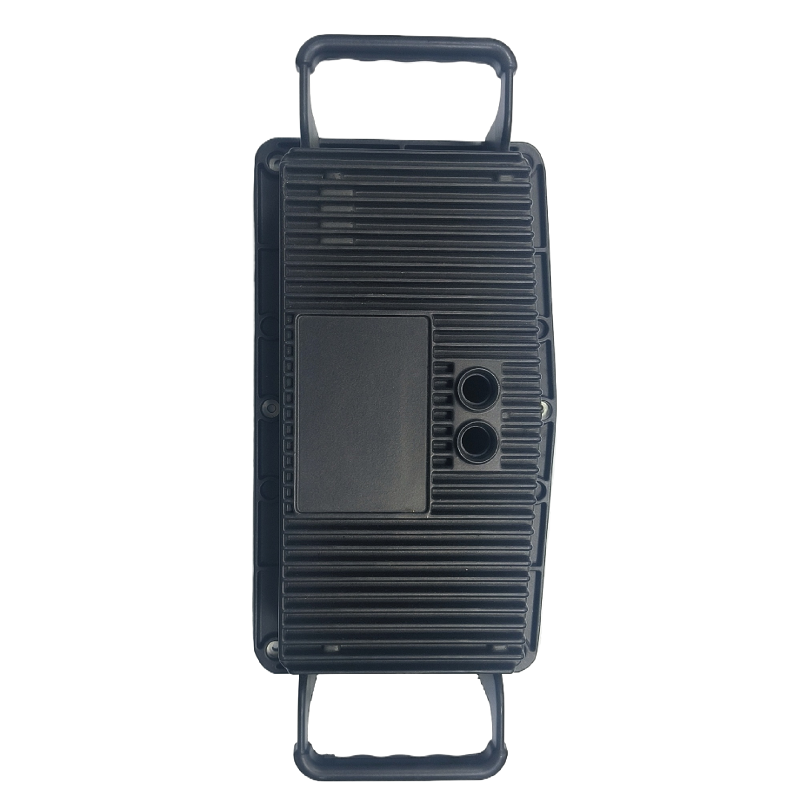
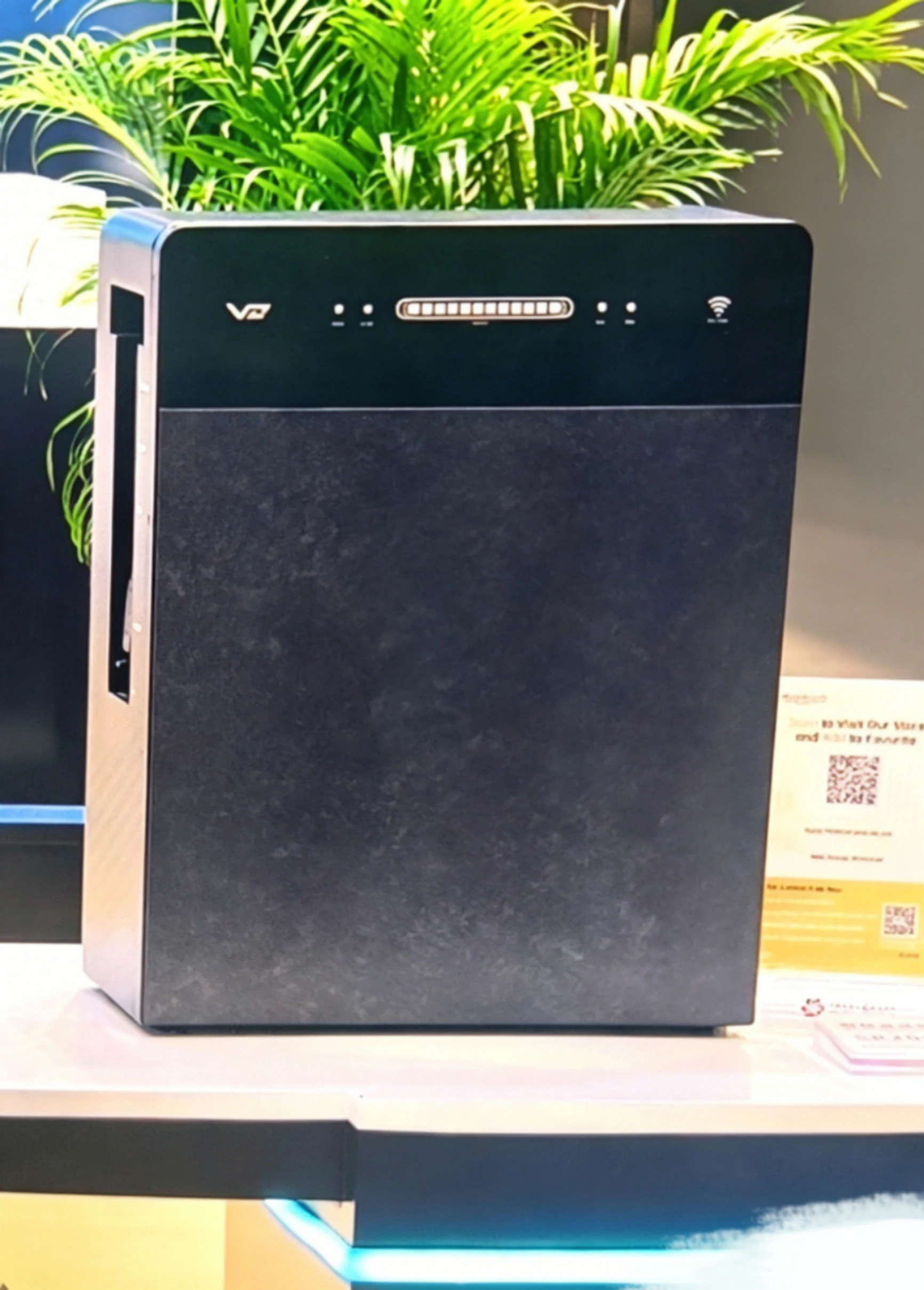
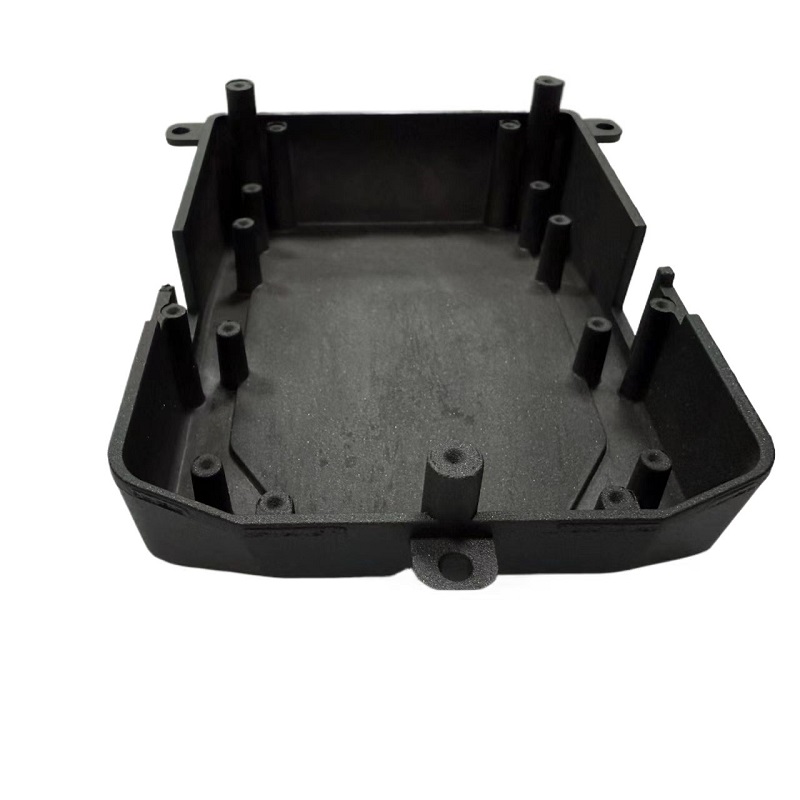
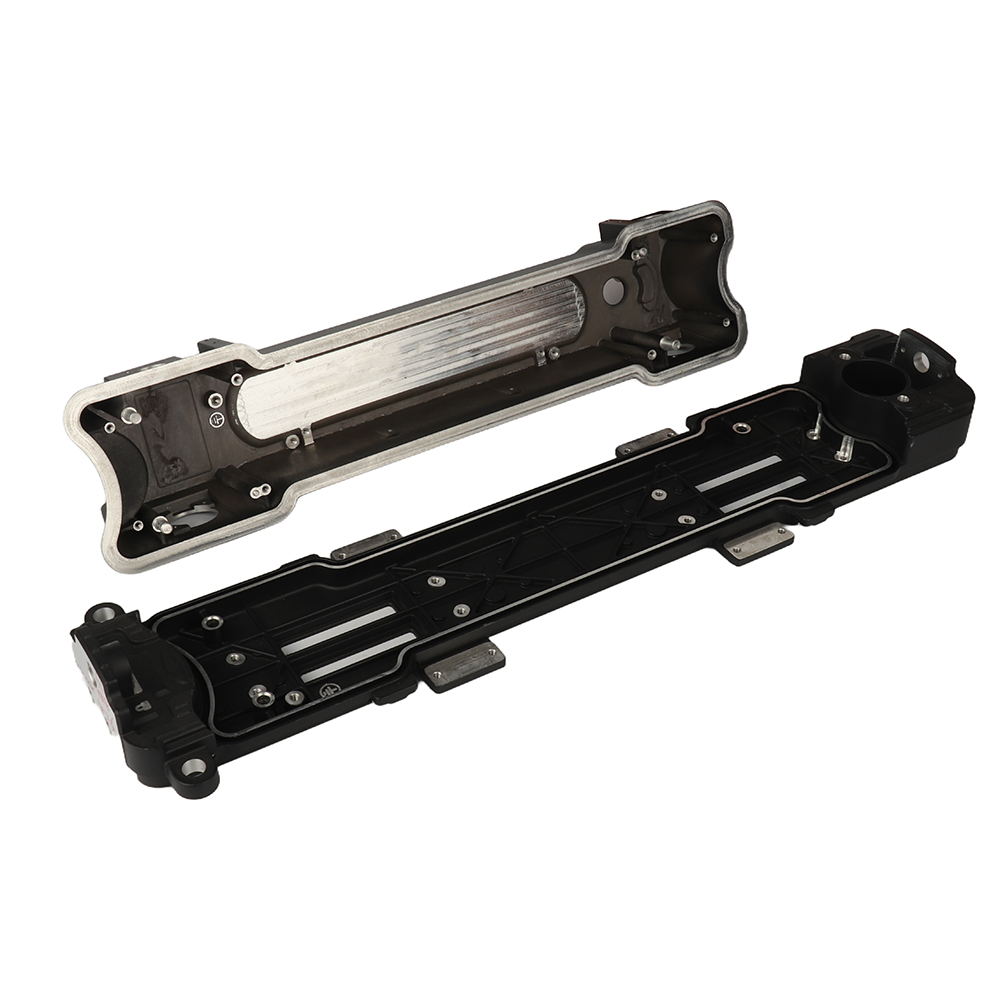
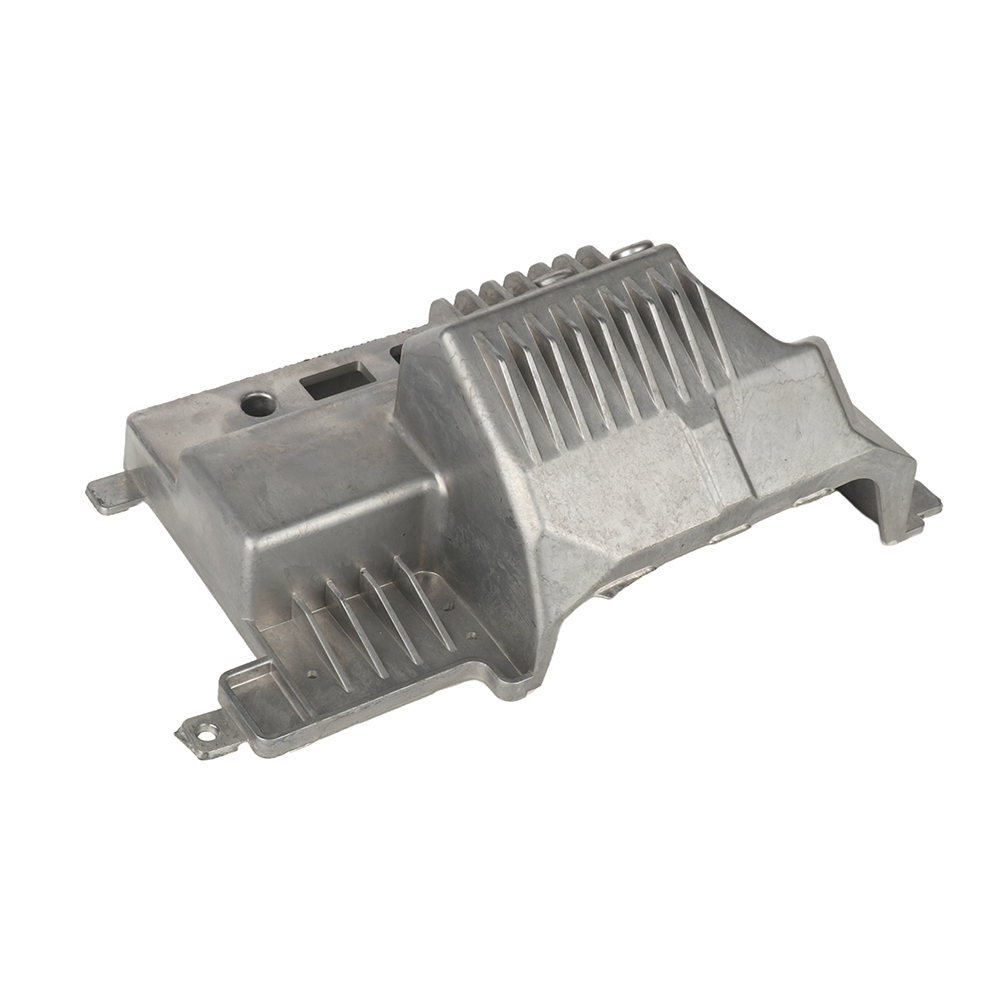
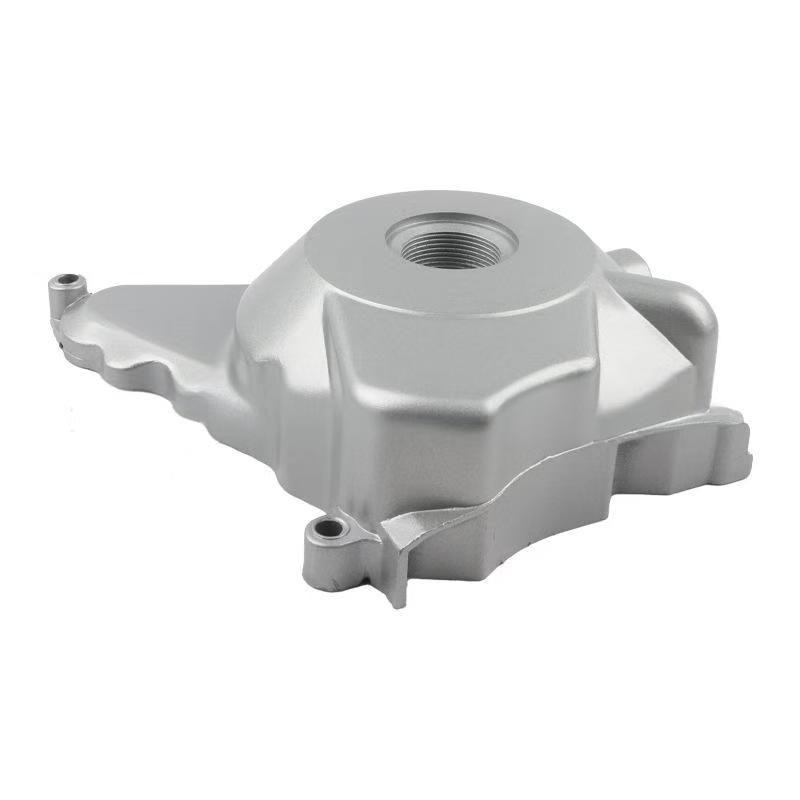
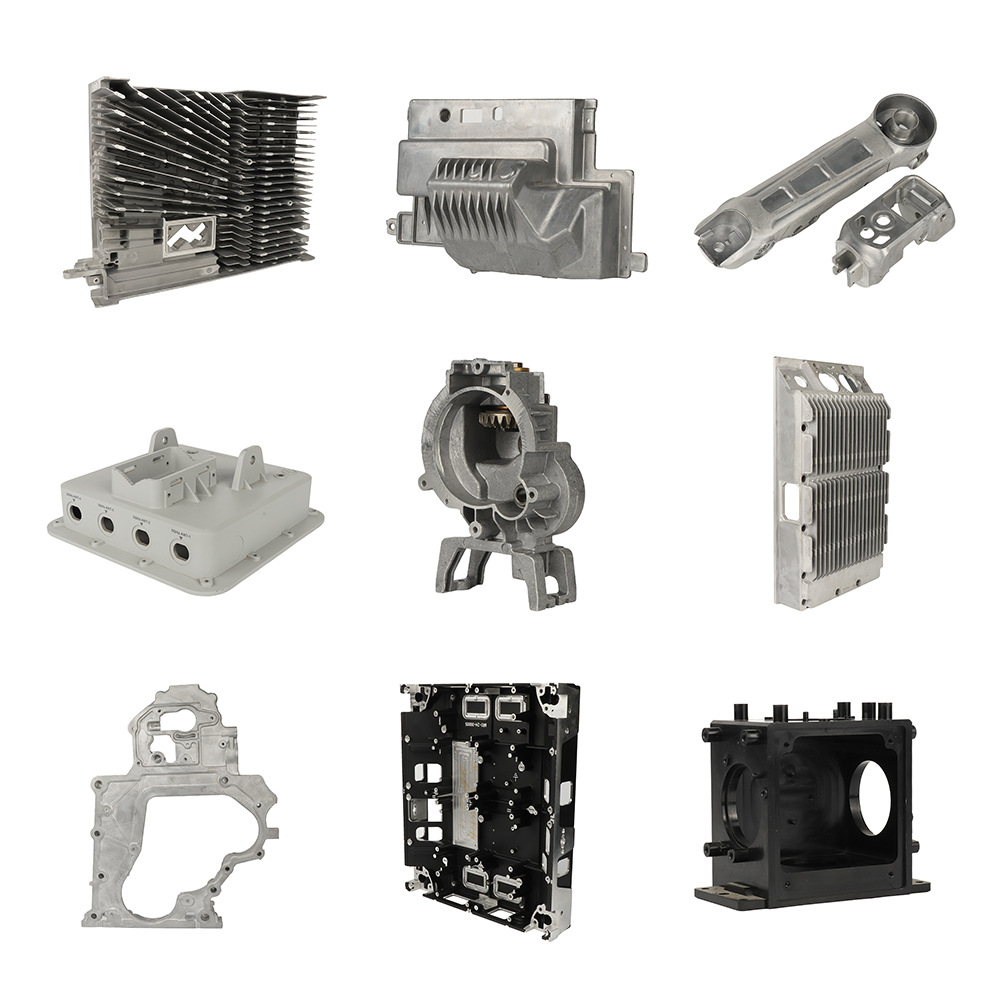
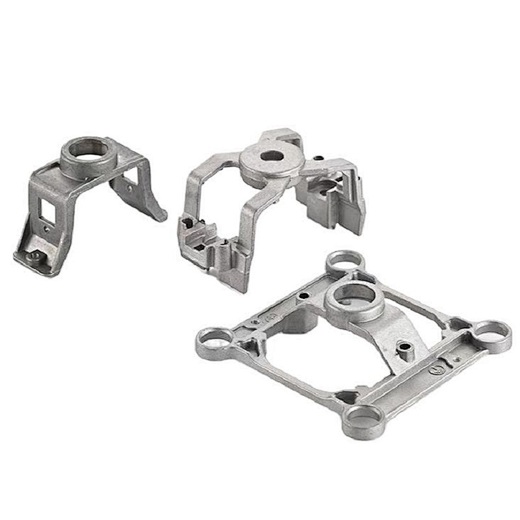
Below is a generic image of aluminium die casting parts:
Key Basics: ADC12 Aluminium Material & General Aluminium Die Casting Parameters
ADC12 Aluminium: The Preferred Material for Die Casting
When it comes to aluminium die casting, ADC12 aluminium is the most widely used alloy—trusted for its excellent castability, machinability, and cost-effectiveness. ADC12 is a die-cast aluminium alloy with a stable chemical composition: Aluminum (Al) ≥ 85%, Silicon (Si) 9.6-12.0%, Copper (Cu) 1.5-3.5%, and small amounts of other elements. Its key properties make it ideal for CNC aluminium die casting: high fluidity (ensuring complex part shapes), good mechanical strength, and compatibility with post-processing like CNC machining, anodizing, and powder coating.
General Aluminium Die Casting Parameters (Including CNC Precision)
The following parameters highlight the precision and versatility of aluminium die casting, especially when combined with CNC machining (optimized for ADC12 material):
| Parameter Category | General Aluminium Die Casting Parameters | CNC Aluminium Die Casting (ADC12) Parameters |
| Dimensional Tolerance | ±0.02-0.08mm | ±0.01-0.03mm (optimized by CNC machining) |
| Surface Roughness | Ra ≤ 1.6-3.2μm | Ra ≤ 0.8-1.6μm (smooth surface after CNC finishing) |
| Casting Temperature | 650-720°C (varies by alloy) | 680-700°C (optimized for ADC12 fluidity) |
| Part Thickness | 0.8-50mm | 0.5-30mm (ideal for CNC precision parts) |
| Production Rate | 100-1000 pieces/day (varies by part size) | 150-1200 pieces/day (CNC integration improves efficiency) |
| Surface Treatment | Anodizing, powder coating, electroplating | Anodizing (preferred for ADC12), CNC polishing |
What Parts Use Aluminium Die Casting? (By Industry & Application)
Aluminium die casting—especiallyCNC aluminium die casting—is used to produce parts across a wide range of industries, thanks to its precision, durability, and cost-effectiveness. Below are the most common applications, with examples of parts that rely on this process:
1. Industrial Equipment Parts
Industrial equipment demands robust, precise parts that can withstand harsh environments. CNC aluminium die casting is ideal for:
- Telecom Equipment Enclosures: Protective shells for base stations, routers, and communication modules (often made from ADC12 for EMI shielding).
- Industrial Gear Housings: Enclosures for gears and transmission components, leveraging ADC12’s strength and CNC precision.
- Sensor Housings: Small, precise enclosures for industrial sensors, requiring tight tolerances achievable via CNC die casting.
2. Automotive Industry Parts
The automotive industry is a major user of aluminium die casting, as it reduces vehicle weight while maintaining strength. Common parts include:
- Engine Components: Cylinder heads, valve covers, and oil pans (ADC12’s heat resistance makes it ideal for engine environments).
- Transmission Housings: Lightweight, durable housings for transmission systems, optimized via CNC machining for perfect fit.
- Interior & Exterior Parts: Door handles, dashboard brackets, and mirror housings—benefiting from CNC die casting’s precision and finish.
3. Electronics & Consumer Goods Parts
Electronics require small, precise, and lightweight parts—making CNC aluminium die casting a top choice:
- Heat Sinks: For computers, LEDs, and power supplies (ADC12’s thermal conductivity ensures efficient heat dissipation).
- Device Enclosures: Housings for industrial controllers, power tools, and audio equipment.
- Connector Housings: Precise, durable connectors for electronic devices, requiring tight tolerances from CNC machining.
4. Aerospace & Defense Parts
Aerospace and defense demand high-precision, lightweight parts—CNC aluminium die casting delivers on both:
- Aircraft Components: Brackets, housings for avionics, and structural parts (ADC12’s strength-to-weight ratio is critical).
- Defense Equipment Parts: Enclosures for communication devices and sensor components, requiring EMI shielding and durability.
Core Focus & Functions of CNC Aluminium Die Casting Process
Core Focus of CNC Aluminium Die Casting
The primary focus of CNC aluminium die casting is to balance three key factors: precision, efficiency, and cost-effectiveness. Unlike traditional die casting, CNC integration adds an extra layer of precision, ensuring parts meet the strictest dimensional requirements. Key focuses include:
- Optimizing die design for ADC12 aluminium’s fluidity, reducing defects like porosity.
- Using CNC machining to refine cast parts, achieving tight tolerances and smooth surfaces.
- Balancing production speed with quality, making it suitable for both small-batch custom parts and large-batch mass production.
Core Functions of CNC Aluminium Die Casting
The CNC aluminium die casting process serves four critical functions in manufacturing:
- Precision Part Formation: Molten ADC12 aluminium is injected into a die under high pressure, forming complex shapes with consistent dimensions. CNC machining then refines the part to achieve ultra-high precision.
- Material Optimization: ADC12 aluminium’s properties are maximized, ensuring parts are lightweight yet strong, with excellent thermal and electrical conductivity.
- Cost-Efficient Production: Die casting enables high-volume production with low unit costs, while CNC machining reduces post-processing work, further lowering costs.
- Customization Flexibility: The process can be tailored to produce parts of any shape, size, or complexity—from simple brackets to intricate enclosures—meeting diverse industry needs.
Unmatched Benefits of CNC Aluminium Die Casting
1. Ultra-High Precision & Consistency
CNC aluminium die casting combines the speed of die casting with the precision of CNC machining, achieving dimensional tolerances as tight as ±0.01mm. This ensures parts are consistent across batches, reducing assembly issues and improving product reliability—critical for industries like automotive and aerospace.
2. Lightweight & High Strength
Aluminium is 1/3 the weight of steel but offers comparable strength, especially when using ADC12 alloy. CNC aluminium die casting produces parts that are lightweight yet durable, reducing overall product weight (e.g., in automotive applications, lowering fuel consumption) without sacrificing performance.
3. High Efficiency & Fast Production
Die casting is a fast process, with molds producing hundreds or thousands of parts per day. CNC integration streamlines post-processing, eliminating the need for multiple machines and reducing production time by 30-50% compared to traditional manufacturing methods.
4. Cost-Effectiveness for Bulk Orders
While initial die and CNC programming costs exist, the unit cost decreases significantly with larger order quantities. This makes CNC aluminium die casting ideal for bulk production, with even greater savings available through Xinghang’s bulk discount policy.
5. Excellent Material Compatibility (Especially ADC12)
ADC12 aluminium is perfectly suited for CNC die casting, offering excellent castability, machinability, and corrosion resistance. It can be easily post-processed (anodizing, polishing) to meet specific industry requirements, making it a versatile choice for diverse applications.
6. Environmental Friendliness
Aluminium is 100% recyclable, and CNC aluminium die casting produces minimal waste—aligning with global green manufacturing trends. ADC12’s recyclability further reduces environmental impact, making it a sustainable choice for modern manufacturers.
Expert Insights: The Value of CNC Aluminium Die Casting in Modern Manufacturing
We invited Dr. Michael Chen, a senior manufacturing engineer with 28+ years of experience in aluminium die casting and CNC machining, to share his expert perspective:
“The question ‘What parts use aluminium die casting?’ is becoming easier to answer every year—because CNC aluminium die casting is revolutionizing how we produce precision parts. The combination of die casting’s speed and CNC’s precision addresses a critical gap in manufacturing: delivering high-quality, consistent parts at scale.
ADC12 aluminium is the backbone of this process. Its unique composition makes it ideal for die casting—fluid enough to fill complex molds, strong enough to withstand industrial use, and machinable enough to achieve CNC-level precision. Many manufacturers underestimate the importance of material selection, but ADC12’s versatility is what makes CNC aluminium die casting so widely adopted across industries.
The biggest mistake I see is choosing traditional die casting over CNC aluminium die casting to save costs upfront. While traditional die casting is cheaper initially, the lack of precision leads to more defects, higher post-processing costs, and shorter part lifespans. CNC aluminium die casting, on the other hand, delivers consistent quality, reduces waste, and lowers long-term costs—especially for bulk orders.
As manufacturing becomes more intelligent, CNC aluminium die casting will only grow in importance. The best suppliers will invest in advanced CNC equipment and ADC12 expertise to stay ahead, and companies like Xinghang Precision Hardware are leading the way by combining technical excellence with customer-centric solutions.”
Frequently Asked Questions (FAQs) About Aluminium Die Casting
Q1: What is the difference between aluminium die casting and CNC aluminium die casting?
A1: Traditional aluminium die casting produces parts by injecting molten aluminium into a die, but may require additional post-processing for precision.CNC aluminium die casting integrates CNC machining into the process, refining cast parts to achieve tighter tolerances, smoother surfaces, and higher precision—ideal for parts that require exact dimensions.
Q2: Why is ADC12 aluminium the most used material for die casting?
A2: ADC12 aluminium offers an unbeatable combination of castability (excellent fluidity for complex parts), machinability (easy to refine with CNC), strength (durable for industrial use), and cost-effectiveness—making it the preferred choice for most aluminium die casting applications.
Q3: What industries use CNC aluminium die casting the most?
A3: The top industries include automotive, industrial equipment, electronics, and aerospace/defense. These industries demand precision, durability, and lightweight parts—all of which CNC aluminium die casting delivers.
Q4: Can CNC aluminium die casting produce custom parts?
A4: Yes. CNC aluminium die casting is highly flexible—suppliers like Xinghang can create custom dies and CNC programs to produce parts of any shape, size, or complexity. Simply provide drawings or requirements, and we’ll deliver tailored solutions.
Q5: What is the lead time for CNC aluminium die casting parts?
A5: Lead time depends on order quantity and part complexity. For small-batch orders (100-1000 pieces), lead time is 7-12 days; for large-batch orders (1000+ pieces), lead time is 12-18 days. We also offer expedited services for urgent orders.
Q6: Does CNC aluminium die casting work for small-batch orders?
A6: Yes. While CNC aluminium die casting is efficient for large batches, it also works for small-batch custom orders. Xinghang offers flexible production solutions to meet both small and large order needs.
Q7: What surface treatments are available for CNC aluminium die casting parts?
A7: Common surface treatments include anodizing (preferred for ADC12 to enhance corrosion resistance), powder coating, electroplating, and CNC polishing—all of which can be tailored to meet your industry’s requirements.
Conclusion: Industry Trends & How to Choose a Qualified Hardware Supplier
Aluminium Die Casting Industry Trends
The CNC aluminium die casting industry is evolving rapidly, driven by industrial intelligence, sustainability, and demand for precision. Key trends include:
- Intelligent Production: Top suppliers are adopting AI-driven die design, automated casting lines, and digital quality control to improve efficiency and reduce defects.
- High-Precision & Micro Casting: With the miniaturization of industrial and electronic parts, there is a growing demand for micro CNC aluminium die casting (precision ≤ 0.01mm).
- Sustainable Manufacturing: Recyclable materials like ADC12 aluminium and low-waste processes are becoming standard, as manufacturers prioritize environmental responsibility.
- Integration of CNC & Die Casting: The line between die casting and CNC machining is blurring, with integrated processes delivering faster, more precise results—becoming a core competitiveness for suppliers.
Industry reports predict that the global aluminium die casting market will grow at a CAGR of 6.8% from 2024 to 2030, driven by increasing demand from automotive, electronics, and industrial sectors.
How to Choose a Qualified CNC Aluminium Die Casting Supplier
Choosing the right supplier is critical for your project’s success. Here are 5 key criteria to consider:
- Certifications: Ensure the supplier has ISO9001 (quality management), TS16949 (automotive industry), RoHS, and ISO14001 certifications—guaranteeing product quality and compliance.
- Expertise in ADC12 & CNC: Prioritize suppliers with rich experience in ADC12 aluminium die casting and CNC machining, as these are critical to achieving precision and quality.
- Production Flexibility: The supplier should handle both small-batch custom parts and large-batch mass production, with the ability to adapt to your changing needs.
- Bulk Discounts: Choose a supplier with attractive bulk discount policies—helping you reduce production costs for large orders (Xinghang offers increasing discounts as order quantity grows).
- After-Sales Service: Look for a supplier with 24-hour technical support, timely delivery, and a reliable after-sales guarantee to solve any issues that arise.
Xinghang Precision Hardware: Your Trusted CNC Aluminium Die Casting Partner (Bulk Discounts Available)
If you’re looking for a qualified CNC aluminium die casting supplier—one that specializes in ADC12 material, delivers precision parts, and offers unbeatable bulk discounts—Xinghang Precision Hardware is your ideal choice. With 10+ years of experience in CNC aluminium die casting, we strictly comply with ISO9001/TS16949/RoHS/ISO14001 certifications, serving clients worldwide.
Our Advantages
- ADC12 Expertise: We specialize in ADC12 aluminium die casting, with optimized processes to ensure quality and precision.
- CNC Precision: Advanced CNC equipment and experienced engineers deliver parts with tight tolerances and smooth surfaces.
- Bulk Discounts: The more you purchase, the more you save—enjoy 10% off orders over 5000 pieces and 15% off orders over 10000 pieces.
- One-Stop Service: From die design, casting, and CNC machining to surface treatment and delivery, we provide a full-service solution.
- Proven Track Record: We’ve delivered high-quality CNC aluminium die casting parts to hundreds of clients across automotive, industrial, and electronic sectors.
Contact Us
For more information about our CNC aluminium die casting services, ADC12 parts, to get a free quote, or to learn more about our bulk discount policy, please contact us:
- Mobile/WeChat: +86 18819502691
- Email: liqine@xinghangcn.com
Xinghang Precision Hardware is committed to being your trusted partner for CNC aluminium die casting—delivering high-quality parts, professional support, and unbeatable bulk discounts. Let’s collaborate to bring your projects to life!
Aluminum casting | What products use aluminum casting? A Comprehensive Guide to High-Precision Aluminum Casting Solutions
Die cast aluminum | Can you make parts with die cast aluminum? A Complete Guide to Die Cast Aluminum Parts
Related Article


