
HOT PRODUCTS
Aluminum casting | What products use aluminum casting? A Comprehensive Guide to High-Precision Aluminum Casting Solutions
2026-05-18
What Products Use Aluminum Casting? A Comprehensive Guide to High-Precision Aluminum Casting Solutions
Table of Contents
- Introduction: Aluminum Casting – The Backbone of Modern Industrial Production
- Product Overview: Xinghang XH-083 Aluminum Casting & CNC Machining Services
- Key Basics: ADC12 Aluminum & General Aluminum Casting Parameters
- Core Focus & Functions of Aluminum Casting
- Unmatched Benefits of Aluminum Casting for Industrial Products
- What Products Use Aluminum Casting? Key Application Scenarios
- Expert Insights: The Value of Aluminum Casting in Industrial Manufacturing
- Frequently Asked Questions (FAQs) About Aluminum Casting
- Conclusion: Aluminum Casting Industry Trends & How to Choose a Qualified Supplier
- Xinghang Precision Hardware: Your Trusted Aluminum Casting Partner (More Orders, More Discounts)
Introduction: Aluminum Casting – The Backbone of Modern Industrial Production
In the dynamic world of industrial manufacturing, aluminum casting has emerged as a versatile and indispensable process, powering countless products across diverse sectors. Combining precision, durability, and cost-effectiveness, aluminum casting enables the production of complex, high-quality metal parts that meet the strict demands of modern industrial equipment.
Unlike traditional metalworking methods,aluminum casting allows for the creation of intricate shapes with tight tolerances, making it ideal for custom industrial components. At Xinghang Precision Hardware, we specialize in professional CNC milling services and high-precision aluminum casting, delivering custom metal parts with fast lead times and reliable quality for all industrial applications. This blog explores the wide range of products that use aluminum casting, dives into its core functions, benefits, expert perspectives, and guides you in choosing the right supplier—with unbeatable discounts for bulk orders.
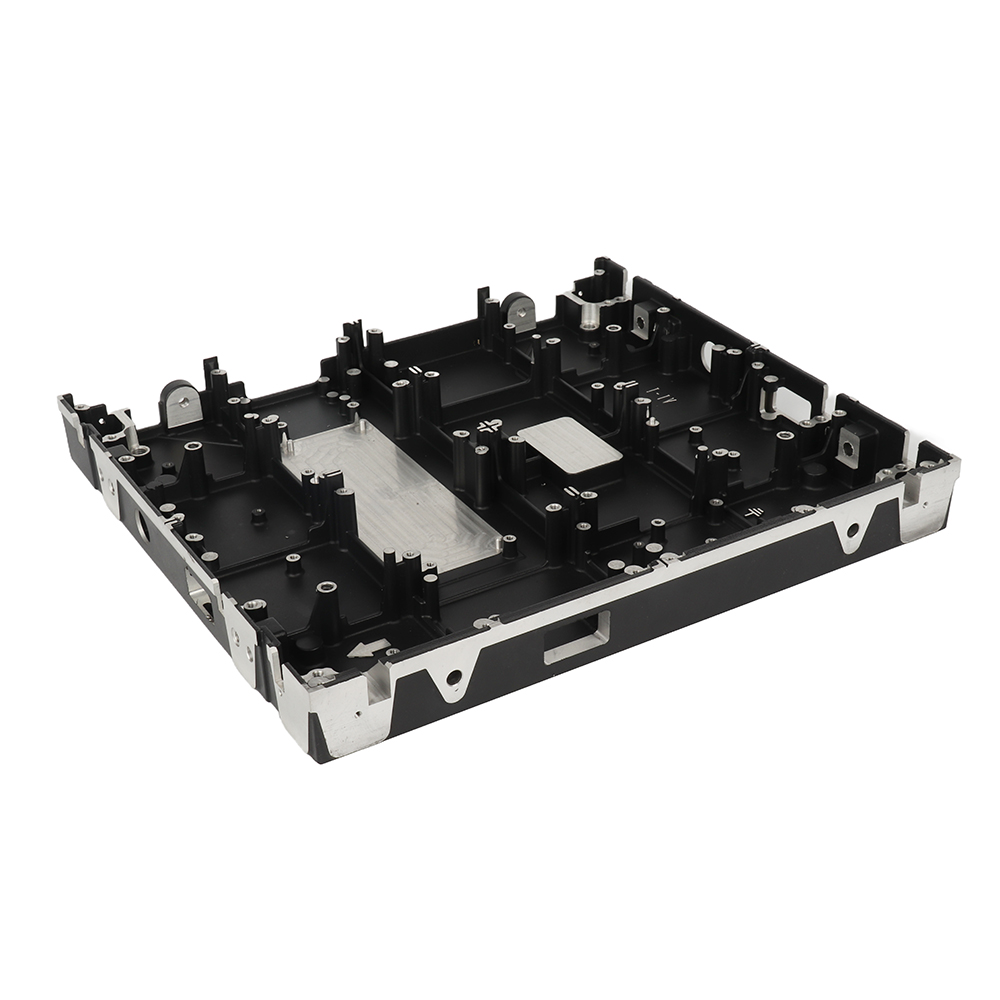
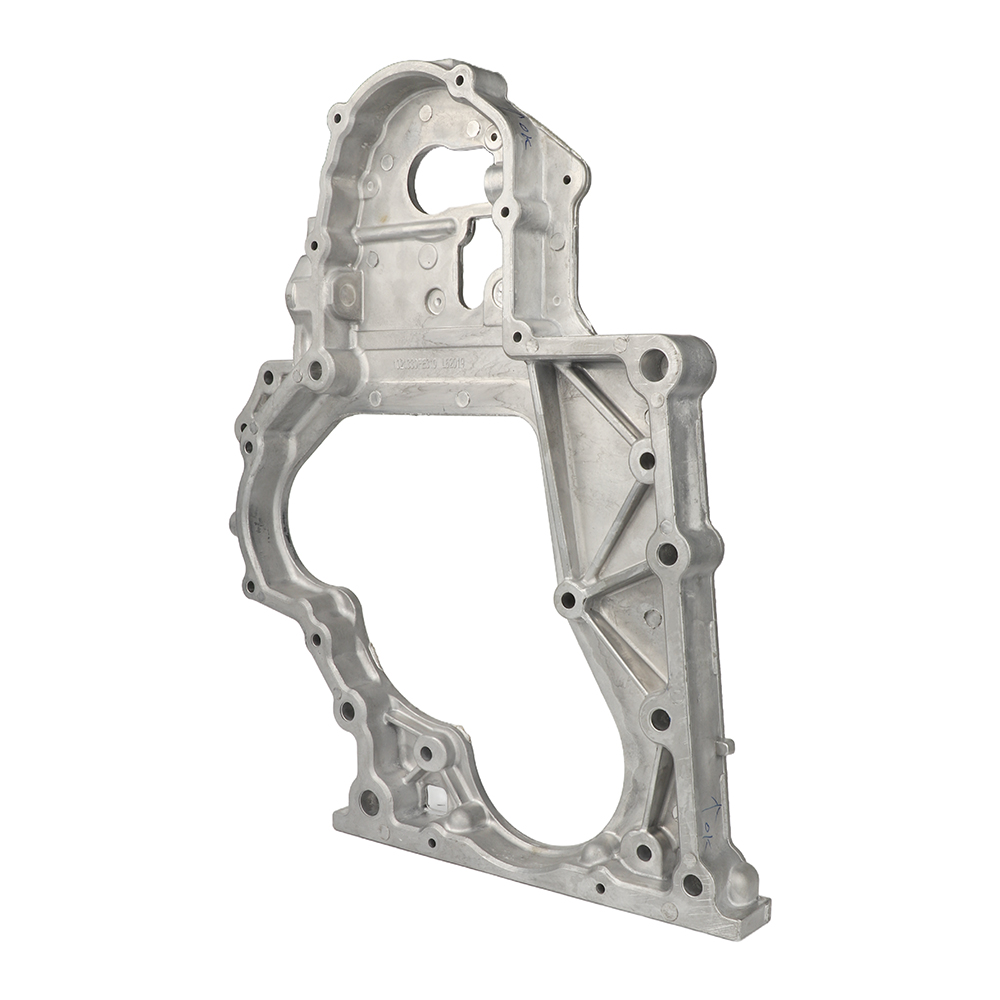
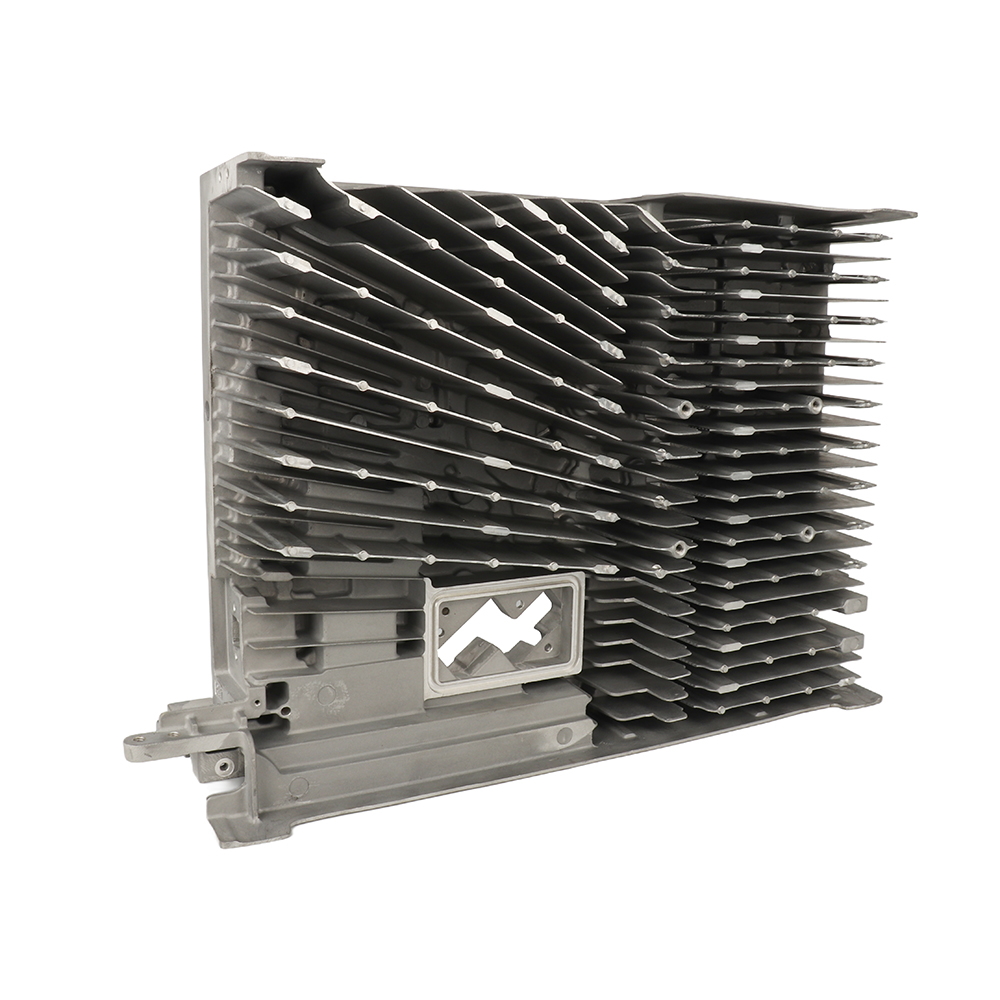
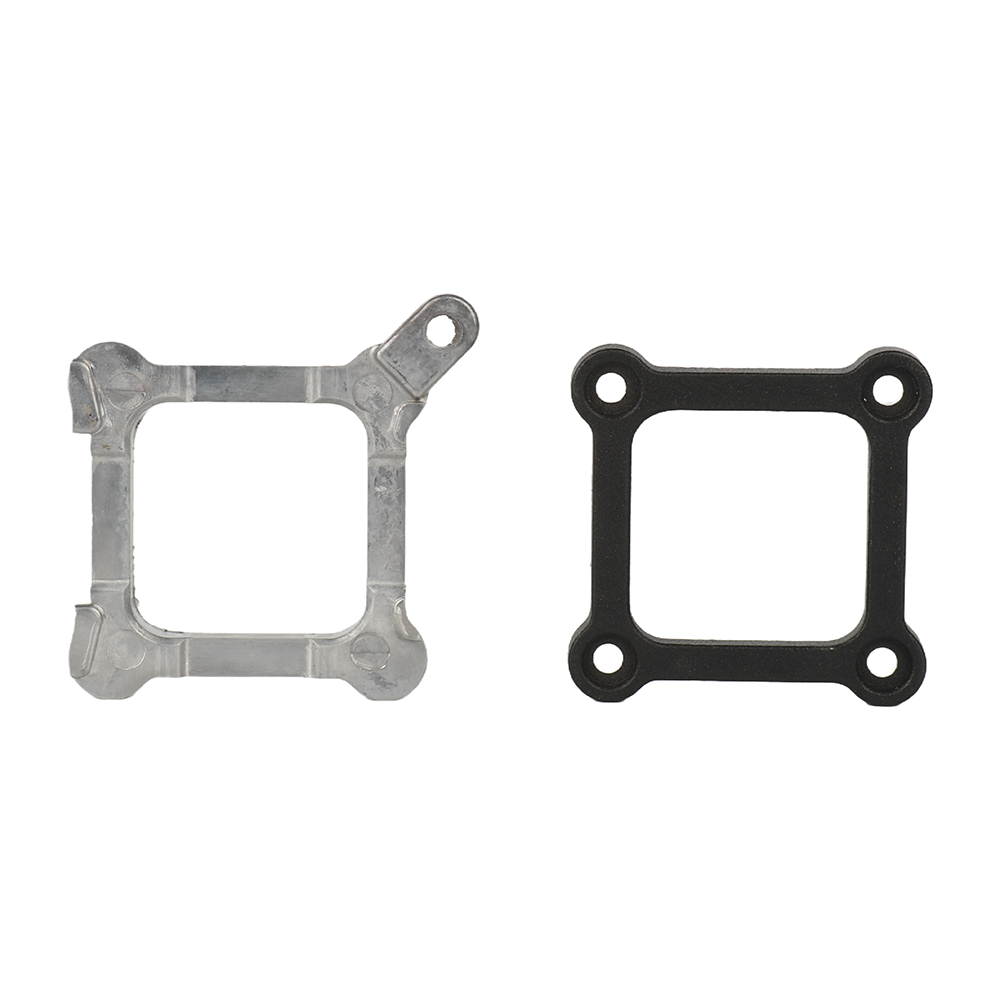
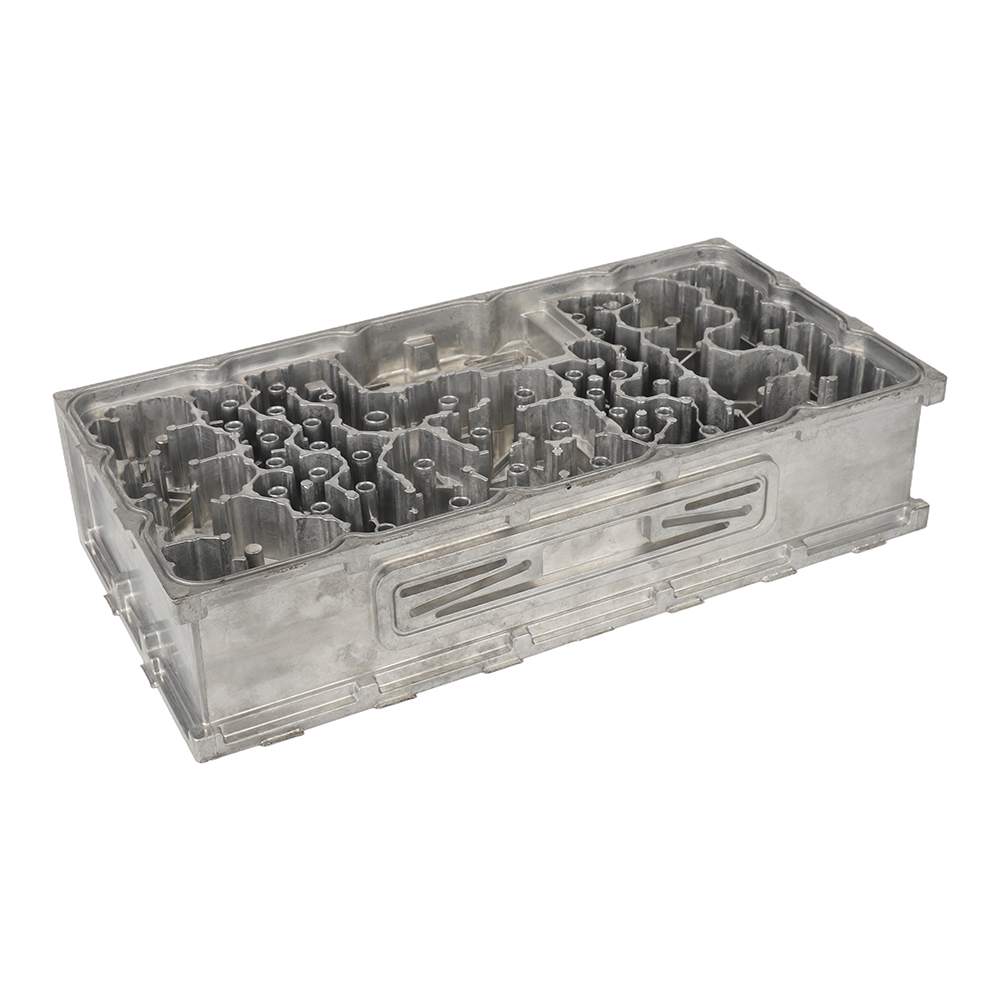
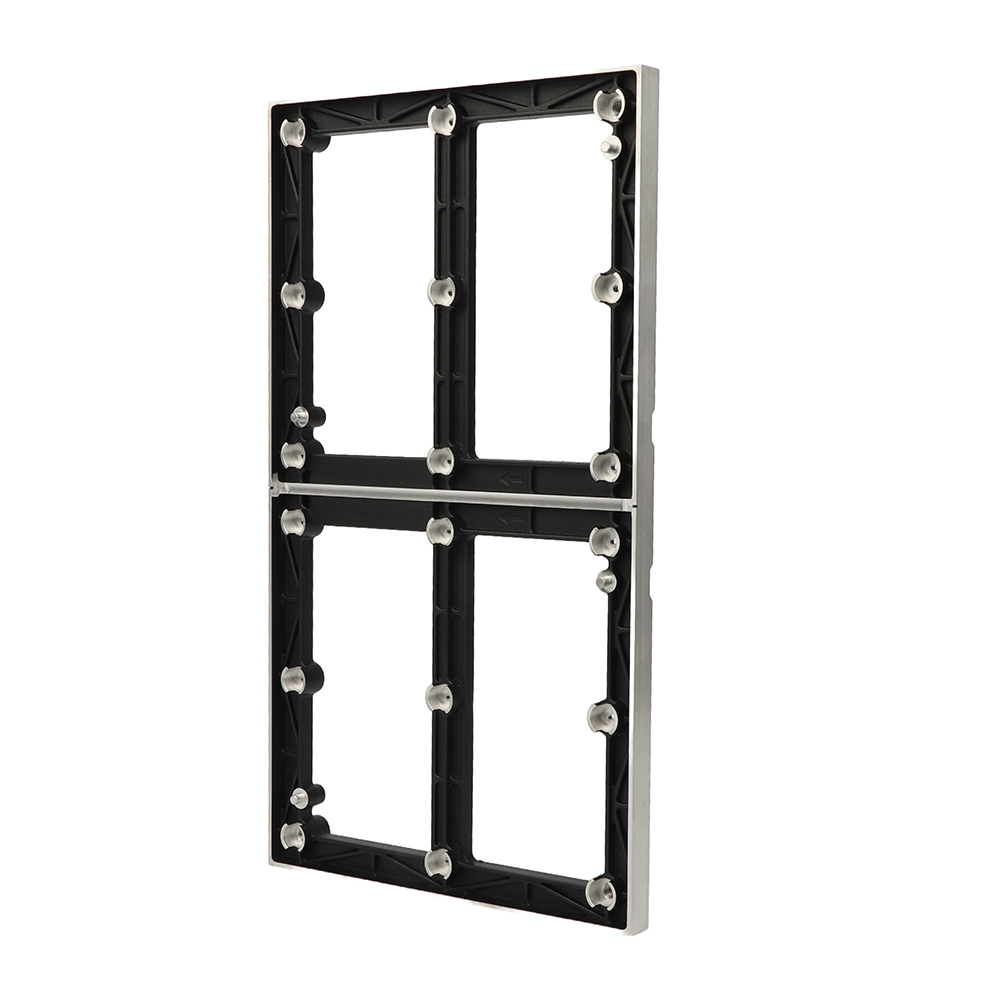
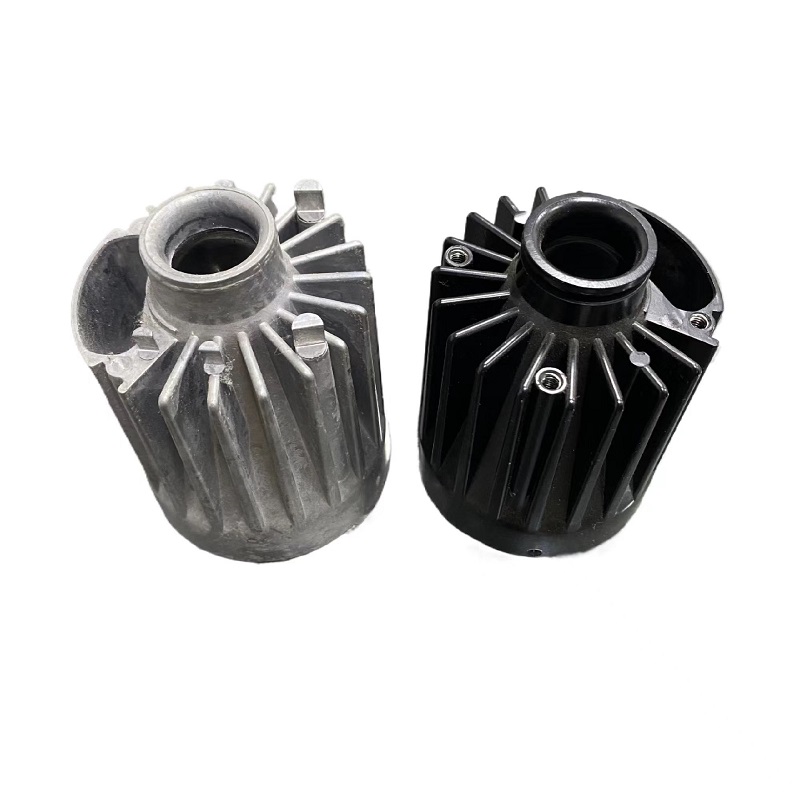
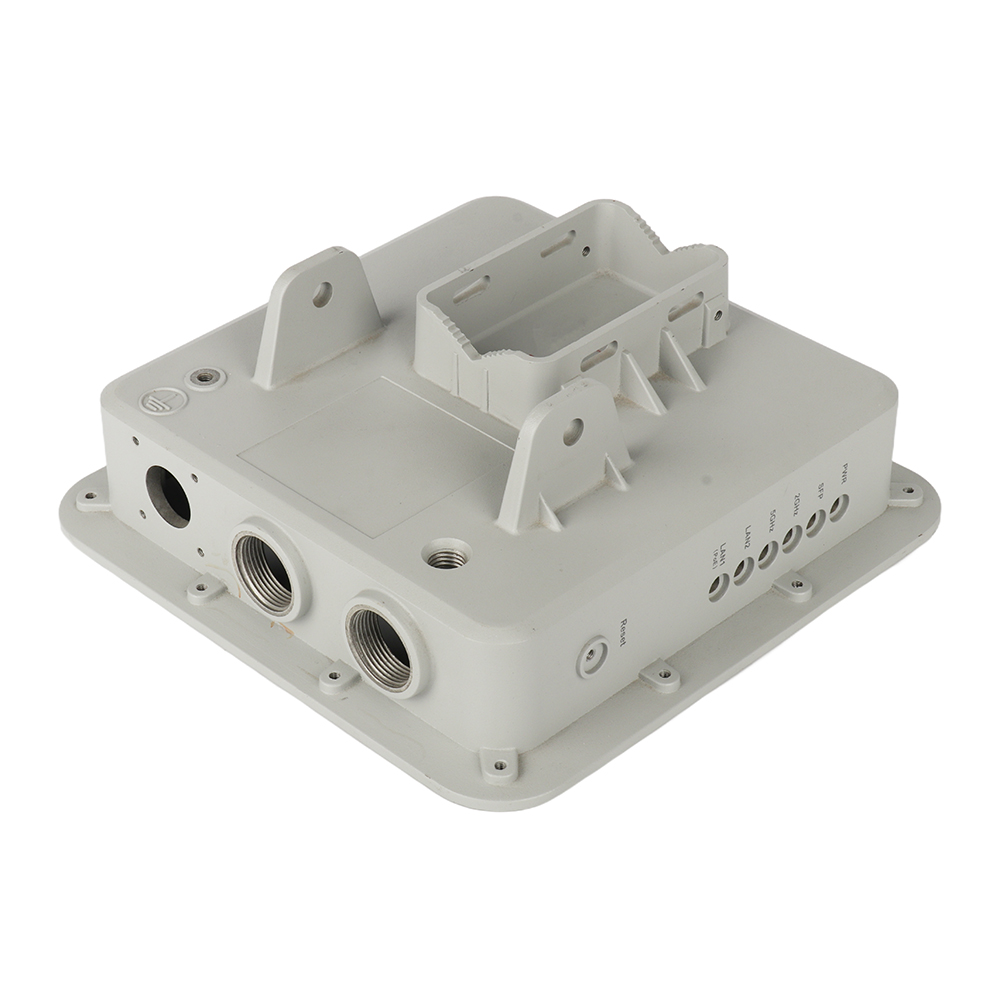
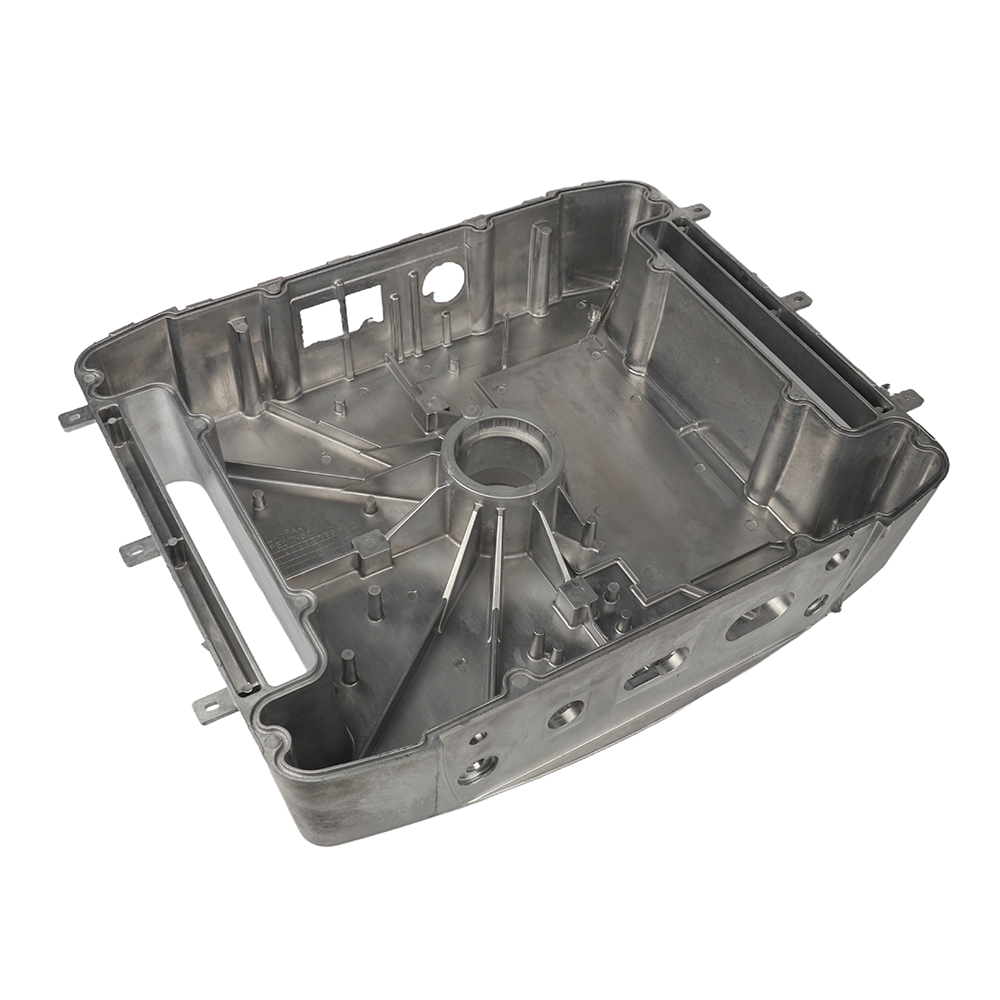
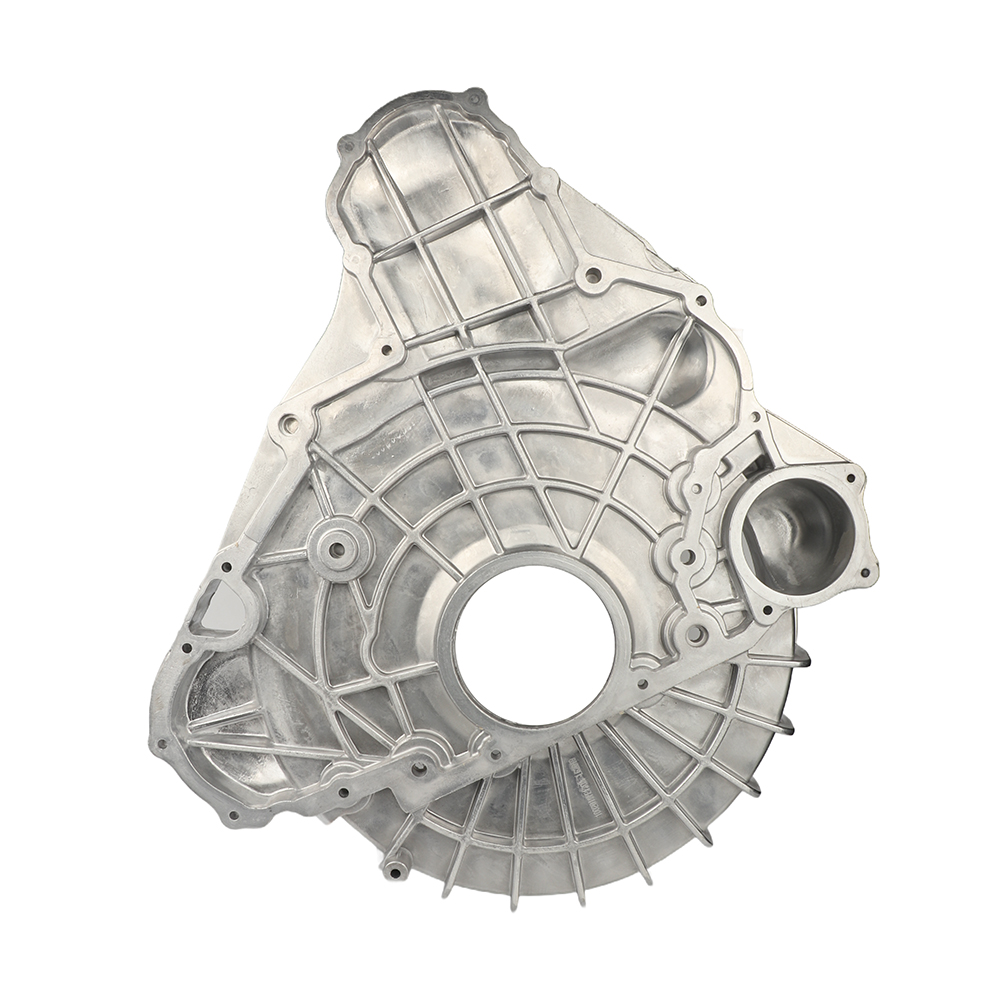
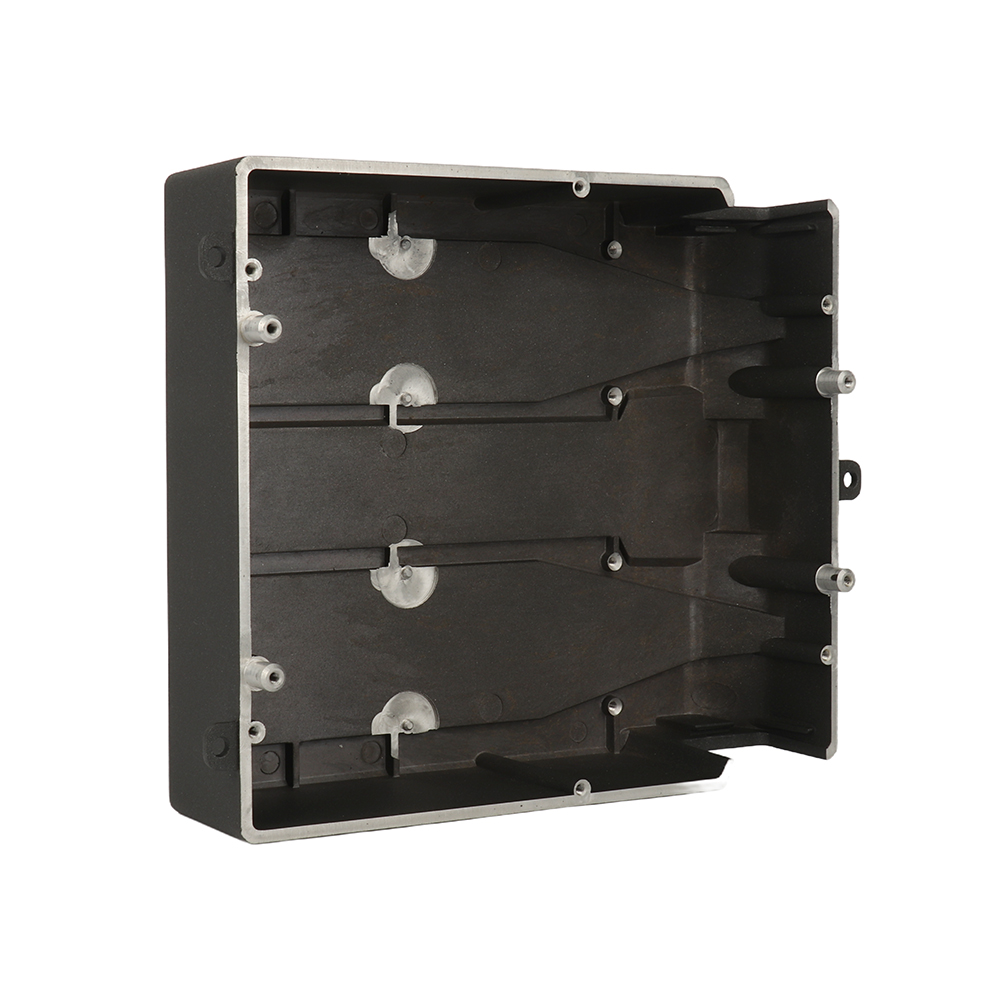
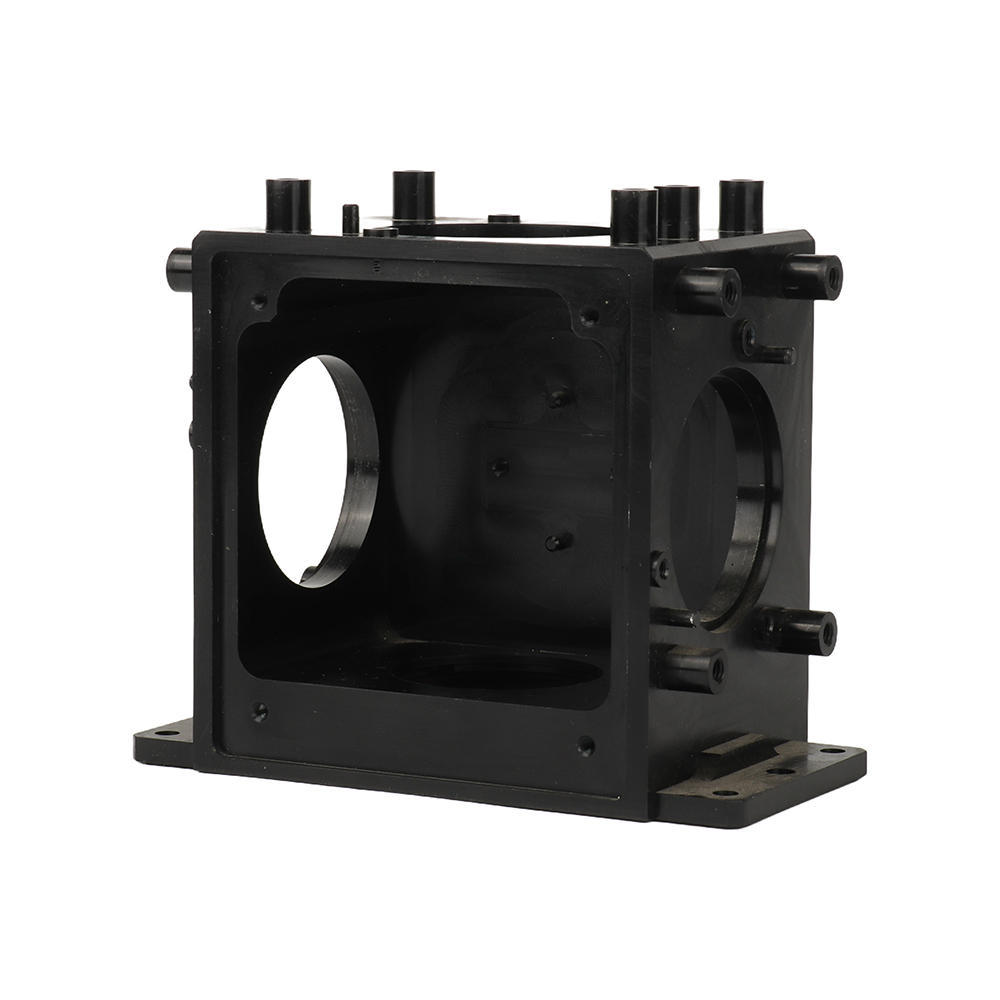
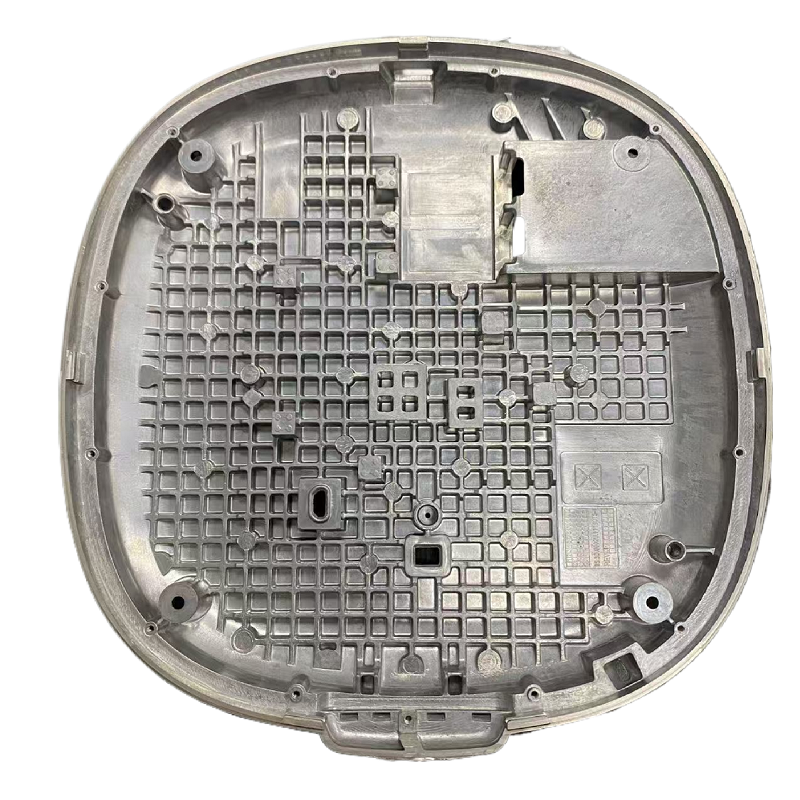
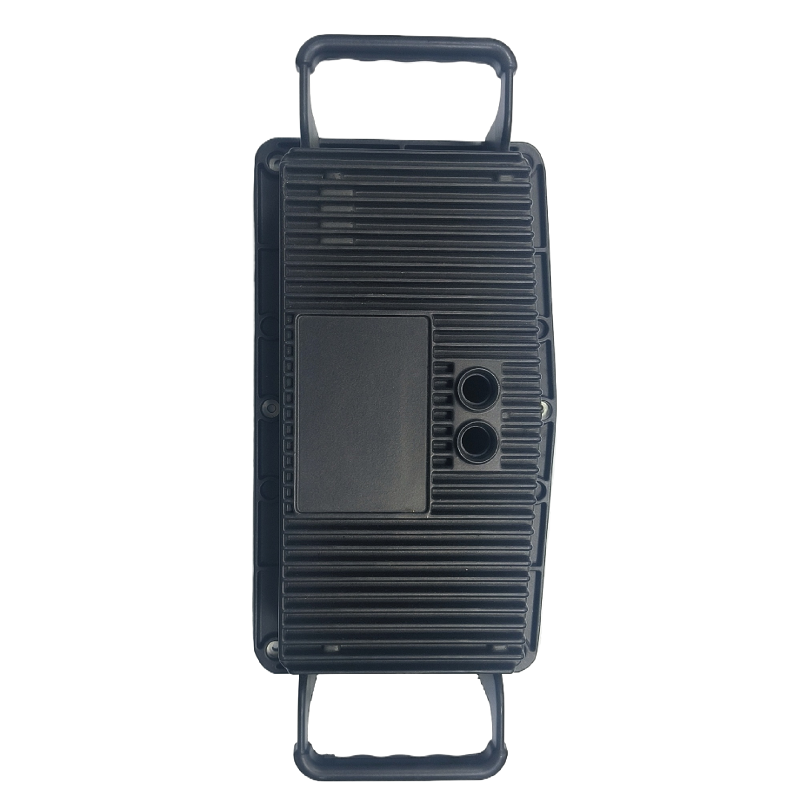
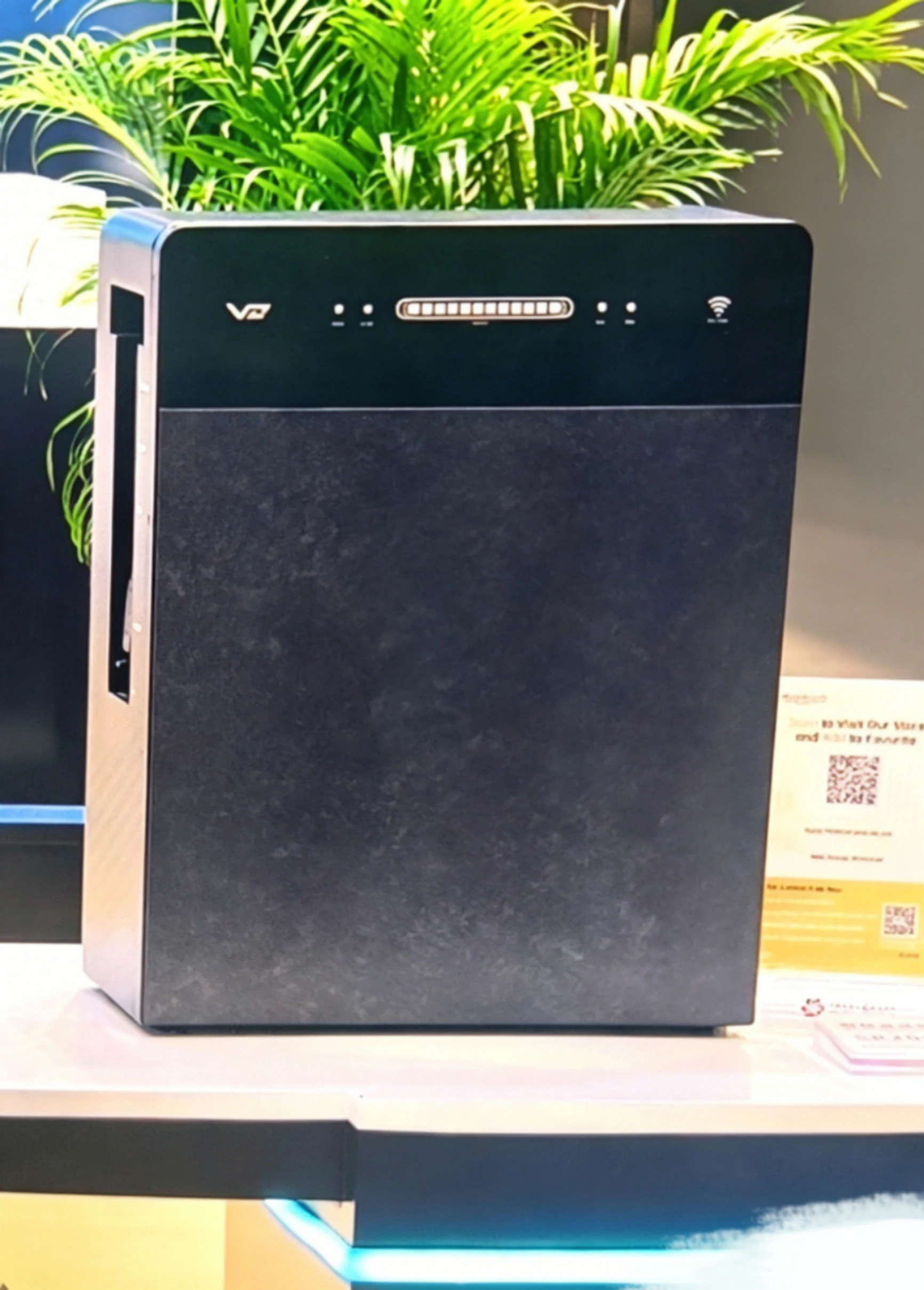
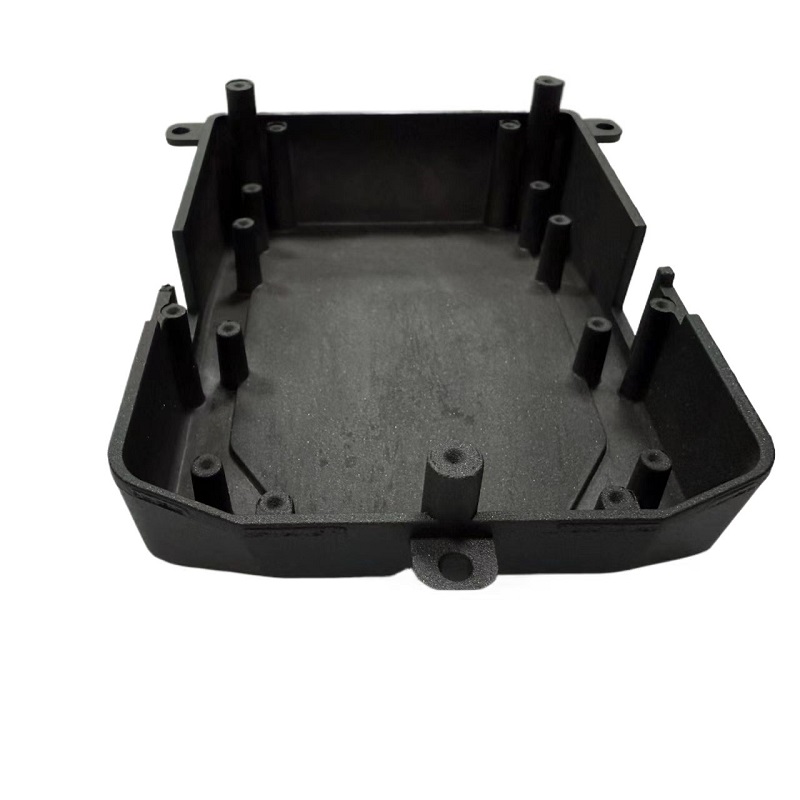
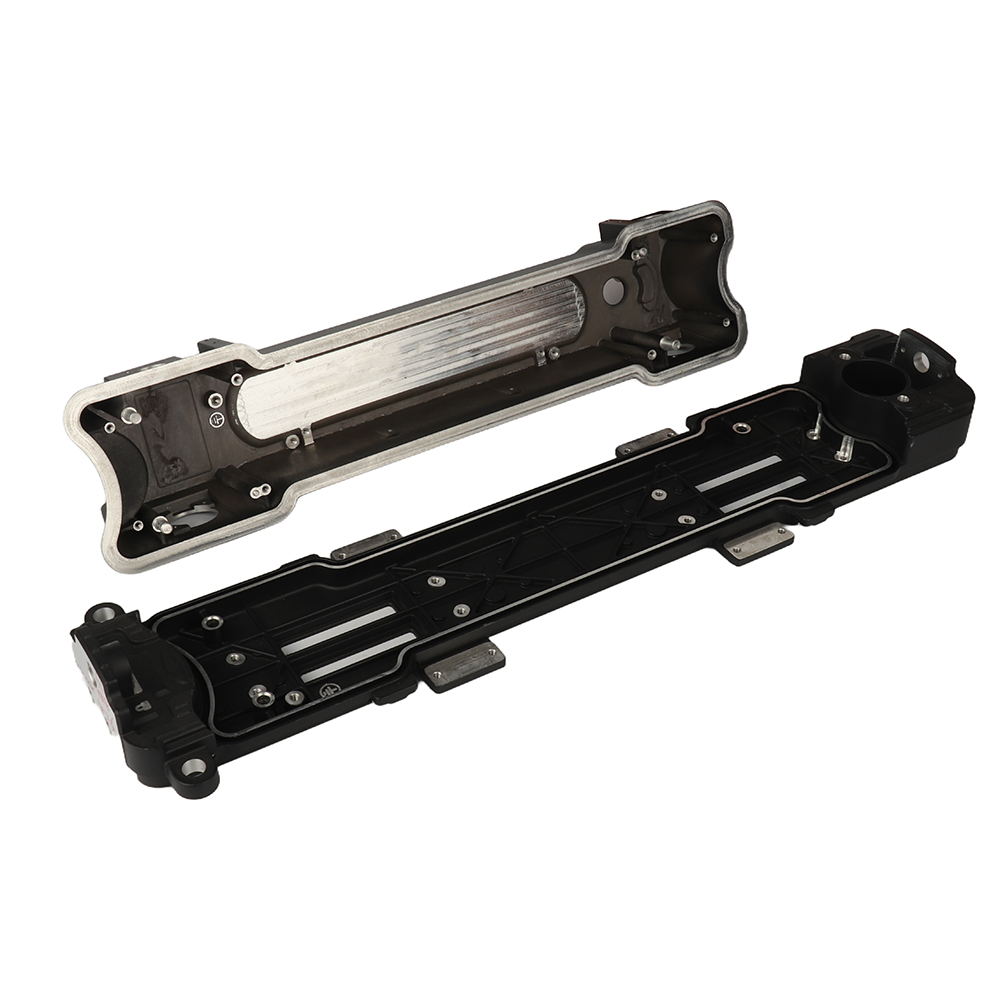
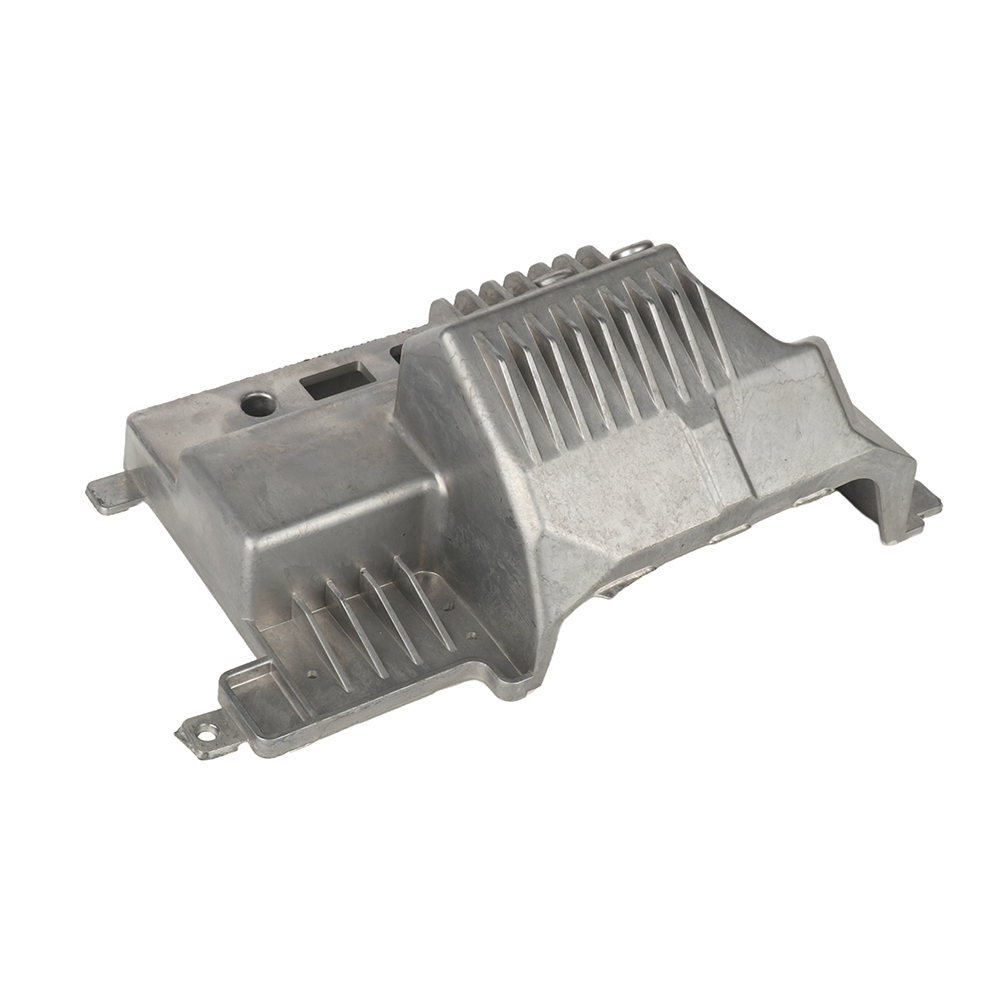
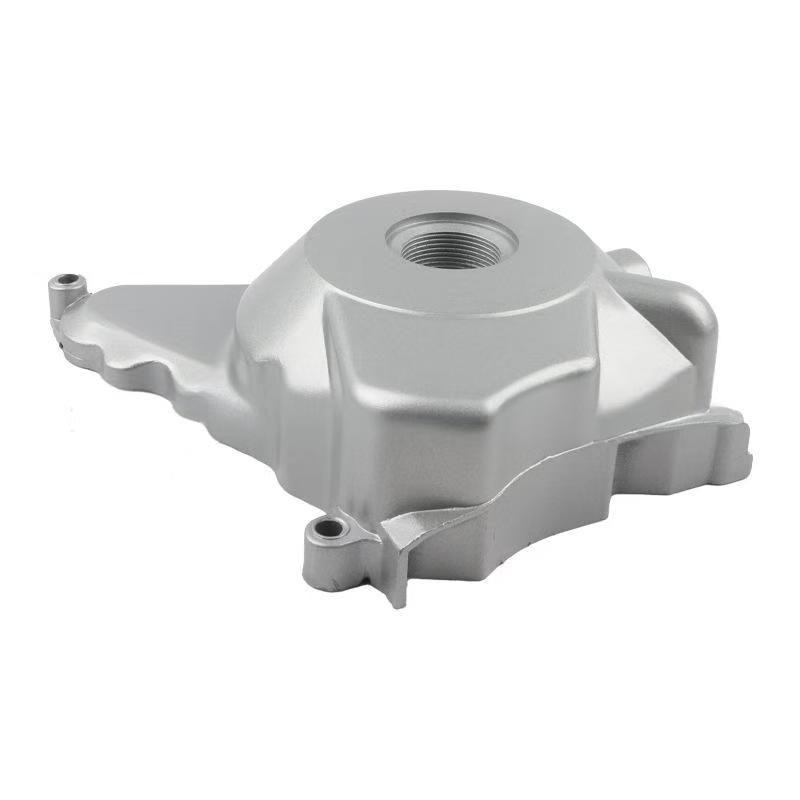
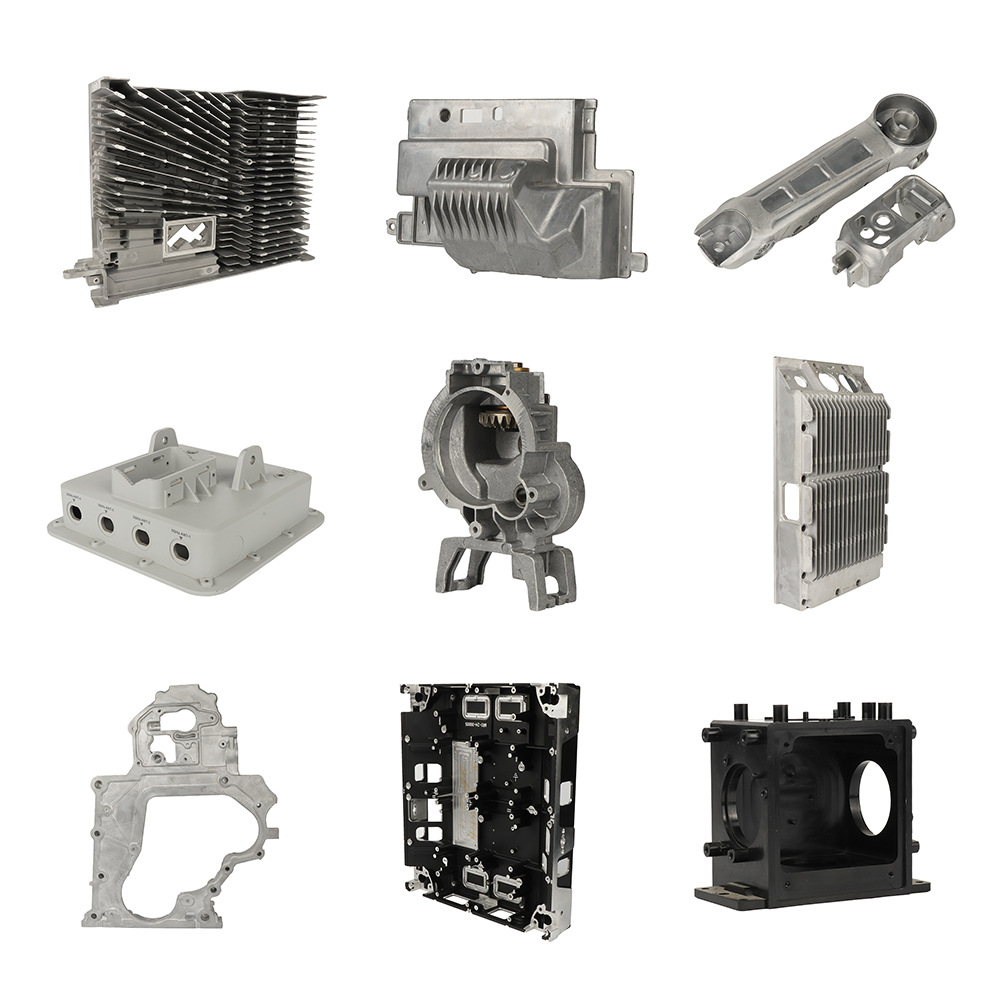
Below is a generic image of aluminum casting parts :

Product Overview: Xinghang XH-083 Aluminum Casting & CNC Machining Services
Service & Product Introduction
We offer professional CNC milling service & high-precision aluminum casting, focusing on custom metal parts production for industrial applications. Our services are characterized by fast lead times, reliable quality, and full customization, ensuring we meet the diverse needs of industrial equipment manufacturers. Whether you need custom aluminum cast parts, CNC-machined components, or integrated metal processing solutions, we have the expertise to deliver excellence.
Key Service & Product Specifications
- CNC Machining or Not: CNC Machining
- Type: Broaching, Drilling, Milling, Other Machining Services, Turning
- Material Capabilities: Aluminum, Brass, Copper, Hardened Metals, Stainless Steel, Steel Alloys
- Micro Machining or Not: Micro Machining
- Place of Origin: Guangdong, China
- Model Number: XH-083
- Brand Name: XH
- Certification: ISO9001/TS16949/RoHS/ISO14001
- Application: Industrial Equipment
Key Basics: ADC12 Aluminum & General Aluminum Casting Parameters
ADC12 Aluminum: The Preferred Material for Aluminum Casting
When it comes to aluminum casting, ADC12 aluminum is one of the most widely used materials in industrial applications. ADC12 is a die-cast aluminum alloy with exceptional properties that make it ideal for casting: it boasts excellent fluidity, allowing for the production of complex, detailed parts; good mechanical strength, ensuring durability in harsh industrial environments; and superior machinability, making it easy to post-process with CNC milling, drilling, and turning.
For industrial equipment parts, ADC12 aluminum offers additional advantages: it is lightweight (reducing equipment weight and transportation costs), corrosion-resistant (thanks to its natural oxide layer), and cost-effective—making it a practical choice for both small-batch and large-scale production.
General Aluminum Casting Parameters
Our aluminum casting services are optimized for precision and consistency, with parameters tailored to ADC12 aluminum and other aluminum alloys. Below are the core parameters that define our service quality:
| Parameter Category | General Aluminum Casting Parameters | ADC12 Aluminum Casting Parameters (Optimized) |
| Dimensional Tolerance | ±0.02-0.08mm | ±0.02-0.05mm |
| Surface Roughness | Ra ≤ 1.2-2.0μm | Ra ≤ 1.0-1.8μm |
| Casting Temperature | 650-750℃ (varies by alloy) | 680-720℃ (optimized for ADC12) |
| Part Thickness | 1.0-50mm | 1.0-35mm (ideal for industrial parts) |
| Batch Size Range | 10-10000 pieces (flexible for all needs) | 10-10000 pieces (ADC12 casting) |
| Surface Treatment | Anodizing, powder coating, electroplating, polishing | Anodizing (preferred for ADC12), CNC polishing |
Core Focus & Functions of Aluminum Casting
Core Focus of Aluminum Casting
The primary focus ofaluminum casting is to produce high-precision, durable metal parts that meet the unique requirements of industrial applications. Unlike other metalworking processes, aluminum casting prioritizes three key factors:complex shape capability, dimensional accuracy, and cost-efficiency. Our core focus at Xinghang includes:
- Creating complex, intricate part designs that are difficult or impossible to achieve with other methods (e.g., hollow parts, detailed contours).
- Maintaining tight dimensional tolerances to ensure parts fit seamlessly into industrial equipment assemblies.
- Delivering cost-effective solutions for both small-batch and large-scale production, reducing waste and upfront costs.
- Ensuring consistent quality across every batch, regardless of size, to meet the reliability demands of industrial use.
Core Functions of Aluminum Casting
Aluminum casting plays four vital roles in industrial manufacturing, supporting the production of high-performance equipment parts:
- Complex Part Production: Aluminum casting enables the one-time production of complex, integrated parts, eliminating the need for assembly of multiple components—reducing production time and improving structural integrity.
- Precision Component Manufacturing: With advanced casting technology and strict quality control, aluminum casting produces parts with tight tolerances, ensuring compatibility with other industrial equipment components.
- Material Optimization: By using materials like ADC12 aluminum, casting maximizes the natural properties of aluminum (lightweight, corrosion-resistant, strong) to create parts that perform well in harsh industrial environments.
- Customization Support: Aluminum casting is highly flexible, allowing for full customization of part size, shape, and surface treatment to meet the unique needs of different industrial equipment applications.
Unmatched Benefits of Aluminum Casting for Industrial Products
1. Exceptional Precision & Dimensional Stability
Aluminum casting leverages advanced molds and casting technology to achieve tight dimensional tolerances and consistent part quality. This precision is critical for industrial equipment, where even minor deviations can lead to performance issues or equipment failure. ADC12 aluminum, in particular, offers excellent dimensional stability, ensuring parts do not deform over time or under stress.
2. Ability to Produce Complex Shapes
One of the biggest advantages of aluminum casting is its ability to create complex, intricate part designs that are difficult to achieve with CNC machining alone. From hollow cavities to detailed contours, aluminum casting allows for the production of integrated parts that reduce assembly time and improve structural strength—ideal for complex industrial equipment components.
3. Lightweight & High Strength
Aluminum is approximately 1/3 the weight of steel but offers comparable structural strength. Aluminum casting produces lightweight parts that reduce the overall weight of industrial equipment, lowering transportation costs, simplifying installation, and reducing energy consumption during operation. This is especially important for mobile industrial equipment and components that require portability.
4. Corrosion Resistance & Long Service Life
Aluminum forms a natural, self-healing oxide layer that resists rust and corrosion, even in harsh industrial environments (e.g., high humidity, chemical exposure). When combined with surface treatments like anodizing or powder coating, aluminum cast parts offer exceptional durability and a long service life—reducing maintenance costs and equipment downtime.
5. Cost-Effective for All Batch Sizes
Aluminum casting is cost-effective for both small-batch and large-scale production. For small batches, it eliminates the need for expensive tooling associated with other processes; for large batches, it enables high-volume production with minimal waste. Additionally, ADC12 aluminum is an affordable material, further reducing production costs without compromising quality.
6. Fast Lead Times & High Efficiency
Our aluminum casting process is optimized for speed, with fast mold preparation and casting cycles. We can deliver small batches (10-500 pieces) in 7-10 days and large batches (501+ pieces) in 10-15 days, ensuring you meet tight project deadlines. The integration of CNC machining into our services also eliminates the need for multiple suppliers, streamlining the production process.
7. Compliance with Global Standards
All our aluminum cast parts meet ISO9001/TS16949/RoHS/ISO14001 certifications, ensuring compliance with global quality and environmental standards. This is critical for businesses operating in international markets, as it guarantees that your parts are safe, reliable, and meet industry regulations.
What Products Use Aluminum Casting? Key Application Scenarios
Aluminum casting is used in a wide range of industrial products, thanks to its versatility, precision, and durability. Below are the most common application scenarios for aluminum cast parts:
1. Industrial Equipment Components
This is the primary application of our aluminum casting services. Aluminum cast parts are used in various industrial equipment, including:
- Gear boxes and transmission components
- Pump housings and valve bodies
- Motor casings and brackets
- Instrument enclosures and control panels
- Conveyor system parts
2. Automotive Industrial Parts
Aluminum casting is widely used in the automotive industry for lightweight, high-strength parts, such as engine brackets, transmission cases, and steering components. ADC12 aluminum is particularly popular for these applications due to its machinability and cost-effectiveness.
3. Telecommunications Equipment
Telecom equipment requires precision, corrosion-resistant parts, making aluminum casting an ideal choice. Applications include telecom base station enclosures, signal amplifier housings, and connector brackets.
4. Electrical & Electronic Components
Aluminum cast parts are used in electrical equipment, such as transformer housings, heat sinks, and circuit board brackets. The thermal conductivity of aluminum makes it ideal for heat-dissipating components.
5. Aerospace & Defense Parts
In the aerospace and defense industries, aluminum casting is used to produce lightweight, high-strength parts, such as aircraft brackets, missile components, and military equipment housings.
Expert Insights: The Value of Aluminum Casting in Industrial Manufacturing
We invited Dr. Michael Chen, a senior aluminum casting engineer with 30+ years of experience in industrial manufacturing, to share his expert perspective:
“Aluminum casting has revolutionized industrial manufacturing by bridging the gap between precision, complexity, and cost-effectiveness. Many businesses underestimate the versatility of aluminum casting— it’s not just for large-scale production; it’s equally effective for small-batch, custom parts that are critical for specialized industrial equipment.
ADC12 aluminum is a game-changer for aluminum casting. Its excellent fluidity allows for the production of complex parts with minimal defects, while its machinability makes post-processing seamless. In my experience, ADC12-based aluminum cast parts offer the best balance of strength, weight, and cost for industrial applications—far outperforming other materials in terms of overall value.
The key question ‘what products use aluminum casting’ is best answered by looking at nearly every industrial sector. From gear boxes to telecom enclosures, aluminum casting is the backbone of reliable, high-performance equipment. The biggest mistake businesses make is choosing a supplier that lacks expertise in both casting and CNC machining—integrated services are critical to ensuring part quality and fast lead times.
As industrial manufacturing becomes more focused on customization and sustainability, aluminum casting will only grow in importance. It’s a process that reduces waste, leverages lightweight materials, and delivers the precision needed for modern industrial equipment. Suppliers like Xinghang Precision Hardware are leading the way by combining aluminum casting with CNC machining, offering a one-stop solution that saves time and money for businesses of all sizes.”
Frequently Asked Questions (FAQs) About Aluminum Casting
Q1: What is aluminum casting, and how does it work?
A1: Aluminum casting is a manufacturing process where molten aluminum is poured into a mold, allowed to cool and solidify, and then removed to form a desired part shape. It is used to produce complex, high-precision parts for industrial applications, with processes optimized for materials like ADC12 aluminum.
Q2: Why is ADC12 aluminum the preferred material for aluminum casting?
A2: ADC12 aluminum offers an unbeatable combination of fluidity (for complex shapes), machinability (for post-processing), strength (for durability), and cost-effectiveness—making it ideal for industrial aluminum casting. It also has good corrosion resistance and dimensional stability.
Q3: What types of products use aluminum casting the most?
A3: The most common products that use aluminum casting are industrial equipment components (gear boxes, pump housings, motor casings), automotive parts, telecom equipment, electrical components, and aerospace/defense parts.
Q4: Can you produce custom aluminum cast parts?
A4: Yes! Customization is a core part of our aluminum casting services. Simply provide us with your part drawings, specifications, and material preferences (e.g., ADC12 aluminum), and we will produce tailored parts that meet your exact needs.
Q5: What is the lead time for aluminum casting orders?
A5: Lead time depends on the batch size and part complexity. For small batches (10-500 pieces), lead time is 7-10 days; for larger batches (501-10000 pieces), lead time is 10-15 days. We also offer expedited services for urgent orders.
Q6: Do you offer discounts for bulk aluminum casting orders?
A6: Yes! We have a bulk discount policy: the more you purchase, the more you save. Specifically, enjoy 10% off orders of 500-999 pieces, 15% off orders of 1000-4999 pieces, and 20% off orders of 5000 pieces or more.
Q7: What certifications do your aluminum cast parts have?
A7: All our aluminum cast parts are certified by ISO9001, TS16949, RoHS, and ISO14001, ensuring they meet global quality and environmental standards—critical for industrial equipment applications.
Q8: Can you combine aluminum casting with CNC machining?
A8: Yes! We offer integrated services that combine high-precision aluminum casting with CNC milling, drilling, turning, and other machining processes. This eliminates the need for multiple suppliers and ensures seamless post-processing of cast parts.
Conclusion: Aluminum Casting Industry Trends & How to Choose a Qualified Supplier
Aluminum Casting Industry Trends
The aluminum casting industry is experiencing steady growth, driven by the increasing demand for lightweight, high-precision, and sustainable industrial parts. Key trends shaping the industry include:
- Customization & Personalization: As industrial equipment becomes more specialized, the demand for custom aluminum cast parts is growing—businesses need parts tailored to their unique machinery and applications.
- Material Innovation: The use of high-performance aluminum alloys like ADC12 is increasing, as businesses seek to balance strength, weight, and cost-effectiveness.
- Integrated Manufacturing: Suppliers are combining aluminum casting with CNC machining and other processes to offer one-stop solutions, reducing production time and costs for clients.
- Sustainability: With a focus on green manufacturing, aluminum casting is becoming more sustainable—aluminum is 100% recyclable, and advanced casting processes reduce waste and energy consumption.
Industry reports predict that the global aluminum casting market will grow at a CAGR of 6.8% from 2024 to 2030, driven by increasing demand from the industrial equipment, automotive, and telecommunications sectors.
How to Choose a Qualified Aluminum Casting Supplier
Choosing the right aluminum casting supplier is critical to ensuring the quality, precision, and timely delivery of your parts. Here are 5 key criteria to consider:
- Certifications: Ensure the supplier has ISO9001, TS16949, RoHS, and ISO14001 certifications—guaranteeing product quality and compliance with global standards.
- Expertise in Aluminum Casting & Materials: Prioritize suppliers with experience in aluminum casting, especially with ADC12 aluminum, and expertise in CNC machining for post-processing.
- Flexibility & Customization Capabilities: The supplier should be able to adapt to custom designs, material changes, and batch size adjustments—catering to your unique needs.
- Bulk Discounts: Choose a supplier with attractive bulk discount policies to reduce costs for larger orders (Xinghang offers increasing discounts as order quantity grows).
- After-Sales Service: Look for a supplier with 24-hour technical support, timely delivery, and a reliable after-sales guarantee to solve any issues that arise with your parts.
Xinghang Precision Hardware: Your Trusted Aluminum Casting Partner (More Orders, More Discounts)
If you’re looking for a qualified aluminum casting supplier—one that delivers high-precision parts, offers full customization, specializes in ADC12 aluminum, combines casting with CNC machining, and provides unbeatable bulk discounts—Xinghang Precision Hardware is your ideal choice. With 10+ years of experience in aluminum casting and CNC machining, we strictly comply with ISO9001/TS16949/RoHS/ISO14001 certifications, serving clients worldwide with high-quality, cost-effective solutions for industrial equipment.
Our Advantages
- Integrated Services: We offer both high-precision aluminum casting and professional CNC machining services, providing a one-stop solution for your industrial part needs.
- Material Expertise: We specialize in ADC12 aluminum casting, as well as other aluminum alloys and metals, ensuring we meet diverse industrial equipment requirements.
- Bulk Discounts: The more you purchase, the more you save—enjoy 10% off orders of 500-999 pieces, 15% off orders of 1000-4999 pieces, and 20% off orders of 5000 pieces or more.
- Customization Support: Our team of engineers works with you to create custom aluminum cast parts tailored to your exact drawings and specifications—no matter how complex.
- Proven Track Record: We’ve delivered high-quality aluminum cast parts to hundreds of clients across the industrial equipment sector, earning a reputation for reliability and excellence.
Contact Us
For more information about our aluminum casting services, to get a free quote, to learn more about our bulk discount policy, or to discuss your custom part requirements (including ADC12 aluminum parts), please contact us:
- Mobile/WeChat: +86 18819502691
- Email: liqine@xinghangcn.com
Xinghang Precision Hardware is committed to being your trusted partner for aluminum casting—delivering precision parts, flexible solutions, and unbeatable discounts. Let’s collaborate to bring your industrial equipment projects to life!
Pressure die casting process | What are the features of pressure die casting process? A Complete Guide to High-Efficiency Die Casting Solutions
Aluminium die casting | What parts use aluminium die casting? Exploring CNC Aluminium Die Casting & Its Wide Applications
Related Article

Residential energy storage systems have become increasingly popular as homeowners pursue energy independence, solar self-consumption and backup power for grid outages.
Energy storage enclosure | What Are the Benefits of Die-Cast Home Energy Storage Enclosures?

A custom LED display frame is the core structural carrier for LED screen modules, widely manufactured with ADC12 aluminum alloy via high-pressure die casting.
LED display frame | What Are the Benefits of Custom LED Display Frames?

