
HOT PRODUCTS
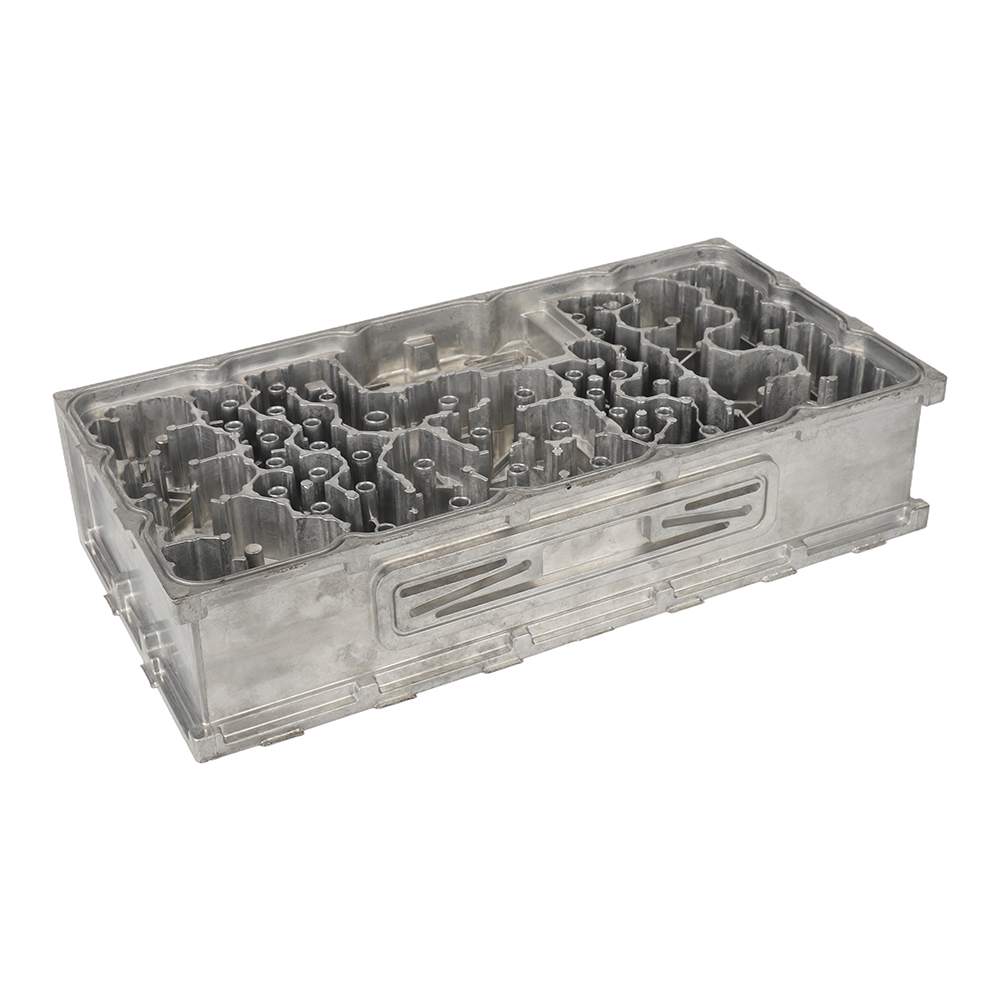
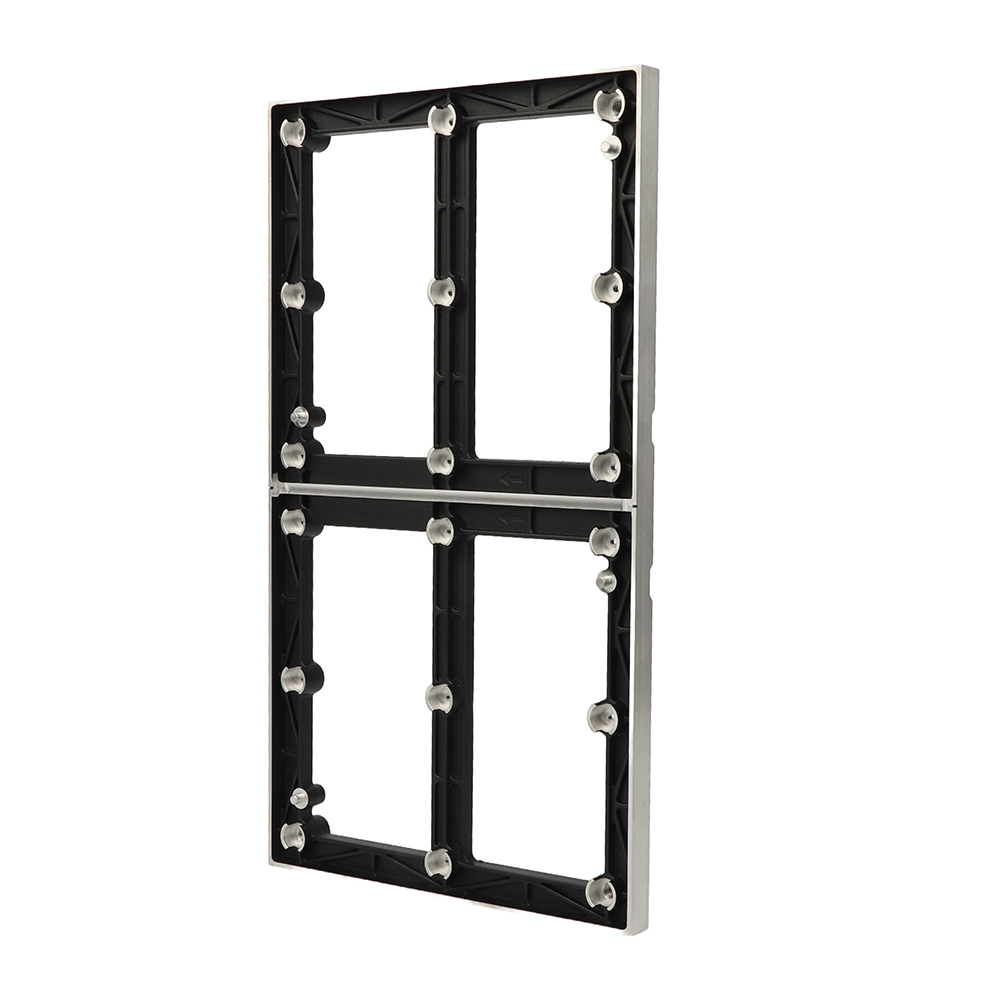
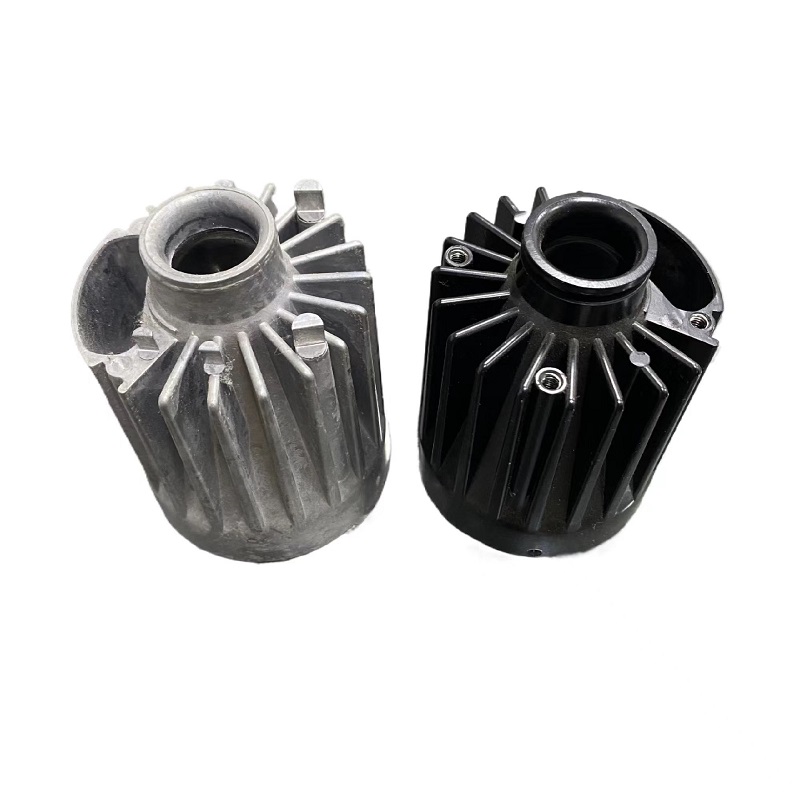
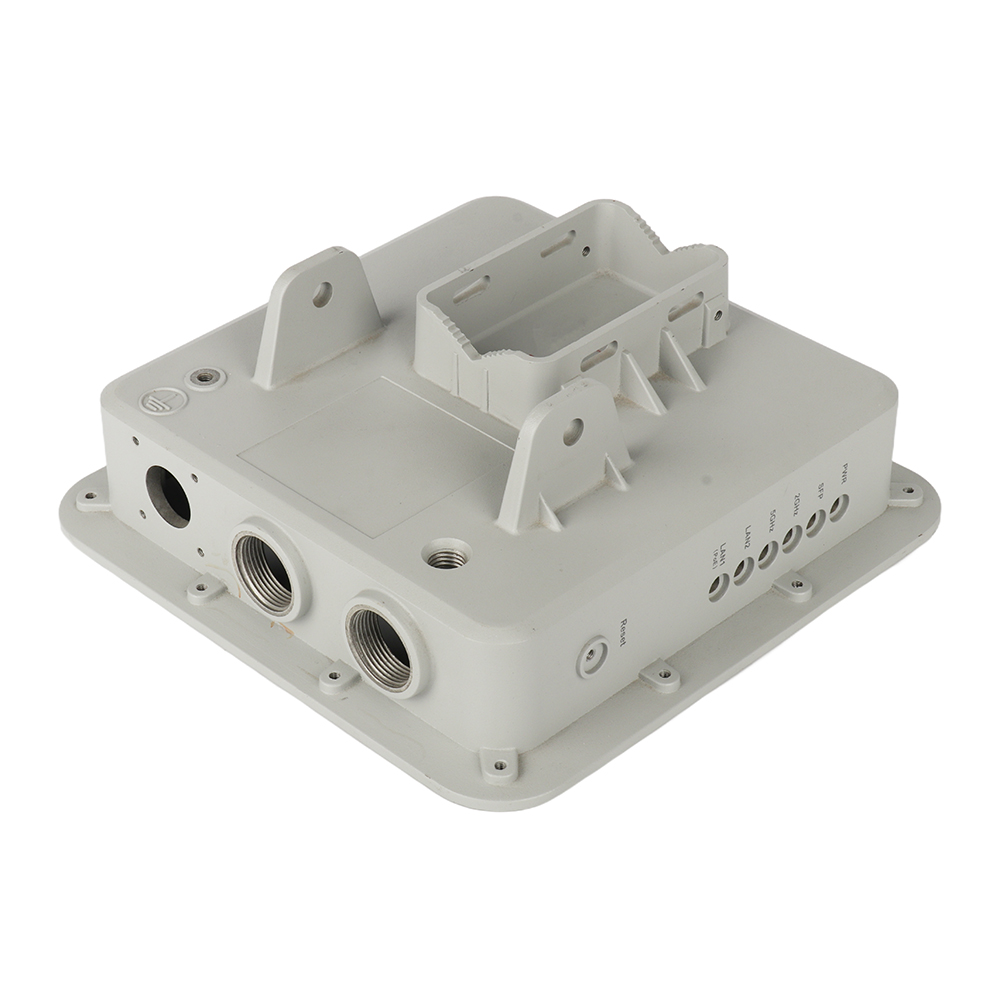
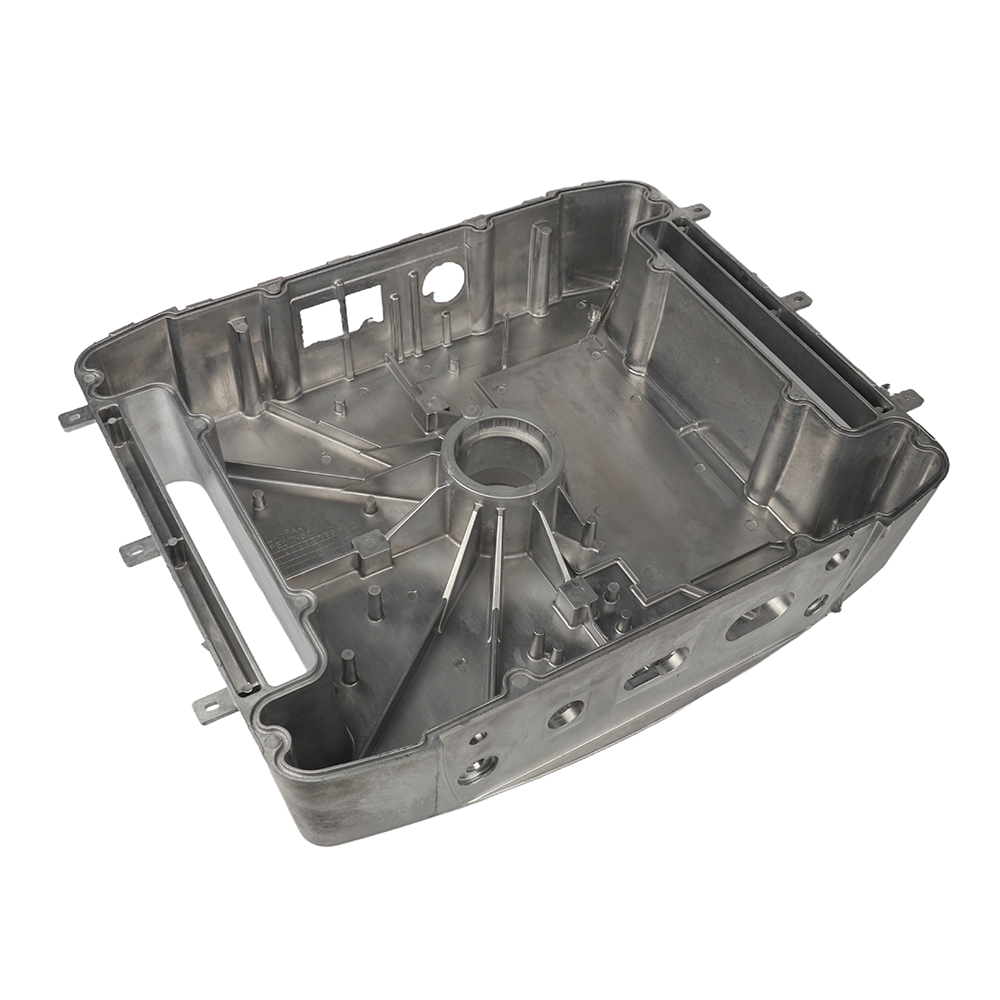
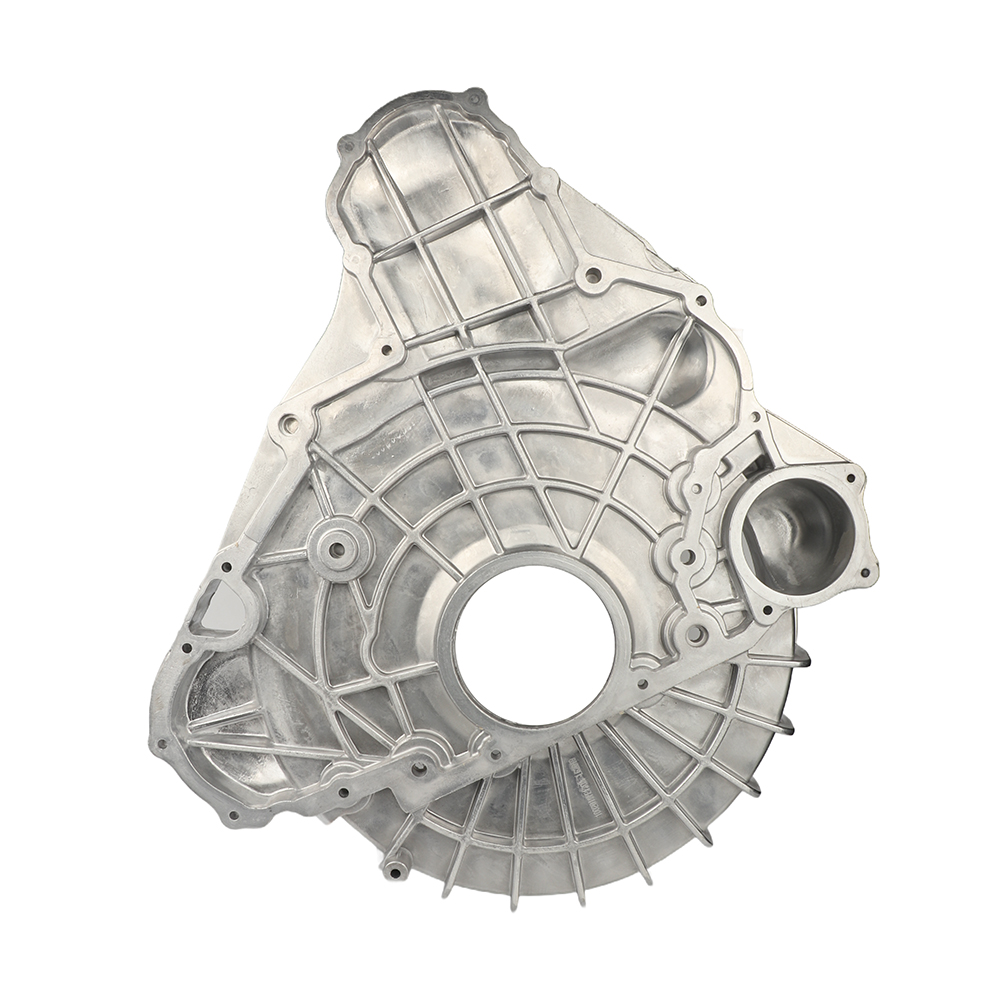
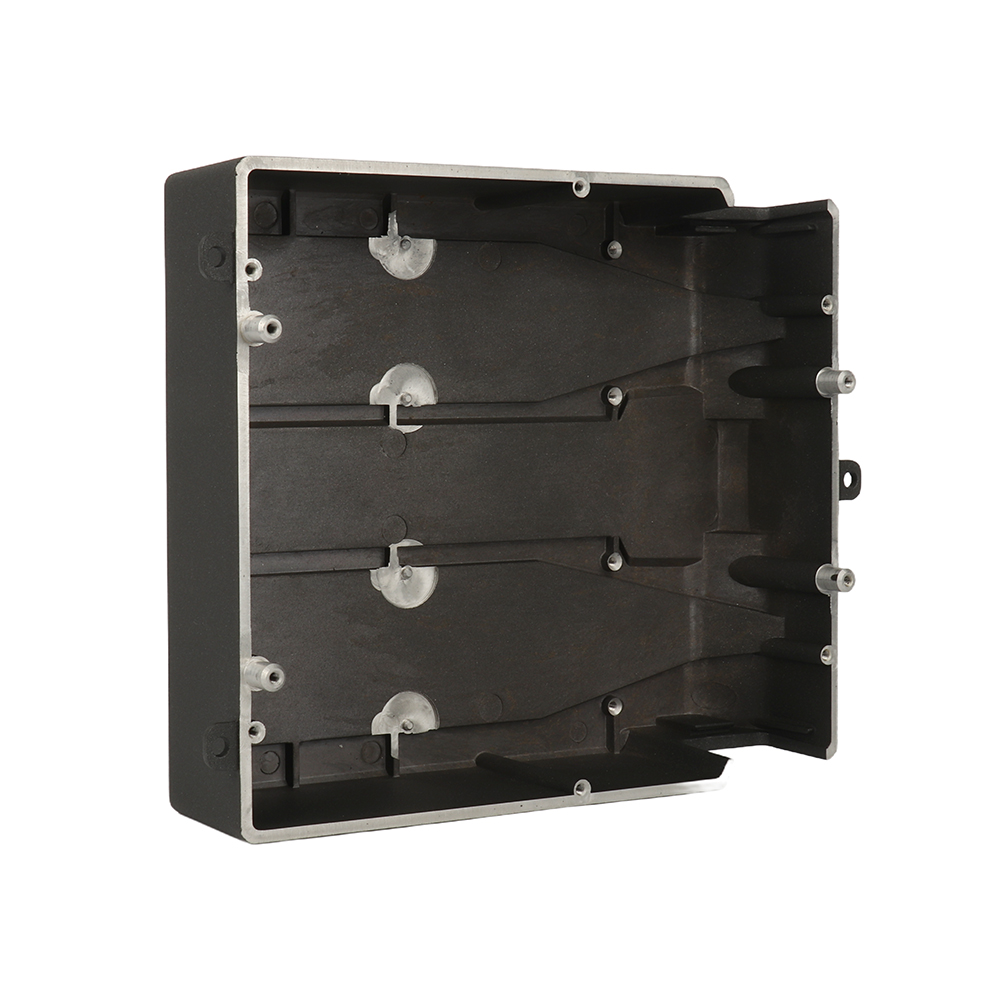
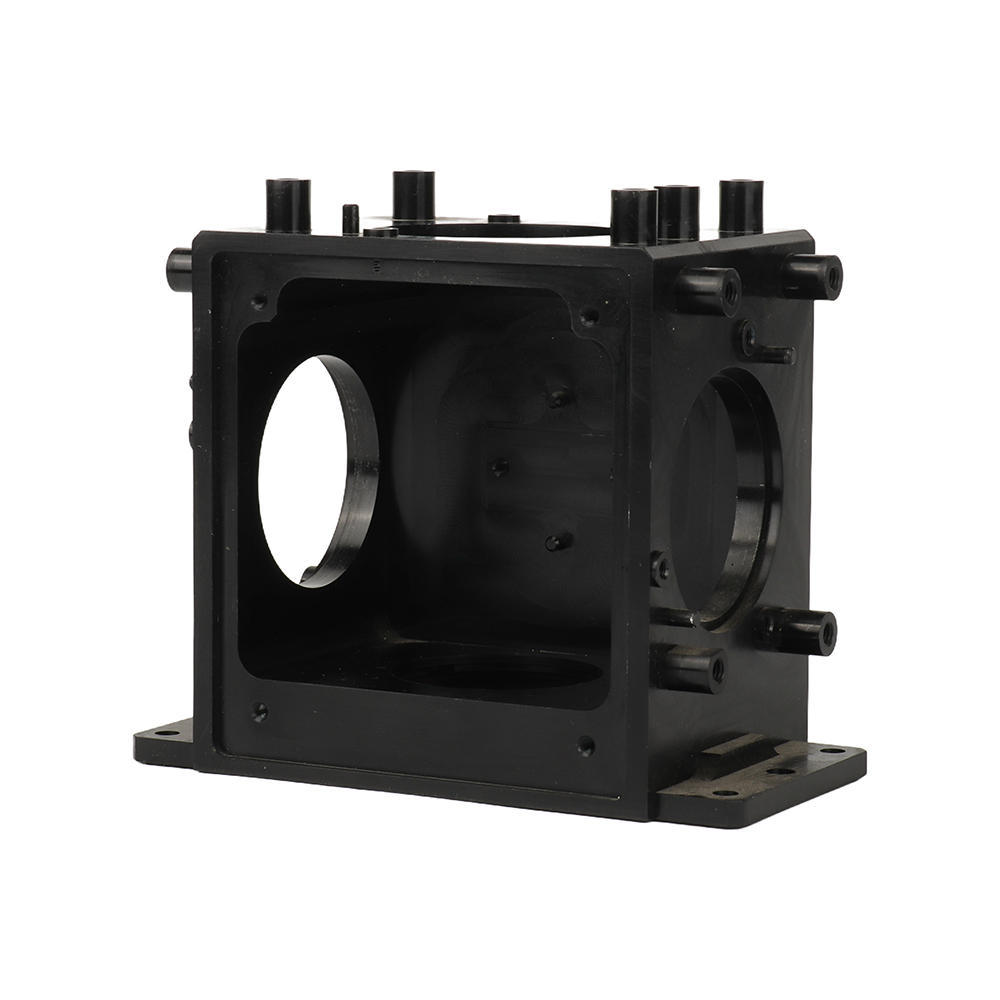
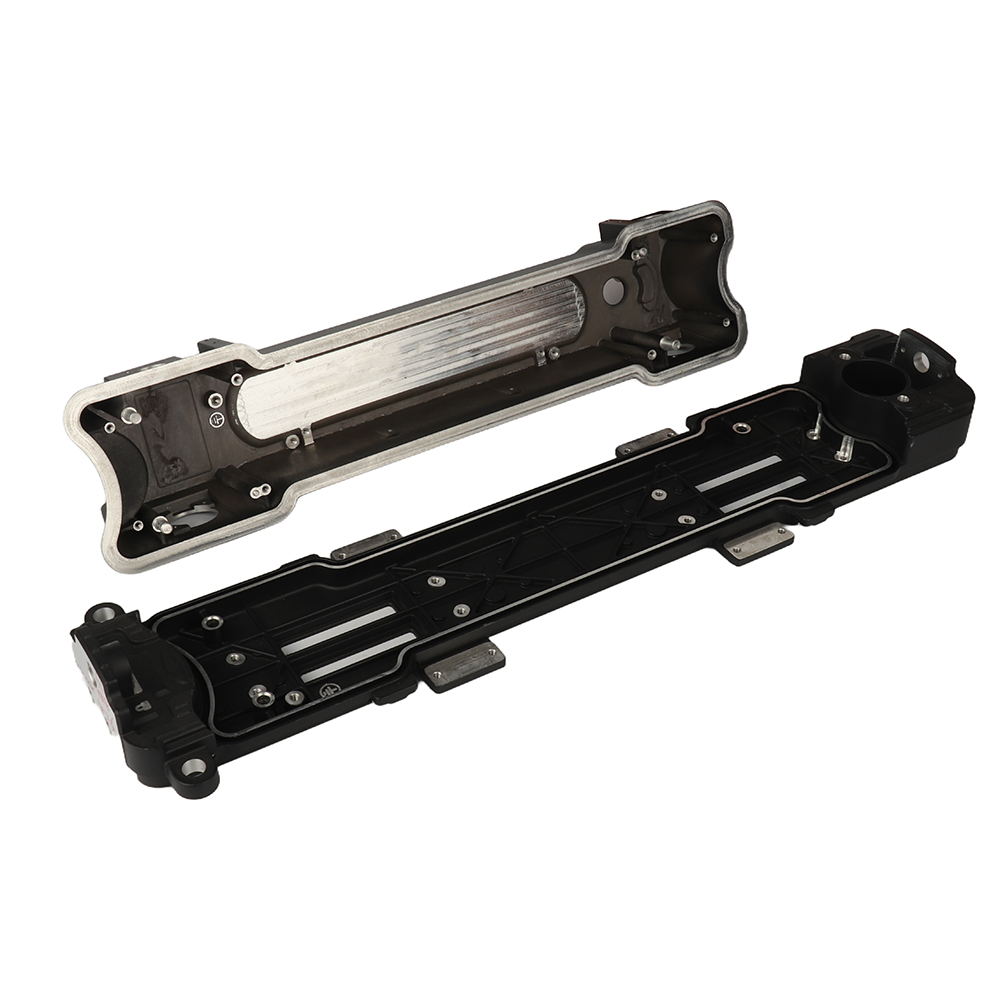
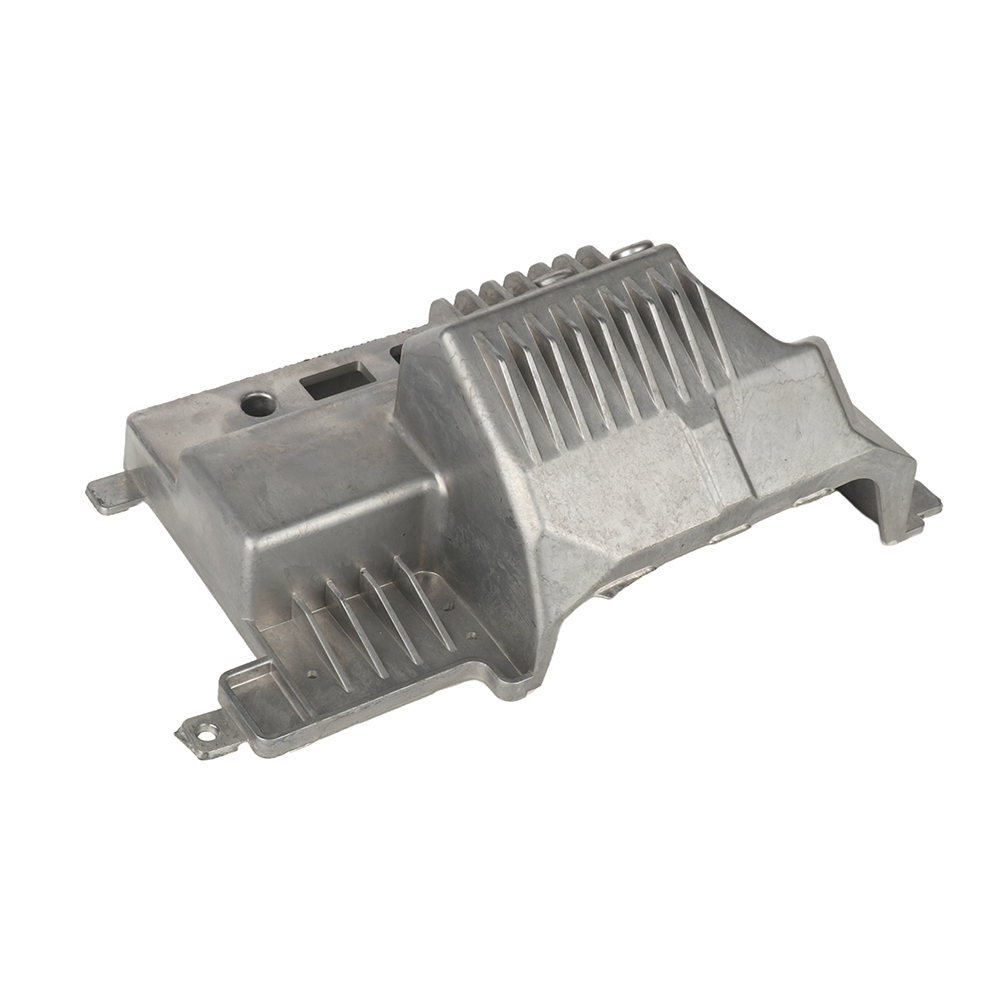
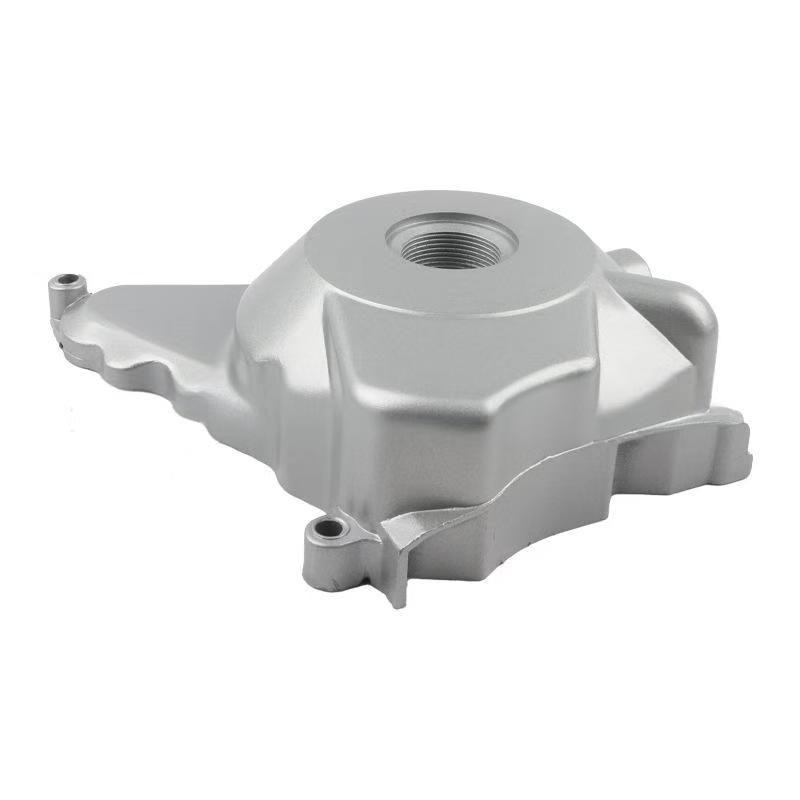
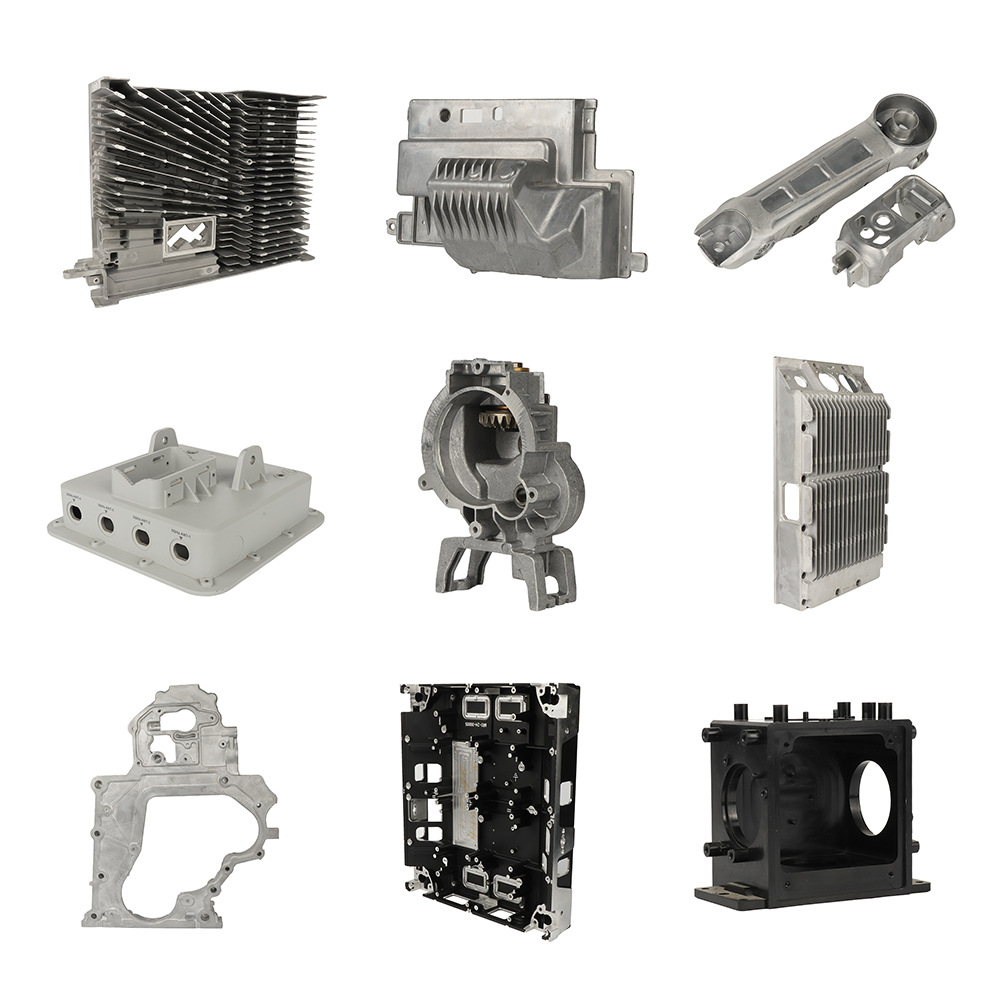
Die casting alloys aluminum | What properties do die casting aluminum alloys have? A Comprehensive Guide
2026-05-21
What Properties Do Die Casting Aluminum Alloys Have? A Comprehensive Guide
Table of Contents
- Introduction: The Significance of Die Casting Aluminum Alloys in Modern Manufacturing
- General Parameters of Die Casting Aluminum Alloys
- Key Properties of Die Casting Aluminum Alloys
- Focus on ADC12 Aluminum Alloy: The Most Widely Used Die Casting Aluminum Material
- Characteristics & Functions of Die Casting Aluminum Alloy Parts
- Unmatched Benefits of Die Casting Aluminum Alloy Parts
- Expert Insights: The Value of Die Casting Aluminum Alloys
- Frequently Asked Questions (FAQs) About Die Casting Aluminum Alloys
- Conclusion: Industry Trends & How to Choose a High-Quality Hardware Supplier
- Recommended Supplier: Xinghang Precision Hardware – Your Trusted Partner
Introduction: The Significance of Die Casting Aluminum Alloys in Modern Manufacturing
In the era of high-precision, efficient, and cost-effective manufacturing, die casting aluminum alloys have become the backbone of industries such as automotive, telecom, industrial equipment, and electronics. Unlike ordinary aluminum materials, die casting aluminum alloys are specially formulated to meet the rigorous requirements of the die casting process—combining excellent castability, mechanical strength, and versatility. This blog explores the core properties of die casting aluminum alloys, focuses on the widely used ADC12 aluminum alloy, details the characteristics and functions of die casting aluminum parts, and shares insights on industry trends and supplier selection, with a focus on recommending Xinghang Precision Hardware as your reliable partner for bulk procurement with exclusive discounts.

General Parameters of Die Casting Aluminum Alloys
Die casting aluminum alloys vary in composition and parameters, but they share common baseline characteristics that make them suitable for high-pressure die casting. Below are the general parameters of mainstream die casting aluminum alloys (including ADC12) used in industrial production:
| Parameter Category | Details |
|---|---|
| Chemical Composition (General Range) | Aluminum (Al): 85-95% (balance), Silicon (Si): 5-12%, Copper (Cu): 0.5-4%, Iron (Fe): ≤1.5%, Magnesium (Mg): ≤0.5%, Other trace elements (Mn, Zn, Pb): ≤1% |
| Mechanical Properties | Tensile Strength: 150-300 MPa, Yield Strength: 80-200 MPa, Elongation: 1-8%, Hardness (HB): 50-100, Density: 2.6-2.8 g/cm³ |
| Processing Parameters | Melting Temperature: 600-680°C, Die Casting Pressure: 10-150 MPa, Mold Temperature: 150-250°C, Casting Speed: 0.5-5 m/s |
| Corrosion Resistance | Natural oxide layer for basic corrosion resistance; enhanced by surface treatments (anodizing, spraying, electroplating) |
| Thermal Conductivity | 100-200 W/(m·K), excellent for heat dissipation applications |
Key Properties of Die Casting Aluminum Alloys
Die casting aluminum alloys are valued for their unique combination of properties that make them ideal for mass production of high-quality, complex parts. The core properties are as follows:
1. Excellent Castability & Fluidity
One of the most critical properties of die casting aluminum alloys is their superior fluidity when molten. This allows the alloy to flow smoothly into complex mold cavities, even with thin walls (as thin as 0.5mm) and intricate details, ensuring full filling and consistent part shape. This property eliminates defects such as incomplete filling and cold shuts, reducing post-processing costs.
2. Lightweight & High Strength-to-Weight Ratio
Die casting aluminum alloys are approximately 1/3 the weight of steel but offer comparable mechanical strength. This high strength-to-weight ratio makes them perfect for applications where weight reduction is critical—such as automotive and aerospace parts—without compromising structural integrity or performance.
3. Good Machinability
After die casting, aluminum alloy parts can be easily machined (CNC turning, milling, drilling) to meet strict dimensional tolerances (up to ±0.01mm). This machinability reduces production time and costs, making die casting aluminum alloys a cost-effective choice for precision parts.
4. Excellent Thermal Conductivity
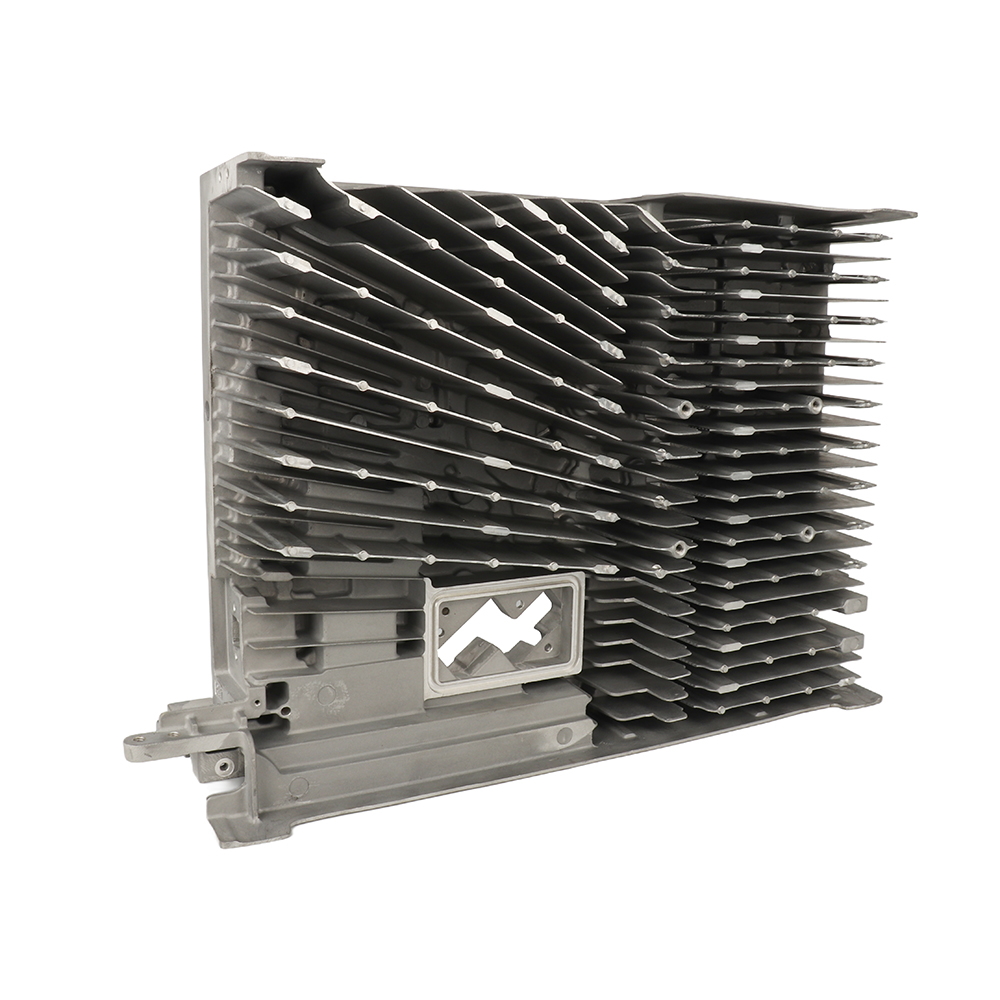
Aluminum alloys have high thermal conductivity, allowing die casting parts to efficiently dissipate heat generated by high-power equipment (e.g., telecom base stations, automotive engines). This property prevents overheating and extends the service life of the final product.
5. Strong Corrosion Resistance
Die casting aluminum alloys form a natural, self-healing oxide layer on their surface, providing basic corrosion resistance. With additional surface treatments (anodizing, powder coating), they can withstand harsh environments—including high humidity, salt spray, and industrial chemicals—ensuring long-term durability.
6. Dimensional Stability
These alloys have minimal shrinkage during solidification, ensuring consistent dimensional accuracy across large production batches. This stability is critical for mass-produced parts that require precise assembly and interchangeability.
Focus on ADC12 Aluminum Alloy: The Most Widely Used Die Casting Aluminum Material
Among all die casting aluminum alloys, ADC12 aluminum alloy is the most popular and widely used in industrial applications. It is a Japanese-standard Al-Si-Cu series alloy (equivalent to China’s YL113 and the U.S.’s 384), renowned for its balanced performance and cost-effectiveness. Compared to other alloys in the same series, ADC12 has a higher silicon content (9.6-12.0%), which enhances its fluidity and makes it particularly suitable for producing complex-shaped castings, with better strength, pressure resistance and lower hot brittleness than alternatives like ADC10 and ADC14.
Key Parameters of ADC12 Aluminum Alloy
- Chemical Composition: Al (balance, ~85.5%), Si (9.6-12.0%), Cu (1.5-3.5%), Fe (≤1.3%), Mg (≤0.3%), Mn (≤0.5%), Zn (≤1.0%), Pb (≤0.1%), Sn (≤0.1%)
- Mechanical Properties: Tensile Strength: 180-230 MPa, Yield Strength: 100-150 MPa, Elongation: 2-5%, Hardness (HB): 60-80, Density: 2.7 g/cm³
- Processing Properties: Melting Temperature: 620-660°C, Excellent fluidity, minimal shrinkage, easy to machine and surface treat
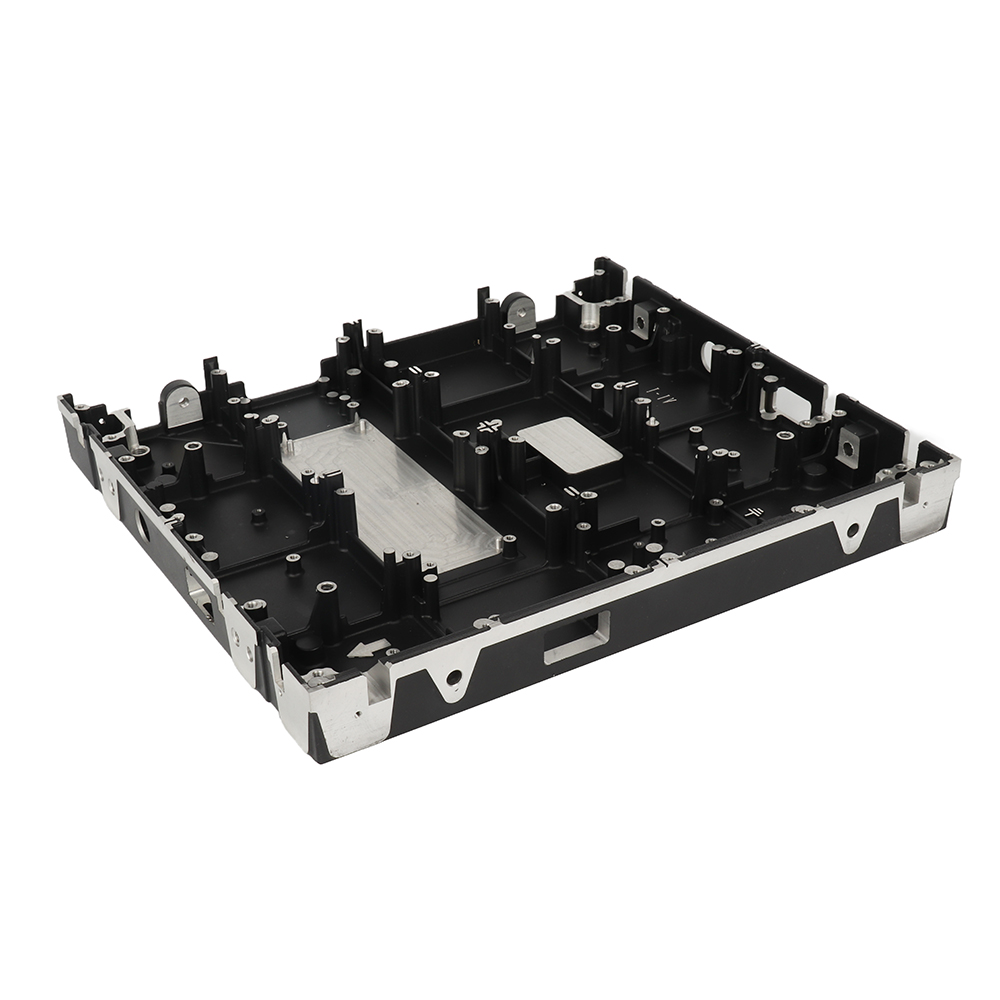
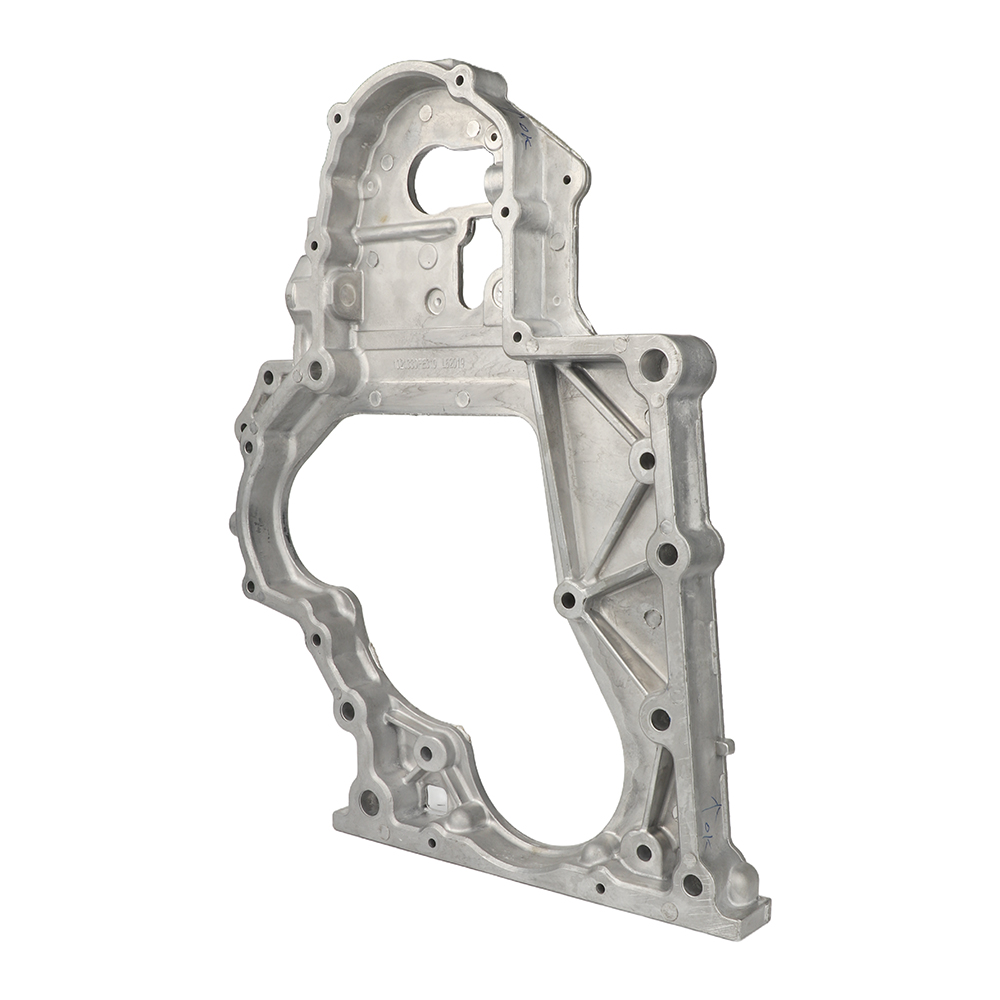
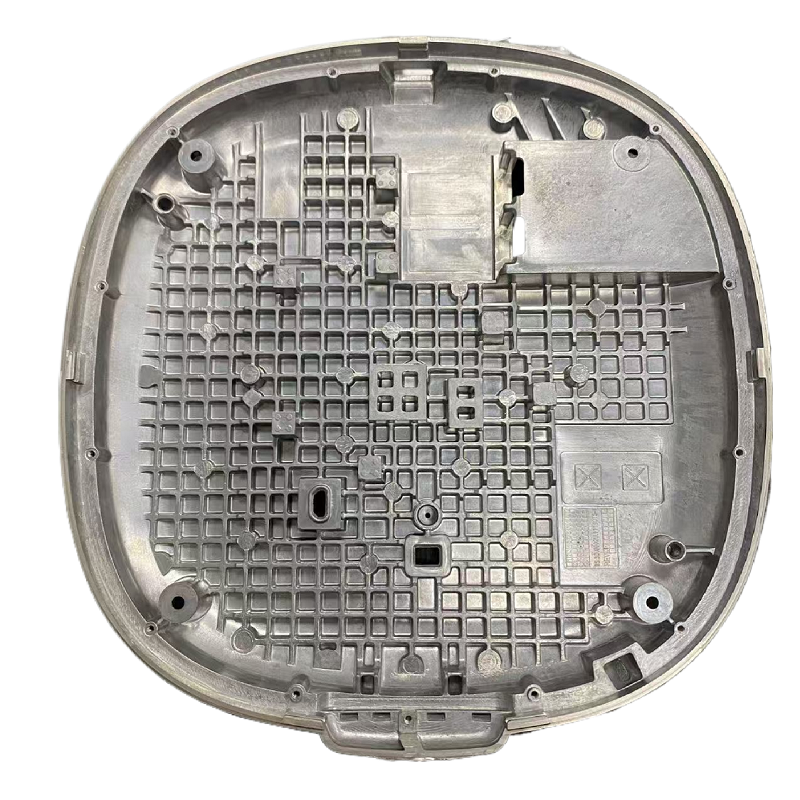
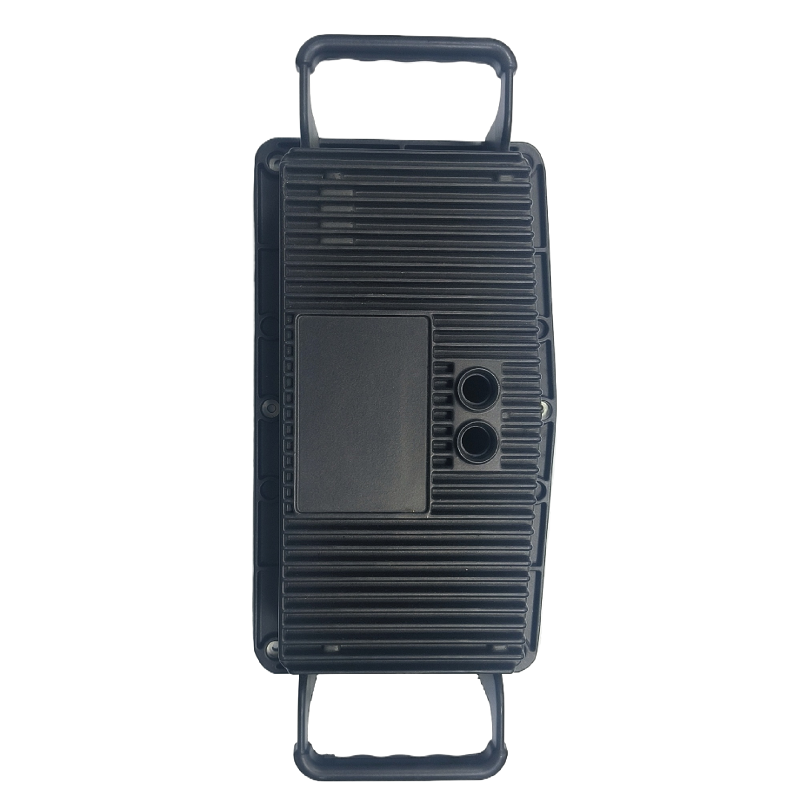
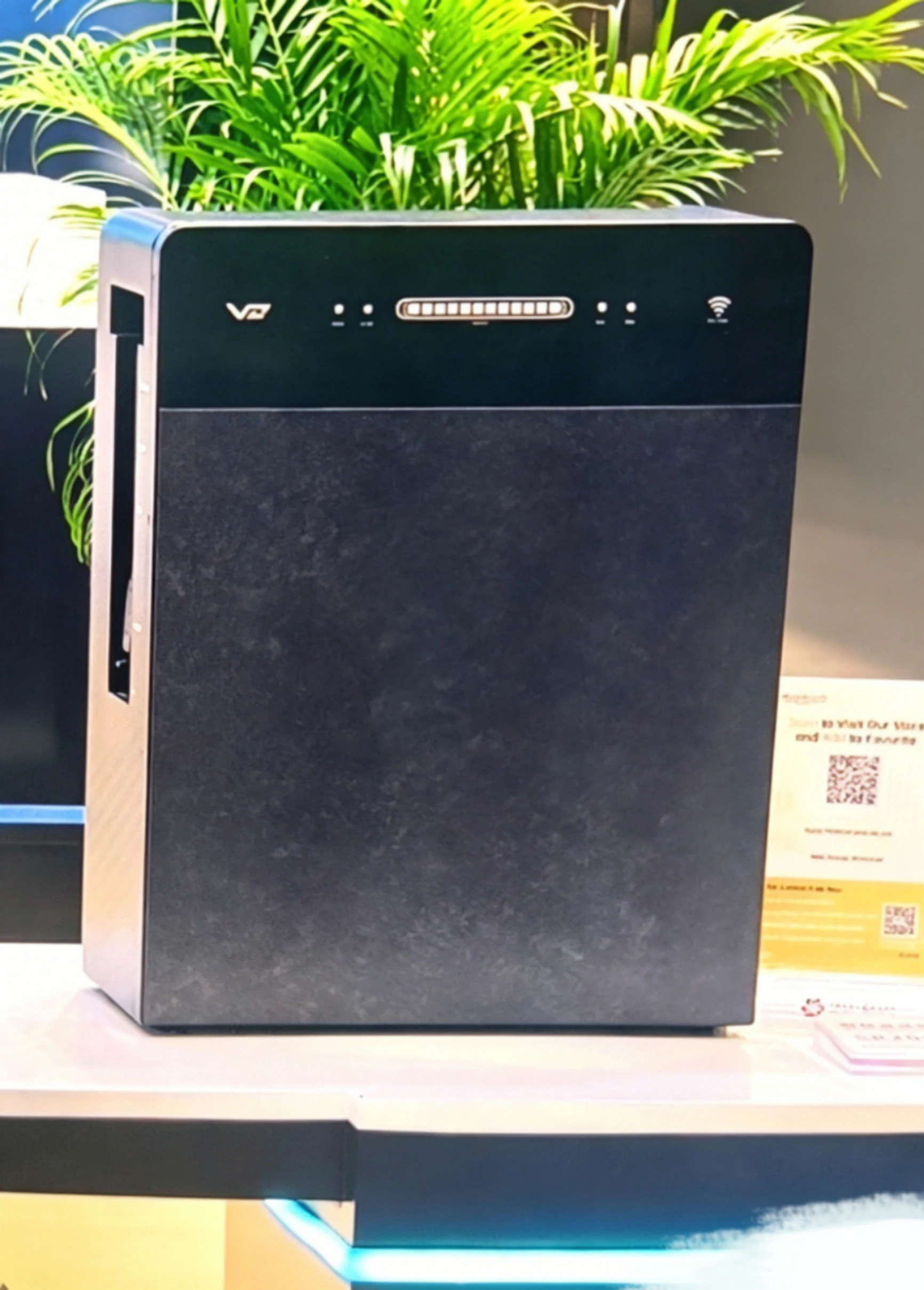
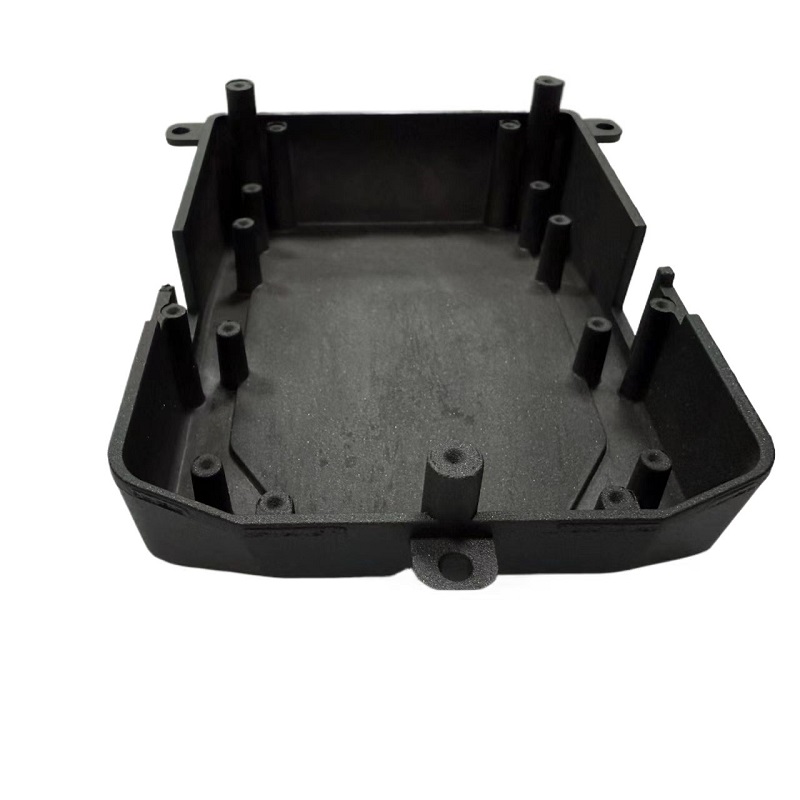
- Applications: Telecom equipment enclosures, automotive parts (engine brackets, sensor housings), industrial equipment parts (pump bodies, valve bodies), electronic product shells
Characteristics & Functions of Die Casting Aluminum Alloy Parts
Core Characteristics of Die Casting Aluminum Alloy Parts
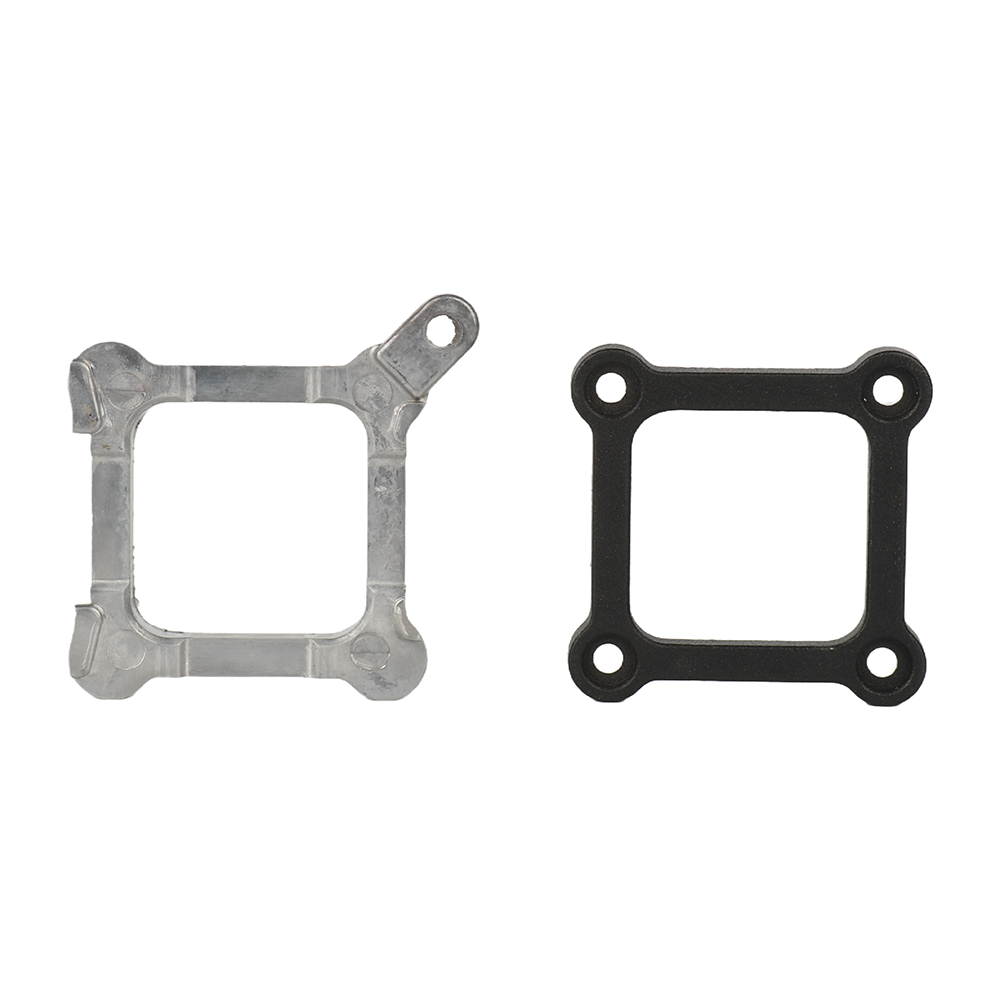
- High Precision: Produced via high-pressure die casting, parts have tight dimensional tolerances and consistent shape, reducing the need for post-processing.
- Complex Shapes: Can be manufactured into intricate, one-piece structures that would be difficult or expensive to produce with other processes (e.g., forging, machining).
- Surface Finish: Die casting aluminum parts have a smooth, uniform surface finish (Ra ≤ 1.6μm) that requires minimal polishing or grinding.
- Batch Consistency: Suitable for large-scale mass production, with consistent quality across thousands of parts.
- Customizability: Can be tailored in shape, size, and surface treatment to meet specific application needs.
Key Functions of Die Casting Aluminum Alloy Parts
- Structural Support: Provide rigid support for internal components (e.g., circuit boards, gears) in equipment, maintaining alignment and stability.
- Protective Housing: Shield sensitive electronics and mechanical parts from dust, moisture, vibration, and physical impact (critical for outdoor and industrial applications).
- Heat Dissipation: Act as natural heat sinks for high-power components, preventing overheating and ensuring equipment reliability.
- Electromagnetic Shielding: The conductive nature of aluminum provides effective EMI/RFI shielding, preserving signal integrity in telecom and electronic equipment.
- Assembly Compatibility: Designed with mounting holes, grooves, and interfaces for easy integration with other components, simplifying assembly processes.
Unmatched Benefits of Die Casting Aluminum Alloy Parts
1. Cost-Effective Mass Production
Die casting aluminum alloys enable high-speed, automated production, reducing per-unit costs for large batches. Their excellent castability and minimal post-processing needs further lower manufacturing expenses, making them more affordable than steel or other alloy parts.
2. Weight Reduction & Energy Savings
The lightweight nature of die casting aluminum parts reduces the overall weight of equipment (e.g., automotive, aerospace), leading to lower energy consumption and improved efficiency. For example, using aluminum die casting parts in vehicles can reduce fuel consumption by 5-10%.
3. Long Service Life & Durability
With strong corrosion resistance, high mechanical strength, and dimensional stability, die casting aluminum parts have a long service life (up to 10+ years in harsh environments), reducing replacement costs and downtime.
4. Versatility Across Industries
Die casting aluminum alloy parts are used in a wide range of industries—automotive, telecom, industrial equipment, electronics, and more—thanks to their adaptable properties and customizability.
5. Environmental Friendliness
Aluminum is 100% recyclable with minimal loss of quality, making die casting aluminum parts an eco-friendly choice. Recycling aluminum requires only 5% of the energy needed to produce primary aluminum, reducing carbon emissions.
Expert Insights: The Value of Die Casting Aluminum Alloys
To gain deeper insights into the importance of die casting aluminum alloys, we invited Michael Brown, a senior materials engineer with 30 years of experience in die casting and alloy development, to share his expertise:
“Die casting aluminum alloys have revolutionized modern manufacturing by addressing the core needs of industries: precision, efficiency, and cost-effectiveness. The key to their success lies in their balanced properties—excellent fluidity for complex parts, high strength-to-weight ratio for weight reduction, and good machinability for precision. ADC12, in particular, stands out because it offers the best combination of performance and cost for most industrial applications. Unlike other materials, die casting aluminum alloys allow manufacturers to produce high-quality parts in large batches without compromising on durability or functionality. As industries shift toward lightweight, energy-efficient products, the demand for die casting aluminum alloys will only grow—making them a strategic choice for businesses looking to stay competitive.”
Mr. Brown also added: “When choosing die casting aluminum parts, it’s critical to work with a supplier that understands alloy composition and process control. Poorly formulated alloys or improper die casting processes can lead to defects like porosity or poor dimensional accuracy, which undermine the benefits of aluminum die casting. A reliable supplier will not only provide high-quality parts but also offer technical support to optimize part design for the die casting process.”
Frequently Asked Questions (FAQs) About Die Casting Aluminum Alloys
Q1: What is the difference between die casting aluminum alloys and ordinary aluminum?
A1: Ordinary aluminum has pure composition and limited mechanical strength, making it unsuitable for die casting. Die casting aluminum alloys are specially formulated with added elements (Si, Cu, Fe) to improve fluidity, strength, and castability—tailored for high-pressure die casting processes and industrial applications.
Q2: Why is ADC12 the most widely used die casting aluminum alloy?
A2: ADC12 offers an unbeatable balance of performance and cost. It has excellent fluidity for complex parts, good mechanical strength, easy machinability, and low raw material costs. Its higher silicon content (9.6-12.0%) also makes it more suitable for complex castings than alternatives like ADC10, with better strength and lower hot brittleness. It meets the needs of most industrial applications, making it the preferred choice for manufacturers.
Q3: Can die casting aluminum alloy parts be used in outdoor environments?
A3: Yes. Die casting aluminum alloys have a natural oxide layer for basic corrosion resistance. With additional surface treatments (anodizing, powder coating), they can withstand outdoor conditions—including rain, humidity, and salt spray—making them ideal for outdoor telecom equipment, automotive parts, and industrial machinery.
Q4: What is the maximum size of die casting aluminum alloy parts?
A4: The size depends on the die casting machine’s clamping force. Professional suppliers (like Xinghang Precision Hardware) have machines with clamping forces from 160T to 6300T, capable of producing parts from small precision components (a few grams) to large structural parts (up to 50kg).
Q5: Are die casting aluminum alloy parts recyclable?
A5: Yes, aluminum is 100% recyclable. Die casting aluminum parts can be melted down and reused to produce new parts without losing quality, making them an eco-friendly and sustainable choice.
Q6: How to improve the corrosion resistance of die casting aluminum alloy parts?
A6: Common surface treatments include anodizing (forms a protective oxide layer), powder coating (resistant to scratches and chemicals), and electroplating (enhances corrosion resistance and aesthetic appeal). The choice of treatment depends on the application environment.
Conclusion: Industry Trends & How to Choose a High-Quality Hardware Supplier
Industry Trends of Die Casting Aluminum Alloy Parts
The die casting aluminum alloy industry is evolving rapidly, driven by global demand for lightweight, energy-efficient, and eco-friendly products. Key trends include:
- High-Precision & Complex Part Development: With the rise of 5G, new energy, and intelligent manufacturing, there is growing demand for high-precision, complex-shaped die casting aluminum parts (e.g., telecom enclosures, new energy vehicle components).
- Green & Sustainable Production: Manufacturers are adopting energy-saving die casting processes and recycling aluminum scrap to reduce carbon emissions and meet global environmental standards (RoHS, ISO14001).
- Alloy Innovation: Research and development of new die casting aluminum alloys (e.g., high-strength, heat-resistant alloys) to meet the needs of emerging industries (aerospace, renewable energy).
- Intelligent Manufacturing: Adoption of automated die casting lines, intelligent quality inspection, and digital management to improve production efficiency and product consistency.
How to Choose a High-Quality Hardware Processing Supplier
Choosing the right supplier is critical to ensuring the quality and cost-effectiveness of die casting aluminum alloy parts. Key factors to consider:
- Strength & Qualifications: Check for certifications (ISO9001, IATF16949, RoHS, ISO14001), advanced production equipment (die casting machines, inspection tools), and a professional R&D team.
- Alloy Expertise: Ensure the supplier has rich experience in processing die casting aluminum alloys, especially ADC12, with strict control over material composition and process parameters.
- Quality Control: Look for full-process quality inspection (raw material testing, in-production inspection, finished product testing) to ensure a qualified rate of ≥99.5%.
- Customization & Service: Choose a supplier that offers one-stop services (R&D, die casting, machining, surface treatment) and can provide customized solutions according to your drawings and requirements.
- Price & Bulk Discounts: Compare quotations, but prioritize quality and service. Look for suppliers that offer bulk discounts—the more you purchase, the more you save.
- Delivery & After-Sales: Ensure the supplier can deliver on time (sample delivery: 3-7 days, mass production: 15-30 days) and provide comprehensive after-sales service (technical support, defect replacement).
Recommended Supplier: Xinghang Precision Hardware – Your Trusted Partner
When it comes to high-quality die casting aluminum alloy parts (especially ADC12), Xinghang Precision Hardware is your ideal partner. Established in 2017 and located in Dongguan, China (a major manufacturing hub), we are a high-tech enterprise integrating R&D, mold manufacturing, die casting, precision machining, surface treatment, and assembly. We specialize in die casting aluminum alloys, with rich experience in ADC12 processing and a commitment to providing cost-effective, high-quality solutions for global customers.
Why Choose Xinghang Precision Hardware?
- Strong Technical Strength: Equipped with advanced die casting machines (160T-6300T), spectral analyzers, coordinate measuring machines (CMM), and X-ray flaw detectors; certified by ISO9001, IATF16949, RoHS, ISO14001.
- Professional ADC12 Expertise: Master core technologies of ADC12 material proportioning and process control, ensuring high-quality, consistent parts; we understand the advantages of ADC12 over other alloys like ADC10 and ADC14, and can recommend the best material for your needs.
- One-Stop Service: From R&D design and mold manufacturing to die casting, machining, and surface treatment, we simplify your procurement process and reduce communication costs.
- Bulk Discounts: The more you purchase in bulk, the more discounts you get—we offer flexible price policies for large orders, helping you reduce manufacturing costs.
- Reliable Quality & On-Time Delivery: Strict full-process quality control, product qualified rate ≥99.5%; perfect production management system to ensure on-time delivery of samples and mass production.
- Comprehensive After-Sales Service: Professional technical support and after-sales team to solve your problems in a timely manner, ensuring a smooth cooperation experience.
Contact Us
If you need die casting aluminum alloy parts (especially ADC12) or have any questions about die casting aluminum alloys, please feel free to contact us:
- Mobile/WeChat: +86 18819502691
- Email: liqine@xinghangcn.com
Xinghang Precision Hardware is committed to becoming your trusted partner, providing you with high-quality, cost-effective die casting aluminum alloy parts and customized solutions. Take advantage of our bulk discounts and let us help your business develop better!
Aluminum cnc machining service | What are the advantages of aluminum CNC machining service ? Complete Guide
Die casting companies | What services do die casting companies offer? A Complete Guide with Xinghang Precision Hardware
Related Article

Custom die cast parts are tailor-made precision industrial components manufactured through high-pressure die casting technology, secondary precision machining, and professional surface treatment.
Custom die cast parts | What are custom die cast parts?Complete Guide to ADC12 Aluminum Die Casting

When sourcing precision metal components for industrial, automotive, electronic, and hardware projects, the search for aluminium die casting near me is one of the most common and critical inquiries for global buyers.
Aluminium die casting near me | Where can I find a reliable aluminium die casting manufacturer near me?

Pressure die cast aluminium parts are high-precision industrial components manufactured throughhigh-pressure die casting technology, secondary precision machining and professional surface treatment processes.
Pressure die cast aluminium | Looking for high-quality pressure die cast aluminium parts for your project?

Custom aluminum die casting parts are personalized industrial metal components manufactured through high-pressure die casting, precision secondary machining and professional surface treatment processes.
Aluminum die casting part | Need custom aluminum die casting parts?Complete Guide & Reliable Supplier