
HOT PRODUCTS
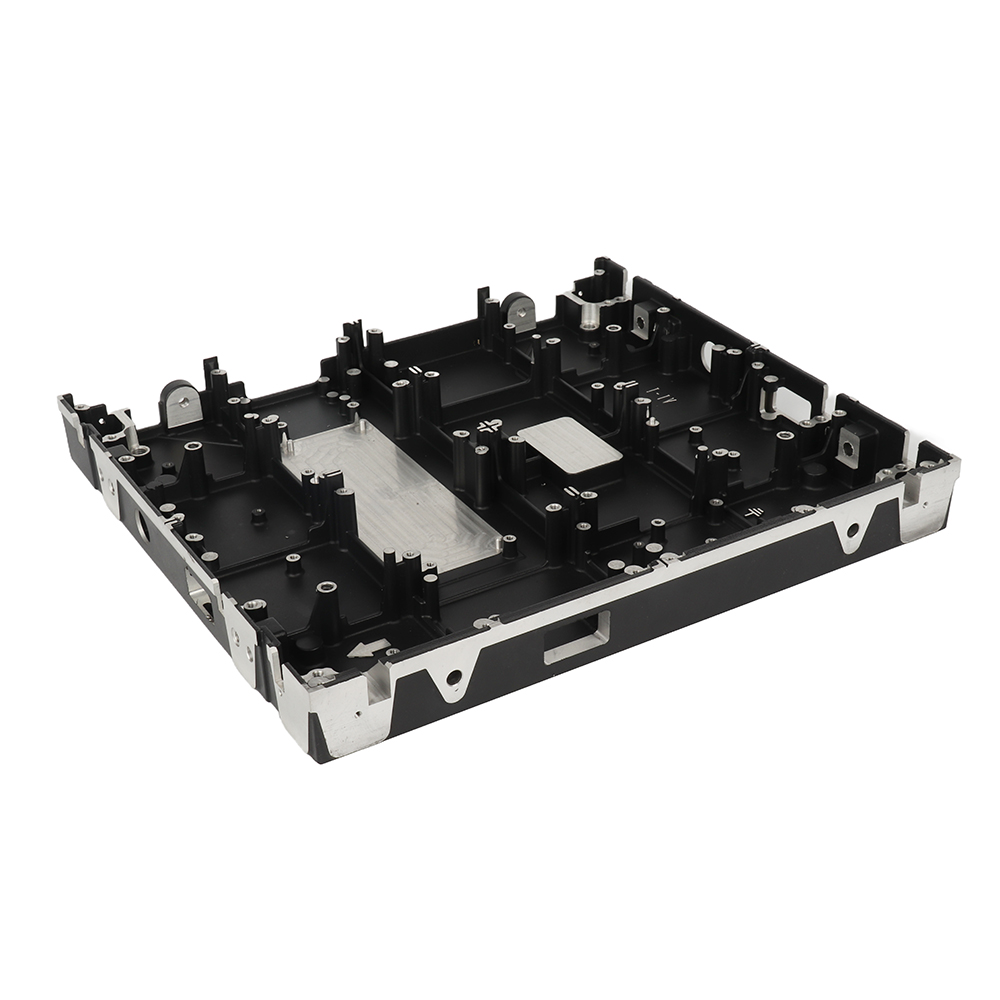
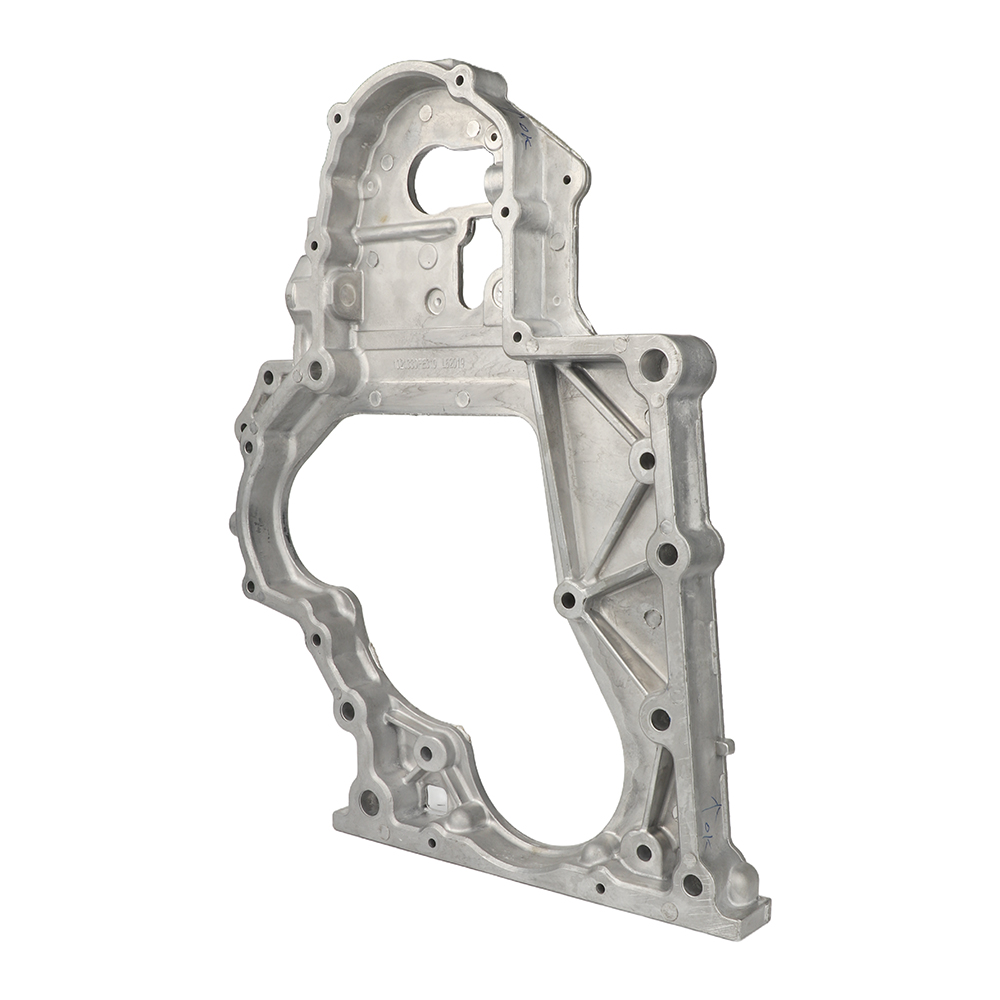
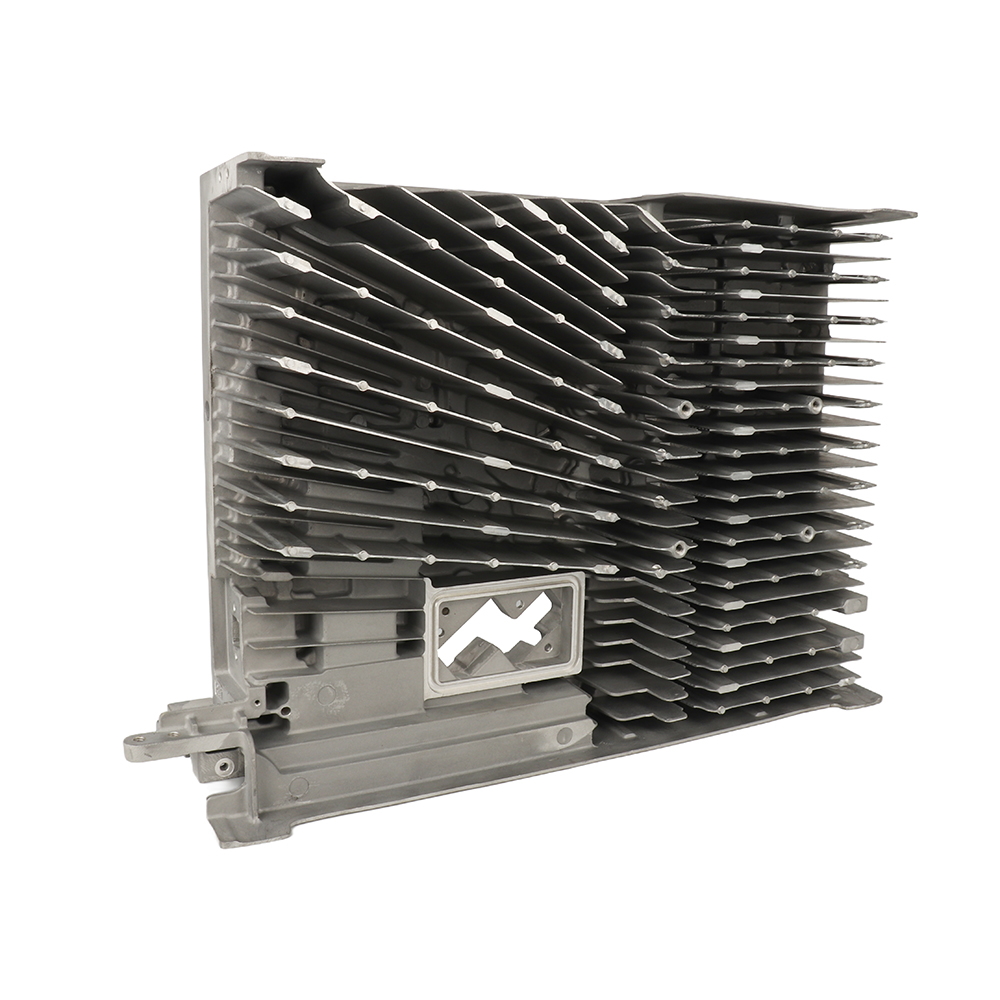
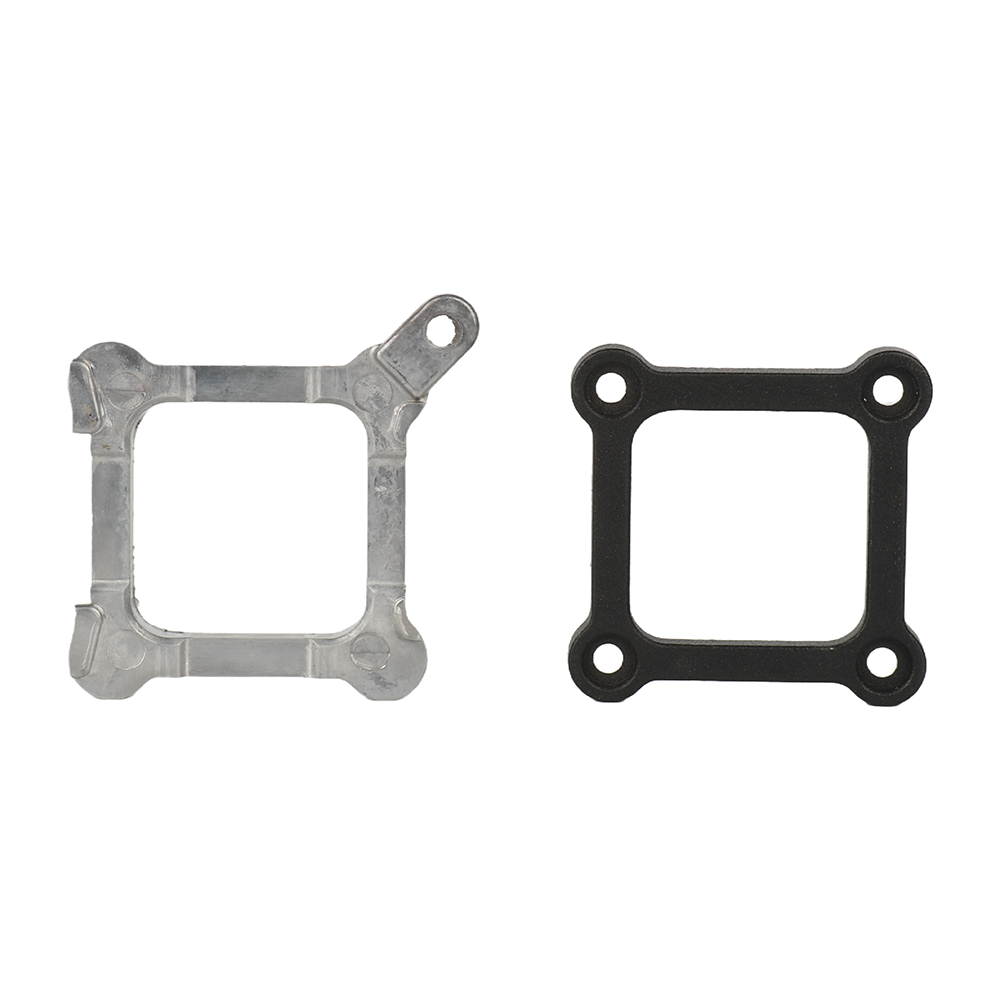
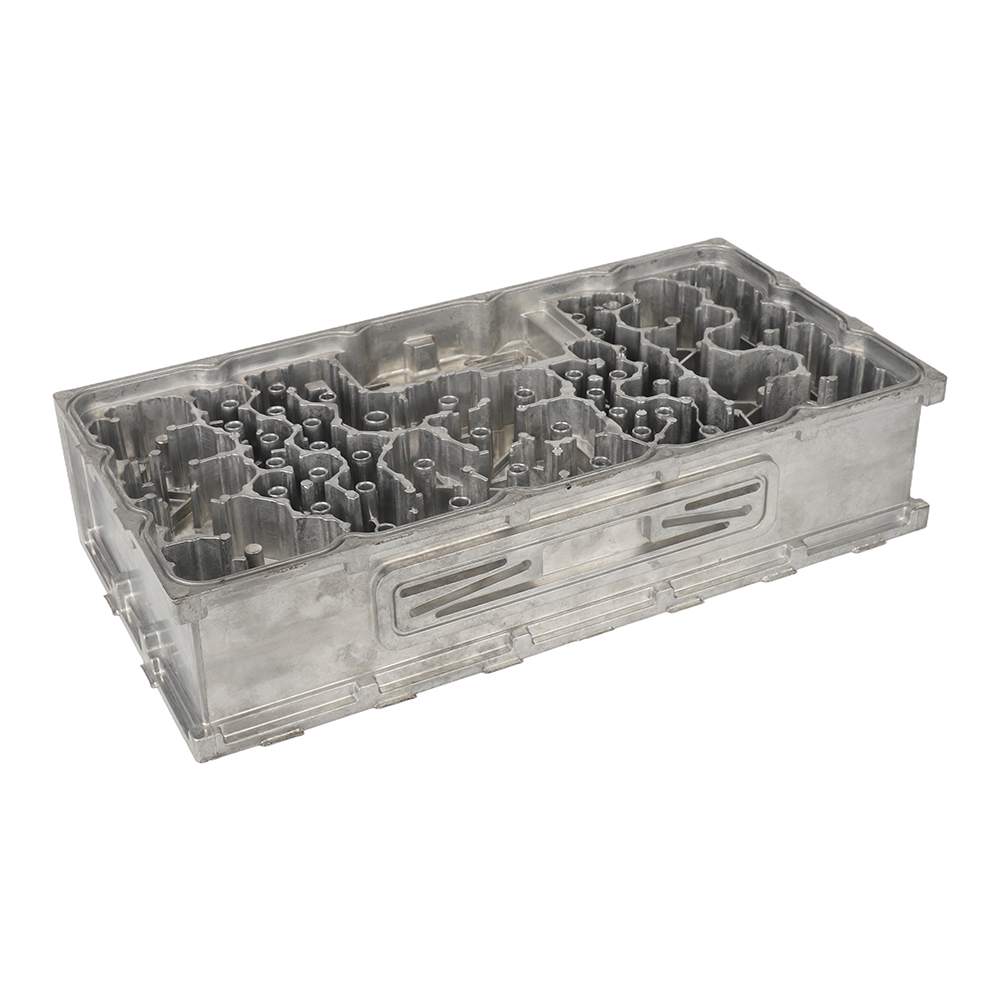
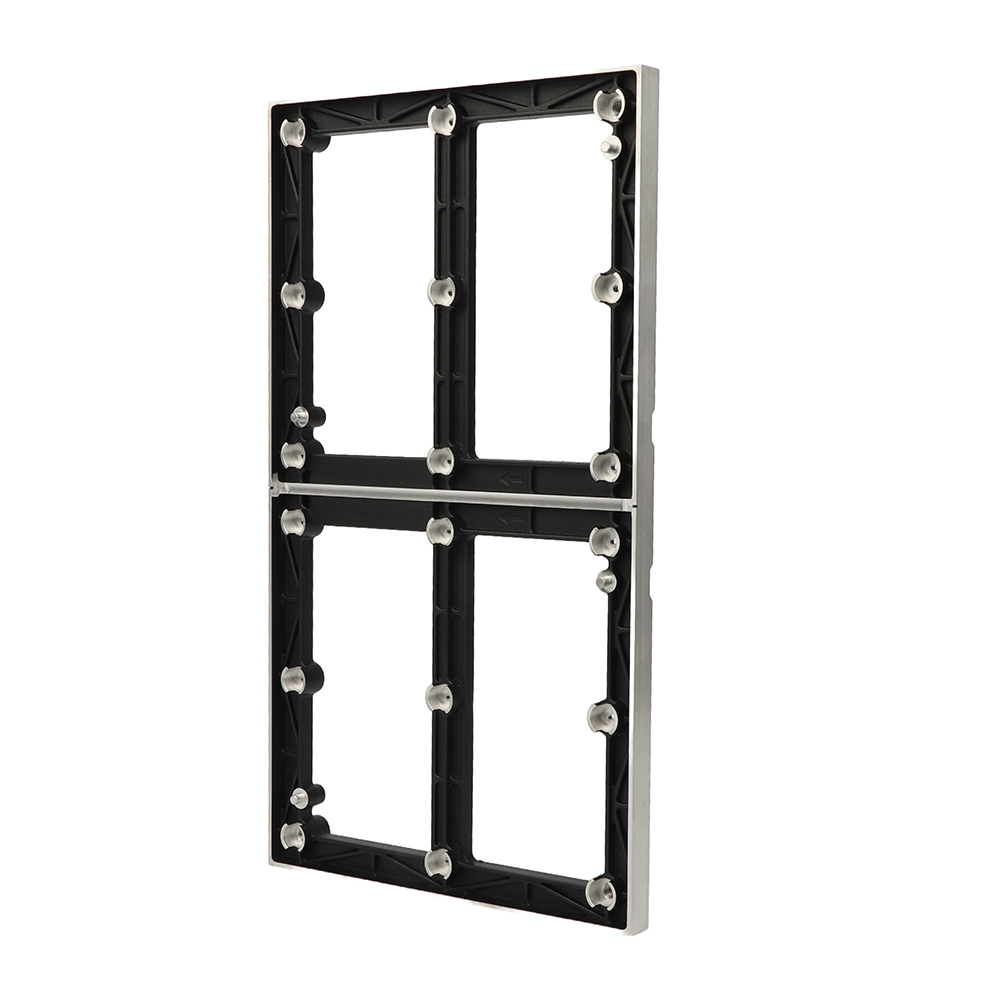
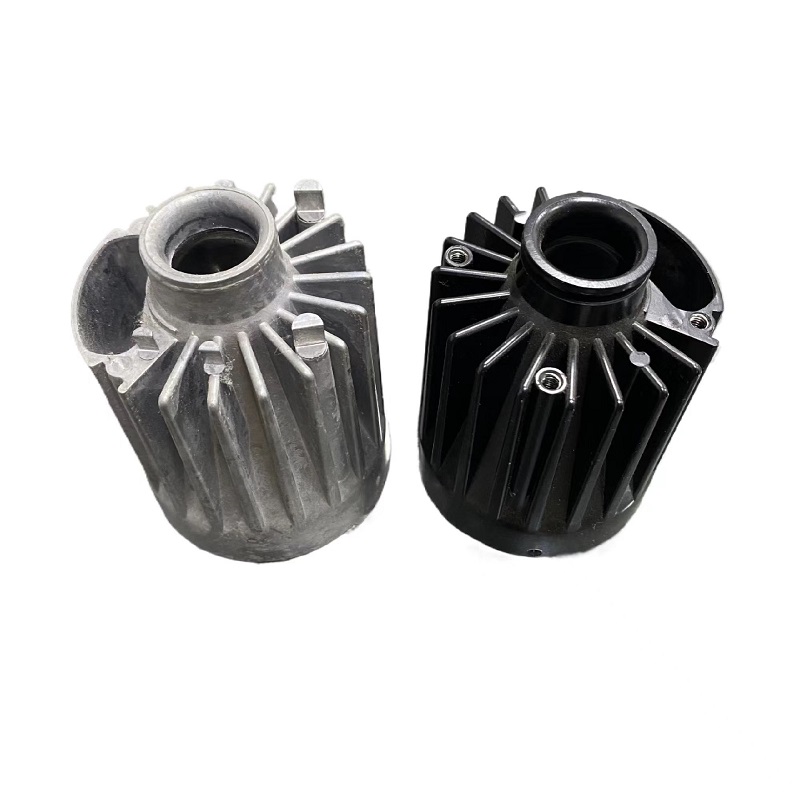
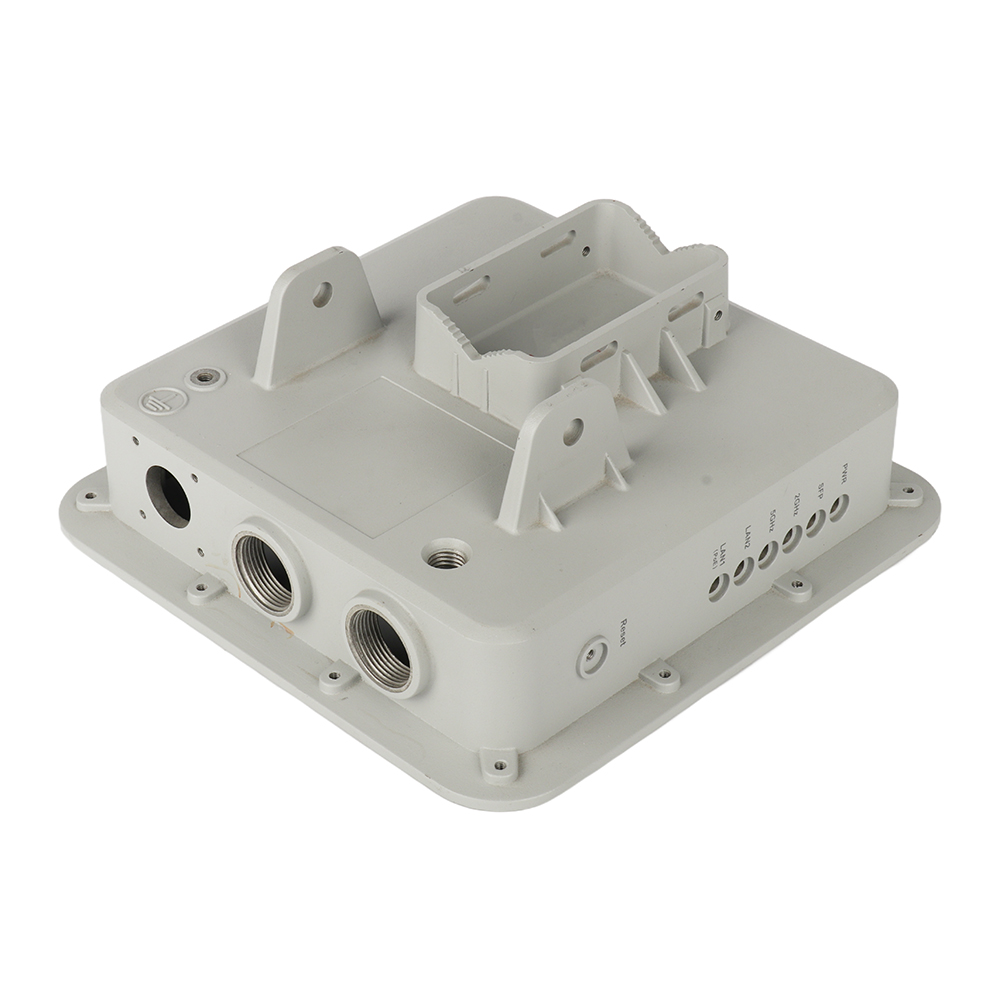
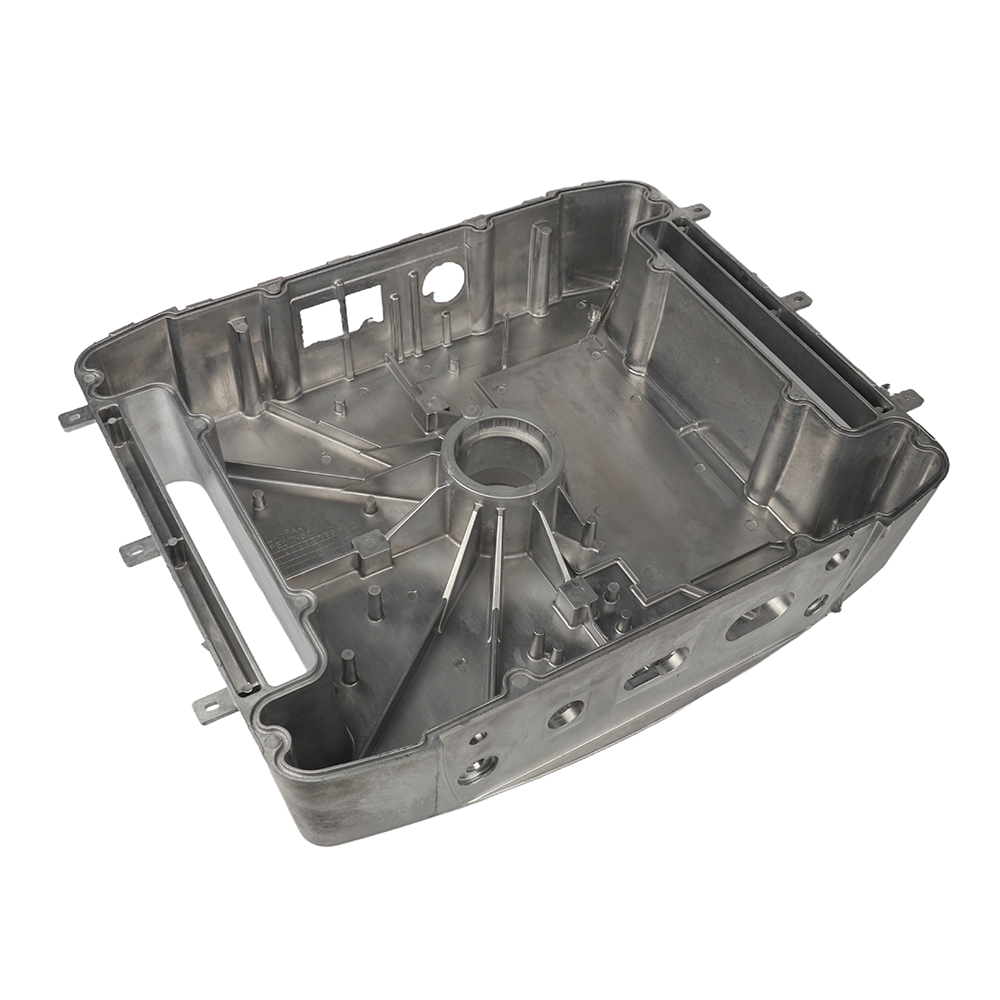
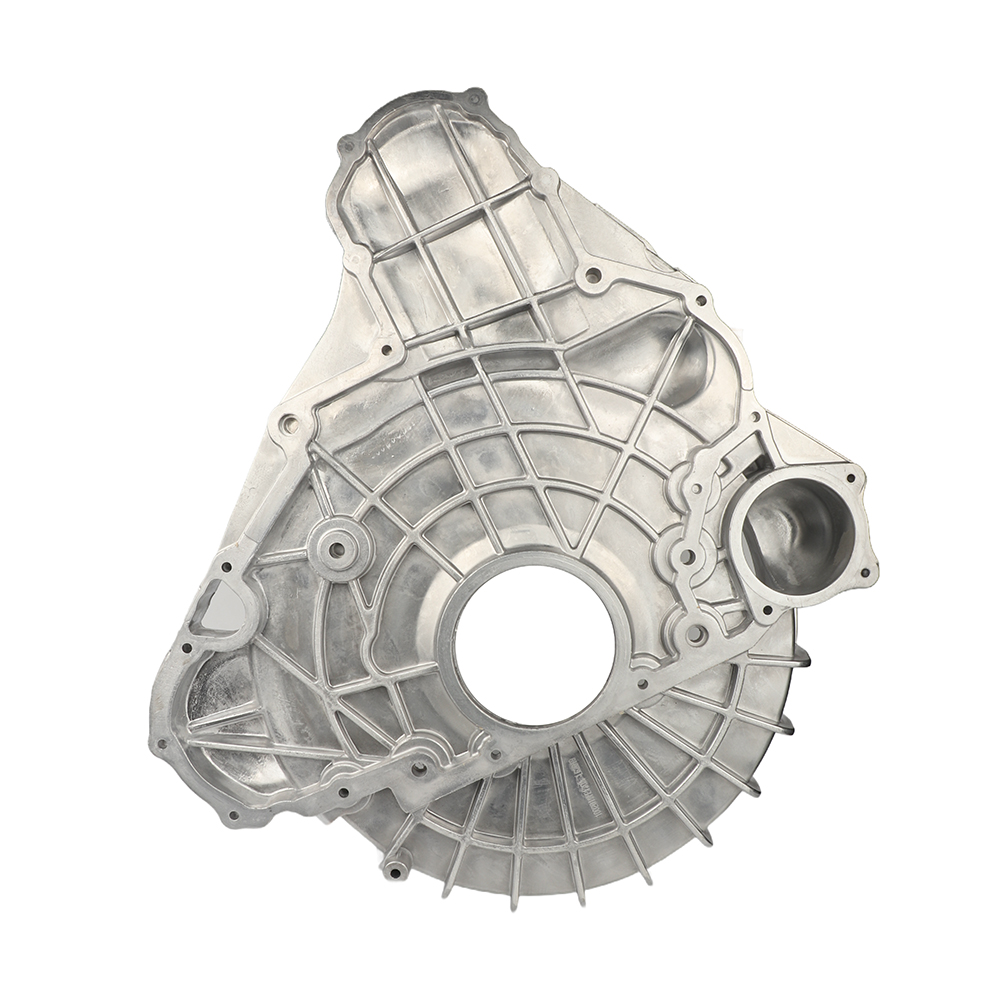
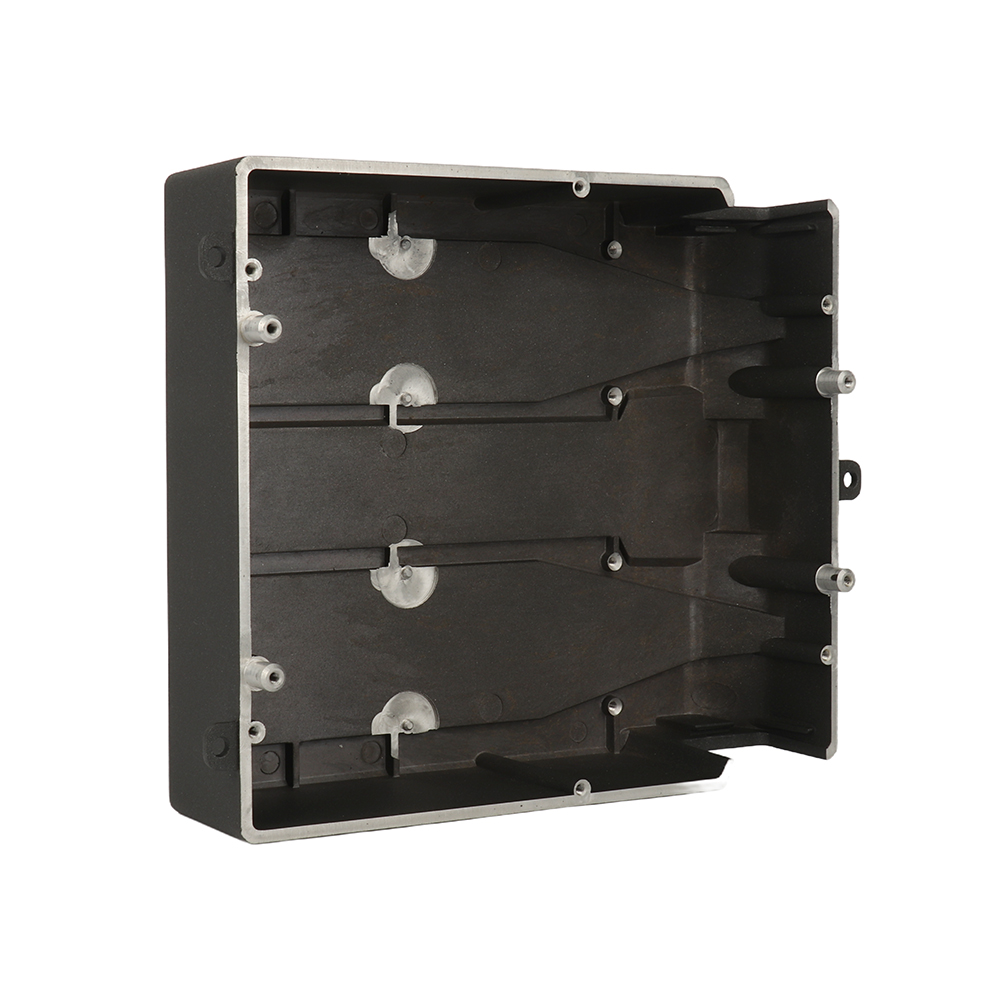
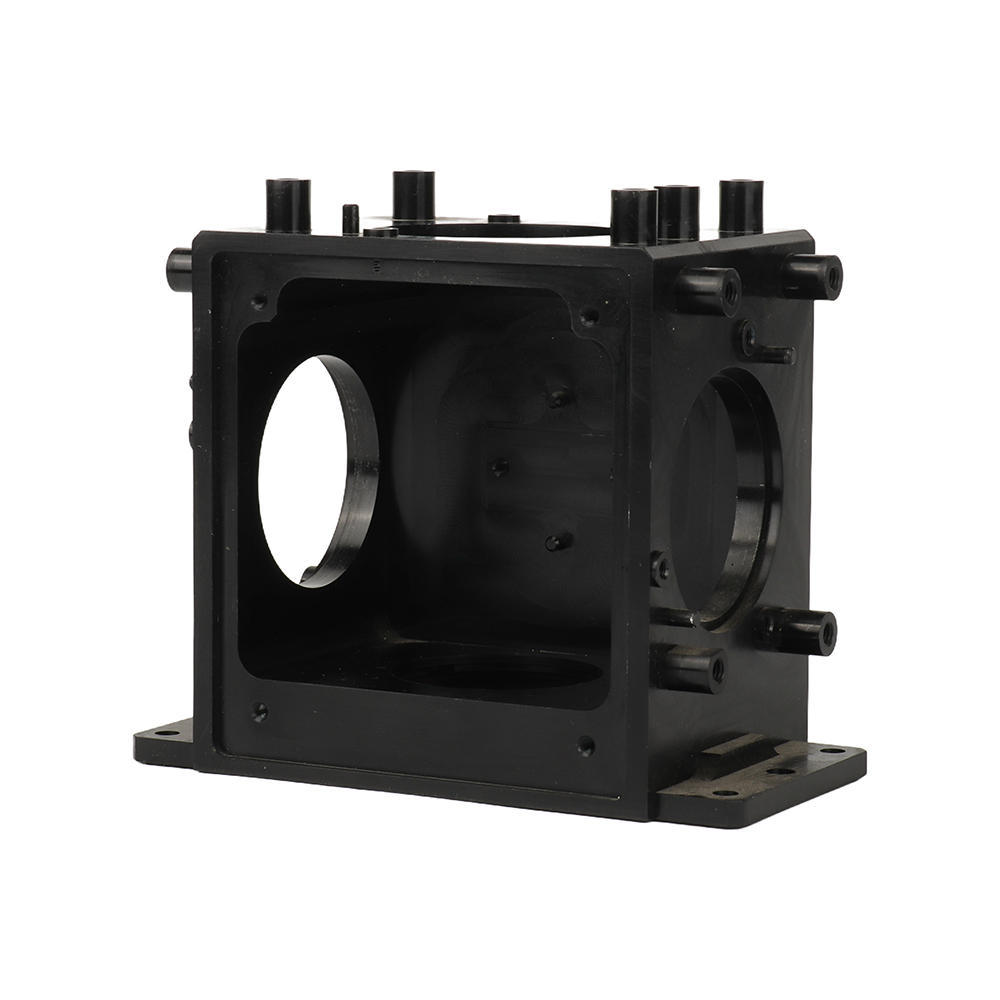
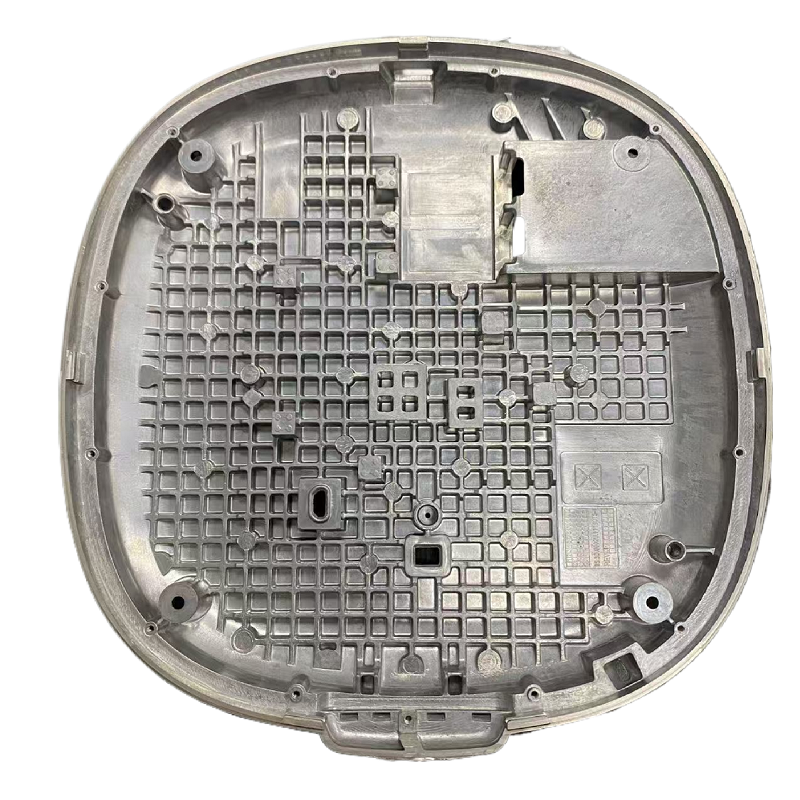
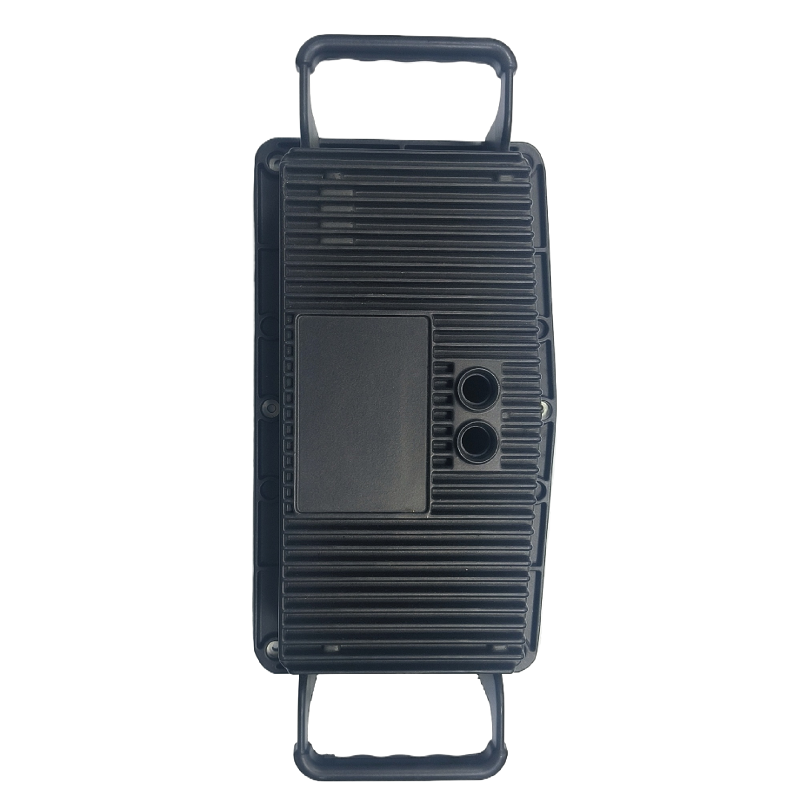
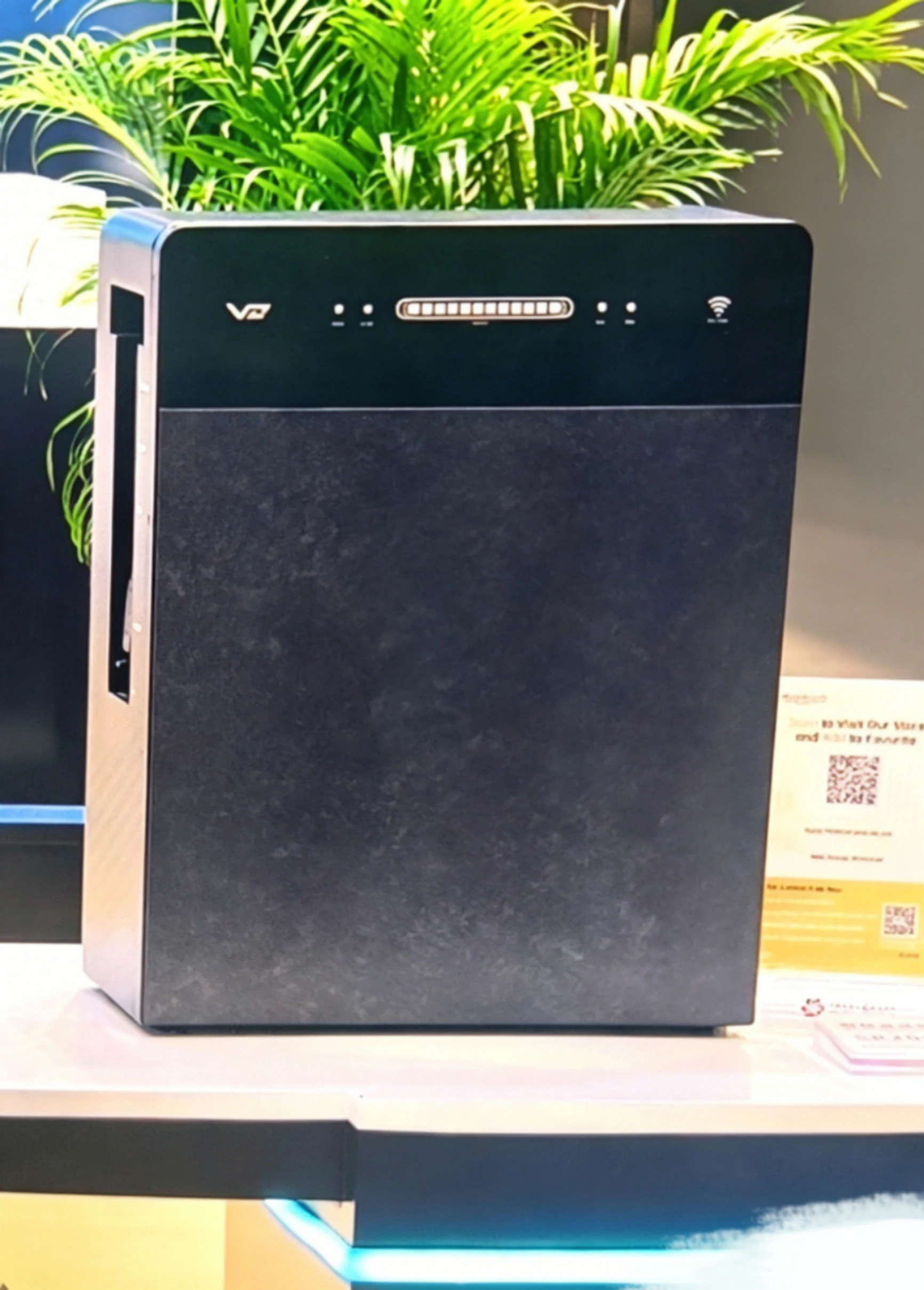
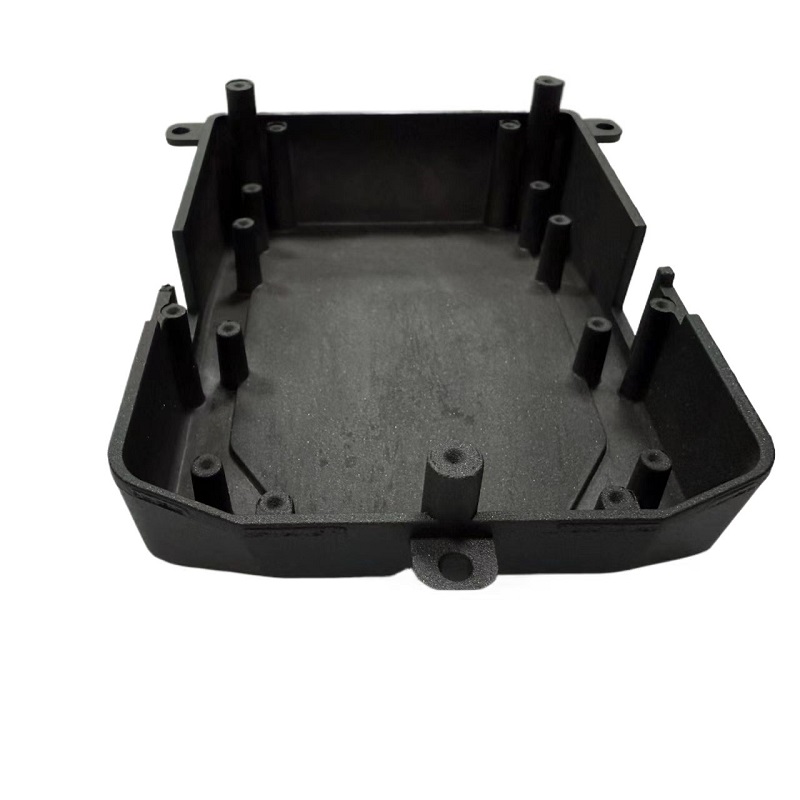
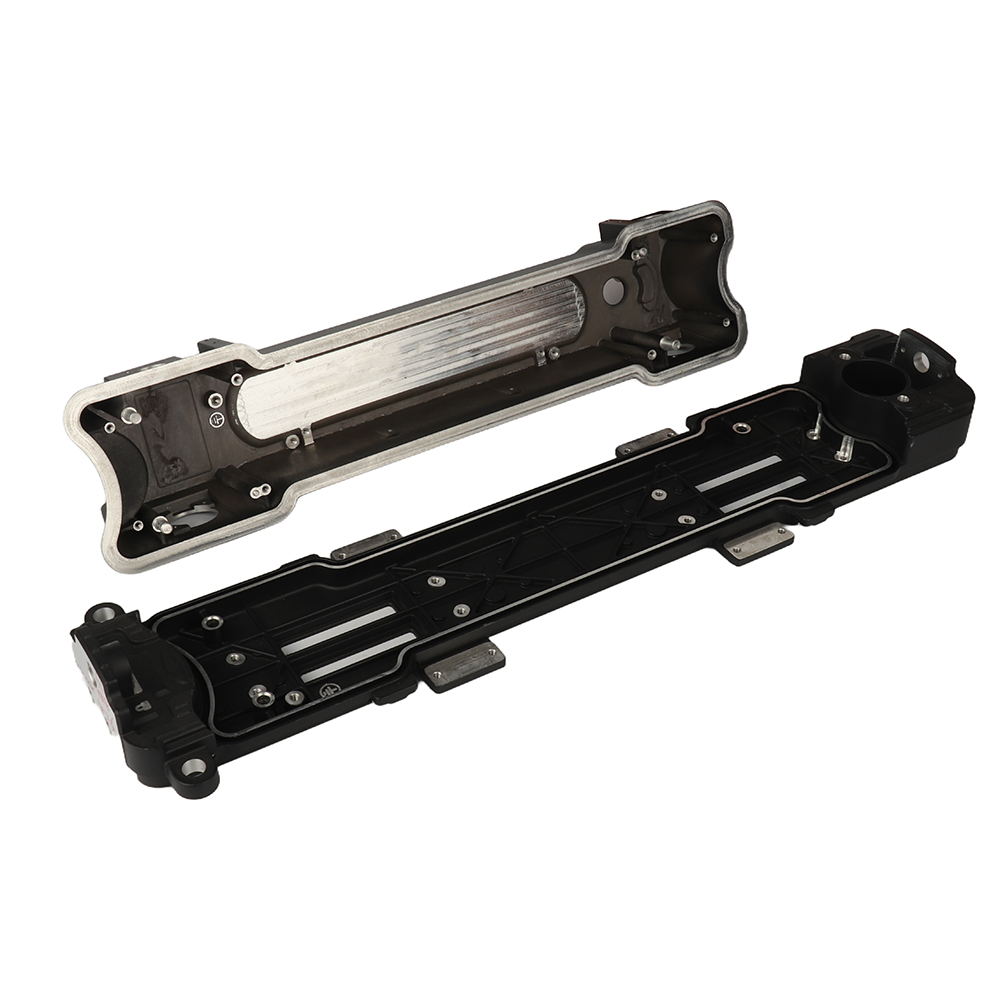
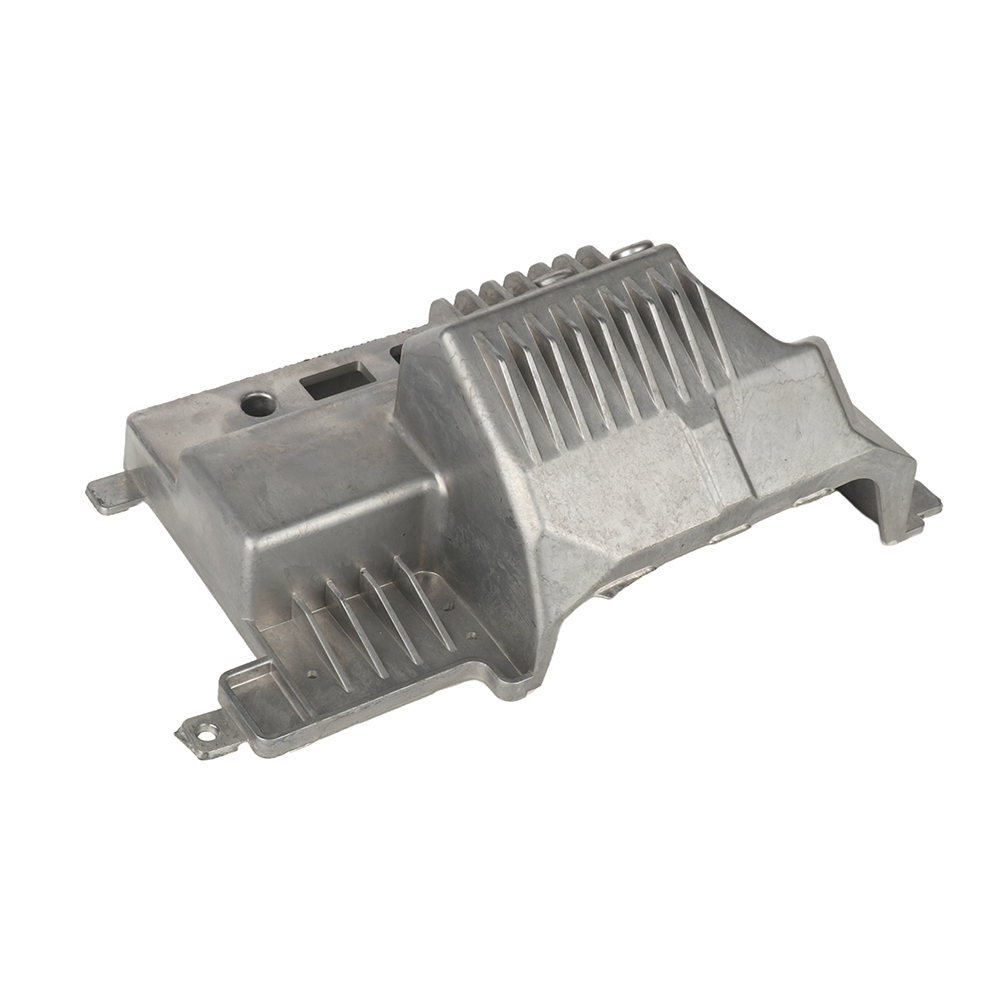
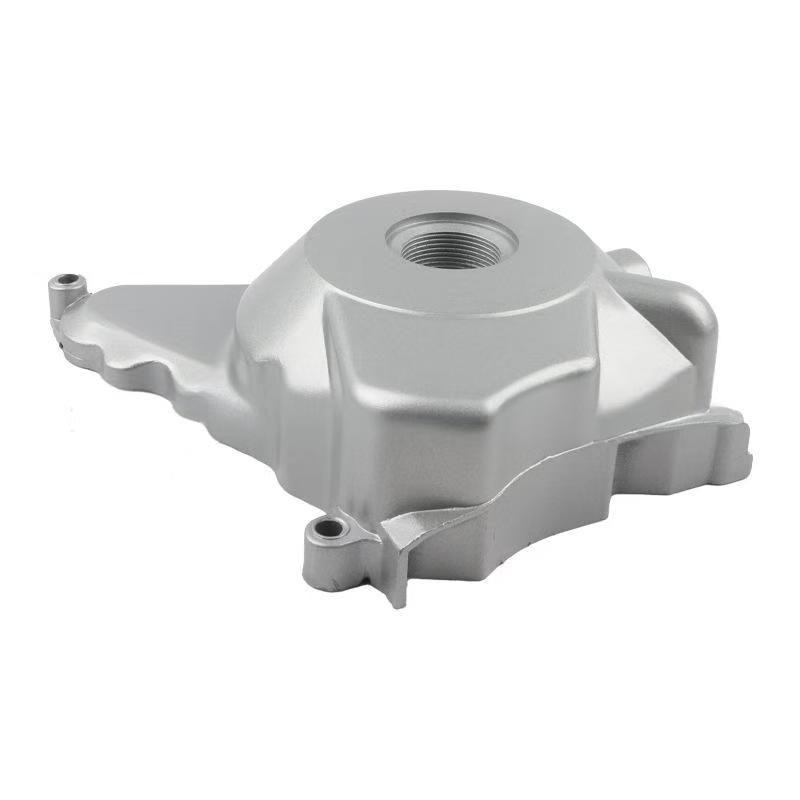
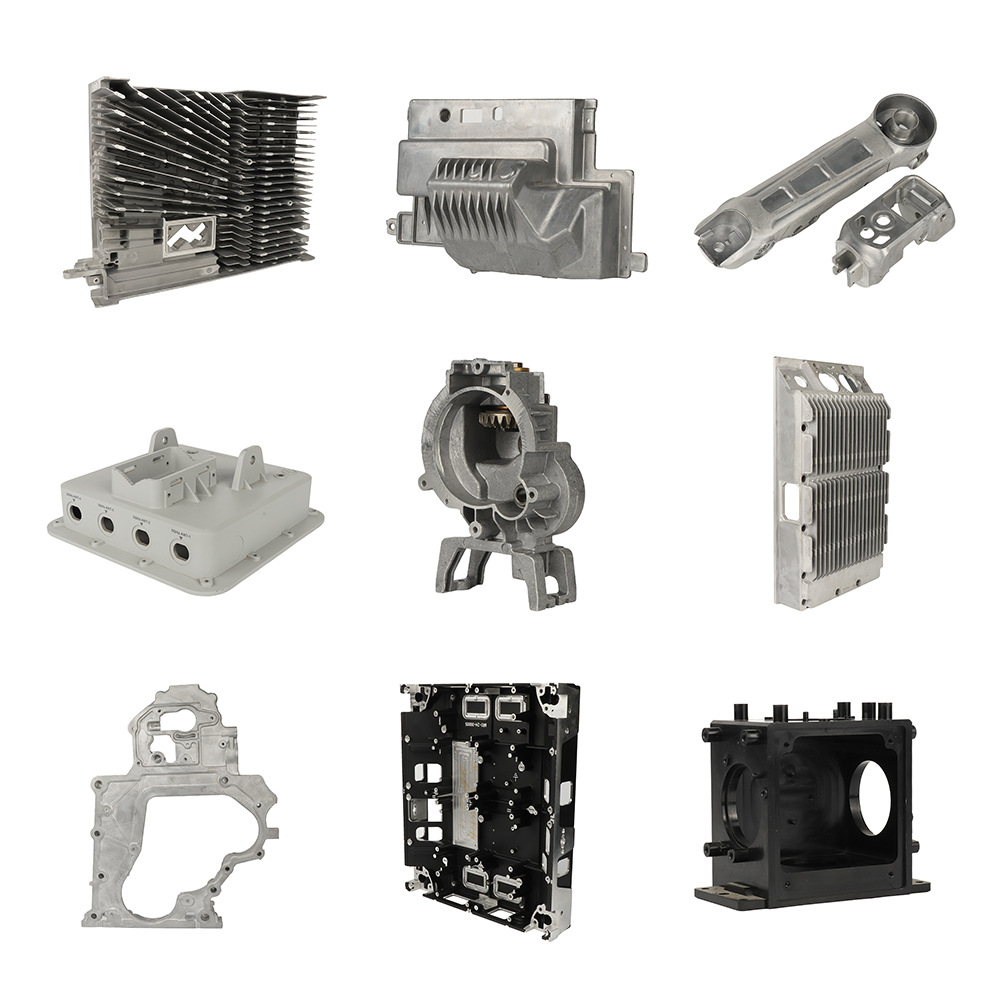
Magnesium alloy casting | What surface treatments fit magnesium alloy casting?
2026-06-17
What Surface Treatments Fit Magnesium Alloy Castings?
Table of Contents
- 1. Product Introduction: Magnesium Alloy Casting Core Attributes
- 2. Universal Performance Parameter Table for Magnesium Alloy Castings
- 3. Core Purposes and Key Benefits of Magnesium Casting Surface Treatment
- 4. Classification & Application of Qualified Surface Treatments
- 5. Professional Expert Viewpoints on Surface Treatment Selection
- 6. Industry Frequently Asked Questions (FAQs)
- 7. Industry Development Trends & High-Quality Supplier Selection Guidelines
- 8. Xinghang Precision Hardware Service & Bulk Order Preferential Policy
- 9. Overall Conclusion
1. Product Introduction: Magnesium Alloy Casting Core Attributes
1.1 Definition and Mainstream Forming Processes
Magnesium alloy casting refers to near-net-shape structural metal components fabricated by injecting molten magnesium alloy into customized metal molds. The two most widely adopted forming techniques are high-pressure die casting (HPDC) and permanent mold gravity casting. HPDC dominates mass production scenarios for consumer electronics and automotive lightweight parts, while gravity casting is used for low-volume, thick-wall structural components. Globally, AZ91D and AM60B account for nearly 90% of commercial magnesium casting orders due to balanced cost and mechanical performance.
1.2 Core Performance Advantages of Magnesium Alloy Castings
Compared with aluminum alloy, zinc alloy and carbon steel castings, magnesium alloy castings have irreplaceable lightweight comprehensive performance, which is the core reason for their rising market demand:
- Ultra-low structural density: 35% lighter than ADC12 aluminum die-casting, 74% lighter than 304 stainless steel, directly reducing equipment overall load and transportation energy consumption
- Superior thermal dissipation performance: Higher thermal conductivity than aluminum alloys of the same grade, ideal for 5G communication shells, new energy vehicle motor heat sinks
- Natural electromagnetic interference shielding (EMI shielding): Raw magnesium substrates can block 78% of electromagnetic signals without extra shielding coatings, meeting electronic product safety standards
- High vibration attenuation capacity: Absorbs 40% more mechanical vibration than aluminum alloys, suitable for drone fuselages and industrial robotic arm accessories
1.3 Inherent Structural Defects of Bare Magnesium Castings
Bare magnesium alloy castings have fatal application limitations without post-processing. Magnesium has an electrode potential of -2.37V, the lowest among all mainstream structural metals. Internal micro-shrinkage pores and intergranular segregation generated during casting break surface uniformity. Unlike aluminum alloys that form natural compact alumina passivation films, magnesium spontaneously generates loose magnesium oxide that cannot isolate air and moisture. Bare castings suffer severe pitting corrosion within one week in humid coastal environments.
1.4 Application Scenario Boundary of Bare Castings
Bare magnesium alloy castings can only be used in indoor, constant humidity, sealed nitrogen-filled environments with no salt fog exposure, covering less than 3% of industrial application scenarios. All outdoor, automotive, electronic and aerospace scenarios require mandatory surface treatment.

2. Universal Performance Parameter Table for Magnesium Alloy Castings
All data comply with ASTM B94 American industrial standard and EN 1753 European unified standard, tested by CMM three-coordinate measuring instruments and neutral salt spray test chambers, covering two mainstream commercial magnesium casting grades.
| Parameter Item | AZ91D (General Structural Parts) | AM60B (Shock-Absorbing Lightweight Parts) |
|---|---|---|
| Average Density | 1.81 g/cm³ | 1.79 g/cm³ |
| Room-temperature Tensile Strength | 230 MPa | 220 MPa |
| 0.2% Offset Yield Strength | 160 MPa | 130 MPa |
| Thermal Conductivity | 51.2 W/(m·K) | 61.0 W/(m·K) |
| Bare Casting Neutral Salt Spray Resistance | < 8 hours | < 10 hours |
| Maximum Wall Thickness for Stable Casting | 6mm | 8mm |
3. Core Purposes and Key Benefits of Magnesium Casting Surface Treatment
3.1 Core Processing Objectives
The core purposes of magnesium alloy casting surface treatment focus on four pain points: solving electrochemical corrosion, repairing surface micro-pores, improving assembly friction and enriching appearance aesthetics. Unlike aluminum alloy surface treatment, magnesium treatment requires strict control of solution pH to avoid substrate over-corrosion.
3.2 Unique Competitive Advantages After Surface Treatment
- Corrosion resistance improvement by 30-120 times: Qualified anodized magnesium castings can pass 1000-hour neutral salt spray tests, meeting offshore equipment standards
- Enhanced surface wear resistance: Hardened surface layers reduce assembly friction loss by 65%, extending part service life
- Retained lightweight property: All mainstream magnesium surface coatings have thickness below 50μm, with negligible weight increase compared to aluminum coatings
- Improved secondary bonding performance: Treated surfaces enhance adhesion for gluing, spraying and threaded assembly
4. Classification & Application of Qualified Surface Treatments
4.1 Chemical Conversion Coating
4.1.1 Chromate-free Passivation
A mainstream environmentally friendly pretreatment process, forming a 2-5μm compact conversion film. It is low-cost and suitable for internal non-appearance structural parts. Key advantage: no impact on dimensional tolerance, suitable for precision castings with ±0.02mm tolerance requirements.
4.2 Electrochemical Surface Treatment
4.2.1 Micro-arc Oxidation (MAO)
4.2.1.1 Applicable Scenarios
The highest-performance magnesium-specific treatment, forming ceramic oxide layers. Widely used for new energy vehicle and aerospace magnesium castings.Superior weather resistance is its core selling point.
4.3 Physical Surface Coating
4.3.1 Powder Spraying & PVD Coating
Used for consumer electronics appearance parts, supporting customized color and texture. PVD coating features fingerprint resistance and high surface gloss.
5. Professional Expert Viewpoints on Surface Treatment Selection
We quoted viewpoints from Dr. Elena Ward, senior material engineer of the International Light Metal Processing Association, who has 12 years of research on magnesium alloy post-processing:
"Most procurement teams overspend on redundant high-end surface treatments. For general indoor magnesium structural castings, chromate-free passivation plus topcoat spraying is fully qualified. Only parts exposed to long-term salt fog need micro-arc oxidation. The biggest failure in magnesium surface processing is ignoring pre-casting deburring: residual burrs will cause coating peeling within 6 months regardless of follow-up treatment processes."
Dr. Ward also emphasized that process matching instead of single-process performance determines the long-term stability of magnesium castings, which is often overlooked by small-scale processing suppliers.
6. Industry Frequently Asked Questions (FAQs)
Q1: Can magnesium alloy castings use the same surface treatment as aluminum alloys?
A1: No. Magnesium has far lower electrode potential. Standard aluminum anodizing solutions will directly dissolve magnesium substrates. Only magnesium-specialized alkaline treatment solutions are allowed, and cross-material process mixing is strictly prohibited.
Q2: Will surface treatment affect the electromagnetic shielding performance of magnesium castings?
A2: Non-conventional insulating coatings reduce shielding efficiency by 10%-15%. Conductive passivation and thin-layer MAO treatment have almost zero impact on EMI shielding, which is recommended for electronic components.
Q3: What is the minimum order quantity for customized magnesium surface treatment?
A3: Small-batch trial orders are supported, but unit cost is higher. Unit processing cost decreases significantly when order quantity exceeds 5,000 pieces.
7. Industry Development Trends & High-Quality Supplier Selection Guidelines
7.1 Core Development Trends of Magnesium Surface Treatment Industry
- Full environmental compliance: Hexavalent chromium-containing passivation has been completely phased out globally, and all export orders require RoHS and REACH dual certification
- Integrated casting and surface processing: Separate casting and outsourcing surface treatment leads to dimensional deviation. Integrated one-stop processing has become mainstream
- Ultra-thin high-performance coating iteration: Market demand for lightweight coatings is rising, replacing thick traditional paint layers
7.2 Standards for Selecting Qualified Hardware Processing Suppliers
- Complete internal testing equipment: Independent salt spray testing, dimensional inspection and coating adhesion testing laboratories
- Rich magnesium-specific processing experience: Avoid suppliers only focusing on aluminum alloy processing, who lack magnesium substrate corrosion control experience
- Batch quality consistency control: Stable production SOP to avoid coating color difference and peeling in large orders
- Cross-border document matching: Capable of providing full material test reports for customs clearance
8. Xinghang Precision Hardware Service & Bulk Order Preferential Policy
Xinghang Precision Hardware is a one-stop magnesium alloy casting and customized surface treatment manufacturer, focusing on precision lightweight metal component processing for global automotive, electronic and drone industries. We support full-process services including mold opening, die casting, CNC finishing and customized surface treatment.
8.1 Exclusive Bulk Discount Rules
We implement progressive preferential pricing: the higher the order batch quantity, the larger the comprehensive discount. Orders over 3,000 pieces enjoy a 6% overall discount; orders over 10,000 pieces enjoy a 14% overall discount, including mold fee, casting processing and surface treatment fees. Long-term framework customers can additionally enjoy free after-sales coating repair services.
8.2 Official Contact Information
Mobile / WhatsApp / WeChat: +86 18819502691
Official Email: liqine@xinghangcn.com
We provide free sample testing, process scheme customization and DFM design review for all inquiry customers within 24 working hours.
9. Overall Conclusion
Magnesium alloy castings are irreplaceable lightweight structural materials, and targeted surface treatment is the core premise for their large-scale industrial application. The surface treatment industry is evolving toward environmental protection, ultra-thin coating and integrated one-stop processing. For global buyers, choosing a professional magnesium-focused supplier rather than general metal processors is the key to controlling quality and cost. Blind pursuit of high-end treatment processes will cause unnecessary cost waste, and process matching with actual application scenarios is the optimal solution. By cooperating with Xinghang Precision Hardware, buyers can obtain stable high-precision magnesium casting products and obvious cost advantages through large-batch centralized ordering.
Aluminum die casting mold | How to develop and manufacture aluminum pressure casting molds?
Pressure casting | What is pressure casting? A Complete Guide Focused on ADC12 Aluminum Alloy
Related Article

Residential energy storage systems have become increasingly popular as homeowners pursue energy independence, solar self-consumption and backup power for grid outages.
Energy storage enclosure | What Are the Benefits of Die-Cast Home Energy Storage Enclosures?

A custom LED display frame is the core structural carrier for LED screen modules, widely manufactured with ADC12 aluminum alloy via high-pressure die casting.
LED display frame | What Are the Benefits of Custom LED Display Frames?

