
HOT PRODUCTS
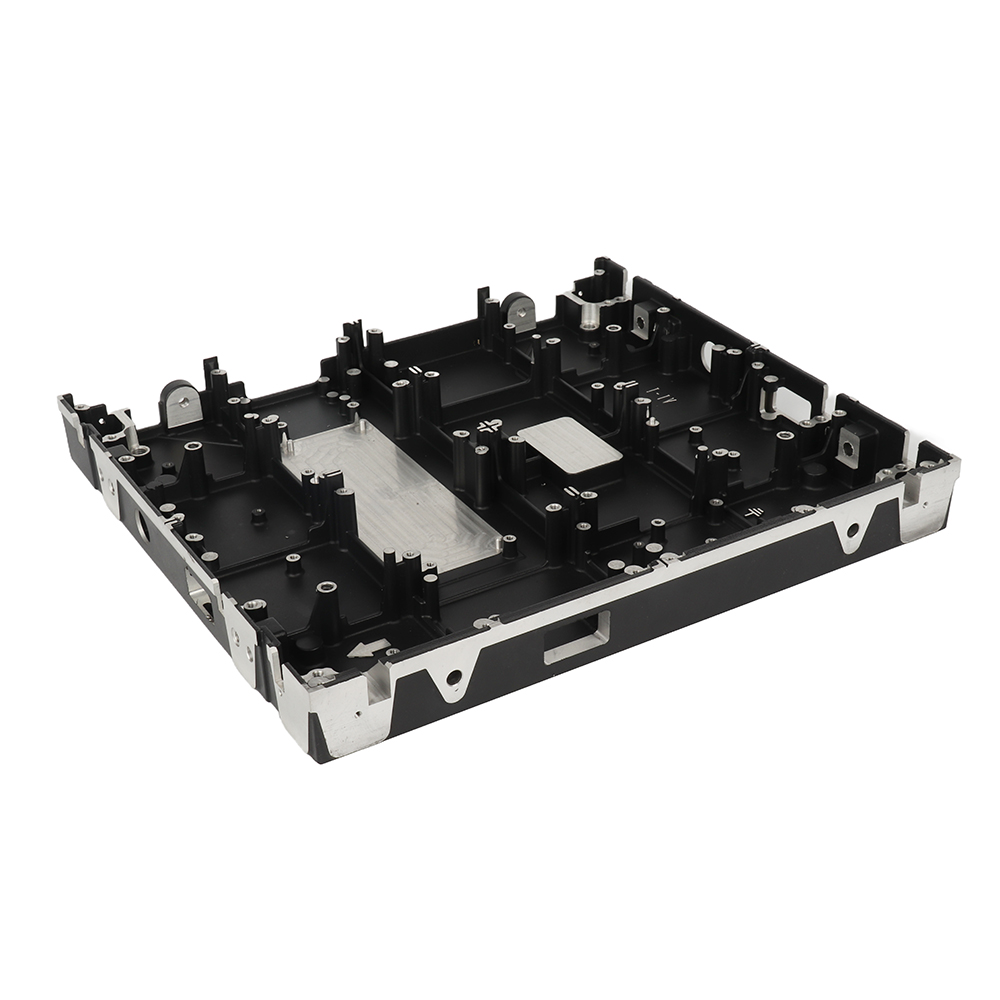
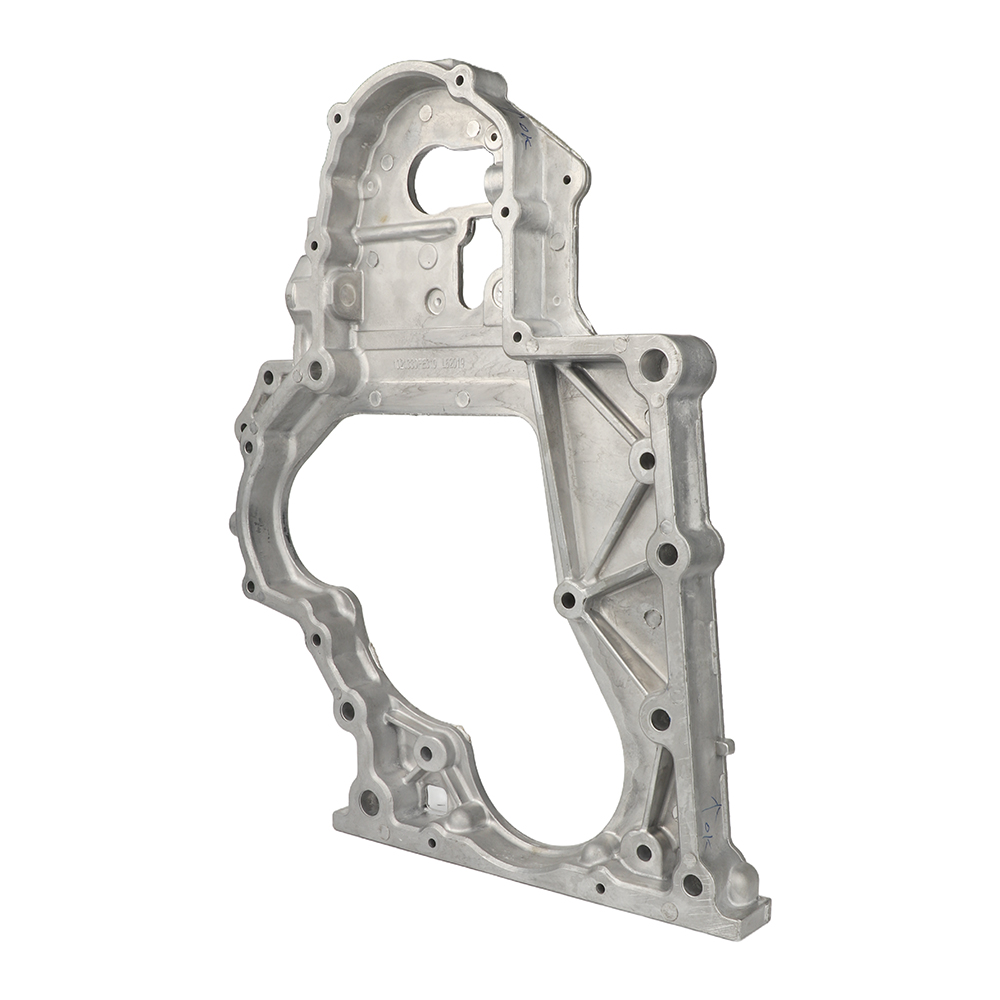
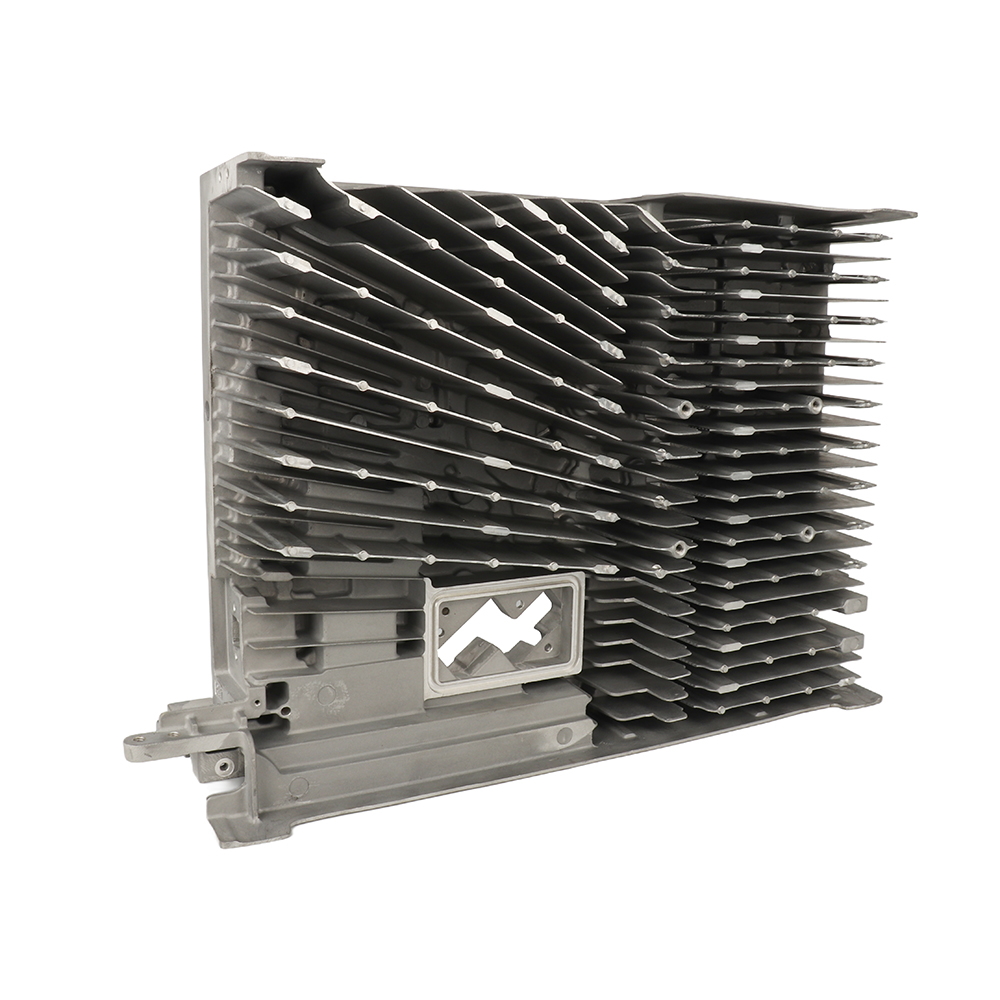
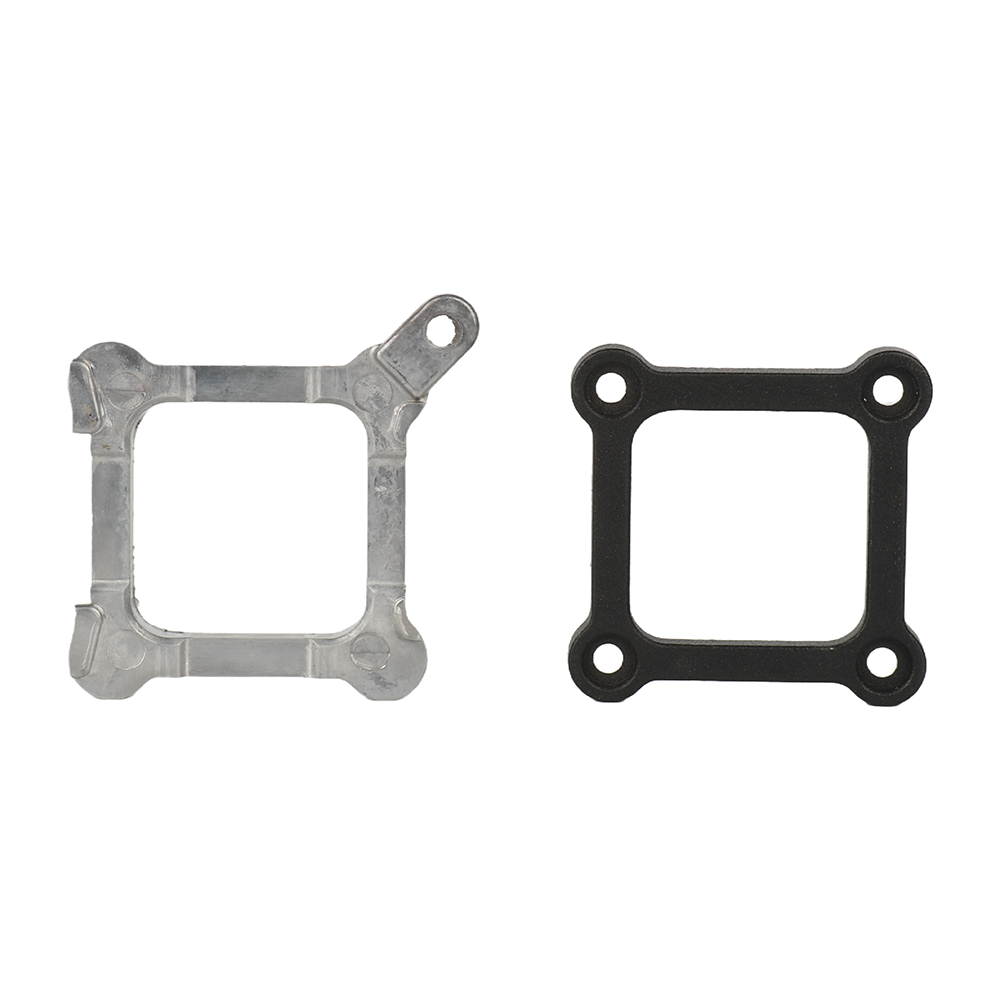
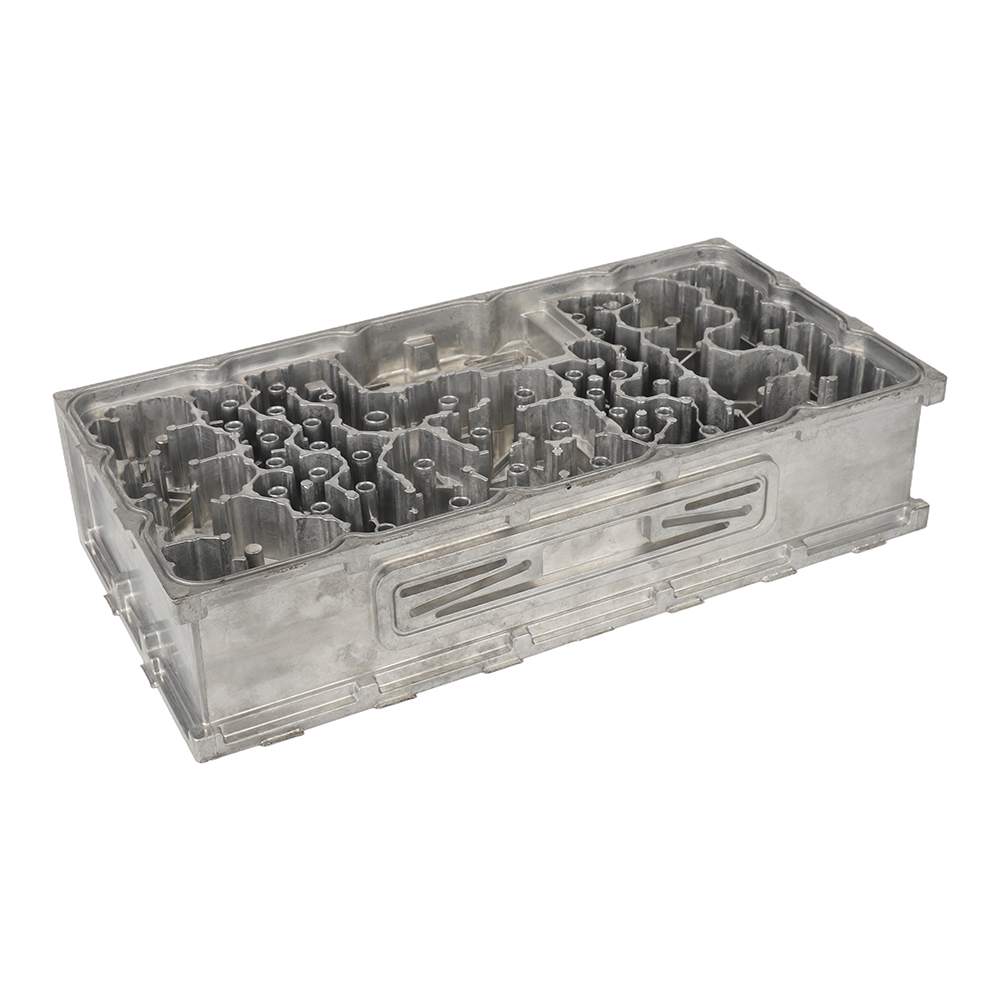
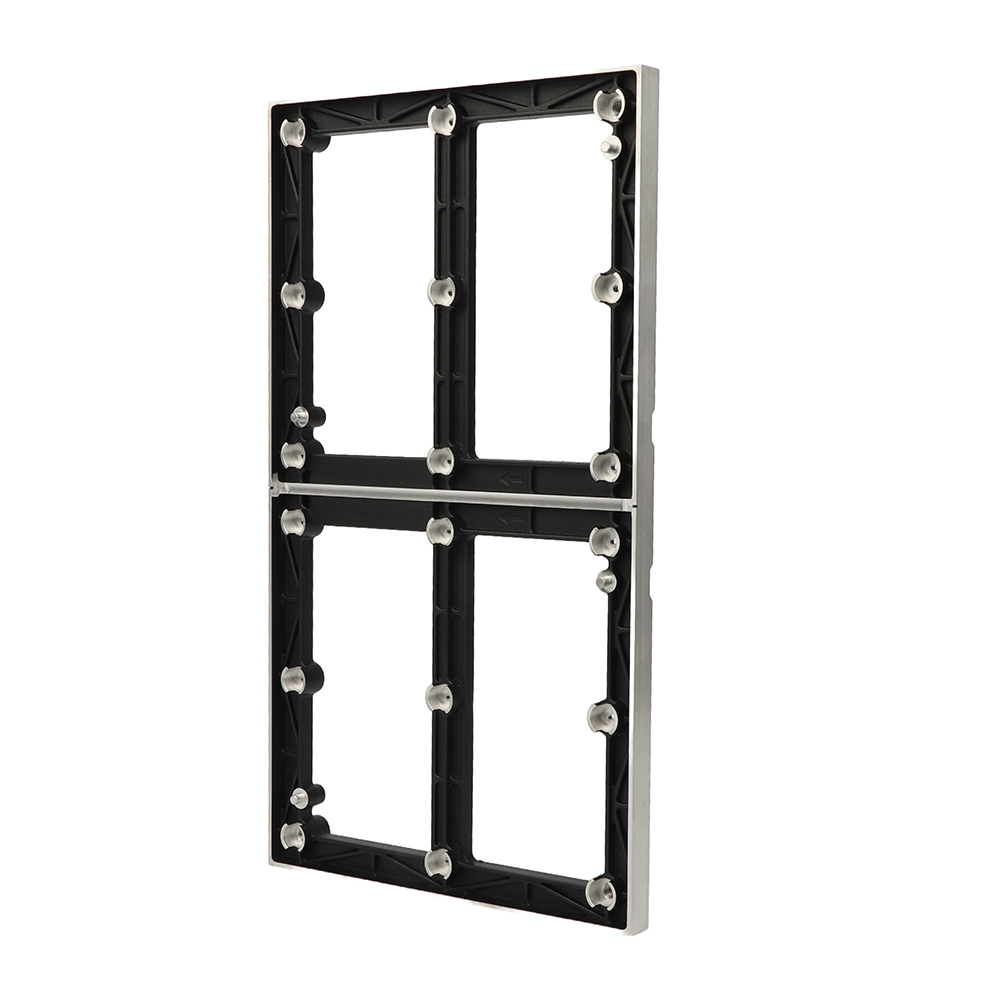
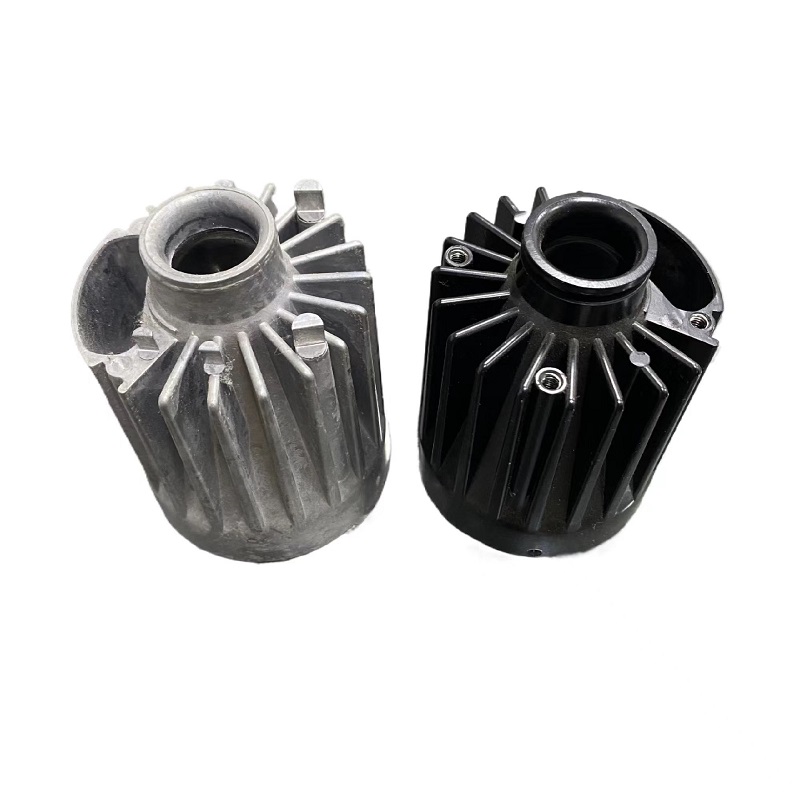
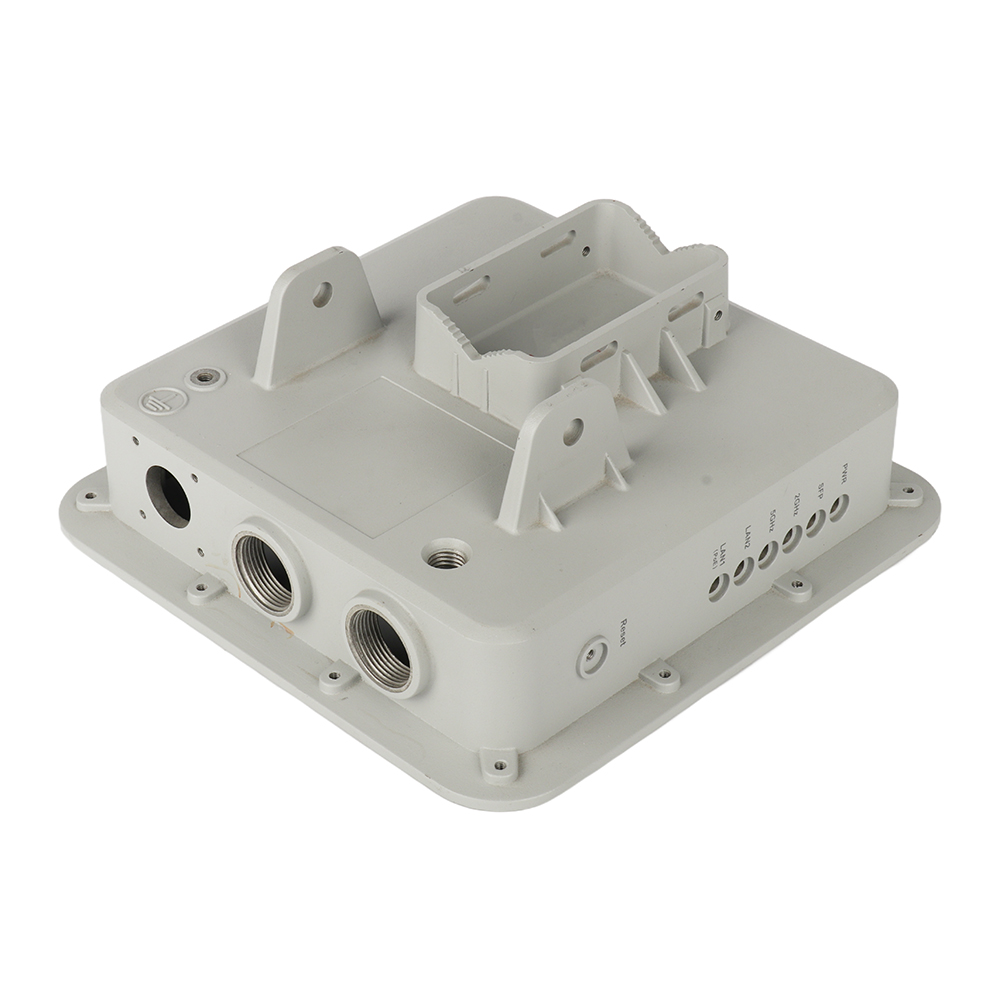
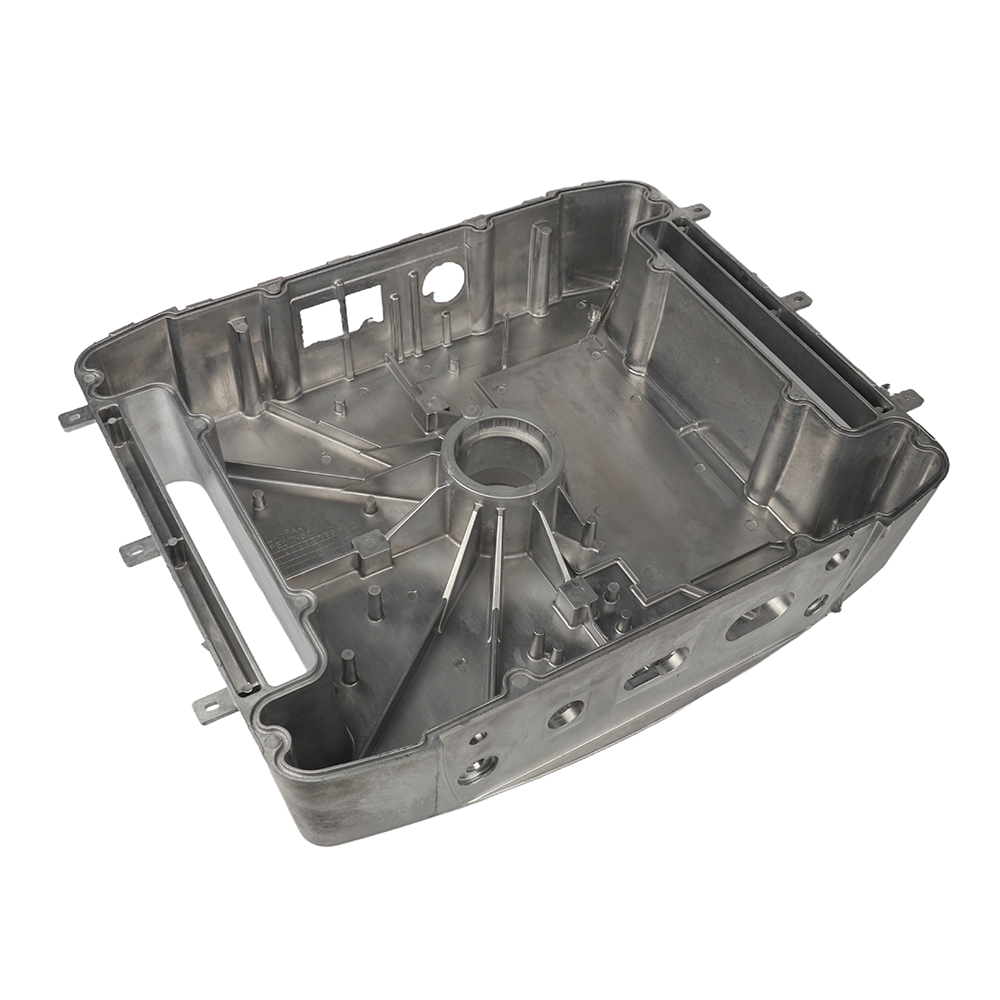
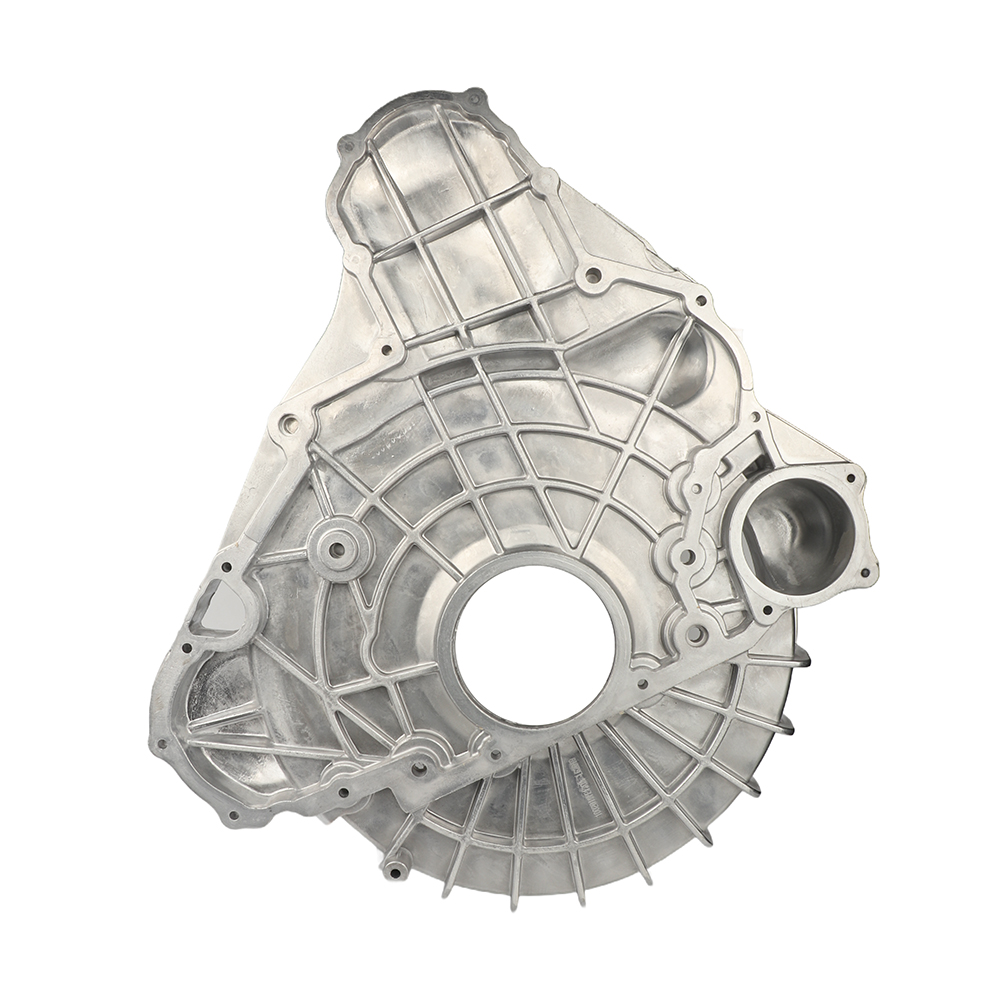
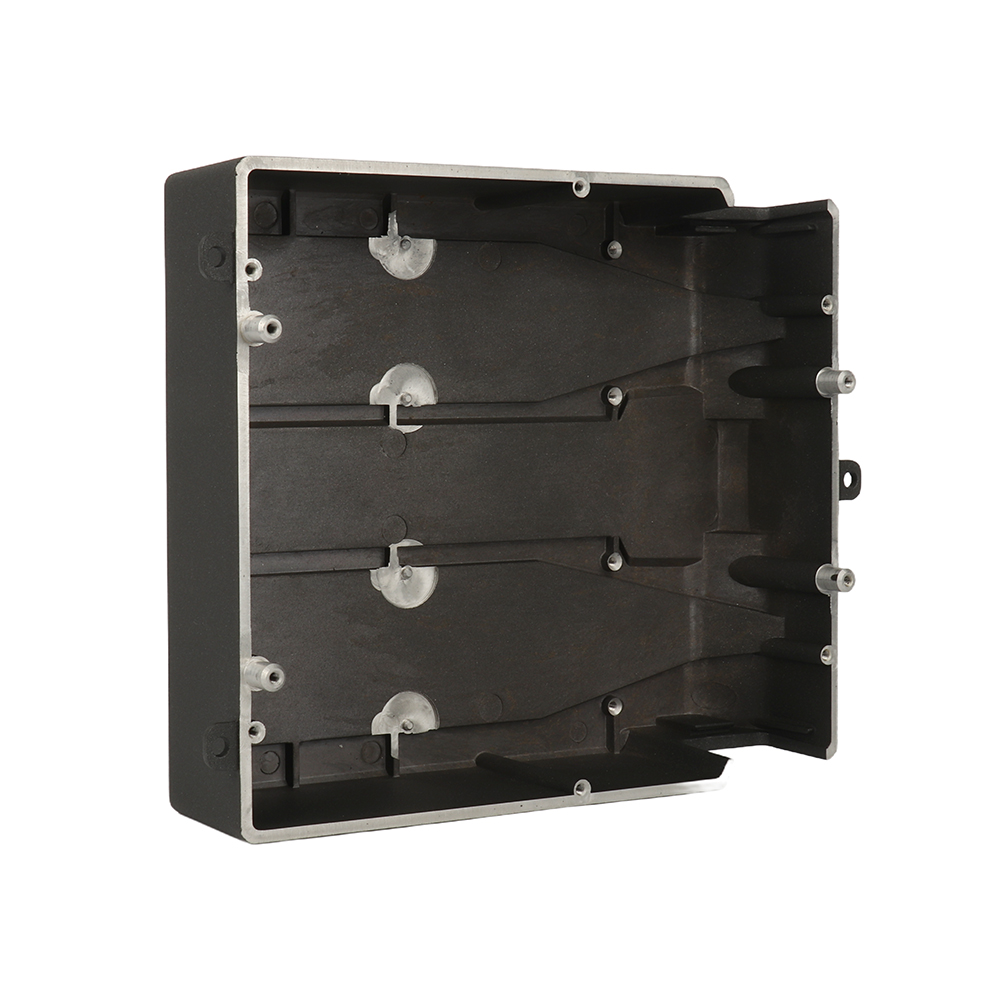
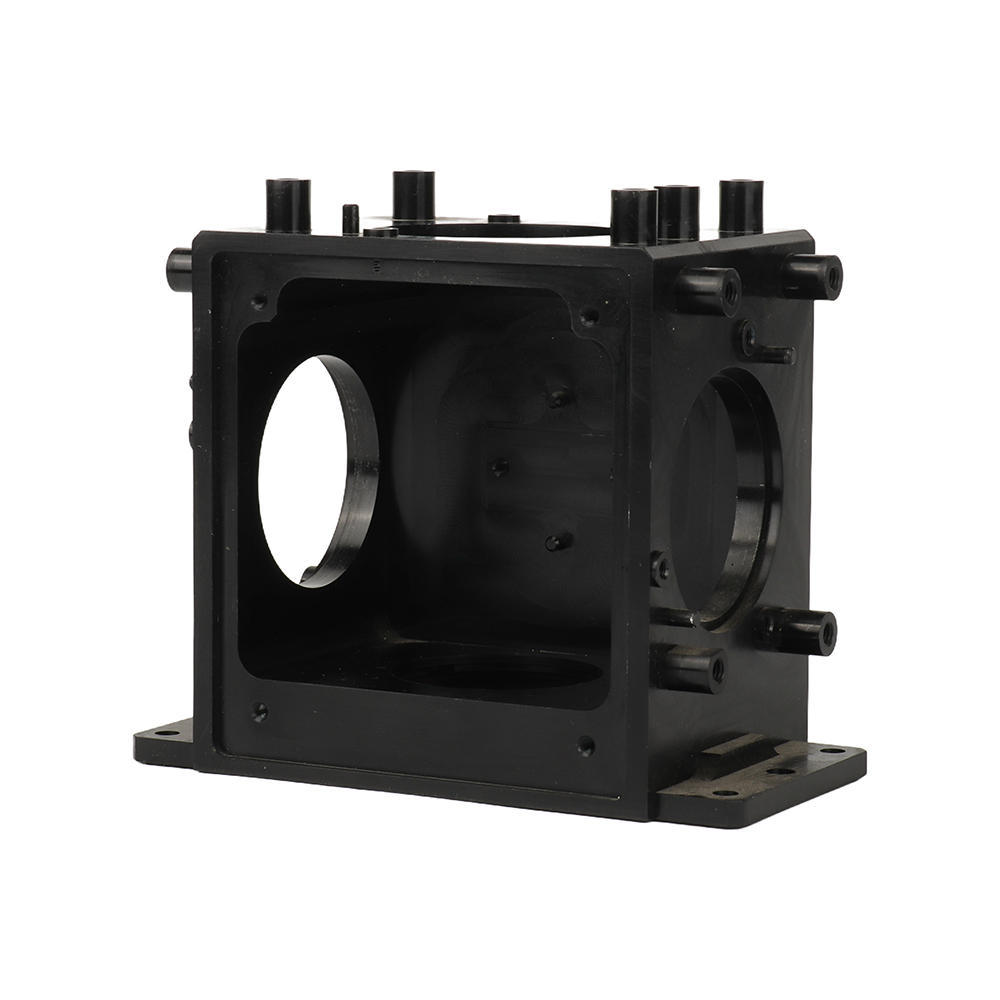
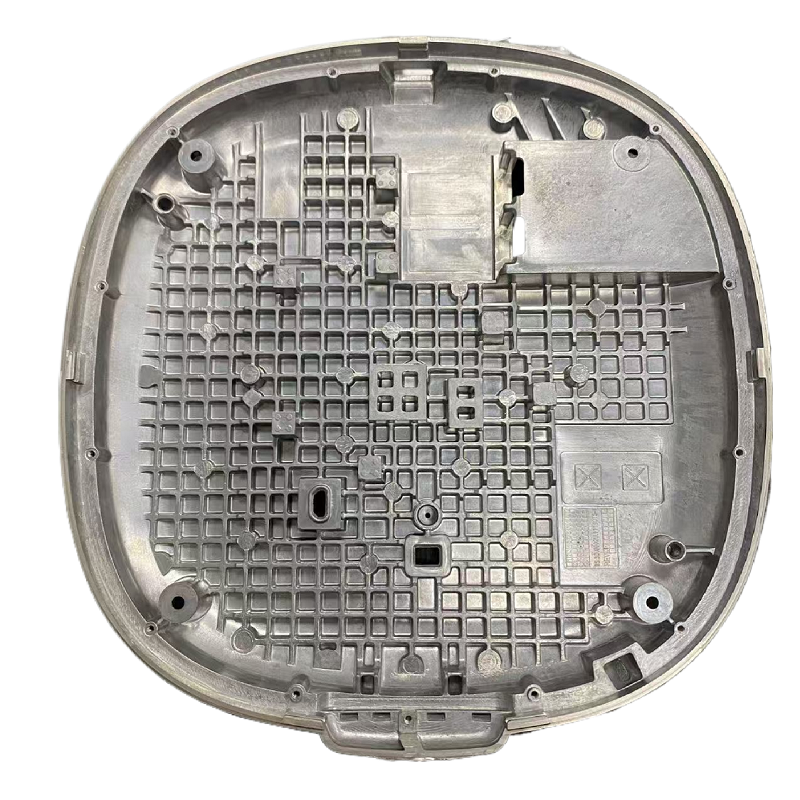
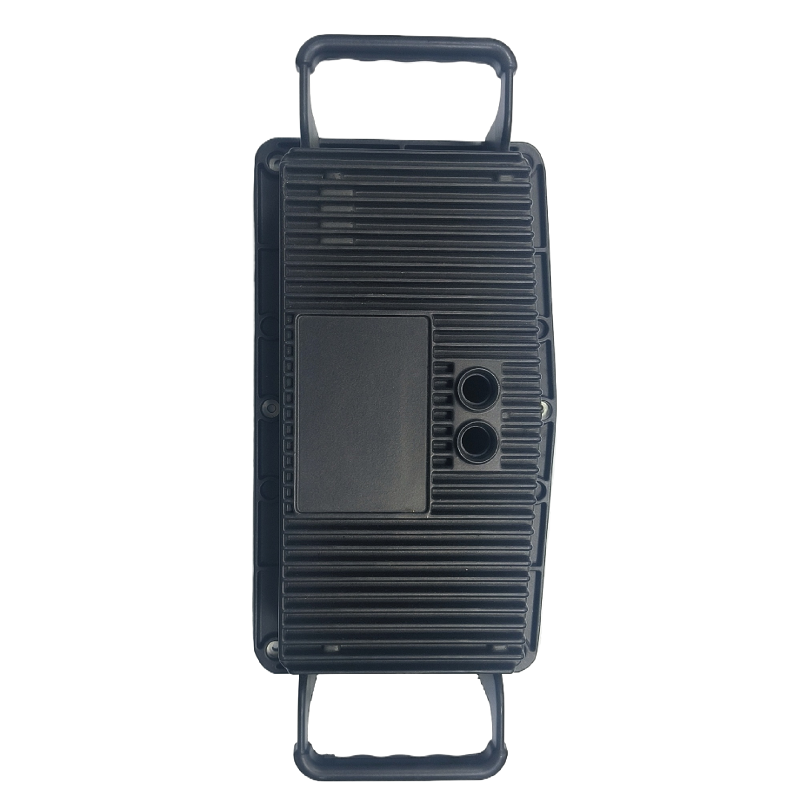
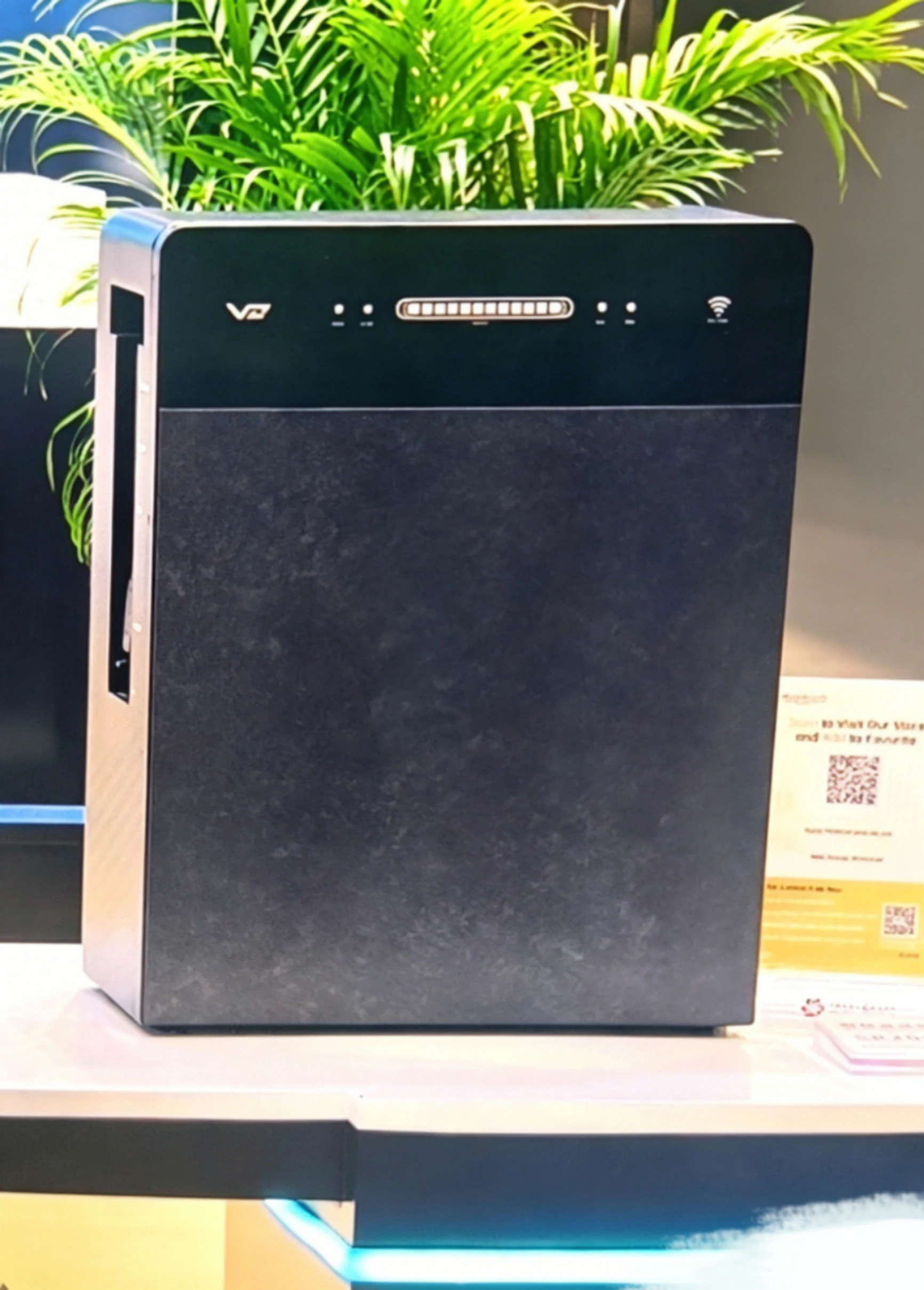
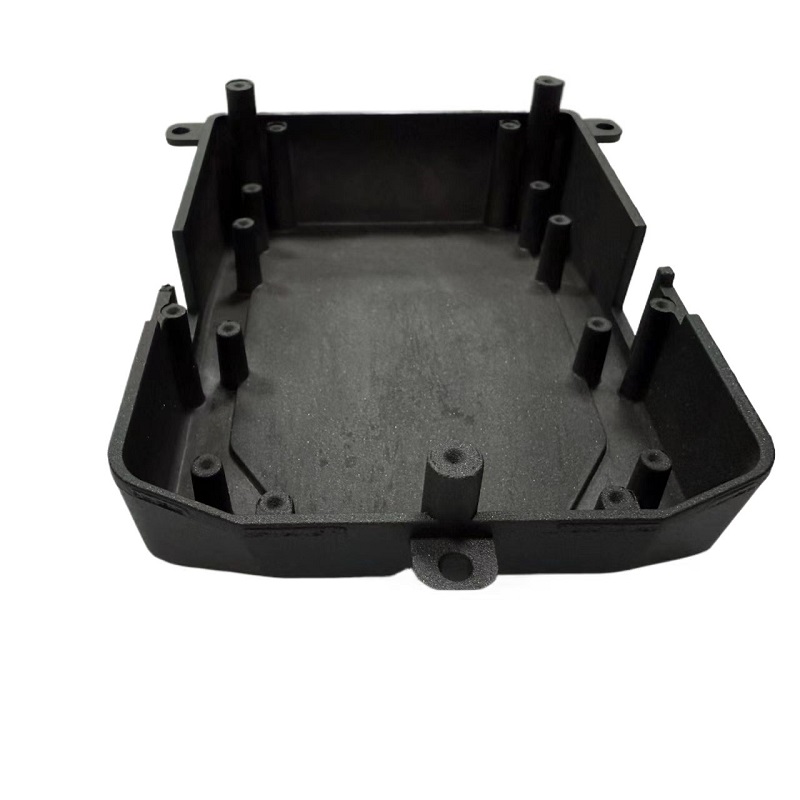
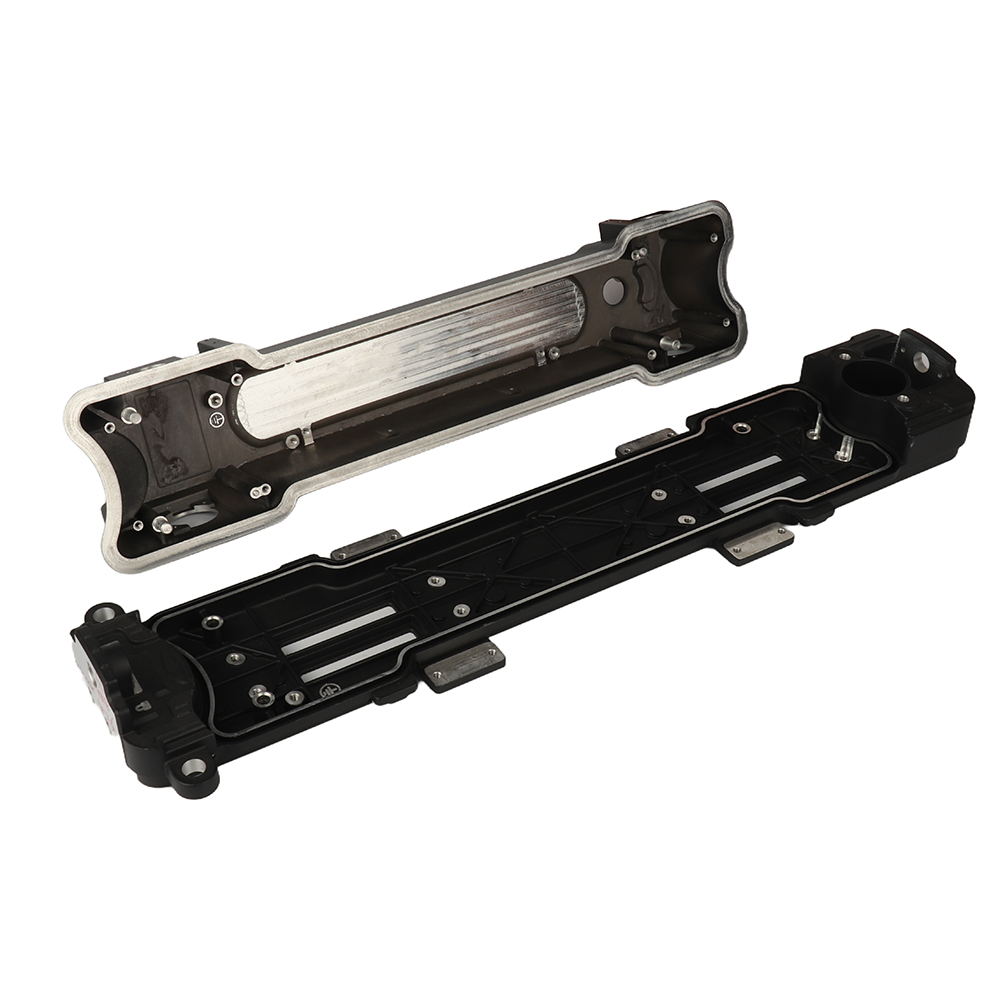
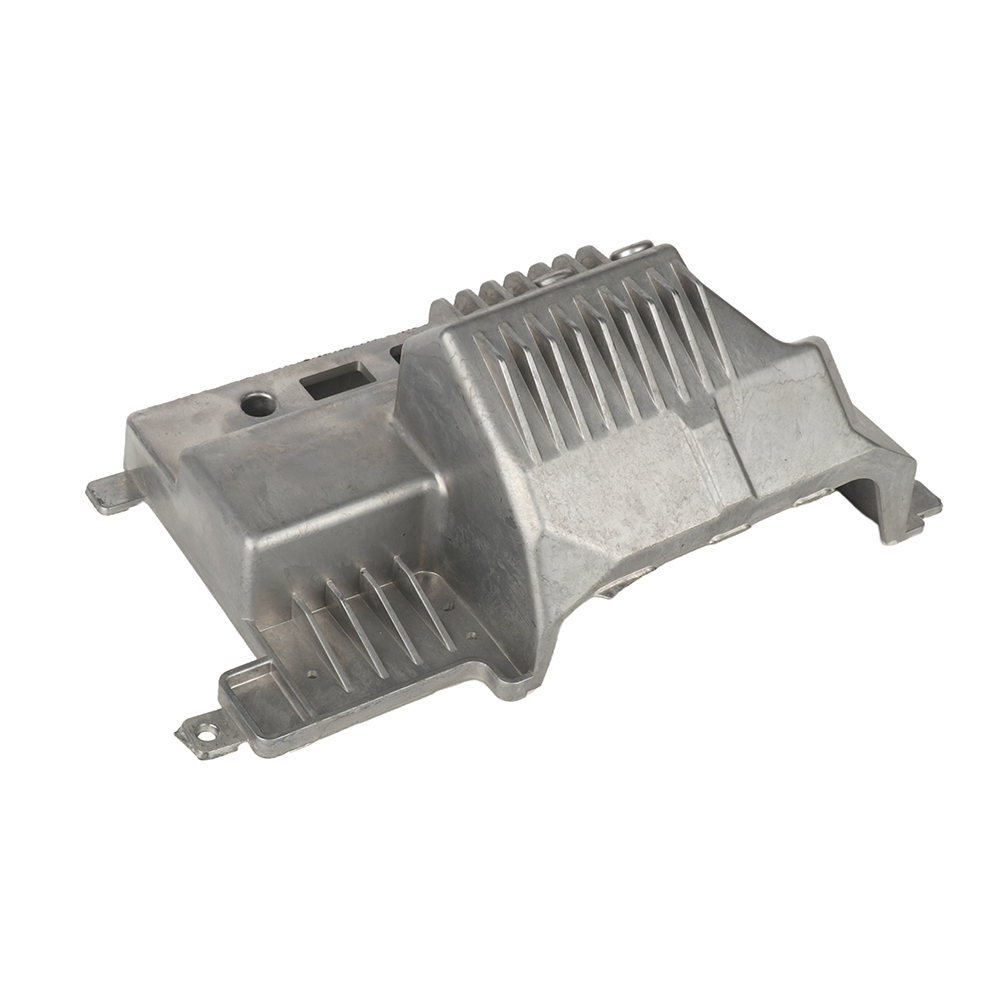
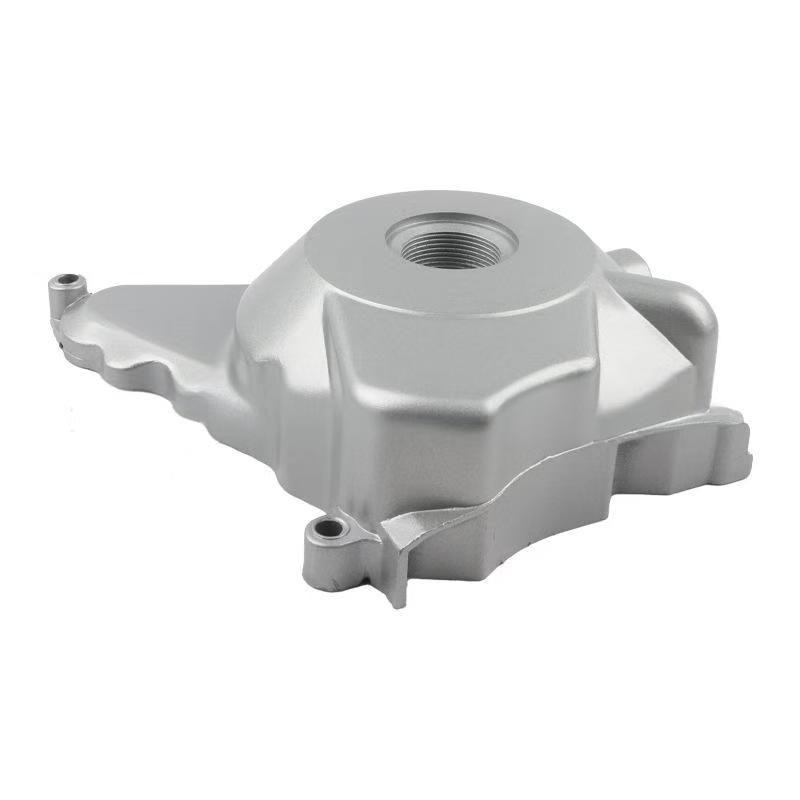
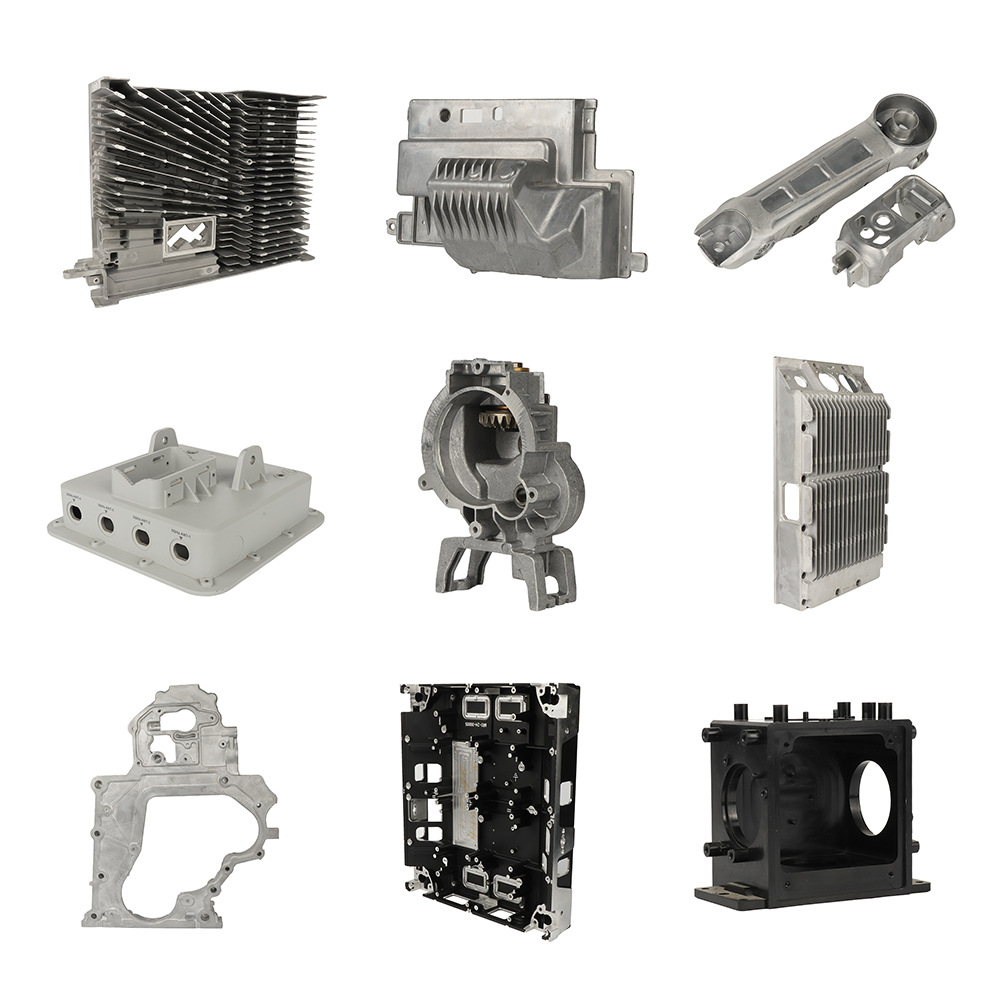
Anodizing die cast aluminum | What types of anodized aluminum die casting parts are available?
What Types of Anodized Aluminum Die Casting Parts Are Available?
Table of Contents
- 1. Introduction: What Is Anodizing Die Cast Aluminum & Enterprise Overview
- 2. Universal Technical Parameter Table for Anodizing Die Cast Aluminum
- 3. Main Types of Anodized Aluminum Die Casting Parts
- 4. Core Advantages of Anodizing Die Cast Aluminum Parts
- 5. Typical Application Fields & Usage Scenarios
- 6. Authoritative Expert Viewpoints on Aluminum Die Casting Anodization
- 7. Industry FAQs About Anodized Aluminum Die Casting Parts
- 8. Industry Development Trends & High-Quality Supplier Selection Guide
- 9. Xinghang Precision Hardware Bulk Discount Policy & Contact Information
- 10. Full Industry Summary & Core Suggestions
1. Introduction: What Is Anodizing Die Cast Aluminum & Enterprise Overview
1.1 Definition of Anodizing Die Cast Aluminum
Anodizing die cast aluminum refers to high-precision aluminum die-casting components treated with professional electrochemical anodization processes. Different from ordinary raw aluminum die castings, this technology forms a dense, inert aluminum oxide film on the metal surface through controlled electrolytic oxidation. It perfectly solves the inherent defects of aluminum die castings such as weak corrosion resistance, easy oxidation and low surface hardness, while retaining the original lightweight and high-strength characteristics of aluminum alloy materials.
As a mainstream high-performance surface finishing solution for die-cast aluminum parts, aluminum die casting anodization realizes dual upgrading of part functionality and appearance, and is widely used in high-end industrial and consumer electronic fields with strict quality standards.
1.2 Company Introduction: Xinghang Precision Hardware
Xinghang Precision Hardware is a professional one-stop manufacturer integrating aluminum die casting production, precision CNC finishing, customized anodizing treatment and mass batch delivery. We focus on customized processing of various anodized aluminum die casting parts, serving global customers in new energy, electronics, medical equipment and industrial automation industries.
Our factory is equipped with full-automatic die casting production lines, professional anodizing production workshops and complete precision testing equipment. We support customized color, film thickness and functional anodization solutions, covering prototype trial production and large-scale batch orders. We always adhere to the preferential policy of the more bulk orders, the more discounts, helping customers reduce overall procurement costs while ensuring stable and consistent product quality.

2. Universal Technical Parameter Table for Anodizing Die Cast Aluminum
The following parameters comply with international industrial standards, covering core technical indicators of mainstream anodized aluminum die casting parts, applicable to customer customization, quality inspection and project technical verification.
| Core Parameter Item | Standard Technical Specification | Professional Remarks & Application Value |
|---|---|---|
| Anodic Oxide Film Thickness | 5μm - 25μm (customizable) | Thin film for appearance parts; thick film for heavy-duty corrosion-resistant parts |
| Surface Hardness After Anodization | HV 300 - HV 500 | 3-5 times harder than raw die-cast aluminum surface, excellent wear resistance |
| Neutral Salt Spray Resistance | 240h - 1000h (no corrosion) | Meets outdoor and coastal environment application standards |
| Surface Roughness (Ra) | 1.2μm - 6.3μm | Smooth and burr-free, supports high-grade appearance decoration |
| Color Uniformity | △E ≤ 1.5 (color difference value) | No color difference in batch products, consistent appearance |
| Insulation Performance | High insulation resistance | Effectively isolates current, suitable for electronic insulating parts |
| Film Adhesion Strength | Grade 0 (ISO Standard) | No peeling or falling off after long-term use |
3. Main Types of Anodized Aluminum Die Casting Parts
3.1 Classified by Anodization Process Type
3.1.1 Common Sulfuric Acid Anodized Parts
This is the most widely used anodizing process for die-cast aluminum parts. It features stable process, low cost and uniform film formation. The oxide film is transparent or customized with conventional colors (black, silver, gray, gold). It is suitable for most indoor structural parts and general appearance parts, with balanced corrosion resistance and cost performance.
3.1.2 Hard Anodized Aluminum Die Casting Parts
3.1.2.1 High-Strength Functional Advantages
Hard anodization adopts low-temperature and high-current process to form ultra-thick and high-hardness oxide film. The film thickness can reach 20-25μm, with outstanding wear resistance and impact resistance. It is specially customized for mechanical transmission parts, automated equipment fixtures and other parts bearing long-term friction and load.
3.1.3 Decorative Colored Anodized Parts
Through professional dyeing and sealing treatment, this type of parts supports customized high-precision color matching, with bright surface, strong texture and no fading. It focuses on appearance performance, widely used in consumer electronics shells, smart device accessories and high-end household hardware.
3.2 Classified by Product Functional Usage
3.2.1 Anti-Corrosion Structural Parts
Mainly used for outdoor and humid environment equipment, relying on dense anodic oxide film to isolate air and moisture, avoiding electrochemical corrosion of aluminum substrates.
3.2.2 Wear-Resistant Mechanical Parts
Adopting hard anodizing process, it improves surface hardness comprehensively, reduces mechanical friction loss and extends the service life of moving parts.
3.2.3 Insulated Electronic Parts
The non-conductive anodic oxide layer provides stable insulation protection, effectively preventing short circuit and leakage, suitable for precision electronic component accessories.
4. Core Advantages of Anodizing Die Cast Aluminum Parts
4.1 Excellent Anti-Corrosion Performance
Anodizing treatment forms a closed passive oxide film on the surface of aluminum die castings, completely covering the microscopic pores on the surface of die-cast substrates. Compared with untreated aluminum die castings, the corrosion resistance is improved by more than 10 times, adapting to harsh environments such as humidity, salt fog and high temperature.
4.2 Greatly Improved Surface Hardness & Wear Resistance
The original soft surface of die-cast aluminum is easy to scratch and wear. After professional anodization, the surface forms a hard ceramic-like oxide layer, which effectively resists daily friction, scratch and mechanical wear, ensuring the long-term stable appearance and performance of parts.
4.3 Stable Insulation & Anti-Static Performance
The anodic oxide film has excellent non-conductive and anti-static properties, which can avoid static accumulation and current conduction. It is an essential processing technology for precision electronic and electrical equipment parts, improving product safety and stability.
4.4 Rich Customized Appearance & High Texture
Anodizing supports diversified color customization and matte/bright surface effect adjustment. The colored layer is integrated with the metal substrate, not easy to fade and peel off, with higher texture and durability than ordinary spraying and electroplating processes.
4.5 Zero Impact on Substrate Mechanical Properties
The anodization reaction only occurs on the metal surface, which will not change the internal structure, strength and dimensional accuracy of aluminum die castings. It perfectly retains the lightweight and high-strength core advantages of aluminum alloy materials.
5. Typical Application Fields & Usage Scenarios
5.1 Consumer Electronics & Smart Devices
Anodized aluminum die casting parts are widely used in 5G communication shells, drone frames, wearable device accessories, audio and video equipment housings. The combination of high appearance texture, anti-scratch and anti-corrosion performance meets the high-standard requirements of consumer electronics for product quality.
5.2 New Energy Industry
Applied to new energy vehicle battery shells, motor heat dissipation parts, photovoltaic equipment structural accessories. The excellent heat conductivity and environmental adaptability ensure the stable operation of new energy equipment in complex working conditions.
5.3 Medical Precision Equipment
Medical instrument shells, precision connecting parts and surgical auxiliary components mostly adopt food-grade and high-corrosion-resistant anodizing processes. The surface is smooth, non-toxic and easy to clean, meeting medical hygiene and safety standards.
5.4 Industrial Automation & Outdoor Hardware
Used for automated equipment fixtures, transmission parts, outdoor engineering hardware and communication base station accessories. Hard anodized parts can withstand long-term mechanical operation and outdoor harsh environment erosion, with ultra-long service life.
6. Authoritative Expert Viewpoints on Aluminum Die Casting Anodization
We quote the professional insights of Sarah Carter, a senior surface treatment engineer with decades of experience in the global metal processing industry:
“Many buyers confuse ordinary spraying with anodizing die cast aluminum. In fact, anodization is the only surface process that forms an integrated protective layer with the aluminum substrate rather than an attached coating. For die-cast aluminum parts, the key to high-quality anodization lies in pre-treatment impurity removal and precise parameter control. Unclean substrate surface will lead to color difference, film peeling and reduced corrosion resistance. For high-end industrial parts, standardized anodizing process is far more reliable than low-cost surface finishing solutions.”
The expert also pointed out that with the upgrading of downstream manufacturing industry, high-precision, color-consistent and high-durability anodized aluminum parts have become the mainstream demand, and low-quality and unstable surface processing technologies are gradually eliminated by the market.
7. Industry FAQs About Anodized Aluminum Die Casting Parts
Q1: Can all aluminum die castings be anodized?
No. The anodization effect is affected by aluminum alloy composition. Conventional ADC12, A380 die-cast aluminum alloys are suitable for professional anodizing treatment. Parts with excessive impurity content will have uneven surface color and poor film adhesion. Professional material screening and pre-treatment are required before processing.
Q2: What is the difference between anodizing and spraying for aluminum die castings?
Anodizing forms an integrated oxide film on the metal surface, featuring no fading, no peeling, high hardness and strong durability; spraying is an external paint coating, which is easy to scratch and fall off after long-term use. Anodizing has better functionality and appearance durability, suitable for high-end precision parts.
Q3: Will anodization affect the dimensional tolerance of die-cast parts?
The anodic oxide film is ultra-thin (5-25μm), with negligible impact on part dimensions. Professional manufacturers can control film thickness evenly to ensure batch dimensional consistency, which will not affect subsequent assembly and matching.
Q4: What colors can be customized for anodized aluminum parts?
We support conventional colors such as black, silver, gray, gold, blue and red, as well as customized special color matching. All colored parts have uniform batch color difference and stable color fastness, suitable for mass production and sales.
Q5: What is the MOQ for customized anodized aluminum die casting parts?
Xinghang Precision Hardware supports small-batch prototype trial production and large-scale batch mass production with no rigid MOQ. Meanwhile, we implement a progressive discount policy: the larger the batch order quantity, the lower the unit cost, bringing obvious cost advantages for long-term cooperative customers.
8. Industry Development Trends & High-Quality Supplier Selection Guide
8.1 Core Development Trends of Anodized Aluminum Die Casting Industry
The anodizing die cast aluminum processing industry is developing towards high-precision customization, green environmental protection, functional diversification and integrated one-stop service. With the rapid development of new energy, intelligent manufacturing and high-end consumer electronics, the market has higher requirements for part surface consistency, durability and environmental compliance.
In addition, integrated services of die casting molding, precision finishing and customized anodization have become the mainstream. Single surface processing suppliers are gradually replaced by full-process manufacturers with independent production capacity and quality control system.
8.2 Key Standards for Selecting Qualified Processing Suppliers
- Professional anodizing process capability: Specialized production workshops and mature process parameters to avoid common defects such as color difference, film peeling and uneven oxidation.
- Full-process production capacity: Integrate mold opening, die casting, CNC finishing and anodizing treatment to reduce intermediate links and quality risks.
- Complete quality testing system: Equipped with film thickness tester, salt spray test machine and color difference detector to ensure product compliance.
- Batch quality stability: Strict standardized operation to ensure consistent quality of mass-produced parts.
- Flexible pricing & preferential policies: Support small-batch trial orders and large-batch discounts to meet different customer procurement needs.
- Professional after-sales service: Provide technical scheme optimization and after-sales quality guarantee for customized products.
9. Xinghang Precision Hardware Bulk Discount Policy & Contact Information
9.1 Exclusive Bulk Order Preferential Policy
Xinghang Precision Hardware adheres to the win-win cooperation concept and launches a long-term stable bulk preferential policy: The more you order in bulk, the more discounts you get. For trial orders, we provide competitive ex-factory prices; for medium and large-batch long-term cooperative orders, we offer hierarchical exclusive discounts covering mold fee, die casting processing fee and customized anodizing service fee.
Long-term framework customers can also enjoy free sample testing, free process optimization and priority delivery services, effectively helping global customers reduce procurement costs and stabilize supply chain quality.
9.2 Official Global Contact Information
Mobile / WhatsApp / WeChat: +86 18819502691
Official Email: liqine@xinghangcn.com
We welcome global customers to consult drawing quotation, customized anodization scheme design, prototype trial production and batch order cooperation. We provide 24-hour professional technical response and one-stop high-quality anodized aluminum die casting processing services.
10. Full Industry Summary & Core Suggestions
Anodizing die cast aluminum is an indispensable high-performance processing technology in modern precision hardware manufacturing. It solves the functional defects of ordinary aluminum die castings through electrochemical surface modification, and realizes the dual improvement of product durability and appearance grade. With unique advantages in corrosion resistance, wear resistance, insulation and customization, anodized aluminum die casting parts have covered multiple high-end industrial fields and maintain continuous market growth.
As the industry continues to upgrade, high-precision, environmentally friendly and customized integrated processing services will become the core competitive direction. For global procurement customers, choosing a professional and experienced one-stop supplier is the key to balancing quality, cost and delivery cycle. As a reliable manufacturer in the industry, Xinghang Precision Hardware has mature anodizing process technology, stable batch production capacity and favorable bulk discount policies, which can provide global partners with cost-effective, high-quality customized anodized aluminum die casting solutions and long-term stable supply guarantee.
Die cast aluminum alloy | What purposes do aluminum die cast components serve?
High precision die casting | How to manufacture high-precision die casting part?
Related Article


