
HOT PRODUCTS
Die casting automotive | What is die casting in automotive? A Comprehensive Guide
What is Die Casting in Automotive? A Comprehensive Guide
Introduction: What is Die Casting in Automotive & Its Significance
In the fast-paced world of automotive manufacturing, precision, efficiency, and durability are non-negotiable. One technology that has become the backbone of producing high-quality automotive components is die casting. But many industry newcomers and enthusiasts ask: what is die casting in automotive? Unlike traditional casting methods, automotive die casting combines speed, precision, and cost-effectiveness to create complex, lightweight parts that power modern vehicles—from engine blocks to electronic enclosures. This guide breaks down the definition, role, key focus points, and advantages of automotive die casting, shares expert perspectives, and answers the most common industry questions, all in clear, accessible language.
Core Definition: What Exactly is Automotive Die Casting?
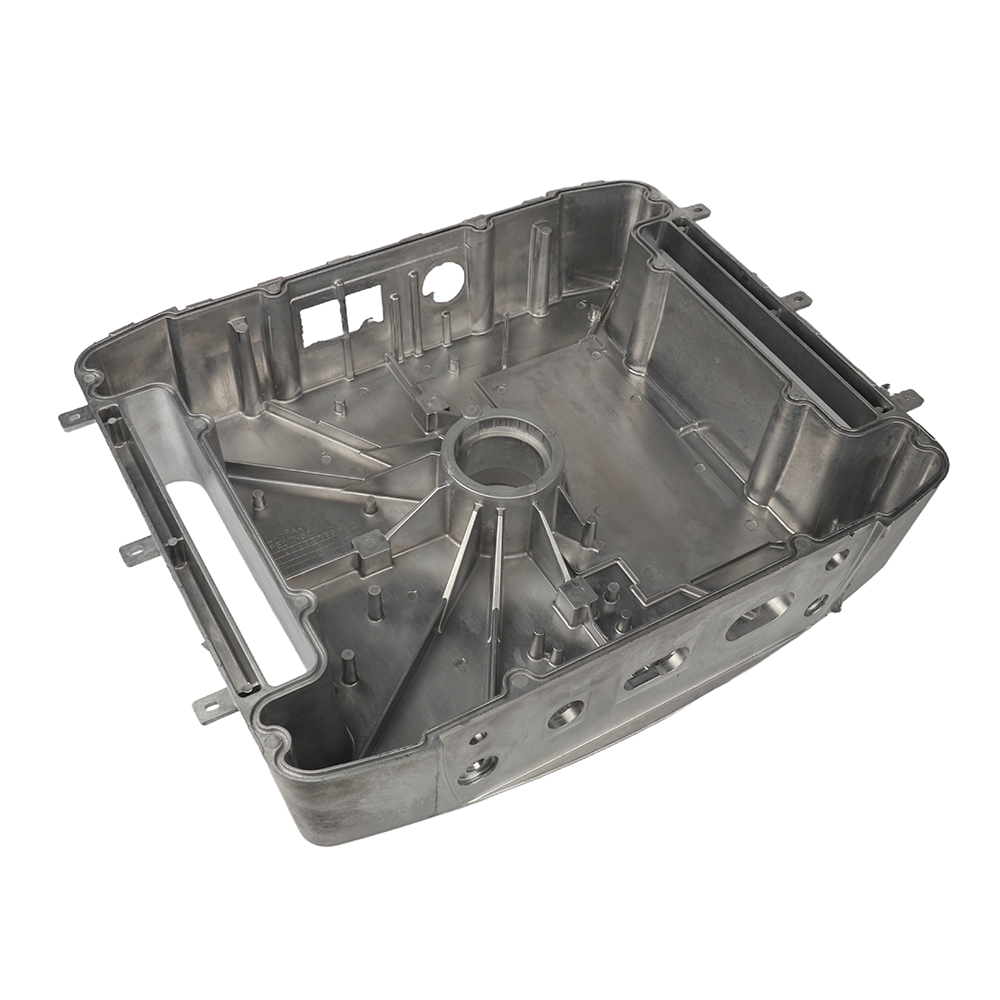
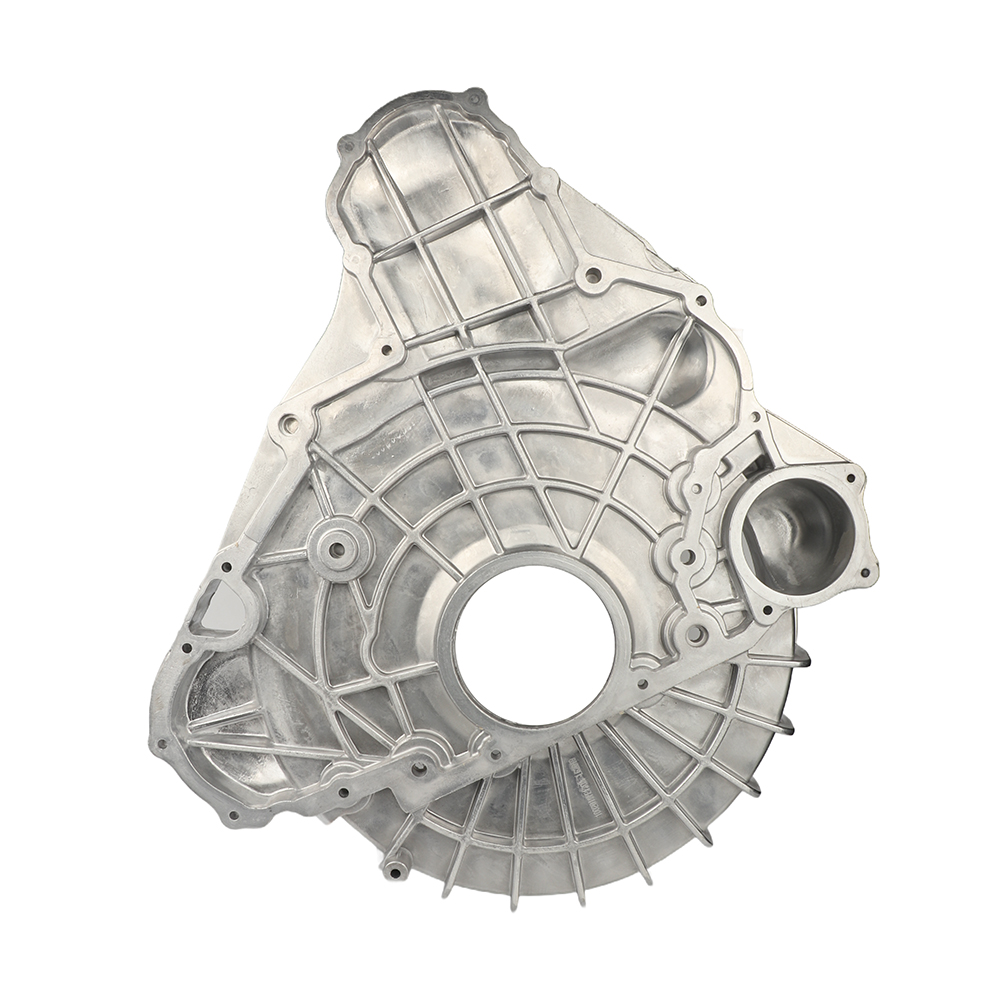
Automotive die casting is a metal casting process that involves forcing molten metal (typically aluminum, magnesium, or zinc alloys) into a precision-machined mold (called a die) under high pressure. Once the metal cools and solidifies, the die is opened, and the finished component is removed. This process is specifically tailored for automotive applications, where parts must meet strict dimensional tolerances, be lightweight, and withstand harsh operating conditions (e.g., high temperatures, vibration, and corrosion).
Unlike sand casting or other traditional methods, die casting produces parts with smooth surfaces, tight tolerances, and consistent quality—making it ideal for mass-produced automotive components. The most common metals used in automotive die casting are aluminum (for its strength-to-weight ratio), magnesium (for ultra-lightweight parts), and zinc (for small, complex components).
The Role of Die Casting in the Automotive Industry (Key Focus)
Die casting plays an irreplaceable role in automotive manufacturing, supporting everything from vehicle performance to sustainability. Its core role revolves around producing critical components that balance strength, weight, and cost—three factors that define modern automotive design. Below are the key roles of die casting in the automotive industry:
1. Producing Critical Structural & Functional Components
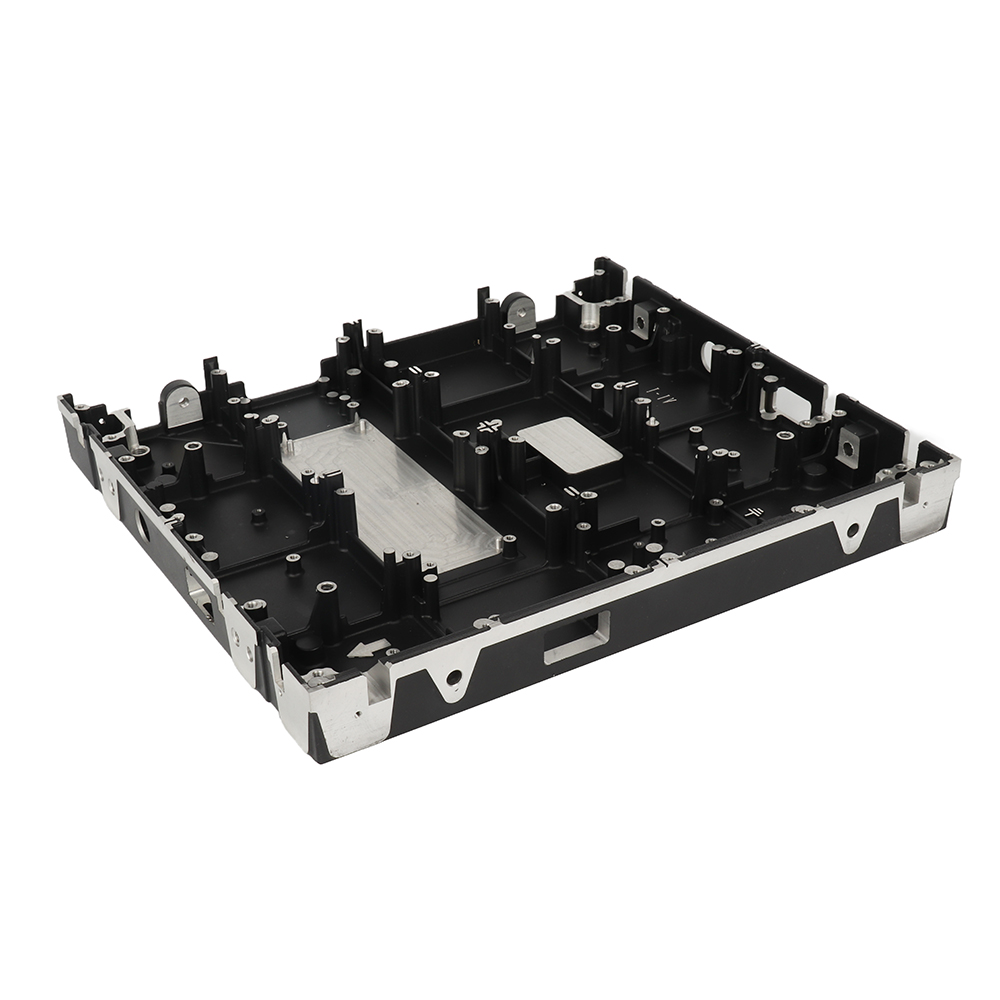
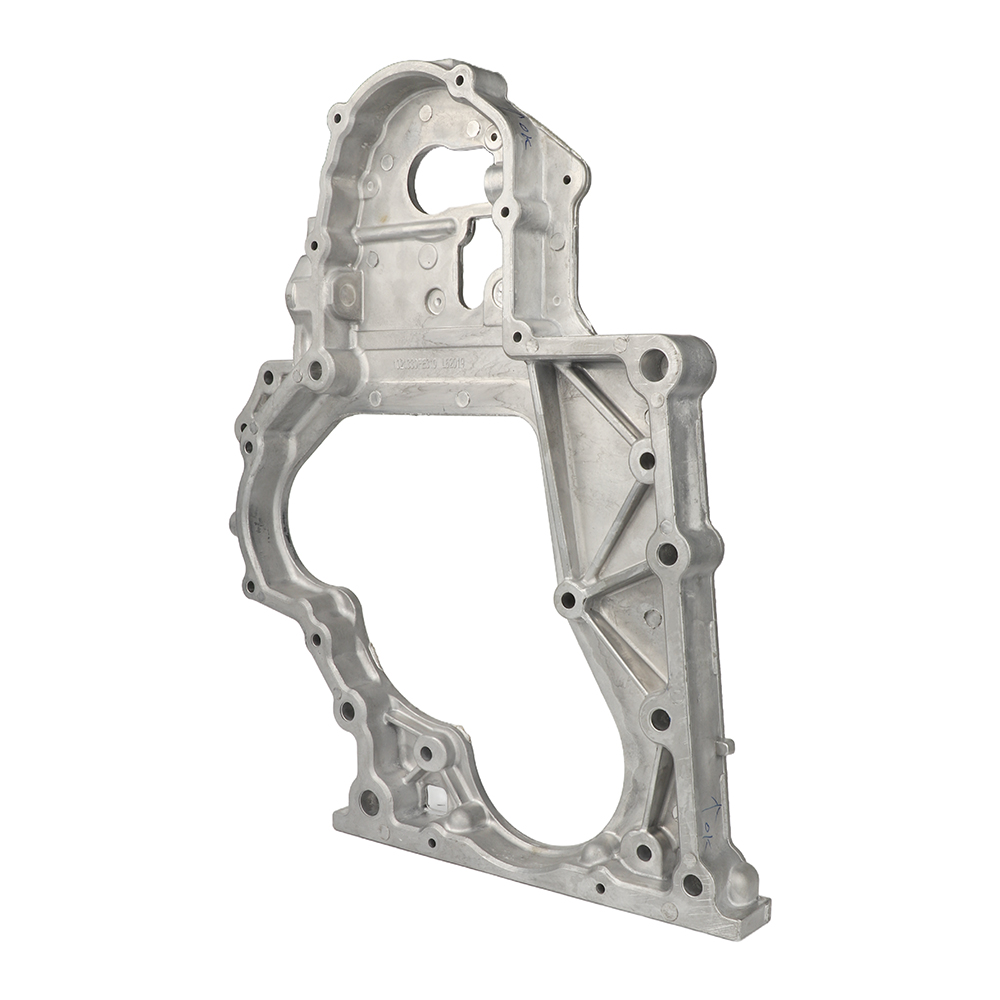
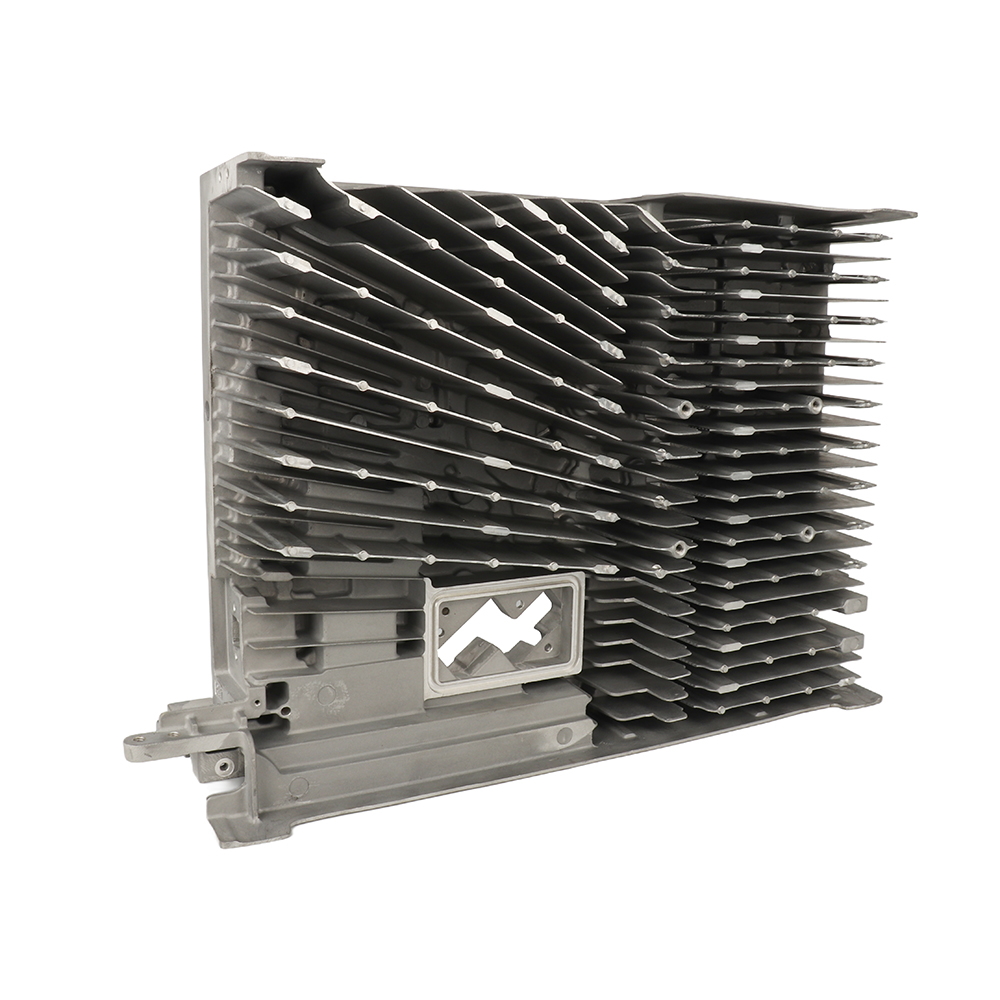
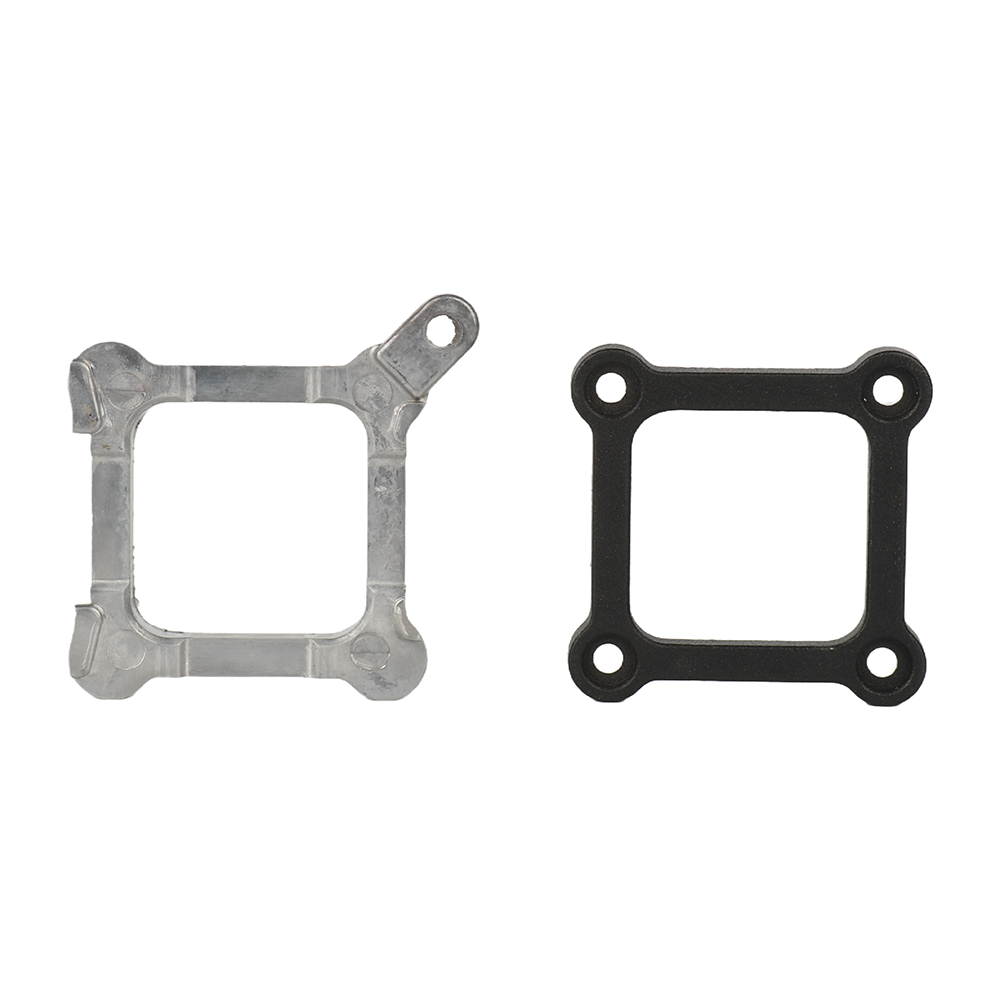
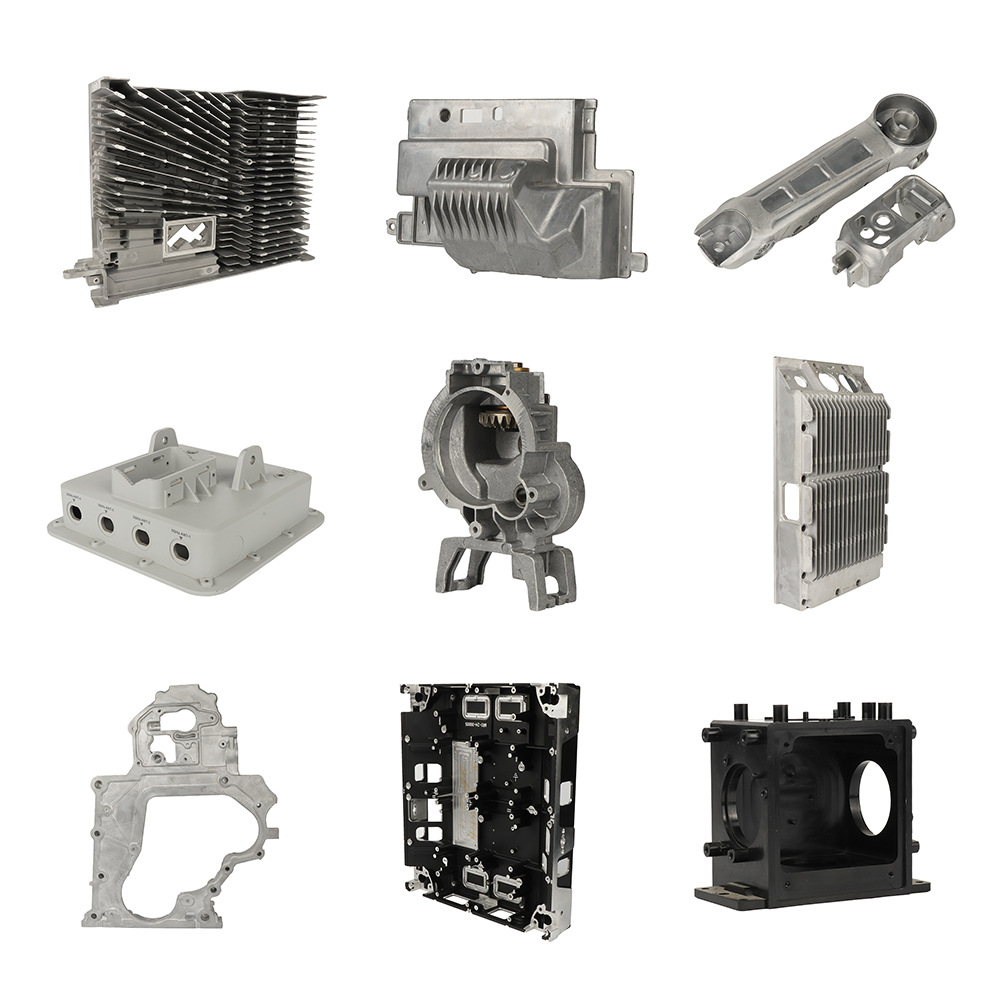
Die casting is used to manufacture hundreds of essential automotive parts, ranging from large structural components to small, intricate functional parts. These components are integral to vehicle safety, performance, and reliability, including:
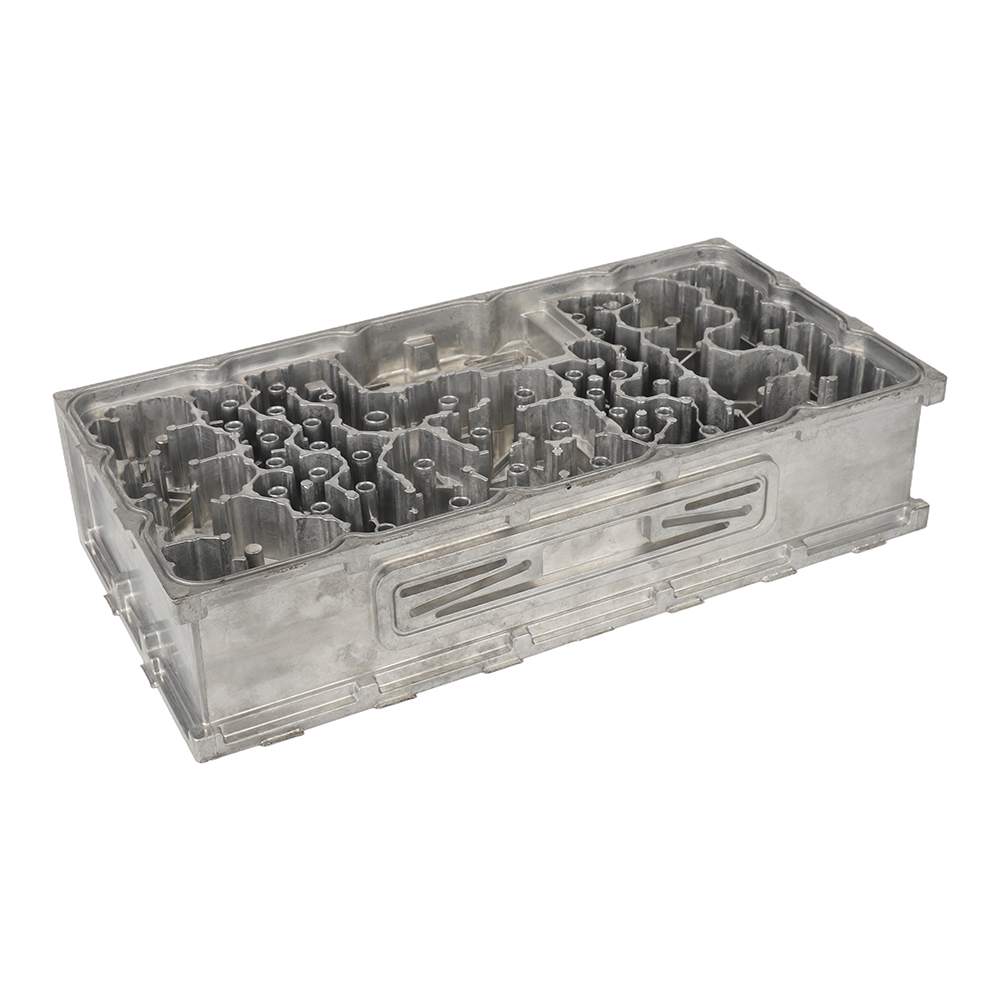
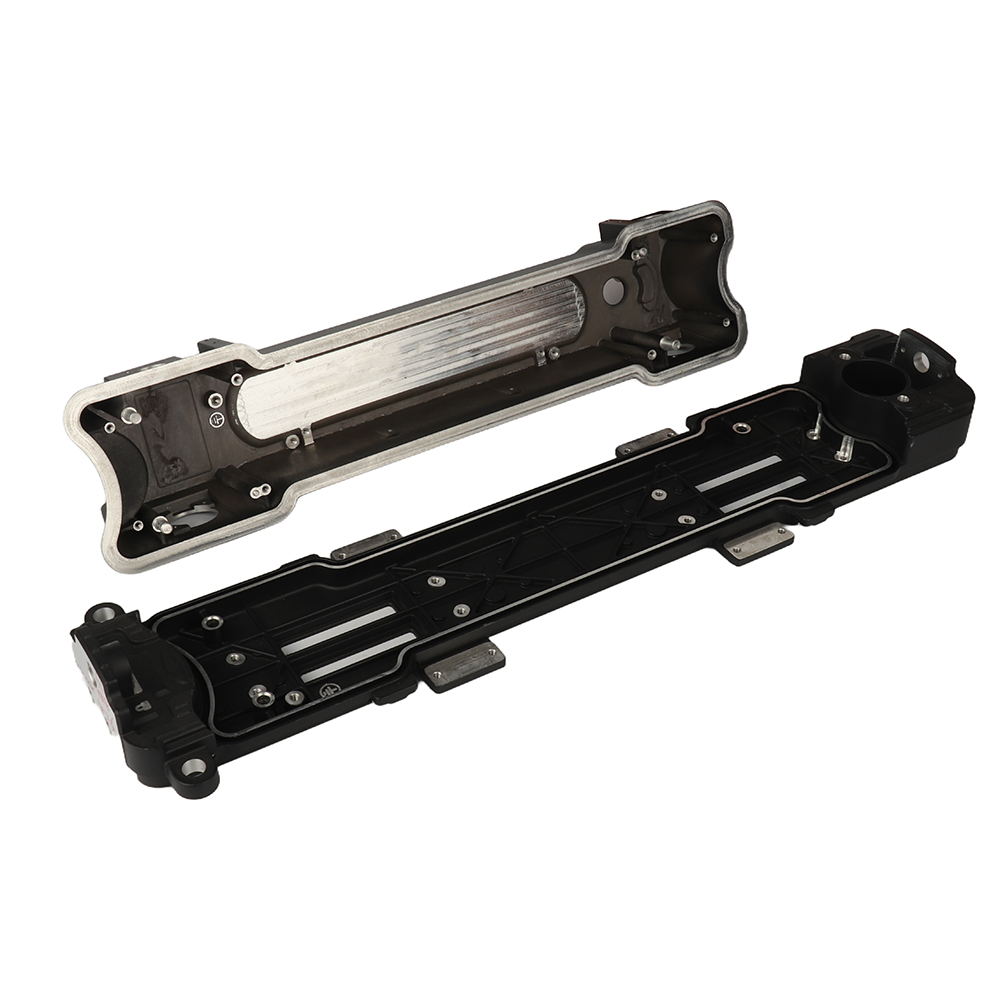
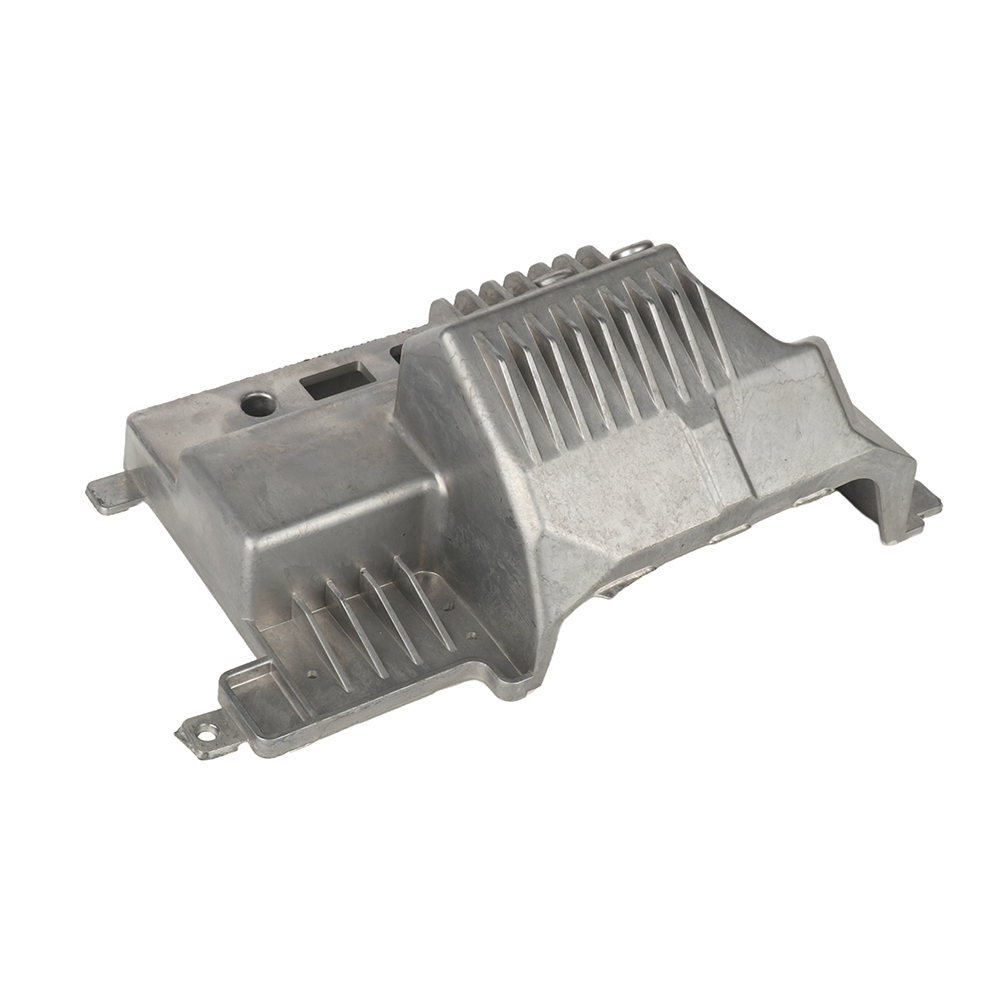
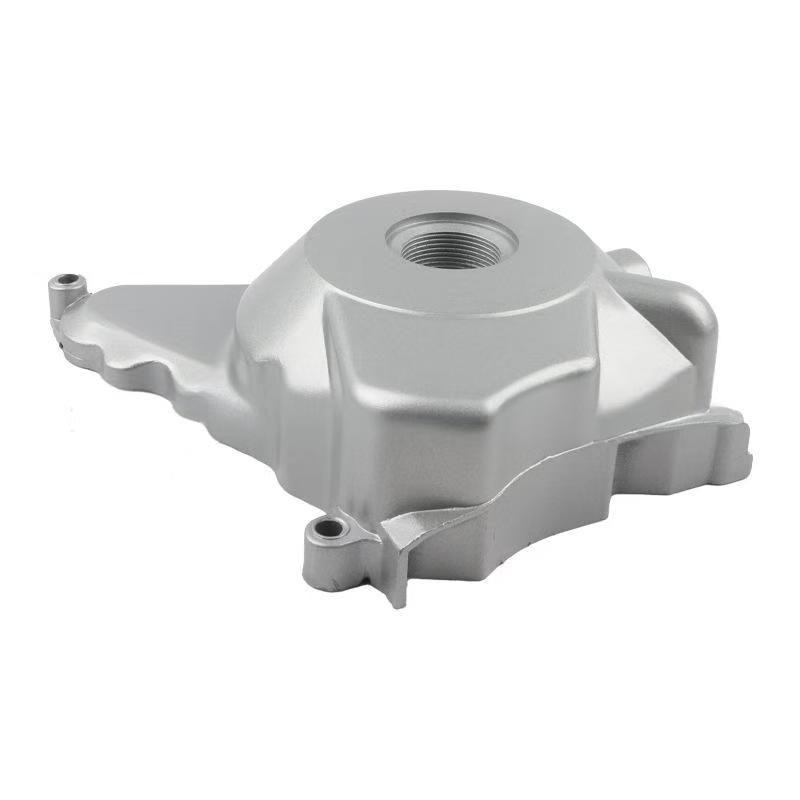
- Engine components: Engine blocks, cylinder heads, and transmission cases (typically made from aluminum alloys for strength and heat resistance).
- Chassis & body parts: Steering knuckles, suspension brackets, and even large-format structural components (via mega-casting) that simplify vehicle assembly.
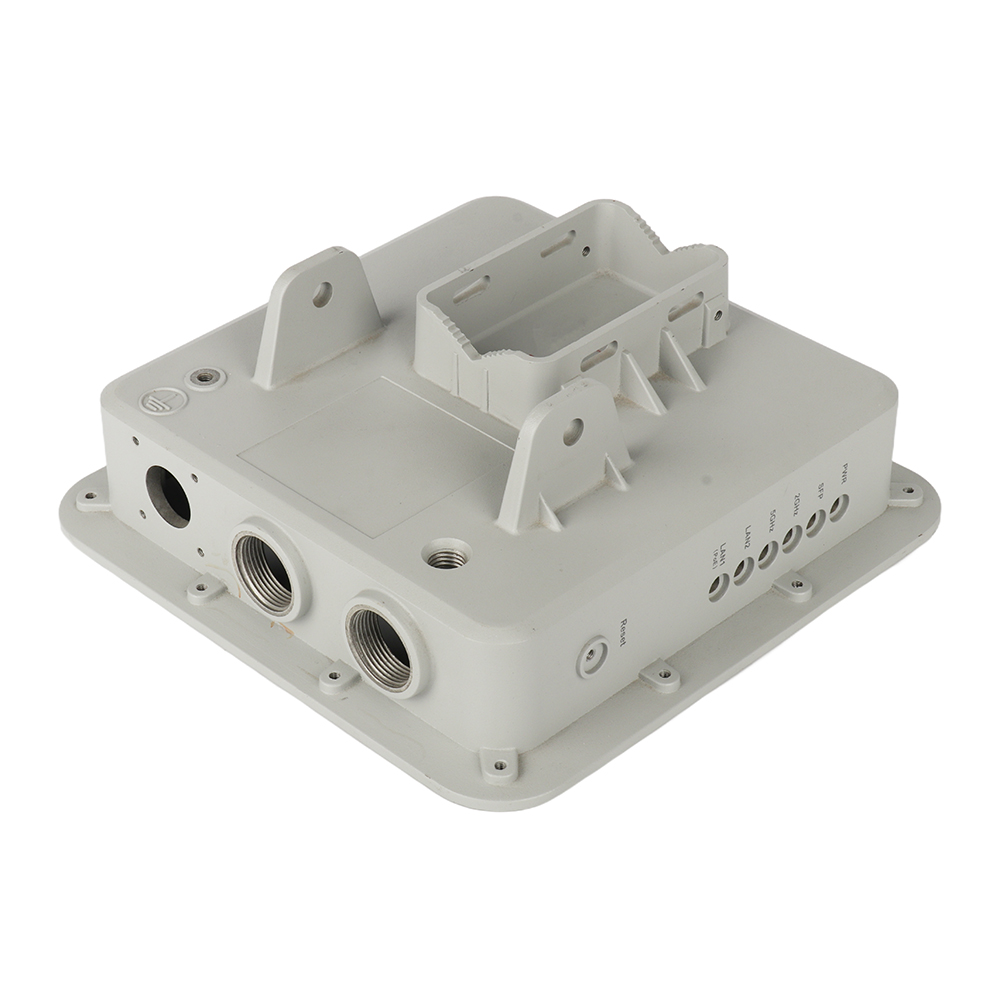
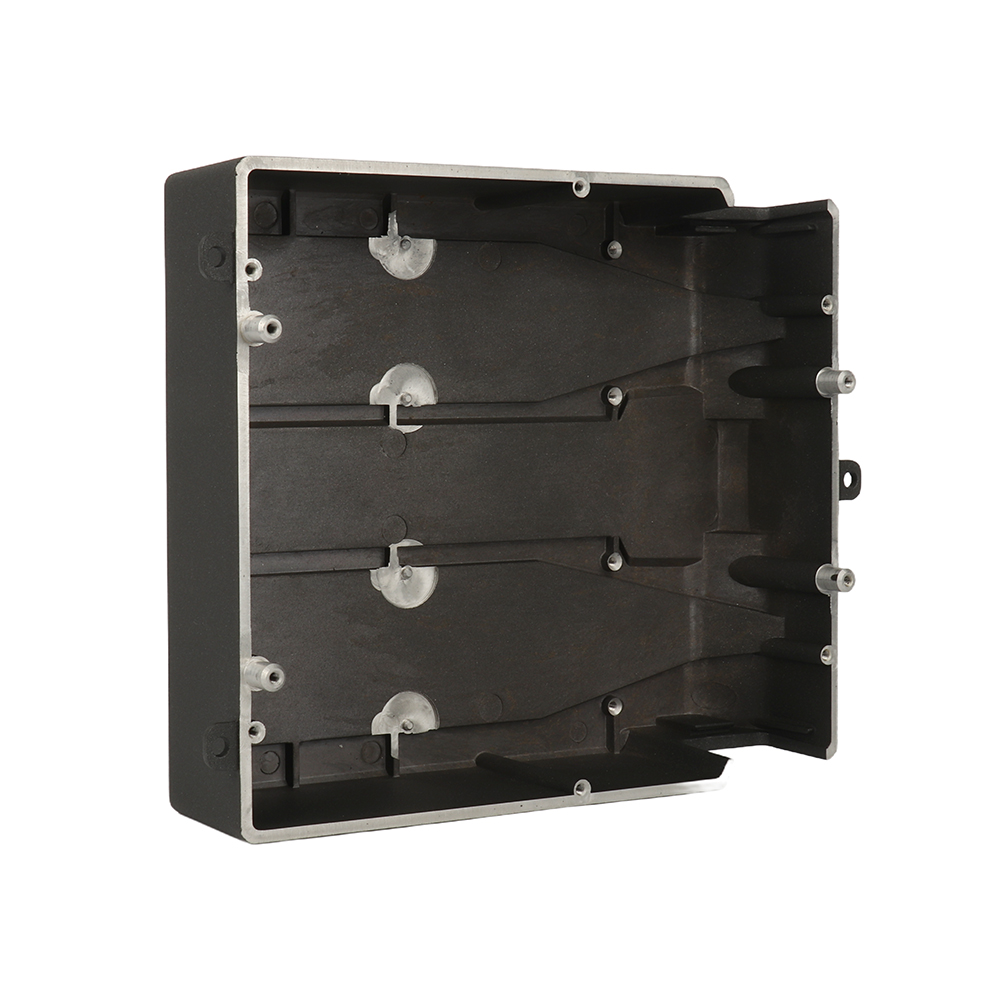
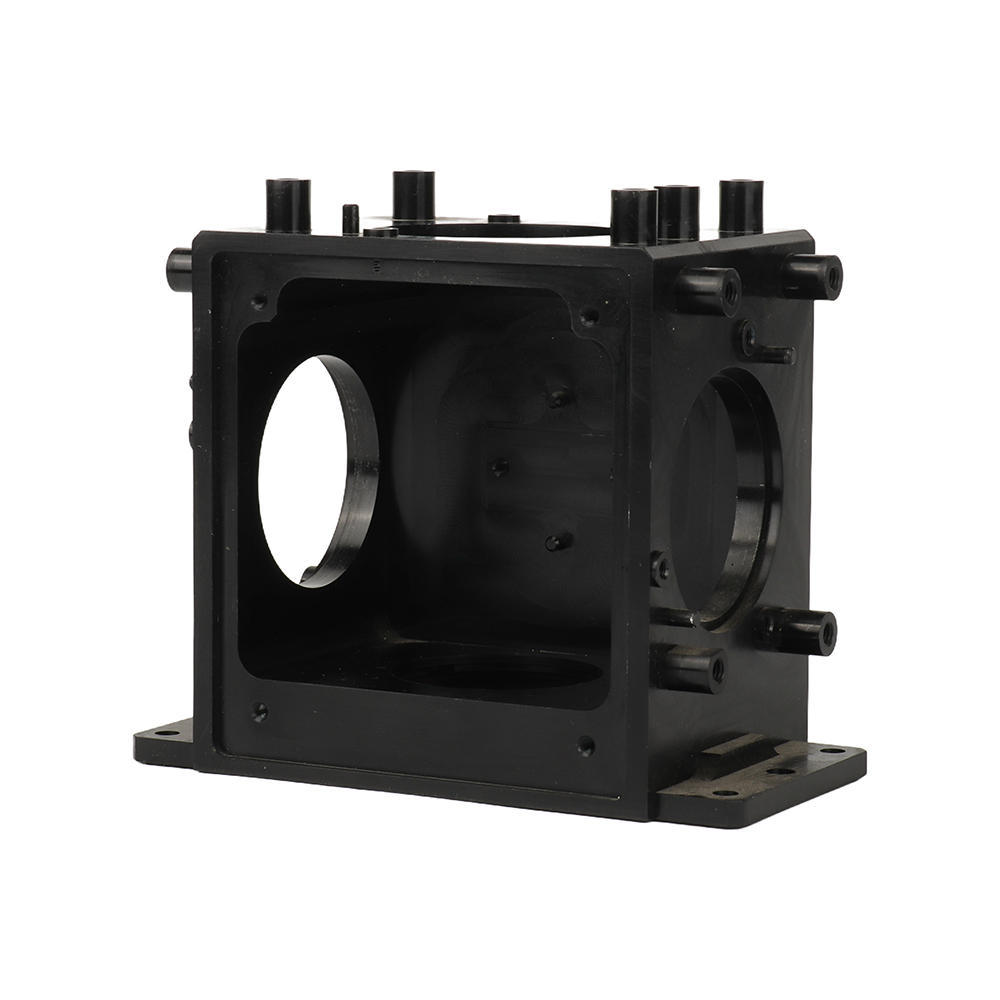
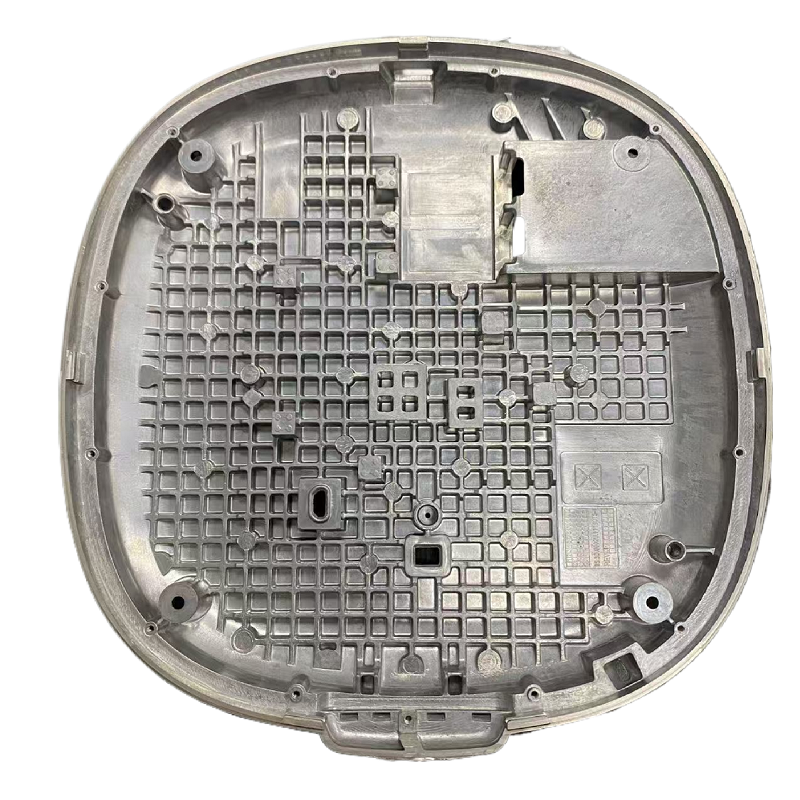
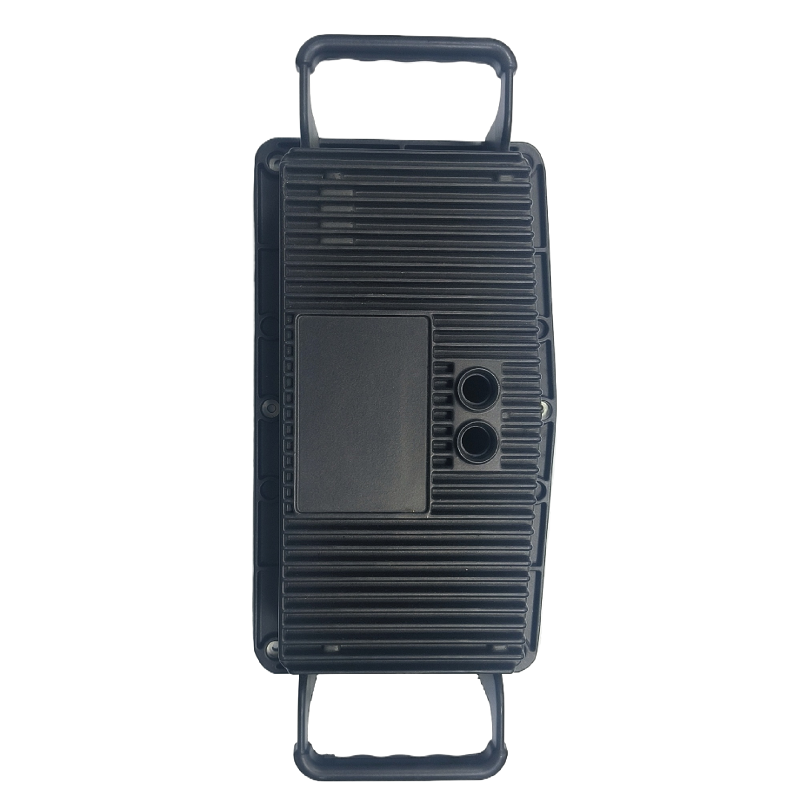
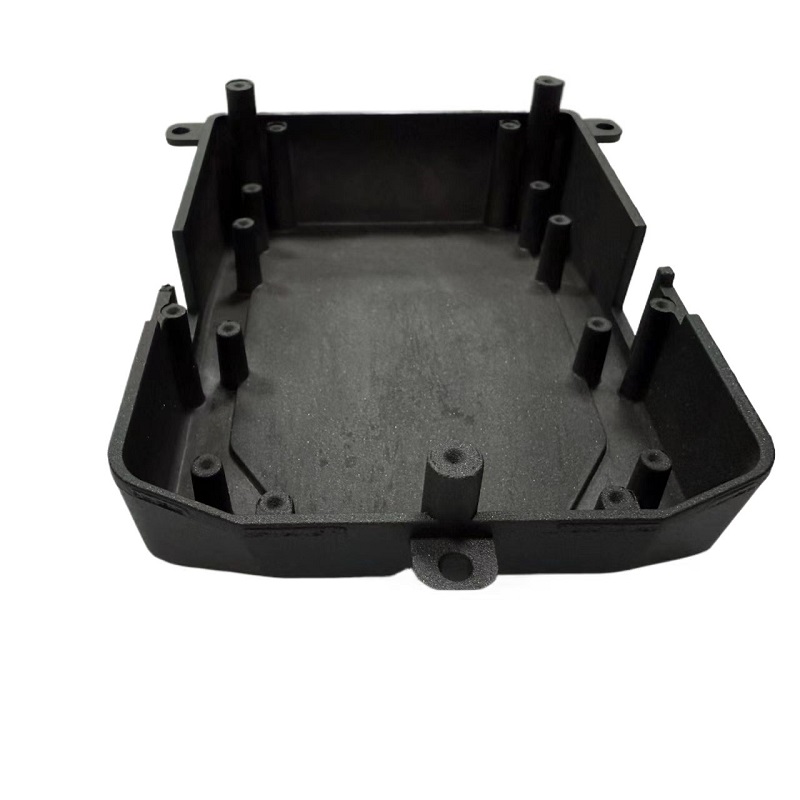
- Electronic enclosures: Housings for sensors, control units, and battery components (especially important for electric vehicles).
- Small functional parts: Door handles, fuel caps, and gearbox components (often made from zinc for cost-effectiveness and intricate detail).
2. Enabling Lightweight Vehicle Design
With the global push for fuel efficiency and reduced emissions, lightweighting has become a top priority for automakers. Die casting excels at producing lightweight yet strong components, thanks to the use of aluminum and magnesium alloys. These materials are up to 40% lighter than steel, reducing overall vehicle weight and improving fuel economy—without sacrificing strength or durability. For electric vehicles (EVs), lightweight die-cast parts also extend battery range, a critical factor in EV adoption.
3. Supporting Mass Production & Cost Efficiency
The automotive industry relies on high-volume production to meet consumer demand, and die casting is perfectly suited for this. Dies can be reused thousands of times, reducing per-unit costs and enabling fast production cycles (often producing parts in seconds or minutes). This scalability makes die casting a cost-effective solution for automakers, even with the initial investment in die tooling.
4. Driving Sustainability in Automotive Manufacturing
Modern die casting processes are increasingly sustainable, aligning with the automotive industry’s shift toward eco-friendly practices. Many die-cast parts are made from recycled metals (e.g., recycled aluminum), reducing raw material waste. Additionally, the process produces minimal scrap, and any scrap generated can be recycled back into the production cycle. Lightweight die-cast parts also reduce vehicle emissions, further contributing to sustainability goals.
Key Focus Points of Automotive Die Casting
To fully leverage the benefits of die casting in automotive manufacturing, there are several key focus points that automakers and manufacturers prioritize. These points ensure that die-cast parts meet the industry’s strict standards and deliver optimal performance:
1. Precision & Dimensional Accuracy
Automotive components must fit seamlessly with other parts (e.g., engine components, chassis parts), so precision and dimensional accuracy are non-negotiable. Die casting achieves tight tolerances (often as low as ±0.005 inches) and smooth surface finishes, reducing the need for additional machining and ensuring consistent part quality across production runs. This precision is critical for parts that affect vehicle safety and performance.
2. Material Selection
The choice of metal alloy directly impacts the performance of die-cast parts. Automakers focus on selecting alloys that balance strength, weight, corrosion resistance, and cost. The most common choices are: Aluminum alloys: The most widely used (6061, 380 series) for their excellent strength-to-weight ratio, corrosion resistance, and heat conductivity—ideal for engine and chassis parts. Magnesium alloys: Used for ultra-lightweight parts (e.g., EV battery housings) due to their low density and high strength. Zinc alloys: Used for small, intricate parts (e.g., door handles) because they cast easily, have good dimensional stability, and are cost-effective.
3. Die Design & Tooling
The design of the die (mold) is critical to the quality of die-cast parts. Manufacturers focus on creating dies with proper gating (to ensure even metal flow), cooling channels (to control solidification), and ejection systems (to avoid damaging parts). High-quality dies are made from hardened steel to withstand high pressure and repeated use, though they require a significant initial investment.
4. Quality Control & Defect Prevention
Automotive die casting requires strict quality control to prevent defects such as porosity (air bubbles), shrinkage, or cracks—issues that could compromise part performance. Manufacturers use advanced testing methods (e.g., X-ray inspection, pressure testing) to detect defects early and ensure parts meet safety and performance standards.
Core Advantages of Die Casting in Automotive Manufacturing
Die casting stands out as a preferred manufacturing method in the automotive industry due to its unique advantages, which address the industry’s most pressing needs (speed, precision, cost, and sustainability). Below are the core advantages:
1. High Precision & Consistent Quality
Die casting produces parts with tight dimensional tolerances and smooth surface finishes, eliminating the need for extensive post-processing (e.g., grinding, polishing). This consistency ensures that every part fits and functions as intended, reducing assembly errors and improving overall vehicle quality.
2. Lightweight Yet Strong
Using aluminum and magnesium alloys, die casting creates parts that are significantly lighter than steel counterparts but just as strong (or stronger). This lightweighting improves fuel efficiency, reduces emissions, and extends EV battery range—key priorities for modern automakers.
3. Cost-Effective for High-Volume Production
While the initial cost of die tooling is high, dies can be reused thousands (or even millions) of times, reducing per-unit costs for high-volume production. Additionally, the fast production cycle (parts can be cast in seconds) increases productivity and lowers labor costs.
4. Ability to Produce Complex Shapes
Die casting can create complex, intricate part geometries that would be difficult or impossible to achieve with other manufacturing methods (e.g., machining, forging). This allows designers to create more efficient, compact components (e.g., integrated engine parts) that save space and improve vehicle performance.
5. Excellent Surface Finish
Die-cast parts have a smooth, uniform surface finish (often requiring no additional finishing), which improves aesthetics and reduces the need for post-processing. This is especially important for visible automotive parts (e.g., door handles) and parts that require tight seals (e.g., engine components).
6. Sustainability & Recyclability
Most die-cast parts are made from recyclable metals (aluminum, magnesium, zinc), and the process generates minimal waste. Scrap metal from die casting can be recycled back into the production cycle, reducing environmental impact and raw material costs.
Expert Insights: The Future of Die Casting in Automotive
To gain a professional perspective on automotive die casting, we spoke with Elena Carter, a senior automotive manufacturing engineer with 25 years of experience in die casting technology and EV component production. Here’s her take on the role and future of die casting in the automotive industry:
“When people ask ‘what is die casting in automotive,’ I tell them it’s the technology that makes modern vehicles possible—especially EVs. Die casting’s ability to produce lightweight, complex, high-precision parts is unmatched, and it’s only becoming more important as the industry shifts to electrification. The biggest trend we’re seeing is mega-casting, which allows automakers to replace dozens of small parts with a single large die-cast component (e.g., Tesla’s rear underbody), simplifying assembly and reducing weight. While die tooling costs remain a barrier for small manufacturers, advances in die design and material science are making the process more accessible. For the future, we’ll see more use of magnesium alloys for even lighter parts, and smarter die casting processes with AI-driven quality control to reduce defects. Die casting isn’t just a manufacturing method—it’s a cornerstone of automotive innovation.”
Elena adds: “Automakers are also focusing on sustainable die casting, using more recycled materials and optimizing processes to reduce energy consumption. As EVs become more prevalent, die casting will play an even bigger role in producing battery housings, motor components, and other critical parts that require strength, precision, and lightweight design.”
FAQs: Common Questions About Automotive Die Casting
Q1: What is die casting in automotive, and how is it different from other casting methods?
A: Automotive die casting is a high-pressure metal casting process that forces molten metal (aluminum, magnesium, zinc) into a precision die to create automotive components. Unlike sand casting (which is slower and less precise) or forging (which is better for simple shapes), die casting produces complex, high-precision parts with smooth surfaces—ideal for mass-produced automotive components.
Q2: What are the most common automotive parts made with die casting?
A: The most common parts include engine blocks, cylinder heads, transmission cases, steering knuckles, suspension brackets, electronic enclosures, door handles, and fuel caps. For EVs, die casting is also used for battery housings and motor components.
Q3: Why is aluminum the most used material in automotive die casting?
A: Aluminum is preferred because it offers an excellent balance of strength, weight, corrosion resistance, and cost. It is 40% lighter than steel, improves fuel efficiency, and can withstand high temperatures—making it ideal for engine and chassis parts.
Q4: Is die casting expensive for automotive manufacturing?
A: The initial cost of die tooling is high (ranging from thousands to hundreds of thousands of dollars), but die casting becomes cost-effective for high-volume production. Dies can be reused thousands of times, reducing per-unit costs, and the fast production cycle lowers labor and processing costs.
Q5: Can die casting be used for electric vehicle (EV) components?
A: Yes—die casting is critical for EV manufacturing. It produces lightweight battery housings, motor components, and electronic enclosures that help extend battery range and improve EV performance. Mega-casting is also used to create large structural components for EVs, simplifying assembly.
Q6: What are the main defects in automotive die casting, and how are they prevented?
A: Common defects include porosity (air bubbles), shrinkage, and cracks. These are prevented by optimizing die design (e.g., proper gating and cooling), using high-quality alloys, controlling molten metal temperature, and implementing strict quality control (e.g., X-ray inspection).
Q7: How is die casting contributing to automotive sustainability?
A: Die casting uses recyclable metals (aluminum, magnesium, zinc), generates minimal scrap (which can be recycled), and produces lightweight parts that reduce vehicle emissions. Many manufacturers also use recycled alloys to reduce raw material waste and environmental impact.
Conclusion: Why Die Casting is Indispensable for Modern Automotive
Now that you understand what die casting in automotive is, its role, focus points, and advantages, it’s clear why it’s a cornerstone of modern automotive manufacturing. Die casting delivers the precision, speed, and cost-effectiveness that automakers need to produce high-quality, lightweight components—supporting fuel efficiency, sustainability, and innovation, especially in the EV era.
From engine blocks to EV battery housings, die-cast parts are integral to every aspect of vehicle design and performance. Its ability to produce complex, consistent parts at scale makes it unmatched by other manufacturing methods, and as technology advances (e.g., mega-casting, AI-driven quality control), die casting will continue to shape the future of the automotive industry.
For automakers, die casting isn’t just a manufacturing process—it’s a strategic investment in producing safer, more efficient, and more sustainable vehicles. As expert Elena Carter noted, die casting is essential to automotive innovation, and its importance will only grow as the industry evolves.
Is alloy and aluminium the same? A Complete Guide to Their Differences & Advantages
What are bench grinders used for? A Complete Guide for Beginners
Related Article


