
HOT PRODUCTS
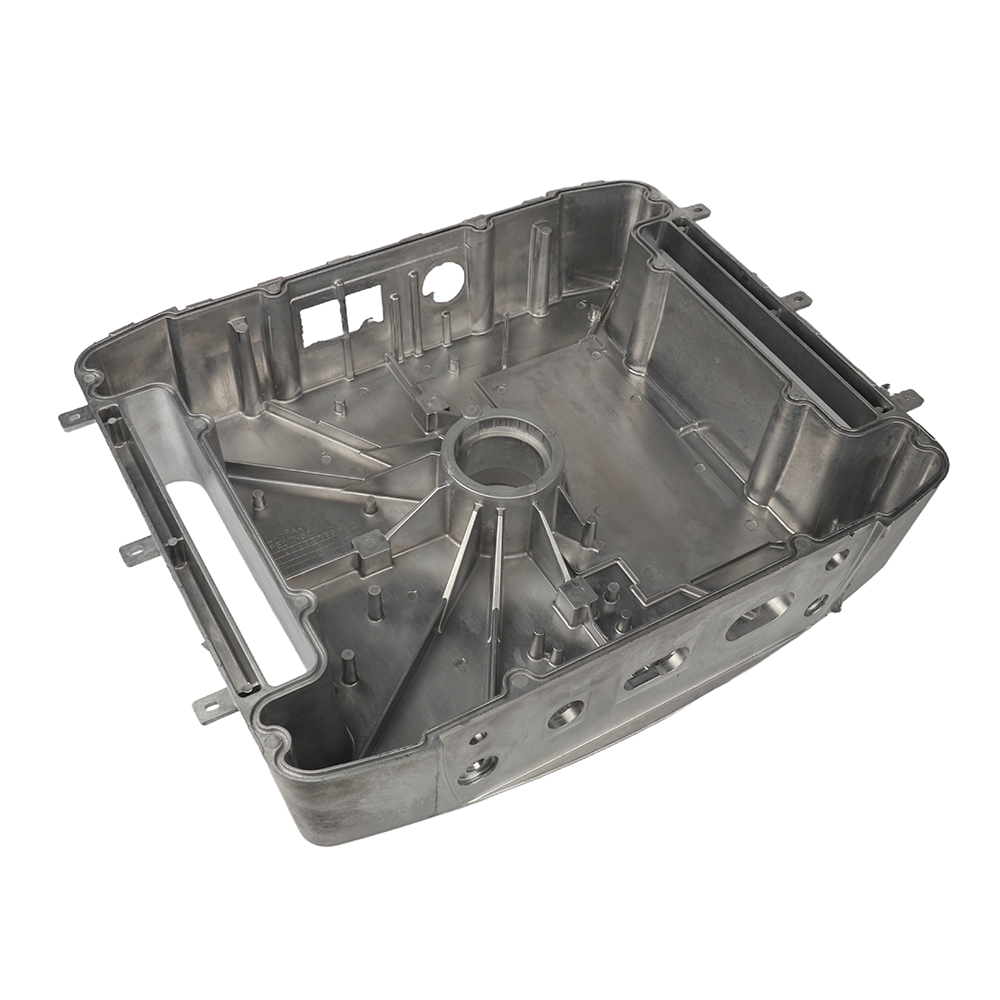
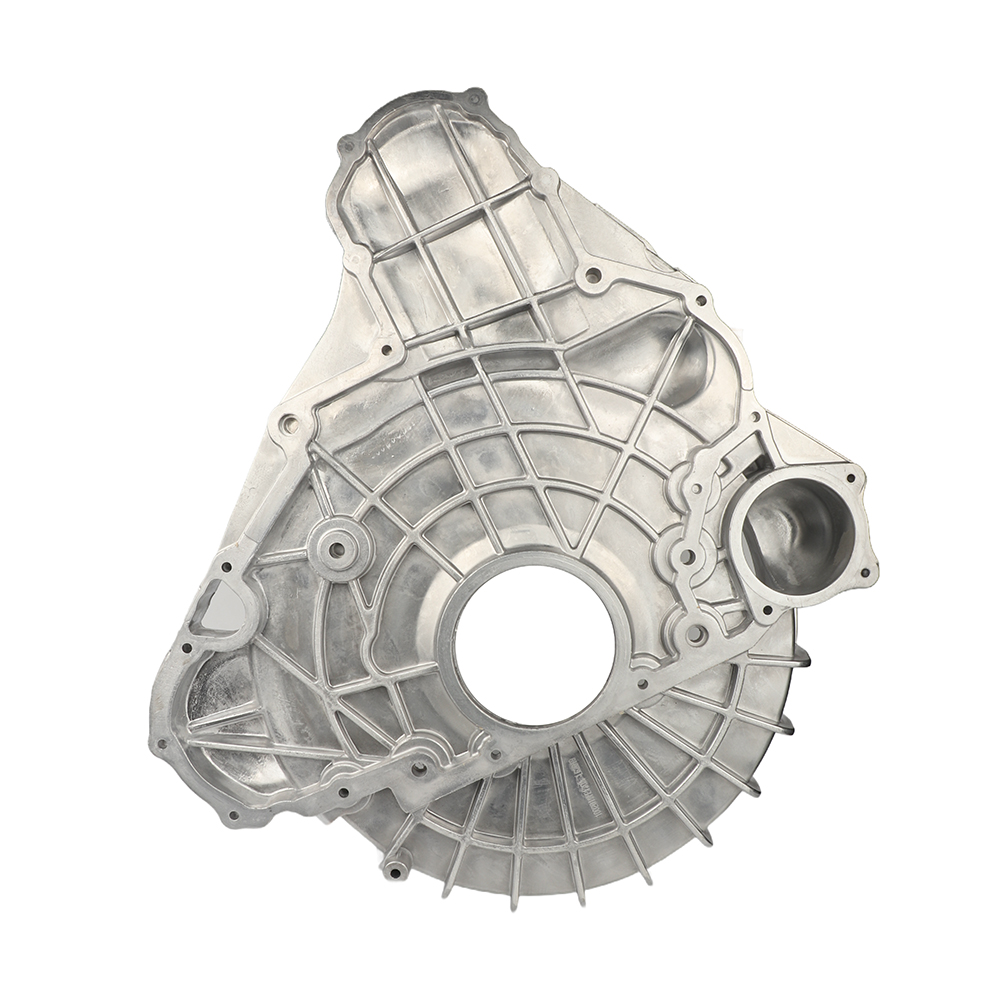
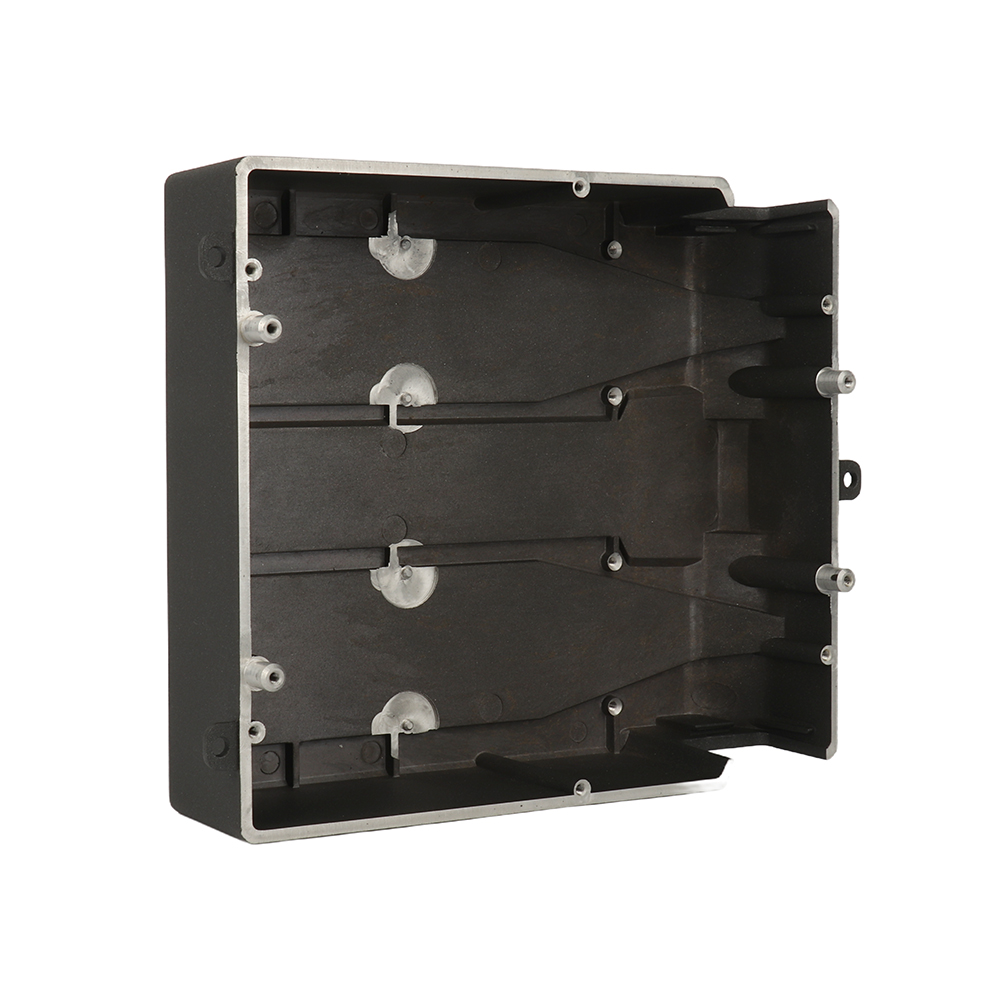
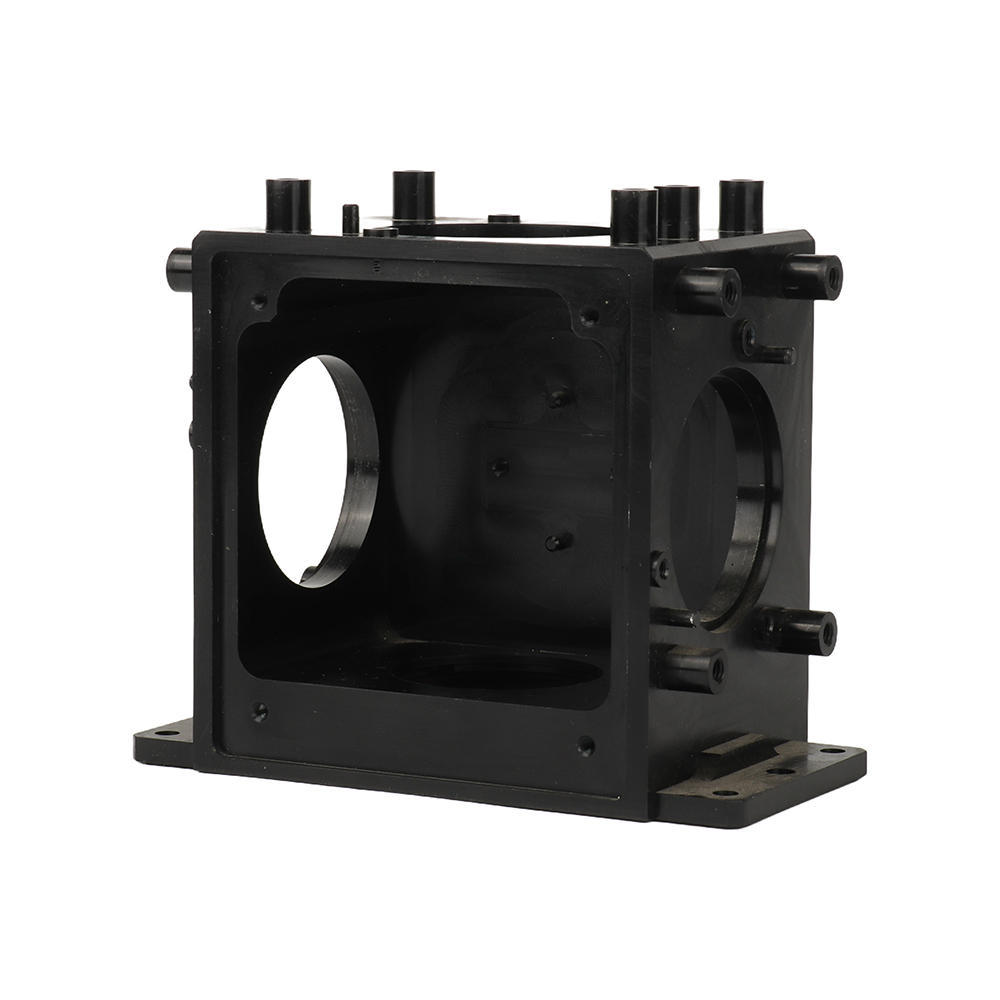
What Is Die Casting? A Complete Guide to the Precision Manufacturing Process
What Is Die Casting? A Complete Guide to Precision Manufacturing Process
Table of Contents
- What Is Die Casting? Core Definition & Basics
- Key Die Casting Parameters: Industry Standard Specifications
- High Pressure Die Casting vs. Low Pressure Die Casting: A Detailed Comparison
- Why High Pressure Die Casting (HPDC) Is the Go-To for Modern Manufacturing
- Expert Insights on Die Casting’s Evolution & Industry Trends
- FAQs: Common Questions About Die Casting Answered
What Is Die Casting? Core Definition & Basics
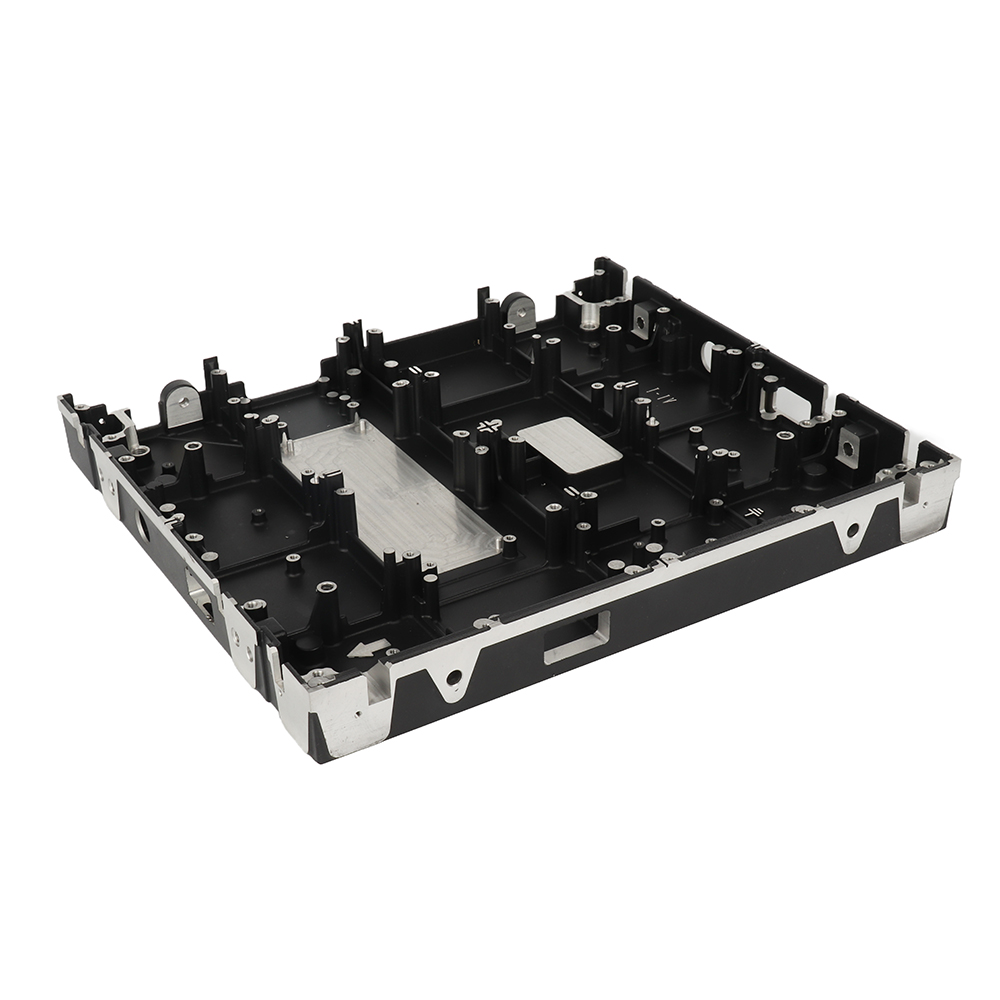
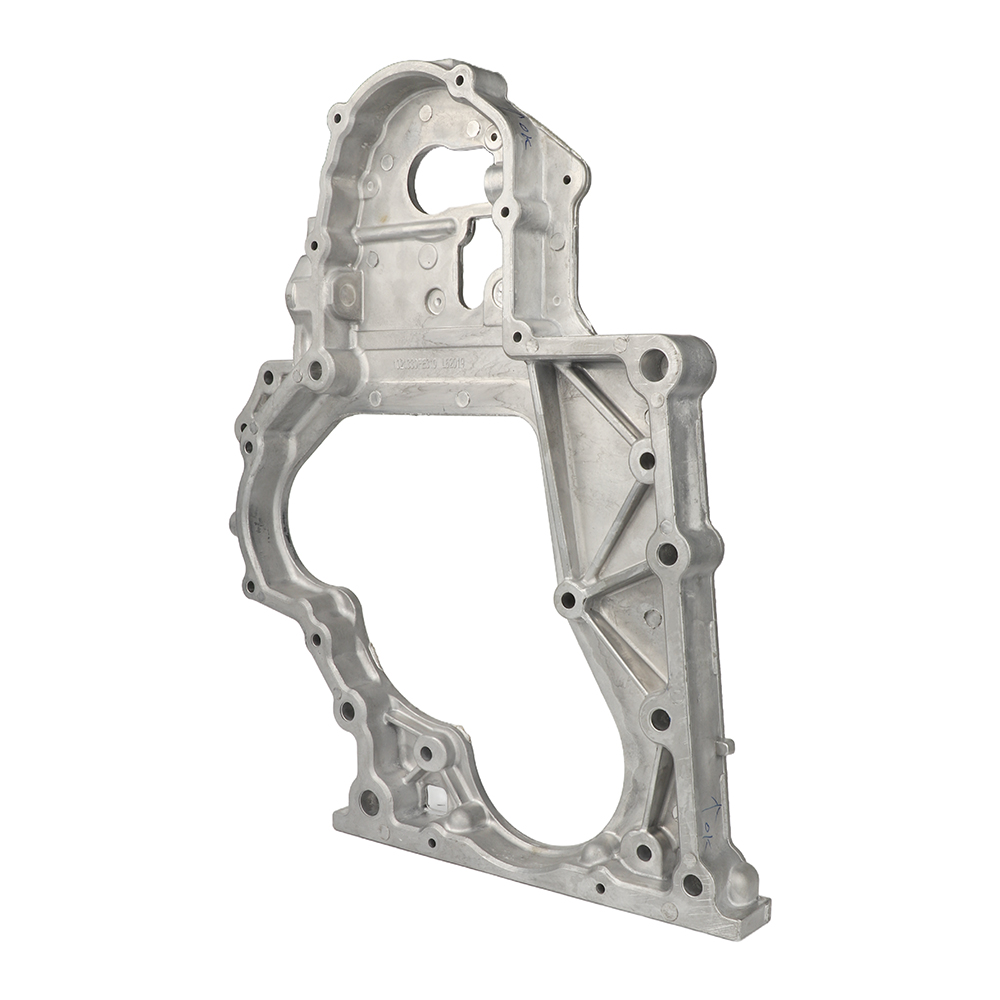
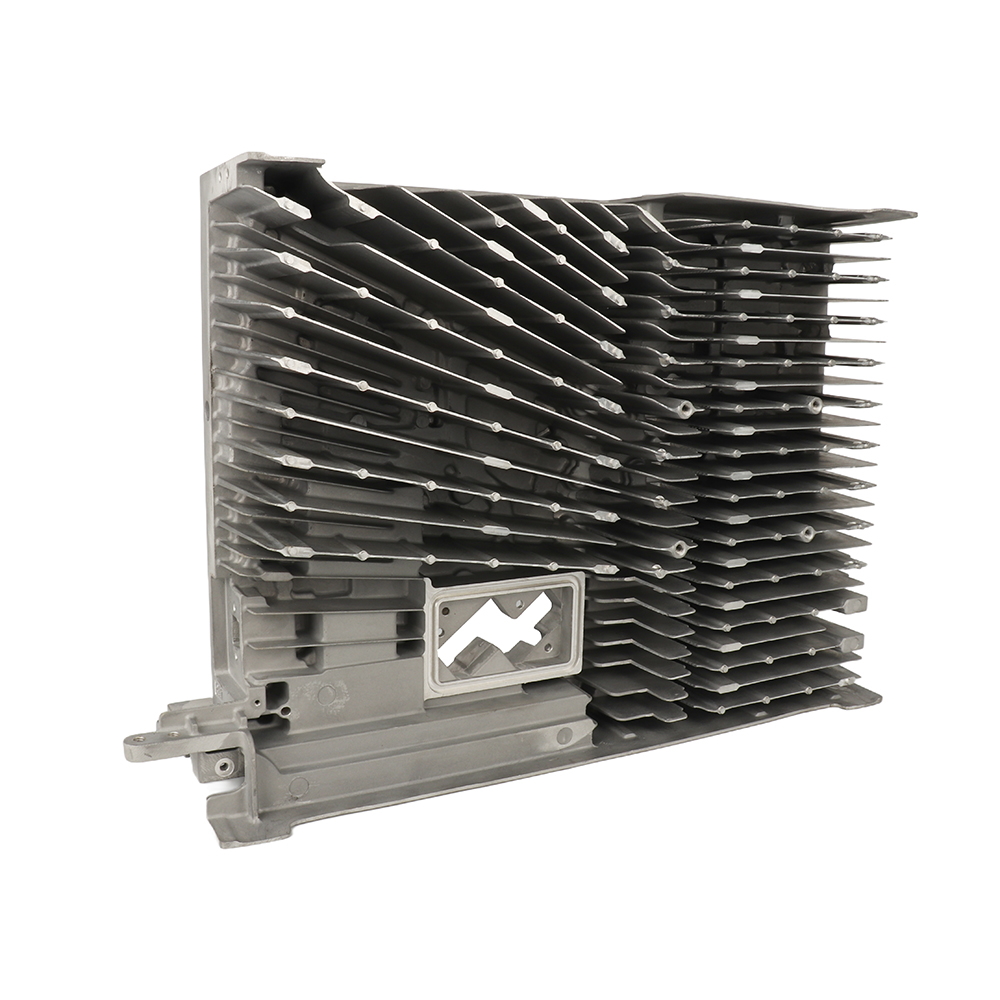
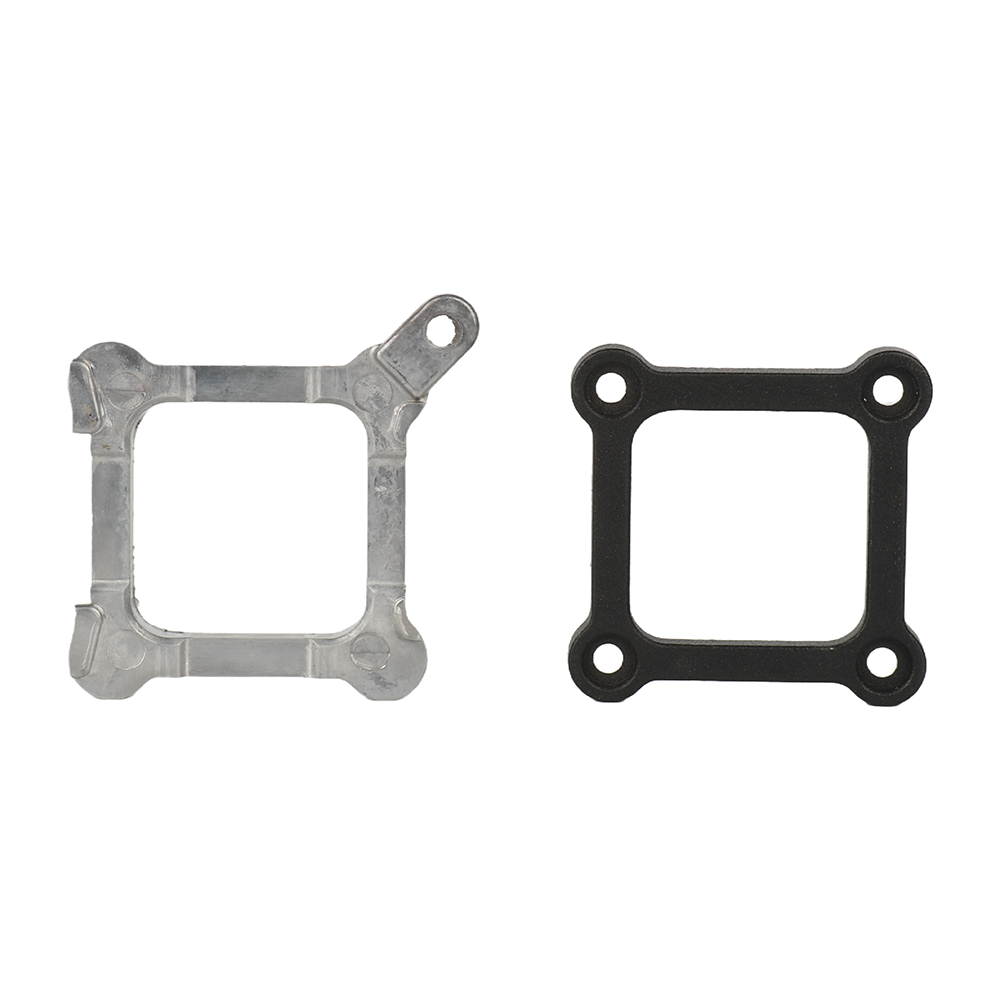
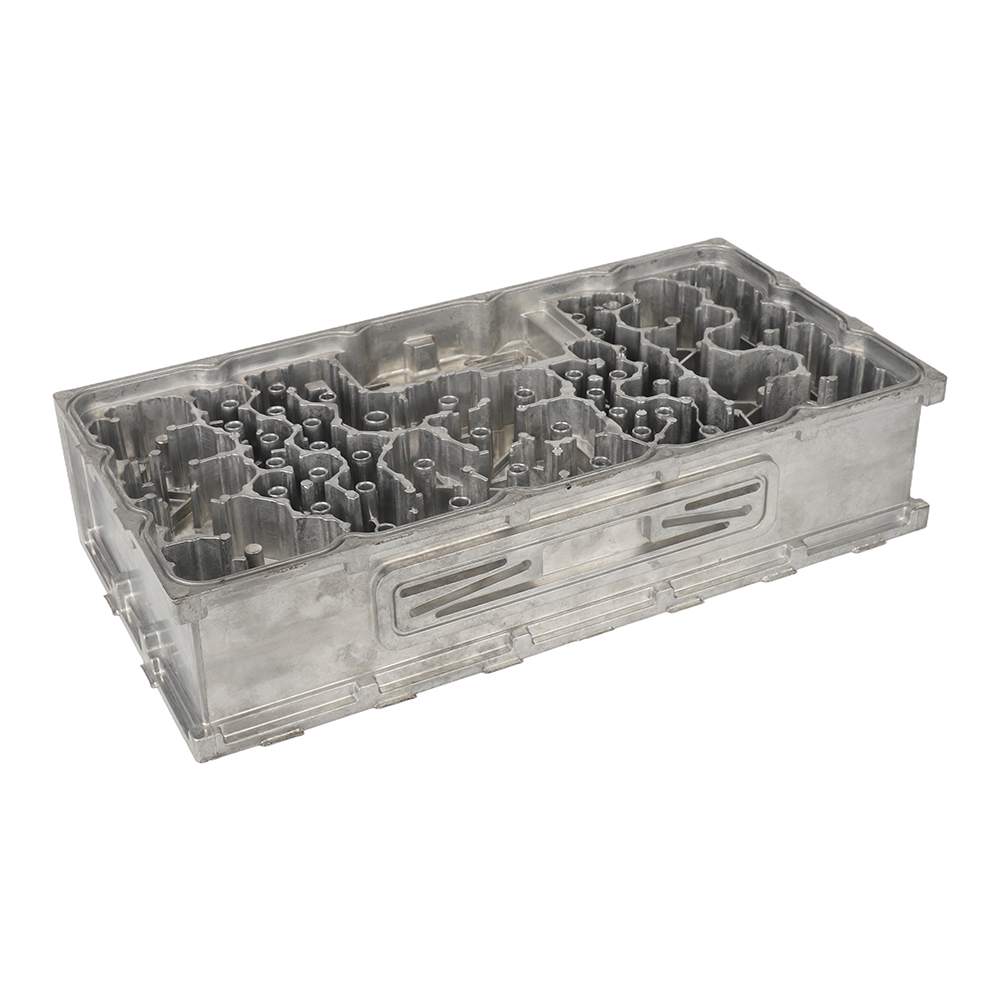
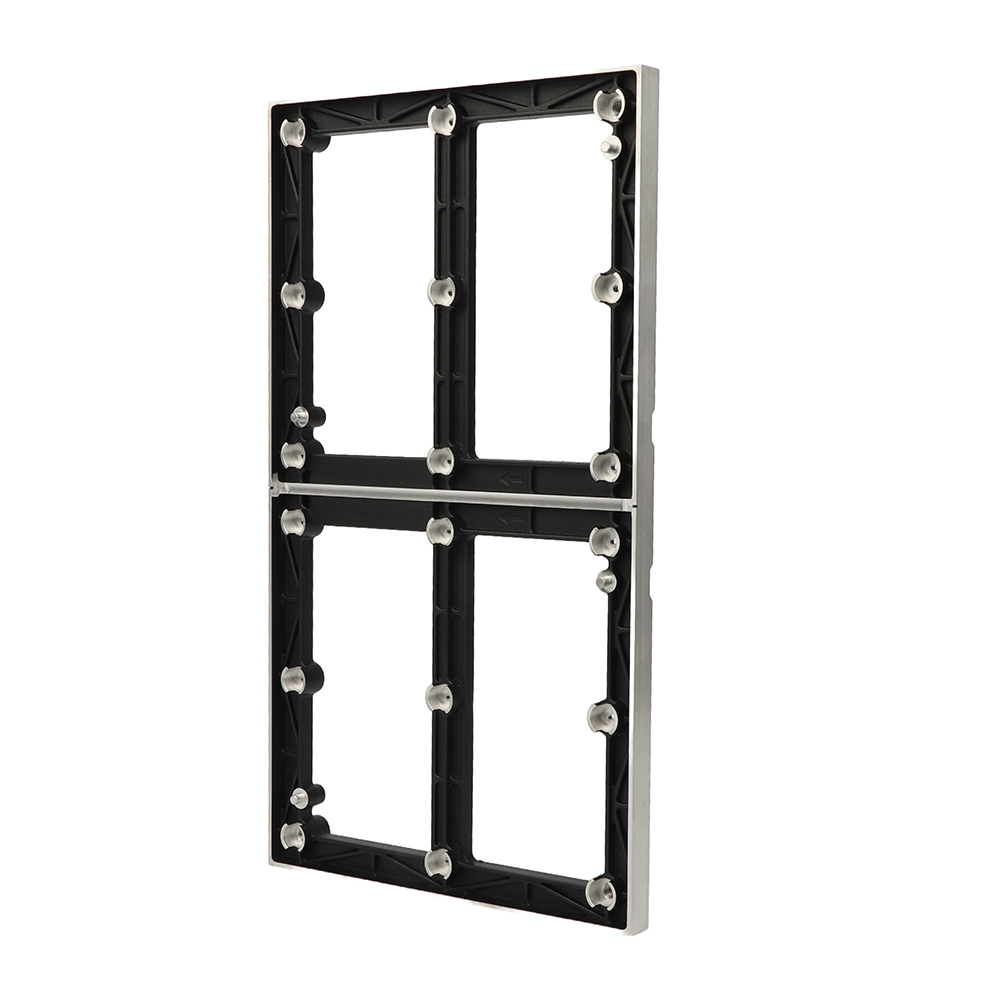
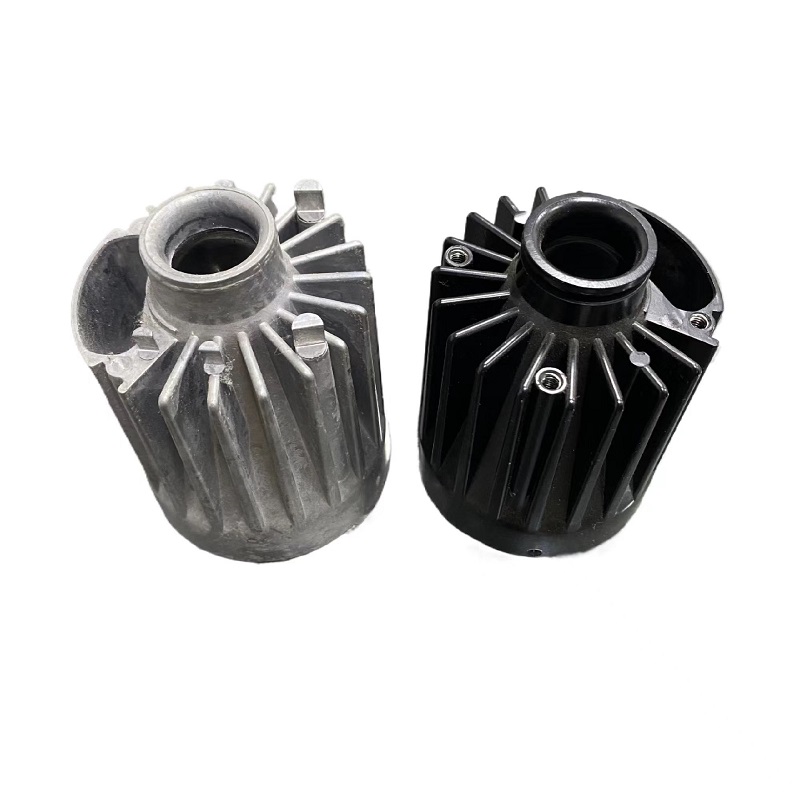
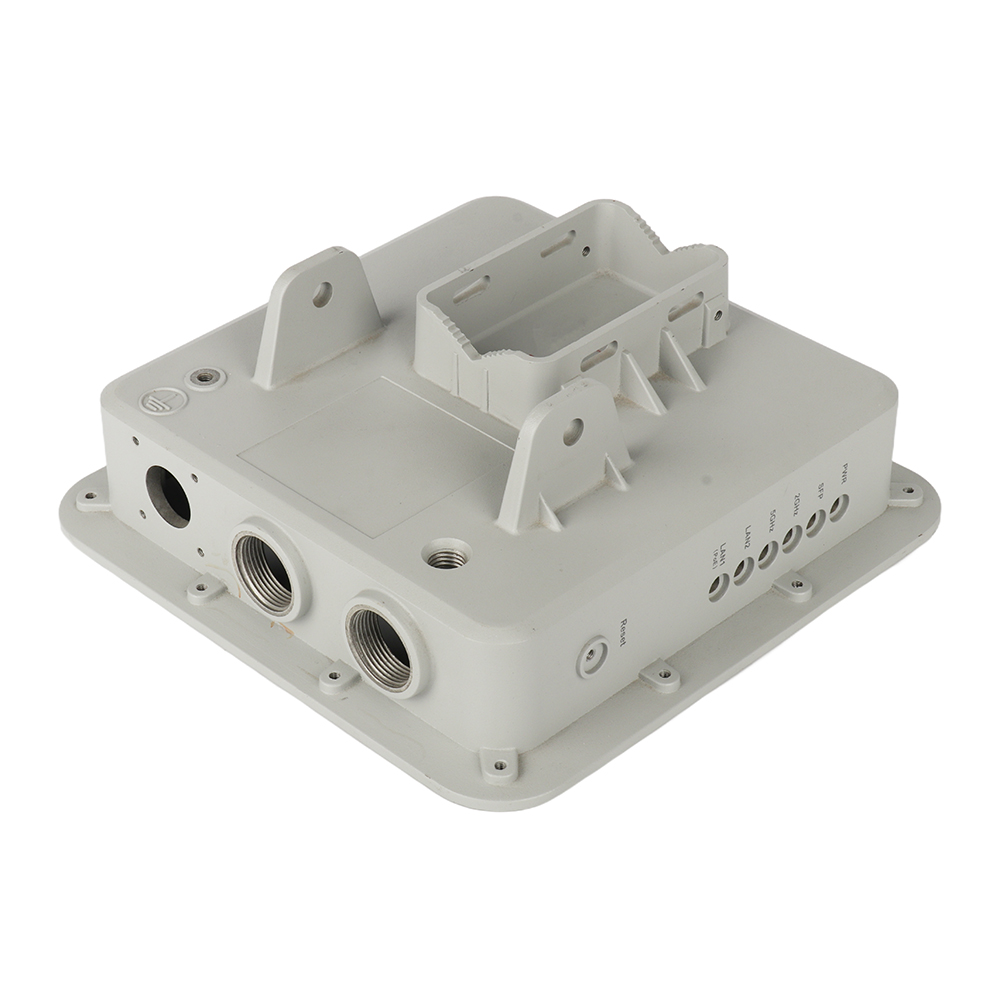
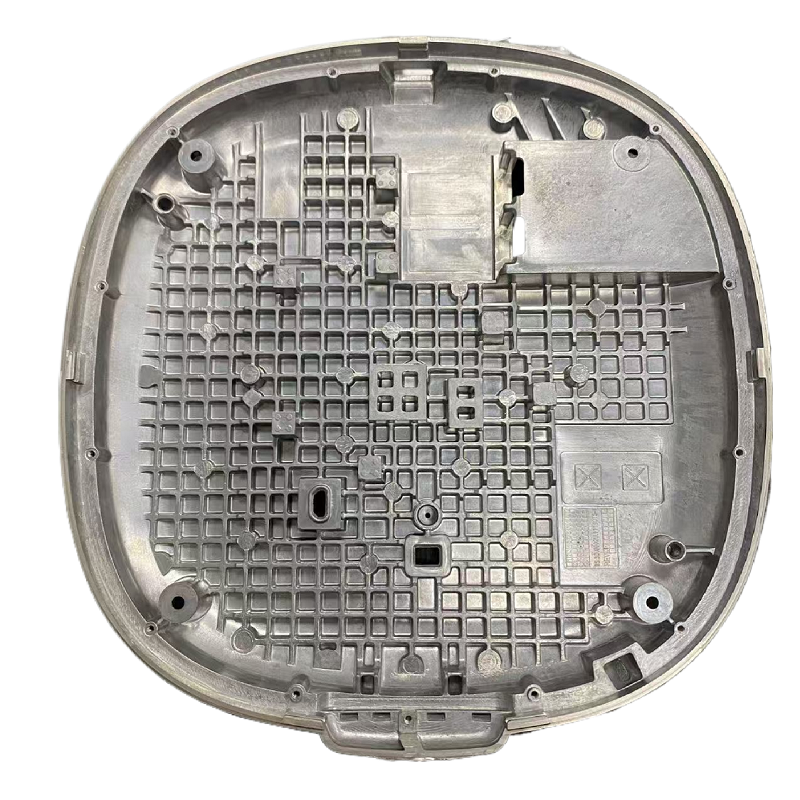
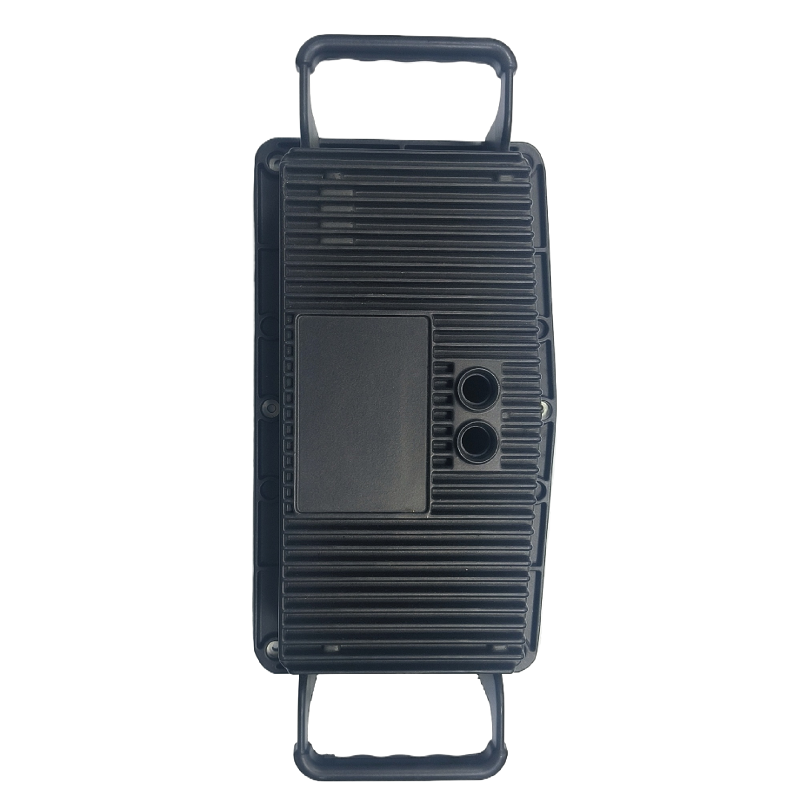
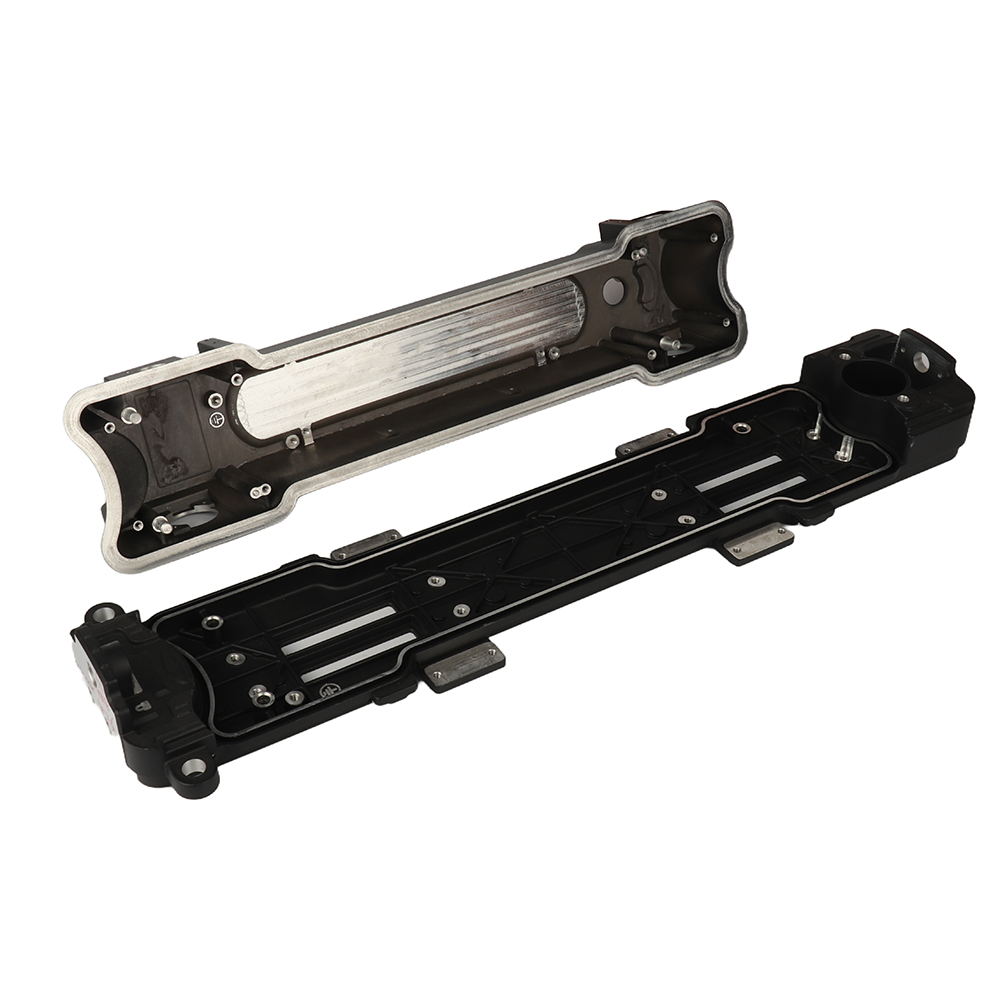
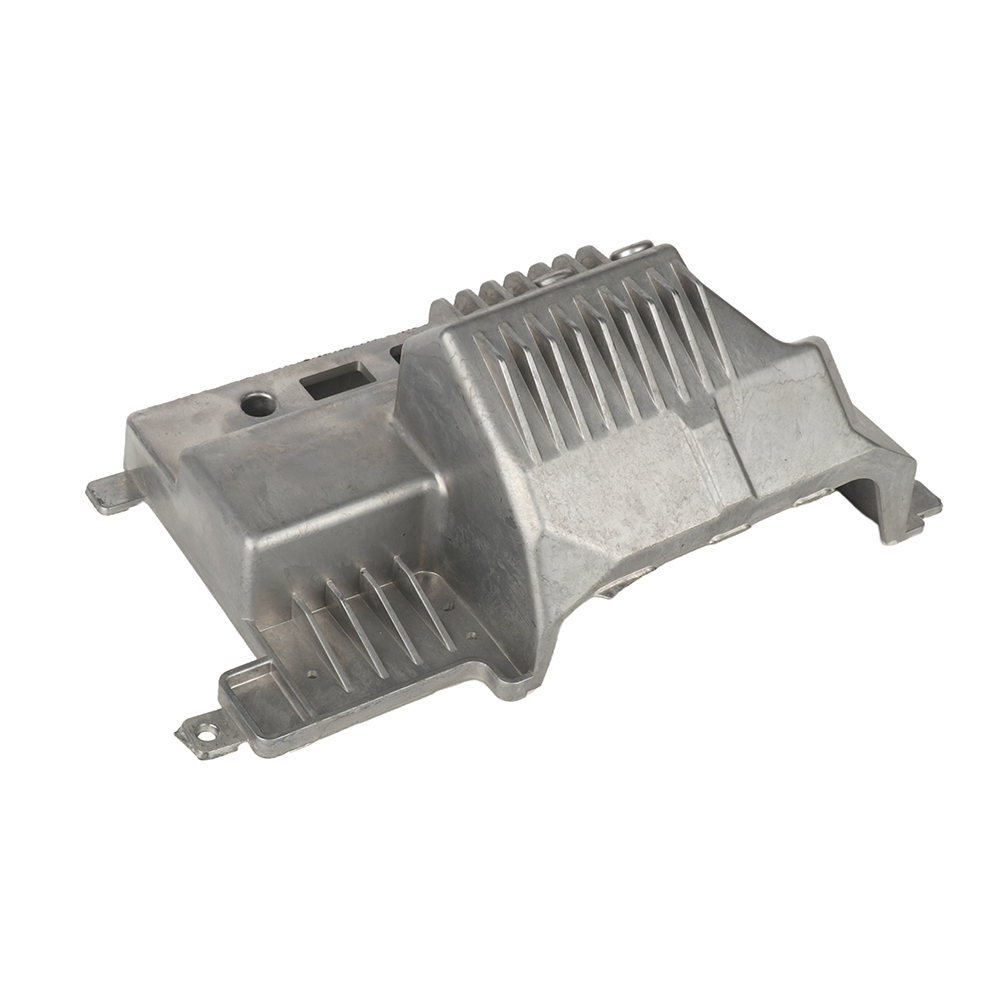
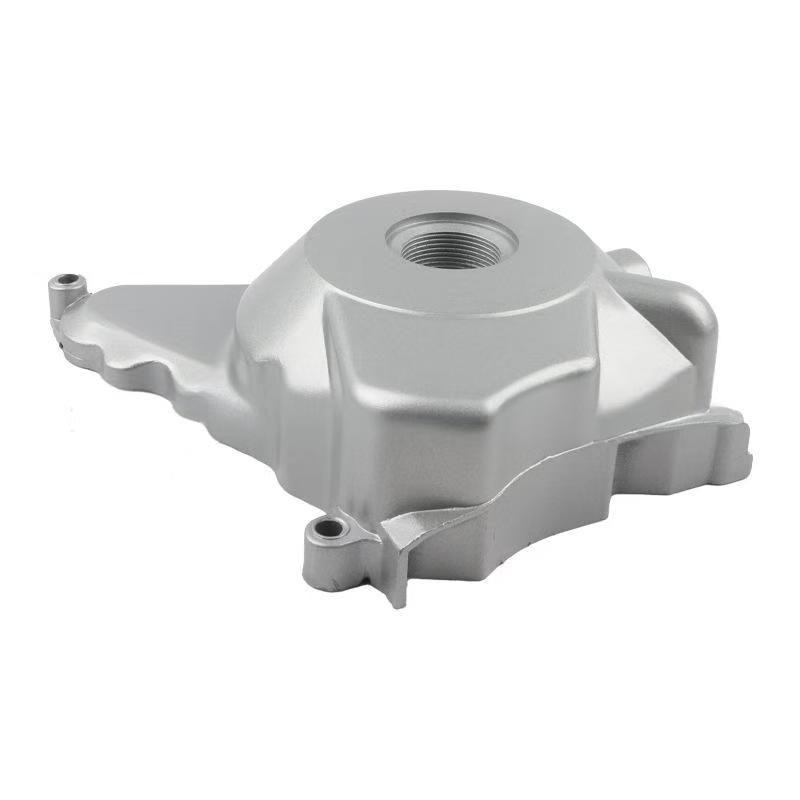
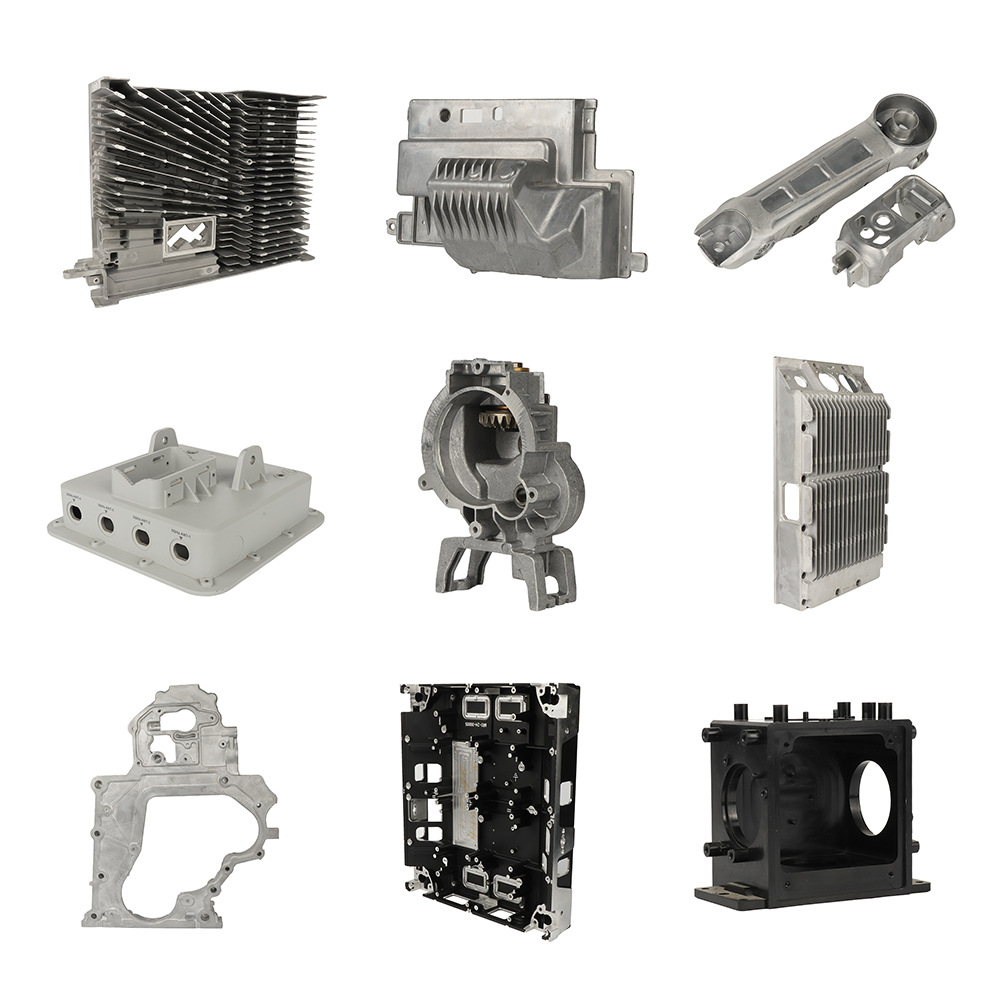
Die casting is a high-precision, mass-production metal casting process that forces molten metal under pressure into a prefabricated steel mold—called a die—to create complex, dimensionally accurate parts with smooth surface finishes. Unlike traditional casting methods, die casting eliminates the need for extensive post-production machining for most components, making it a cost-effective solution for producing high-volume metal parts across industries.
The process works by heating metal alloys (e.g., aluminum, zinc, magnesium) to a molten state, then injecting it into a closed die under controlled pressure. Once the metal cools and solidifies, the die opens, and the finished part is ejected. Die casting is renowned for its ability to produce consistent, complex shapes with tight tolerances—making it ideal for automotive, electronics, aerospace, and consumer goods manufacturing, where precision and scalability are critical.
At its core, die casting is defined by two key variables: pressure and mold design. These factors dictate the quality, speed, and versatility of the finished parts, and they split the process into the two most common types: High Pressure Die Casting (HPDC) and Low Pressure Die Casting (LPDC).
Key Die Casting Parameters: Industry Standard Specifications
Successful die casting relies on strict adherence to industry-standard parameters, which vary by alloy type and casting method but form the foundation of consistent, high-quality production. Below is a general die casting parameter table for the most commonly used alloys (aluminum, zinc, magnesium)—the gold standard for automotive, electronics, and industrial component manufacturing.
General Die Casting Industry Standard Parameters Table
| Parameter | Aluminum Alloys (e.g., ADC12, A380) | Zinc Alloys (e.g., Zamak 3, Zamak 5) | Magnesium Alloys (e.g., AZ91D) |
|---|---|---|---|
| Melting Temperature (°C) | 580 – 680 | 380 – 420 | 630 – 680 |
| Injection Pressure (bar) | 800 – 2500 (HPDC) / 10 – 50 (LPDC) | 400 – 1500 (HPDC) / 8 – 40 (LPDC) | 600 – 2000 (HPDC) / 10 – 60 (LPDC) |
| Mold Temperature (°C) | 180 – 280 | 120 – 200 | 150 – 250 |
| Cycle Time (Seconds) | 10 – 60 (per part) | 5 – 30 (per part) | 8 – 50 (per part) |
| Typical Tolerance (mm) | ±0.05 – ±0.15 | ±0.03 – ±0.10 | ±0.04 – ±0.12 |
| Surface Roughness (Ra, μm) | 1.6 – 6.3 | 0.8 – 3.2 | 1.2 – 4.8 |
| Max Part Weight (kg) | 0.01 – 25 | 0.005 – 10 | 0.01 – 15 |
Note: Parameters for High Pressure Die Casting (HPDC) are significantly higher in injection pressure vs. Low Pressure Die Casting (LPDC)—the defining difference between the two methods.
High Pressure Die Casting vs. Low Pressure Die Casting: A Detailed Comparison
While both High Pressure Die Casting (HPDC) and Low Pressure Die Casting (LPDC) fall under the die casting umbrella, they differ drastically in pressure application, production speed, part quality, and use cases. LPDC uses low atmospheric pressure (10–60 bar) to slowly fill the die with molten metal, while HPDC uses extreme hydraulic pressure (800–2500 bar) to inject metal at high speed—creating a stark contrast in their strengths and limitations.
Below is a side-by-side comparison of their key advantages and disadvantages, with a focus on how HPDC outperforms LPDC for modern high-volume, high-precision manufacturing:
High Pressure Die Casting (HPDC) – Pros & Cons
✅ Advantages
- Ultra-high production speed (short cycle times: 10–60 seconds per part) for mass manufacturing
- Exceptional dimensional accuracy and tight tolerances (±0.05–±0.15 mm for aluminum)
- Smooth surface finishes (Ra 1.6–6.3 μm) with minimal post-machining required
- Ability to produce complex, intricate part geometries (thin walls, small features)
- High repeatability—consistent part quality across thousands/millions of units
- Compatible with all mainstream die casting alloys (aluminum, zinc, magnesium)
- Cost-effective for high-volume production (lower per-unit cost with higher output)
❌ Disadvantages
- Higher upfront mold and equipment costs (specialized hydraulic pressure machines)
- Minor porosity possible in thick part sections (easily mitigated with post-processing)
- Not ideal for extremely small production runs (low ROI for custom molds)
Low Pressure Die Casting (LPDC) – Pros & Cons
✅ Advantages
- Lower upfront equipment and mold costs vs. HPDC
- Reduced porosity in thick part sections (slow, pressure-controlled filling)
- Ideal for small to medium production runs (100–10,000 units)
- Simpler machine operation and lower maintenance costs
❌ Disadvantages
- Slow production cycle times (60–200 seconds per part) – not suitable for mass production
- Lower dimensional accuracy and looser tolerances (±0.15–±0.30 mm for aluminum)
- Rougher surface finishes (Ra 6.3–12.5 μm) – requires extensive post-machining
- Limited ability to produce complex geometries (thick walls only)
- Narrower alloy compatibility (primarily aluminum for large, simple parts)
- Higher per-unit cost for high-volume production (low efficiency)
Why High Pressure Die Casting (HPDC) Is the Go-To for Modern Manufacturing
In today’s fast-paced manufacturing landscape—where scalability, precision, and cost-efficiency are non-negotiable—High Pressure Die Casting (HPDC) stands out as the industry’s preferred die casting method, and for good reason. The extreme pressure and high-speed injection that define HPDC address the core needs of global manufacturers, from automotive OEMs producing millions of components to electronics brands building compact, precise parts.
HPDC’s biggest advantage is its ability to balance mass production with uncompromising quality. For example, aluminum ADC12 high pressure die casting is the gold standard for automotive engine parts, electronic enclosures, and industrial hardware—because it produces parts that are not only fast and cheap to make but also meet the strict dimensional and surface quality requirements of these industries. Unlike LPDC, which is limited to small runs and simple shapes, HPDC can create complex, thin-walled parts (as thin as 0.8 mm for aluminum) that would be impossible or cost-prohibitive to make with other casting methods.
Additionally, HPDC’s compatibility with all major die casting alloys makes it a versatile solution for cross-industry manufacturing. Whether producing lightweight aluminum parts for aerospace, high-strength zinc parts for consumer goods, or durable magnesium parts for electronics, HPDC machines can be calibrated to meet the unique needs of each alloy—without sacrificing speed or precision. When combined with post-processing techniques (e.g., CNC machining, powder coating), HPDC parts can meet even the most stringent industry standards, making it a one-stop solution for end-to-end precision manufacturing.
Expert Insights on Die Casting’s Evolution & Industry Trends
To gain a deeper understanding of how die casting—and especially High Pressure Die Casting (HPDC)—is evolving, we spoke with John Miller, a senior manufacturing engineer with 25 years of experience in metal casting and precision engineering, and a consultant for the American Foundry Society (AFS). His insights shed light on the key trends shaping the die casting industry and why HPDC remains the cornerstone of modern manufacturing.
“Over the past decade, the die casting industry has seen a seismic shift toward high pressure die casting, driven by the demand for lightweight, high-precision parts in the automotive and electronics sectors—particularly with the rise of electric vehicles (EVs). EV manufacturers need millions of lightweight aluminum components (e.g., battery housings, motor enclosures) that are both strong and dimensionally accurate, and HPDC is the only method that can produce these parts at the scale and quality required. LPDC still has its place for small runs and thick-walled parts, but HPDC is the future of mass-produced die cast components.”
— John Miller, Senior Manufacturing Engineer & AFS Consultant
Miller also highlighted the role of technology in advancing HPDC: “Modern HPDC machines with computer numerical control (CNC) and real-time pressure monitoring have eliminated the minor porosity issues that once plagued the process, making HPDC parts even more reliable for critical applications like aerospace and medical devices. Additionally, the integration of 3D printing for die prototyping has reduced upfront mold costs and lead times, making HPDC more accessible for mid-sized production runs—blurring the line between HPDC and LPDC use cases.”
Another key trend Miller noted is the push for sustainability in die casting: “HPDC is inherently more sustainable than other casting methods because it produces minimal waste—molten metal is injected precisely into the die, and excess material (sprue and runner) is 100% recyclable. As manufacturers focus on carbon neutrality, HPDC’s low waste and high efficiency make it a more environmentally friendly option vs. LPDC and traditional casting methods, which produce more scrap and use more energy per part.”
FAQs: Common Questions About Die Casting Answered
1. What metals are most commonly used in die casting?
Aluminum alloys (e.g., ADC12, A380) are the most widely used (60% of all die cast parts), followed by zinc alloys (Zamak 3, Zamak 5) and magnesium alloys (AZ91D). These alloys are preferred for their low melting points, high strength-to-weight ratios, and excellent castability—key properties for die casting. Copper alloys are also used for high-temperature applications, but they are less common due to their higher melting points and production costs.
2. What is the difference between die casting and sand casting?
Die casting uses a reusable steel die and high pressure to produce high-precision, high-volume parts with smooth finishes and tight tolerances. Sand casting uses a disposable sand mold and gravity to fill the mold, producing low-precision, low-volume parts with rough finishes that require extensive post-machining. Die casting is ideal for mass production, while sand casting is better for custom, one-off parts.
3. Is High Pressure Die Casting (HPDC) suitable for small production runs?
Historically, HPDC was only cost-effective for high-volume runs (100,000+ units) due to high upfront mold costs. However, modern 3D printing for die prototyping has reduced mold lead times and costs, making HPDC accessible for mid-sized runs (10,000–50,000 units). For very small runs (under 10,000 units), LPDC or sand casting is still more cost-effective.
4. Can die cast parts be heat-treated or welded?
Most aluminum and magnesium die cast parts can be heat-treated (e.g., T6 temper) to increase strength, though HPDC parts may require minor post-processing to eliminate porosity before heat treatment. Zinc die cast parts cannot be heat-treated but are easily welded and plated. All die cast parts can be finished with powder coating, anodizing, or electroplating for corrosion resistance and aesthetic appeal.
5. What is the typical lead time for die casting production?
For High Pressure Die Casting (HPDC), the lead time for mold design and fabrication is 4–8 weeks, with production starting immediately after the mold is tested and approved. Once production begins, parts can be produced at a rate of hundreds to thousands per hour, depending on the part size and complexity. LPDC has a shorter mold lead time (2–4 weeks) but slower production speed.
6. What industries use die casting the most?
The automotive industry is the largest user of die casting (40% of all die cast parts), followed by electronics (20%), consumer goods (15%), aerospace (10%), and industrial manufacturing (15%). High Pressure Die Casting (HPDC) is the dominant method in all these industries due to its scalability and precision.
Xinghang is a leading manufacturer of precision high pressure die casting parts, specializing in ADC12 aluminum alloy die casting with 300–2000T HPDC machines. We provide custom die casting solutions for automotive, electronics, and industrial industries worldwide.
If you’re looking for a reliable die casting partner for your high-volume, high-precision part needs, contact our team today for a free quote and design consultation!
What is the process of die casting? A Complete Guide to Precision Metal Manufacturing Table of Contents.
Related Article


