
Home /News /Die casting /What is die cast material? A Complete Guide to Key Materials & Applications /
HOT PRODUCTS
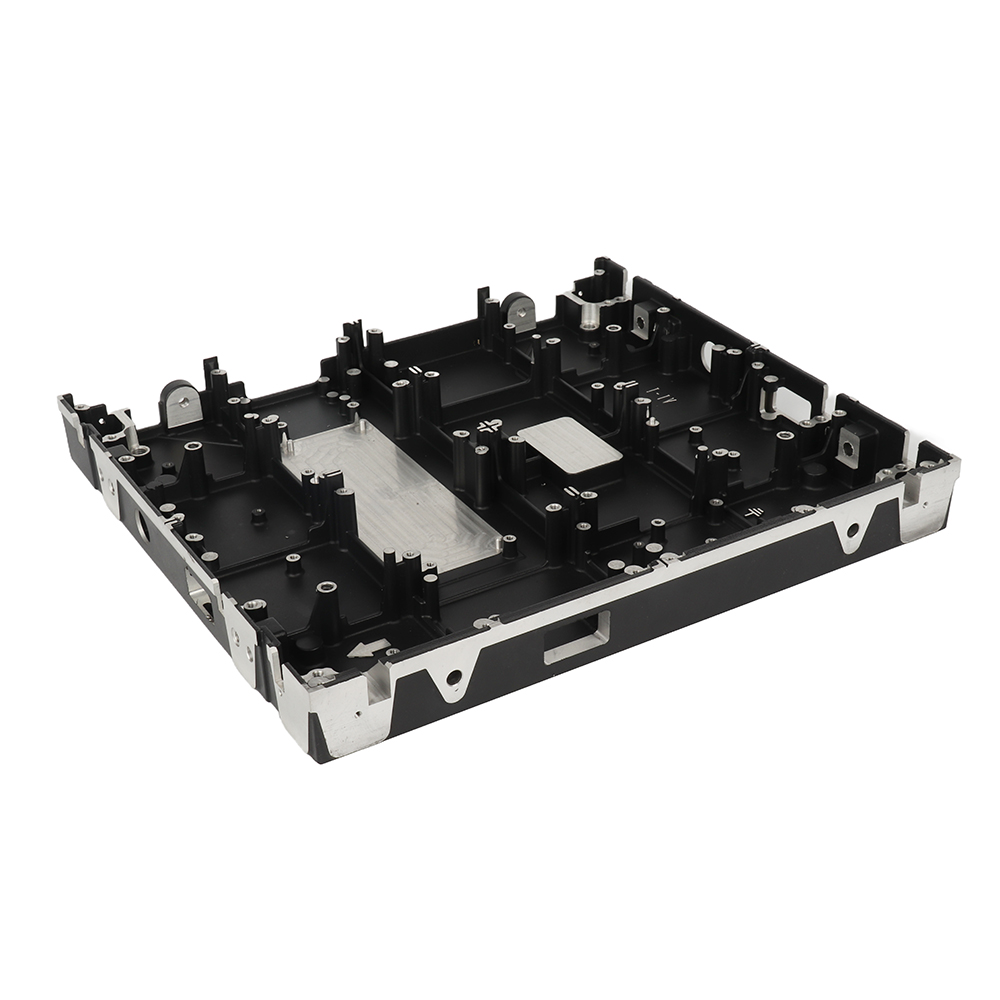
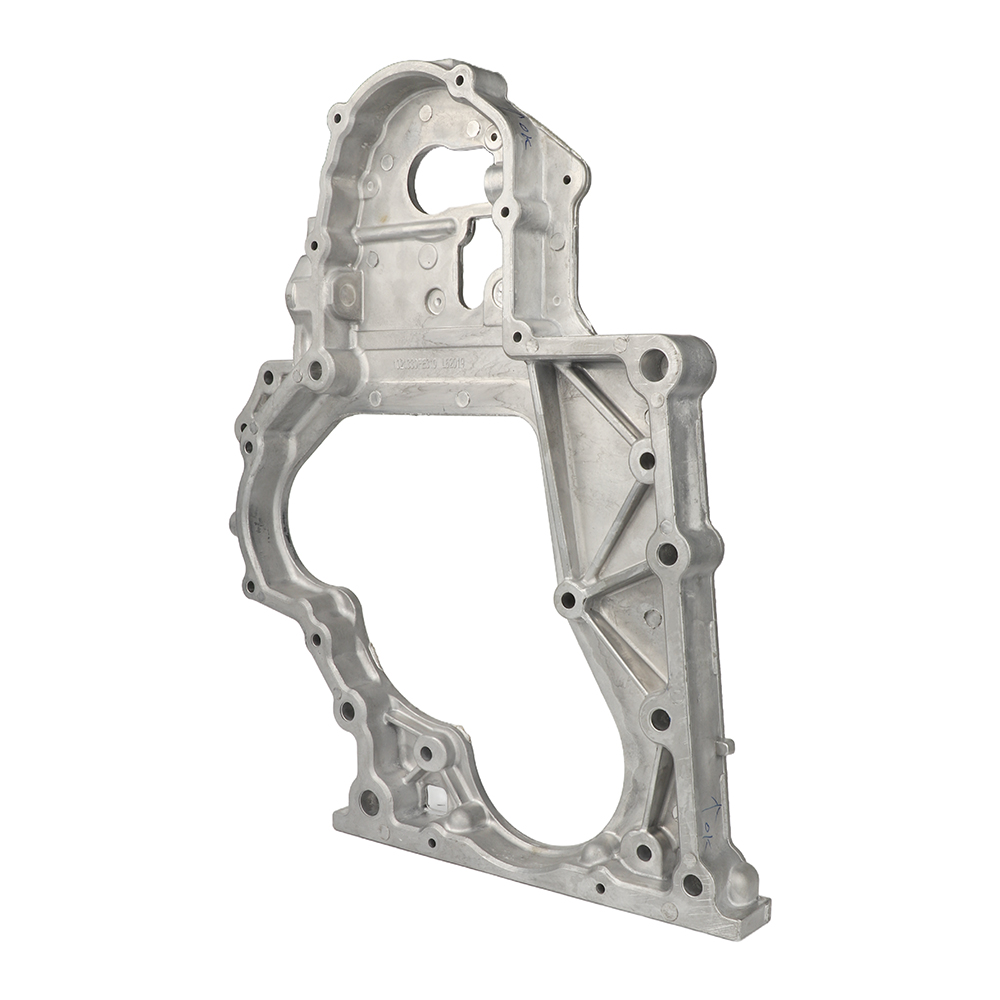
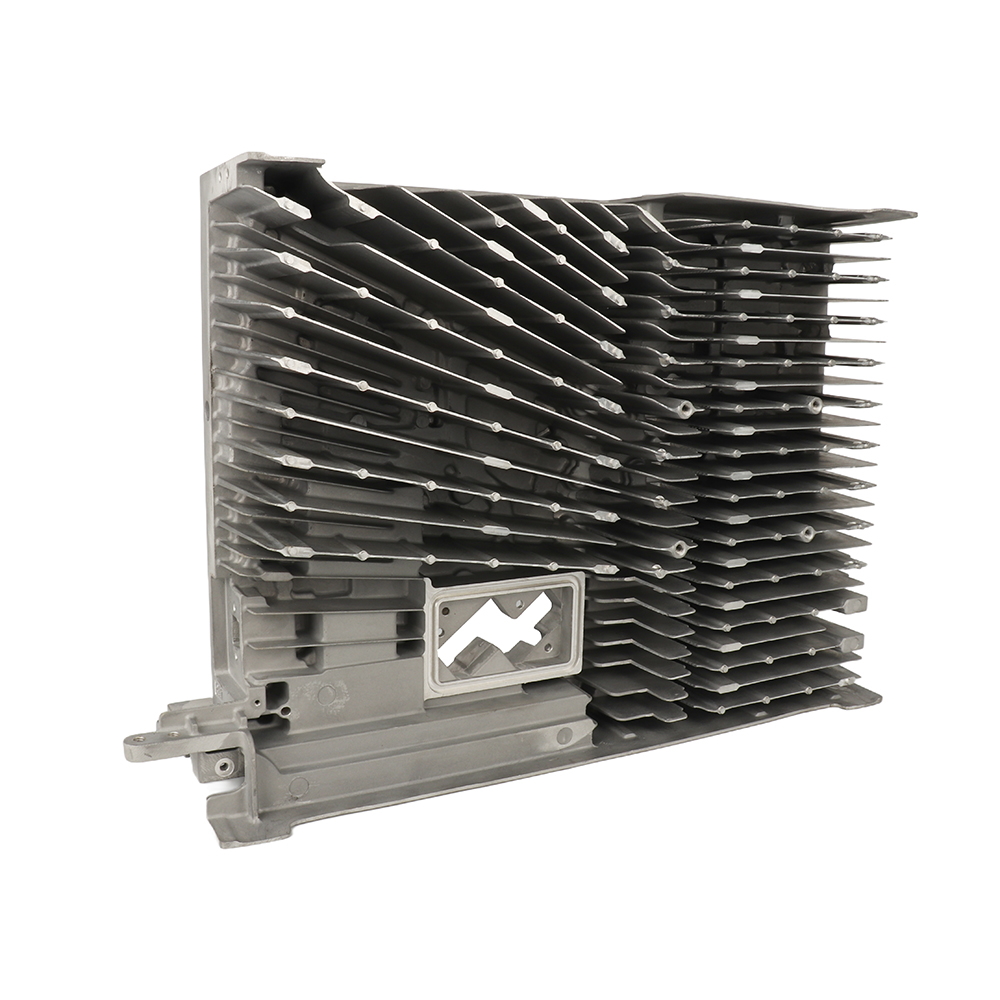
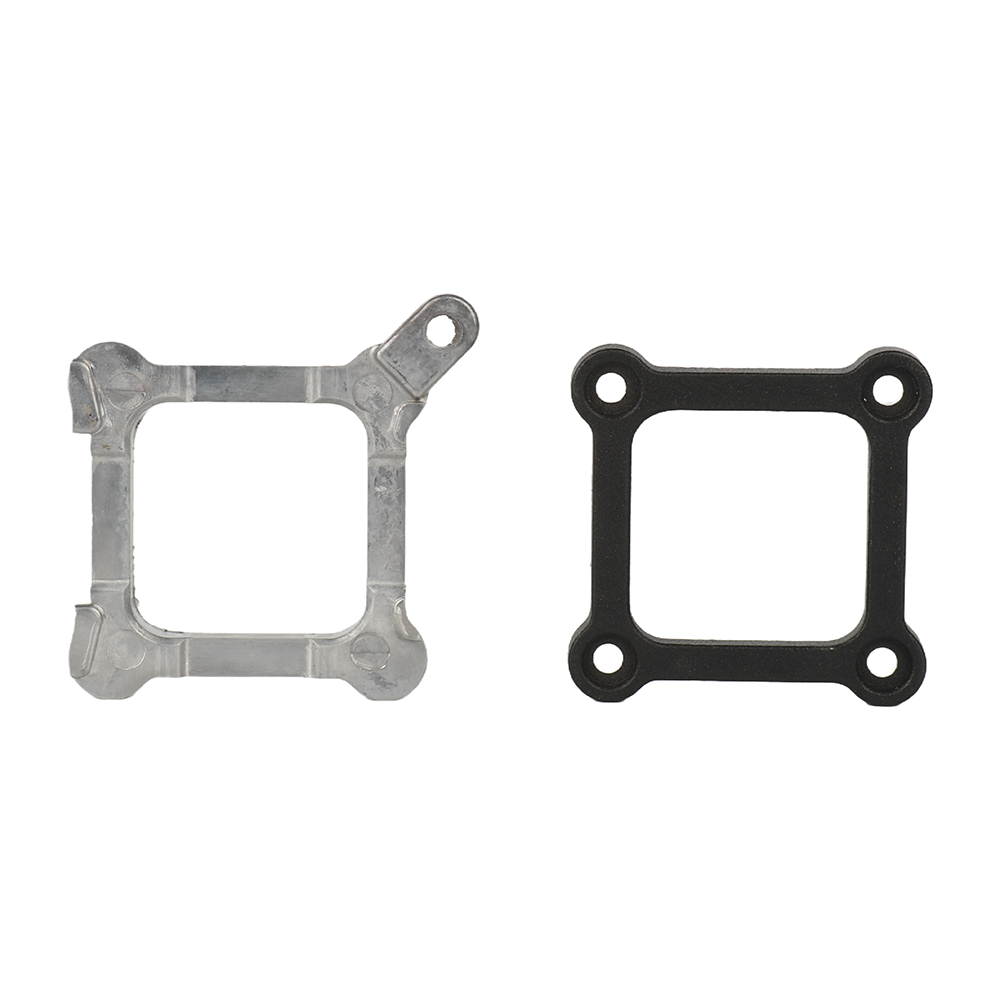
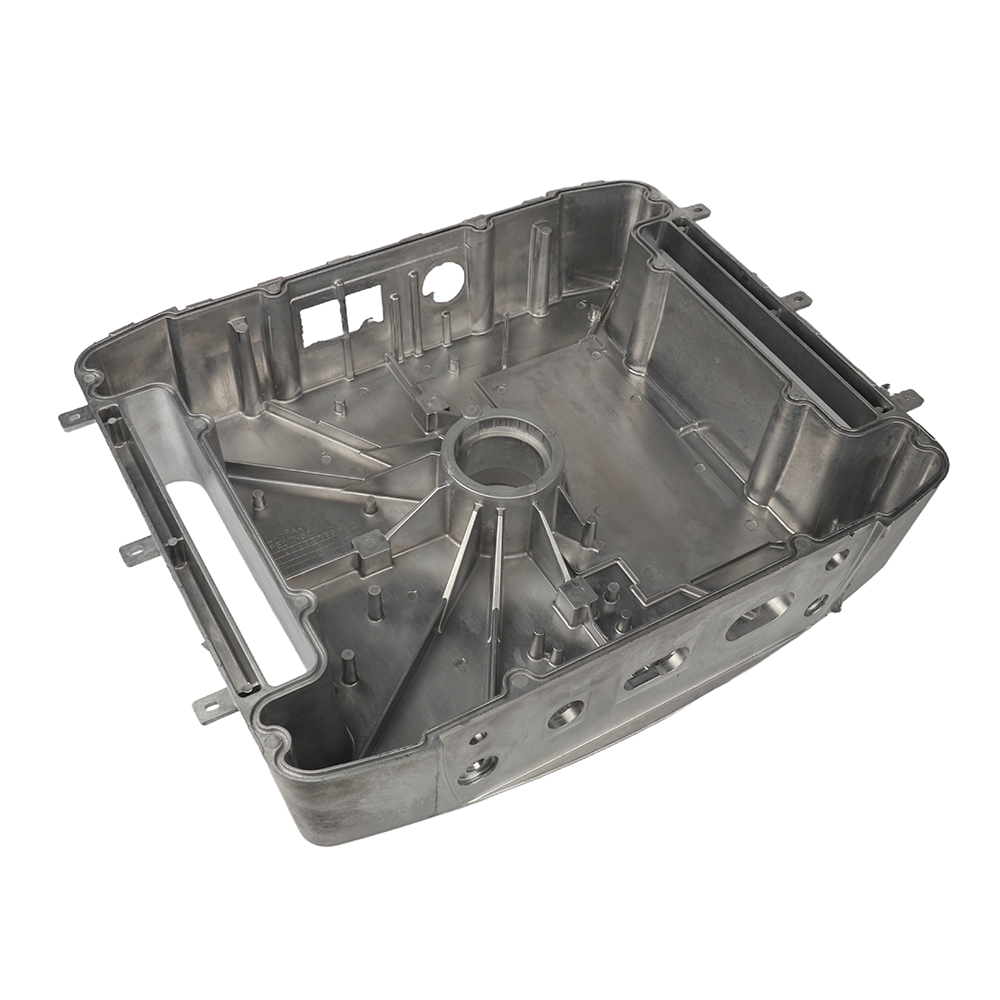
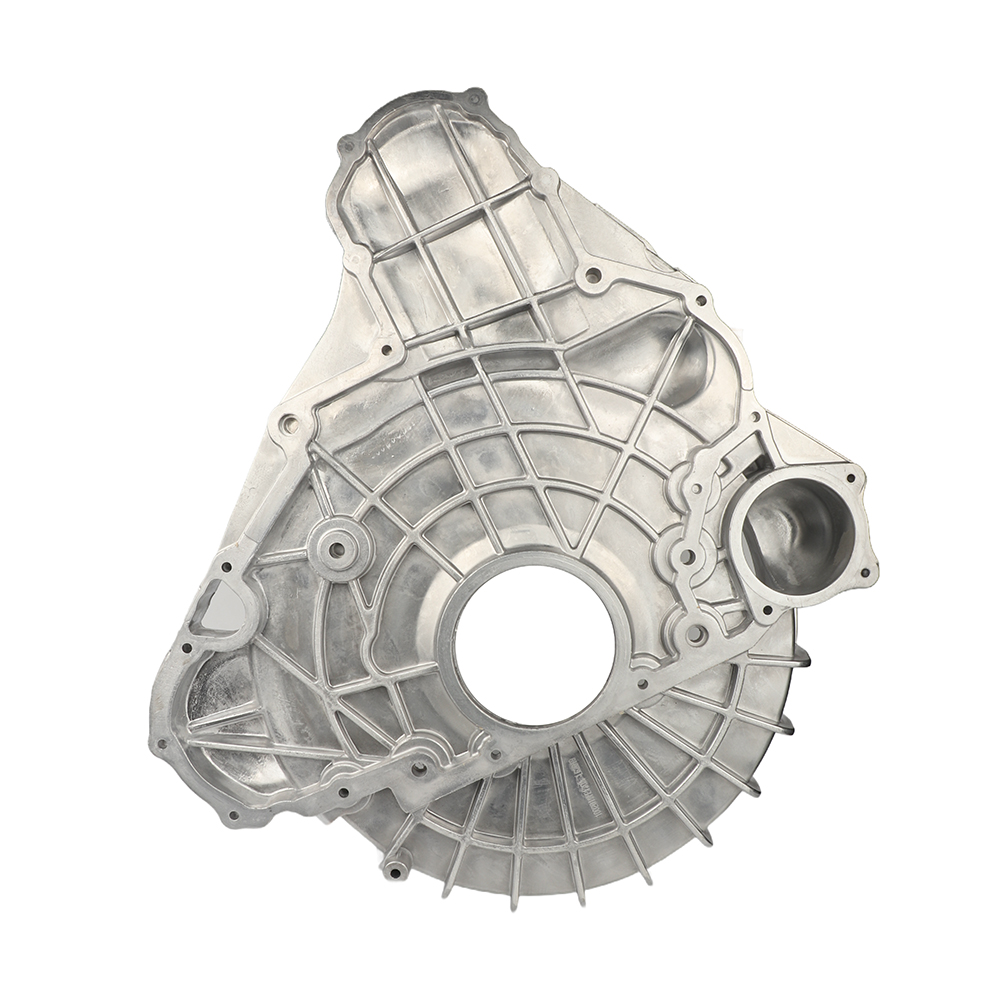
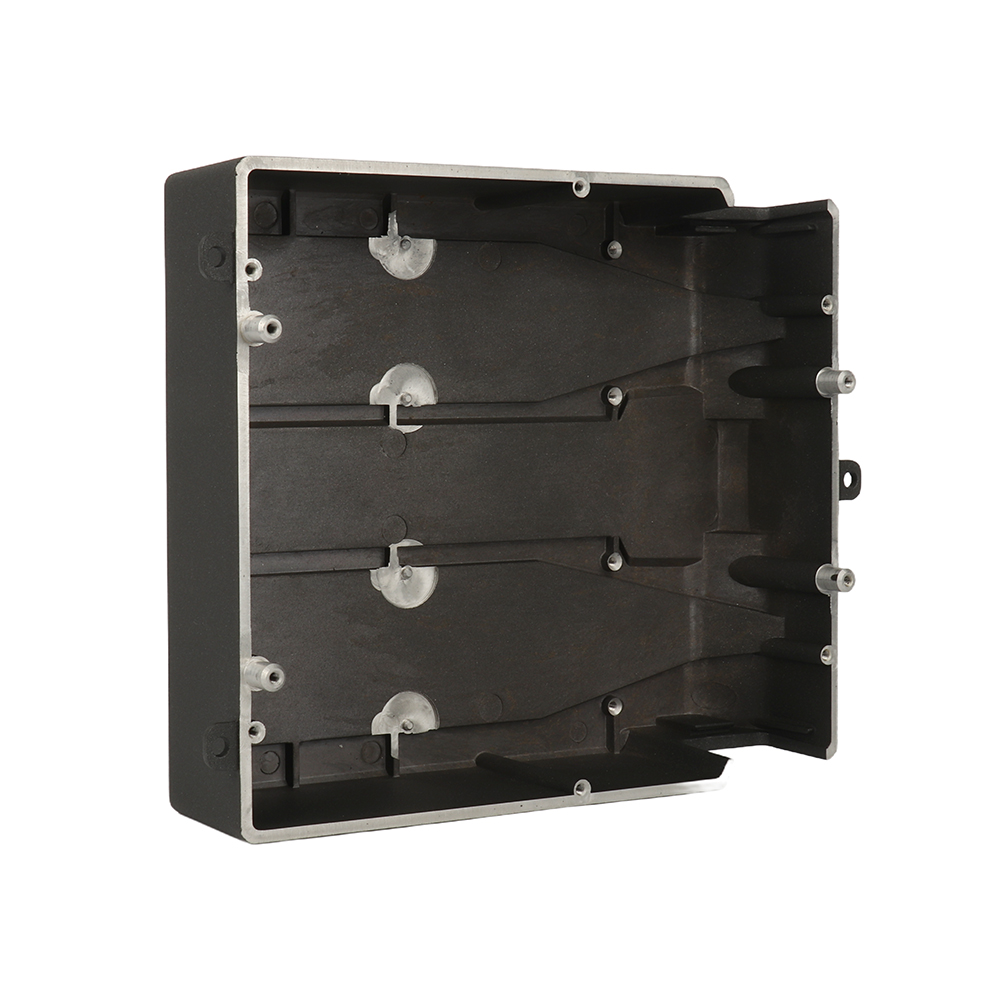
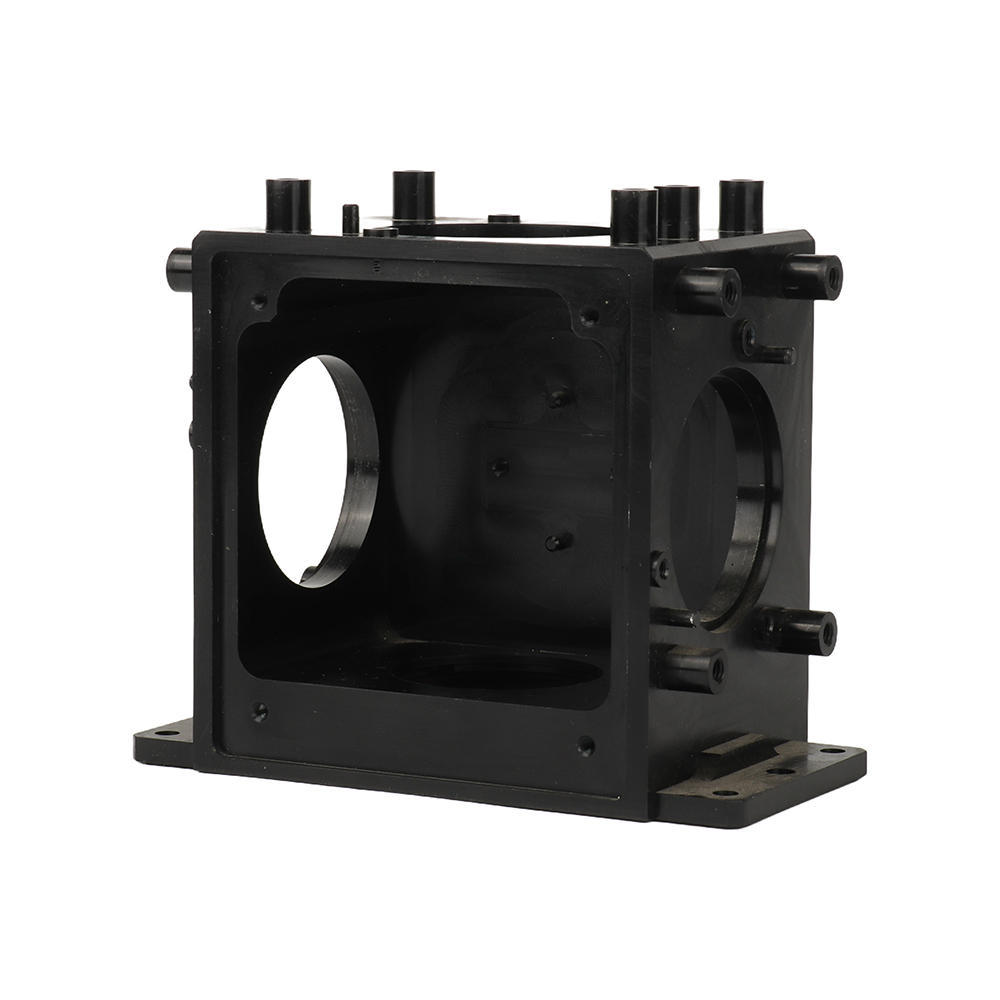
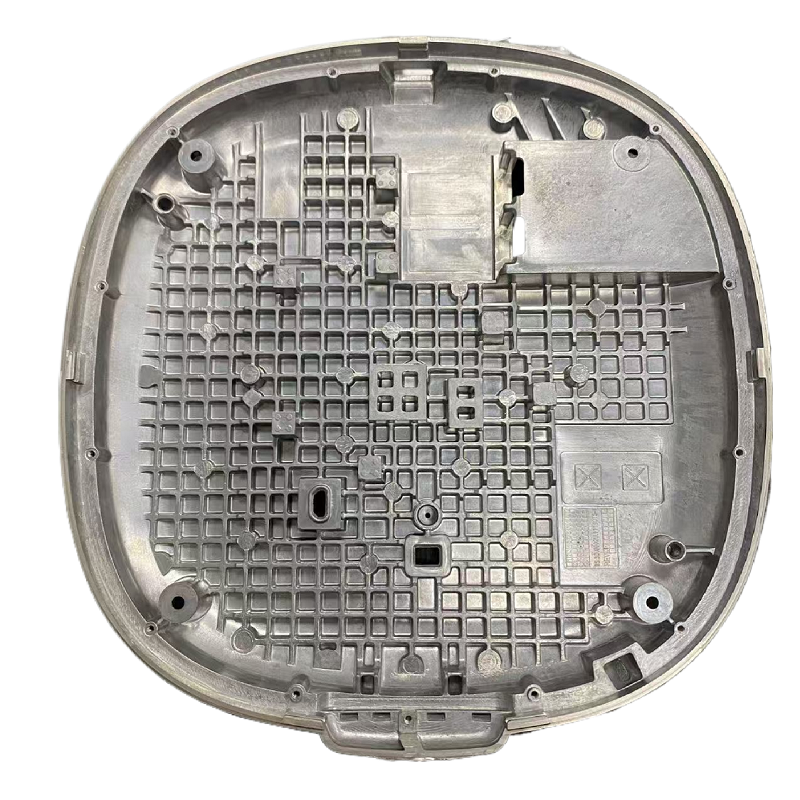

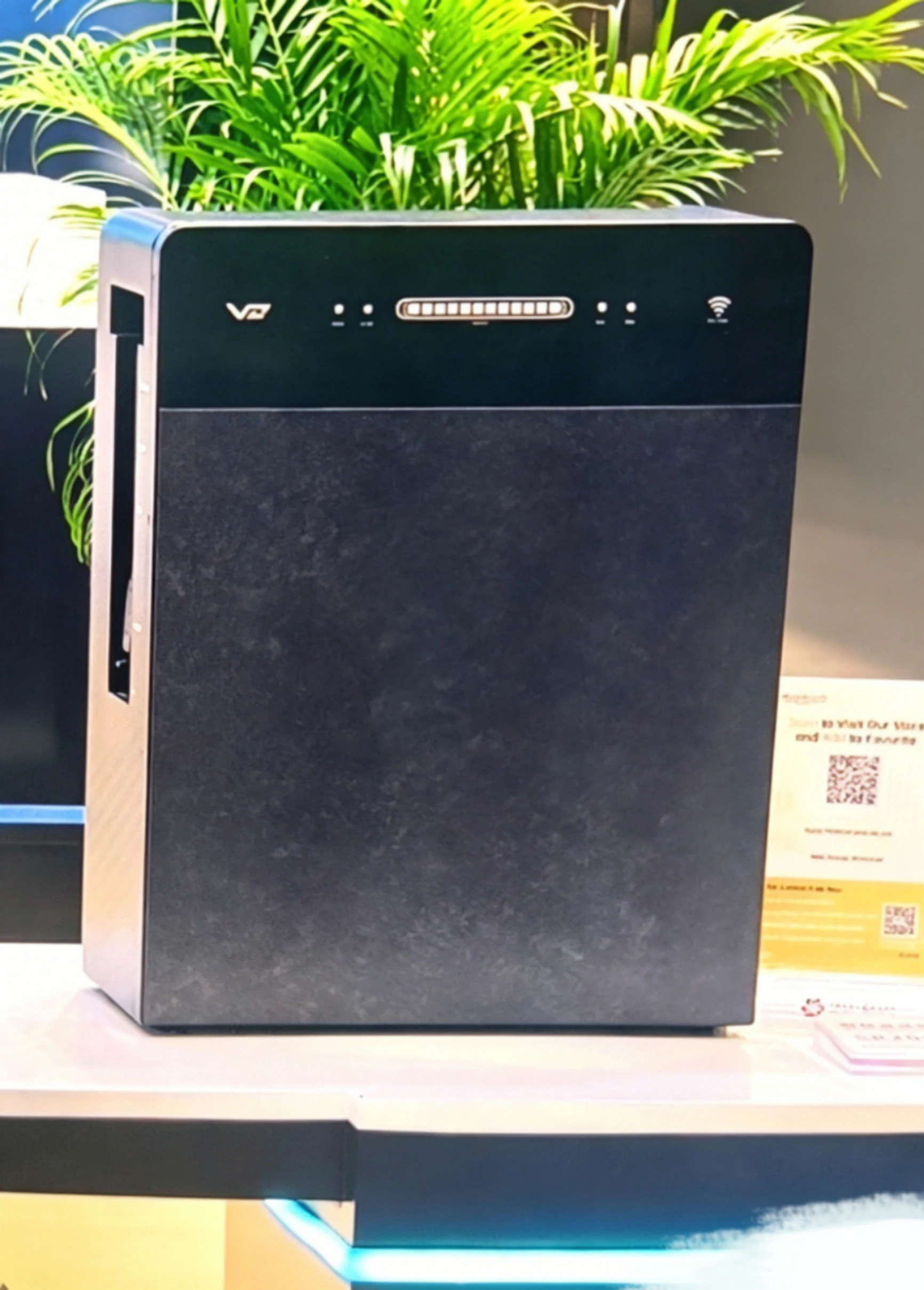
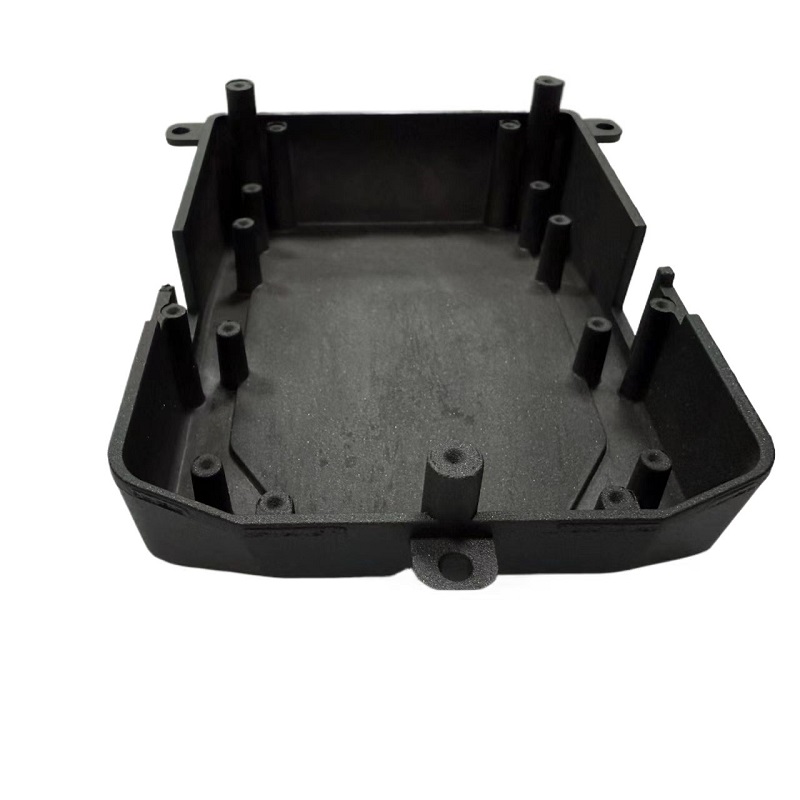
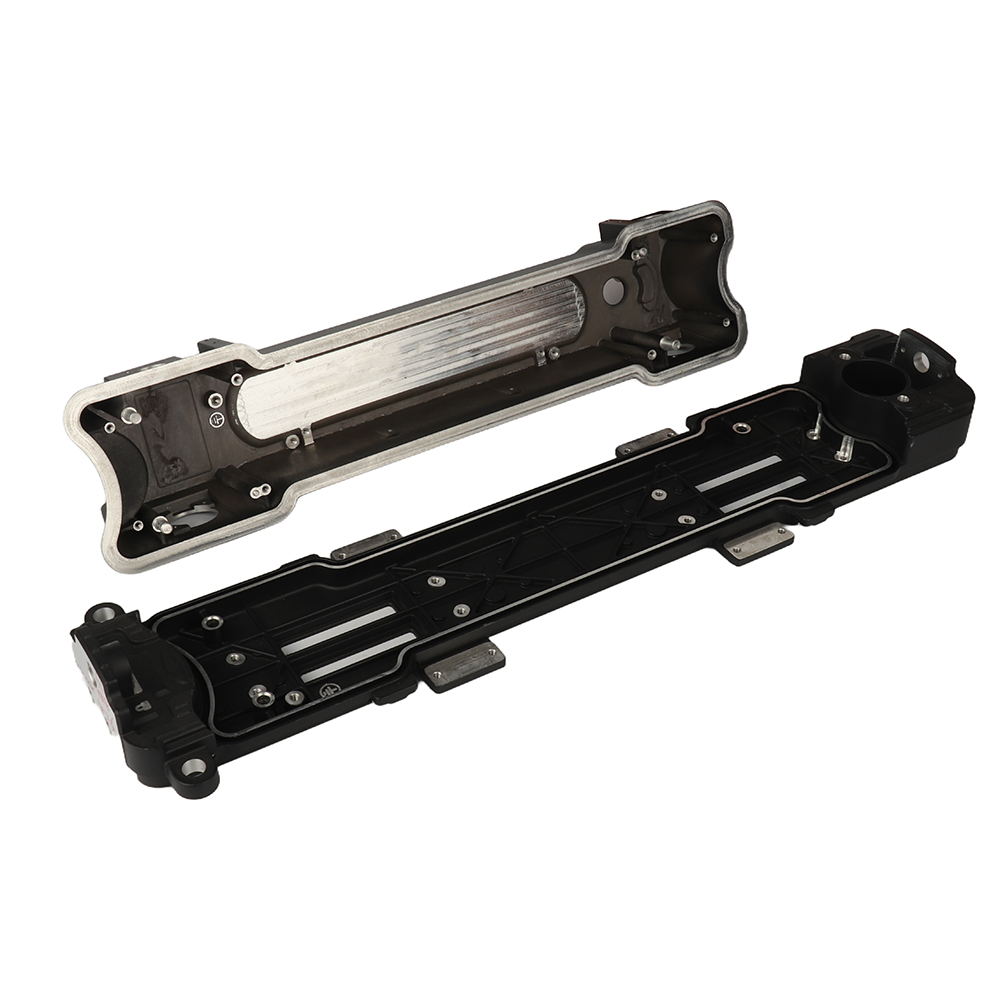
What is die cast material? A Complete Guide to Key Materials & Applications
2026-03-25
What Is Die Cast Material? A Complete Guide to Key Materials & Applications
Table of Contents
1. Introduction: Defining Die Cast Material
Die casting is a precision manufacturing process that forces molten die cast materials into custom-designed metal molds (dies) under high pressure, producing complex, high-precision metal parts with minimal post-processing. At the heart of this process lies the choice of die cast material—the alloy or metal that determines a part’s strength, weight, cost, durability, and suitability for specific applications.
Die casting is dominated by non-ferrous metals, as their low melting points and fluidity make them ideal for the high-pressure, high-volume production that defines the process. From automotive components to consumer electronics, die cast materials are the backbone of industries requiring consistent, complex, and cost-effective metal parts. But what are the key die cast materials, and how do you choose the right one for your project?
2. Core Die Cast Materials: Types & Properties
Die casting is primarily limited to non-ferrous alloys (zinc, aluminum, magnesium, copper), each with unique properties that cater to different use cases. Below is a breakdown of the most widely used die cast materials, their key characteristics, and typical applications.
2.1 Zinc Alloys (Most Popular for Die Casting)
Zinc alloys (e.g., Zamak 2, Zamak 3, Zamak 5) are the most common die cast materials due to their exceptional castability, low cost, and ease of post-processing. Zamak alloys (Zinc-Aluminum-Magnesium) are the industry standard, valued for their versatility.
Key Properties of Zinc Alloys
- Low Melting Point: 380–450°C, making them energy-efficient to melt and cast.
- Excellent Castability: Flows smoothly into complex molds with fine details (undercuts, thin walls).
- Good Dimensional Stability: Minimal shrinkage during cooling, ensuring tight tolerances (±0.05mm).
- Cost-Effective: Lower material cost than aluminum/magnesium, ideal for high-volume production.
Typical Applications
- Consumer Electronics: Smartphone casings, remote controls, battery covers.
- Automotive Parts: Gearshift knobs, door handles, sensor housings.
- Household Goods: Toy components, hardware fittings, decorative accessories.
2.2 Aluminum Alloys (High Strength & Lightweight)
Aluminum die casting alloys (e.g., A380, A383, ADC12) are favored for applications requiring strength, lightweight design, and corrosion resistance. They are the second most common die cast material after zinc alloys.
Key Properties of Aluminum Alloys
- High Strength-to-Weight Ratio: Lighter than zinc/copper alloys, ideal for weight-sensitive applications.
- Superior Corrosion Resistance: Natural oxide layer protects against rust and environmental damage.
- Excellent Thermal/electrical Conductivity: Perfect for heat-dissipating or conductive parts.
- High Temperature Resistance: Maintains strength at elevated temperatures (up to 200°C).
Typical Applications
- Automotive: Engine blocks, transmission parts, heat exchangers, wheel covers.
- Aerospace: Lightweight structural components, aircraft interior parts.
- Industrial Equipment: Pumps, valves, heat sinks, motor housings.
2.3 Magnesium Alloys (Ultra-Lightweight, Aerospace-Grade)
Magnesium alloys (e.g., AZ91D, AM60B) are the lightest die cast materials, offering the highest strength-to-weight ratio of any common die-castable metal. They are a niche but high-demand choice for premium and performance applications.
Key Properties of Magnesium Alloys
- Ultra-Lightweight: 30% lighter than aluminum, 60% lighter than zinc.
- High Ductility: Easy to machine and form post-casting.
- Good Vibration Damping: Reduces noise and vibration in moving parts.
- Biodegradable: Some grades are eco-friendly, ideal for medical devices.
Typical Applications
- Aerospace: Satellite components, aircraft structural parts.
- Automotive: High-performance car parts (e.g., steering wheels, engine brackets).
- Electronics: Laptop chassis, camera bodies, lightweight device casings.
2.4 Copper Alloys (High Thermal/electrical Conductivity)
Copper alloys (e.g., Brass, Bronze, Copper-Nickel) are premium die cast materials valued for their exceptional thermal and electrical conductivity, as well as their antimicrobial properties. They are used in specialized, high-performance applications.
Key Properties of Copper Alloys
- Unmatched Conductivity: Highest thermal/electrical conductivity of all die cast materials.
- Antimicrobial: Inhibits bacterial growth, ideal for medical and food-grade applications.
- Superior Durability: High wear resistance and hardness.
- Aesthetic Appeal: Brass/bronze offer a premium metallic finish for decorative parts.
Typical Applications
- Electrical: Connectors, terminals, circuit breaker components.
- Medical: Surgical instruments, implant parts (biocompatible grades).
- Plumbing: Faucet components, valve fittings, pipe connectors.
3. Advantages & Disadvantages of Die Cast Materials
Each die cast material has unique tradeoffs that influence material selection. Below is a balanced comparison of the core die cast materials, highlighting their key benefits and limitations.
| Die Cast Material | Key Advantages | Key Disadvantages | Best For |
|---|---|---|---|
| Zinc Alloys | Excellent castability, low cost, dimensional stability, easy machining | Lower strength than aluminum/magnesium, prone to creep at high temperatures | High-volume, cost-sensitive parts (electronics, hardware) |
| Aluminum Alloys | Lightweight, high strength, corrosion resistance, thermal conductivity | Higher material cost than zinc, higher melting point (more energy) | Weight/strength-critical applications (automotive, aerospace) |
| Magnesium Alloys | Ultra-lightweight, high ductility, vibration damping | Highest cost, flammable risk (requires specialized handling), lower corrosion resistance | Premium, weight-critical applications (aerospace, high-end electronics) |
| Copper Alloys | Unmatched conductivity, antimicrobial, durable | Very high cost, low castability (complex molds harder to produce) | High-performance electrical/medical applications |
3.1 Universal Advantages of Die Cast Materials
Regardless of the material, die cast components share core benefits that make them indispensable in modern manufacturing:
- Complex Part Capability: Produce intricate shapes, thin walls, and undercuts that are impossible with other metalworking processes.
- High Volume Efficiency: Fully automated casting lines produce thousands of parts per hour, reducing per-unit costs for large runs.
- Tight Tolerances: Consistent casting results in parts with precision tolerances (±0.01–0.05mm), minimizing post-processing.
- Minimal Waste: Molten metal is reused for subsequent casts, reducing material waste compared to subtractive processes like CNC machining.
3.2 Universal Limitations of Die Cast Materials
- High Mold Cost: Custom dies (steel/iron) cost $10,000–$500,000+, making die casting less feasible for small-batch production.
- Material Restrictions: Limited to non-ferrous alloys (ferrous metals like steel have too high melting points for standard die casting).
- Size Limitations: Best for small-to-medium parts (large parts require larger, more expensive equipment).
4. Die Cast Material Selection: Expert Insights
To navigate the complexity of choosing the right die cast material, we spoke with industry experts who specialize in die casting design and production. Their insights highlight the key factors that drive material selection.
4.1 Expert Quote 1: Mark Stevens, Senior Manufacturing Engineer
“When selecting die cast materials, the first question is always about application requirements. If a part needs to be lightweight and corrosion-resistant—like an automotive heat sink—aluminum alloys are non-negotiable. But if cost and castability are top priorities, especially for consumer electronics parts, zinc alloys are the go-to choice. The biggest mistake clients make is choosing a material based solely on cost; you must balance performance, durability, and production volume. A well-chosen die cast material can extend a part’s lifespan by 50% or more, reducing long-term maintenance costs.”
4.2 Expert Quote 2: Dr. Elena Marquez, Materials Science Expert
“Magnesium alloys are a game-changer for aerospace applications, but they require strict quality control. Their ultra-lightweight properties reduce aircraft fuel consumption, but their flammability risk demands specialized casting equipment and safety protocols. For most industrial applications, aluminum alloys strike the best balance between performance and cost—they offer 70% of magnesium’s lightweight benefits at a lower price point and are more forgiving in production. Always test material samples before full production to validate performance under real-world conditions.”
5. FAQs About Die Cast Materials
Below are answers to the most common questions about die cast materials, from beginners to industry professionals.
5.1 What makes a material suitable for die casting?
A suitable die cast material must have:
- A low melting point (compatible with standard die casting equipment).
- Good fluidity (flows smoothly into complex molds).
- Minimal shrinkage (ensures dimensional accuracy).
- Compatibility with high-pressure casting (no chemical reaction with the die).
5.2 Can steel be used for die casting?
Standard die casting is not suitable for steel, as its melting point (1,500°C+) is far too high for standard equipment. Specialized “hot-chamber” die casting can process low-carbon steel, but it is extremely rare, expensive, and limited to small-batch, high-performance parts. Most steel parts are produced via investment casting or forging.
5.3 How do I choose between zinc and aluminum die cast materials?
- Choose zinc alloys if: Cost is a priority, you need fine decorative details, or the part is small (e.g., electronics hardware).
- Choose aluminum alloys if: The part needs to be lightweight, corrosion-resistant, or heat-resistant (e.g., automotive components).
5.4 Are die cast materials recyclable?
Yes! All core die cast materials (zinc, aluminum, magnesium, copper) are 100% recyclable. Post-industrial scrap (e.g., excess molten metal, defective parts) is melted down and reused in new casts, reducing environmental impact and material costs.
5.5 What is the cost difference between die cast materials?
Costs vary significantly by material:
- Zinc alloys: Lowest cost ($1.50–$3.00 per kg).
- Aluminum alloys: Mid-range ($2.50–$5.00 per kg).
- Magnesium alloys: High-cost ($5.00–$10.00 per kg).
- Copper alloys: Premium cost ($8.00–$15.00 per kg).
Costs also depend on production volume, part complexity, and post-processing requirements.
5.6 Can die cast materials be post-processed?
Yes! All die cast materials can be finished to meet specific requirements:
- Zinc/Aluminum: Plating (chrome, nickel), painting, anodizing (aluminum).
- Magnesium: Coating for corrosion resistance, machining for tight tolerances.
- Copper Alloys: Polishing, plating, patina finishing (brass/bronze).
Post-processing adds cost but enhances appearance, durability, and performance.
6. Conclusion
Die cast materials are the foundation of modern die casting, enabling the production of high-precision, complex metal parts for virtually every industry. From the cost-effective versatility of zinc alloys to the lightweight performance of magnesium alloys and the unmatched conductivity of copper alloys, each material serves a unique purpose in the manufacturing ecosystem.
The key to successful die casting is choosing the right die cast material for your application—balancing performance, cost, volume, and design requirements. By leveraging expert insights and understanding material tradeoffs, you can select a material that delivers long-term value and ensures your parts meet or exceed industry standards.
Whether you’re producing consumer electronics, automotive components, or aerospace parts, the right die cast material will turn your design into a reliable, high-quality finished product.
gn into a durable, functional, and cost-effective product that stands the test of time.
What is the meaning of grinding? Uncovering Its True Value and Power
What is injection molding? A Practical Guide for Manufacturers
Related Article

Residential energy storage systems have become increasingly popular as homeowners pursue energy independence, solar self-consumption and backup power for grid outages.
Energy storage enclosure | What Are the Benefits of Die-Cast Home Energy Storage Enclosures?

A custom LED display frame is the core structural carrier for LED screen modules, widely manufactured with ADC12 aluminum alloy via high-pressure die casting.
LED display frame | What Are the Benefits of Custom LED Display Frames?

