
HOT PRODUCTS
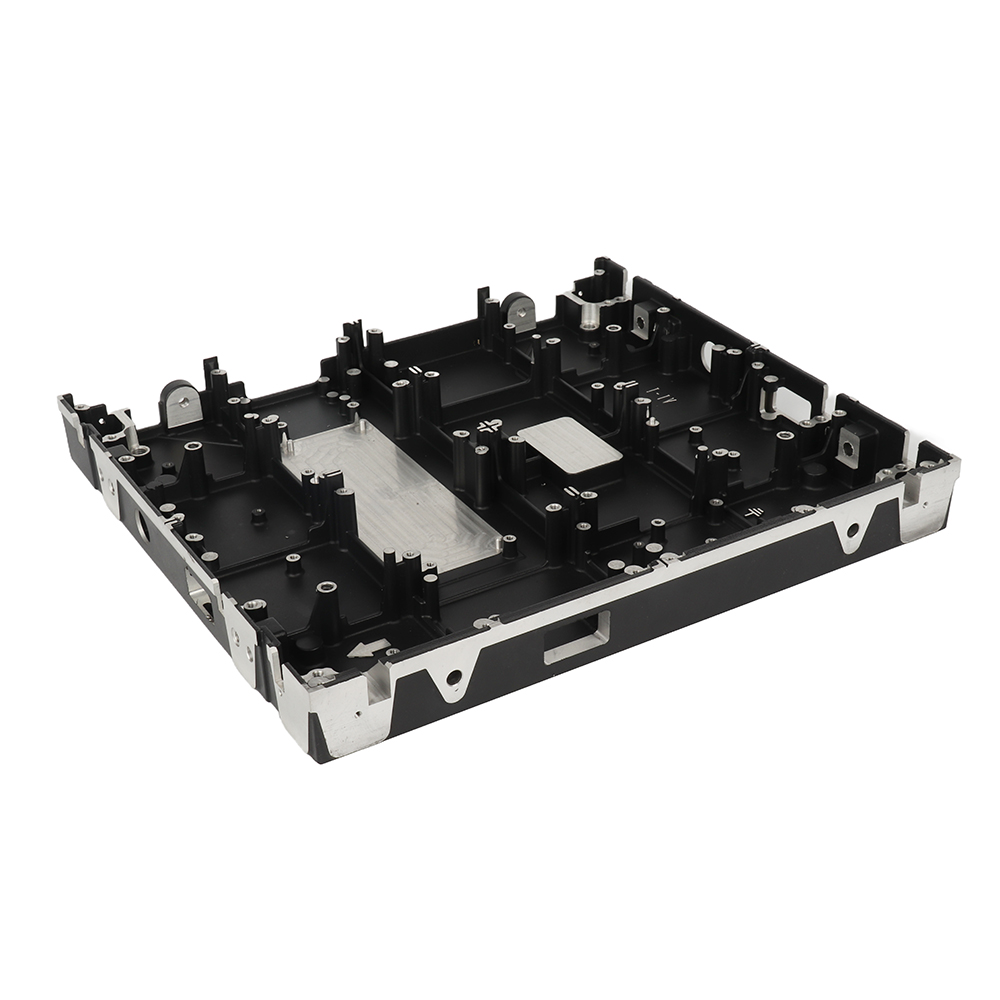
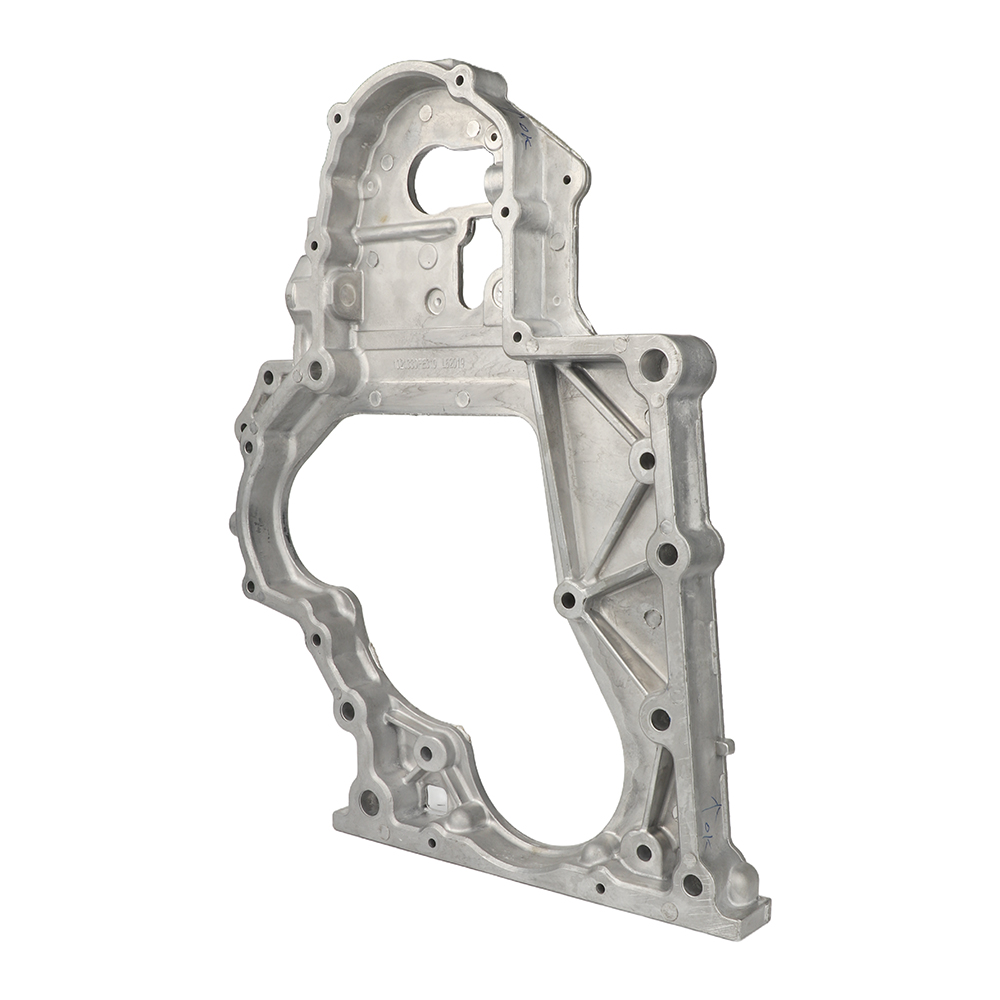
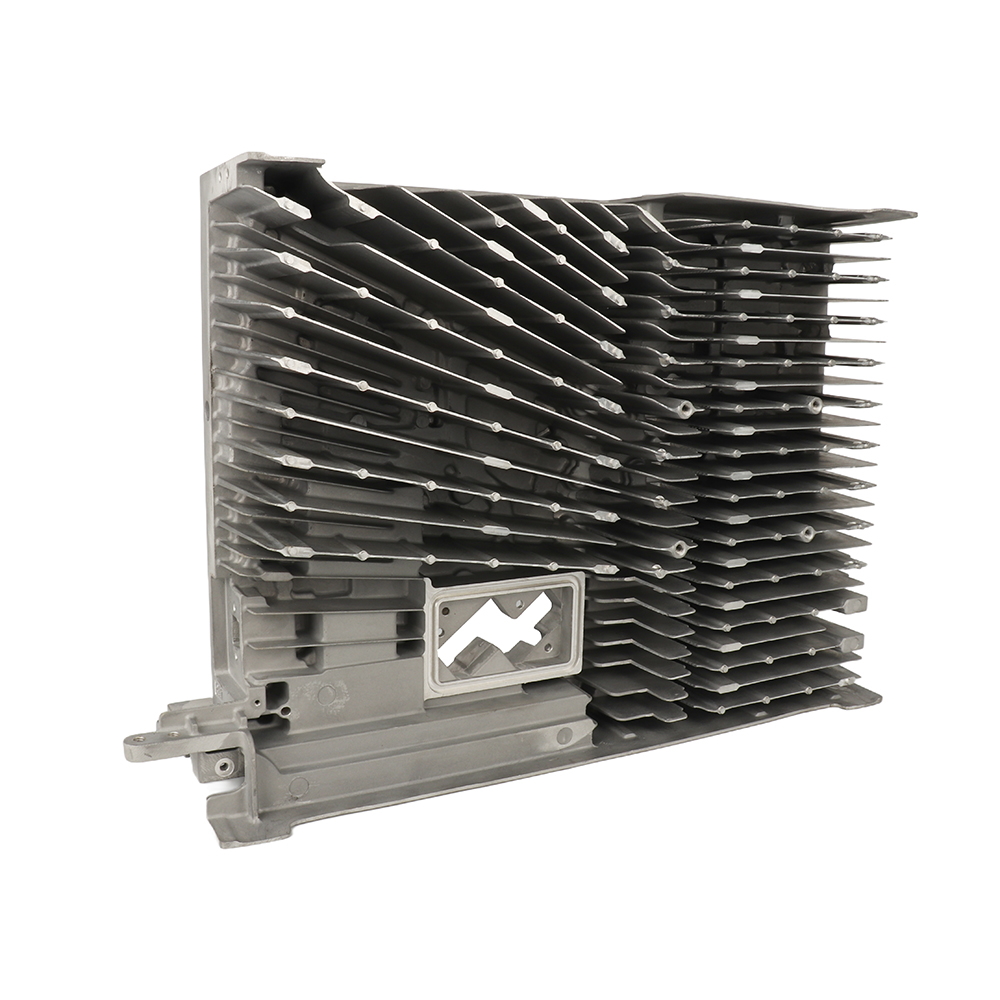
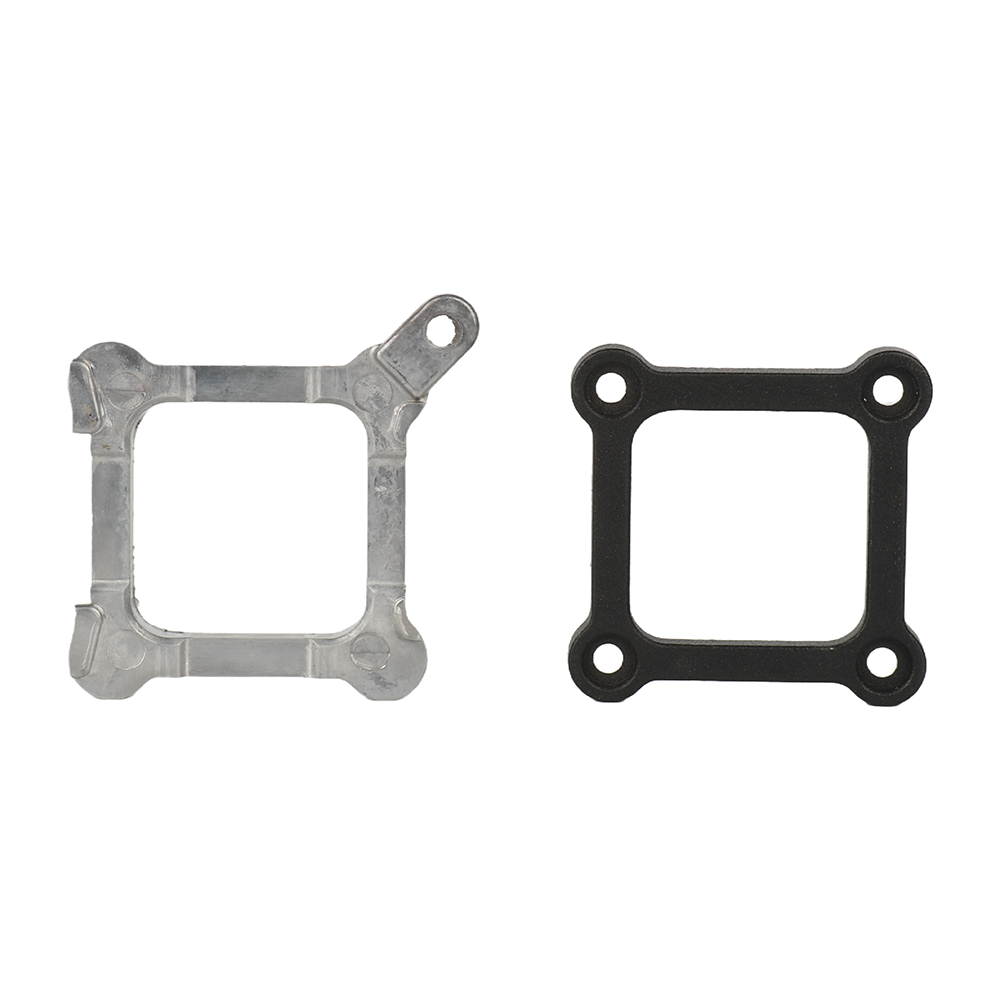
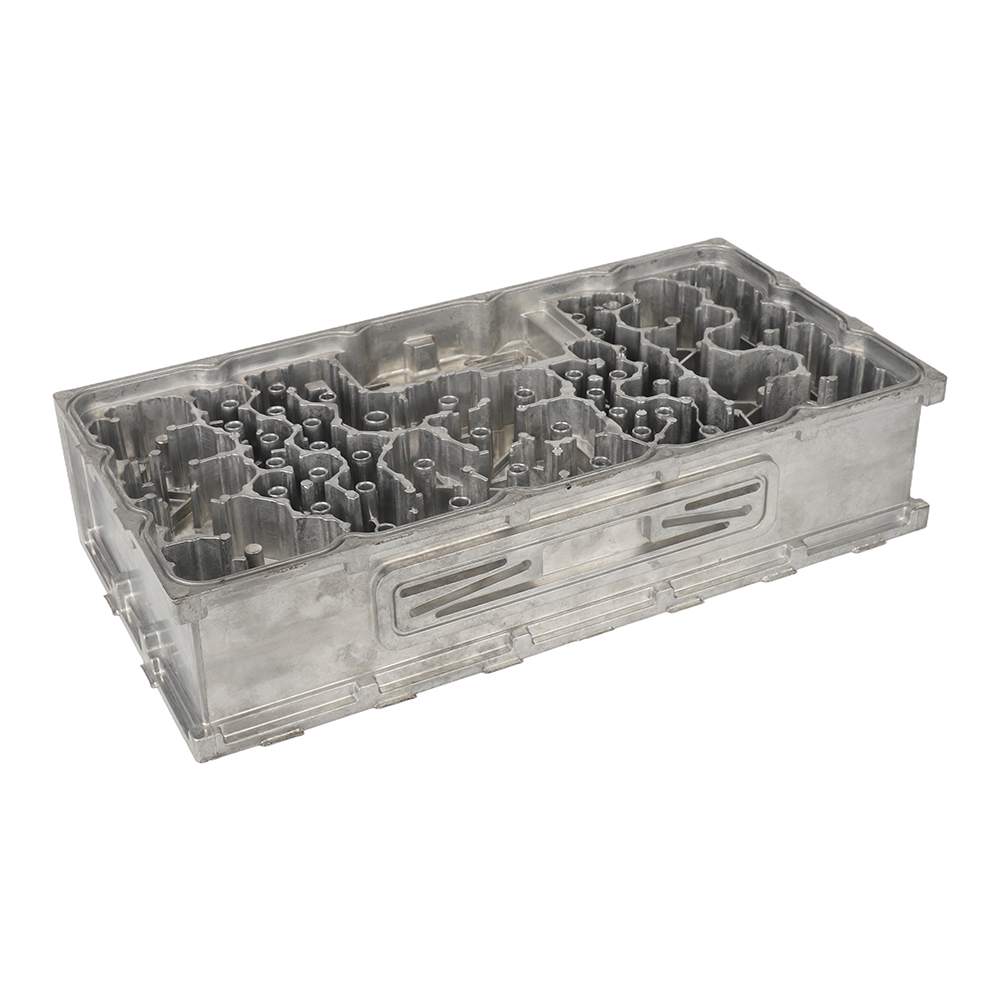
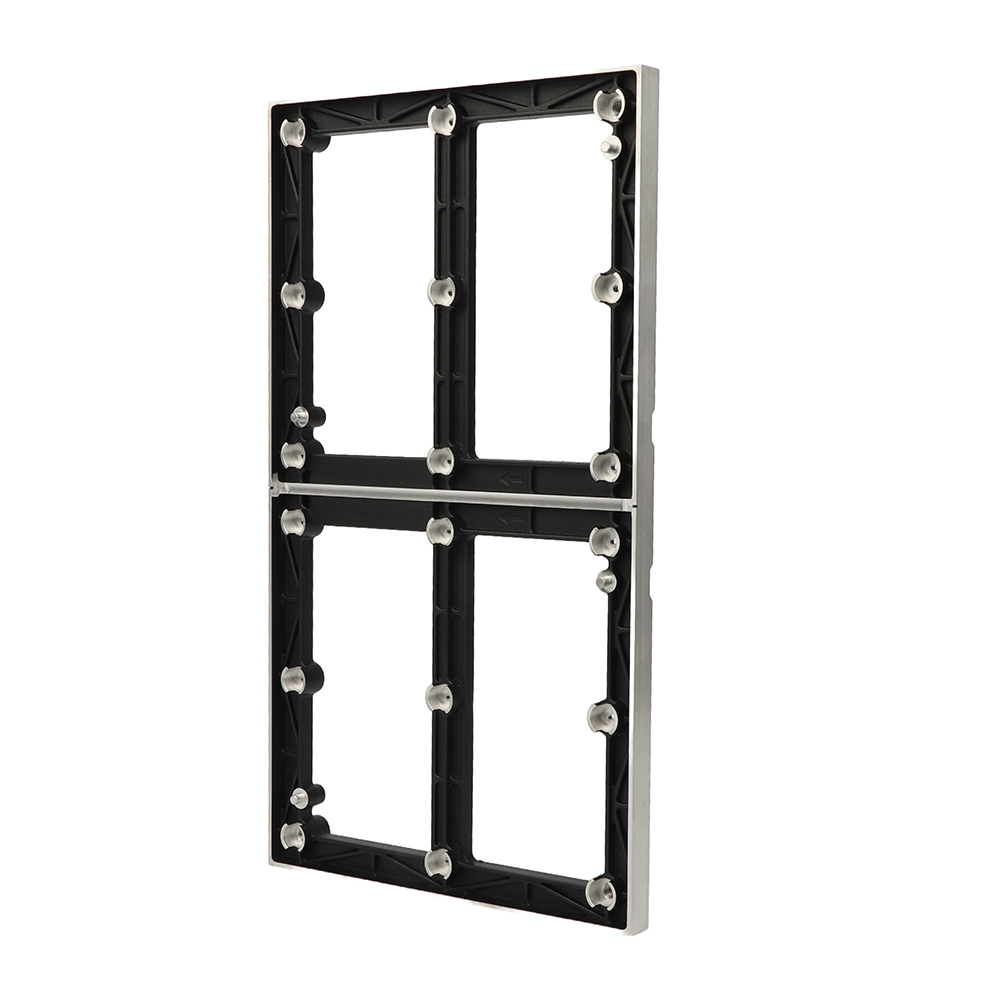
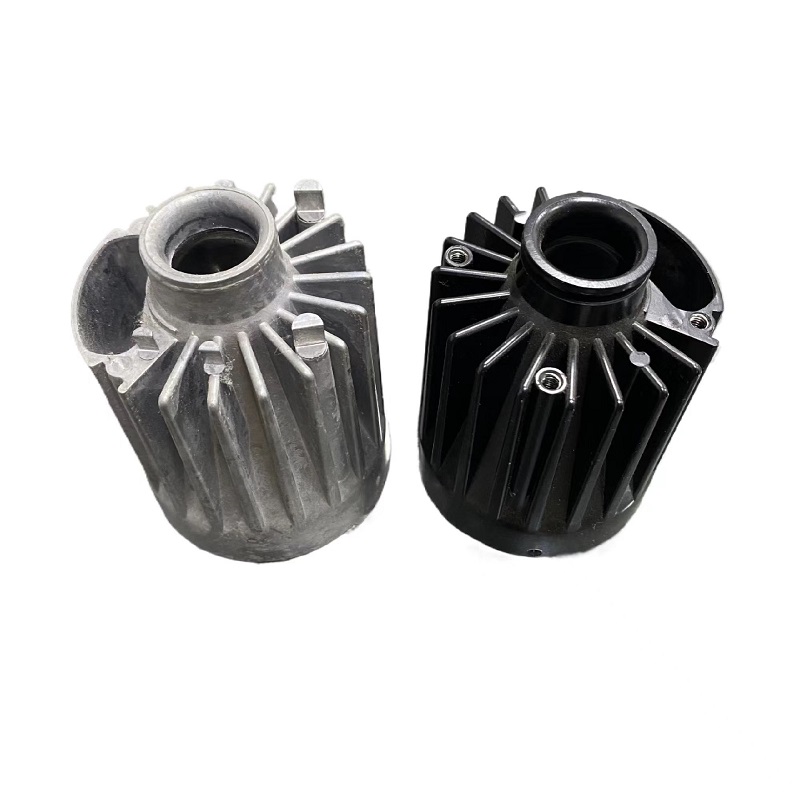
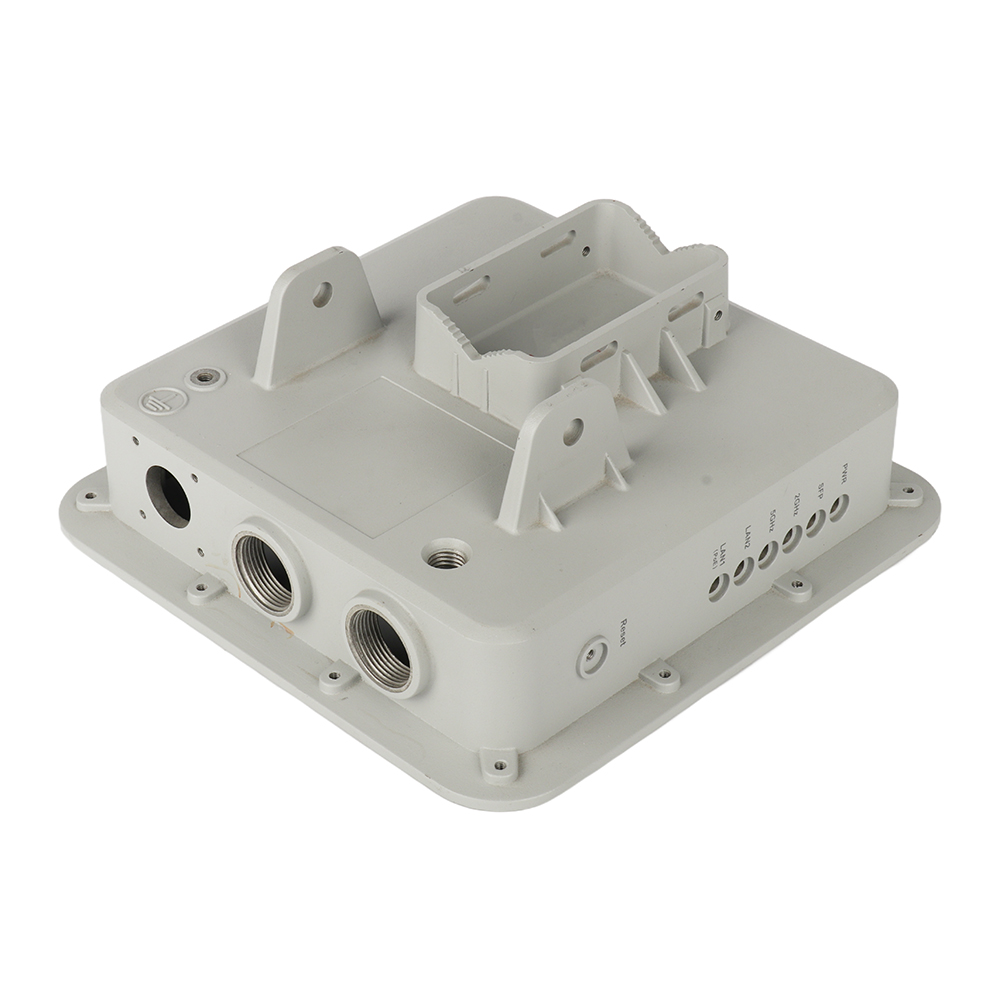
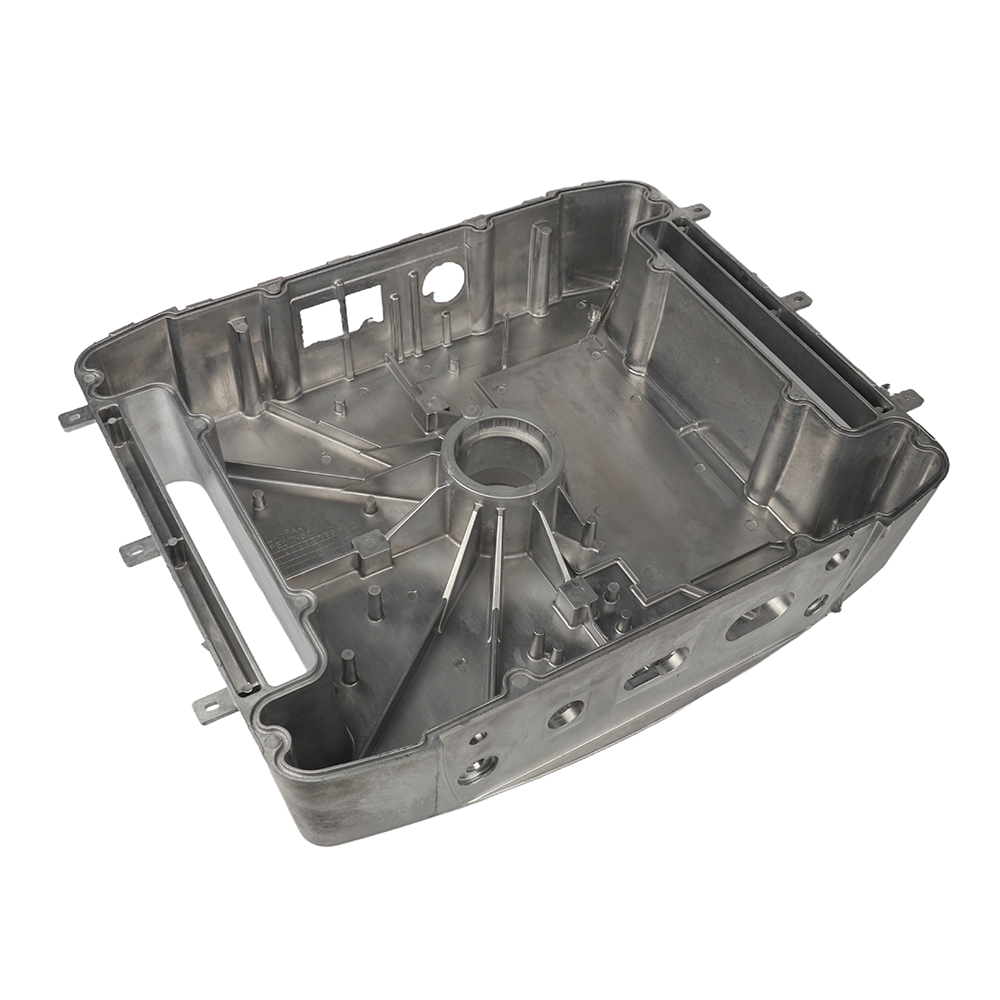
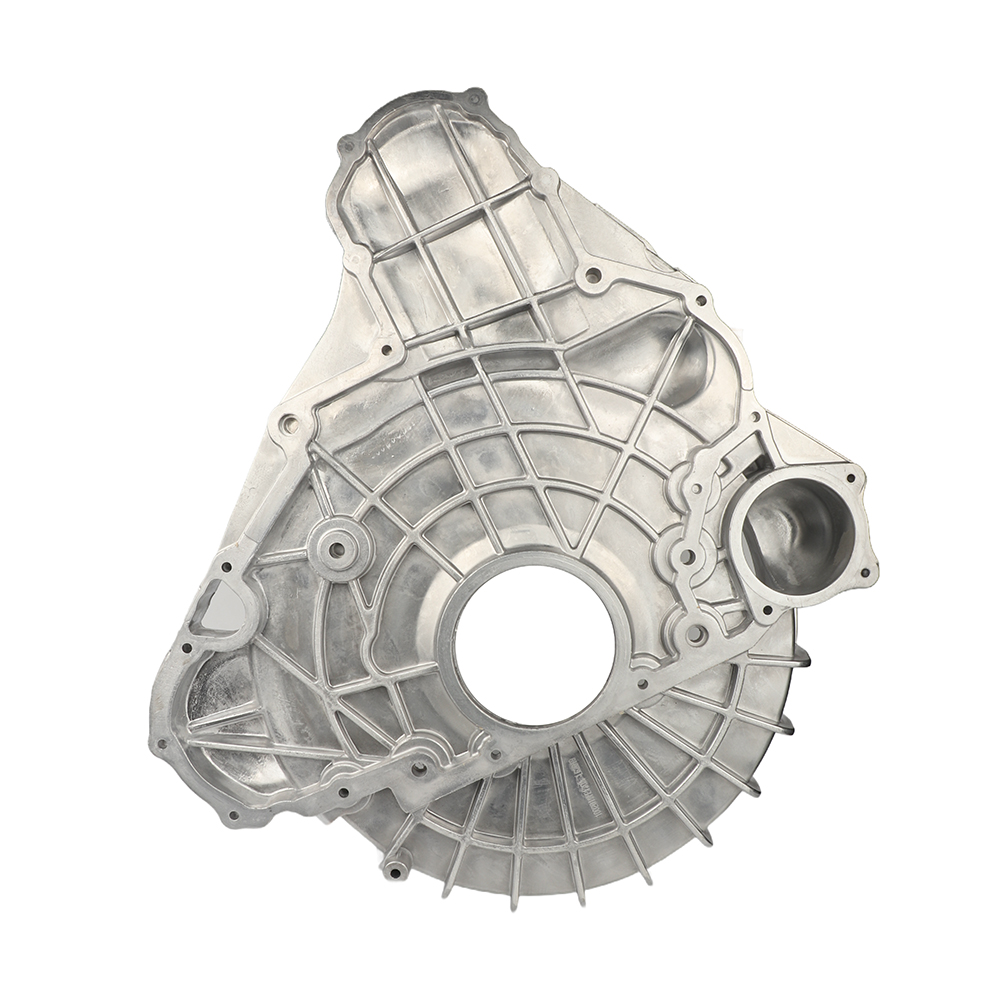
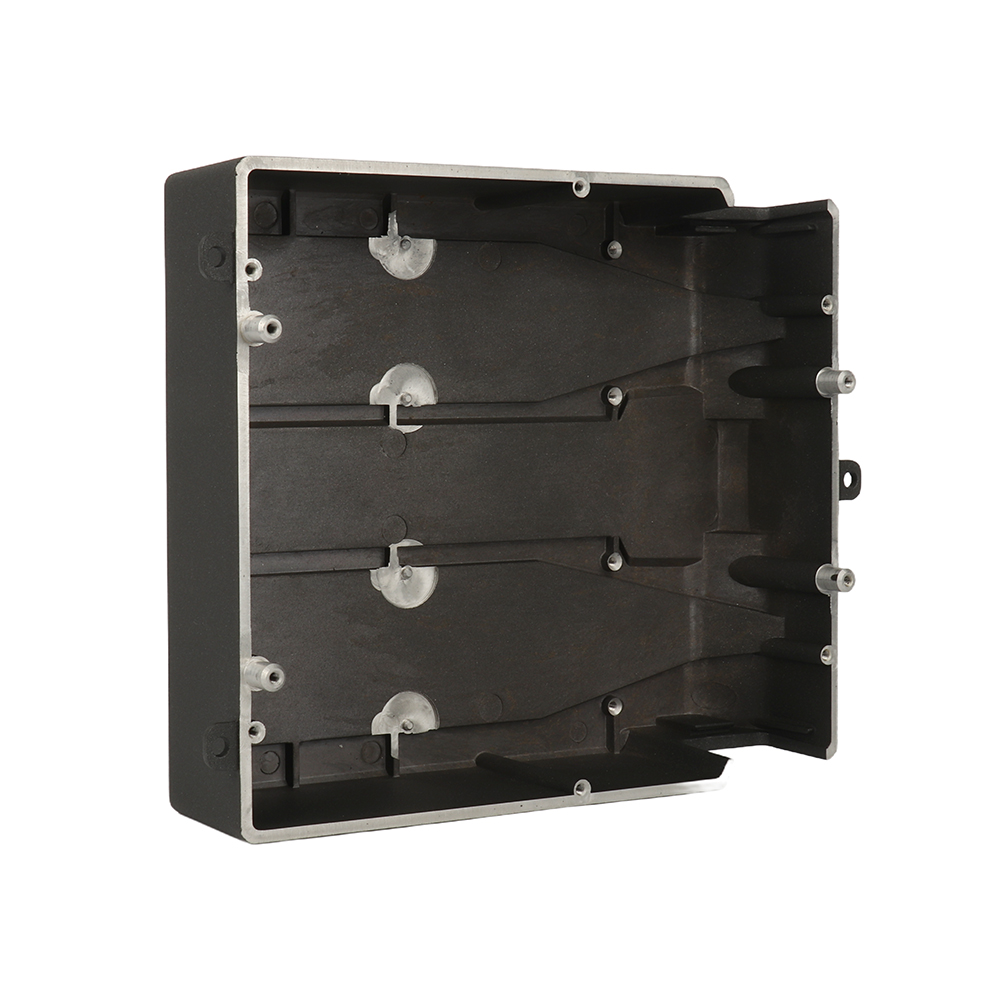
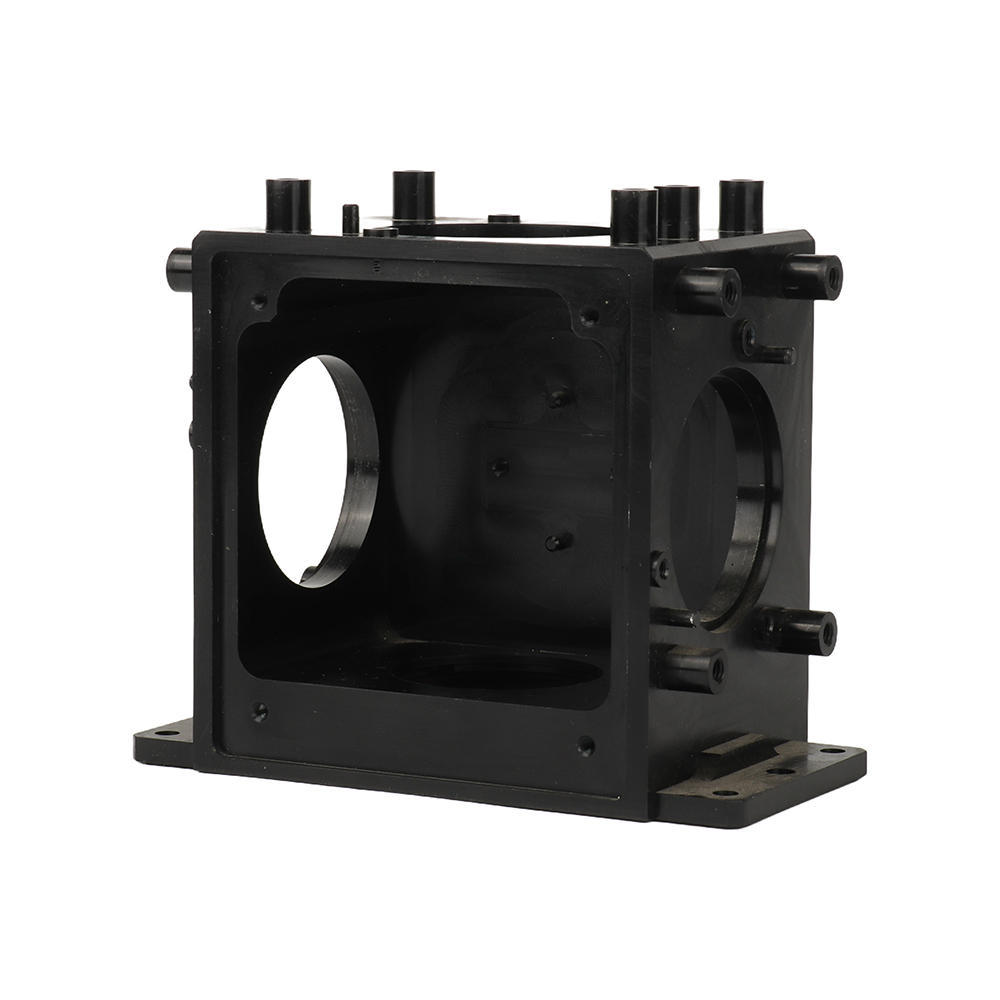
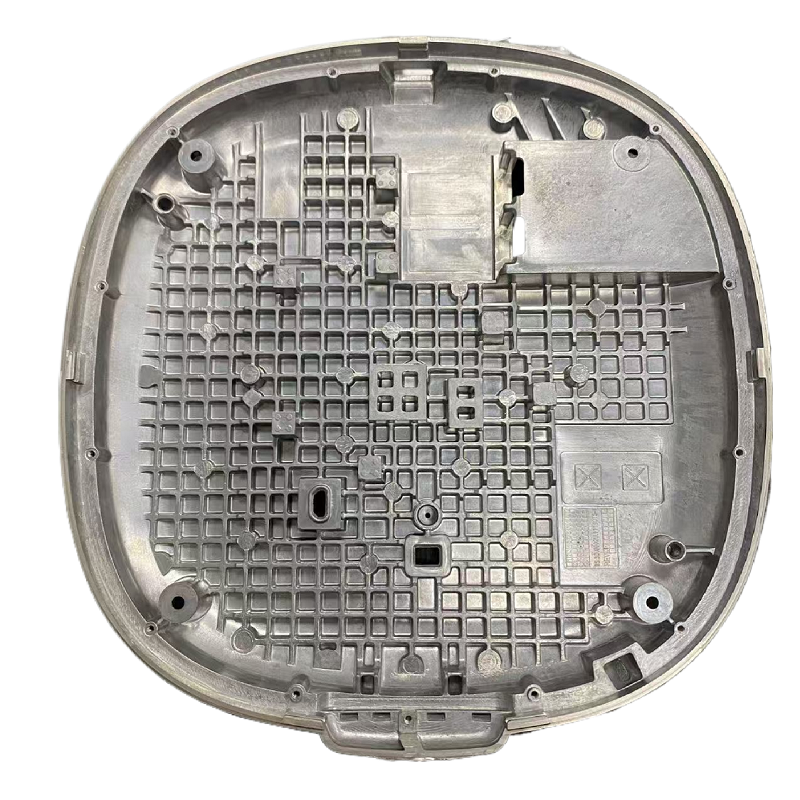
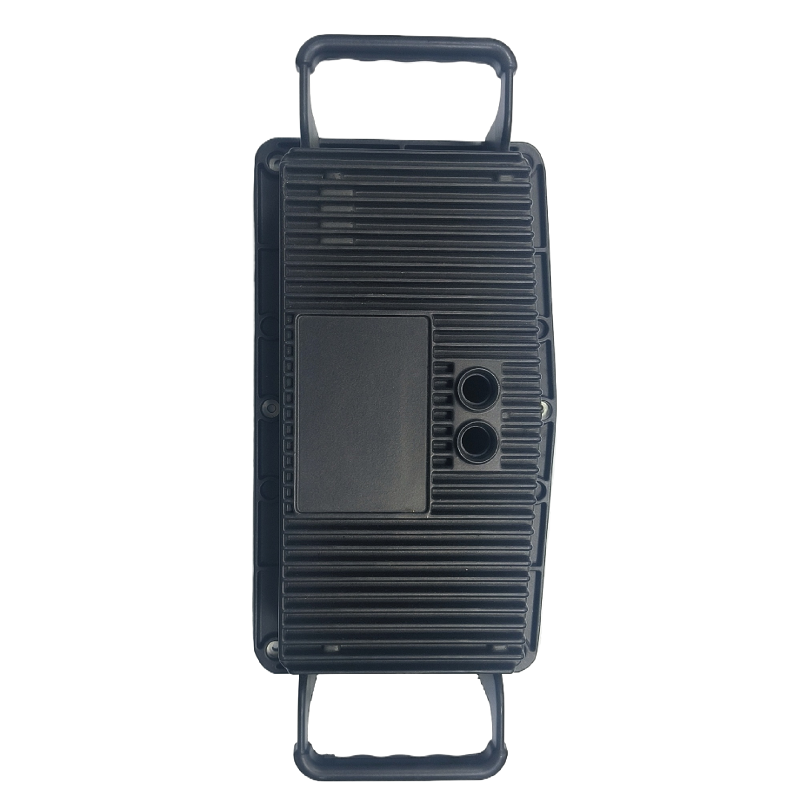
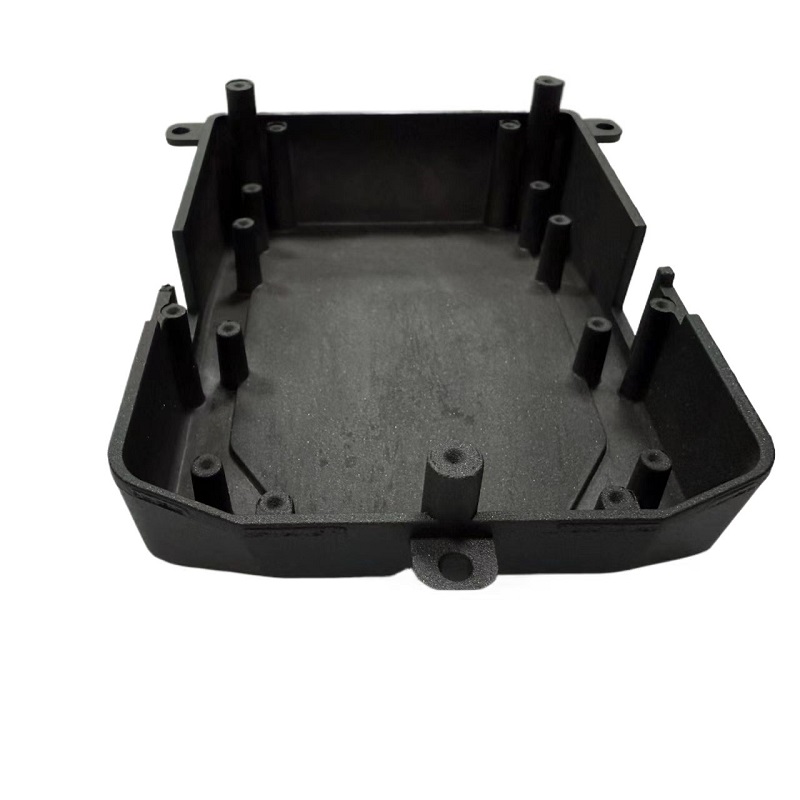
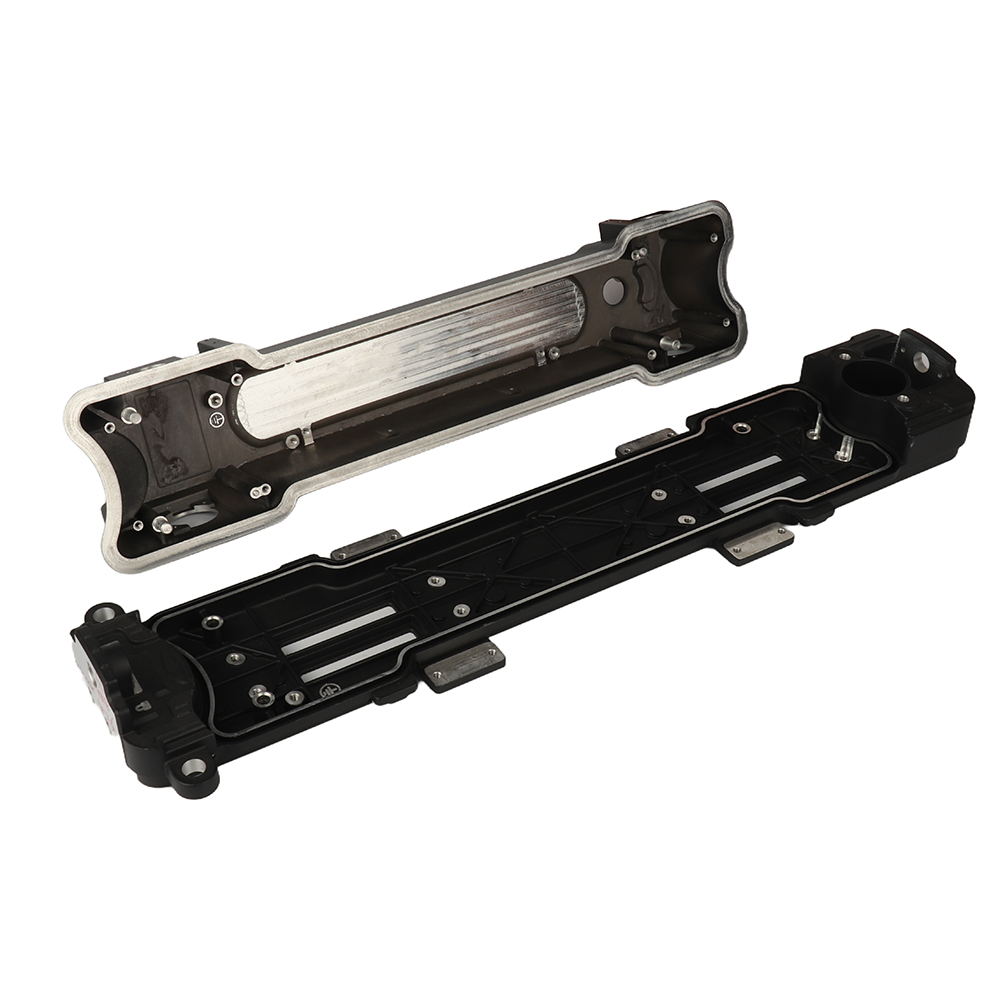
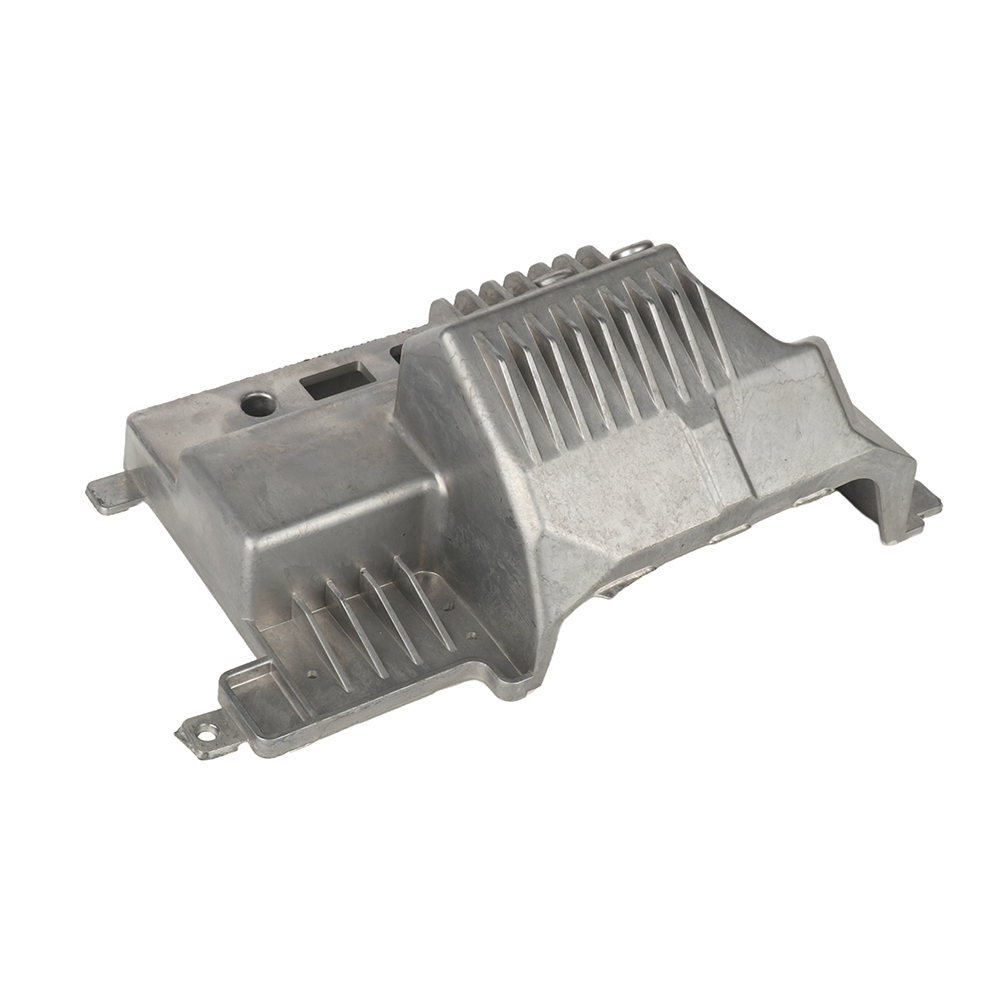
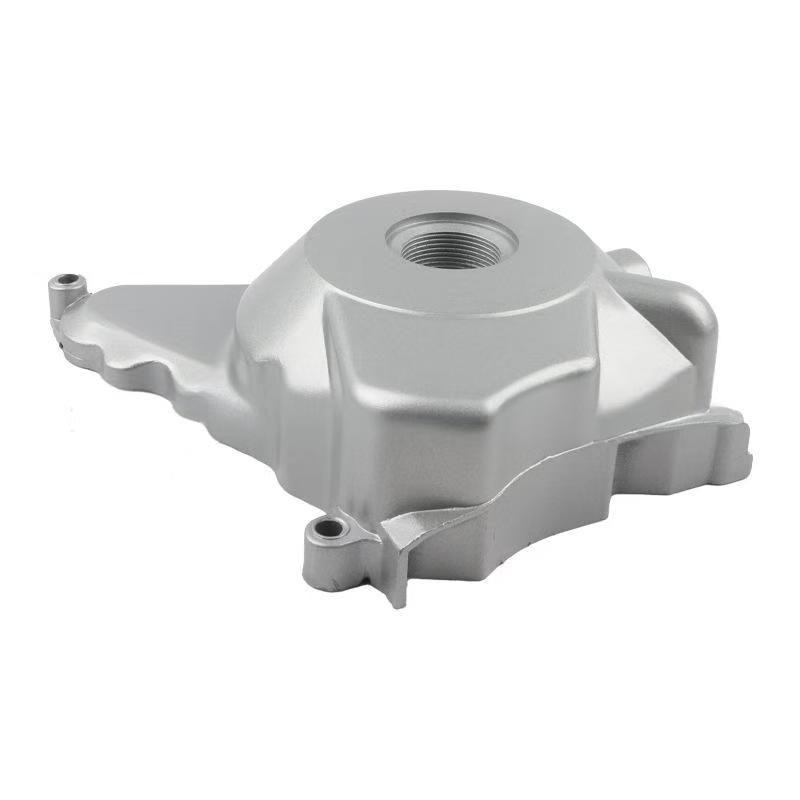
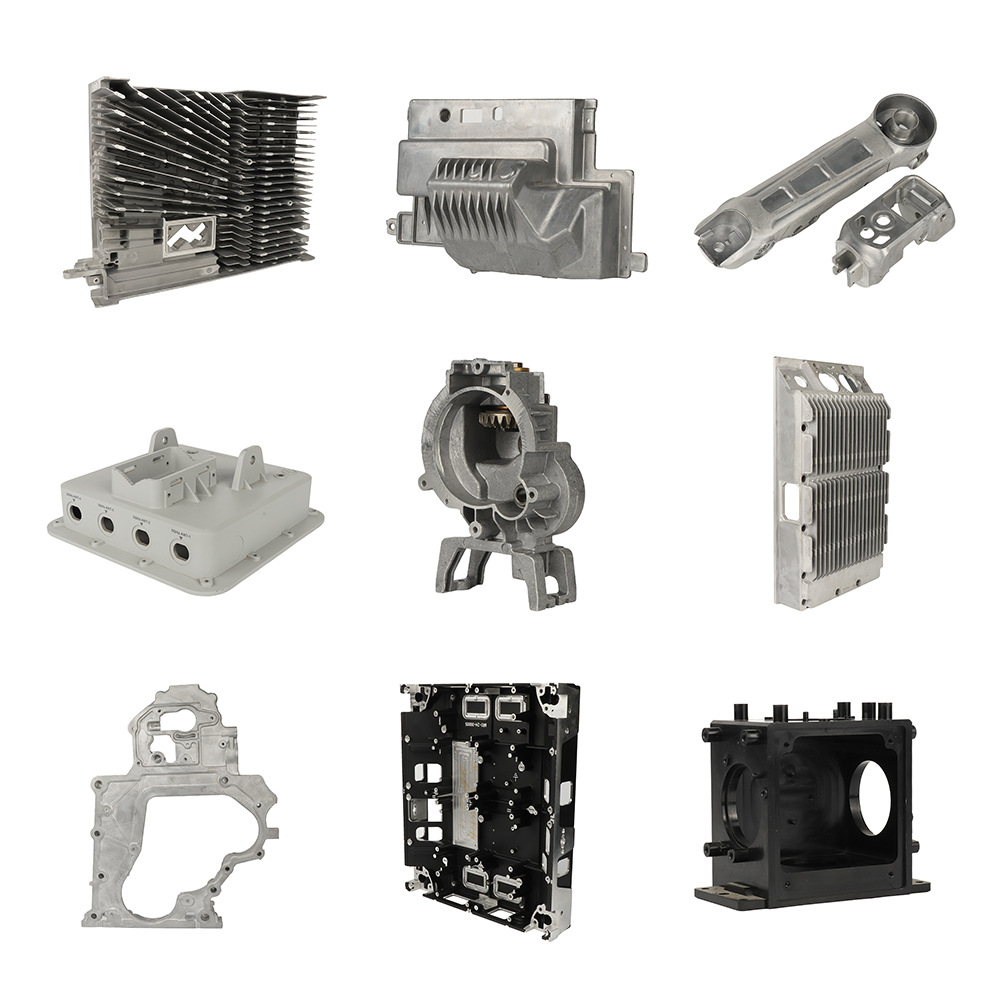
Surface polishing | What is surface polishing of die casting products? Benefits, Key Points & FAQs
What is Surface Polishing of Die Casting Products? Benefits, Key Points & FAQs
Table of Contents
- Introduction to Surface Polishing of Die Casting Products
- What Exactly is Surface Polishing of Die Casting Products?
- Core Definition of Surface Polishing of Die Casting Products
- Common Polishing Methods for Die Casting Products
- Key Focus Points of Surface Polishing for Die Casting Products
- Surface Roughness Standards (Critical Benchmarks)
- Material Compatibility & Polishing Suitability
- Process Consistency & Defect Avoidance
- Core Functions of Surface Polishing of Die Casting Products
- Top Benefits of Surface Polishing of Die Casting Products
- Aesthetic Enhancement (Consumer-Facing Value)
- Functional Performance Improvement
- Cost Reduction & Production Efficiency
- Extended Product & Mold Lifespan
- Expert Insights on Surface Polishing of Die Casting Products
- Frequently Asked Questions (FAQs)
- Conclusion
Introduction to Surface Polishing of Die Casting Products
Die casting is a widely used manufacturing process for producing high-precision, complex metal parts efficiently—utilized across automotive, electronics, aerospace, and consumer goods industries. However, die casting products often have rough, uneven surfaces straight from the mold, with imperfections like tool marks, parting lines, burrs, or micro-defects. This is where surface polishing of die casting products becomes indispensable. More than just a cosmetic enhancement, surface polishing of die casting products is a critical post-processing step that optimizes both the appearance and performance of die-cast parts. In this blog, we’ll break down what surface polishing of die casting products is, its key focus points, core functions, top benefits, expert perspectives, and answer the most common industry questions to help you gain a comprehensive understanding.
What Exactly is Surface Polishing of Die Casting Products?
Core Definition of Surface Polishing of Die Casting Products
Surface polishing of die casting products refers to a series of post-processing techniques designed to refine the surface of die-cast metal parts, eliminating imperfections, reducing surface roughness, and enhancing both appearance and functionality. Unlike simple cleaning or grinding, surface polishing of die casting products involves controlled material removal (or non-abrasive refinement) to create a uniform, smooth surface that meets industry standards and application requirements. It targets common die casting flaws—such as burrs, mold marks, porosity, and unevenness—to transform raw die-cast parts into high-quality components ready for end use.
Common Polishing Methods for Die Casting Products
The choice of polishing method depends on the die casting material (e.g., aluminum, zinc, magnesium), desired surface finish, and application. Here are the most common methods used in surface polishing of die casting products:
- Mechanical Polishing: The most widely used method, involving abrasive tools (e.g., sandpaper, polishing wheels, buffing pads) to grind and smooth the surface. It’s ideal for achieving high-gloss finishes on consumer-facing parts.
- Chemical Polishing: Uses chemical solutions to dissolve surface imperfections, creating a smooth, uniform finish without mechanical abrasion. Suitable for complex-shaped parts that are hard to polish mechanically.
- Electropolishing: An electrochemical process that removes a thin layer of metal from the surface, resulting in a highly smooth, corrosion-resistant finish. Commonly used in aerospace and medical die casting applications.
- Ultrasonic Polishing: Uses ultrasonic vibrations to drive abrasive particles, effectively polishing hard-to-reach areas (e.g., small holes, intricate grooves) in die casting products.
Key Focus Points of Surface Polishing for Die Casting Products
To ensure effective surface polishing of die casting products, manufacturers must focus on three critical areas—standards, compatibility, and consistency. These focus points directly impact the quality and reliability of the finished product.
Surface Roughness Standards (Critical Benchmarks)
Surface roughness (measured in Ra, or arithmetic mean deviation) is a key benchmark for surface polishing of die casting products. Different industries have specific Ra requirements: for example, automotive interior parts typically require Ra ≤ 0.8 μm, while aerospace components may need Ra ≤ 0.2 μm. Polishing processes must be calibrated to meet these standards, as excessive roughness can lead to friction, corrosion, or poor adhesion of coatings (e.g., paint, plating).
Material Compatibility & Polishing Suitability
Not all die casting materials respond the same way to polishing. Aluminum die castings, for example, are relatively easy to polish and can achieve high-gloss finishes, while magnesium die castings require gentler methods to avoid surface damage. Surface polishing of die casting products must be tailored to the material’s hardness, ductility, and composition to prevent defects like scratching, warping, or material loss.
Process Consistency & Defect Avoidance
Consistency is vital in mass-produced die casting products. Surface polishing of die casting products must maintain uniform results across all parts—variations in surface finish can lead to product inconsistency and customer dissatisfaction. Additionally, polishers must avoid common defects like over-polishing (which weakens the part), under-polishing (leaving imperfections), or uneven polishing (creating new surface irregularities).
Core Functions of Surface Polishing of Die Casting Products
Surface polishing of die casting products serves two primary functions: functional optimization and aesthetic refinement. These functions work together to make die-cast parts more valuable and suitable for their intended use:
- Functional Optimization: Polishing reduces surface friction, improves corrosion resistance, and enhances the part’s ability to withstand wear and tear. For example, polished die casting components in automotive engines experience less friction, leading to better performance and longer lifespan.
- Aesthetic Refinement: Polishing eliminates unsightly imperfections, creating a smooth, uniform, or high-gloss surface. This is critical for consumer-facing products (e.g., electronics casings, automotive trim) where appearance directly impacts brand perception and customer demand.
Top Benefits of Surface Polishing of Die Casting Products
Investing in surface polishing of die casting products delivers significant benefits for manufacturers, end-users, and the overall product lifecycle. Below are the most impactful advantages:
Aesthetic Enhancement (Consumer-Facing Value)
A polished surface instantly elevates the visual appeal of die casting products. Surface polishing of die casting products removes tool marks, burrs, and discoloration, creating a sleek, professional finish that stands out in competitive markets. For consumer goods like smartphones, laptops, or automotive interiors, a polished surface signals quality and attention to detail—directly boosting customer satisfaction and brand loyalty.
Functional Performance Improvement
Polished die casting parts perform better in their applications. Reduced surface roughness minimizes friction, which is critical for moving parts (e.g., gears, valves) in machinery and automotive systems. Additionally,surface polishing of die casting products closes micro-pores on the surface, preventing moisture and contaminants from entering—improving corrosion resistance and extending the part’s functional lifespan.
Cost Reduction & Production Efficiency
While surface polishing of die casting products is an additional post-processing step, it reduces long-term costs. Polished parts require less maintenance, have fewer defects, and are less likely to fail prematurely—lowering replacement and repair costs. Additionally, a smooth surface improves the adhesion of coatings (e.g., paint, plating), reducing the need for rework and improving production efficiency.
Extended Product & Mold Lifespan
Surface polishing of die casting products not only benefits the finished part but also the die casting mold. By removing imperfections from the part’s surface, the mold experiences less wear and tear during subsequent casting cycles. This extends the mold’s lifespan, reducing the frequency of mold replacement and lowering production costs over time.
Expert Insights on Surface Polishing of Die Casting Products
To gain a deeper understanding of surface polishing of die casting products, we spoke with Sarah Johnson, a senior materials engineer with 15 years of experience in die casting post-processing and quality control.
“Many manufacturers underestimate the importance of surface polishing of die casting products—they see it as a ‘nice-to-have’ rather than a ‘must-have.’ But the reality is, polishing directly impacts both performance and profitability. A poorly polished part can lead to corrosion, friction-related failures, or customer returns, which are far more costly than investing in proper polishing upfront. The key is to match the polishing method to the material and application—there’s no one-size-fits-all approach. For example, aluminum die castings thrive with mechanical polishing for high gloss, while magnesium parts require chemical polishing to avoid damage. When done correctly, surface polishing of die casting products transforms a basic component into a high-quality, durable product that meets industry standards and customer expectations.”
— Sarah Johnson, Senior Materials Engineer, DieCast Innovations Inc.
Frequently Asked Questions (FAQs) About Surface Polishing of Die Casting Products
Q1: Is surface polishing necessary for all die casting products?
A1: No, but it is highly recommended for most. Parts used in internal machinery (where appearance doesn’t matter) may not require polishing, but any part that interacts with other components (to reduce friction), is exposed to the elements (to resist corrosion), or is consumer-facing (for aesthetics) will benefit from surface polishing of die casting products.
Q2: How does surface polishing affect the strength of die casting products?
A2: When done correctly, surface polishing of die casting products does not weaken the part. In fact, it can improve strength by removing surface defects (e.g., micro-cracks) that could lead to premature failure. Over-polishing, however, can remove too much material and reduce strength—so proper process control is key.
Q3: What is the difference between surface polishing and grinding for die casting products?
A3: Grinding is a rough material removal process used to eliminate large imperfections (e.g., excess material, burrs). Surface polishing of die casting products is a more precise process that refines the surface after grinding, reducing roughness and creating a smooth or glossy finish. Grinding is often a precursor to polishing.
Q4: How much does surface polishing add to the cost of die casting products?
A4: The cost depends on the polishing method, material, and desired finish—typically 10-25% of the total die casting cost. However, this cost is offset by reduced defects, longer product lifespan, and higher customer satisfaction. For high-value products (e.g., aerospace components), the investment in surface polishing of die casting products is often negligible compared to the benefits.
Q5: Can surface polishing fix all die casting surface defects?
A5: No. Surface polishing of die casting products can fix surface-level defects (e.g., tool marks, burrs, micro-porosity), but it cannot repair internal defects (e.g., cracks, large pores) or structural issues. Proper die casting process control is still necessary to minimize defects before polishing.
Conclusion
Surface polishing of die casting products is far more than a cosmetic upgrade—it is a critical post-processing step that enhances functionality, improves durability, and boosts the value of die-cast parts. By focusing on surface roughness standards, material compatibility, and process consistency, manufacturers can achieve high-quality, consistent results that meet industry requirements and customer expectations. The benefits—from improved performance and extended lifespan to cost reduction and better aesthetics—make surface polishing of die casting products an essential investment for any die casting operation.
Whether you’re producing automotive components, consumer electronics, or aerospace parts, understanding and implementing effective surface polishing of die casting products will set your products apart in a competitive market. By following best practices, working with experienced professionals, and choosing the right polishing method for your material and application, you can unlock the full potential of your die casting products.
Casting | What is ADC12 die casting? A Comprehensive Guide
Production line assembly | What is die casting production line assembly? Key Points, Benefits & Expert Insights
Related Article


